The Best Places to Travel and Photograph in August
August doesn't ease you in gently. By the time the month arrives, you're either committing to extended daylight in the far north or positioning yourself where seasonal wildlife events peak. This is not the time to wander. Cape Town's whales are calving at their height. The Swiss Alps are carpeted in wildflowers. Norway's fjords stretch golden hour across the entire evening. The Galápagos are thick with courtship displays and newborn sea lions. Nova Scotia's coastline is alive with fishermen and puffins. These are not things you can photograph any other month. They happen in August, and then they are gone for another year.
Every destination on this list earned its place for one reason. August is genuinely one of the best months to photograph it. Not year-round. Not whenever it's convenient. This month, specifically. That is the only standard that mattered when building this guide.
These five destinations were chosen for photographers, based on what August offers specifically: peak light conditions, alpine bloom, coastal wildlife activity, and extended daylight hours. Quality came before popularity, and no destination made this list simply because a guide already exists for it.
Cape Town, South Africa
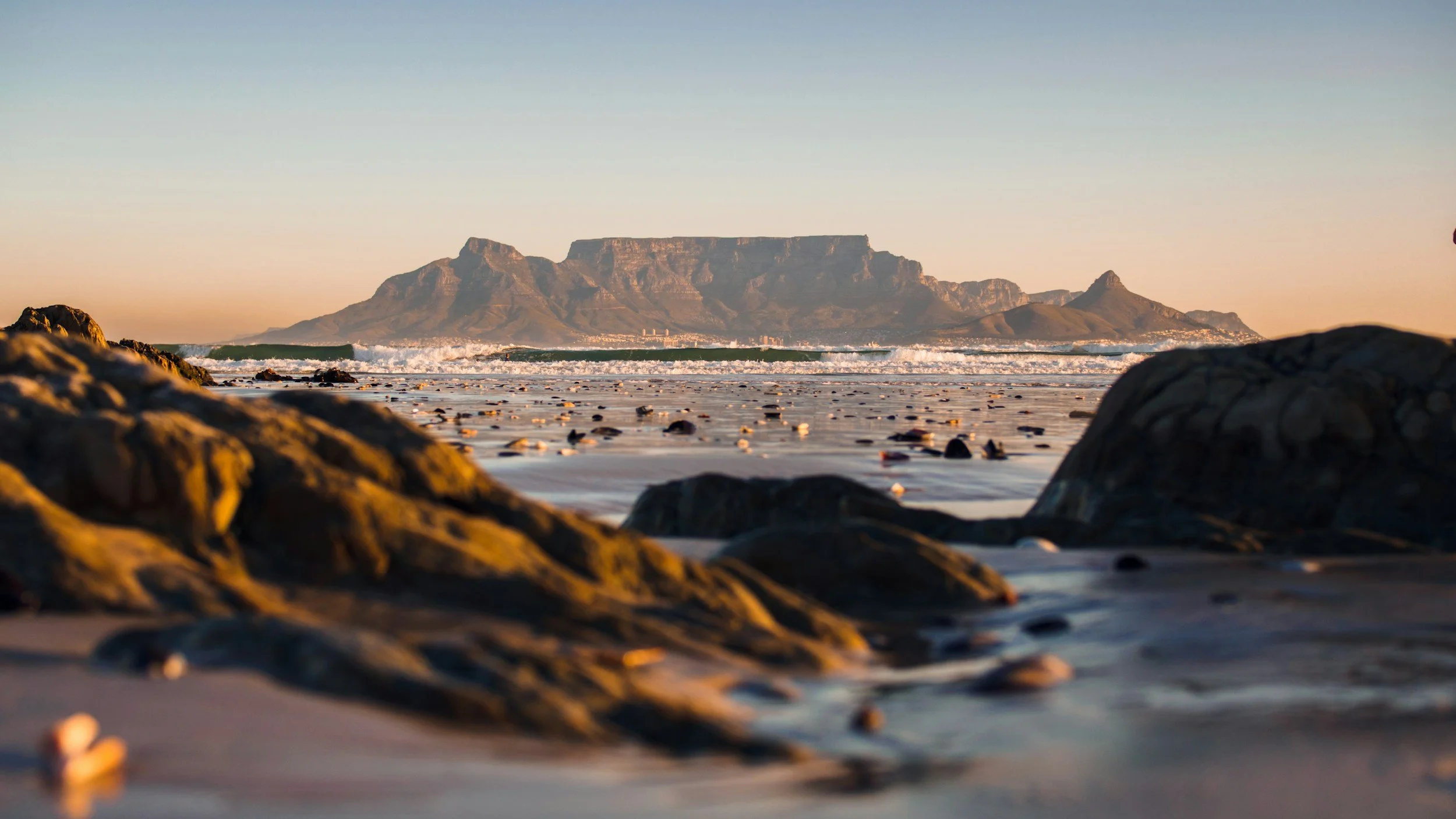
The first time you stand on Table Mountain in August and look down at Cape Town wrapped between sea and cliffs, you understand why this city has made photographers return again and again. Beyond the mountain views, you have the coastline, the Winelands nearby with incredible food and wine, and some of the friendliest people you'll meet anywhere. But August is not just about the city. August is about the water.
Southern right whales arrive in Cape Town's bays to mate and calve, and peak calving season happens right now. The whales come close to shore, close enough that you can photograph them breaching from clifftop vantage points without a boat. The winter light here is dramatic and low. Storm systems roll in fast, and when they pass, wet rock doubles every color. The coastline becomes a study in texture and reflection.
Why August
Peak whale season runs from June through November, but calving peaks in August and September. The water is coldest now, which concentrates the whales closer to shore. Winter light (June to August) brings storm skies and moody conditions that make landscape photography sing. It's off-season for summer crowds, which means more space on clifftops and in viewfinders.
Photography Highlights
Southern right whales are breaching and spy-hopping close to shore. The rocky coastlines of Hermanus and De Kelders from above. Chapman's Peak Drive in dramatic light. Table Mountain at sunrise with city lights still glowing below. Boulders Beach with African penguins. Bo-Kaap's pastel architecture reflected in wet streets after rain.
Best Time to Photograph
Early morning, 6 am to 8 am, for whale activity and mountain light. Late afternoon, 4 pm to 6 pm, for the low winter sun hitting the city and coast. The hour after a storm passes is often the best light of the day.
Photography Tips
Bring a telephoto lens, 70-200mm minimum, for whale shots from shore. A wide-angle, 16-35mm, works for landscape and mountain contexts. A polarizer cuts glare off water and wet rock. If you're on a boat, a 100-400mm gives you range without requiring constant movement. For iPhone, use portrait mode for whale shots to isolate subjects from busy backgrounds. Avoid shooting directly into the sun unless you're intentionally silhouetting whales against backlit water.
What to Watch Out For
Winter weather can shut down shoots without warning. Wind picks up fast, especially on exposed clifftops. The seas get rough, which cancels boat tours. Visibility drops when fog rolls in from the Atlantic. Book your whale watching tours early, because August is peak season and operators fill weeks in advance. Stay at least 50 meters from whales on land, and never approach nesting penguins.
Planning Notes
Hermanus and De Kelders offer the best land-based whale watching. Stay in Hermanus, about 120 km from Cape Town, if whales are your priority. Table Mountain has multiple access routes: the rotating cable car, which you should book early, or the hike up Platteklip Gorge, about 45 minutes, and steep but rewarding for light. Chapman's Peak Drive is a scenic coastal drive south of Cape Town, best shot in late afternoon. Bring layers. Winter mornings run 50 to 59°F (10 to 15°C), and afternoons warm to 59 to 68°F (15 to 20°C). The Winelands are a 45-minute drive if you want to combine landscape and food in one trip.
📷 Pro Photographer Tip
The light in Cape Town after a storm passes is unlike anywhere else. Locals will tell you to wait for clear skies. Don't. The moment the rain stops and the sun breaks through dark clouds, the whole landscape saturates. Wet rock gleams, mountains glow, and the contrast between storm cloud and golden light is genuinely unbeatable. Position yourself on a clifftop facing south, watch the weather radar on your phone, and be ready to move the instant the light shifts. Those windows last 20 minutes, sometimes less.
I've photographed Cape Town four times now, and every trip reveals something new. The guide I wish I'd had on my first visit is here: Cape Town Photography Guide. It covers Table Mountain timing, the best whale watching operators, how to work Chapman's Peak for light, and where to find the quiet corners most visitors miss.
The Swiss Alps
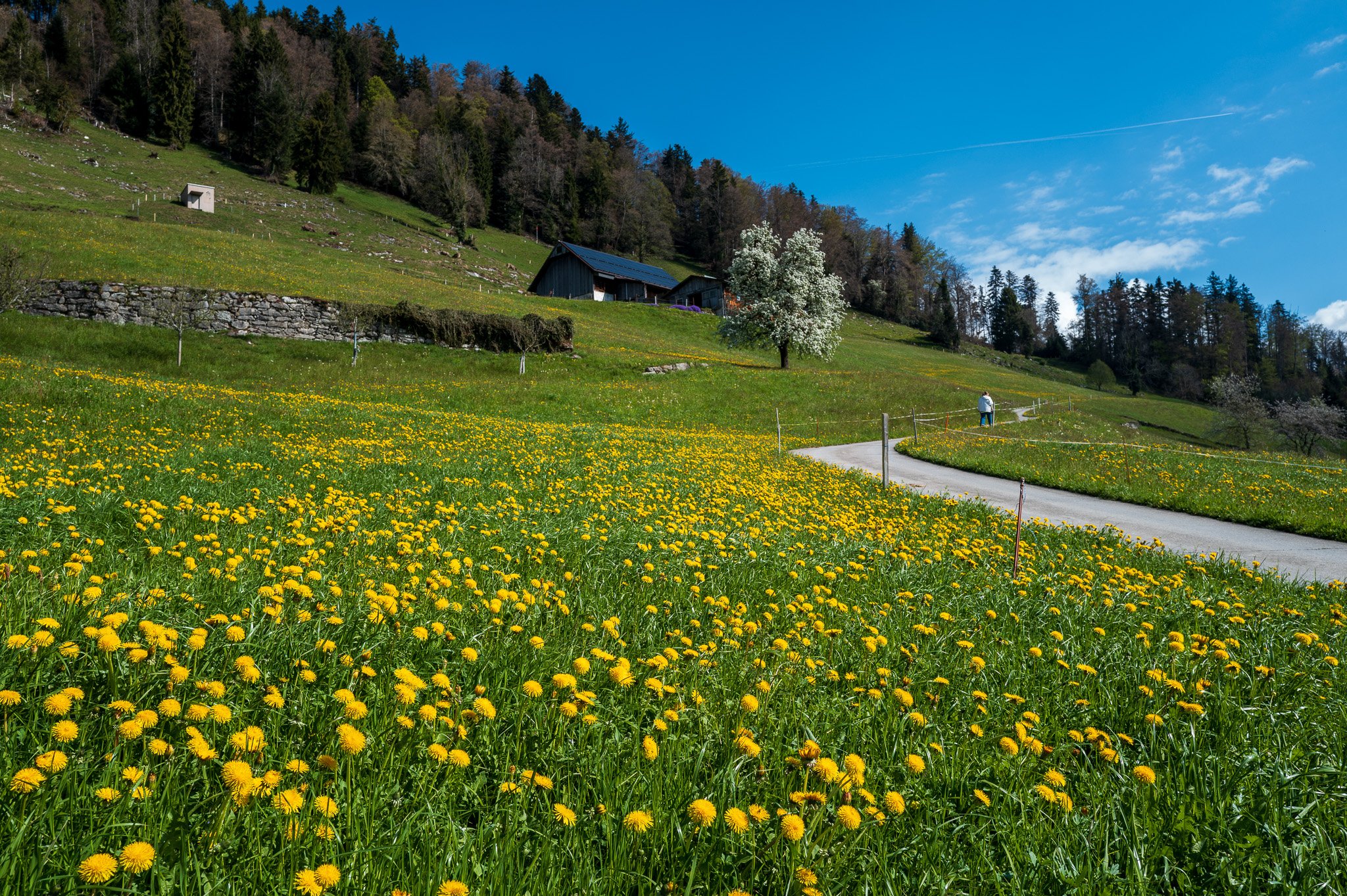
The drive through the Swiss Alps in August is a study in how light behaves when it has to travel through mountains. You're climbing through valleys where the sun hits angles it never reaches on flatter terrain, past cows standing in alpine meadows that have exploded into wildflower bloom. This is peak season for a reason. The weather is at its most stable, and the meadows are carpets of color.
If you base yourself in Interlaken, you're within day-trip distance of some of the most photographed mountains on earth, the Eiger, Mönch, and Jungfrau, but also within reach of quieter alpine flower trails that most tourists miss because they're chasing the famous peaks. The light in August is soft enough for extended golden hour, especially at higher elevations. The water is cold and clear, reflecting mountains in the lake's surface that rarely ripple.
Why August
Alpine wildflower bloom peaks in August. The carpet of color reaches its maximum before the season ends, and farmers begin harvesting. The weather is most stable now, though it can still shift fast. The light is lower and warmer than in June or July, creating longer golden hour windows. Snow has melted from lower passes, opening hiking routes that were impassable earlier in the summer.
Photography Highlights
Alpine meadows in full wildflower bloom against snow-capped peaks. Lake reflections at Oeschinensee, Lake Blausee, and Seealpsee. Mountain passes and switchbacks with cows grazing in wildflower fields. Golden hour light hitting the Eiger's north face. Wildflowers as close-up subjects against a mountain backdrop. Dawn mist settles in the valleys below the high passes.
Best Time to Photograph
Sunrise, 5 am to 7 am, for soft light and mist in valleys. Golden hour begins around 7 pm and stretches until nearly 10 pm in August, giving you close to three hours of warm, directional light. Blue hour, the 30 minutes after sunset, is exceptional for moody mountain shots.
Photography Tips
Bring a wide-angle lens, 16-35mm, to capture the relationship between meadow and peak. A telephoto, 70-200mm, isolates flower detail against the mountain backdrop. An ND filter is essential for long exposures of water reflections in bright conditions. A macro or close focus lens reveals the texture in alpine flowers. For iPhone, use landscape mode and tap the peaks to expose for mountains while keeping meadows from blowing out. A polarizing filter cuts reflection off water and saturates the sky.
What to Watch Out For
Alpine weather shifts fast. A clear morning can turn overcast and rainy by afternoon. Higher elevations still carry patchy snow in August, which can create hazardous hiking conditions. The famous viewpoints draw crowds from 9 am to 5 pm. Wildflower bloom timing varies by elevation and weather, so check with local tourism offices for current conditions before you plan a specific hike.
Planning Notes
Interlaken is the logical base, with easy access to Schynige Platte, a flower trail with Eiger views, and Allmendhubel, a flower park with a peak backdrop. Take the mountain train or cable car to higher elevations, since hiking time is significant and the weather is unpredictable. Book train tickets in advance during peak season. Accommodation ranges from luxury options in nearby Bern to mid-range chalets in Interlaken proper. August temperatures run 59 to 68°F (15 to 20°C) in valleys and 41 to 50°F (5 to 10°C) at higher elevations. Bring layers and rain gear regardless of the forecast.
📷 Pro Photographer Tip
The meadows photograph better when the light angles across them, not overhead. Shoot from positions where the low sun skims the flower surfaces, creating texture and shadow play rather than flat color. Early morning and late evening deliver this. The middle of the day, even in August, is surprisingly harsh in high alpine terrain. Plan your route to stay on the shaded side of peaks during midday, then move to sunlit slopes for golden hour.
I've shot the Swiss Alps in every season, and August wildflowers are genuinely the peak. The detailed guide covering Schynige Platte timing, wildflower technique, and how to navigate the Interlaken region for light is here: Interlaken Photography Guide. It also covers Zermatt and the Matterhorn if you want to extend the trip.
The Norwegian Fjords
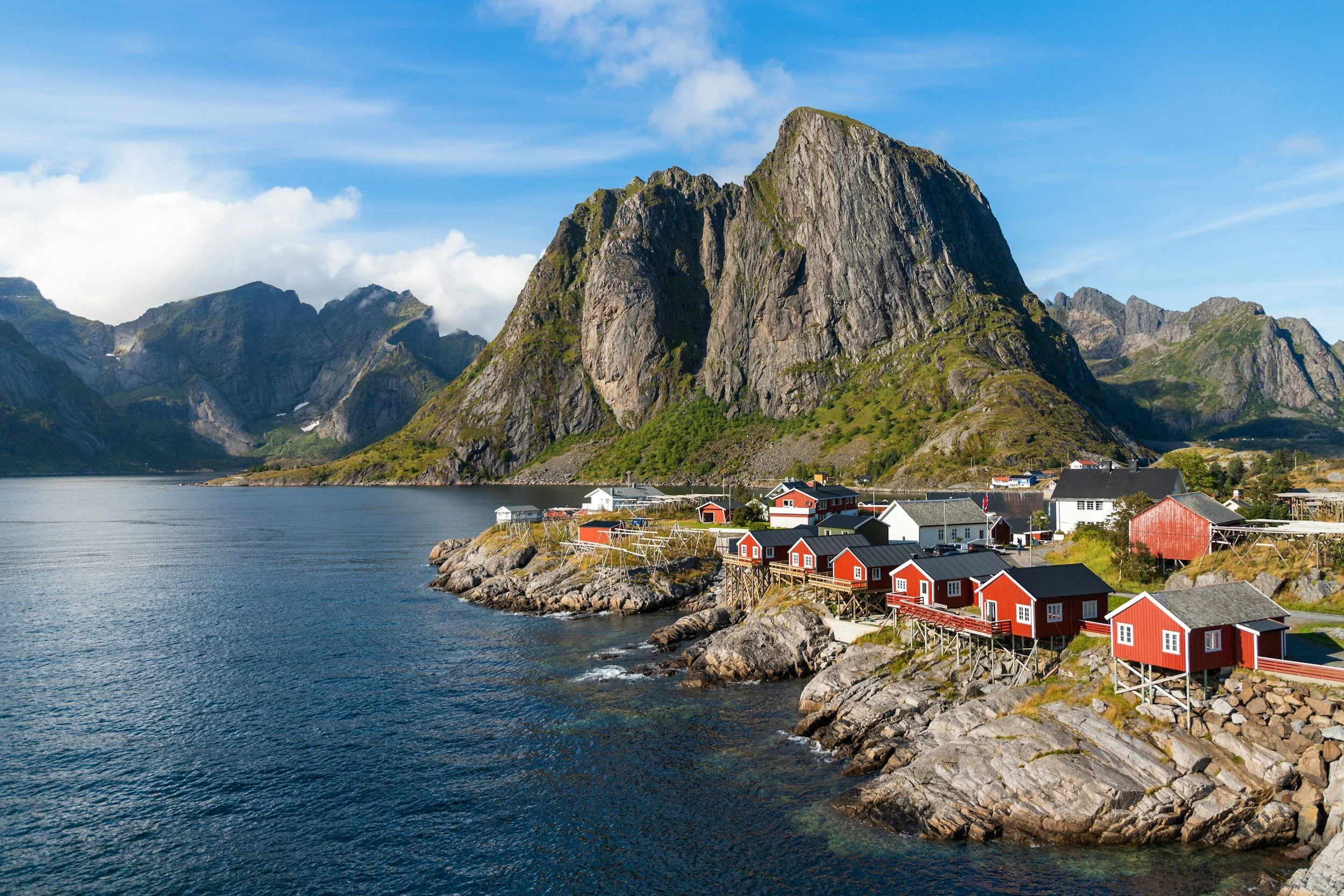
There is nothing like getting on a ship and moving through the fjords. The scale is immediate. The light, in August, is almost unreal. You're shooting in extended daylight that doesn't fully fade until nearly midnight, which means golden hour doesn't end at 8 pm. It continues. The water is calm, the waterfalls still run strong from snowmelt, and if you base yourself in Bergen, you can take the Norway in a Nutshell tour and experience the Sognefjord and Nærøyfjord in a single day, or rent a car and drive the scenic routes at your own pace.
The overlook in Bergen itself is iconic. Stand at the top of Fløyen at dusk and watch the harbor lights begin to flicker on, the wooden houses of Bryggen glowing amber against dark water, seven mountains pressing in from every side. The food and the fish here are excellent, and that view over the city is something every photographer should stand in front of at least once.
Why August
Extended daylight means 14 to 16 hours of usable light per day. Golden hour stretches from around 8 pm into late dusk for hours instead of minutes. The fjords are still green and dramatic. Water is calmest in August, creating mirror reflections that are rare in other months. Summer warmth makes shooting comfortable, and tourist season is active but beginning to thin compared to July.
Photography Highlights
Fjord scale and waterfalls from a boat perspective. Bryggen's wooden facades reflected in still harbor water at dusk. The overlook from Fløyen with city lights and mountain backdrop. Narrow fjord passages, especially Nærøyfjord, in soft evening light. Mountain light hits cliffsides at steep angles. Waterfalls in full flow during golden hour.
Best Time to Photograph
Golden hour begins around 7 pm and continues until nearly midnight in early August, shortening to around 9 pm by month's end. Blue hour, the 30 to 40 minutes after sunset when the sky retains color but the sun sits below the horizon, is exceptional for city lights and fjord reflections. Early morning, 5 am to 7 am, delivers soft light and mist in the valleys.
Photography Tips
Bring a wide-angle lens, 16-35mm, to capture fjord scale and mountain context. A telephoto, 70-200mm, isolates distant peaks and waterfall detail. A circular polarizer cuts water reflection and deepens sky color. ND filters help with long exposures during extended daylight. For iPhone, use landscape mode for fjord shots and portrait mode to isolate waterfalls from busy backgrounds. If you're shooting from a boat, secure your tripod firmly and use faster shutter speeds to eliminate camera shake from vessel movement.
What to Watch Out For
August is peak tourist season, which means the most famous fjords can get crowded with cruise ship passengers. The weather can turn fast despite August being the warmest month. Fog and rain are frequent even in summer. Wind picks up on open water. The Norway in a Nutshell tour books up weeks in advance, so reserve early if you want a specific date. Dramatic light windows are brief, so position yourself beforehand.
Planning Notes
Bergen is the logical base. Book the Fløibanen funicular in advance, since it runs every 15 minutes and tickets do sell out. The Norway in a Nutshell day tour departs from Bergen and combines train, bus, and fjord boat segments into a full day. For independent travel, rent a car and drive the scenic routes at your own pace. Stay in Bergen proper or in smaller towns like Flåm, depending on whether you want urban amenities or closer access to hiking. August temperatures run 59 to 66°F (15 to 19°C), with evenings staying mild even close to midnight.
📷 Pro Photographer Tip
Fjord light is deceptive. The water looks calm from shore, but it's rarely mirror flat. Shoot from positions where the light angles across the water surface rather than directly toward you. Side-lit water reveals texture and depth. The most iconic shots occur when storm clouds break apart behind the fjord, creating that light-and-dark contrast. Don't wait for perfectly clear skies. The drama in Norwegian fjord photography comes from the weather, not from sunny days.
I've shot the Norwegian fjords in every season, and August light is unmatched for extended shooting hours. The complete guide covering Bergen, Bryggen timing, Fløyen access, and how to navigate the surrounding fjord region is here: Bergen Photography Guide. It includes equipment recommendations for boat shooting and weather contingency planning.
The Galápagos Islands
Walking on those beaches and small islands, seeing wildlife come closer than you'd ever expect, is something you don't forget for the rest of your life. The Galápagos sit right on the equator, which means the light is consistent year-round and the wildlife is abundant every day. But August is when specific events peak. Blue-footed boobies on Española Island are in active courtship displays. Sea lion pups are being born en masse in the western and central islands. Giant tortoises are arriving in the Santa Cruz lowlands to begin nesting. Three distinct wildlife events overlap in a single month.
The tours here are exceptional. You land on islands few people ever reach, walk alongside animals with no fear of cameras, and document behavior you simply cannot see anywhere else on earth. This is a location like nothing else in the world, and one that genuinely needs to be protected. Every landing is guided, so you're learning while you shoot.
Why August
Blue-footed booby courtship displays are at peak activity on Española Island, with birds performing elaborate dances that showcase their bright blue feet. August is when this behavior is most intense and most photogenic. Sea lion pups are being born en masse in western and central islands. Giant tortoises arrive in the lowland areas of Santa Cruz to begin their nesting season. Three overlapping wildlife events happening at once is rare anywhere in the world.
Photography Highlights
Blue-footed booby courtship dances, both close up and behavioral. Sea lion mother and pup interactions on the beach. Giant tortoise nesting behavior in the Santa Cruz lowlands. Marine iguanas on volcanic rock. Sea lions hauling out on white sand beaches.
Best Time to Photograph
Early morning, right after sunrise, when wildlife is most active, and light is soft. Midday sun is harsh this close to the equator, so plan your most important shots for the first and last two hours of daylight. Underwater light for snorkeling shots is best between 10 am and 2 pm when the sun is directly overhead.
Photography Tips
A telephoto lens, 100-400mm, gives you reach for wildlife behavior without disturbing it. A wide-angle, 16-35mm, works for beach scenes with sea lions and tortoises in their environment. A waterproof housing or action camera is worth bringing if you plan to snorkel, since marine life here is exceptional. For iPhone, use burst mode for courtship displays and fast movement, since boobies move quickly during their dance sequences.
What to Watch Out For
Strict guide accompaniment rules limit your positioning freedom. You cannot wander off trail or approach wildlife closer than permitted, even for a better angle. Equatorial light at midday is harsh, and golden hour windows are brief since the sun rises and sets quickly this close to the equator. Book tours well in advance, since access to the islands is tightly regulated and permits are limited.
Planning Notes
Most visitors base themselves on a small ship that moves between islands, since daily access from a single hotel is limited. Book through a licensed operator, since national park rules require certified guides for all landings. Temperatures run consistently year-round, 75 to 84°F (24 to 29°C), with cooler water temperatures around 68 to 72°F (20 to 22°C) in August due to the Humboldt Current. Pack reef-safe sunscreen and expect strong equatorial sun even on overcast days.
📷 Pro Photographer Tip
The blue-footed booby's mating dance follows a rhythm. They lift one foot, then the other, in a deliberate sequence before the display peaks. Watch for a few full cycles before you start shooting continuously, so you understand the pattern and can time your shutter for the peak moment, usually when both feet are lifted and the wings extend. Burst mode helps, but understanding the behavior first gets you a sharper, better-composed shot than spraying frames and hoping.
I've photographed the Galápagos and it remains unlike anywhere else I've shot. The complete guide covering island logistics, wildlife etiquette, and the best photography opportunities by season is here: Galápagos Islands Photography Guide.

Nova Scotia, Canada
Nova Scotia's coastline is stunning in a way that photographs differently every hour. The water will be cold no matter when you visit, and August is no exception, but the coastline, the sunrises, the sunsets, and the fishermen coming into port at dawn make this one of the most underrated photography destinations on this list. If you drive up to Cape Breton, part of Nova Scotia's northern reaches, you can photograph puffins along the coast. Halifax itself is surprisingly good for food, with a strong immigrant community bringing genuinely interesting options into the local scene.
August gives you the mildest weather of the year here, long coastal light, and active wildlife along the shoreline, all without the harsh cold that defines most of the Nova Scotia calendar.
Why August
August is peak whale watching season along the Bay of Fundy and the Atlantic coast, with humpback and minke whales active close to shore. Puffins are still nesting on Cape Breton's cliffs before they head back out to sea for the winter. The weather is at its mildest and most stable, and long coastal daylight gives you extended golden hour over the water. Fishing boats return to port at consistent times, giving you a reliable subject for early morning light.
Photography Highlights
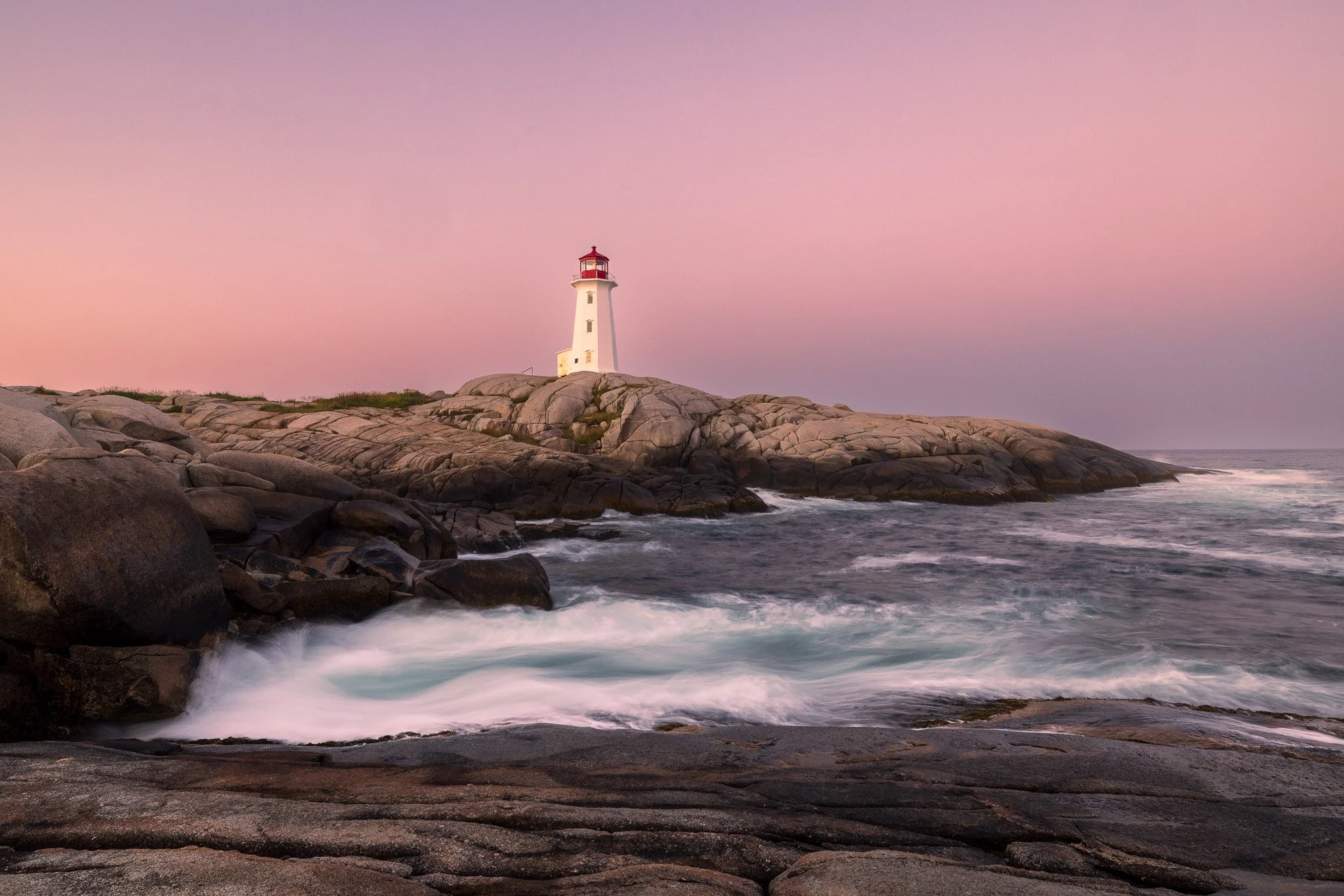
Fishing boats returning to port at dawn in coastal towns like Peggy's Cove. Puffins nesting on cliffs in Cape Breton. Whale breaches along the Bay of Fundy. Lighthouse silhouettes against sunset over the Atlantic. Fog rolling over rocky coastline in early morning light.
Best Time to Photograph
Early morning, 5 am to 7 am, for fishing boats returning to port and coastal fog. Sunset, generally 8 pm to 9 pm in August, for lighthouse silhouettes and warm coastal light. Midday works for whale watching tours, since visibility is best when the sun is higher.
Photography Tips
A telephoto lens, 100-400mm, is essential for whale breaches and puffins on distant cliffs. A wide-angle, 16-35mm, captures the drama of coastline and lighthouse scenes. A polarizing filter cuts glare off the water and deepens the blue of the Atlantic. For iPhone, use burst mode for whale breaches, since the moment is brief and hard to predict.
What to Watch Out For
The water is genuinely cold even in August, so if you're on a whale watching boat, dress warmer than you think you need to. Fog can roll in fast along the coast and shut down visibility with little warning. Cape Breton is a few hours' drive from Halifax, so plan for a full day if puffins are a priority. Whale watching tours depend on sightings, so book operators with strong reputations and flexible rescheduling policies.
Planning Notes
Halifax makes the most practical base, with good food options and easy access to the rest of the province. Peggy's Cove, about 45 minutes from Halifax, is the classic lighthouse and fishing village shot. Cape Breton requires a longer drive, roughly 4 hours from Halifax, so consider staying overnight if you want puffins and the Cabot Trail in the same trip. August temperatures run 61 to 73°F (16 to 23°C) on land, with water staying cold year-round regardless of air temperature. Pack layers even in summer, since coastal wind cuts through fast.
📷 Pro Photographer Tip
The fishing boats in towns like Peggy's Cove return at fairly predictable times each morning, but the light that makes the shot depends entirely on fog. A foggy morning turns a good fishing boat photo into a genuinely great one, with soft diffused light and boats emerging from mist rather than sitting in flat, clear conditions. Check the marine forecast the night before, and if fog is likely, get to the harbor before sunrise, regardless of how unappealing that sounds.
I've photographed the Nova Scotia coastline, and it's one of the most underrated destinations for coastal light in North America. The complete guide covering Peggy's Cove, whale watching logistics, and coastal photography timing is here: Nova Scotia Photography Guide.
Photography Planning Tips for August
Camera gear: This month spans winter light in Cape Town, extended daylight in Norway, and equatorial sun in the Galápagos. A versatile kit matters more than usual. A telephoto zoom, 100-400mm, covers wildlife across every destination on this list. A wide-angle, 16-35mm, lens handles landscape and coastal work.
Lens recommendations: If you can only bring two lenses, a 24-70mm and a 100-400mm, cover nearly everything here, from Bryggen's architecture to a breaching whale off Nova Scotia.
Filters: A circular polarizer is essential across all five destinations, cutting glare off water in Cape Town, deepening sky color in the Alps, and managing reflection in the fjords. An ND filter helps with long exposures, anywhere you're shooting, moving water, or want to smooth out reflections.
Drone considerations: Norway and Switzerland both have strong drone regulations around national parks and populated areas, so check local rules before you fly. The Galápagos prohibits drone use entirely in most protected areas, so leave it at home for that leg of the trip.
Clothing: Layer for temperature swings. Cape Town in August is winter there, so pack for 50 to 68°F (10 to 20°C). The Swiss Alps and Norway both require layers for cool mornings and warmer afternoons. Nova Scotia's coastal wind cuts through even mild air temperatures, so a windproof outer layer matters more than warmth alone.
Weather preparation: Four of these five destinations, Cape Town, the Alps, Norway, and Nova Scotia, involve genuinely unpredictable weather even in their best month. Build flexibility into your itinerary and don't overschedule single-shot opportunities that depend on clear conditions.
Packing tips: Bring extra memory cards and batteries for wildlife-heavy destinations like the Galápagos and Nova Scotia, where you'll be shooting in bursts. A rain cover for your camera bag is worth the weight across nearly every location on this list.
Sunrise and sunset planning: Norway's extended golden hour means you can shoot well past 9 pm and still catch usable light. The Galápagos, by contrast, has fast sunrise and sunset since it sits on the equator, so be in position early. Cape Town and Nova Scotia both reward early starts for wildlife and coastal light.
Frequently Asked Questions
Is August a good month for travel photography? Yes, particularly for destinations where August aligns with a specific seasonal event, like whale calving in Cape Town, alpine wildflower bloom in Switzerland, or extended daylight in Norway. The month rewards photographers who choose destinations based on what's happening there specifically, rather than general summer weather.
What should I pack for a photography trip in August? Pack for temperature variation. Cape Town is in winter during August (50 to 68°F / 10 to 20°C), while Norway and Switzerland run mild (59 to 68°F / 15 to 20°C). Bring layers, a rain cover for your bag, and a polarizing filter regardless of destination.
Is Cape Town's whale season worth planning around? Yes. Southern right whale calving peaks in August and September, and the whales come close enough to shore to photograph without a boat. It's one of the more reliable wildlife photography windows on this list.
When do Swiss alpine wildflowers peak? August is generally the peak month for high alpine wildflower bloom, after lower elevation flowers have already faded but before the season ends and harvest begins.
How long does golden hour last in Norway during August? Golden hour can stretch from around 7 pm to nearly midnight in early August, gradually shortening as the month progresses. This extended window is one of the strongest reasons to visit Norway, specifically in August.
Do I need a guide to photograph in the Galápagos? Yes. National park regulations require certified guides for all landings, and you cannot explore independently. This limits positioning freedom but ensures sustainable access to wildlife.
Is Nova Scotia too cold to visit in August? Air temperatures are mild, 61 to 73°F (16 to 23°C), but ocean water stays cold year-round. If you're on a whale watching boat, dress warmer than the air temperature suggests.
What's the best lens for whale photography from shore? A telephoto lens in the 100-400mm range gives you enough reach to photograph whales breaching from clifftops or beaches without needing a boat.
Should I book August travel to these destinations far in advance? Yes, especially for the Galápagos, Norway's Nutshell tour, and Cape Town whale watching operators. All three have limited capacity and fill up months ahead during peak season.
Do drones work well at all five of these destinations? No. Drones are prohibited in most Galápagos protected areas, and both Norway and Switzerland have restrictions around national parks and populated zones. Check local regulations before you pack one.
Continue Planning Your Next Photography Adventure
Iceland — If Norway's extended daylight appealed to you, Iceland offers a similar late summer light quality with waterfalls still running strong from snowmelt and puffins still active along the coast. My guide covers the Southern Route, the Golden Circle, and the Westfjords in detail: Iceland Photography Guides.
Costa Rica — If the Galápagos wildlife drew you in, Costa Rica's rainforest offers a different kind of biodiversity, with dramatic monsoon skies and some of the richest wildlife density in the Americas. My guide walks through the best regions and seasonal timing: Costa Rica Photography Guide.
Zermatt — If the Swiss Alps left you wanting more mountain drama, Zermatt and the Matterhorn offer some of the most photographed alpine scenery in the world, with a different character than Interlaken's meadows. My guide covers the best viewpoints and timing: Zermatt Photography Guide.
Acadia National Park — If Nova Scotia's coastal light appealed to you, Acadia offers a similar rugged Atlantic coastline a bit further south, with dramatic sunrise light hitting granite cliffs. My guide covers the best photography spots and timing: Acadia National Park Photography Guide.
Tanzania — If the wildlife photography in the Galápagos left you wanting more, Tanzania's Serengeti offers an entirely different scale of wildlife density, though timing matters here more than almost anywhere else. My guide covers when and where to go: Tanzania Photography Guide.
Wrapping Up August
Five destinations, five entirely different reasons to travel this month. Cape Town gives you whales close enough to shore to photograph without a boat. The Swiss Alps hand you wildflower meadows at their absolute peak. Norway stretches golden hour across most of the evening. The Galápagos overlap three distinct wildlife events in a single window. Nova Scotia pairs coastal light with puffins and fishing boats returning to port at dawn.
None of these are here because they're popular in August. They're here because August is genuinely the best month to point a camera at them. Pick one, plan around what makes it exceptional this specific month, and you'll come home with photographs you couldn't have taken any other time of year.
Finally—a beginner-friendly photography guide that makes sense.
If you've ever picked up a camera and thought, "Now what?" this is the book for you.
Photography Made Simple is written for adults who are just starting out and want a clear, encouraging, real-world approach to learning photography. Whether you're using a DSLR, mirrorless, or just your smartphone, this guide walks you through the basics—without the jargon or tech overwhelm.
Inside, you'll learn:
The only camera settings you really need to know to get started
How to shoot sharper, more intentional photos using light and composition
Simple tips for portraits, landscapes, travel, and everyday life
What gear you do (and don’t) need
How to create better photos without upgrading your camera
You’ll also get practical exercises, cheat sheets, and tips for organizing and editing your images—plus the confidence to shoot off Auto Mode for good.
This is not a textbook. It’s a friendly guide to seeing the world with fresh eyes—and finally capturing what you see the way you imagine it.
📸 Format: PDF download
Pages: 100+
Perfect for: Beginners, hobbyists, and anyone ready to take better photos without the stress