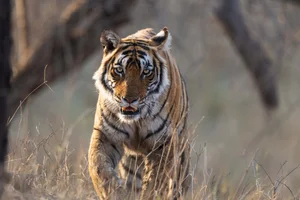
Costa Rica Travel & Photography Guide: Best National Parks, Wildlife, Photo Spots, Map & Hidden Gems
Costa Rica is one of the most photographically rewarding countries on the planet, and I say that having visited over 75 countries with a camera. The country is small enough to drive across in a day, yet it holds more biodiversity than most continents. That combination of access and abundance makes it unlike anywhere else I have traveled.
I have been to Costa Rica several times, and each trip has delivered something I did not expect. You can spend a morning in a misty cloud forest photographing resplendent quetzals, move to an open Pacific beach by afternoon, and end the day watching the sun drop behind Arenal Volcano while howler monkeys call from the canopy. The light here shifts constantly. The subjects are everywhere. You rarely have to wait long for something worth photographing.
What makes Costa Rica special for photographers is not just the wildlife, though the wildlife alone would justify the flight. It is the layers. Volcanic peaks draped in cloud. Rivers running through a jungle that looks like it has never been touched. Mangroves are alive with birds. And underneath all of it, a country that genuinely values conservation. Twenty-six percent of Costa Rica is protected land. That respect for nature shapes the experience from the moment you arrive.
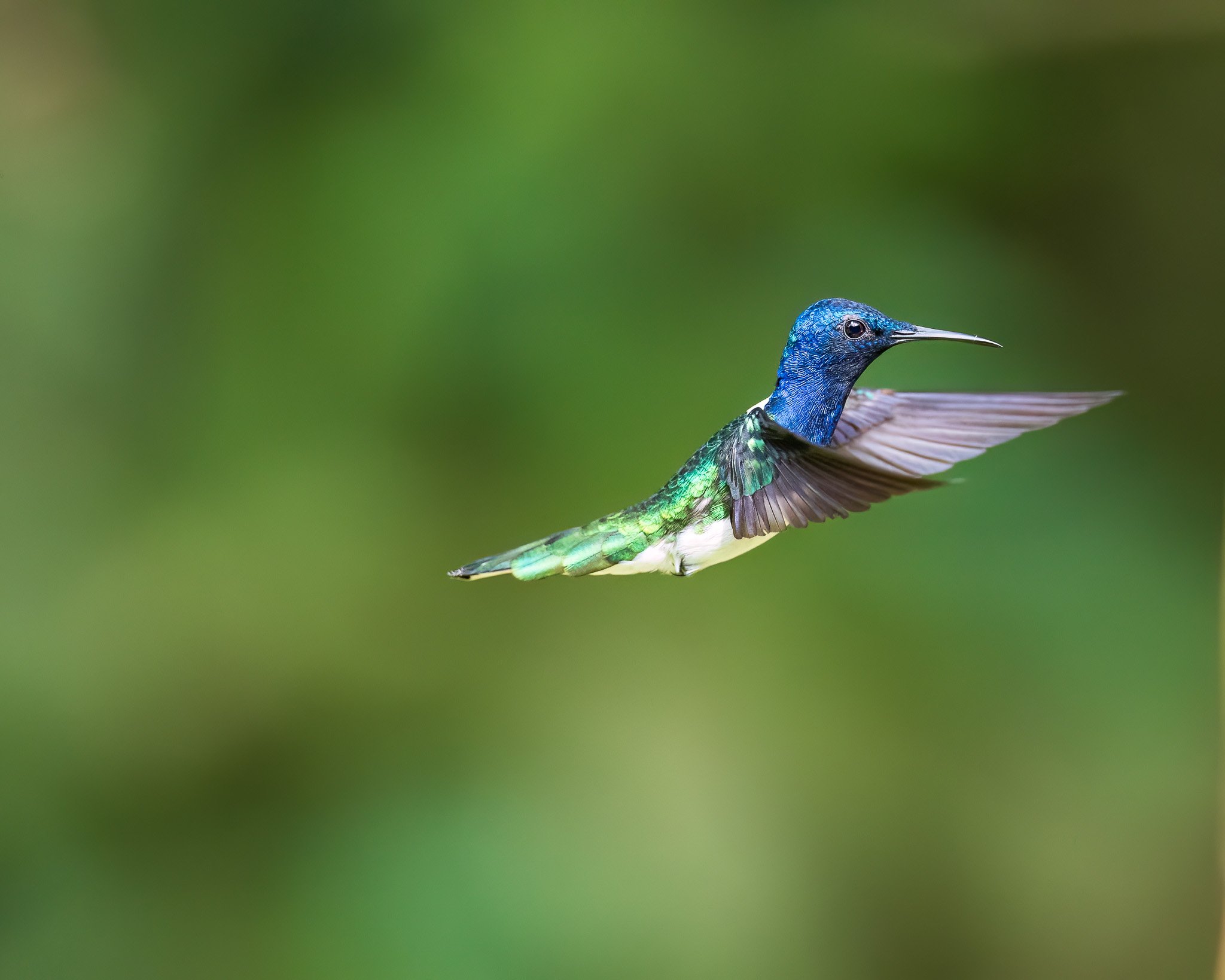
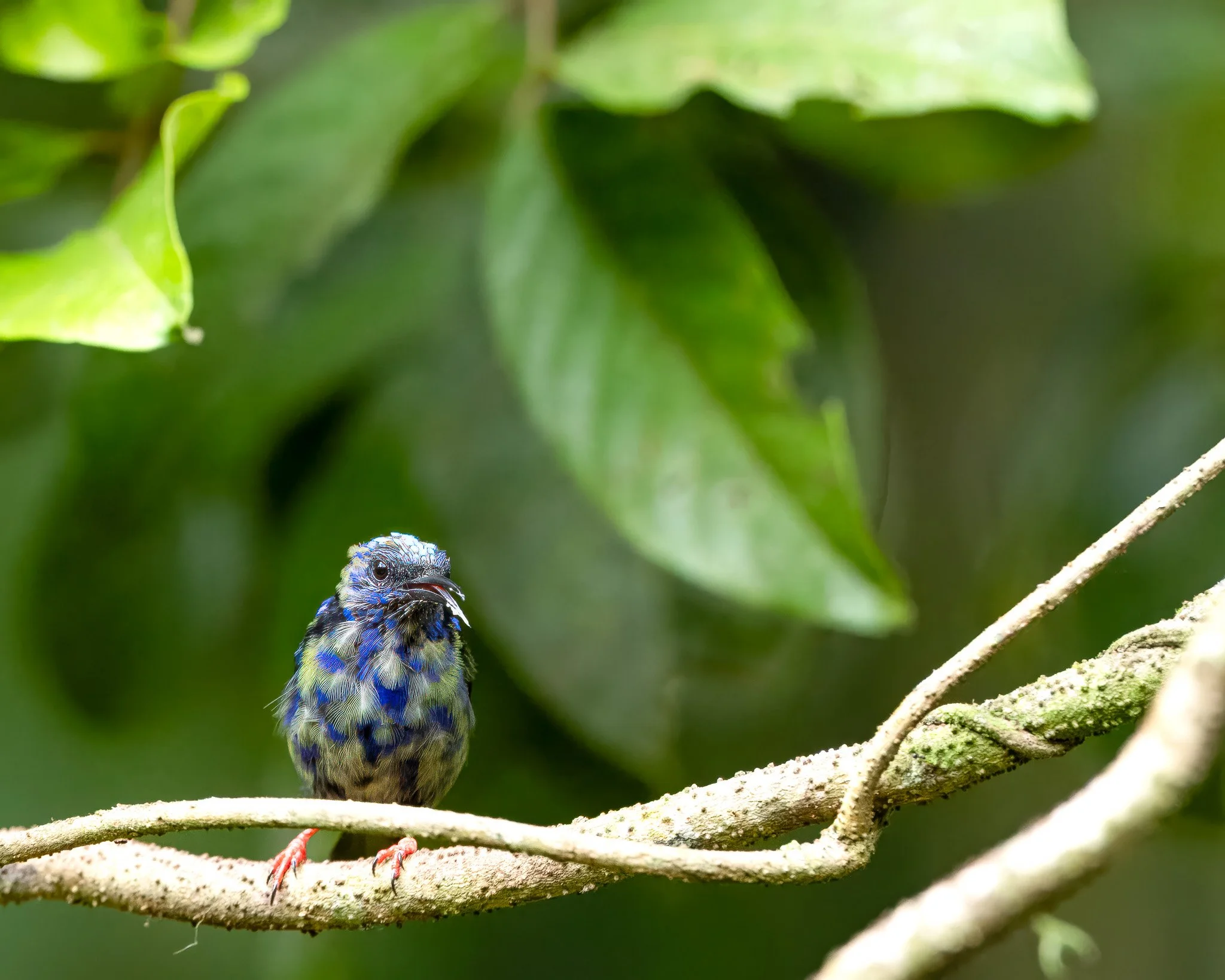
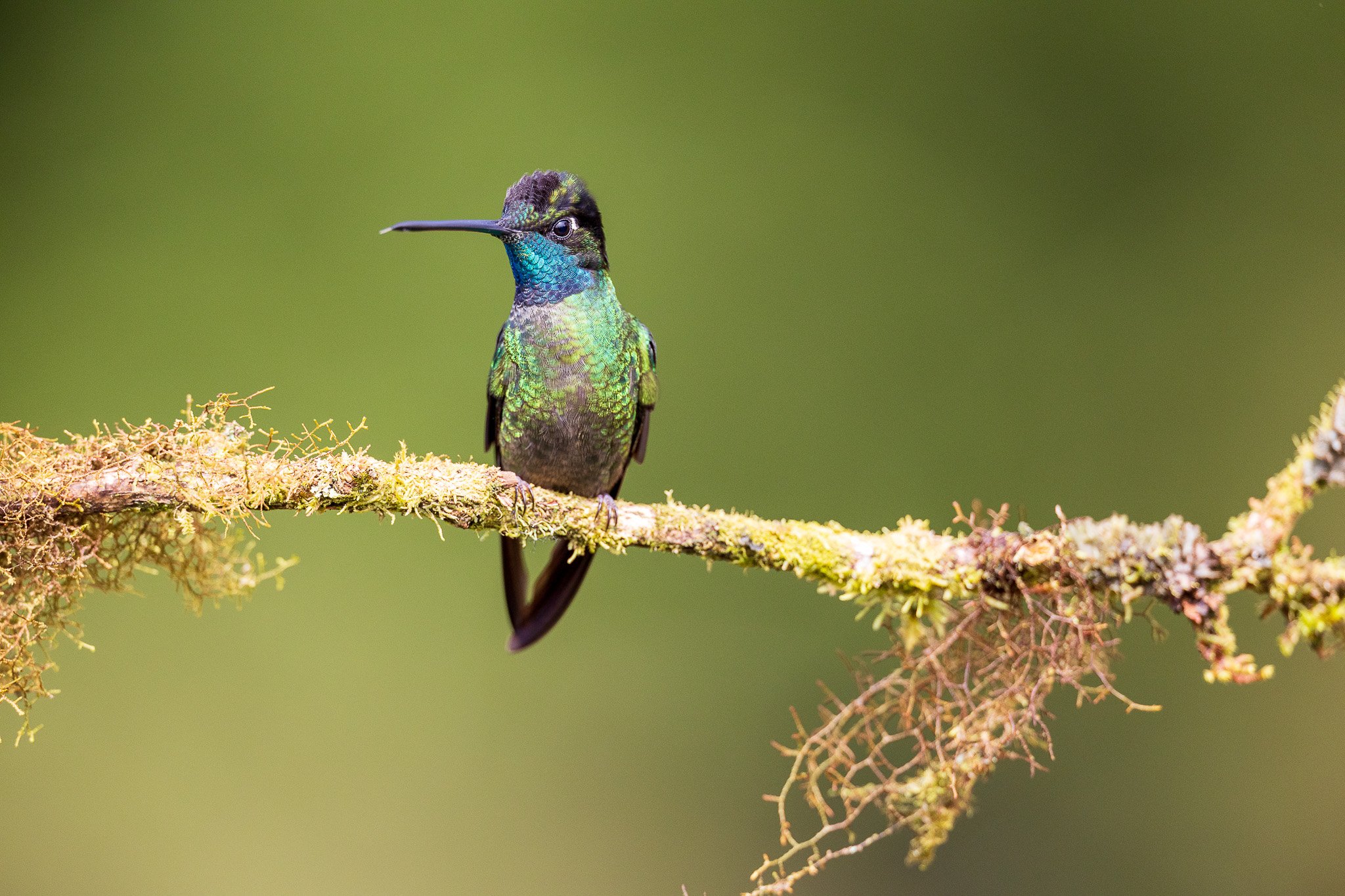
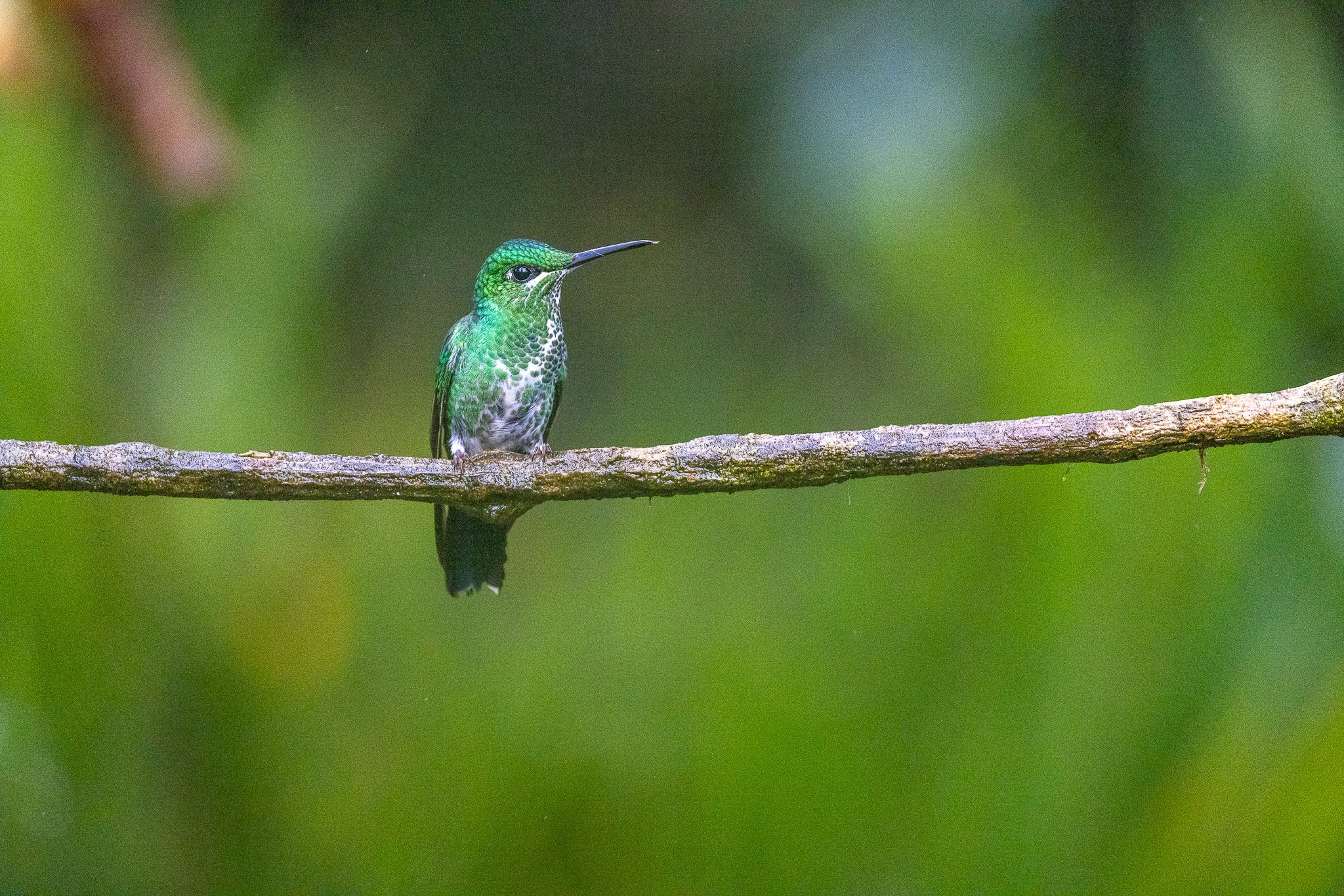
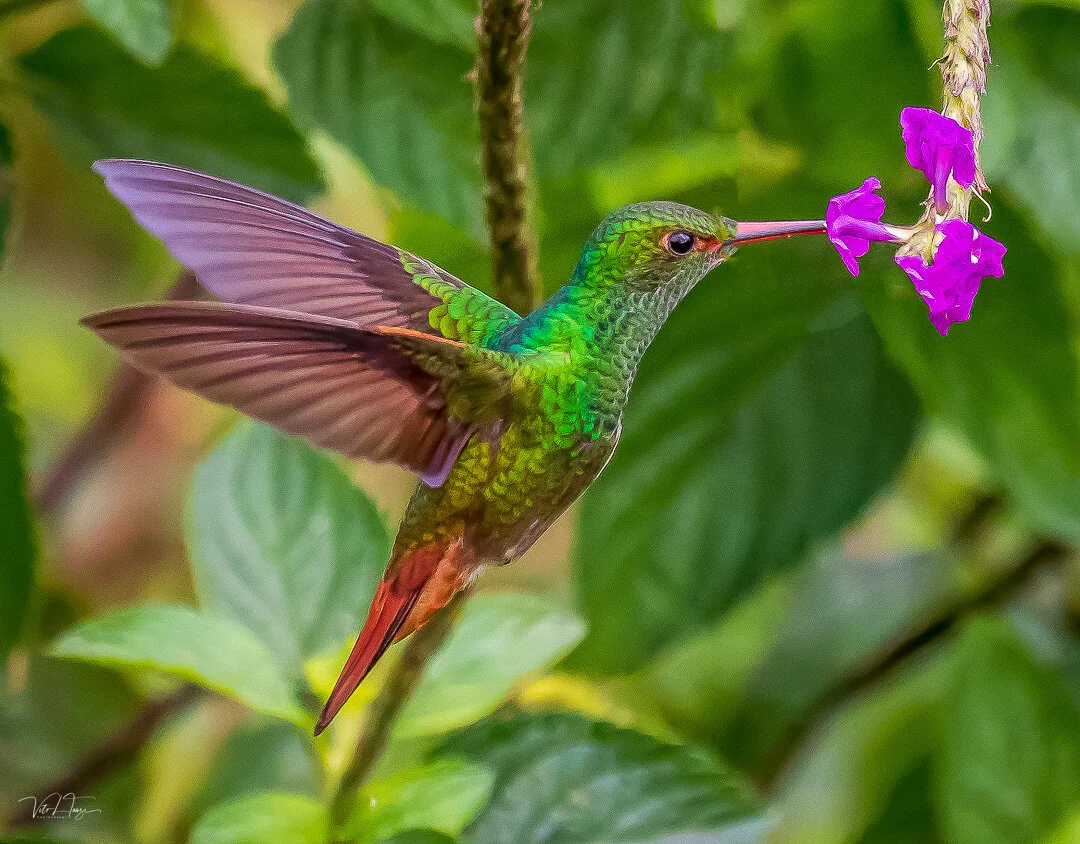
A Hummingbird taken with a 600 f4
In this Photography Guide to Costa Rica, I share the places and experiences that continue to draw me back. You will find my favorite photography locations, guidance on when and where to shoot, practical travel tips, and gear recommendations, along with cultural insights to help you explore and photograph Costa Rica with confidence, respect, and ease.
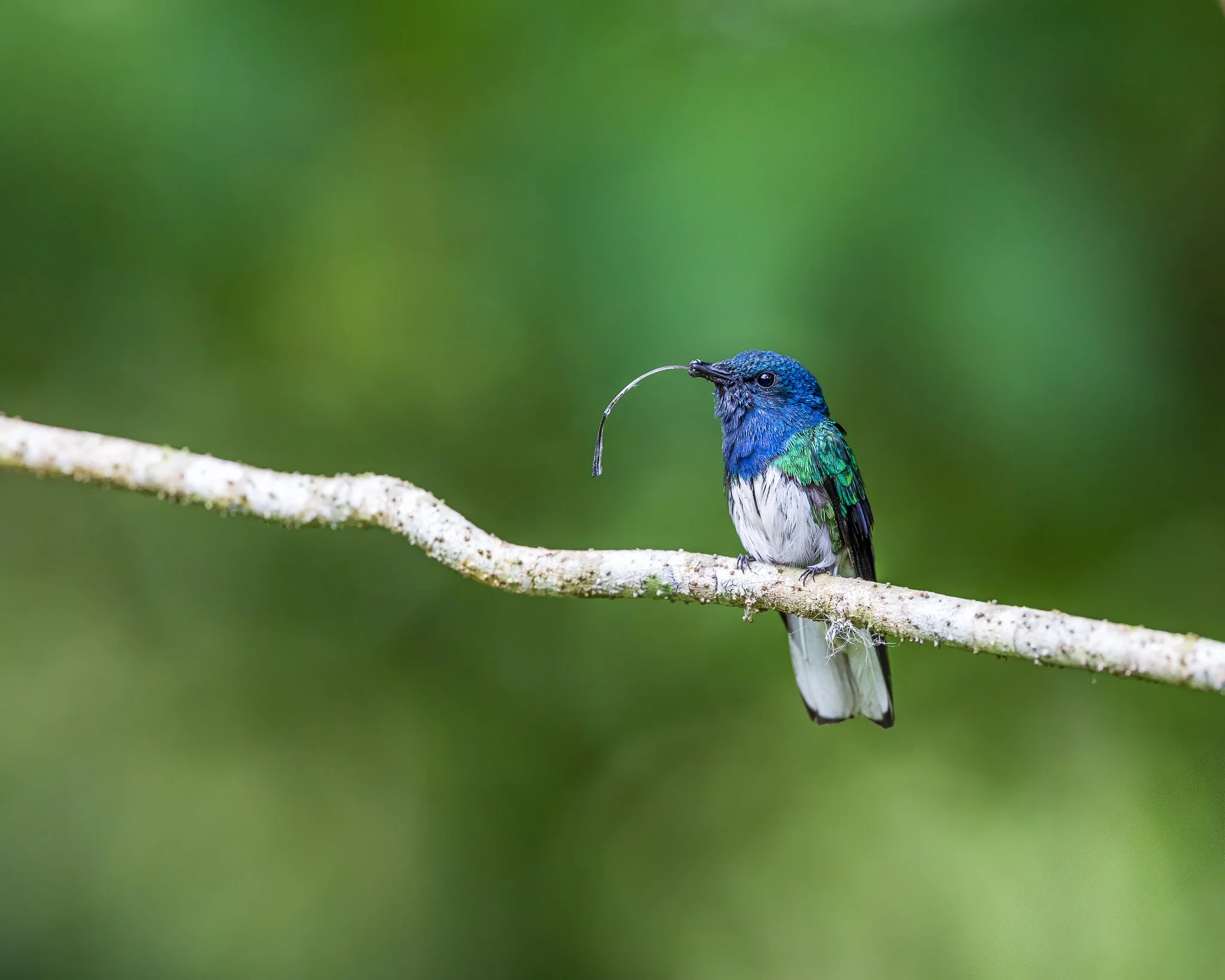
Photographer's Notes
Before you go, here are my own takeaways.
Favorite Season: January through March
Favorite Location: Arenal Volcano, from the Nayara Springs restaurant terrace
Favorite Hotel: Nayara Springs, La Fortuna
Favorite Wildlife Sighting: The resplendent quetzal at El Guarco
Favorite Lens: 400mm f/2.8 with 1.4x converter
Would I Return? It's not a destination you photograph and feel done with.
What Makes Costa Rica Unique?
Costa Rica is one of the most biodiverse countries on the planet. More than 500,000 species live here, packed into a country smaller than West Virginia. For photographers, that density is a gift. You do not have to travel far to experience something completely different.
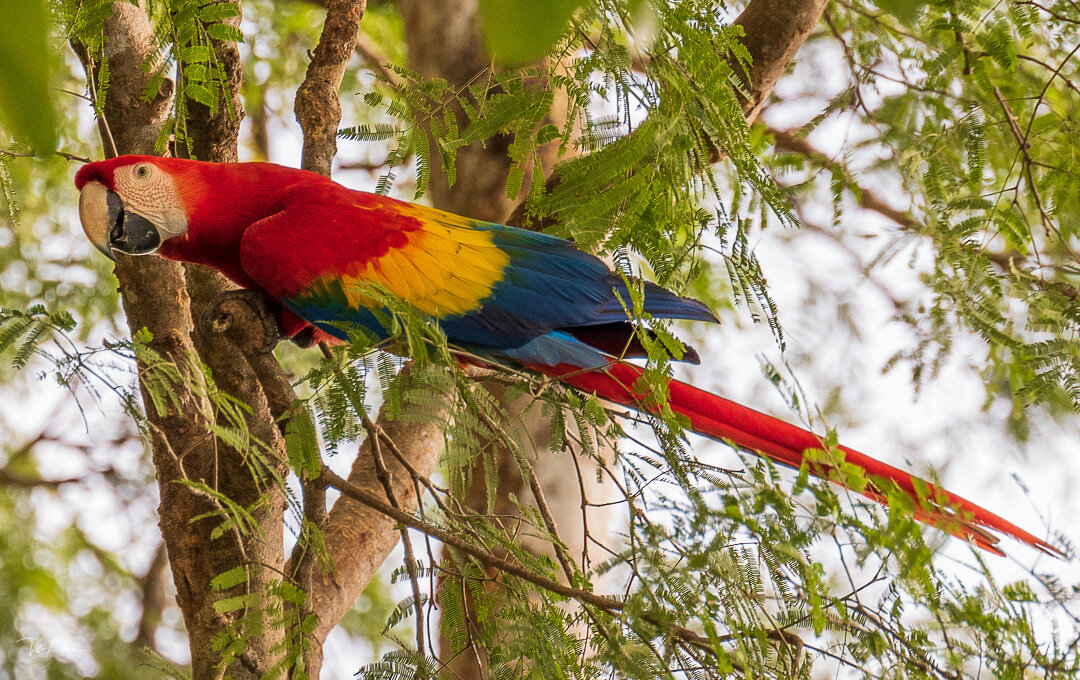
One morning, you can be standing in a misty cloud forest. By afternoon, you are on a wild Pacific beach. The next day, you are photographing scarlet macaws, sloths, or monkeys in a rainforest that feels alive in every direction.
The landscapes are varied and dramatic. Think volcanic peaks, waterfalls hidden in jungle canopies, mangroves filled with birds, and coastlines that glow at sunset. The light changes quickly, which keeps you alert and creative.
What makes Costa Rica even more special is its deep commitment to conservation. National parks and protected areas cover a significant portion of the country. Eco lodges are not just a trend here. They are part of the culture. You feel that respect for nature everywhere you go.
Costa Rica is not just a place to visit. It is a place to reconnect with the wild. And as a photographer, that connection changes the way you see.
Where to Stay in Costa Rica
Where you base yourself shapes your entire trip, because Costa Rica is not one destination. It is a collection of very different landscapes packed into a small country. For photographers, two regions consistently deliver the most varied and rewarding access.
La Fortuna and the Arenal Volcano Region
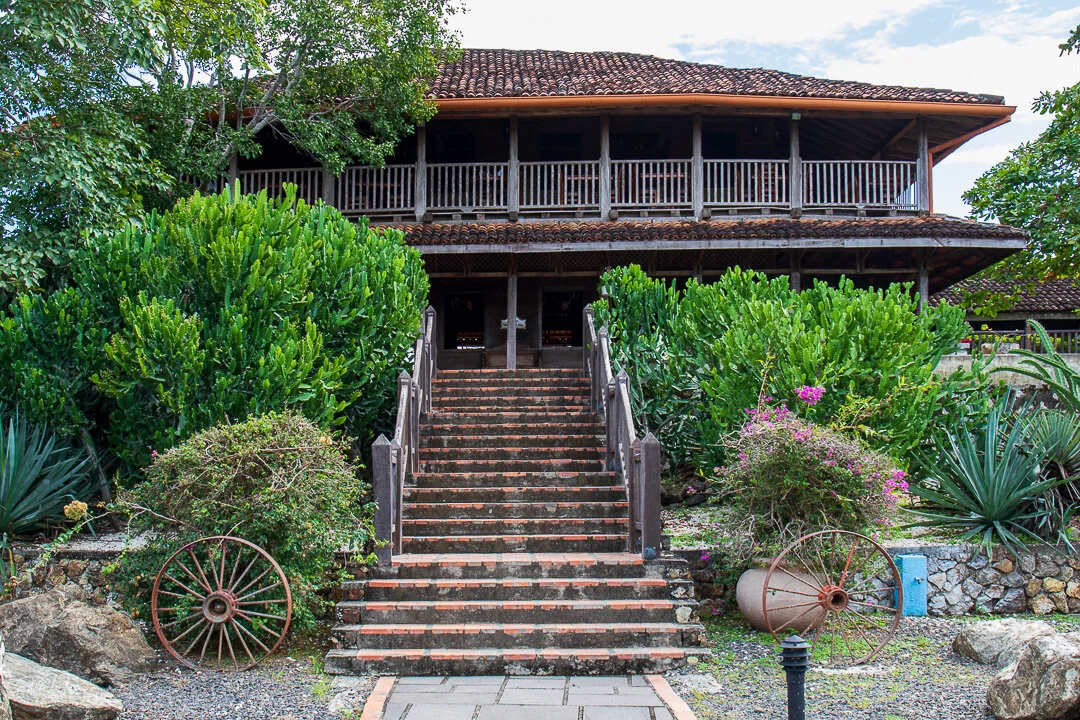
This is the heart of classic Costa Rican landscape photography. Arenal Volcano dominates the skyline, and the surrounding area gives you waterfalls, hanging bridges, rainforest trails, and thermal hot springs all within a short drive. The mist that wraps around the summit at dawn is extraordinary, and the cloud forest light is unlike anything you will find in more open terrain.
Manuel Antonio
Manuel Antonio National Park sits on the Pacific coast and brings together two things that rarely overlap: dense rainforest and turquoise ocean. You can photograph squirrel monkeys and scarlet macaws in the morning and have a clean Pacific horizon for sunset by the afternoon. Elevated hotels here often have views that make even your balcony shots worth keeping.
If you have ten days or more, split your time between both. Coast and volcano. Wildlife and wide landscapes. The combination gives you a much fuller picture of the country.
Luxury Hotels in Costa Rica
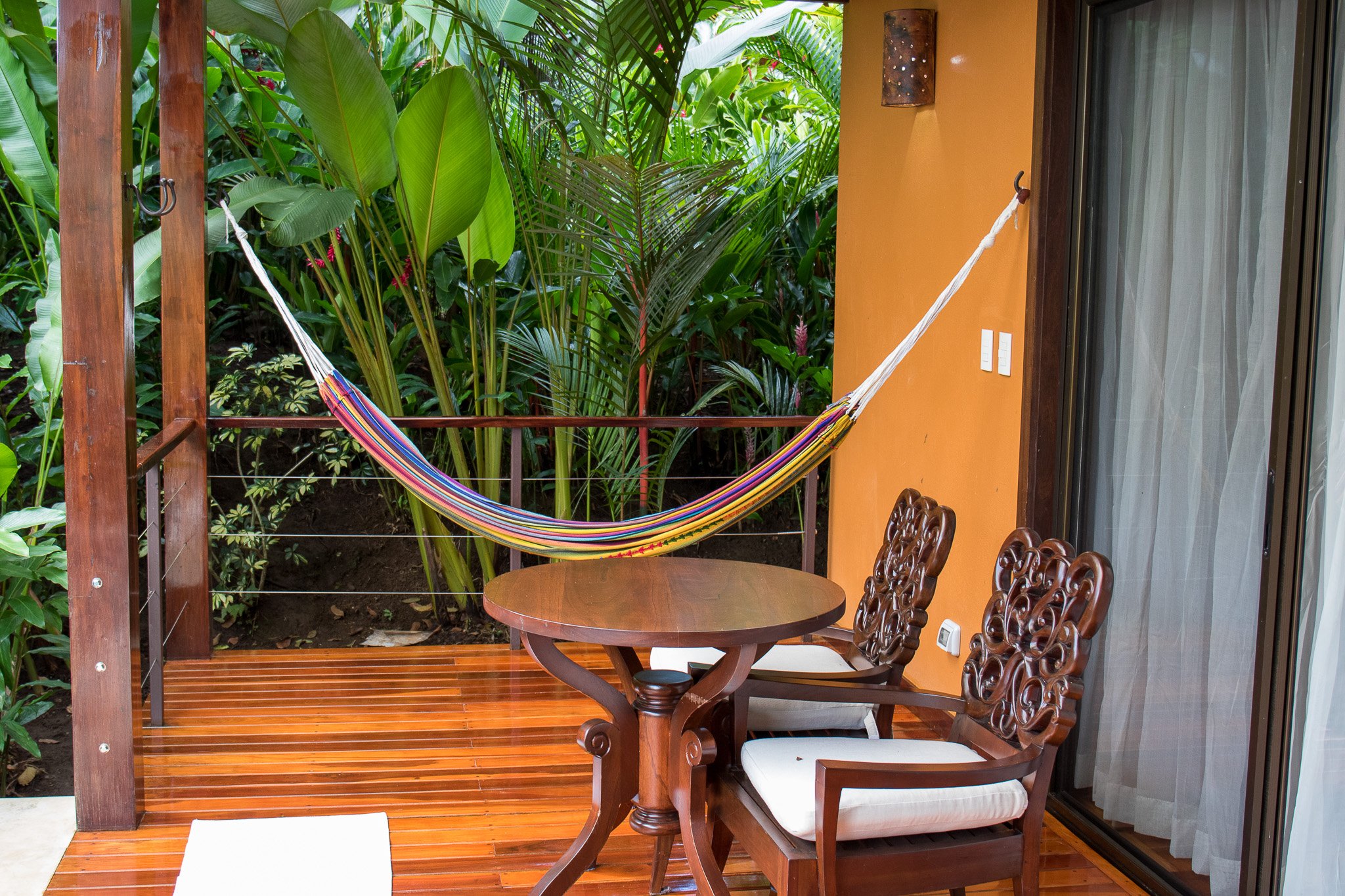
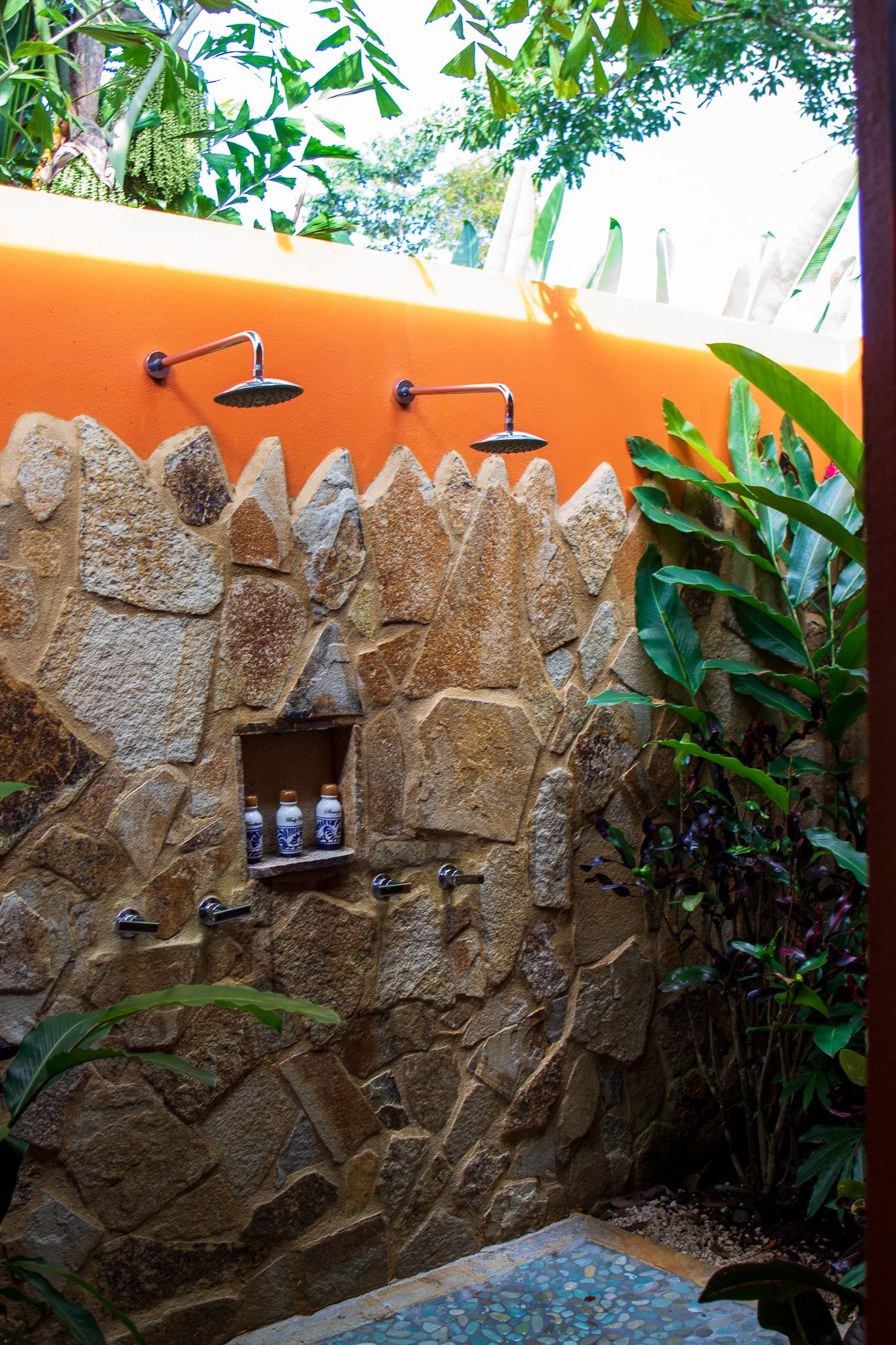
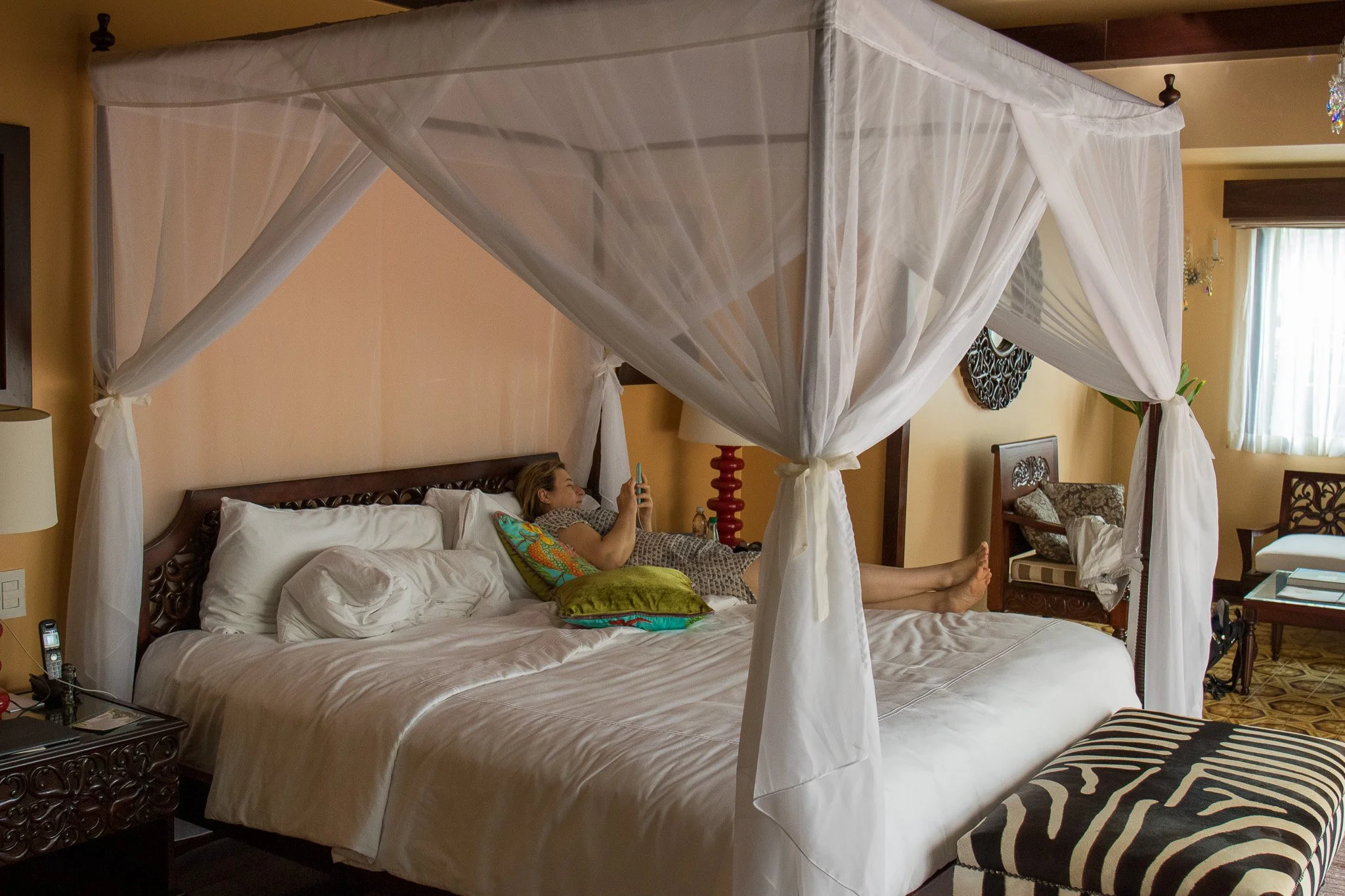
Nayara Springs, La Fortuna Nayara Springs is one of the best hotels I have stayed at anywhere in the world. A Relais & Chateaux adults-only property, each villa has its own plunge pool fed by natural hot springs from the base of Arenal Volcano. The views of the volcano from the open-air restaurant at breakfast are genuinely beautiful, especially when the morning light catches the summit through the trees. The fine dining restaurant, Amor Loco, runs a tasting menu that draws from local ingredients with real skill. Do not skip it.
Nayara Gardens, La Fortuna The family-friendly sister property to Nayara Springs, with the same extraordinary volcano setting and access to all of the Nayara dining. The open-air restaurant serves Latin American cuisine with the volcano as your backdrop. Tony the resident sloth, who lives on the property, has become something of a local celebrity. Keep your camera ready.
Andaz Costa Rica Resort at Peninsula Papagayo Located about 35 minutes from the Liberia Airport on the Guanacaste coast, the Andaz is one of the most polished resort experiences in the country. Four open-air restaurants, three private beaches, and a design that feels connected to the landscape rather than imposed on it. The breakfast buffet at Rio Bhongo is excellent, though I will warn you: if your companion steps away from the table, a monkey will absolutely steal their croissant. My wife learned this firsthand, and I was too busy laughing to help. Keep one eye on the food and one on the trees.
Four Seasons Costa Rica at Peninsula Papagayo About 25 minutes from Liberia Airport, the Four Seasons delivers everything you expect from the brand. The food, the staff, the beach, the location. It is a seamless base for the Guanacaste region if you want luxury without having to think about logistics.
Arenas del Mar, Manuel Antonio A well-positioned eco-friendly resort on the edge of Manuel Antonio National Park. Elevated rooms with Pacific views, easy access to the park at dawn before the crowds arrive, and a location that lets you move between beach and rainforest within minutes.
The Springs Resort and Spa, La Fortuna Strong views of Arenal, thermal hot springs on the property, and a more accessible price point than the Nayara properties. A solid choice for photographers who want the volcano backdrop without the full Nayara investment.
Mid-Range Hotels in Costa Rica
Arenal Manoa, La Fortuna Spacious rooms, natural hot springs, and direct volcano views at a mid-range price. The location is convenient for early morning starts, and the staff are attentive. A reliable and comfortable base for the Arenal region.
Hotel Costa Verde, Manuel Antonio This is a quirky, character-filled property perched above the Pacific, best known for its airplane suite converted from a retired Boeing 727 fuselage. Even if you do not stay in the plane, the property has personality and the views are excellent for sunset shooting.
El Silencio Lodge & Spa, Bajos del Toro A cloud forest eco-lodge that genuinely earns the "eco" label. Surrounded by primary forest, waterfalls, and misty highland air. The photography around the property is exceptional for those who want something quieter and more remote than the main tourist circuits.
Hacienda La Isla, Sarapiqui A comfortable mid-range option close to the Boca Tapada birding area in the northern lowlands. If you are building an itinerary around toucan and wildlife photography in that region, this is a smart and convenient base.
Laguna del Lagarto Eco-Lodge, Boca Tapada Basic accommodations in the truest sense, but what it lacks in comfort it more than compensates for in access. The lodge maintains a toucan perch that is one of the best bird photography setups I have seen in Costa Rica. You come here to shoot, not to relax. Manage expectations on the rooms and you will not be disappointed.
Fairfield by Marriott San Jose Airport Not a destination hotel, but a practical one. If you are arriving late or departing early through Juan Santamaría International Airport, this is a clean, reliable overnight option with easy airport access.
Best Time to Visit Costa Rica
Costa Rica has two distinct seasons, and both have real merit depending on what you want to photograph.
The dry season runs from December through April. This is the most popular time to visit, and for good reason. Skies are cleaner, roads are in better condition, and you will generally have an easier time planning logistics around clear light. Sunrise and sunset deliver consistent color. If you are targeting volcano views or waterfall shoots, you have a higher chance of unobstructed vistas. Wildlife is active year-round, but movement is often more predictable during the dry months.
The green season runs from May through November. This is when Costa Rica looks its most lush. Afternoon rain showers drop humidity, bring dramatic cloud formations, and leave the forest saturated with color. Light during and after rain can be extraordinary, especially in cloud forest areas like Monteverde. Crowds thin considerably, prices drop, and you will have locations more to yourself. The trade-off is that some roads become difficult, particularly in remote areas, and afternoon shoots can be interrupted by rain.
My personal preference is January through March for a first visit. You get the best logistics, the strongest light, and the full wildlife experience without fighting weather. If you have been before and want a different kind of trip, the green season in July or August offers something genuinely different.
Getting to Costa Rica
Getting to Costa Rica from the United States is straightforward. There are frequent nonstop flights from major cities, and you can often land by early afternoon and reach your first destination before dark.
Most travelers fly into one of two airports. Juan Santamaría International Airport in San José serves the south and central regions, including Manuel Antonio, the Osa Peninsula, and Monteverde. Daniel Oduber Quirós International Airport in Liberia is the better choice for the north, including La Fortuna, Arenal, and the Guanacaste beaches. Choose based on where you are going first. The right airport can save you two to three hours of driving.
How Many Days Should You Stay?
Plan for a minimum of 7 days. Ten is better.
Costa Rica looks small on a map, but travel times between regions are longer than you expect. Mountain roads wind. Some sections are unpaved. And if you are shooting wildlife, animals do not operate on a schedule. The more time you have, the more you will come home with.
A 7-day itinerary can look like this: two days in the Sarapiqui and Boca Tapada area for birds, two days around La Fortuna and Arenal for landscapes and hot springs, one day at a cloud forest like Monteverde, and two days on the Pacific coast at Manuel Antonio or the Papagayo Peninsula. That is a packed week but manageable.
Ten days lets you breathe. It gives you a second morning at a location if the first one was clouded out. It gives you time to follow a guide to a quetzal spot twice if needed. It gives you downtime to just sit in the jungle and listen.

Getting Around Costa Rica
The best way to explore Costa Rica is by renting a car, especially if you plan to visit multiple regions.
Costa Rica rewards flexibility. Sunrise at a volcano. A sudden wildlife sighting along the road. A hidden beach you discover on a whim. Having your own vehicle gives you the freedom to stop, turn around, and chase light when it appears. If you are carrying camera gear, that flexibility becomes even more valuable.
Keep in mind that some roads can be narrow, winding, or unpaved, particularly in more remote areas. In certain regions, a 4x4 vehicle is a smart choice, especially during the rainy season.
If you prefer not to drive, shuttle services connect major tourist hubs like Manuel Antonio, La Fortuna, and Tamarindo. These are comfortable and reliable, though less flexible for photographers who like to move early and often.
Uber operates in San José and the surrounding areas, but once you head into rural zones or national parks, availability becomes limited. For serious exploration, especially if photography is your focus, having your own car makes the experience smoother and far more rewarding.

Hiring a Driver in Costa Rica
One of the smartest decisions we made in Costa Rica was hiring a private driver and guide. It changed the entire rhythm of the trip.
Instead of worrying about directions, road conditions, or timing, we could focus on the experience. That meant more energy for early mornings, more flexibility to stop for wildlife sightings, and zero stress about navigating unfamiliar roads.
We used Costa Rica Drivers, owned by Danny Jimenez. Danny and his team were outstanding. Safe drivers. Fully bilingual. Friendly. Incredibly knowledgeable about the country’s wildlife, geography, and culture. Danny himself is simply fun to spend time with, which matters more than you might think when you are together for several days.
For photographers, this setup is invaluable. You can pull over quickly when you spot a toucan. You can adjust your schedule around light. You can arrive at locations rested instead of fatigued from driving.
If you want a smoother, more relaxed trip, hiring a professional driver is absolutely worth considering.
Dining & Coffee in Costa Rica
Costa Rican food is honest and ingredient-driven. The national staple is the casado, a plate of rice, beans, plantains, salad, and a protein, and at a good local soda it is one of the most satisfying meals you will eat anywhere. Ceviche is excellent on the coast. Fresh tropical fruit is everywhere.
For serious dining, the resort restaurants at Nayara and the Andaz are genuinely worth your time. These are not just hotel convenience options. They compete with the best stand-alone restaurants in the country.
Nayara Springs, Amor Loco, La Fortuna The fine dining restaurant at Nayara Springs runs a tasting menu that pulls from local ingredients with French technique. Executive Chef William Weiss trained at Michelin-starred establishments in France and Monaco before landing in Costa Rica. The setting, elevated above the rainforest with volcano views, makes it one of the more memorable meals you can have in the country.
Nayara Gardens Restaurant, La Fortuna The open-air family restaurant at Nayara Gardens serves Latin American and Costa Rican cuisine with the volcano as your backdrop. The freshness of the ingredients stands out, and the atmosphere at breakfast, when mist is still sitting in the forest canopy, is genuinely special.
Andaz Peninsula Papagayo, Rio Bhongo, Guanacaste The main restaurant at the Andaz serves breakfast and lunch with views across the bay. The buffet is excellent. Just keep an eye on your food. The howler monkeys and white-faced capuchins that live on the property have figured out that breakfast hour means opportunity. My wife stepped away from the table briefly and came back to find a very satisfied monkey finishing her croissant. No one was more entertained than the monkey.
Don Rufino, La Fortuna The most recommended restaurant in downtown La Fortuna for a reason. Solid Costa Rican and international cuisine, good wine list, and a lively atmosphere. Make a reservation if you are going on a weekend.
La Choza de Laurel, La Fortuna A classic Tico restaurant with a covered open-air setting and a menu of traditional Costa Rican dishes. The casado here is the real thing. Unpretentious, good value, and the kind of place where locals eat alongside tourists.
Lava Lounge, La Fortuna A casual spot in downtown La Fortuna with an eclectic menu, cold drinks, and a relaxed vibe. Good for a post-shoot meal when you do not want a formal dining experience.
Coffee in Costa Rica
Red Frog Coffee Roasters, La Fortuna The best specialty coffee in the Arenal region. Single-origin pour-overs, strong espresso, and a cozy atmosphere that works well for editing or trip planning before an early morning shoot. Costa Rica produces some excellent coffee; this is a good place to taste it properly.
Mi Cafecito, Nayara Springs The on-property espresso bar at Nayara roasts its own beans sourced from around Costa Rica. Open from early morning. Worth stopping in before heading out for a dawn wildlife session.
Soda La Hormiga, La Fortuna A no-frills local spot for a quick coffee and a traditional breakfast before an early start. Cheap, fast, and authentic. Exactly what you need at 5am before heading to a quetzal location.
Photography Gear in Costa Rica
DSLR and Mirrorless Kit
Costa Rica is primarily a wildlife destination, which means your lens choice matters more than almost anywhere else. Bring the longest, fastest glass you have access to, then add your wide angle for landscapes.
Camera Bodies Your Canon R5 Mark II is the right choice here. Fast autofocus, excellent high ISO performance for shooting under dark jungle canopy, and the buffer to handle burst sequences when a toucan takes flight. Bring a second body if you have one. Switching lenses in the field costs you shots.
Lenses
100-500mm: the most versatile wildlife option. Covers quetzals, toucans, sloths, monkeys, and boat-based shooting at Caño Negro.
400mm f/2.8 with 1.4x converter: if you have access to this, bring it. The extra stop matters enormously under jungle canopy. The 560mm reach gives you clean shots from a distance that does not disturb the animal.
100mm f/2.8 Macro: essential for night photography. Tree frogs, insects, and the extraordinary nocturnal world of the rainforest are all macro subjects.
15-35mm f/2.8: for waterfall long exposures, landscape work around Arenal, and wide environmental shots.
Accessories
Monopod: far more practical than a tripod in the field. You are moving constantly and often shooting from a boat or a narrow trail.
Tripod: bring a lightweight option for night photography and long exposures at waterfalls.
ND filters (3, 6, and 10 stop): for waterfall shots and long exposures in bright midday conditions.
Rain covers for all bodies and lenses: non-negotiable. Even in the dry season, afternoon showers appear without warning.
Microfiber towels: keep two in your bag at all times.
Extra batteries and cards: you will shoot more than you think.
Samsung T7 SSD: back up every evening. You do not want to lose a quetzal session to a failed card.
Leica Q3 The Q3 works beautifully as a walk-around camera at the resorts, in towns, and for documenting the human and cultural side of the trip. Less practical for long-reach wildlife, but excellent for everything else.
Drone Note Drones are technically legal in Costa Rica, but national parks and wildlife reserves are no-fly zones without special DGAC (Directorate General of Civil Aviation) authorization, which is difficult to obtain for recreational pilots. This covers most of the places you will want to fly: Manuel Antonio, Tortuguero, Arenal, Corcovado. Coastal areas outside protected zones are more permissible, but check the current DGAC map before flying anywhere. Do not assume a drone video you saw on YouTube was legally shot. Most were not.
iPhone Photography Tips
The iPhone performs well in Costa Rica if you manage expectations around wildlife. For anything at a distance, you need glass. But for the resort environment, jungle canopy texture, tropical flora, and wide landscape shots, the iPhone earns its place.
Use the telephoto lens for sloth and monkey shots in the resort canopy when you do not have your mirrorless ready. The compression flatters those subjects.
Switch to Night Mode for evening shots on hotel terraces and jungle restaurant settings. The ambient lighting at Nayara and the Andaz is beautiful at dusk and the iPhone handles it well.
For waterfall and rainforest shots, use the ultrawide to capture the full scale of what surrounds you. The 0.5x lens in a narrow gorge or under a tall canopy is genuinely useful.
If you have Halide installed, shoot ProRAW for any shot you care about. The recovery latitude in post is significantly better than the compressed default JPEG.
Clothing And Accessories for Costa Rica
Here is my clothing photography guide: My Safari Packing List
Hiring Wildlife Guide
If bird and wildlife photography are high on your list, hiring a professional guide is one of the best investments you can make in Costa Rica.
Costa Rica is incredibly biodiverse, but that does not mean wildlife is always easy to find. Many species blend perfectly into the canopy. A trained local guide can spot a tiny tree frog from twenty feet away or hear a specific bird call and know exactly where to look. That kind of skill dramatically increases your chances of coming home with strong images.
An excellent guide I recommend is Kenneth Martinez. He knows the bird photography locations intimately and understands what photographers need, from positioning for light to allowing space for clean backgrounds. Working with someone like Kenneth turns a hopeful outing into a productive session.
If wildlife is your focus, do not leave it to chance. A knowledgeable guide will save you time, reduce frustration, and help you create far more compelling images.
Don’t Miss a Night Photography Tour
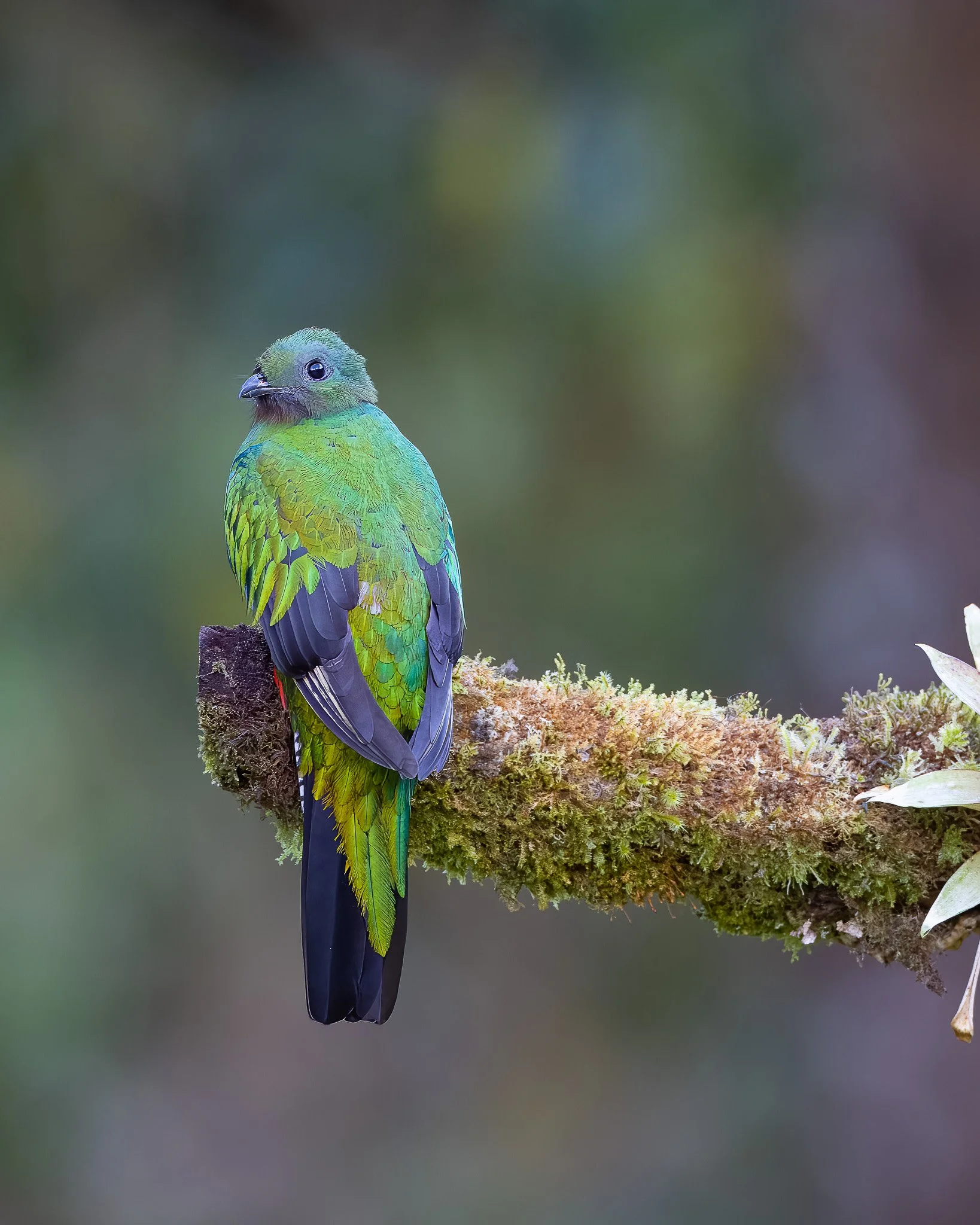
A female Quetzel
Interactive Costa Rica Map: National Parks, Wildlife, Photo Spots & Hidden Gems
Photography Locations in Costa Rica
Here are some of my favorite photography spots in Costa Rica. Each offers a very different experience, which is exactly what makes this country so compelling.
Arenal Volcano, La Fortuna
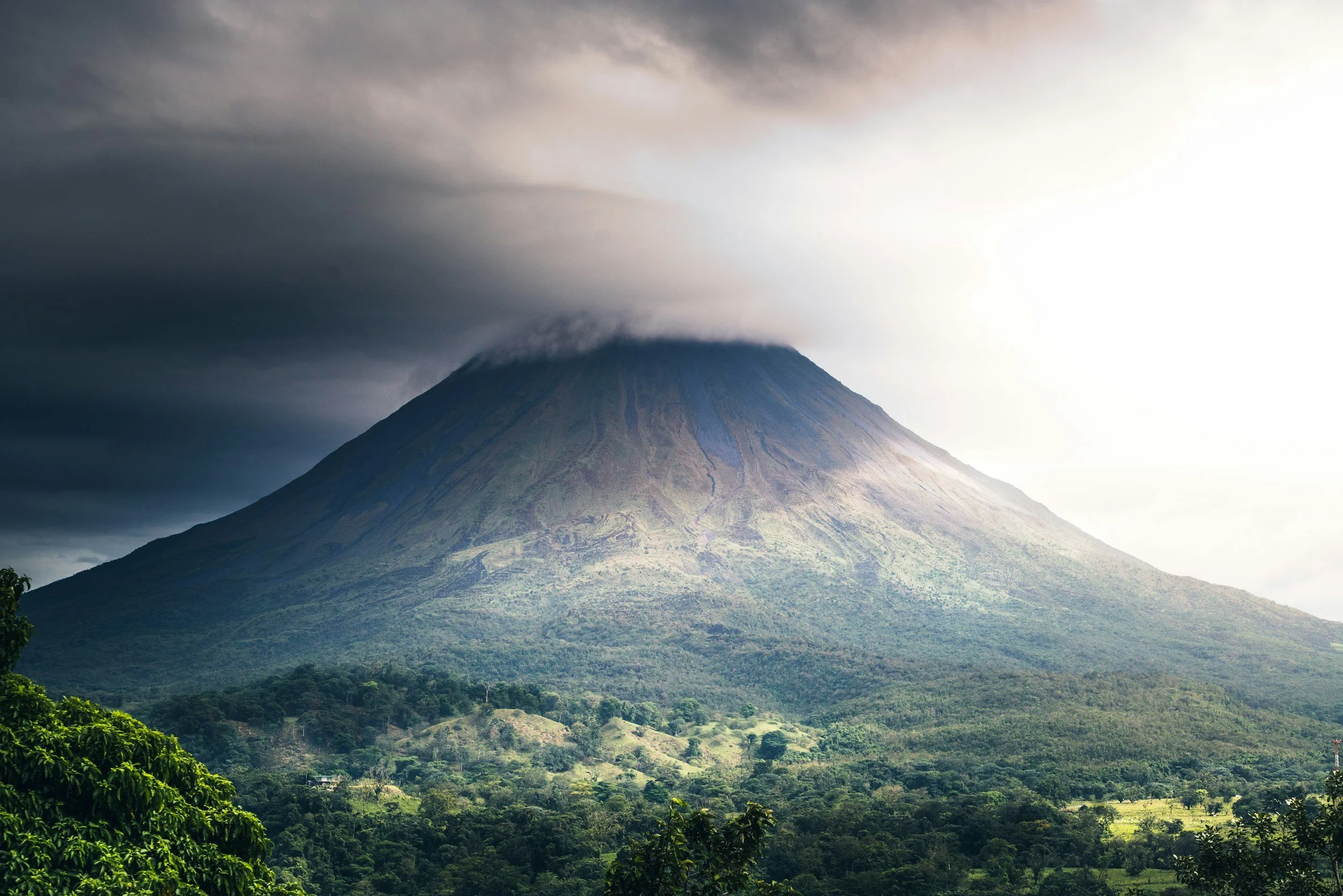
Arenal is the most iconic single landscape subject in Costa Rica. The near-perfect cone shape and the way clouds move around the summit at dawn make it one of those subjects you can photograph repeatedly without running out of compositions. After a period of increased activity earlier in its history, the volcano is currently in a resting phase, but the visual drama is undiminished.
The best views are from the western side of the lake, around the Arenal Observatory Lodge area, and from the grounds of the Nayara properties. Early morning is essential. By mid-morning, clouds often cover the summit entirely, and the window is gone. The reflection of the volcano in Lake Arenal on a calm, clear morning is one of the best landscape shots in the country.
📷 Pro Tip: Position yourself on the western shore of Lake Arenal before first light. Use a 70-200mm to compress the volcano against the lake reflection, or pull back to the 24-70mm range to include the shoreline and foreground texture. If you are staying at Nayara, the restaurant terrace faces the volcano directly and the pre-dawn light from there is extraordinary. Arrive with your camera 20 minutes before sunrise. Clouds move in fast and the clear window is often no more than 45 minutes. A polarizer helps cut the reflection glare on the lake surface.
Best time: Pre-dawn to 90 minutes after sunrise. Access: Free from public roads; paid access through national park trails. La Fortuna is the nearest town, approximately 15 minutes west.
Paraiso Quetzal Lodge, Cloud Forest (Cerro de la Muerte)
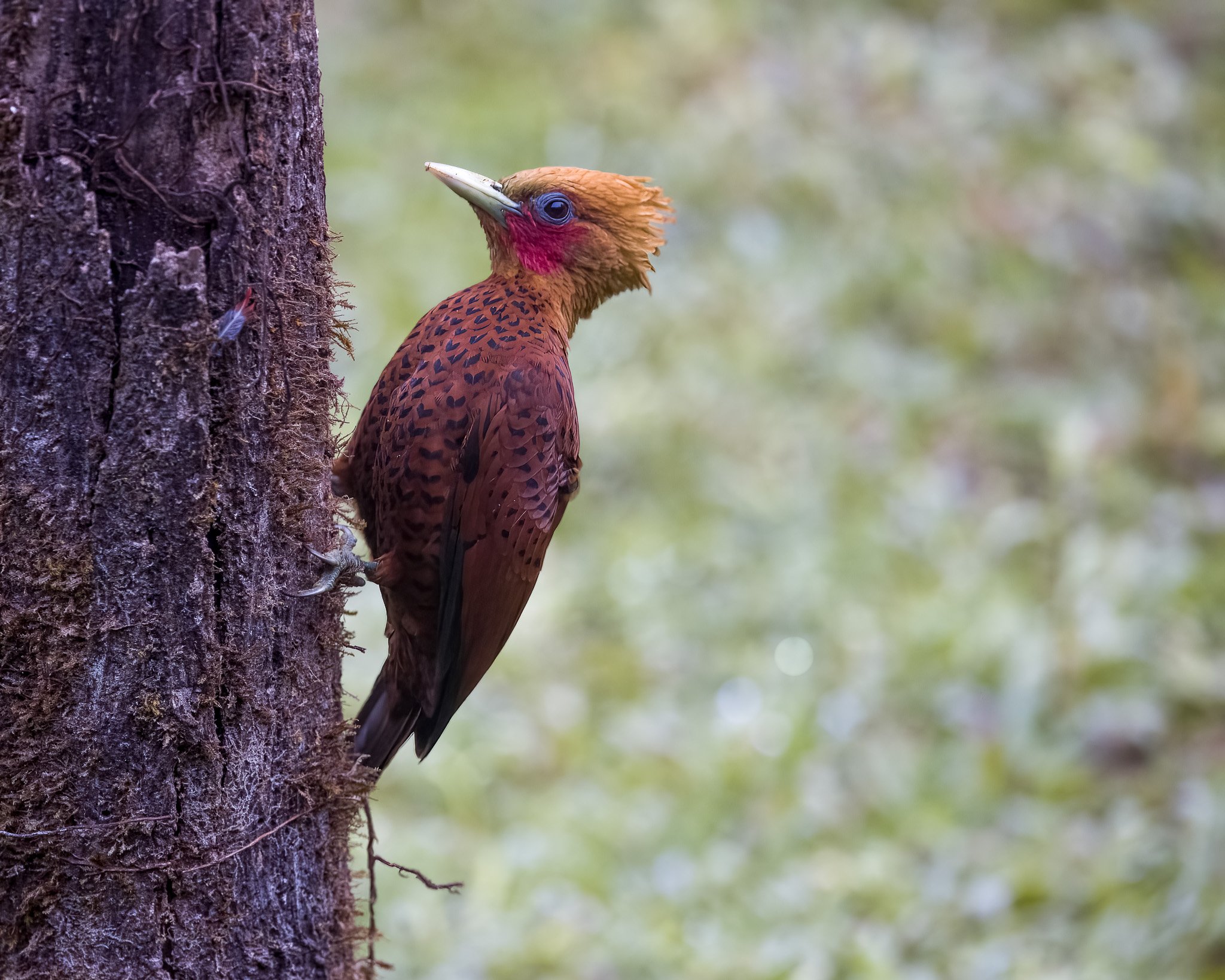
Located about 90 minutes south of San José at high elevation on the Cerro de la Muerte, this lodge is one of the most productive bird photography locations in Central America. The cloud forest environment at this altitude creates ideal conditions for the resplendent quetzal, one of the most visually extraordinary birds on earth. The male quetzal, with its iridescent green plumage and long streaming tail feathers, is unlike anything else you will photograph.
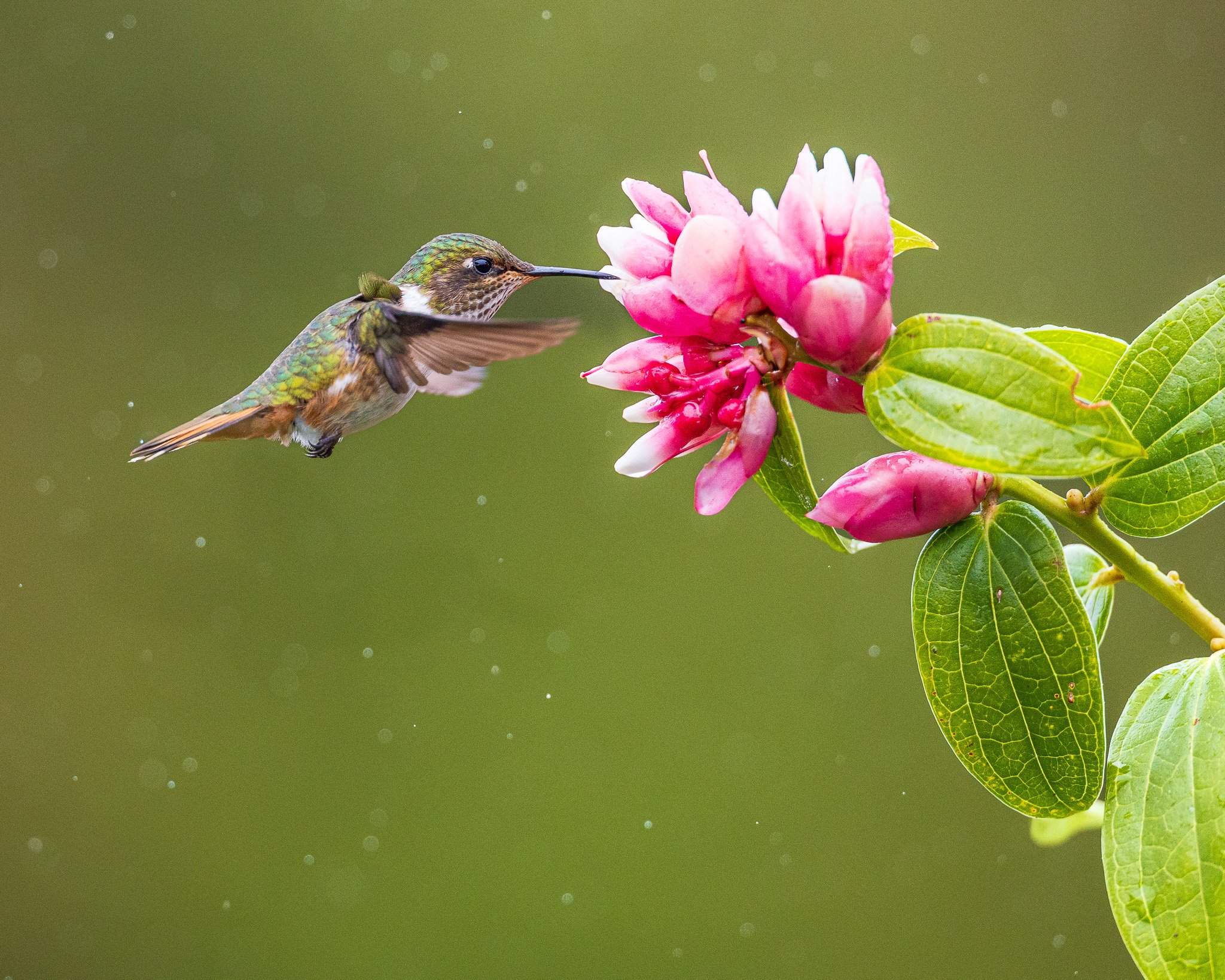
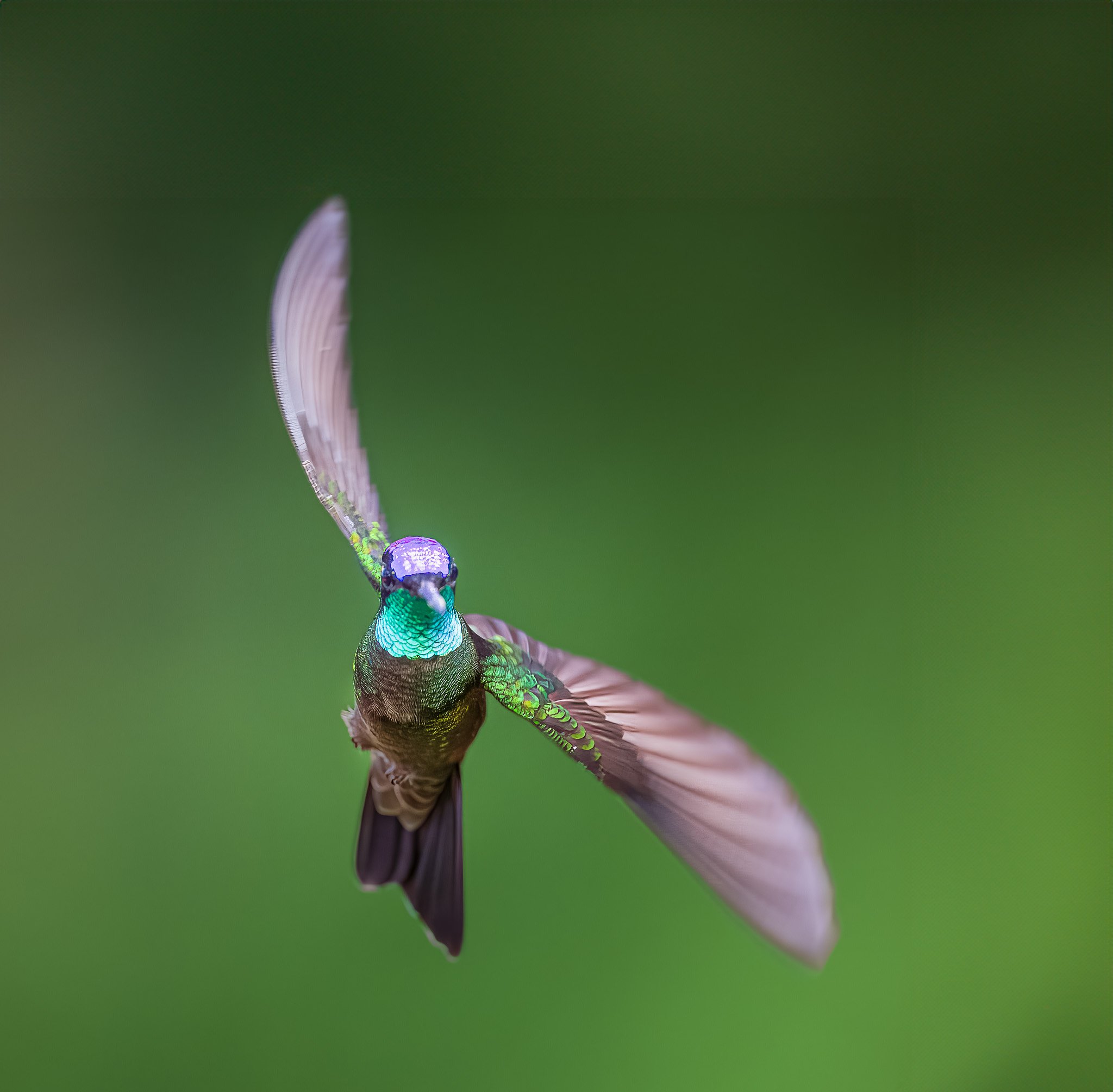
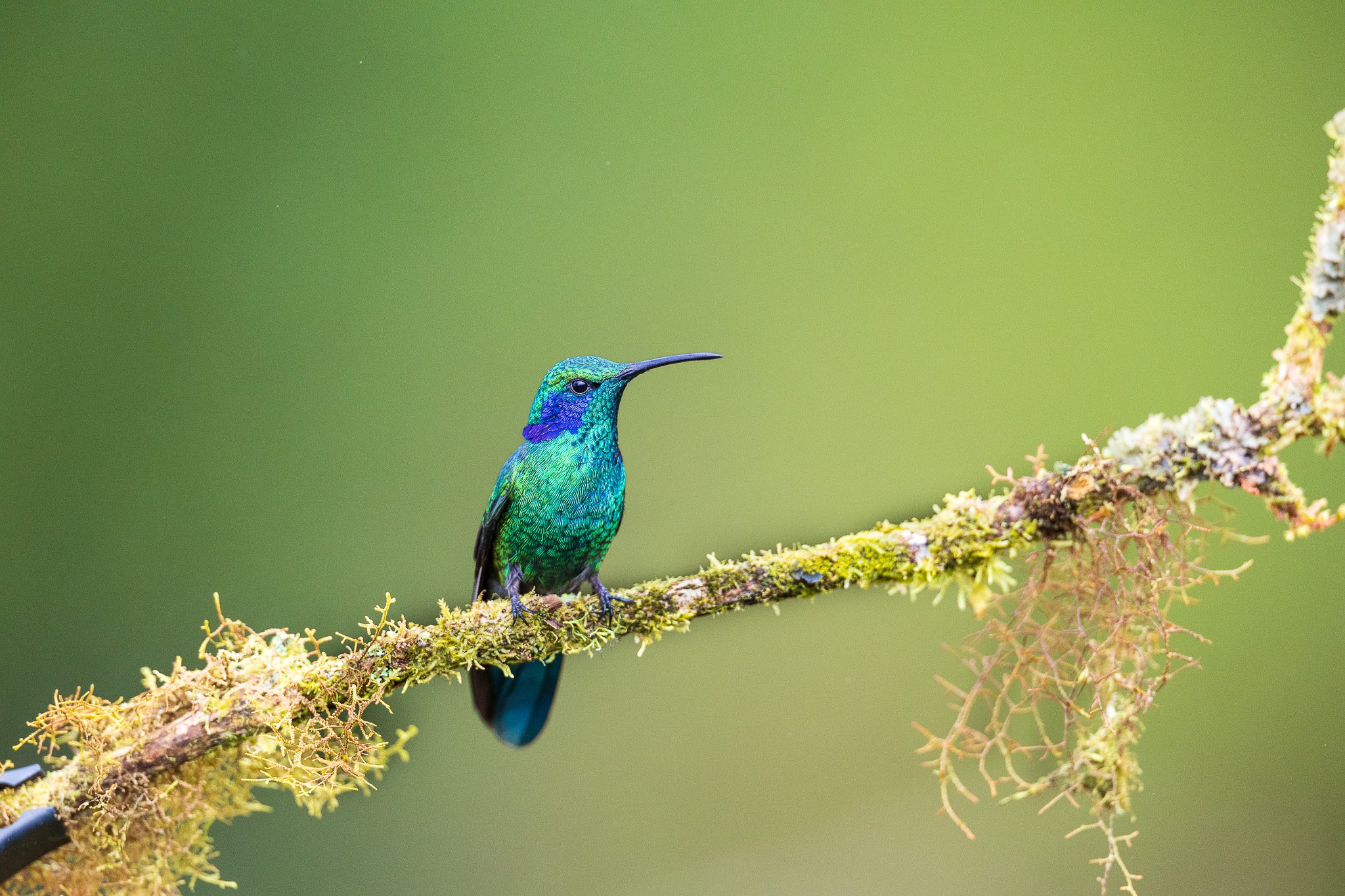
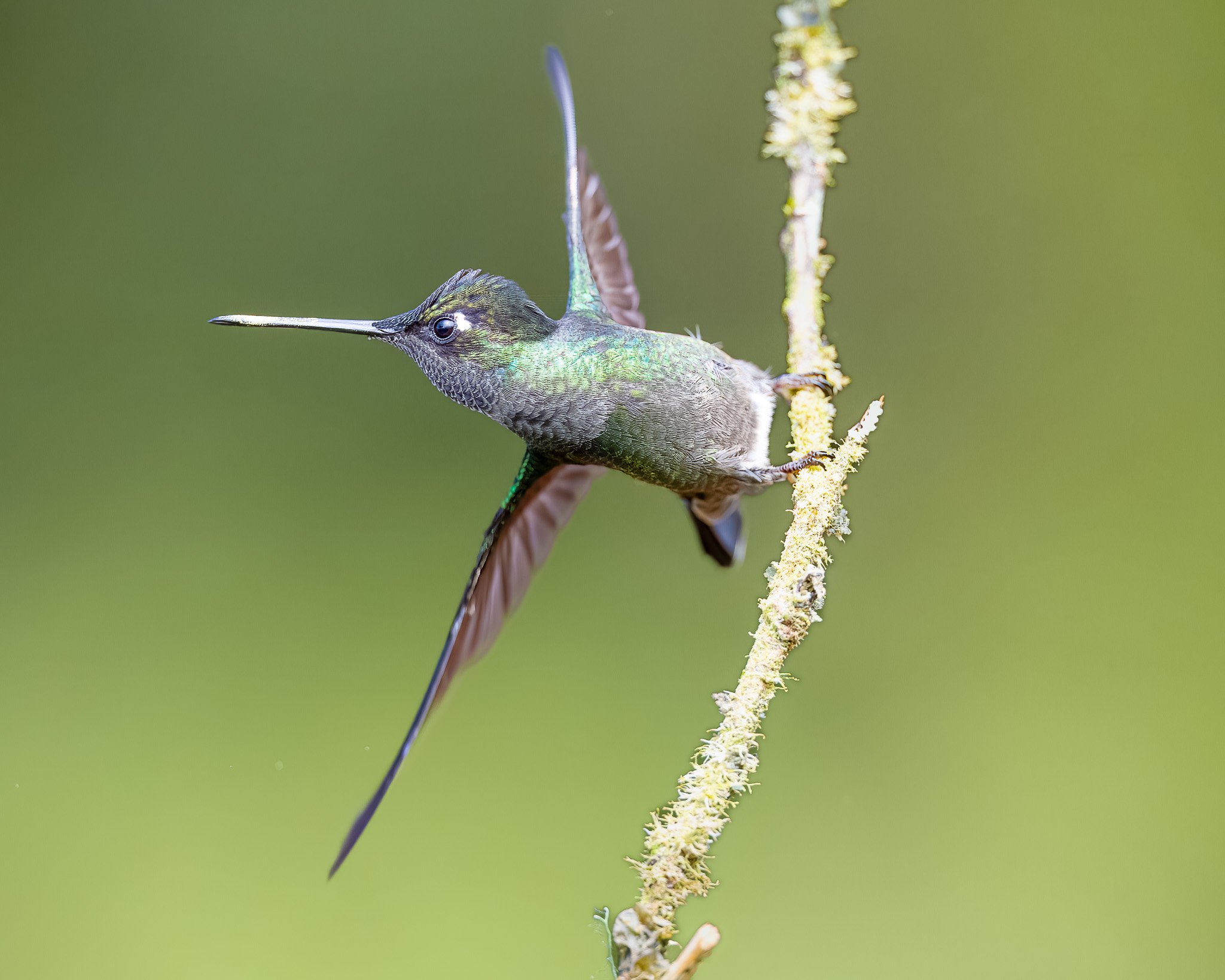
The lodge maintains hummingbird feeders on the property that attract multiple species throughout the day. The backgrounds are soft green and the birds are approachable. A second location, El Guarco, is about 10 minutes away and is where local guides take you for quetzal sightings. We went twice to El Guarco and photographed both male and female quetzals in the wild.
📷 Pro Tip: At the hummingbird feeders, use a shutter speed of 1/2000 or faster to freeze wing motion. A 100-500mm lens is ideal. Position yourself with the light behind you and watch the backgrounds carefully; green foliage isolates the birds cleanly. For quetzals, hire a local guide who knows the current nesting areas. Arrive before 7am. Quetzals are most active in the early morning, and cloud forest light softens significantly after 9am. A 400mm or longer lens gives you the working distance to photograph without disturbing the bird. Patience is the skill that matters most here.
Best time: 6:00am to 9:00am. Access: Paid lodge access for hummingbird feeders; quetzal sightings via local guide. Located on Route 2, approximately 90 minutes south of San José.
There are so many great shots you will get from this location
About 10 minutes away is a spot called El Guarco. This is where you can photograph the most beautiful bird in the world, the Quetzel. We went twice to this location and it definitely paid off.

Male Quetzel
Caño Negro Wildlife Refuge, Northern Lowlands
Caño Negro is a wetland ecosystem near the Nicaraguan border, and it is one of the best places in Costa Rica for boat-based wildlife photography. The refuge sits on a flat floodplain filled with calm waterways, thick vegetation, and consistent animal activity.
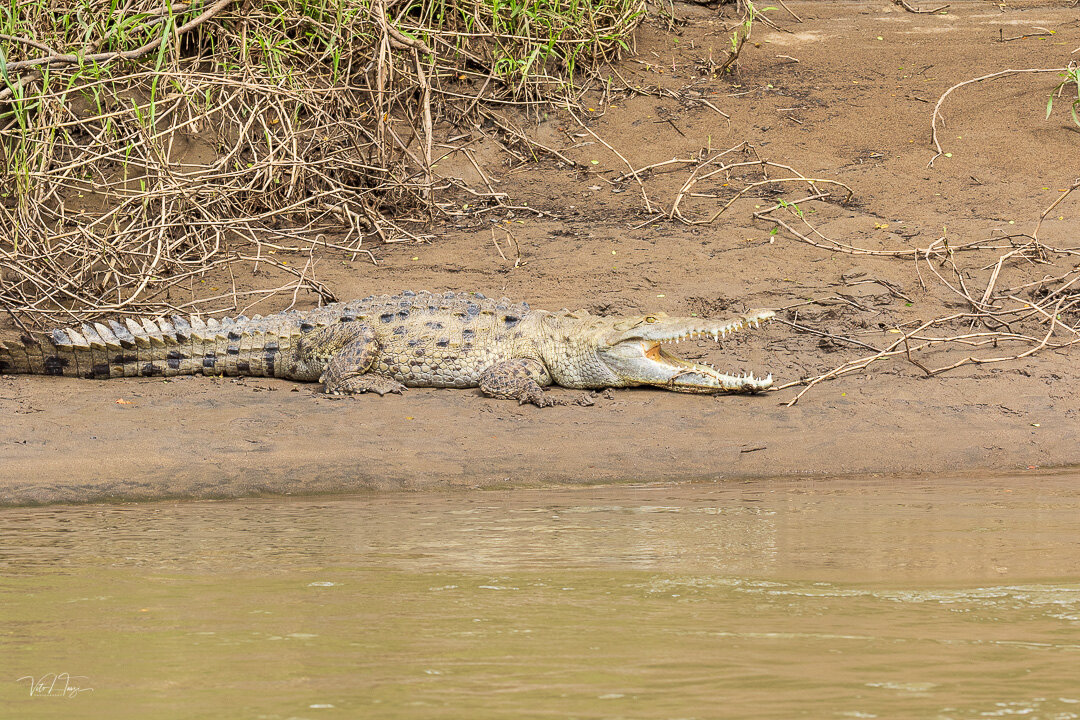
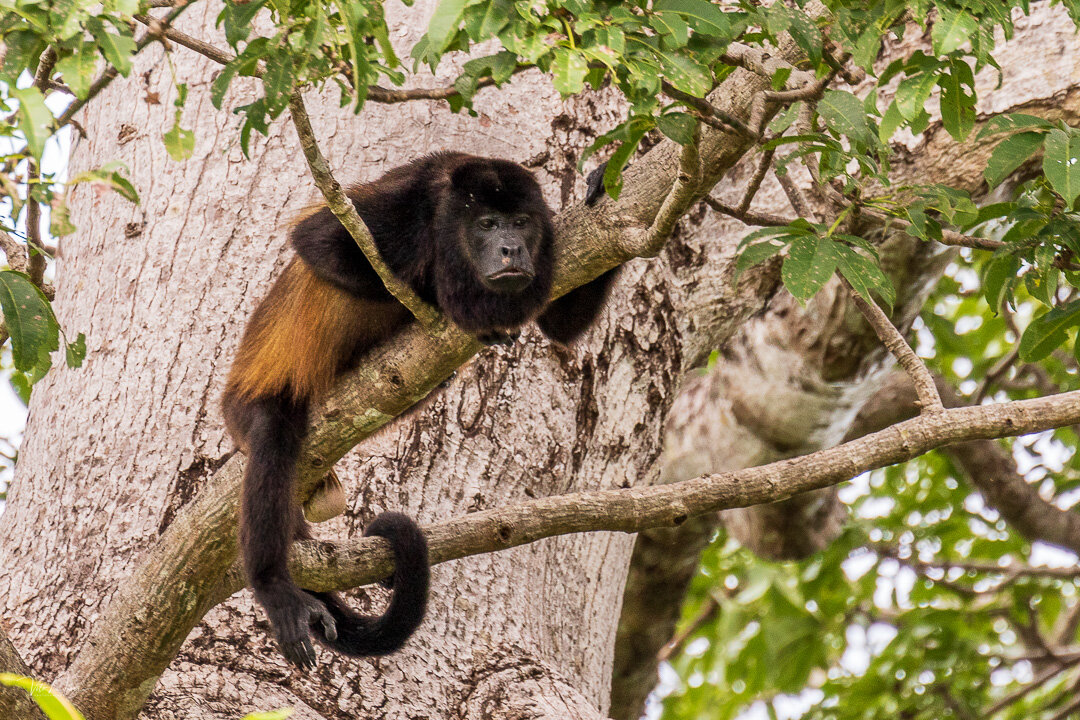
We saw iguanas stretched across branches at eye level, crocodiles resting at the water's edge, toucans tucked into the canopy above the bank, cormorants drying their wings on exposed roots, storks wading through the shallows, and howler monkeys moving overhead through the trees. And that is on a typical morning. The birdlife alone, well over 300 species, makes this one of the most rewarding photography refuges in Central America.
The experience of being at water level in a small boat means your subjects are often at eye level or slightly above. That perspective produces intimate images that feel genuinely close to the subject rather than documentary from a distance.
📷 Pro Tip: Book an early morning boat tour departing before or at sunrise. The light is softer, the water is calmer, and animal activity is at its peak. Bring a 100-500mm lens on a monopod; shooting from a gently moving boat requires a fast shutter speed, at least 1/1000, to compensate for boat movement and subject motion. Keep your ISO flexible because the light under overhanging trees can drop quickly. If the boatman stops near a roosting bird, ask him to cut the engine and let the boat drift. The resulting stillness gives you sharper images and does not disturb the animal.
Best time: Sunrise to 9:00am. Access: Guided boat tours from the village of Caño Negro; [VERIFY current tour operator options]. Approximately 2.5 hours northwest of La Fortuna.
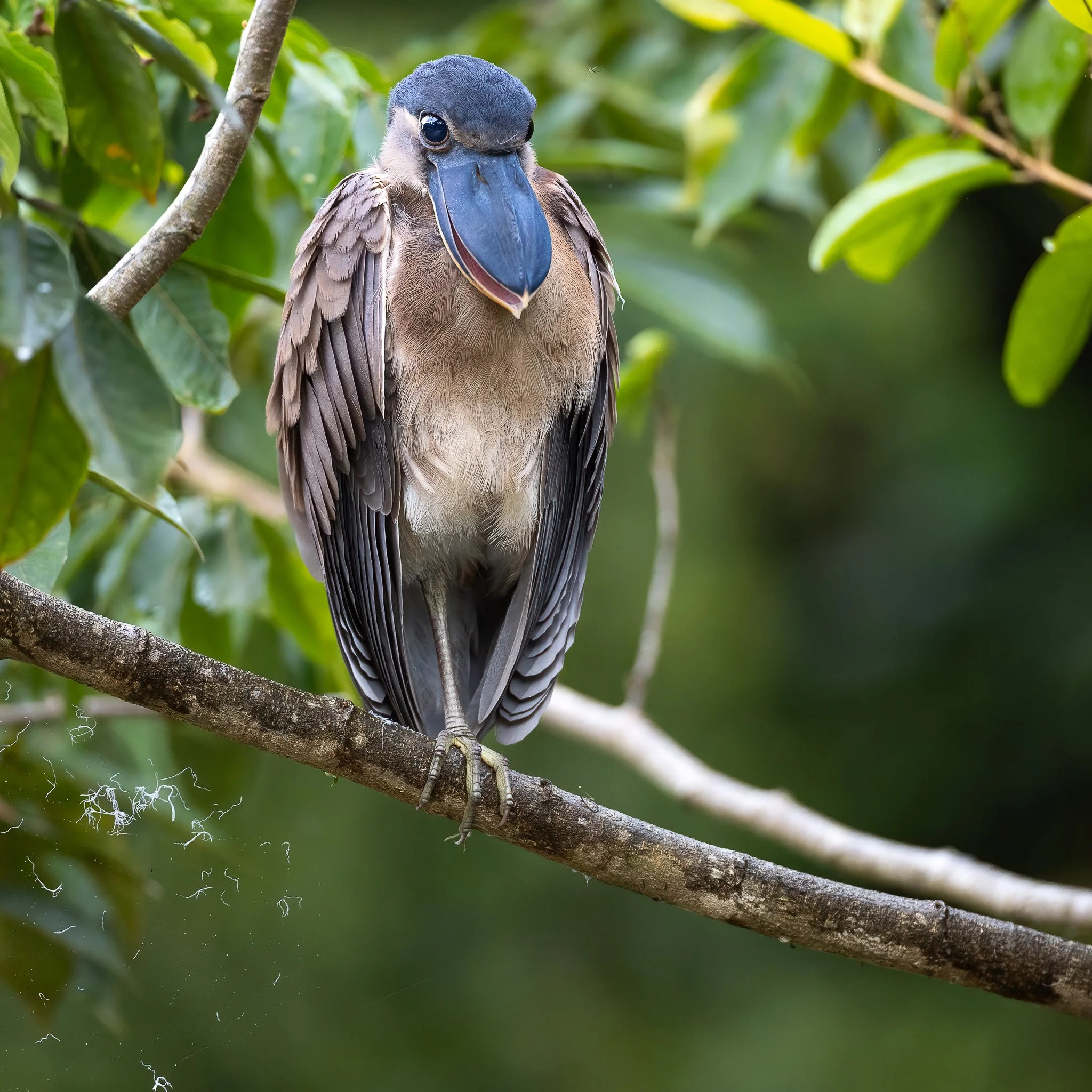
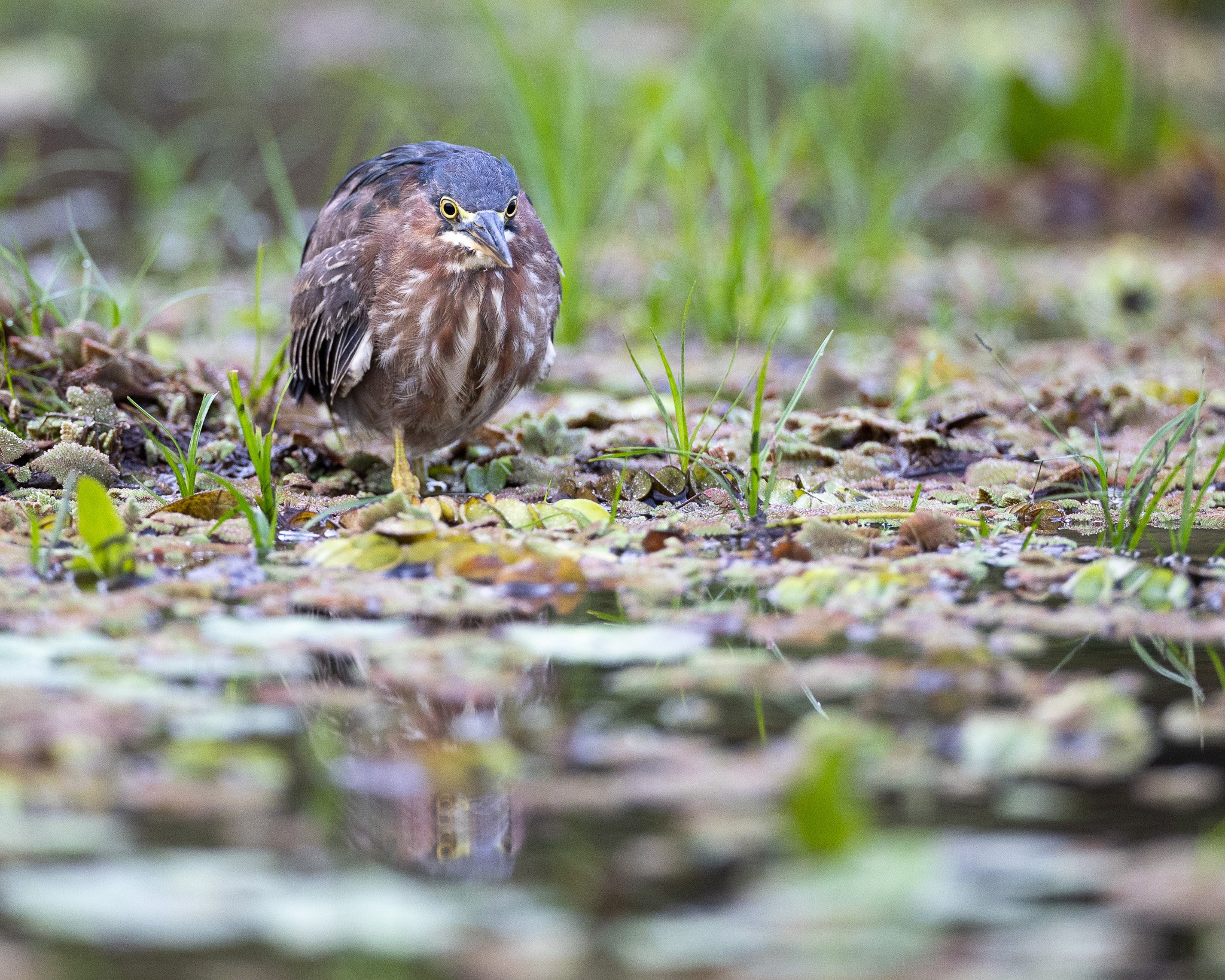
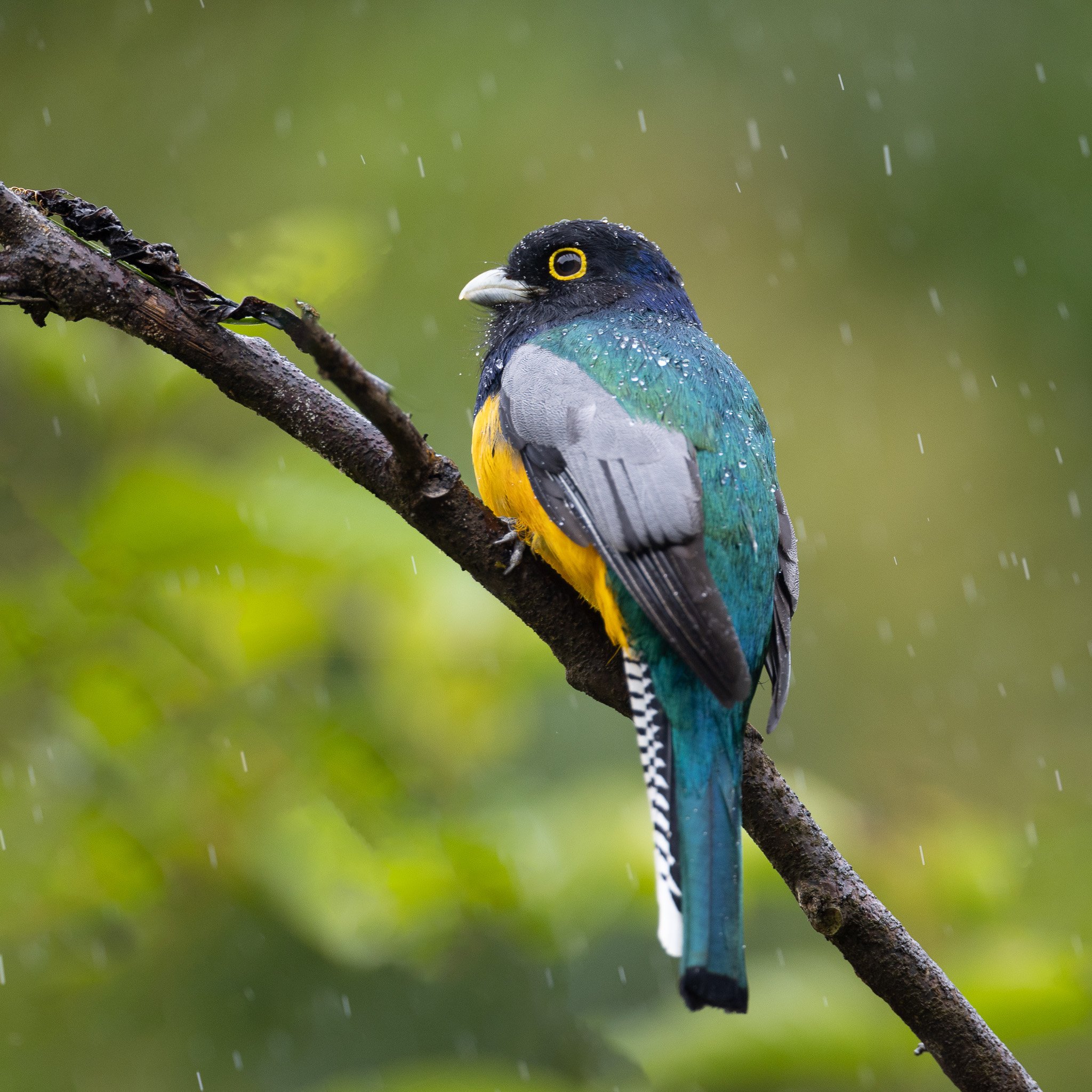
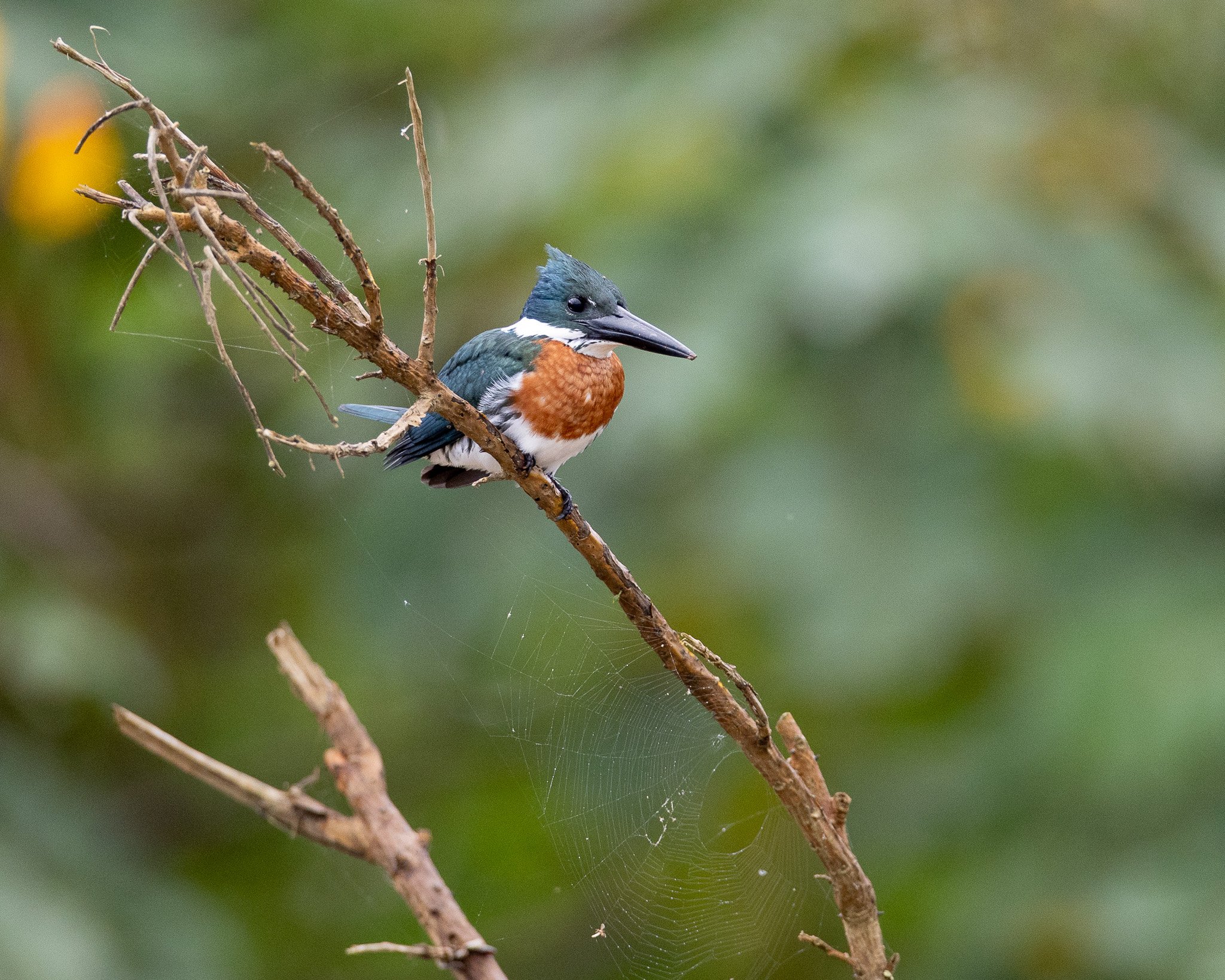
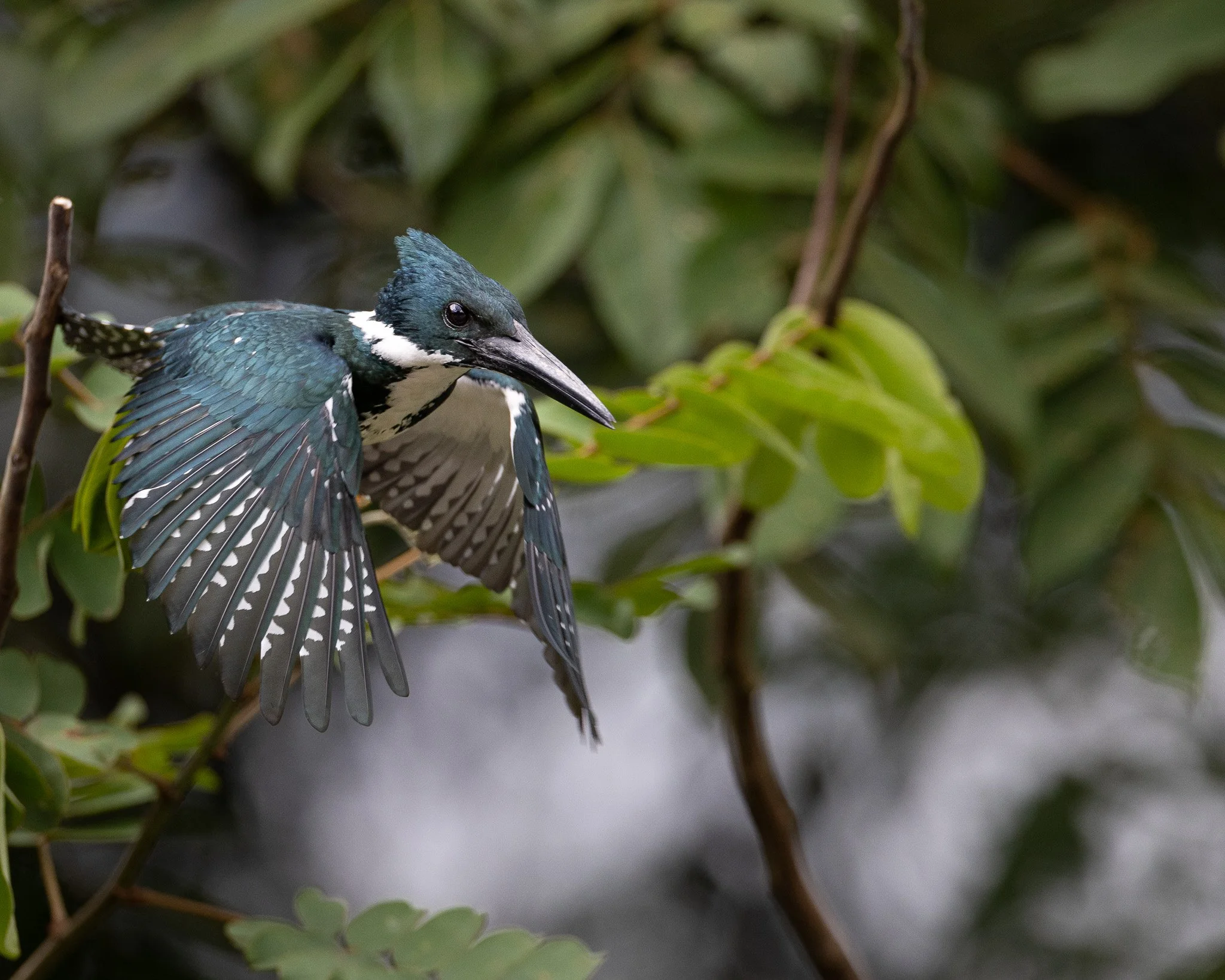
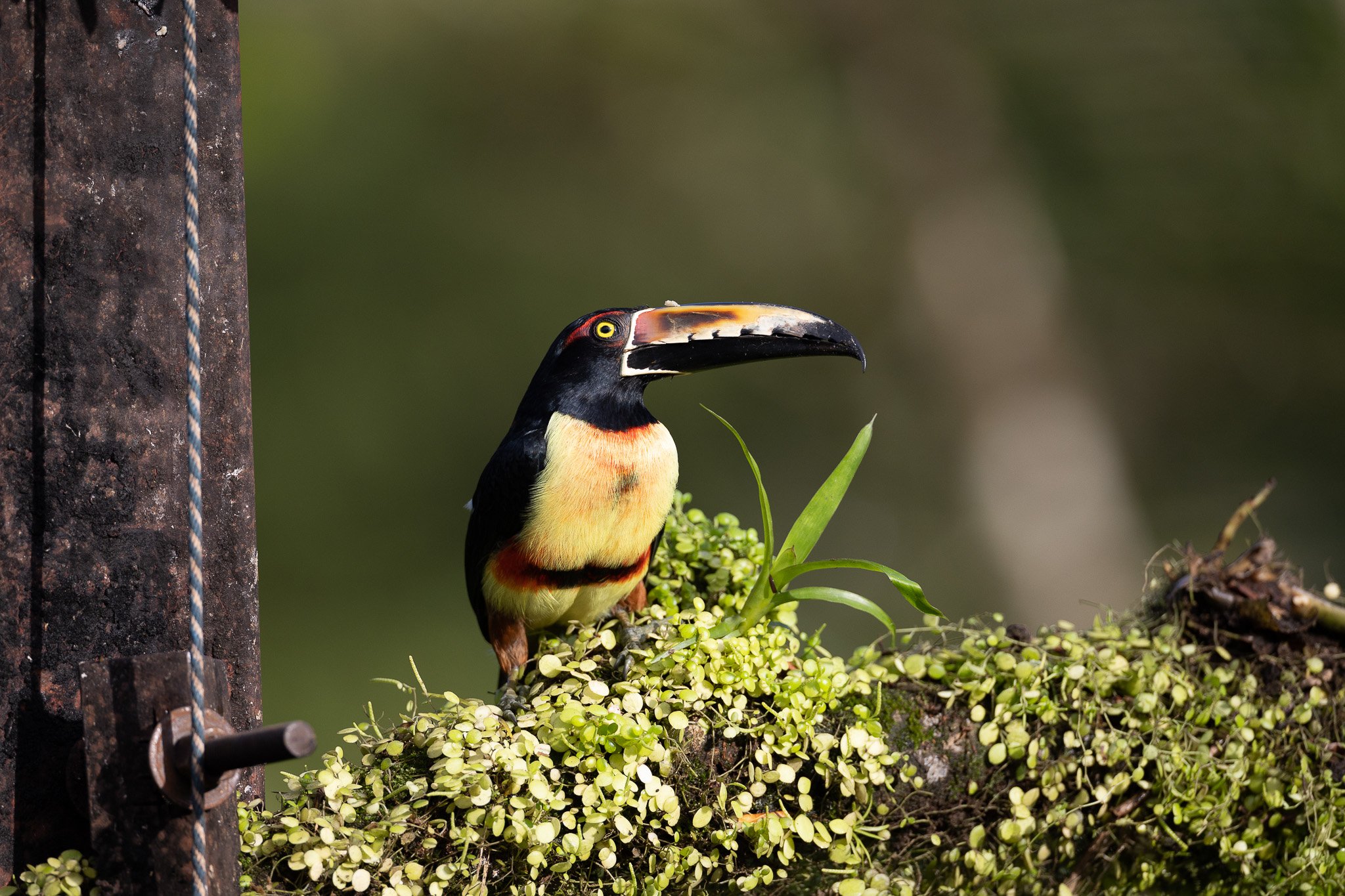
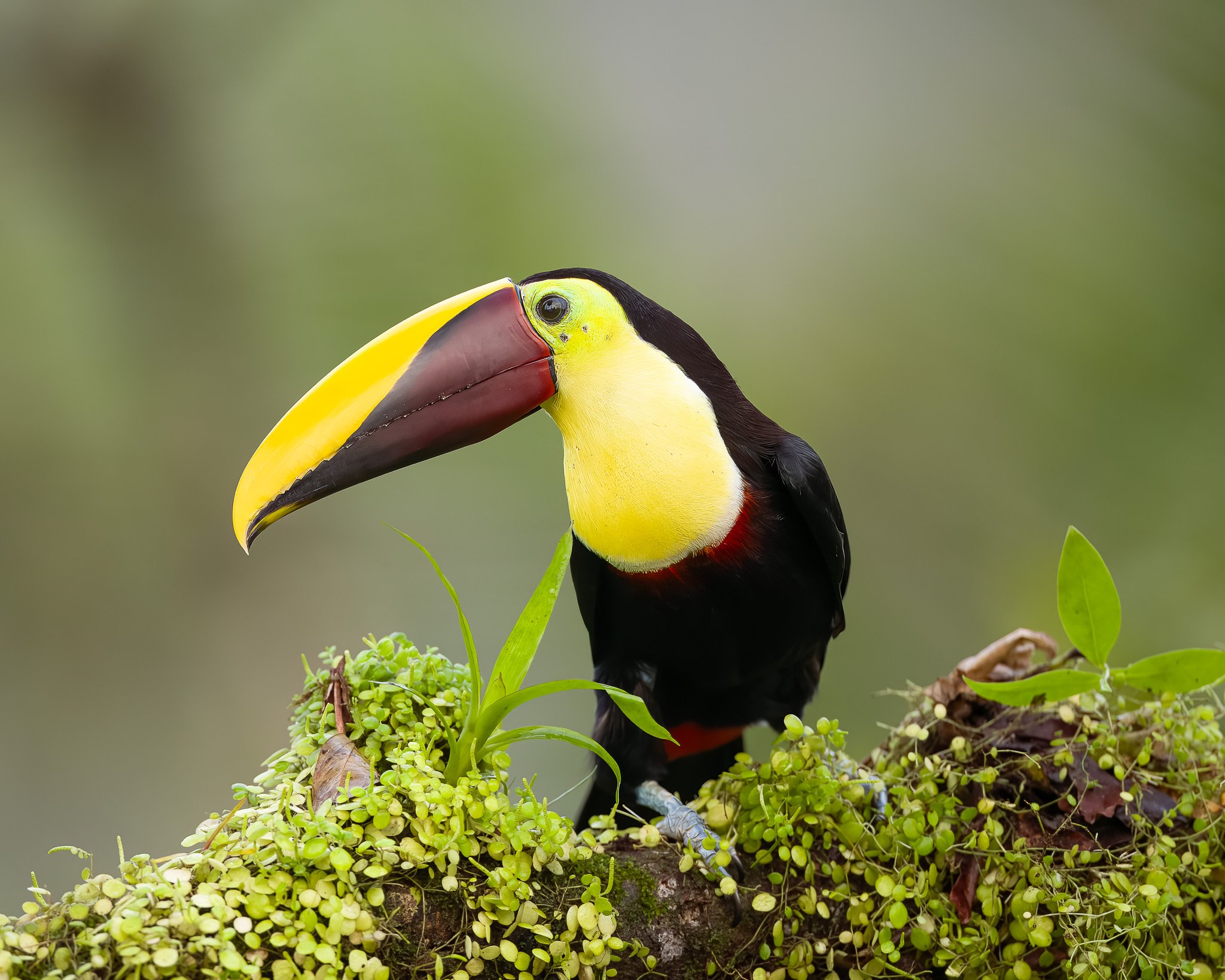
Boca Tapada, Laguna del Lagarto Toucan Perch
If you are serious about bird photography, Boca Tapada deserves a dedicated day or two on your itinerary. The accommodations at Laguna del Lagarto Eco-Lodge are basic. This is not a luxury experience. You are here for feathers, not thread count.
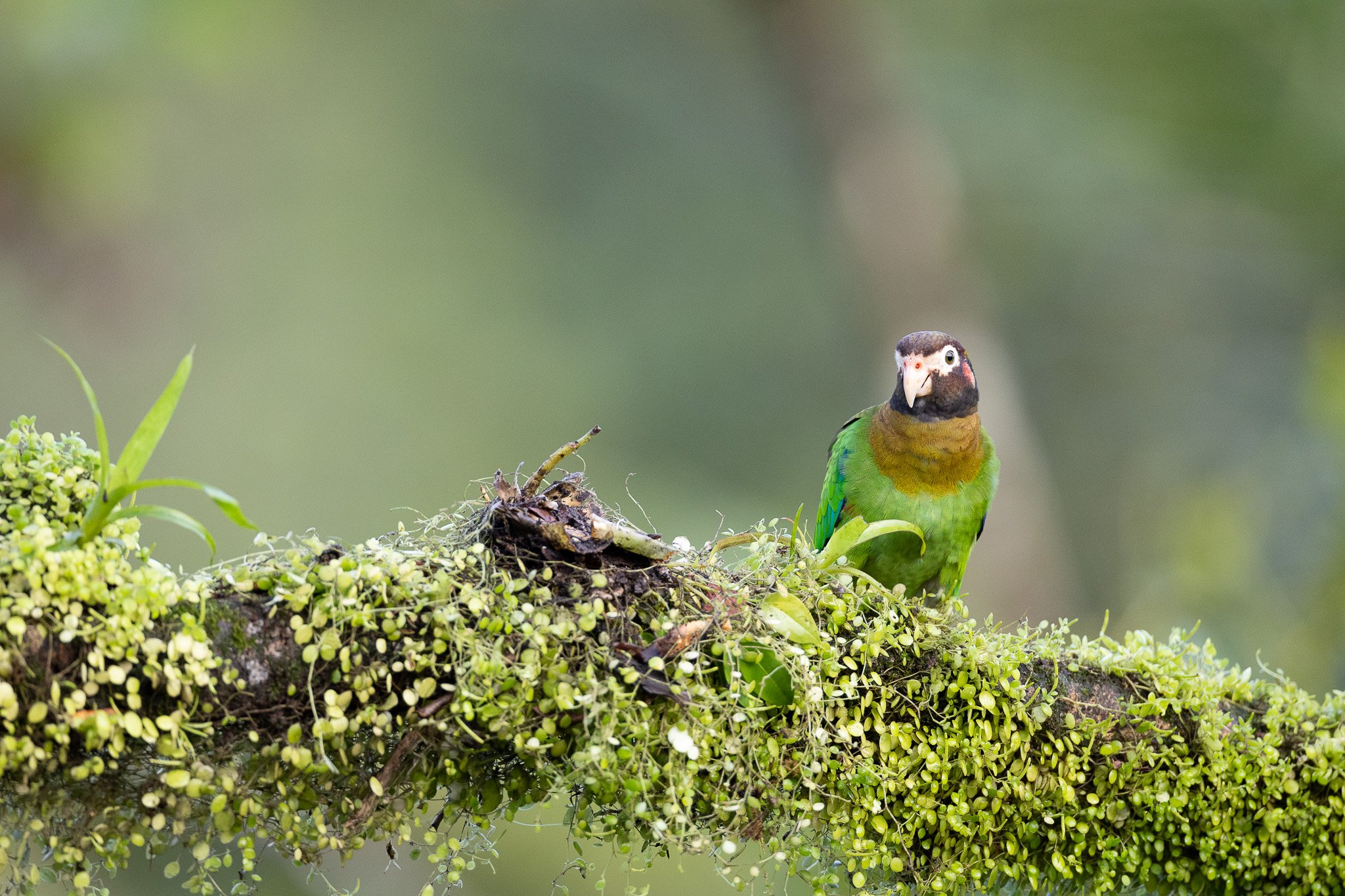
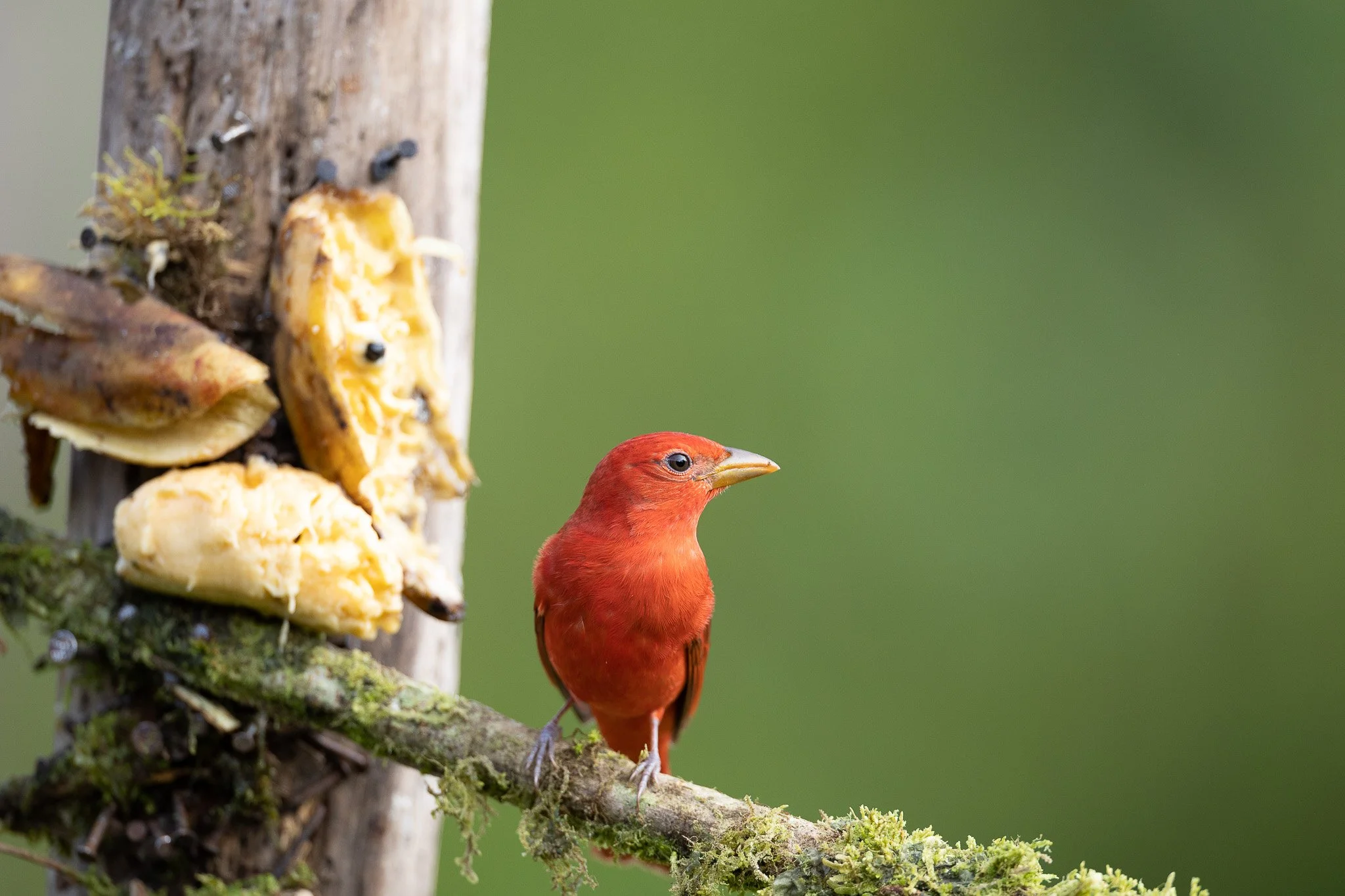
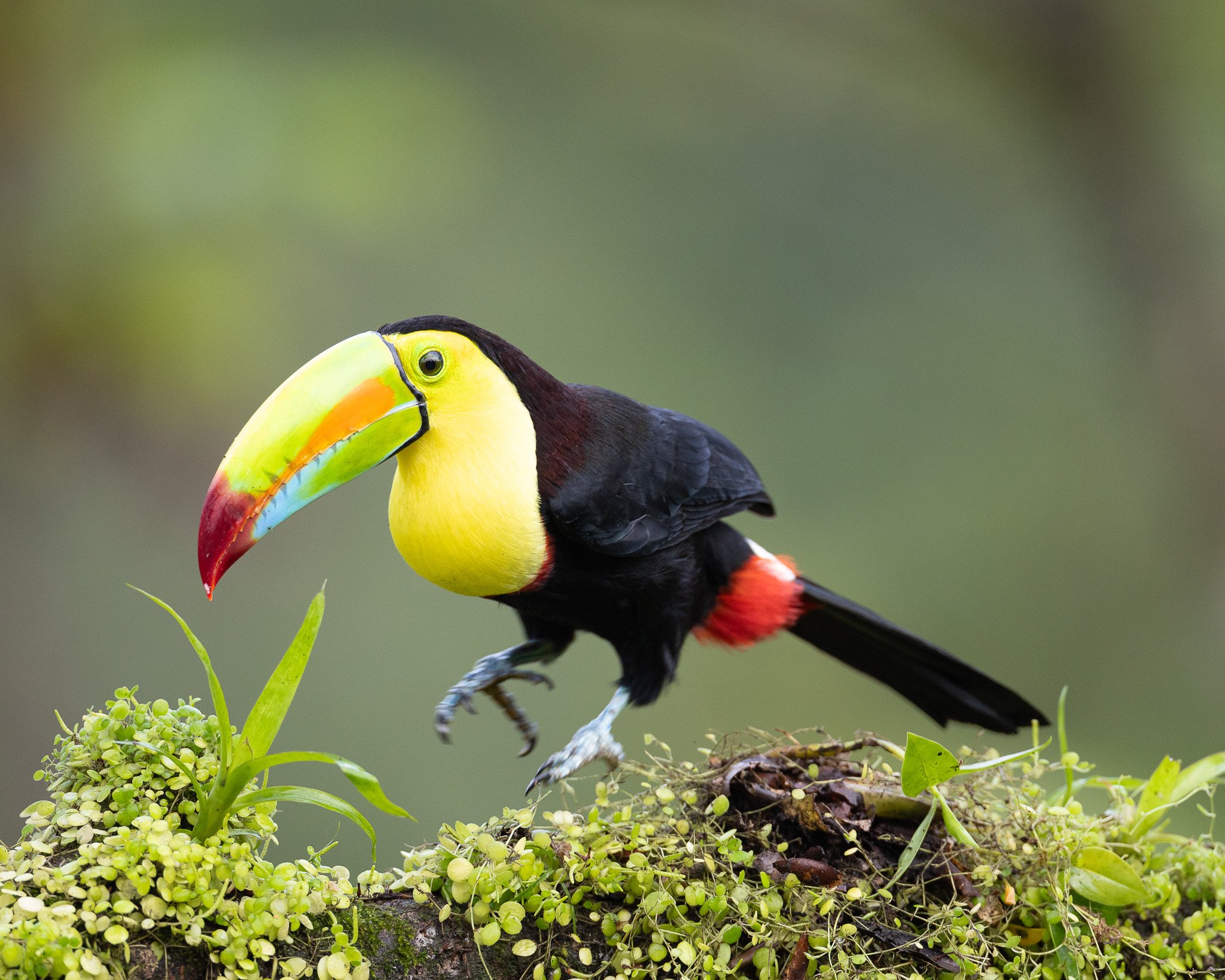
The lodge has created one of the most productive toucan photography setups I have experienced anywhere in Costa Rica. The perch system attracts multiple toucan species throughout the morning, often at close range and with clean backgrounds. Beyond toucans, the lodge's forest edges attract an extraordinary variety of neotropical birds.
📷 Pro Tip: Arrive at the perch before sunrise and claim a position with the light on your side. Early morning activity is the highest. Shoot at 1/1250 or faster to freeze head movement and wing motion. With a 400mm or 100-500mm lens, focus on the eye and wait for the bird to turn toward you before firing. Watch for the moments when a bird hops between perch positions; those action frames are often the strongest shots. Pay attention to backgrounds and be willing to move a few feet left or right to find cleaner separation. Small positional adjustments make a significant difference at telephoto distances.
Best time: Pre-dawn to 9:00am. Access: Guests of Laguna del Lagarto Eco-Lodge; book accommodation in advance as capacity is limited. Located in the northern lowlands near the Nicaraguan border, approximately 3 hours from La Fortuna.
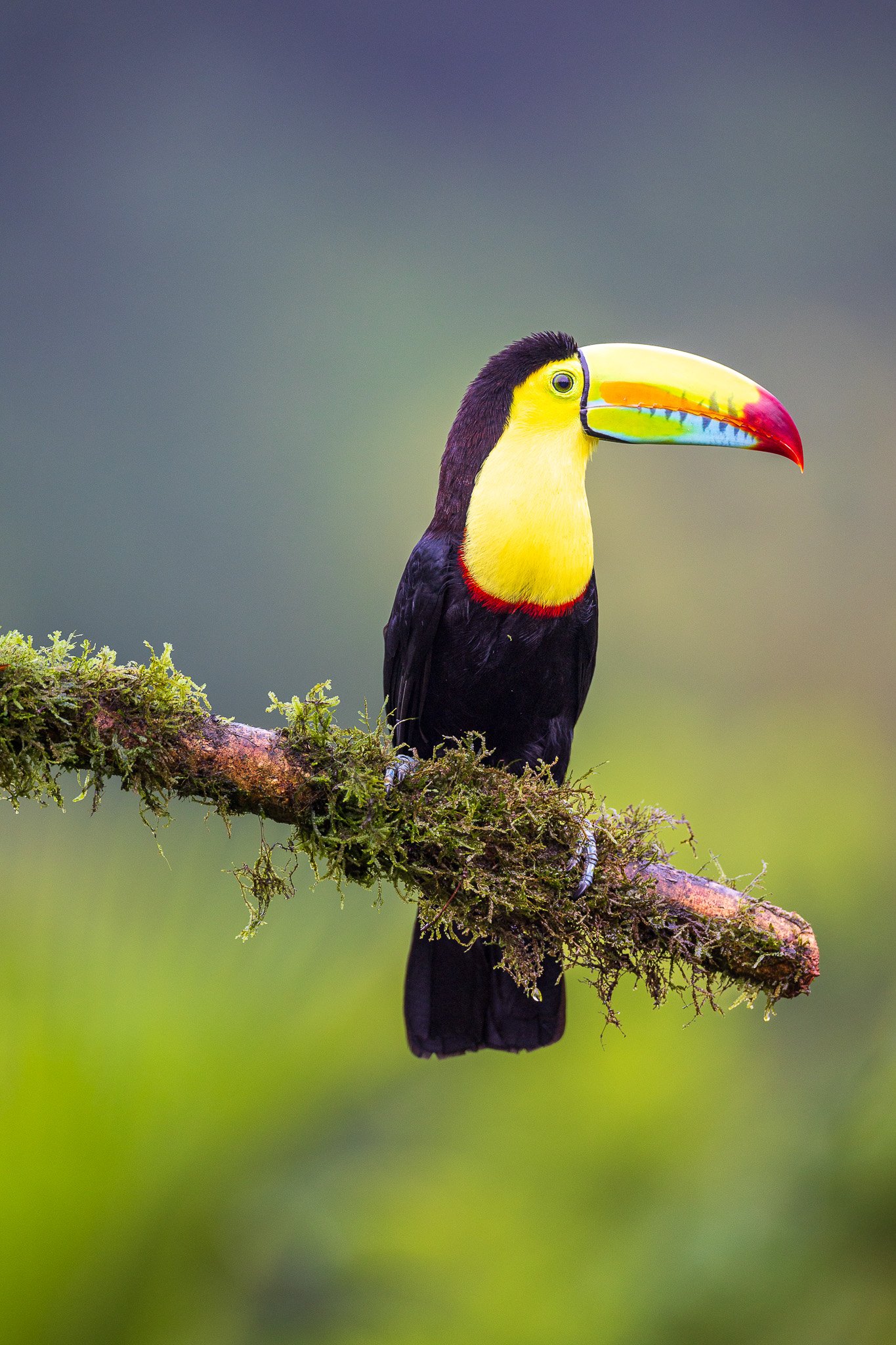
Toucan
You will come back with so many shots from this location
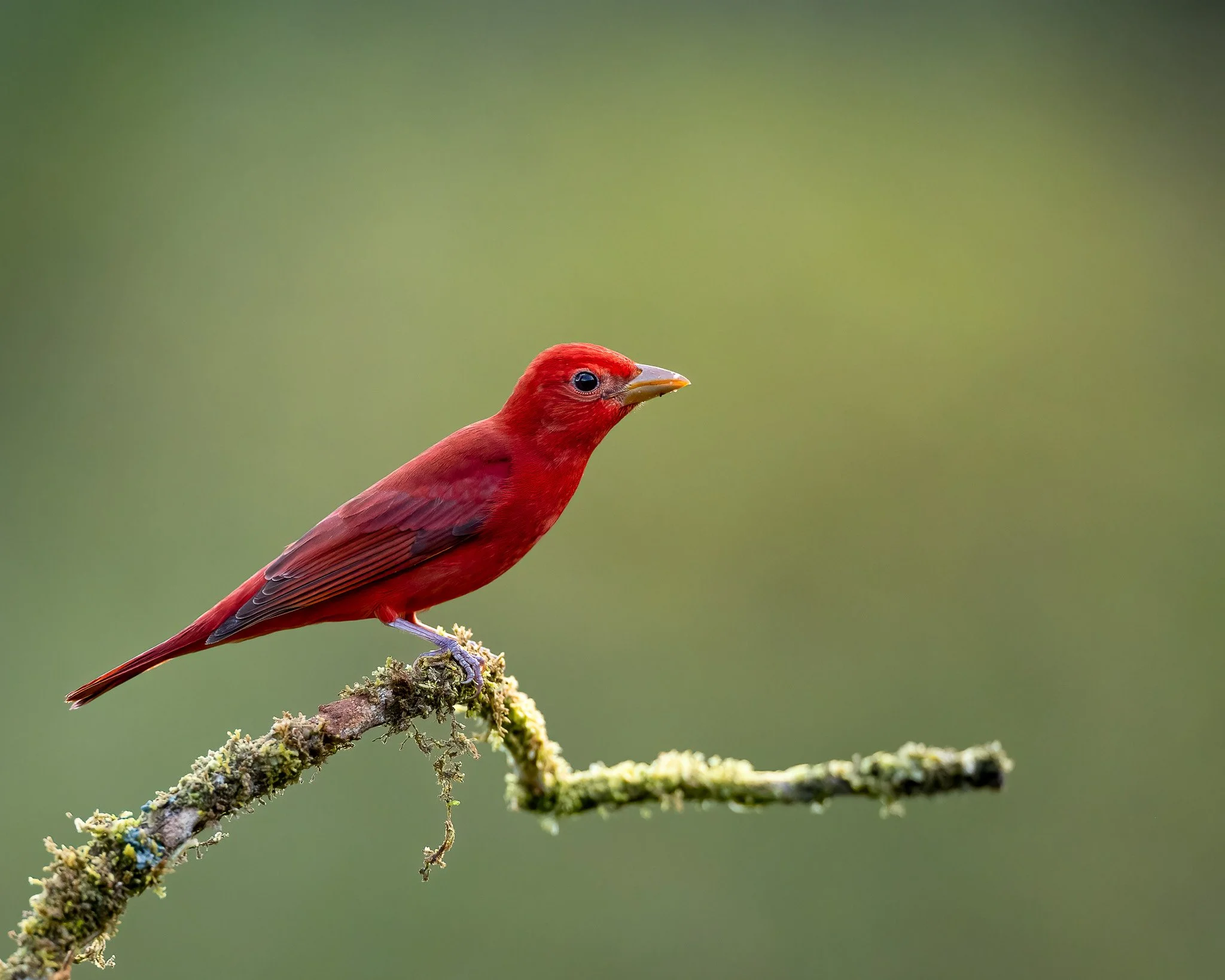
Toucan Rescue Ranch
The Toucan Rescue Ranch is far more than a photo opportunity. Its mission is simple and important. Rescue, rehabilitate, and when possible, release Costa Rican wildlife back into the wild.
Located near San José, this organization cares for injured, orphaned, and displaced animals. The work they do is essential. Visiting supports conservation directly, and you leave with a deeper appreciation for the challenges wildlife faces.
From a photography perspective, this is a chance to create intimate portraits in a controlled and ethical setting. You may see toucans up close, owls, and yes, some incredibly adorable sloths. The sloths are patient subjects, which helps you focus on expression, eye contact, and detail.
Pro Tip:
Treat this as conservation photography. Be respectful. Listen to the staff. Use natural light when possible and avoid disrupting the animals.
The Toucan Rescue Ranch reminds you that photography is not just about beautiful images. It can also support meaningful work. And that makes the experience even more powerful.

A 3 Toed Sloth
Frog Heaven
If you love macro photography, Frog Heaven lives up to its name.
Located in Horquetas, Sarapiquí, this family-owned reserve focuses on protecting and showcasing Costa Rica’s incredible amphibian diversity. It feels intimate and personal, not commercial.
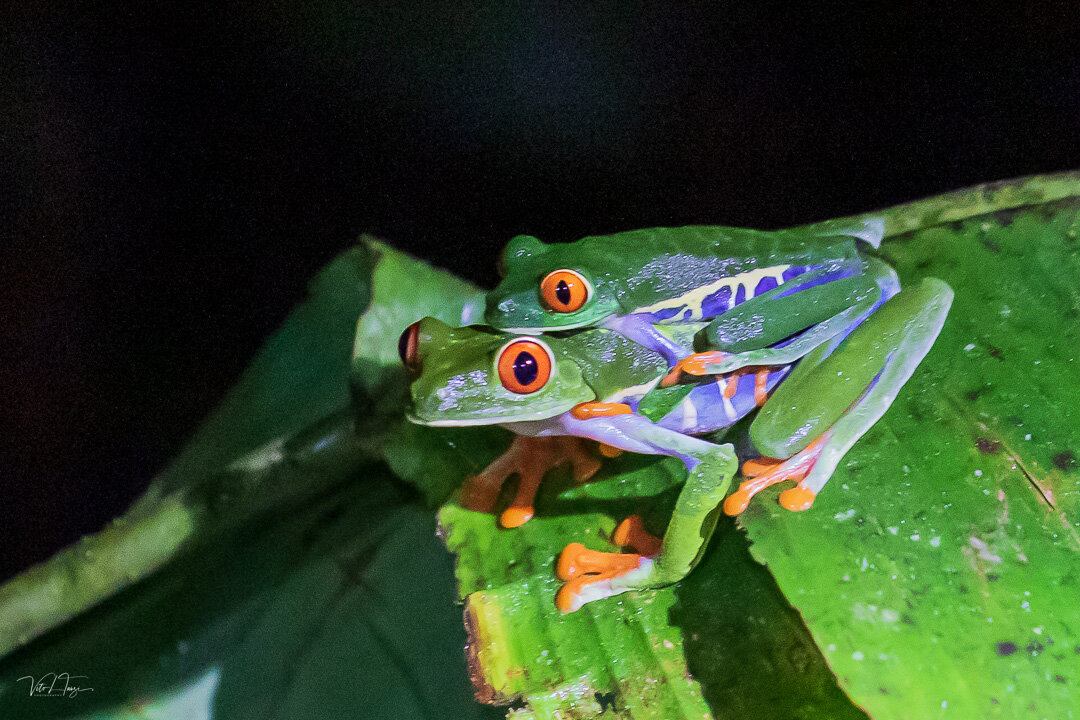
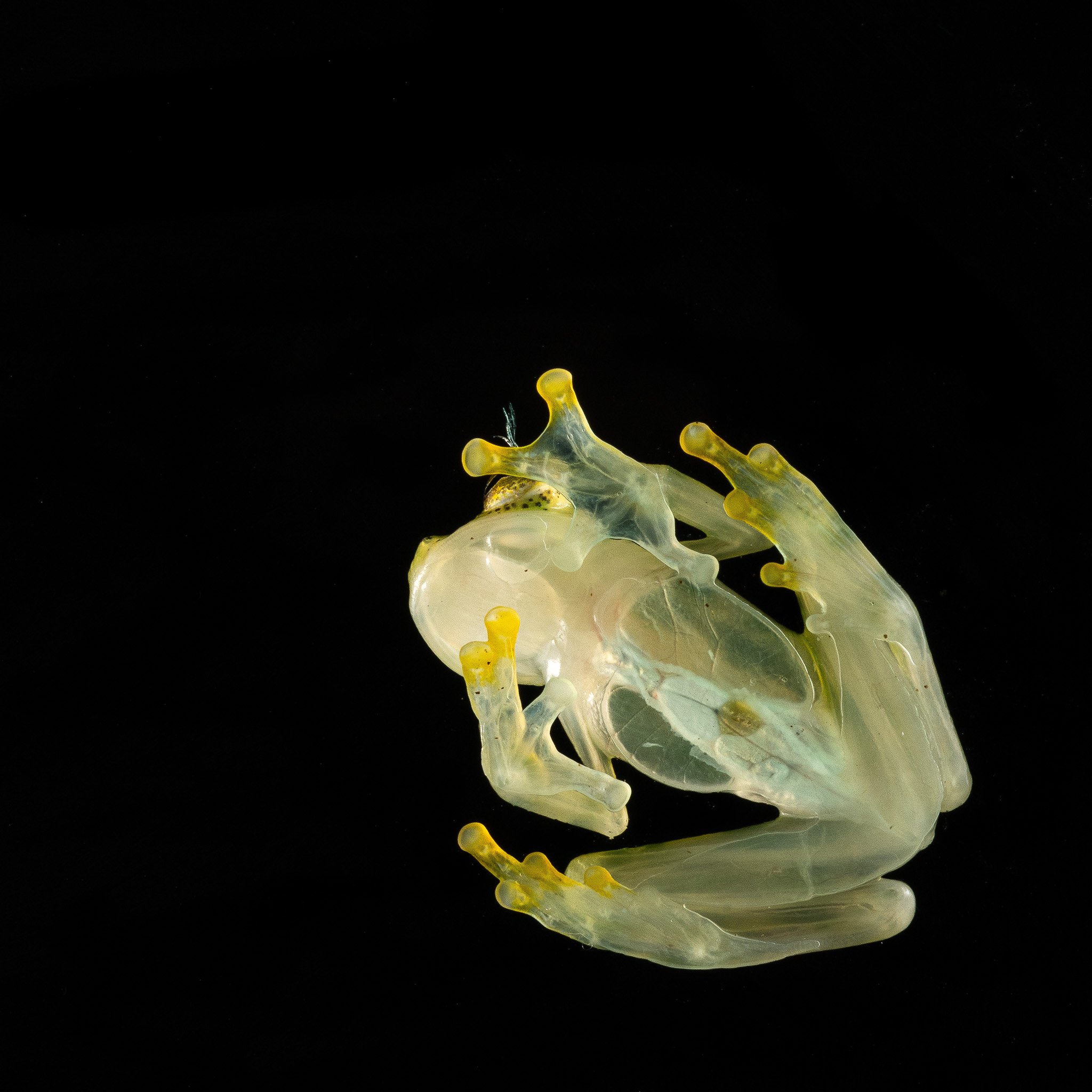
Our guide was the owner, Jose, and he was terrific. Knowledgeable, patient, and deeply passionate about his work. He knows exactly where to find red-eyed tree frogs, glass frogs, and other tiny rainforest gems. Without a guide like Jose, you would likely walk right past them.
Best Way to Photograph
Most visits happen in the evening when frogs are active. Bring a macro lens, ideally 90 to 105mm. A small diffuser or soft light source helps create natural-looking illumination. Keep your aperture around f8 to f16 for enough depth of field, and focus carefully on the eyes.
Frog Heaven is not about speed. It is about slowing down, adjusting your settings carefully, and appreciating the smallest details of the rainforest.
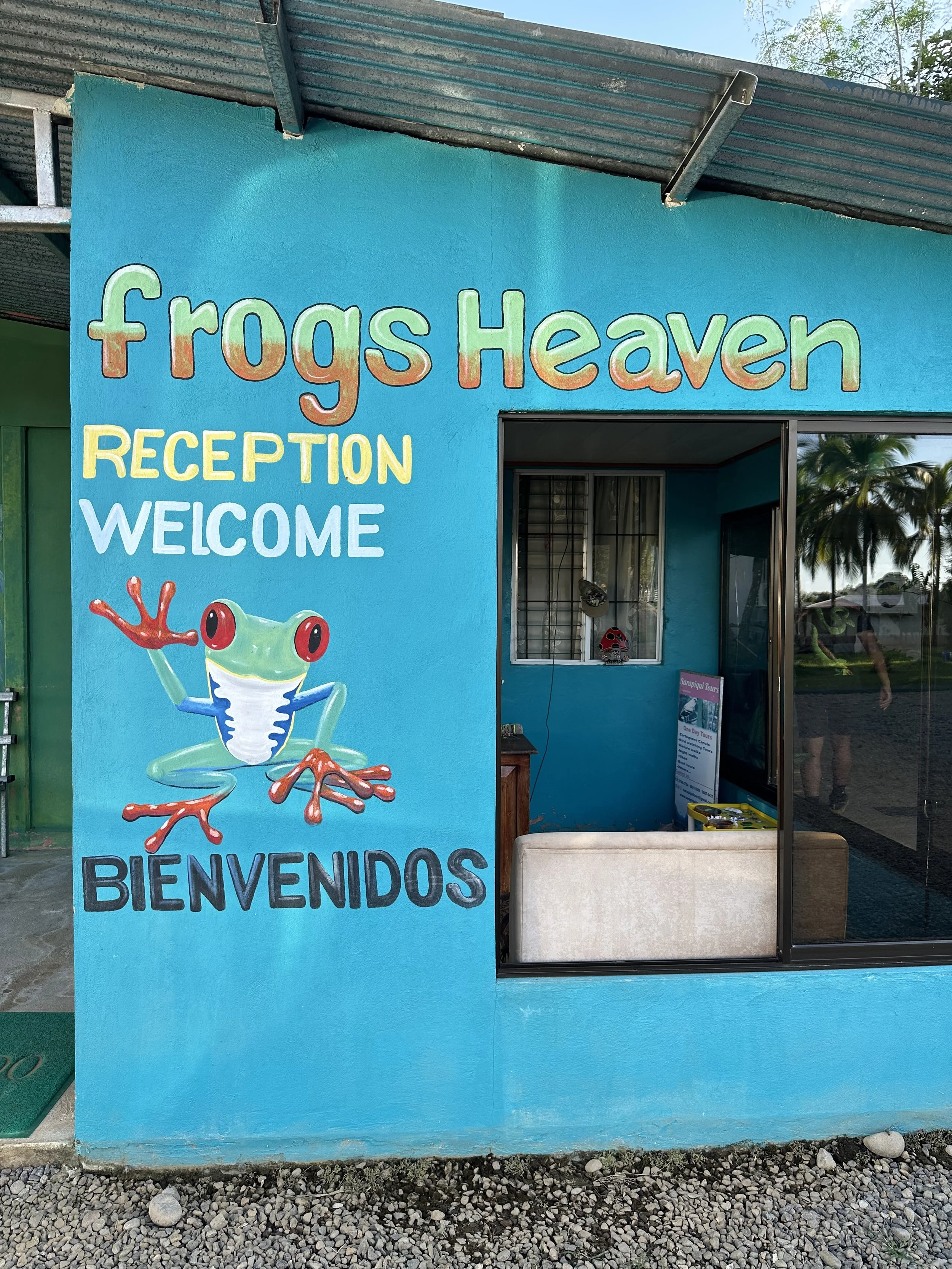
I loved our visit to Frog Heaven in Sarapiqui. In Arenal, there is another nice place for Night Photography walks called the Arenal Oasis Frog Night Tour.
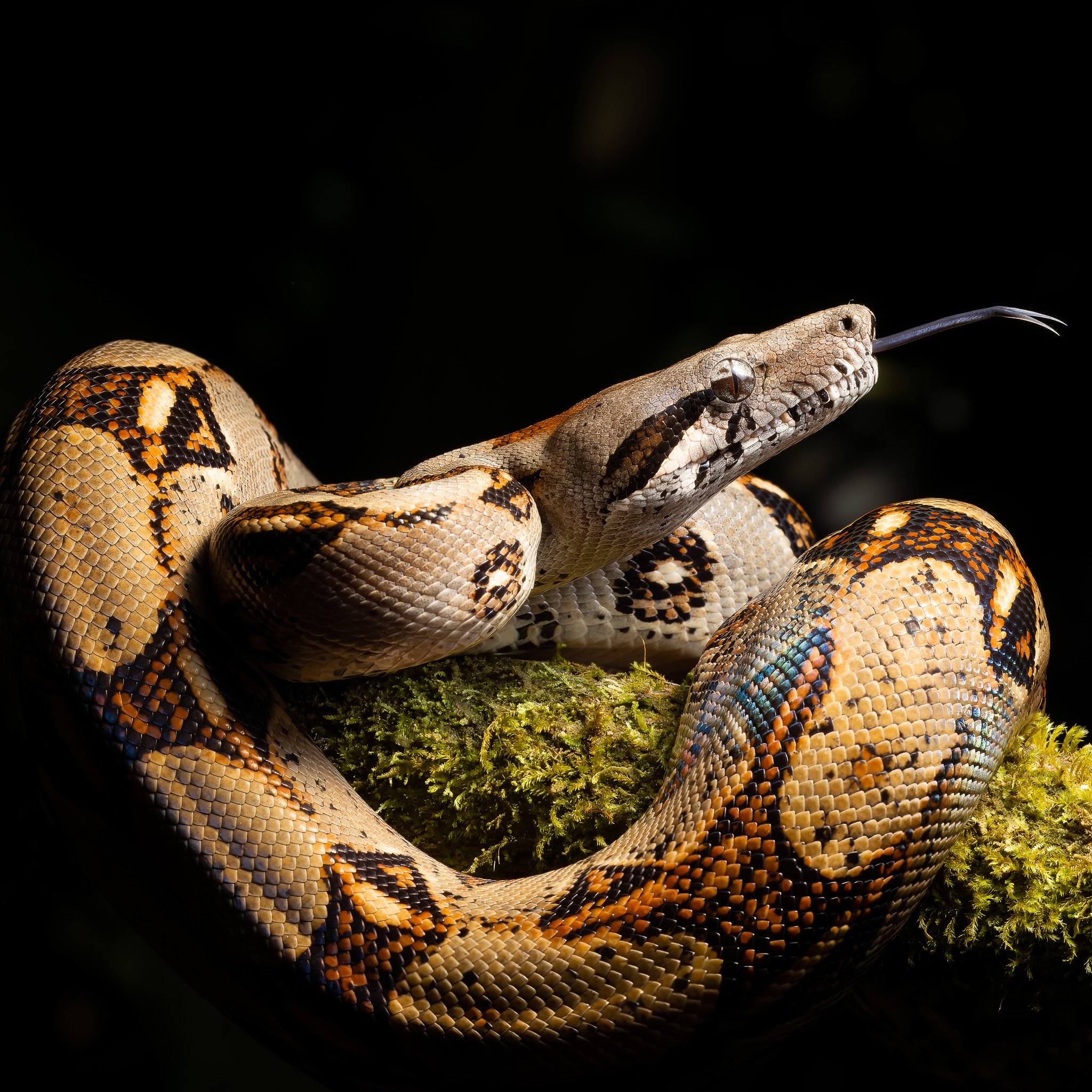
There are lots of cool shots of frogs and snakes
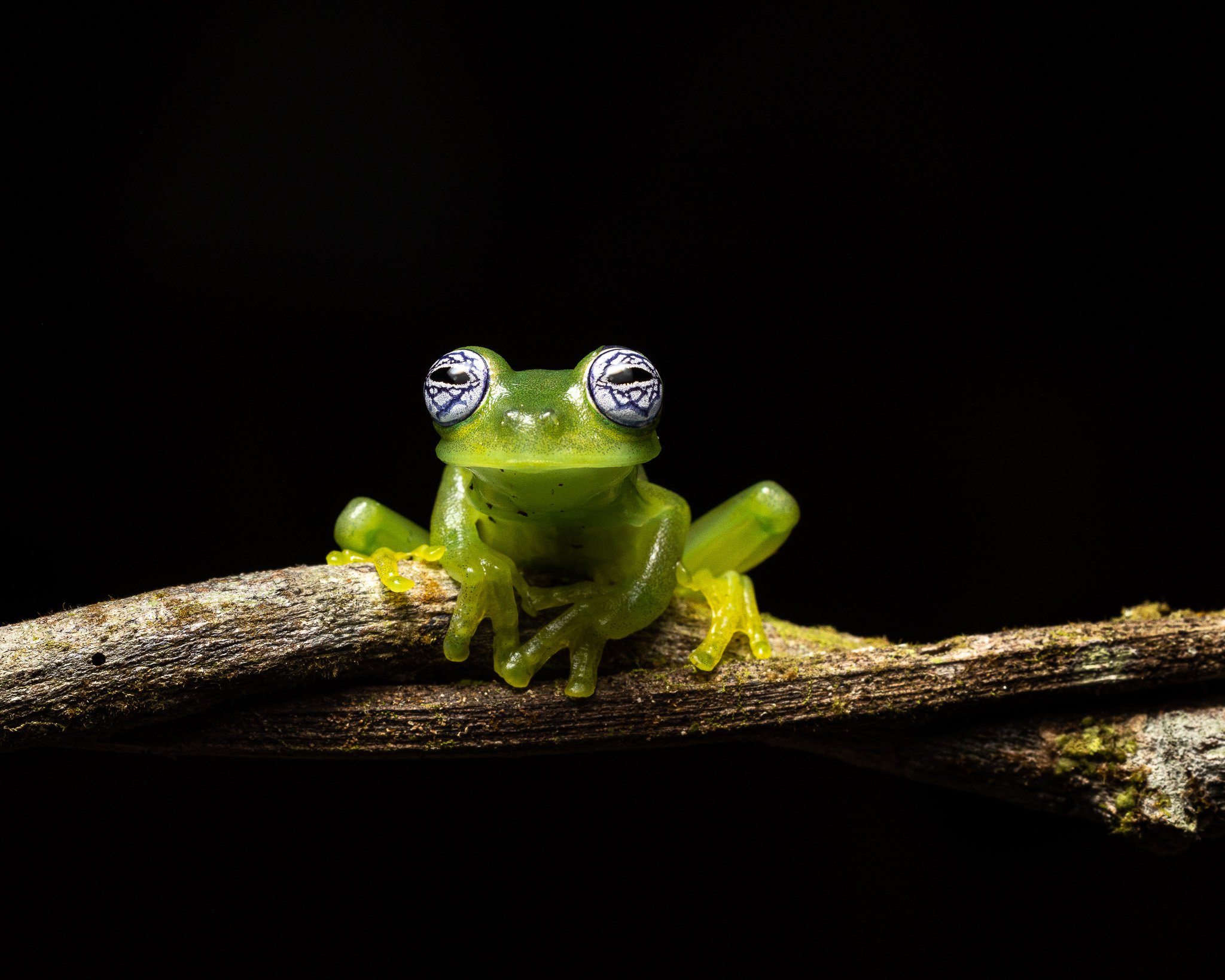
A Ghost Frog
Lots and lots of great shots from this location.
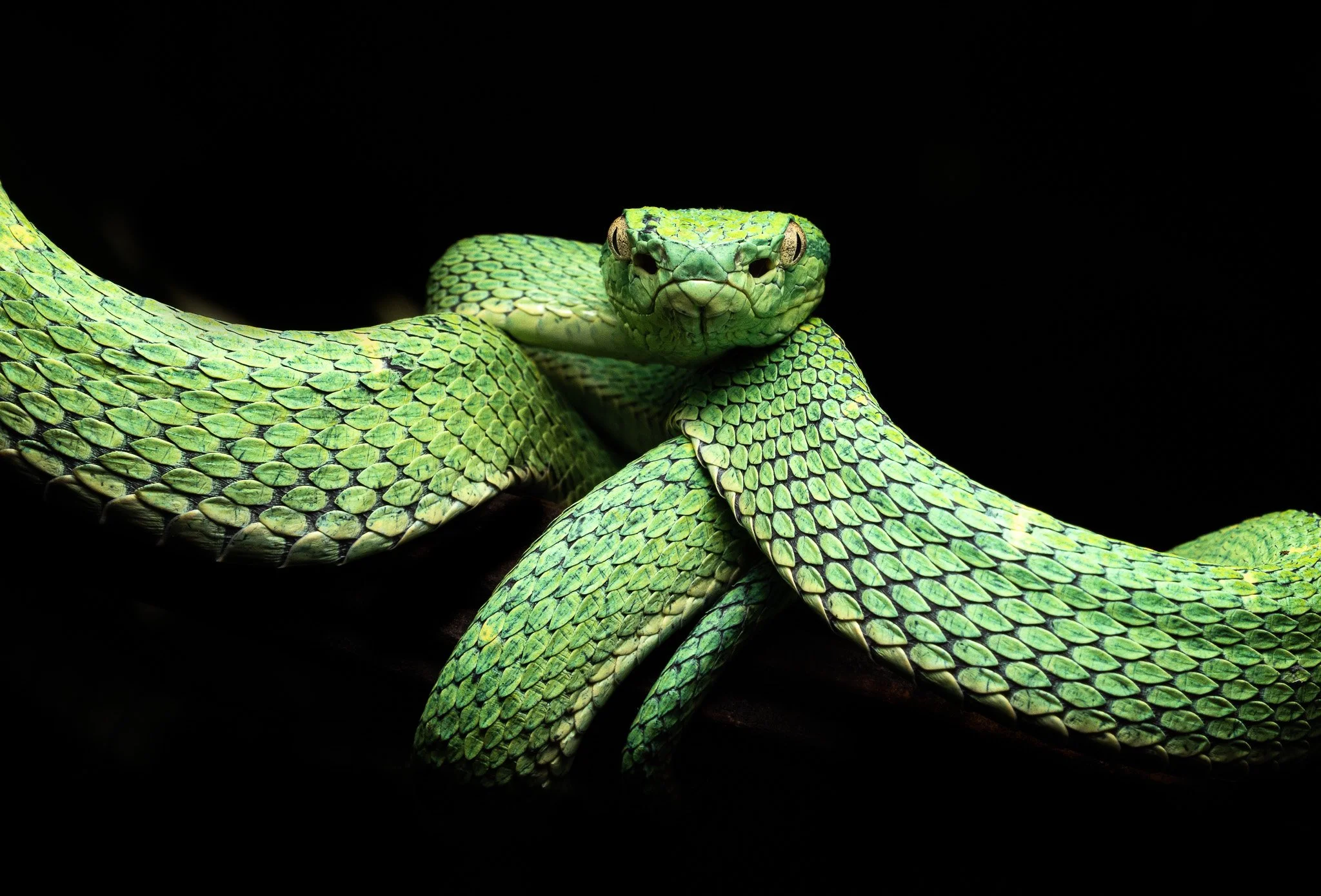
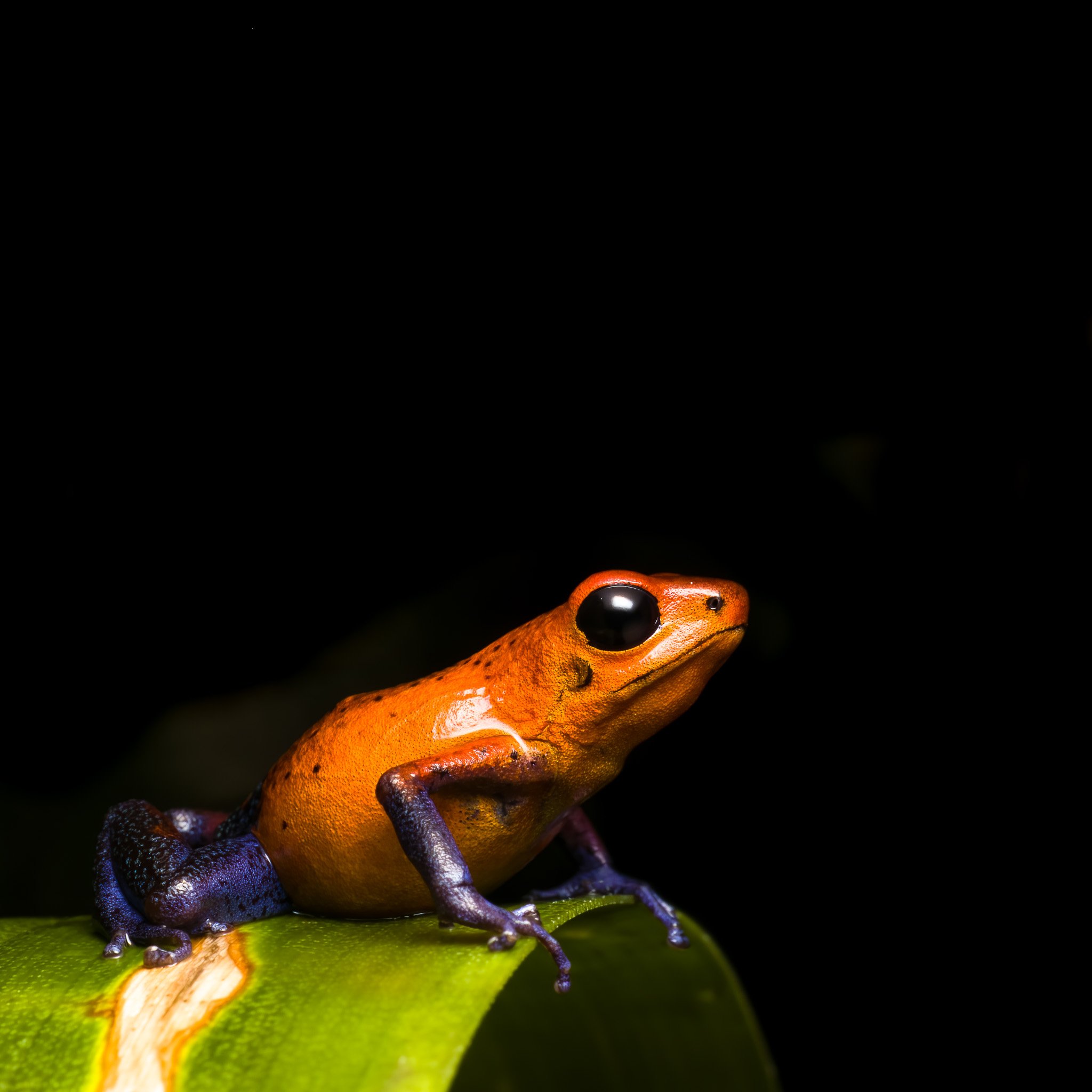
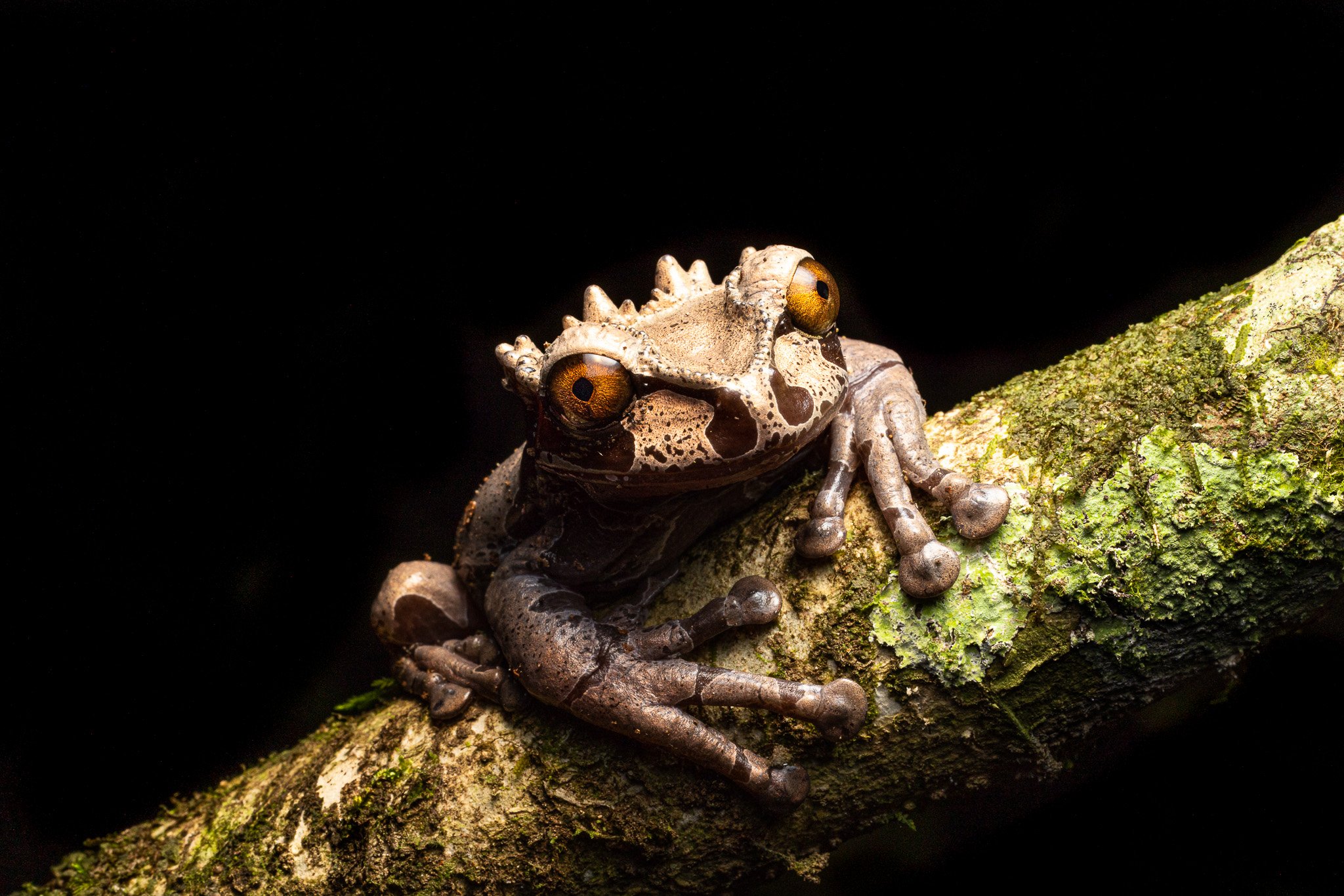
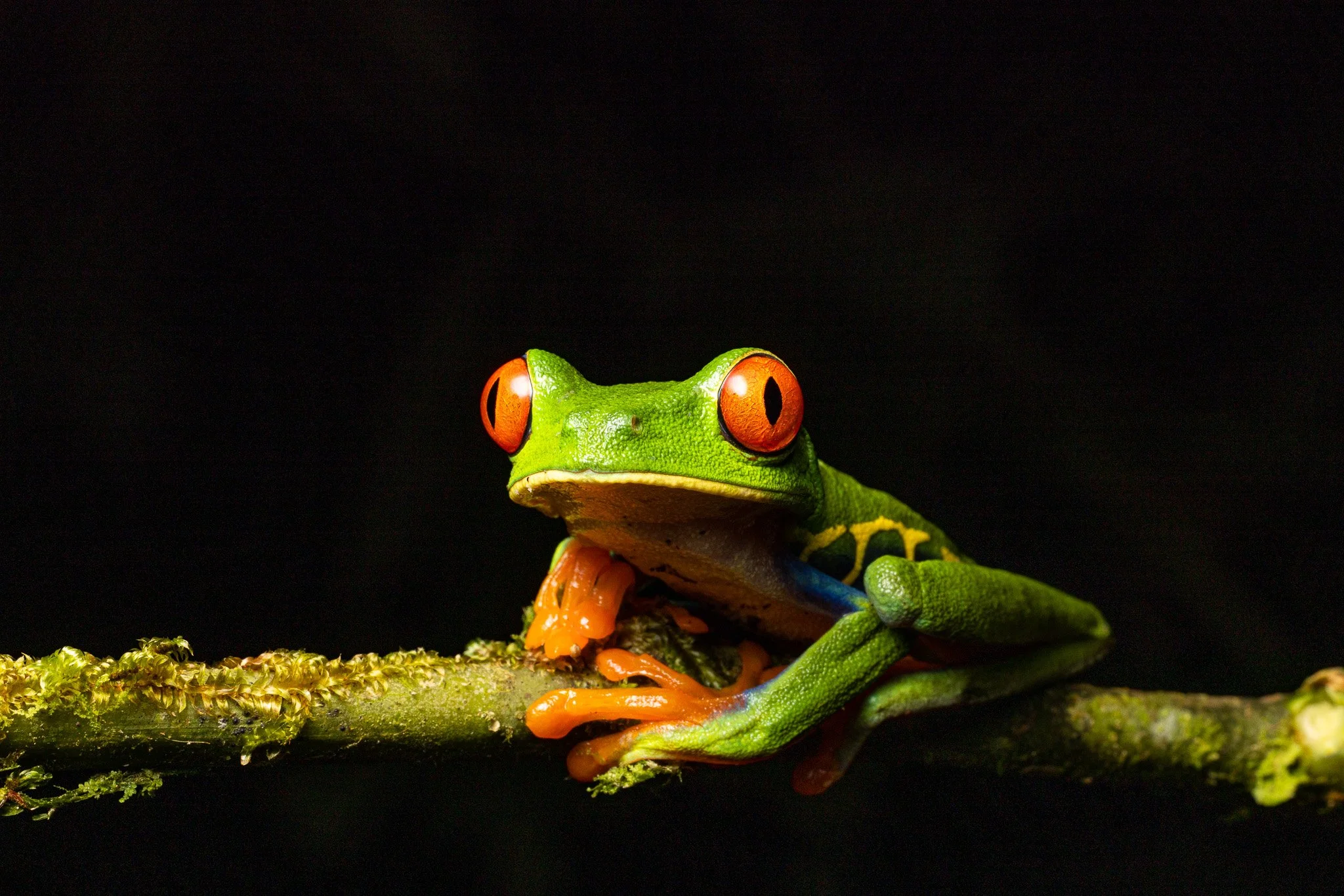
PALO VERDE NATIONAL PARK
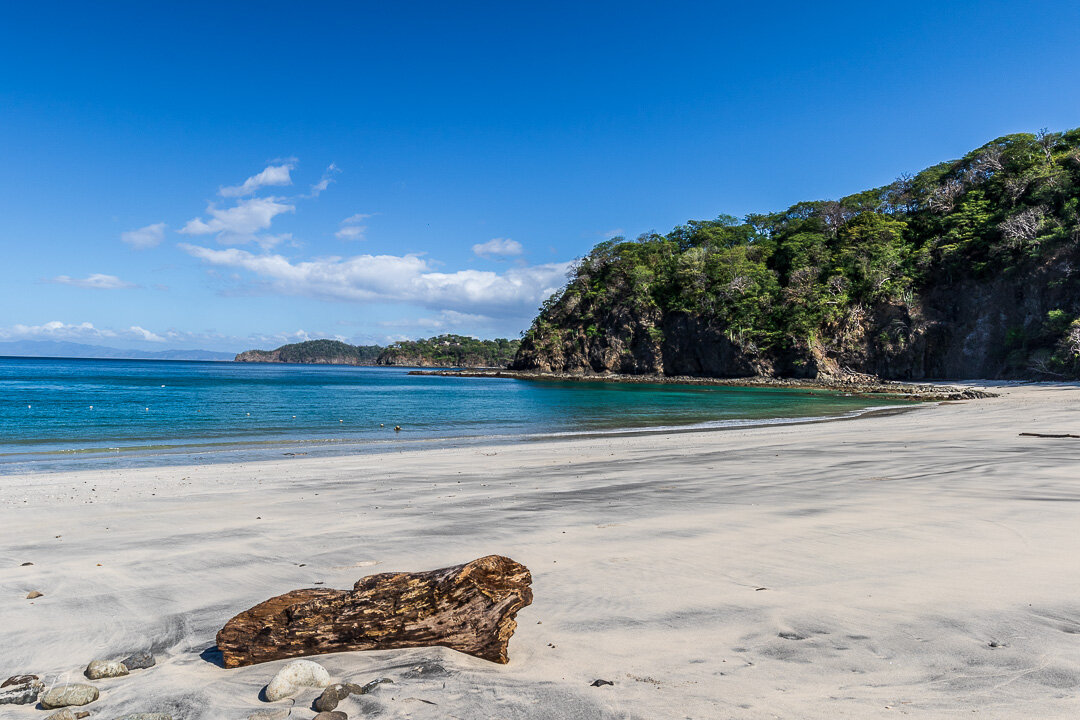
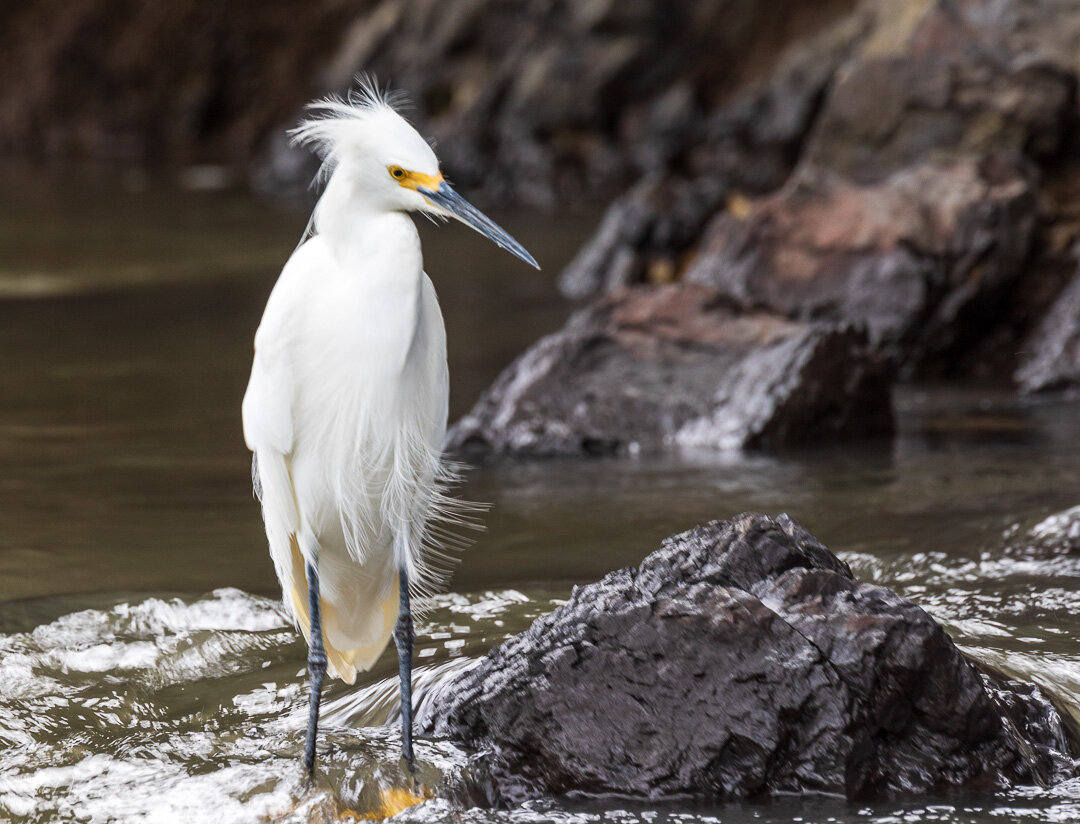
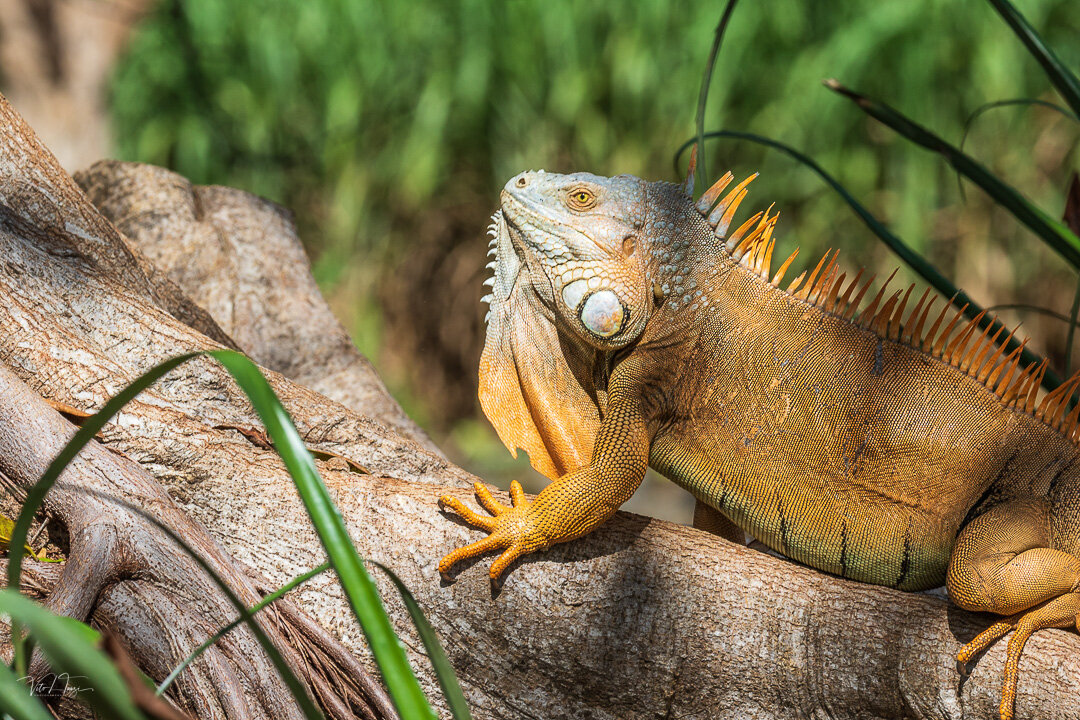
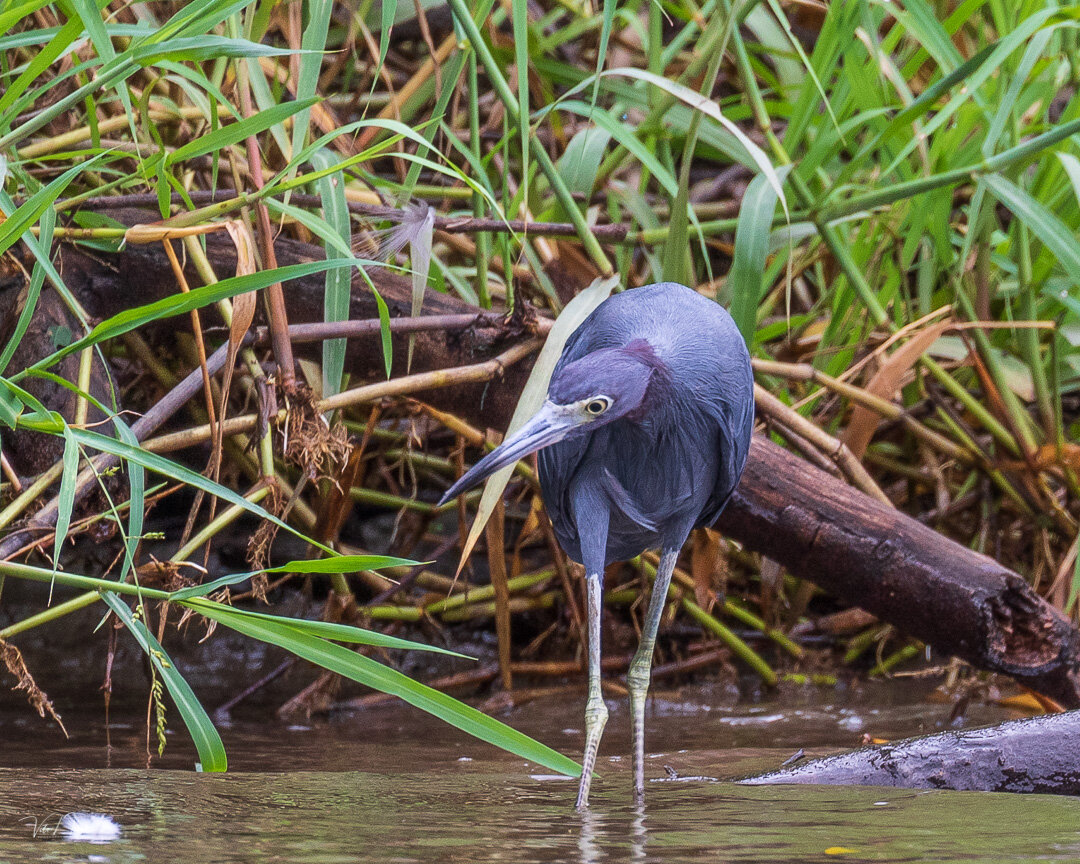
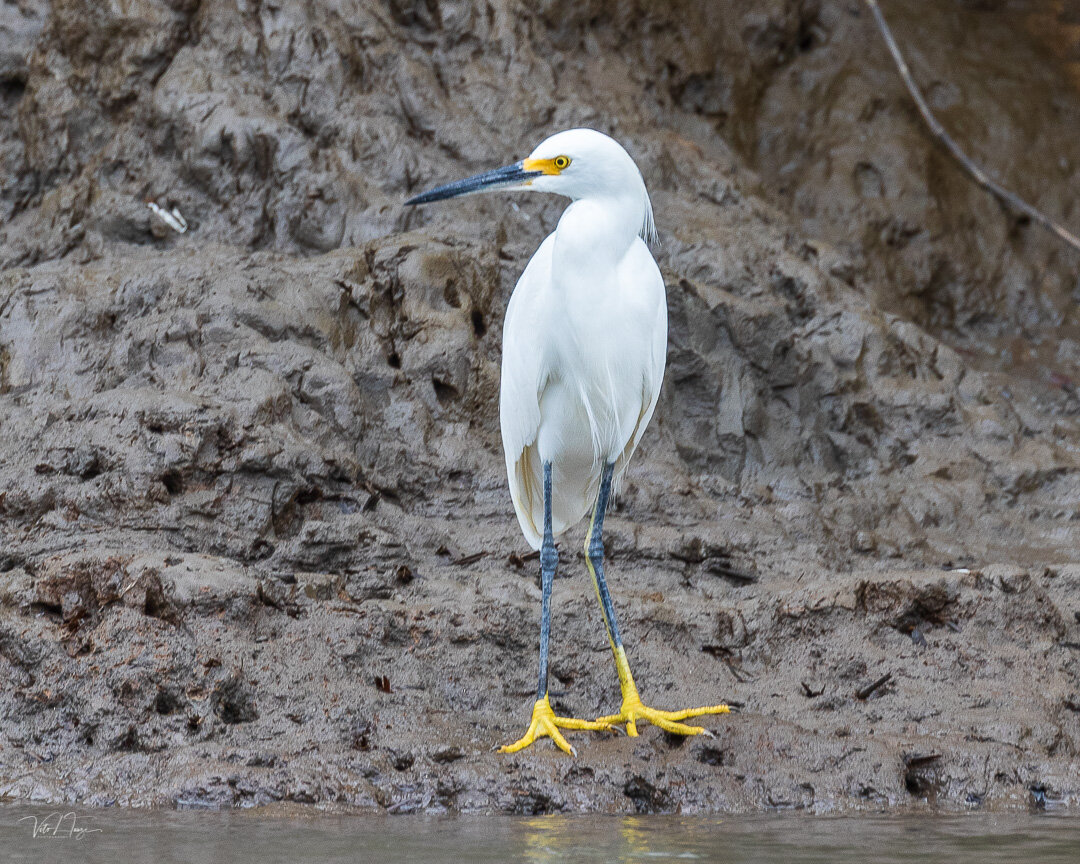
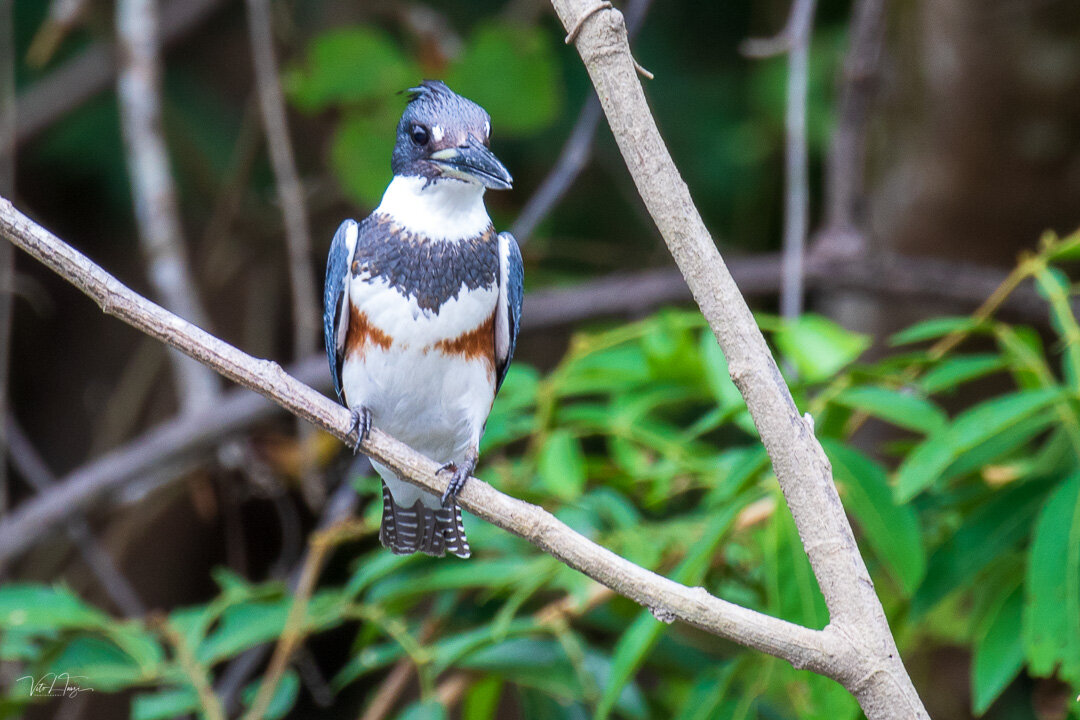
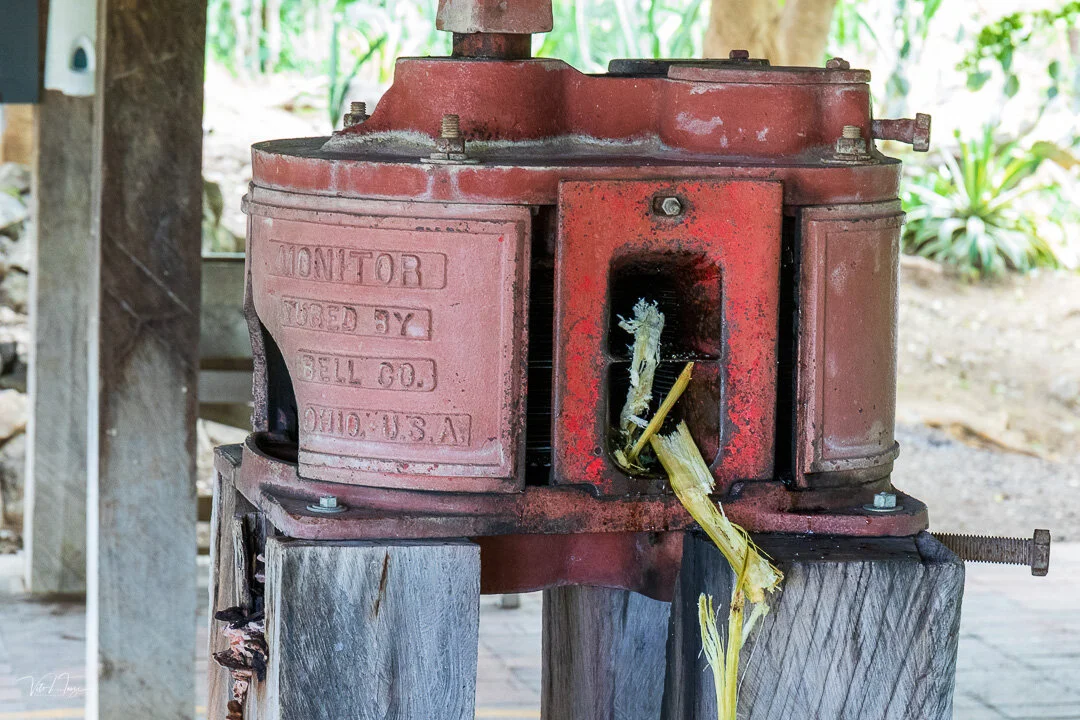
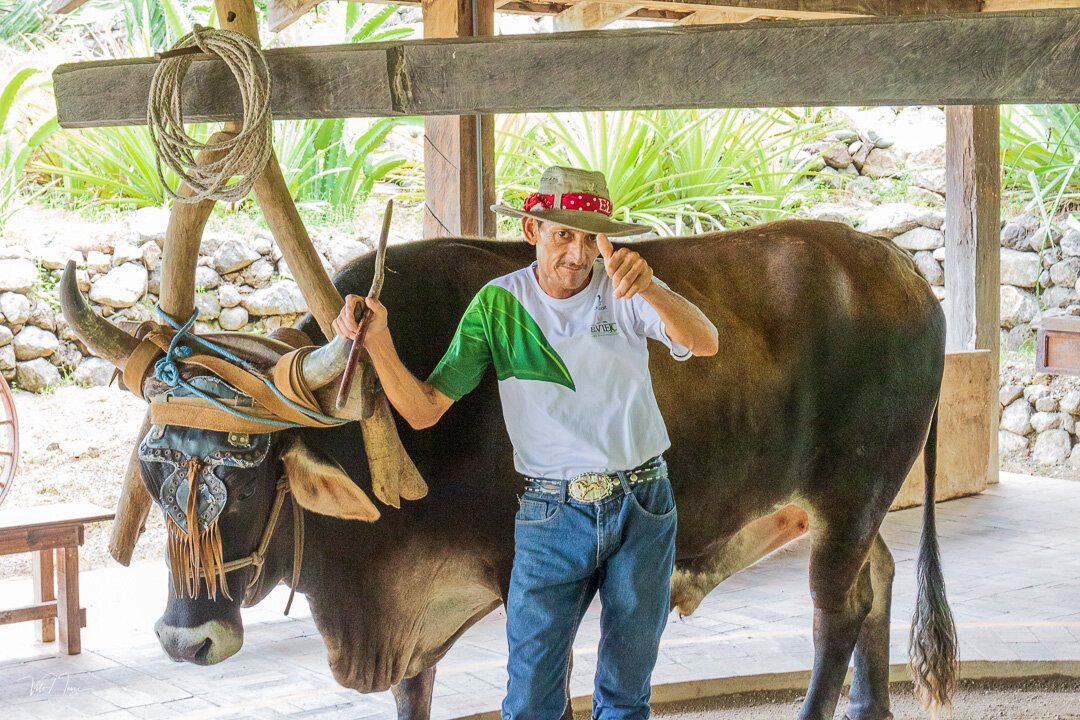
Through the Four Seasons hotel, we arranged a 6-hour tour of Palo Verde National Park, which is about 1 Hour and 20 minutes from the hotel. Located along the banks of the Tempisque River, the Palo Verde National Park is one of the best places in Costa Rica to view native wildlife.
One of the highlights was the boat trip we took along the river with a naturalist guide. The guide was fantastic and explained all the birds and wildlife we saw. At the end of the boat ride, we enjoyed lunch in their restaurant.
Hanging Bridges, Monteverde or Mistico Arenal
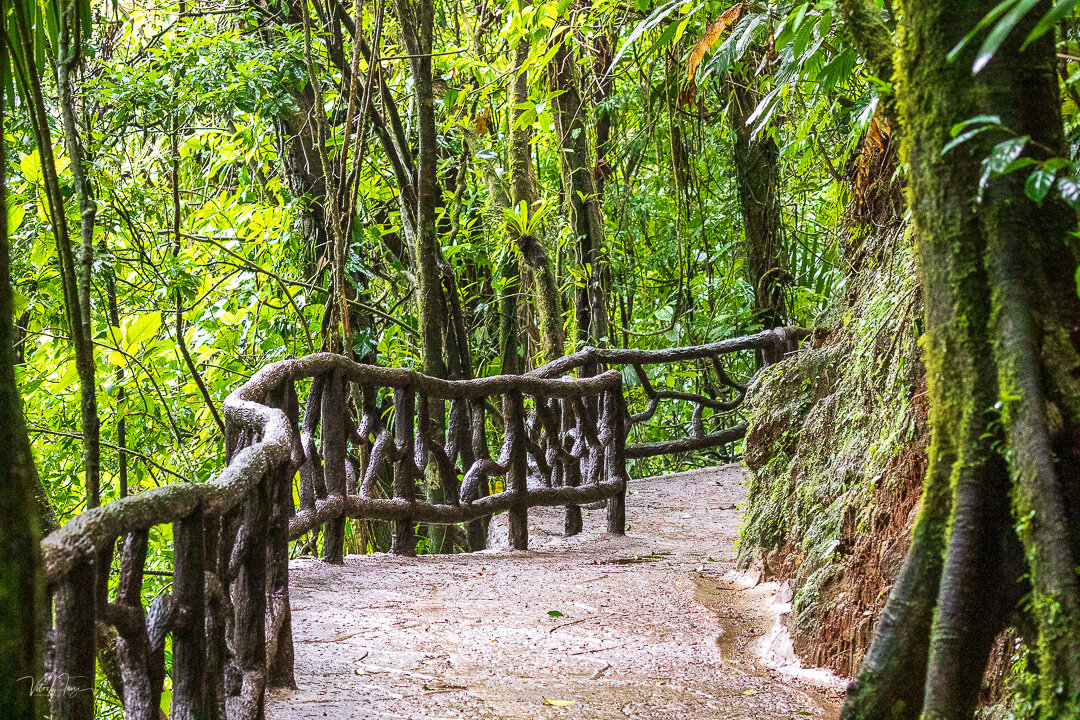
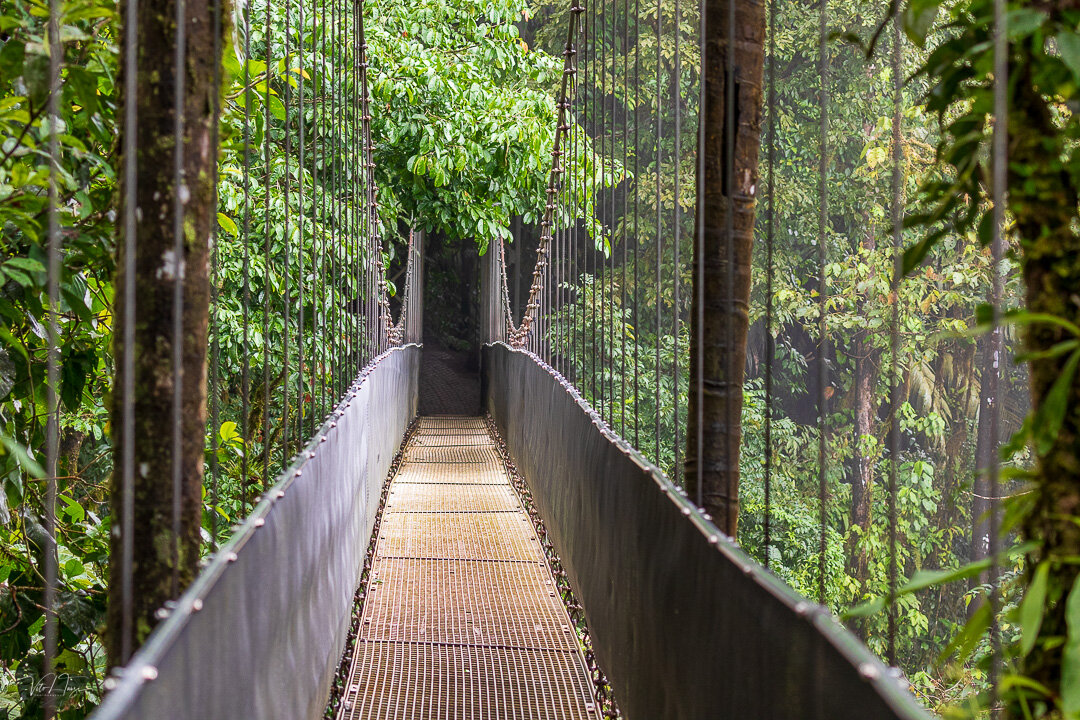
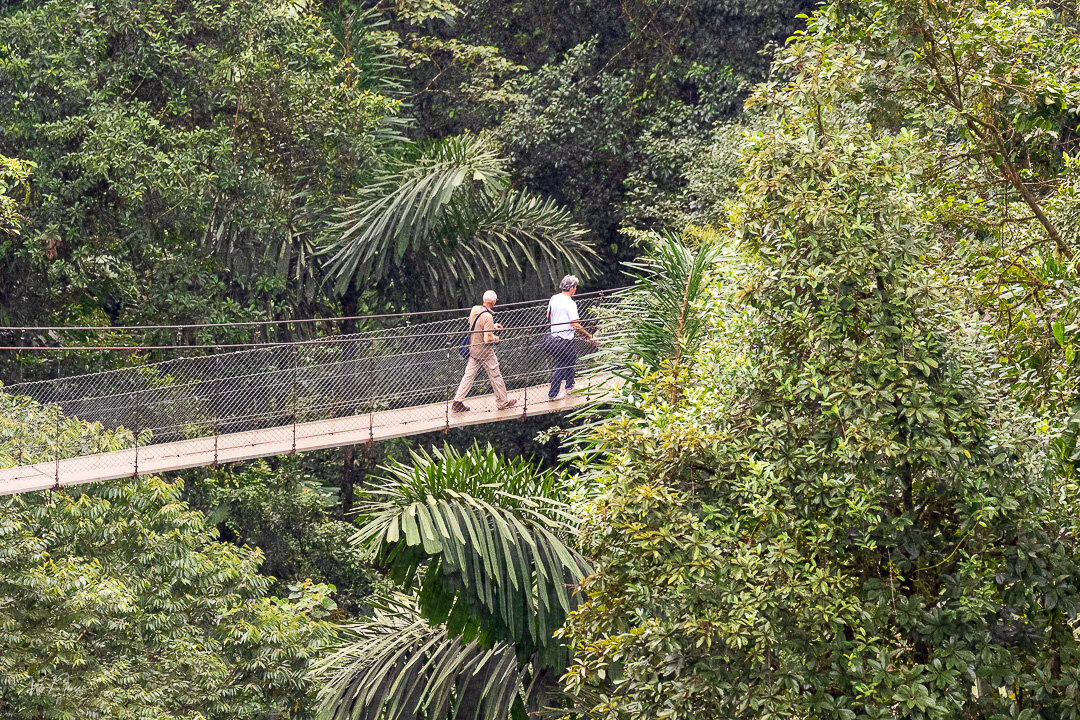
Hanging bridges give you a photography perspective that almost no other environment can: shooting from within the forest canopy at bird level, 30 to 50 meters above the ground. The visual experience is immersive and slightly vertiginous, and the photographic opportunities range from wide canopy scenes to close encounters with birds and insects that live their entire lives in the upper forest layers.
The bridges at Mistico Arenal Hanging Bridges Park, near La Fortuna, are accessible and well-maintained. Monteverde's cloud forest bridge system is more dramatic in terms of environment, with mist and cooler temperatures adding atmosphere.
📷 Pro Tip: Go on a guided night walk in addition to a daytime visit. The jungle at night is a completely different photography experience. Tree frogs, sleeping birds, stick insects, and bioluminescent fungi are all subjects you will not find during the day. Use your 100mm macro for night work and bring a headlamp with a red light option to avoid disturbing nocturnal animals. During the day, use the wide angle to capture the bridge-in-forest context shots, then switch to telephoto for the canopy birds you will hear before you see them. Shooting from a bridge also eliminates the ground foliage that typically blocks clean sightlines on forest trails.
Best time: Early morning for light and bird activity; evening for night photography. Access: Paid entry. Mistico Arenal is approximately 15 minutes from La Fortuna.
Manuel Antonio National Park
Manuel Antonio is one of the most visited national parks in Costa Rica, and justifiably so. It is compact, incredibly biodiverse, and genuinely beautiful. The combination of rainforest canopy and Pacific coastline is unusual, and it delivers strong photography in two completely different environments within the same morning.
The main wildlife subjects here are white-faced capuchin monkeys, squirrel monkeys, sloths, scarlet macaws, and green iguanas. All are present in good numbers and relatively habituated to people, which means you can get close without disturbing them. The beaches inside the park, particularly Playa Manuel Antonio, have the kind of turquoise water and white sand that you rarely find alongside dense jungle.
📷 Pro Tip: Enter the park at opening time. The first 90 minutes before the tour groups arrive are significantly better for photography. Monkeys and macaws are most active in the early morning, and the light under the canopy is softer and more manageable. Use a 100-500mm lens for wildlife and keep your 15-35mm lens accessible for the beach landscape shots where you want to include the forest edge in frame. Bring a waterproof bag or rain cover; humidity is high, and afternoon showers are common. No drones are permitted inside the national park.
Best time: Opening hours to mid-morning. Access: Paid national park entry, [VERIFY current fee]. Located approximately 3.5 hours south of San José on the Pacific coast.
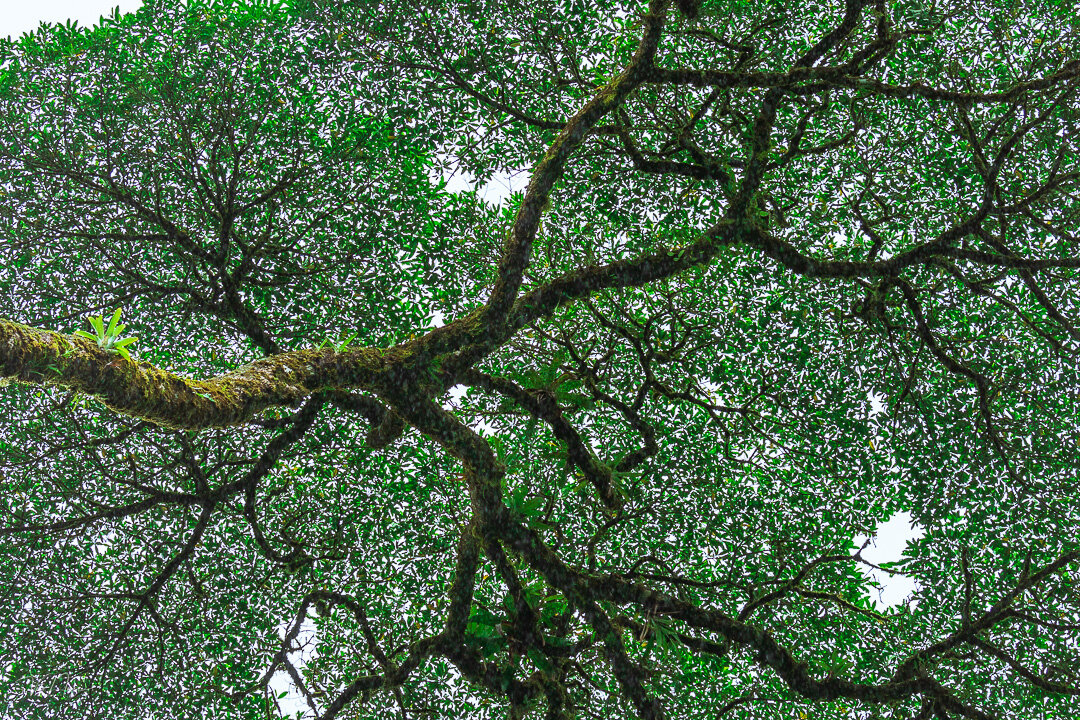
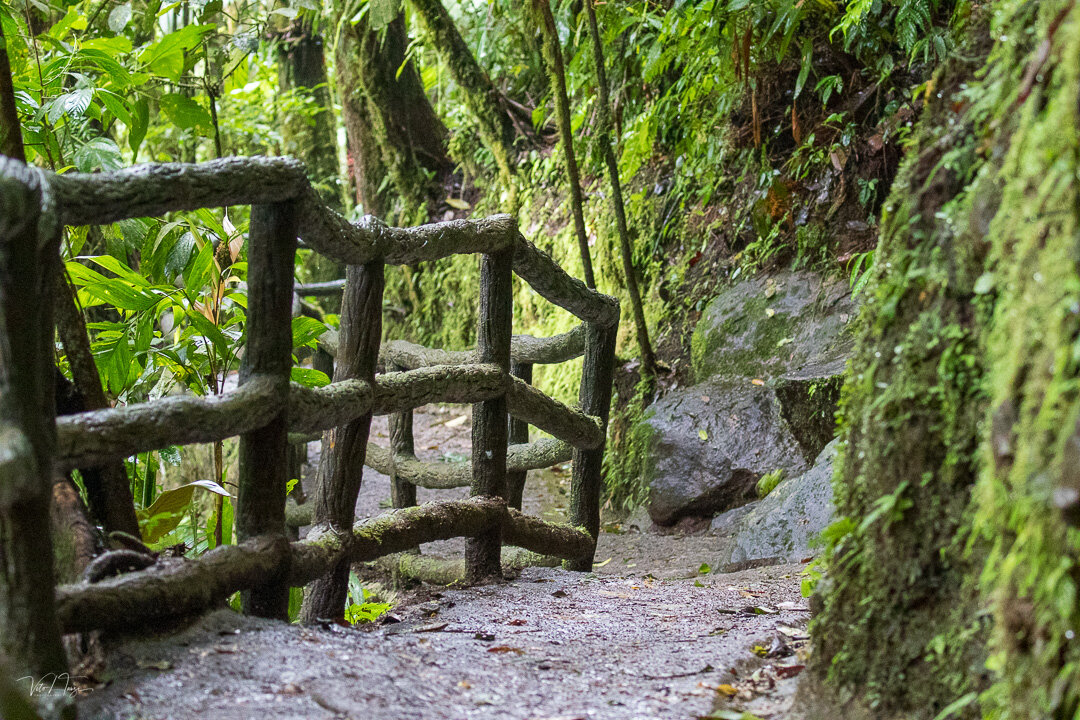
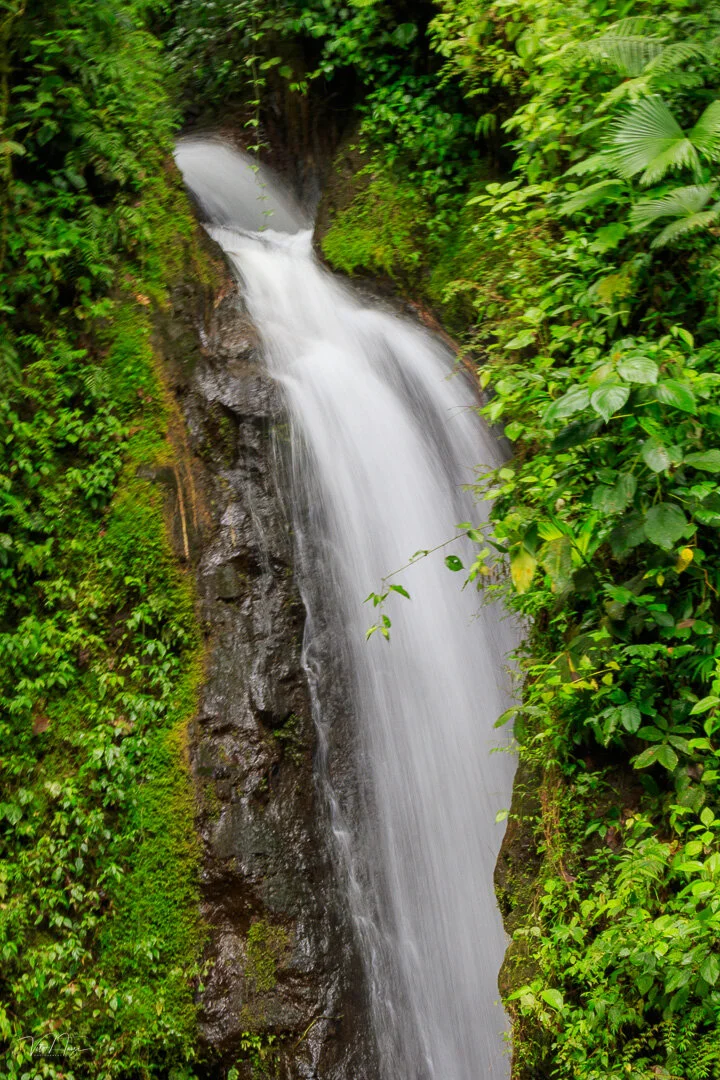
Monteverde Cloud Forest (Link): A mystical place, often shrouded in mist, offering unique shots of towering trees and diverse plant life.
Festivals & Events Worth Photographing
Costa Rica does not have a major photography-driven festival calendar in the way that some other destinations do, but several annual events are worth planning around if your dates align.
Boruca Devil Festival (December and January) One of the most photographically striking traditional events in Costa Rica. The Boruca and Rey Curré indigenous communities stage an elaborate ceremonial dance called the Juego de los Diablitos, in which masked figures representing indigenous warriors symbolically defeat the Spanish conquistadors. The handmade balsa wood masks are extraordinary objects on their own, painted in brilliant colors. During the ceremony, the atmosphere is loud, kinetic, and full of color. If you are photographing cultural subjects, this is one of the most compelling events in the country.
Palmares Festival (January) A two-week celebration in the town of Palmares in Alajuela Province. Concerts, parades, a lantern procession, traditional food, and a lively fairground atmosphere. The evening light during the parade of lights makes for strong long-exposure photography. It draws large crowds, so arrive early for the best positions.
Annexation of Guanacaste Day (Late July) Celebrated throughout the Guanacaste Province with rodeos, horse parades, traditional music, and regional food. If you are in the Papagayo or Tamarindo area during late July, you will encounter street celebrations that offer strong portraiture and cultural photography. The atmosphere is festive and local, with far less of the tourist-facing polish of larger events.
Semana Santa (Holy Week, March or April) Costa Rica's Holy Week is observed nationwide with processions, church ceremonies, and family gatherings. In smaller towns, the street processions are photographically interesting, particularly in the evening with candlelight and incense. San José's cathedral area draws the largest crowds.
National Orchid Exhibition (August) Held in San José, this two-day event brings over 300 orchid species under one roof. If you enjoy close-up and macro photography, the range of color, form, and texture is extraordinary. Bring your macro lens.
Frequently Asked Questions About Visiting Costa Rica
Do you need a car in Costa Rica?
Yes, if you're covering multiple regions, which most photography-focused trips do. A rental gives you the flexibility to chase light and wildlife sightings on your own schedule. A 4x4 is smart in certain regions, especially during the rainy season.
Is Costa Rica expensive?
It can be, especially the standout resorts like Nayara and the Four Seasons, but there's a real range. A casado at a local soda is one of the most satisfying, affordable meals you'll eat anywhere in the country.
Is Costa Rica safe?
Yes, it's one of the more stable, welcoming countries in Central America for visitors. Normal travel awareness applies, and hiring a private driver, as we did, removes most of the logistical stress around road conditions and navigation.
What are the best photo spots in Costa Rica?
Arenal Volcano at sunrise from the western shore of Lake Arenal, the quetzal habitat at El Guarco near Cerro de la Muerte, and the toucan perch at Boca Tapada are three that consistently deliver. The full list with Pro Tips is above.
Can you fly a drone in Costa Rica's national parks?
No, not without special DGAC authorization, which is difficult to obtain for recreational pilots. This covers most of the places you'll want to fly: Manuel Antonio, Tortuguero, Arenal, and Corcovado. Coastal areas outside protected zones are more permissible, but check the current DGAC map first.
What surprised you most about Costa Rica?
Watching a monkey steal my wife's croissant at breakfast. She stepped away from the table at the Andaz for a moment and came back to find a very satisfied white-faced capuchin finishing it off. I was too busy laughing to help. That's Costa Rica in a nutshell: the wildlife doesn't stay in the background.
How many days do you need in Costa Rica?
Seven days minimum, ten is better. Travel times between regions are longer than the map suggests, and wildlife doesn't operate on a schedule; extra days genuinely increase what you'll come home with.
Is it worth hiring a wildlife guide?
Yes, especially for quetzals and other well-camouflaged species. A trained local guide can spot what you'd walk right past, and that difference dramatically improves both your odds and your images.
Final Thoughts
Costa Rica earns its reputation every single time. It is not a destination you photograph and feel done with. Every trip reveals something different, another bird you had not seen, another angle on a volcano you thought you knew, a quiet river bend that makes you stop and just stand there for a while.
What stays with me most is not any single image but the density of it. The feeling of being in a country where nature is not a backdrop but the actual subject. If you care about wildlife photography, landscape photography, or simply making images that feel alive, Costa Rica belongs on your list. Plan your timing, hire a good guide, bring long glass, and leave more time than you think you need. You will use every day.
Want to improve your photography while exploring some incredible destinations? Join me on one of my photography workshops! You can find all the details, including upcoming destinations and dates, through the links below.
Let's Stay Connected!
More Photography Guides You Might Enjoy
My Photography & Travel Guide to the Galápagos Islands, Ecuador The most extraordinary wildlife photography destination on earth. The animals have no fear of humans, which means you photograph at distances that would be impossible anywhere else. Iguanas, blue-footed boobies, sea lions, and giant tortoises, all in landscapes that look like another planet. Costa Rica and the Galápagos together make the definitive Central and South American wildlife photography trip.
My Photography & Travel Guide to Kenya If Costa Rica's wildlife inspires you, Kenya is the natural next chapter. The Masai Mara delivers the most concentrated large-mammal photography on the planet, and the scale of the landscape, open savannah under enormous African skies, is the visual opposite of the dense jungle of Costa Rica. The two trips together cover the full range of what wildlife photography can be.
My Photography & Travel Guide to Bali, Indonesia For photographers who want to stay in the tropics but shift from wildlife to culture, temples, and rice terraces, Bali is the answer. The photographic DNA overlaps with Costa Rica in terms of light quality and lush landscape, but the subject matter is completely different. A natural companion trip for anyone who loves equatorial light and complex visual environments.
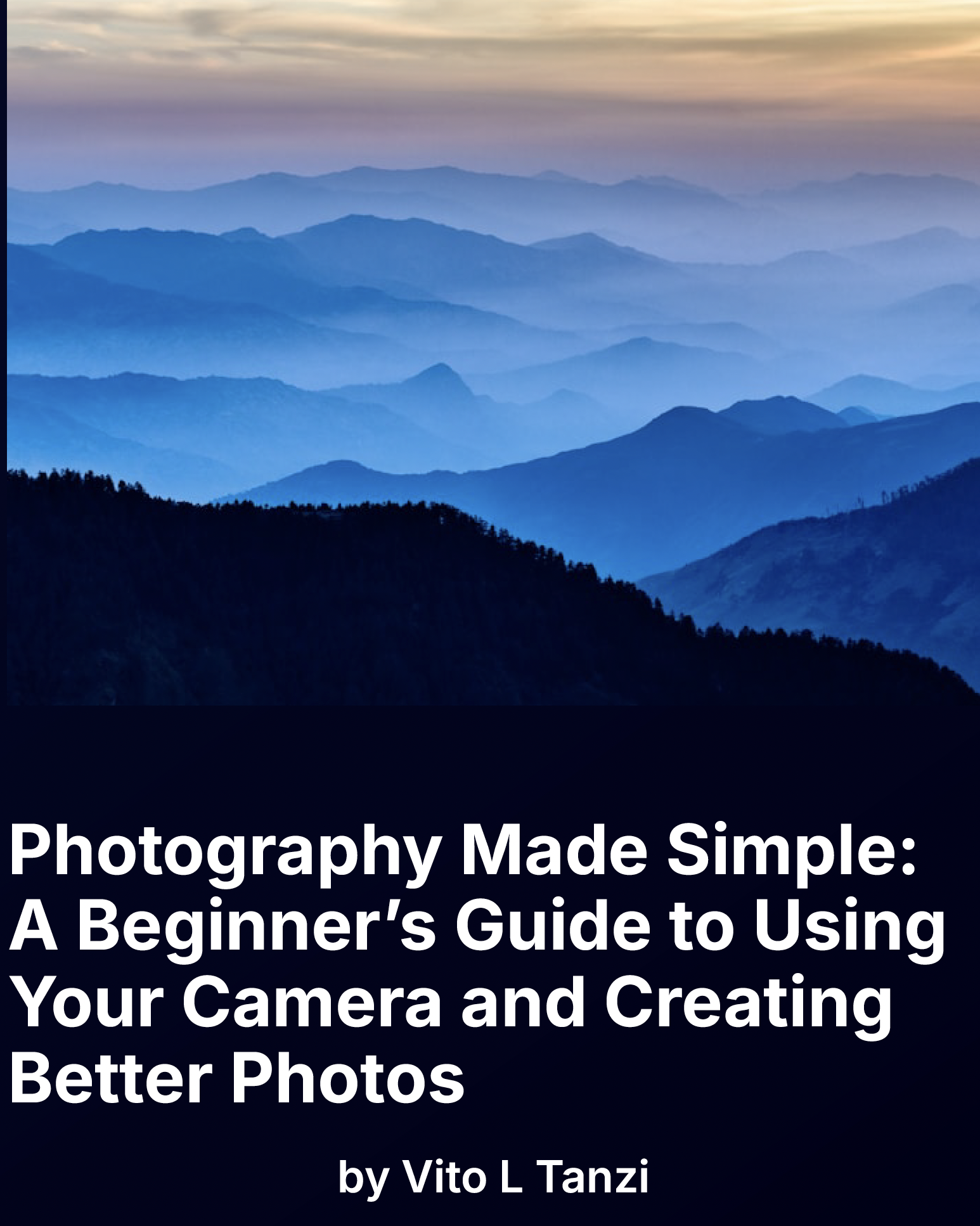
Finally—a beginner-friendly photography guide that makes sense.
If you've ever picked up a camera and thought, "Now what?" this is the book for you.
Photography Made Simple is written for adults who are just starting out and want a clear, encouraging, real-world approach to learning photography. Whether you're using a DSLR, mirrorless, or just your smartphone, this guide walks you through the basics—without the jargon or tech overwhelm.
Inside, you'll learn:
The only camera settings you really need to know to get started
How to shoot sharper, more intentional photos using light and composition
Simple tips for portraits, landscapes, travel, and everyday life
What gear you do (and don’t) need
How to create better photos without upgrading your camera
You’ll also get practical exercises, cheat sheets, and tips for organizing and editing your images—plus the confidence to shoot off Auto Mode for good.
This is not a textbook. It’s a friendly guide to seeing the world with fresh eyes—and finally capturing what you see the way you imagine it.
📸 Format: PDF download
Pages: 100+
Perfect for: Beginners, hobbyists, and anyone ready to take better photos without the stress
✈️ Travel Photography Planning Sessions
One-on-One Trip Planning with a Professional Travel Photographer
Don’t miss the shot. Let me help you plan for it.
Overview
Planning a photography-focused trip can be overwhelming. From figuring out the best places to shoot, to when the light is just right, to knowing which lens to pack — there are a lot of decisions to make.
This one-on-one Zoom session is your chance to get personalized travel photography advice from someone who’s spent the past 25 years exploring cities, coastlines, and wild places around the world — camera in hand.
Whether you're headed to Paris, Patagonia, Tokyo, or Tuscany, I’ll help you make sure your photography trip is well-planned and creatively inspired, so you come home with the images you dreamed of (and then some).
What’s Included
✅ Photography Location Planning
I’ll help you create a customized itinerary of the best photo spots, including off-the-beaten-path gems and iconic views.
✅ Best Times to Shoot
Get expert advice on lighting, golden hour, blue hour, and seasonal conditions for each location.
✅ Gear Recommendations
Not sure whether to bring the telephoto or the prime? We’ll walk through your gear and make sure you’re bringing the right tools for your destination and style.
✅ Hotel and Base Recommendations
Stay where it’s convenient for sunrise shoots and late-night strolls with your camera. I’ll recommend hotels that are photographer-friendly and well-located.
✅ Custom Travel Tips
From sunrise entry times to tripod rules at major landmarks, you’ll get insider tips to save time, avoid tourist traps, and make the most of your trip.
Who It’s For
This service is for anyone who:
Is planning a trip and wants to prioritize photography
Wants expert insight on the best places to shoot and how to get there
Is tired of missing the shot because of poor planning or bad timing
Is a beginner, enthusiast, or professional photographer looking for guidance before a trip
How It Works
Book a Session
Choose a time that works for you and tell me where you're headed.Share Your Plans
You’ll fill out a quick questionnaire so I know your travel dates, interests, and photography style.One-on-One Zoom Call (60 minutes)
We’ll meet via Zoom and walk through your trip together — from location ideas to gear and timing. You'll leave with a custom PDF full of notes and suggestions.Follow-Up Support
Get one round of email Q&A after your session to clarify anything as your plans evolve.
Why Work With Me?
I’ve spent the last 25 years photographing the world — from major cities to remote islands. I know what it’s like to travel and shoot under pressure, and I love helping people get the most out of their trips. This is not just about hitting “popular spots” — it’s about crafting a creative and efficient plan tailored to your trip, your gear, and your goals.
Pricing
$125 / Session
Includes:
60-minute Zoom call
Custom PDF summary with photography spots, gear tips, and travel recommendations
One follow-up email with additional Q&A
Introductory rate available through September 2025
Ready to Plan Your Trip?
Let’s make sure you’re ready — so when the light is perfect, you’re in the right place with the right gear.
Questions?
Please email me at vito@chasinghippoz.com if you're not sure whether this is right for you. I'm happy to chat.
Our Itinerary Map is Downloadable