Oaxaca, Mexico Travel & Photography Guide: Best Photo Spots, Things to Do & Hidden Gems
I just got back from my first trip to Oaxaca, and it did not disappoint. I had been looking forward to it for a long time. Every photographer I know has been talking about the city the same way: the color, the light, the food, the churches that seem to glow from the inside. I arrived with my camera bag, a street art tour booked, and a list of markets and churches in the old town I did not want to miss. Oaxaca's murals have a reputation that rivals anything I have photographed in a major city, so I was especially curious to see them for myself.
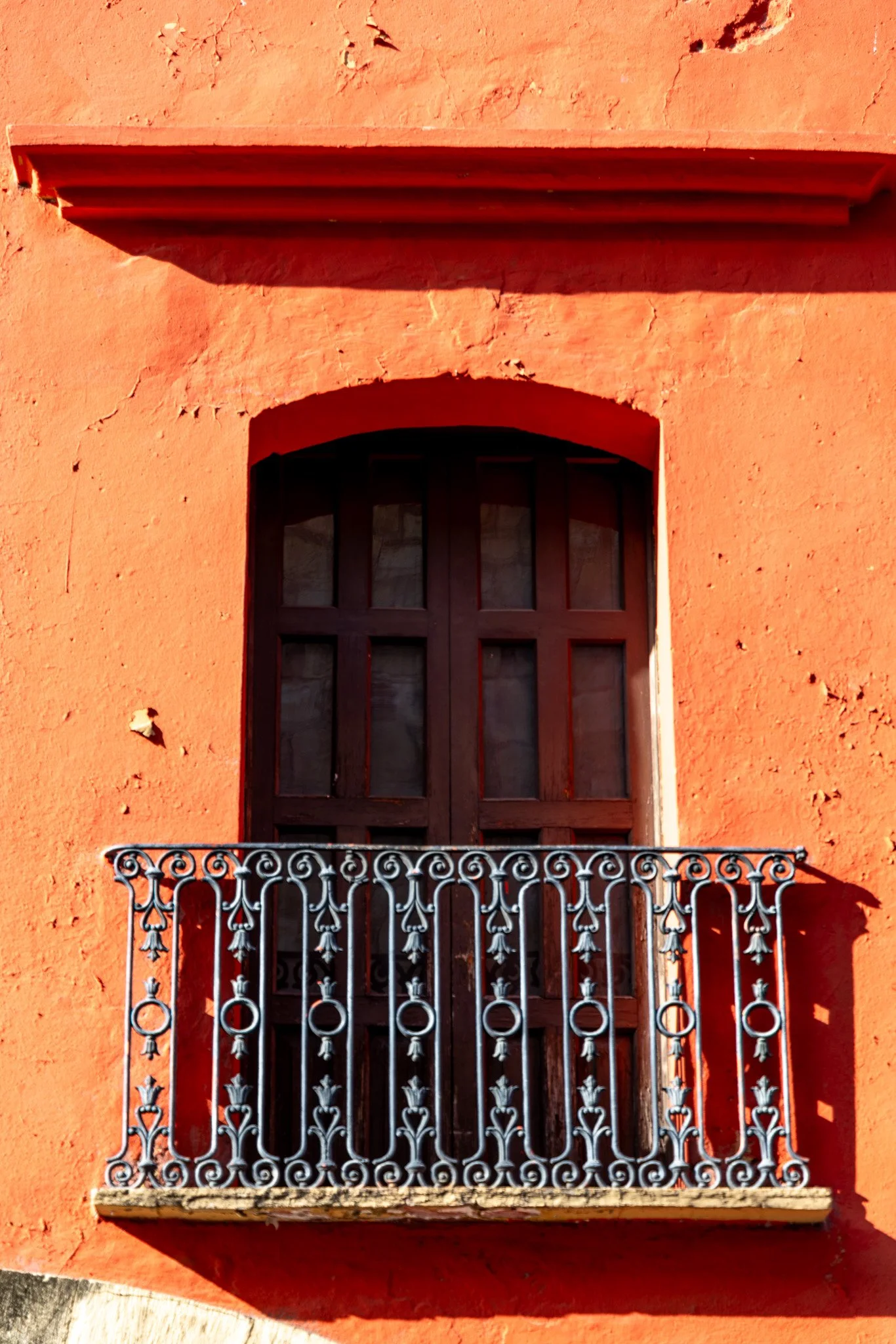
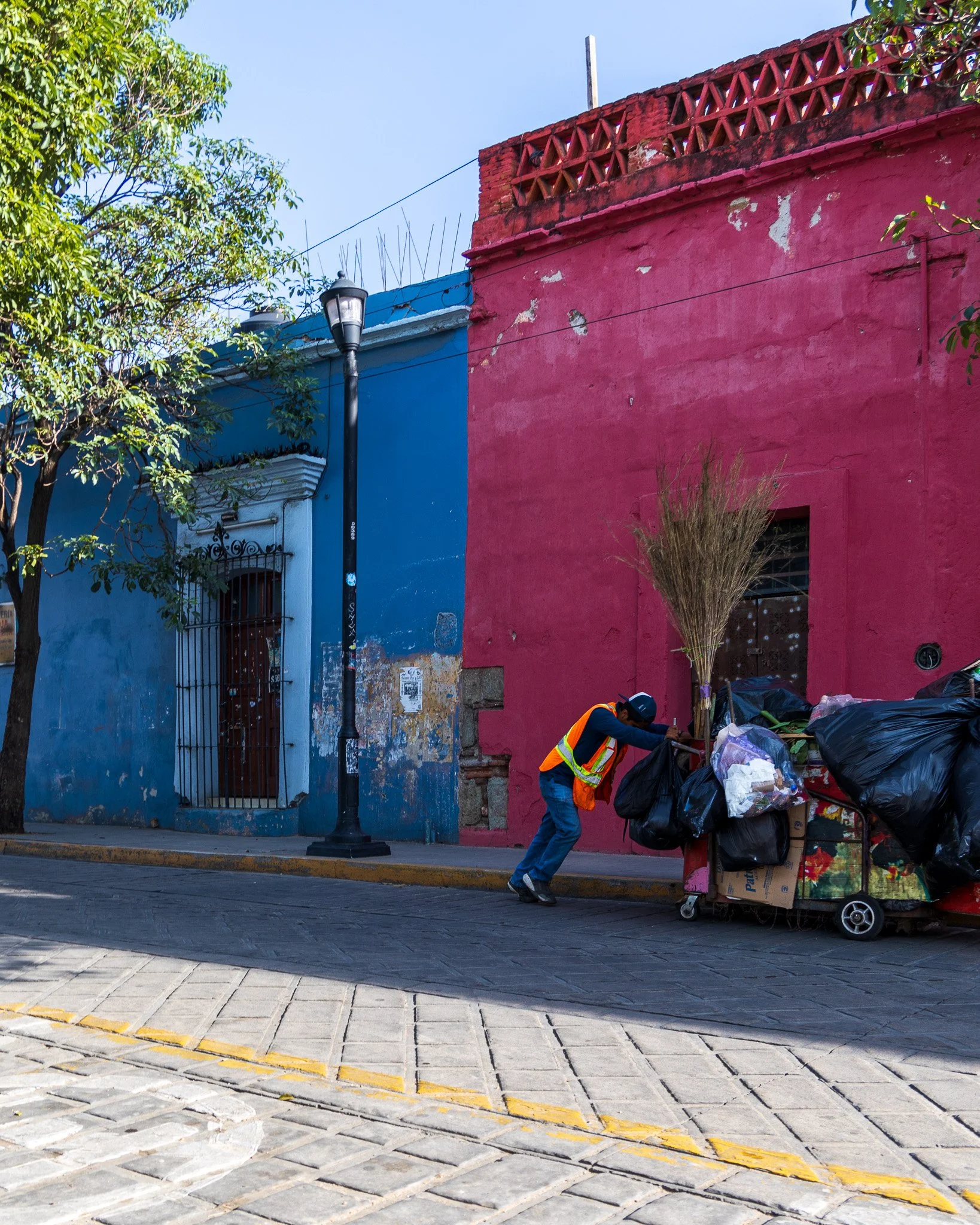
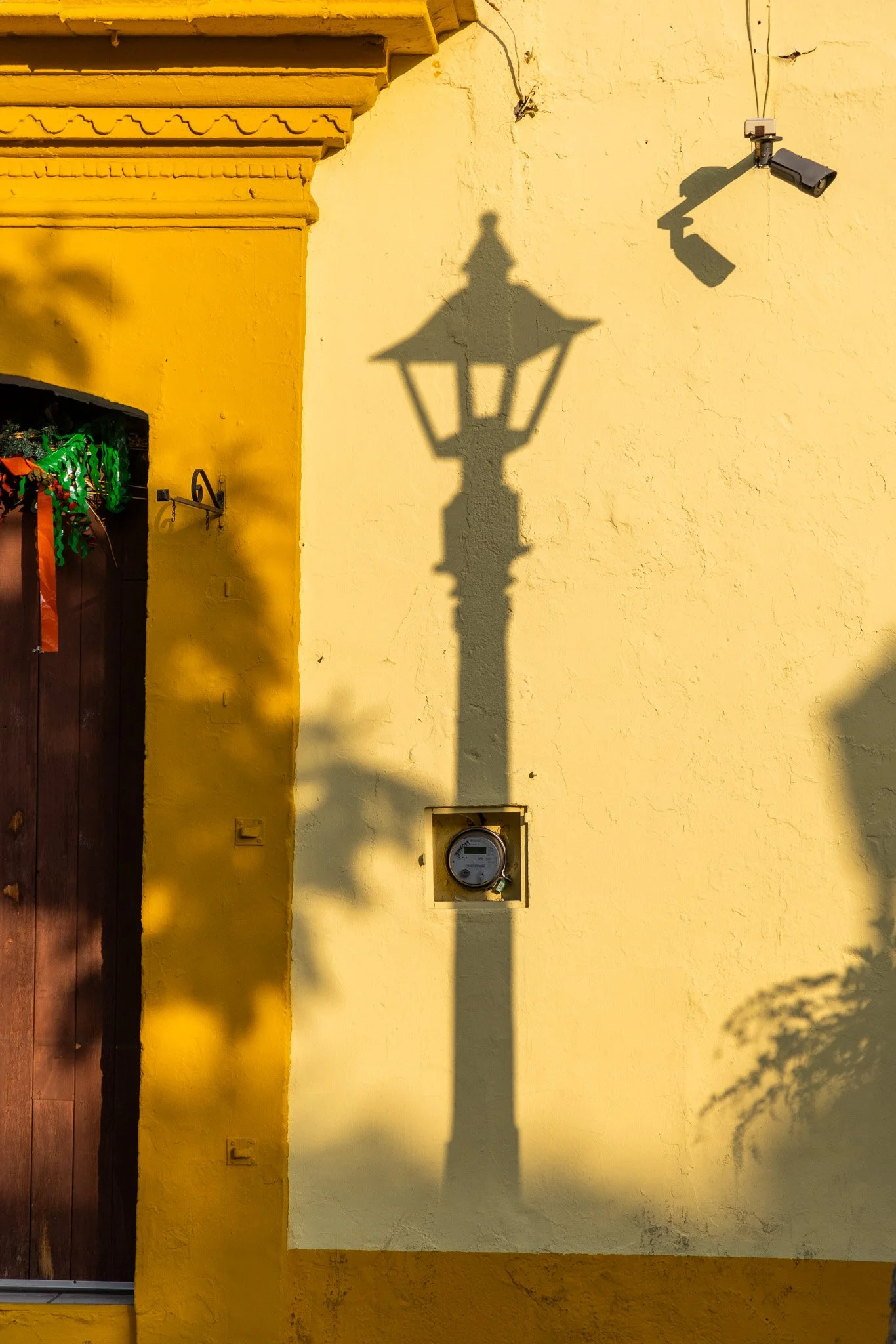
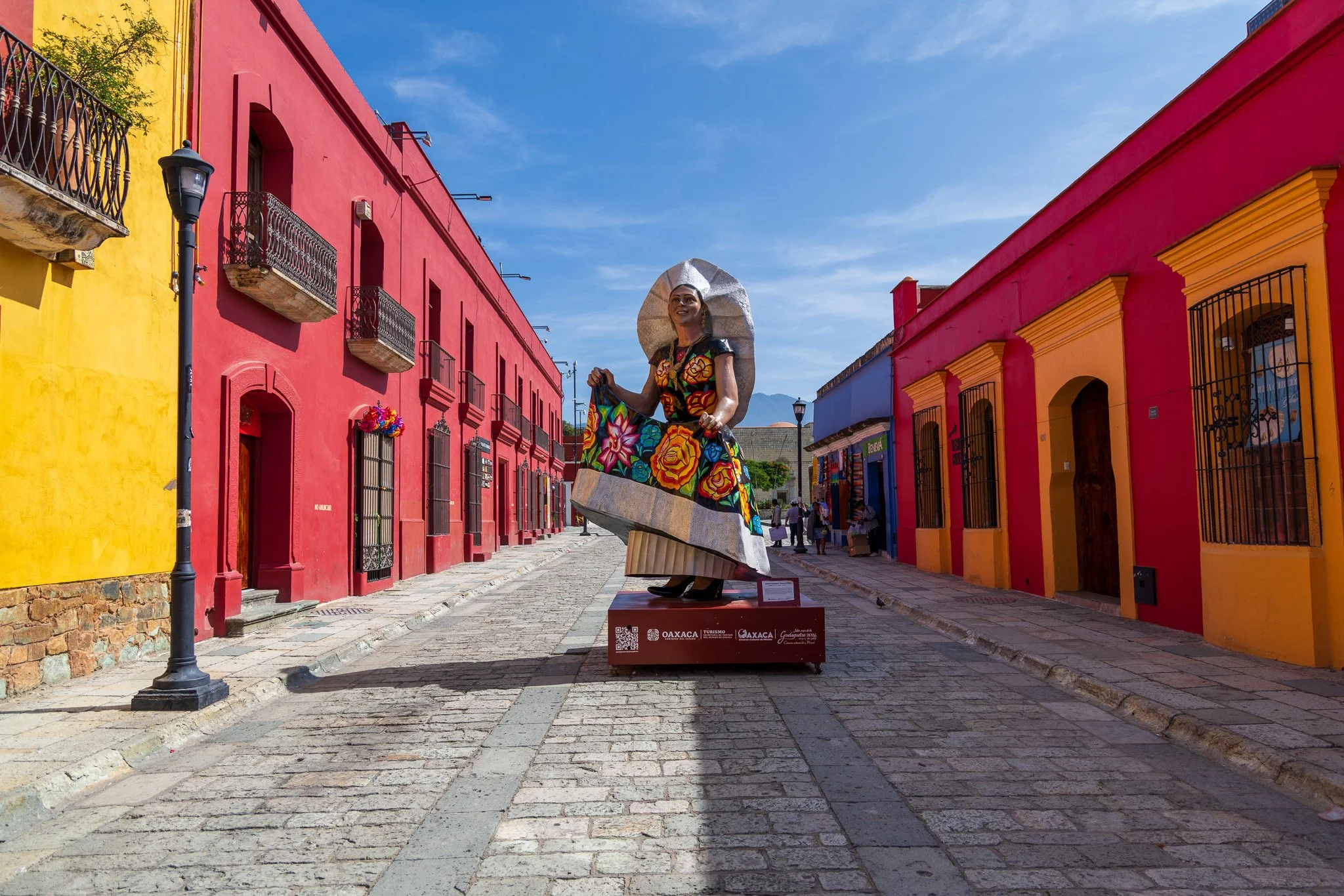
Oaxaca does not need to convince anyone that it is photogenic. The historic center is built from a pale green cantera stone that changes color as the light moves across it through the day, and every wall seems to be painted a color you would never think to put next to another color, and somehow it works. Add in the mezcal culture, the textile villages just outside the city, and Monte Albán rising out of the valley on its flattened mountaintop, and you have one of the most visually layered cities in North America.
Oaxaca is colorful and genuinely friendly, and it still feels underrated next to bigger names like Mexico City or Cancún, even with food this good. People often call it the real Mexico, and it did not take long on the ground to understand why.
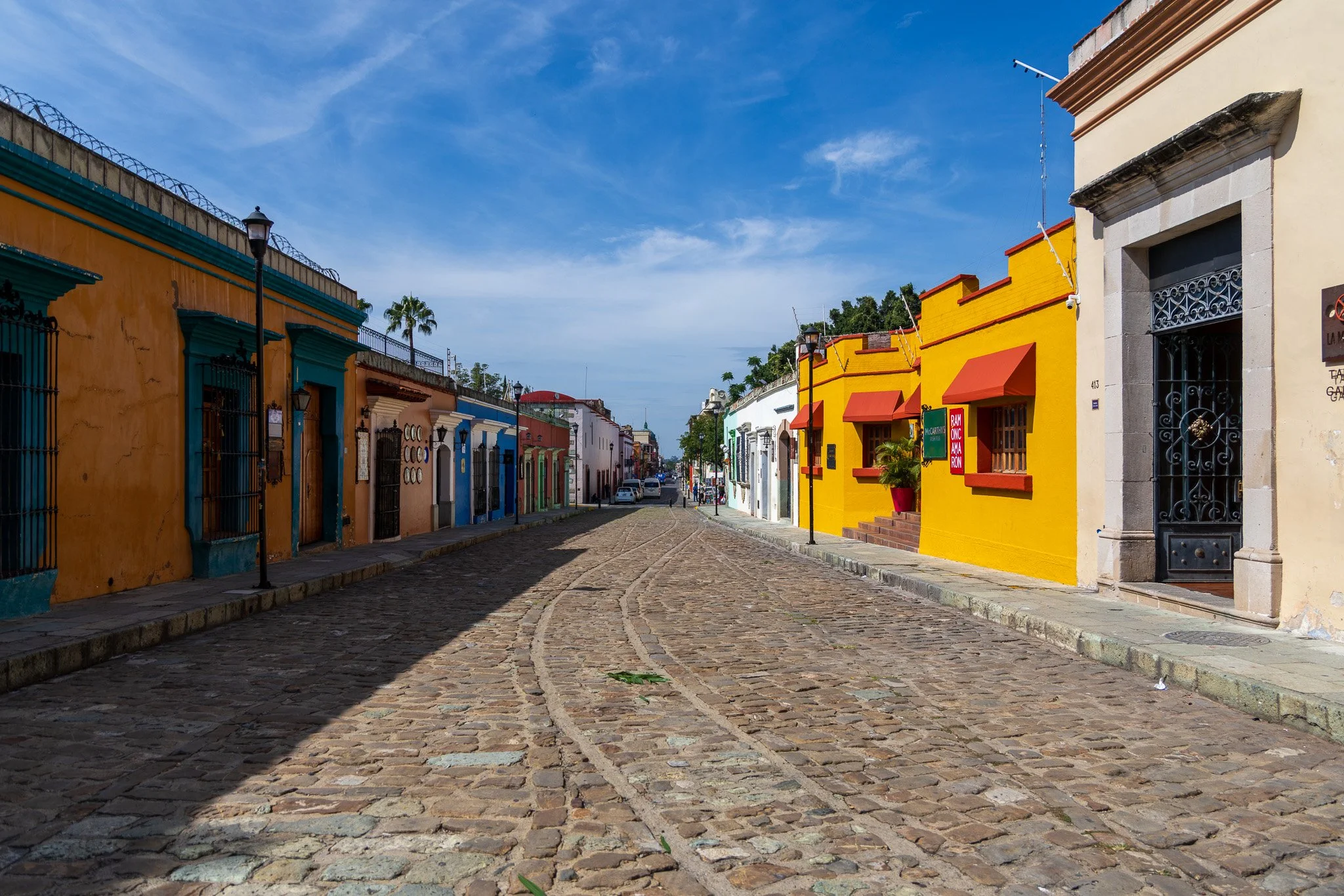
What makes Oaxaca different from a lot of colonial Mexican cities is that the culture on the street is not staged for visitors. The markets are working markets. The churches are active parishes. The street art carries real political and cultural weight. I walked in with a wide lens and an open mind, photographing a place that has clearly earned its reputation the hard way, over centuries, not overnight.
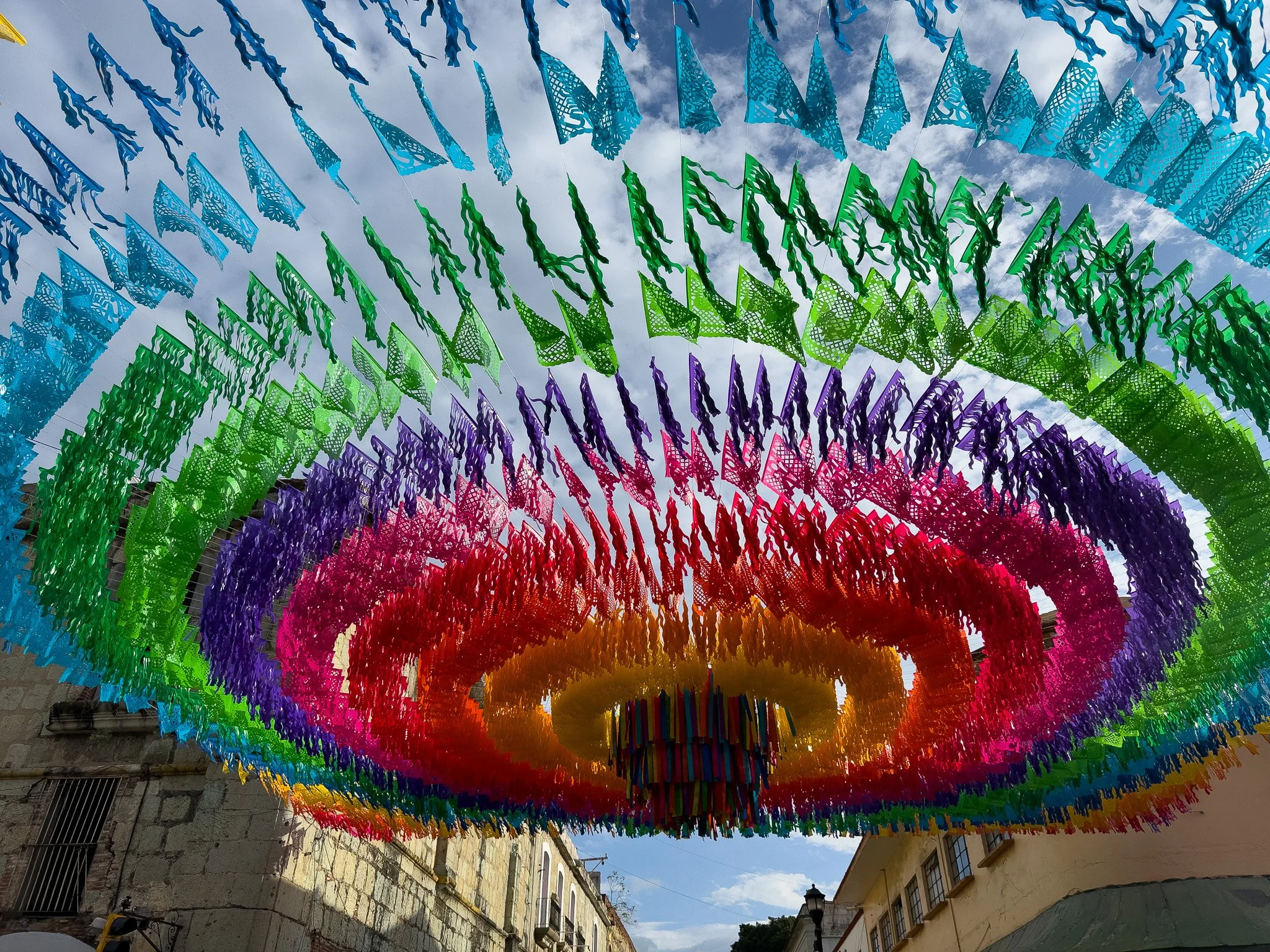
The city more than lived up to it. Oaxaca is remarkably walkable and flat, which makes it easy to cover a lot of ground on foot with a camera bag. Color showed up everywhere, on the houses, in the street art, at the markets, and over just three or four days we ran into parades and festivals happening in the streets more than once, with no advance notice needed. The food scene was every bit as good as its reputation suggests.
In this Photography Guide to Oaxaca, I share the places and experiences that stood out most from that first trip. You will find my favorite photography locations, guidance on when and where to shoot, practical travel tips, and gear recommendations, along with cultural insights to help you explore and photograph Oaxaca with confidence, respect, and ease.
Where to Stay
Stay in the Centro Histórico. Everything worth photographing on your first trip- the Zócalo, Santo Domingo, the markets, the surrounding barrios- is walkable from here, and you will want to be out the door at first light without a long taxi ride standing between you and the shot.
Luxury
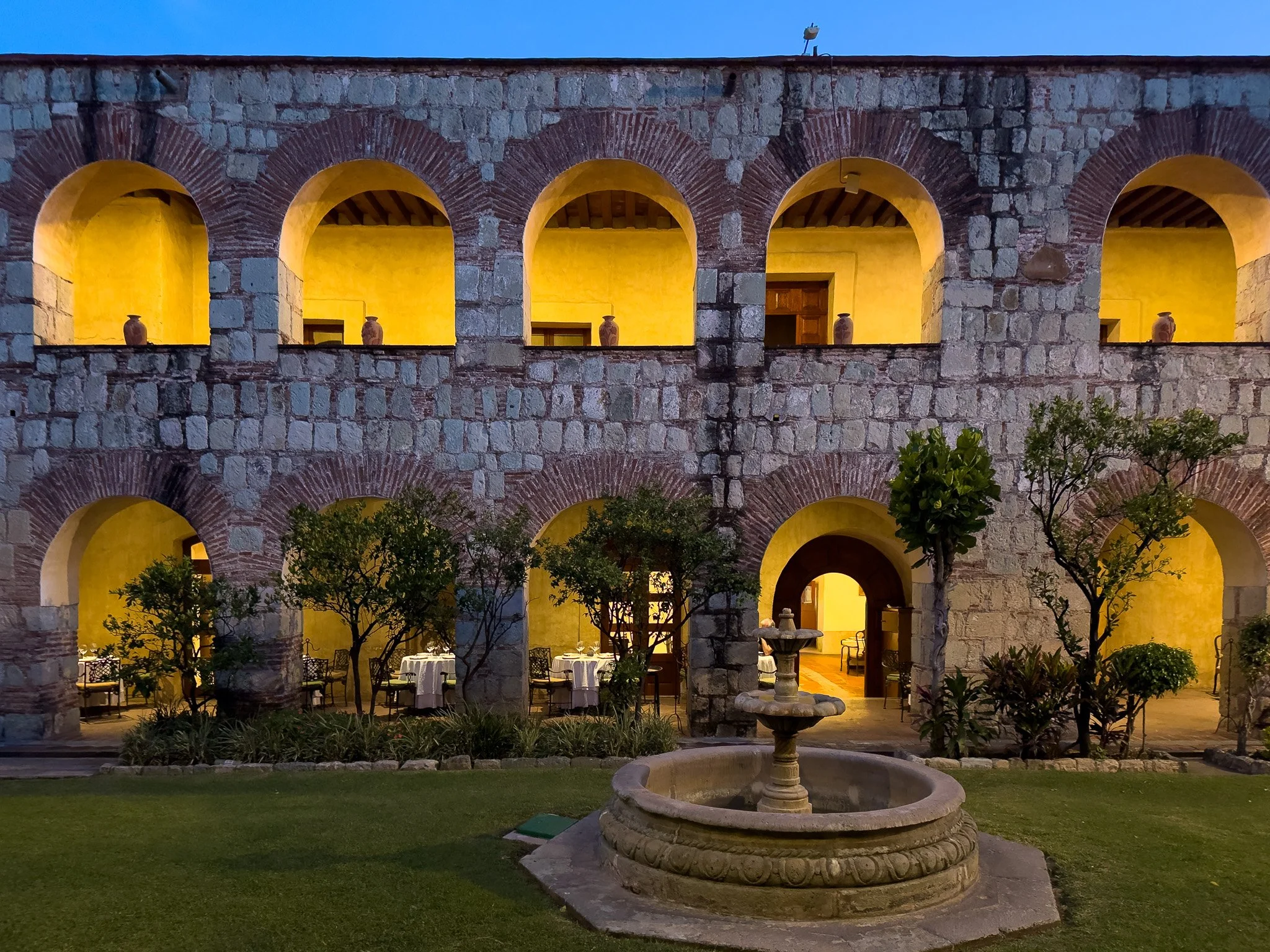
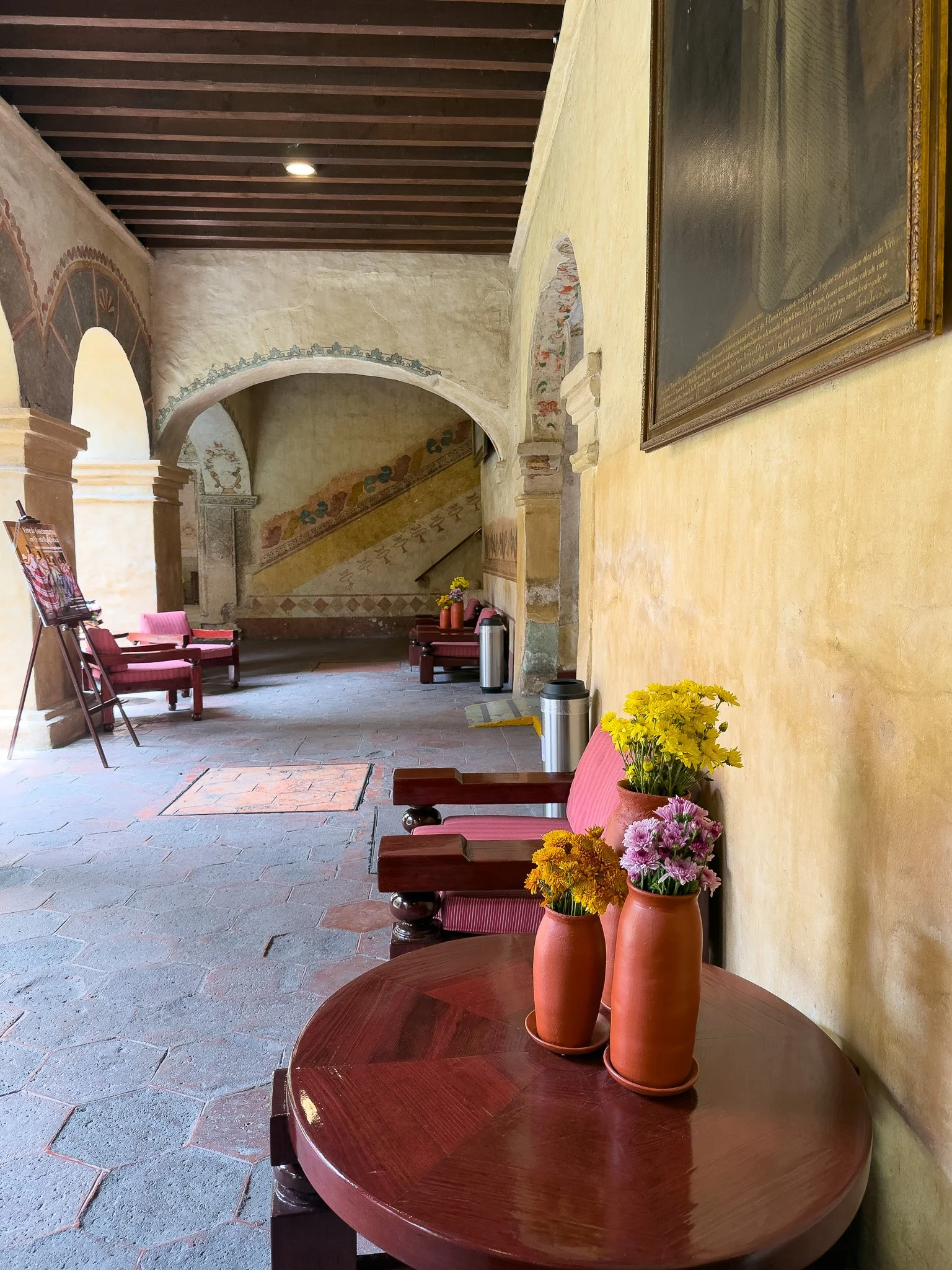
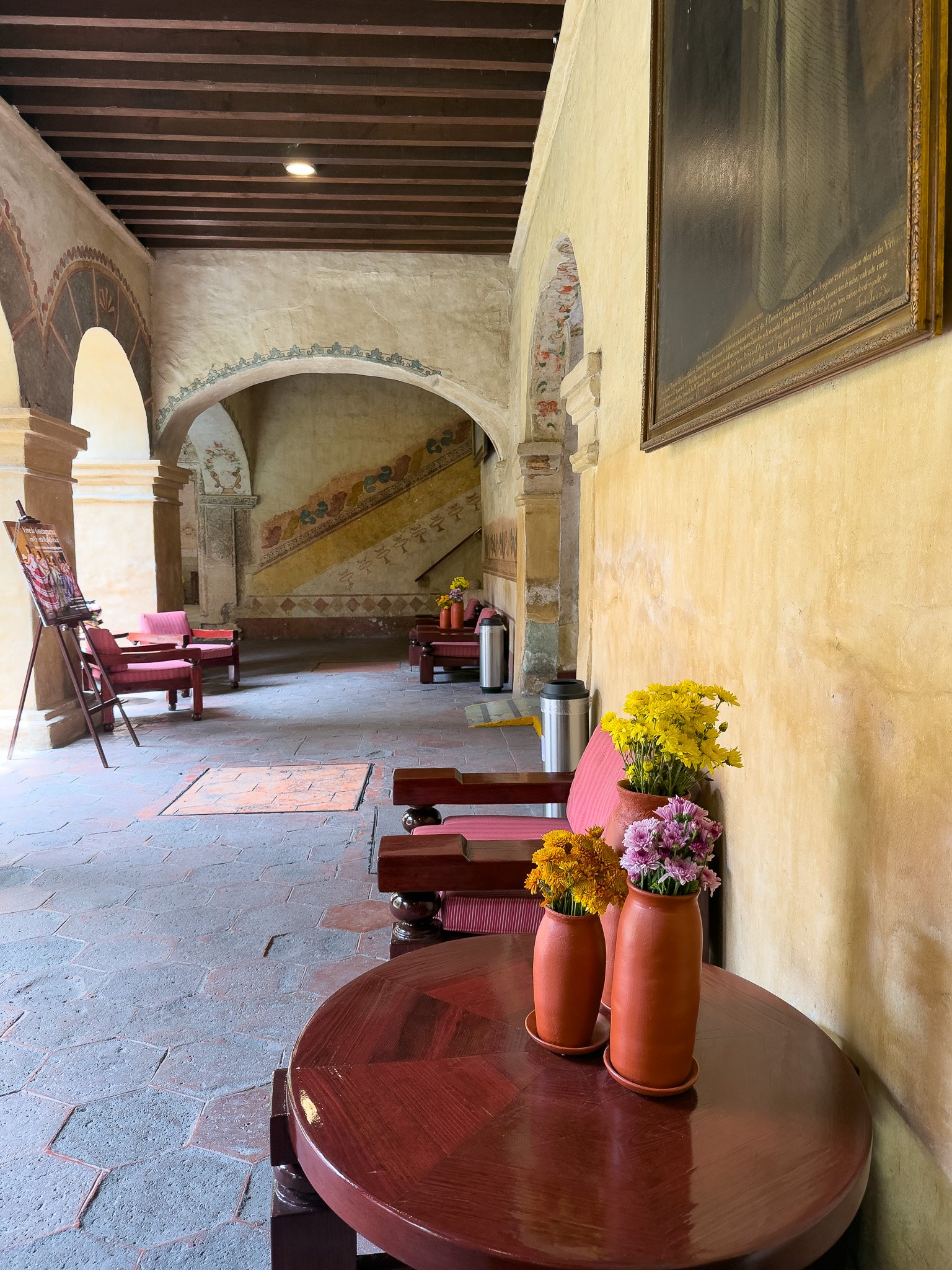
Quinta Real Oaxaca. This is where we stayed, and it is hard to beat for atmosphere. The hotel occupies the former Convent of Santa Catalina de Siena, a 16th-century building that has also served as a prison and a police precinct over the centuries. The courtyards alone are worth the stay: pale stone arches, bougainvillea, a pool tucked into what used to be cloistered gardens. It sits about a block from the Templo de Santo Domingo, which makes early morning shoots there almost absurdly convenient. The location genuinely could not be better, and the service and staff have been excellent throughout, kind and attentive at every turn. The rooms themselves are a bit dated and could use an update, but between the setting, the history, and the staff, it is still an easy recommendation.
Hotel Escondido Oaxaca. A newer, design-forward property in the historic center built with local Oaxacan materials and craftsmanship. Custom sabino wood furniture, a rooftop bar with skyline views, and a location close enough to Monte Albán and Mitla to make it a smart base for day trips.
Casa Hidalgo. A refined boutique property with a strong reputation for personal service and a central location. Good option if you want luxury with a smaller, quieter footprint than a full-scale hotel.
Mid-Range / Boutique
Casa Antonieta. Nine rooms in a colonial building dating to 1529, with a rooftop terrace and a ground-floor coffee shop that doubles as a great place to sit and go through your cards midday.
Casa de las Bugambilias. A family-run bed and breakfast known for its courtyard, its breakfasts, and a level of hospitality that regularly gets called out by guests as the best part of their stay.
Boulenc Bed and Bread. Yes, that Boulenc, the bakery. They opened a small hotel above the original location. Seven rooms, and you are steps from one of the best breakfast spots in the city before you even leave the building.
How Many Days Should I Visit
Three days minimum inside Oaxaca City. Five, if you want to add Hierve el Agua, Teotitlán del Valle, or a mezcal distillery without rushing.
A photographer's pace for a first trip might look like this:
Day 1: Arrive, settle in, and walk the Centro at golden hour. Zócalo, Alcalá pedestrian street, first look at Santo Domingo lit up at night.
Day 2: Street art tour with Do Oaxaca in the morning, working through the murals in the historic center and the surrounding barrios. Markets in the afternoon, when the light softens, and the produce stalls are at their most active. Coffee break to edit and rest through the midday heat.
Day 3: Monte Albán at sunrise or mid-morning, before the tour buses arrive. Afternoon in Jalatlaco or another quieter barrio for street art and architecture.
Days 4-5, if you have them: A day trip to Hierve el Agua and Teotitlán del Valle for the petrified waterfalls and the Zapotec weaving villages, or a mezcal distillery tour outside the city.
Hierve el Agua is the one I most regret not making it to this trip, and it's near the top of my list for next time. It's one of the most photographed day trips from the city for good reason: two petrified waterfalls formed by mineral deposits building up over hundreds of thousands of years, roughly 43 miles (70 km) outside Oaxaca City. From a distance, they genuinely read as frozen waterfalls, and up close, they're a rock formation you won't find in many other places.
Best Time to Visit
October through April is the dry season and the easiest window for photography: clear skies, comfortable daytime temperatures, and cool evenings. This is also high season, so the Centro will be busy.
July brings the Guelaguetza, Oaxaca's biggest cultural festival, with folkloric dance and dress from across the state's regions. Extraordinary for photography, but book months ahead.
Late October into early November is Día de los Muertos, when Oaxaca becomes one of the most photographed cities in Mexico. The light is still good this time of year, and the visual density of the season- marigolds, candlelight, altars, sand tapestries- is unmatched. It is also the most crowded and the most emotionally weighted time to visit. More on etiquette in the Festivals section below.
May and June run hotter and drier before the rainy season starts. The rainy months, roughly June through September, bring afternoon showers, which can actually be a gift for photographers: dramatic skies, clean air, and dramatically green surrounding hillsides, as long as you plan your shooting around the mornings.
We visited in early August, right in the middle of that rainy season window, and the weather was simply fantastic, mornings around 65 degrees, days topping out around 75. Don't let the "rainy season" label scare you off; the showers tend to hit in the afternoon and pass quickly, and the rest of the day is comfortable shooting weather.
Oaxaca also sits at close to 5,000 feet, and it's worth planning for that. My wife felt the elevation for the first day or two, mostly as fatigue and getting winded faster than usual on hills and stairs. Give yourself an easy first day, drink more water than you think you need, and it passes quickly.
Getting Around
Walk. The historic center is compact and genuinely walkable, and most of what you will want to photograph on a first trip sits within a 20-minute walk of the Zócalo. Having spent several days there, I can say the city is also refreshingly flat, which makes it easy on your legs and your gear, and every street seems to offer something to shoot, colorful houses, street art, and small parades or processions that seem to pop up out of nowhere. We ran into festival activity more than once over just three or four days without ever seeking it out.
Oaxaca's airport is small, which has upsides and downsides. Getting through the terminal itself is quick, but baggage claim tends to move slowly, so build in extra time after landing before you count on being at your hotel. It is a small operation compared to what you might be used to in a bigger city, so patience at the carousel is part of the arrival experience.
We had our hotel send a car for pickup rather than grab a taxi cold at the curb, and I'd recommend doing the same. We were told it's the safer option, and it meant one less thing to figure out after a long flight.
There is no Uber in Oaxaca City. For anything outside walking range, use DiDi, a ride-hailing app that works the same way but dispatches a licensed taxi, or flag a cab on the street. DiDi is actually a Chinese company, the same one that dominates ride-hailing across China, and it has expanded aggressively across Latin America in recent years. In Oaxaca, it is reliable, cheaper than flagging a cab, and takes the guesswork out of fares. Carry pesos, since not every taxi takes cards.
The Centro itself feels safe to walk at almost any hour. That changes once you get outside the historic center, so once you're past the Centro after dark, take a car rather than walk.
For day trips to the villages, Hierve el Agua, Teotitlán del Valle, and Mitla, colectivos, shared vans running fixed routes, are the local way to go, departing from stops near the second-class bus station and the baseball stadium. They are inexpensive and frequent, though you will be sharing the ride with other passengers and the schedule is informal. For a first trip, a private driver or a small-group tour is the easier way to reach these sites without navigating the colectivo system cold.
Where to Eat
Oaxaca is considered the food capital of Mexico, and the reputation holds up. This is mole country, home to at least seven distinct mole varieties, tlayudas, mezcal, and some of the best bread and coffee culture in the country.
Mezcal is everywhere here, poured as a welcome shot at restaurants, tasted at dedicated mezcalerías, worked into cocktails at nearly every bar. It's genuinely part of daily life in Oaxaca, not a tourist novelty. I'll be honest, it's not a drink I particularly enjoyed, the smokiness just isn't for me, but it's such a defining part of the culture here that I'd still encourage you to try it for yourself.
A handful of dishes are worth knowing before you go, since you'll run into them constantly.
Mole. The defining dish of the region, a complex sauce built from a long list of ingredients and poured over meat with rice on the side. Oaxaca calls itself the land of seven moles: negro, rojo, coloradito, amarillo, verde, chichilo, and manchamanteles, each with its own color, chile base, and character.
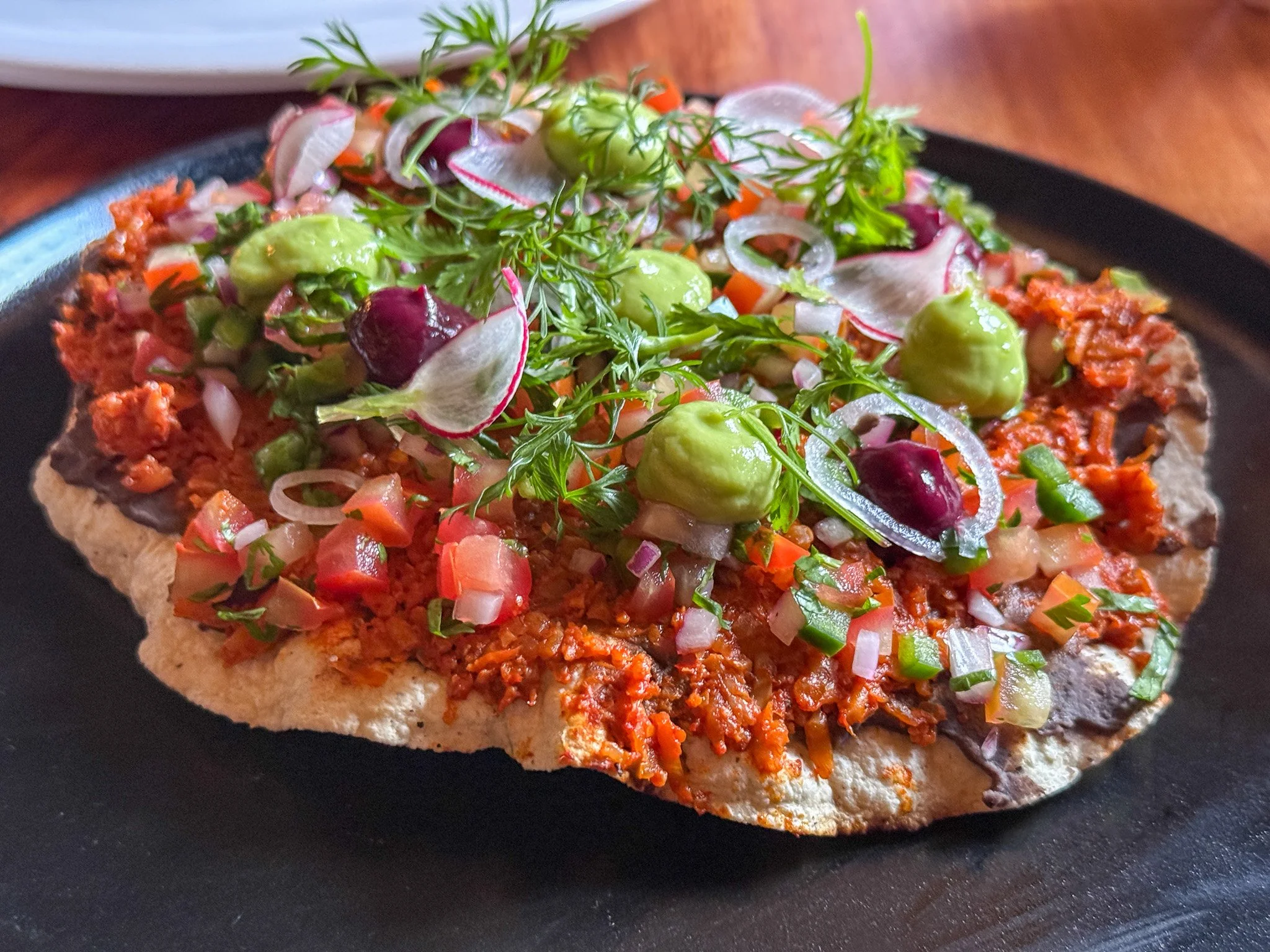
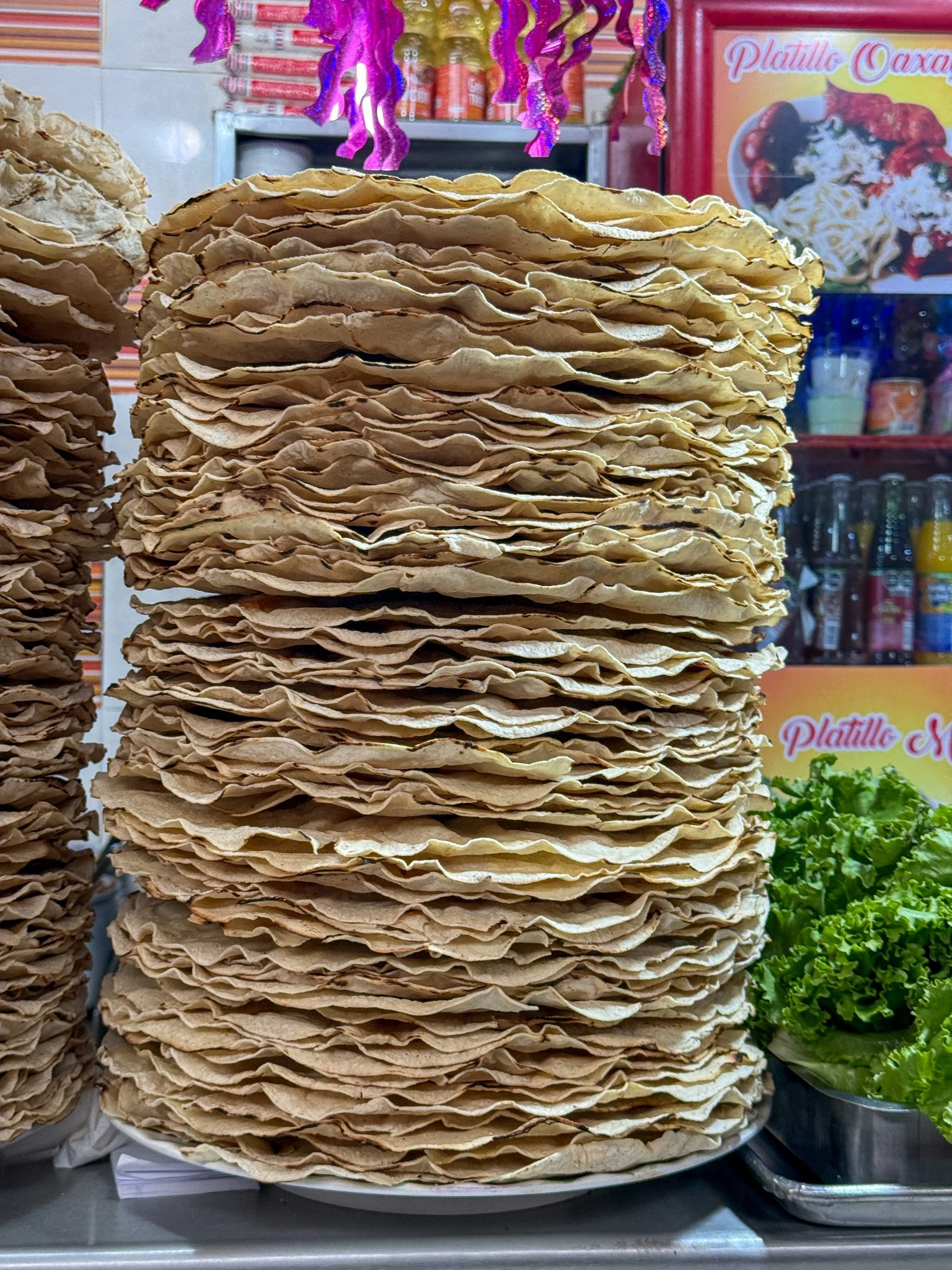
Tlayudas. Often called Oaxacan pizza, a large crisp tortilla topped with beans, shredded cabbage or lettuce, tomato, avocado, cheese, and meat.
Tamales oaxaqueños. Traditionally filled with shredded chicken and mole, then wrapped in banana leaves rather than corn husks.
Memelas. Thick corn tortillas topped with beans, cheese, salsa, and meat, one of the most popular street foods in the city.
Chapulines. Roasted grasshoppers, usually seasoned with chile or garlic, sold by vendors outside Mercado Benito Juárez. If eating the whole insect isn't for you, they also turn up as a garnish on guacamole.
Tejate. A foamy, non-alcoholic corn and cacao drink with roots going back centuries, ladled from big bowls at the markets and on the street. Looks strange, tastes better than it looks.
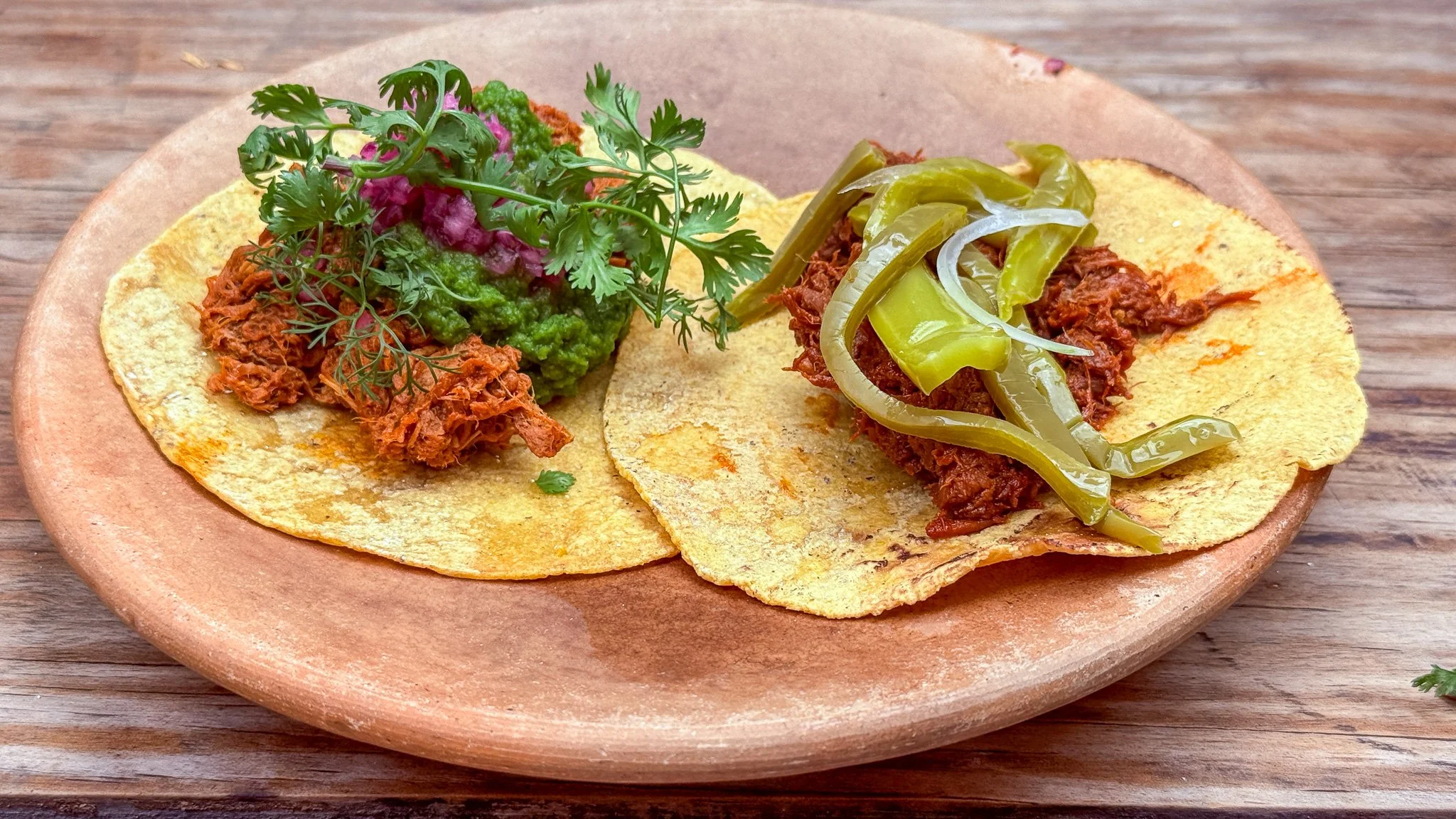
Restaurants
Ancestral. Chef Miguel Mijangos cooks over wood fire in the Xochimilco barrio, in a garden setting built around an 18th-century aqueduct. A six-course tasting menu built entirely on smoke and Oaxacan tradition. Reserve ahead.
Chichilo (formerly Los Pacos). Right next to Quinta Real, and worth the short walk. It is the place to sit down with seven moles in front of you and work your way through all of them before committing to one. We ate here one night on this trip, and it did not disappoint. The mole tasting is the whole point, and it lives up to its reputation.
Criollo. Chefs Enrique Olvera and Luis Arellano run this tasting-menu restaurant in a UNESCO heritage house, with an outdoor courtyard dining room, wood-burning ovens, and a menu that shifts with the season. We had lunch here, and both the fish tacos and the vegetarian tostadas, piled with beans and mushrooms, were excellent. One of the most talked-about tables in the city right now, and it earns it.
Mula Cocina Mestiza. A terrace restaurant in the Centro built around traditional Oaxacan cooking with a contemporary hand. We liked it enough to go back a second time, both times sitting on the rooftop terrace, and the traditional Mexican food was consistently good. Strong reputation for service and atmosphere, and the terrace view is part of the draw.
Mercado 20 de Noviembre, for lunch. Skip the sit-down restaurant entirely for one meal and eat where the city eats. Head into the Pasillo de Humo, the grilled meat corridor, pick your cut, and let them fire it up in front of you.
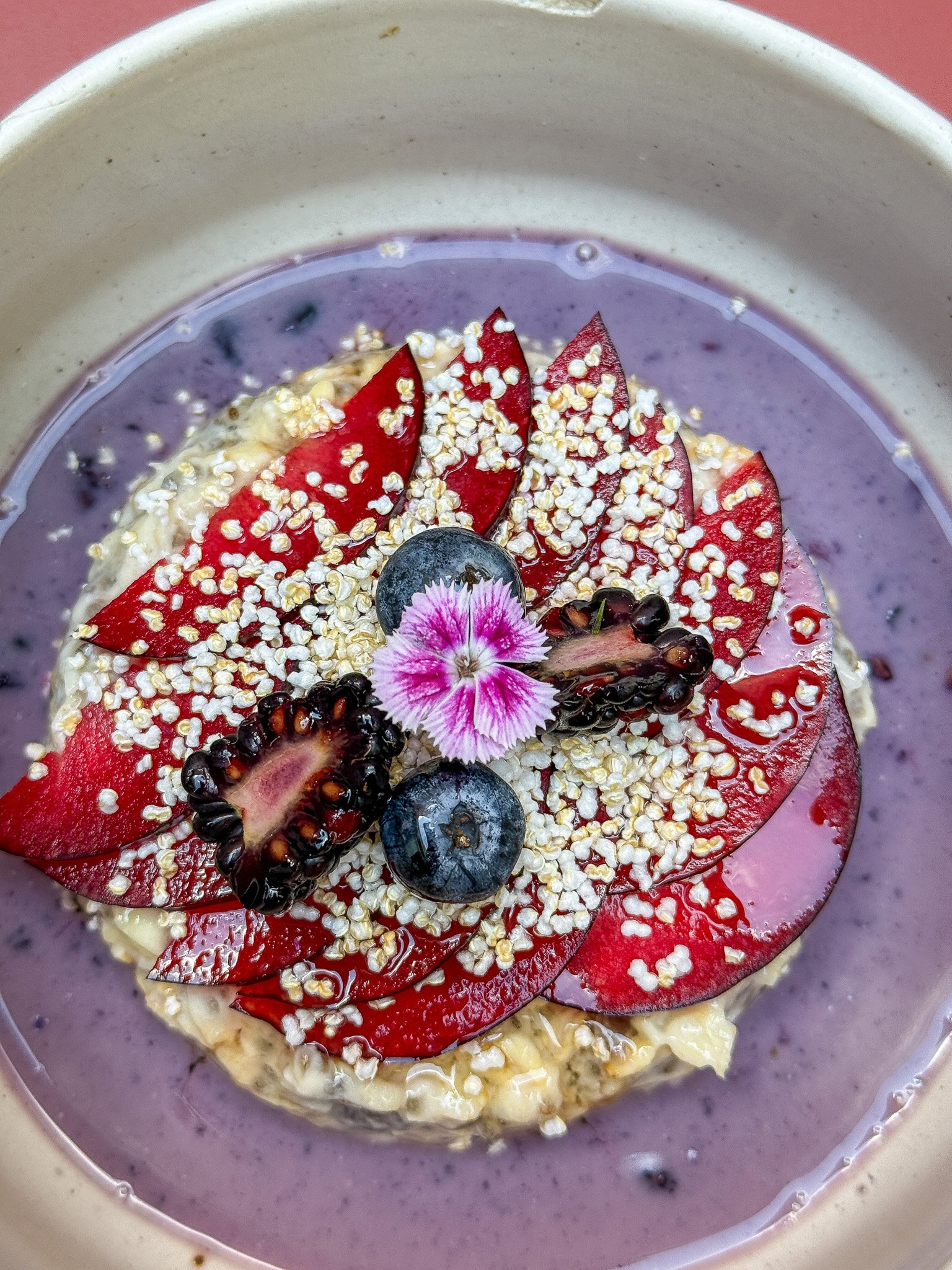
Levadura de Olla. Chef Thalía Barrios García's Michelin-starred restaurant is built on the traditional cooking of her home region in the Sierra Sur. One of the most personal, story-driven kitchens in the city.
Crudo. A newer name on the fine dining side of the city's food scene, worth a stop for anyone tracking where Oaxacan cooking is headed next.
Copal. A striking restaurant and wine bar in the Centro, its name taken from the incense that gets burned tableside toward the end of the meal. Reservations recommended, and go hungry, the tasting format runs long.
Los Danzantes. A Oaxaca institution with a Michelin star, known for its stone courtyard setting and its own house mezcal label. A strong choice for a special night out.
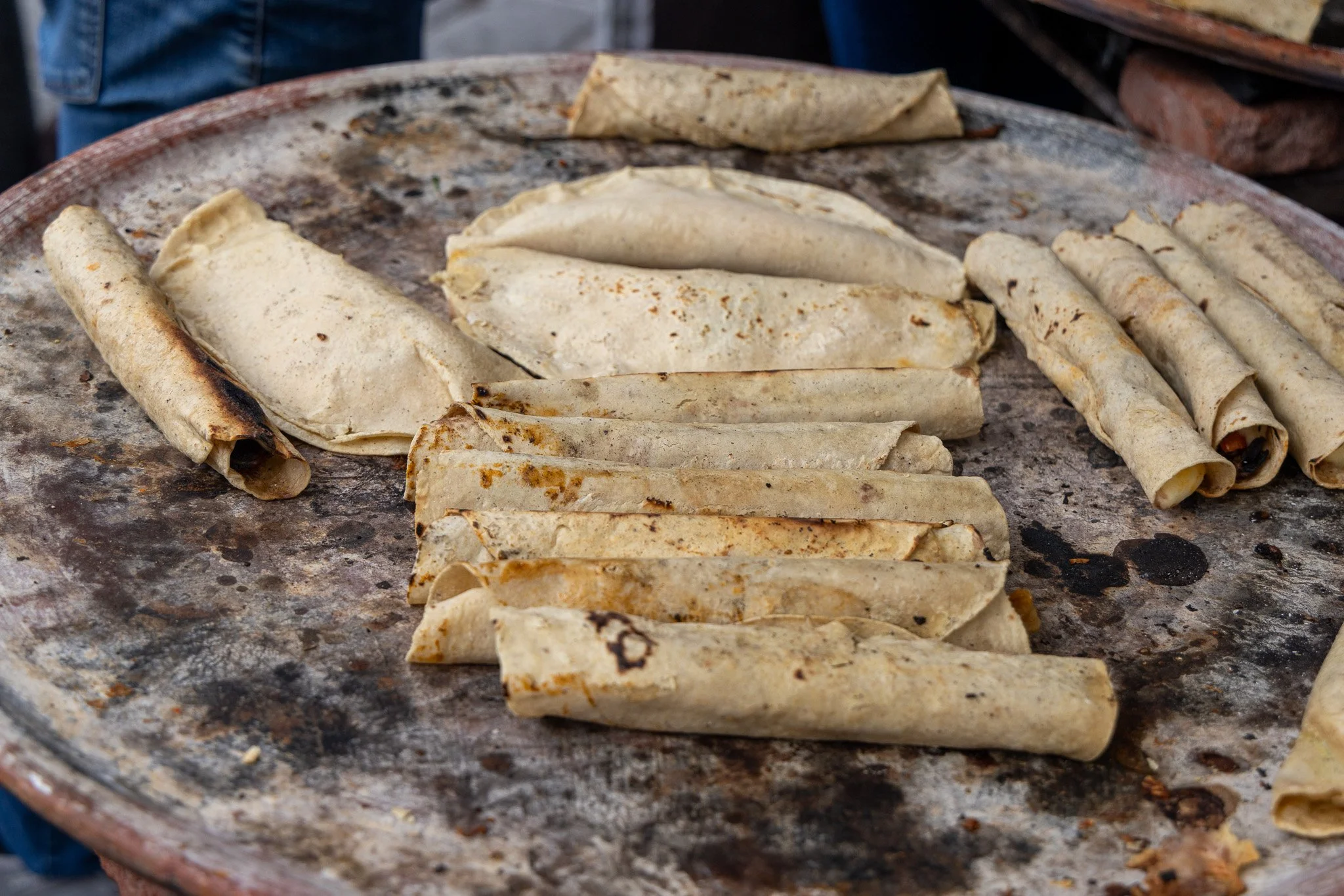
Coffee
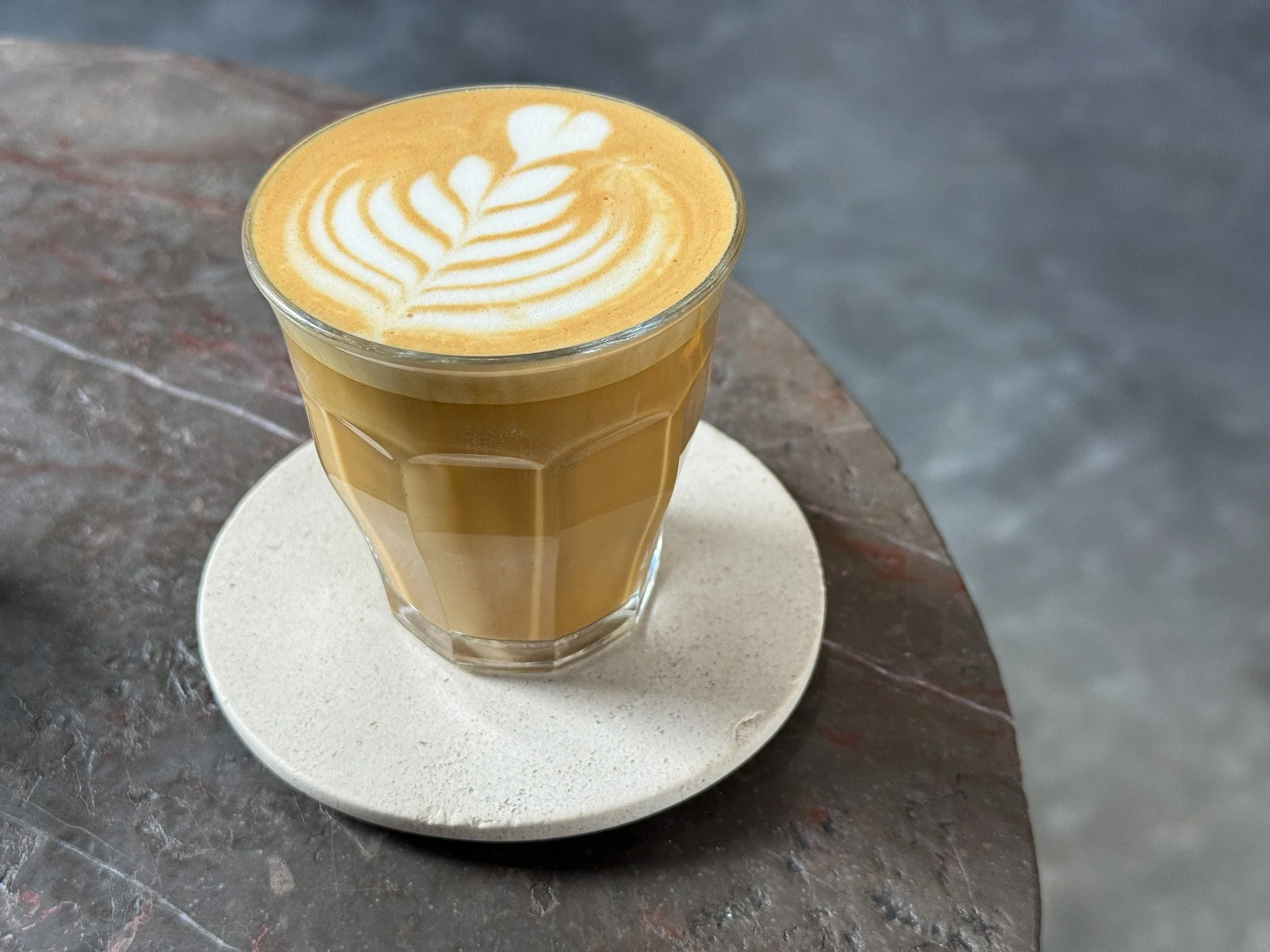
We tried four different coffee shops on this trip, and all four were excellent: real baristas, genuinely good coffee across the board.
Café Brújula, Alcalá location. A courtyard setting with shaded outdoor tables, reliable WiFi, and good espresso. One of the best spots in the Centro to sit down and edit a card.
No No café. A small, intimate spot a block from Santo Domingo, specializing in single-origin extractions of 100 percent Oaxacan coffee. We went back twice, and the coffee is genuinely excellent. Only a handful of tables, so it is better for a quick sit-down than a long editing session.
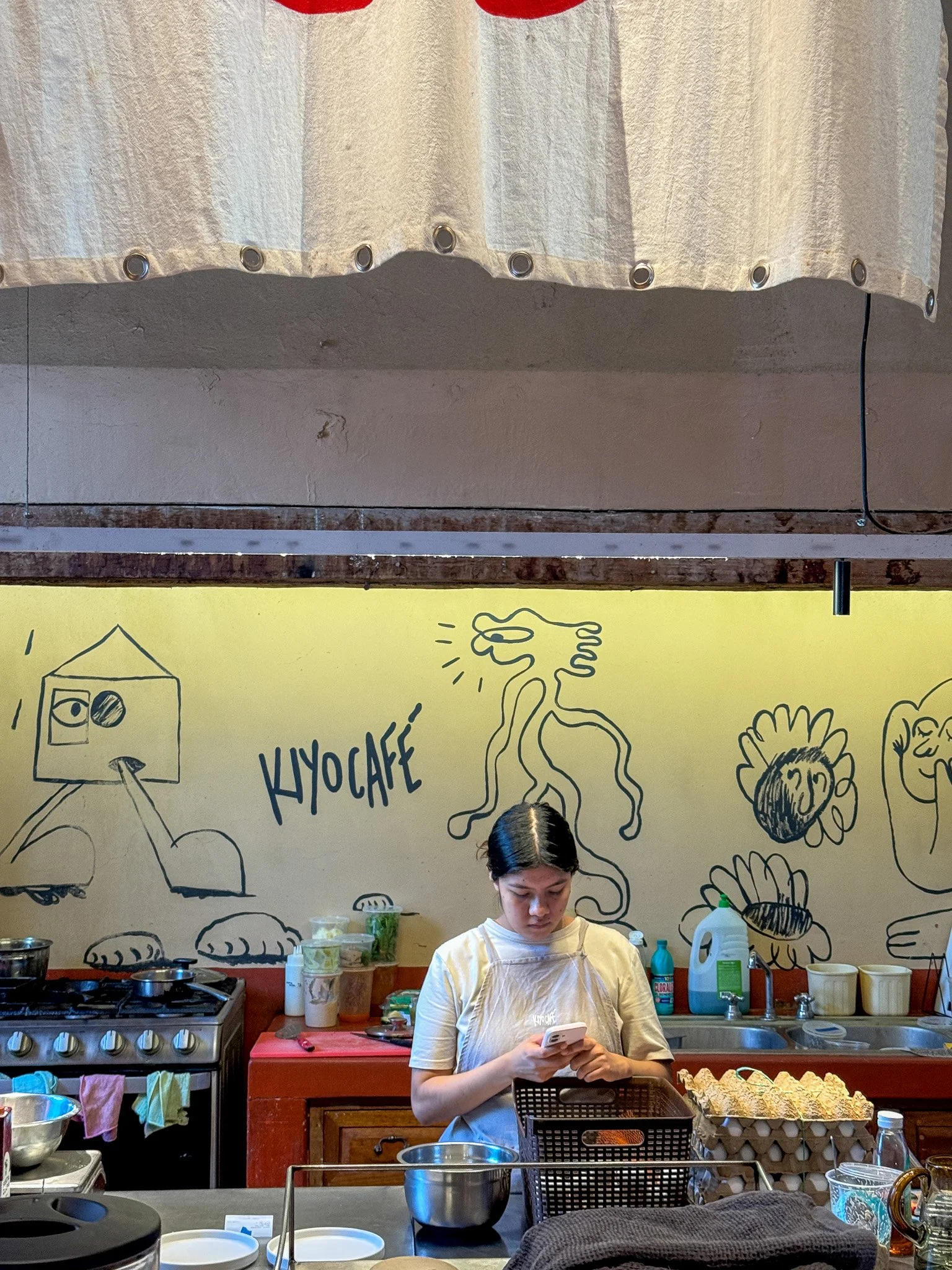
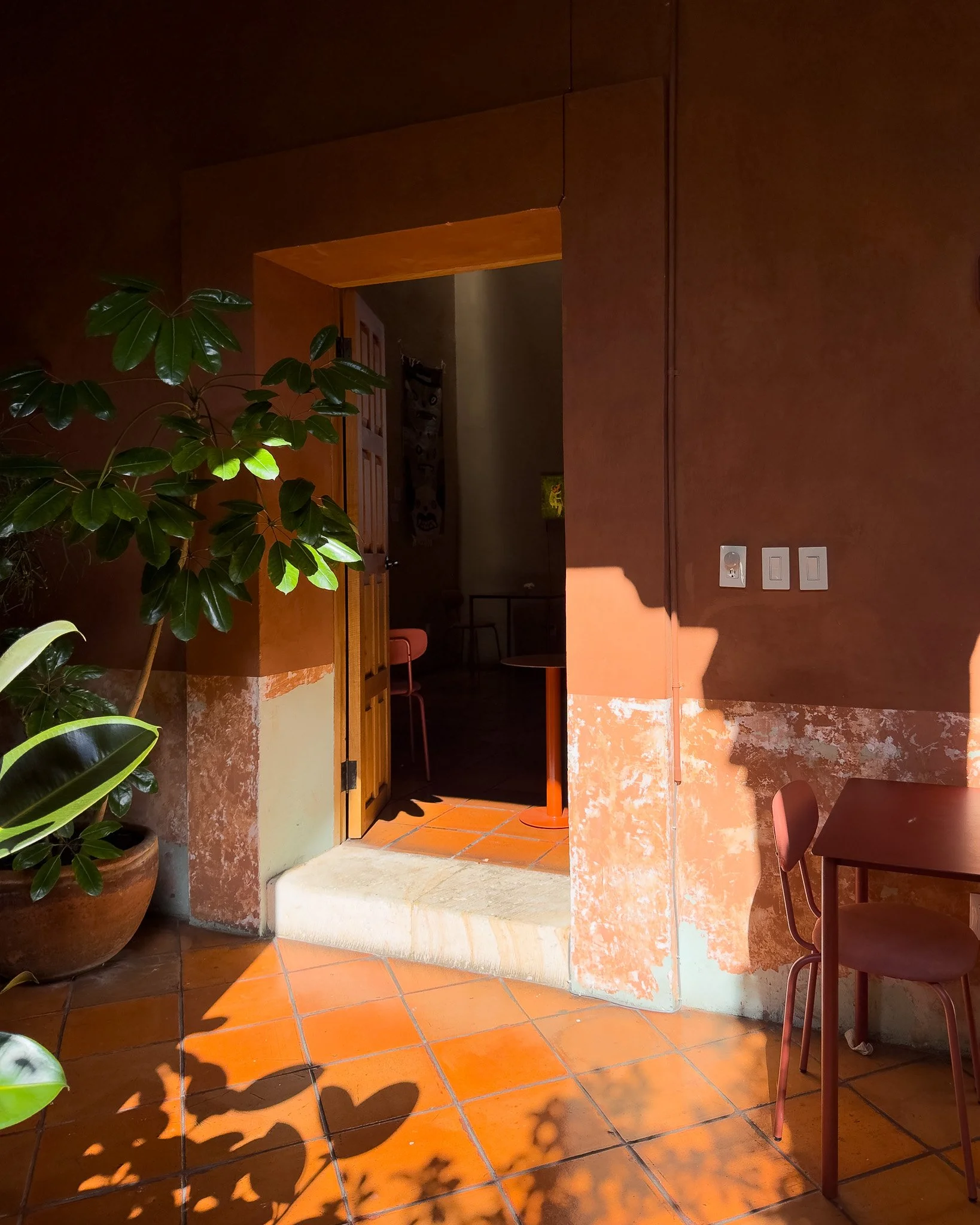
Kiyo Café. Part cafe, part boutique, with a concrete, industrial feel. We went twice for breakfast, oatmeal, and avocado toast both times, and I loved the courtyard along with the small shop right at the entrance.
Sagrado Filemón I Pan y Café. A bakery and coffee shop in one, with its own roasting operation and a genuine connection to local growers. Another wonderful breakfast stop, the coffee is excellent and the bread lives up to the name.
Photography Gear to Bring
DSLR/Mirrorless Kit
Canon EOS R5 Mark II or equivalent full-frame mirrorless body. A second body, I carry a Leica Q3 as my walk-around camera, is a real advantage here, since you will move constantly between wide architectural shots and close street portraits.
A wide zoom, 15-35mm, for the church interiors, the market corridors, and Monte Albán's open plazas. A standard zoom, 24-70mm, for the bulk of your street and market work; this will likely live on your camera most of the trip. A short telephoto, 70-200mm, is genuinely useful at Monte Albán for compressing the terraced pyramids against the valley, and for candid street portraits from a respectful distance.
Extra batteries. The dry heat and constant shooting will drain them faster than you expect. A Samsung T7 SSD or similar for nightly backups; do not wait until you are home.
Leave the tripod at the hotel for most of the trip. Oaxaca's photography is a walking, handheld city. Bring it only if you plan a dedicated blue hour session at Santo Domingo or the Zócalo.
Drone Note
Do not fly a drone at Monte Albán or any other INAH-protected archaeological site without written authorization in advance. INAH's permit process requires roughly ten business days' lead time and is rarely granted to individual travelers. Confiscation and steep fines are enforced. If aerial footage of Monte Albán matters to you, plan for it months ahead through the proper channel, not on arrival.
iPhone Advice
The market corridors are narrow and crowded with color from every angle. Use the 0.5x ultrawide to capture the full stall of chiles or textiles without backing into another vendor's table.
Santo Domingo's gold-leaf interior is dim and contrasty. Use Night mode even during the day if you are shooting deep into a side chapel, and brace against a pew or column for the extra half-second of exposure.
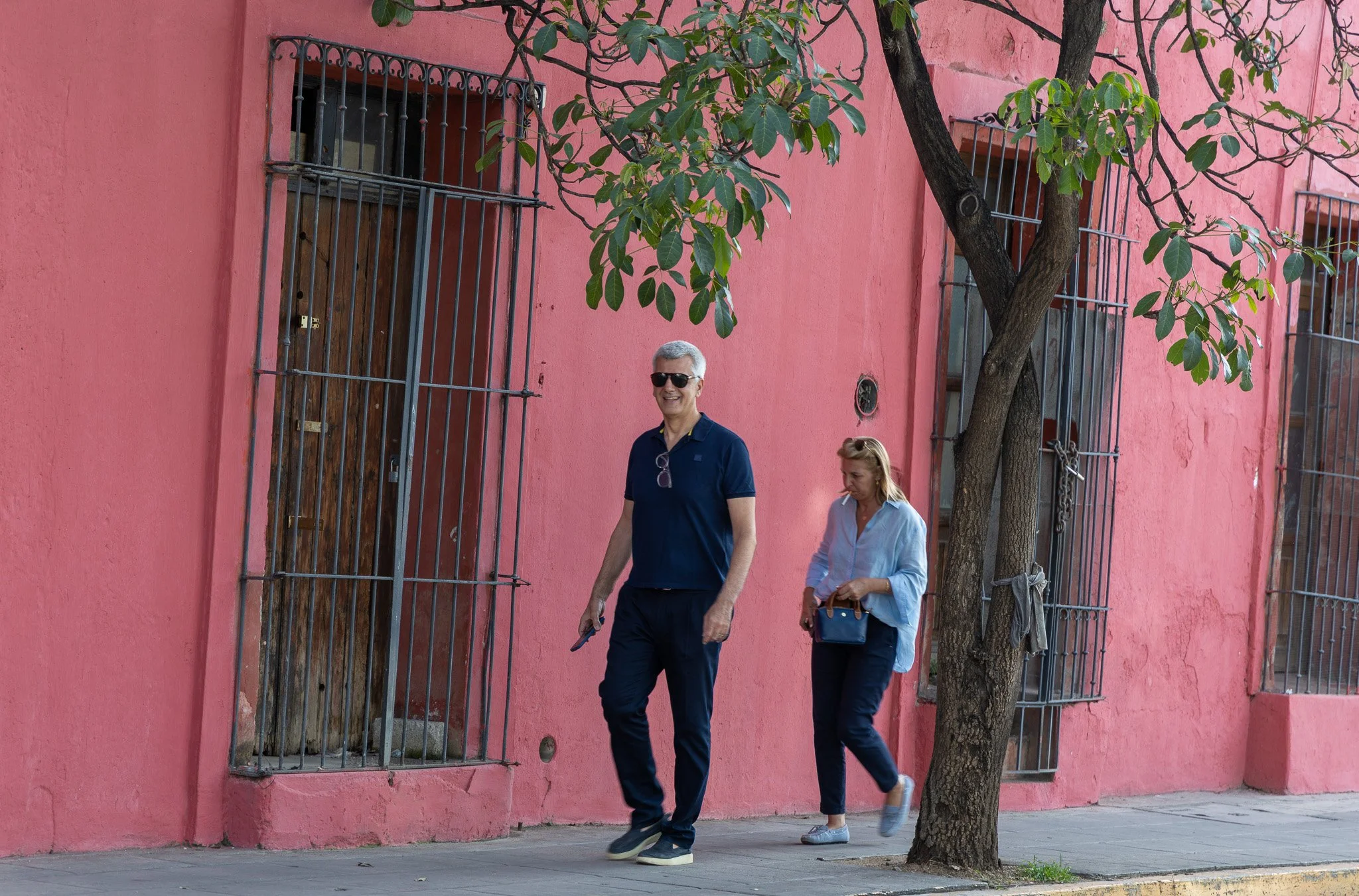
For street portraits during your walking tour, Portrait Mode works well against the flat, saturated wall colors that are everywhere in the Centro. They make a naturally clean background.
Shoot ProRAW for anything with strong color contrast, the painted walls, the mole and chile displays at the markets, so you have more room to correct in editing without the color banding you get from a standard JPEG.
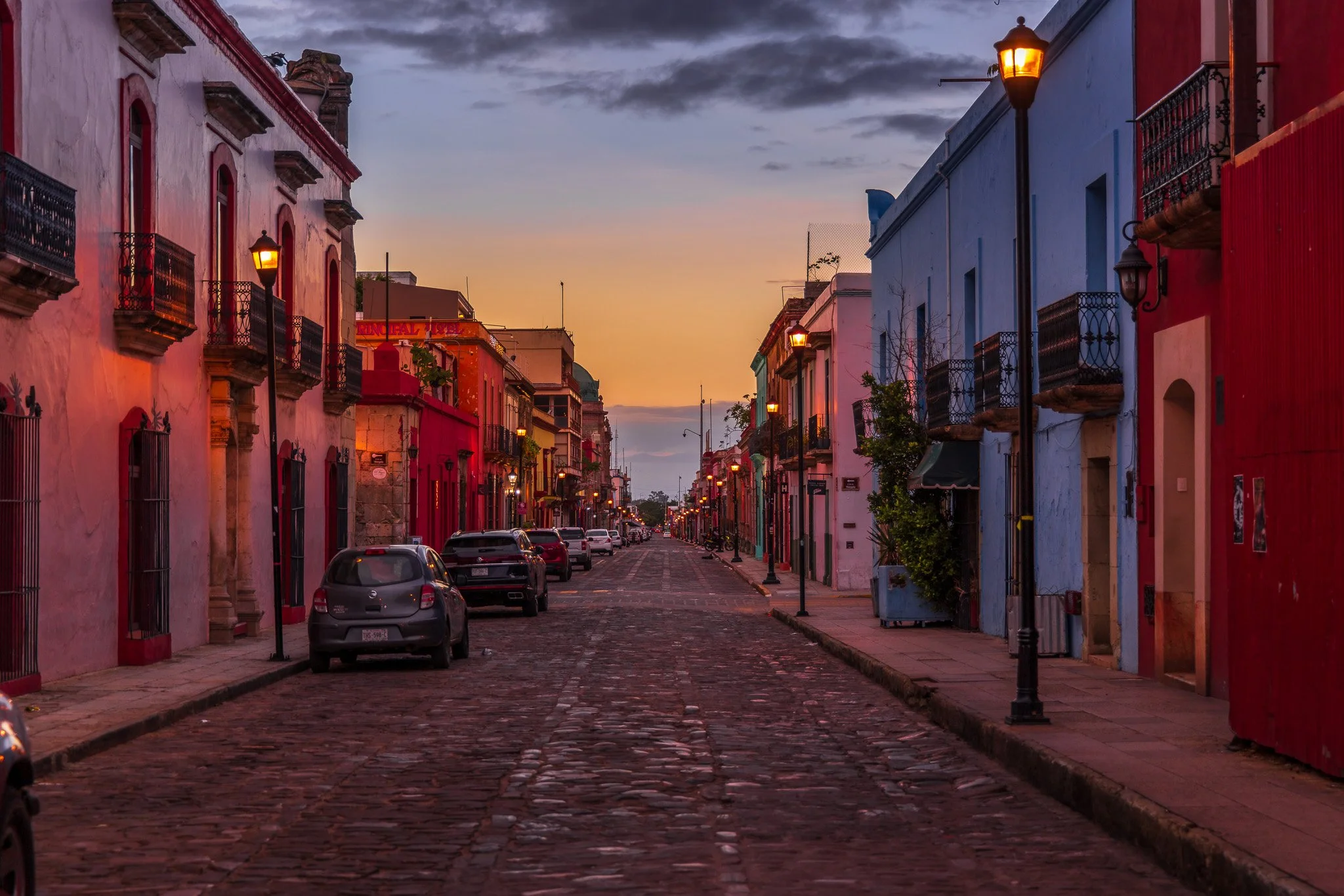
Early morning in the historic center
Best Photography Locations
Monte Albán
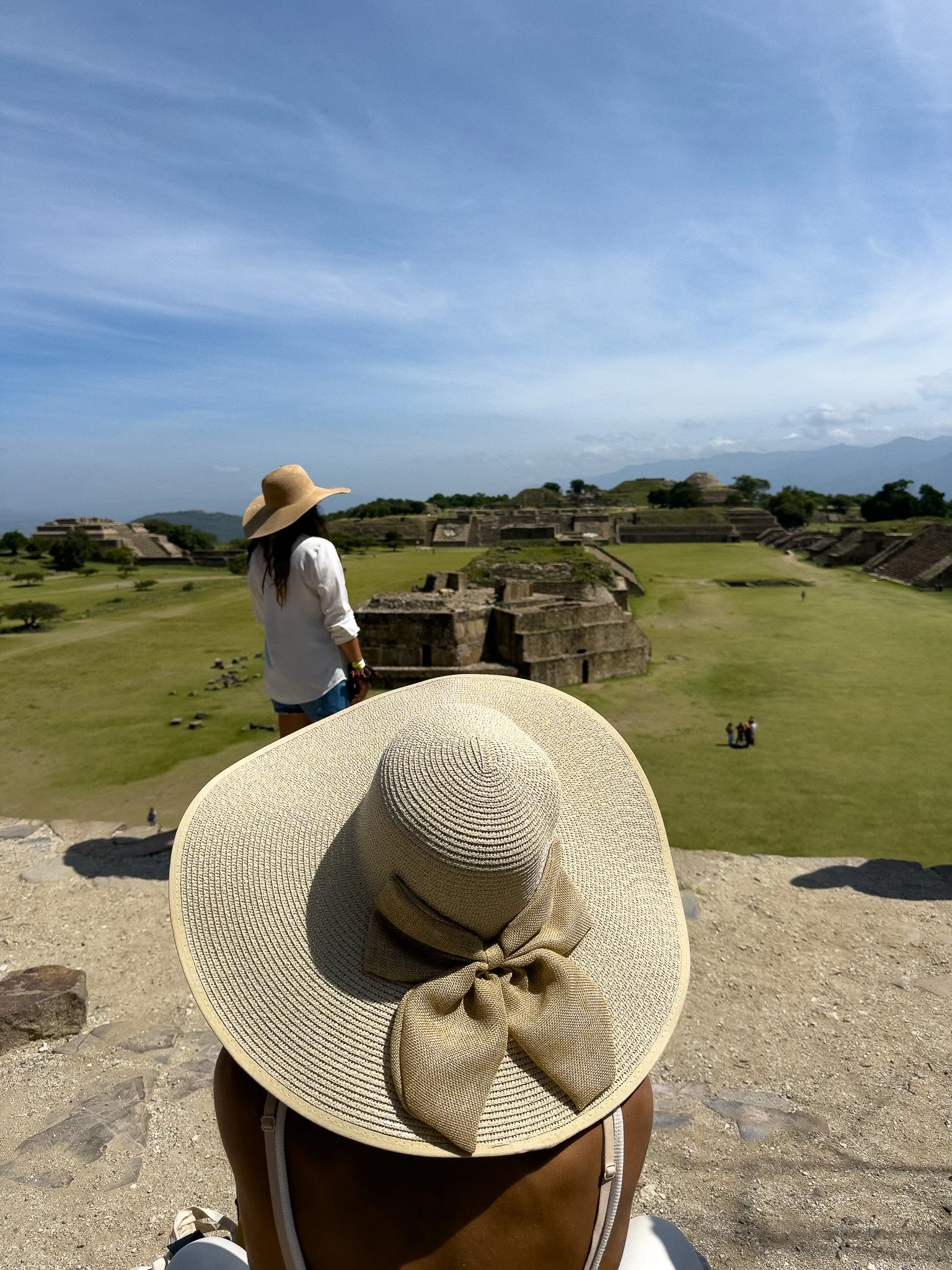
The ancient Zapotec capital sits on a leveled mountaintop overlooking the entire Oaxaca valley, and it is one of the most striking archaeological sites in Mexico for the simple reason that the builders flattened an entire mountain to construct it. It was the Zapotec who founded the city, beginning around 500 BC, and it grew into the first major urban center in the Oaxaca valley, remaining occupied for well over a thousand years before it was eventually abandoned.
I took a private tour, and it was excellent, well worth the roughly twenty-five minutes it takes to get there from the city, and honestly, I would not visit without one. A good guide explains how the site was carved directly out of the mountain, what the houses and living spaces looked like for the people who actually lived there, and how the population eventually left Monte Albán, something archaeologists still do not have a definitive answer for. Walking around on your own, you get the scale, but the tour is what turns it from an impressive pile of stone into a place you actually understand.
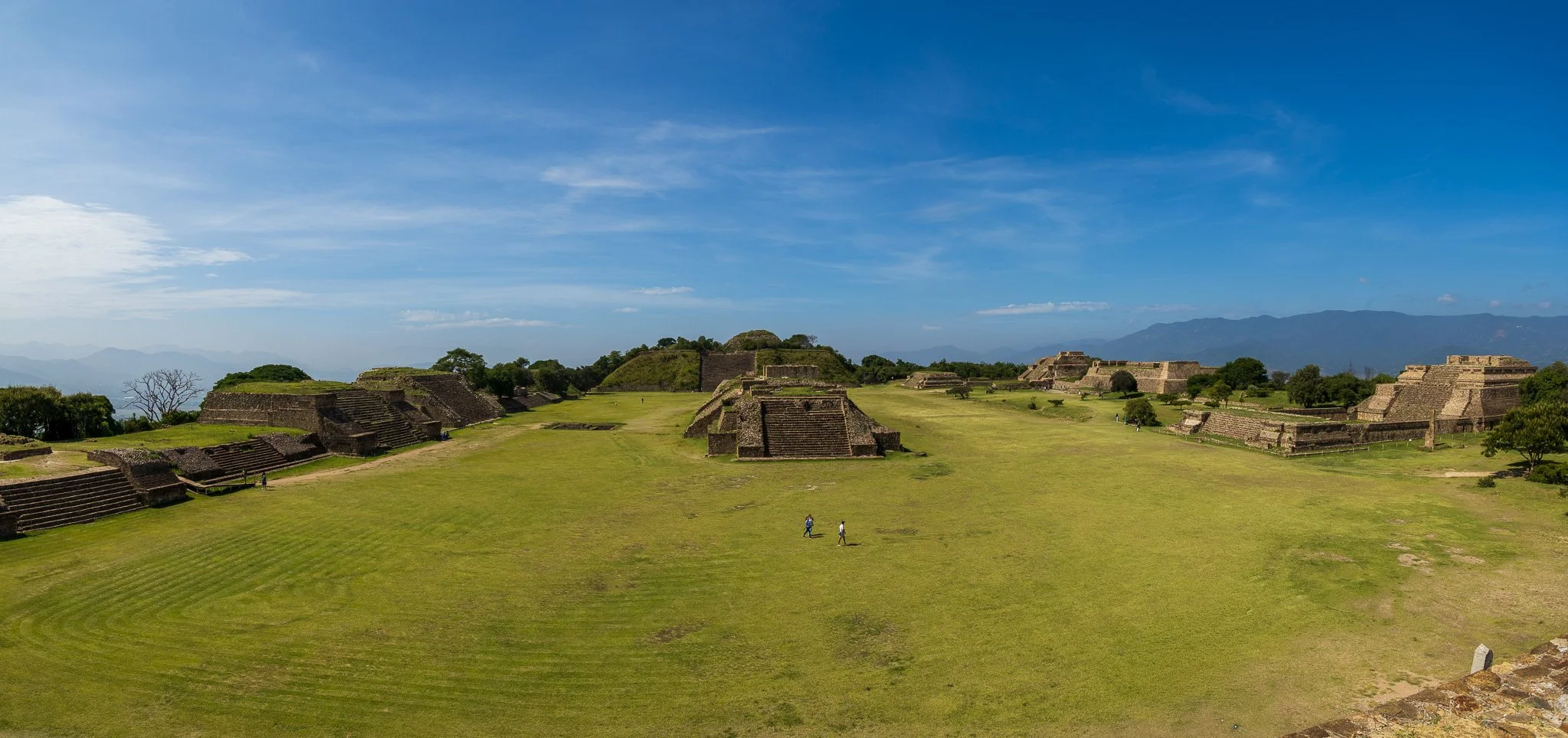
What struck me most in person was the deliberate north-south and east-west orientation of the main structures. Nothing here was placed by accident; the Zapotec built with astronomy and ceremony in mind. You will also see the carved stone figures known as the Danzantes set into some of the buildings, believed to depict captured rivals rather than dancers, despite the name. You can climb the steps of the main structures, and once you are up top, the view over the entire valley puts the whole scale of the site into perspective.
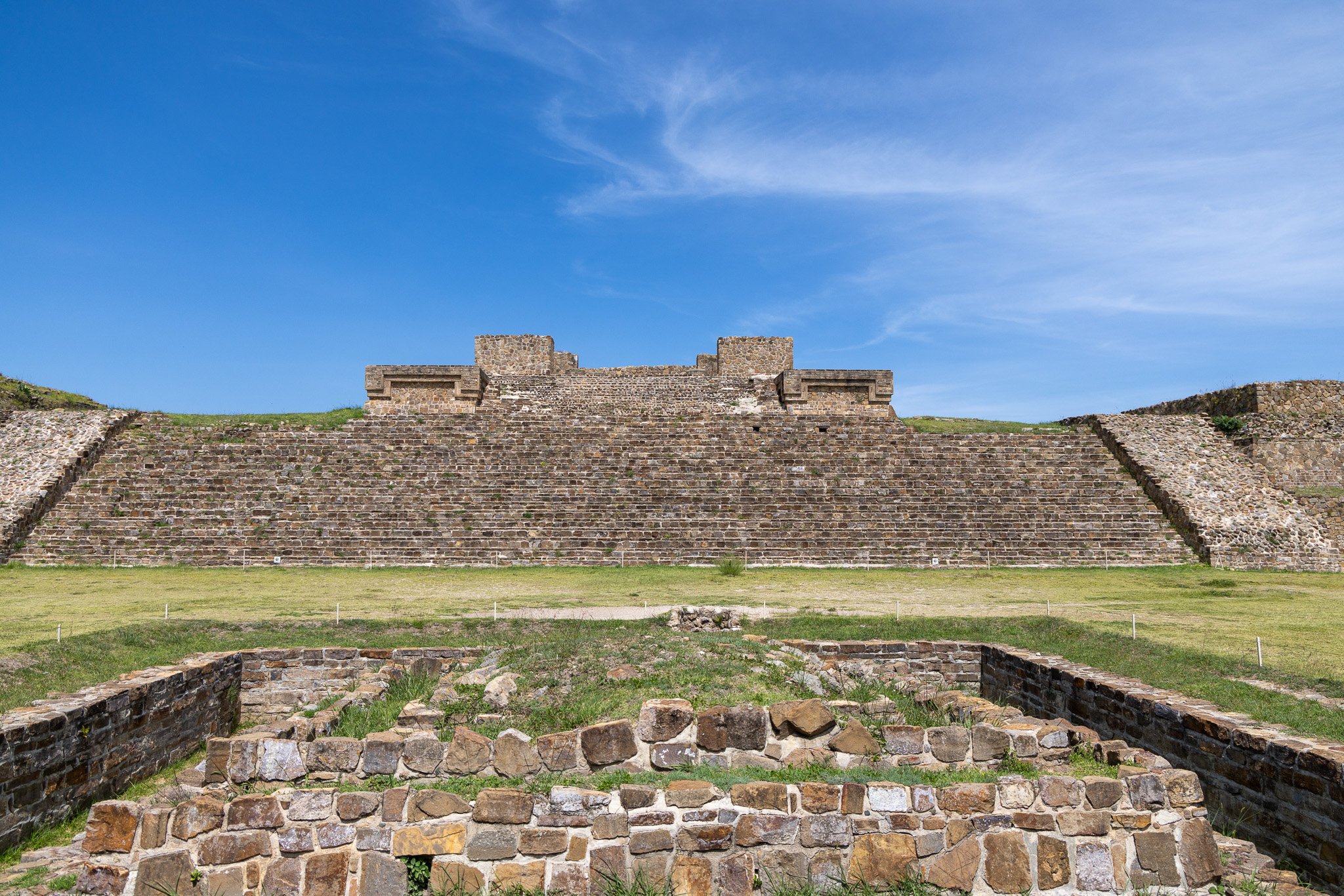
The site's scale and geometry are the story here: long sightlines across the plaza, the pyramids stepping up against the sky, and the valley itself as a backdrop in almost every direction.
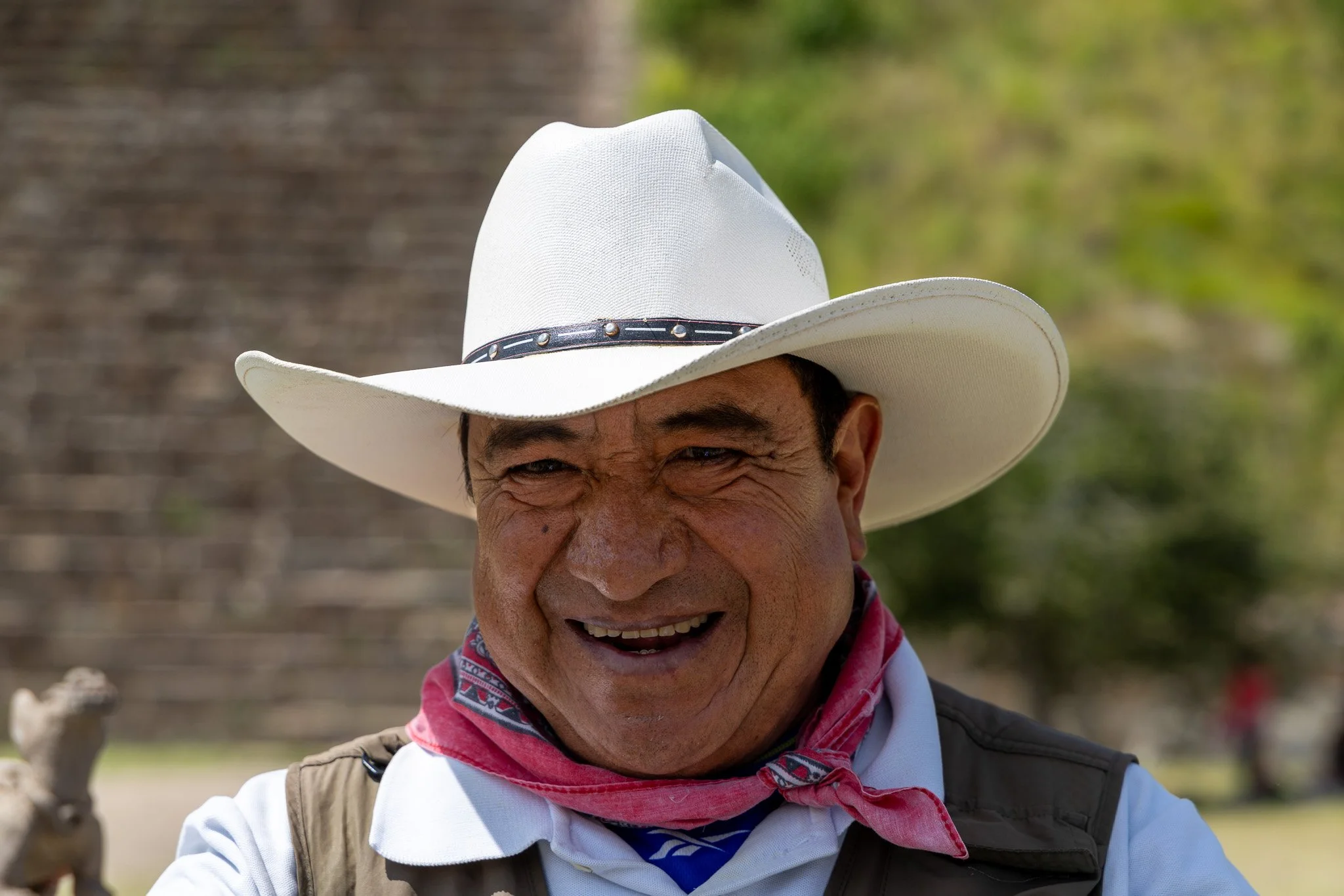
📷 Pro Tip: Arrive at opening, before the tour buses. The light is flatter, but the crowds are thin, and the temperature is still bearable for the walk up from the entrance. A 16-35mm lets you get the full plaza and the valley behind it in one frame; switch to something in the 70-200mm range to compress the terraces of the main pyramid against the haze of the valley floor. There is little shade on site, so plan your visit for morning or late afternoon rather than midday.
Best time: Early morning, right at opening. Access: Paid entrance, INAH-managed site. Roughly 20 to 25 minutes by taxi from the Centro.
Andador Turístico (Alcalá Pedestrian Street)
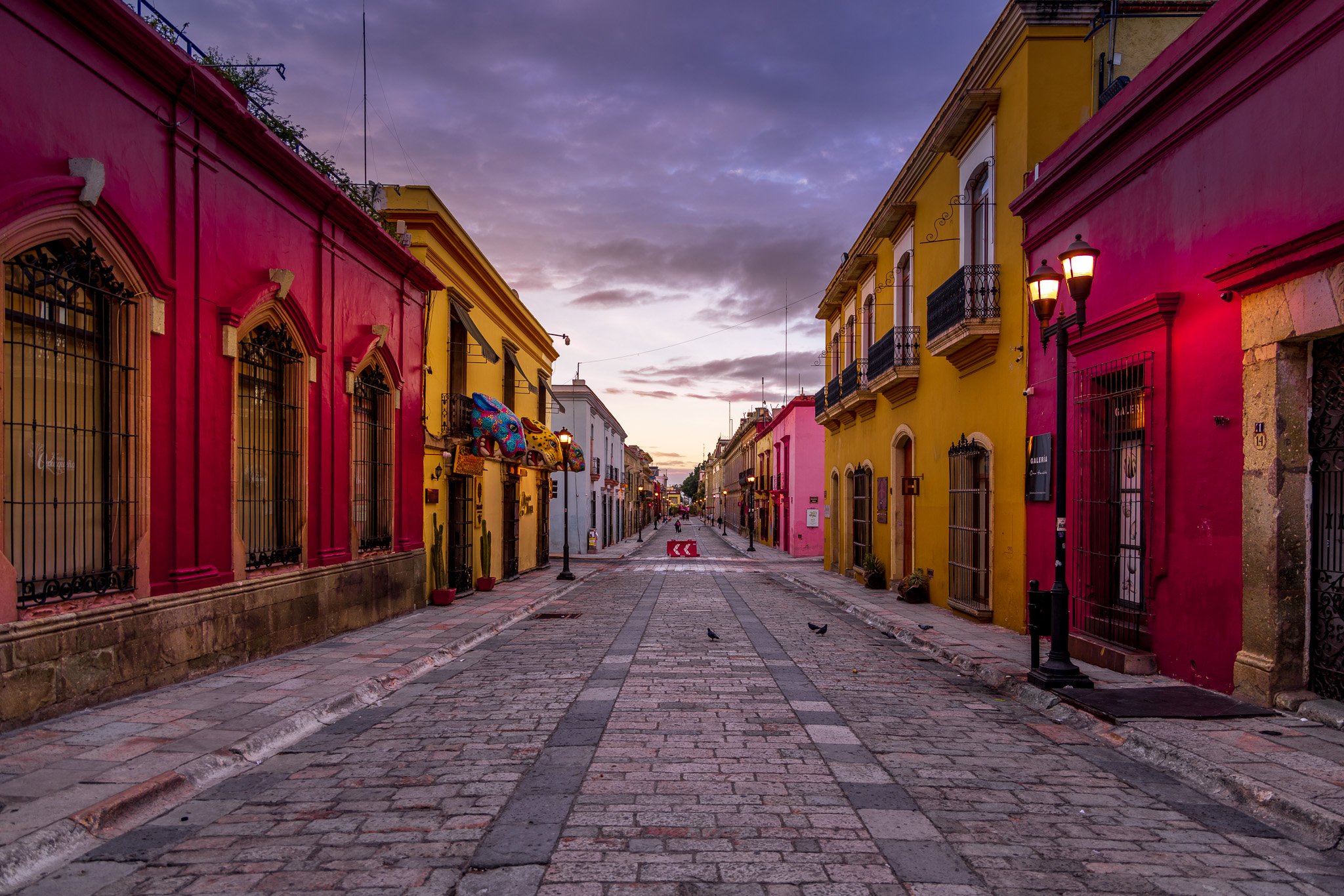
Officially Calle Macedonio Alcalá, named for the 19th-century Oaxacan composer, this six-block pedestrian corridor runs car-free from the Zócalo north to Templo de Santo Domingo. It's lined with colonial-era buildings, art galleries, craft shops, and cafés, and it concentrates a lot of the city's day-to-day color into one walkable stretch.
📷 Pro Tip: Weekday mornings are quiet enough to actually compose against the architecture without people constantly crossing your frame. Come back after dark, especially on a weekend, for a completely different feel, lit storefronts, street musicians, and crowds that make for strong candid work. A 24-70mm covers the street's architecture well; switch to a 35mm or 50mm for closer work with vendors and passersby.
Best time: Weekday mornings for architecture, weekend evenings for atmosphere and street life. Access: Free, pedestrian-only, connects the Zócalo to Templo de Santo Domingo.
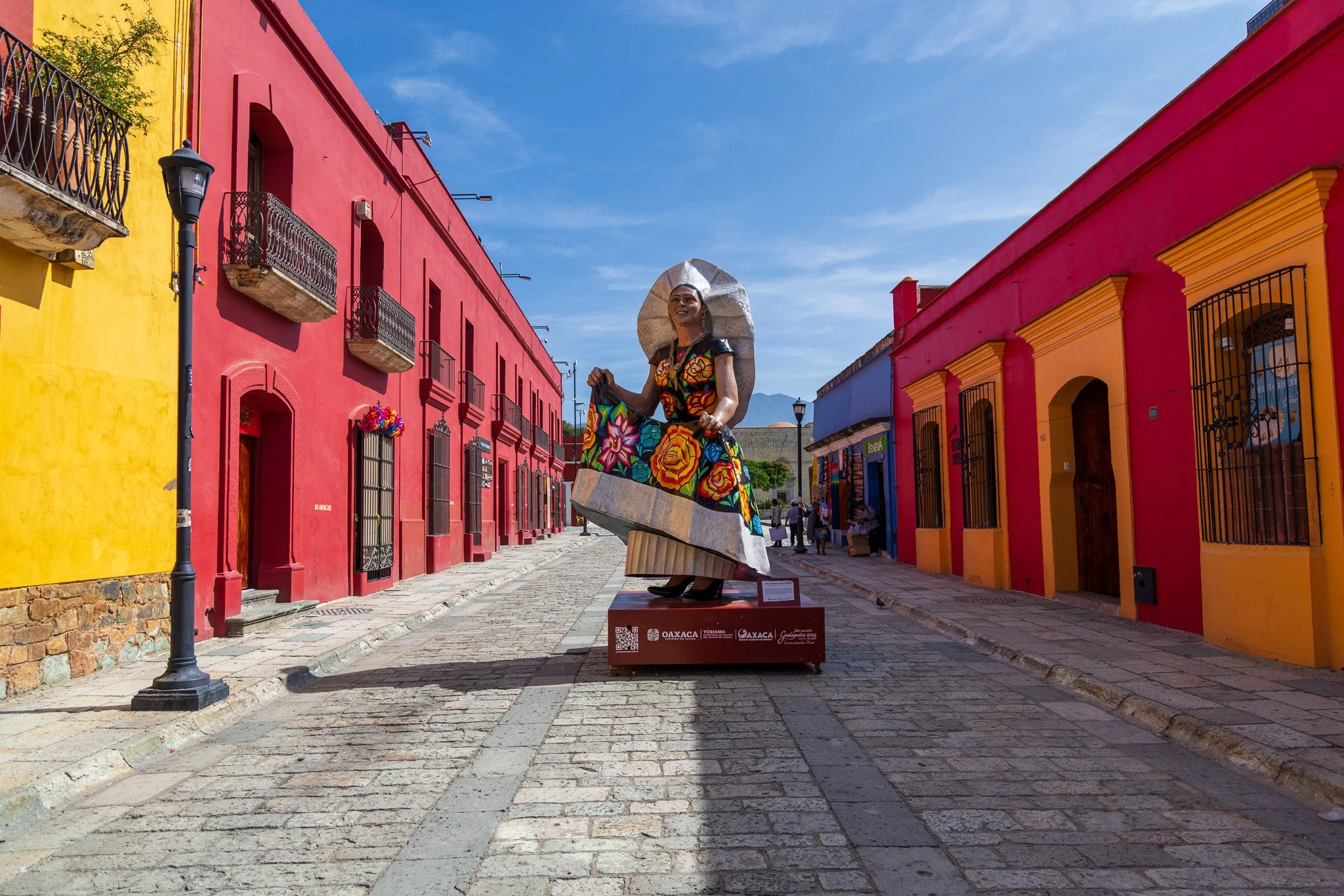
Templo de la Preciosa Sangre de Cristo
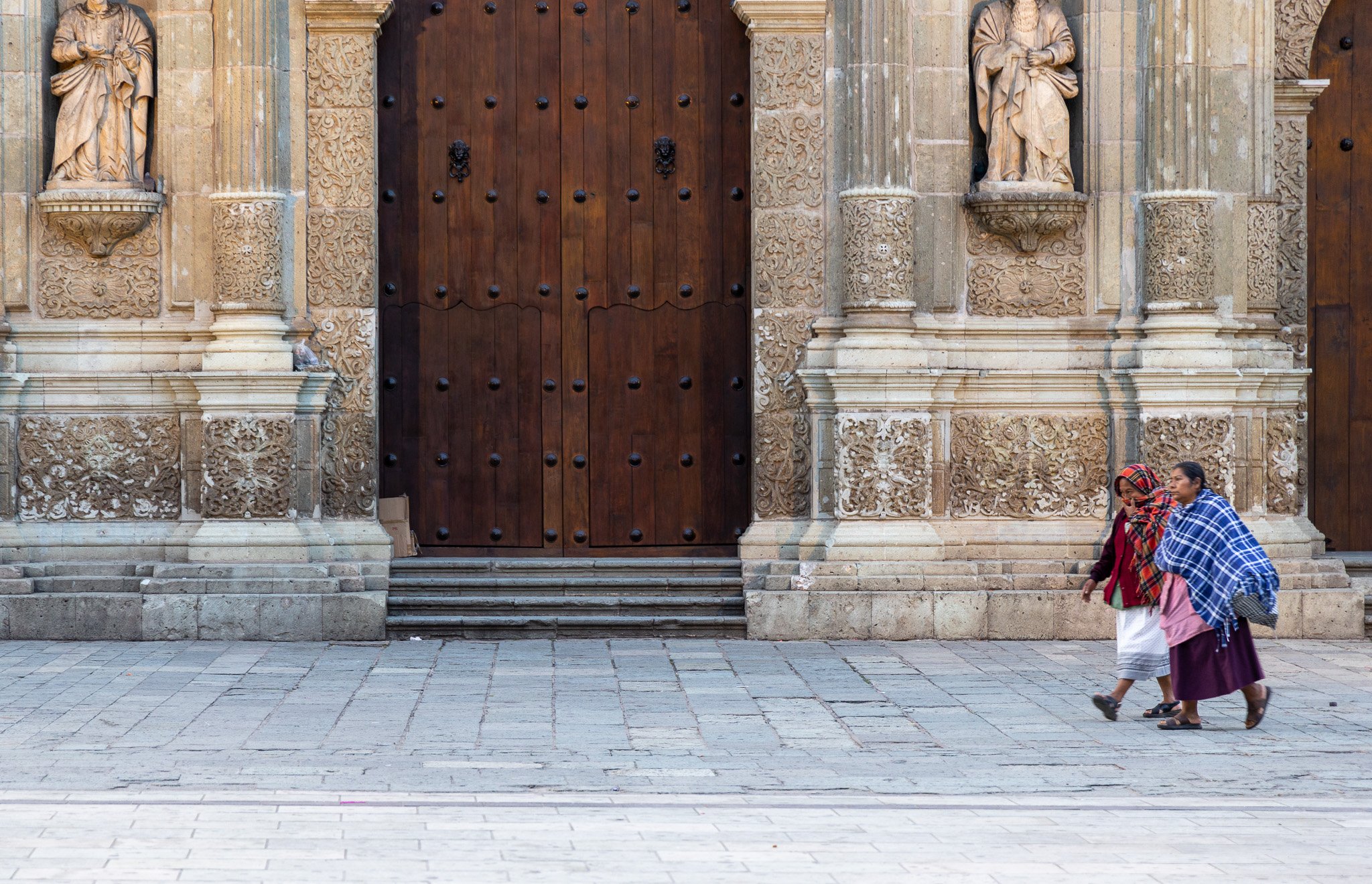
Locally known simply as Sangre de Cristo, this small church sits right on the Andador Turístico near Labastida Park, easy to walk past without noticing on the way between the Zócalo and Santo Domingo. Consecrated in 1689, it was built on the site of the city's old cemetery, and its plain facade and two low bell towers stand in deliberate contrast to the more elaborate churches nearby, no gold leaf, no dense ornamentation, just a quiet, understated front. The interior matches: a simple altar centered on a crucifixion scene flanked by two angels, with a handful of hagiographic paintings on the walls.
It isn't always open, so timing matters if the interior is what you're after. The atrium may be the bigger draw for photographers regardless, since it's the gathering point for the Procesión del Silencio during Holy Week, one of the city's more solemn religious processions.
📷 Pro Tip: The plain facade actually photographs well precisely because it isn't ornate; look for the contrast between the flat stone front here and the more elaborate churches elsewhere in the Centro. A 24-70mm lens covers the facade comfortably from across the street. If your trip lands during Holy Week, the Procesión del Silencio starting from the atrium is worth building your schedule around.
Best time: Late afternoon, when the light rakes across the plain stone facade. Access: Free, though hours are inconsistent, check locally before planning around the interior. Located on the Andador Turístico near Labastida Park.
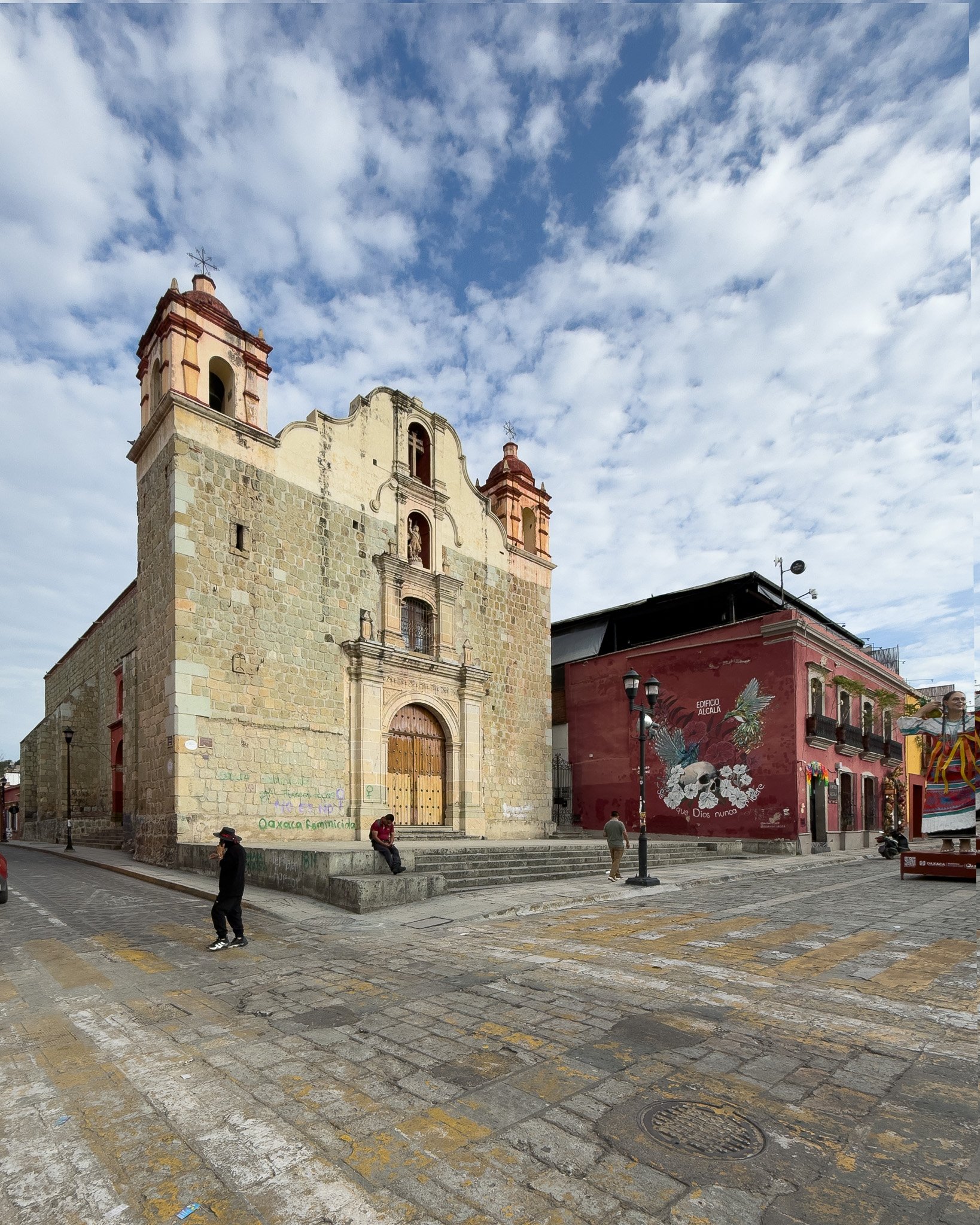
Templo de Santo Domingo de Guzmán
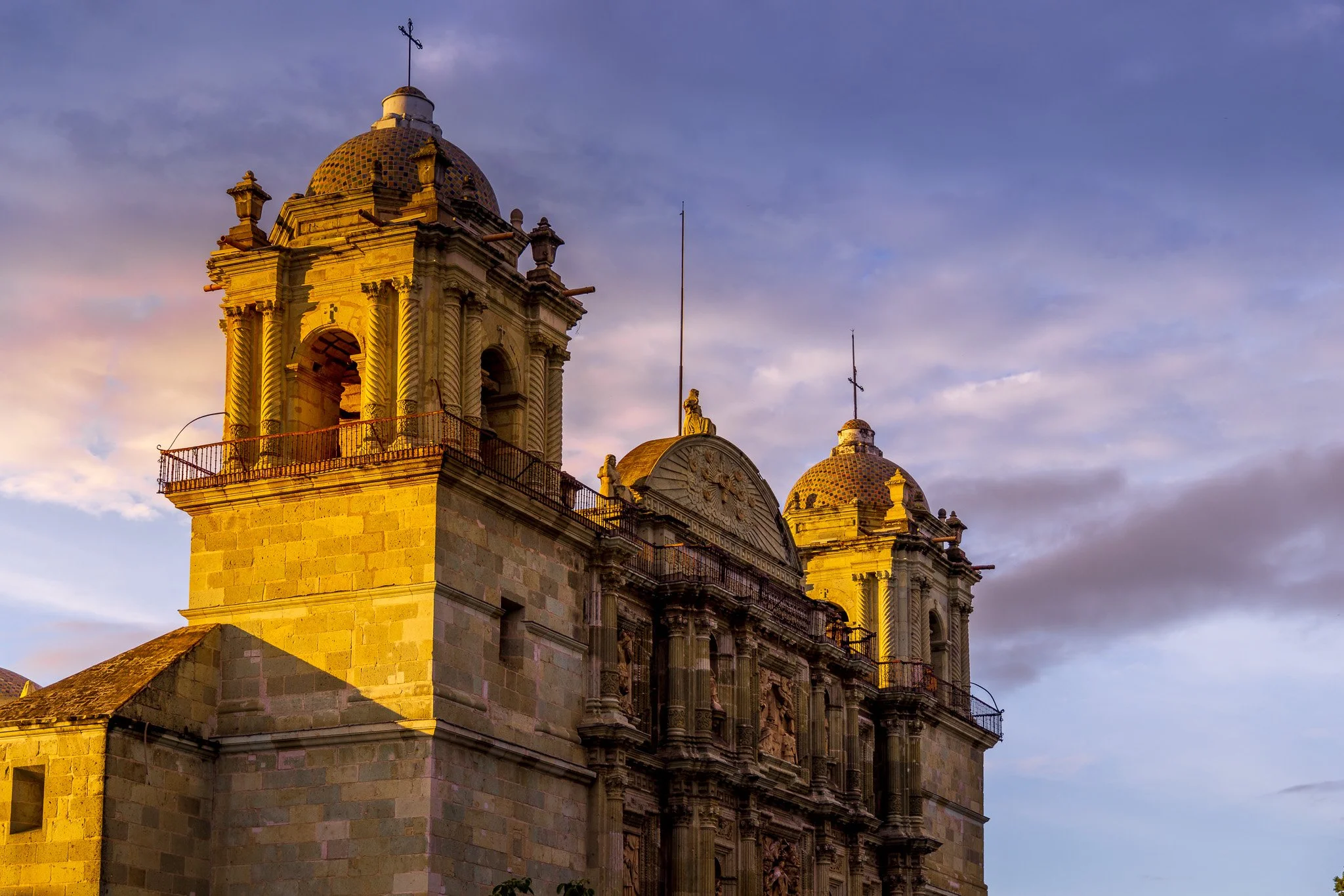
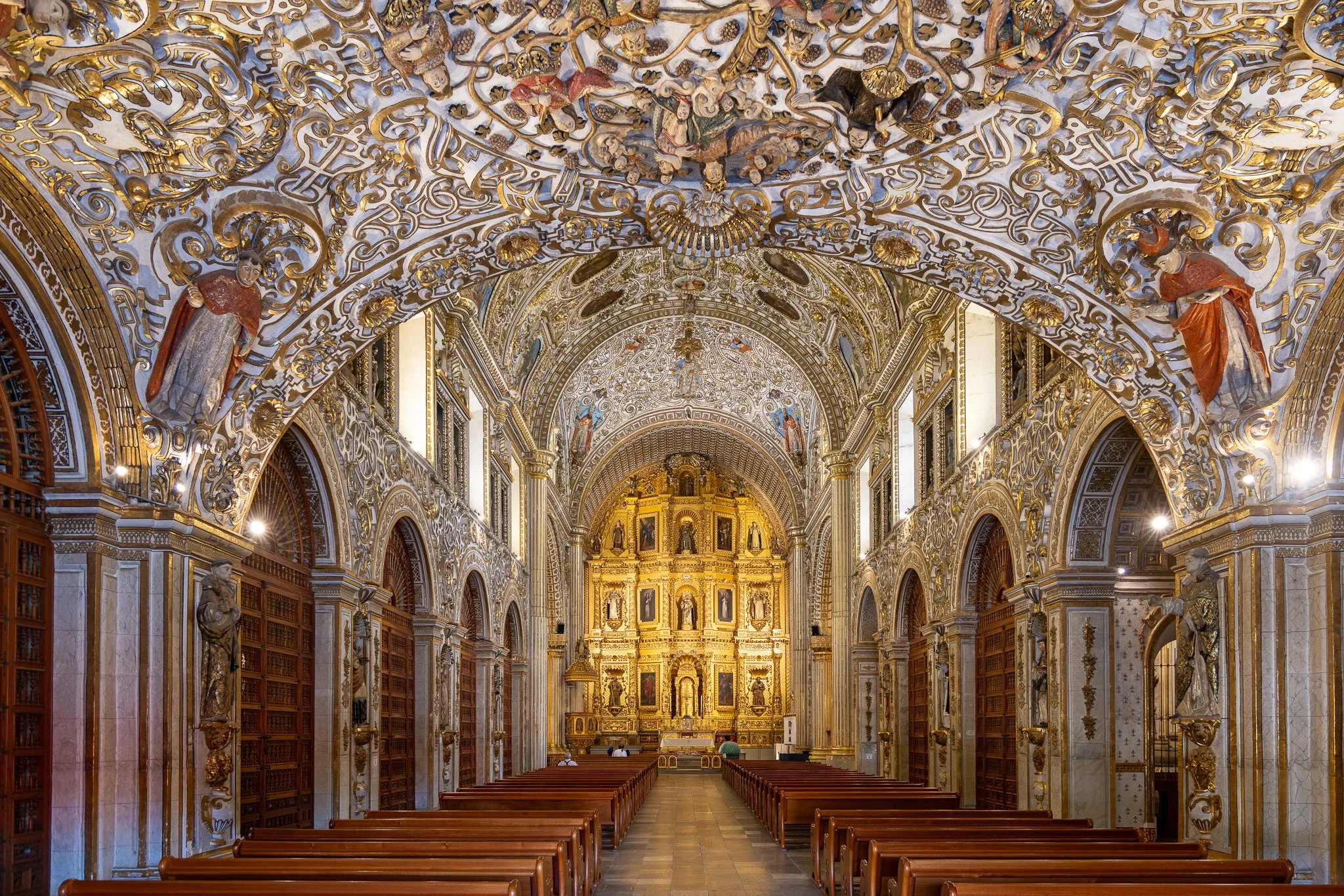
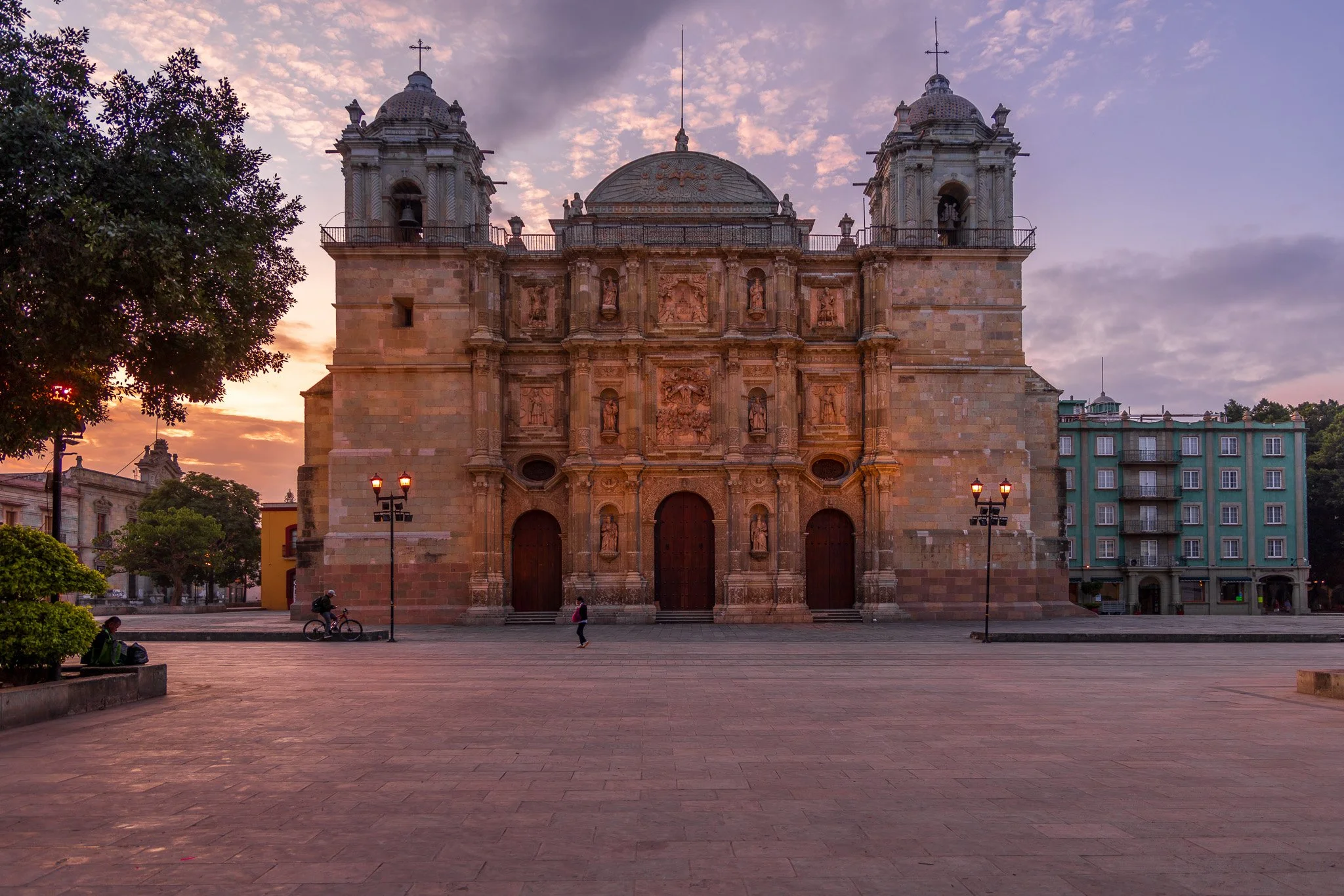
The most photographed building in Oaxaca, and for good reason. The exterior is pale stone against a deep blue sky, and the interior is one of the most elaborately gilded church interiors in the Americas, a gold-leaf, high-relief ceiling and altar that took decades to complete.
The contrast between the restrained stone exterior and the overwhelming gold interior is the whole point photographically. Shoot both.
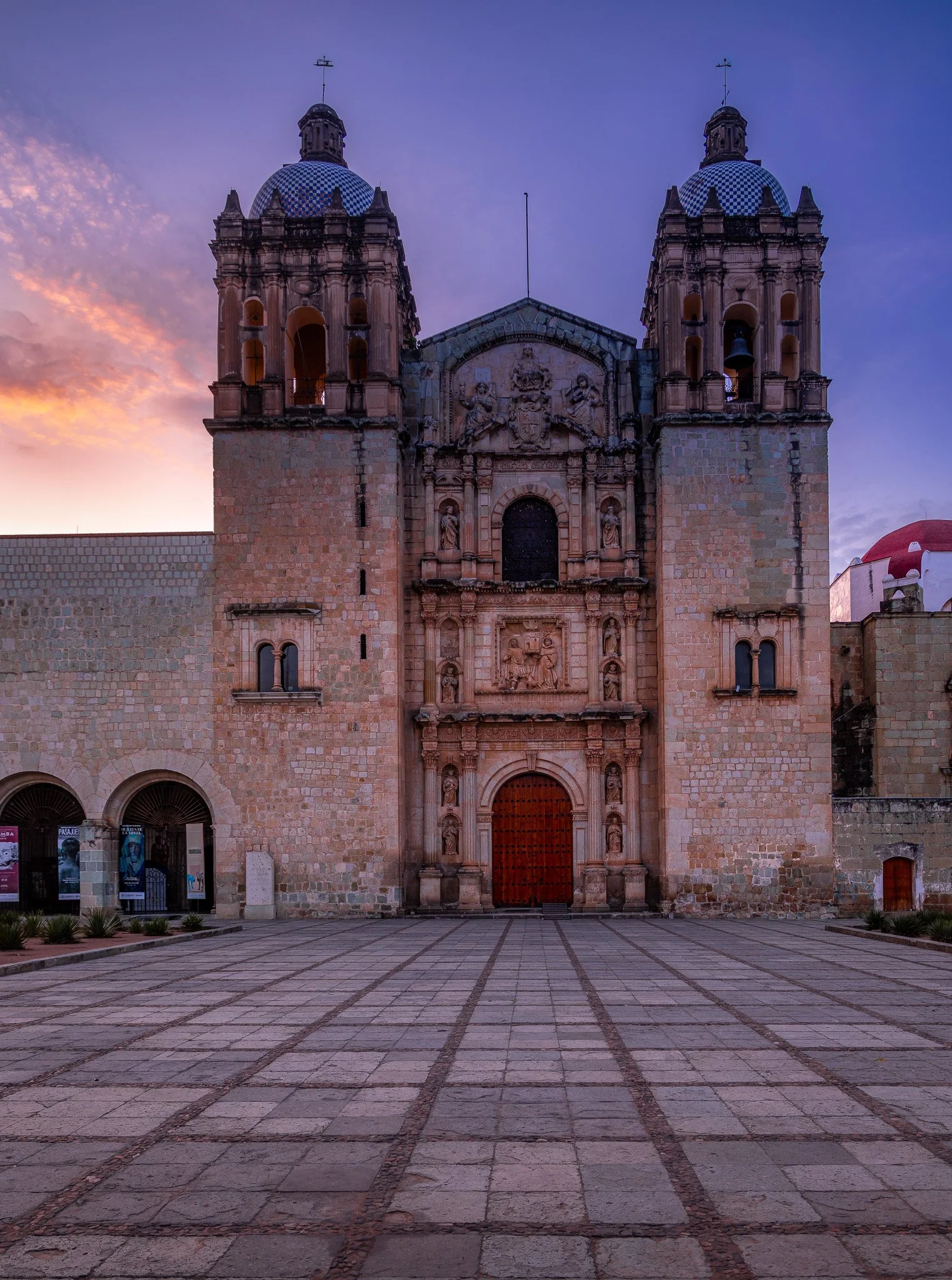
📷 Pro Tip: Photograph the facade in the late afternoon, when the sun angles across the stone and picks up the carved detail without blowing out the sky behind it. Inside, a wide lens, 15-35mm, captures the full sweep of the gilded ceiling, but bring a fast prime or be ready to raise your ISO, since flash and tripods are typically restricted inside active churches. Move slowly and be respectful; this is a working church, not a museum set.
Best time: Late afternoon for the exterior, any daylight hours for the interior. Access: Free. Located in the heart of the Centro, a short walk from the Zócalo.
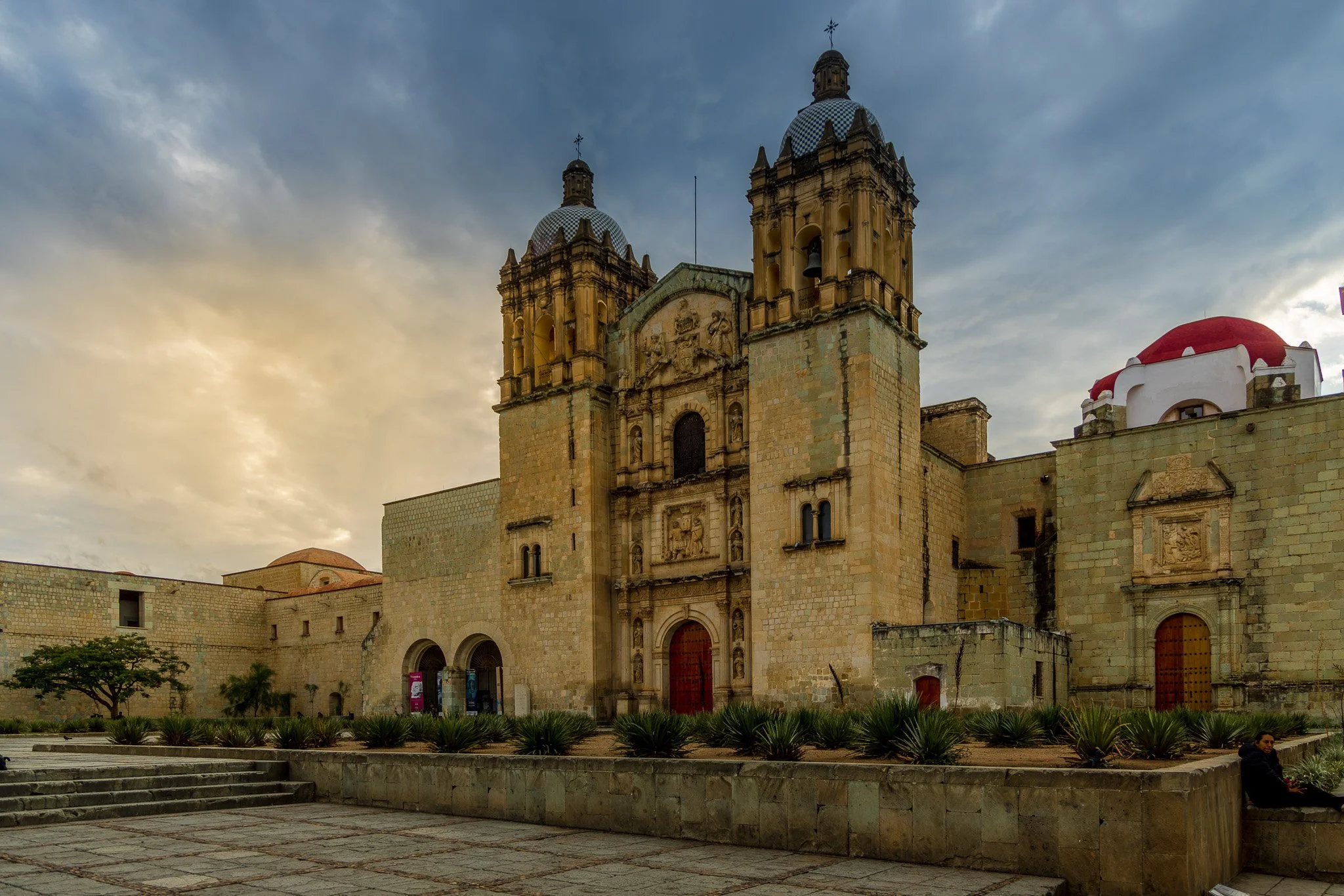
I got a rare version of this experience firsthand. A very good friend's son was married inside Santo Domingo, and we had the church entirely to ourselves for the ceremony. No crowds, no tour groups drifting through the side aisles, just the gold interior in near silence. It is not an experience you can book or plan for as a visitor, but if you ever find yourself invited to a wedding or private event here, bring your camera. An empty frame inside Santo Domingo is something most photographers never get.
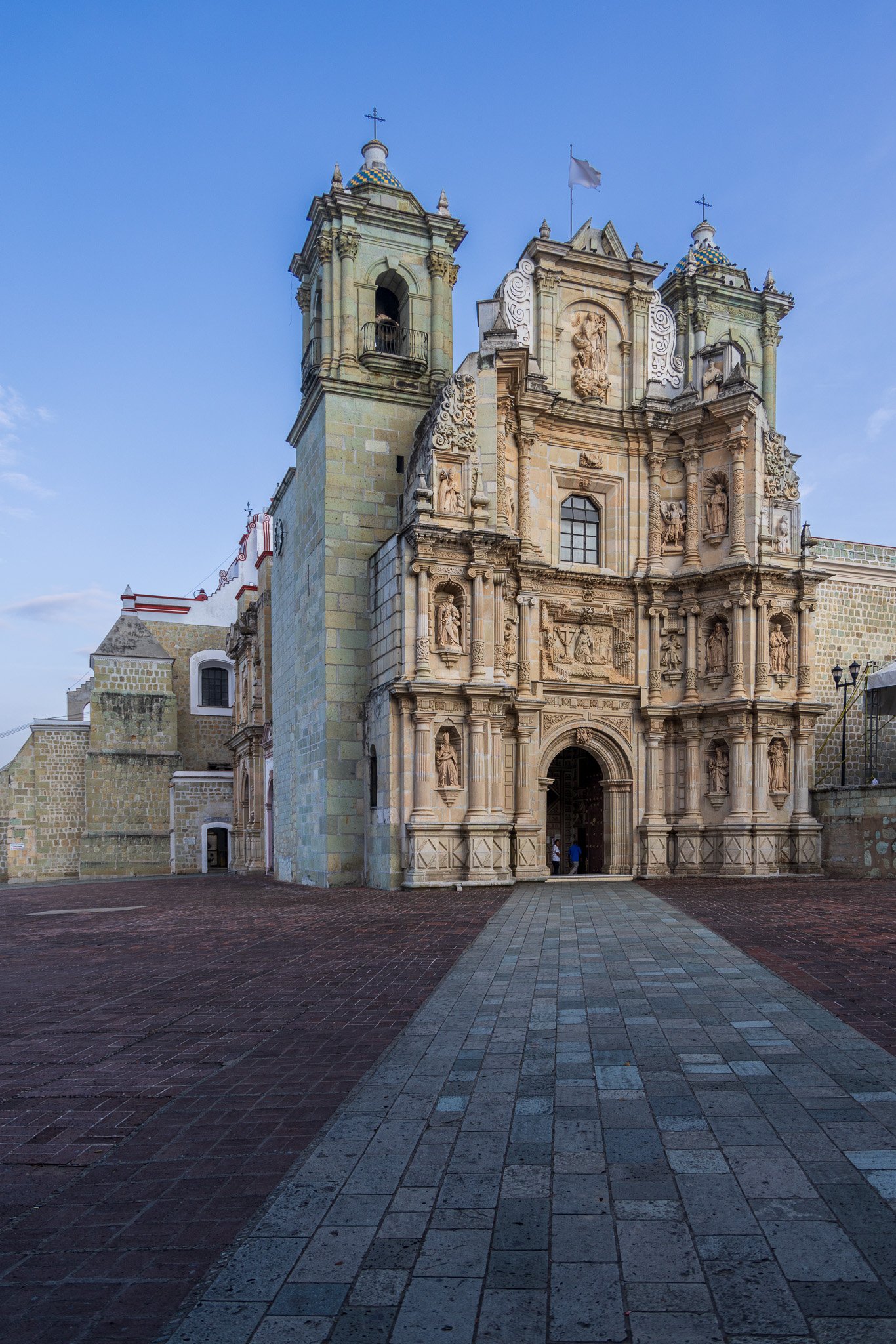
Basílica de la Soledad
This is Oaxaca's other great church, dedicated to the city's patron saint, with a baroque stone facade that is every bit as striking as Santo Domingo's, just far less crowded.
I got there at six forty-three in the morning and had the entire exterior to myself, no tour groups, no vendors setting up, nobody in frame at all. It is one of those rare situations where you can actually take your time composing instead of waiting out a crowd or working around it.
📷 Pro Tip: Go early, before seven if you can manage it. The soft morning light works well on the carved stone facade, and an empty plaza in front of a baroque church is not something you get twice in the same trip. A 24-70mm is enough to capture the full facade from across the plaza.
Best time: Early morning, well before the city wakes up. Access: Free, exterior viewing from the plaza. Located a short walk southwest of the Zócalo.
Jardín Etnobotánico de Oaxaca
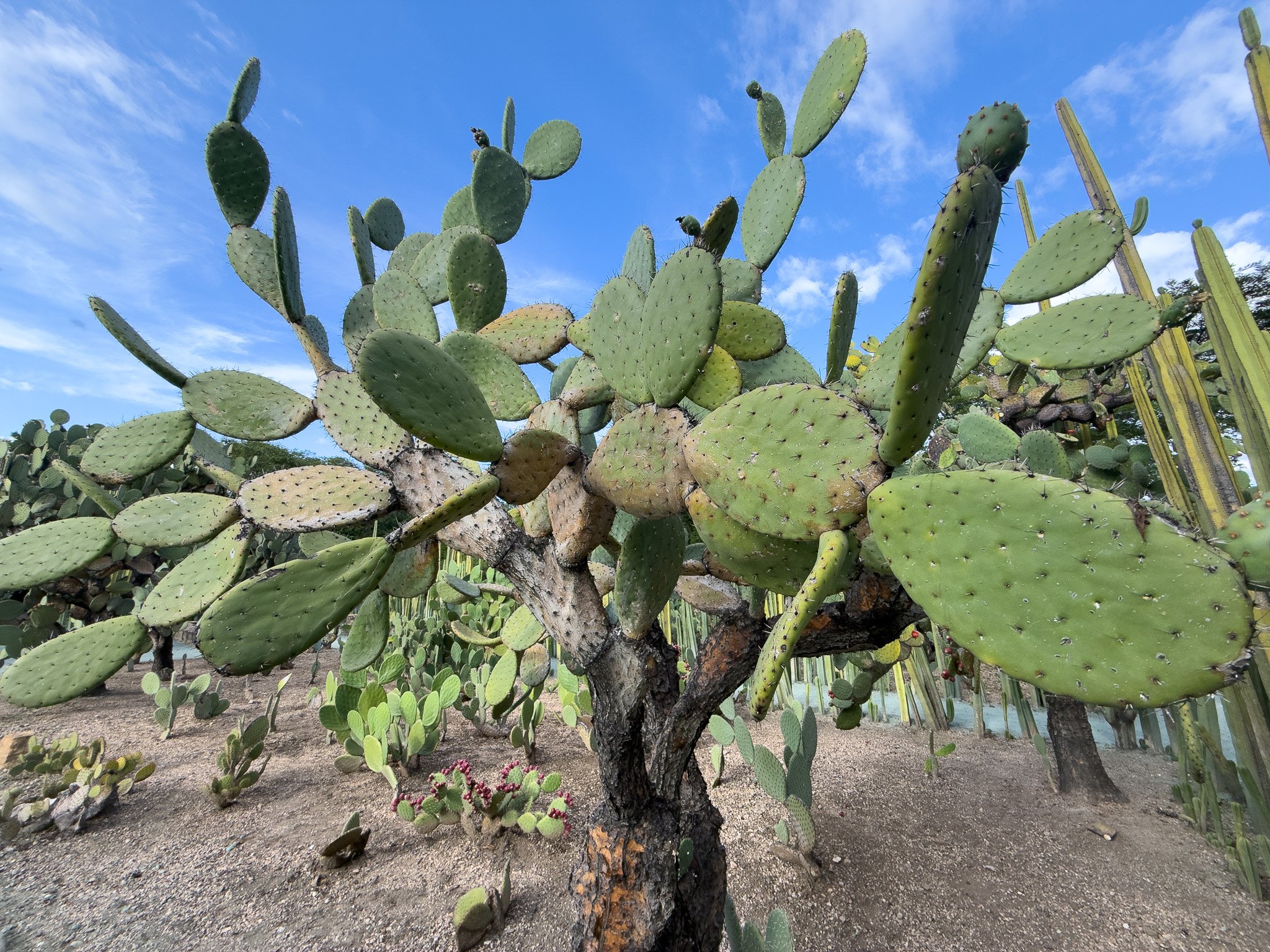
The botanical garden sits right behind Santo Domingo, built on what used to be convent grounds, and it is one of the best places in the city to slow down and actually compose a shot instead of grabbing it on the move. The collection leans heavily on cactus and other native Oaxacan plants, arranged in a way that feels more like sculpture than landscaping.
I was lucky enough to attend a wedding held there and had the gardens almost entirely to ourselves for three or four hours, including lunch on the grounds. There is a reflecting pool in the garden where the cactus forms mirror themselves in the water, and it produced some of my favorite images of the entire trip. Normally, you will be visiting with a small guided group rather than having the place to yourself, but even then, the garden is far quieter than the street outside.
📷 Pro Tip: Look for the reflecting pool and get low, close to the waterline, to catch the cactus silhouettes mirrored on the surface. Midday sun is actually workable here since the garden is designed around strong graphic shapes rather than soft atmospheric light. A 24-70mm covers the garden well, but bring a longer lens too if you want to isolate individual plant forms against the sky.
Best time: Any time during opening hours, though calmer light in the morning helps if you want to avoid harsh reflections on the pool. Access: Entry is by guided tour only at set times, check locally for the current schedule. Located directly behind Templo de Santo Domingo.
Mercado Benito Juárez and Mercado 20 de Noviembre
Oaxaca's two central markets sit a block apart and between them cover nearly everything the city produces: chocolate, mole pastes stacked in dark red mounds, chapulines by the kilo, textiles, leather, and the meat-and-grill corridor inside 20 de Noviembre known locally as the Pasillo de Humo, or Smoke Alley.
These are working markets first and photo opportunities second, which is exactly what makes them worth photographing. The color and texture come from real commerce, not staging.
📷 Pro Tip: Ask before photographing individual vendors directly, a nod and a smile usually gets you a yes, and it is both good manners and, technically, the law in Mexico. Photographing the stalls, the piles of chiles and moles, and the general scene without a specific person as the subject is generally uncontroversial. A 24-70mm lens handles most of this well. Go in the late morning when the stalls are fully stocked but before the midday crowd peaks.
Best time: Mid-morning. Access: Free to enter, both markets sit within a few blocks of the Zócalo.
The Zócalo and Alcalá Pedestrian Street
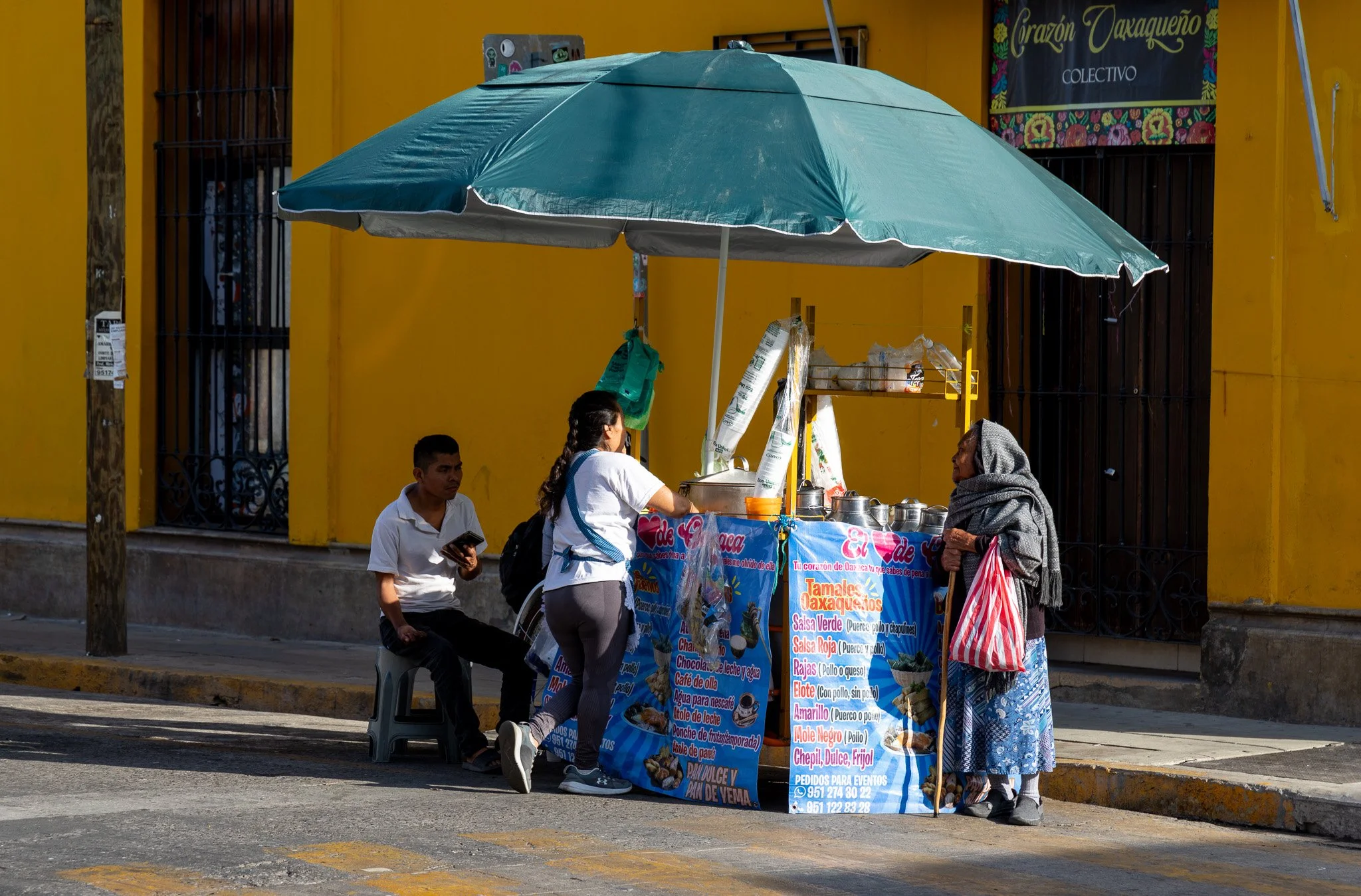
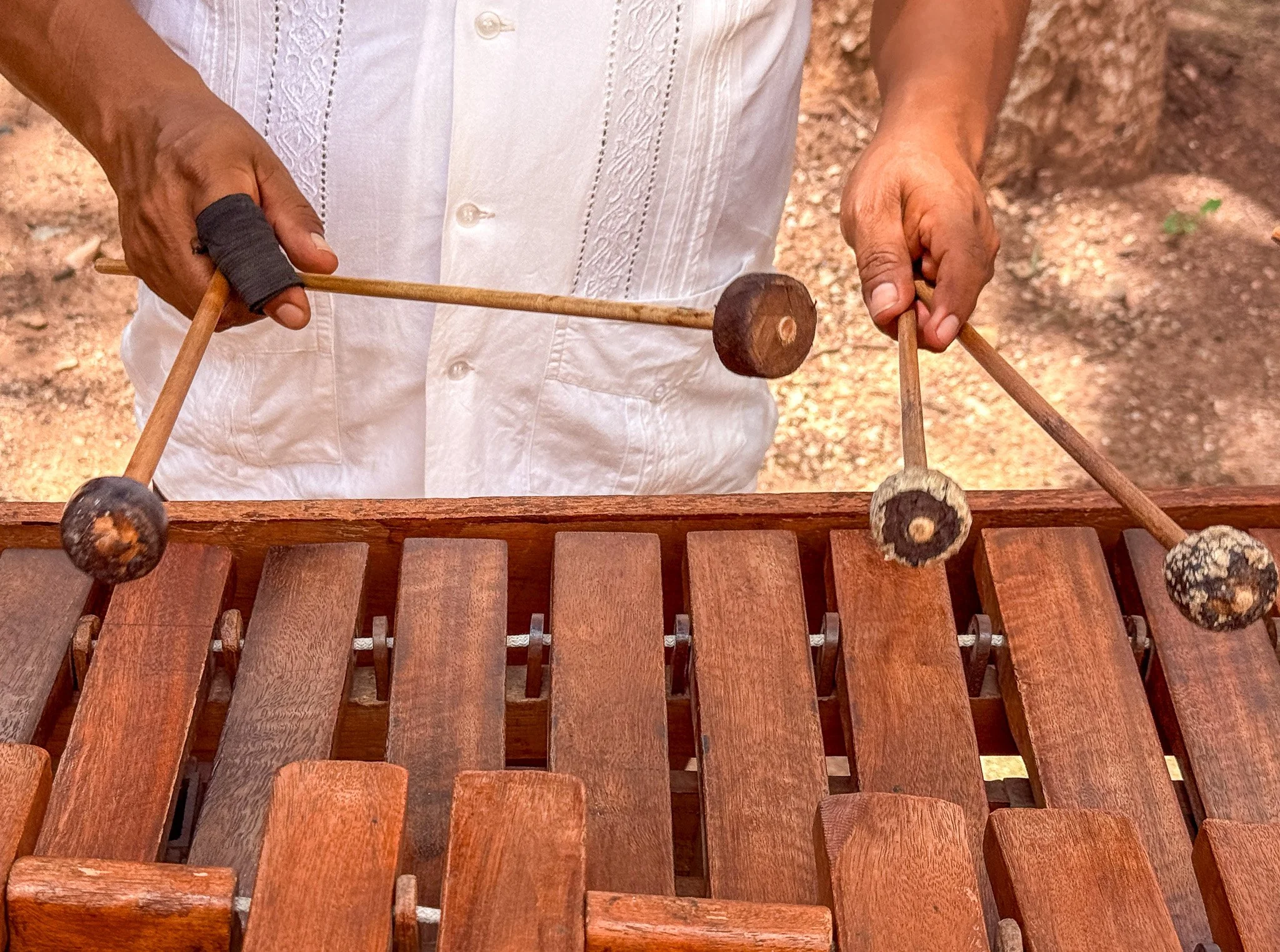
The main square and the pedestrian corridor that runs from it up toward Santo Domingo form the social spine of the city. Street vendors, marimba bands, shoeshine stands, and a constant flow of locals and visitors make this the easiest place in Oaxaca to shoot genuine street photography without seeking anything out.
📷 Pro Tip: Evenings are best here. The surrounding cathedral and government buildings light up, café tables spill onto the plaza, and the energy picks up noticeably after sunset. A 35mm or 50mm prime is ideal for working close without drawing too much attention. Sit at a café table with a drink for 20 minutes before you start shooting; it gives you a feel for the square's rhythm and makes your presence less conspicuous.
Best time: Blue hour into early morning. Access: Free, open at all hours.
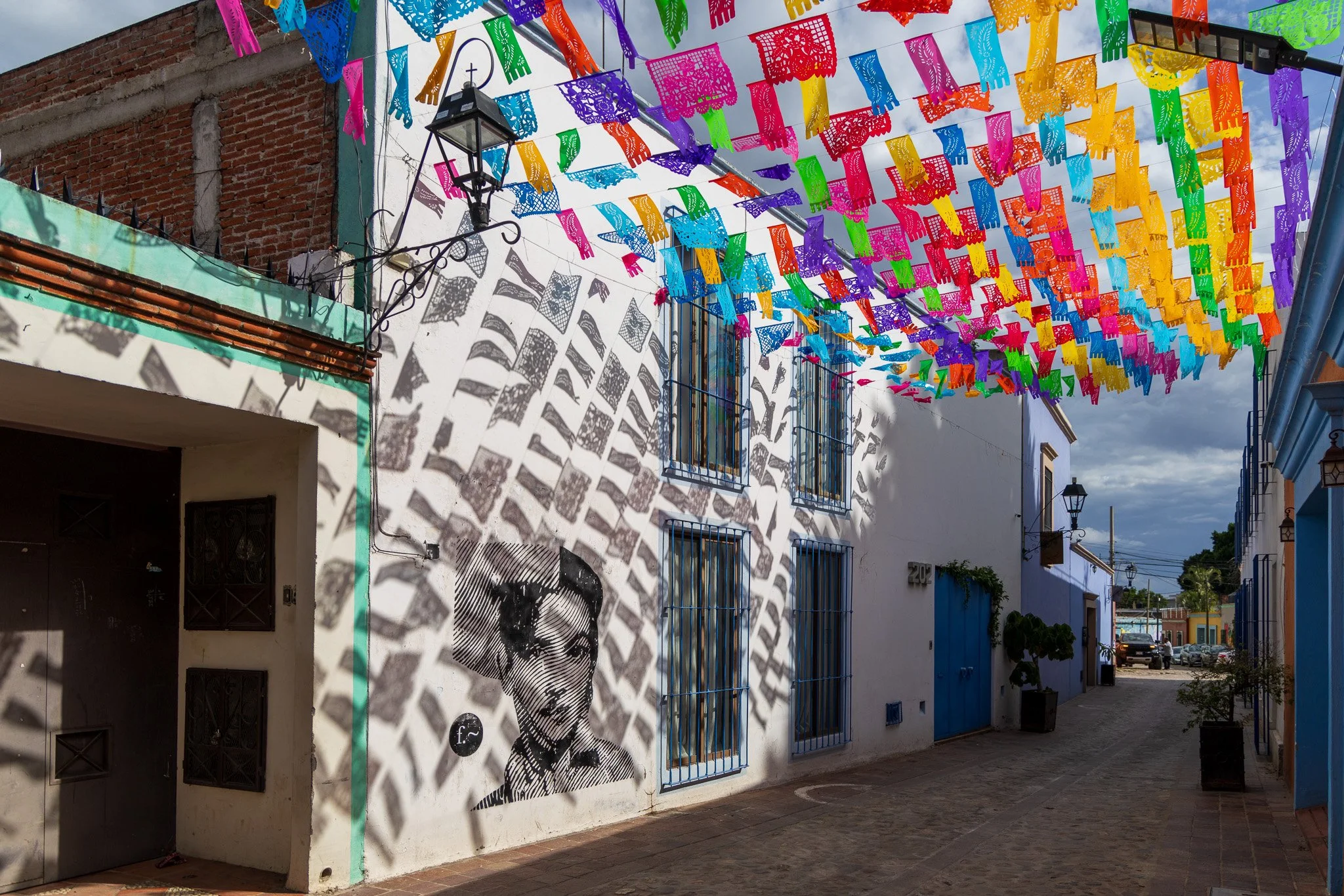
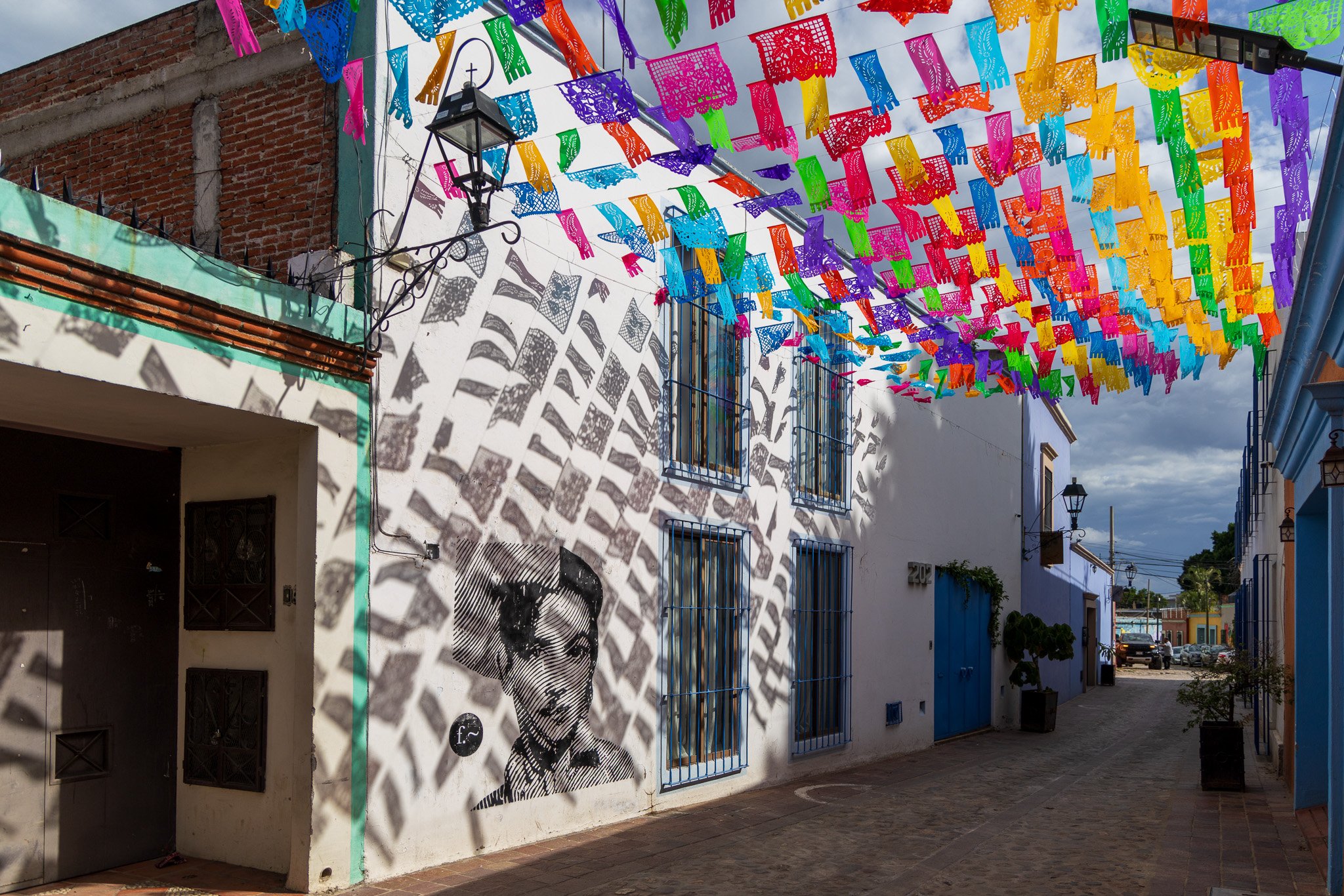
Street Art of the Centro and Jalatlaco
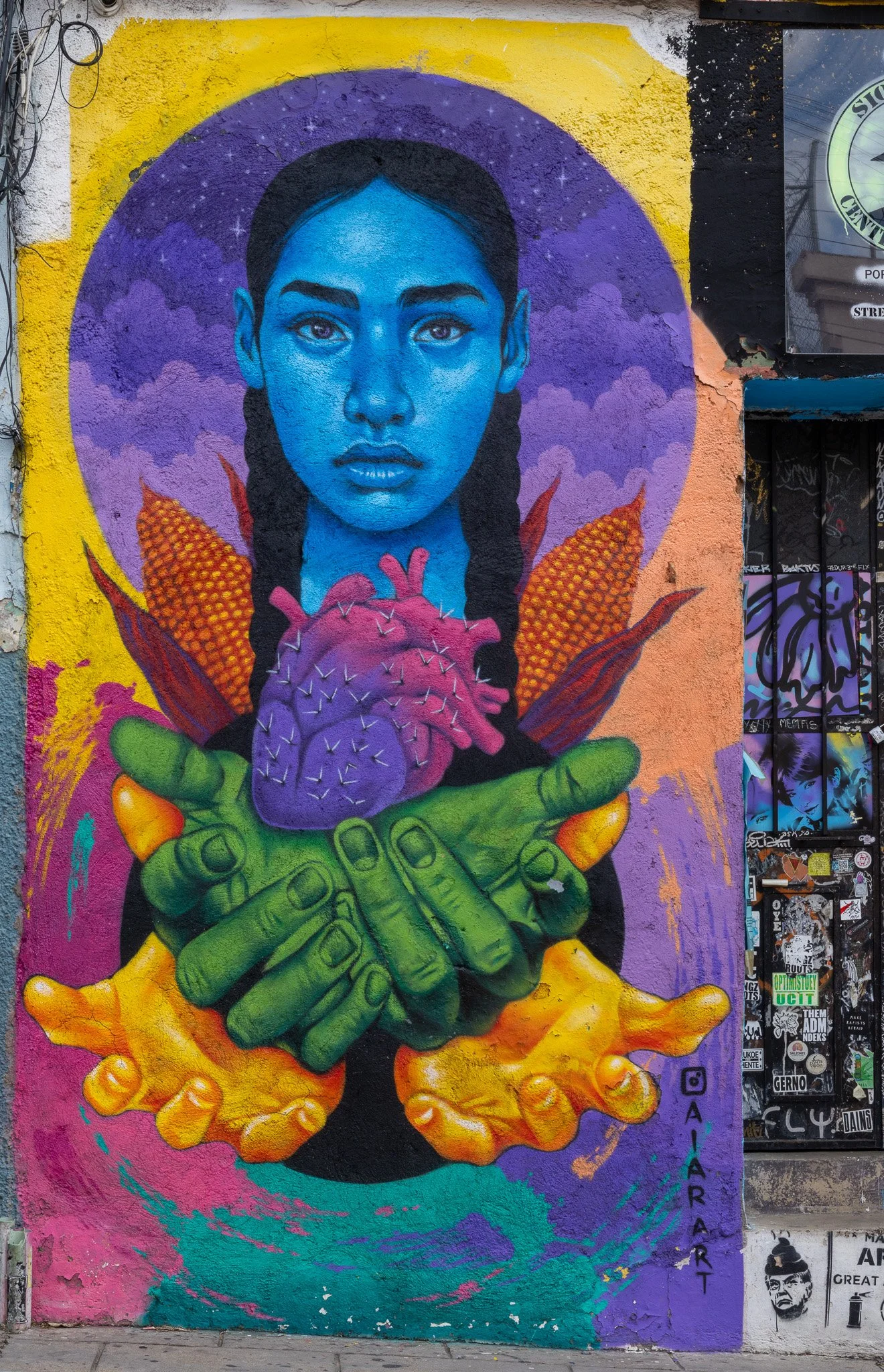
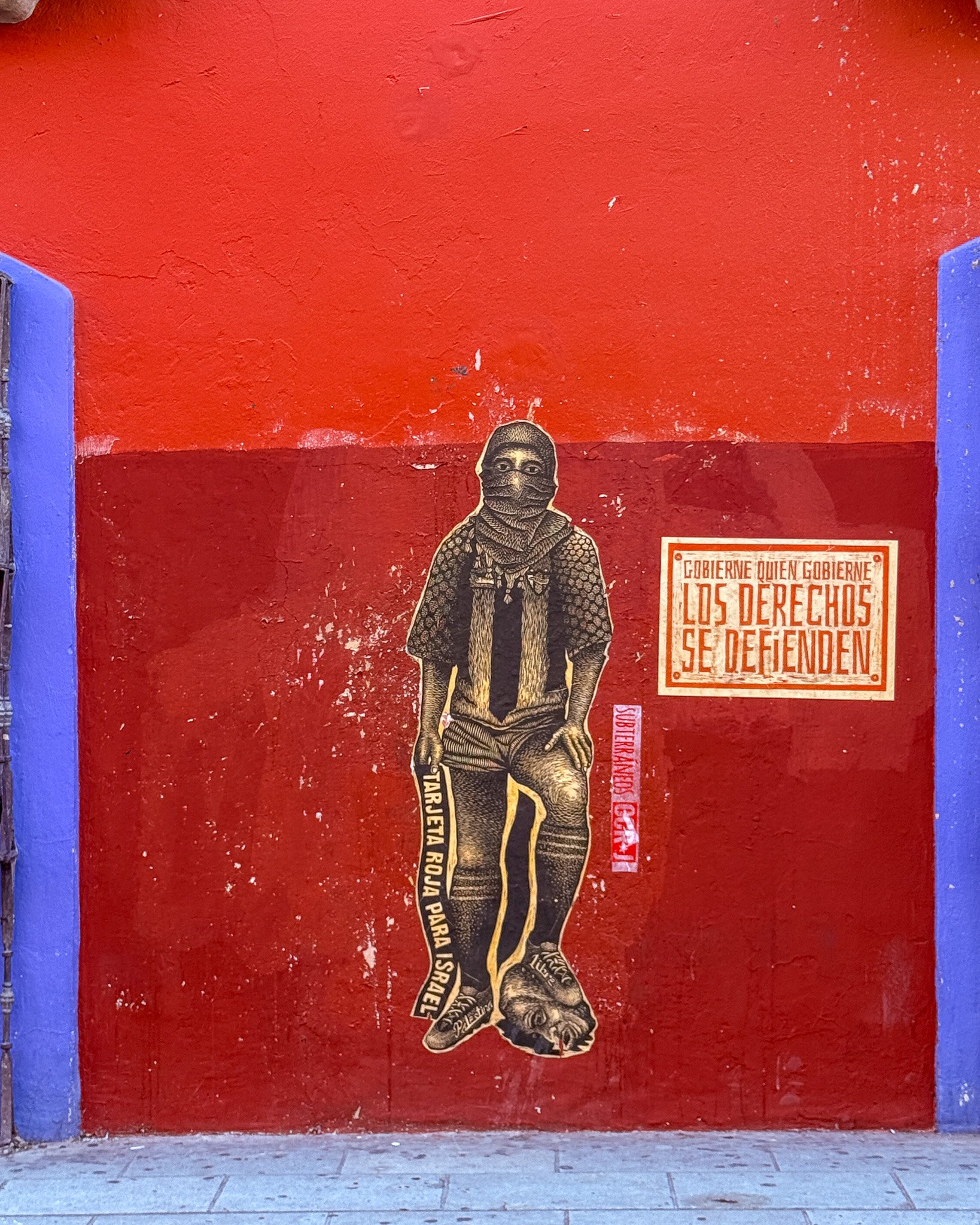
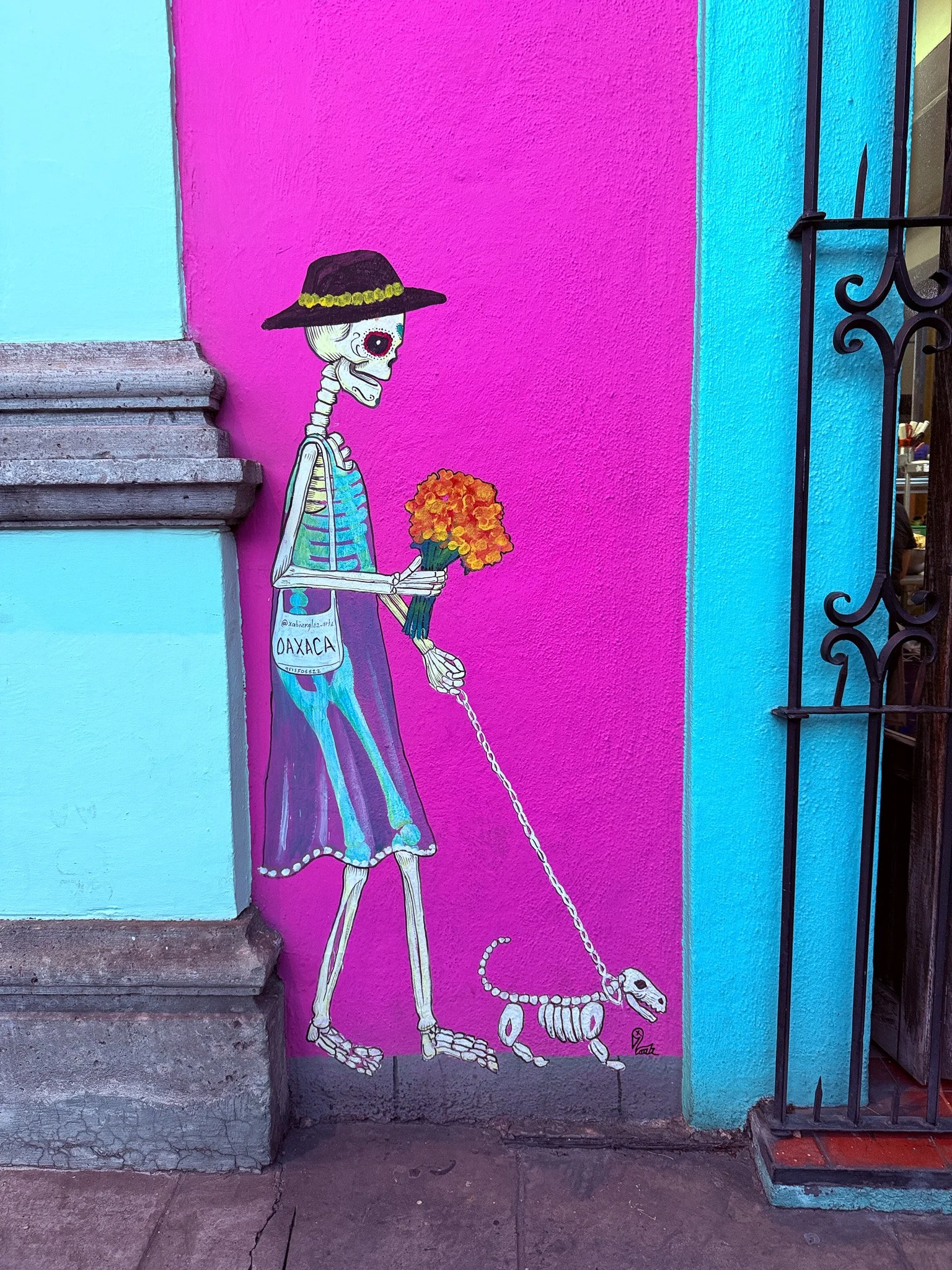
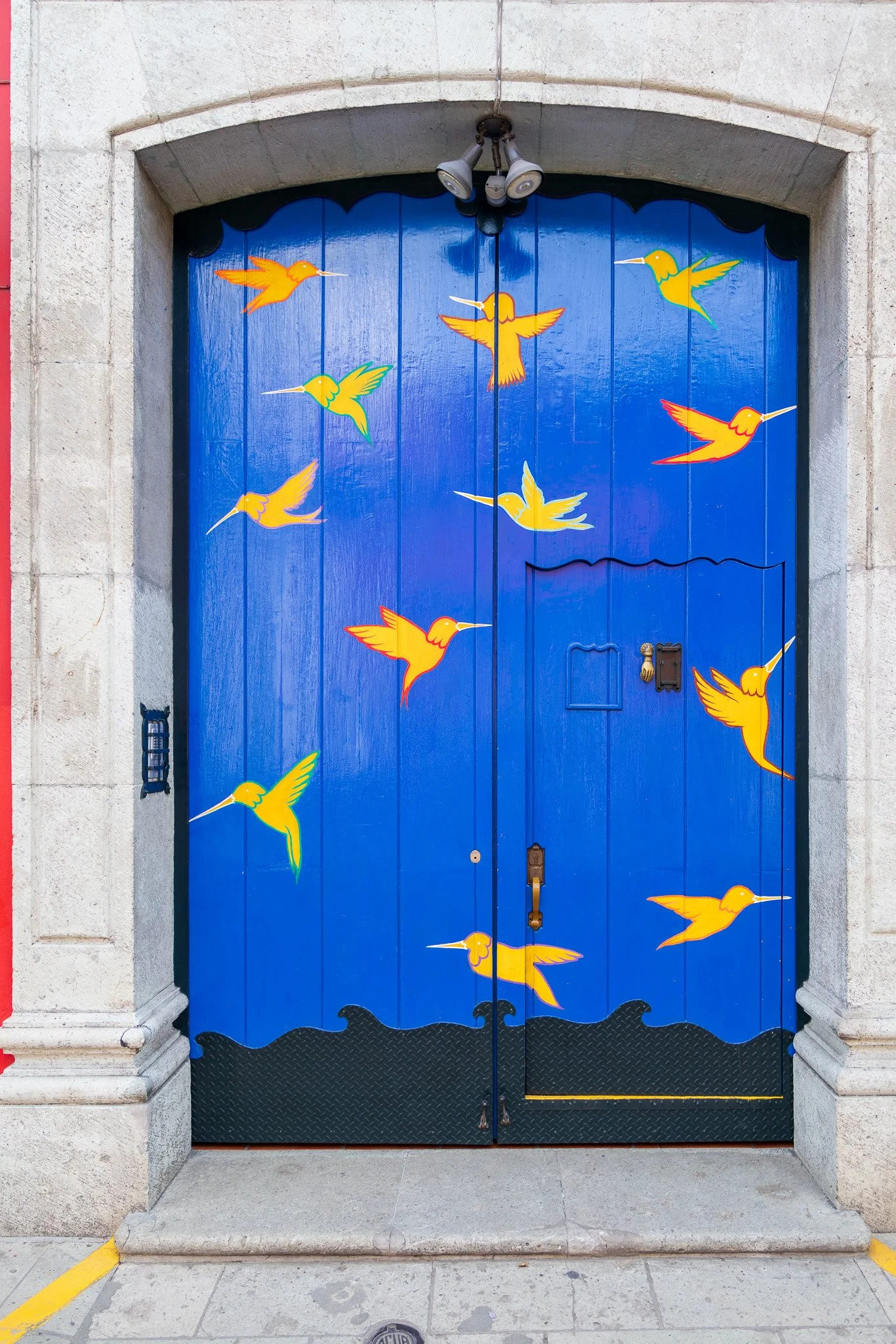
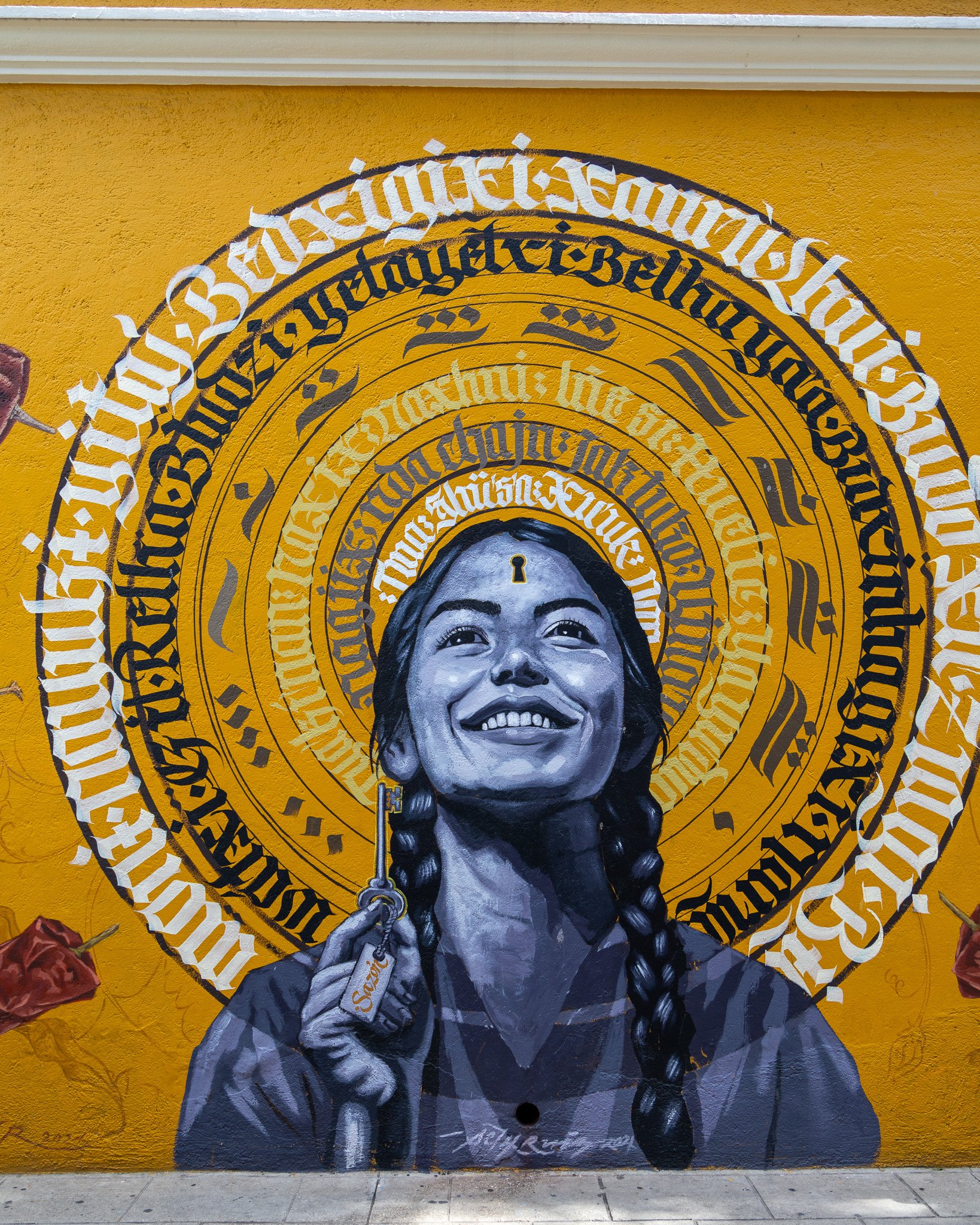
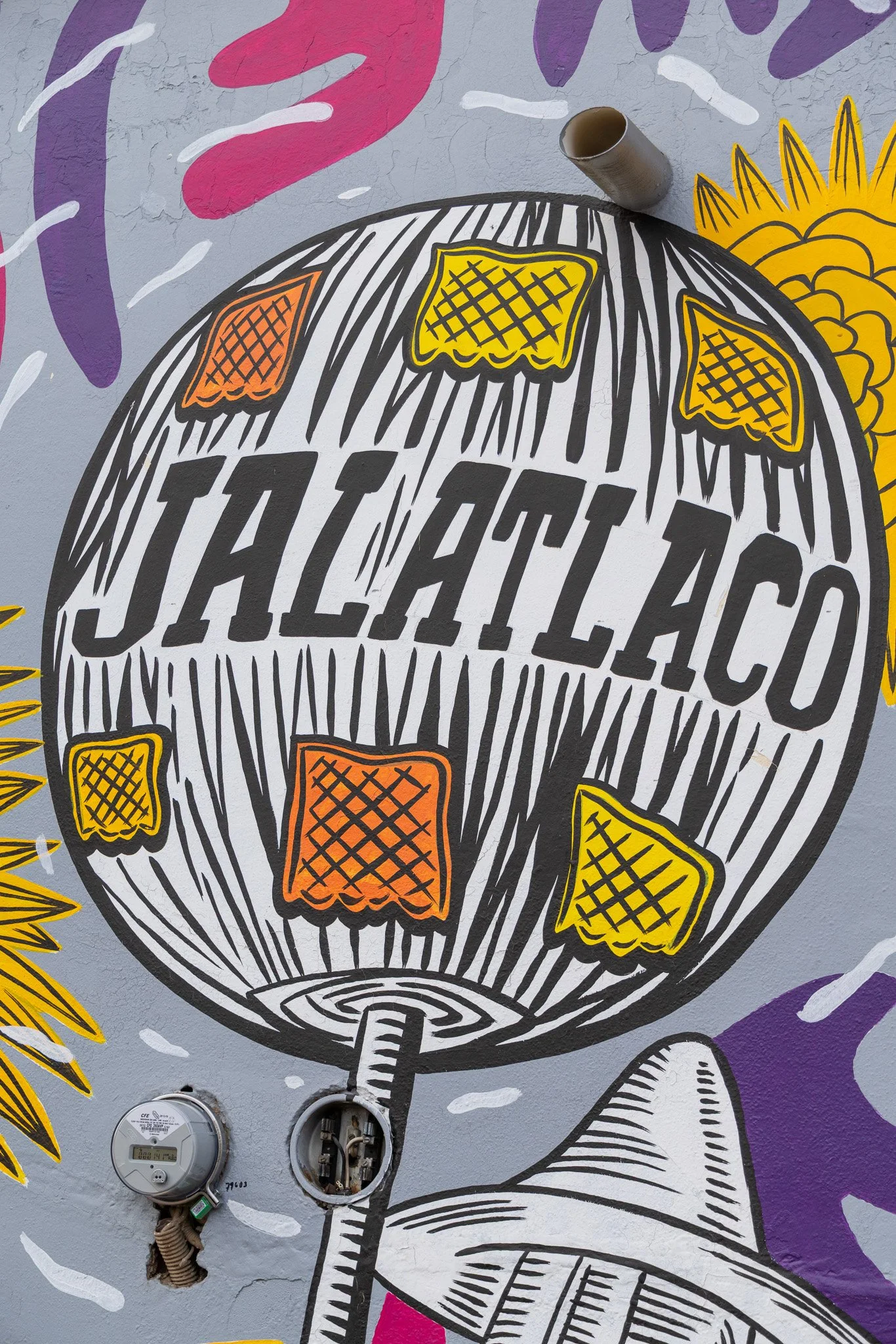
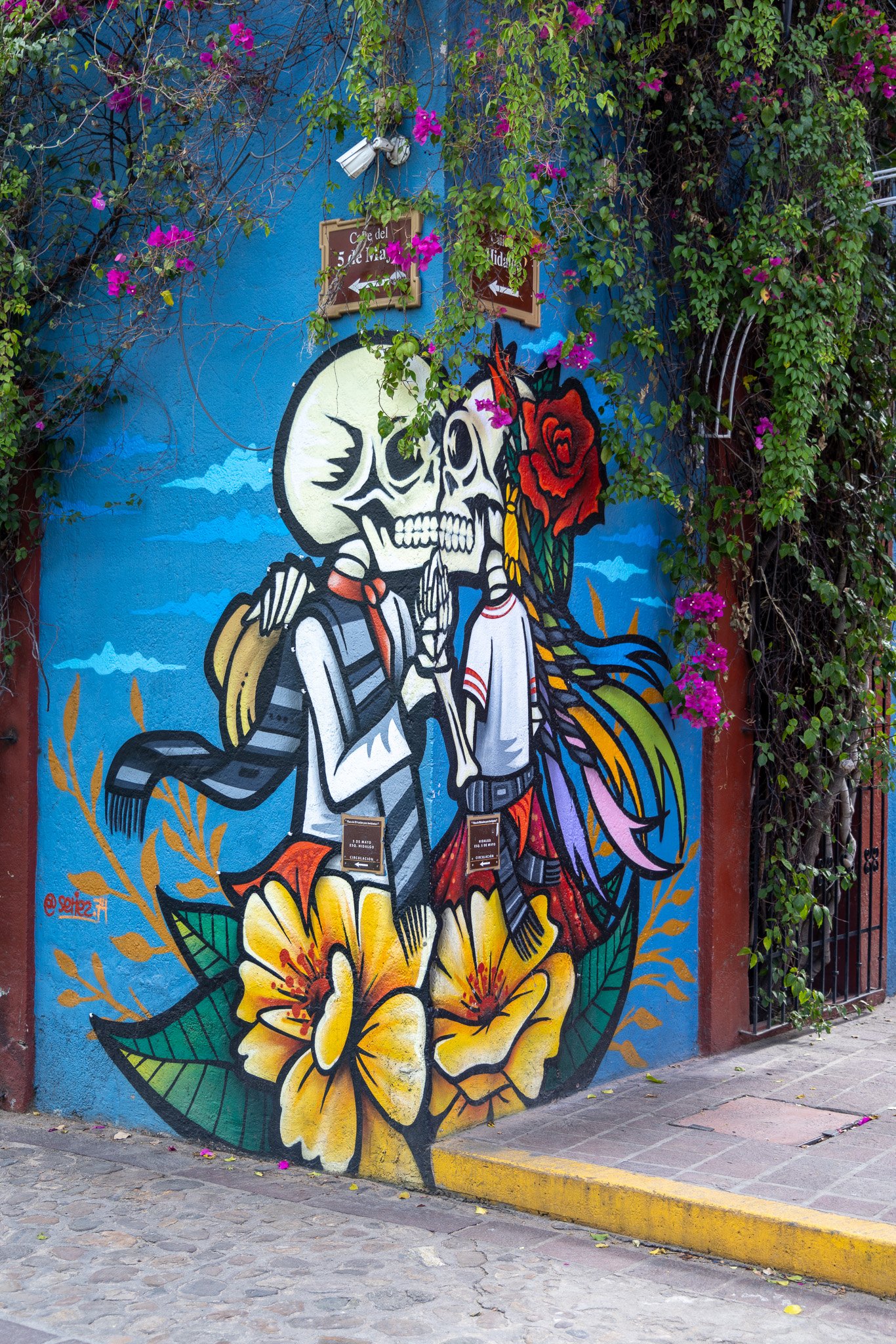
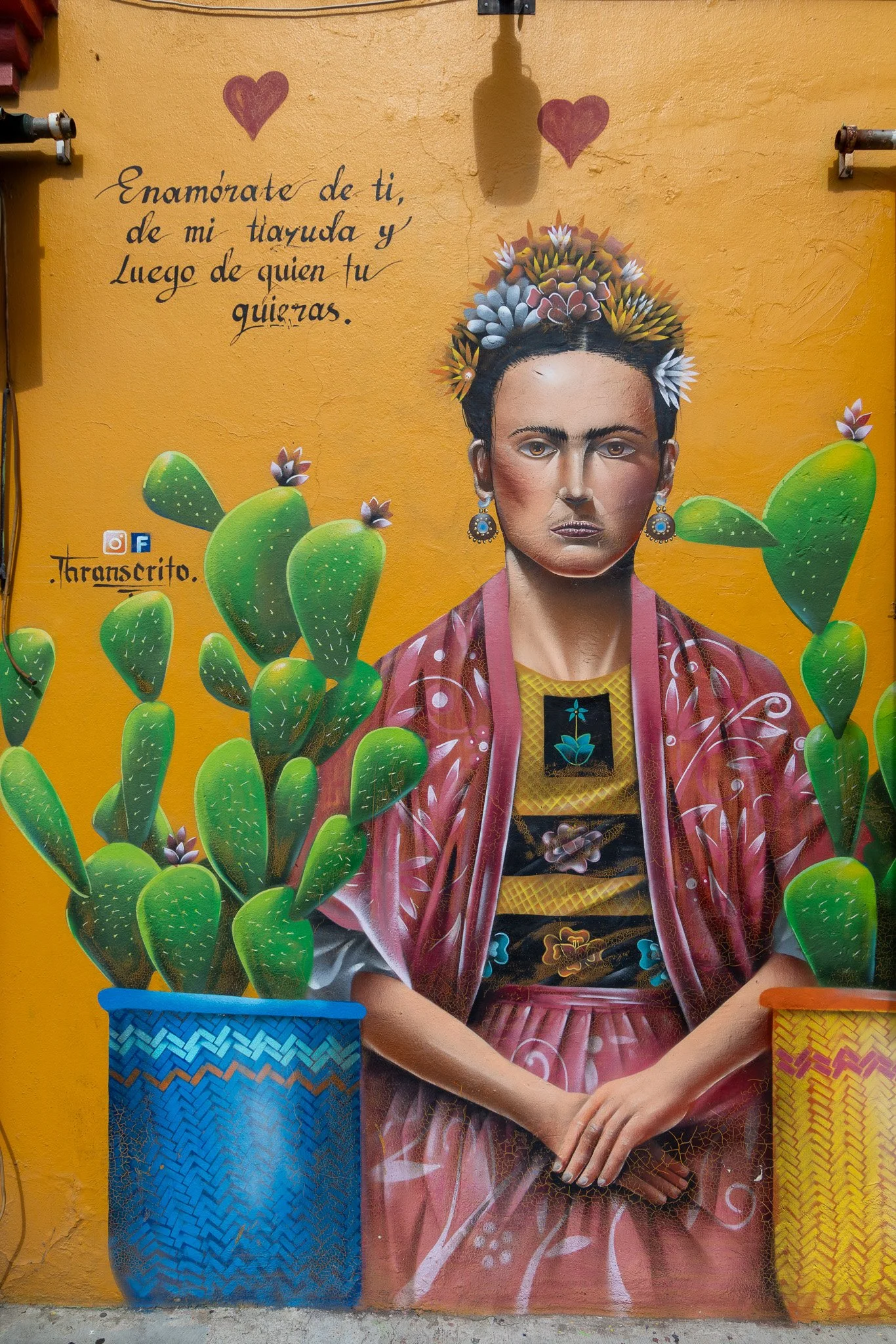
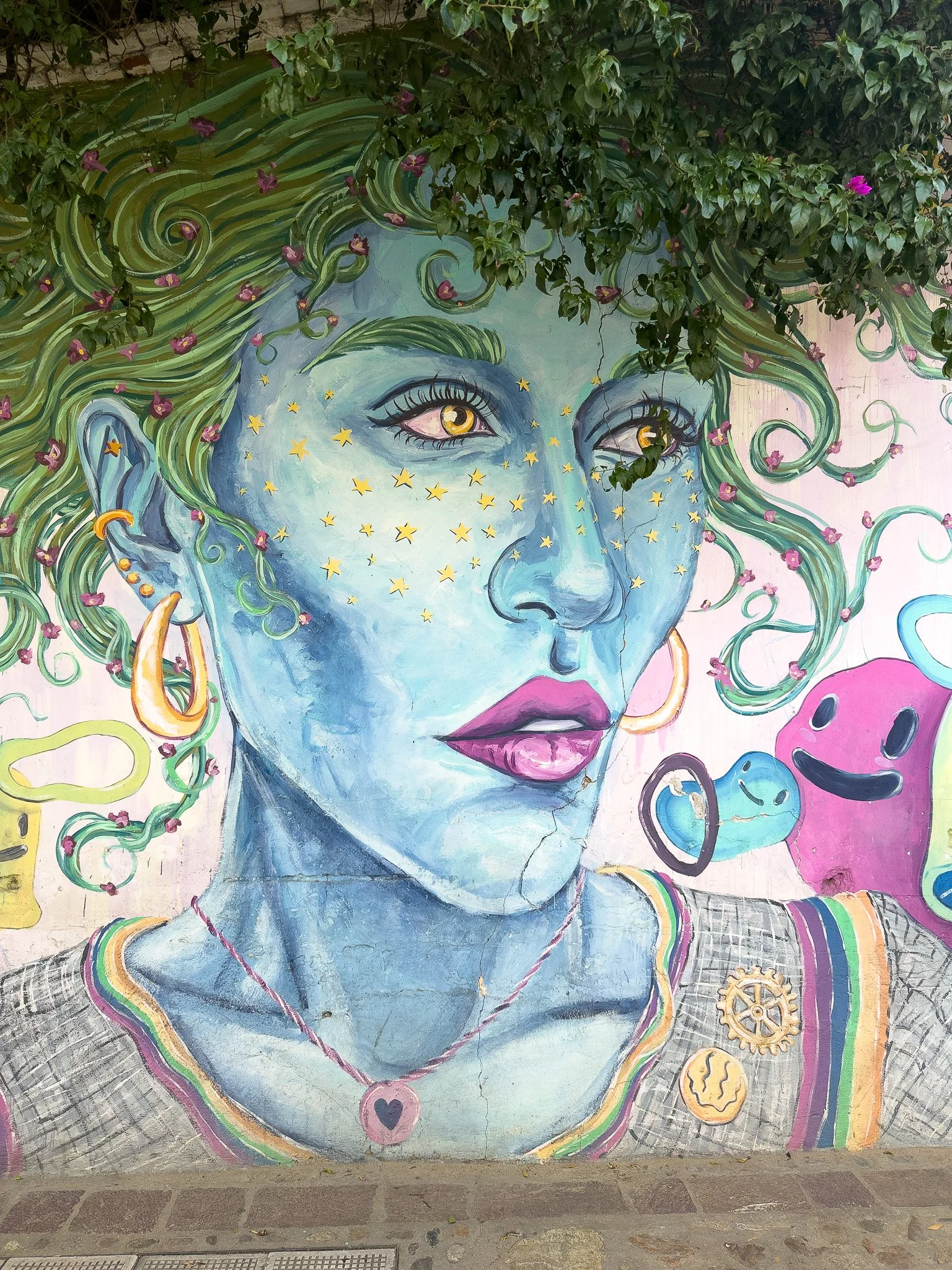
Oaxaca's mural scene carries real weight, tied closely to the state's history of protest and political expression as much as to pure decoration. I booked a street art tour with Do Oaxaca specifically for this, since the murals here have the kind of density and quality that rewards having a local guide who knows where the newest work has gone up and which walls have history behind them. Our guide, Sara, was fantastic; she knew the story behind piece after piece and clearly had relationships with several of the artists. Food tours are hugely popular in Oaxaca too, and Sara also leads one through Do Oaxaca, worth asking about if her street art tour is anywhere near as good.
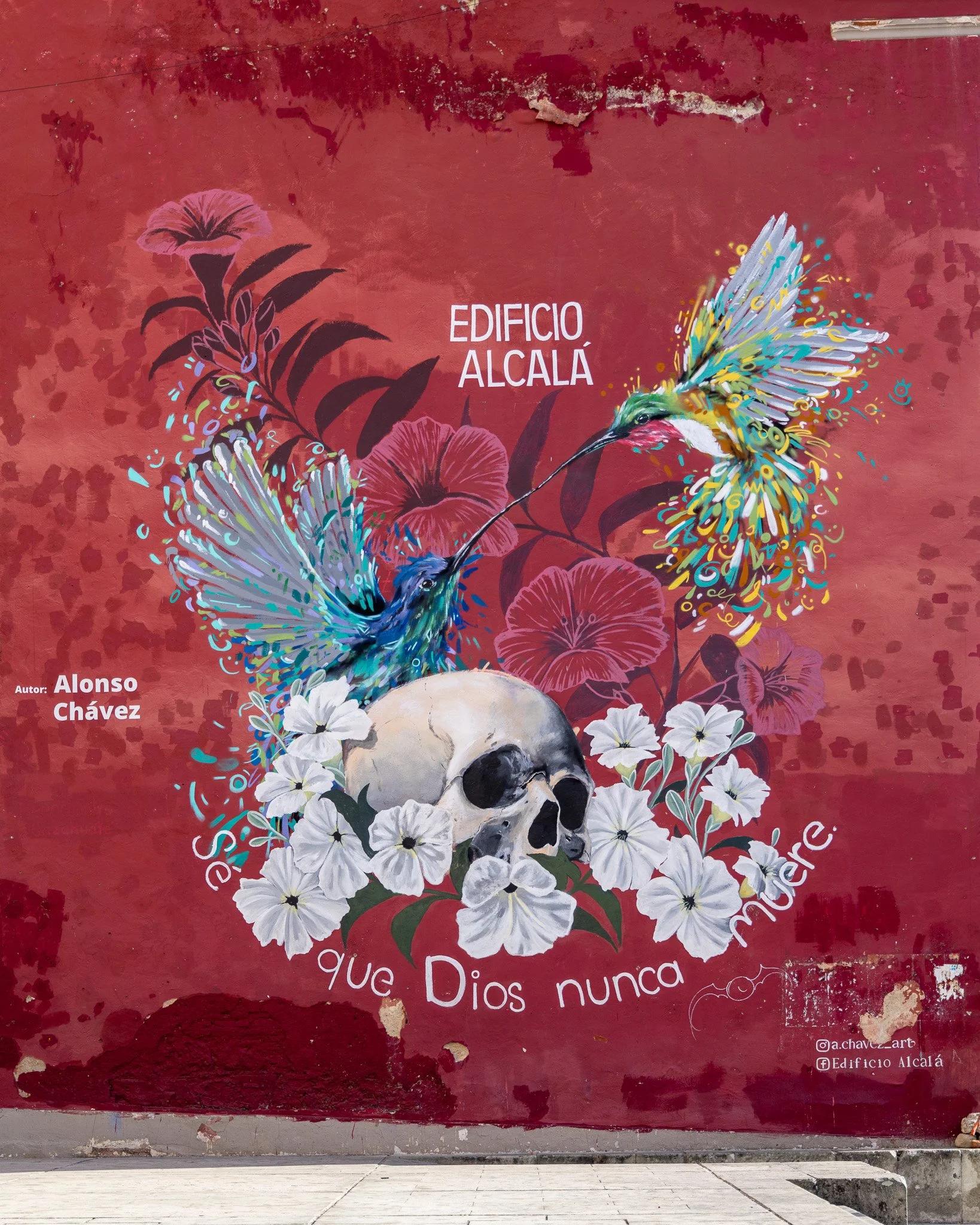
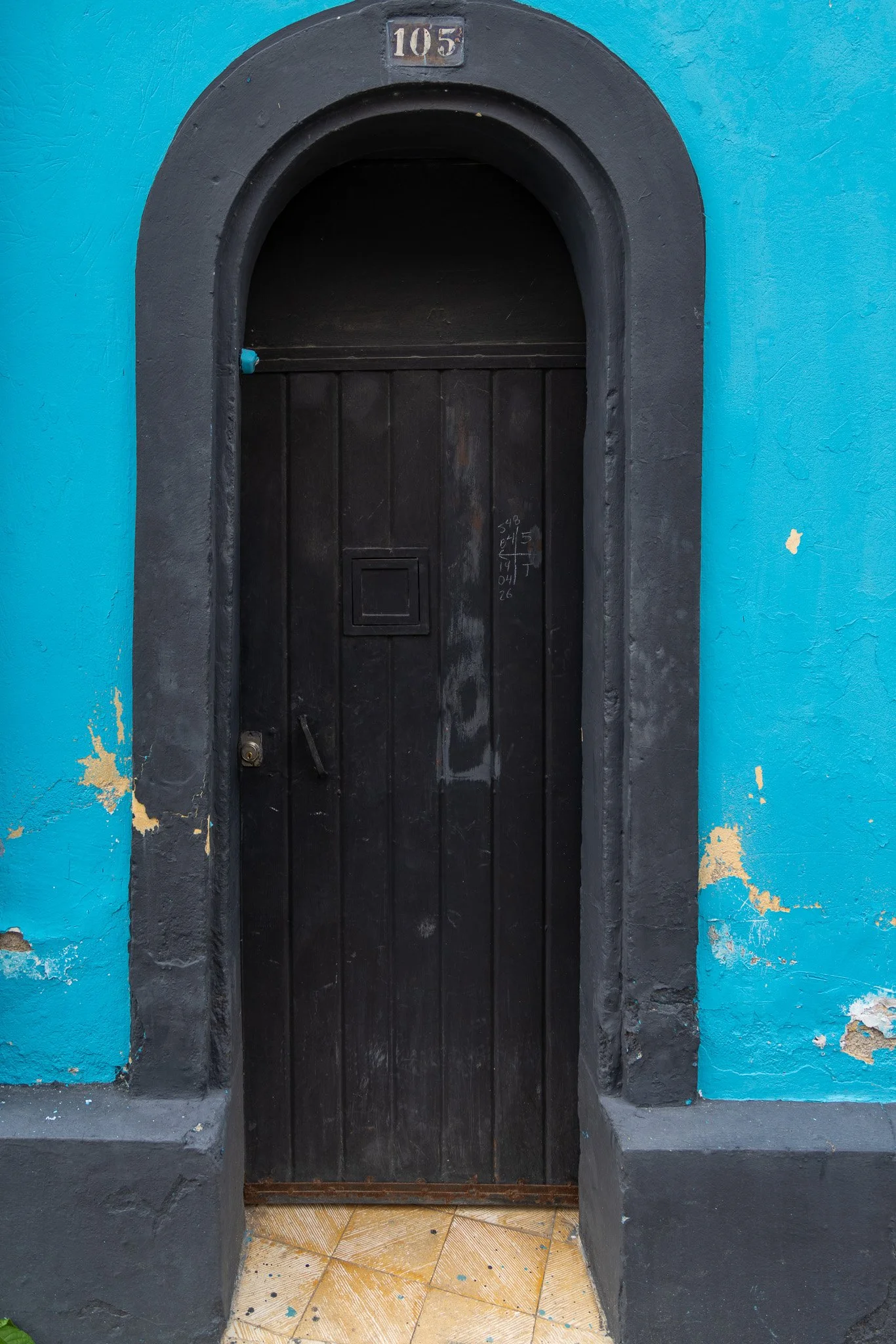
The murals range from small, single-wall pieces tucked into side streets to full building facades, and the color palette tends to run bolder and more saturated than typical street art elsewhere, which plays well against Oaxaca's already-colorful architecture.
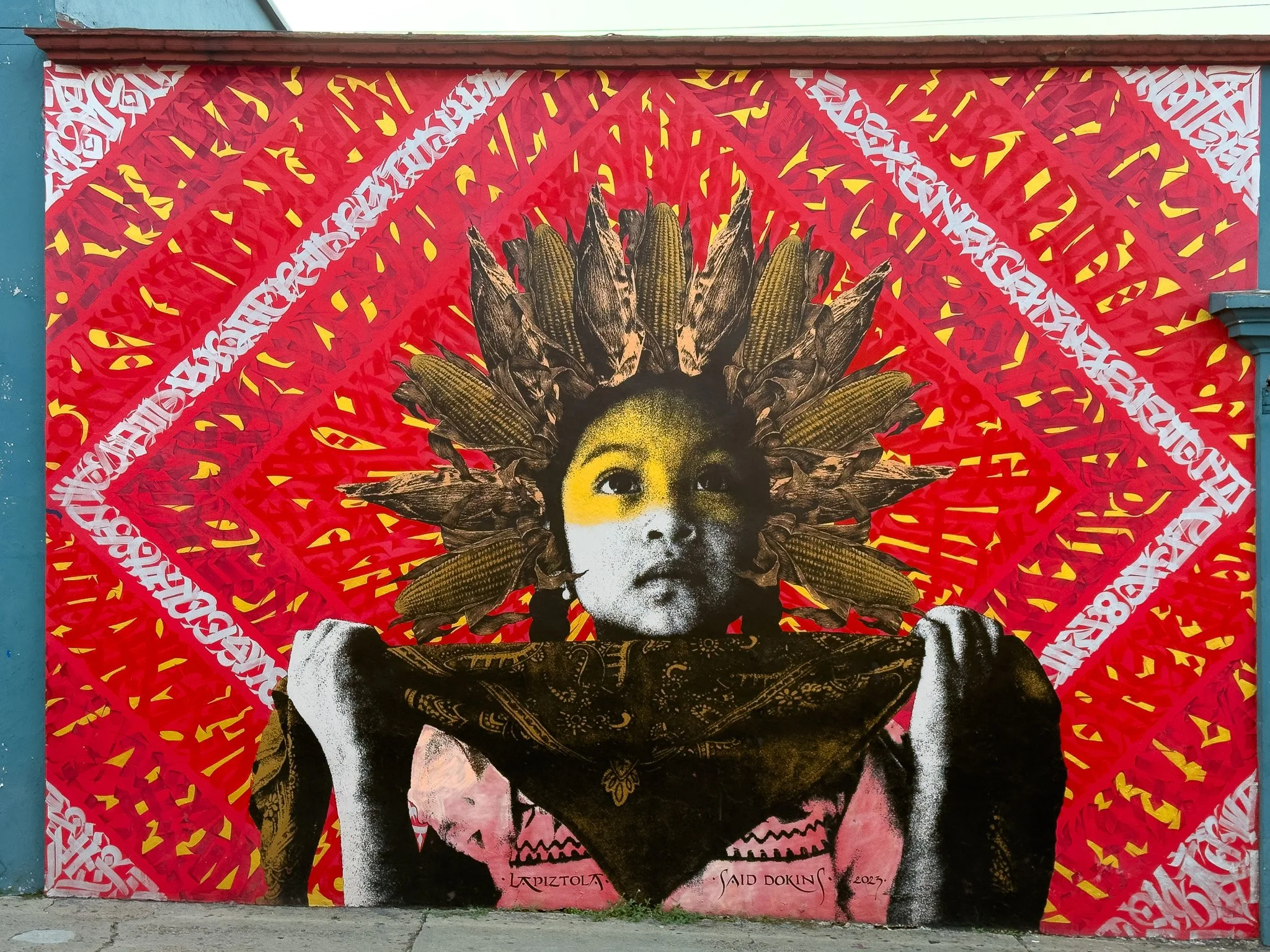
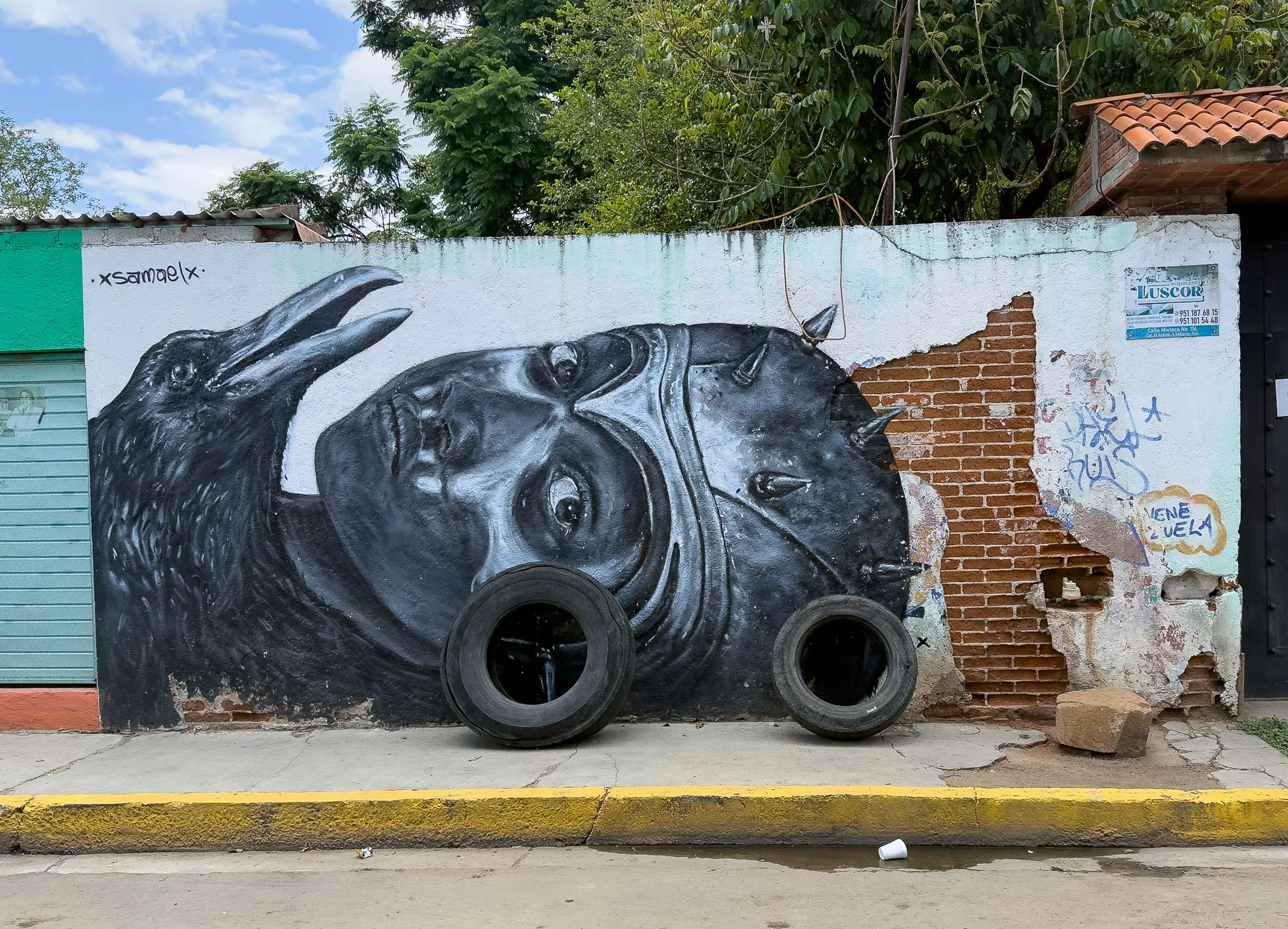
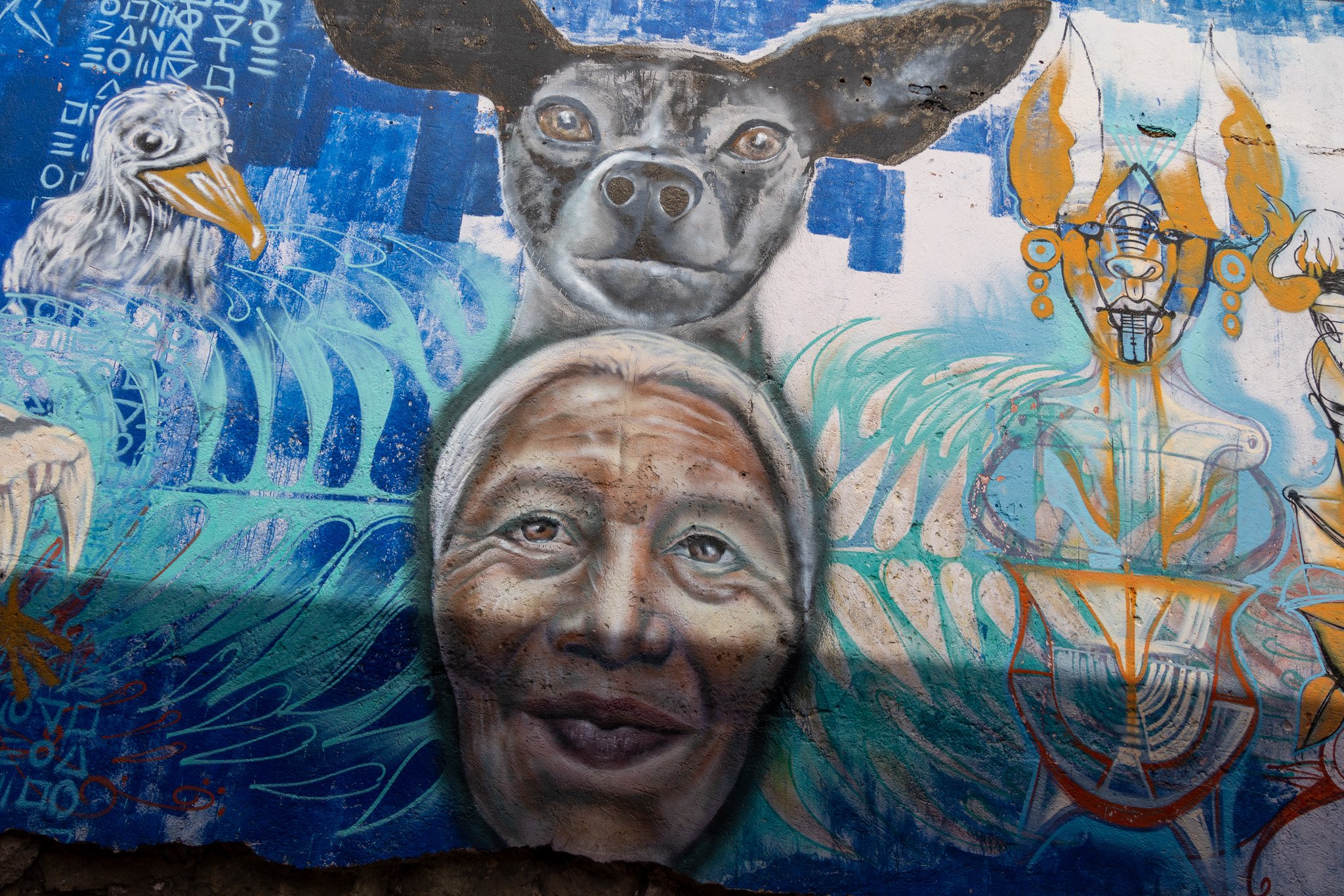
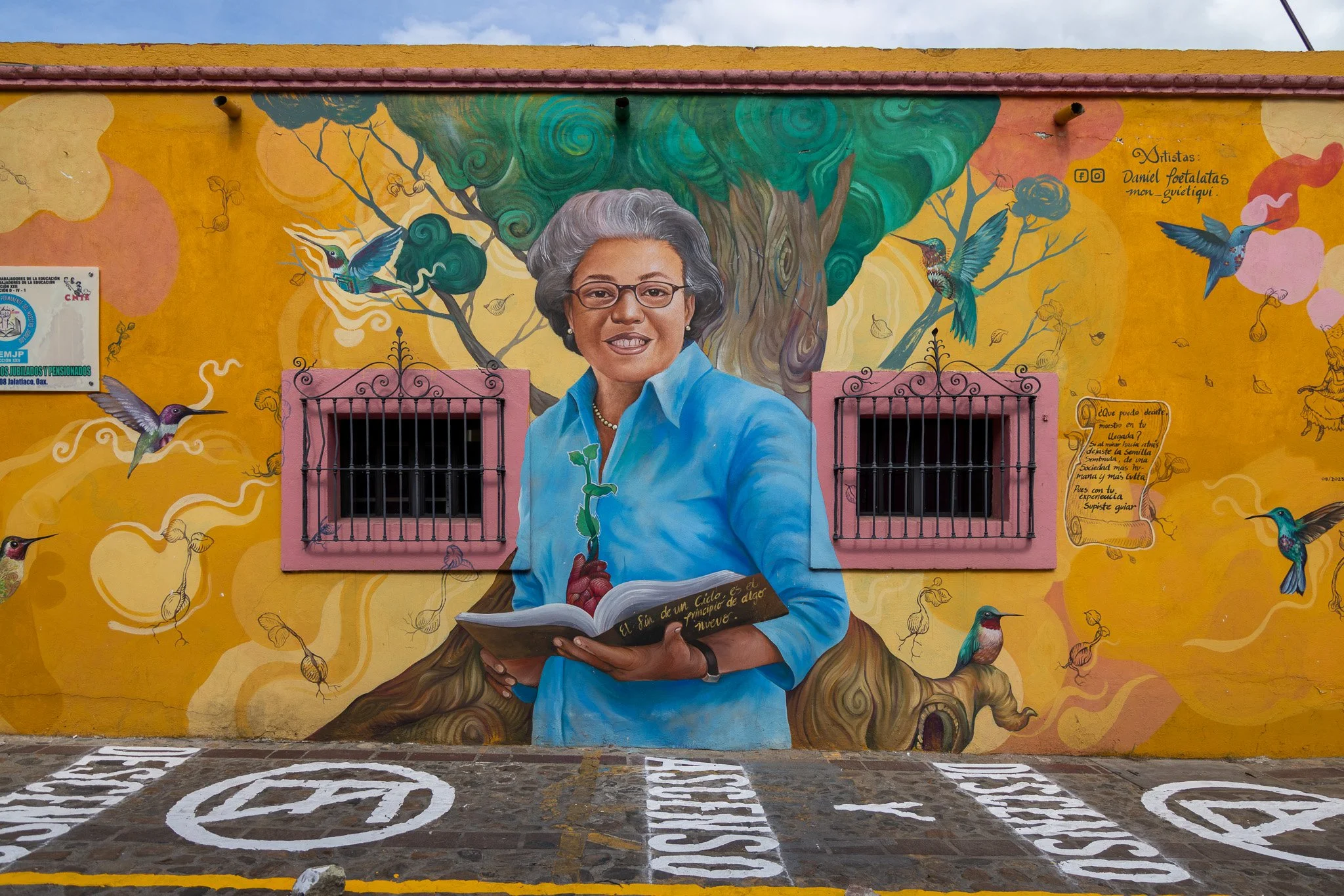
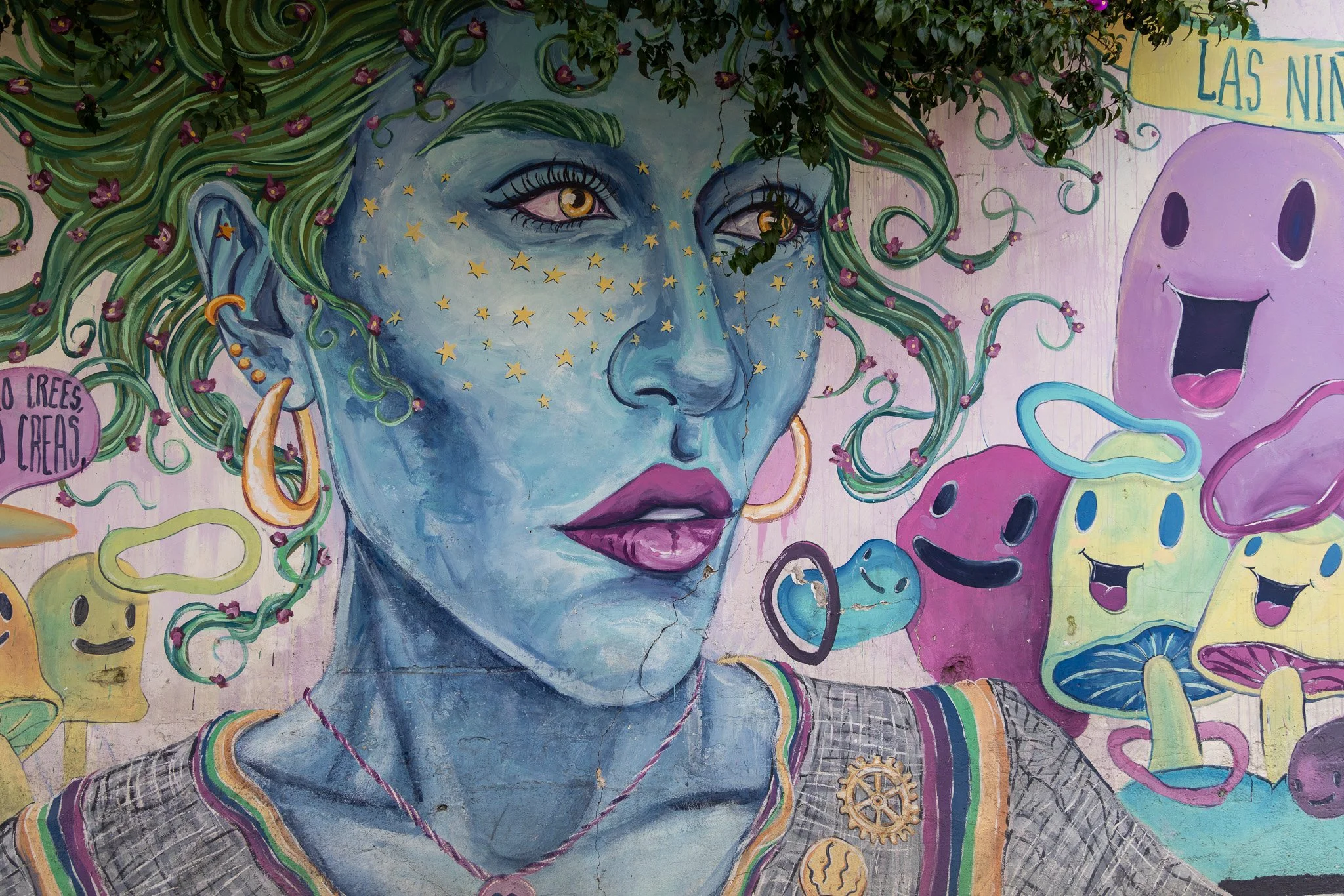
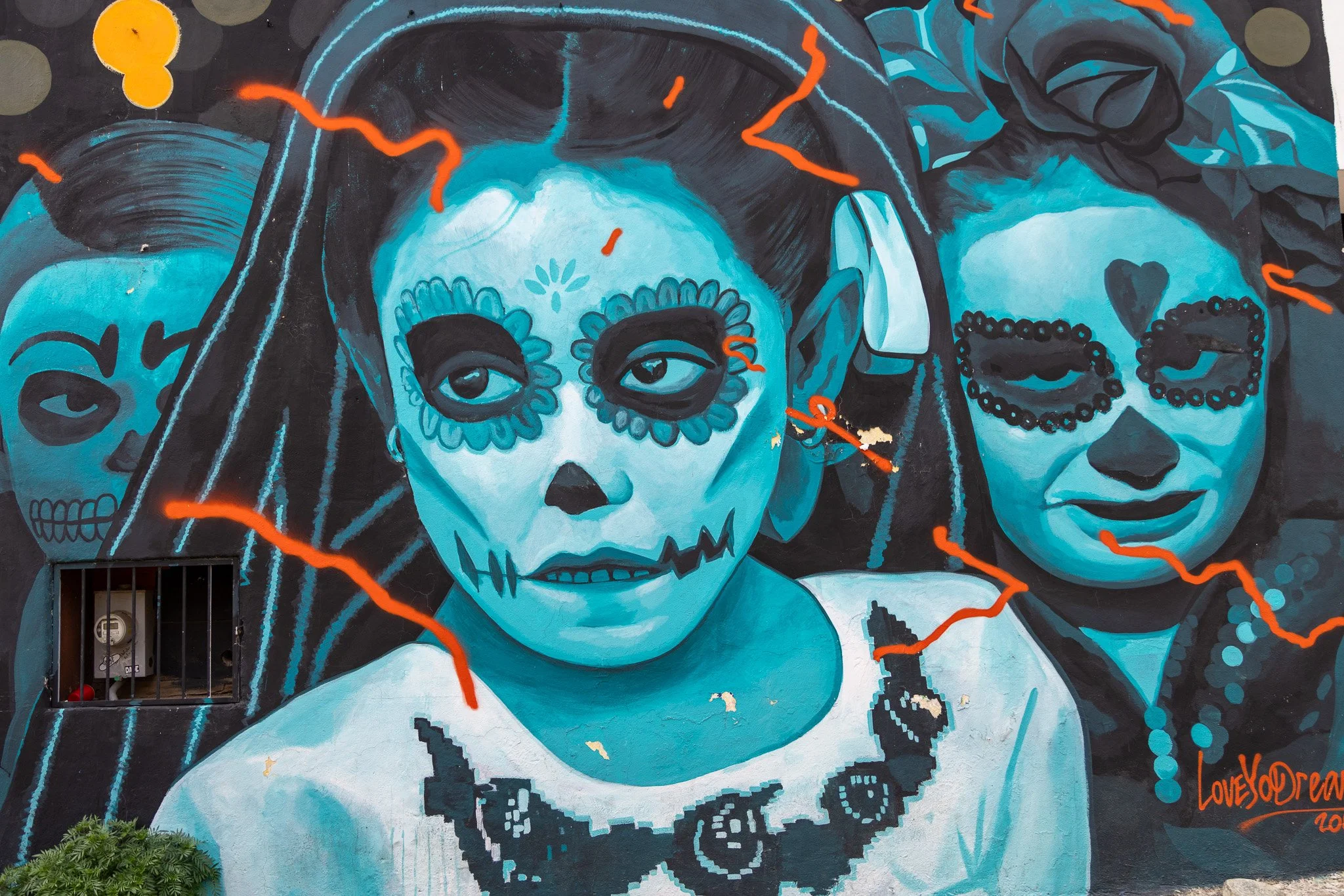
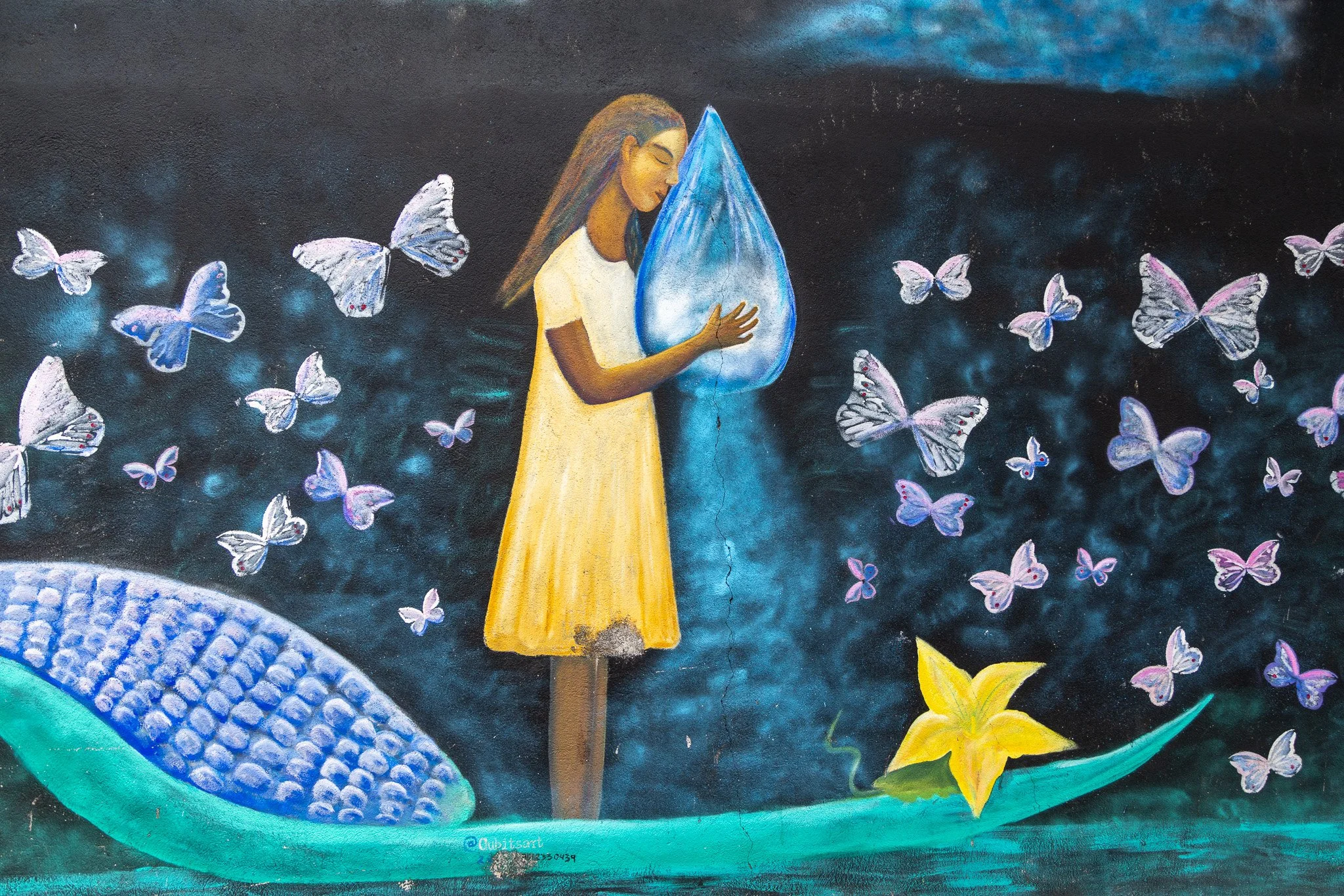
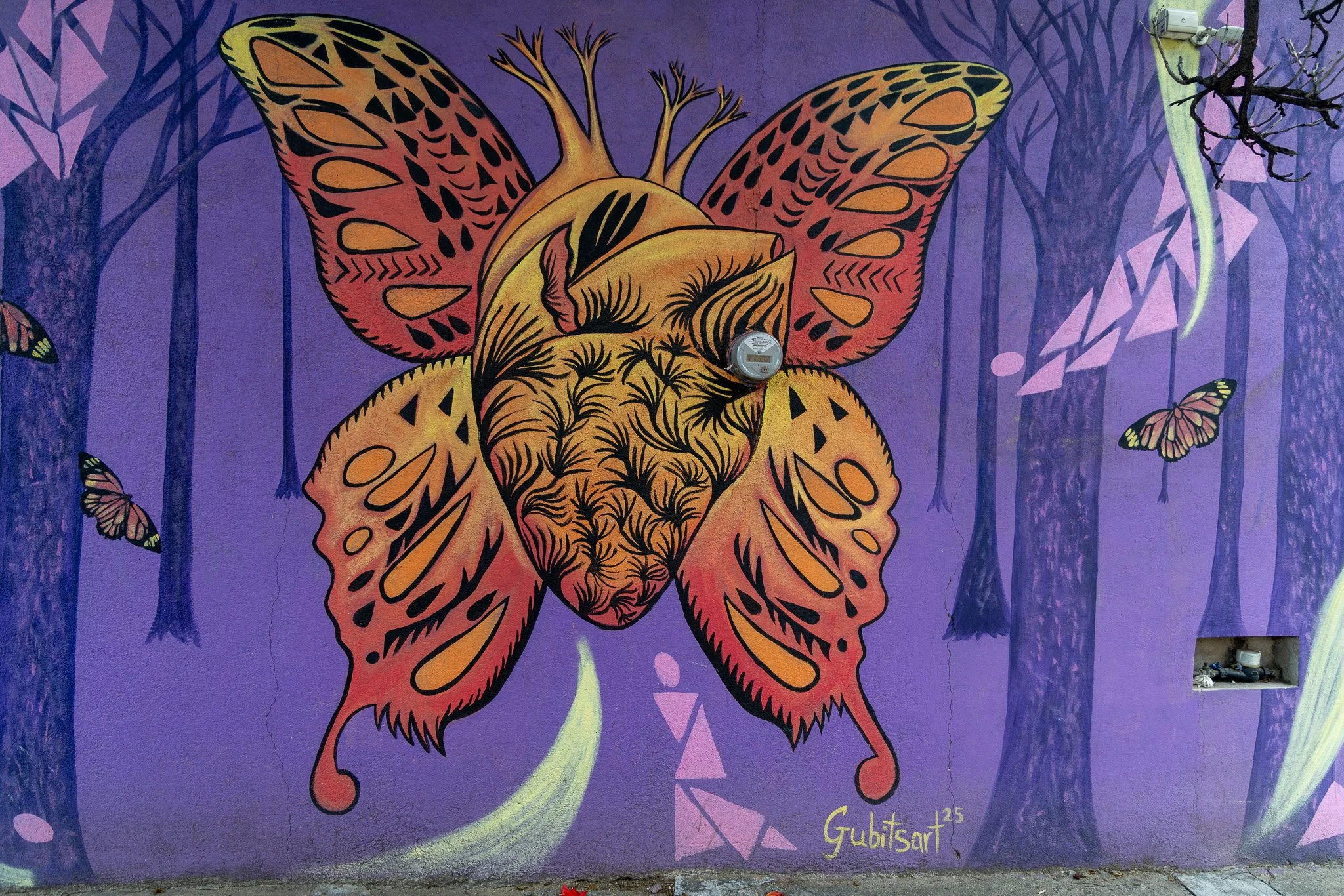
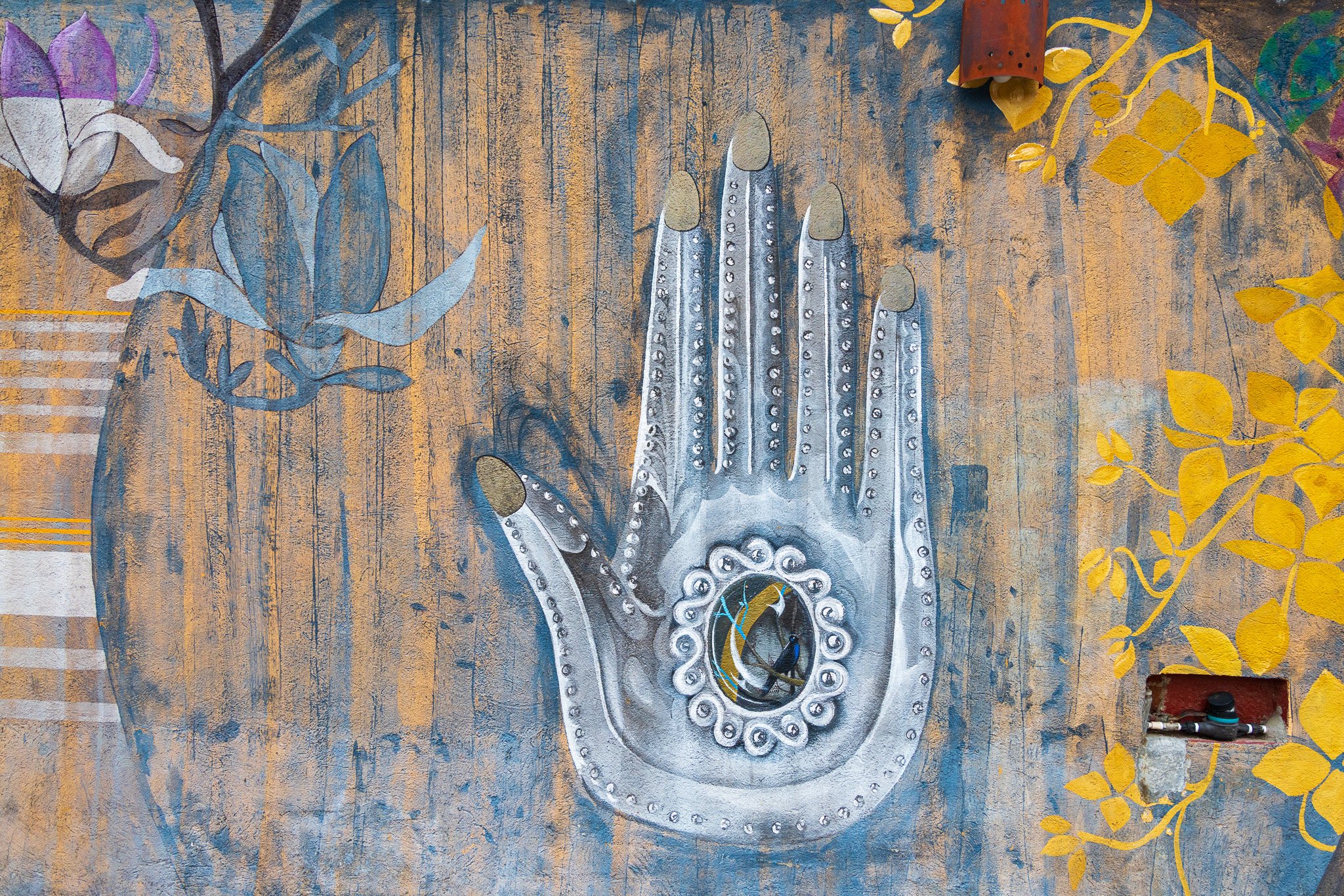
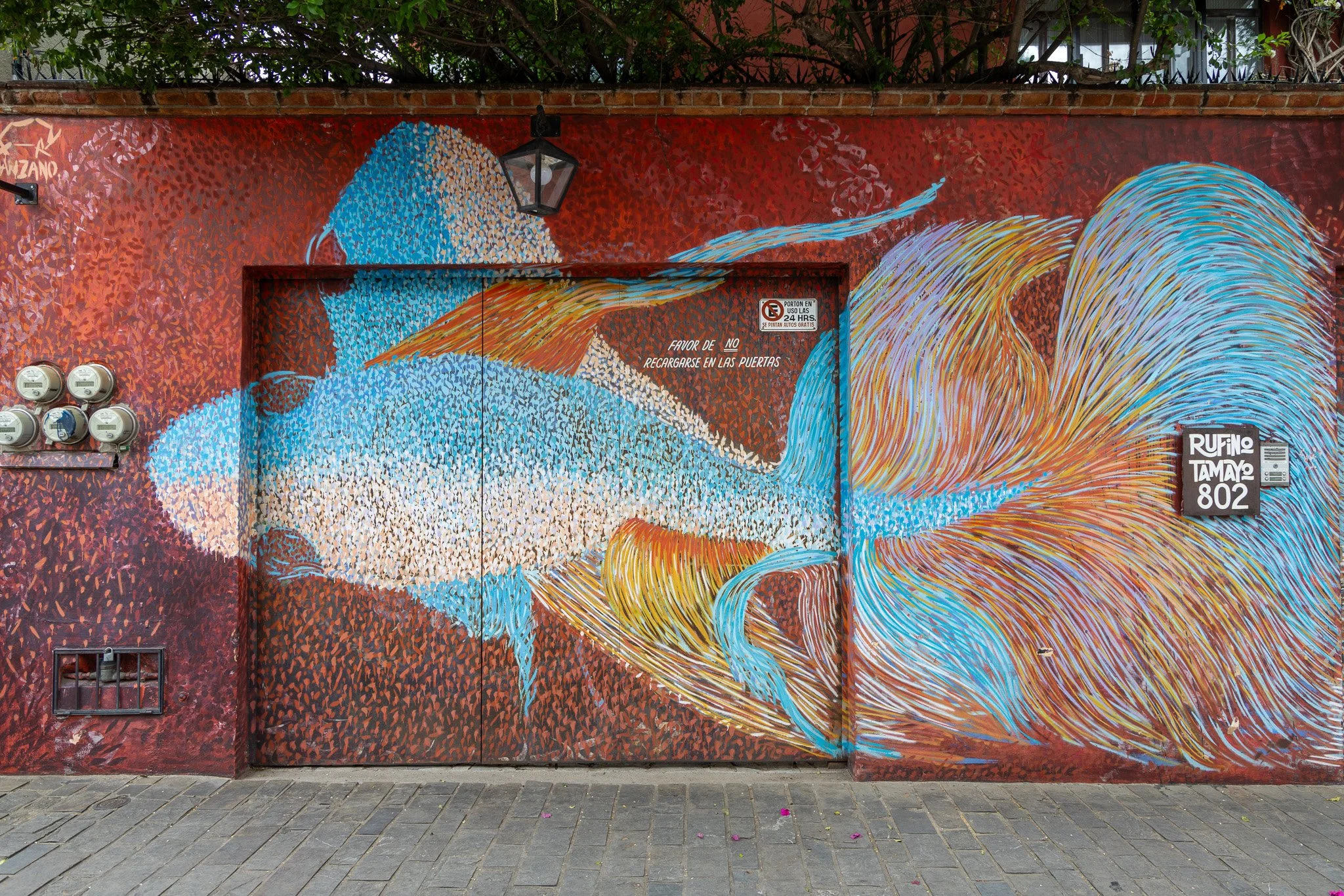
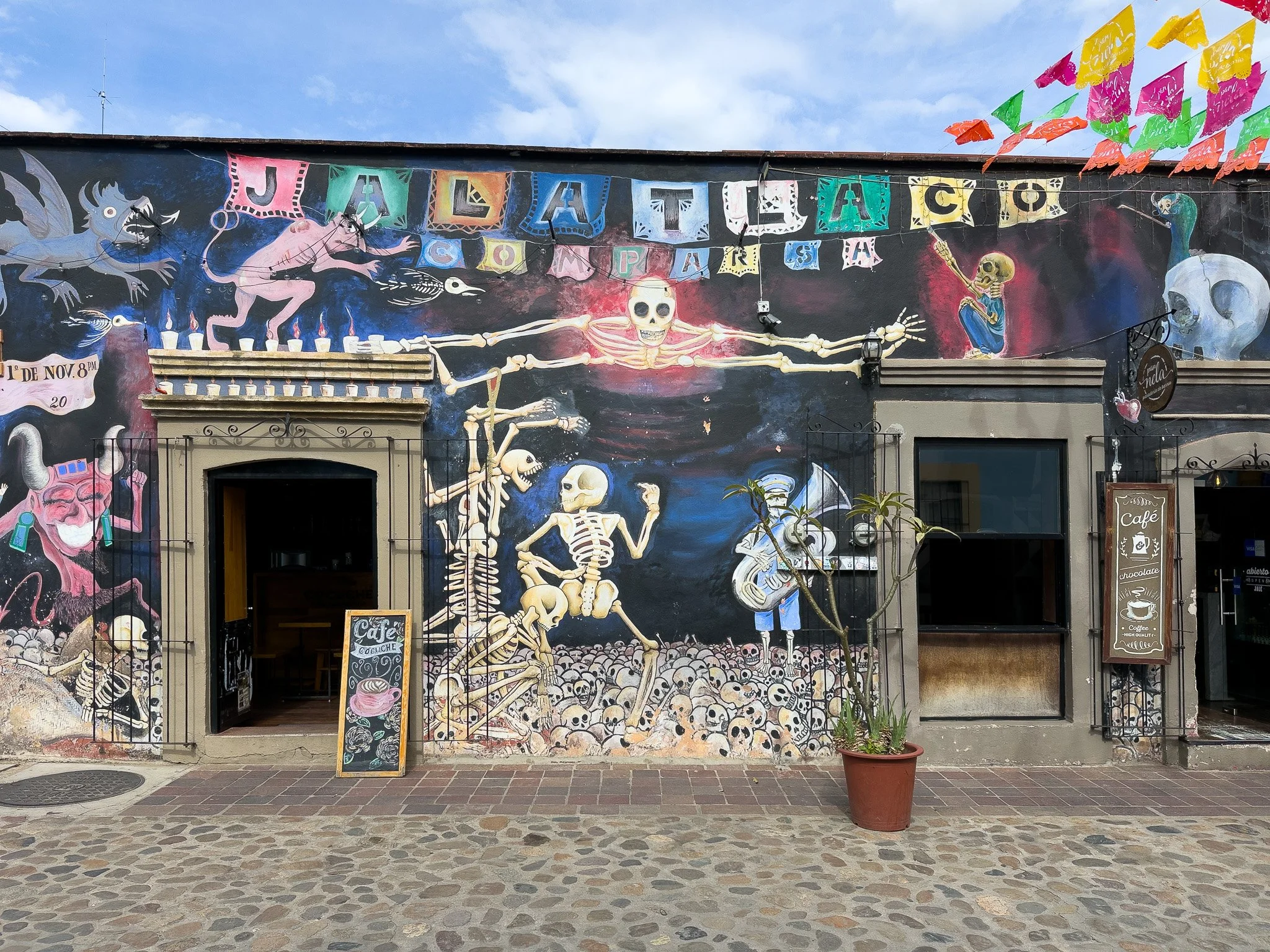
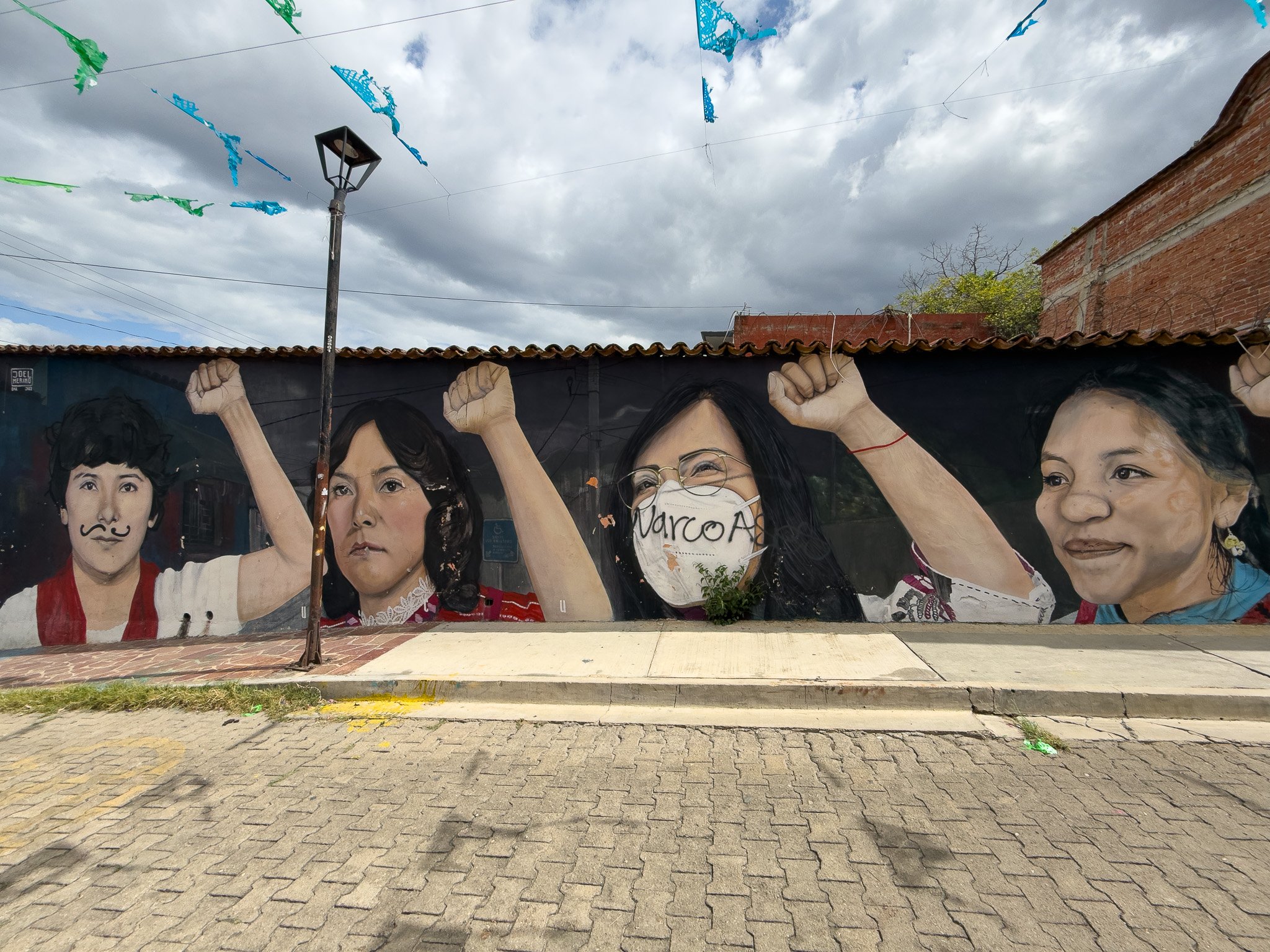
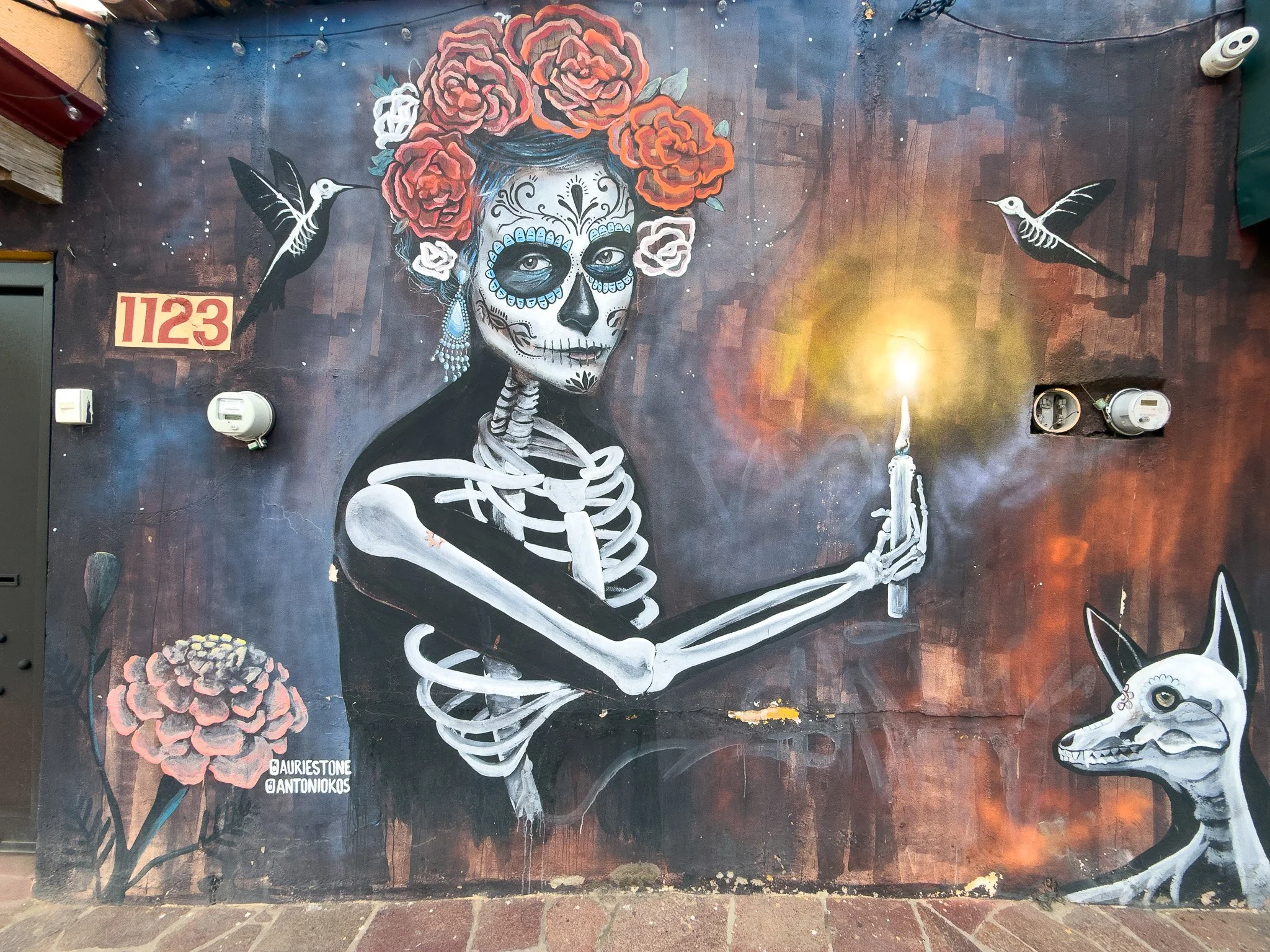
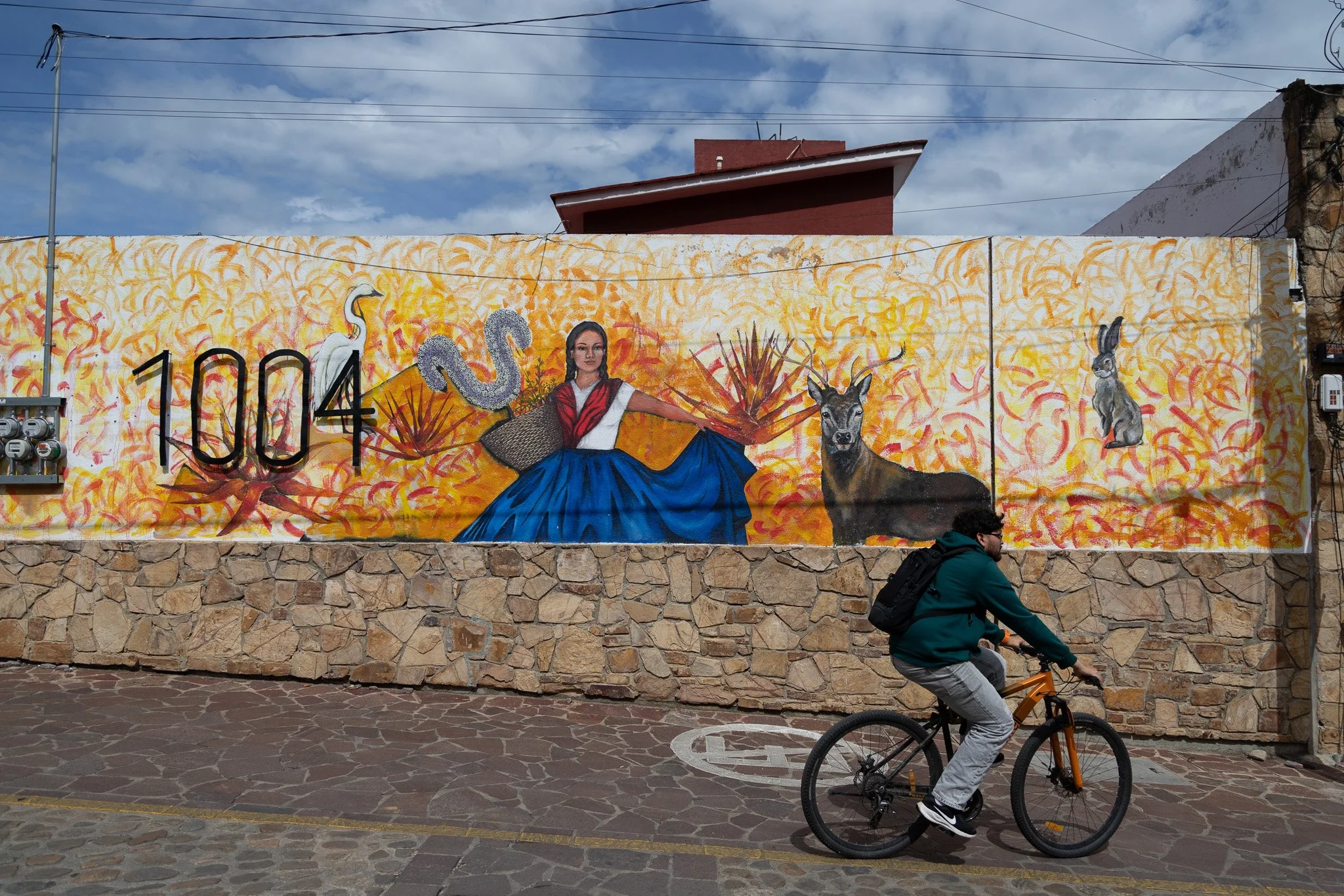
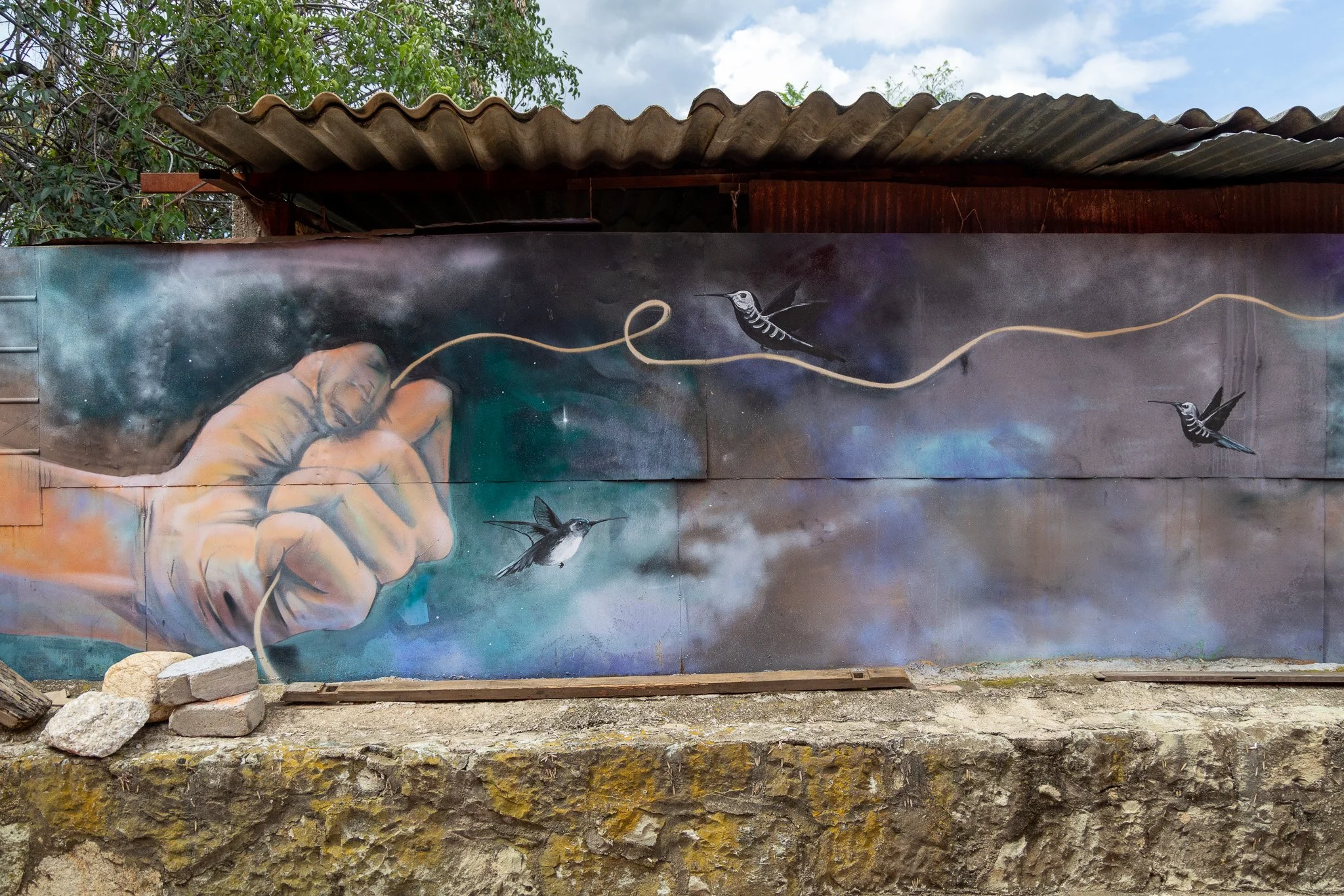
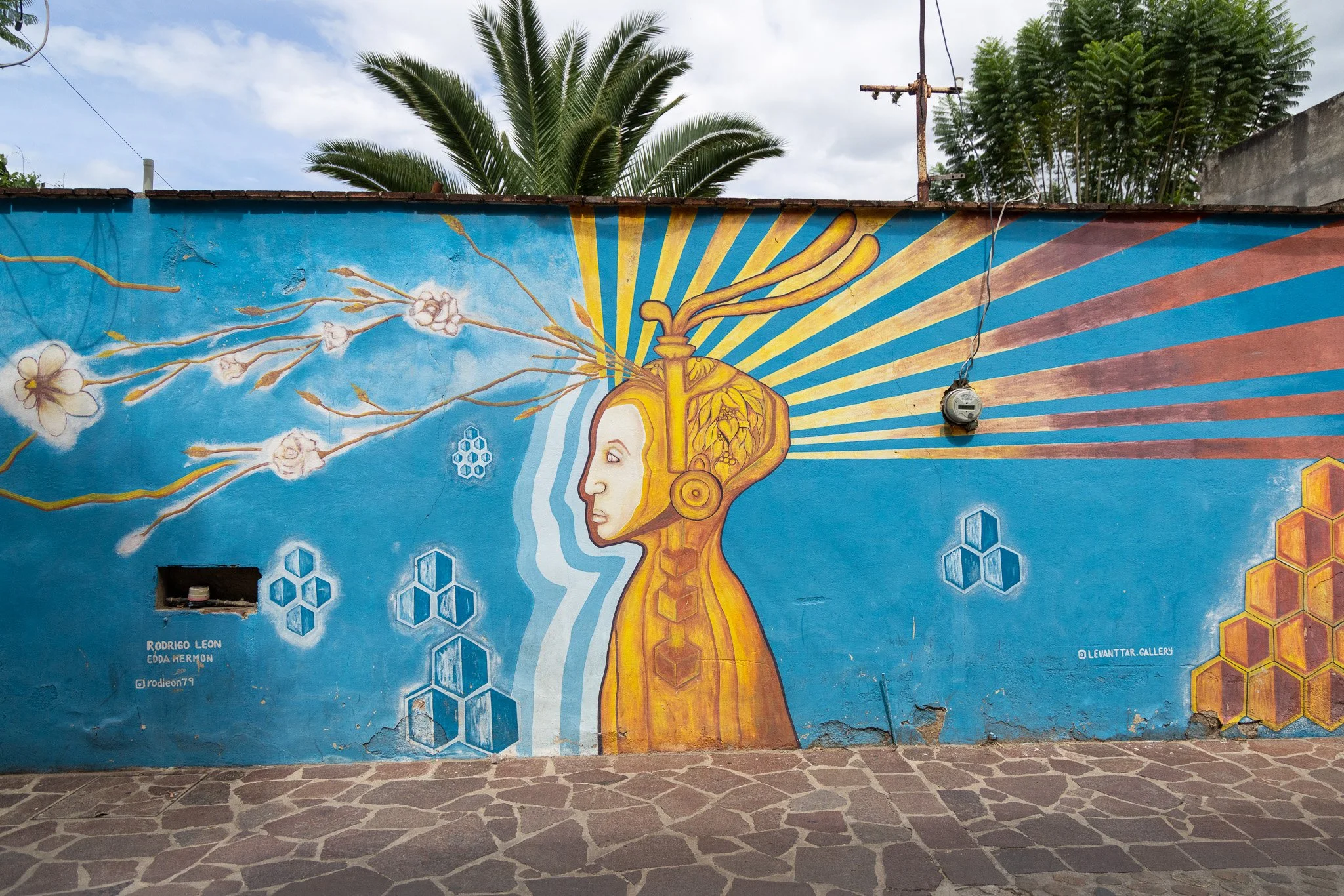
📷 Pro Tip: A guided tour is worth it here specifically because the best murals are not concentrated in one obvious corridor; they are scattered, and a lot of the smaller, more interesting pieces are easy to walk past without knowing what you are looking at. Bring a 24-70mm for full-wall pieces and something faster, a 35mm or 50mm, for tighter details and texture. Overcast days actually work in your favor for murals, since direct sun creates harsh shadow lines across the wall that fight the artwork instead of complementing it.
Best time: Late morning to early afternoon, when most guided tours run. Access: Free to view, murals span both the Centro and Jalatlaco.
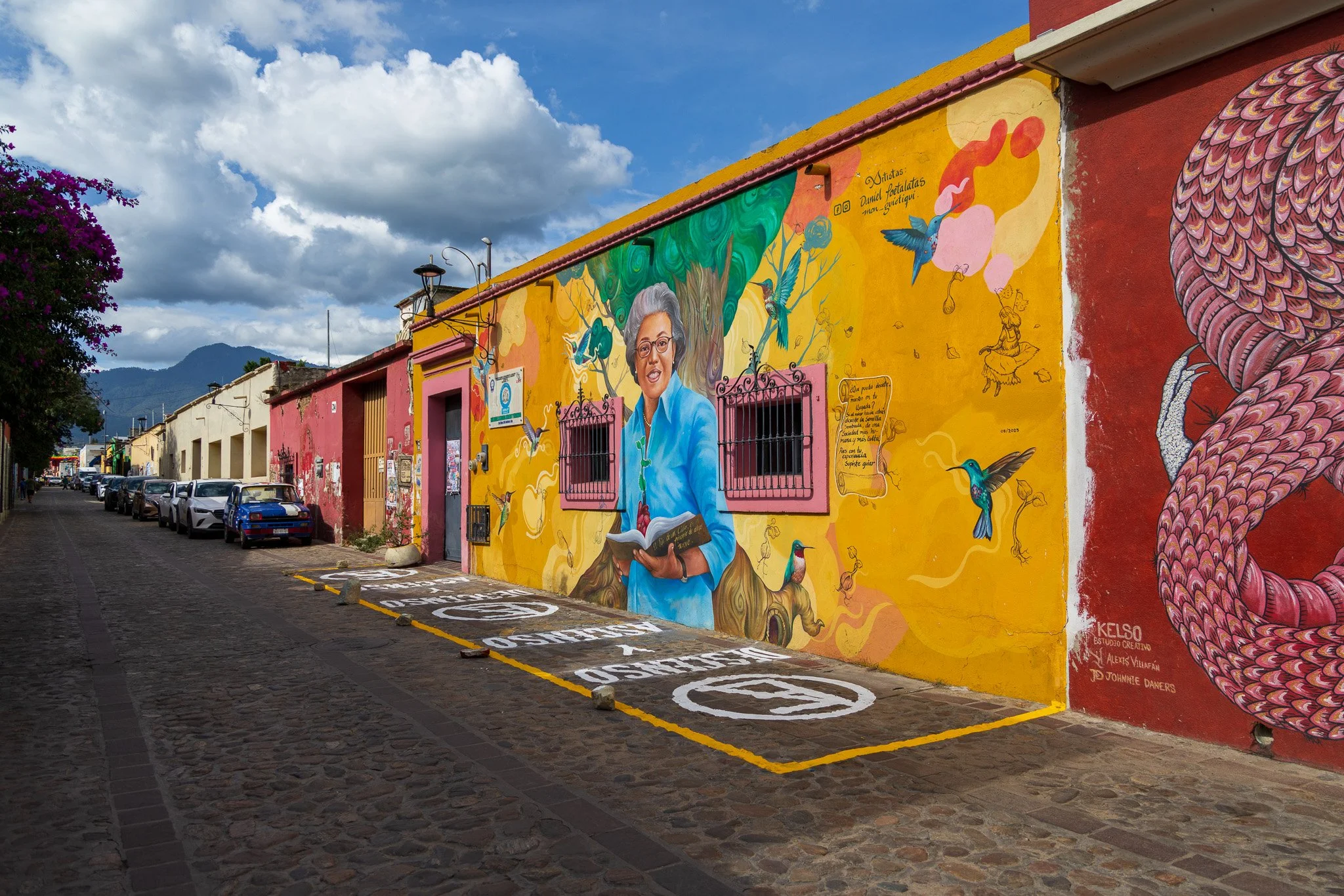
Jalatlaco
A quieter, cobblestoned barrio just east of the Centro, known for its saturated building colors, its murals, and a noticeably slower pace than the tourist core. This is the neighborhood that becomes the city's most photographed corner during Día de los Muertos, when it fills with altars and a nightly comparsa parade, but it is worth a visit any time of year for the architecture and street art alone.
📷 Pro Tip: Midday light here is harsh against the saturated wall colors, so aim for the hour after sunrise or the hour before sunset when the light rakes across the facades instead of flattening them. A 24-70mm covers both the architecture and the street art murals well. Wander without a fixed plan; this neighborhood rewards getting a little lost.
Best time: Early morning or late afternoon. Access: Free, roughly a 10 to 15 minute walk from the Zócalo.
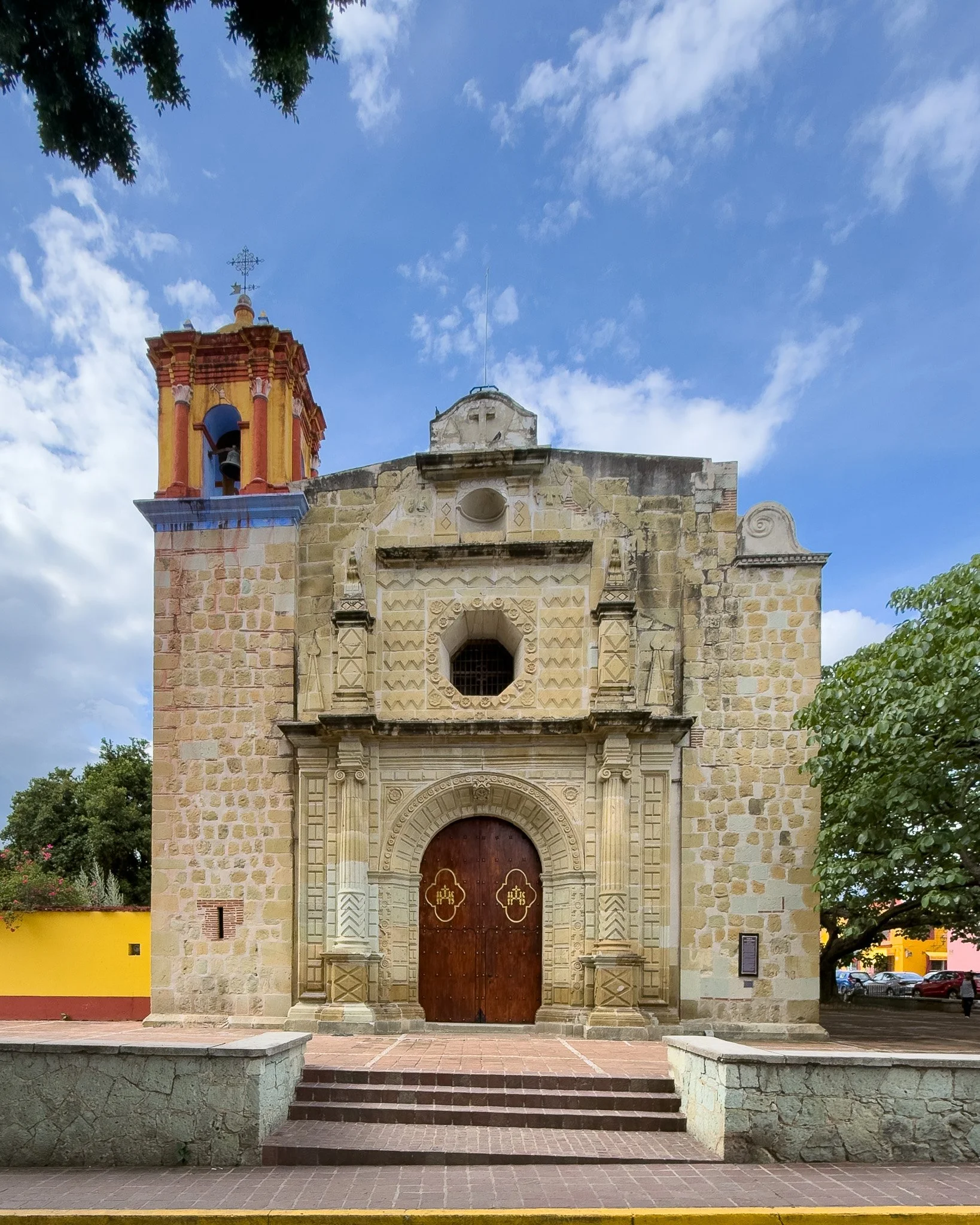
Templo de San Matías Jalatlaco
The parish church at the center of the Jalatlaco barrio, and the building from which the neighborhood's full name comes. It started as a smaller hermitage dedicated to Santa Catarina Mártir in 1669, was rededicated to San Matías in 1700, and reached roughly its current form with a reconstruction finished in 1713, a date still legible on the keystone above the main door. It was declared a historic monument in 1941.
Like the barrio around it, San Matías doesn't try to impress with scale or gold leaf. The facade is cut from the same pale green cantera stone as much of the historic center, but instead of the saint sculptures you'll see on Santo Domingo, it's decorated with geometric patterns and monograms, worked into the stone by indigenous craftsmen who folded their own traditional motifs into the carving. That detail is worth getting close enough to actually see.
📷 Pro Tip: The two-tier facade reads best in soft, even light rather than harsh midday sun, since the geometric carving is subtle rather than deep relief. A 24-70mm covers the full front from across the street. Hours can be inconsistent, so treat the exterior as the reliable shot and the interior as a bonus if you catch it open.
Best time: Morning or late afternoon, for even light on the facade. Access: Free, though interior hours vary. Located at the corner of Hidalgo and Aldama in Jalatlaco.
Street Photography in Oaxaca
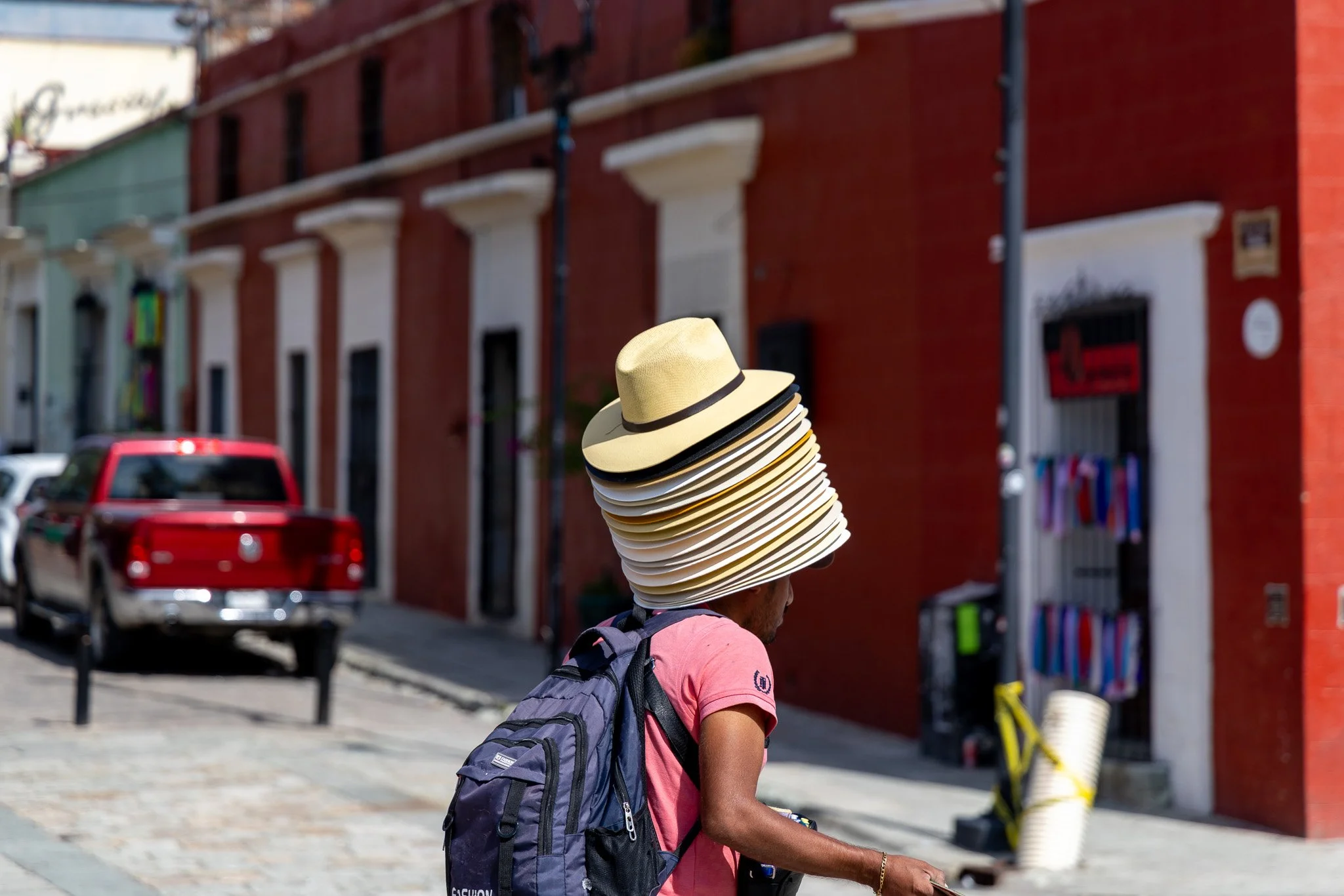
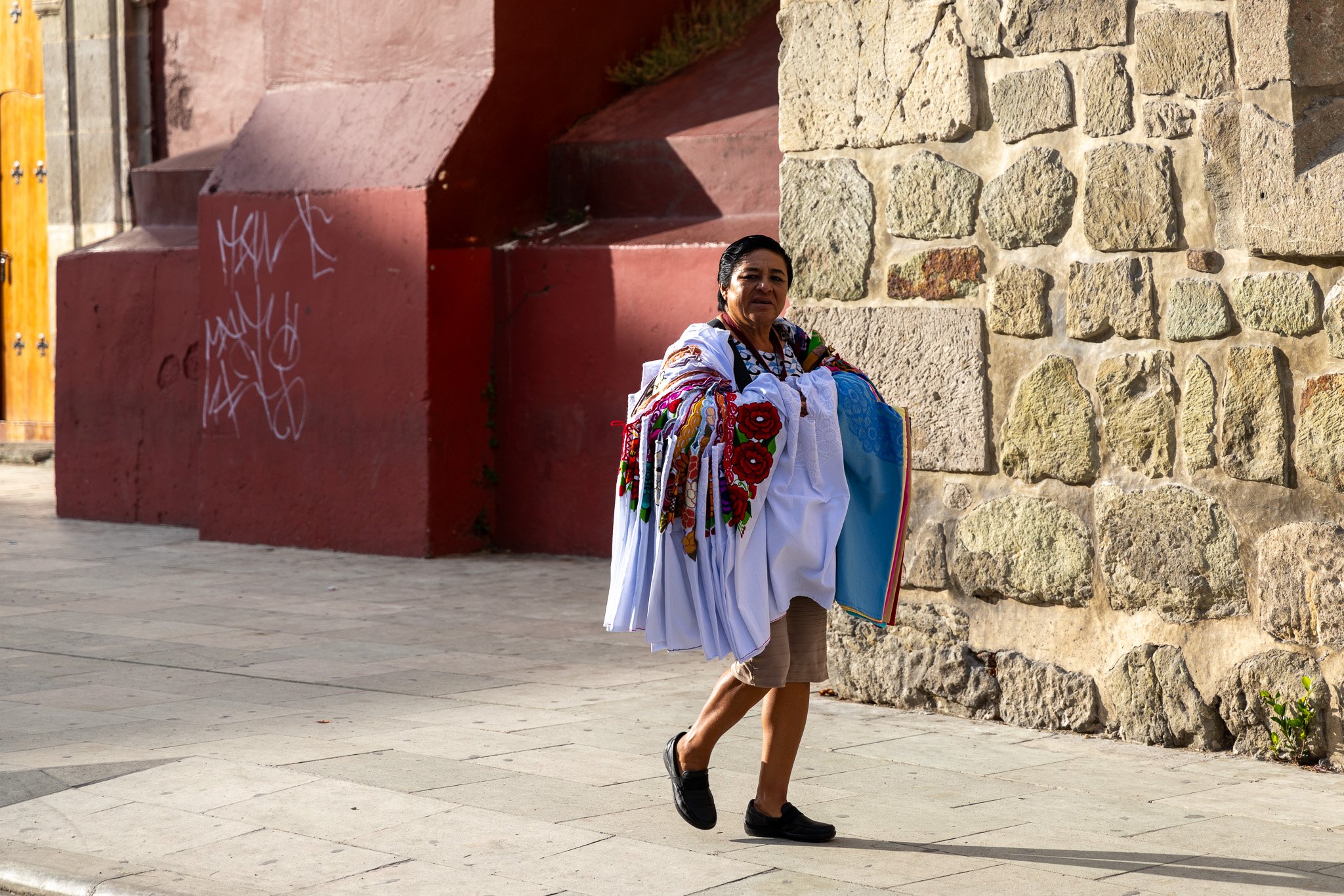
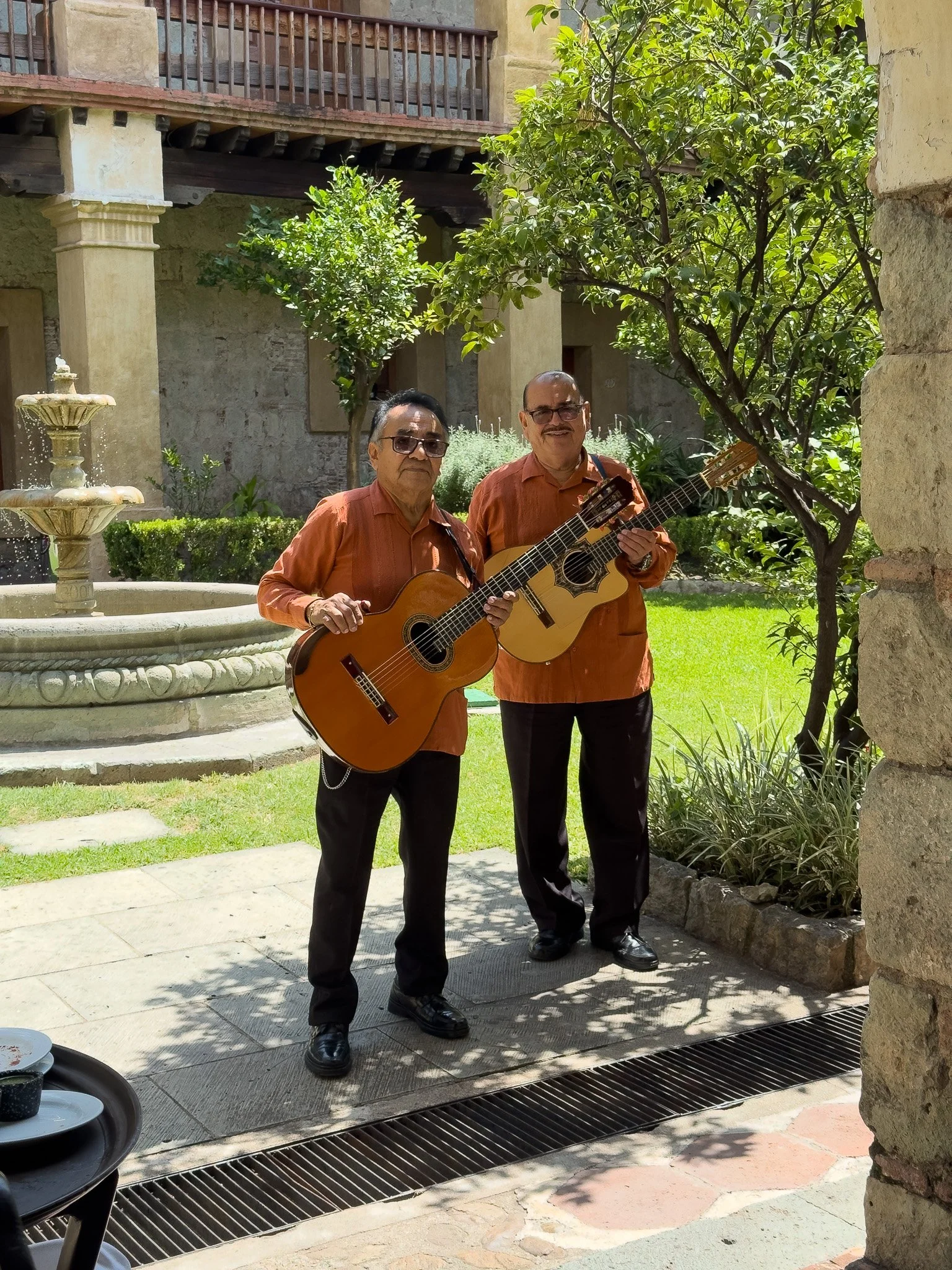
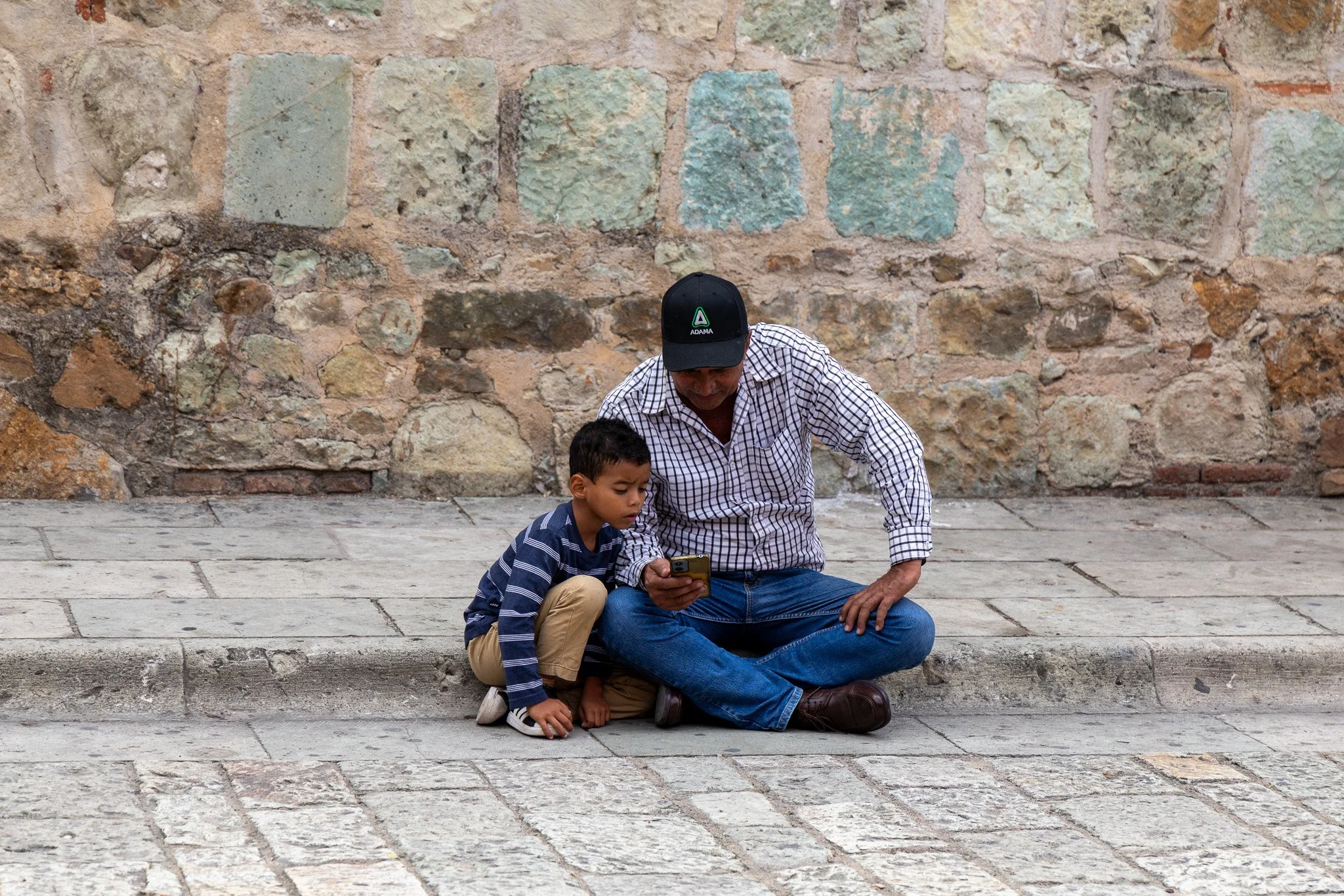
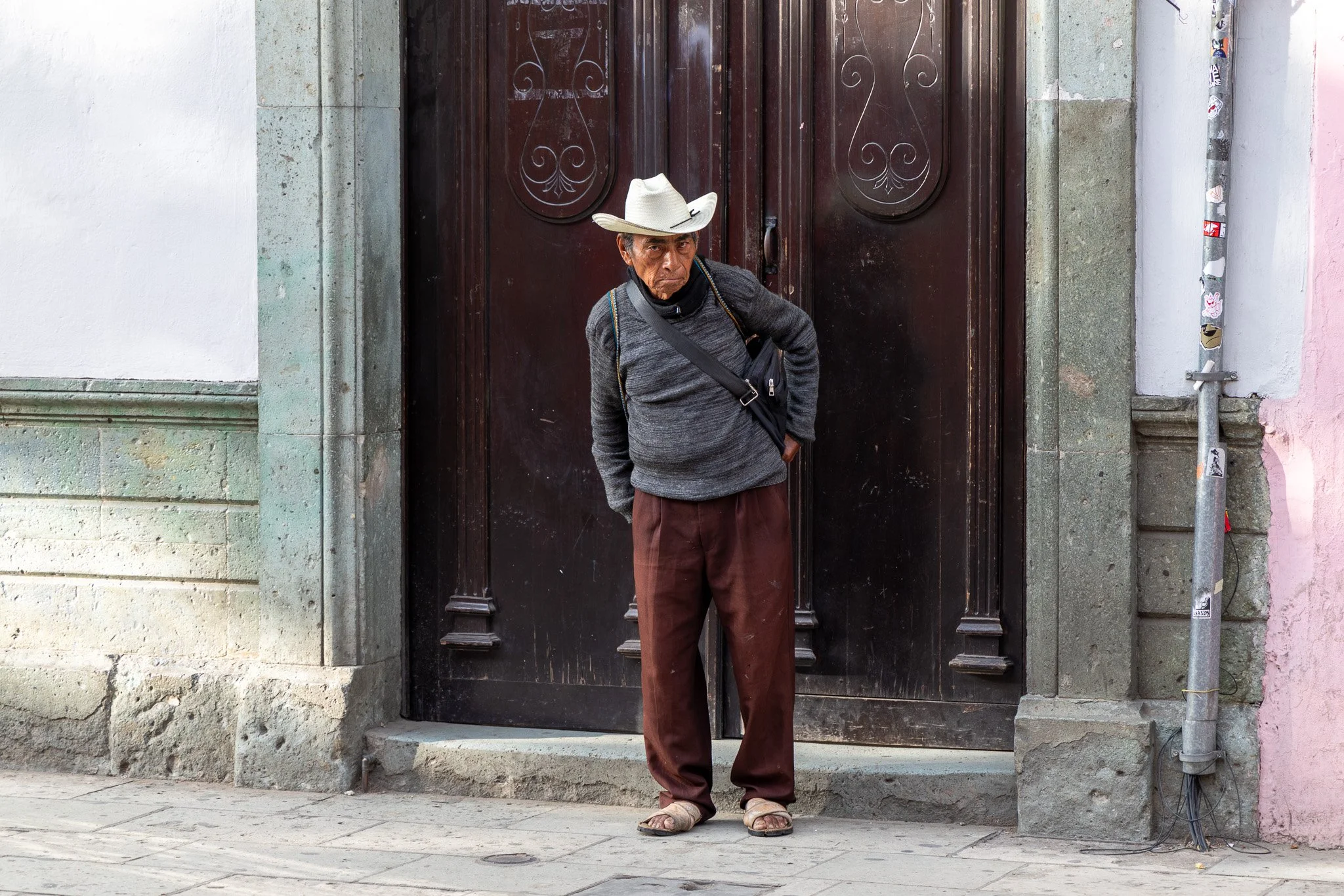
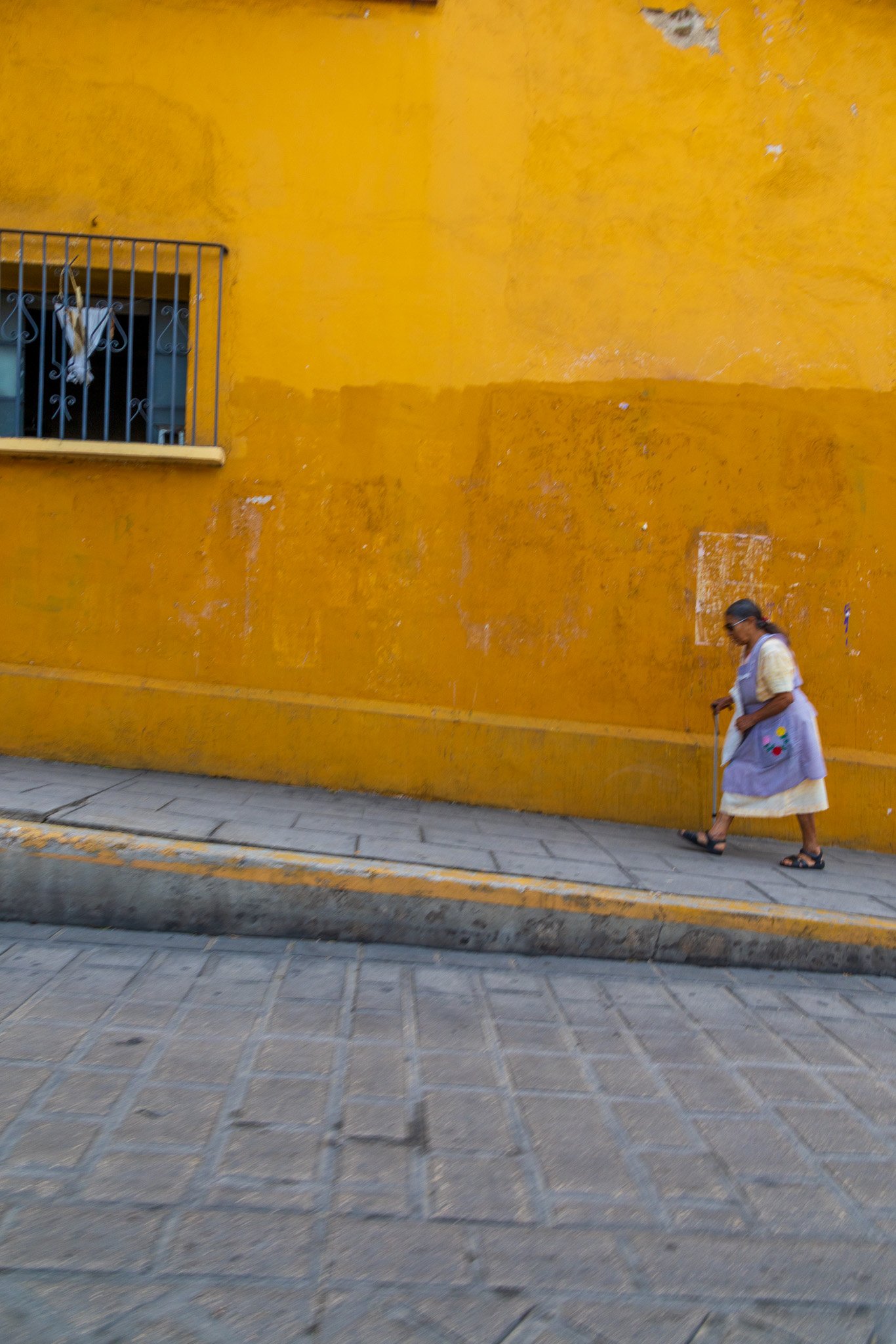
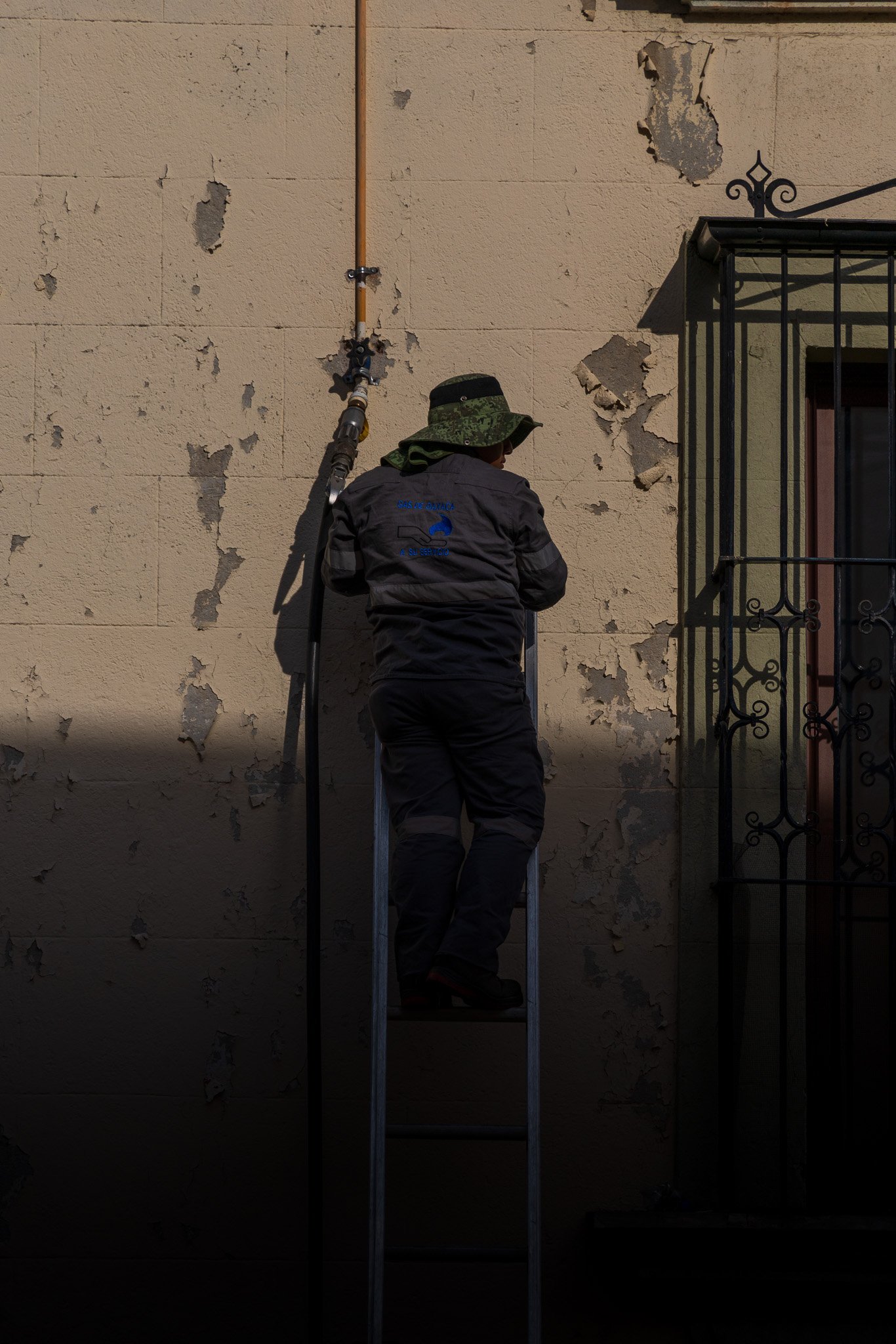
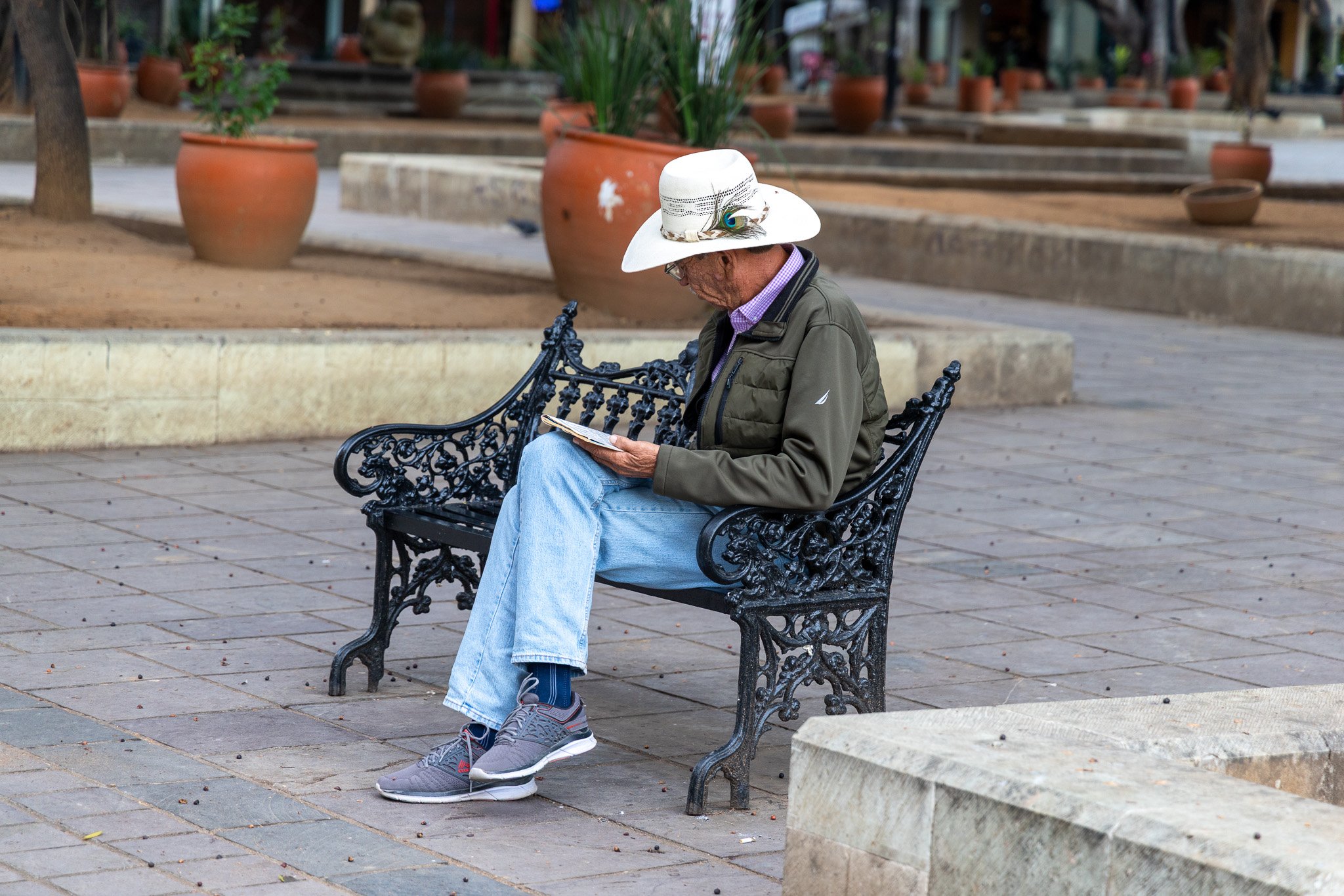
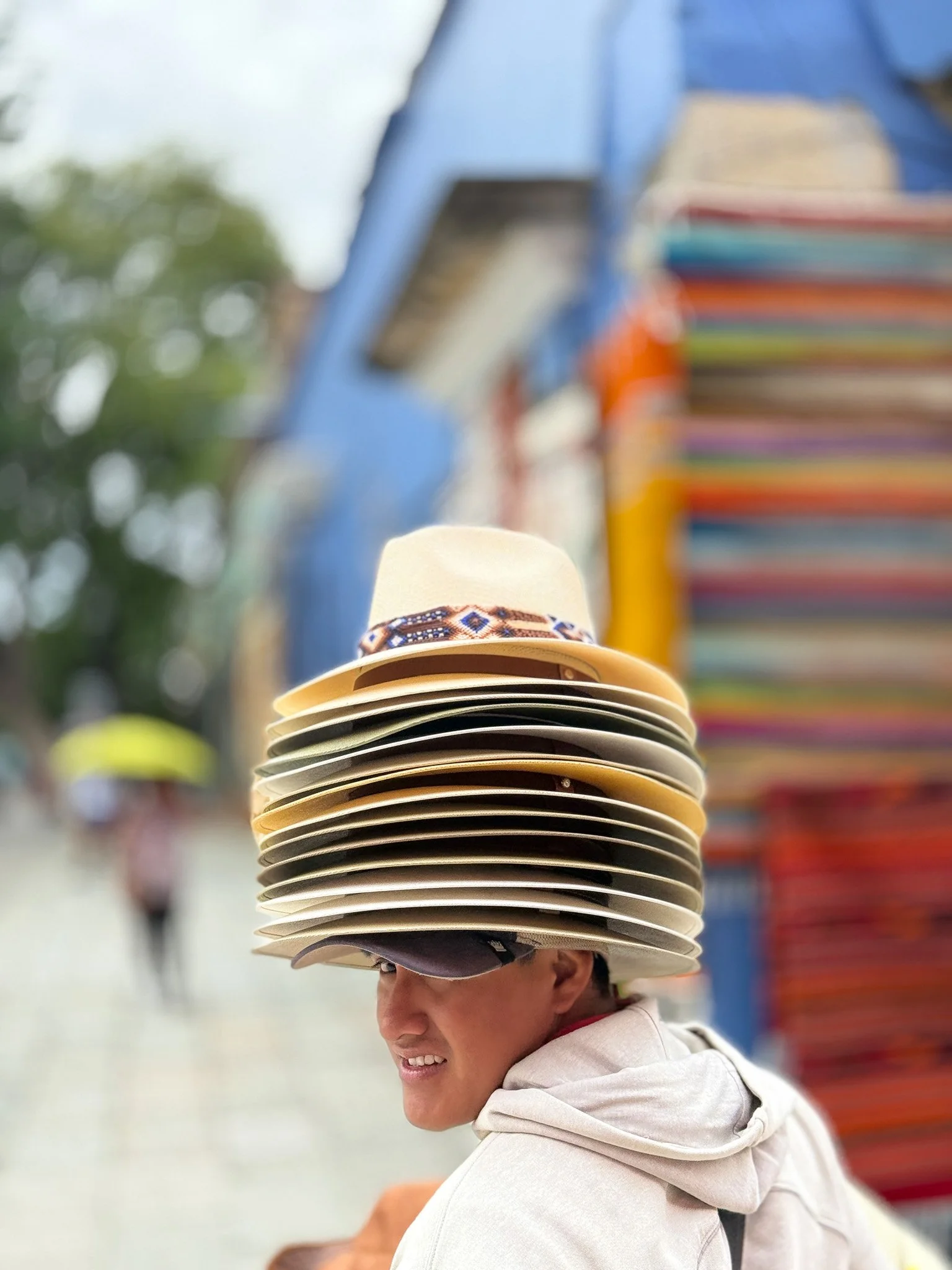
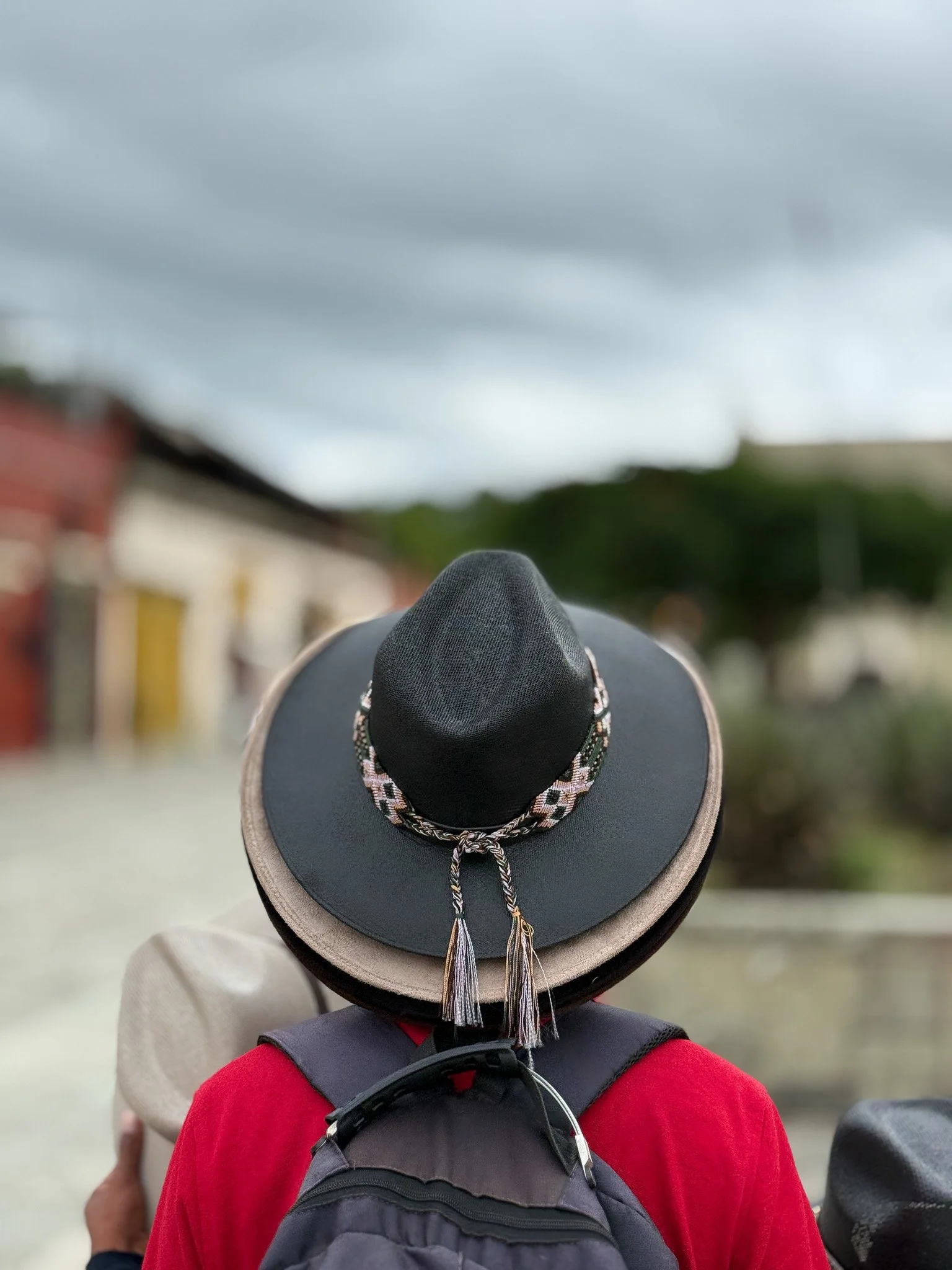
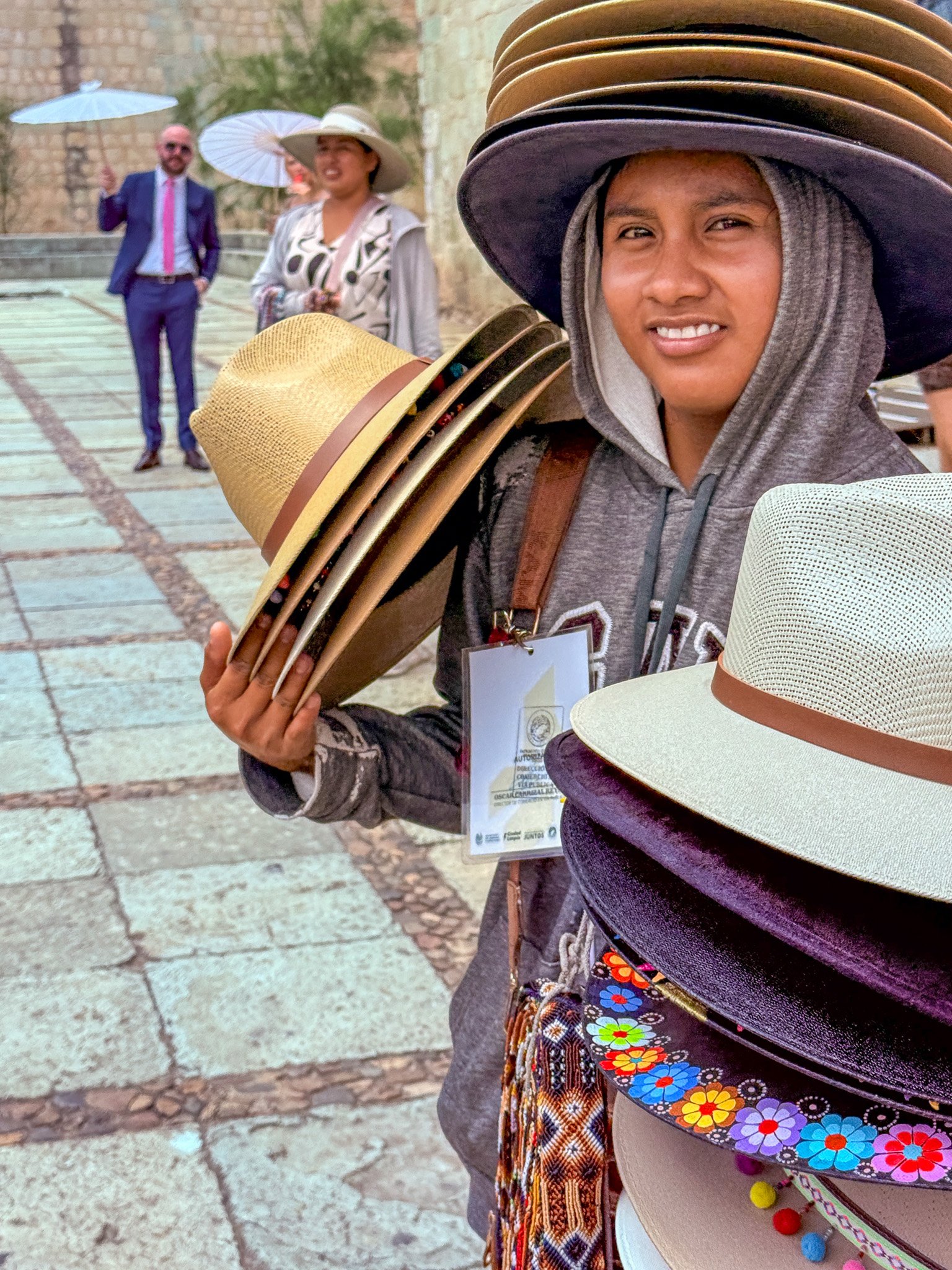
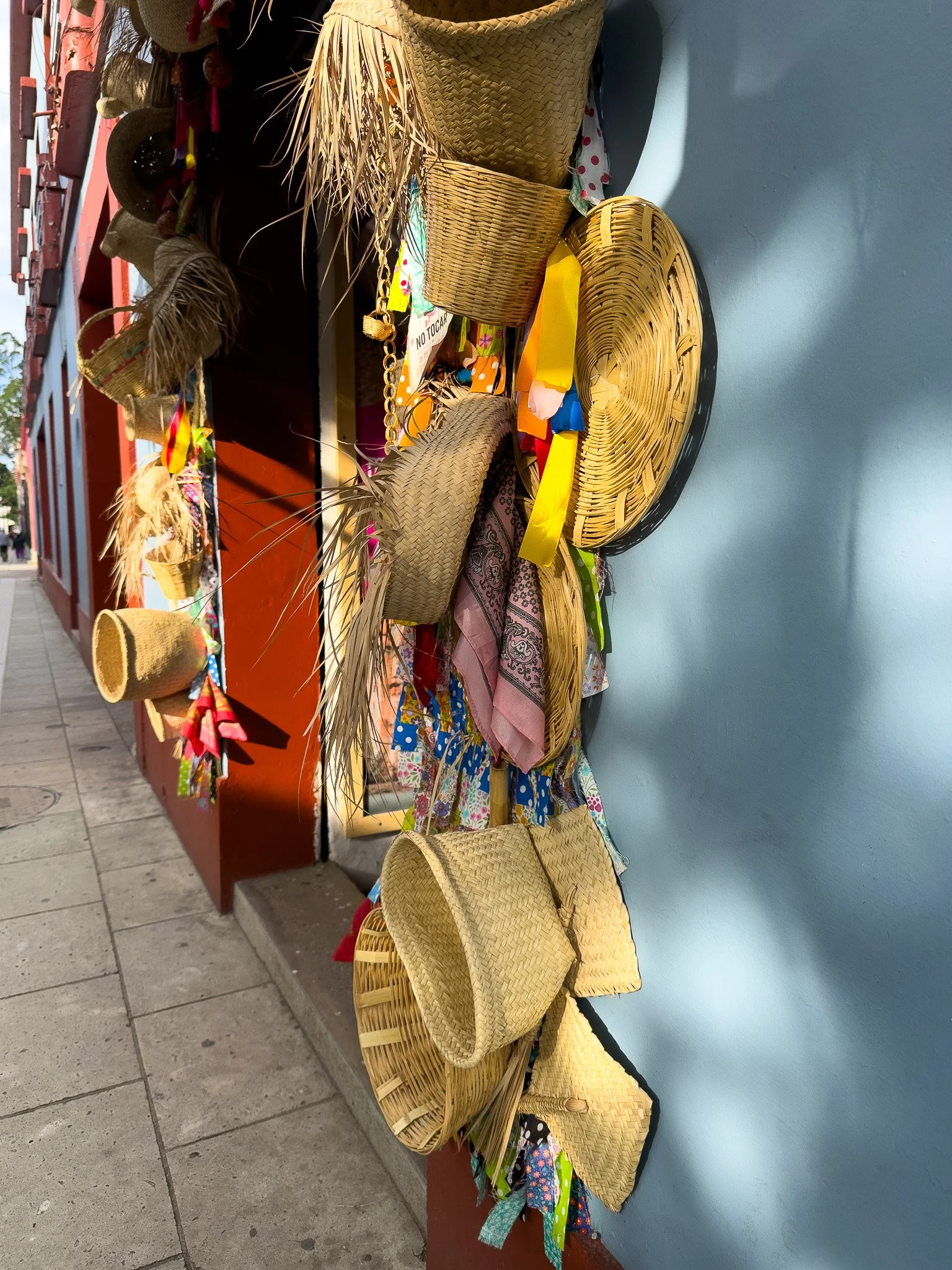
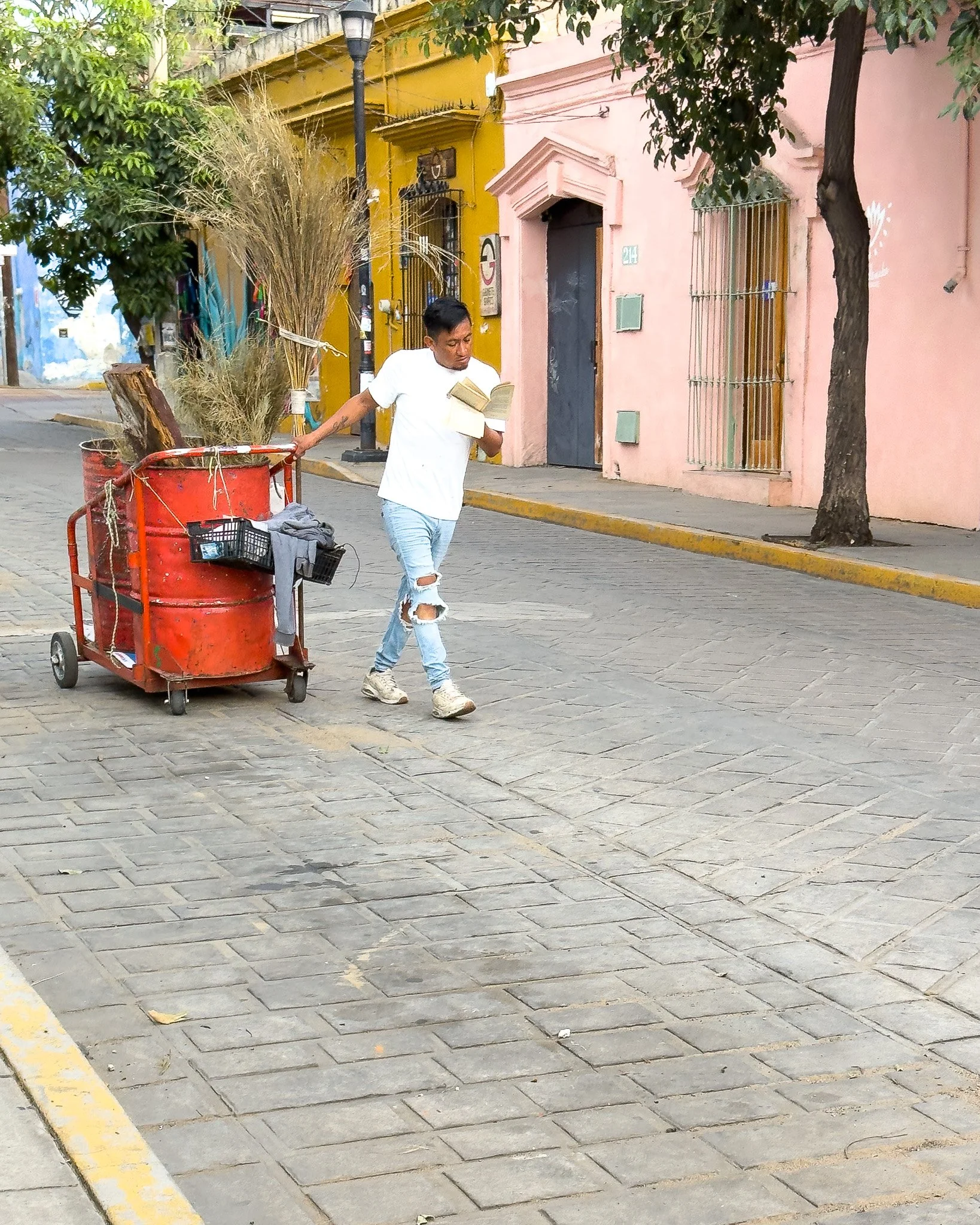
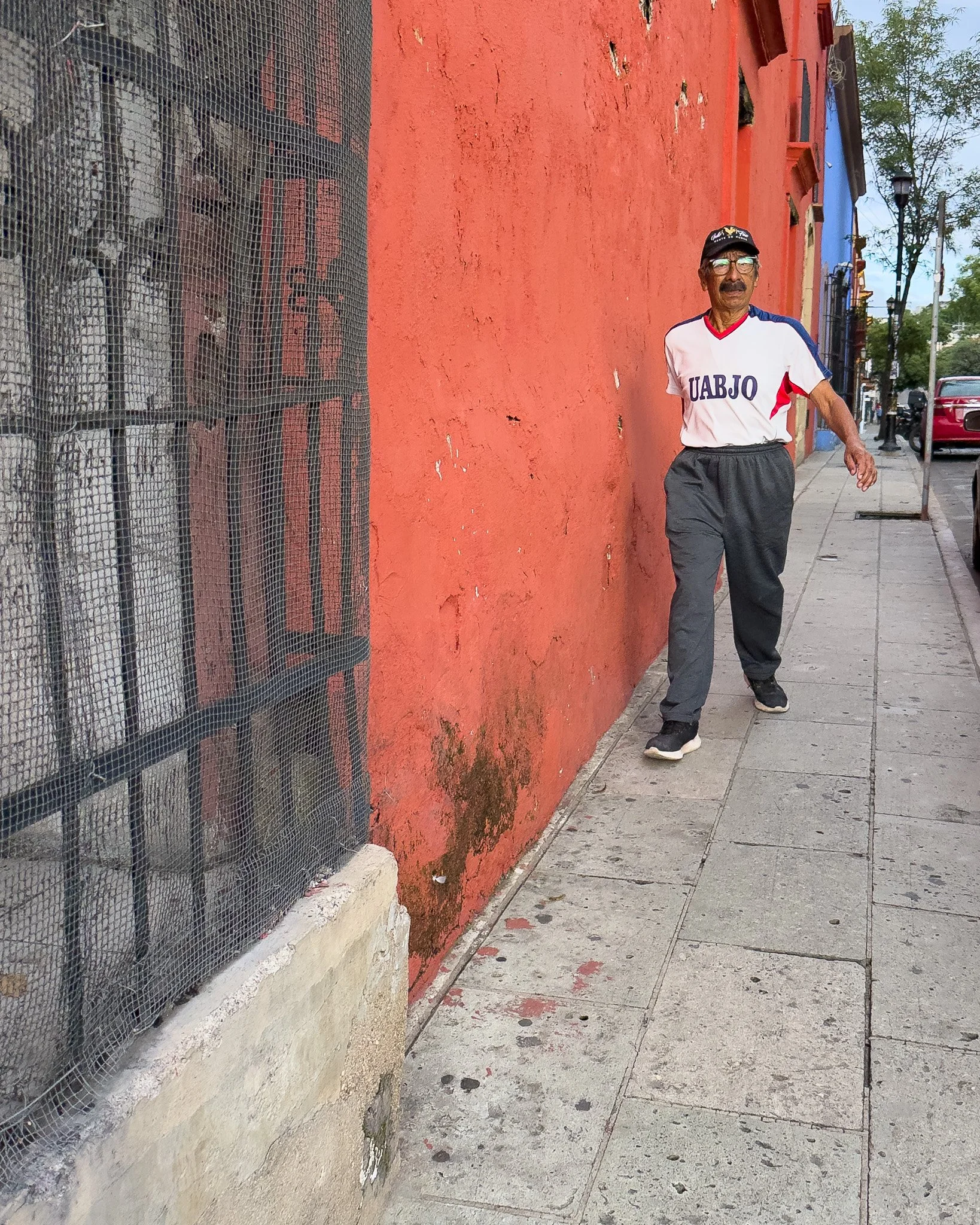
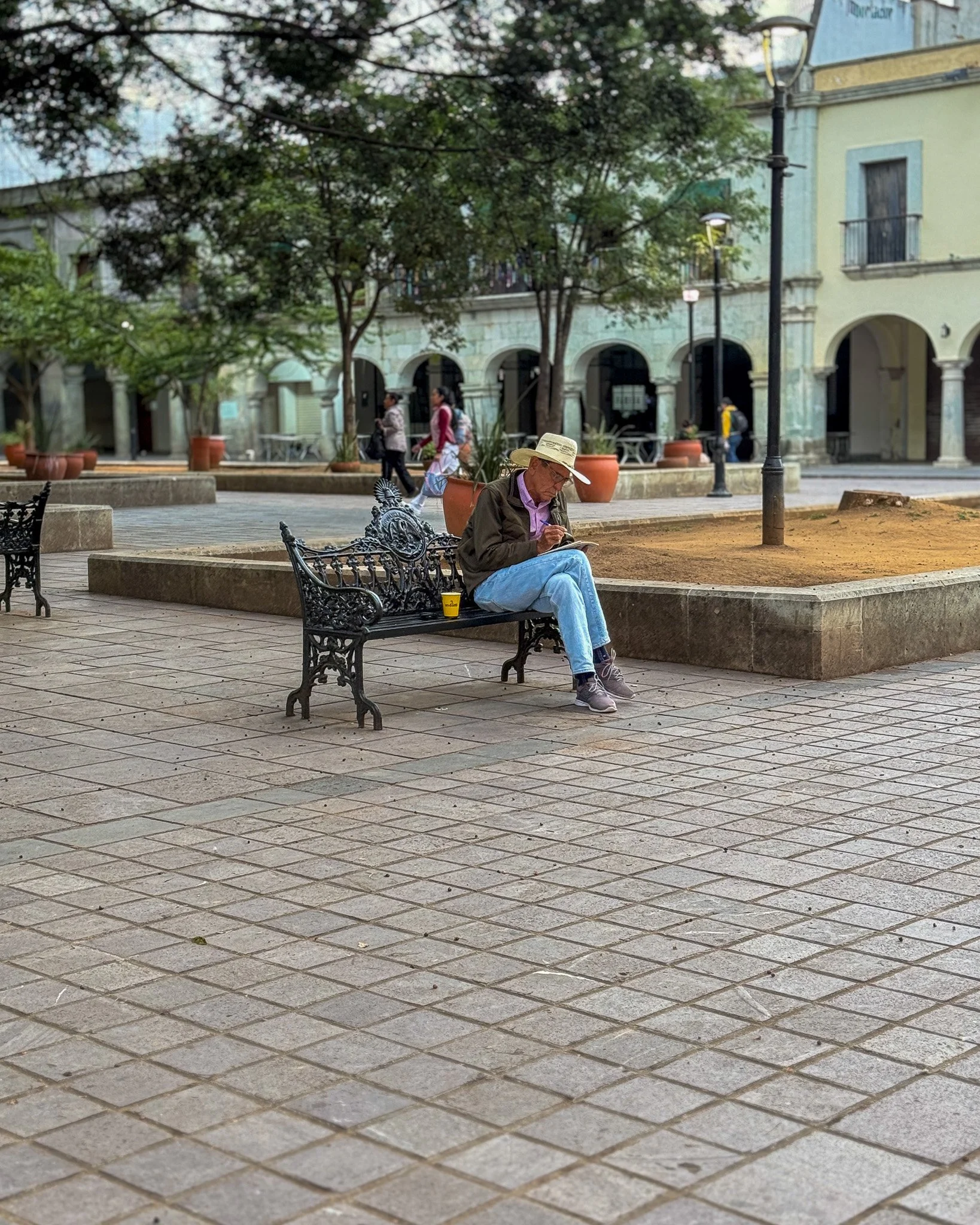
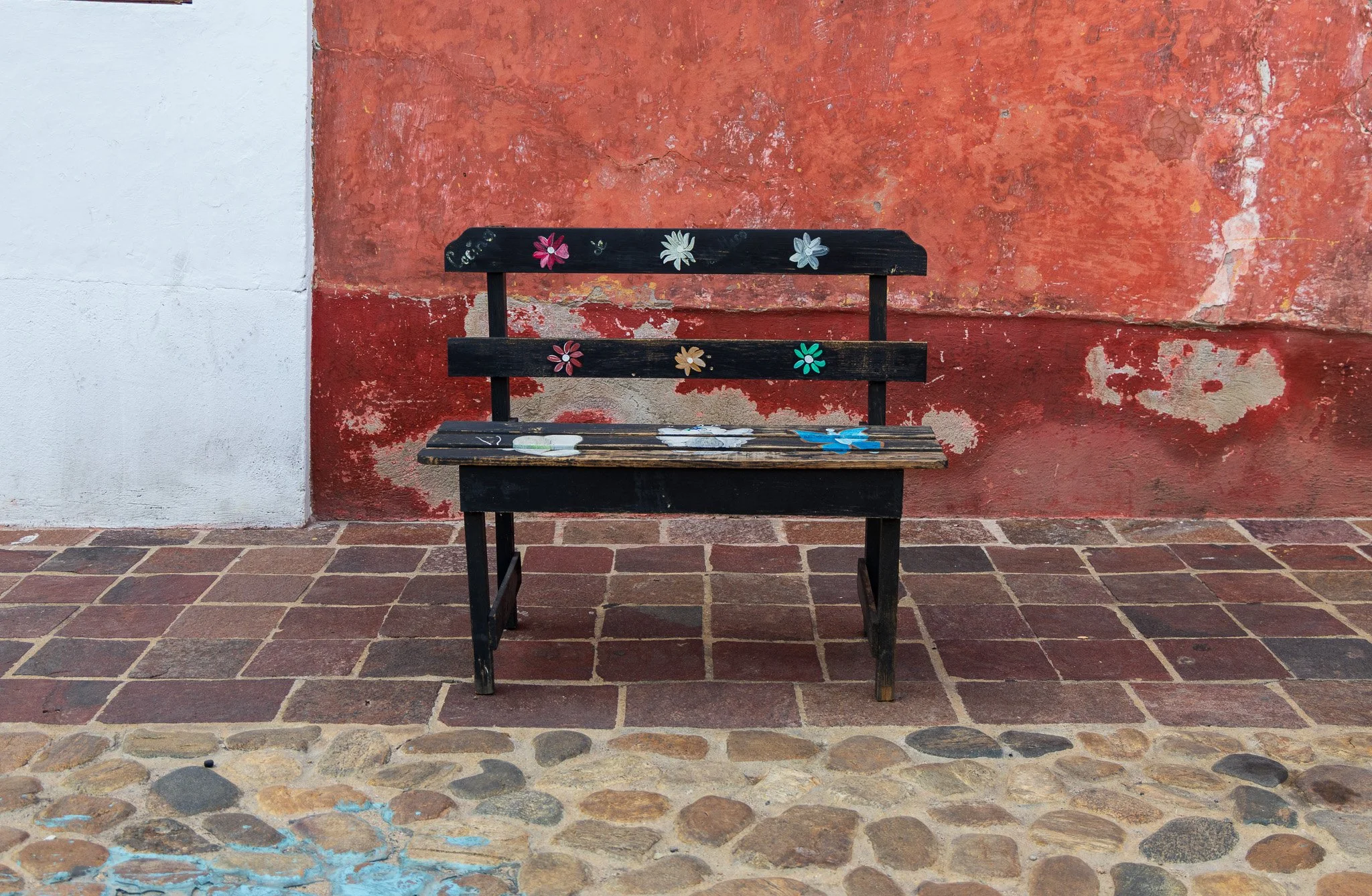
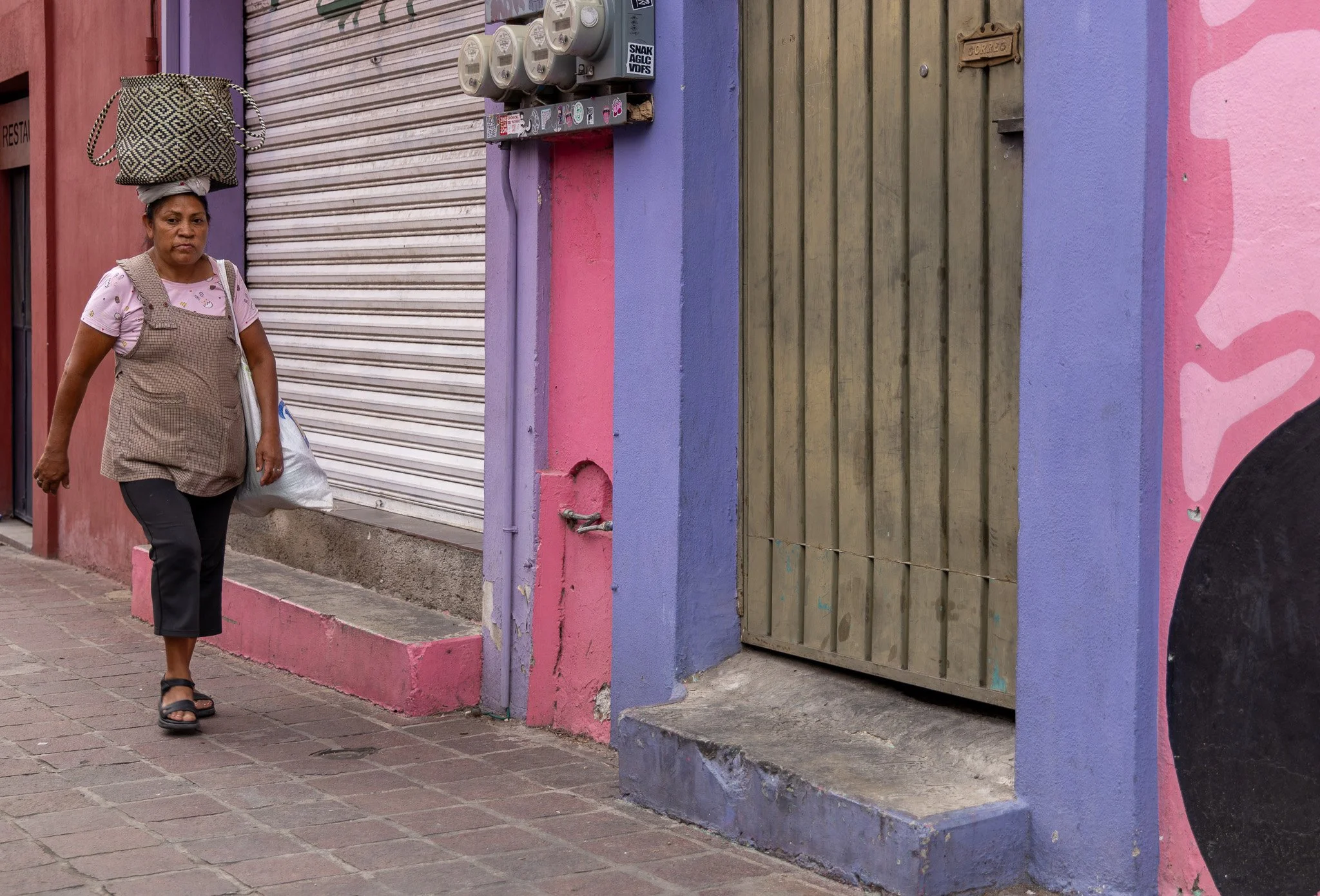
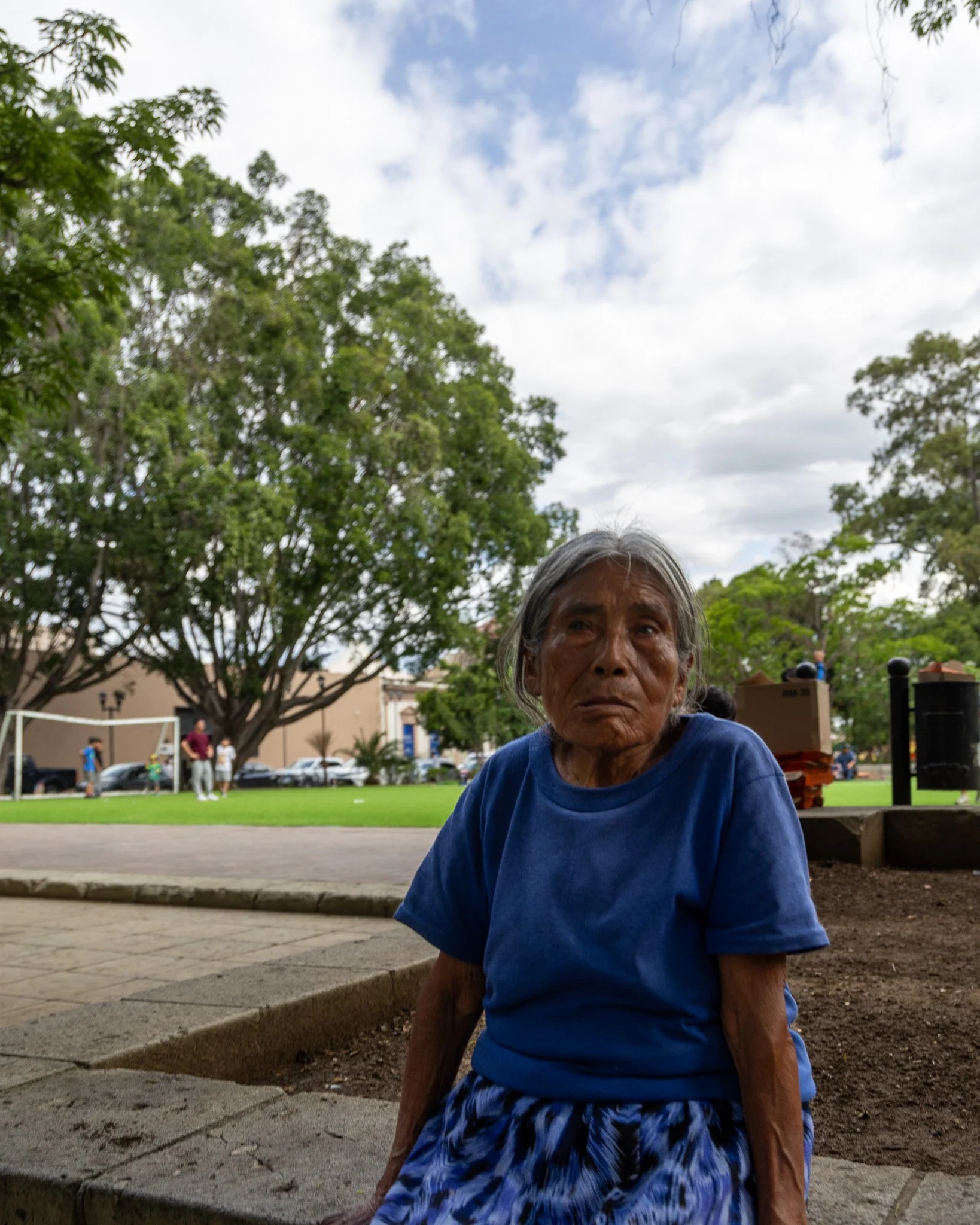
If street photography is part of why you shoot, Oaxaca is one of the strongest cities in Mexico for it. Nothing here is staged for visitors. The markets are working markets, the churches are active parishes, and more than once on this trip, a brass band or a procession came around a corner with no warning at all. That unpredictability is a big part of the appeal, and it means the best street shots here are often the ones you did not plan for.
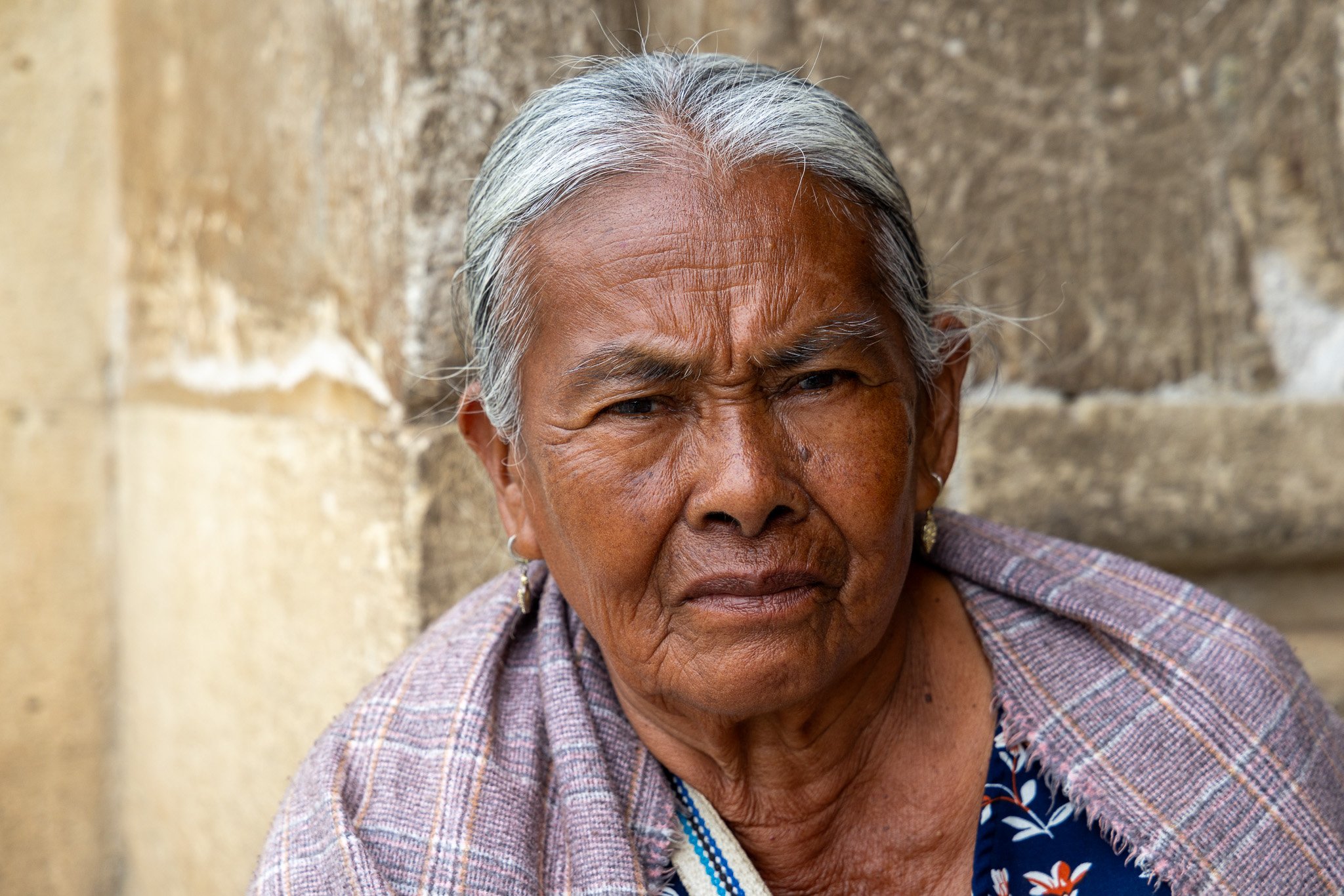
The Zócalo and Alcalá pedestrian street are the easiest places to start, especially in the evening, once the cathedral lights up and the café tables fill in. The markets reward a mid-morning visit, when the stalls are fully stocked, but the crowds have not peaked yet. Jalatlaco is the slower option, a quieter barrio where wandering without a fixed plan tends to pay off more than a route ever would.
A 35mm or 50mm prime is the natural choice here, close enough to work intimately without disappearing into the scene. Ask before photographing anyone directly; a nod and a smile usually gets you a yes, and it is both good manners and, technically, the law in Mexico. Photographing the general scene, the color, light, and texture of a place, without a specific person as the subject, is generally uncontroversial, and it is where most of the strongest Oaxaca street photography actually happens.
Festivals & Events
Beyond the festivals with fixed dates below, Oaxaca has a spontaneous, ongoing festive energy that caught me off guard. Over just a handful of days we ran into parades and street celebrations again and again, with no way to predict them and no need to look for them. A brass band and a procession would come around a corner with zero warning, more than once during our trip. It gives the city a constant undercurrent of celebration that's worth knowing about even outside the specific dates below, since you may well end up photographing something you never planned for.
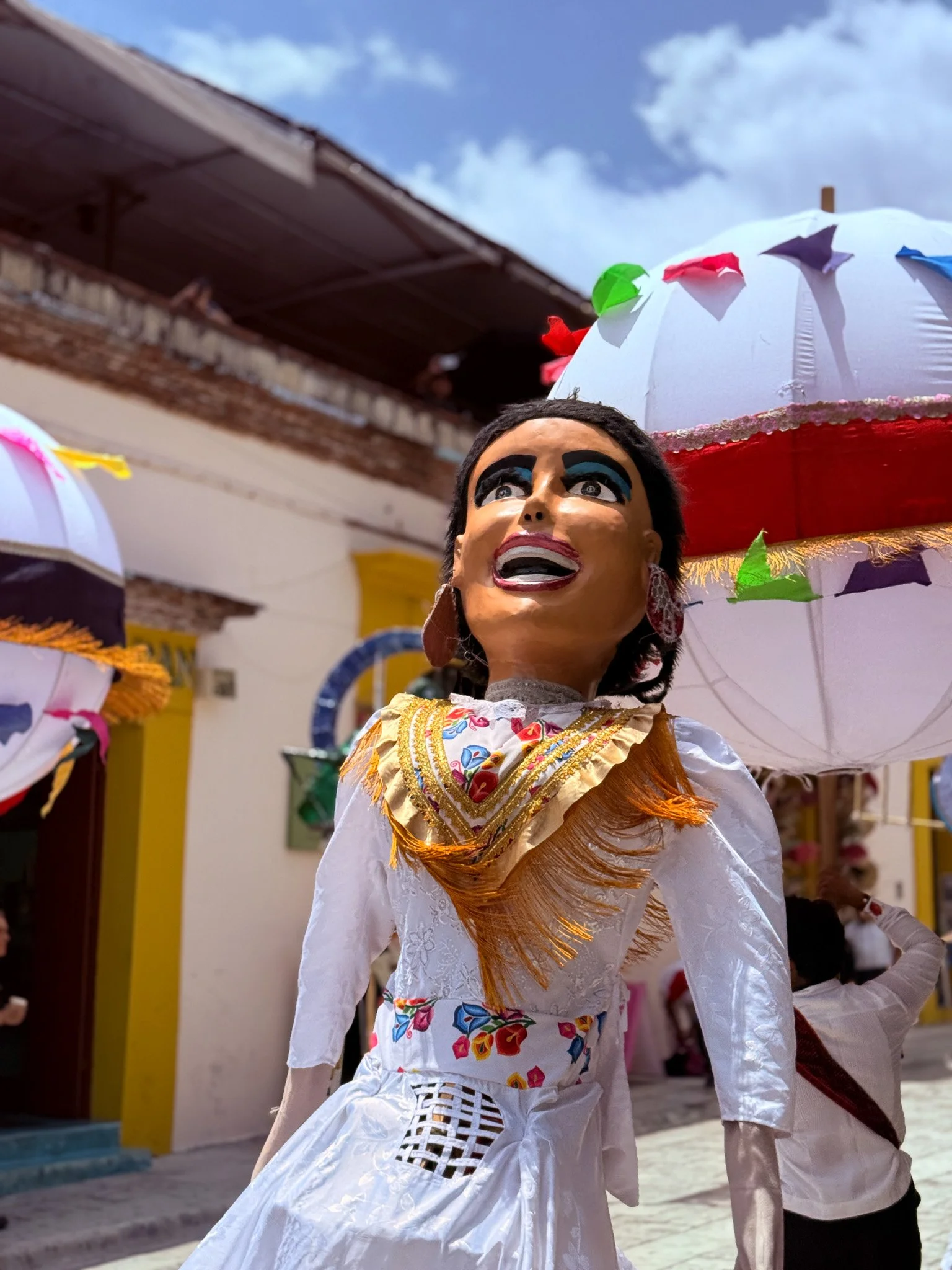
Guelaguetza (July). Oaxaca's largest cultural festival, bringing folkloric dance, music, and traditional dress from across the state's regions to a hillside amphitheater. Extraordinary color and pageantry, but book accommodations well ahead, and note that flash photography and filming are typically restricted during the dance performances. Photograph between numbers, not during them.
Día de los Muertos (late October into early November). The city's most photographed season: marigold-covered altars, candlelit cemetery vigils, comparsa parades through neighborhoods like Jalatlaco, and sand tapestries filling the plazas. This is a season of genuine mourning and remembrance as much as celebration. Always ask before photographing individuals, especially at cemetery vigils, and avoid flash entirely in these settings. Photographing flowers, altars from a respectful distance, and public parade scenes is generally welcome; photographing grieving families up close without asking is not.
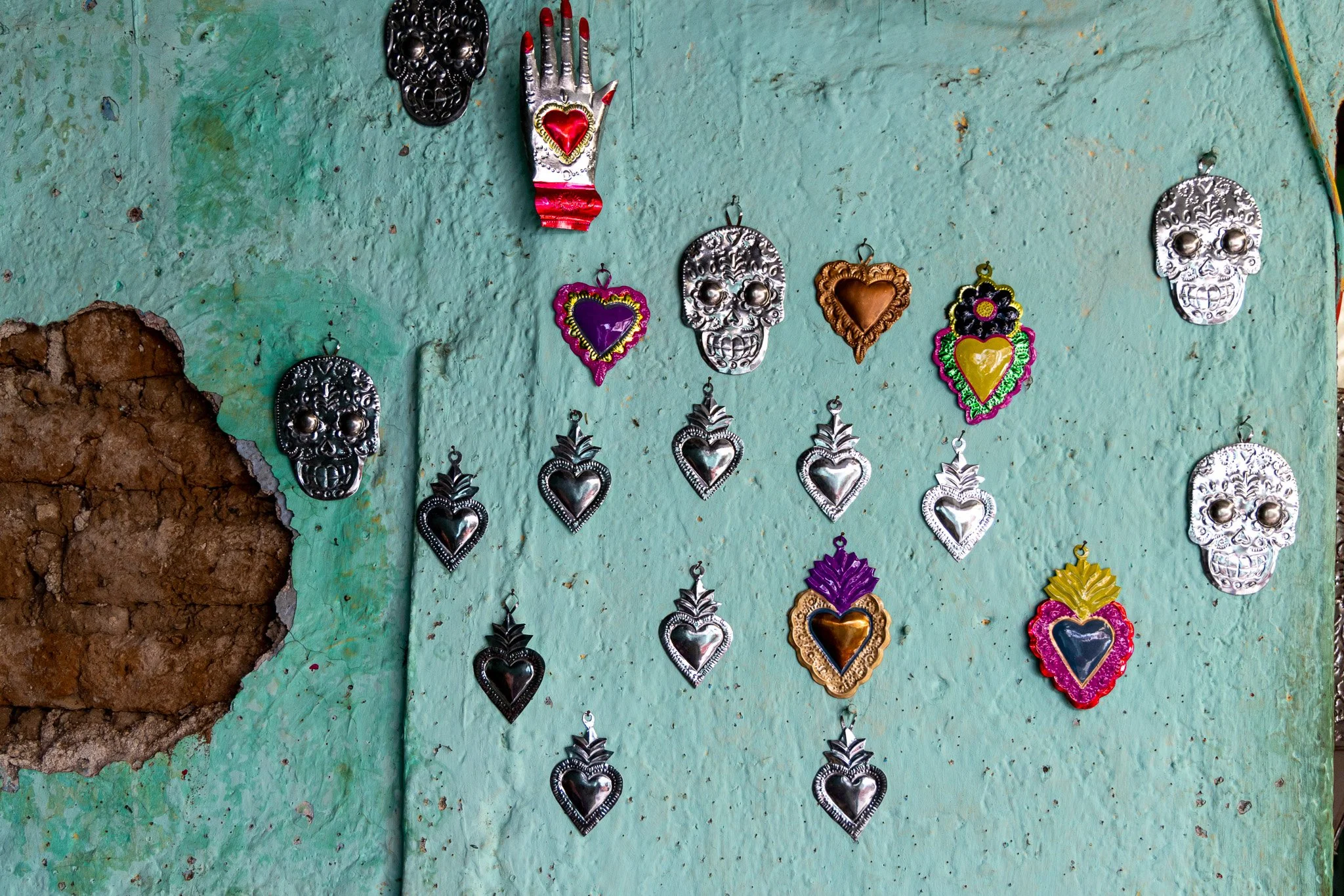
One thing that stands out visually in Oaxaca more than almost anywhere else in Mexico is how many skulls, or calaveras, you see everywhere during this season, painted on faces, molded from sugar, printed on bread, stenciled on walls. The imagery goes back to Aztec and Zapotec beliefs that death is not something to fear or hide from, it is simply part of the same cycle as life, which is why calaveras are so often shown dancing, playing instruments, or dressed in fine clothes rather than looking grim. Oaxaca leans into this more heavily than most Mexican cities because the state has such deep, continuous indigenous Zapotec and Mixtec roots, so the imagery here feels lived-in rather than commercialized. For a photographer, that means the skull motifs you will find on altars, murals, and street stalls carry real cultural weight, not just decoration for tourists.
Noche de Rábanos, Night of the Radishes (December 23). A genuinely strange and wonderful local tradition dating to 1897, in which artisans carve giant radishes into elaborate scenes displayed in the Zócalo. Free, entirely local, and unlike anything else on a Mexican festival calendar. Arrive by late afternoon, since the viewing queue grows long after dark.
Frequently Asked Questions
Is it safe to drink the water?
No. Stick to bottled or filtered water, which is easy to find everywhere in the city. Tap water is not safe to drink.
What type of electrical plugs are used in Mexico?
Mexico uses Type A and B plugs, the same as those in the United States, running on 127V. If you are traveling from Europe or anywhere else on a different standard, bring an adapter.
How many days should we stay in Oaxaca?
At least three or four. That gives you enough time to properly enjoy the city itself, plus Monte Albán, the artisan villages, and a mezcal distillery or two, without feeling rushed.
Is Oaxaca known for its food?
Absolutely. It is considered one of Mexico's culinary capitals, known for mole, mezcal, tlayudas, and dishes built on local chilies and spices that carry real heat. If you are not used to bold, spicy food, pace yourself the first day or two so the rest of the trip stays comfortable. You can also explore my full picks in the Where to Eat section above.
What currency is used, and should we bring cash?
Mexico uses the peso, MXN. Cards work at some restaurants and shops, but cash is essential at the markets and for taxis, which do not take cards. Bring pesos with you or withdraw from an ATM in the Centro. A few reliable spots: Macedonio Alcalá 201 Int. 105 at Andador Turístico, Manuel García Vigil 106 Interior J, and Hidalgo 916 at Centro SCT Oaxaca.
What language do people speak in Oaxaca?
Spanish is the official language, but Oaxaca is Mexico's most linguistically diverse state, home to sixteen officially recognized indigenous languages. Zapotec and Mixtec are the most widely spoken, especially in the villages outside the city, and you'll see both reflected in local place names and cultural traditions.
Do I need to speak Spanish to visit?
No, but a little goes a long way. English is common in hotels and in restaurants that see regular tourism, but it thins out quickly at the markets and in smaller family-run spots. Learning a handful of basic phrases, greetings especially, will noticeably improve how people respond to you, on the street and behind a lens.
What's the best way to get to Oaxaca?
Most travelers fly into Oaxaca International Airport (OAX) with a connection through Mexico City, a flight of roughly one to one and a half hours. The overland option is an ADO bus from Mexico City, comfortable but long, typically six and a half to seven and a half hours. For a first trip, flying is the easier call.
Should I tip in Mexico?
Yes. Tipping is a standard and expected part of the service economy here. Ten to fifteen percent is typical at sit-down restaurants for good service, more for exceptional service, and check your bill first for "propina incluida" or "servicio incluido," since some restaurants already add it. Guides, hotel staff, and tour operators are tipped as well; cash is always appreciated over card.
Final Thoughts
I came home with somewhere around two thousand photographs, and I still feel like I only scratched the surface. A city built from pale green stone, filled with color that has nothing to do with tourism and everything to do with how people actually live here, is exactly the kind of place that rewards a camera and a little patience, and Oaxaca delivered on every single day of the trip.
Oaxaca is a fantastic, genuinely interesting city, and I would recommend a stay of three to five days to do it justice. The food alone is worth the trip, and there is so much to see and photograph between the ruins at Monte Albán, just twenty-five minutes outside the city, the churches, and the markets. Next time, I want to make it out to Hierve el Agua for the petrified waterfalls, something I did not get to on this trip.
I also want to mention how safe the city felt. I walked around alone in the early mornings more than once and never once felt uneasy. People were consistently kind, and it is a place where a stranger will greet you with a simple buenos días or buenas noches on the street. I would recommend Oaxaca to anyone without hesitation.
If this is your first trip too, do not overplan it. Walk the Centro before you do anything else. Let the markets and the churches set the pace. The rest will follow.
If you are interested in joining one of my photography workshops, you can find the details through the link. You can also follow along on Instagram, Facebook, or subscribe to my newsletter for more travel photography tips and behind-the-scenes insight.
My Photography & Travel Guide to Turks & Caicos. If Oaxaca has you thinking about the rest of the region, Turks & Caicos is the other end of the spectrum entirely: white sand, turquoise water, and a much slower pace than anything you will find in the Centro.
My Photography & Travel Guide to Costa Rica. Cloud forest, coastline, and wildlife on the other side of the isthmus, a natural next stop for anyone building out a broader Latin America itinerary.
My Photography & Travel Guide to Quito, Ecuador. A high-altitude colonial capital with its own extraordinary church interiors and street life, a strong companion piece to Oaxaca's own colonial architecture.
Finally—a beginner-friendly photography guide that makes sense.
If you've ever picked up a camera and thought, "Now what?" this is the book for you.
Photography Made Simple is written for adults who are just starting out and want a clear, encouraging, real-world approach to learning photography. Whether you're using a DSLR, mirrorless, or just your smartphone, this guide walks you through the basics—without the jargon or tech overwhelm.
Inside, you'll learn:
The only camera settings you really need to know to get started
How to shoot sharper, more intentional photos using light and composition
Simple tips for portraits, landscapes, travel, and everyday life
What gear you do (and don’t) need
How to create better photos without upgrading your camera
You’ll also get practical exercises, cheat sheets, and tips for organizing and editing your images—plus the confidence to shoot off Auto Mode for good.
This is not a textbook. It’s a friendly guide to seeing the world with fresh eyes—and finally capturing what you see the way you imagine it.
📸 Format: PDF download
Pages: 100+
Perfect for: Beginners, hobbyists, and anyone ready to take better photos without the stress