Turks & Caicos Travel & Photography Guide: Best Photo Spots, Things to Do & Hidden Gems
There are places you visit for culture. There are places you visit for adventure. And then there are places you visit just to breathe.
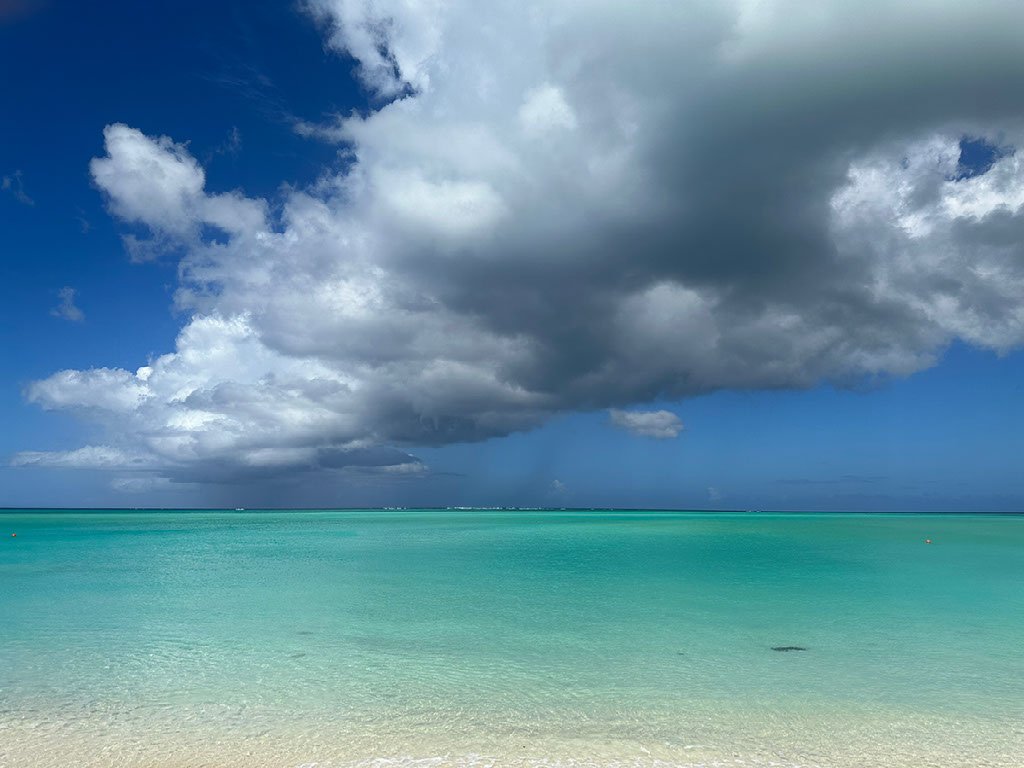
The Turks and Caicos Islands are that third kind of place. When my wife and I landed at Providenciales International Airport on a February afternoon, the stress of daily life started dropping away before we even collected our bags. A short drive to the marina, a 35-minute boat ride across water so impossibly blue it looked like someone had turned up the saturation in Lightroom, and we arrived at Parrot Cay. That was it. We did not leave for six days, and I have not stopped thinking about it since.
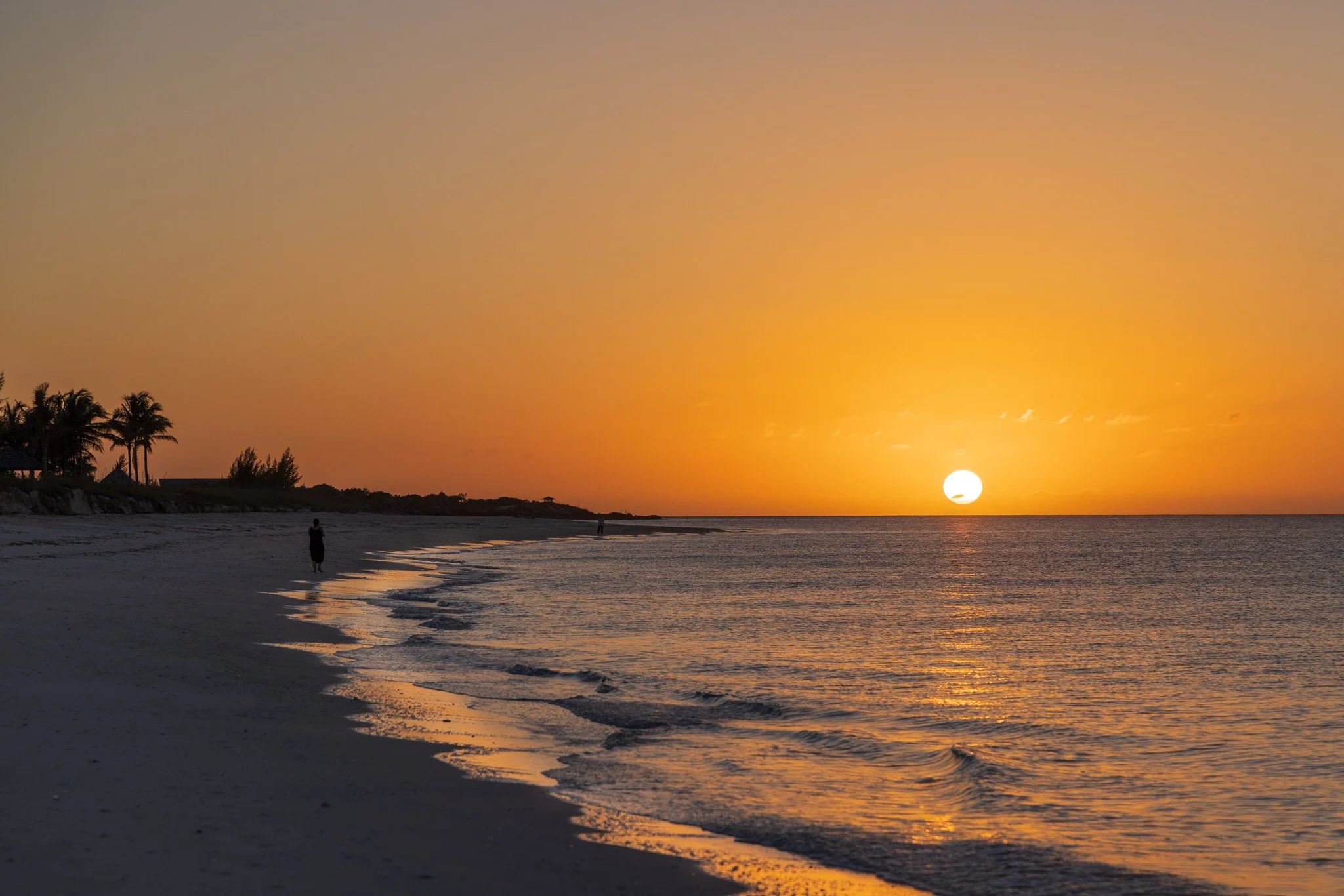
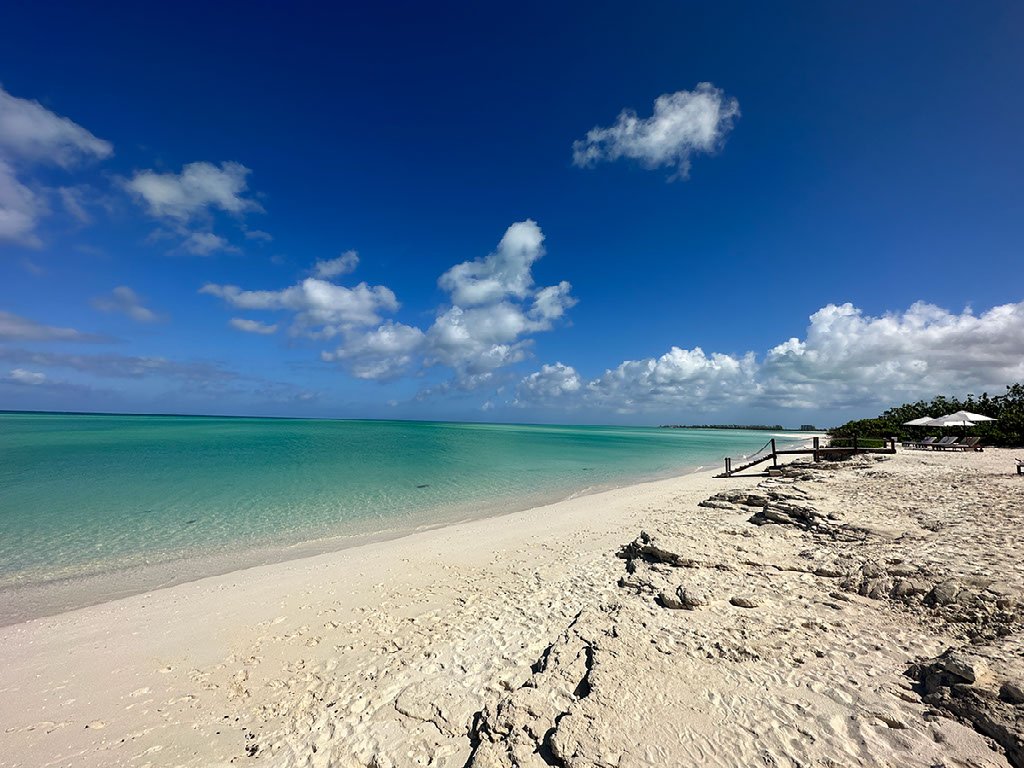
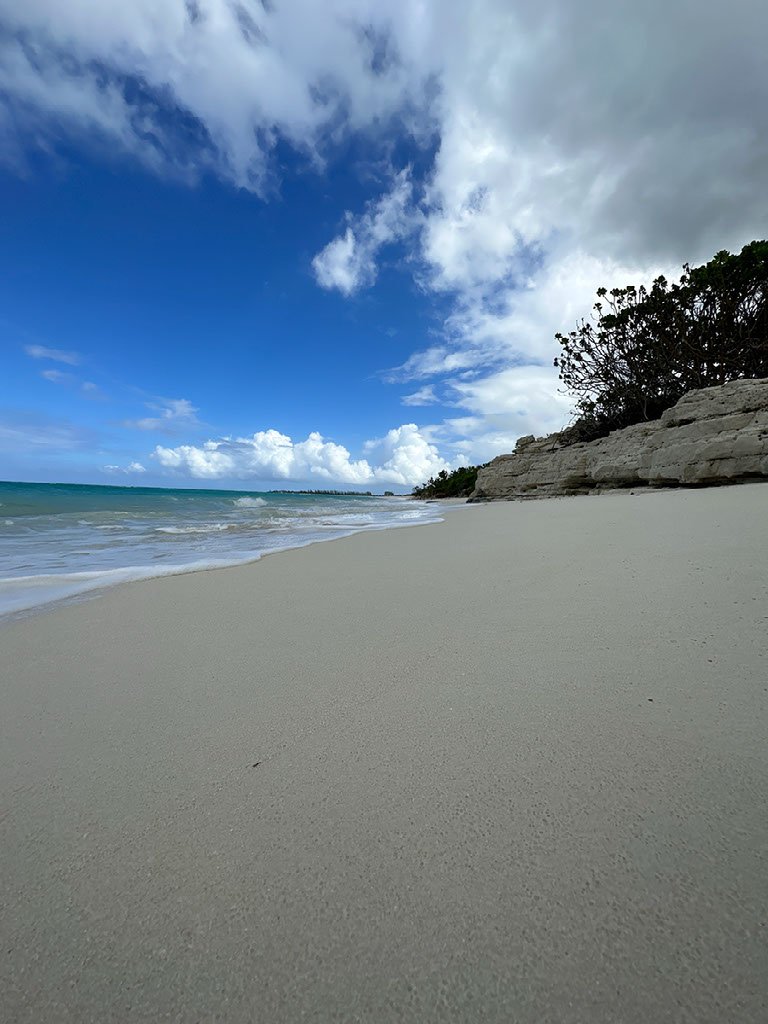
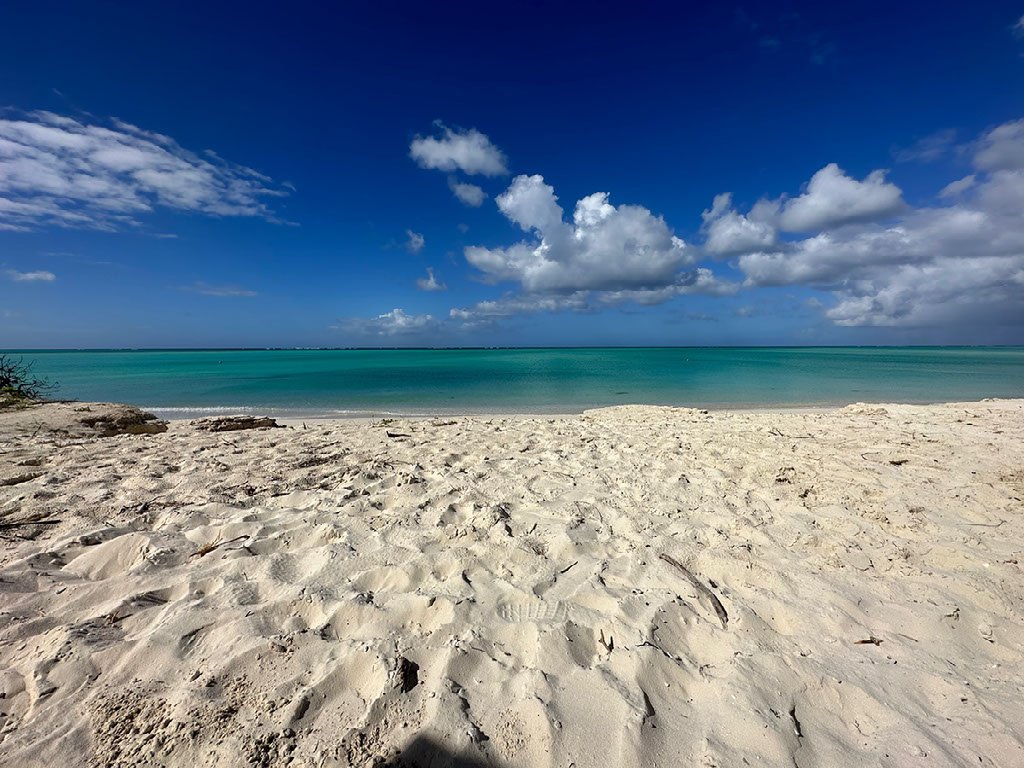
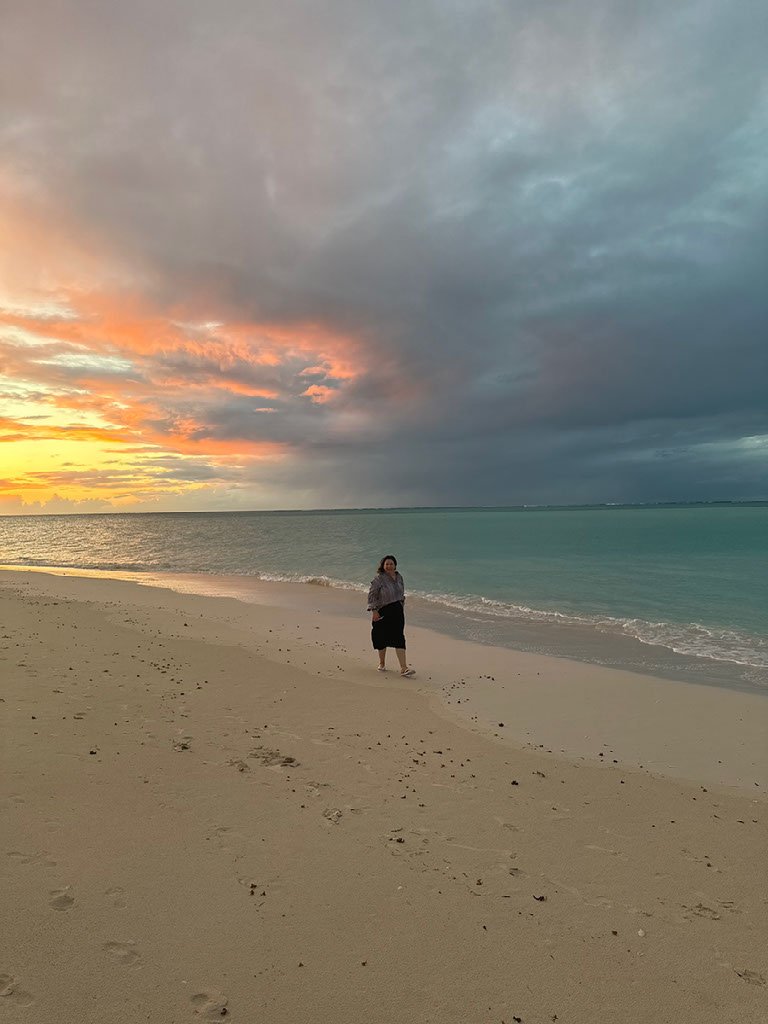
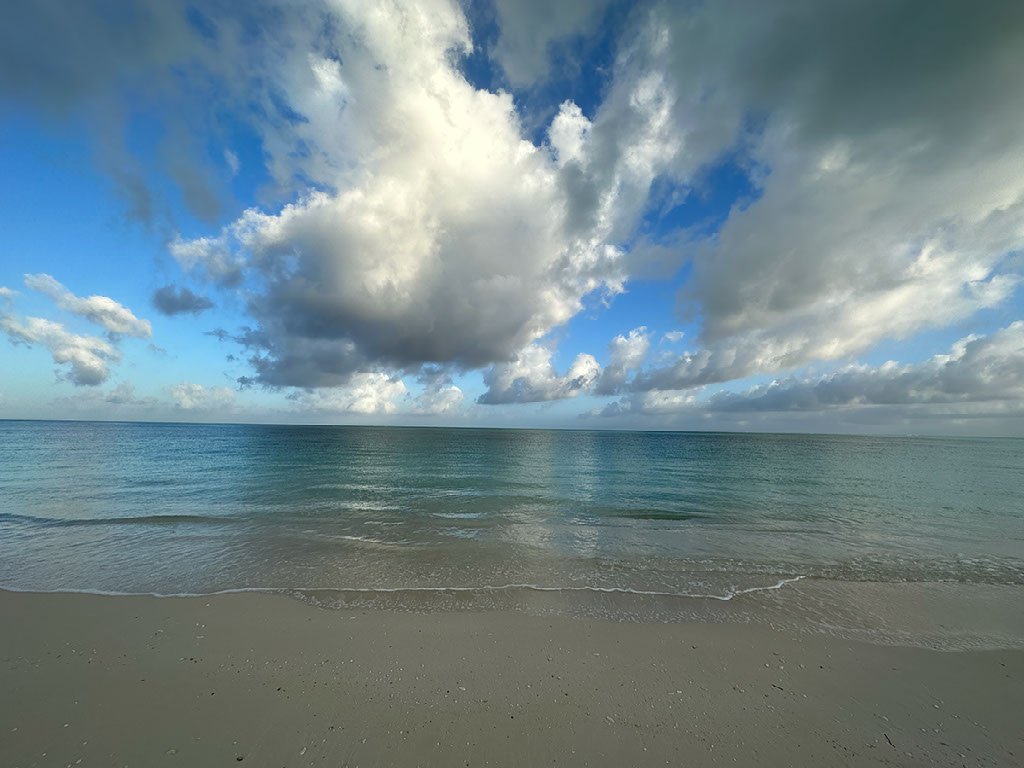
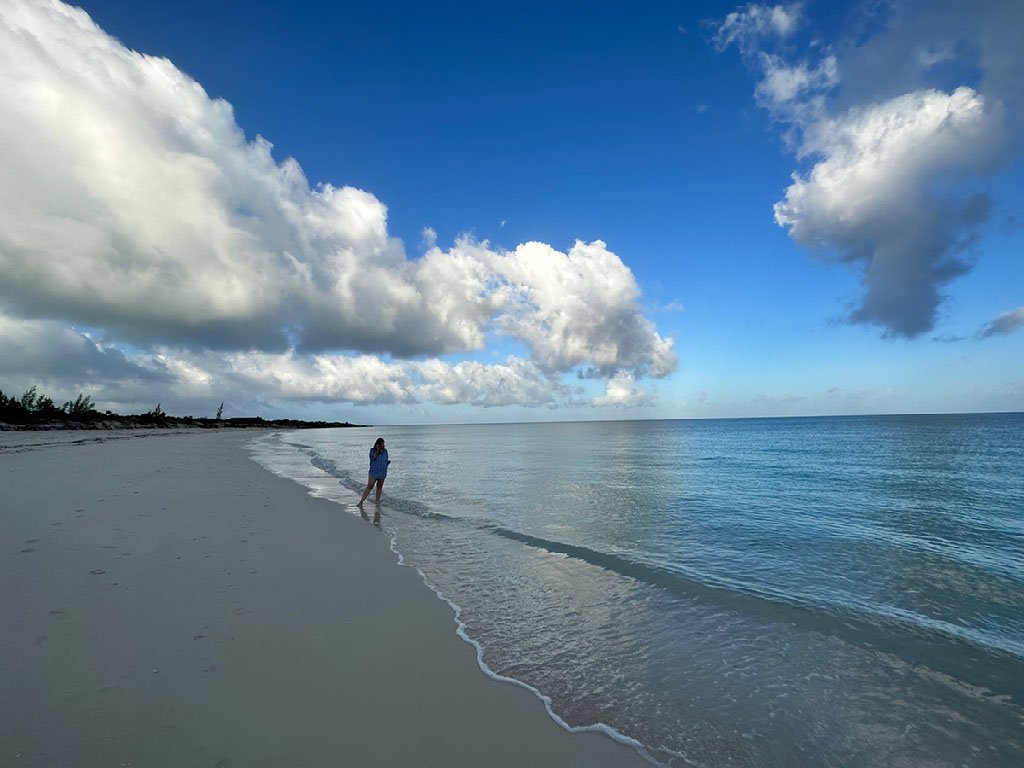
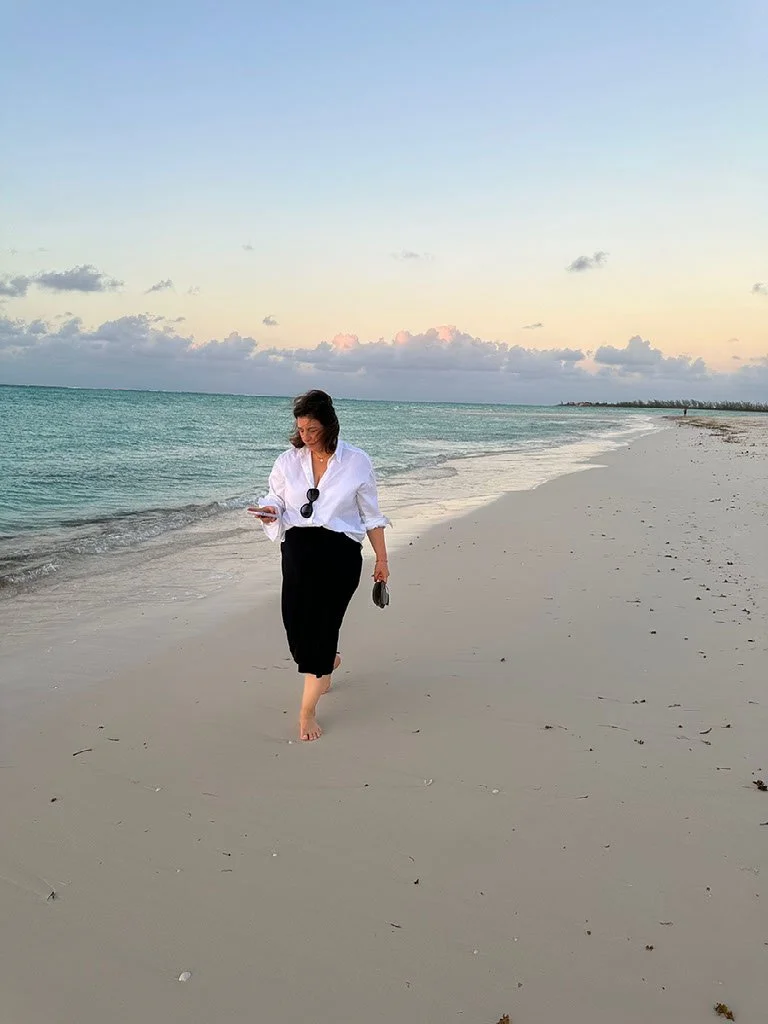
Parrot Cay is a private island in the Caicos chain, sitting between Providenciales and North Caicos. The entire cay spans roughly 1,000 acres, and the only thing on it is COMO Parrot Cay Resort, a handful of private residences, and four miles of soft white sand. No cars. No beach vendors. No noise. For a photographer, those conditions are extraordinary. You wake up at sunrise, walk five minutes to the beach, and the horizon belongs entirely to you.
This is not a guide to every corner of the Turks and Caicos. I am not going to pretend I explored Grace Bay restaurants or photographed downtown Cockburn Town. My experience is Parrot Cay, and I am going to give you everything I know about this island and why it deserves a place on your travel list, whether you are carrying a Canon R5 Mark II or shooting with an iPhone.
In this Photography Guide to Parrot Cay and the Turks & Caicos Islands, I share the places and experiences that continue to draw me back. You will find my favorite photography locations, guidance on when and where to shoot, practical travel tips, and gear recommendations, along with insights to help you explore and photograph Parrot Cay with confidence, intention, and ease.
Photographer's Notes
Before you go, here are my own takeaways.
Favorite Season: February through April
Favorite Spot: The beach, walking distance from the villa, entirely yours at sunrise
Favorite Hotel: COMO Parrot Cay
Favorite Restaurant: The Terrace
Favorite Lens: 15-35mm f/2.8
Would I Return? No hesitation.
When To Go to Turks & Caicos
February through April is the sweet spot for the Turks and Caicos. Daytime temperatures sit between 70 and 78°F with low humidity and a steady trade wind that keeps things comfortable from sunrise to well after sunset. The air is clear, the water is at its most saturated turquoise, and the light at golden hour is soft and refined rather than hazy.
For photography specifically, winter and early spring give you the cleanest conditions. The low-angle morning light hits the water at a beautiful angle for long exposures, and you can shoot comfortably for hours without battling heat or afternoon thunderstorms.
May through August bring warmer temperatures, higher humidity, and occasional heavy afternoon storms. The water color is still extraordinary, but the sky can turn grey quickly, and the humidity makes early morning shoots more demanding.
Hurricane season runs from June through November, with September and October as the highest-risk months. Many photographers and travelers target late November and December as a shoulder season option: the islands are quieter, light is still excellent, and prices are slightly lower than peak season.
Bottom line: Book February through April if you want the best light and the most reliable weather. Book early. This is not a destination that has a slow season in the traditional sense.

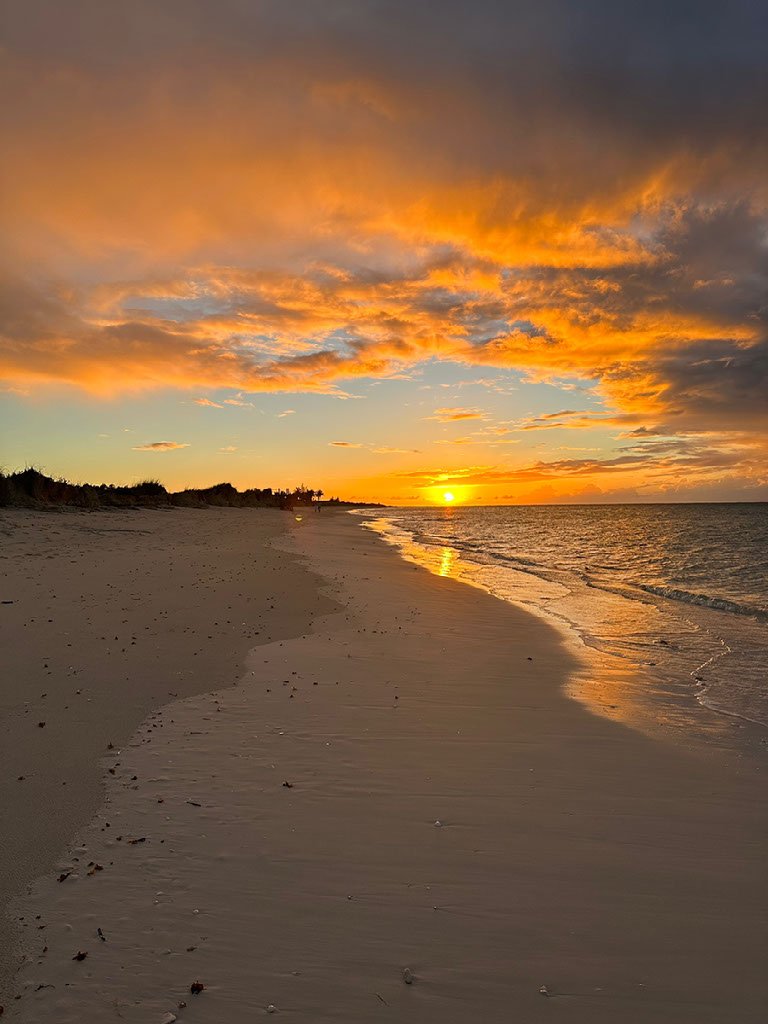
The Empty Beaches on Parrot Cay
Where to Stay in the Turks & Caicos
COMO Parrot Cay
This is where we stayed, and I will not pretend to be neutral about it. COMO Parrot Cay is one of the finest resorts I have stayed at in 75 countries and more than two decades of travel. If you can get here, do it.
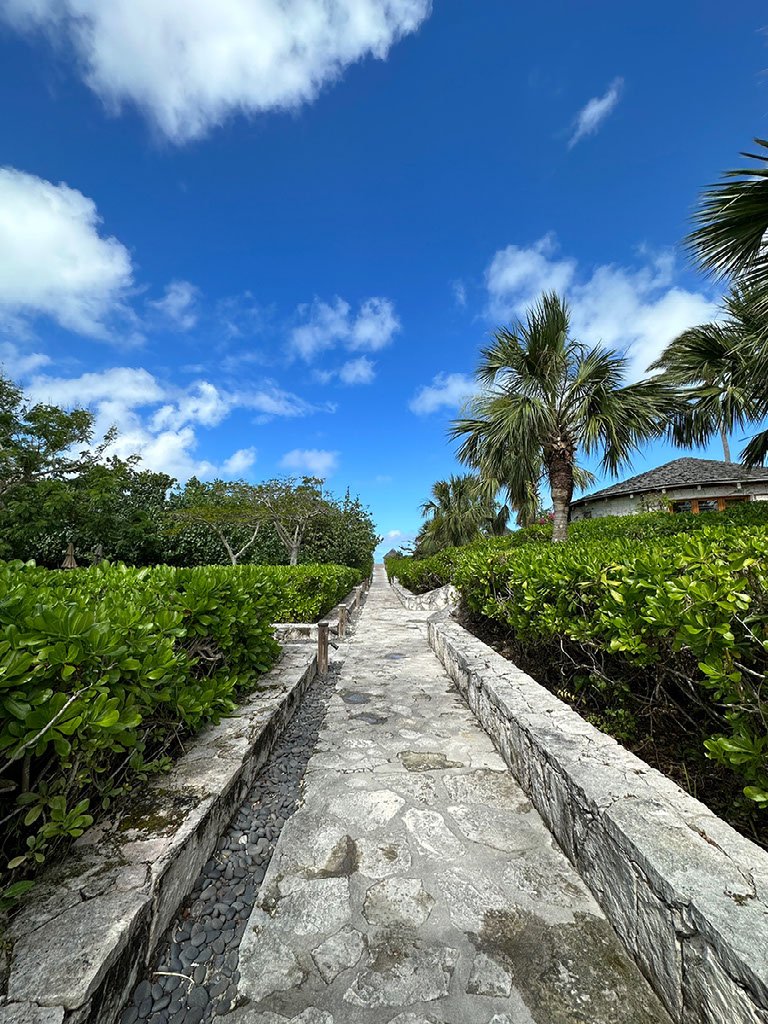
The property sits on its own private island and has been recognized by Condé Nast Traveler for having one of the most tranquil spas in the world. The spa therapists come primarily from Bali, and the treatments are genuinely exceptional. But it is the environment that sets this place apart: whitewash interiors with warm teak finishes, beachside villas and houses with private pools, and an overall sense of calm that you feel within an hour of arriving.
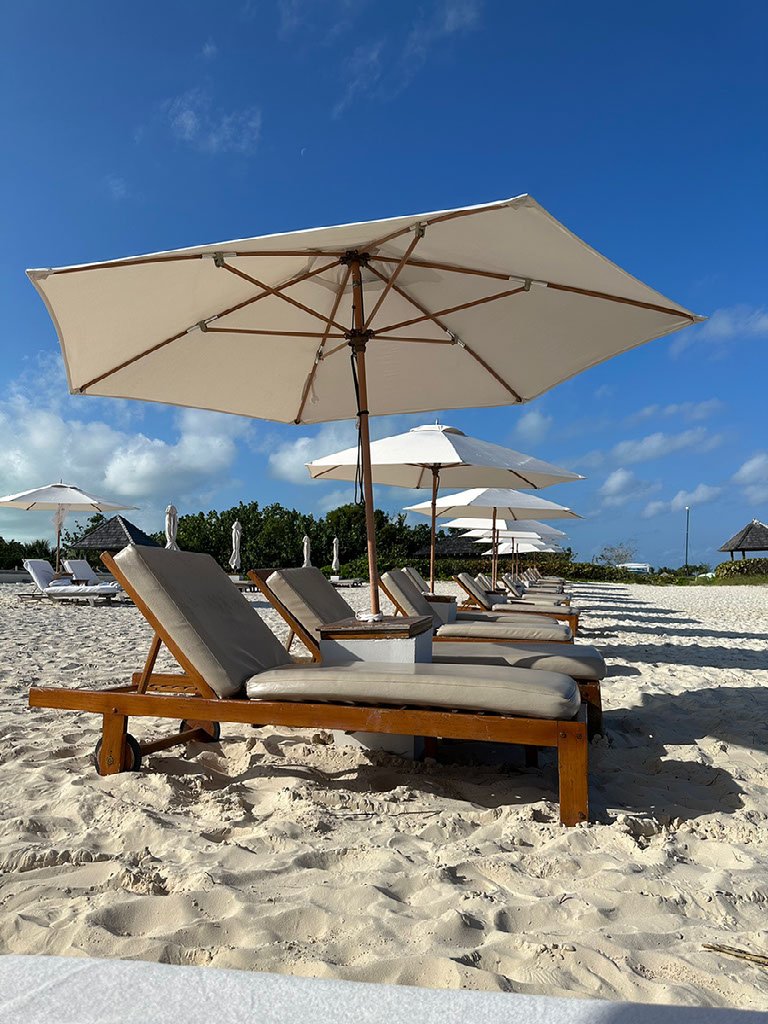
For photographers, the value is in the space. Walk in any direction along the beach and you will find clean compositions, uninterrupted water lines, and light that changes slowly and beautifully across the day. No one is rushing you. No one is trying to sell you a boat tour.
The two restaurants serve a rotating menu of Caribbean, Mediterranean, and Southeast Asian dishes, along with the COMO Shambhala wellness cuisine featuring organic ingredients. Do not skip the homemade coconut sorbet. That is all I am going to say about that.
Arrival: After landing at Providenciales International Airport (PLS), a COMO representative meets you at the terminal and escorts you to the private marina. From there, it is a 35-minute boat transfer across open turquoise water to the island. Staff meet you at the pier and take you to your villa by golf cart. The whole arrival sequence feels cinematic, and it sets the tone for the stay immediately.
Accommodation ranges from rooms and suites in the main resort building to beachside houses and villas with private pools. Guests and staff get around on foot, by bicycle, or on golf carts.
Best for: Couples, photographers who want to slow down, anyone who needs to genuinely disconnect.
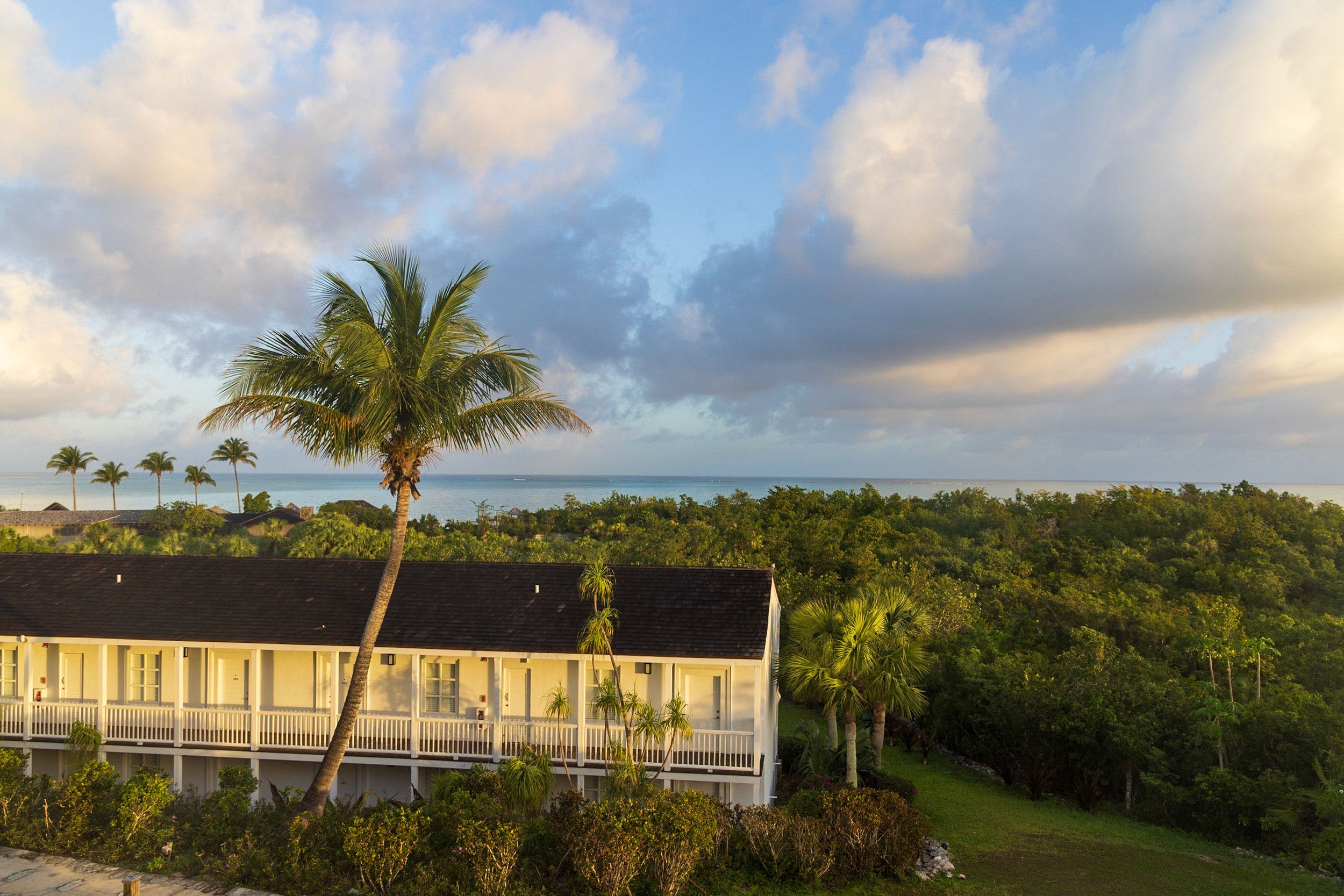
The whole process is seamless. Because COMO Parrot Cay is on a private island, the atmosphere is calm and secluded. There are no cars or people trying to sell you things on the beach. Guests and staff get around on foot, by bicycle, or on a golf cart.
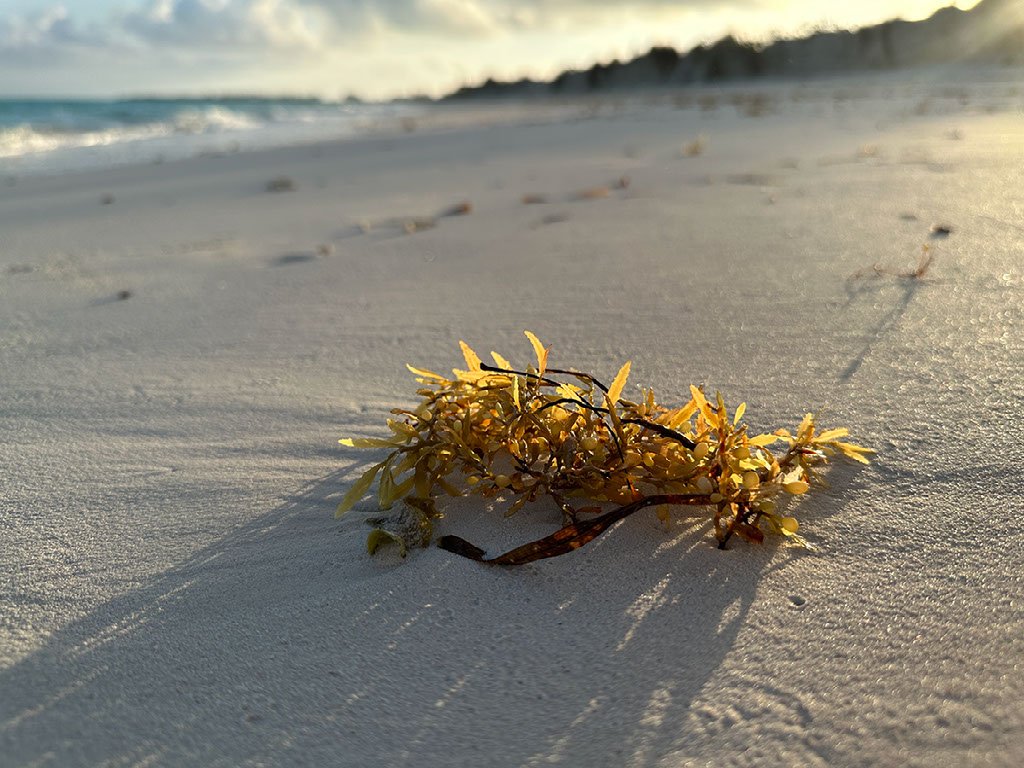
The island became known for its celebrity residents, including fashion designer Donna Karan, Christy Brinkley, and the late Bruce Willis, who purchased homes and villas here over the years.

Words cannot describe how peaceful and relaxing this resort is. Pure bliss.
They have also won awards for having the “most tranquil spa” by Condé Nast Traveler magazine. The spa is known for the quality of its therapists, most of them from Bali. The resort also offers yoga, pilates, and meditation classes.
Other Hotels on Providenciales
If you want to combine Parrot Cay with time in Providenciales, here are three strong options on the main island. I have not stayed at these personally, but they are well-regarded across the industry.
Luxury:
Grace Bay Club — long-running Grace Bay institution, adults-only suites, direct beach access
The Shore Club — newer property, three pools, popular with a younger crowd, strong photography access along the Grace Bay stretch
Mid-Range / Boutique:
Wymara Resort and Villas — well-positioned on Grace Bay, spacious villas, solid service reputation
Sibonné Beach Hotel — smaller, more intimate, sits right on the beach; good value anchor for a longer trip
How Many Days to Visit the Turks & Caicos
For Parrot Cay alone: Five to seven nights is the right call. This is not a rush-and-check destination. The whole point is to slow down, and the best photographs come on day three or four when you stop trying to capture everything and start noticing the small things: the way the tide changes the color of the sand at low water, the pelicans working the channel just before sunrise, the texture of the mangroves along the back side of the island.
For a combined trip (Parrot Cay + Providenciales): Eight to ten days gives you depth. Spend five nights at COMO and add three days on Provo to explore Grace Bay, rent a car, and photograph the more accessible beaches like Leeward and Chalk Sound.
If you only have four or five days total, go directly to Parrot Cay and do not divide your time. A focused stay on the private island will produce better images and a better experience than spreading yourself thin.
Dining On Parrot Cay at COMO
All dining at COMO Parrot Cay takes place at two restaurants on the property.
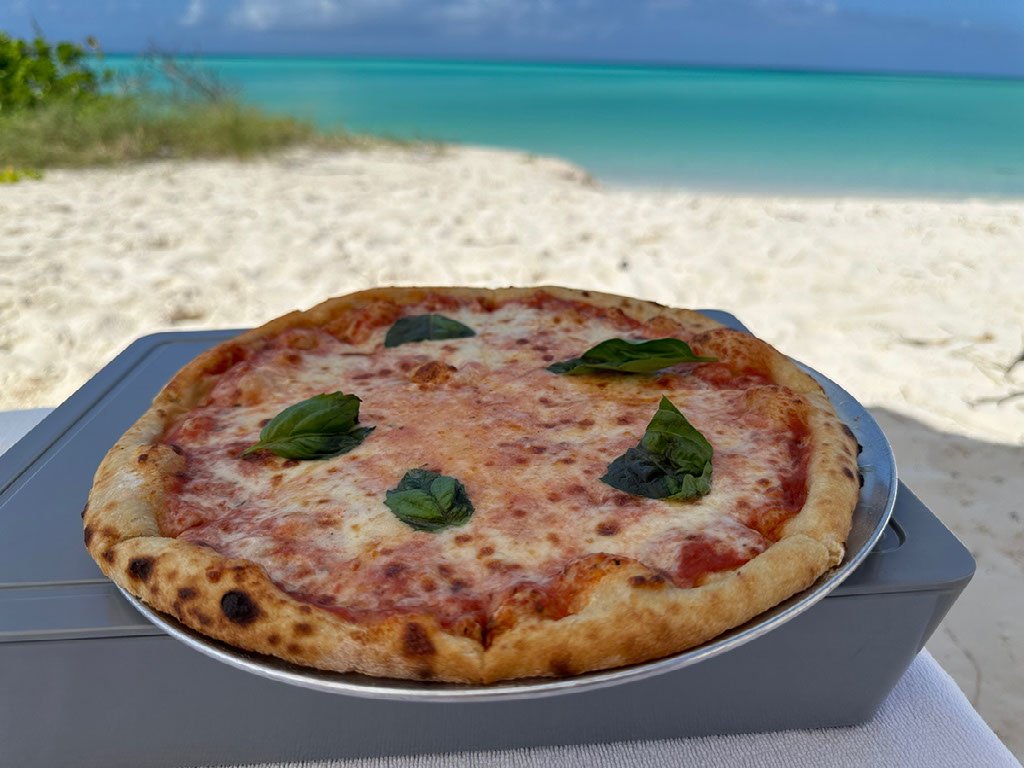
The Terrace — The main dining room, open for breakfast, lunch, and dinner. The focus is Mediterranean with an Italian lean, and the setting looks out over the ocean and the island's landscaped interior. Breakfast here, with the morning light coming off the water, is worth waking up early for.
Lotus — Caribbean-focused at lunch, shifting to Southeast Asian at dinner. The seafood specials are the standout. The Balinese-influenced dishes at dinner reflect the wellness philosophy of the whole property.
Both restaurants also offer the COMO Shambhala Cuisine menu, which means organic, wholesome dishes designed around the spa and wellness program. The smoothies at breakfast are better than anything you will find at any juice bar back home. And again: the coconut sorbet. Do not leave without it.
For coffee and editing: The Terrace is perfectly set up for post-breakfast editing sessions. The WiFi is reliable, the light is good, and no one rushes you. Bring your laptop and plan an hour of editing after your sunrise shoot. It is one of the better morning routines I have built on any trip.
On Providenciales
If you base yourself on Provo for part of the trip, these are worth your time.
Coco Bistro — Set beneath palm trees with a garden atmosphere that photographs beautifully at night. Caribbean-focused menu, strong seafood, consistently recommended as one of the best dinner experiences on the island.
Somewhere Café and Lounge — Relaxed beachfront spot on Grace Bay with strong breakfast and lunch options and views directly over the water. A natural base for morning editing between beach shoots.
Kalinago — More upscale, well-regarded for fresh fish and a refined take on Caribbean cuisine. Good for a special-occasion dinner.
Seven Stars Resort Restaurant — Solid all-day option with direct beach access, good coffee, and a terrace that works well as a midday editing spot when the light is too harsh for shooting.
Photography Gear to Bring to Turks & Caicos
DSLR / Mirrorless Kit
The Turks and Caicos is a landscape and seascape destination above all else. The subjects are simple: water, sky, sand, light. Bring gear that handles those subjects well and does not slow you down.
Camera body: The Canon EOS R5 Mark II is my go-to here. The dynamic range handles the bright Caribbean sky without blowing out the highlights, and the burst mode lets you capture the precise moment a wave shapes itself against the sand. The Sony A7R V and Nikon Z8 are equally capable. All three perform well in the high-contrast light of a tropical sunrise.
Lenses:
Wide (15-35mm f/2.8): The workhorse lens for this destination. Beach compositions, sky-to-sand shots, and environmental portraits of the resort all fall naturally into this range.
Standard zoom (24-70mm f/2.8): Useful for tighter beach shots and for the compressed look you want when shooting the water at low tide with the horizon anchored in the frame.
Telephoto (70-200mm f/2.8): More useful than you might think. Pelicans, distant sailboats, the way the channel light changes mid-water — all of these reward a longer lens. I used my 70-200 more on Parrot Cay than I expected.
Tripod: Essential for sunrise and blue hour long exposures on the beach. A travel tripod with solid leg locks is worth the extra weight in your carry-on.
Filters:
Circular polarizer for deepening the water color and cutting surface glare. This is the most impactful single filter you can bring to the Caribbean.
6-stop ND filter for daytime long exposures. Smooth the waves into silk during a bright afternoon, and you have images that look like they required a lot more work than they did.
3-stop ND for softer control when shooting in open shade.
Accessories:
Extra batteries and memory cards. Sunrise to sunset shooting drains power quickly in the heat.
Samsung T7 SSD for end-of-day backup.
Rain cover for your kit. Even in the dry season, afternoon squalls can arrive quickly. A cover costs almost nothing and saves your gear.
Drone:
Drones are permitted in the Turks and Caicos under TCICAA regulations, but there are real restrictions to know before you fly.
Key rules: Stay below 400 feet (120 meters), maintain line of sight, keep 160 feet (50 meters) from people, and do not fly over crowds. Commercial filming requires a permit from the TCICAA. Drones must be declared at customs on arrival and may be inspected.
More importantly, COMO Parrot Cay enforces a no-drone policy over the resort and its beaches. The property exists partly because guests pay for absolute privacy. Respect that. Private islands like Parrot Cay and Pine Cay enforce their own restrictions above and beyond national law, and they take it seriously.
If you want aerial footage of the islands, your best options are on Providenciales, away from resort zones and airport approach paths. Always check DJI Fly Safe before taking off. The small size of these islands means much of the airspace near Providenciales airport carries authorization requirements.
iPhone Advice
The Turks and Caicos is one of the best destinations I have photographed with an iPhone, and that is because the subject matter is simple and the light is extraordinary.
For water color: Shoot in the hour after sunrise with your back to the sun. The shallow water over the sandbanks reflects the sky at that angle and gives you the turquoise saturation that makes these islands famous. Use your iPhone's standard wide lens. The ultrawide introduces lens distortion at the edges that flattens the water color. Avoid it here.
For long exposures on the beach: Use a third-party app like Slow Shutter Cam or Specter Camera to capture the motion of the waves at sunrise. Set a 2-4 second exposure at low tide when the water is thin over the sand. The results are extraordinary and require no ND filter.
For the resort and architecture: Portrait Mode works beautifully on the whitewash villas and teak interiors. The separation you get from the background brings out the texture of the wood and the clean lines of the COMO design aesthetic.
Pro Tip for ProRAW users: Enable ProRAW in your iPhone camera settings before this trip. The dynamic range difference when editing a sunrise RAW file versus a JPEG is significant, especially when you are working with a bright sky and shadowed foreground sand.
Photography Ideas for Turks & Caicos
As I mentioned earlier, the Turks and Caicos Islands are made for slowing down. This is not a destination where you chase a checklist. You wander. You notice. You let the light come to you.
That said, when you are walking along an empty stretch of beach, and the sky turns soft pink over turquoise water, you will want a camera in your hand.
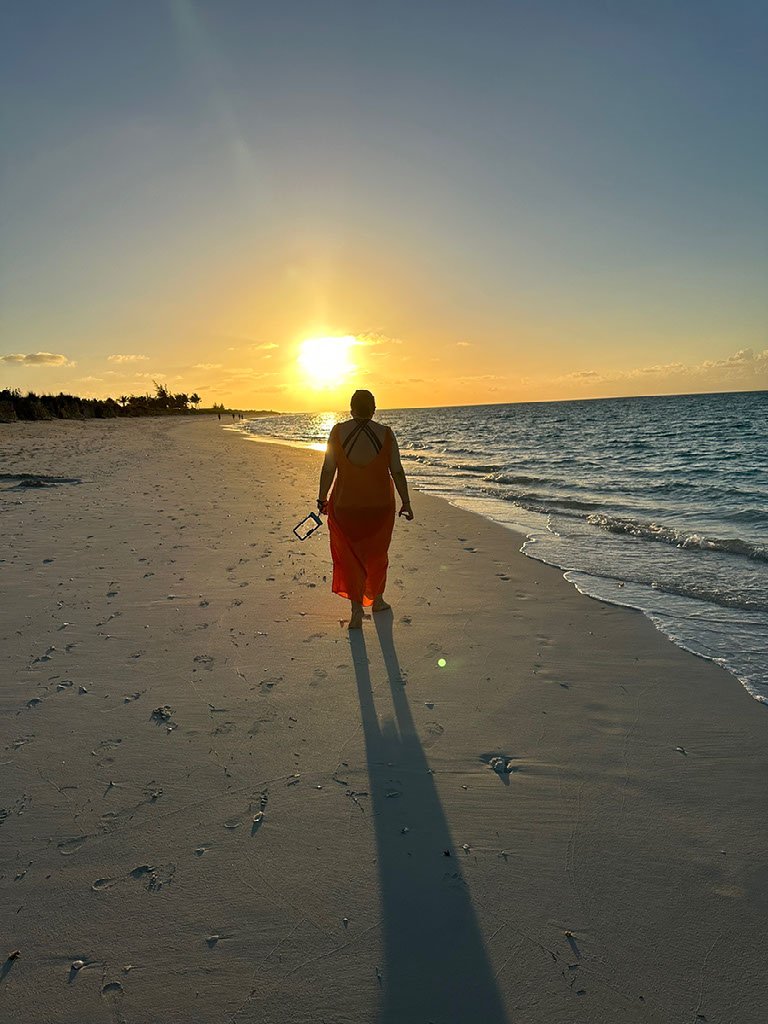
Keep it simple. I recommend one body with a 24 to 105mm lens. That range covers almost everything you will need, from wider environmental shots to tighter compositions of waves, textures in the sand, or silhouettes at sunset. Travel light. You are on vacation.
If you want to elevate your images, pack a circular polarizer. It will deepen the blues and cut glare off the water. A few neutral density filters are also useful if you want to create long exposures during the day and smooth out the ocean for a more ethereal look. A small travel tripod or Platypod can help at sunrise and sunset.
And here is the truth. The latest iPhones do an excellent job here. The dynamic range is impressive, and the colors hold up beautifully in this kind of light. I especially enjoyed using Cinematic Mode while walking down the beach. It creates a smooth, stabilized feel that almost looks like you are filming a travel documentary. If you have never experimented with it, this is the perfect place to try.
In Turks and Caicos, photography is not about complexity. It is about light, space, and simplicity. Let the landscape do most of the work.
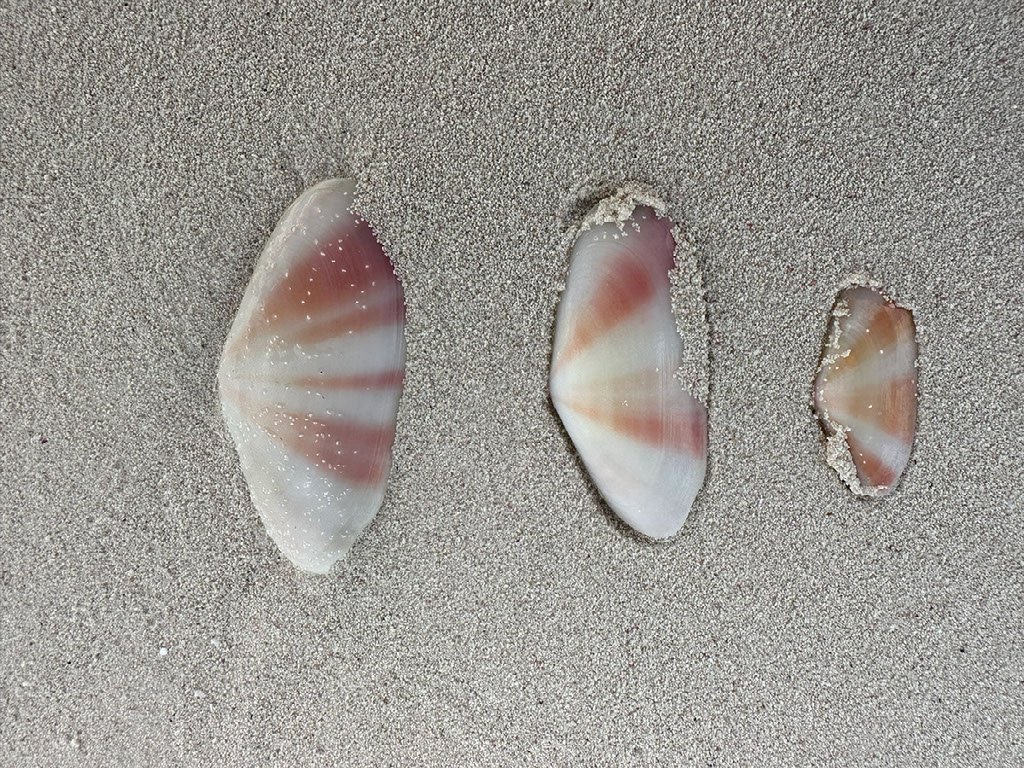
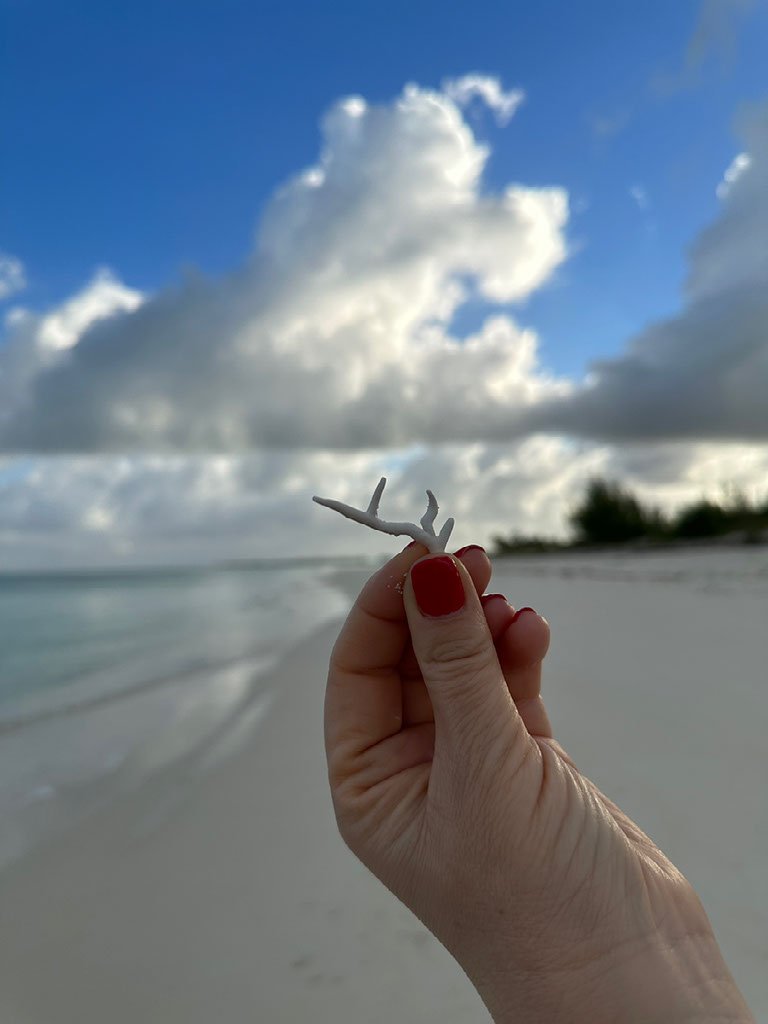
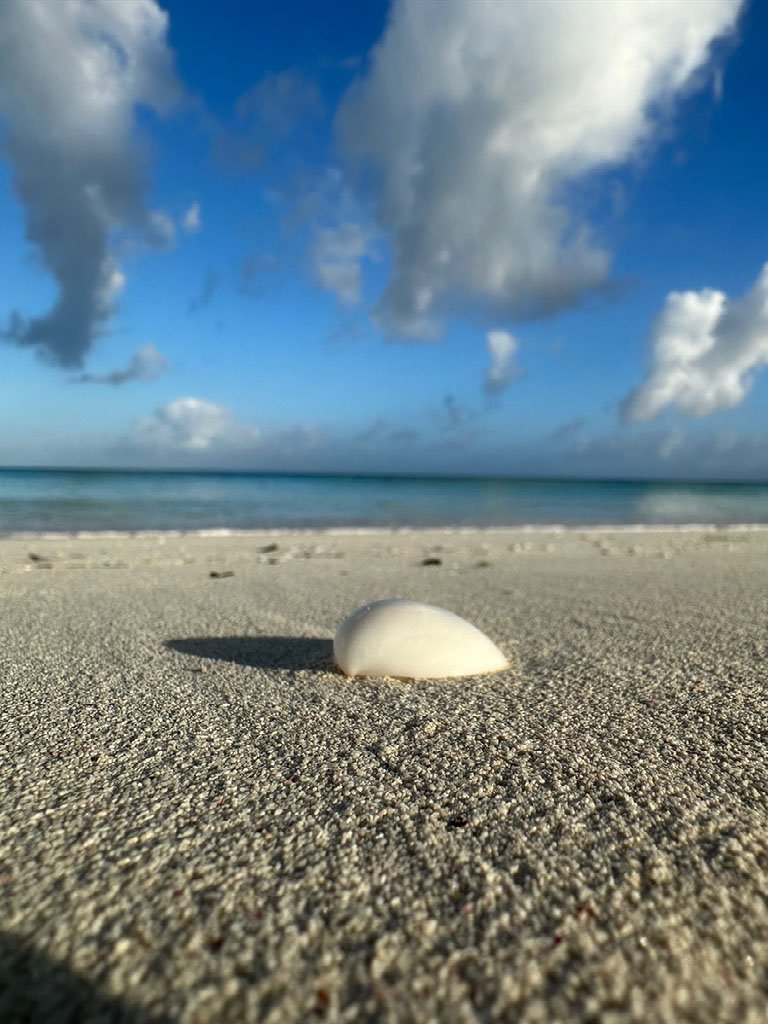
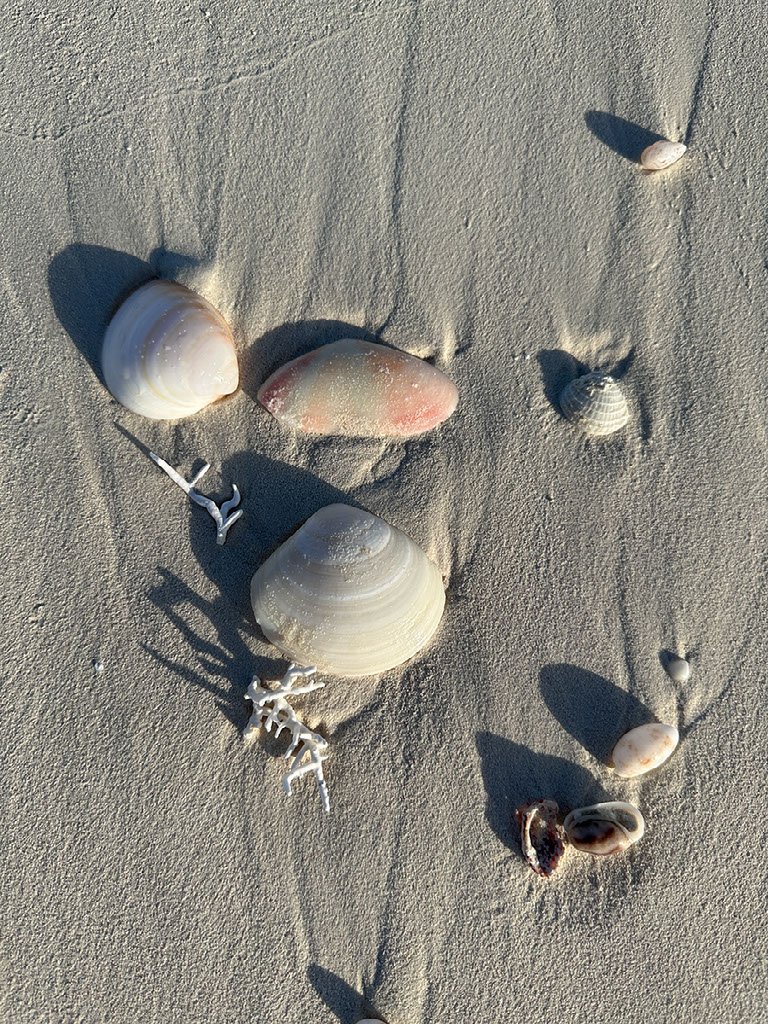
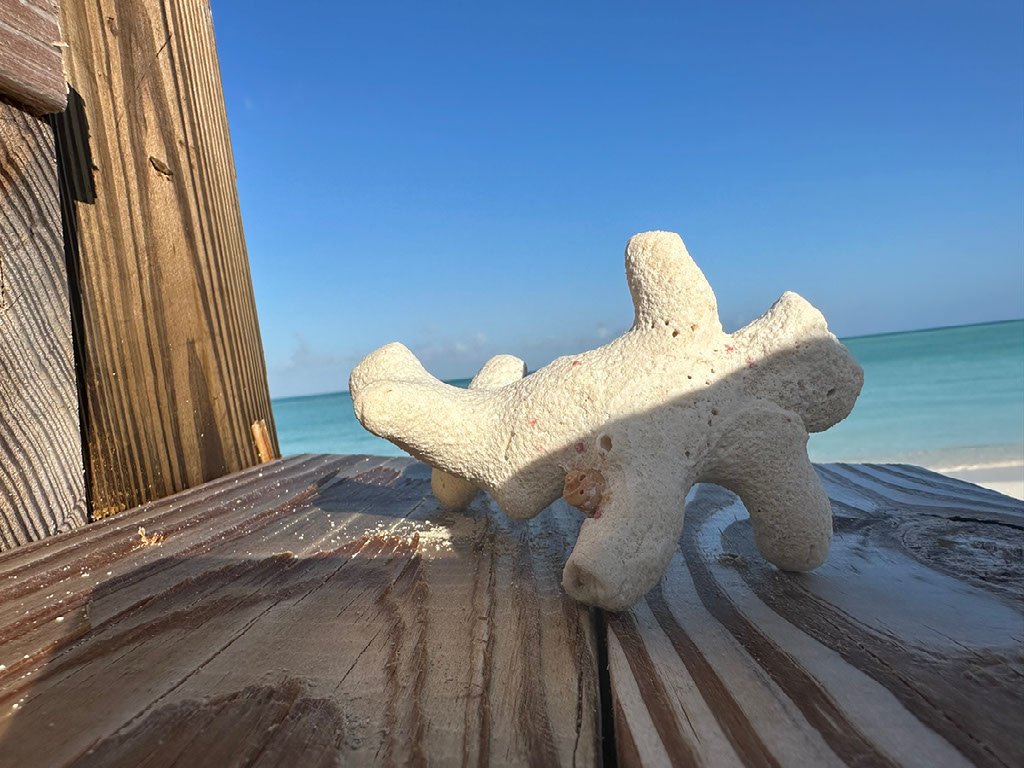
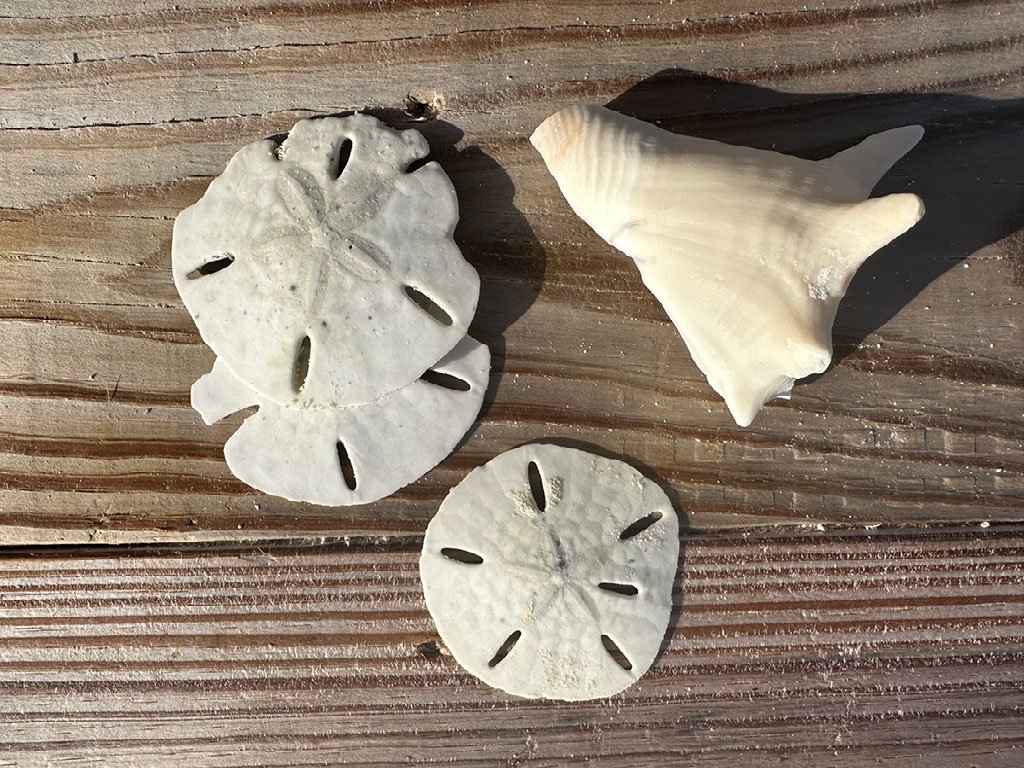
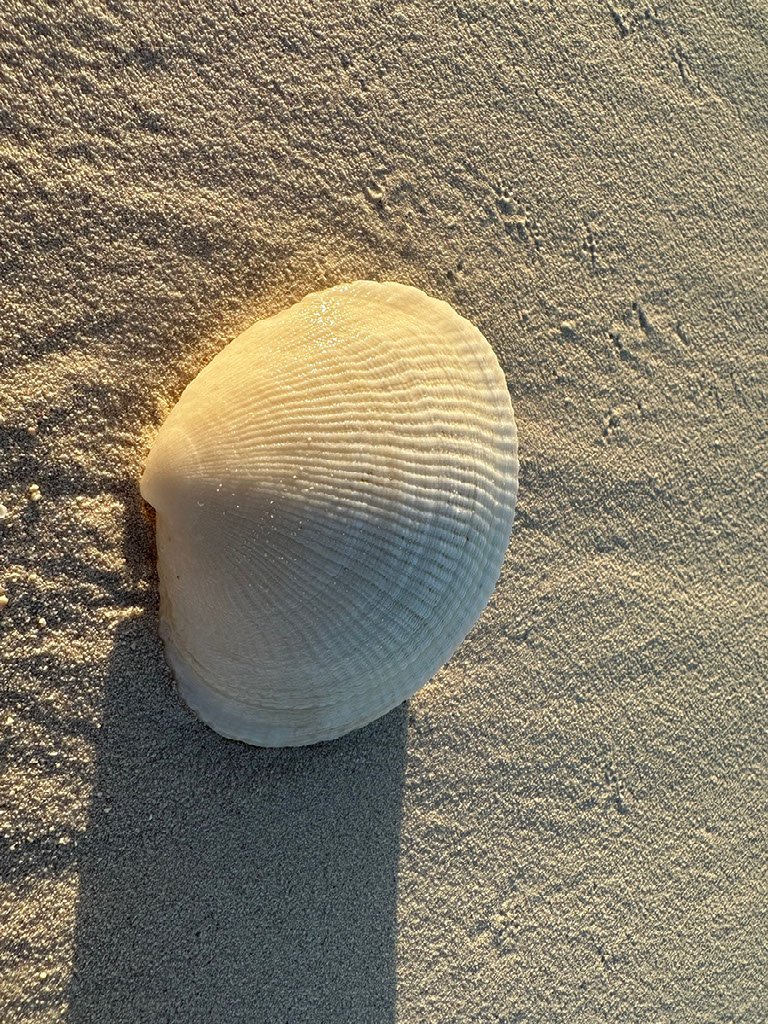
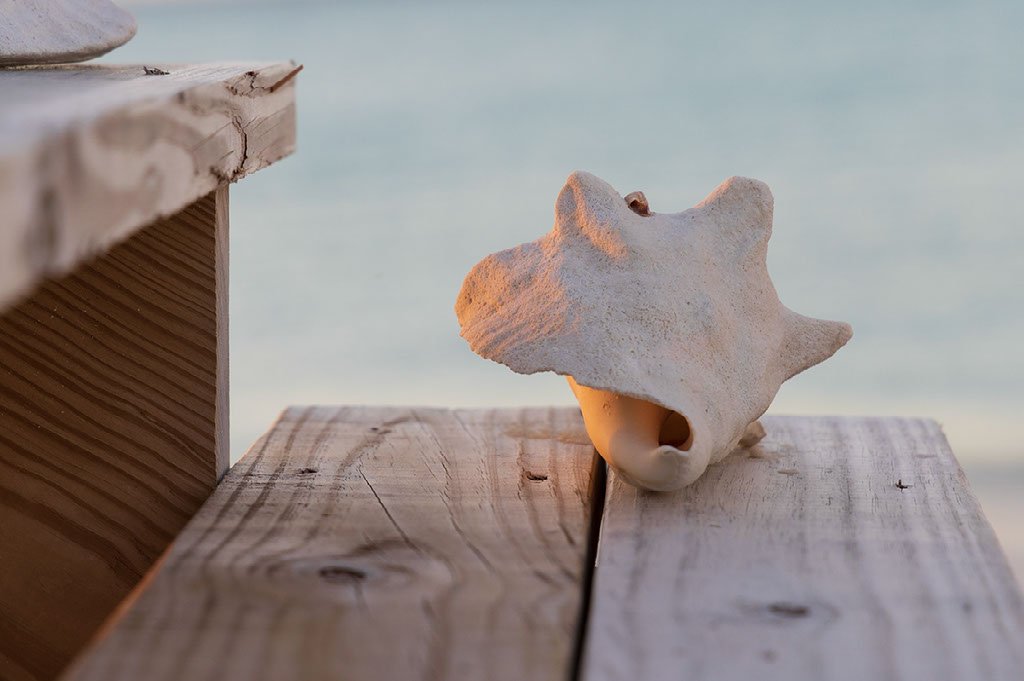
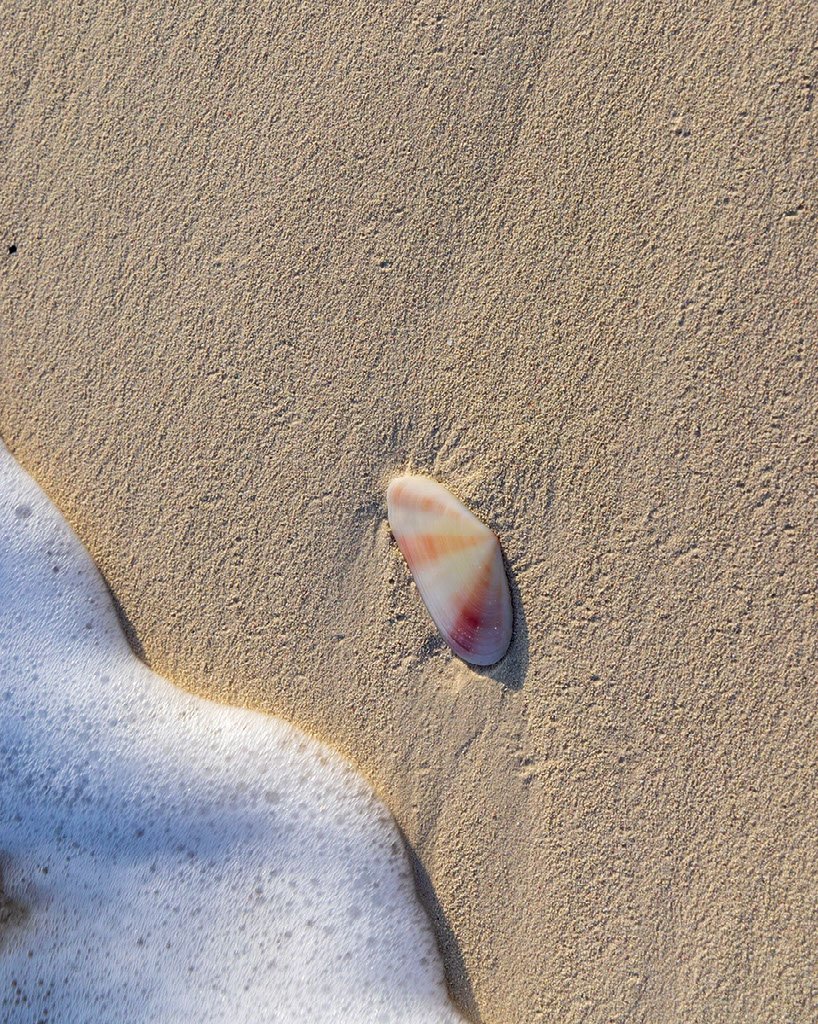
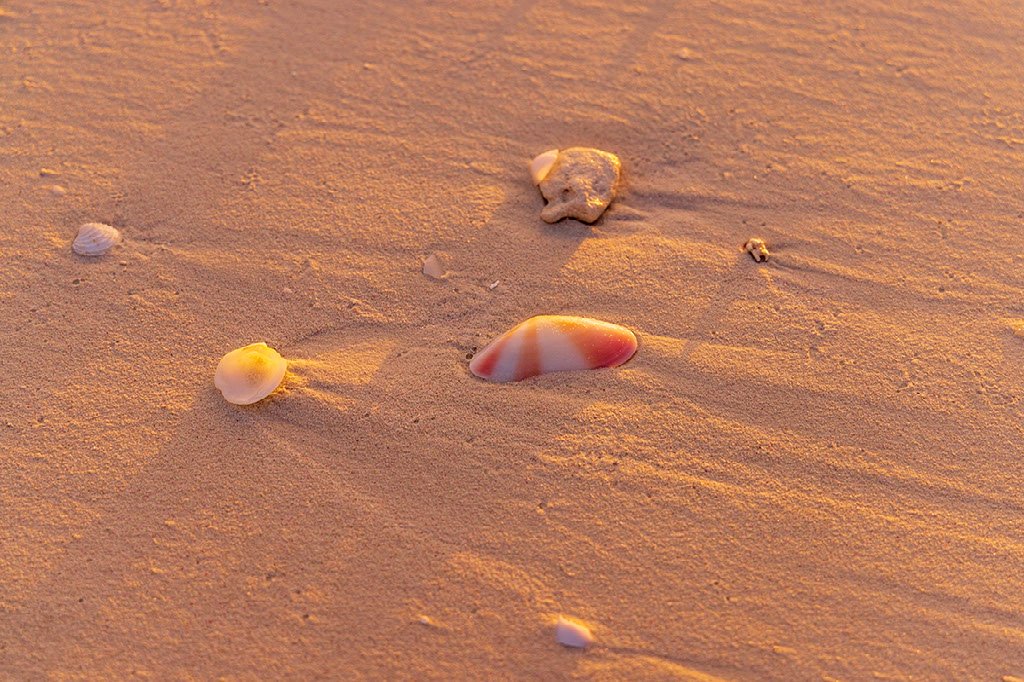
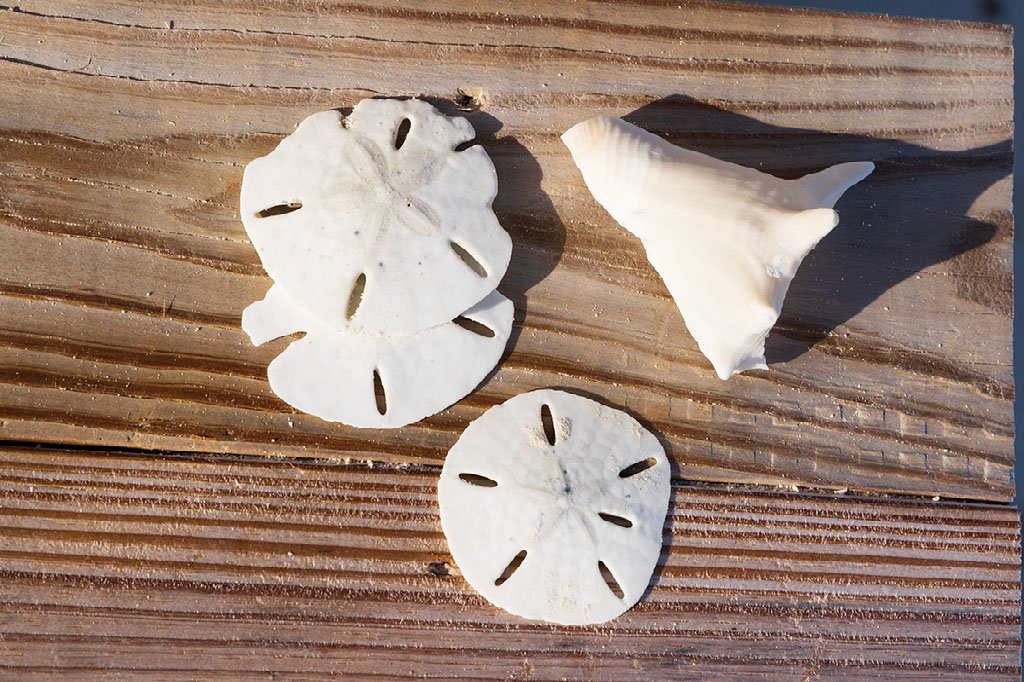
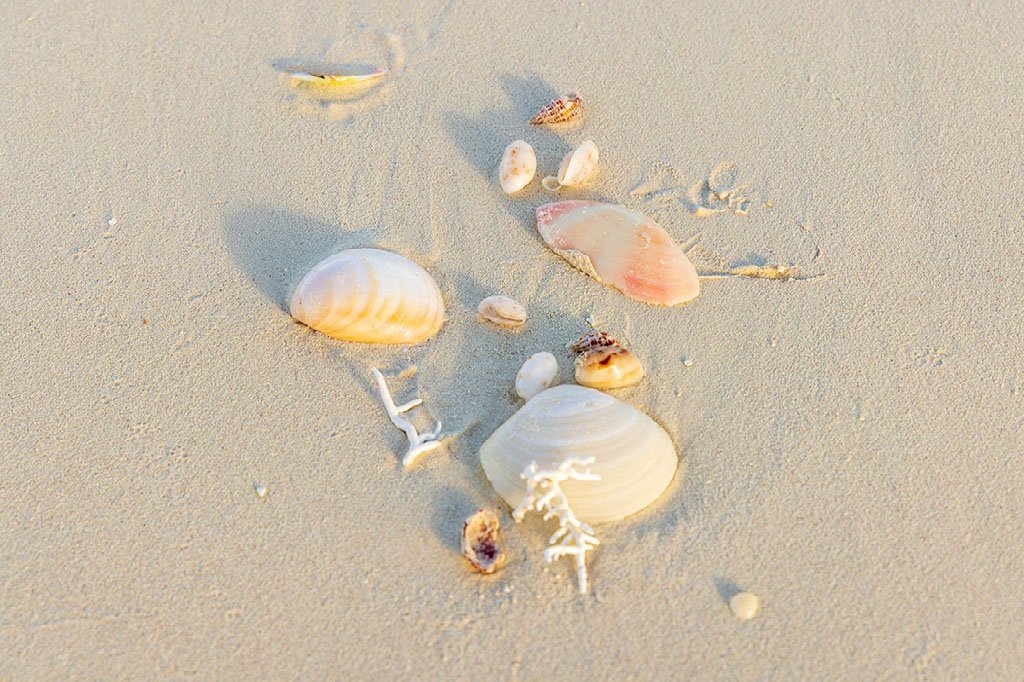
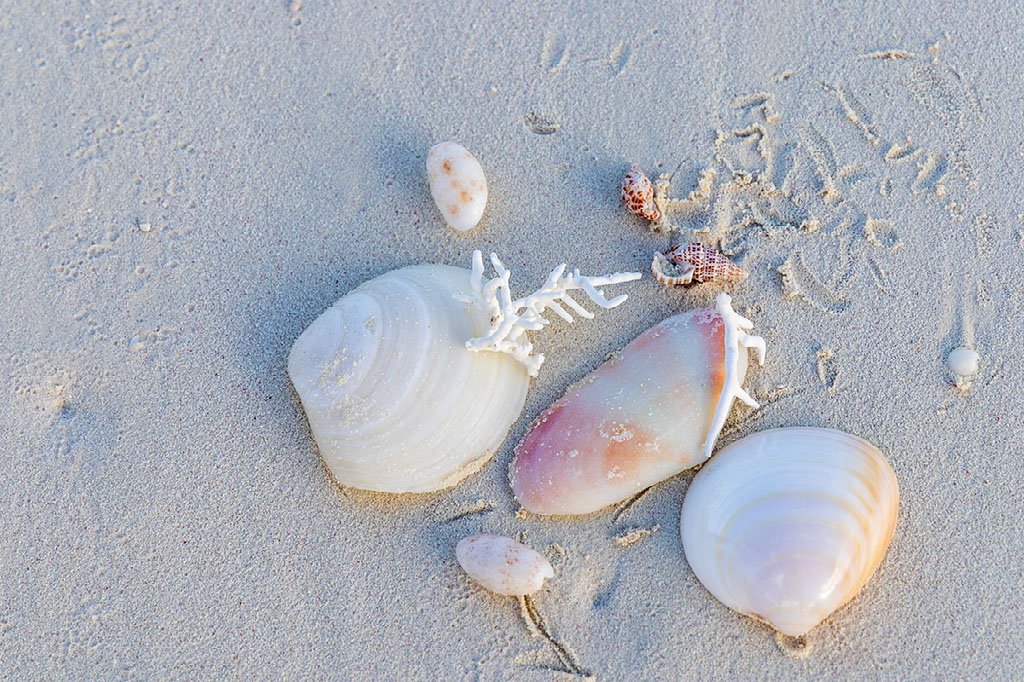
Of course, the sunrise and sunset are worth photographing, but I would focus on details as well, such as the incredible sea shells you will find on your walks. You always want to take a photograph of a sunset with a sense of place. So, adding shells or people in the photo will provide an incredible foreground element.

Drone Photography in Turks & Caicos
The open beaches, shallow turquoise flats, and sandbank geometry of the Turks and Caicos make it one of the most rewarding drone destinations in the Atlantic. From above, the color gradients of the water, from pale aqua in the shallows to deep sapphire in the channel, are extraordinary.
Before you fly, register with the Civil Aviation Authority of the Turks and Caicos Islands (TCAAD). No flying within five nautical miles of Providenciales International Airport without specific authorization. Maintain visual line of sight at all times. Do not fly over people or private property without permission.
If you are staying at COMO Parrot Cay or any private island property, check with the resort before flying. Many private island resorts have their own no-fly policies to protect guest privacy. The best drone locations on Providenciales are the open stretches of beach north of Grace Bay, the Chalk Sound National Park lagoon on the south side of the island, and Malcolm's Road Beach on the northwest shore.
Festivals & Events in Turks & Caicos
The Turks and Caicos is not primarily a festival destination. The cultural calendar is quieter than you would find in Latin American or European counterparts. That said, there are a handful of events worth knowing.
Turks & Caicos Conch Festival (late fall): Held annually in Blue Hills village on Providenciales, this is a celebration of the island's signature seafood. Cooking competitions, local vendors, and a genuinely lively community atmosphere. If you are on Provo during the fall, it is worth an afternoon. Photographically, the color and energy of the crowd is a complete contrast to the usual quiet of the islands.
Fishing Tournaments (spring and summer): Several sportfishing tournaments take place in Provo during this period. The early morning marina scenes, boats rigging up before dawn, and the weight-in activity at the docks produce strong documentary images. The Caicos Classic is one of the most established.
Christmas and New Year's: The islands come alive more than you might expect during the December holiday period. Grace Bay fills up, and the local celebrations in communities like Blue Hills and Five Cays have an authentic, unpretentious quality. Photographically, this is a good time to step beyond the resort bubble and document local life.
Frequently Asked Questions About Visiting Turks & Caicos
How do you get to COMO Parrot Cay?
Fly into Providenciales International Airport (PLS), where a COMO representative meets you and escorts you to the private marina for a 35-minute boat transfer across open turquoise water to the island. Staff meet you at the pier and take you to your villa by golf cart.
Is Turks & Caicos expensive?
Yes, especially a stay at a private island resort like COMO Parrot Cay. There's more range if you base yourself on Providenciales instead, with mid-range and boutique options along Grace Bay.
Can you fly a drone at Turks & Caicos resorts?
Not at COMO Parrot Cay specifically, the property enforces a strict no-drone policy over the resort and its beaches to protect guest privacy. Many private island resorts have similar rules. Your best drone options are on Providenciales, away from resort zones and the airport approach path.
What are the best photo spots in Turks & Caicos?
The private beach at sunrise, the channel where pelicans work the water just before dawn, and the mangroves along the back side of the island are three that consistently deliver on Parrot Cay itself. The full gear and technique guidance is above.
How many days do you need at Parrot Cay?
Five to seven nights for the island alone. This isn't a rush-and-check destination, the best photographs come on day three or four once you stop trying to capture everything and start noticing the small details.
What surprised you most about Turks & Caicos?
The arrival sequence itself. Landing at the airport, the drive to the marina, then a 35-minute boat ride across water so saturated it looked like someone had turned up the color in Lightroom. By the time you reach the island, the stress of daily life has already started dropping away.
Is it worth combining Parrot Cay with time on Providenciales?
Yes, if you have eight to ten days. Five nights at COMO plus three days on Provo gives you real depth, renting a car, exploring Grace Bay, and photographing more accessible beaches like Leeward and Chalk Sound.
Is Turks & Caicos worth the trip if you're not staying at a private island resort?
Yes, though the experience is different. Providenciales itself offers excellent beaches, drone photography opportunities, and a livelier atmosphere, just without the total seclusion that defines a stay at Parrot Cay specifically.
Final Thoughts
Parrot Cay is one of those rare places that actually lives up to what people say about it. I am a skeptic by nature when it comes to luxury resort marketing, but COMO has built something that earns its reputation every single time. The combination of privacy, light, water, and the kind of space that lets you actually think makes it one of the best photography retreats I have done, even though the subjects are simple.
You do not need to chase the shot here. The shot comes to you. Wake up before the sun, walk to the water, and let the light do the work. That is the whole playbook, and it almost never fails.
If you are on the fence about whether a private island stay is worth it, I will say this: I have stayed at some extraordinary places around the world, and Parrot Cay is in the top handful. No hesitation.
Want to improve your photography while exploring some incredible destinations? Join me on one of my photography workshops! You can find all the details, including upcoming destinations and dates, through the links below.
Let's Stay Connected!
More Guides You Might Enjoy
My Photography & Travel Guide to Costa Rica. A wildly different tropical experience, but one of the most visually rewarding destinations in the Western Hemisphere. Cloud forests, wildlife, volcanic landscapes, and Pacific coastline — Costa Rica delivers variety that Parrot Cay does not. A natural pairing for the traveler who wants to balance deep relaxation with active exploration.
My Photography & Travel Guide to the Galápagos Islands. If you are already making the trip to the Caribbean or Central America, extending to the Galápagos should be on your list. Few places on earth offer wildlife photography this accessible or this extraordinary. The Galápagos and Turks & Caicos share the same clear-water, island energy but offer completely different photographic subjects.
My Photography & Travel Guide to the Maldives. The Maldives is the closest counterpart to Parrot Cay in terms of concept: private islands, extraordinary water, world-class resort stays, and photography that centers on simplicity and light. If you love what Parrot Cay offers, the Maldives is the natural next chapter.
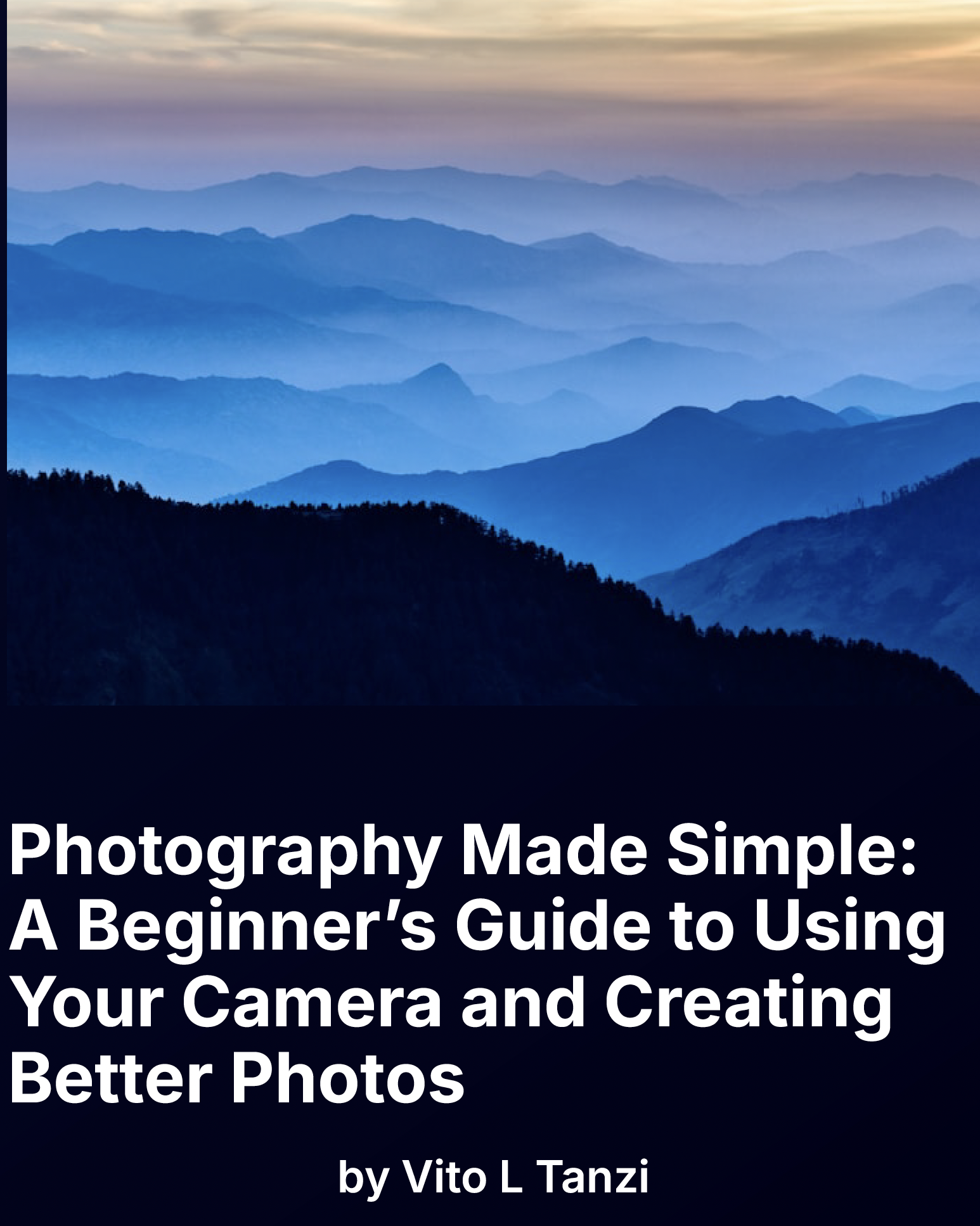
Finally—a beginner-friendly photography guide that makes sense.
If you've ever picked up a camera and thought, "Now what?" this is the book for you.
Photography Made Simple is written for adults who are just starting out and want a clear, encouraging, real-world approach to learning photography. Whether you're using a DSLR, mirrorless, or just your smartphone, this guide walks you through the basics—without the jargon or tech overwhelm.
Inside, you'll learn:
The only camera settings you really need to know to get started
How to shoot sharper, more intentional photos using light and composition
Simple tips for portraits, landscapes, travel, and everyday life
What gear you do (and don’t) need
How to create better photos without upgrading your camera
You’ll also get practical exercises, cheat sheets, and tips for organizing and editing your images—plus the confidence to shoot off Auto Mode for good.
This is not a textbook. It’s a friendly guide to seeing the world with fresh eyes—and finally capturing what you see the way you imagine it.
📸 Format: PDF download
Pages: 100+
Perfect for: Beginners, hobbyists, and anyone ready to take better photos without the stress