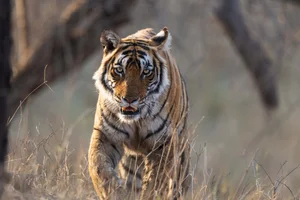
Tanzania Travel & Photography Guide: Best Safari Parks, Photo Spots, Map & Hidden Gems
It started in Venice.
In April 2018. I was attending a photography workshop with Scott Kelby, shooting the canals at sunrise and the alleyways at golden hour, when I met Willey. Within a few hours, we were talking about light, gear, travel, and the kind of places that stop you cold. He had been going to Tanzania for more than twenty years. He knew the land the way you only know a place when you have returned again and again, when you have watched it across seasons and years and watched yourself change alongside it.
A few years later, he sent a message. He was going back. Did we want to come?
My wife and I said yes before we finished reading the invitation.
I tell you this because Tanzania is not a destination you stumble into. You go because someone whose judgment you trust tells you that nothing else quite compares. And then you arrive, and you understand immediately that they were not exaggerating.
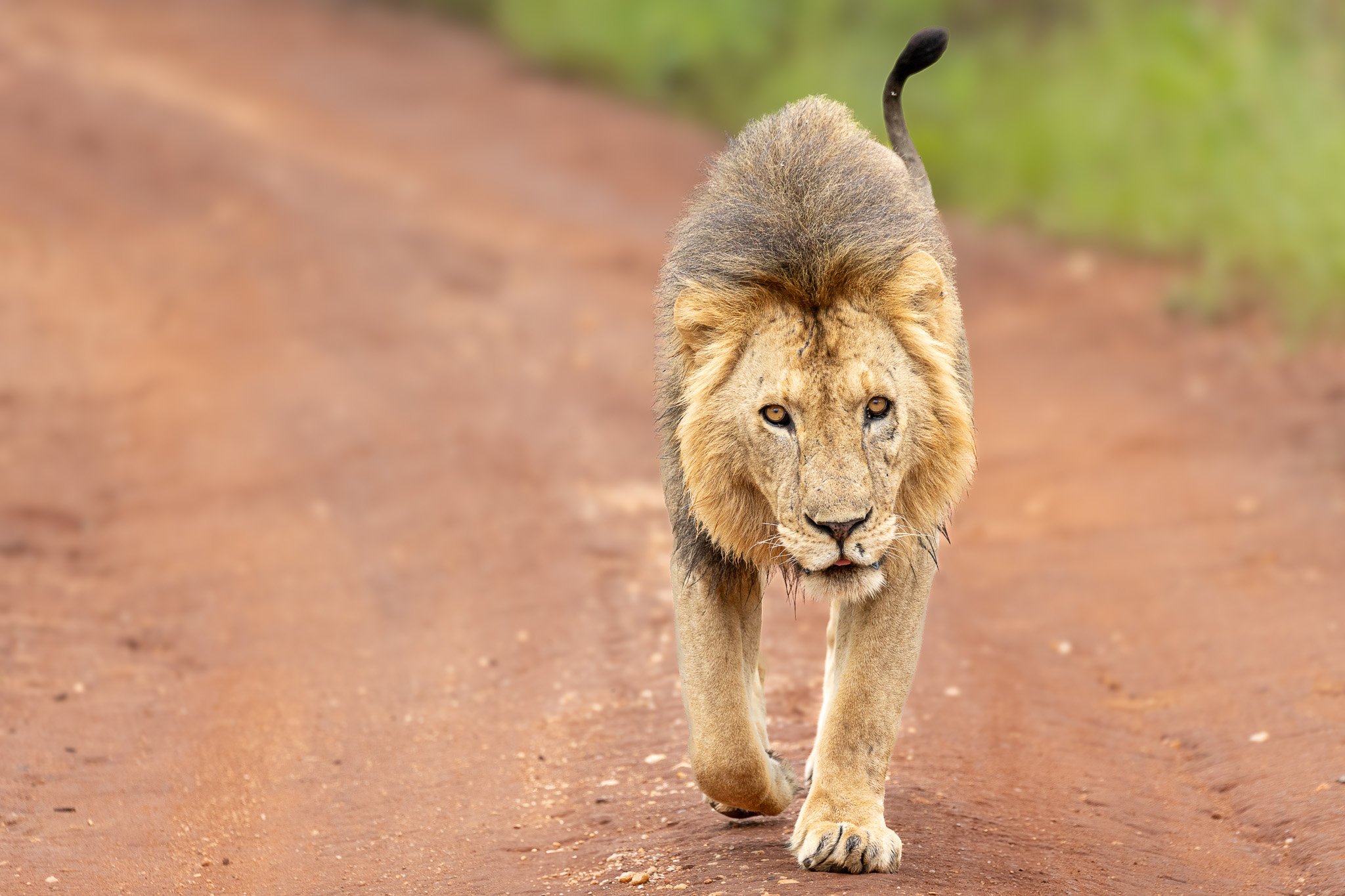
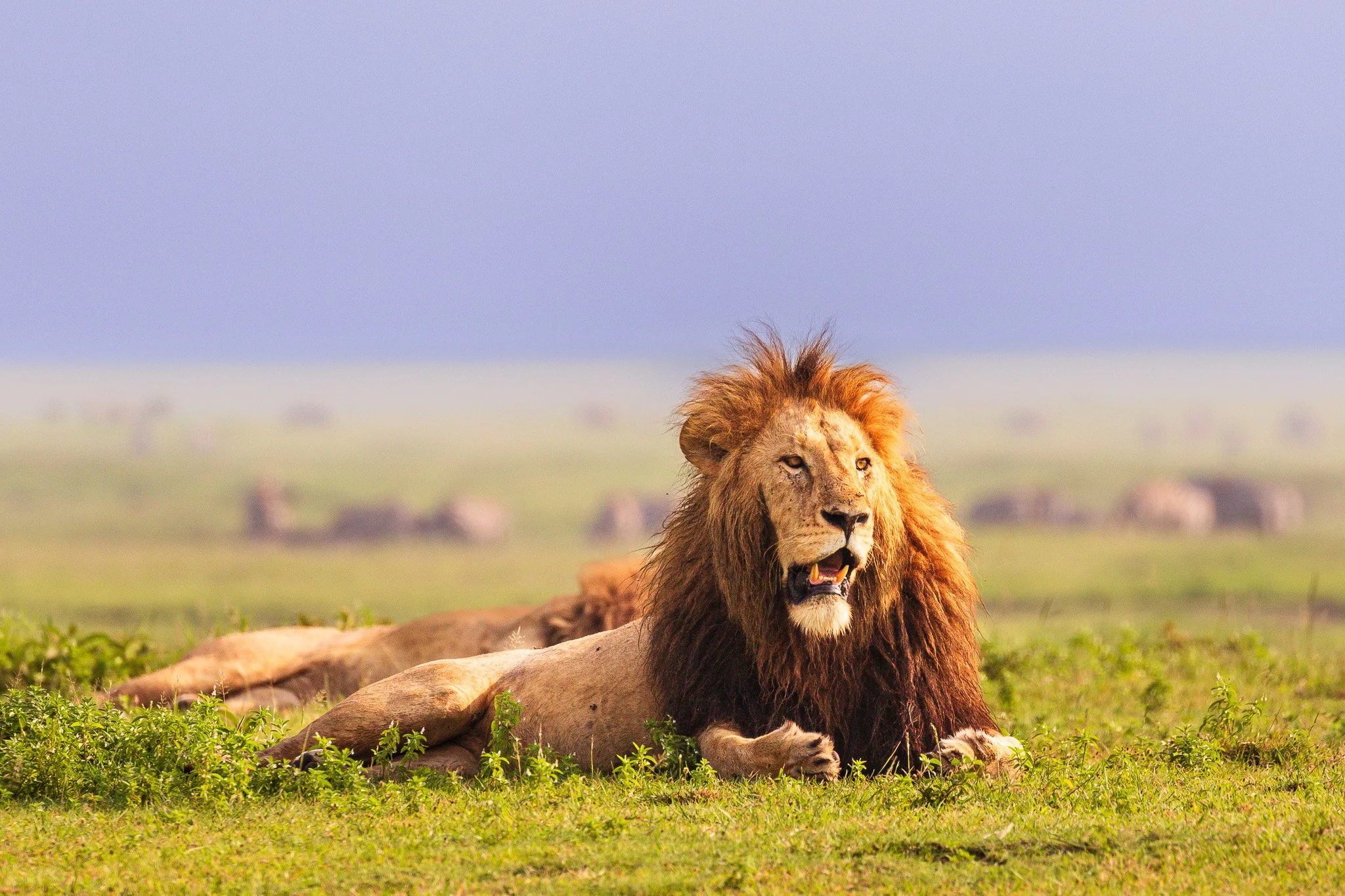
The Serengeti at first light is unlike anything I have seen behind a lens. Plains that stretch to the horizon without interruption. Acacia trees catch the early sun. A lion resting fifty meters from the vehicle, completely indifferent to your presence. The scale of wildlife here makes photography feel almost inadequate, not because the light is wrong, but because no single frame can hold what you are seeing.
Then there is the Ngorongoro Crater, a collapsed volcanic caldera where wildlife has nowhere to go and nowhere it needs to. Elephants, lions, black rhinos, flamingos, all within a natural amphitheater that is simultaneously wild and impossibly concentrated. You stand on the rim at sunrise with cloud mist below you and the world's highest density of predators somewhere in that bowl, and you feel genuinely small in the best possible way.
Tanzania was our first safari, and it led to many more.
In this Photography Guide to Tanzania, I share the places and experiences that continue to draw me back. You will find my favorite photography locations, guidance on when and where to shoot, practical travel tips, and gear recommendations, along with cultural insights to help you explore and photograph Tanzania with confidence, respect, and ease.
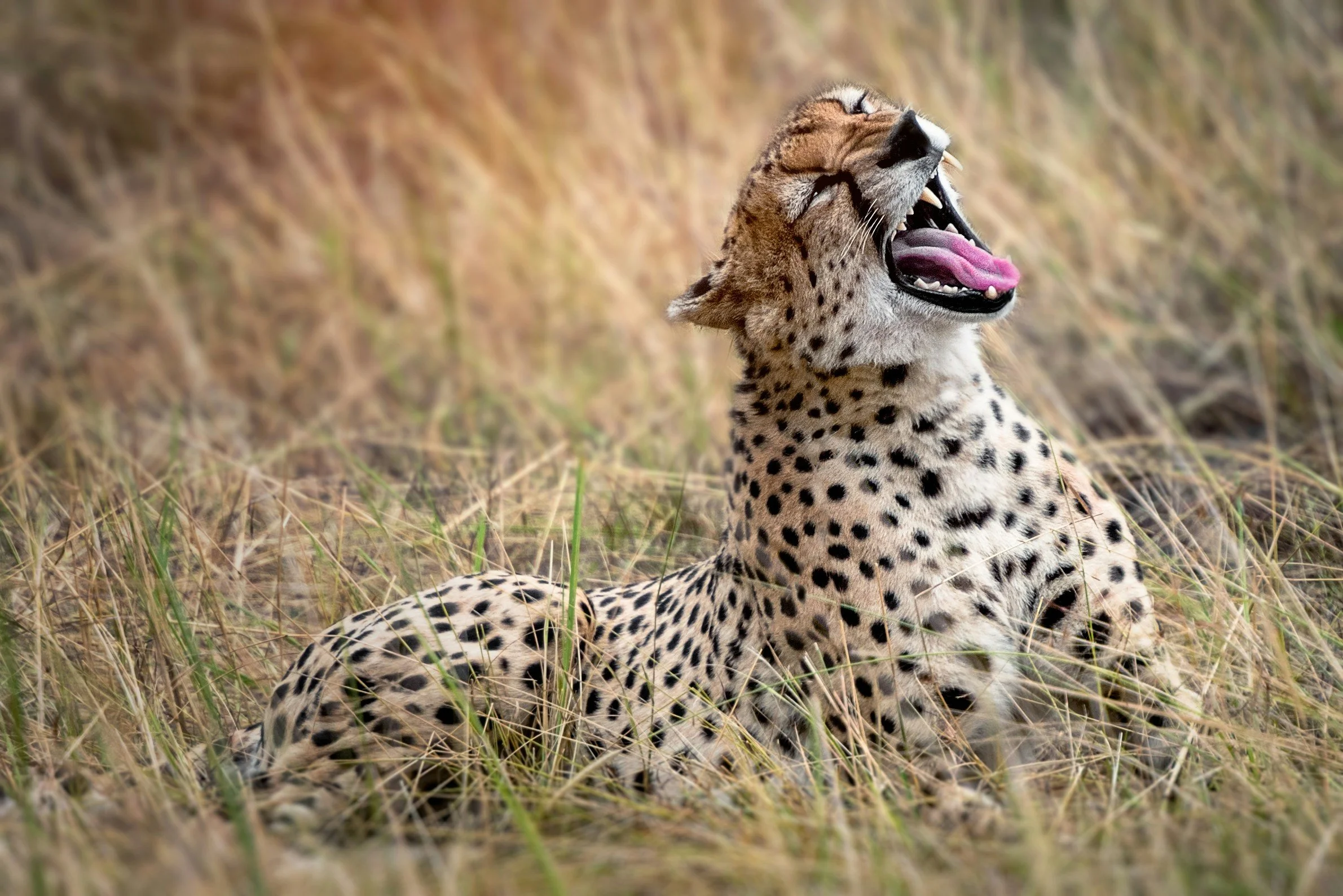
Leopard
Photographer's Notes
Before you go, here are my own takeaways.
Favorite Season: January (calving season)
Favorite Reserve/Park: Ndutu / Lake Masek
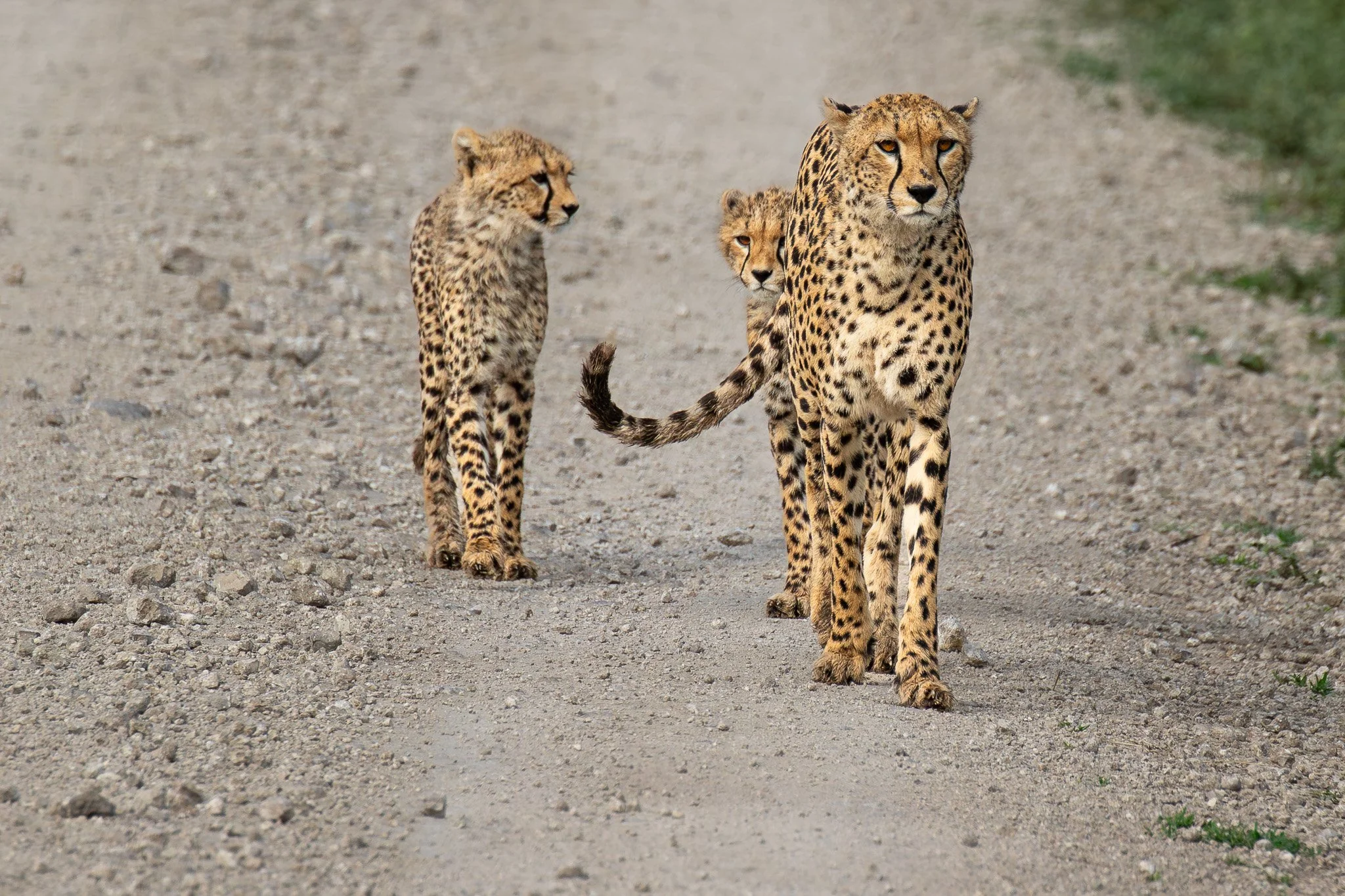
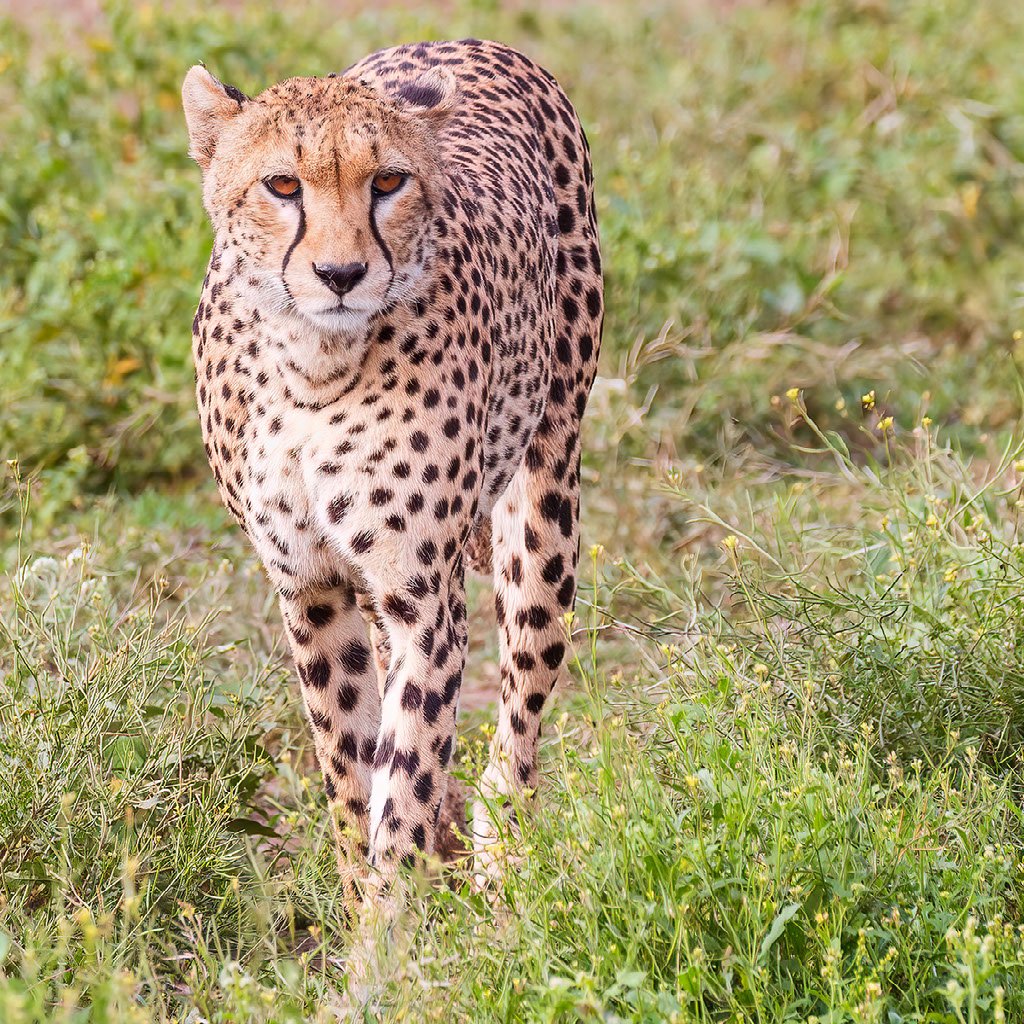
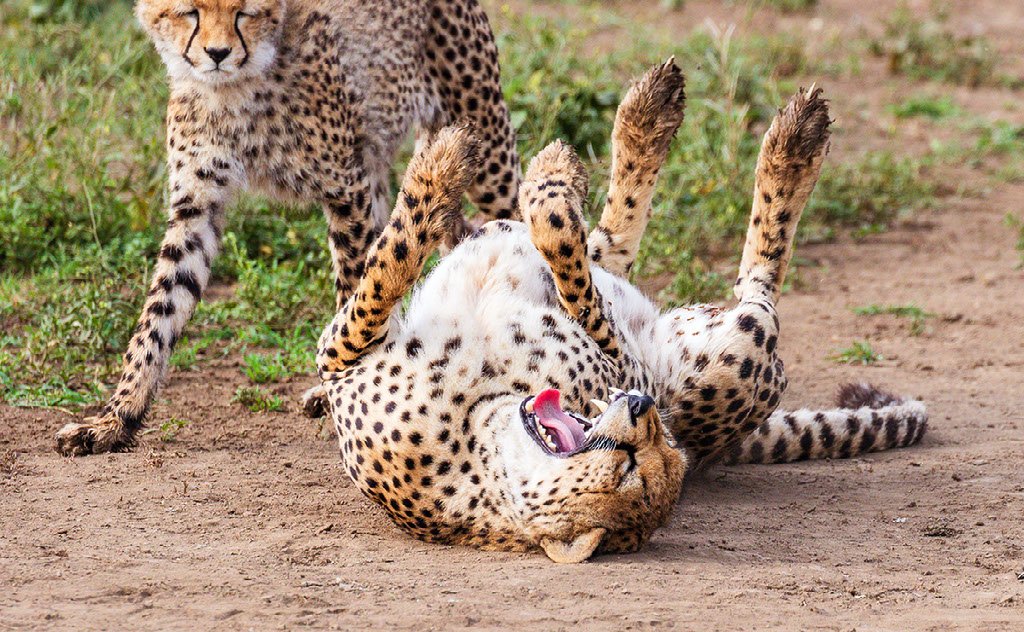
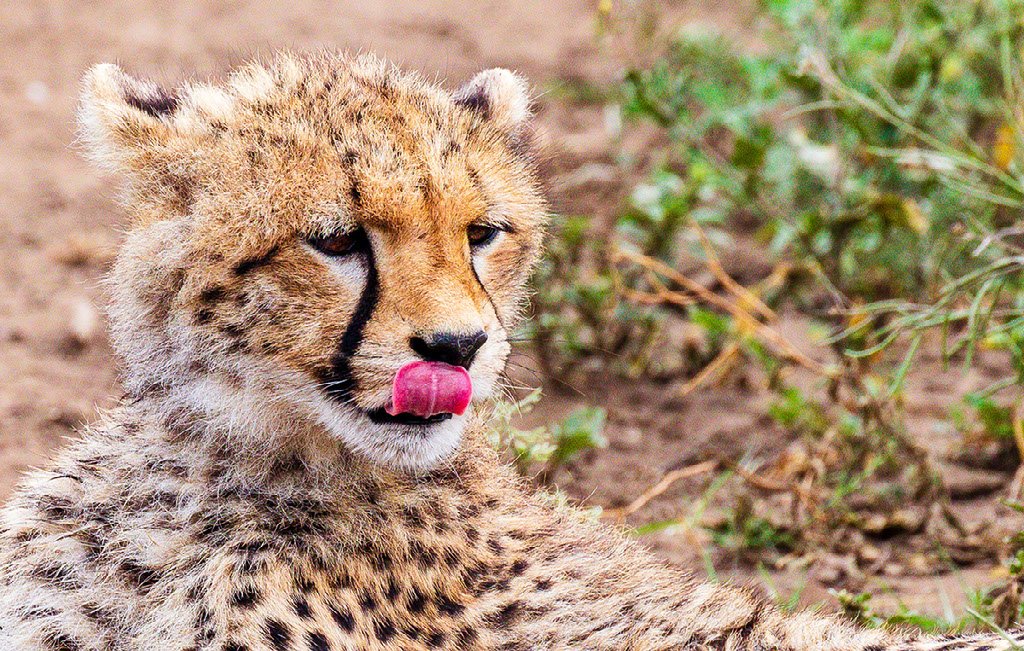
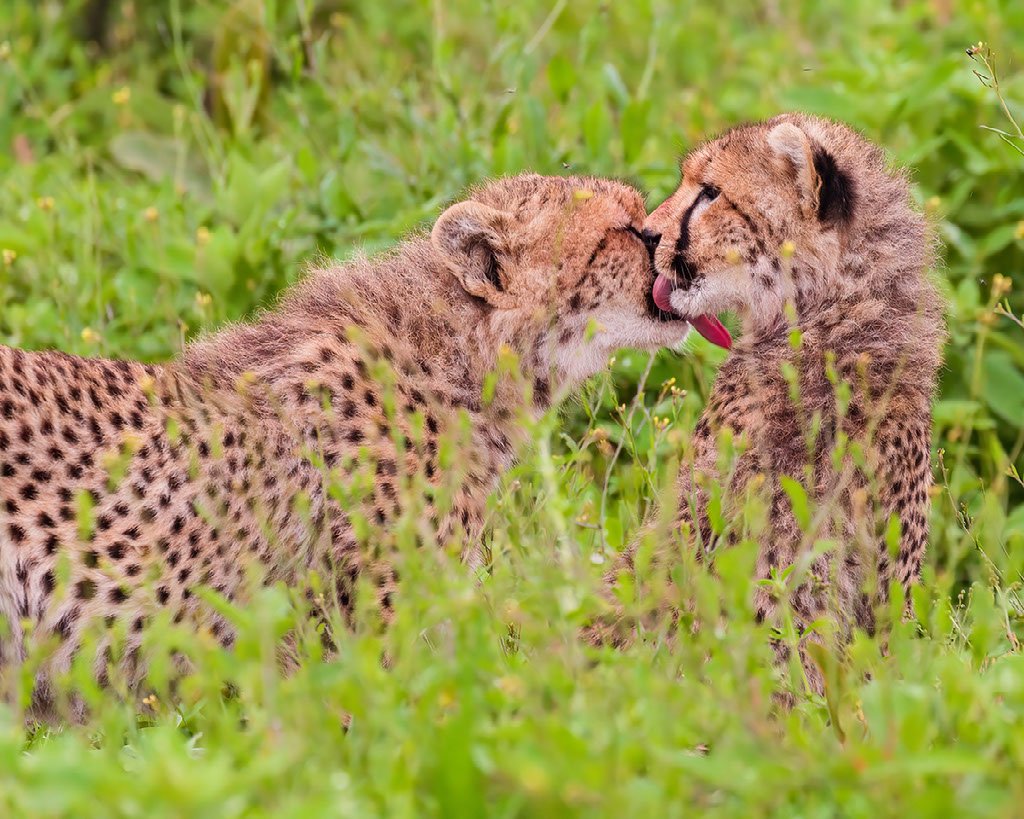
Favorite Wildlife Sighting: Cheetahs
Favorite Lodge: Lake Masek Tented Lodge
Favorite Lens: 400mm f/2.8
Would I Return? It was our first safari. I already know we will return.
Getting to Tanzania
Where to Fly Into
For a northern Tanzania safari, fly into Kilimanjaro International Airport (airport code: JRO). Despite the name, this airport primarily serves Arusha and the northern safari circuit. It is about 1 hour from Arusha and is the most direct international gateway to the parks on the classic circuit: Tarangire National Park, Ngorongoro Crater, and Serengeti National Park.
Most international routing connects through Doha, Amsterdam, Dubai, or Nairobi. Qatar Airways operates one of the most convenient direct routes from North America and Europe via Doha. We flew into JRO from Doha, and the connection was smooth.
If your route lands you in Dar es Salaam first, you will need a domestic connection to Arusha. Where possible, book directly into JRO. It simplifies your arrival day significantly.
Your guide will typically meet you at the airport. Joseph met us at the gate with our names on a card, and that handoff set the tone for the entire trip.
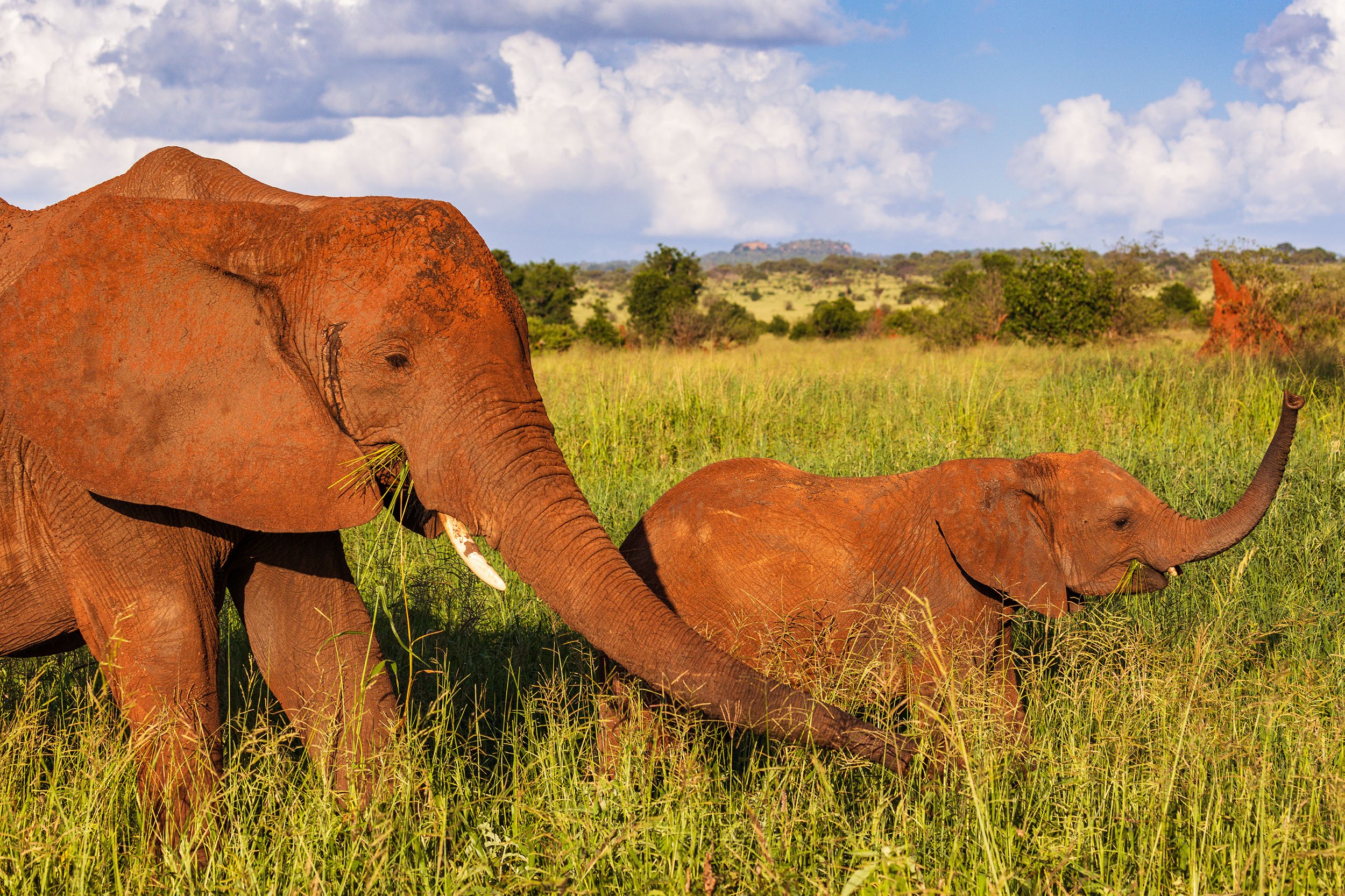
Tarangire National Park "The Elephant Paradise"
When to Go to Tanzania
Choosing the right time to visit Tanzania is not just about the weather. It is about light, animal movement, and what kind of images you want to create.
Dry Season: June to October
This is peak safari season, and for good reason. Vegetation thins, and animals concentrate around water sources. Wildlife is easier to spot, roads are more accessible, and the skies stay clear for strong sunrise and sunset light.
For photographers, the dry season delivers:
High wildlife visibility with cleaner sightlines
Less tall grass, more open backgrounds
Dramatic dust in backlit scenes
Strong golden hour color
This is also when the main wildebeest river crossings occur at the Mara River, typically July through September. If you want images of wildebeest leaping into crocodile-filled water, this is your window.
The trade-off is crowds and higher prices. Popular crossing points can have multiple vehicles parked around them. Plan your positioning early with your guide.
Wet Season: November to May
The wet season transforms the landscape entirely. The plains go lush and green. Storm clouds build in the afternoon. The air smells fresh. For landscape photography, this can be extraordinary.
Late January through February is calving season in the southern Serengeti and Ndutu region. Hundreds of thousands of wildebeest give birth within a short window. With newborns come predators. We visited in January and the drama around us was constant. We also witnessed a river crossing during this visit, a smaller, less-publicized crossing that happens as part of the ongoing migration cycle rather than the celebrated July spectacle. It was still one of the most intense wildlife moments I have experienced behind a lens.
For photographers, the wet season offers:
Rich green landscapes with dramatic cloud skies
Calving season intensity and predator action
Fewer vehicles at key sightings
Softer, more diffused light
The challenge is taller grass, occasional rain, and muddier roads. Bring rain covers for your gear.
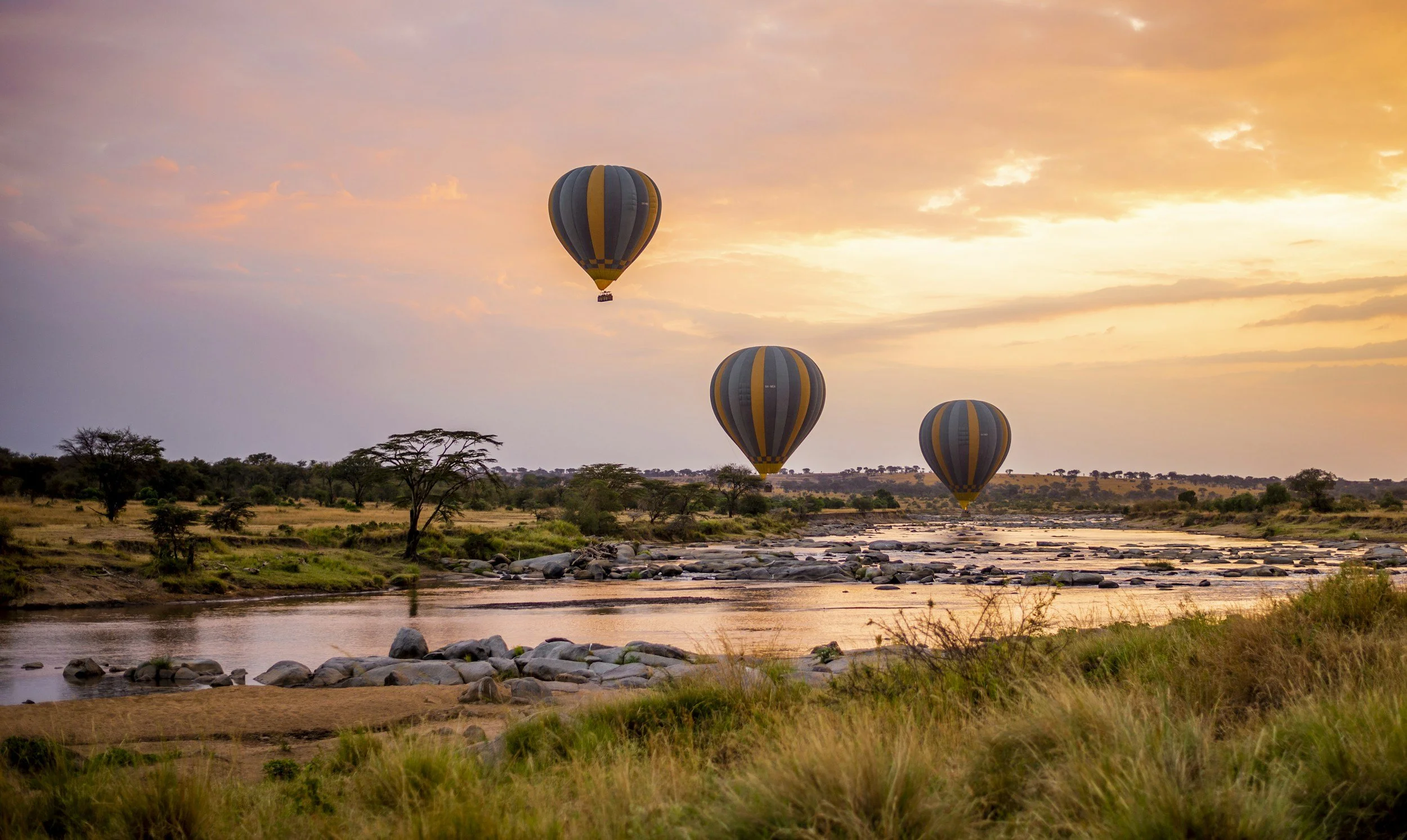
Best Time of Day for Photography
Early morning is prime time. Lions and leopards are active before heat builds. The light is soft and directional. Get in the vehicle before sunrise and stay out there.
Late afternoon into golden hour is equally strong. Dust suspended in the air creates beautiful backlit opportunities. Silhouettes of giraffes and acacia trees against orange skies are not clichés. They are genuinely extraordinary.
Midday is the hardest light on safari. Use it for tight portraits at fast shutter speeds, black and white conversions, or rest and battery recharge.
Why Timing Matters
Tanzania is not a single experience. It shifts dramatically by month.
If you want river crossings, plan for July through September.
If you want calving season intensity, aim for late January and February.
If you want dramatic skies and green landscapes, consider the wet season.
The best safari photographs are not accidental. They are the result of understanding movement, light, and timing.
How Long Should You Stay in Tanzania
If you are flying halfway around the world for a safari, do not rush it.
For the northern circuit covering Tarangire, Ngorongoro, and the Serengeti, I recommend a minimum of 8 to 10 days on the ground.
Wildlife photography is unpredictable. You need time for weather shifts, animal movement, multiple attempts at key sightings, and rest between long game drives. If you stay only 4 or 5 days, you are gambling on everything lining up perfectly.
By goal:
7 days — Enough for Tarangire, Ngorongoro, and a short Serengeti stay. You will see a lot, but it moves quickly.
10 days — The sweet spot. You can explore multiple Serengeti regions and genuinely wait for behavior rather than rushing sightings.
12 to 14 days — Ideal for serious photographers. You slow down, follow wildlife patterns, and come home with the images rather than the near-misses.
Add extra time if you are targeting river crossings, planning to include calving season at Ndutu, or combining the safari with Zanzibar.
We spent eleven days and still felt like we were just settling in when it was time to leave.
Safari is not about checking boxes. It is about patience.
Getting Around Tanzania
On a northern Tanzania safari, your vehicle is your base. You are almost never allowed to exit the parks, which changes how you think about mobility entirely.
Private Guided Safari (what we chose)
The biggest advantage is flexibility. You move across regions, stay as long as you want at a sighting, and follow animal behavior rather than a timetable. There are no competing priorities in the vehicle. If the light is perfect and a cheetah is stalking something fifty meters away, you stay.
The downside is logistics. You check in and out of multiple camps, which means packing and unpacking become part of the rhythm. It is not difficult, but it is not as static as a single lodge stay.
Luxury Lodge Safari
Properties like Singita Serengeti focus on a single ecosystem and offer extraordinary comfort. Meals, room quality, and service are outstanding. The trade-off is range. Most lodge-based safaris cover a limited radius, and you will likely share a vehicle unless you book a private guide separately.
For casual travelers, the lodge approach is ideal. For serious photographers who want to wait out a leopard for two hours, a private guided setup gives you far more control.
Hybrid Approach
Start with a private guided safari across multiple parks, then end with two or three nights at a luxury lodge to decompress before flying home. This is the best of both structures.
Drive-In vs Fly-In
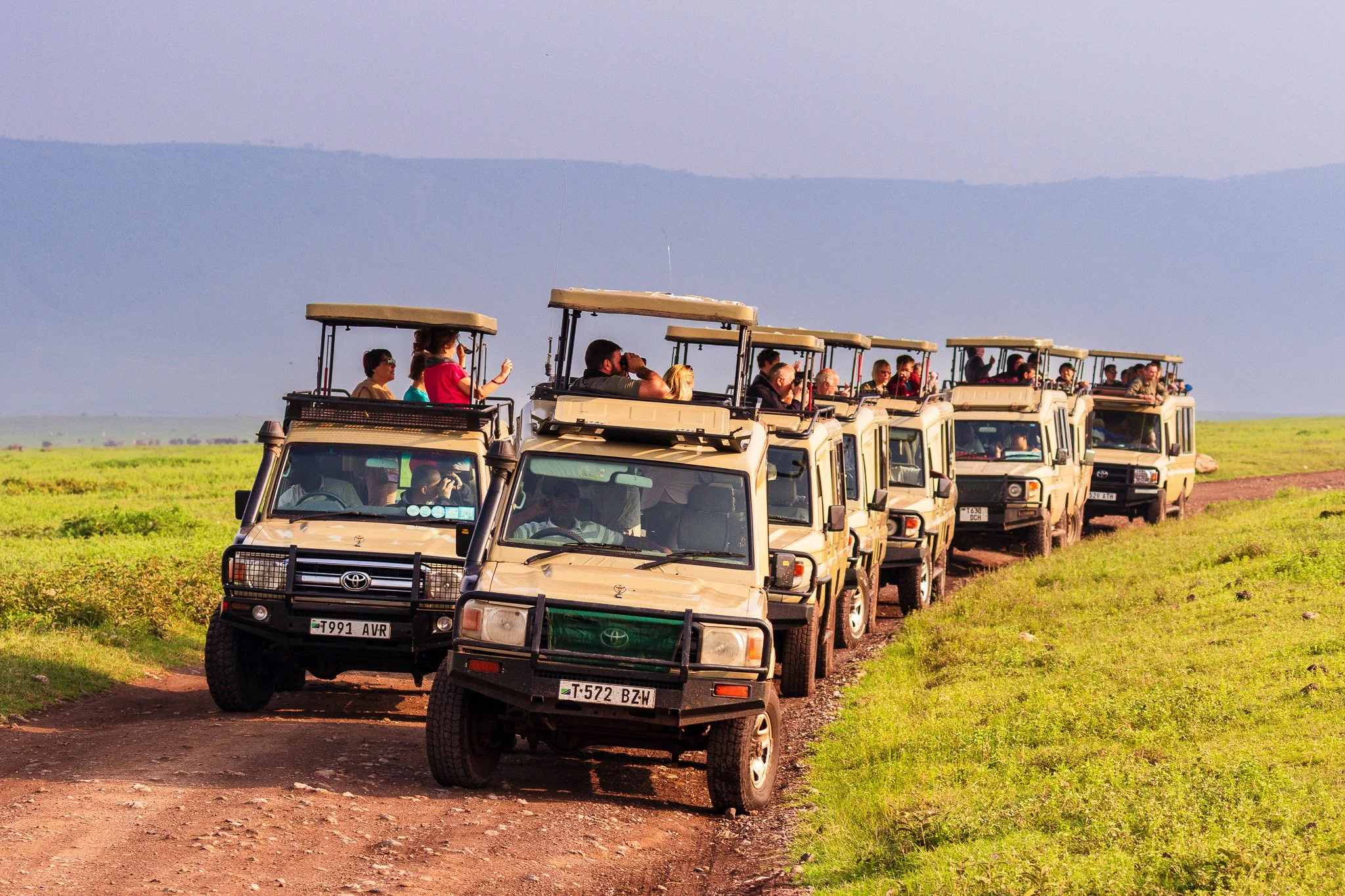
We drove between all the parks. The roads inside the parks are rough, deeply rutted, and genuinely bumpy. The Tanzanian phrase for this is "African massage." You stop fighting the movement and start enjoying the rhythm.
That said, every transfer doubles as a game drive. We saw significant wildlife on every drive between camps. The transitions are part of the experience.
Fly-in safaris via small bush planes save considerable time and reduce fatigue. For photographers with limited time, flying into the Serengeti and then driving between regions is an excellent hybrid.
Arusha City
Within Arusha, use your guide or lodge transfers. Taxis are available, and the city is small enough to navigate easily. Uber is not widely available. Ask your lodge to arrange local transport for city stops.
Maps, Distances & Travel Logistics in Tanzania
Planning a safari in northern Tanzania is not just about picking beautiful parks. It is about understanding distances, road conditions, and how geography shapes wildlife experiences.
Northern Tanzania’s classic circuit typically includes:
• Arusha
• Tarangire National Park
• Ngorongoro Crater
• Serengeti National Park
• Ndutu / Lake Masek region
Typical Drive Times
Here is a realistic overview of drive times. These can vary depending on wildlife sightings and road conditions.
• Kilimanjaro Airport to Arusha: about 1 hour
• Arusha to Tarangire: 2 to 2.5 hours
• Tarangire to Ngorongoro: 3 to 4 hours
• Ngorongoro to Central Serengeti: 3 to 4 hours
• Serengeti to Ndutu / Lake Masek: 2 to 3 hours
Important note: these are not smooth highways. Roads inside the parks are often rough, dusty, and uneven. What looks like a short distance on a map can feel much longer in reality.
That said, every transfer often becomes a game drive. Wildlife sightings along the way make the journey part of the experience.
Fly-In vs Drive-In Safaris
You have two main options for moving between parks.
Drive-In Safari
This is what we did.
Advantages:
• Lower cost
• Continuous landscape transitions
• Wildlife sightings between parks
• More immersive experience
Disadvantages:
• Long, bumpy roads
• Travel days can be tiring
• Less efficient if time is limited
Fly-In Safari
Small bush planes operate between Arusha and airstrips within the Serengeti and other parks.
Advantages:
• Saves significant time
• Reduces road fatigue
• Ideal for luxury or shorter itineraries
Disadvantages:
• Higher cost
• Luggage weight restrictions
• You miss some ground-level wildlife transitions
For photographers with limited time, flying into the Serengeti and then driving between regions can be an excellent hybrid approach.
How Many Days to Budget Per Stop
Here is a realistic breakdown for the northern circuit:
Arusha — 1 night arrival, 1 departure if needed
Tarangire National Park — 2 nights minimum, 3 is better
Ngorongoro Crater — 2 nights (one full crater floor day)
Serengeti National Park — 3 to 4 nights
Ndutu / Lake Masek — 2 nights, especially for calving season
That totals 10 to 12 days, which is the range I would recommend to anyone who wants to photograph Tanzania properly.

Good to Know Before Leaving (Visa, Medication & Tipping)
Visa Requirements
As of January 2025, Tanzania no longer offers a visa on arrival. All travelers must apply for an eVisa online before departure. No exceptions at the airport.
The standard single-entry tourist eVisa costs approximately USD 50 for most nationalities and is valid for 90 days. US citizens are required to apply for the Multiple Entry Visa, which costs approximately USD 100 and is valid for 12 months with a maximum stay of 90 days per visit. Check the official Tanzania Immigration portal (eservices.immigration.go.tz) for the exact fee for your passport before applying.
Allow at least 10 business days for processing. Apply early. Travel with both a printed and digital copy of your approved visa.
Health Prep
A Yellow Fever vaccine is a requirement for entry into Tanzania. Get yours well in advance of departure, as you need the physical certificate. We got ours about 10 days before arrival.
Anti-malaria medication is strongly advised. Consult a travel medicine clinic well before your trip to determine the right prophylaxis for your itinerary and health profile.
Pack basics: anti-diarrhea medication, pain relievers, rehydration salts, insect repellent, high-SPF sunscreen, and any personal prescriptions. Once you are in the bush, pharmacies do not exist.
See my Safari Medication Guide for a complete packing list.
Mosquitos and Bugs
You are going to Africa. Yes, there will be bugs. Here is how to manage them smartly without obsessing over them.
Tarangire in particular is known for tsetse flies. Their bite is immediate and unmistakable. Permethrin-treated clothing and daily application of a DEET-based insect repellent are the two most effective defenses.
We used Ultrathon cream, originally developed for the US military. It works. Apply it every morning, especially before early drives. Also spray your clothing with permethrin before the trip.
Wear earth tones: khaki, olive, tan. Mosquitos are attracted to dark colors, especially blue and black. Keep long sleeves and pants on during drives.
Protect yourself from the sun. You are near the equator. A wide-brim hat and SPF 50 sunscreen are not optional.
Tipping
Tipping is customary and important in Tanzania. Your guide and camp staff work long days and a large part of their income comes from tips.
Your safari operator will typically provide recommended daily amounts for guides. Have small USD bills or Tanzanian Shillings ready from day one.
Small services and restaurants: about $1 or 2,000 Tanzanian Shillings
Lodge staff tip box: around $10 per day per couple
Safari guide and driver: follow your operator's guidelines
Cash
If your safari is prepaid (most are), you need very little cash on the ground. We withdrew 230,000 Tanzanian Shillings from the airport ATM on arrival, roughly $100, and that covered our entire eleven days for tips and incidental purchases.
Credit cards are accepted at major lodges and hotels. In remote areas, markets, and villages, cash is necessary.
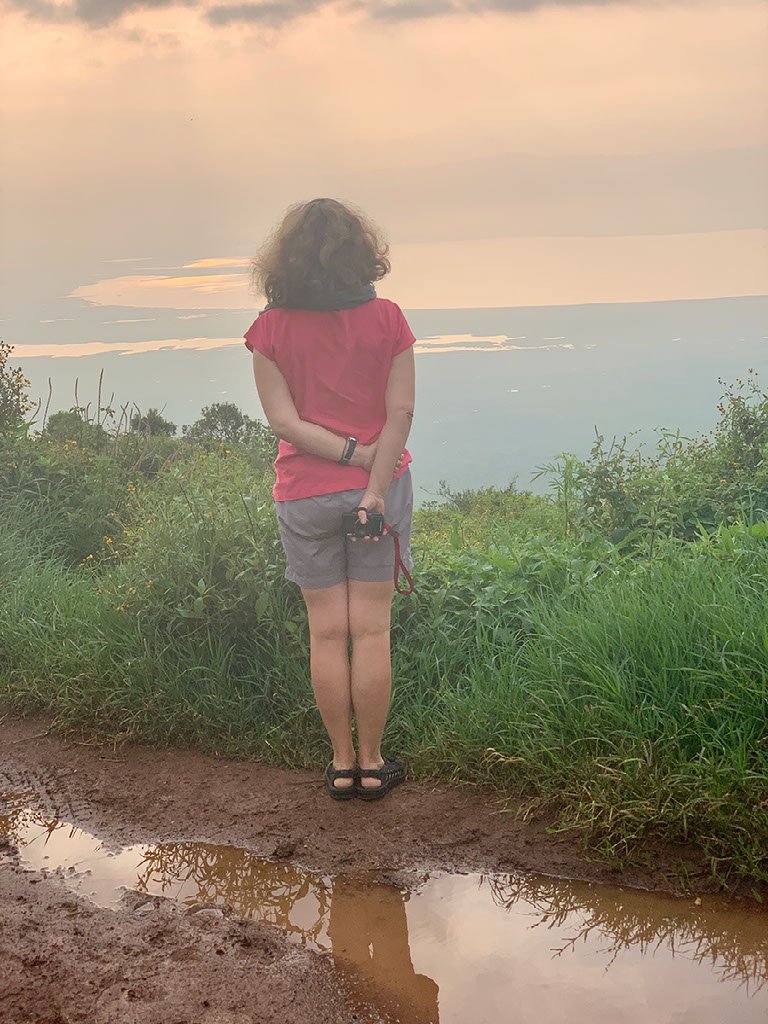
Our Guide - Joseph Paul Urio
A great guide can make or break your safari.
You want someone experienced, patient, and safe. You will spend long hours together in the vehicle every day. Their knowledge, instincts, and temperament shape your entire trip.
We traveled with Joseph Paul Urio, and he was exceptional.
Joseph reads the landscape the way experienced wildlife photographers read light. He was constantly repositioning the vehicle, watching for behavior, anticipating movement. His eyesight was almost unbelievable. I still do not know how he spotted a serval in tall grass, a leopard motionless in a tree, or distant movement on a horizon where I saw nothing.
He never rushed us. If we wanted to sit with a sighting and wait for the right moment, he stayed. He explained animal behavior clearly, answered every question, and made us feel safe throughout.
If you are planning a trip to Tanzania, I can confidently recommend Joseph.
Email: josephpaul067@gmail.com Phone: +255 62 858 6870
The right guide does more than drive. He elevates the entire journey.

Where to Stay in Tanzania
Arusha
Arusha Serena Hotel, Resort & Spa(Luxury) Set on the slopes of Mount Meru near Lake Duluti, this is a calm and green introduction to Tanzania before heading into the bush. The staff is warm, the breakfast is strong, and the vegetarian options were better than we expected. The rooms are clean and comfortable, though some areas show age. For a one-night arrival or departure stop, it works very well. About one hour from Kilimanjaro Airport.
Arusha Coffee Lodge(Mid-range / Boutique) Set within a working coffee plantation on the outskirts of Arusha, this property offers individual cottages and a genuinely beautiful setting. The atmosphere is more intimate than the Serena and particularly good for photographers who want interesting grounds to walk in the early morning.
Tarangire National Park
Tarangire Sopa Lodge(Mid-range / Our pick) This was our first safari lodge, and it set the tone perfectly. The lodge is built to blend into the kopjes and ancient baobab landscape, and it succeeds. The service was outstanding, the meals were excellent with strong vegetarian options, and the rooms were comfortable. We liked it more than our Arusha arrival hotel. Set inside Tarangire National Park, meaning wildlife roams the grounds. The sundowner terrace is excellent.
Tarangire Kuro Treetop Lodge(Luxury) An elevated, all-inclusive tented option inside the park. More intimate than Sopa, with extraordinary views and exceptional food. Well-regarded by photographers for its position in a quieter part of Tarangire.
Ngorongoro Crater
Ngorongoro Serena Safari Lodge(Luxury / Our pick) Perched directly on the crater rim, built from river stone and wrapped in indigenous vines, this lodge feels as ancient as the crater itself. The rooms have private balconies facing the volcanic amphitheater below. Waking up here before dawn, stepping outside in a fleece jacket as mist fills the crater and turns from grey to gold as the sun rises behind the eastern wall, that moment alone is worth the trip. The restaurant is excellent, and the staff is warm and attentive. The electrification project completed in 2024 has also reduced generator noise considerably.
Ngorongoro Sopa Lodge(Mid-range). Also on the crater rim with crater views. A solid alternative to the Serena at a more accessible price point, and regularly praised for service and food.
Serengeti National Park
Serengeti Serena Safari Lodge(Luxury / Our pick) Built into an acacia-lined ridge in the central Serengeti, this lodge offers panoramic views across the plains from rooms, the restaurant, and an infinity pool that sits at the edge of the escarpment. After long days in the field, returning to that view and a warm meal resets you completely. The staff is excellent, and the property is well-positioned for central Serengeti game drives.
Four Seasons Safari Lodge Serengeti(Luxury) is in the central Serengeti with a watering hole that attracts wildlife to the grounds. Larger and more polished than the Serena. If you want to see elephants from your window without getting in a vehicle, this is your property.
Ndutu / Lake Masek
Lake Masek Tented Lodge(Luxury / Our favorite lodge of the entire trip) This was the best lodge we stayed at, and it was not close. The tented accommodation is genuinely luxurious: spacious tents on elevated wooden platforms, hardwood floors, hot showers, and views across Lake Masek and the southern Serengeti plains. The chef was extraordinary. The staff balanced warmth with discretion perfectly.
The location sits within a wildlife area, which means animals move freely through the property after dark. A Maasai warrior escorts you back to your tent at night. On our first night, a giraffe stood about six feet from our tent, quietly eating leaves from a nearby tree for hours. You could hear the branches moving in the dark.
For calving season photography, there is no better base on the circuit.
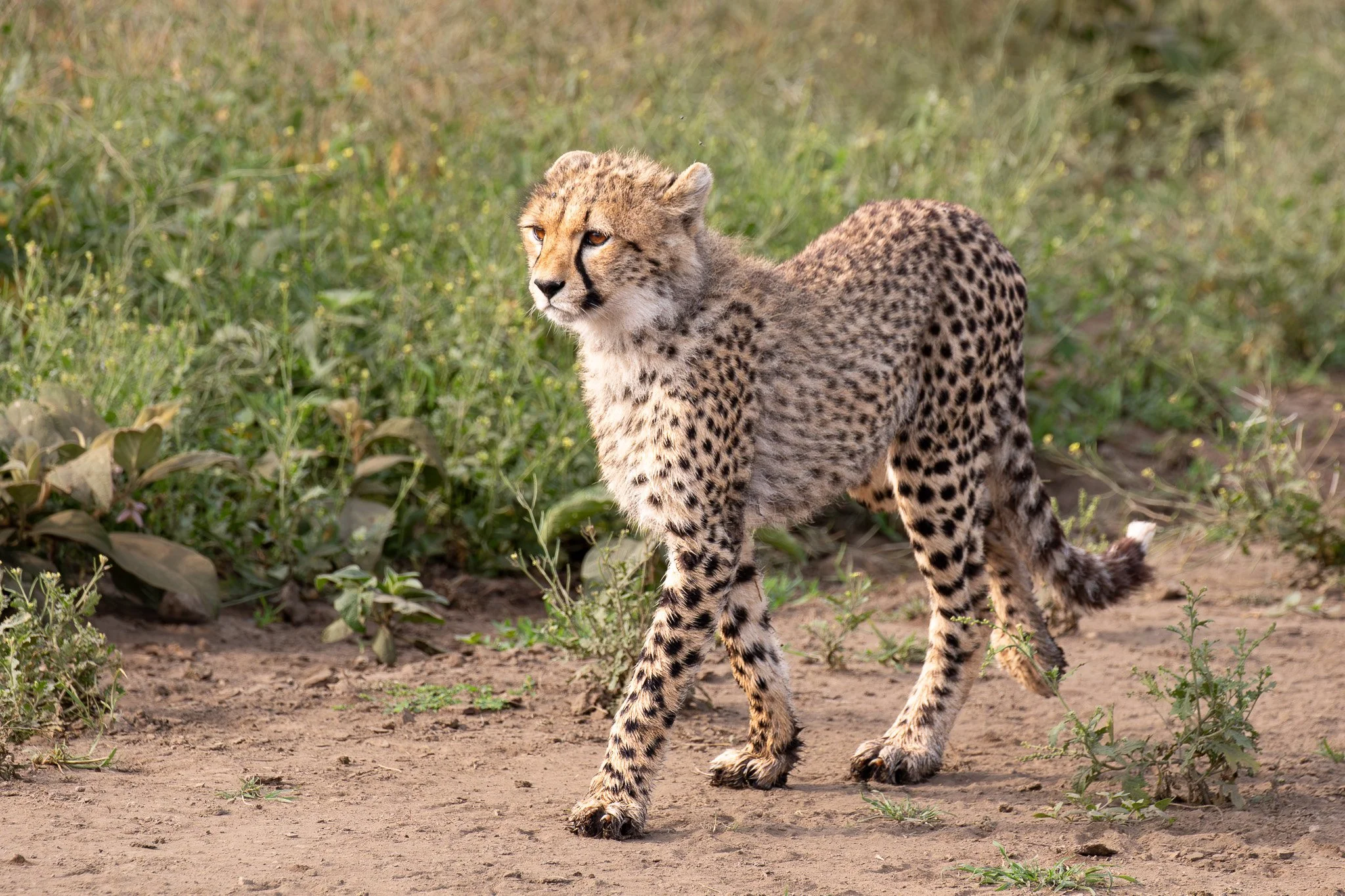
Photography Gear & Tips for Success in Tanzania
Camera Bodies
Bring two bodies. This is not optional advice; it is field reality.
First, you do not want to change lenses in the field. Safari vehicles kick up constant fine dust, and every sensor swap is a risk. Second, this is likely a once-in-a-decade trip. You need redundancy. There are no camera repair shops in the Serengeti.
For wildlife action, you want a camera with strong subject-tracking autofocus and at least 12 frames per second burst capability.
My recommendations: Canon EOS R5 Mark II or R1, Nikon Z8 or Z9, Sony A7R V or A9 series.
Lenses
For wildlife: You need reach. 300mm is the minimum. 500mm or 600mm is better. Most animals are not extremely far away, but extra reach gives you tighter compositions and cleaner separation from backgrounds. I would pair the two R5 Mark II bodies with a 70-200mm f/2.8 on one and a 400mm f/2.8 or 100-500mm on the other.
For landscapes and wide environment shots: A 24-70mm or 24-105mm lens handles lodge scenes, wide animal scapes, and environmental portraits. Keep this on your second body at all times so you are ready for sudden close encounters without fumbling for a lens change.
Teleconverters: A 1.4x adds reach but costs one stop of light and reduces autofocus performance on some systems. Test it before the trip. Do not discover its limitations during a cheetah run.
Tripods
I brought mine. I never used it.
You are not allowed to exit the vehicle during game drives, which makes a tripod nearly useless. The one exception is astrophotography at your lodge. If you plan to shoot the Milky Way, bring a lightweight travel tripod. Otherwise, leave it at home.
Bean bags are the answer. Every safari vehicle has roof hatches and window frames. Rest your camera on a bean bag over the roof edge, and you have a stable, instantly repositionable support that outperforms a tripod in every practical field situation. Some photographers bring their own; your vehicle will likely provide them.
Accessories
Safari photography is hard on gear. Dust is constant and unavoidable. Here is what you need:
Rocket blower for daily sensor and lens cleaning
Microfiber cloths and quality lens wipes
Plenty of SD or CFexpress cards. I use ProGrade.
Portable SSD drives for nightly backups (Samsung T7 or equivalent)
Rain covers for cameras and bags
Extra batteries. Two per body minimum.
ND filters are not needed for most safari photography
I shot approximately 8,000 images over eleven days. Bring more cards than you think you need.
Drones: Drones are not permitted inside Tanzania's national parks. Do not bring one with the expectation of using it in the Serengeti or Ngorongoro. You can use one in certain areas around lodges and outside park boundaries, but confirm with your operator and guide before any flight.
iPhone Tips for Tanzania
For landscape and environmental shots: Use the wide-angle lens for the vast scale of the Serengeti plains. The horizon-to-horizon landscape is where iPhone holds its own against larger gear. Shoot in ProRAW if your model supports it.
For wildlife: Get as close as your guide positions the vehicle, then use the 3x telephoto lens. Portrait Mode does not work well for fast-moving wildlife, but it can be excellent for stationary animals like lions resting in shade, giving you subject separation from the background grass.
For golden hour: iPhone handles warm directional light well. Set exposure manually using the sun icon slider to avoid blown highlights on bright skies. The Serengeti at golden hour in warm-season light is one of the best iPhone landscape opportunities you will find anywhere.
For the Ngorongoro Crater rim at sunrise: Use Night Mode for the pre-dawn mist scenes before the sun clears the eastern wall. The diffused low light is exactly where iPhone's computational photography performs best.
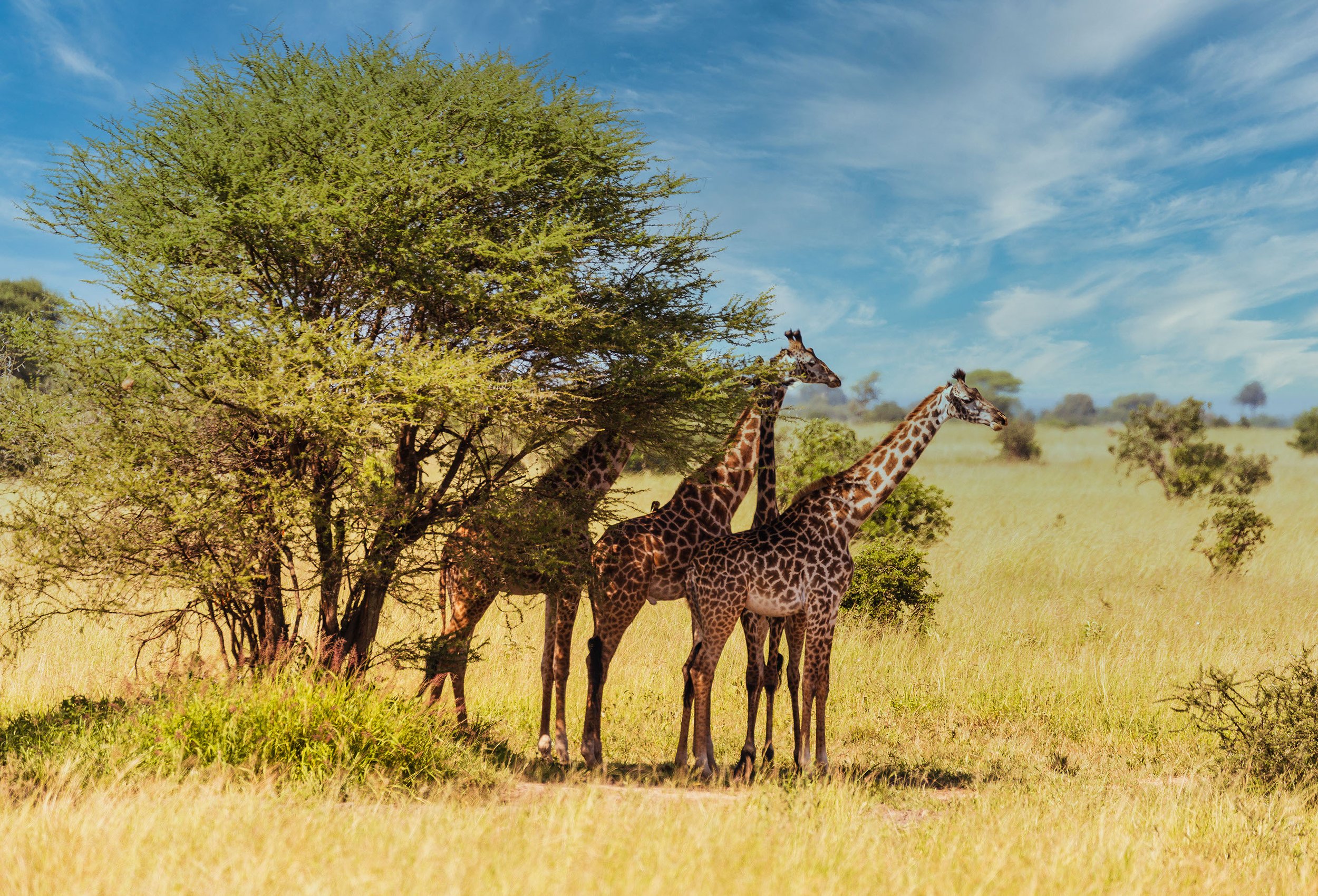
Our Itinerary in Tanzania
Hotel-Based vs Private Guided Safari
This is the most important decision you make when planning Tanzania.
A luxury lodge like Singita Serengeti or Four Seasons Safari Lodge Serengeti delivers extraordinary comfort and polished service. Meals are outstanding. The rooms are beautiful. The trade-off is range. Lodge-based safaris typically operate within a limited radius, and shared vehicles mean you may not be able to spend two hours at a single sighting when someone else in the vehicle wants to move on.
We chose a private guided safari, which gave us complete flexibility. Joseph drove us according to what we were seeing and what the light was doing, not according to a schedule. That freedom made our photography trip what it was.
The hybrid approach is worth considering: private guided safari for the first week, finishing with two or three nights at a luxury lodge before flying home.
Our 11-Day Route
Day 1: Arrive Kilimanjaro International Airport via Doha on Qatar Airways. Transfer to Arusha Serena Hotel.
Day 2: Arusha. Gear organization, visit to the Cultural Heritage Center.
Days 3 to 4: Tarangire National Park. Stayed at Tarangire Sopa Lodge.
Days 5 to 6: Ngorongoro Crater. Stayed at Ngorongoro Serena Safari Lodge.
Days 7 to 9: Serengeti National Park (central and northern sectors). Stayed at Serengeti Serena Safari Lodge.
Days 10 to 11: Ndutu / Lake Masek. Stayed at Lake Masek Tented Lodge.
Day 11 evening: Transfer to Arusha and departure.
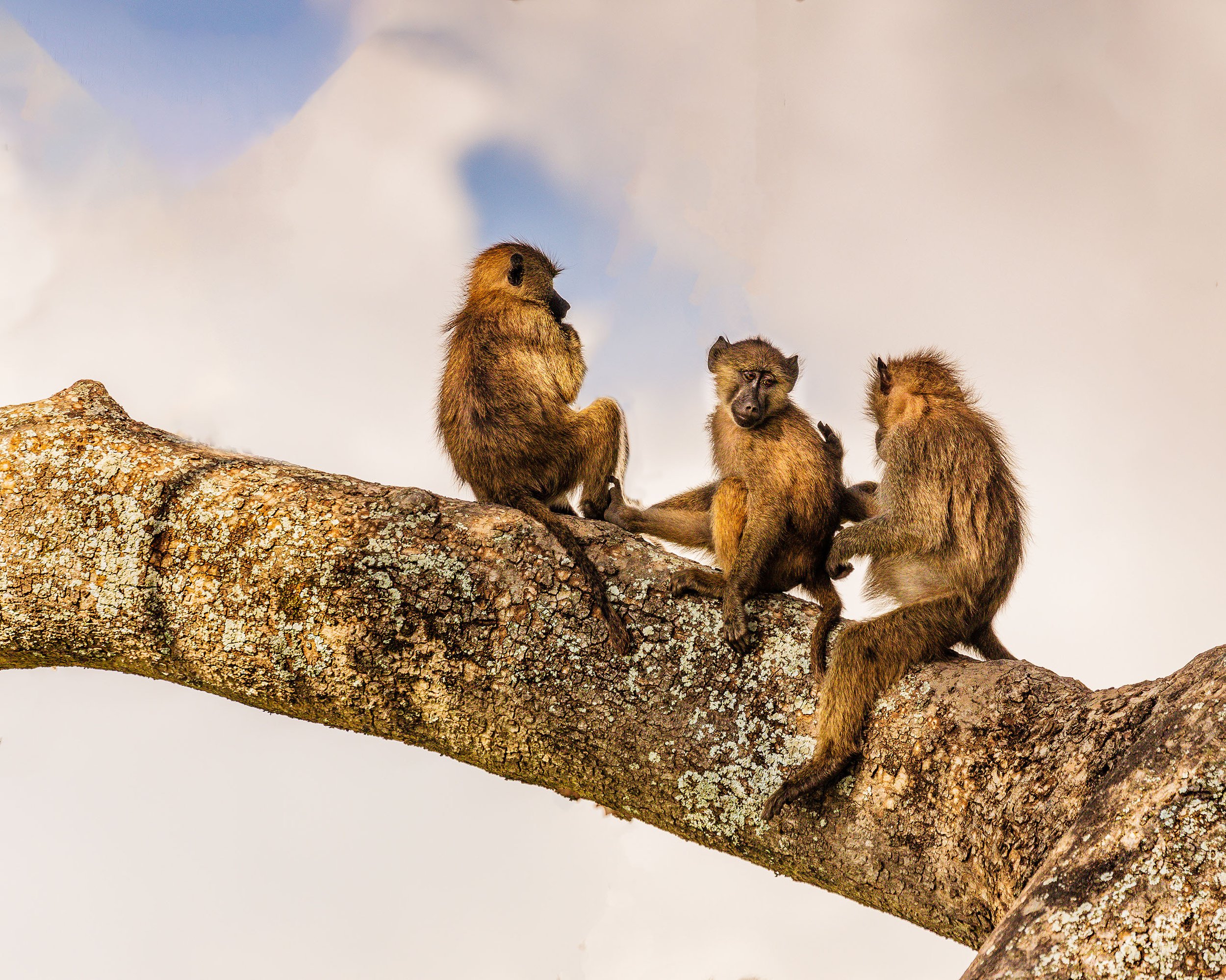
Best Photography Locations in Tanzania
Arusha
We flew directly into Kilimanjaro International Airport from Doha on Qatar Airways. It is one of the most convenient ways to reach northern Tanzania.
Arusha is a gateway, not a destination, but it offers two full days of photography opportunities that most visitors completely overlook.
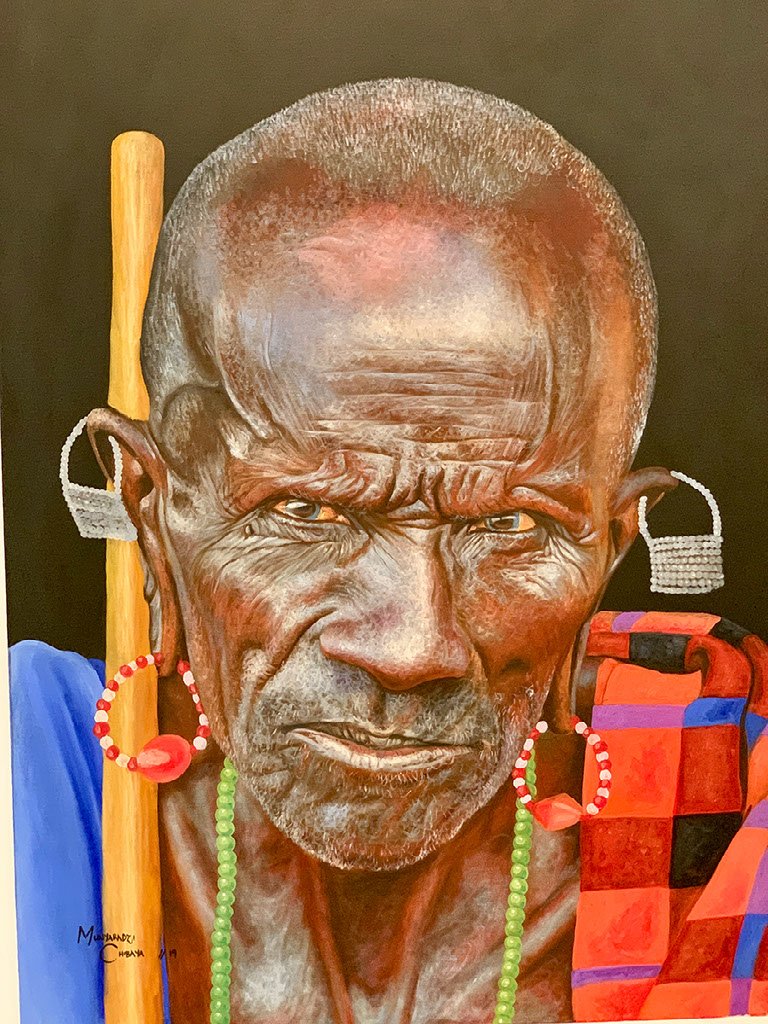
The Cultural Heritage Centre is genuinely impressive. The space is enormous and curated like a serious museum rather than a market: painting galleries, photography exhibitions, sculpture, artisan crafts, and a Jane Goodall Museum. We narrowly missed Jane Goodall herself, who was scheduled to visit the day after we departed. The architecture of the building and the scale of the interior give you good material for interior environmental photography, and the staff are notably warm without being pushy.
Mount Meru provides the backdrop for landscape photography around Arusha. At sunrise or sunset on a clear day, the mountain frames the city and the surrounding highlands in a way that is significantly more interesting than any cityscape shot.
📷 Pro Tip: Inside the Cultural Heritage Centre, use a 24-70mm at f/4 for interior gallery shots. The lighting is mixed but manageable with a slight warm tone adjustment in post. For Mount Meru landscape shots, position at an elevated ground north of Arusha before first light. Telephoto compression (70-200mm) with the mountain behind the lower hills creates a more powerful image than the wide-angle shot from the same location.
Best time: Morning for Mount Meru clarity before heat haze builds. Midday for the Cultural Heritage Centre (use the slow hours productively). Access: Free entry to Arusha's streets. The Cultural Heritage Centre has an entry fee.
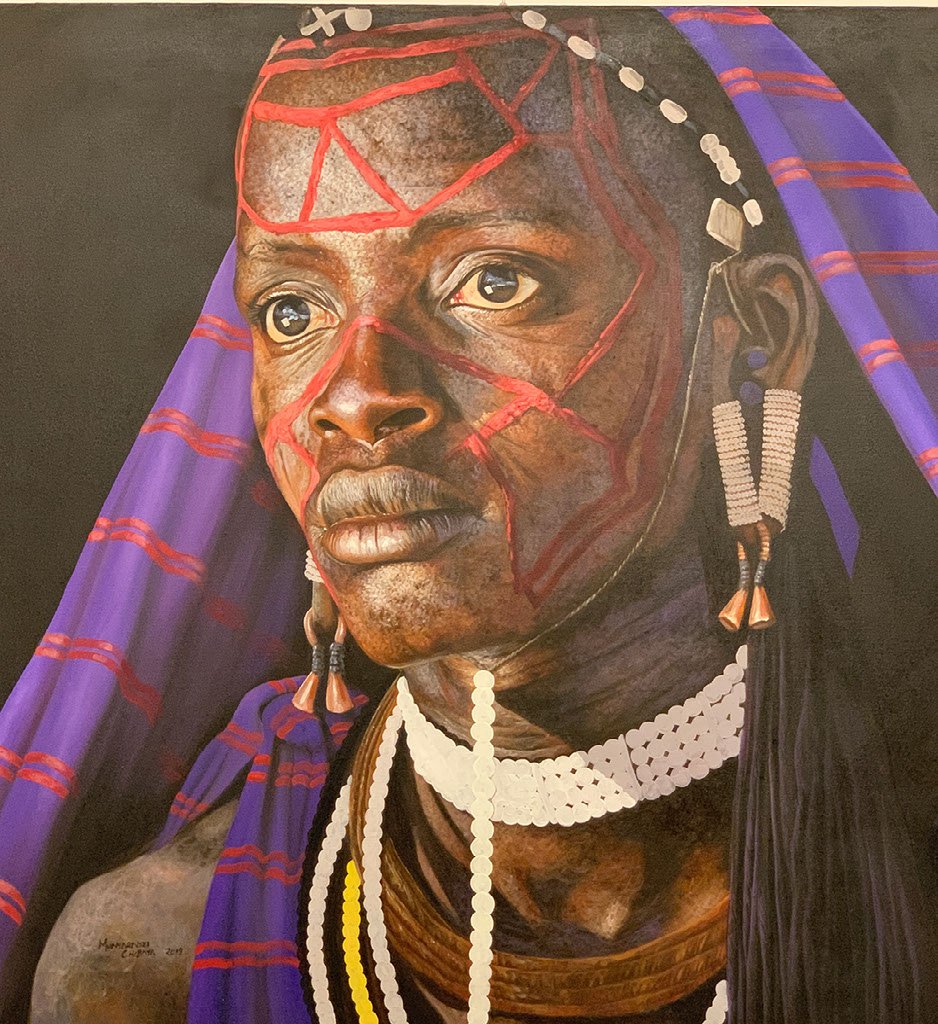
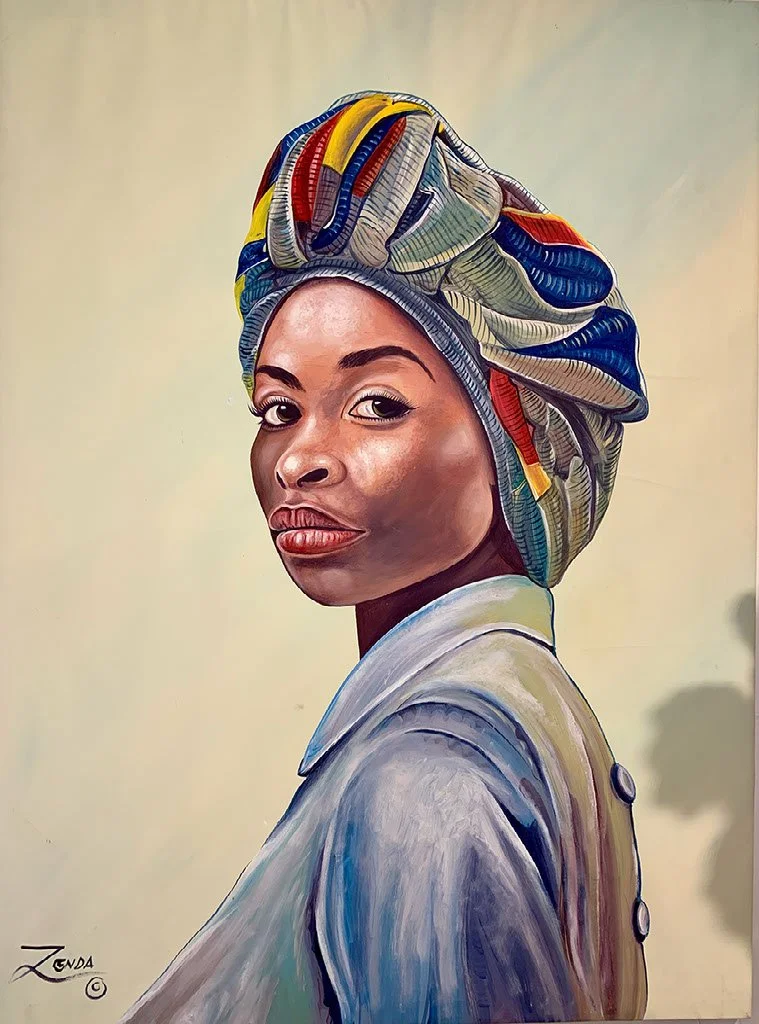
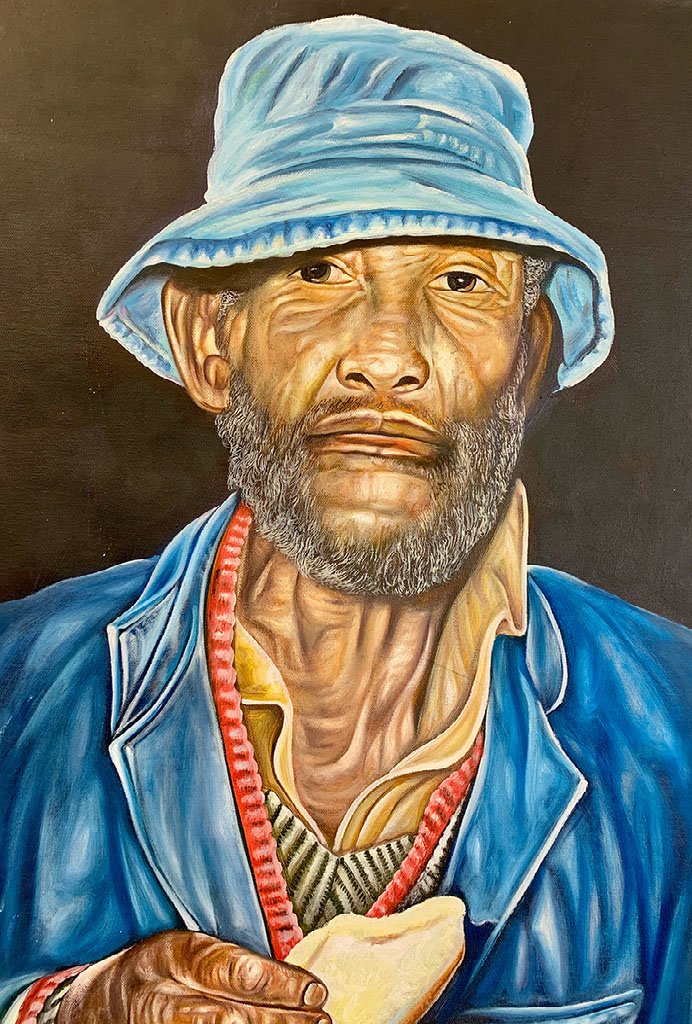
Tarangire National Park
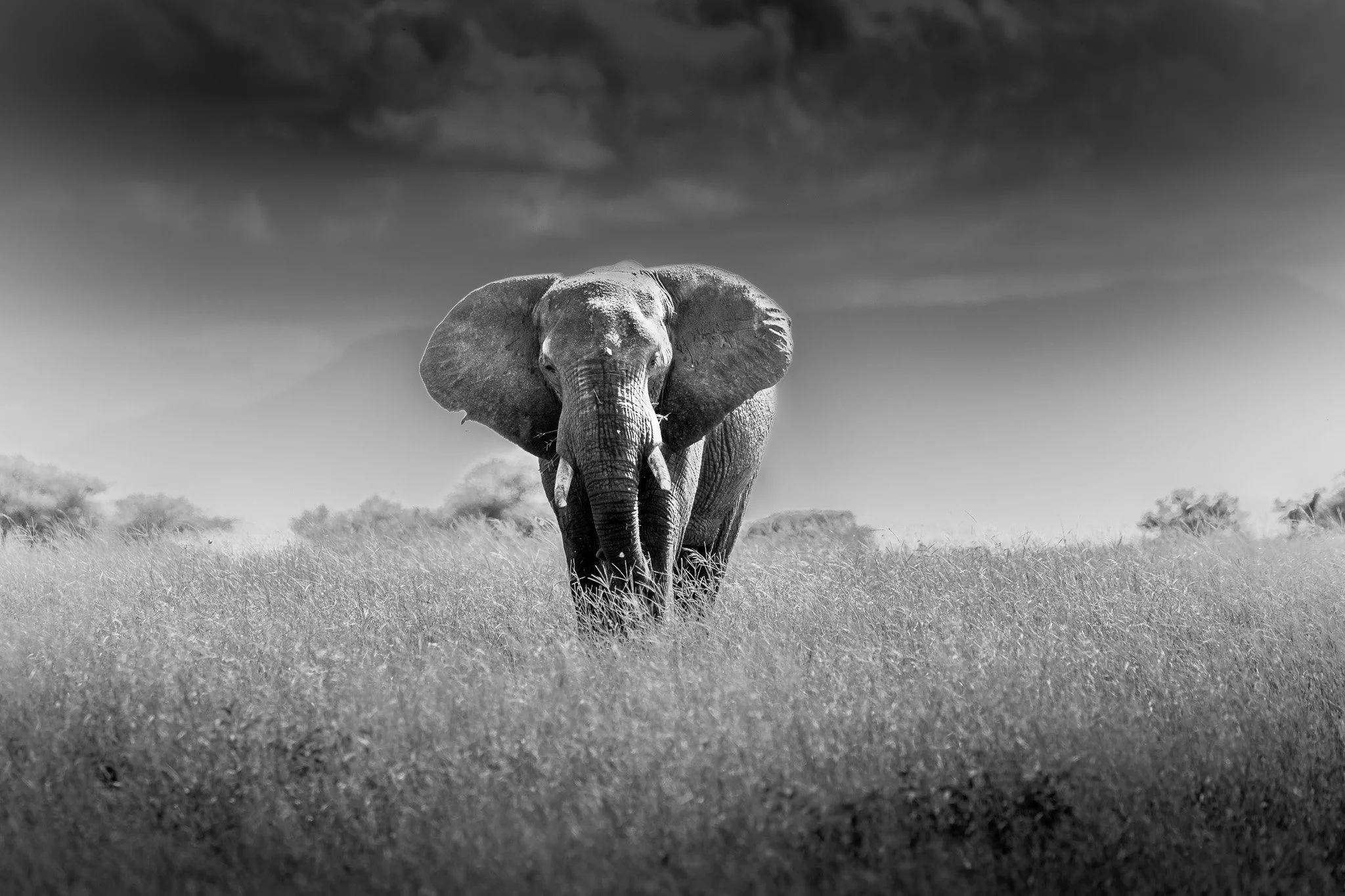
Tarangire covers approximately 2,600 square kilometers and carries a reputation for the highest elephant concentration in Africa. That reputation is accurate. The elephant herds move through landscapes dotted with ancient baobab trees, and the combination of subject and setting is unlike anything else on the circuit.
The baobabs are photographically distinctive in a way that is hard to overstate. Some are thousands of years old and massive enough that they change the proportional logic of your composition. An elephant at their base looks dwarfed. Use that scale.
The Tarangire River becomes a magnet for animals during the dry season when water is scarce elsewhere. Lion sightings, giraffe silhouettes, and enormous mixed herds converge around the riverbanks in a way that makes multi-species layered compositions more achievable here than anywhere else on the northern circuit.
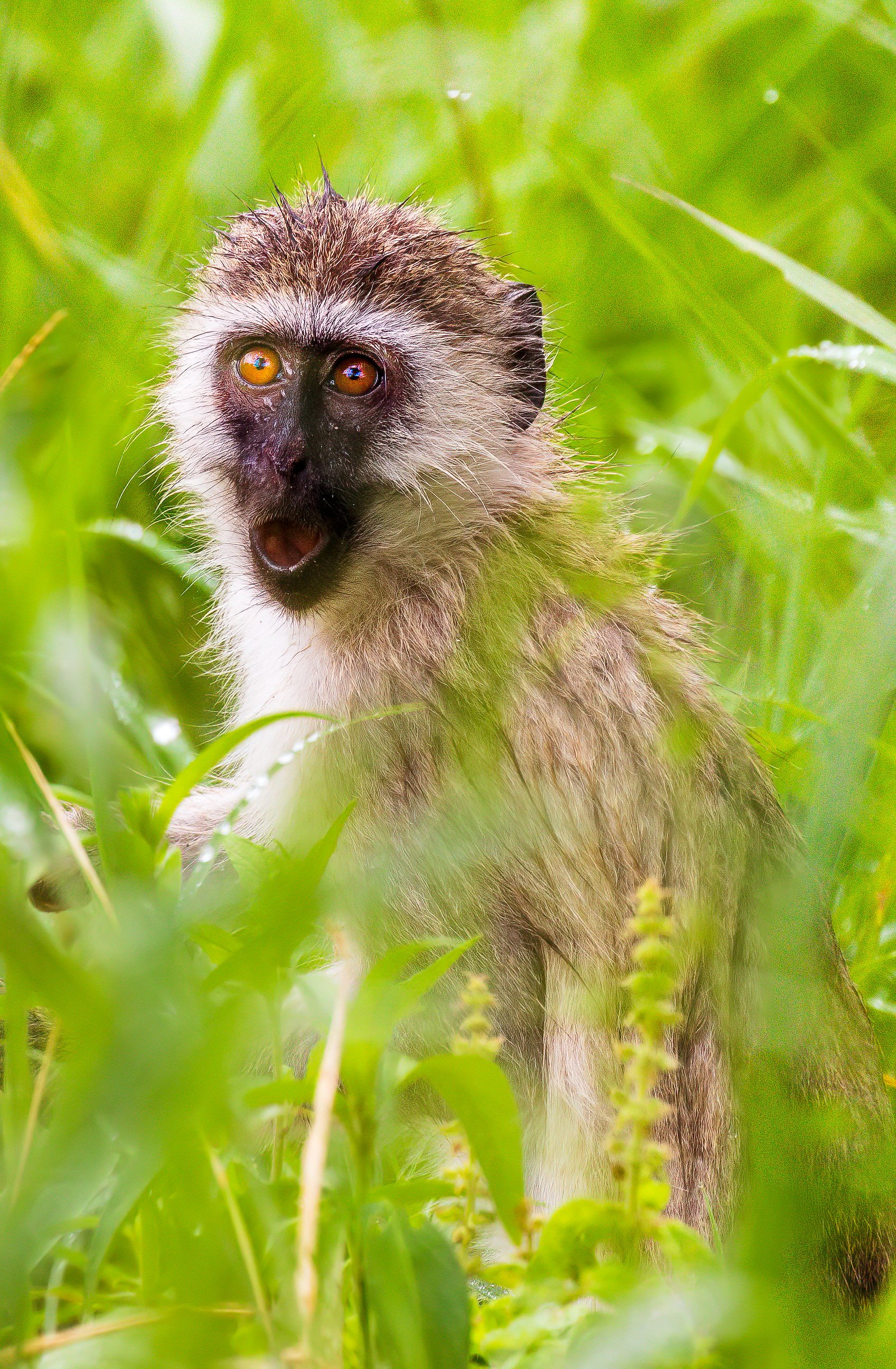
One practical note: when you arrive at the park registration center, close your vehicle windows immediately. The vervet monkeys are fast, bold, and experienced. They will be inside searching for food within seconds of an open window.
📷 Pro Tip: The baobab trees are best photographed in early morning or late afternoon when the low-angle light rakes across their textured bark. Use a mid-range zoom (70-200mm) to compress the relationship between elephants and baobabs for a more powerful composition than a wide shot achieves. Position the vehicle downwind of elephant herds and let them move toward you rather than driving to them; your guide will instinctively know this, but it is worth mentioning if you are not moving. The Tarangire River area is best worked from late dry season (August to October) when concentrations are highest, but we found excellent elephant encounters in January as well.
Best time: Dry season for maximum wildlife density, but excellent year-round. First and last light for textured landscape shots. Access: Park fees apply. About 2 to 2.5 hours from Arusha.

You could spend a week just in Tarangire. It is just a massive park with so much incredible wildlife.

If you love Elephants as much as do you definitely do not want to miss Tarangire National Park

Ngorongoro Crater
From Tarangire, we drove west through the Great Rift Valley toward the Ngorongoro highlands. The journey takes three to four hours depending on road conditions and wildlife stops, and the landscape changes completely as you climb. The heat and dust of the lower parks give way to cooler air and rolling green hills. Villages appear along the roadside. Maasai in red and blue shúkàs walk the verges. And then the road reaches the rim, and you stop the vehicle, and you look down.
Nothing prepares you for it.
The Ngorongoro Crater is the world's largest intact volcanic caldera, roughly 260 square kilometers of self-contained ecosystem sitting 600 meters below the rim. The descent road winds through highland forest and then emerges onto the crater floor where the scale hits you immediately.
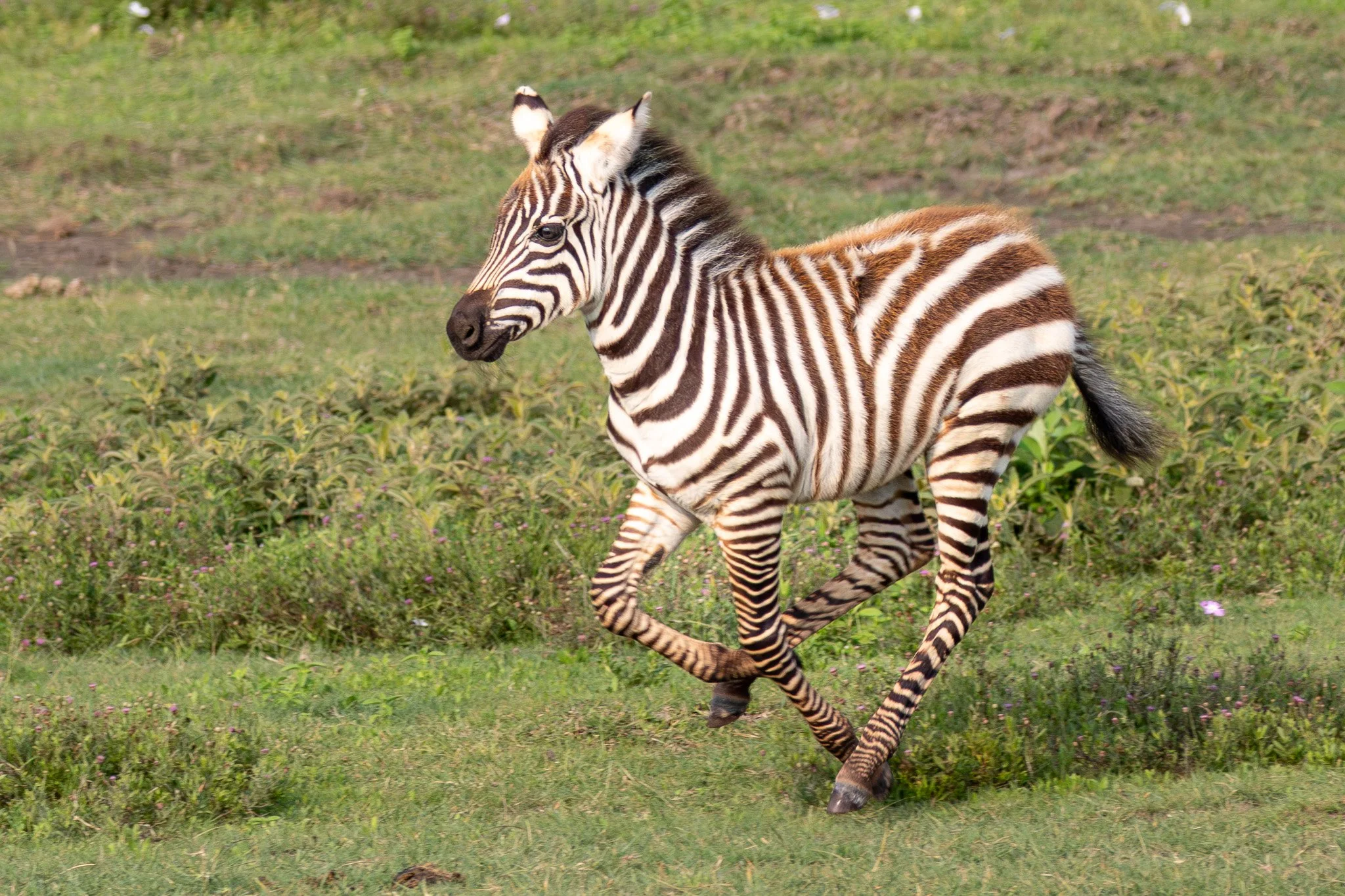
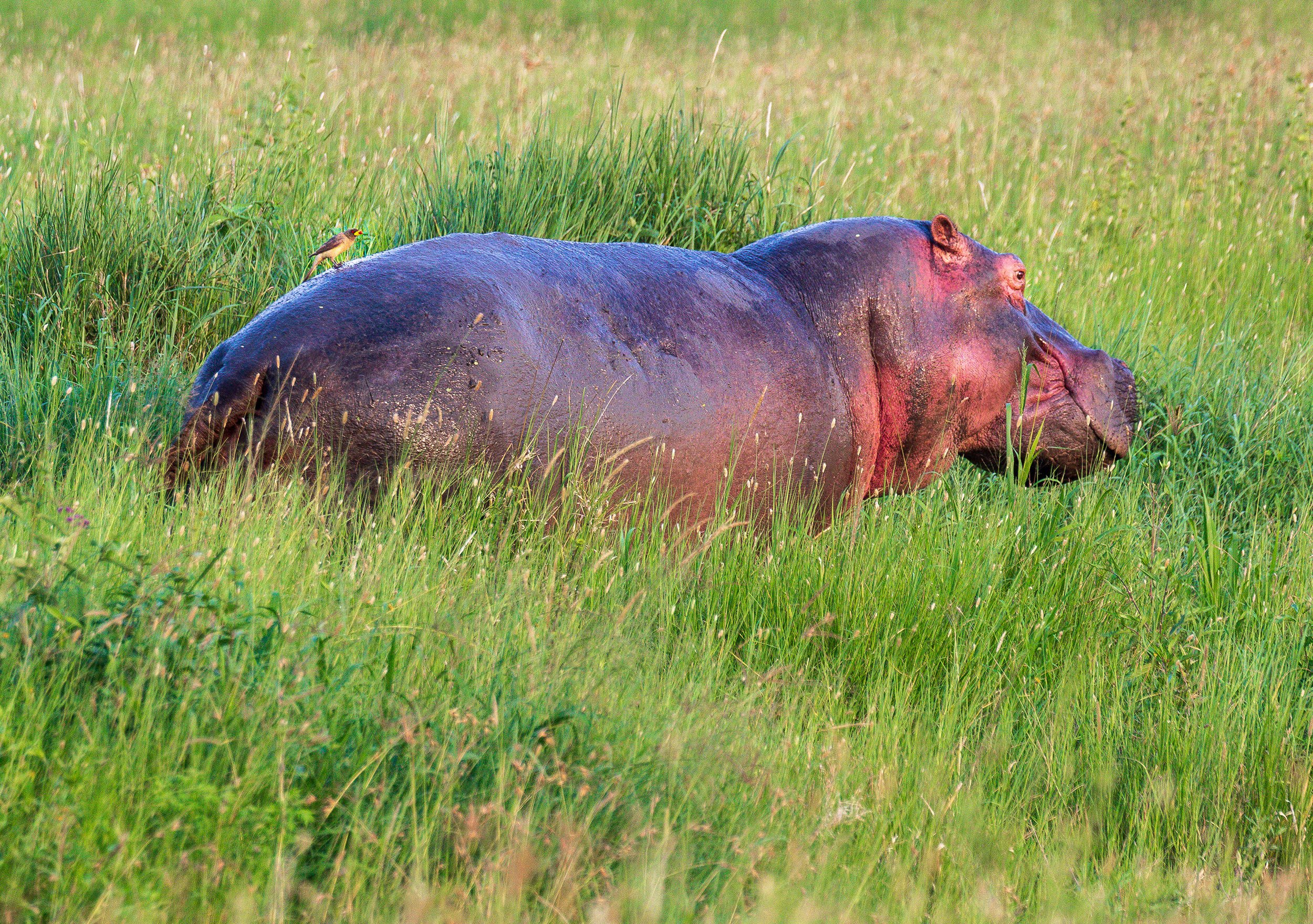
We saw everything. Lions. Black rhino. Elephant herds. Cape buffalo. Zebra. Wildebeest. Flamingos wading in the alkaline lake at the center. Hippos in the pools. The animal density on the crater floor on a single day rivals entire multi-day safaris in other parks. It is, as I described it in my notes, like Noah's Ark inside a mountain.
From the rim, the view before dawn is as good as any photography experience I have had. The crater fills with mist at night and the morning light burns it off slowly from above. Standing on that rim in the cold at 5:30am with the world's largest natural wildlife enclosure invisible below you in the fog, then watching it slowly materialize as the sun rises behind the eastern wall, is genuinely moving.
📷 Pro Tip: Shoot the crater floor descent at 24-70mm for wide environmental context as you wind down through highland forest. Once on the floor, work with your telephoto and stay low in the vehicle hatch for animal eye-level shots. The best predator activity is in the morning before 10am. The black rhino population is small (fewer than 30 individuals) so ask your guide specifically to look for them — they tend to graze in the southern sector near the Lerai Forest. For rim sunrise photography, position at your lodge balcony (Ngorongoro Serena Lodge rooms face directly into the crater) or drive to the rim viewpoint before the descent. Dress warmly: temperatures at the rim sit around 12°C in the early morning.
Best time: Dawn from the rim; crater floor from first entry (usually 7am) through mid-morning. Access: Crater descent fee required in addition to park fee. Included in most safari packages. No overnight stays permitted on the crater floor.
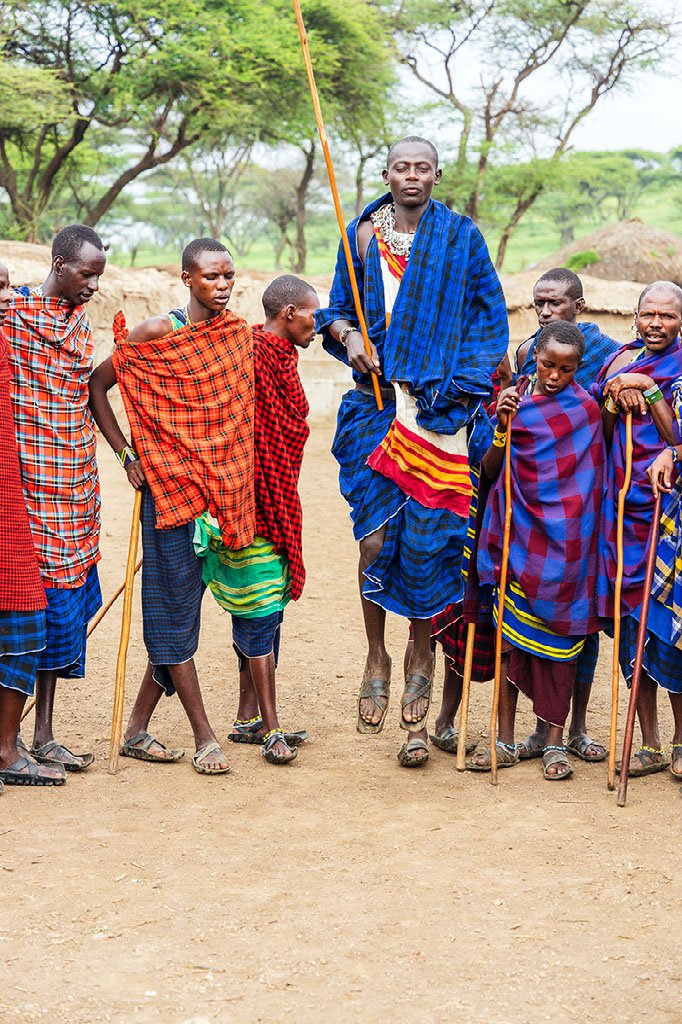
As you reach the rim of the Ngorongoro Crater, one of the first things you notice is the Maasai walking along the roadside in their vibrant red and blue shúkàs. Against the cool green highlands, the color contrast is striking.
The elevation changes everything.
Temperatures at the top of the crater are surprisingly cool, often around 12 degrees Celsius in the evening. After the heat of the lower parks, it feels refreshing, but you will absolutely want a fleece or light jacket at night and early morning.
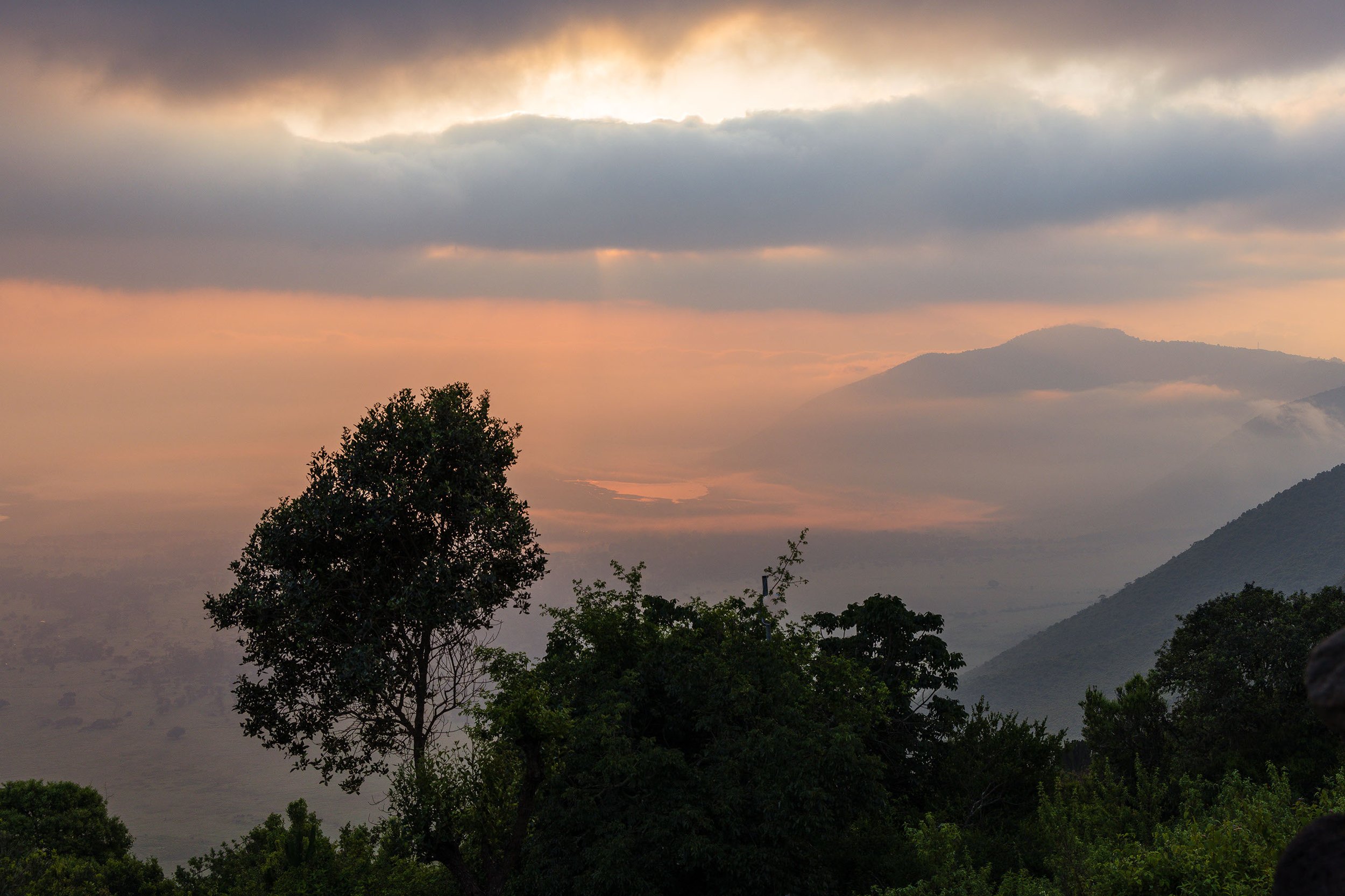
The View into the Ngorongoro Crater
The setting is dramatic, perched directly along the rim with uninterrupted views into the crater below. It almost feels like a small alpine retreat in the middle of Africa. The air is crisp. The mornings are misty. The light is soft.

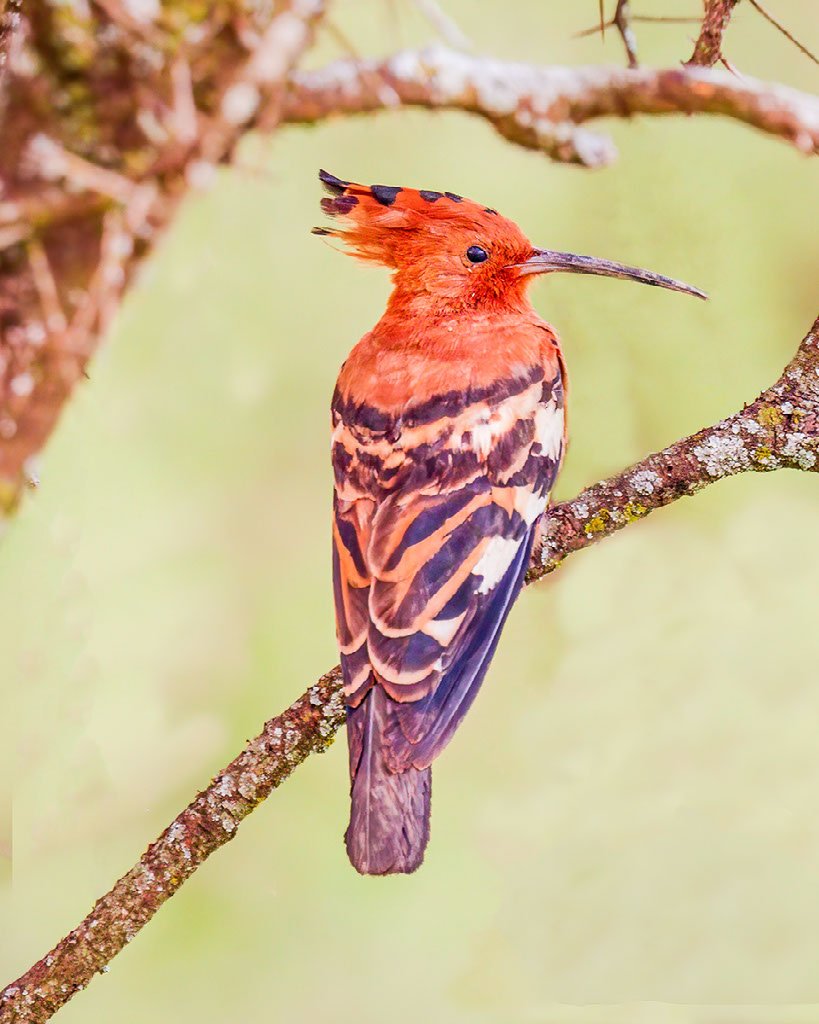
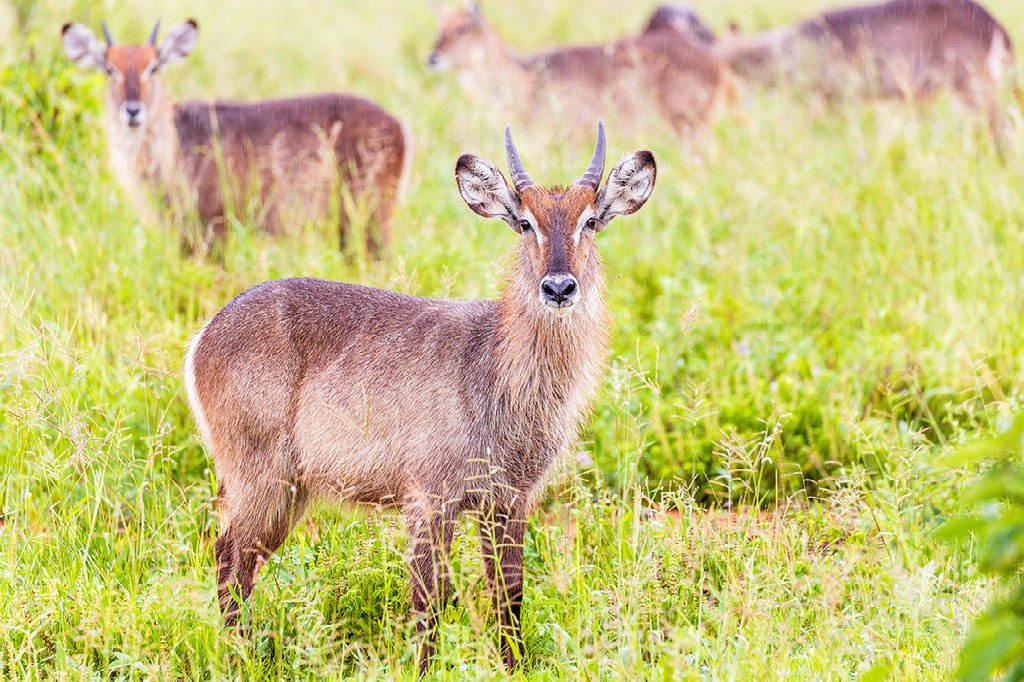
We saw lions, zebras, wildebeest, ostrich, elephants, flamingoes, black rhinos, many birds, Cape buffalo, Hippos, Elands, Gazelles, and Waterbucks.

An Impala
Landscapes
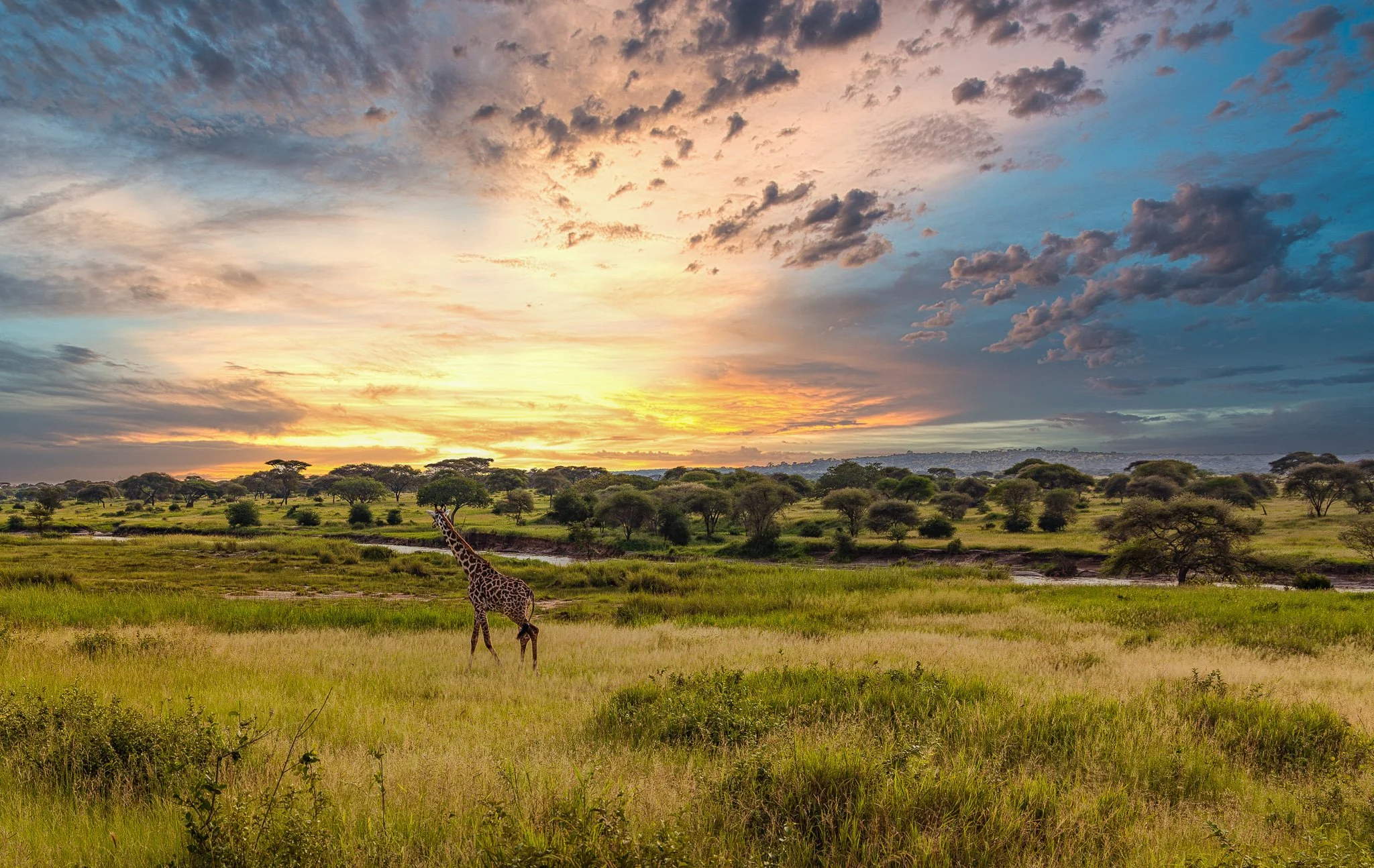
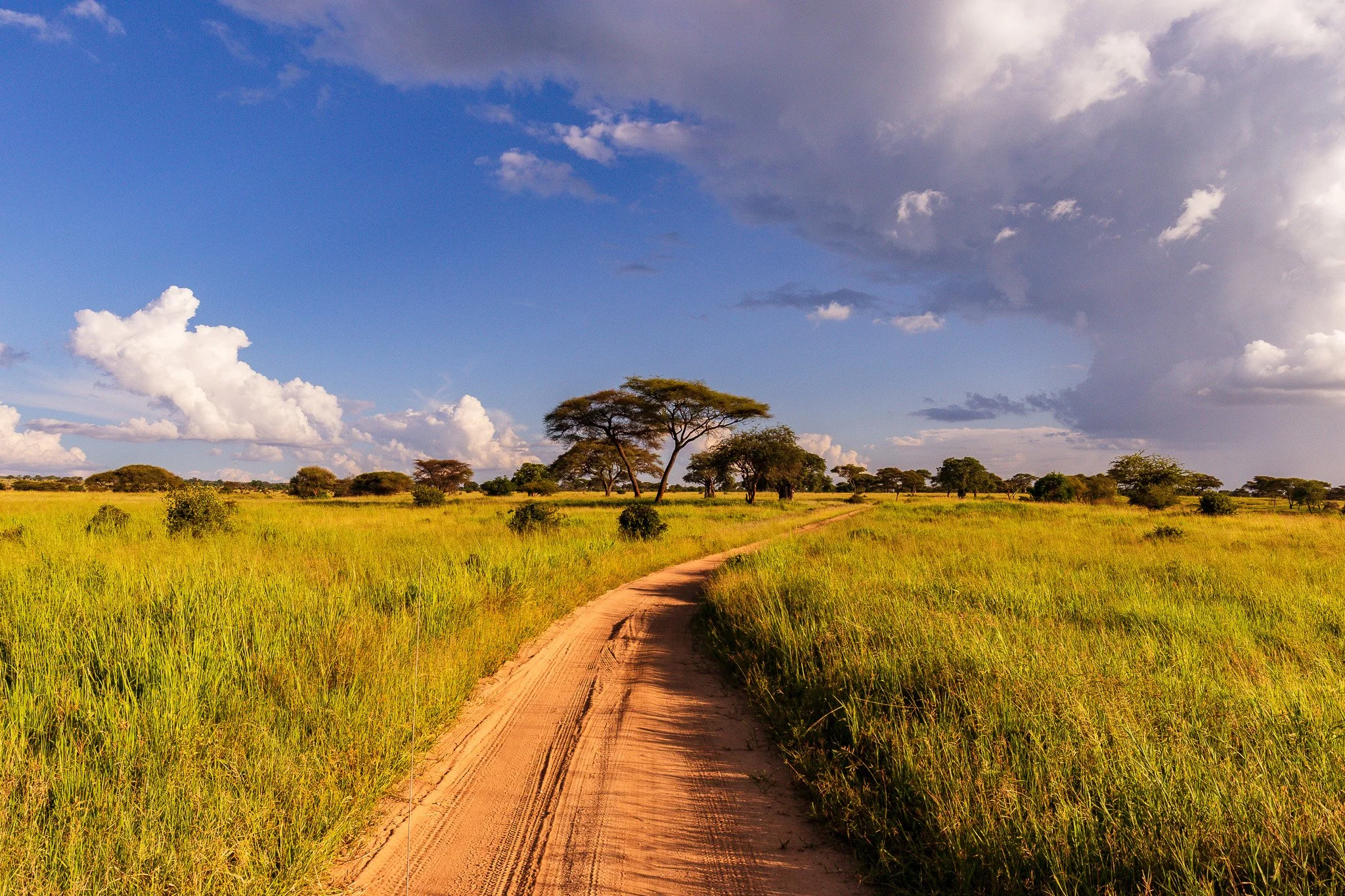
There is nothing like the landscapes of Africa, and especially Tanzania. Do not spend your entire trip shooting tight wildlife portraits. Step back. Photograph the open plains, the dramatic skies, and the lone trees silhouetted at sunset. Those images often become your favorites.
Serengeti
From the Ngorongoro Crater, we continued on toward the Serengeti.
Along the way, we stopped at a Maasai village. It was an interesting cultural experience and offered insight into traditional life. That said, it is important to approach these visits with awareness.
The central Serengeti is the core of the northern circuit and the place most people picture when they think of an African safari. The plains are genuinely endless, the sky is enormous, and the wildlife density is extraordinary. Lions rest in the road. Cheetahs scan from termite mounds. Giraffes move between acacia groves with a slowness that makes time feel different here.
What makes the central Serengeti exceptional for photography is not just the animals. It is the light on open space. No trees to block the sky. No buildings to anchor a horizon. The landscape itself is graphic and minimal in a way that rewards compositional thinking. A single acacia at sunset. A lion silhouetted against orange grass. These images are not clichés. They are what happens when extraordinary light lands on extraordinary landscape.
Work with your guide constantly. Joseph was always repositioning, reading animal behavior, watching wind direction and movement patterns. That active searching is what separates good safari images from great ones. Do not sit back and wait for animals to come to you. Stay engaged.
📷 Pro Tip: For classic Serengeti landscape shots, use a wide focal length (24-35mm) and shoot low from the vehicle roof hatch to include foreground grass texture against the sky. For wildlife behavior, keep your telephoto on a bean bag and pre-focus on the eye before movement starts. The central Serengeti is best at first light (6 to 8am) and again from 4pm until sunset. Midday game drives can still yield sightings but the overhead light is unforgiving for photography. Access is through Naabi Hill Gate or via internal transfer from Ngorongoro.
Best time: Golden hour, both ends of the day. Access: Park fees apply; included in most safari packages.

The drive to our lodge in the Serengeti National Park took about two and a half hours over deeply rutted, uneven roads.
This is where we learned the phrase “African massage.”
It means your seat does the massaging as the vehicle bounces over every dip and ridge in the road. It is part of the adventure. After a while, you stop fighting it and just enjoy the rhythm.
Mara River — Wildebeest Crossings
The Mara River crossings are among the most photographed wildlife events on earth, and for good reason. During the main migration months (July through September), hundreds of thousands of wildebeest and zebras queue on the northern bank, hesitate for hours, then pour into the crocodile-filled river in surges of controlled panic.
We visited in January and witnessed a smaller crossing, part of the ongoing migration cycle rather than the celebrated July-September spectacle. It was smaller in scale. It was still one of the most intense things I have seen with a camera in my hands.
The photography challenge at the Mara River crossings is vehicle positioning. During peak season, many vehicles converge on crossing points, and your guide needs to be there early to establish a position. The best angles are from slightly elevated ground on the departure bank, with the river in the foreground and the herd behind it. Full-sun midday crossings are not the most flattering light, but they happen when they happen. You do not control the wildebeest.
📷 Pro Tip: Use 400mm or longer and focus on individual animals rather than the full herd. The powerful images from river crossings are rarely wide shots. They are tight on a single wildebeest mid-leap, eyes wide, legs fully extended over the water, with a crocodile visible below. Lock focus on the eye as animals enter the water and shoot continuous burst from that moment through the full leap. For January crossings, the herds are smaller but the crocodile activity is still present. Position on slightly elevated ground with the sun behind you where possible. The crossing can happen any time of day, so game drives near the river should start at first light.
Best time: July through September for peak crossings; January for smaller wet-season crossings. Access: Northern Serengeti sector. Internal park transfer or multi-day itinerary required.
The Serengeti is one of the best places on earth to witness the Great Migration.
There is no official starting line or finish line. It is a continuous circular movement driven by rainfall and fresh grazing. However, many consider the calving season to be the beginning of the cycle.
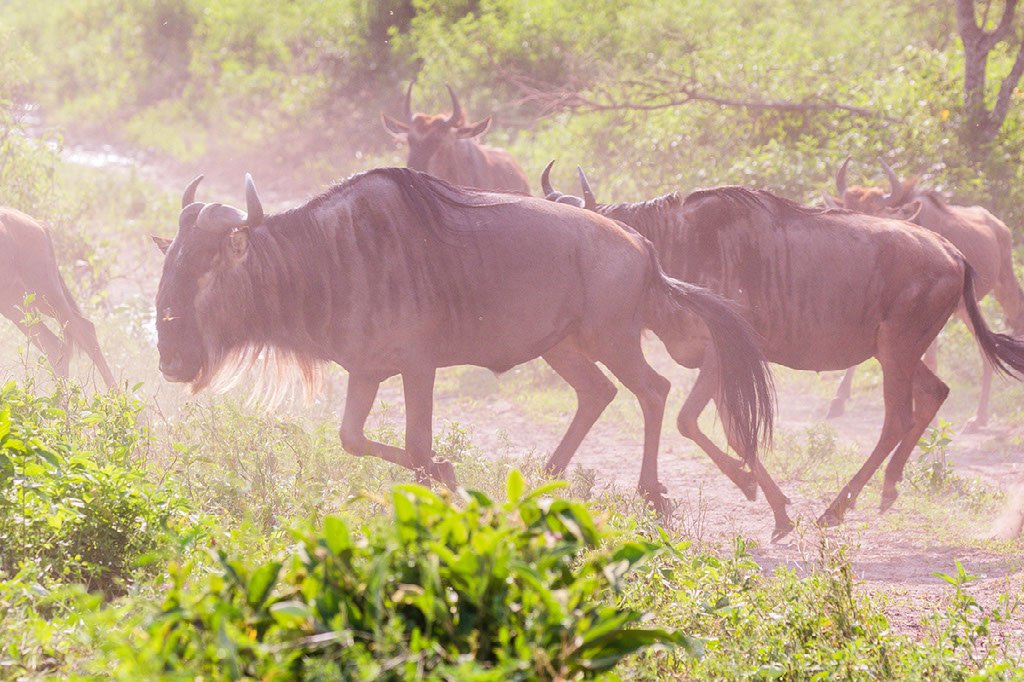
In late January and February, massive herds gather on the short grass plains stretching along the lower northern slopes of the Ngorongoro highlands. This is where hundreds of thousands of wildebeest give birth within a short window of time.
For photographers, this period is extraordinary.
Lake Masek (Ndutu)
Ndutu and the Lake Masek region sit between the southern Serengeti and the Ngorongoro Conservation Area, and during calving season (late January through February) this becomes one of the most photographically intense places on earth.
Hundreds of thousands of wildebeest give birth within a concentrated window of time. Calves stand within minutes. Cheetahs, lions, and hyenas are everywhere. The cycle of predation and survival plays out in real time, in open terrain, in light that is softer and more diffused than the dry season plains.
We were here in January. The density of activity around us was extraordinary. In a single morning game drive, we witnessed multiple hunts, calving, and predator-prey interactions. Your guide determines how much of this you see. Joseph found scenes that other vehicles completely missed.
The landscape itself is also beautiful. Short grass plains, glassy lake surfaces in morning calm, and softer green tones than the golden dry-season Serengeti. It photographs differently and rewards a different compositional approach.
📷 Pro Tip: During calving season, set your autofocus to wide-area continuous tracking and pre-set burst mode before you leave the lodge. Cheetah and lion hunts begin fast and end faster. You need to be ready before the action starts, not reacting to it. For calving images specifically, use 400-500mm to give yourself distance so that the mother is not disturbed, and focus on the calf's first attempts to stand rather than chasing the predator action exclusively. Those quiet birth moments are rarer in published photography and more powerful. Shoot the early morning mist over Lake Masek with a 24-70mm for landscape context.
Best time: Late January through February for calving. December through March for green season. Access: Via Ndutu Gate or internal transfer from central Serengeti. Park and conservation area fees apply.
This was our favorite lodge of the entire trip.
Lake Masek Tented Lodge truly lives up to the word luxury. The tents are spacious and beautifully designed. The beds are comfortable. The showers are hot. After long, dusty days in the field, those details matter.

Festivals and Events
Great Migration — River Crossings (July to September) The peak of the annual wildebeest migration delivers one of the great wildlife spectacles on earth. Enormous herds cross the Mara River between Tanzania and Kenya in surges that can last minutes or hours. For photographers, July through September is the primary window for this event. Positioning is competitive. Go early and trust your guide's judgment on where to wait.
Calving Season (Late January to February) Not a festival, but a photographic event of the first order. Hundreds of thousands of wildebeest give birth on the short grass plains of the southern Serengeti and Ndutu region over a concentrated period. The predator concentration during calving season rivals anything the dry-season circuit offers. The light during this wet-season period is softer and the landscapes are green rather than golden. For photographers who want intensity with fewer vehicles, this is a serious alternative to peak migration season.
Ngorongoro Marathon (June) Held annually on the crater rim in June, this event attracts runners and spectators from across East Africa. The visual combination of athletic competition against one of the world's most dramatic natural landscapes is unusual and worth photographing if your timing overlaps.
Maasai Cultural Events Maasai ceremonies and markets occur throughout the year in the Ngorongoro highlands and surrounding areas. Colorful, visually powerful, and genuinely photogenic. Approach these with awareness. Ask your guide about what is culturally appropriate to photograph and always request permission before pointing a camera at individuals. A warm greeting goes a long way.
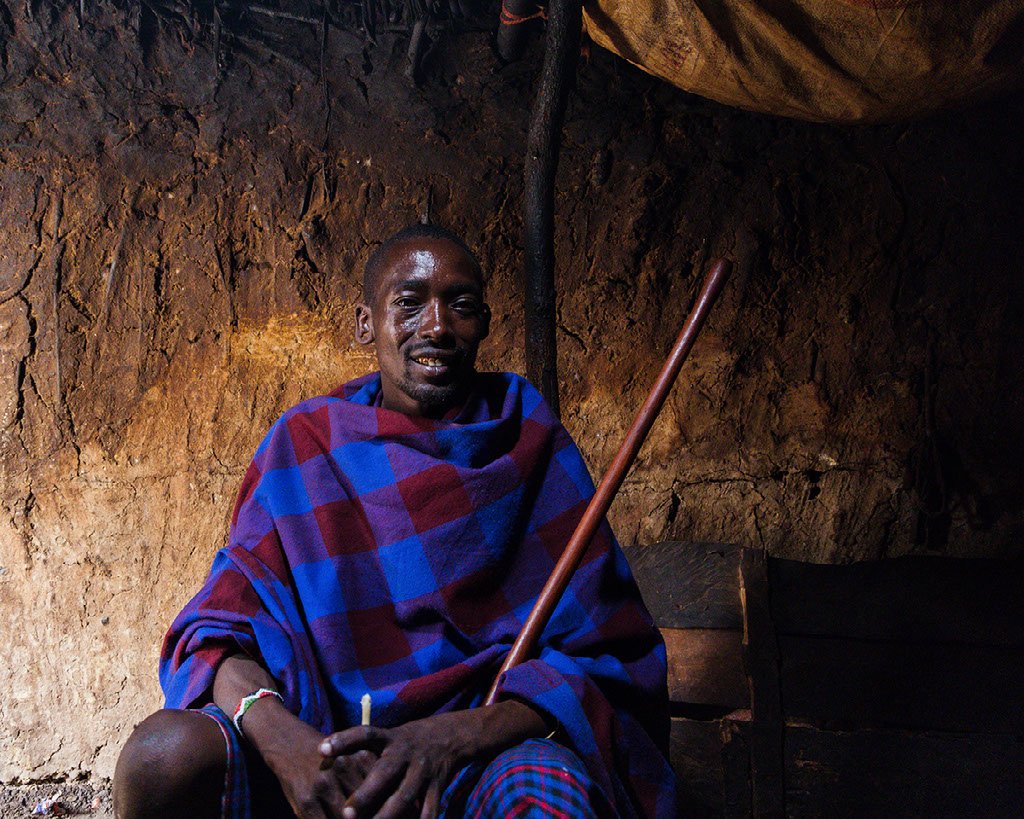
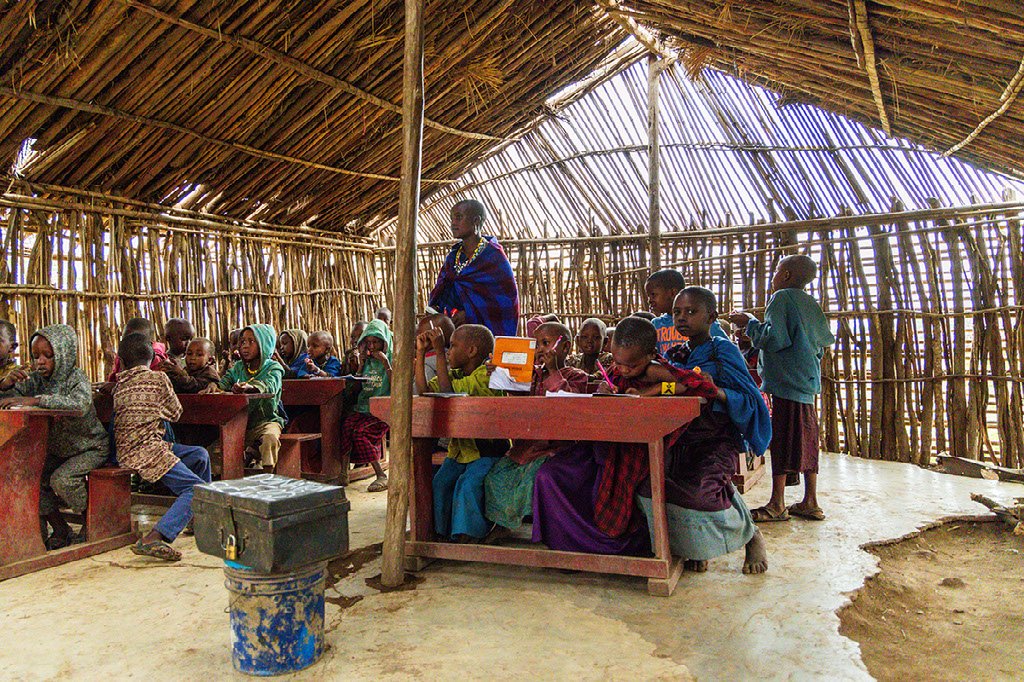
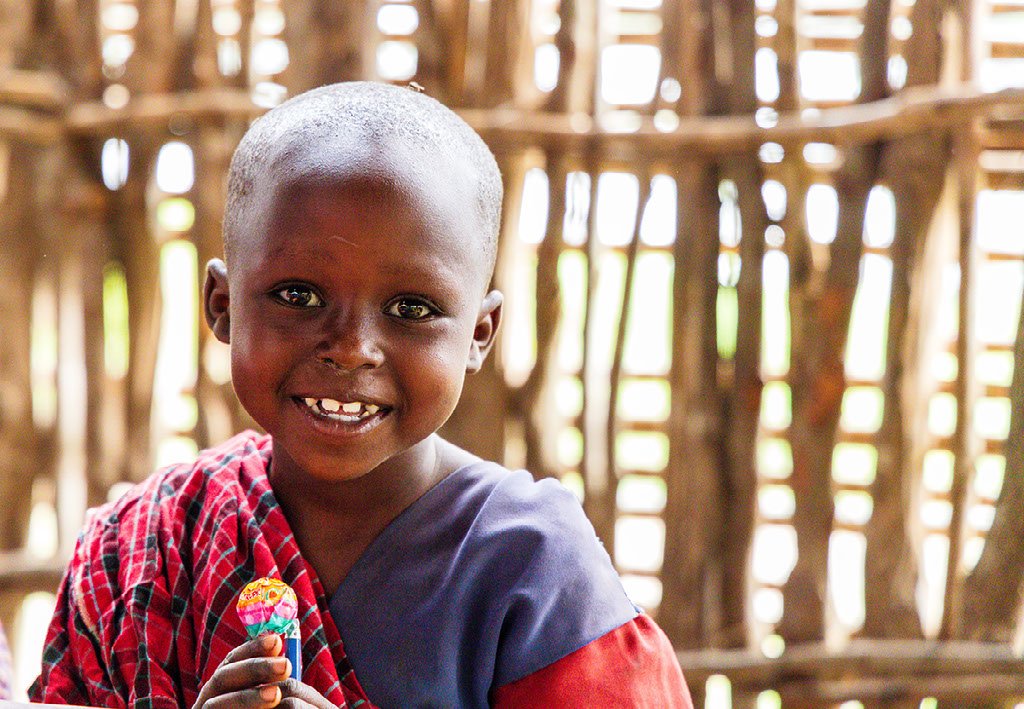
A note on Maasai village visits organized as part of the safari circuit: these vary considerably in authenticity and approach. We had a mixed experience at one organized visit where the group was separated from our driver once inside. Be alert if your guide is not permitted to accompany you. The individual moments of photographing children at the local school were genuinely powerful. The commercial pressure afterward was less so.
Frequently Asked Questions About a Tanzania Safari
Do I need a visa for Tanzania?
Yes, and as of January 2025, there's no visa on arrival. All travelers must apply for an eVisa online before departure, no exceptions at the airport. Allow at least 10 business days for processing.
Do I need a Yellow Fever vaccine?
Yes, it's required for entry, and you need the physical certificate, not just proof of the shot. Get it well in advance since you can't obtain it on arrival.
Is Tanzania safe?
Yes, for the areas most safari travelers visit. Lodges are secure, and guides are experienced. Normal precautions apply in transit through cities, the same as anywhere.
What are the best wildlife photography locations in Tanzania?
The Ngorongoro Crater for density and concentration, the Serengeti for open-plains light, and Ndutu for calving season predator action are three I'd send anyone to first. The full breakdown with Pro Tips is below.
Can you fly a drone in Tanzania?
No, not inside the national parks. Drones are not permitted in Tanzania's parks, and some areas near lodges or outside park boundaries may allow it, but confirm with your operator before any flight.
What surprised you most about photographing Tanzania?
The warmth of the Tanzanian people, as much as the wildlife. Between the landscape and the animals, it's easy to forget the human side of the trip, but the people you meet along the way, guides, lodge staff, and communities you pass through, stay with you as much as anything you photograph.
How many days do you need in Tanzania?
Eight to ten days minimum for the northern circuit. Ten is the sweet spot for exploring multiple Serengeti regions without rushing. Twelve to fourteen if you want to genuinely wait for behavior rather than chase sightings.
Should I book a private guided safari or a lodge-based one?
A private guided safari gives you complete flexibility to follow light and animal behavior on your own schedule. A lodge-based safari offers more comfort and polish but shares vehicles and covers a smaller radius. A hybrid, private for most of the trip, ending with a few nights at a luxury lodge, gives you both.
Final Thoughts
I genuinely wish everyone could experience Tanzania at least once in their lifetime.
The warmth of the Tanzanian people. The openness of the landscape. The privilege of watching wildlife move freely across a world that has not been fenced or managed into something smaller than itself. These experiences change how you see things, not just as a photographer, but as a person.
This trip meant more to me than any collection of photographs. It reminded me why I travel. It reminded me why I picked up a camera in the first place.
It was our first safari. I already know we will return.
If Tanzania has been on your list, take this as your sign. Go. Book the private guide. Stay longer than you think you need to. Give yourself time to slow down and wait for the light.
You will not regret it.
Want to improve your photography while exploring some incredible destinations? Join me on one of my photography workshops! You can find all the details, including upcoming destinations and dates, through the links below.
Let's Stay Connected!
Explore More of Africa and Beyond
My Photography & Travel Guide to Kenya — Tanzania and Kenya share the migration. The Masai Mara is where the herds go when they cross the Mara River north, and Kenya's safari circuit is the natural companion to Tanzania's northern circuit. Different feel, same extraordinary wildlife.
My Photography & Travel Guide to Namibia — One of Africa's most photographically distinctive destinations. Where Tanzania is about wildlife density and immersion, Namibia is about dramatic desert landscapes, ancient geological formations, and some of the most graphic minimalist photography Africa offers. Together, they tell a fuller story of the continent.
My Photography & Travel Guide to Cape Town, South Africa — If you are building an African trip around multiple countries, Cape Town is one of the world's great photography cities and a natural addition to an East Africa itinerary. Mountain, coast, architecture, food, and wildlife within an hour of the city center.
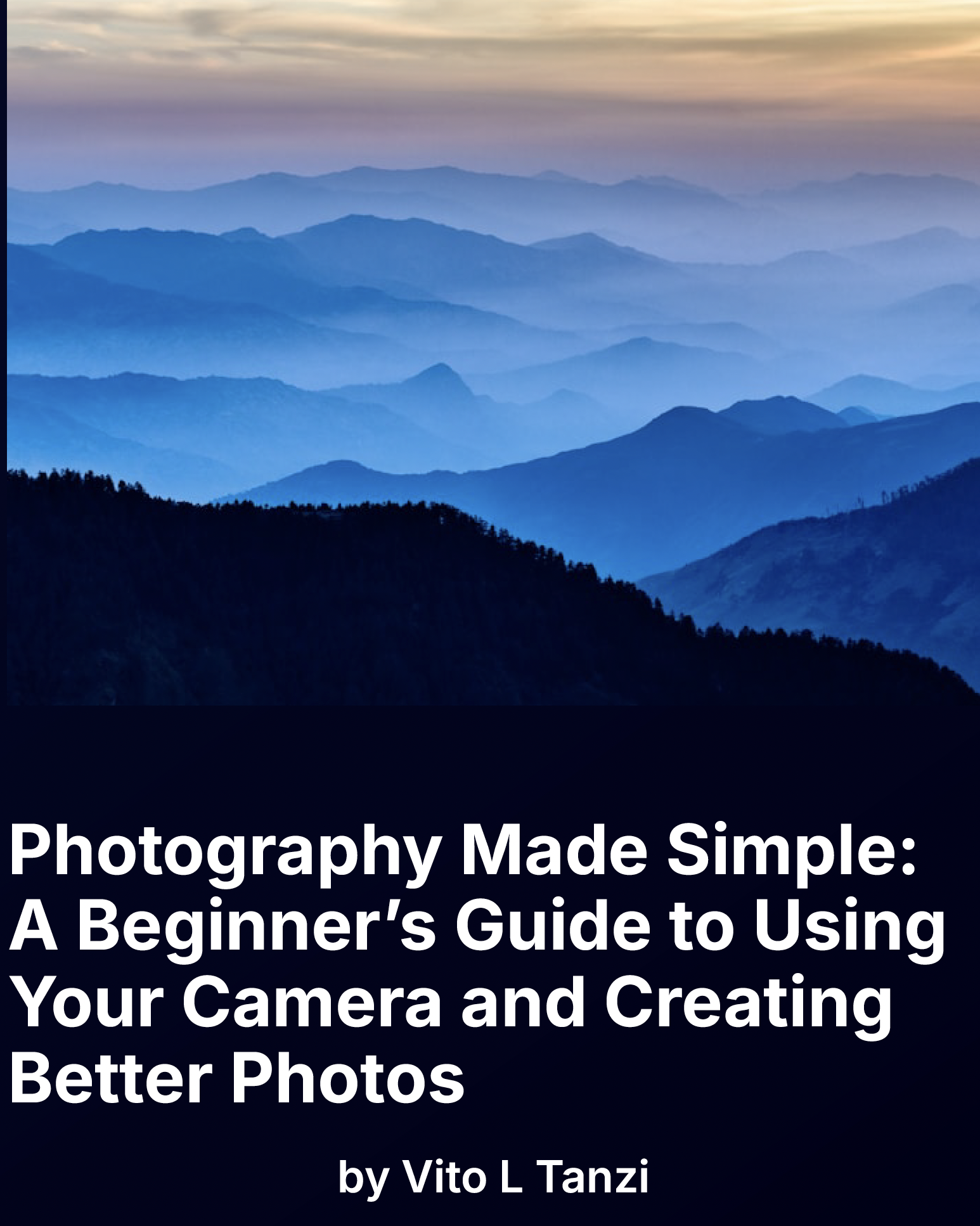
Finally—a beginner-friendly photography guide that makes sense.
If you've ever picked up a camera and thought, "Now what?" this is the book for you.
Photography Made Simple is written for adults who are just starting out and want a clear, encouraging, real-world approach to learning photography. Whether you're using a DSLR, mirrorless, or just your smartphone, this guide walks you through the basics—without the jargon or tech overwhelm.
Inside, you'll learn:
The only camera settings you really need to know to get started
How to shoot sharper, more intentional photos using light and composition
Simple tips for portraits, landscapes, travel, and everyday life
What gear you do (and don’t) need
How to create better photos without upgrading your camera
You’ll also get practical exercises, cheat sheets, and tips for organizing and editing your images—plus the confidence to shoot off Auto Mode for good.
This is not a textbook. It’s a friendly guide to seeing the world with fresh eyes—and finally capturing what you see the way you imagine it.
📸 Format: PDF download
Pages: 100+
Perfect for: Beginners, hobbyists, and anyone ready to take better photos without the stress
✈️ Travel Photography Planning Sessions
One-on-One Trip Planning with a Professional Travel Photographer
Don’t miss the shot. Let me help you plan for it.
Overview
Planning a photography-focused trip can be overwhelming. From figuring out the best places to shoot, to when the light is just right, to knowing which lens to pack — there are a lot of decisions to make.
This one-on-one Zoom session is your chance to get personalized travel photography advice from someone who’s spent the past 25 years exploring cities, coastlines, and wild places around the world — camera in hand.
Whether you're headed to Paris, Patagonia, Tokyo, or Tuscany, I’ll help you make sure your photography trip is well-planned and creatively inspired, so you come home with the images you dreamed of (and then some).
What’s Included
✅ Photography Location Planning
I’ll help you create a customized itinerary of the best photo spots, including off-the-beaten-path gems and iconic views.
✅ Best Times to Shoot
Get expert advice on lighting, golden hour, blue hour, and seasonal conditions for each location.
✅ Gear Recommendations
Not sure whether to bring the telephoto or the prime? We’ll walk through your gear and make sure you’re bringing the right tools for your destination and style.
✅ Hotel and Base Recommendations
Stay where it’s convenient for sunrise shoots and late-night strolls with your camera. I’ll recommend hotels that are photographer-friendly and well-located.
✅ Custom Travel Tips
From sunrise entry times to tripod rules at major landmarks, you’ll get insider tips to save time, avoid tourist traps, and make the most of your trip.
Who It’s For
This service is for anyone who:
Is planning a trip and wants to prioritize photography
Wants expert insight on the best places to shoot and how to get there
Is tired of missing the shot because of poor planning or bad timing
Is a beginner, enthusiast, or professional photographer looking for guidance before a trip
How It Works
Book a Session
Choose a time that works for you and tell me where you're headed.Share Your Plans
You’ll fill out a quick questionnaire so I know your travel dates, interests, and photography style.One-on-One Zoom Call (60 minutes)
We’ll meet via Zoom and walk through your trip together — from location ideas to gear and timing. You'll leave with a custom PDF full of notes and suggestions.Follow-Up Support
Get one round of email Q&A after your session to clarify anything as your plans evolve.
Why Work With Me?
I’ve spent the last 25 years photographing the world — from major cities to remote islands. I know what it’s like to travel and shoot under pressure, and I love helping people get the most out of their trips. This is not just about hitting “popular spots” — it’s about crafting a creative and efficient plan tailored to your trip, your gear, and your goals.
Pricing
$125 / Session
Includes:
60-minute Zoom call
Custom PDF summary with photography spots, gear tips, and travel recommendations
One follow-up email with additional Q&A
Introductory rate available through September 2025
Ready to Plan Your Trip?
Let’s make sure you’re ready — so when the light is perfect, you’re in the right place with the right gear.
Questions?
Please email me at vito@chasinghippoz.com if you're not sure whether this is right for you. I'm happy to chat.