Kyoto, Japan Travel & Photography Guide: Best Photo Spots, Things to Do & Hidden Gems
Kyoto is not optional.
If you are traveling to Japan and care about history, design, ritual, or photography, it is essential.
After several days immersed in Tokyo's vertical intensity, we boarded the Shinkansen and arrived in Kyoto less than three hours later. The transition is immediate. Tokyo hums. Kyoto breathes.
Where Tokyo is glass and steel, Kyoto is wood and stone. Lantern light replaces neon. Temple bells replace traffic noise. The pace slows, and the visual language changes entirely.
Kyoto was once the imperial capital of Japan for more than a thousand years, and that legacy still defines the city. It is home to more than 1,600 Buddhist temples, countless Shinto shrines, refined tea houses, preserved geisha districts, and some of the most meticulously designed Zen gardens in the world. UNESCO recognizes many of these sites as World Heritage properties, and for good reason.
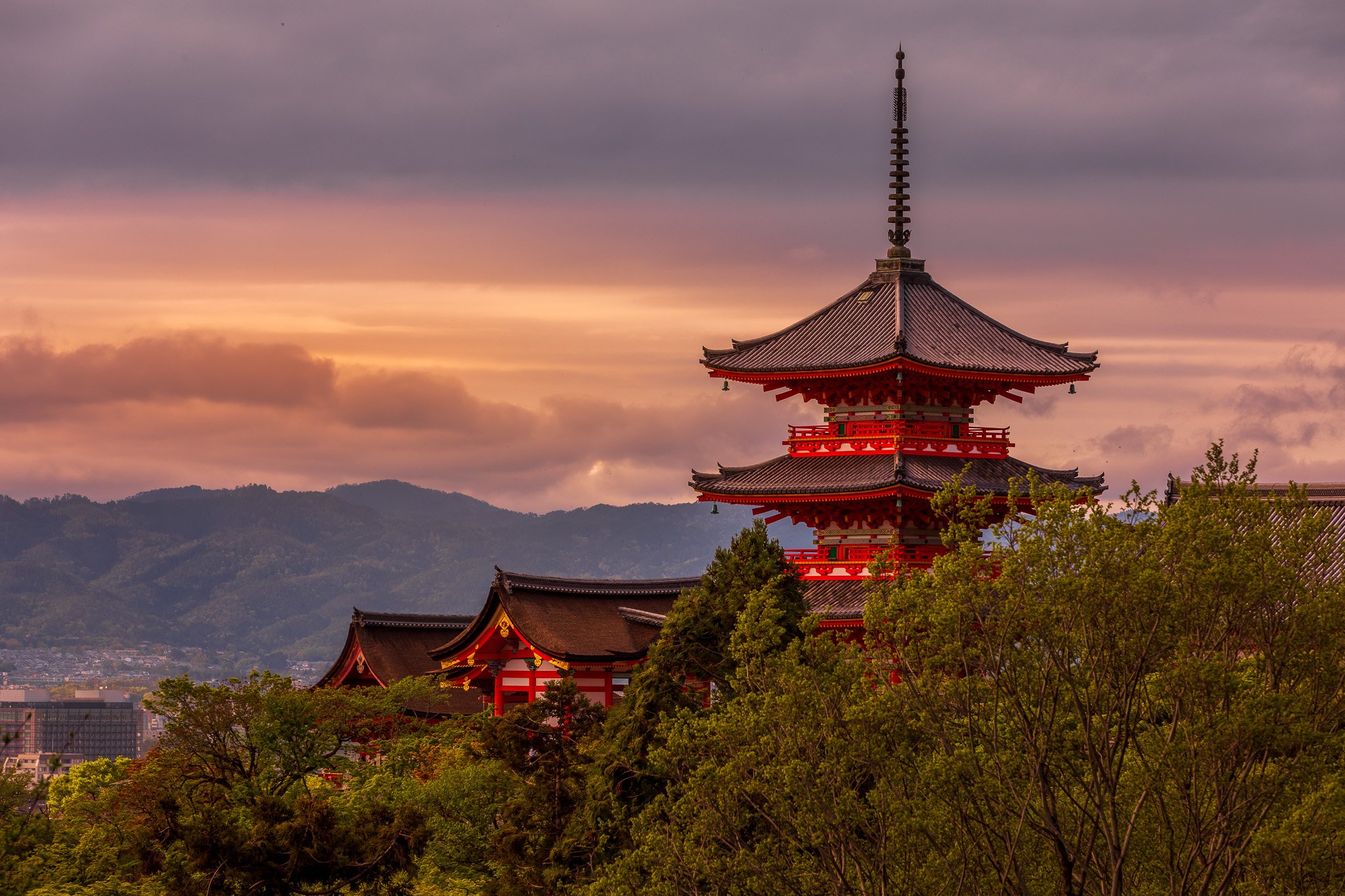
For photographers, Kyoto offers something rare: atmosphere. Early morning mist drifting through torii gates. Soft light filtering across tatami floors. The texture of aged wood and stone. The quiet elegance of a kimono moving through a narrow alley. This is a city that rewards patience.
Stroll without an agenda. Wake up early. Return to locations twice. Kyoto reveals itself slowly. And that is precisely why it stays with you.
In this Photography Guide to Kyoto, I share the places and experiences that continue to draw me back, across two visits so far. You will find my favorite photography locations, guidance on when and where to shoot, practical travel tips, and gear recommendations, along with cultural insights to help you explore and photograph Kyoto with confidence, respect, and ease.
Photographer's Notes
Before you go, here are my own takeaways.
Favorite Season: Spring
Favorite Location: Kiyomizudera
Favorite Hotel: Four Seasons Hotel Kyoto
Favorite Lens: 24-105mm
Would I Return? Just go, and go again.
How Long to Stay in Kyoto
To truly experience Kyoto's rhythm and photograph it well, plan for at least four to five days.
This is not a city built for checklist travel. Temples are spread across different districts. Gardens invite stillness. Light shifts dramatically from morning to evening. If you rush, you miss the nuance.
Four to five days allows you to explore major sites without feeling compressed, return to key locations in better light, photograph early mornings before tour groups arrive, and stay out through blue hour and lantern-lit evenings.
Crowds are real in Kyoto. The only reliable strategy is time and timing. Arrive before sunrise. Revisit in the late afternoon. Be patient.
If you only have two days, you will see the highlights. If you give Kyoto five days, you will begin to understand it. And your photographs will reflect that difference.
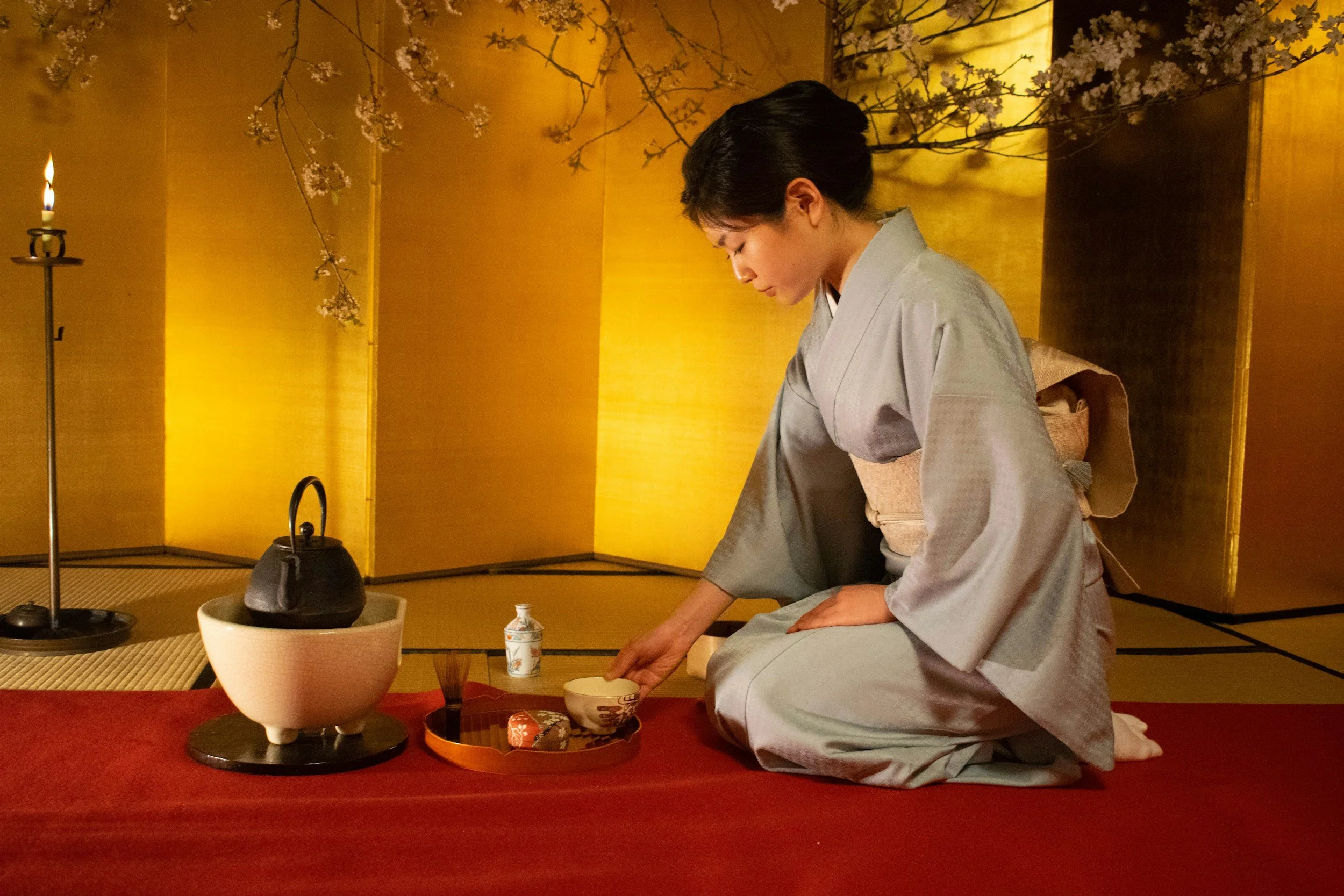
A Ceremony in the Hour Seasons
Best Time of Year to Visit Kyoto
Kyoto transforms with the seasons. Timing your visit well can completely change the mood of your photographs.
Spring (March to May)
Spring is iconic. Cherry blossoms typically peak from late March to early April, turning temple grounds, canals, and parks into soft pink landscapes. Petals frame torii gates. Pathways glow under diffused light. The atmosphere feels almost cinematic. For photographers, spring offers delicate color palettes, beautiful backlit petals at sunrise, and elegant compositions around rivers and shrines. Crowds are heavy during peak bloom, so early mornings are non-negotiable.
Summer (June to August)
Summer is hot, humid, and atmospheric in equal measure. The greenery is deep and lush, and the light is dramatic when storms roll through. Gion Matsuri in July is one of Japan's most visually spectacular festivals and worth the heat. Shoot early, take midday breaks, and return in the evening when the air cools slightly and lanterns begin to glow.
Autumn (October to November)
Autumn is arguably the best season for photography in Kyoto. The koyo, or fall foliage season, typically peaks from mid-November into early December, and the colors are extraordinary. Maples turn deep red and orange against temple rooftops and stone garden paths. The light in November is lower and warmer, and the crowds, while significant, are more manageable than spring. If you can only visit once, visit in autumn.
Winter (December to February)
Winter is the quiet season, and for photographers willing to embrace the cold, it is genuinely special. Snow on temple rooftops, frost on stone lanterns, and near-empty streets at dawn create some of the most compelling conditions of the year. The Rokuon-ji Garden around Kinkaku-ji after a snowfall is unlike anything else. Crowds are thin. Light is soft and low. This is Kyoto without the performance.
Getting to Kyoto
Traveling from Tokyo to Kyoto is part of the experience.
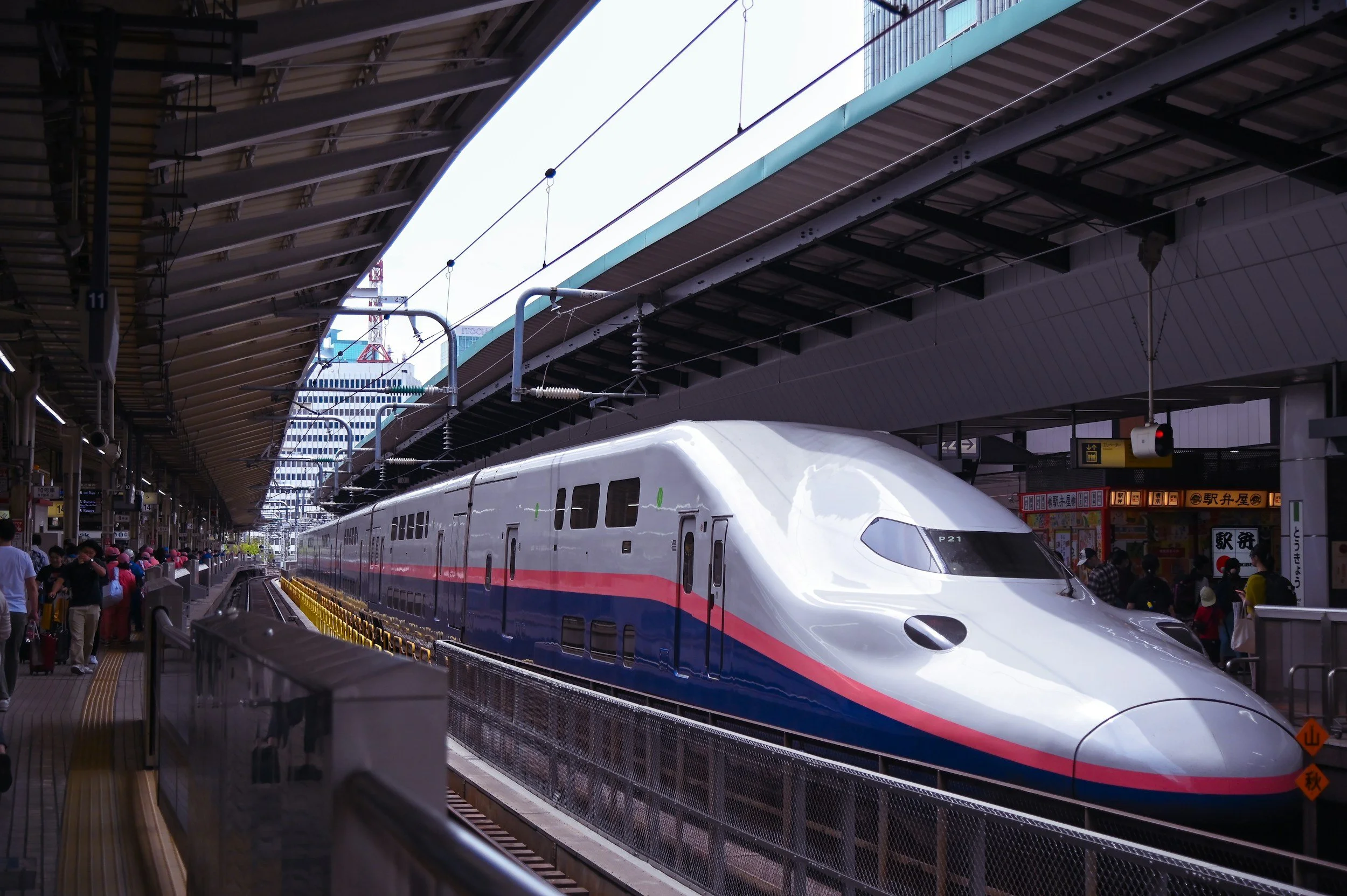
The fastest option is the Tokaido Shinkansen, specifically the Nozomi service. It connects Tokyo Station to Kyoto Station in approximately 2 hours and 15 minutes. The ride is smooth, punctual, and remarkably comfortable.
On a clear day, keep an eye on the right side of the train heading west. You may catch a glimpse of Mount Fuji rising above the horizon.
Luggage Forwarding
One of the most practical parts of moving between Japanese cities is luggage forwarding. Our hotel in Tokyo arranged for our suitcases to be collected in the morning. By the time we checked into Kyoto, our luggage was already waiting in the room. This service is common across Japan, completely reliable, and allows you to travel light on the train and focus on the journey. Ask your hotel concierge to arrange it.
📷 Photographer's Tip: Book seats on the right side of the train when traveling from Tokyo to Kyoto for the best chance of seeing Mount Fuji.
Getting Around Kyoto
Kyoto is far more compact than Tokyo, which makes navigating it easier, but it still requires some strategy.
The city's public transportation network includes local trains and an extensive bus system that connects major temples and neighborhoods. Buses are particularly useful for reaching Arashiyama or Gion, though they fill quickly during peak seasons.
Taxis and Ride Services
Taxis are clean, common, and easy to find throughout the city. Drivers are professional and the system is straightforward. Uber operates in Kyoto, but in most cases it simply connects you with licensed taxis rather than independent drivers. For early morning photography sessions, taxis are your best option. When you are heading to a temple before sunrise, convenience matters more than cost.
Bicycles
One of the best ways to explore Kyoto is by bicycle. The city is relatively flat, the streets are manageable, and cycling lets you move between temples and gardens at your own pace. It also gives you access to quieter corners that buses do not efficiently serve. For photographers, bikes are the right tool. You can stop when the light shifts, revisit a location easily, and wander without a strict schedule.
Where to Stay in Kyoto
Most visitors choose between two main areas: Downtown Kyoto or Southern Higashiyama. Both work well, but they offer very different rhythms.
Higashiyama and Gion
If atmosphere and early morning photography are your priorities, stay in Higashiyama or Gion. These districts put you within walking distance of some of Kyoto's most important temples, historic streets, and traditional wooden architecture. At dawn, before the tour buses arrive, you can step outside your hotel and be immediately inside the Kyoto you imagined. Lantern-lined alleys. Wooden machiya houses. Quiet temple courtyards. For photographers, proximity is everything. You want to reach locations before sunrise without depending on buses.
Luxury Hotels in Kyoto
The Ritz-Carlton, Kyoto Overlooking the Kamogawa River, this property balances modern luxury with traditional Japanese aesthetics. The riverfront location is peaceful yet central, and the interiors are beautifully composed. It holds Forbes Travel Guide's Five-Star rating for the ninth consecutive year in 2026.
The Hyatt Regency Kyoto, located in Higashiyama, feels calm and understated. The Zen-influenced design makes it an excellent base after long days walking through temples and gardens. Good value relative to the other luxury options.
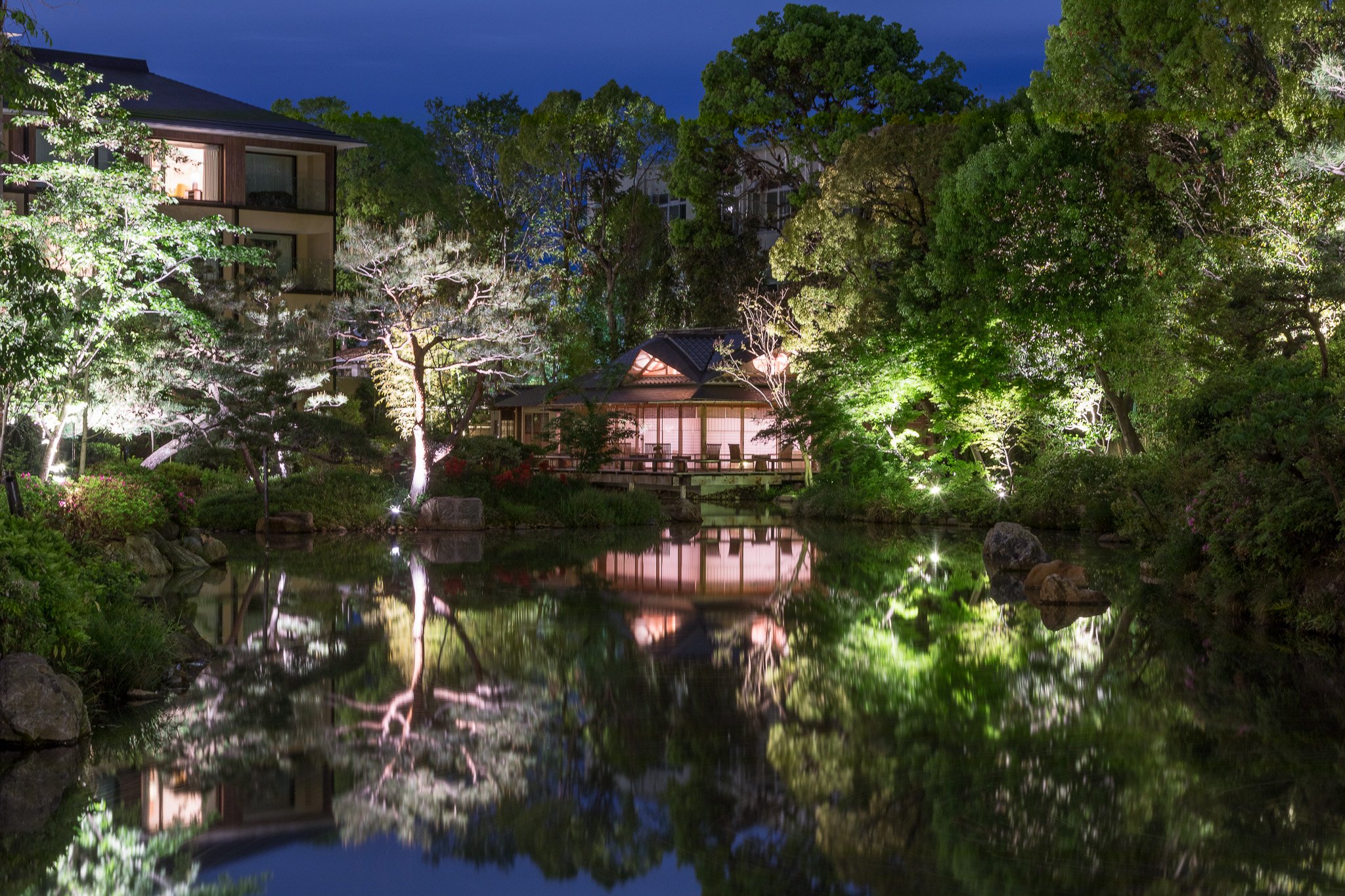
Four Seasons Hotel Kyoto A sanctuary near Kiyomizu Temple, featuring a signature pond garden that changes dramatically with each season. The property blends traditional architecture with contemporary comfort in a way that feels genuinely considered rather than decorative. This is where we stay.
Mid-Range Hotels in Kyoto
Hotel Kanra Kyoto A design-forward boutique property that integrates traditional Japanese elements with modern comfort. Stylish and well-positioned for exploring the central districts.
Mitsui Garden Hotel Kyoto Shinmachi Bettei is elegant and comfortable, located within easy reach of central Kyoto attractions.
Noku Kyoto, near the Kyoto Imperial Palace, offers clean, modern rooms in a quieter setting at a solid value.
Where to Eat in Kyoto
Kyoto’s food scene is refined, seasonal, and deeply rooted in tradition.
While Tokyo dazzles with scale and variety, Kyoto feels more intentional. Meals here often reflect centuries-old culinary practices and a strong respect for seasonality.
You will find elegant tea houses tucked along quiet streets, small family-run restaurants serving perfectly balanced dishes, and bustling market stalls offering local specialties.
Kyoto is also known for:
• Kaiseki, a multi-course seasonal dining experience
• Matcha-based desserts and tea ceremonies
• Yudofu, a delicate tofu hot pot popular near temple districts
• Traditional sweets served in historic tea houses
Sushi is widely available, of course, but Kyoto’s culinary identity leans more toward seasonal vegetables, subtle flavors, and beautifully presented dishes.
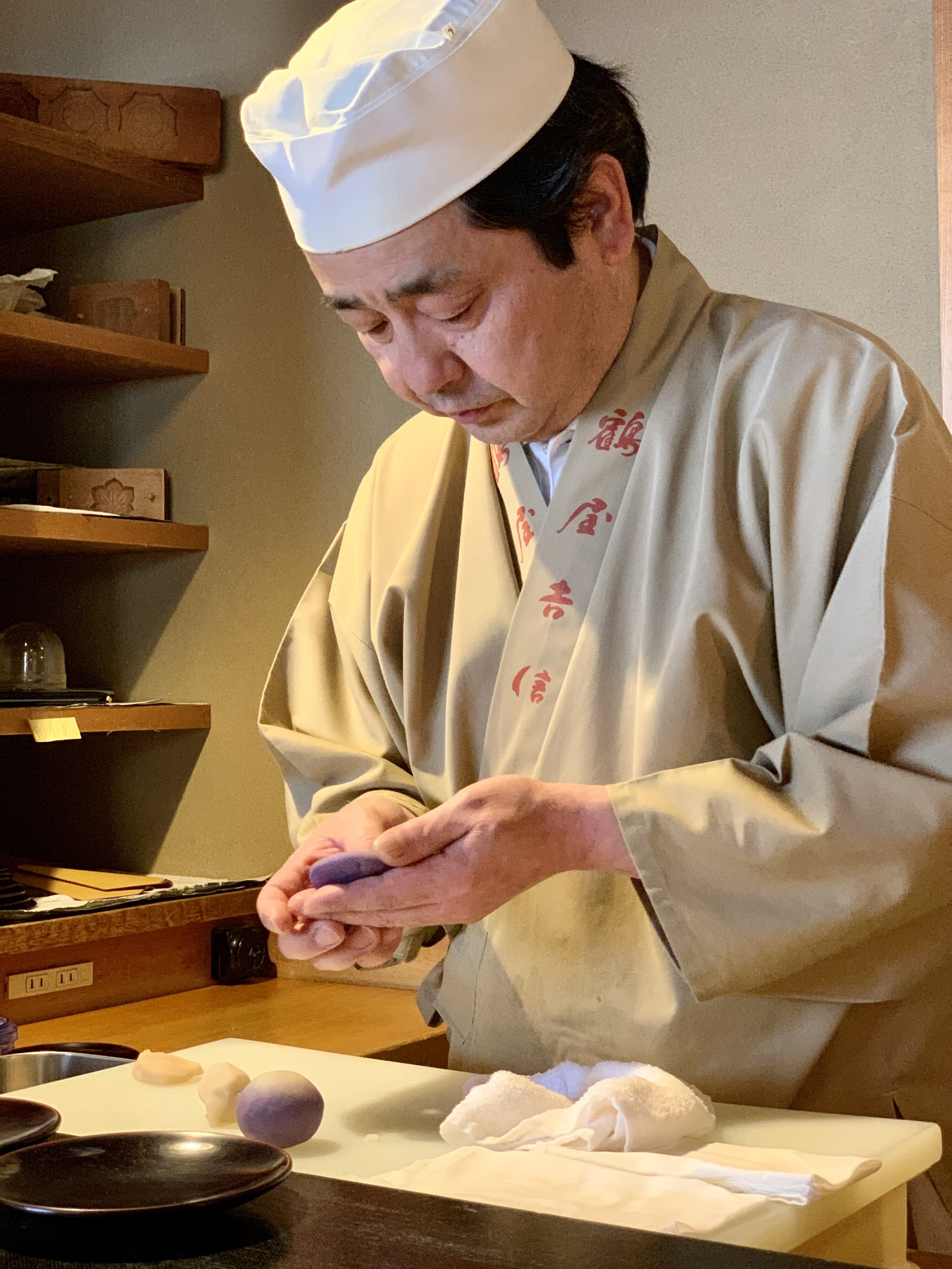
Japanese Chefs are True Masters
A blend of old flavors and new trends reflects the city's cultural heritage. Yet, everything we ate was just delicious. I loved how they would proudly tells us from which province the ingredients were from.
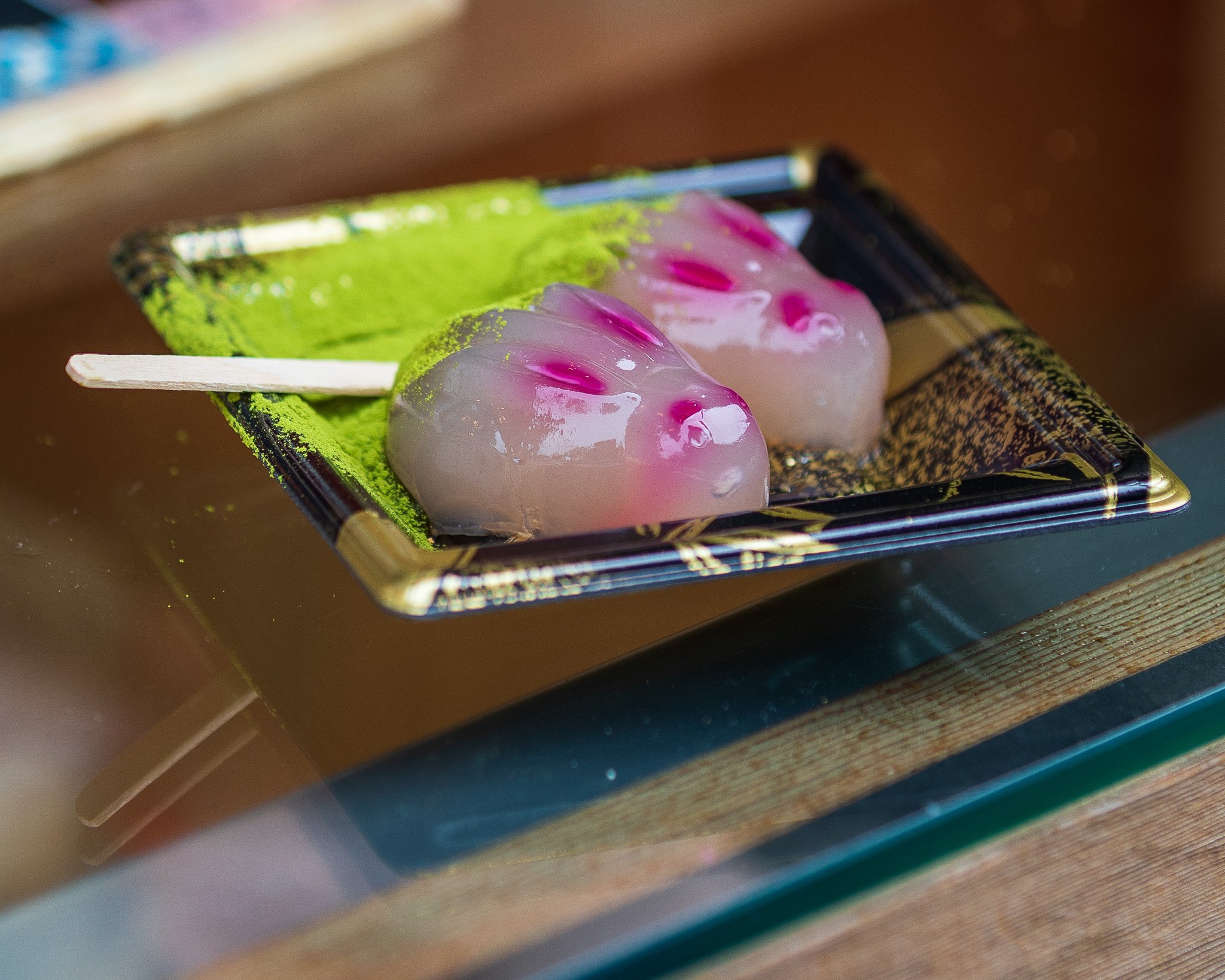
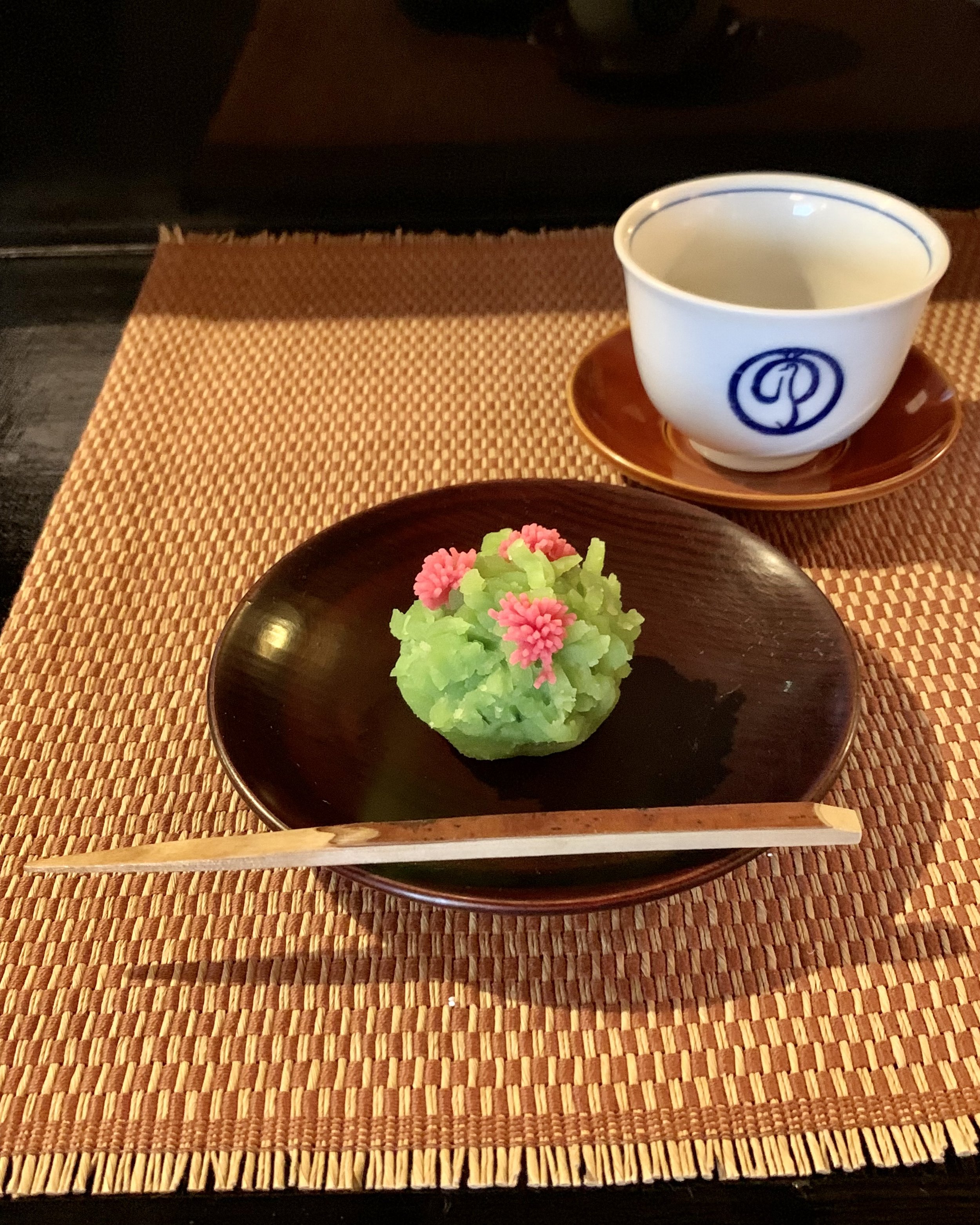
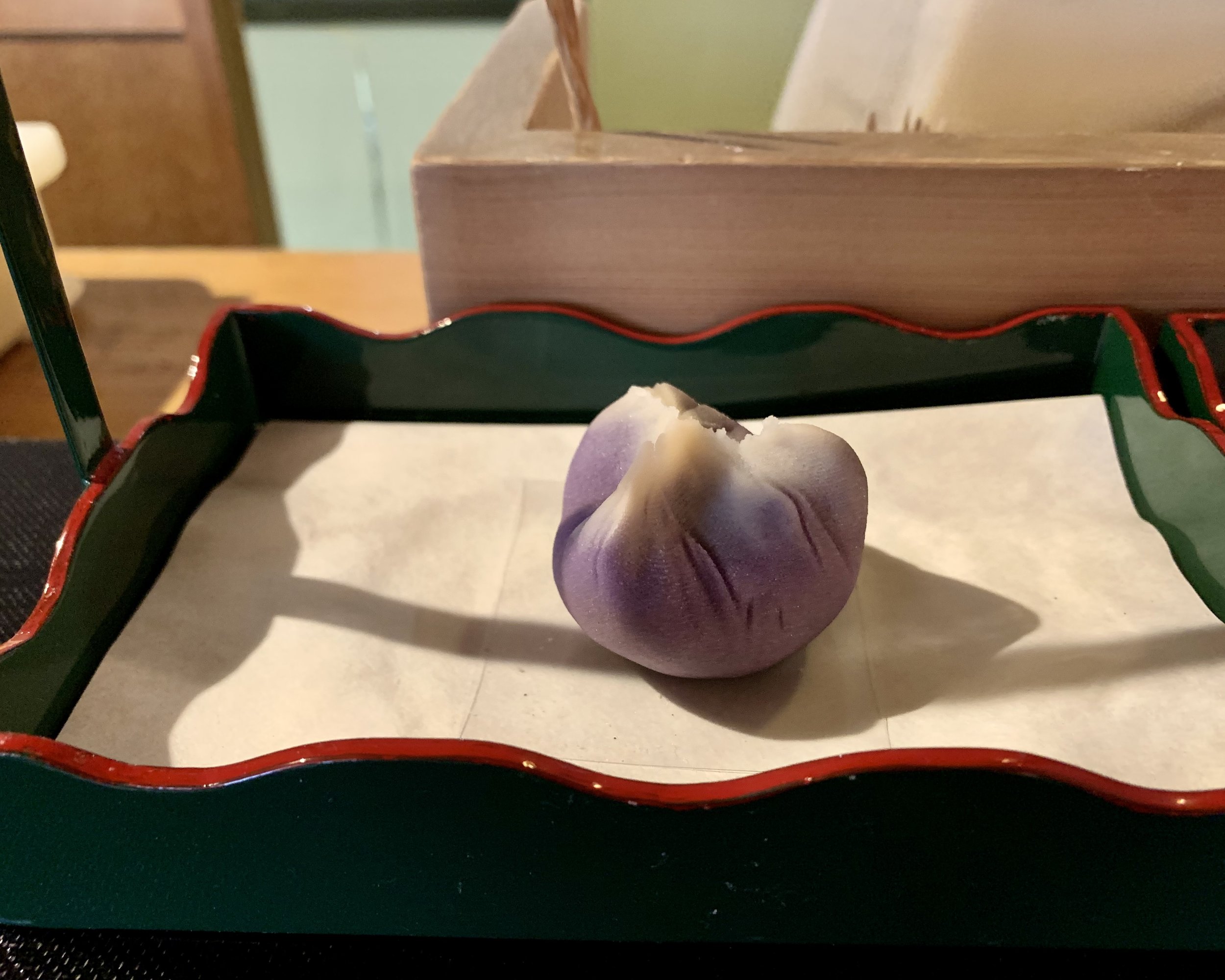
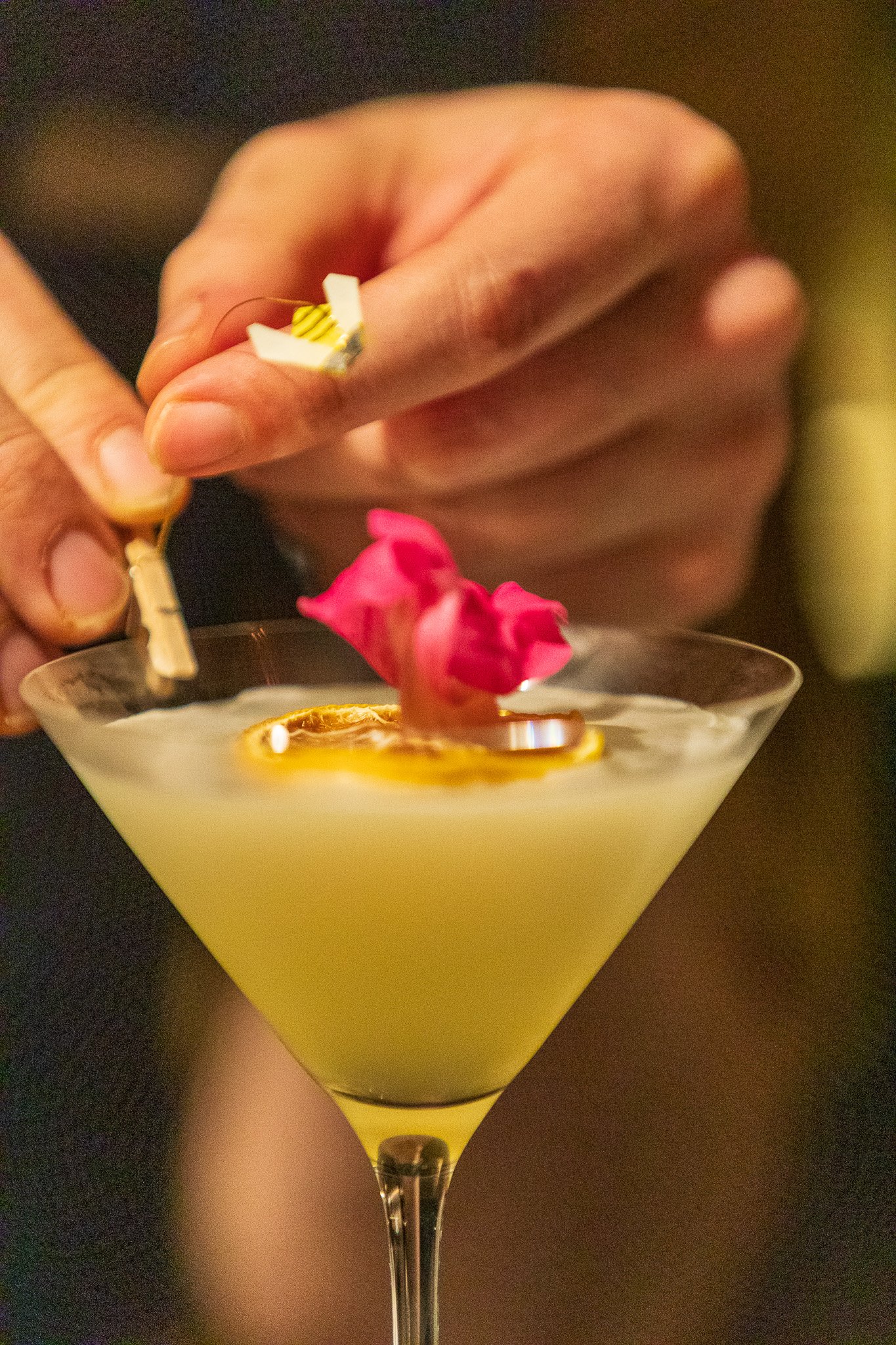
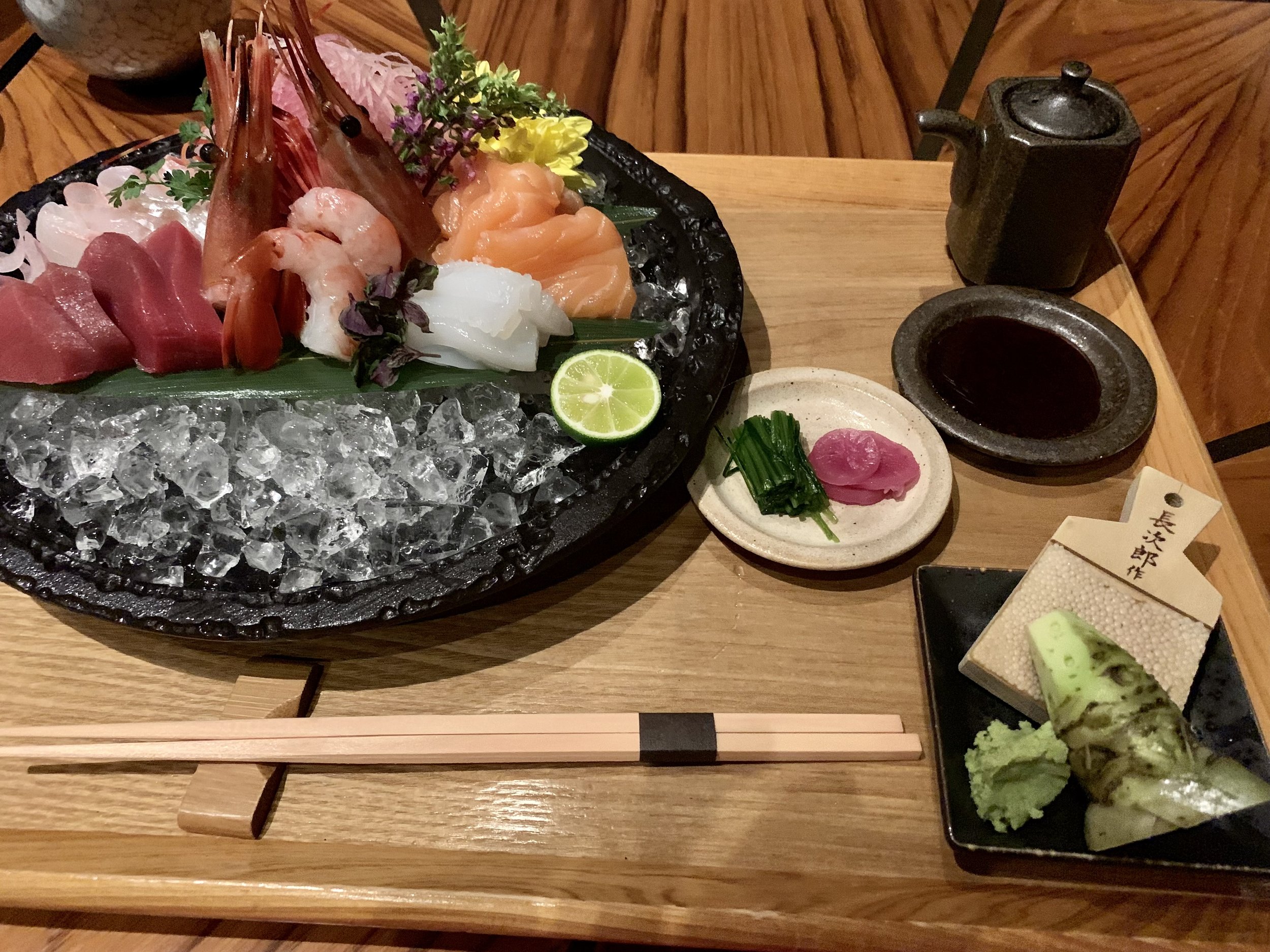
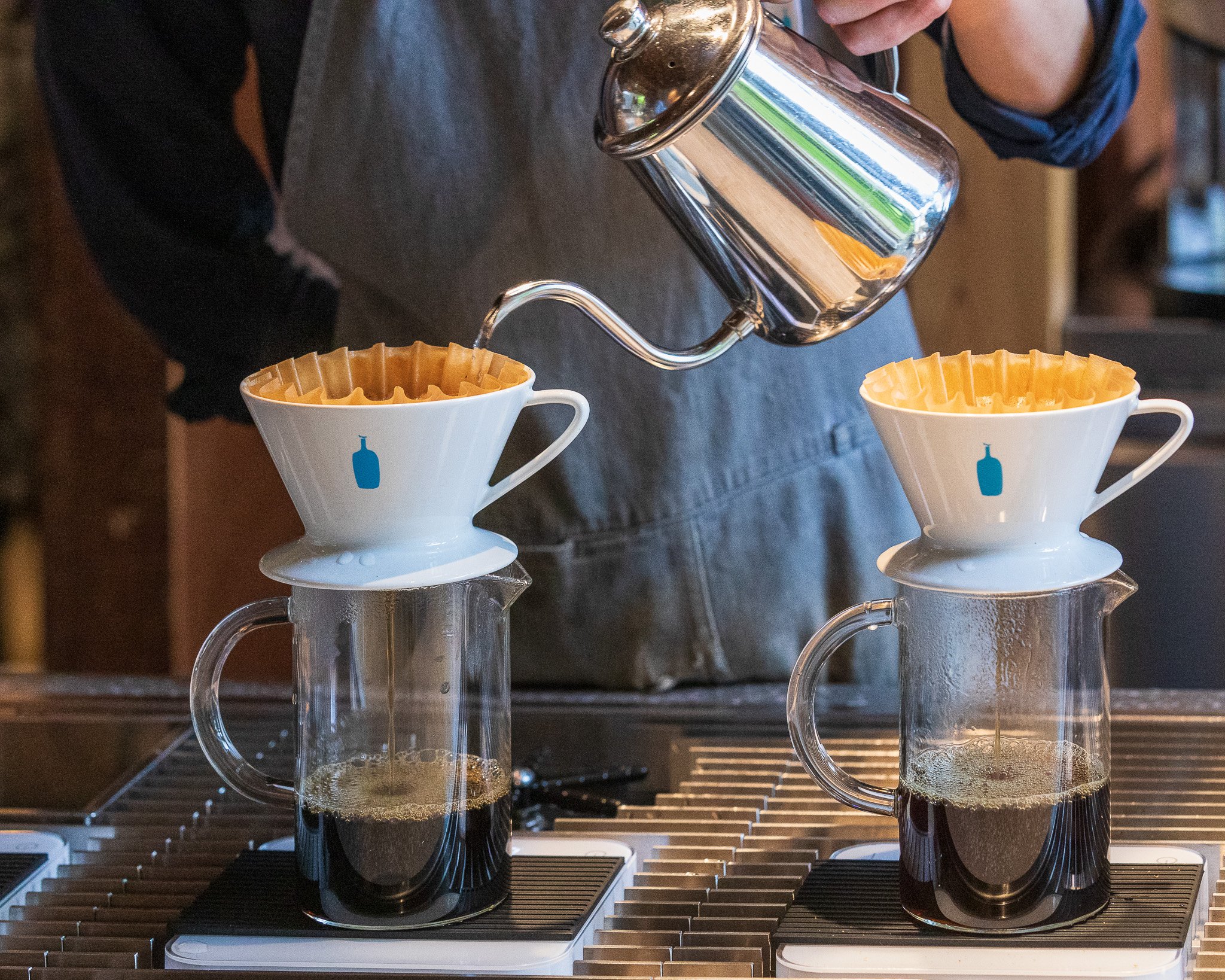
Kyoto's food culture is refined, seasonal, and deeply rooted in tradition. Where Tokyo dazzles with scale and variety, Kyoto feels more intentional. Meals here often reflect centuries-old culinary practices and a genuine respect for seasonality. What I remember most from our visits is how proud the chefs and servers were about the origins of their ingredients. They would tell you exactly which province the fish came from, which farm the vegetables came from. That pride shows on the plate.
Nishiki Market Often called "Kyoto's Kitchen," this covered market stretches several city blocks and offers everything from fresh seafood and pickled vegetables to matcha sweets and grilled skewers. It is lively without being chaotic and ideal for close-up food photography. Arrive mid-morning before the lanes fill.
Hyotei A three-Michelin-star institution that has held that distinction for 17 consecutive years. Hyotei serves traditional kaiseki cuisine in a 450-year-old tea house. Every dish is artful and restrained. The presentation alone is worth the reservation. This is Kyoto's culinary heritage at its highest level. Book well in advance through your hotel concierge.
Giro Giro Hitoshina Modern kaiseki with a creative edge, in a relaxed setting near the river. The chef spent years cooking in France and it shows in the precision of each course. The open kitchen means you watch the preparation as you eat, which adds an entirely different dimension to the meal. Reservations are a must.
Ajiro Honten, located near Myoshin-ji Temple in the Ukyo Ward, is Kyoto's longest-running vegan restaurant to hold a Michelin star. It specializes in shojin ryori, the multi-course temple cuisine traditionally prepared for Zen monks. The tofu alone will change how you think about the ingredient. Reserve weeks ahead, and if possible, request a private tatami room.
Kikunoi Honten Another three-Michelin-star kaiseki institution, holding that distinction for 17 consecutive years alongside Hyotei. The setting in the Higashiyama hills is beautiful, and the presentation of each course is precise without feeling cold. A special occasion restaurant in every sense.
Honke Owariya, Kyoto's oldest soba restaurant, has been operating since 1465. The interior is historic, the soba is exceptional, and the bowls arrive in gorgeous lacquered boxes. A photogenic and deeply satisfying lunch option that does not require weeks of advance planning.
Coffee in Kyoto
% Arabica Kyoto Higashiyama One of Kyoto's most photographed coffee shops. Minimalist interiors, clean lines, white walls, and beautifully crafted espresso. Step outside and you are immediately in the Higashiyama district, with traditional streets and temple rooftops in every direction. Arrive early. The combination of soft morning light and spare design makes for strong compositions.
Wife & Husband Along the Kamogawa River, this café is charming, relaxed, and a bit whimsical. You can sit by the water, watch cyclists pass, and photograph candid street moments while enjoying a slow cup. It feels local and unhurried in the best way.
Weekenders Coffee Tominokoji is a serious specialty coffee shop tucked into a machiya townhouse. Quiet, beautifully lit, and perfect for editing between shoots. The space itself is worth photographing.
Photography Gear for Kyoto
Kyoto does not require an overly complicated kit. Versatility matters more than volume. I would bring a Leica Q3 for street photography and intimate temple scenes. For serious photography work, the Canon EOS R5 Mark II or the Nikon Z8 handles the full range of Kyoto conditions: temple interior low light, garden detail, and the high-contrast golden hour at Fushimi Inari.
Lenses
I recommend bringing:
• A 24 to 105mm lens for flexibility
• Or a 15 to 35mm if you prefer wider architectural compositions
• A 70 to 200mm for compression, details, and respectful distance portraits
The 24 to 105mm handles most temple interiors, gardens, street scenes, and environmental portraits. If you lean toward dramatic architecture or torii-gate symmetry, the 15-35mm is excellent.
The 70 to 200mm becomes especially useful in districts like Gion. It allows you to photograph geiko and maiko from a respectful distance without intruding on their space.
A note on entrance fees: Kyoto's major temples and shrines charge admission. Budget accordingly:
Kinkaku-ji: ¥500 per adult
Ginkaku-ji: ¥500 per adult
Kiyomizu-dera: ¥400 per adult
Nanzenji Sanmon Gate: ¥600 per adult
Tenryu-ji (main hall and garden): ¥1,200 per adult
Fushimi Inari: free
Arashiyama Bamboo Grove: free
Gion and Higashiyama streets: free
Fees can change seasonally and for special events. Always bring cash in Japanese yen; some sites do not accept cards. ATMs are available at convenience stores throughout the city.

Photography Locations in Kyoto
Street Photography
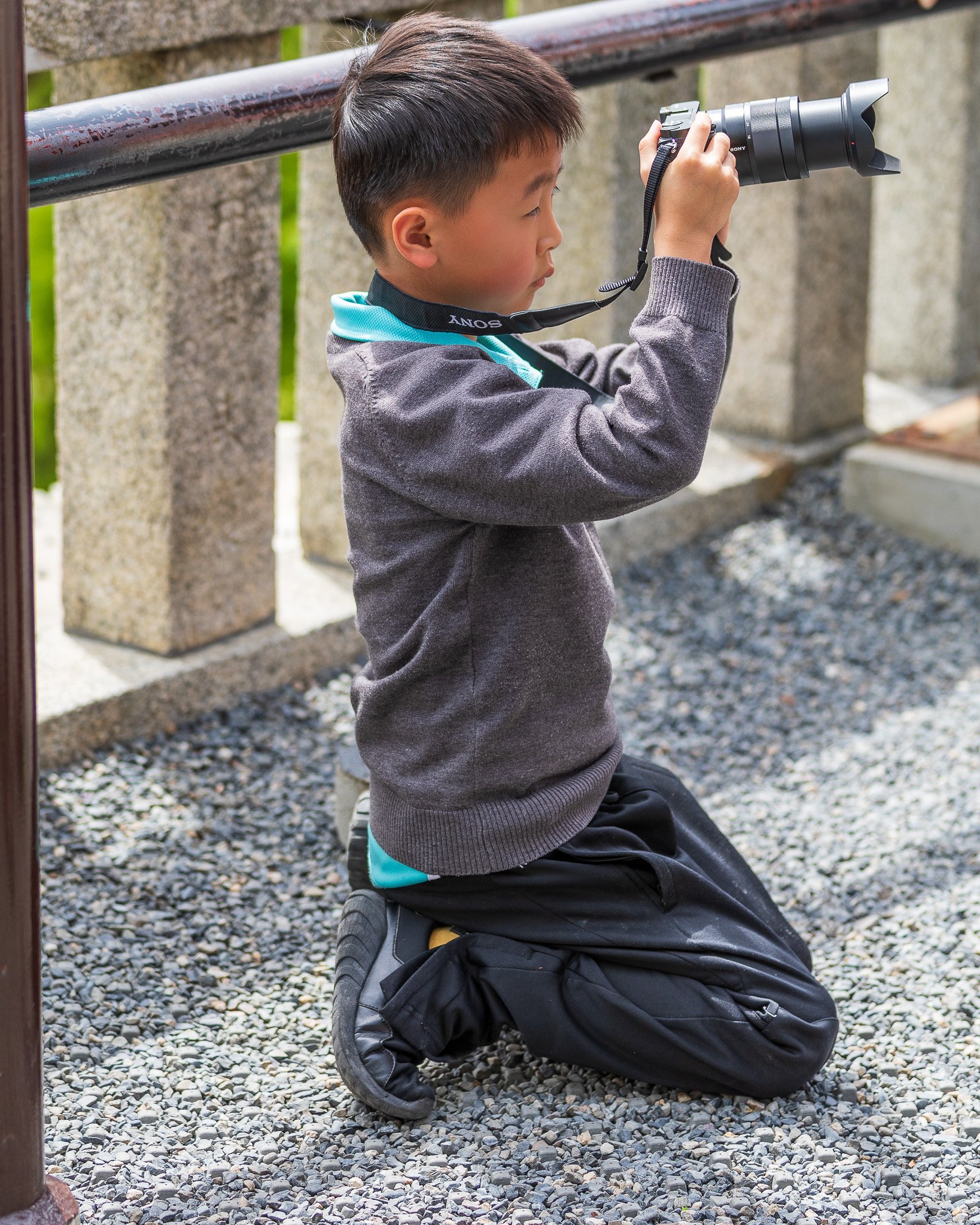
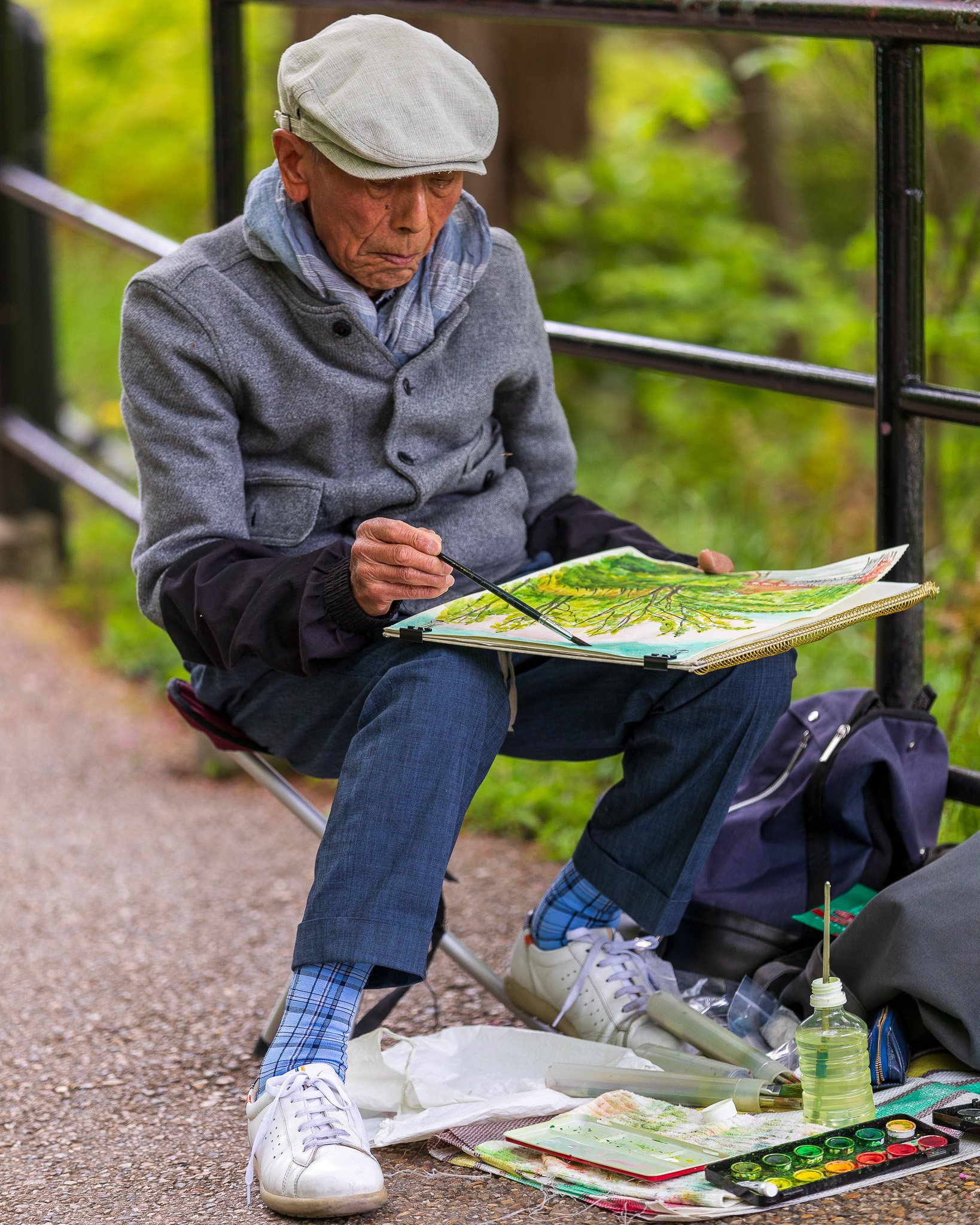
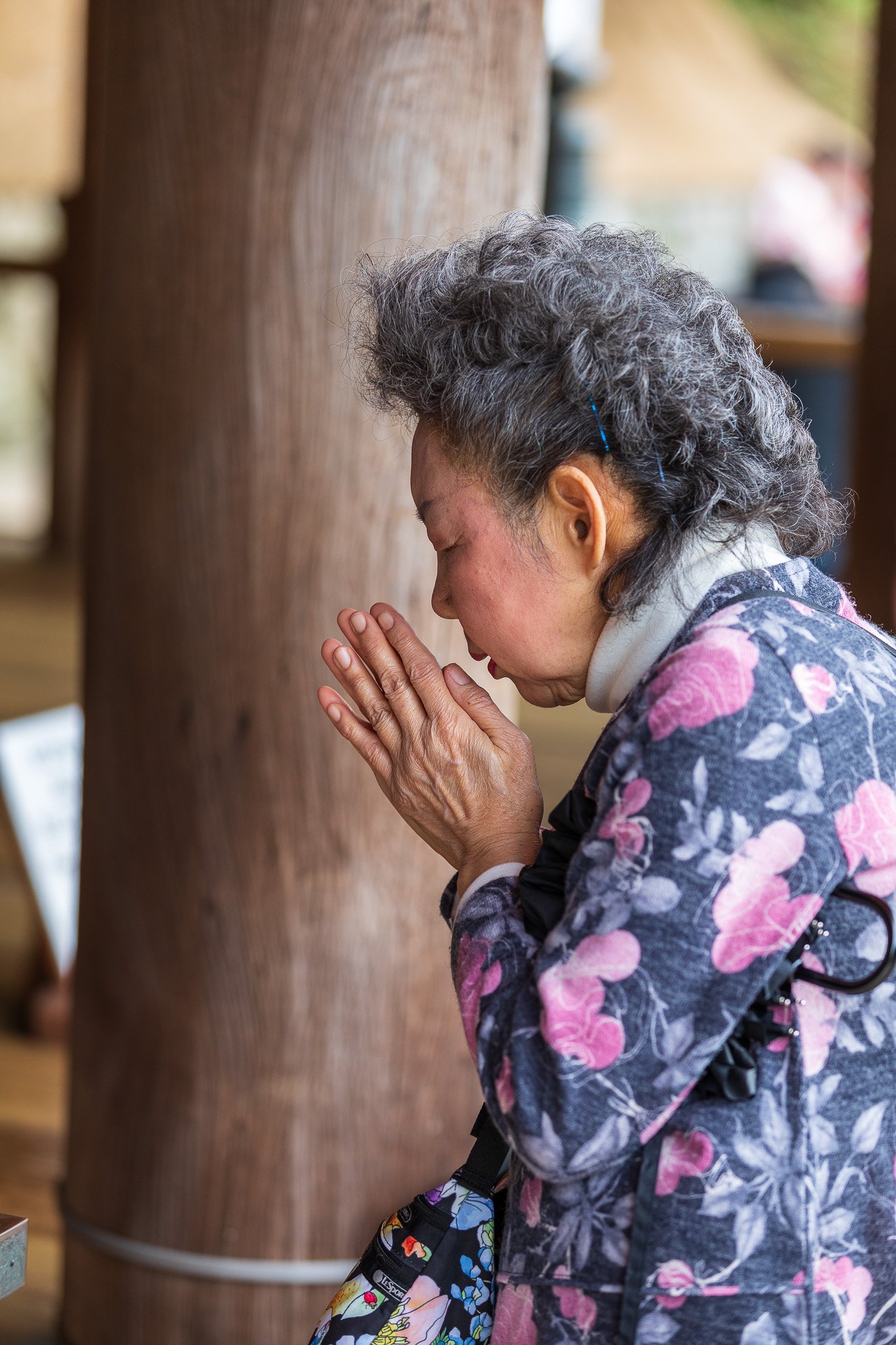
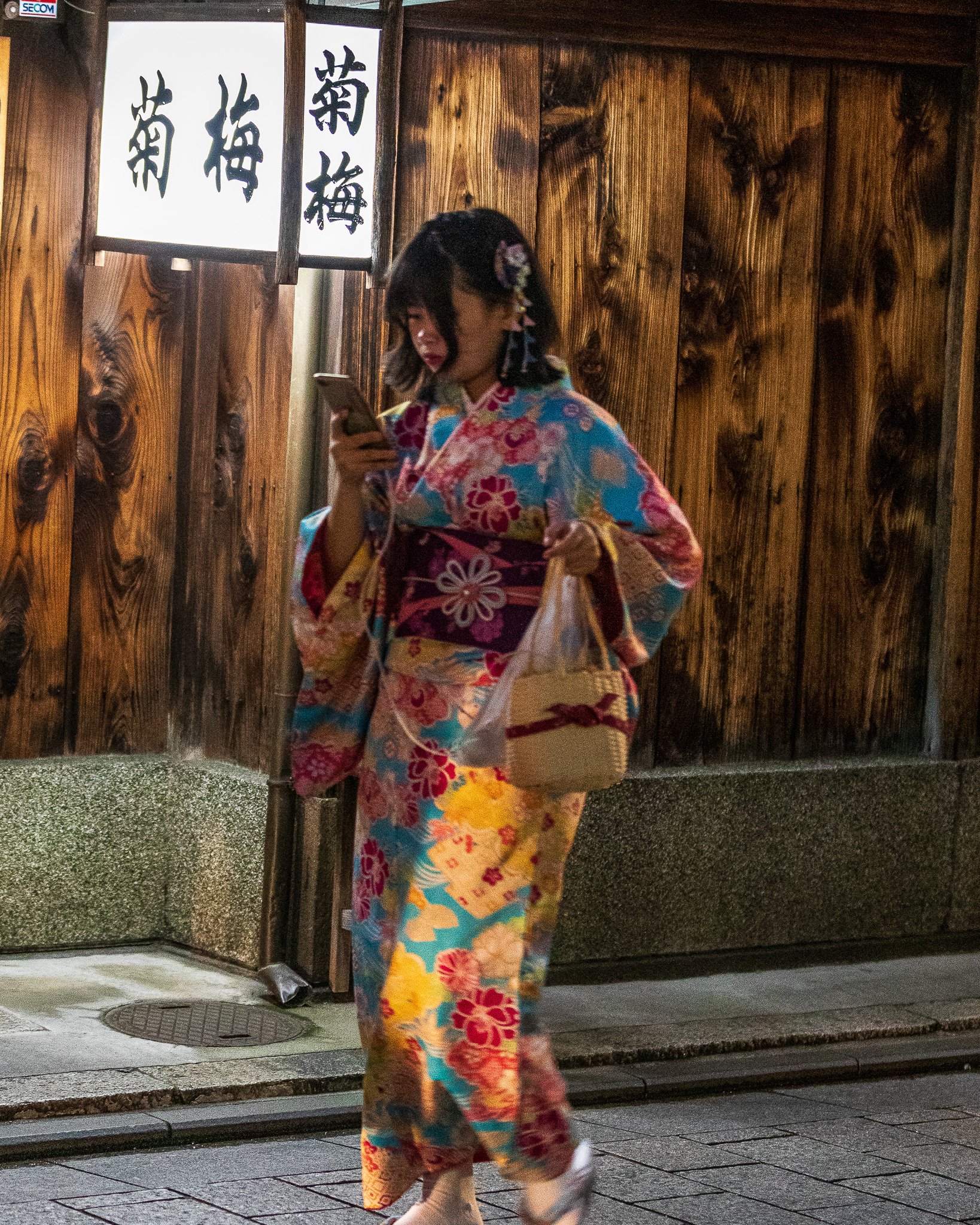
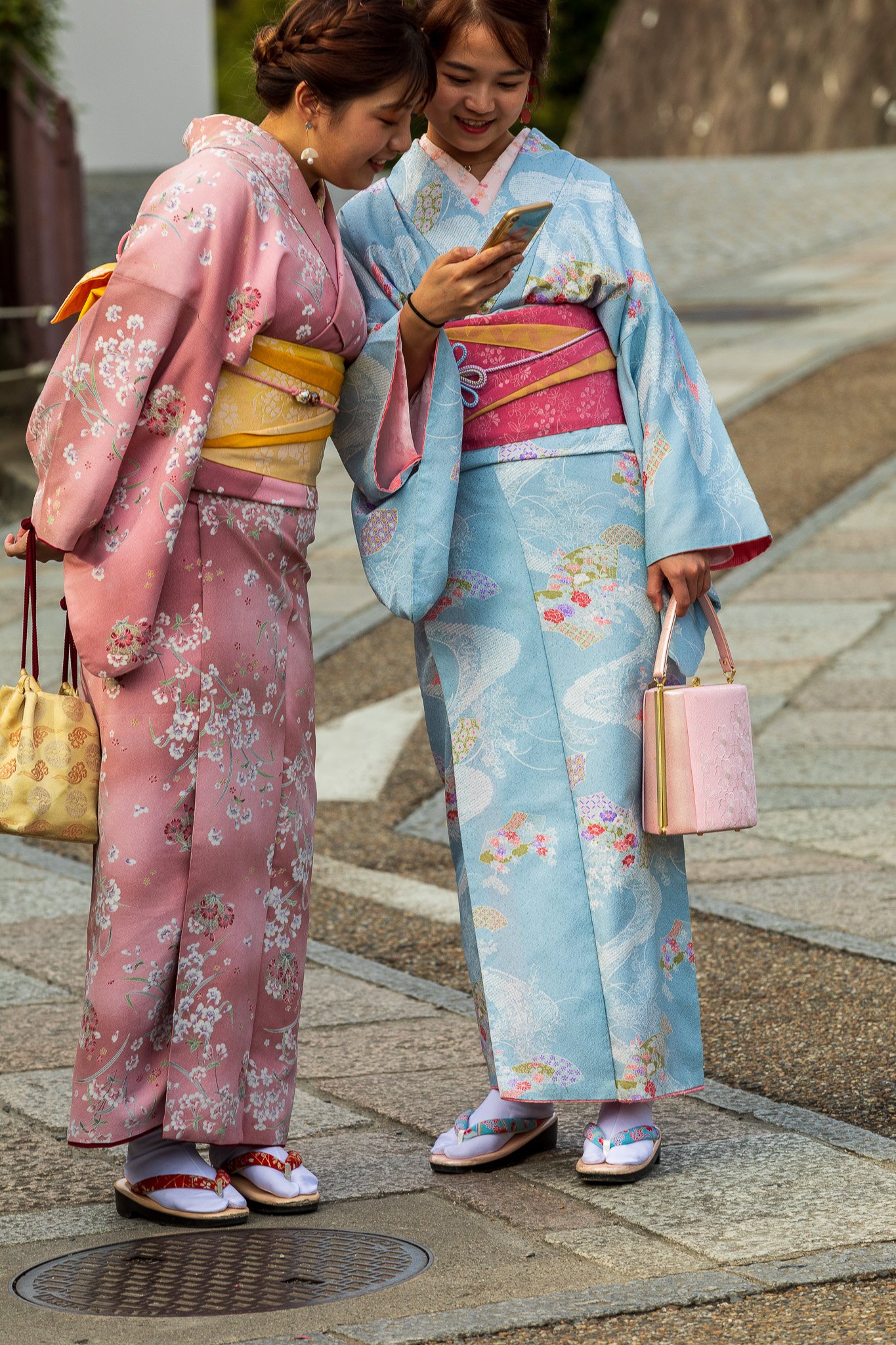
Kyoto is not only temples and gardens. It is people.
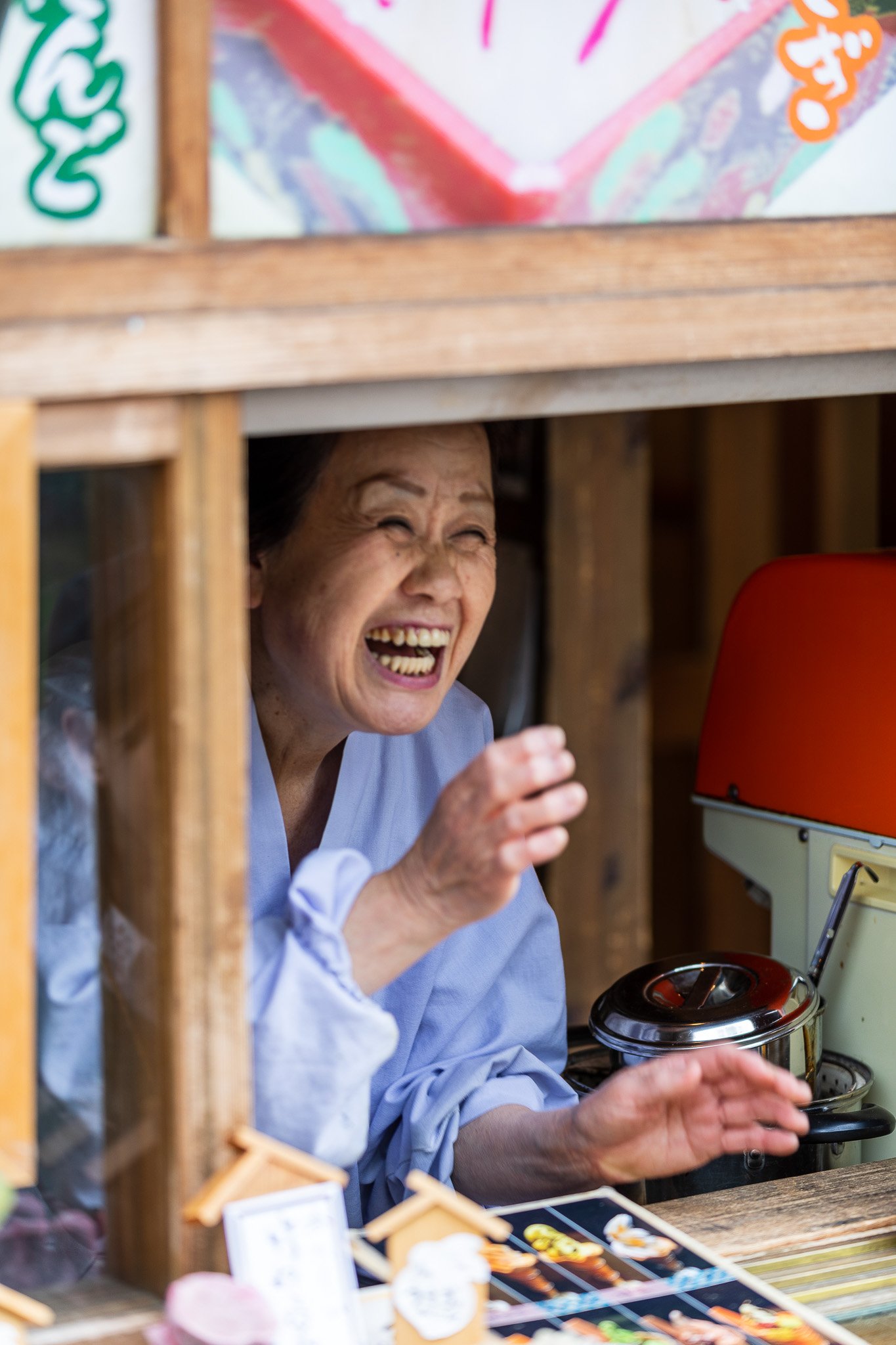
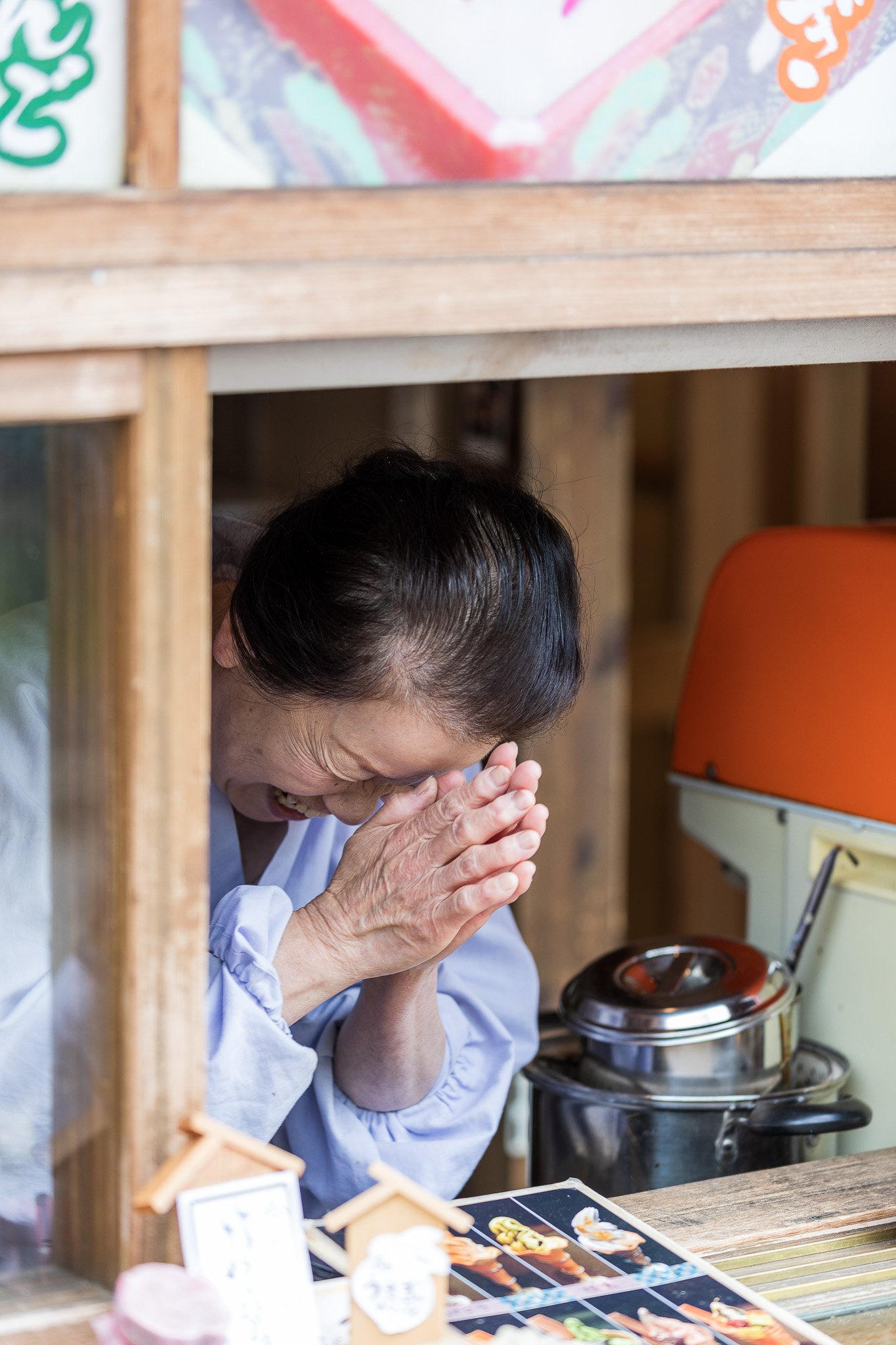
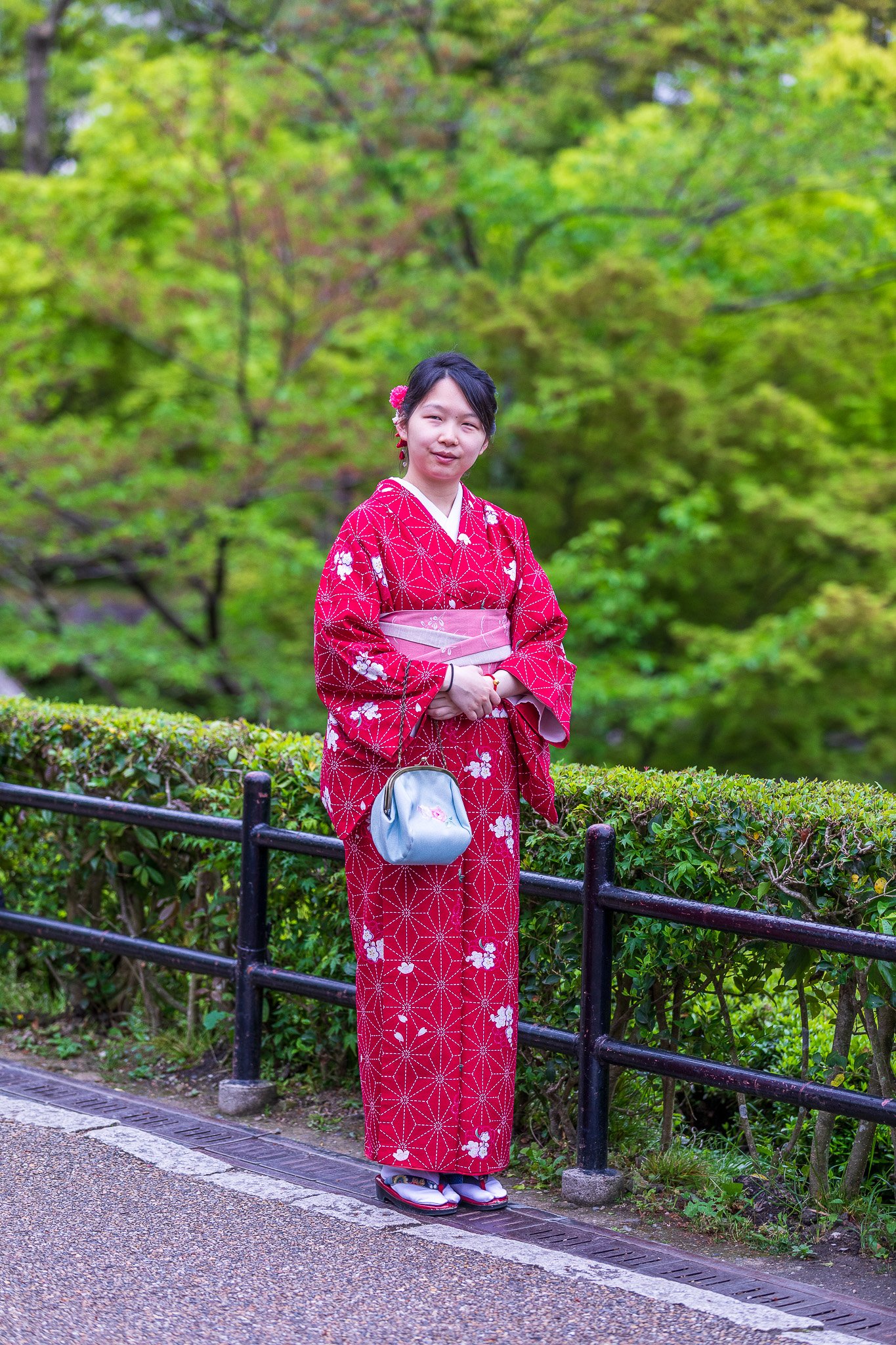
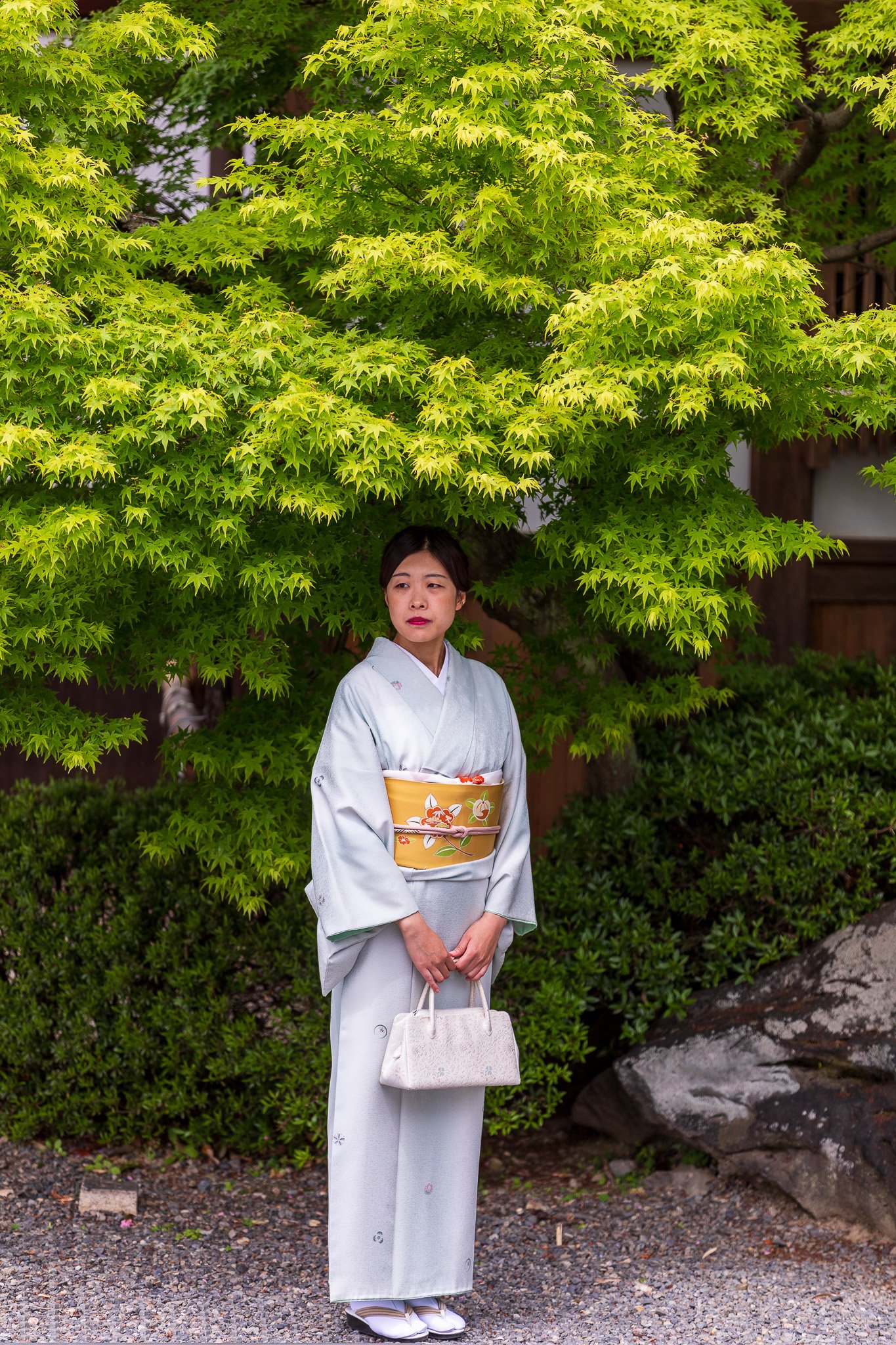
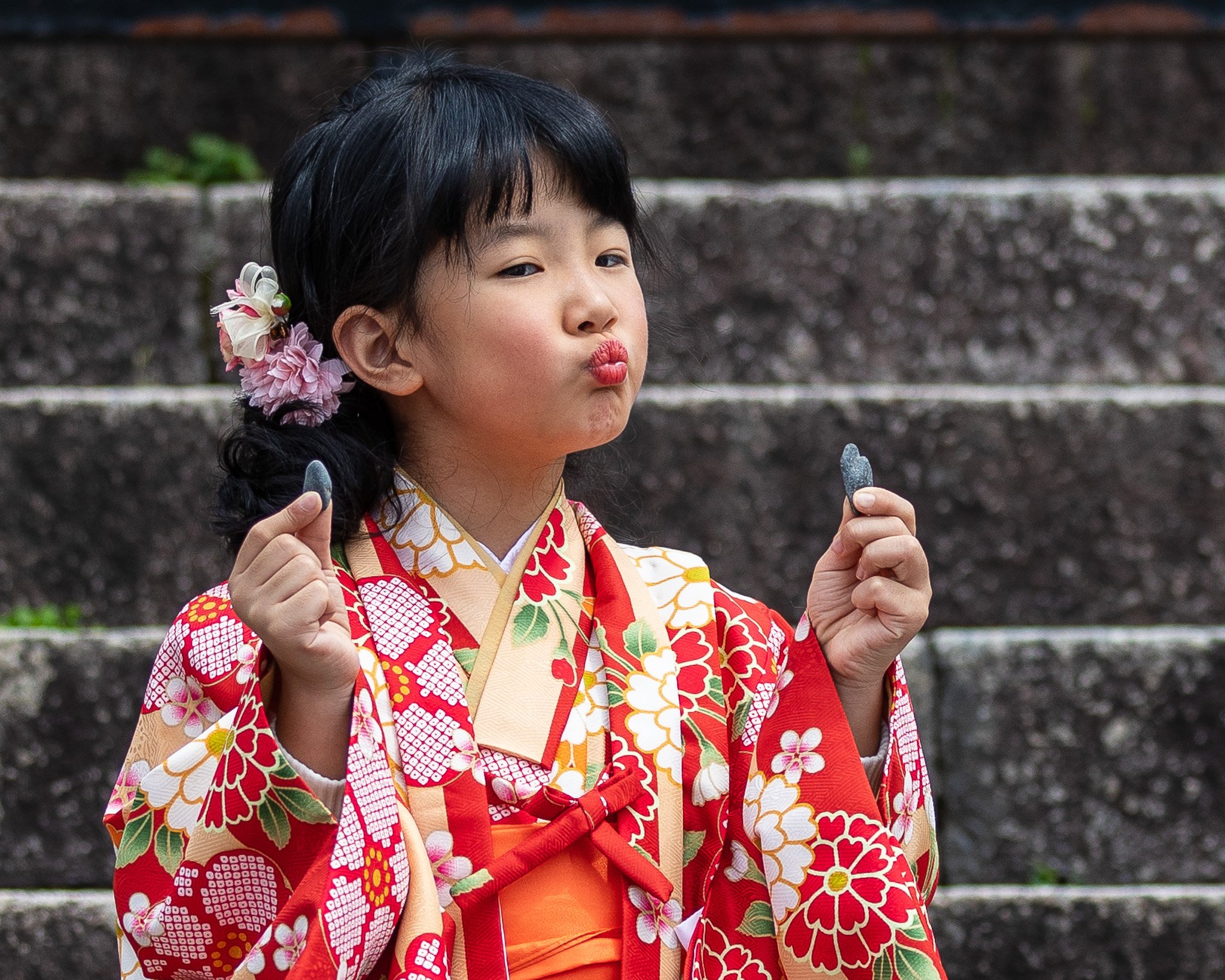
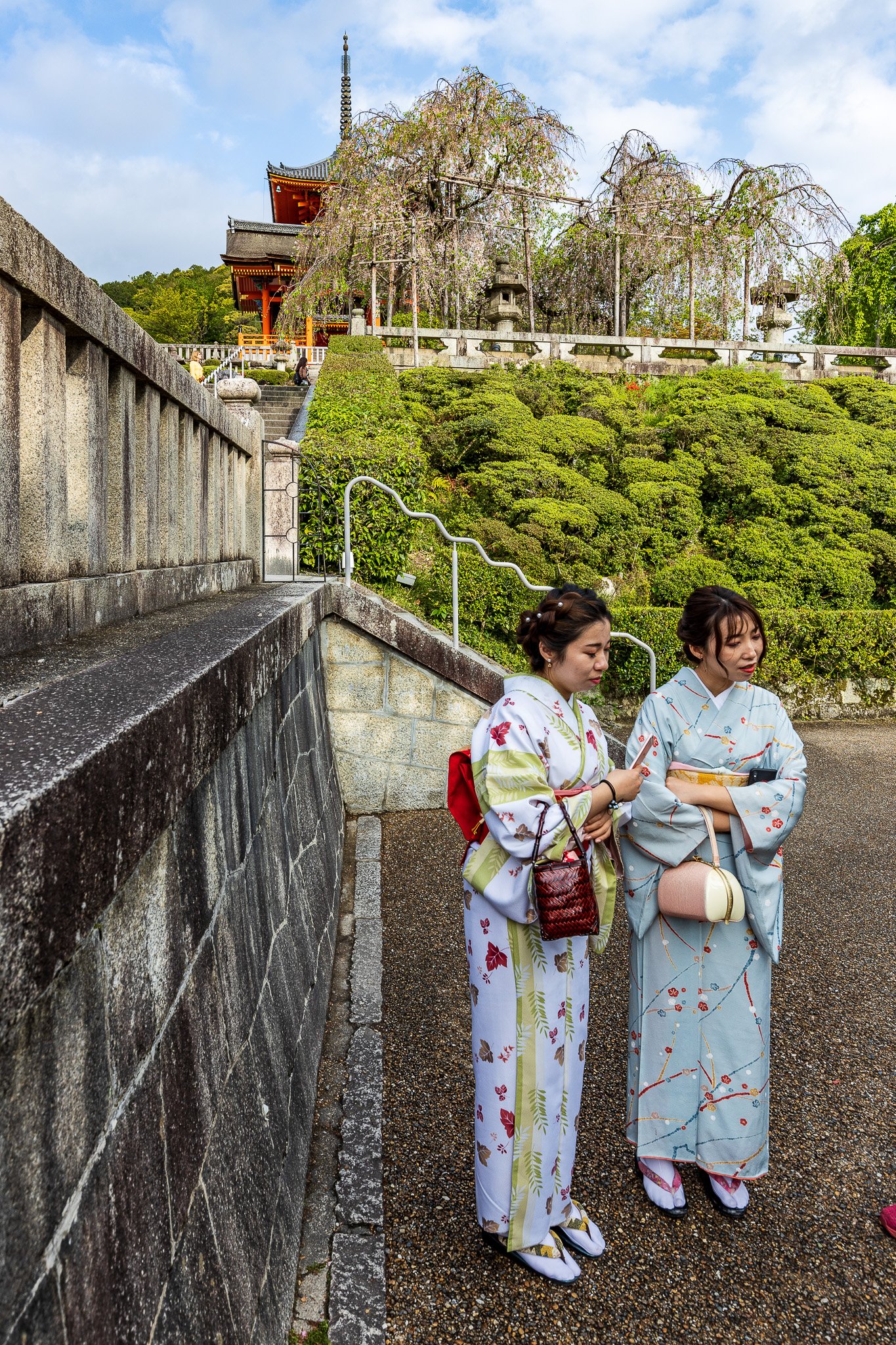
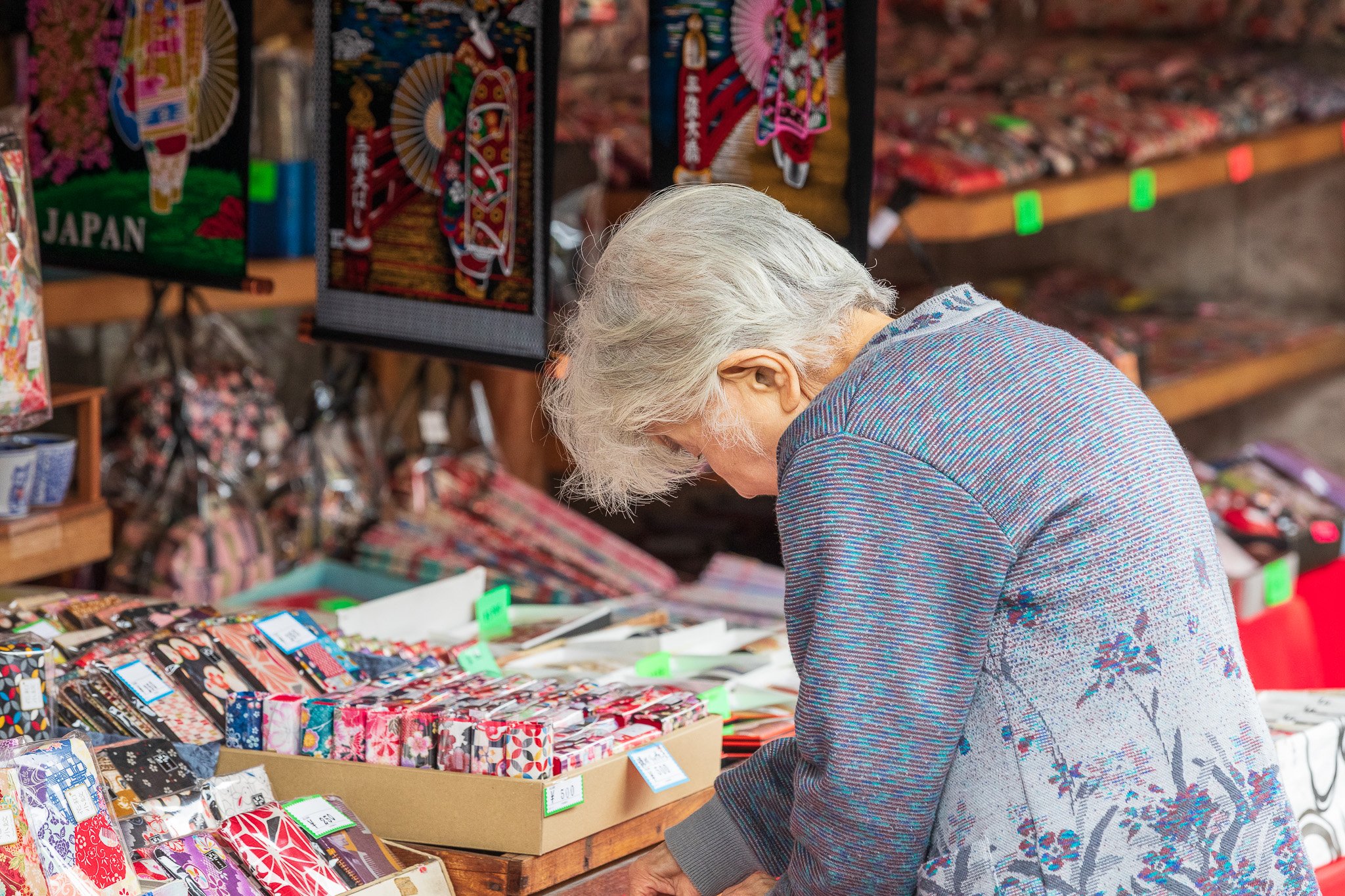
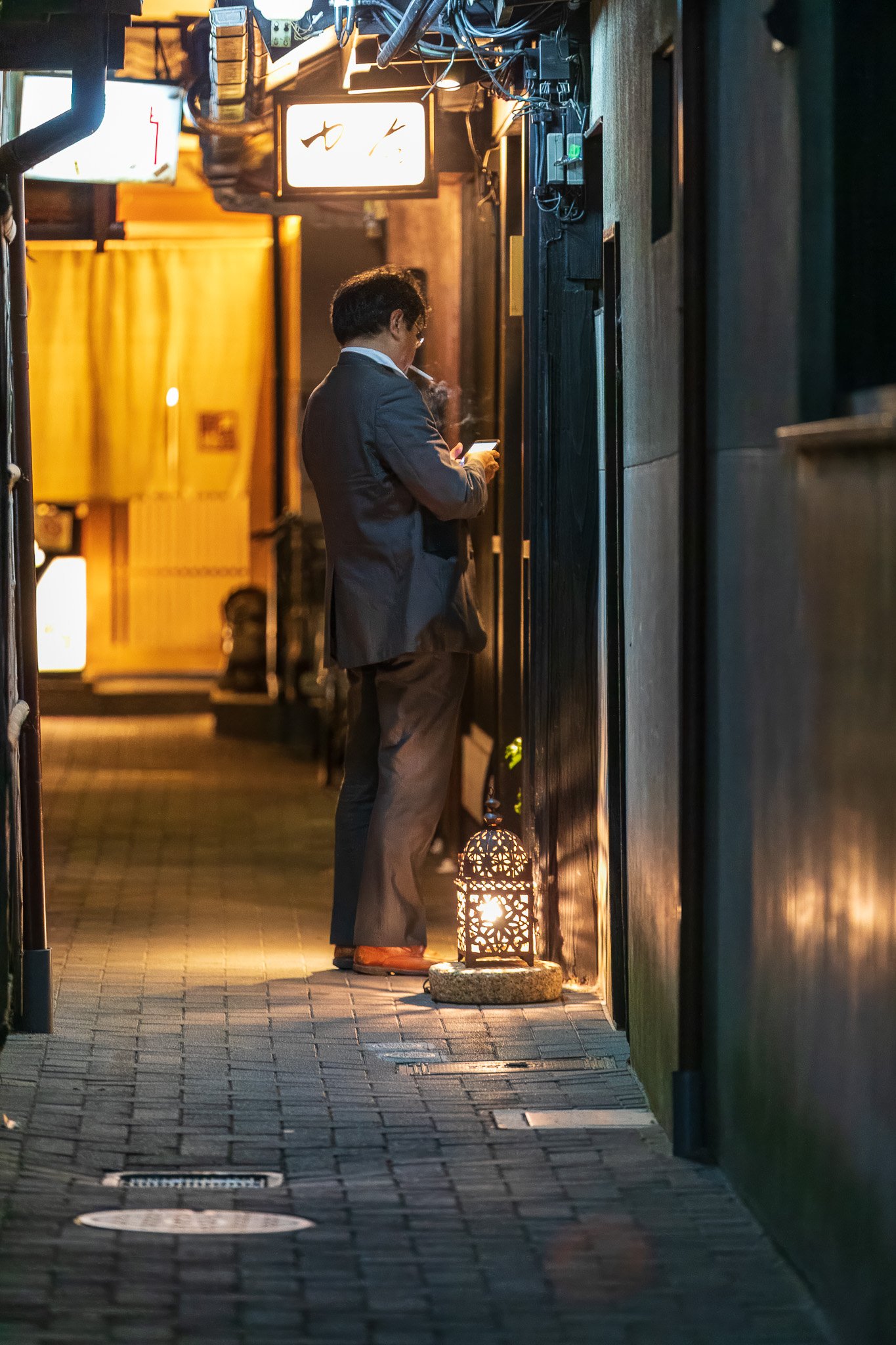
I spent hours photographing everyday life here. Artists sketching in quiet corners. Elderly couples walking hand in hand. Young professionals in sharp suits moving through ancient lanes. The city offers genuine character if you slow down and observe. Unlike Tokyo's relentless pace, Kyoto feels intimate. Moments unfold quietly. That subtlety is what makes street photography here so rewarding.
The Nishiki Market, the Kamogawa riverside, and the back streets of Fushimi near the shrine all offer rich material beyond the obvious temples.

Kinkaku-Ji Golden
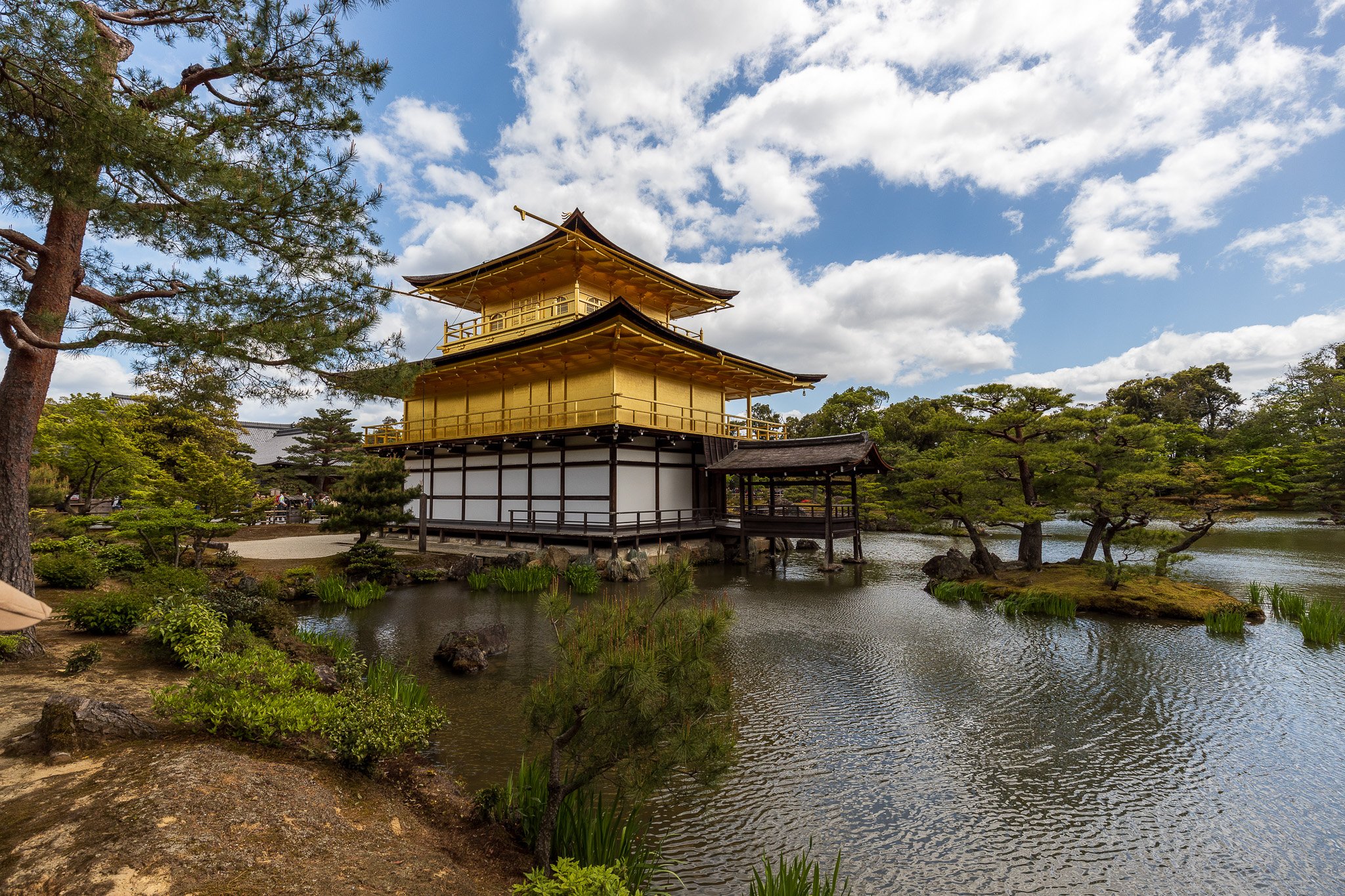
Kinkaku-ji is covered in gold leaf and reflected in a perfectly composed pond. The first time you see it in person, the scale and the silence of the surrounding garden feel almost improbable. The temple is surrounded by meticulously designed grounds, with pine trees, stones, and the reflection pond creating strong layered compositions from nearly every angle along the garden path.
It is also one of the most visited sites in Kyoto, which means timing is everything. Being here at opening time versus two hours later is a completely different experience.
📷 Pro Tip: Gates open at 9 am. Arrive 10 to 15 minutes before opening to position yourself along the pond edge before the crowds fill the viewing area. The reflection is sharpest in still morning air before the wind picks up. Shoot from the northeast bank of the pond to place the pavilion against clear sky rather than the tree line. A 70 to 200mm from the far bank compresses the reflection beautifully. In winter after snowfall, the gold against white is extraordinary. Admission is ¥500. No tripods are permitted on the garden paths, but a monopod is acceptable.
Best time: Opening hour (9 am), winter mornings after snow. Access: ¥500 admission. Bus 101 or 205 from Kyoto Station to Kinkakuji-michi stop.
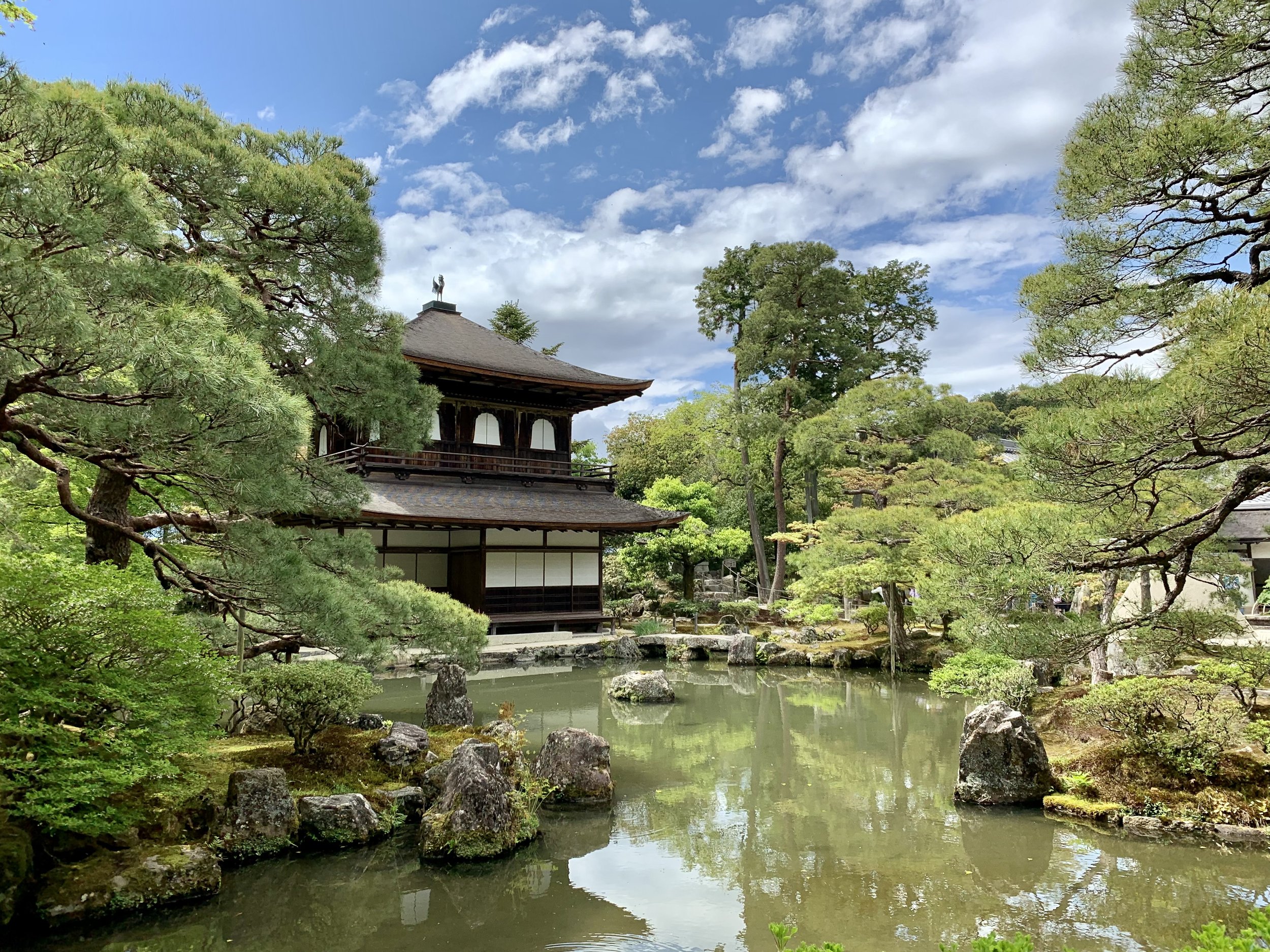
Ginkaku-Ji Silver Temple
Ginkaku-ji offers a completely different mood from Kinkaku-ji. Where the Golden Pavilion dazzles, the Silver Pavilion whispers. The temple itself is understated, its weathered wood blending into the surrounding landscape. The real draw is the garden design. The meticulously raked sand garden known as the Sea of Silver Sand creates minimalist compositions unlike anything else in Kyoto. The moss garden, winding elevated paths, and views back down over the city reward patient exploration.
📷 Pro Tip: Arrive at opening time (8:30 am) to photograph the sand garden in clean morning light before visitors cast shadows across the raked surface. Shoot from the elevated garden path above the main garden looking down across the sand cone and pavilion for the most distinctive angle. A 24 to 70mm at the longer end isolates the pavilion against the moss and trees effectively. On the Philosopher's Path, use a 70 to 200mm looking north toward the mountains in autumn for strong foliage compression. In cherry blossom season, shoot in the early morning when the canal surface is still and reflects the blossoms.
Best time: Opening hour, autumn foliage, cherry blossom season dawn. Access: ¥500 admission. Bus 5 or 17 to Ginkakuji-machi stop.
Kiyomizudera Temple
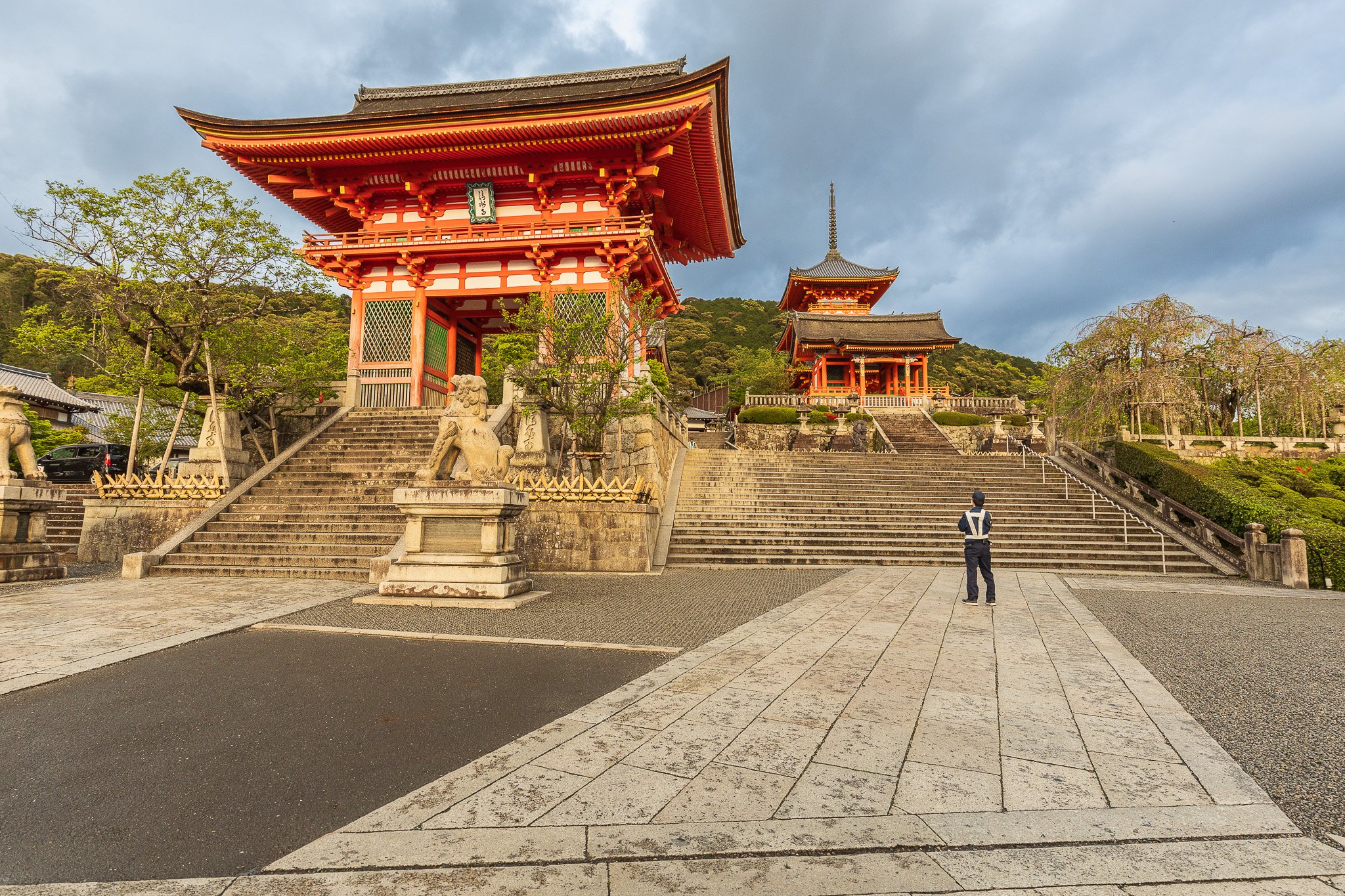
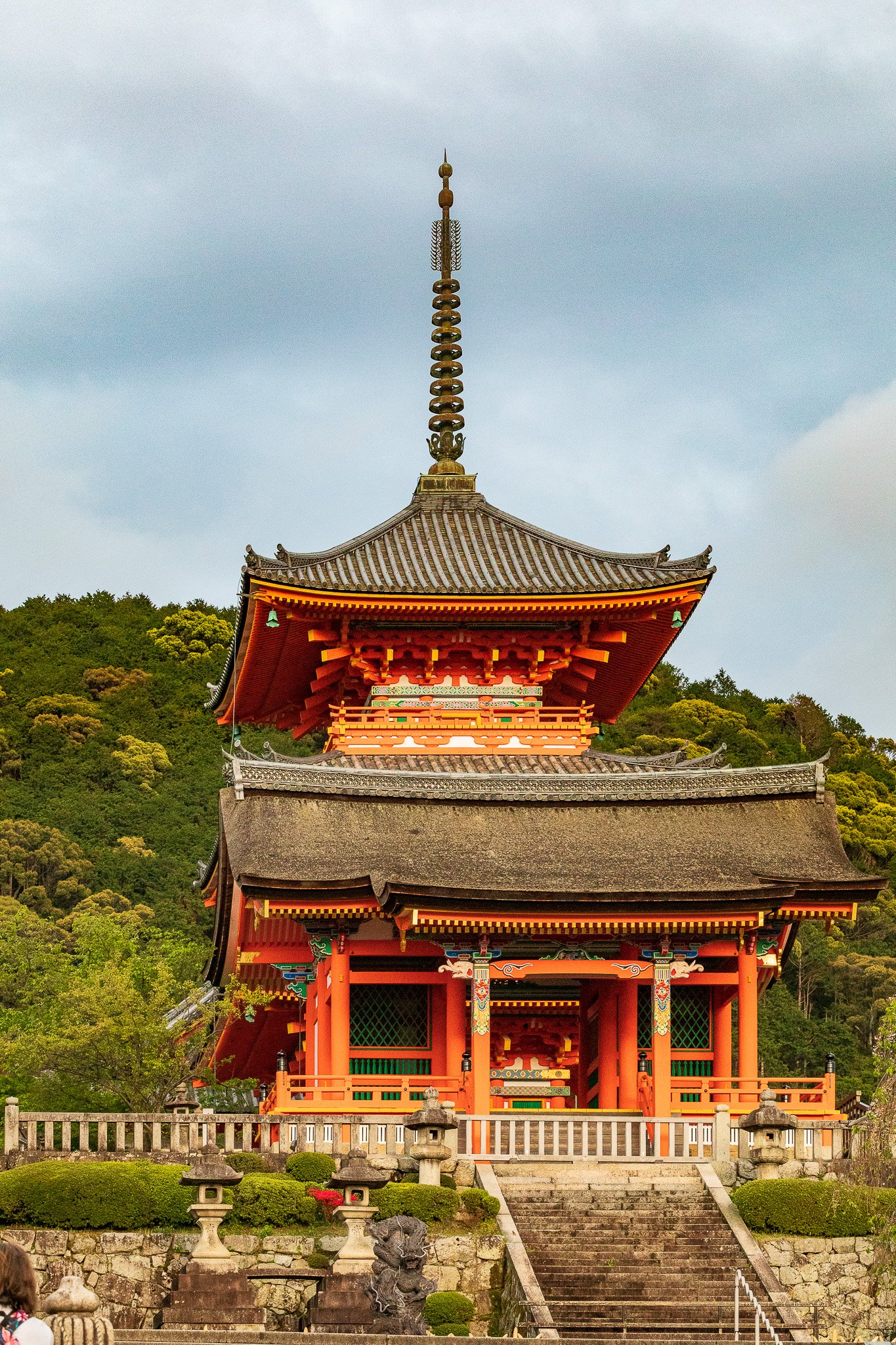
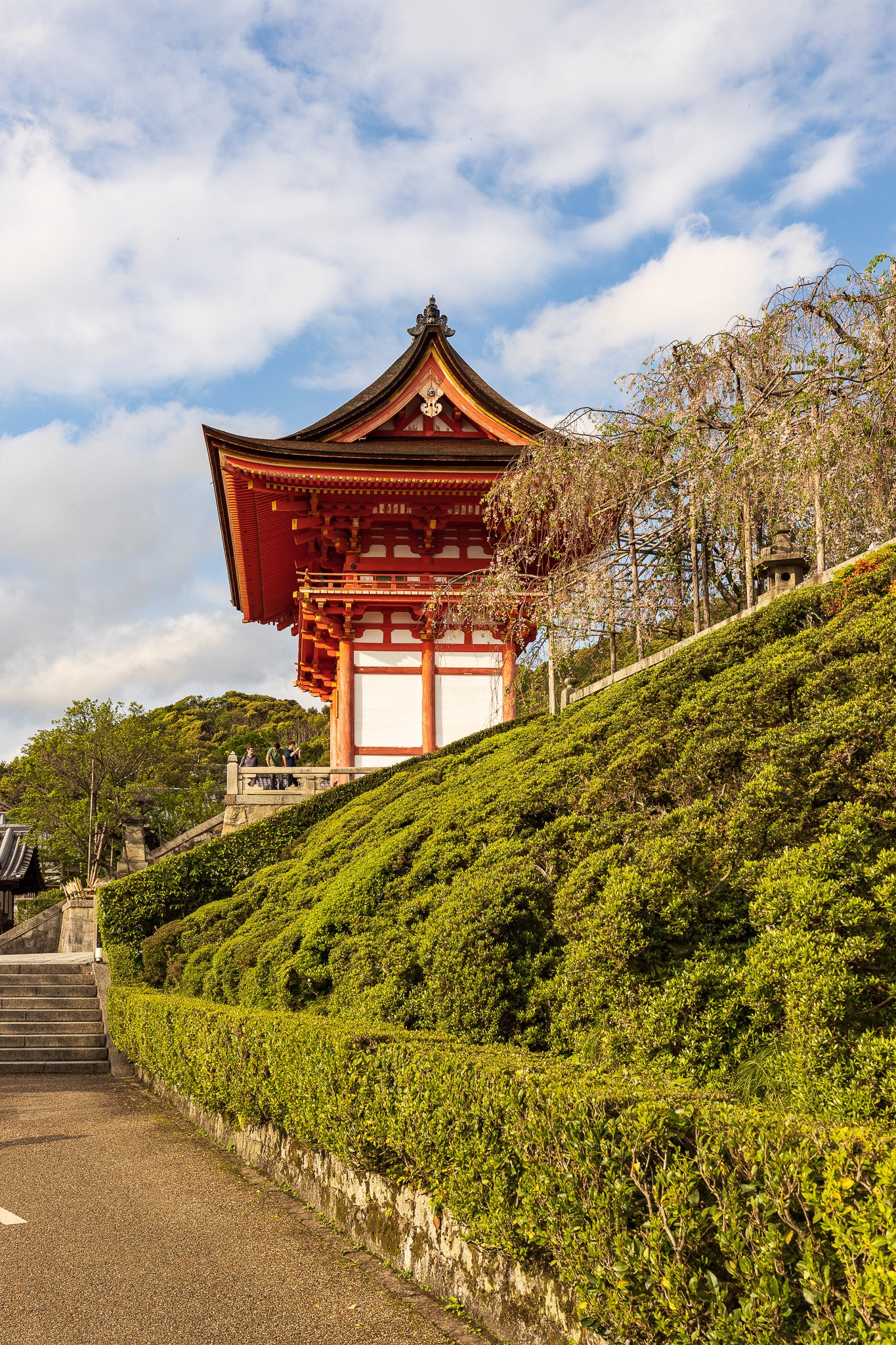
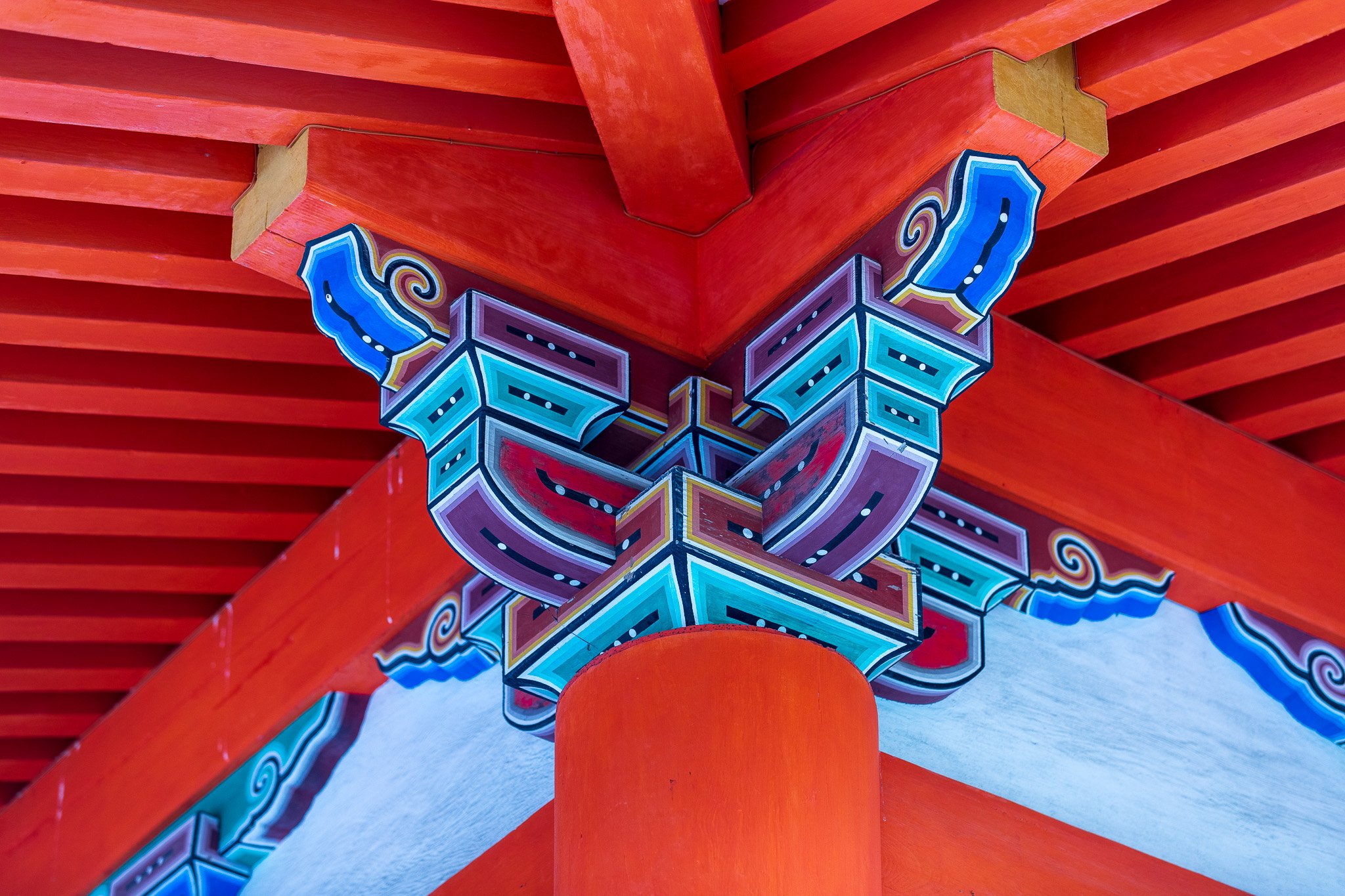
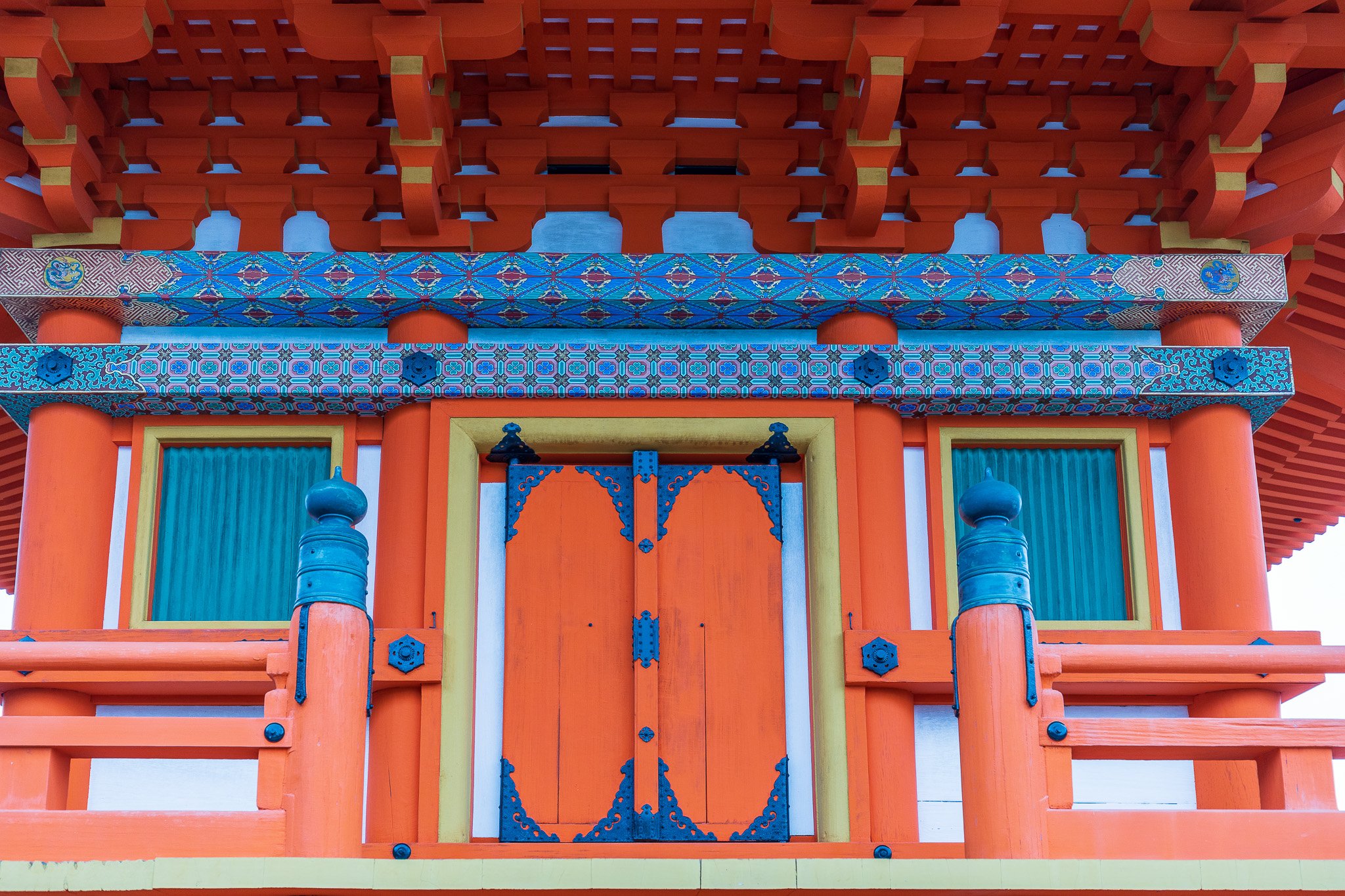
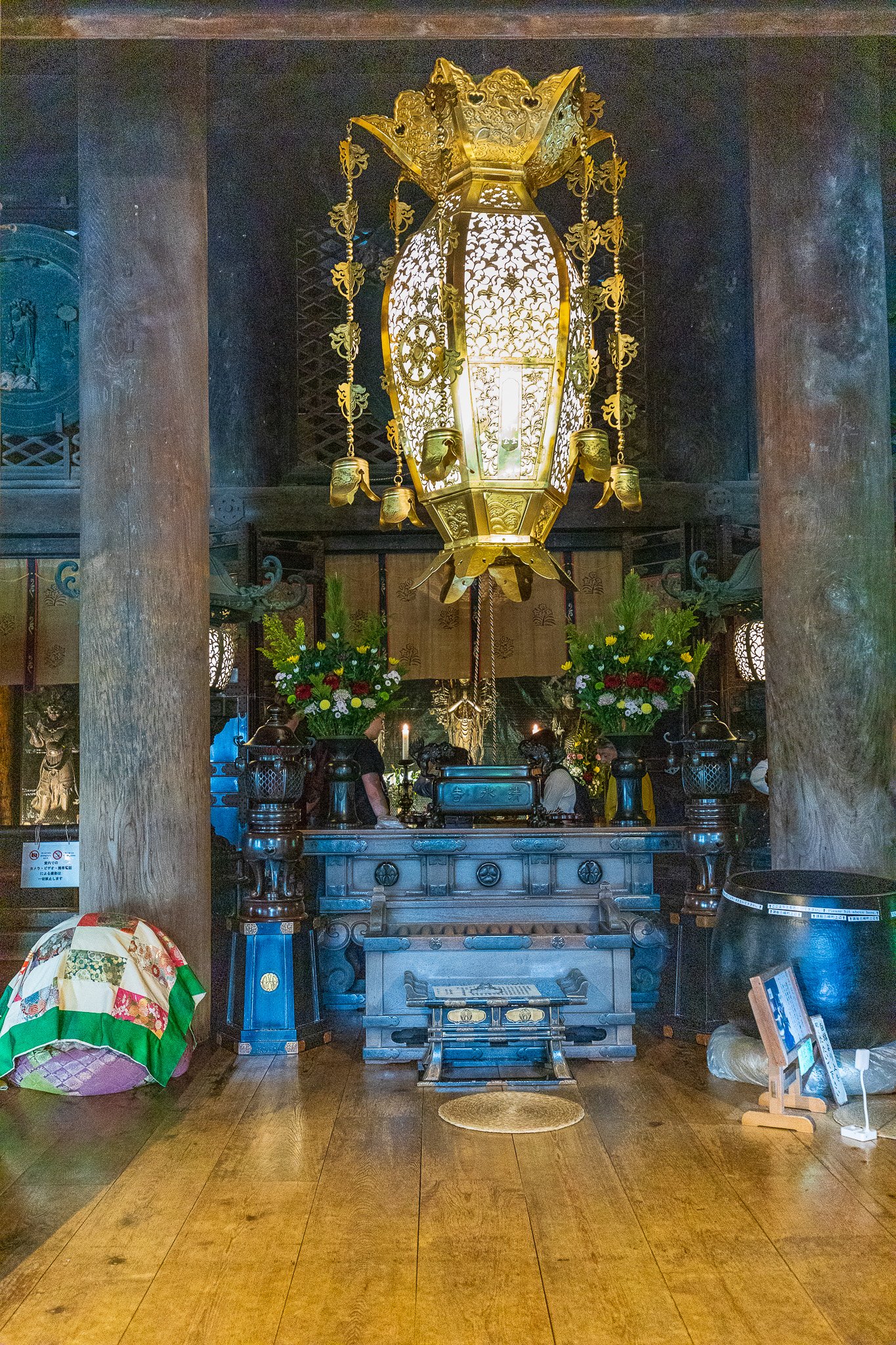
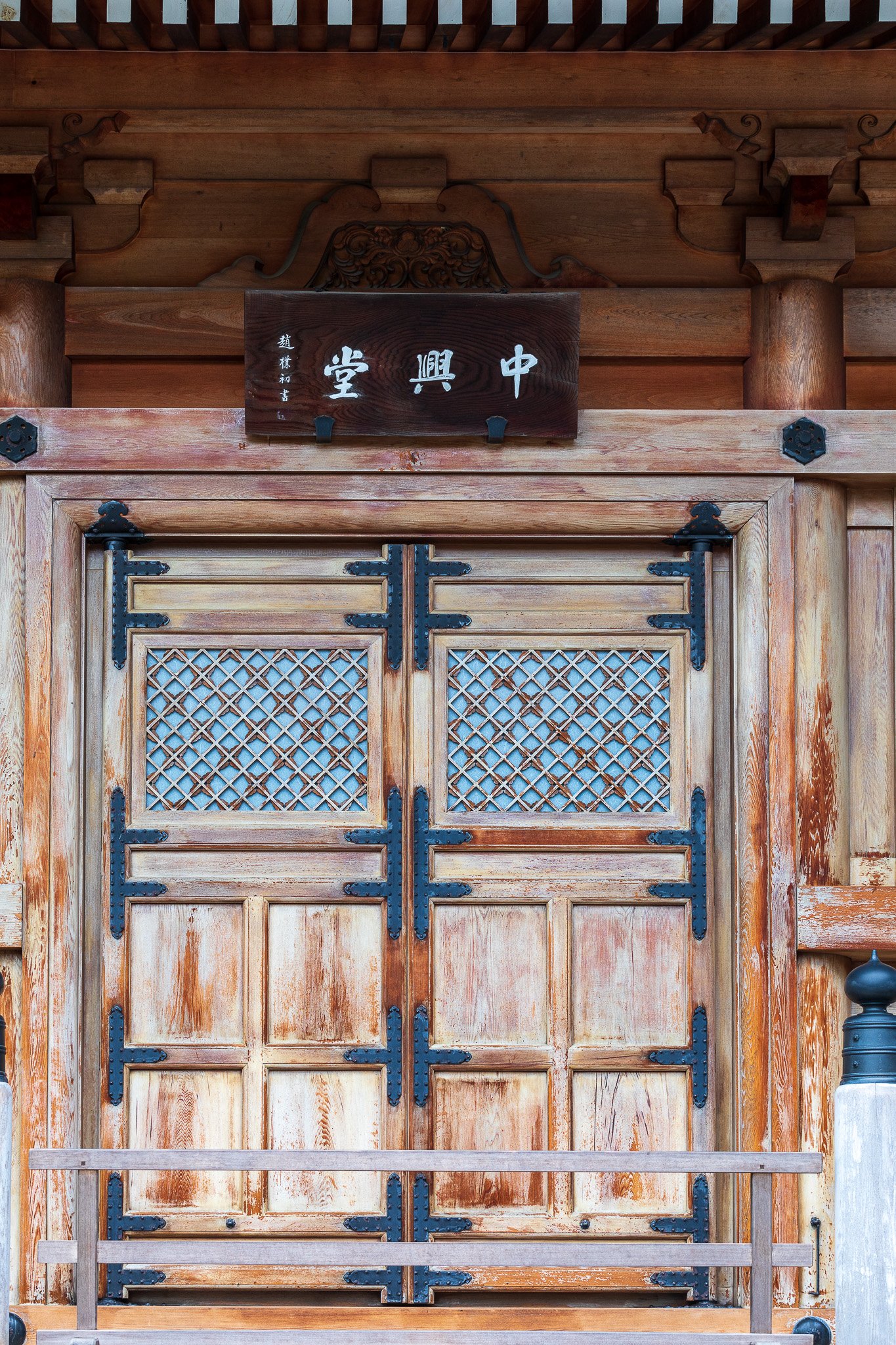
Kiyomizudera is perched on a hillside in the Higashiyama district, its massive wooden stage projecting outward over a forested valley. The scale of the main hall, built entirely without nails, is impressive in a way that photographs rarely capture. You need to stand on that terrace to feel it.
We were fortunate that our hotel was only five minutes away, which allowed us to visit multiple times. That proximity made all the difference. Early mornings felt completely different from midday, and evening visits during lantern season were unlike anything else we experienced in Japan.
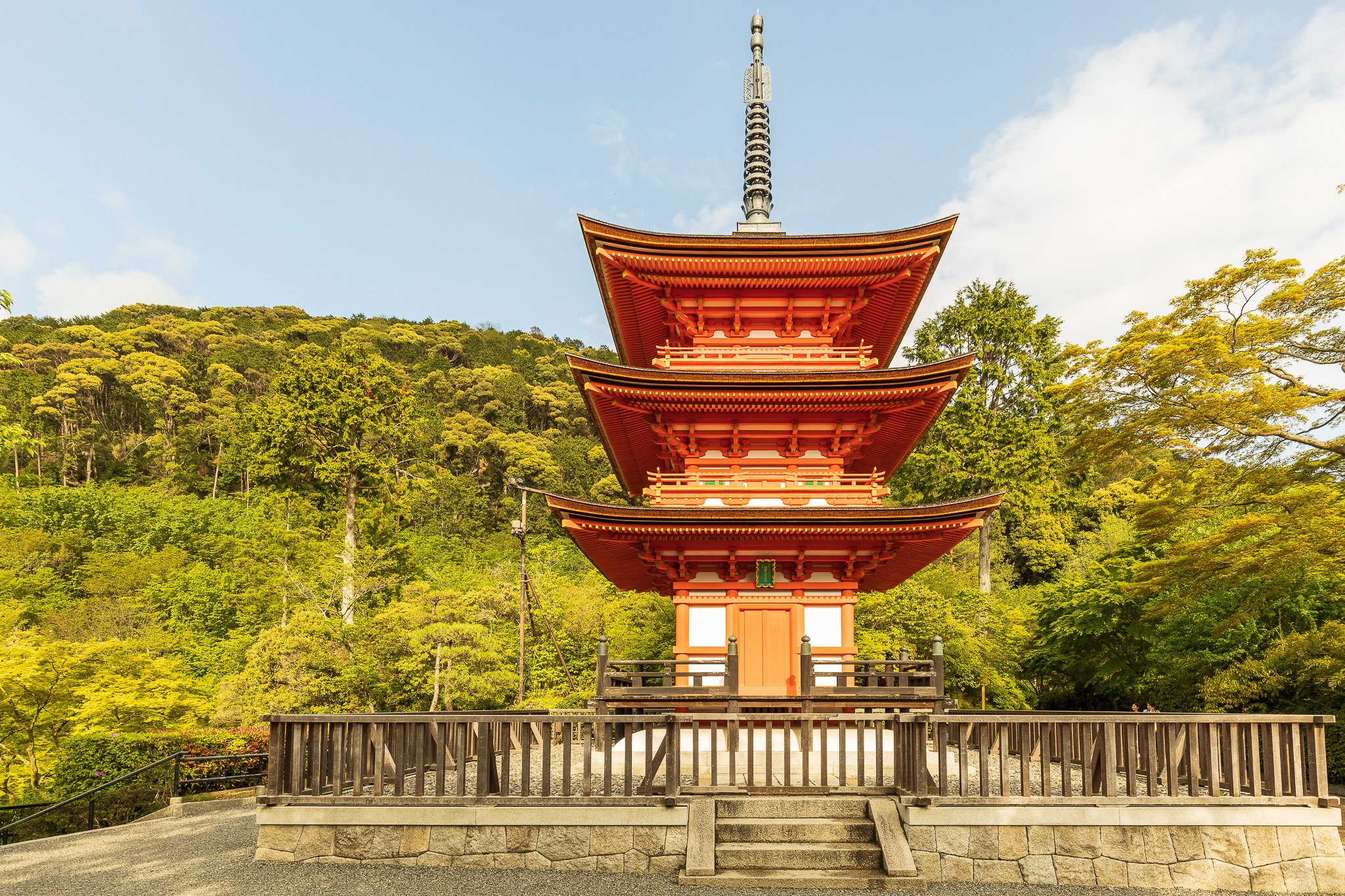
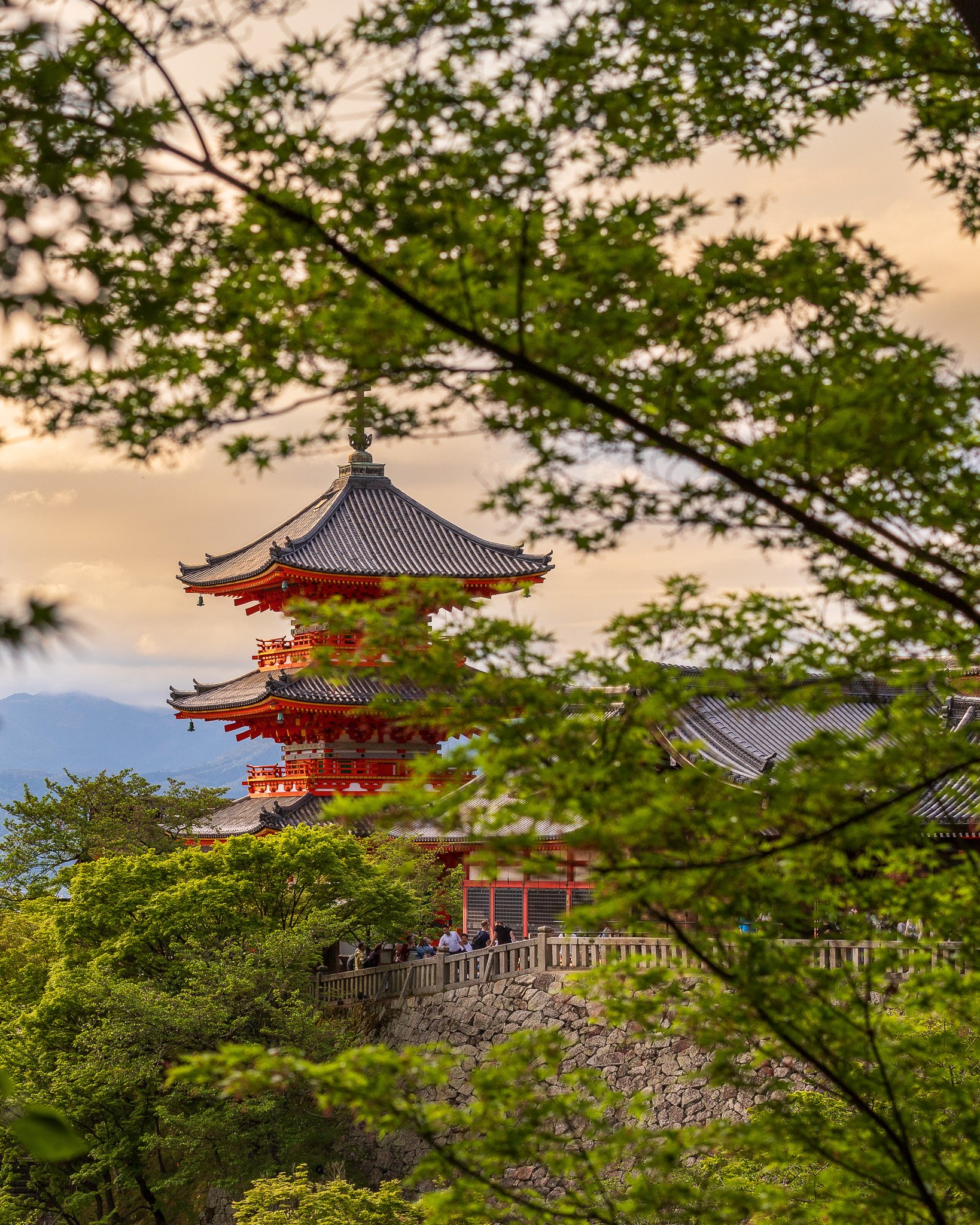
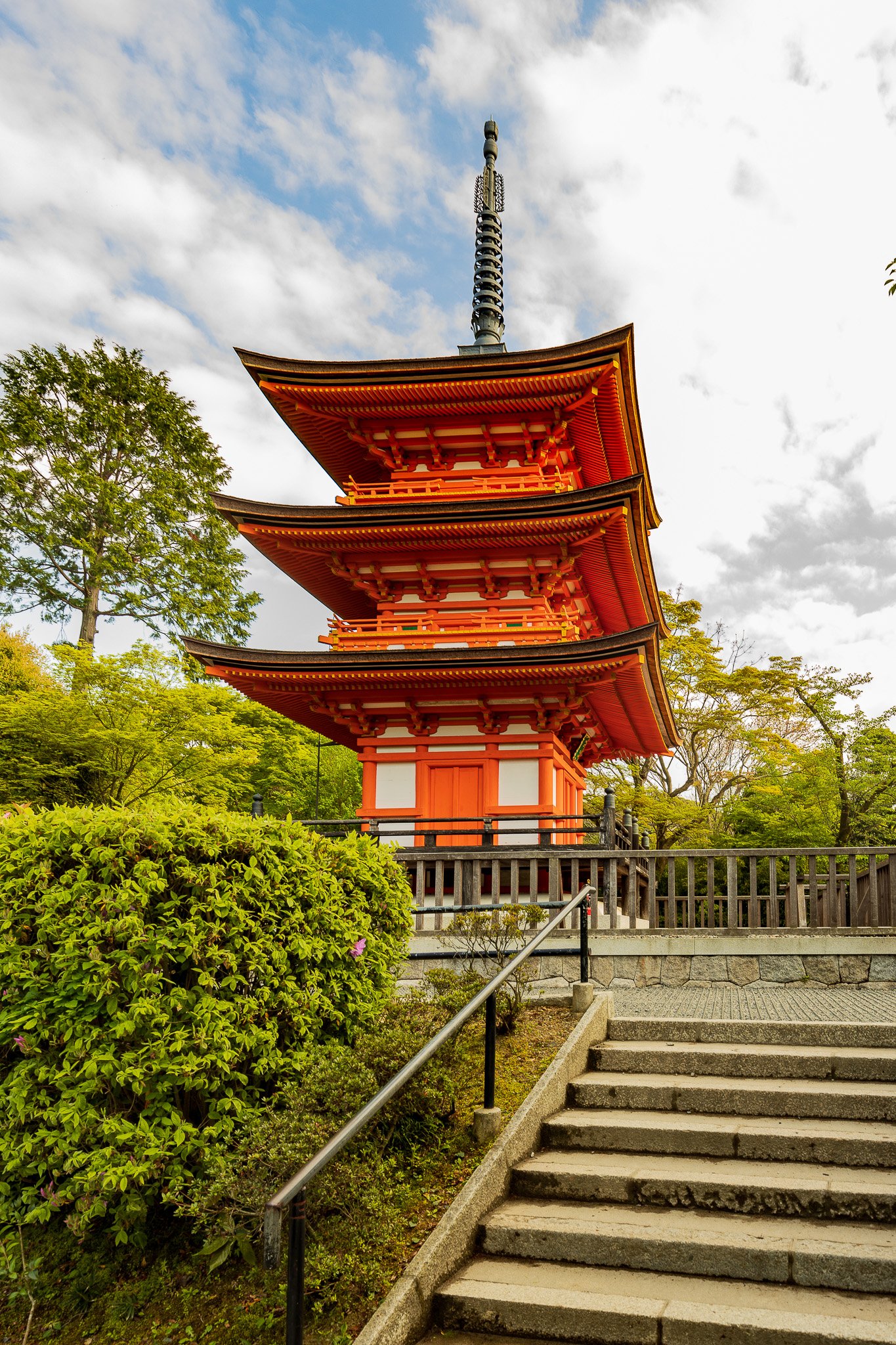
The views from the main terrace across Kyoto are spectacular at any time of year, but during cherry blossom season and autumn foliage, they become extraordinary. The pagoda to the northeast of the main hall is one of the most photographed views on the property.
📷 Pro Tip: Visit at dawn, well before the 6 am opening, when the adjacent lanes are still empty, and the light is soft. Return in the late afternoon for golden hour light on the wooden main hall facade. From the main terrace, a 24 to 70mm aperture at the wider end captures both the stage and the forested hillside below. To photograph the three-storied pagoda against the main hall, position yourself along the path to the Okunoin sub-temple to the east. Autumn visits between mid and late November offer the most dramatic foliage framing. Admission is ¥500. The approach lanes through Higashiyama are steep stone paths best navigated on foot.
Best time: Dawn, late afternoon golden hour, autumn foliage season. Access: ¥500 admission. Bus 100 or 206 to Kiyomizumichi stop, 10-minute uphill walk.

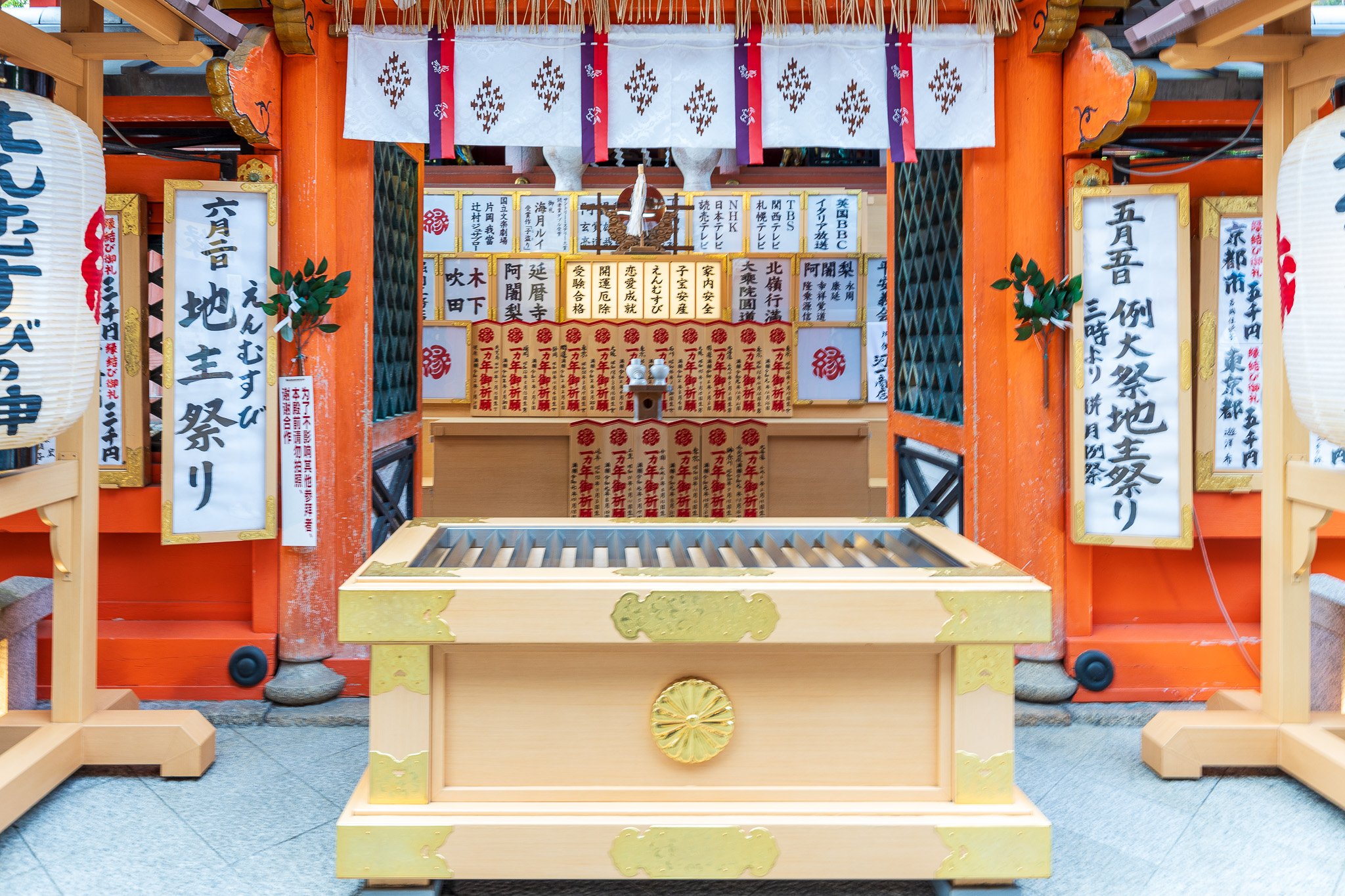
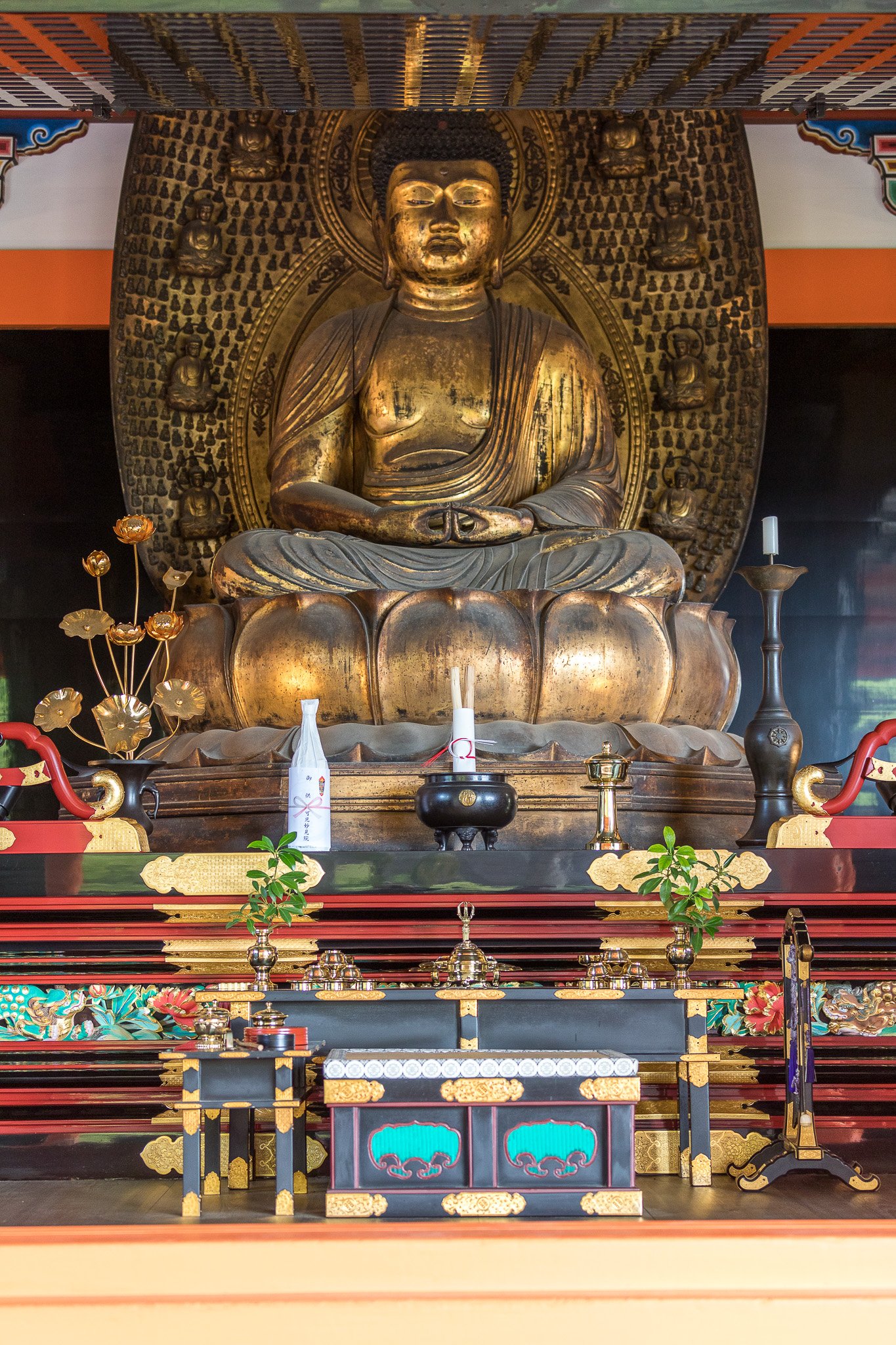
Without any doubt, the Kiyomizudera Temple is one of the most impressive temples in Japan. Built on the foothills of Mount Otowa, its remarkable structure is surrounded by lavishing nature and stunning vistas.
Do not miss the terrace, which offers clear views of the surrounding forests and the City of Kyoto. This temple is a fine example of Japanese architectural brilliance, built and assembled using no nails but, believe it or not, still earthquake-resistant.
Arashiyama & Arashiyama Bamboo Grove
Just a short train ride from central Kyoto, Arashiyama feels like a different world. Surrounded by forested hills and river valleys, this district has been a retreat for centuries. Japanese nobility once came here for exactly the reason you will: the landscape is softer, the air feels lighter, and the pace slows in a way that is difficult to explain.
The Bamboo Grove is the main draw. Tall stalks rise vertically and filter light in a way that feels almost unreal. When the wind moves through them, the sound adds to the atmosphere. The grove is bordered on one side by the garden wall of Tenryuji Temple, which is among the finest examples of Japanese Zen garden design anywhere in the country. The raked gravel, the moss, the pruned trees and precisely placed stones create compositions you could study for hours.
📷 Pro Tip: Arrive before 7 am. By mid-morning, the main bamboo path fills with tour groups and clean compositions become nearly impossible. Shoot looking straight up through the canopy with a wide angle to capture the stalks converging against the sky. Looking down the path with a 70 to 200mm compresses the green tunnel into a dense, graphic frame. Overcast light is actually ideal here; direct sunlight creates harsh contrast and blown highlights on the pale bamboo. For Tenryuji garden, shoot from the main terrace looking across the pond toward Arashiyama mountain. Tenryuji admission is ¥500 for garden only, ¥1,000 for the interior. The grove itself is free and open at all hours.
Best time: Pre-7 am for the bamboo grove, morning for Tenryuji garden. Access: Grove free, open 24 hours. Tenryuji ¥500 to ¥1,000. Take the Sagano Line to Saga-Arashiyama Station.

Arashiyama is home to several temples; Tenryuji Temple is the most famous of them.

Higashiyama District
Higashiyama is Kyoto at its most cinematic. This is one of the city's best-preserved historic districts, where narrow stone lanes wind past traditional wooden machiya houses, teahouses, pottery studios, and small artisan shops. Lanterns hang from eaves. Norens sway in the breeze. The textures alone are worth the walk.
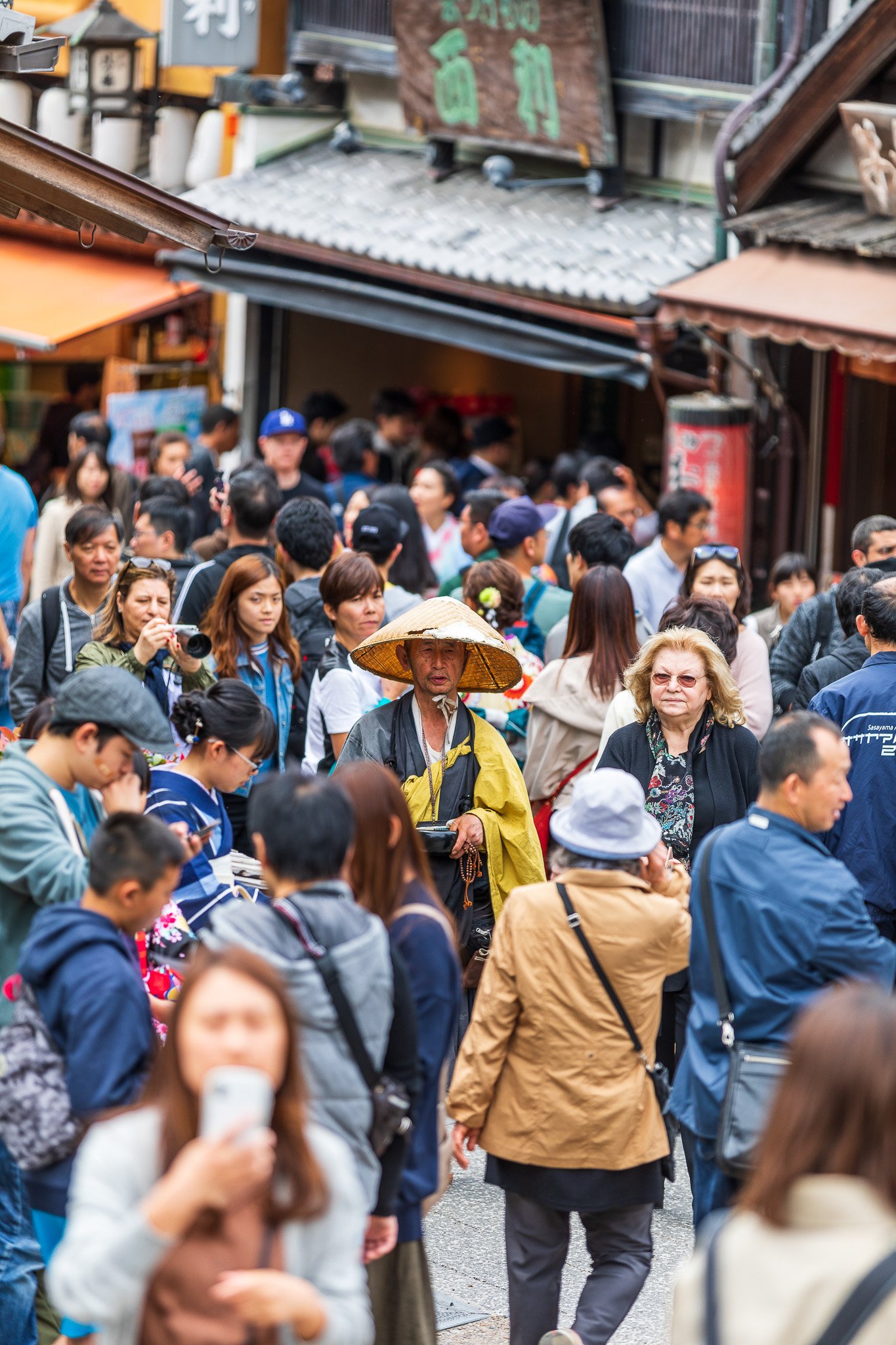
The lanes between Yasaka Shrine and Kiyomizudera give you the feeling of what Kyoto looked like when it served as the imperial capital. Many buildings have been converted into shops and cafés, but the architectural integrity remains intact. It feels authentic rather than staged, which makes it one of the rare historic districts anywhere in Japan where street photography still feels meaningful.
Blue hour and early evening are particularly beautiful, especially when lanterns begin to glow against the weathered wood.
📷 Pro Tip: Arrive before 7 am for nearly empty lanes. By mid-morning, the main Sannenzaka and Ninenzaka slopes fill quickly. Position yourself at the top of the stone steps on Sannenzaka, looking downward with a 35mm or 50mm lens for a clean lane composition without signs or crowds. In the evening, use a 70 to 200mm lens from a fixed position down a narrow alley to compress the lanterns and wooden facades into a single warm plane. Night Mode on iPhone handles the lantern glow well here without a tripod. The district is free to walk in and accessible 24 hours.
Best time: Pre-7 am, blue hour, and early evening. Access: Free. Bus 206 to Higashiyama-Yasui stop.
Nanzenji Temple
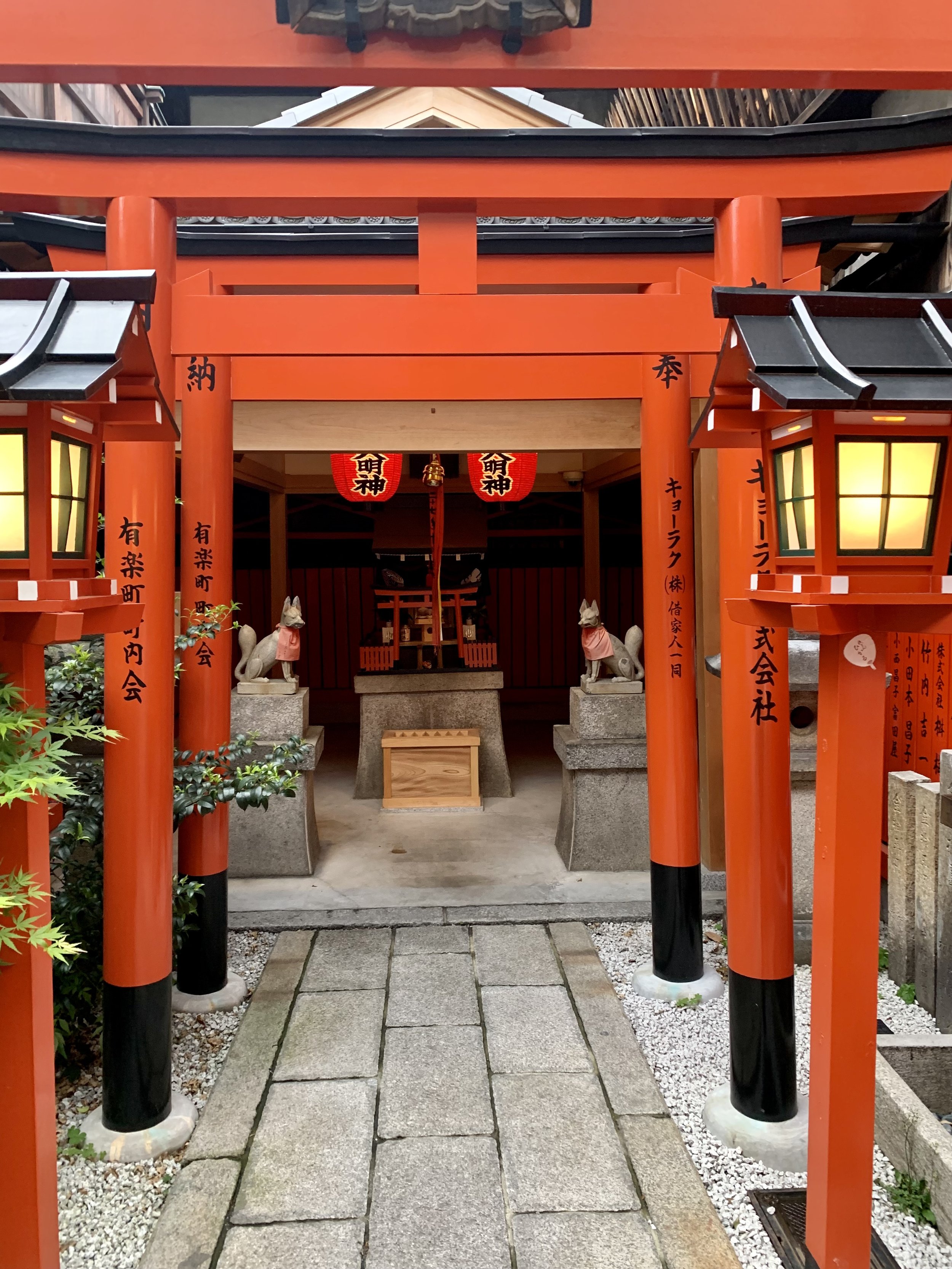
Nanzenji is one of Kyoto's most important Zen temple complexes, and it feels spacious in a way that many smaller Kyoto temples do not. Rather than a single structure, it is an entire compound of gates, sub-temples, gardens, and quiet pathways. There is room to breathe here.
The massive Sanmon Gate is the first visual statement. Climb to the top for elevated views across Kyoto framed by treetops and tiled rooftops. One of the most unexpected features is the red brick aqueduct running through the temple grounds, a piece of Meiji-era infrastructure that contrasts beautifully with the traditional Japanese elements around it. The strong geometric lines and symmetry make it one of the most photographically interesting structural elements anywhere in the city.
📷 Pro Tip: Shoot the aqueduct from directly below with a 15 to 35mm lens, looking along its length toward the light. The repeating arches create strong leading lines, and the brick texture is visually rich at any time of day. For the Sanmon Gate, position yourself from the south side looking north with the gate centered and trees framing both sides. Arrive at opening time (8:30 am) before the sub-temple gardens fill. The Nanzenji Hojo garden is one of the finest dry landscape gardens in Kyoto. Admission to the Sanmon is ¥600; the Hojo garden is ¥600 separately.
Best time: Opening hours, autumn foliage (mid-November). Access: Sanmon ¥600, Hojo garden ¥600. Subway to Keage Station, Tozai Line, 10-minute walk.
Fushimi Inari Shrine
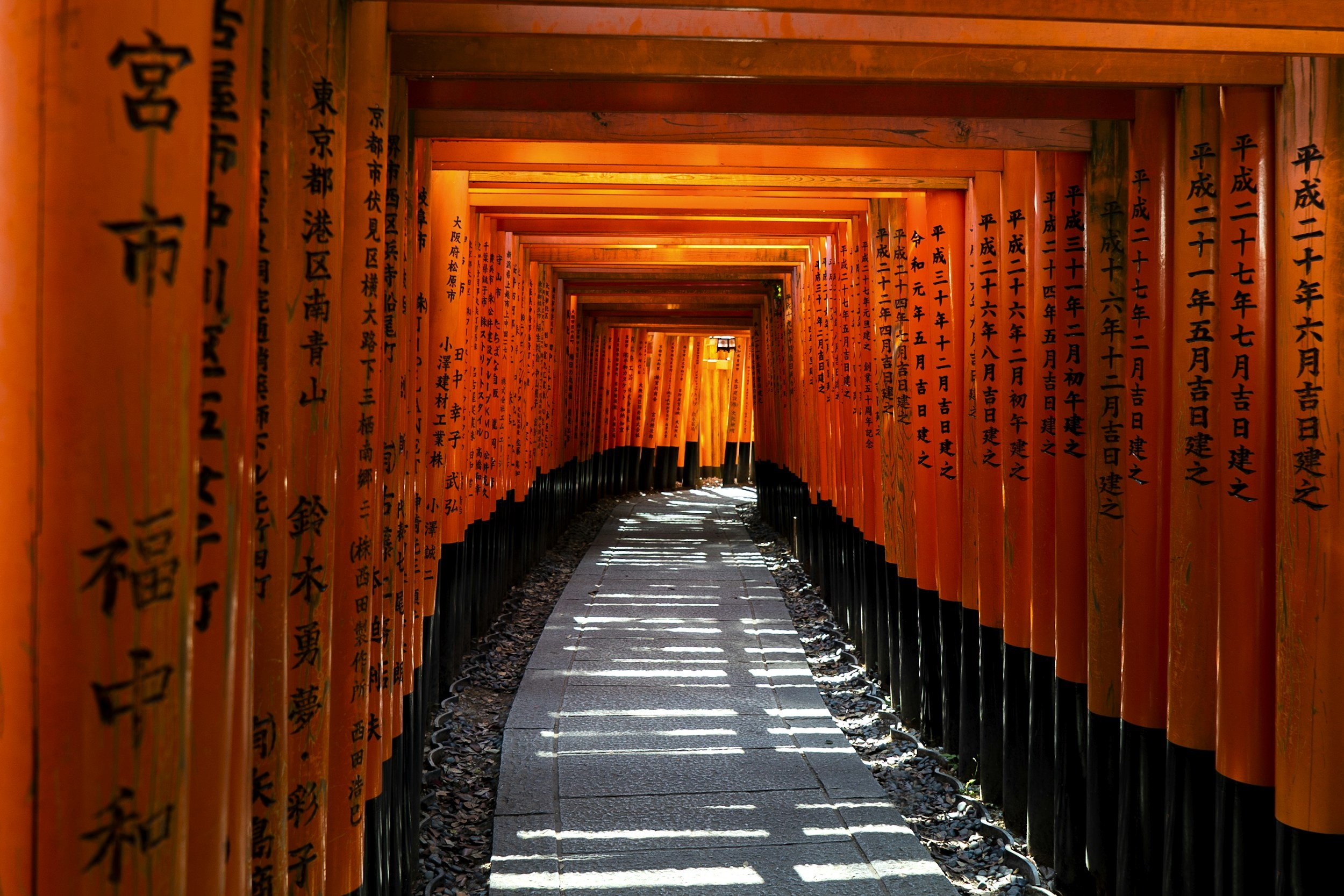
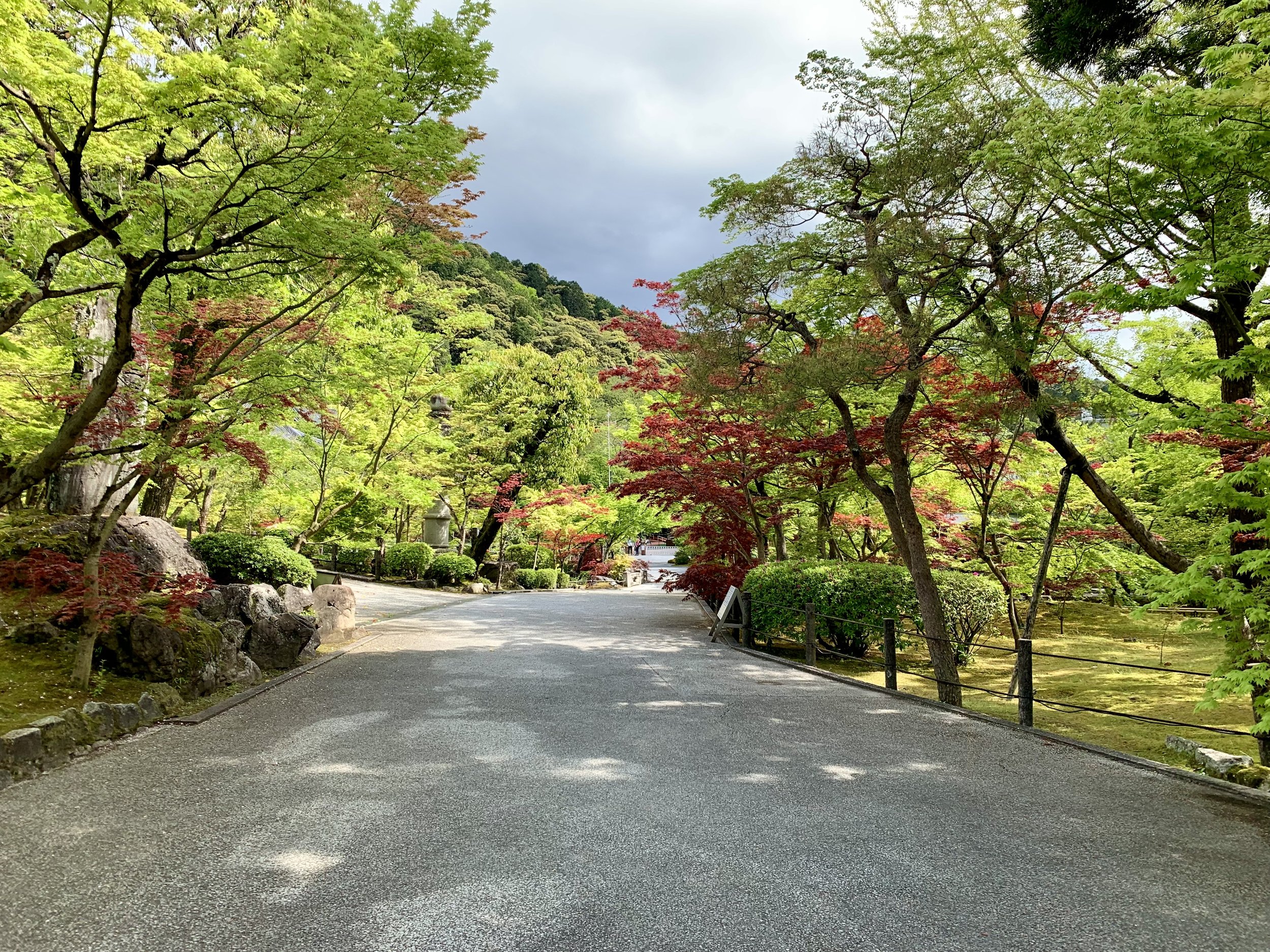
Fushimi Inari Taisha is arguably Kyoto’s most recognizable landmark.
The thousands of vermilion torii gates winding up Mount Inari create one of the most iconic photographic scenes in Japan. Even if you do not know the name, you have almost certainly seen the image.
The gates form tunnels of color that stretch endlessly uphill, each one donated by an individual or company. As you climb, the crowds gradually thin, and the atmosphere shifts from busy to contemplative.
The entire complex is worth exploring, not just the main torii path. Small shrines, stone fox statues, lanterns, and quiet forest trails offer far more variety than many visitors expect.
Pro Tip: The famous torii tunnel photographs are only clean of crowds in the first 30 minutes after dawn or in the final hour before dark. The lower section near the entrance is accessible to every visitor; the upper mountain trails are where the crowds thin. Climb past the Yotsuji intersection (about 30 minutes up) and the character of the trail changes entirely. Fewer people, older and more mossy gates, and a deeper forest atmosphere. A 24-35mm for the tunnel looking south toward the entrance light, and a 50mm for the candid shots of other pilgrims making the climb. Free to enter at all hours.
The shrine’s entrance gate is called Romon Gate. It is very hard to capture a photo of the gates without an Instagrammer spoiling your shot.

Yasaka Shrine & Gion District
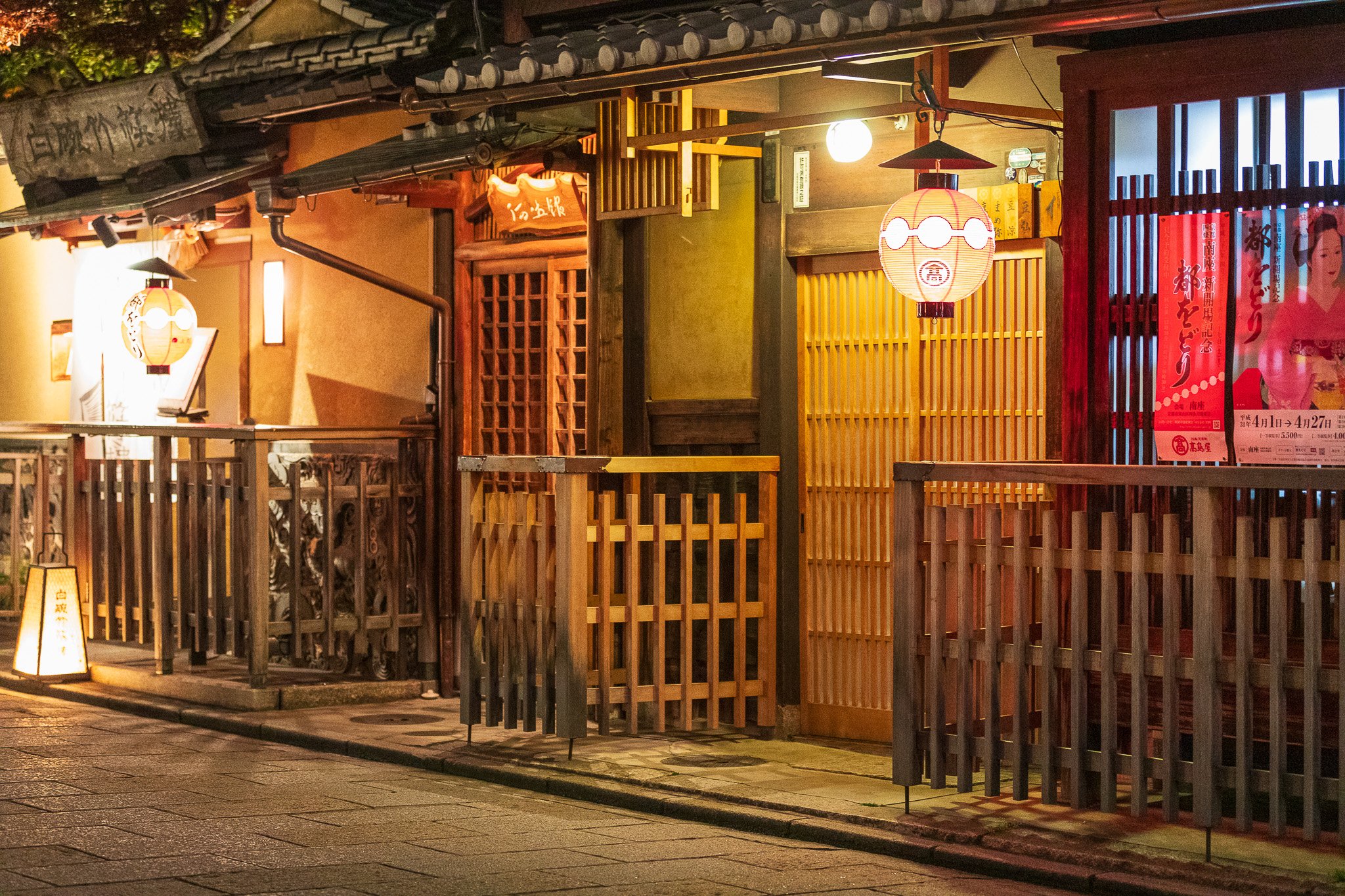
Yasaka Shrine marks the gateway to Gion, Kyoto’s most famous geisha district.
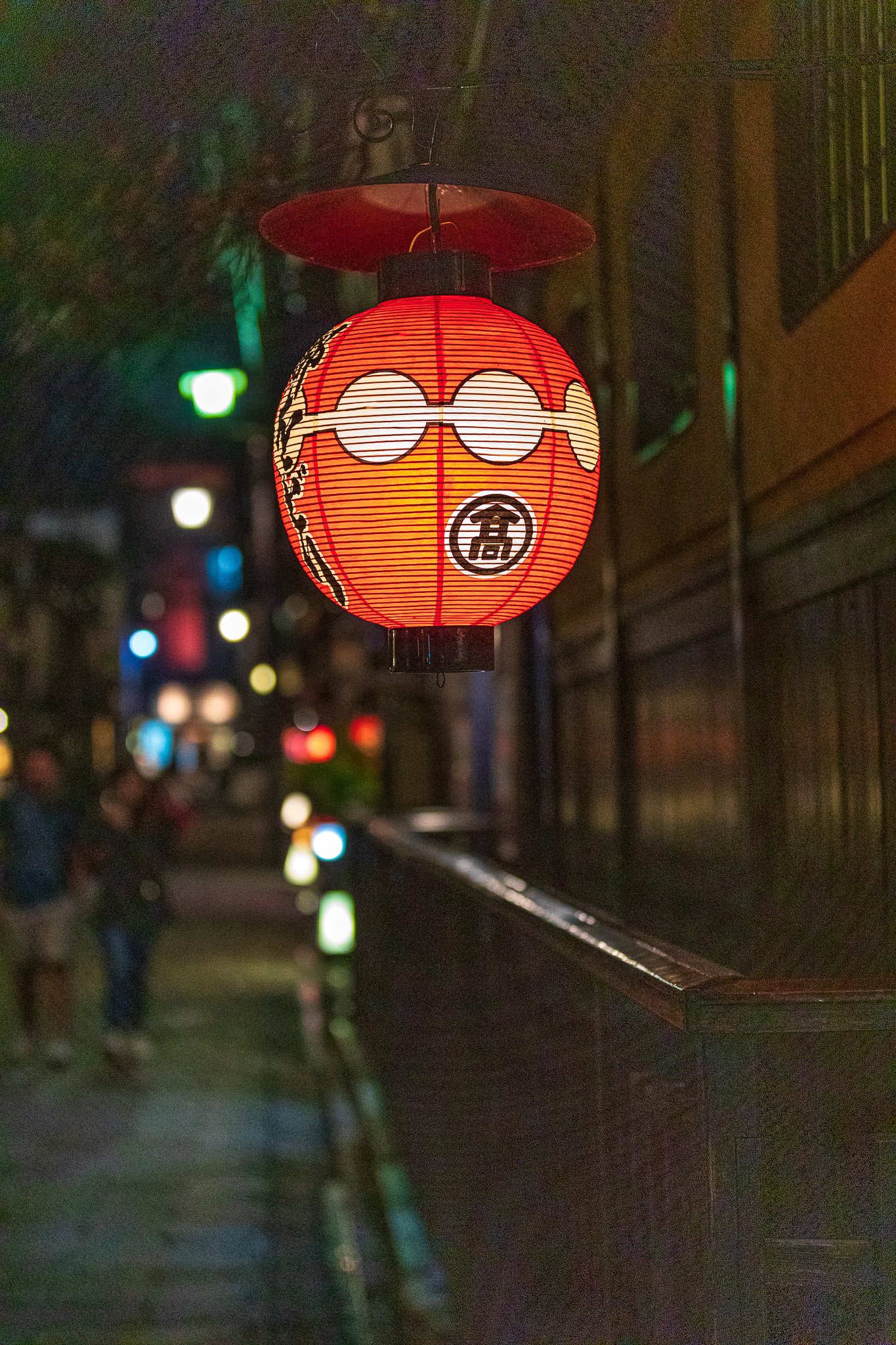
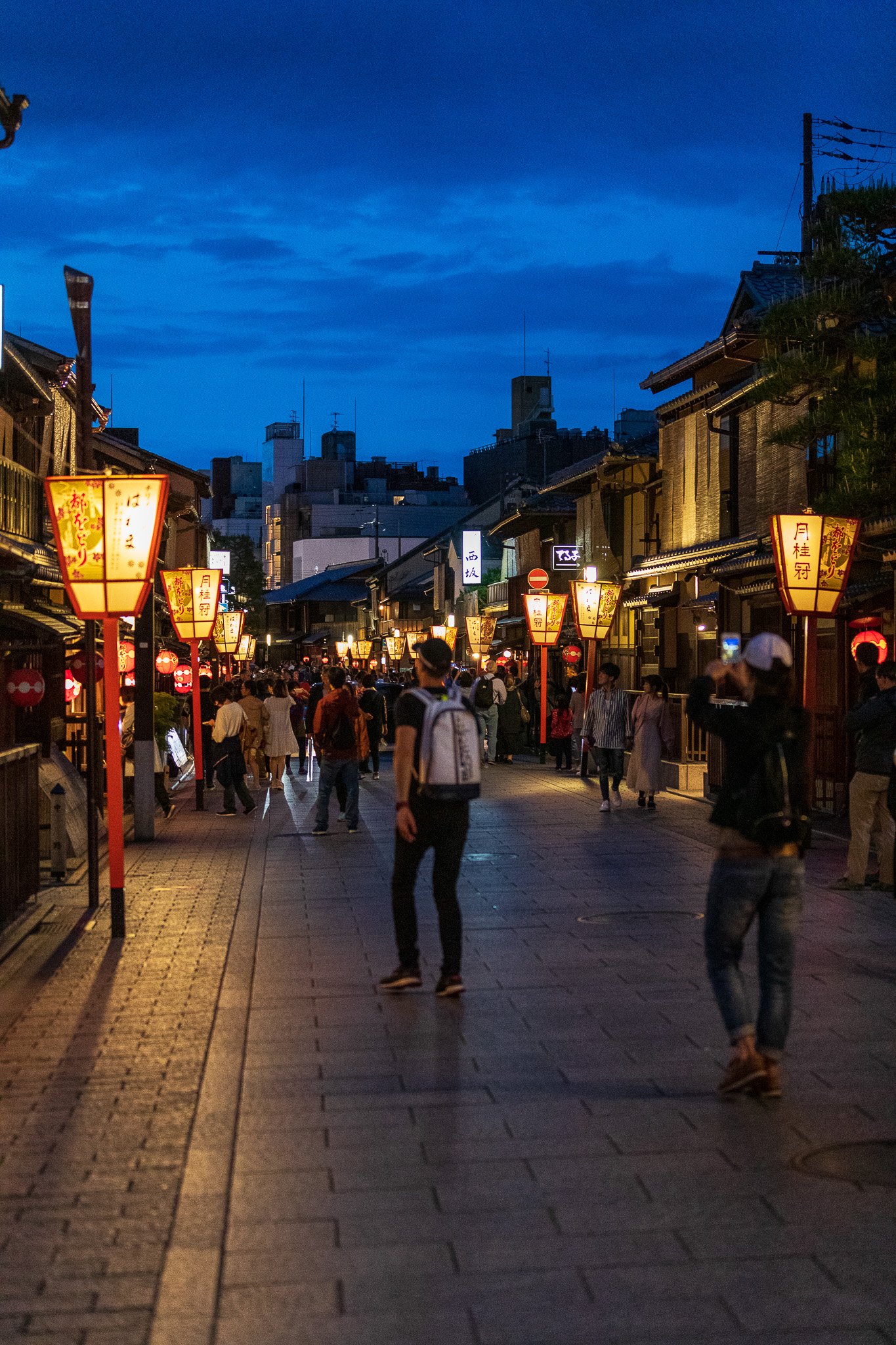
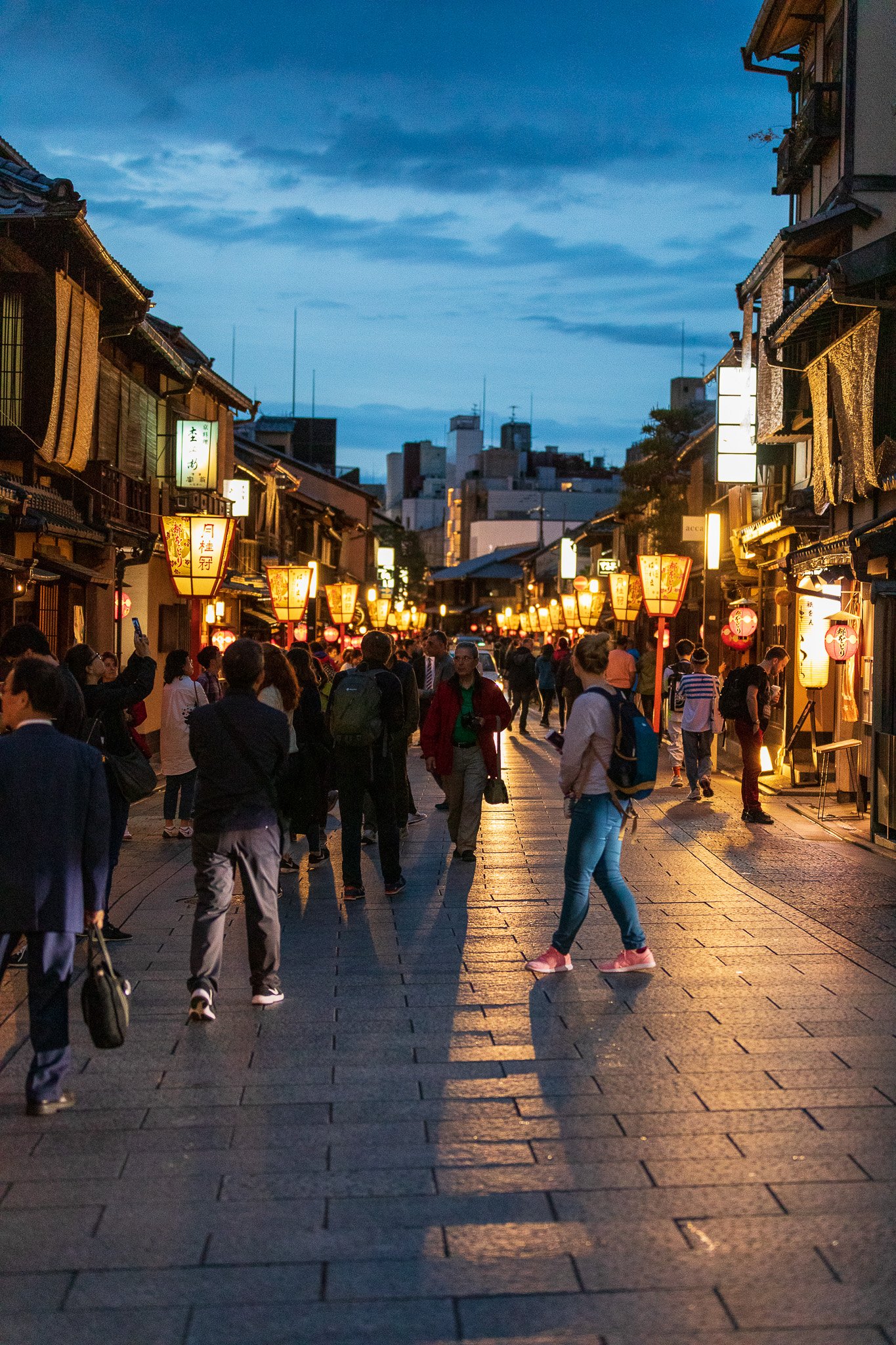
By day, the shrine grounds are peaceful and elegant. By evening, lanterns begin to glow, and the surrounding streets come alive with a different kind of atmosphere. The transition from shrine to historic alleyways happens almost seamlessly.
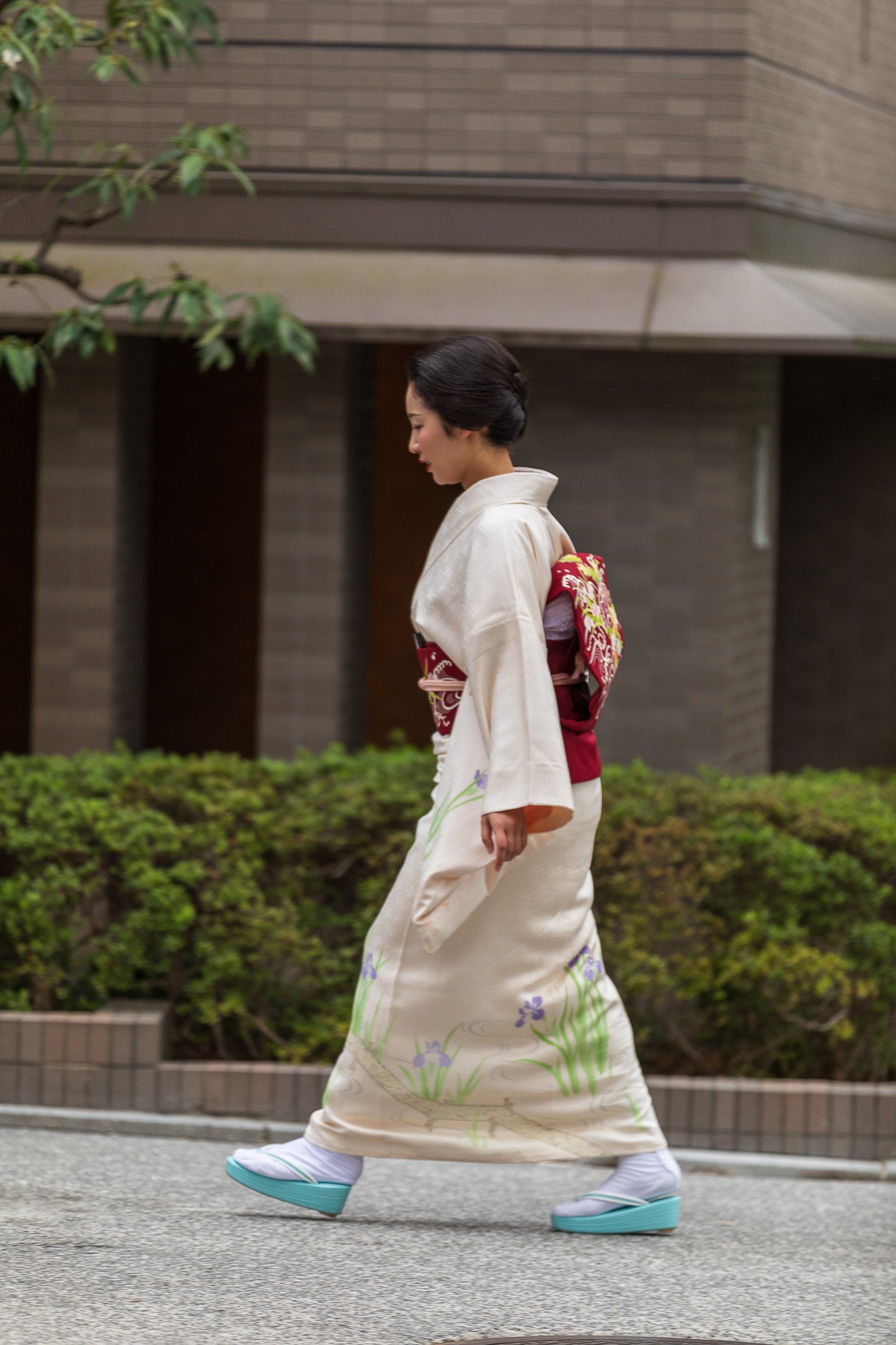
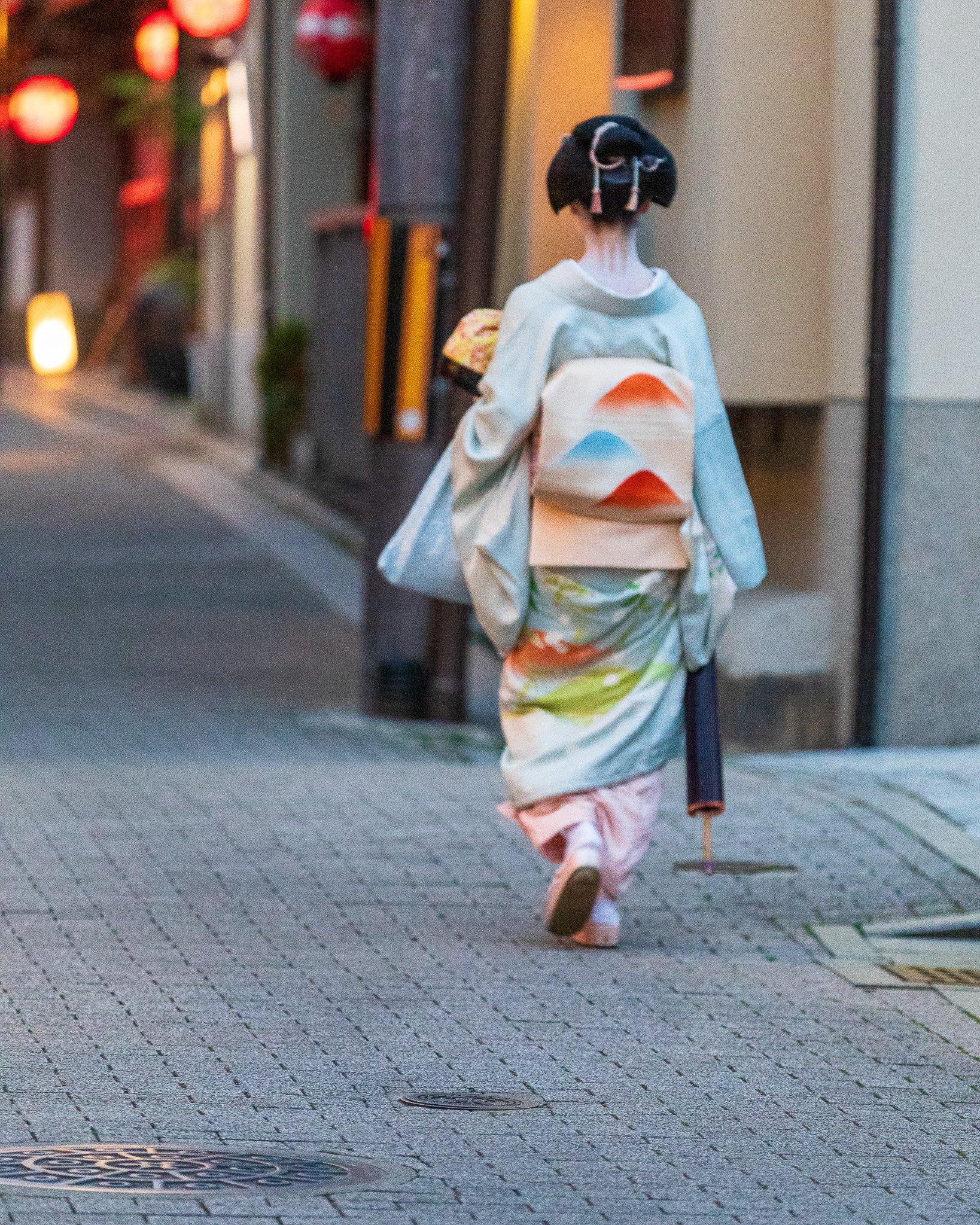
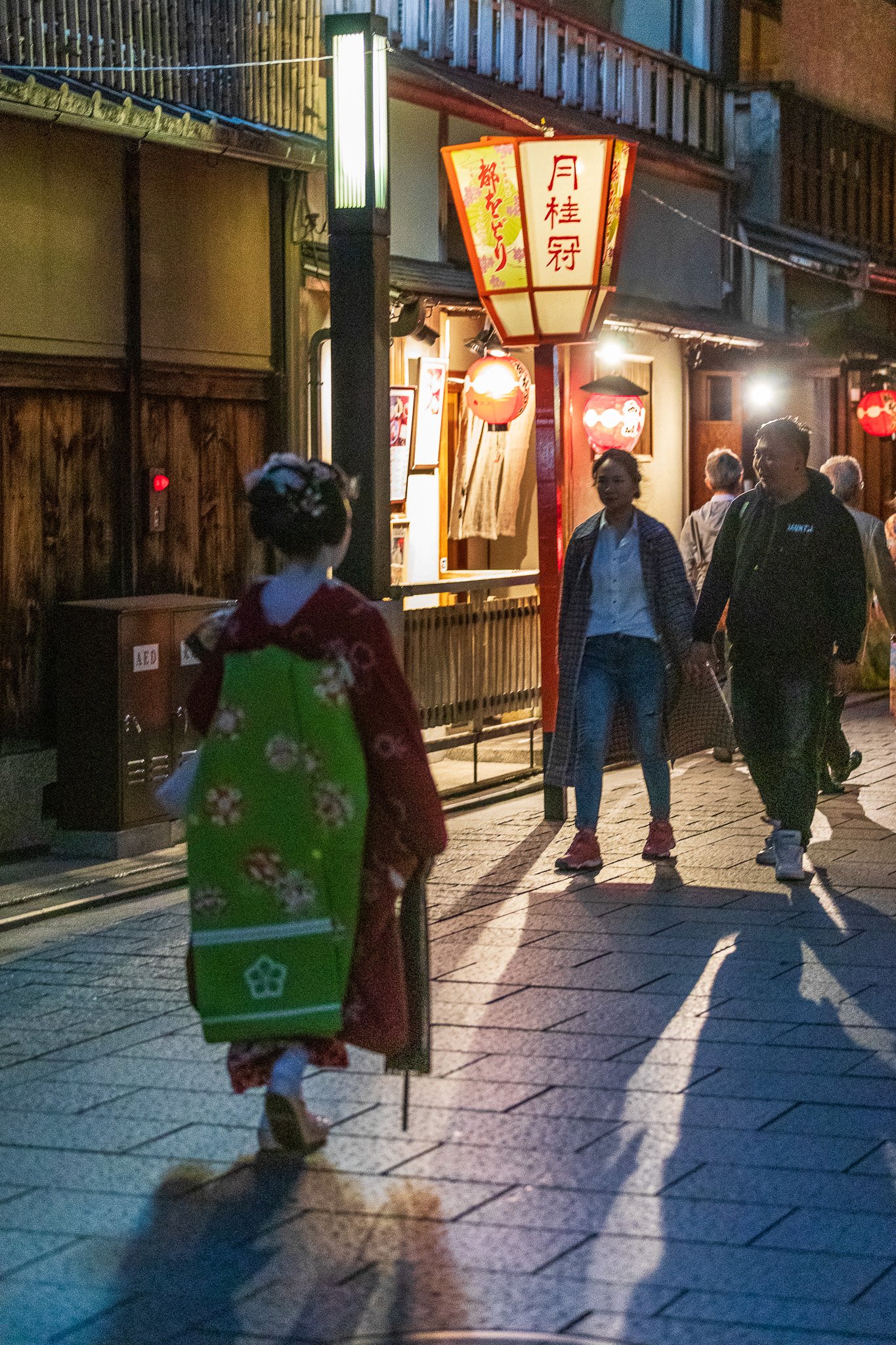
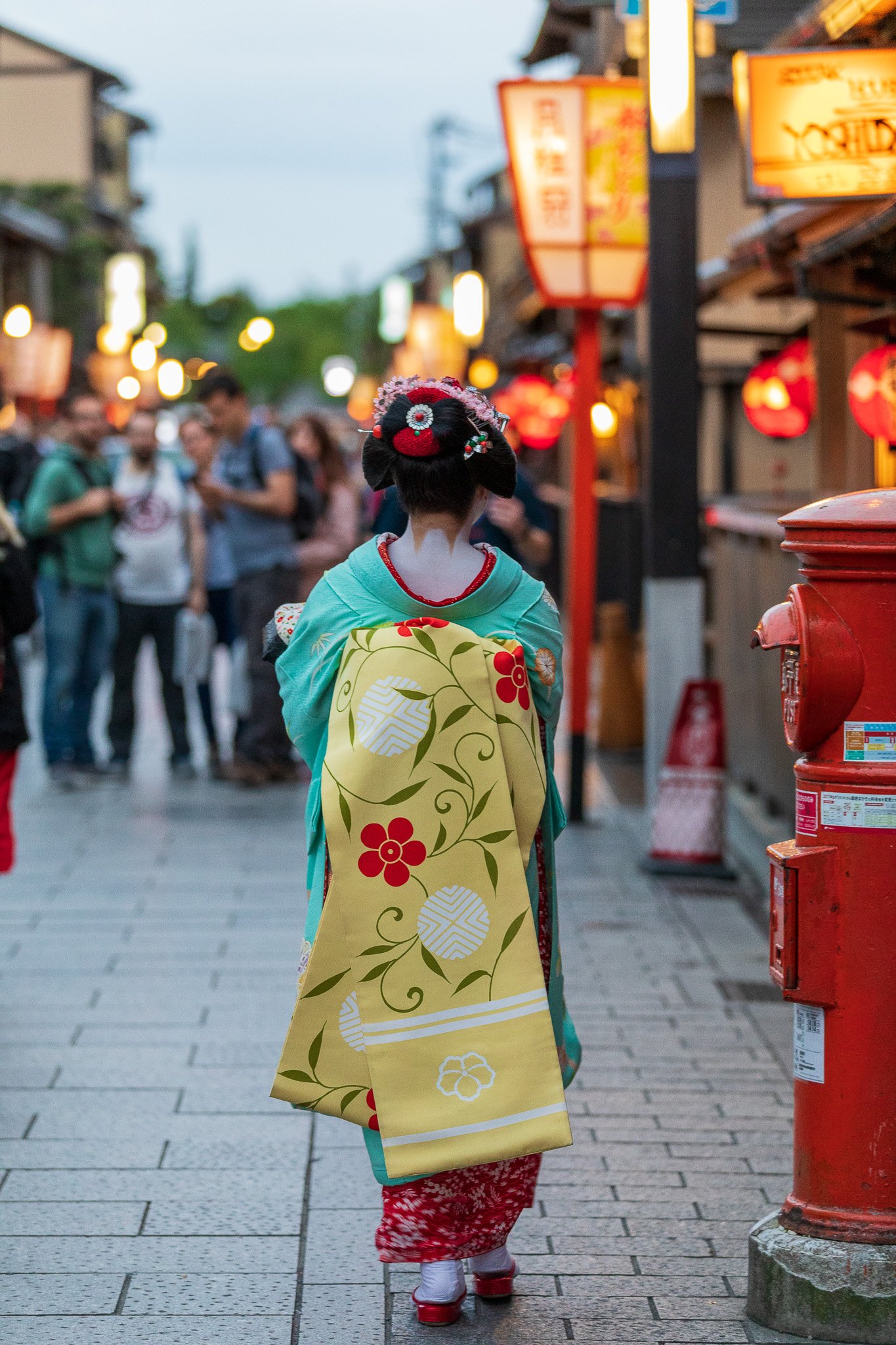
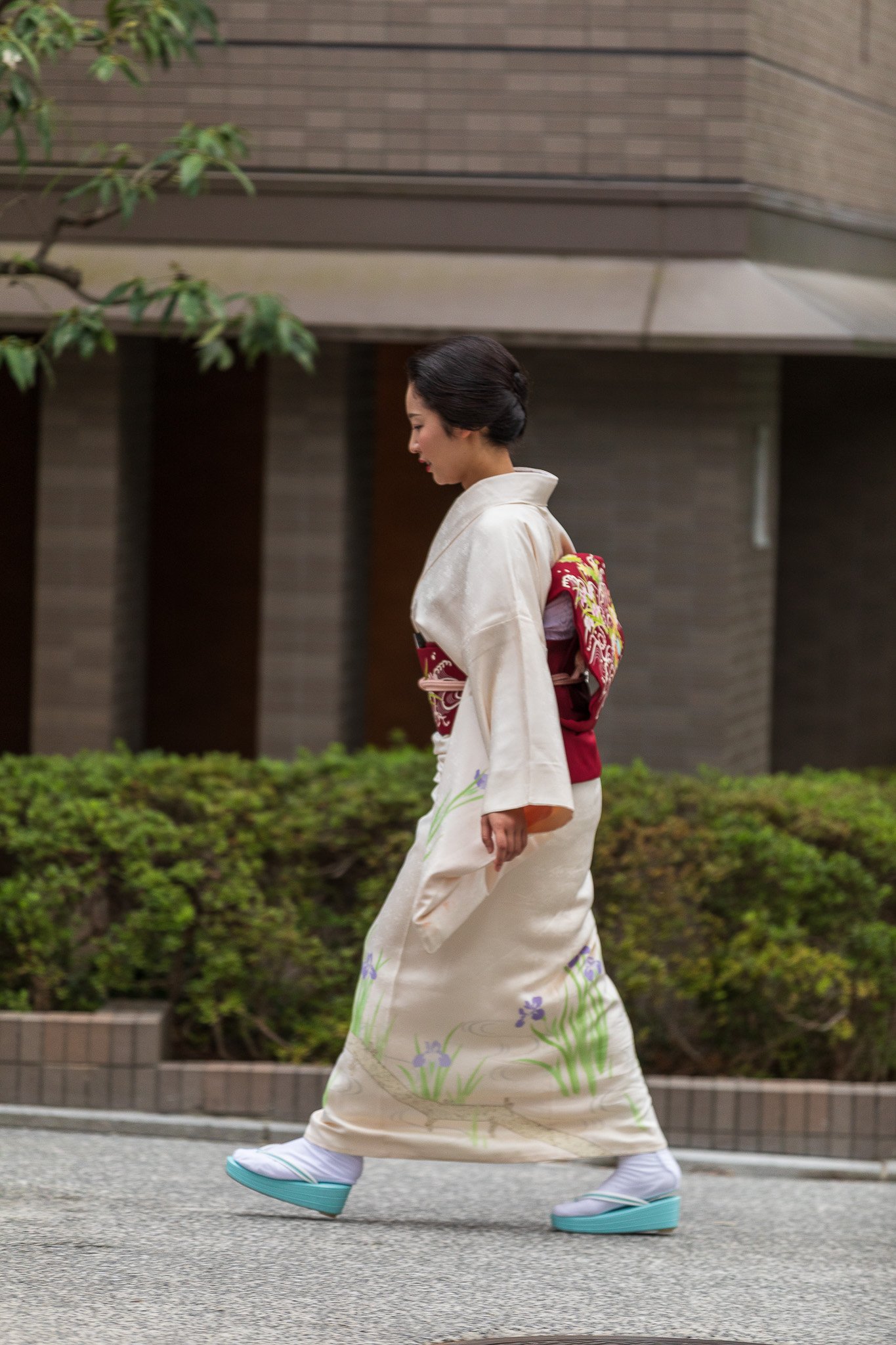
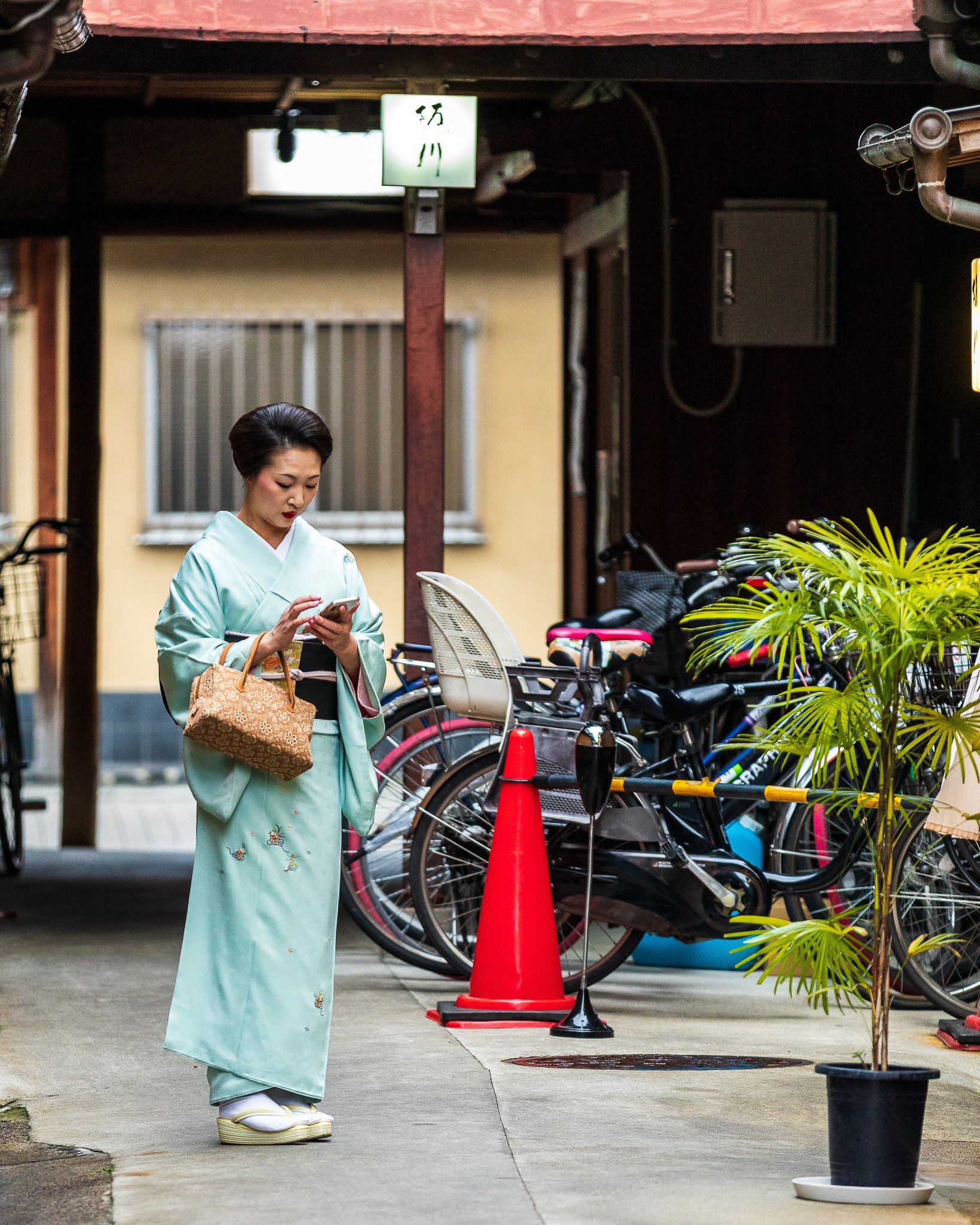
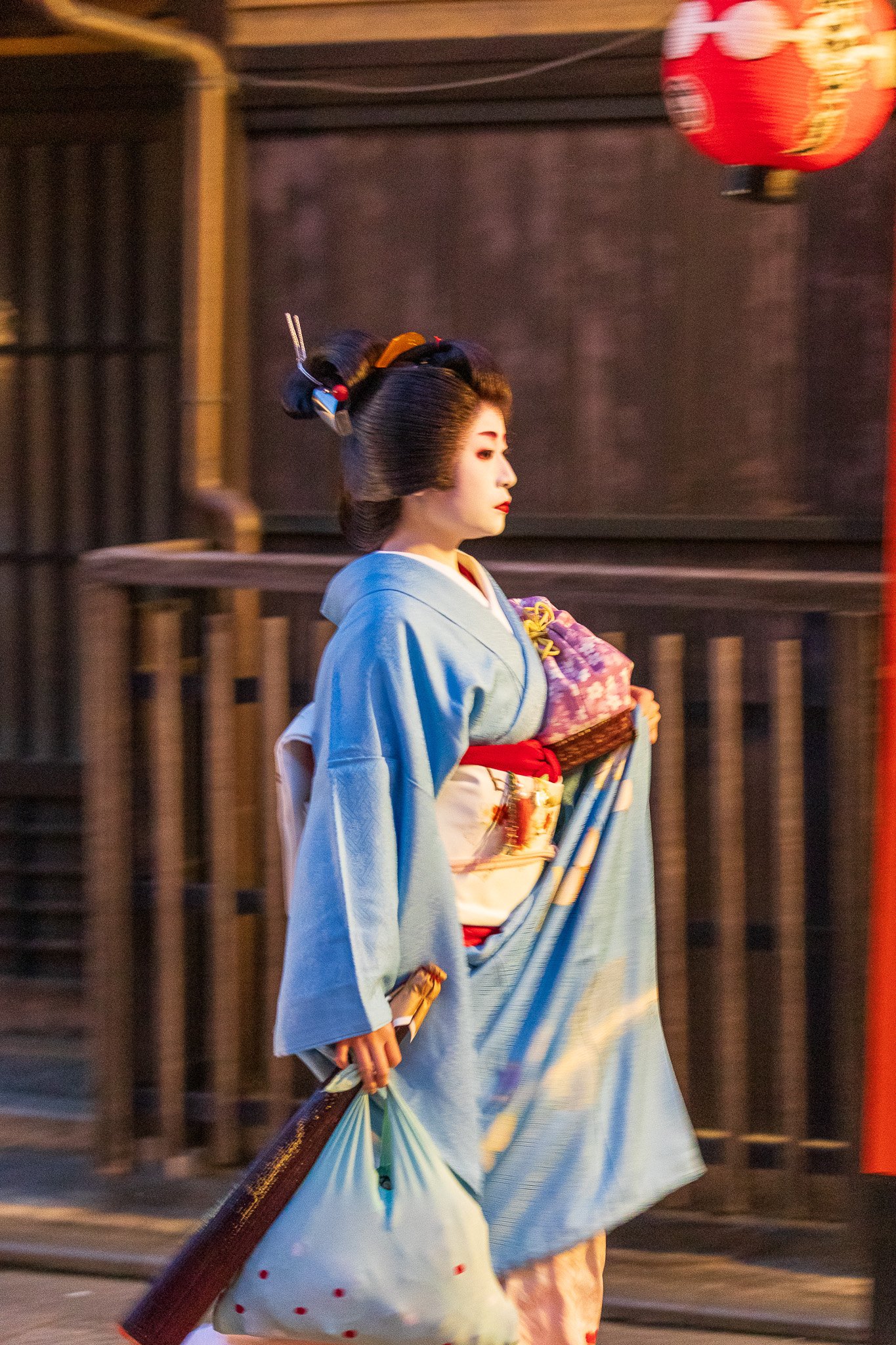
Gion is known for its preserved wooden facades, narrow streets, and traditional tea houses. It is here that you may encounter geiko and maiko moving swiftly between appointments.
Their presence feels cinematic.
Silk kimonos. Precise hairstyles. Measured steps across stone paths.
One of the most photogenic corners is near Tatsumi Bridge, where willow trees, lanterns, and wooden architecture create a timeless backdrop.
Maruyama Park
Located beside Yasaka Shrine, Maruyama Park is one of Kyoto’s most beloved gathering places.
It is a relaxed, open space where locals and visitors pause between temple visits. Stone paths wind past ponds, small bridges, and shaded lawns. It is a natural counterbalance to the structure of nearby shrines and historic streets.
In spring, however, Maruyama Park transforms.
This is one of the best places in Kyoto to experience cherry blossom season. The park’s famous weeping cherry tree becomes the centerpiece, illuminated at night and surrounded by photographers and families celebrating hanami.

Philosopher’s Path
From Ginkaku-ji, the Philosopher's Path leads south along a narrow canal lined with hundreds of cherry trees. Named after a Kyoto University philosopher who reportedly meditated here daily, the path is quiet, intimate, and genuinely reflective in character even outside blossom season.

Geishas
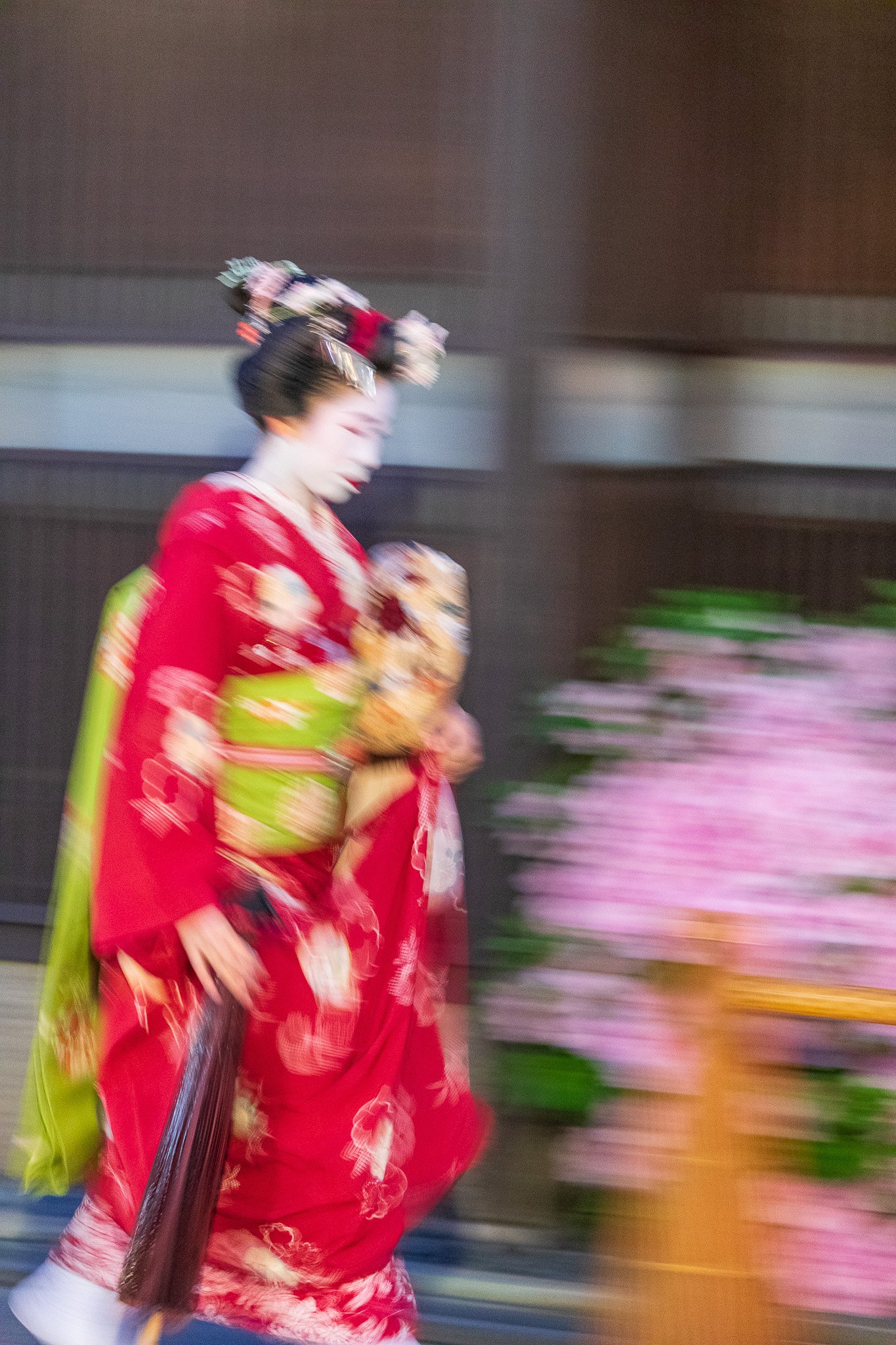
Photographing geiko and maiko is one of the most challenging experiences in Kyoto.
Authentic geiko are increasingly rare to encounter casually. In Kyoto, there are only a few hundred working professionals, and most move quickly between private appointments in the Gion district.
If you are lucky enough to see one, the moment will be brief.
They move with purpose. Quietly. Efficiently. And yes, surprisingly fast.
What to Know Before Photographing in Gion
Geiko and maiko are not tourist attractions. They are highly trained artists and cultural professionals on their way to work. Chasing them, blocking their path, or firing a flash in their direction is inappropriate and disrespectful. Unfortunately, you will likely see other visitors doing exactly this. Do not be part of that.
Photography restrictions you must know before you go:
Since October 2019, photography has been banned on all private streets in the Gion district, with fines of ¥10,000 (approximately USD 92) for anyone caught taking photos on these private roads. These happen to be the narrow, atmospheric alleys that look most appealing to photographers. Signs in multiple languages mark the restricted streets.
Since April 2024, tourists have been completely banned from entering these private alleys in southern Gion entirely, not just from photographing in them. Entry is prohibited, not just cameras.
Photography is still permitted on Kyoto's public roads, including:
Hanamikoji Street, the main entertainment street in Gion
Shirakawa-dori, the quiet lane along the Shirakawa River with willow trees and traditional architecture
Sannenzaka Slope and the surrounding pedestrian lanes near Kiyomizu-dera
Stick to these public streets. They are beautiful, they are photogenic, and you are welcome there. The private alleys are not worth a ¥10,000 fine or the disrespect to the people who live and work there.
Your best chance of photographing a geiko or maiko naturally is on Hanamikoji Street in the early evening, between 5 p.m. and 7 p.m., when movement between appointments is highest. A 70-200mm lens lets you compose thoughtfully from a respectful distance without intruding on their space.
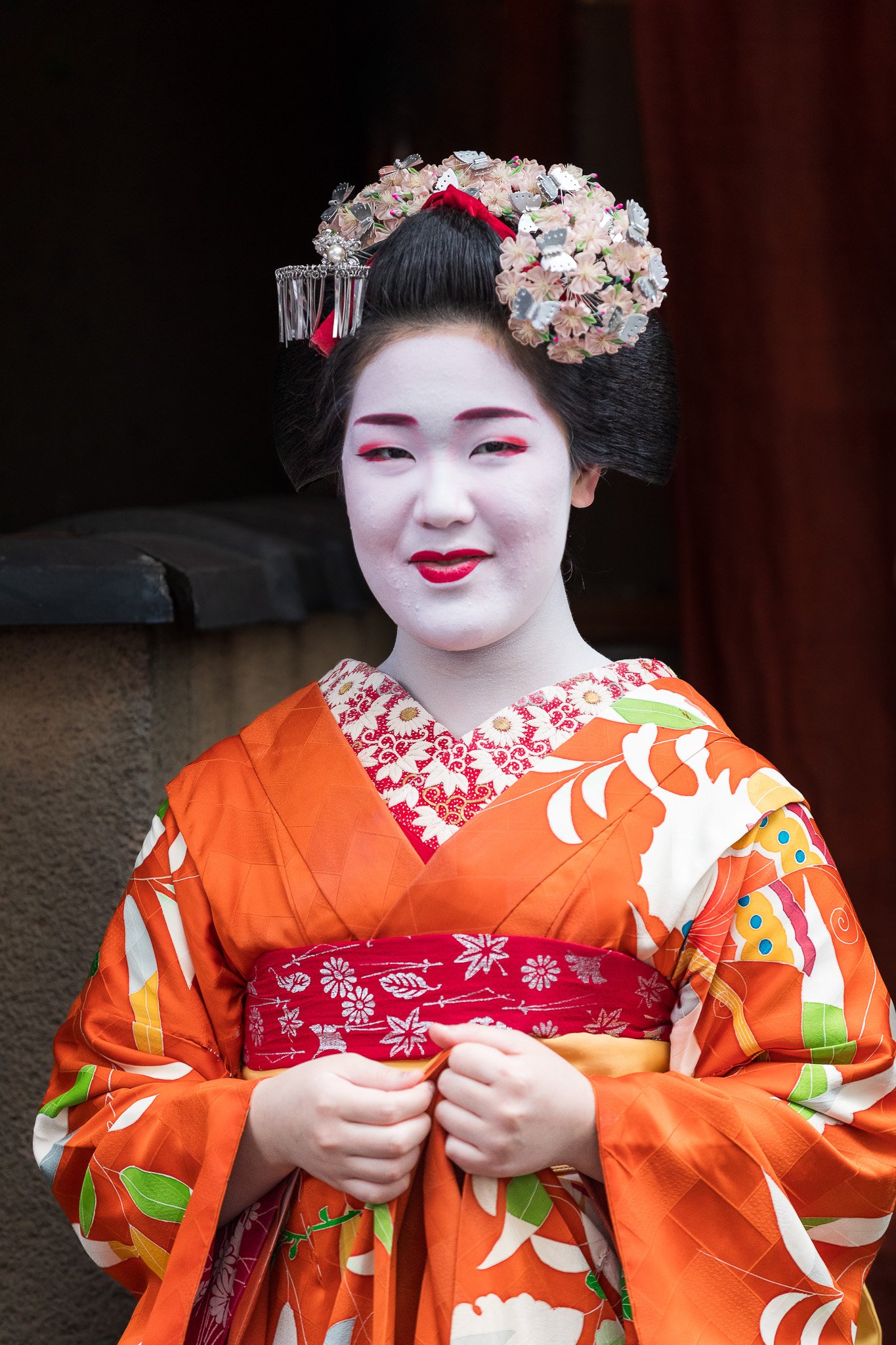
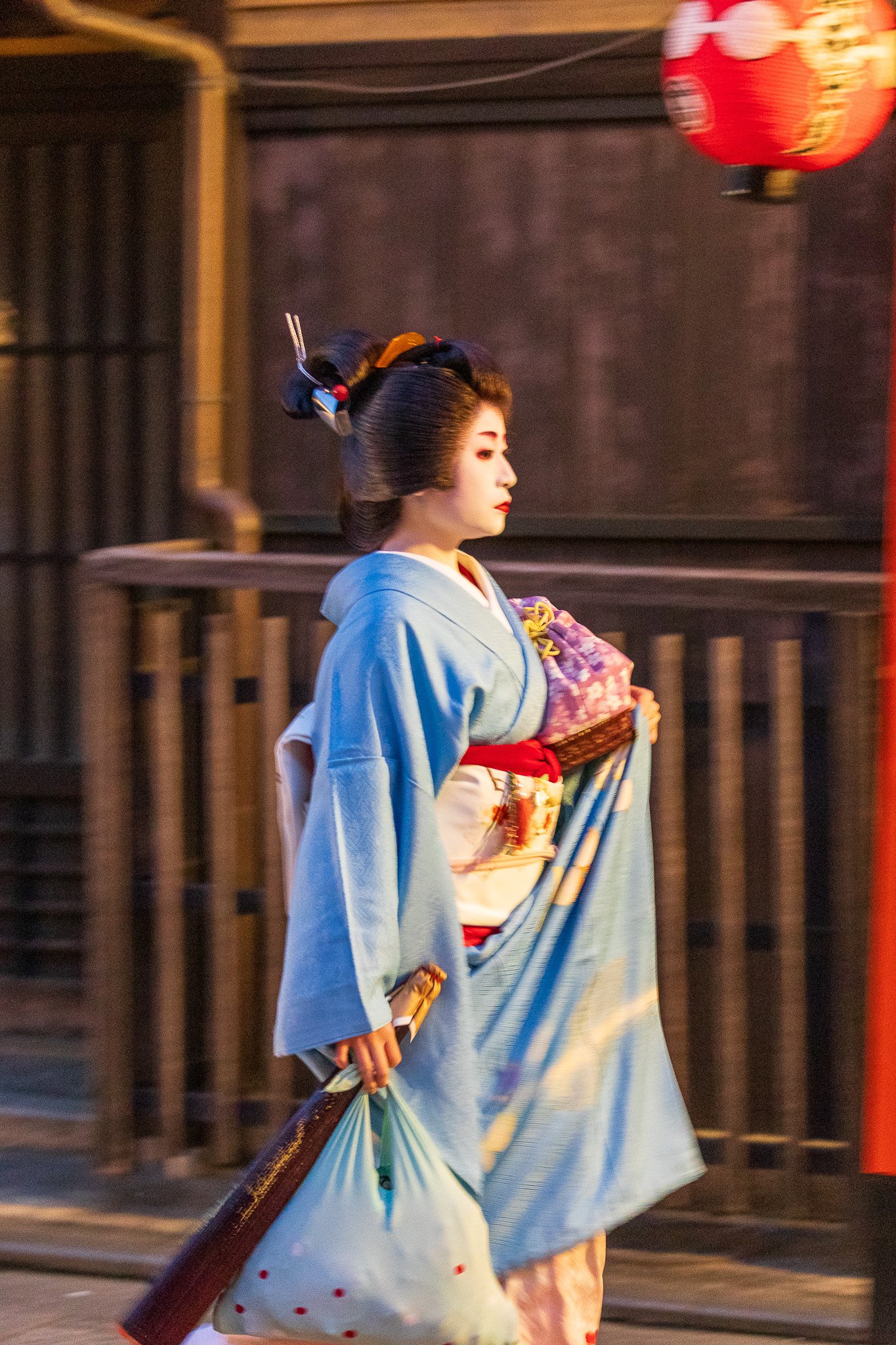
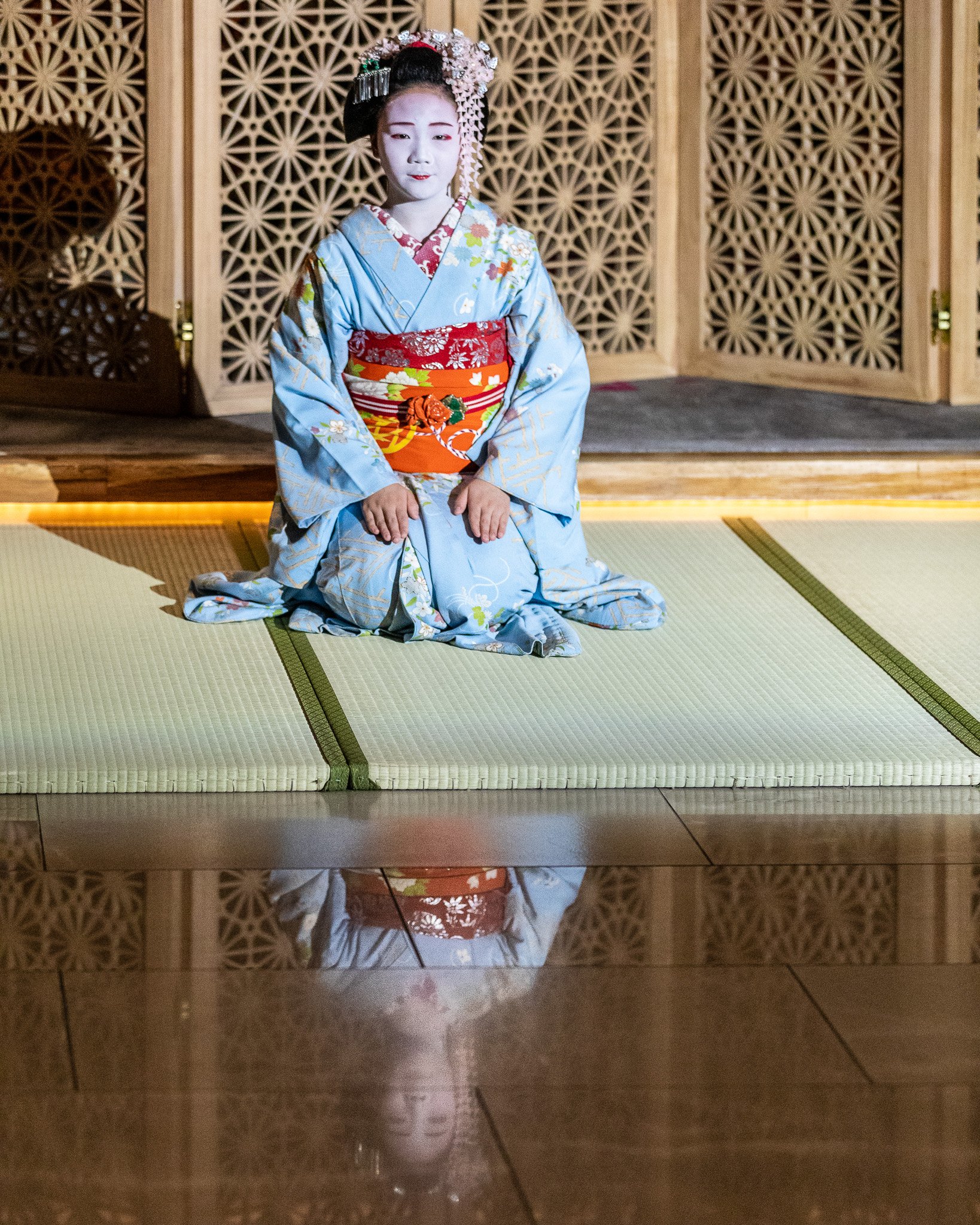
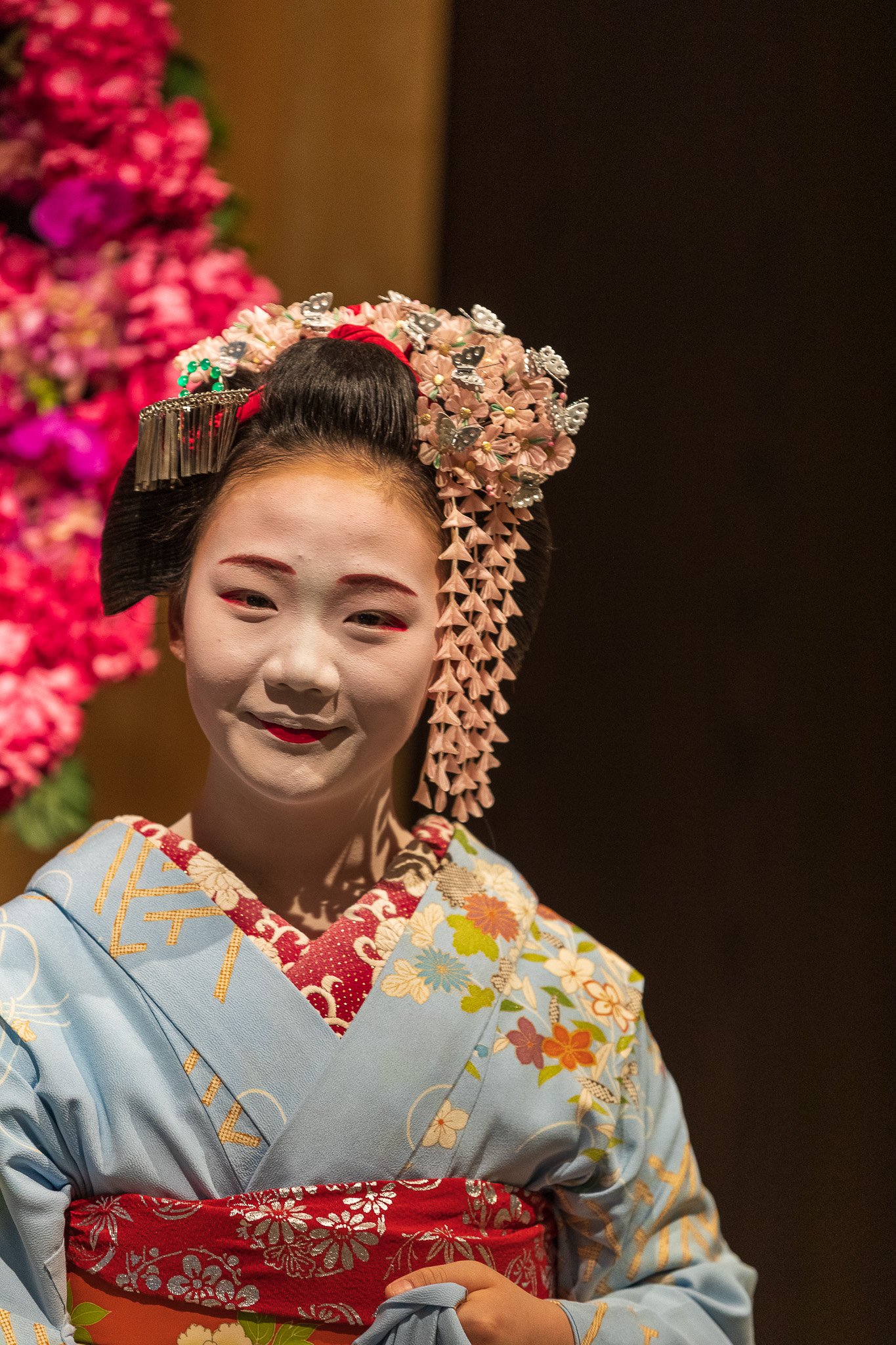
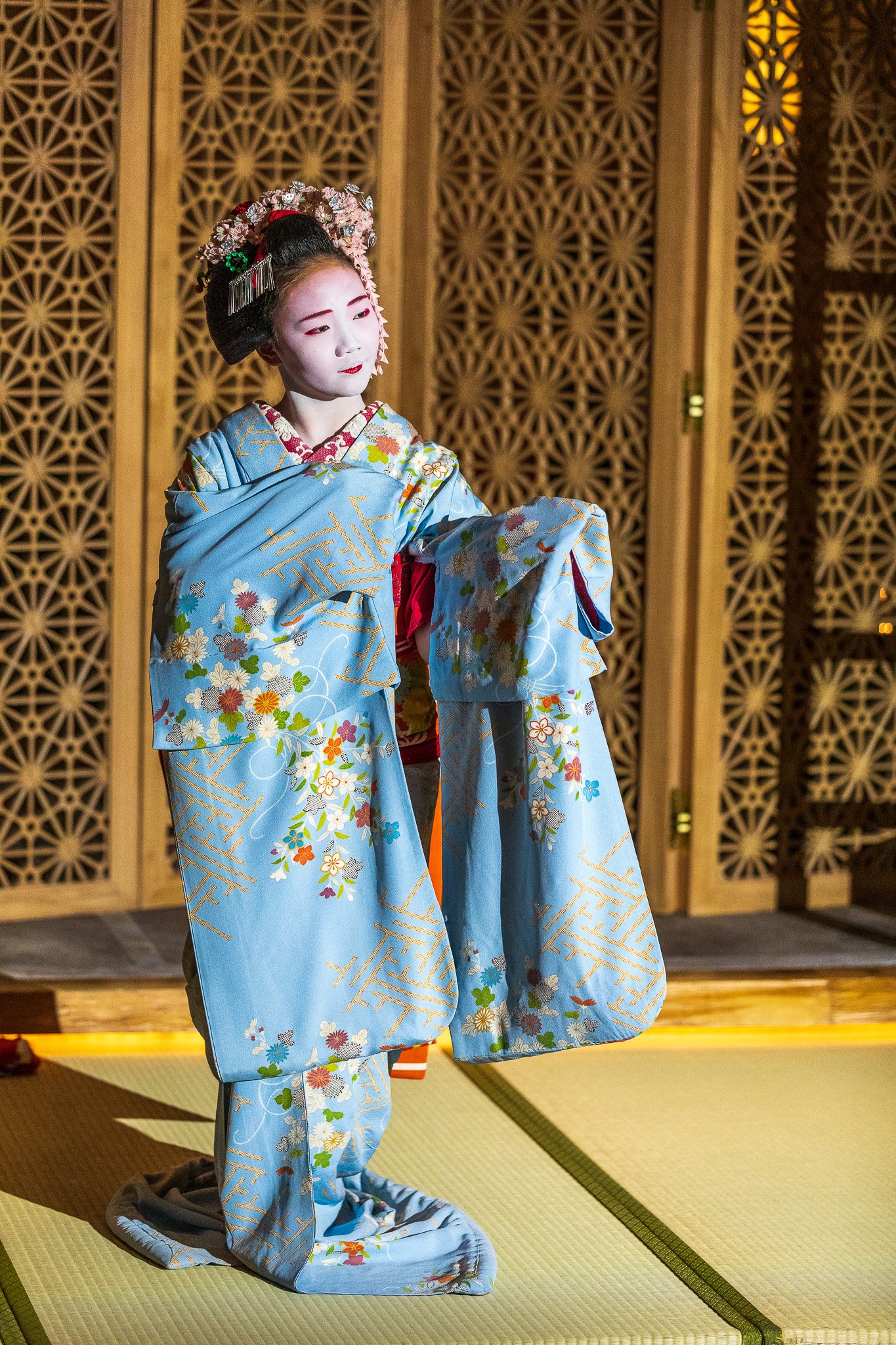
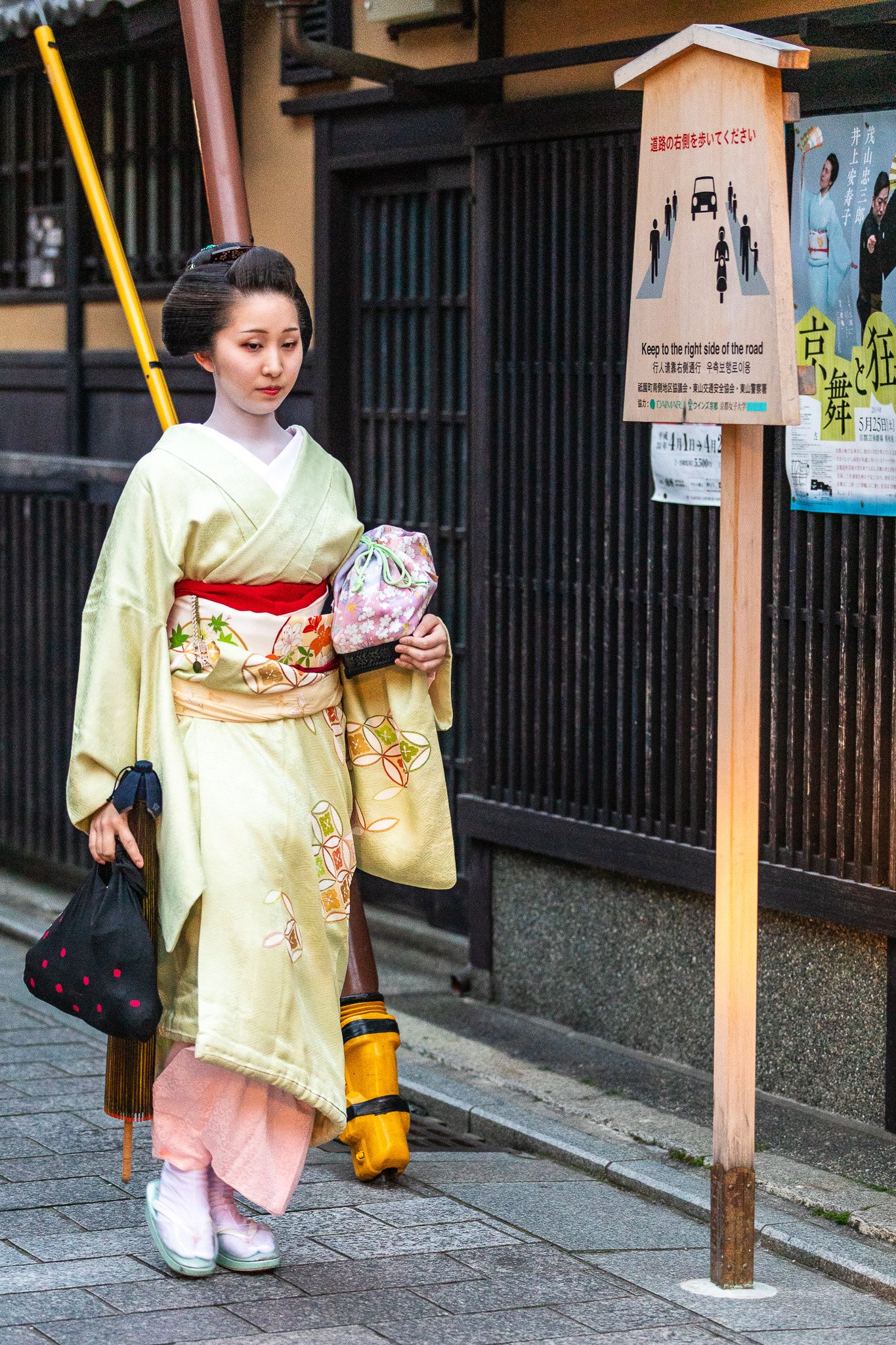
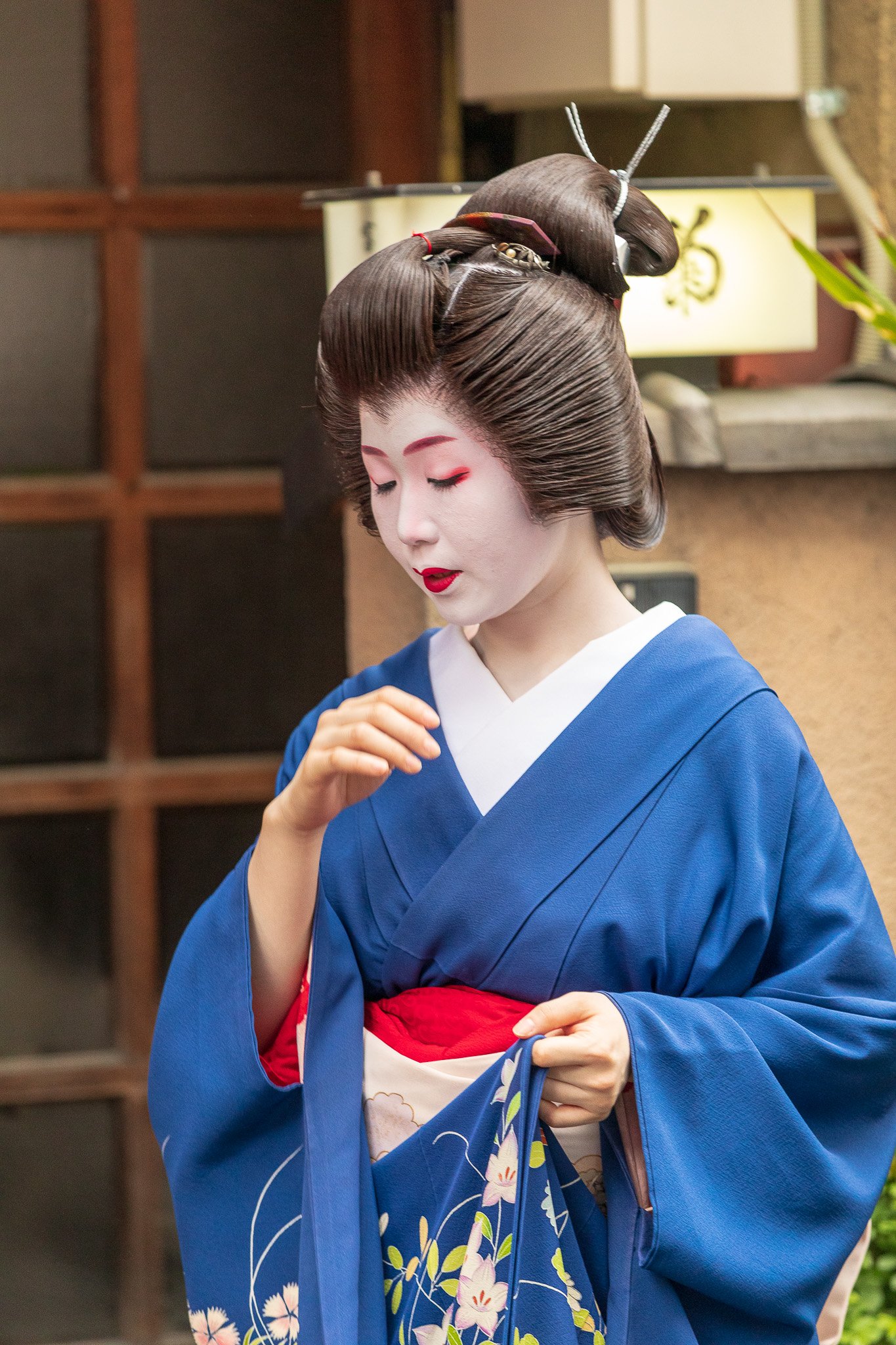
So Lucky to have Photographed this kind Geisha
Typically, you can find Geishas in the Gion Area of Kyoto, Japan. Gion is Kyoto's most famous geisha district, located around Shijo Avenue between Yasaka Shrine in the east and the Kamo River in the west.
Festivals and Holidays
Aoi Matsuri (May), one of Kyoto's three major festivals, dating back to the 6th century. A procession of roughly 500 people dressed in Heian-period court costume walks from the Imperial Palace to Shimogamo Shrine and then Kamigamo Shrine. The costumes and the ceremony are extraordinarily photogenic. Use a 70 to 200mm to isolate individual participants against the crowds.
Gion Matsuri (July) is Japan's most famous festival and one of the most visually spectacular events in the country. The entire month of July is technically the festival period, with the main yamahoko float procession taking place mid-month. The floats are enormous, elaborately decorated constructions with centuries of history. The evening before the procession, when floats are lit and crowds gather, is the best photography opportunity. Expect dense crowds; arrive early and position yourself along the route.
Gozan no Okuribi (August) On a single night in mid-August, five enormous bonfires are lit on the mountains surrounding Kyoto, spelling out kanji characters as part of the Obon festival to guide ancestral spirits. The best viewing and photography positions are along the Kamogawa River or from rooftop hotels with northern views. A 70 to 200mm is essential for isolating the characters against the dark mountainside.
Autumn Foliage Season (October to November) Not a festival, but treated like one. The koyo season draws enormous crowds to Kyoto's most photogenic temples and gardens. Eikan-do, Tofuku-ji, and Nanzenji are the strongest photography destinations during this period. Go early, be patient, and embrace the fact that other people love Kyoto too.
Hanatoro Illumination Events (March and December) Twice a year, the Higashiyama and Arashiyama districts are illuminated with soft lantern light along walking routes through the historic areas. These events run for about a week each time and offer exceptional low-light photography opportunities in locations you will have already scouted during the day.
Frequently Asked Questions About Visiting Kyoto
Is it okay to photograph geisha in Kyoto?
On public streets, yes, respectfully and from a distance. Photography is banned entirely on Gion's private alleys as of October 2019, with fines around ¥10,000, and tourists have been banned from entering those alleys altogether since April 2024. Stick to public roads like Hanamikoji Street and Shirakawa-dori, and never block their path or use flash.
Do you need a car in Kyoto?
No, and it's not recommended. Buses, trains, taxis, and bicycles cover the city well, and Kyoto is compact enough that a car adds complication rather than convenience.
Is Kyoto expensive?
Temple entrance fees add up (¥400-1,200 per site), but they're modest individually. Casual dining, Nishiki Market food, and public transit keep everyday costs reasonable. The Michelin-starred kaiseki restaurants are where costs rise significantly.
What are the best photo spots in Kyoto?
Fushimi Inari's torii gates in the first 30 minutes after dawn, the Arashiyama Bamboo Grove before 7am, and Kiyomizudera at golden hour are three worth prioritizing. The full list with Pro Tips is above.
Can you fly a drone in Kyoto?
No, not realistically. Most of central Kyoto's temples and historic districts fall under flight restrictions, and additional rules apply near UNESCO World Heritage sites. Leave it at home for this trip.
What surprised you most about photographing Kyoto?
How different it feels from Tokyo, immediately, the moment you step off the train. Tokyo hums with vertical intensity; Kyoto breathes. And within that shift, seeing geiko walking through Gion in person was incredible. You know intellectually that it's rare, only a few hundred working professionals in the entire city, but actually witnessing it, the silk kimono, the precise pace, the way the street seems to hold its breath, is something else entirely.
How many days do you need in Kyoto?
Four to five days minimum. Kyoto punishes checklist travel, temples are spread across different districts, and returning to key locations in better light is part of what makes the photography here work.
Is Kyoto worth combining with Osaka?
Yes, easily. Osaka is only 15 minutes away by Shinkansen and offers a completely different, louder, more food-driven energy. A day trip or two-night extension rounds out a full picture of the Kansai region.
Final Thoughts
I have only scratched the surface of what Kyoto offers.
This is a city you return to. A city that reveals something new each morning, depending on the season, the light, and your patience. From quiet Zen gardens to lantern-lit streets, from temple gates at sunrise to subtle street moments in Gion, Kyoto rewards those who slow down and stay curious.
If you care about culture, composition, and atmosphere, Kyoto belongs on your list. And when you leave, you will already be planning how to come back.
You can spend five days here, fill cards with images, eat extraordinary food, walk every lane in Gion, photograph every gate at Fushimi Inari, and sit in a Zen garden until you lose track of time. You will leave feeling like you have barely started.
The temples in the morning will stay with you longer than you expect. Not because of the images you made, though those will be among the best you take anywhere, but because of the quiet. The way a wooden gate sounds when no one else is around. The way incense moves in still air. The way a city that has been doing this for a thousand years manages to feel, on a cold April morning before the crowds arrive, like it belongs entirely to you.
Gion at sunset is different. The lanterns come on. The lanes fill with a soft amber light that makes every wooden facade look like it was built for this exact hour. And if you are patient and you are in the right place, Kyoto hands you something you cannot plan for. I know. It happened to me.
Go in spring for the cherry blossoms. Go in November for the maple foliage. Go in July for the Gion Matsuri and eat everything you can. Come back in winter when the city is quiet, and the temples have snow on the roof, and you have Fushimi Inari almost entirely to yourself in the early morning dark.
Just go. And go more than once.
Want to improve your photography while exploring some incredible destinations? Join me on one of my photography workshops! You can find all the details, including upcoming destinations and dates, through the links below.
Let's Stay Connected!
More Photography & Travel Guides for Japan and Asia
My Photography & Travel Guide to Tokyo, Japan Tokyo is the natural companion to Kyoto. Most visitors fly into Tokyo first, and the contrast between the two cities is part of what makes a Japan trip so complete. Spend three to four days in Tokyo before boarding the Shinkansen south.
My Photography & Travel Guide to Osaka, Japan Only 15 minutes from Kyoto by Shinkansen and a completely different photographic experience. Osaka is louder, more irreverent, and deeply food-obsessed. Dotonbori at night is one of the most visually intense environments in Asia. A day trip or two-night extension from Kyoto makes the combination a full picture of Kansai culture.
My Photography & Travel Guide to Hong Kong If you are building a broader Asia itinerary, Hong Kong is a natural addition. The vertical density of the skyline, the neon-lit street markets, and the contrast between the old city and the harbor make it one of the most photogenic urban environments in the world.

Finally—a beginner-friendly photography guide that makes sense.
If you've ever picked up a camera and thought, "Now what?" this is the book for you.
Photography Made Simple is written for adults who are just starting out and want a clear, encouraging, real-world approach to learning photography. Whether you're using a DSLR, mirrorless, or just your smartphone, this guide walks you through the basics—without the jargon or tech overwhelm.
Inside, you'll learn:
The only camera settings you really need to know to get started
How to shoot sharper, more intentional photos using light and composition
Simple tips for portraits, landscapes, travel, and everyday life
What gear you do (and don’t) need
How to create better photos without upgrading your camera
You’ll also get practical exercises, cheat sheets, and tips for organizing and editing your images—plus the confidence to shoot off Auto Mode for good.
This is not a textbook. It’s a friendly guide to seeing the world with fresh eyes—and finally capturing what you see the way you imagine it.
📸 Format: PDF download
Pages: 100+
Perfect for: Beginners, hobbyists, and anyone ready to take better photos without the stress

Are you carrying too much camera equipment, but still coming home disappointed with your travel photographs?
You are not alone. Many photographers fall into the packing trap. They bring too much, plan too little, and spend their trip scrambling to capture photographs instead of enjoying the experience.
Capture the World offers a better approach.
In this practical guide, travel photographer Vito L. Tanzi shares the five step system he uses to plan photography trips, pack with purpose, work with the best light, and return home with stronger images.
Inside, you will learn how to:
• Travel lighter without sacrificing image quality
• Choose destinations that match your photography goals
• Visit at the right time for weather, light, wildlife, festivals, or seasonal conditions
• Build a photography itinerary around sunrise, sunset, blue hour, and changing weather
• Select the equipment you will actually use
• Find promising locations before you arrive
• Avoid the stress and exhaustion that can ruin a photography trip
• Stay flexible when weather, crowds, or travel plans change
This guide includes practical planning advice, useful photography tools, real travel examples, and a complete system you can use again and again.
Whether you are preparing for your first international photography trip or planning a weekend closer to home, Capture the World will help you travel with greater purpose, photograph with more intention, and spend less time worrying about what is inside your camera bag.
Because the best photography trip is not the one where you carry everything.
It is the one where you are ready when the right moment appears.
📸 Format: PDF download
Instant Download