My Photography & Travel Guide to Osaka, Japan
Travel Tips for Osaka and the Best Photography Spots in Osaka
There are cities you visit, and then there are cities you feel. Osaka belongs in the second category.
Osaka was our third stop in Japan. We began in Tokyo, moved on to Kyoto, and finished with two days in Osaka. That felt just right. Long enough to soak it in. Short enough to leave wanting more.
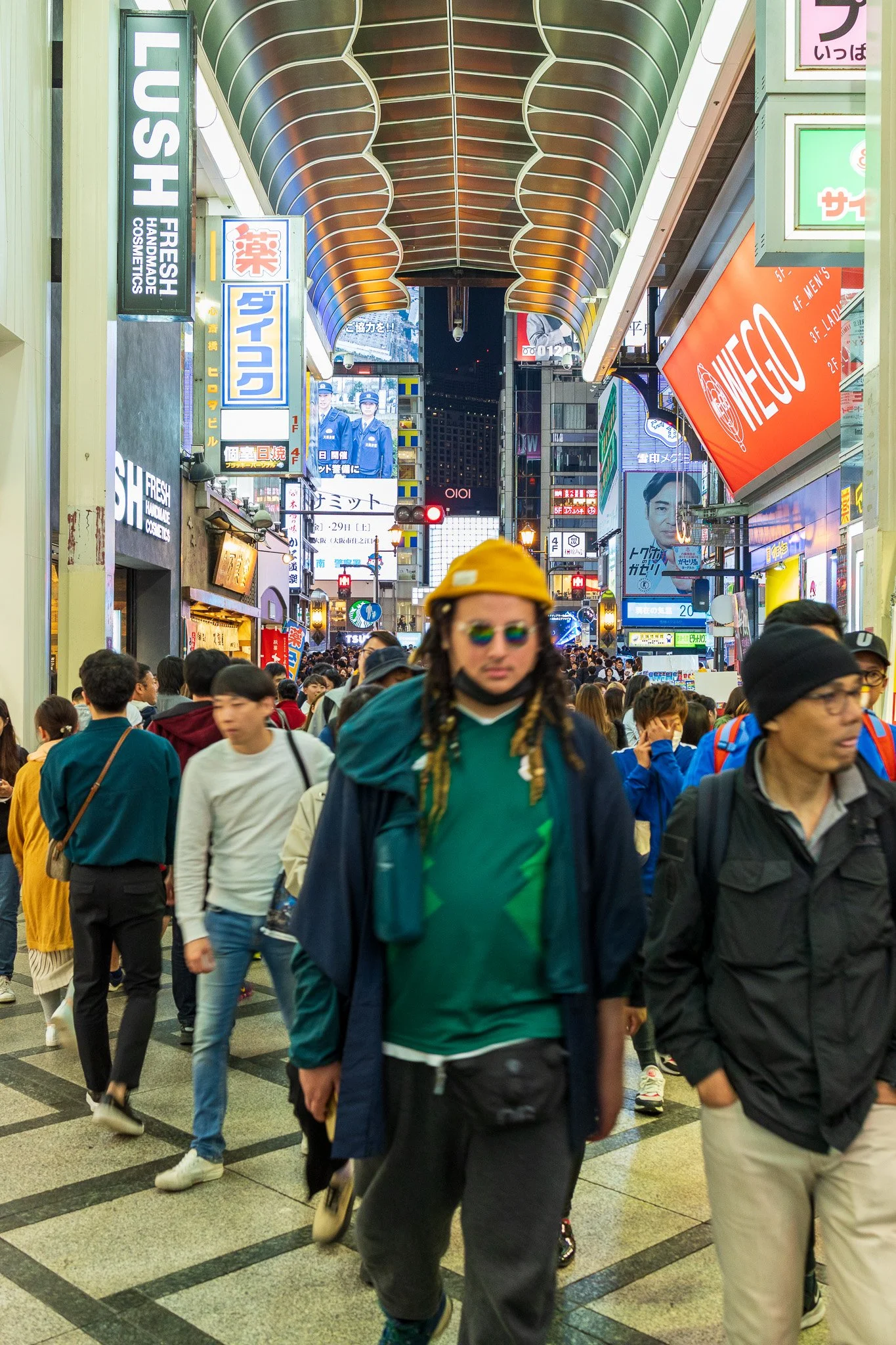
At first glance, it hums with neon and motion. The reflections along the canal in Dotonbori shimmer like a long exposure waiting to happen. Rising above the skyline, Osaka Castle stands with quiet authority, a reminder that this city’s story runs deep.
But Osaka’s real magic is not only in its landmarks. It lives in the steam rising from street food stalls. In the laughter spilling out of izakayas. In the warmth of strangers who are quick with a joke and generous with directions.
Osaka feels human. Energetic, yes. But grounded. And that is what makes it so fun to photograph.
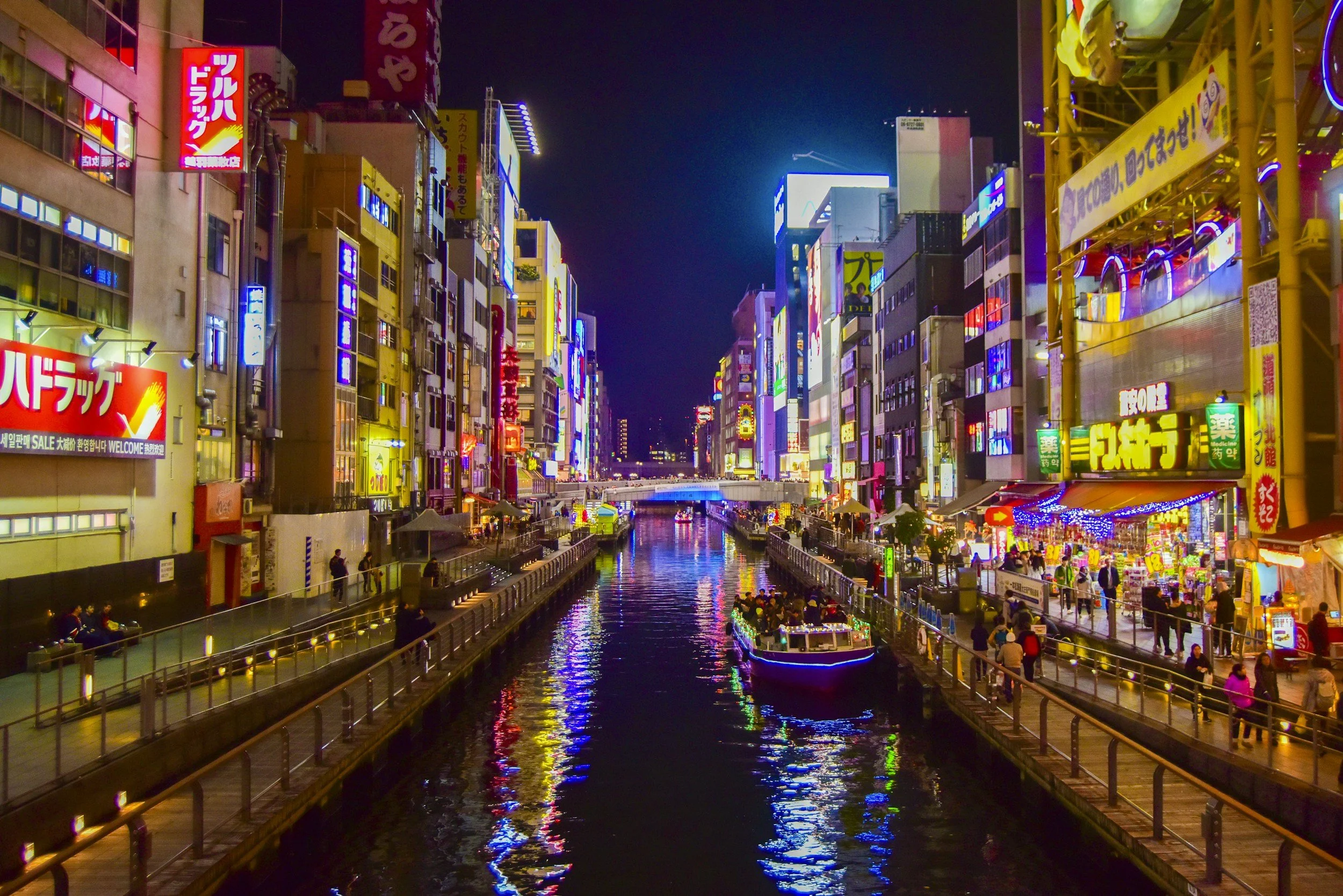
Dotonbori
For photographers, Osaka is a study in contrast. Old and new sit side by side. Sacred shrines coexist with animated billboards. Soft morning light drapes temple roofs, while electric blue hour transforms the streets into a cinematic stage. The compositions are endless. The mood shifts by the hour.
This Photography Guide to Osaka is built for travelers who want more than snapshots. It is for those who want to tell stories through light, texture, and timing. Whether you carry a mirrorless kit or simply your phone, Osaka invites you to slow down, look closer, and make images that feel alive.
Where to Stay in Osaka
Best Hotels in Osaka for Photographers and Travelers
For most travelers, Namba and Shinsaibashi are ideal. You are steps from the neon glow of Dotonbori and the electric rhythm of the city’s food culture. If you prefer something calmer and more refined, the Umeda and Osaka Station area works beautifully, with skyline views and easy train access.
Here are the best hotels in Osaka for photographers and travelers, whether you want cinematic city views or quiet comfort after a long day shooting.
If your focus is neon, street life, and food photography, stay in Namba or Shinsaibashi. You can shoot late and walk back to your hotel in minutes.
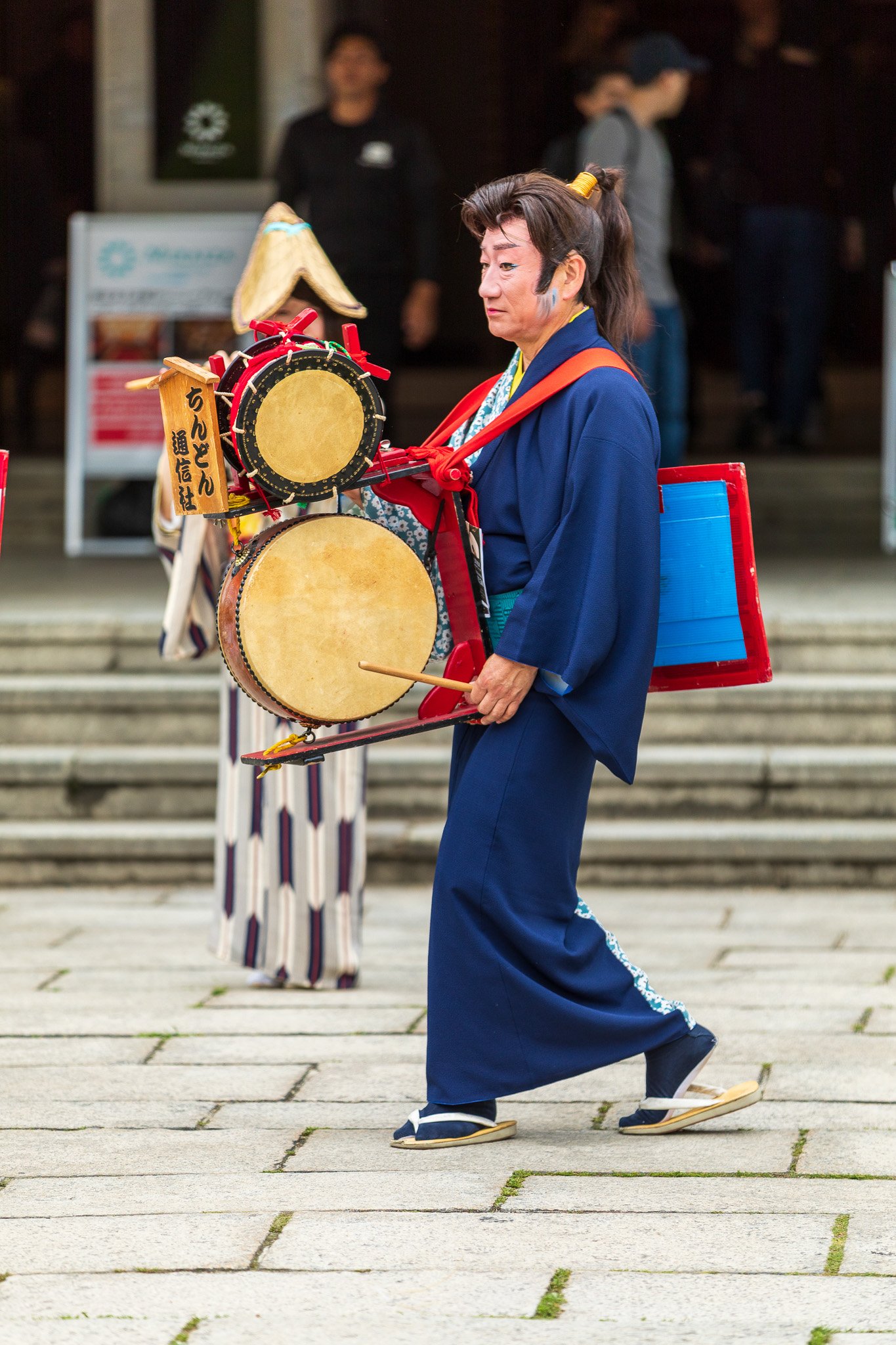
At the Osaka Castle
Luxury Hotels in Osaka
If you love classic European elegance in the heart of Japan, this is your spot. Located in Umeda, the Ritz offers refined rooms, impeccable service, and beautiful interior details. For photographers, it provides a calm base after long evenings shooting neon reflections.
Pro tip: Request a higher floor for skyline views, especially at blue hour.
Modern, dramatic, and elevated above the city, the Conrad is known for its sweeping panoramic views. Floor-to-ceiling windows make this one of the best hotels in Osaka for photographers who love urban compositions.
Morning light from the upper floors is spectacular. Bring your wide lens.
Located between Namba and Umeda, the St. Regis offers understated luxury and exceptional service. The rooftop terrace offers a unique urban vantage point, ideal for sunset photography.
It feels polished without feeling stiff.
Mid-Level Hotels in Osaka
Right in Namba, this is location, location, location. You walk out the door, and you are in the heart of the action. Clean design, comfortable rooms, and ideal for night photography in Dotonbori.
A strong value choice with excellent views from higher floors. Located near Namba Station, it makes early morning departures easy. Some rooms offer lovely city perspectives for casual shooting.
Modern, efficient, and very well located in Umeda. It is ideal if you want easy train access for day trips to Kyoto, Nara, or Kobe while keeping things comfortable and practical.
How Many Days Should I Stay in Osaka?
Day One, Dotonbori and Namba at Night
Start with pure energy. Head straight to Dotonbori and the surrounding streets of Namba.
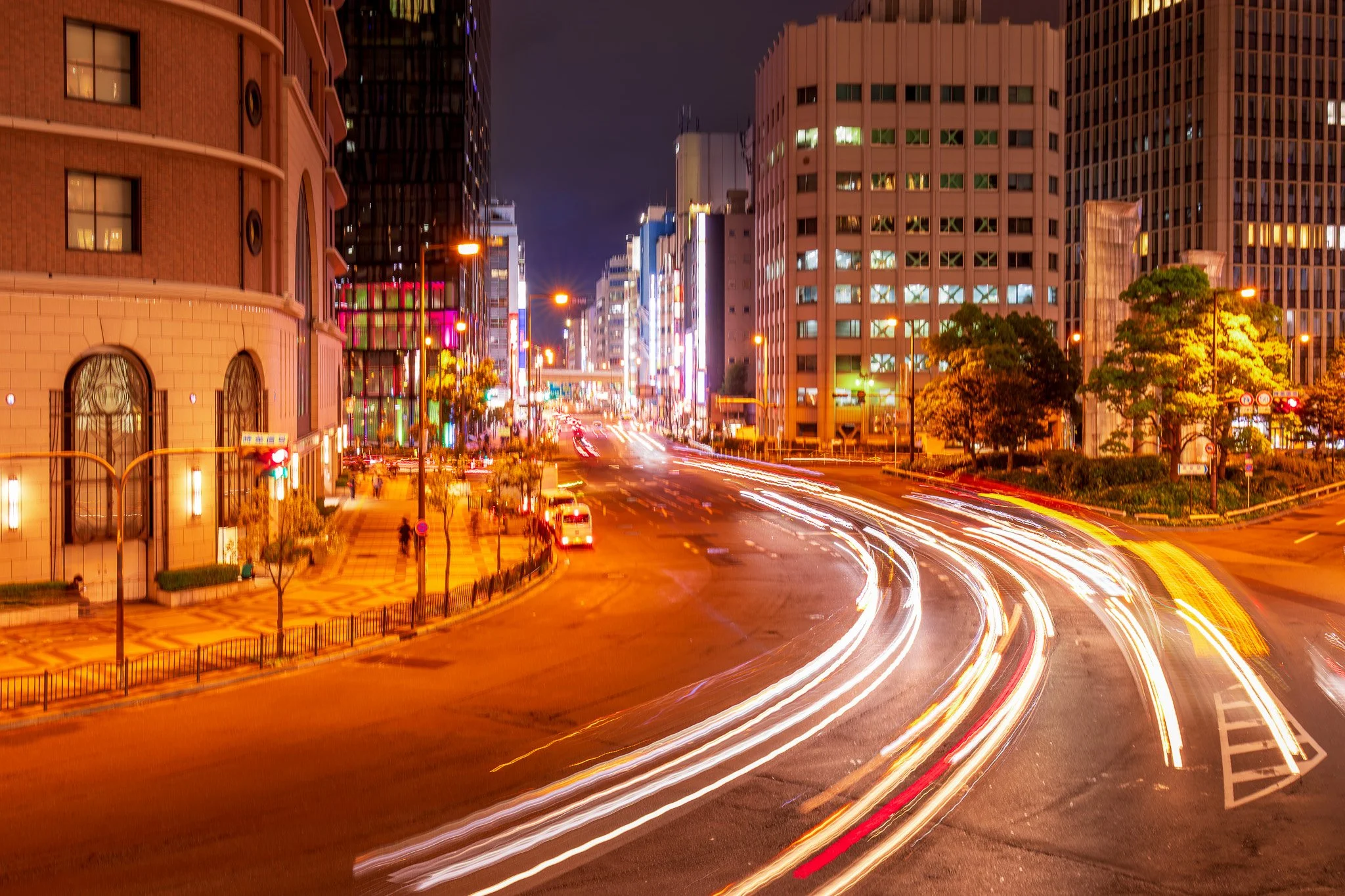
Shoot at blue hour when the sky still holds color. Then stay as the neon reflections intensify along the canal. Look for layers, foreground silhouettes, and reflections in puddles or glass.
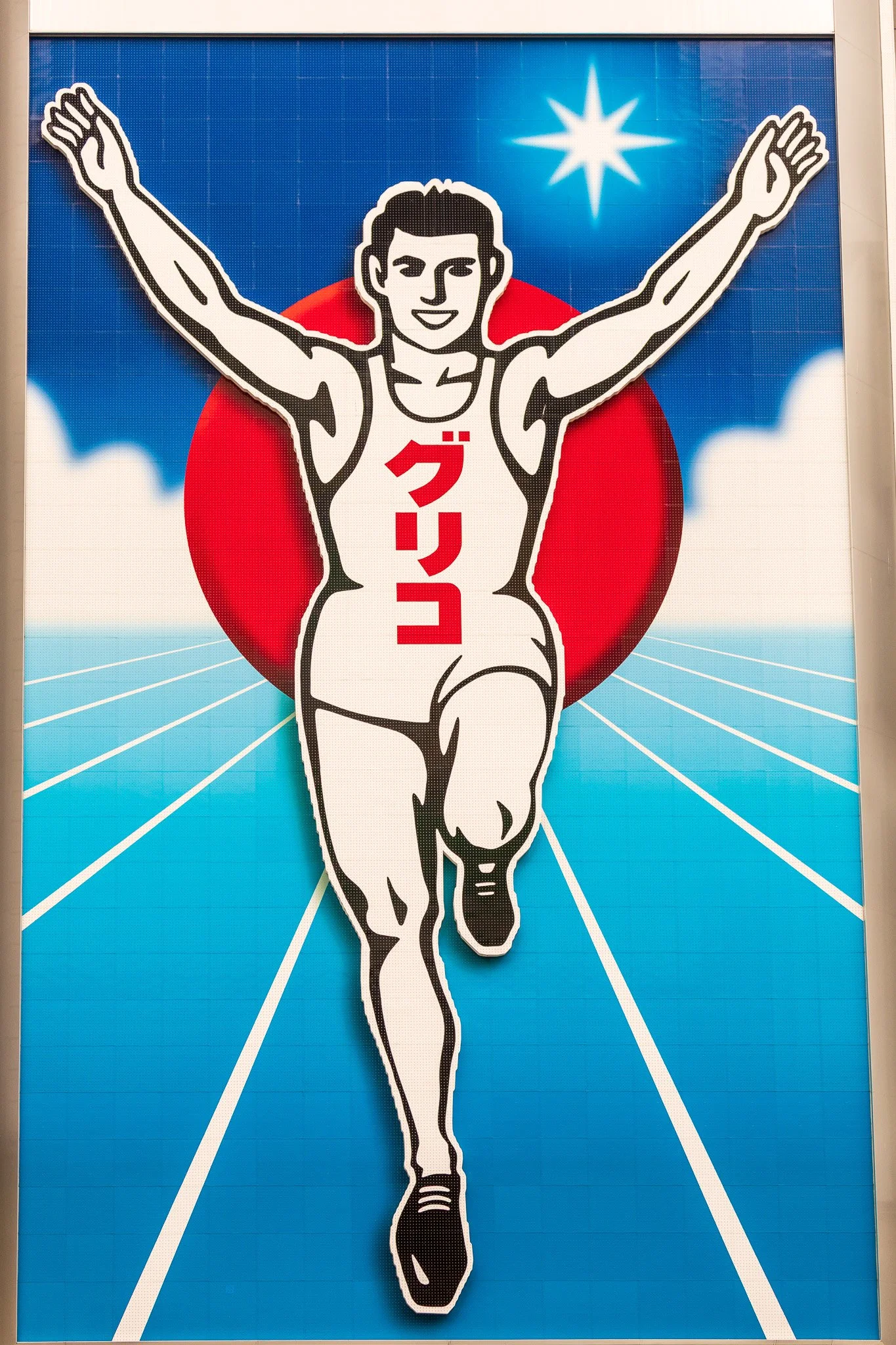
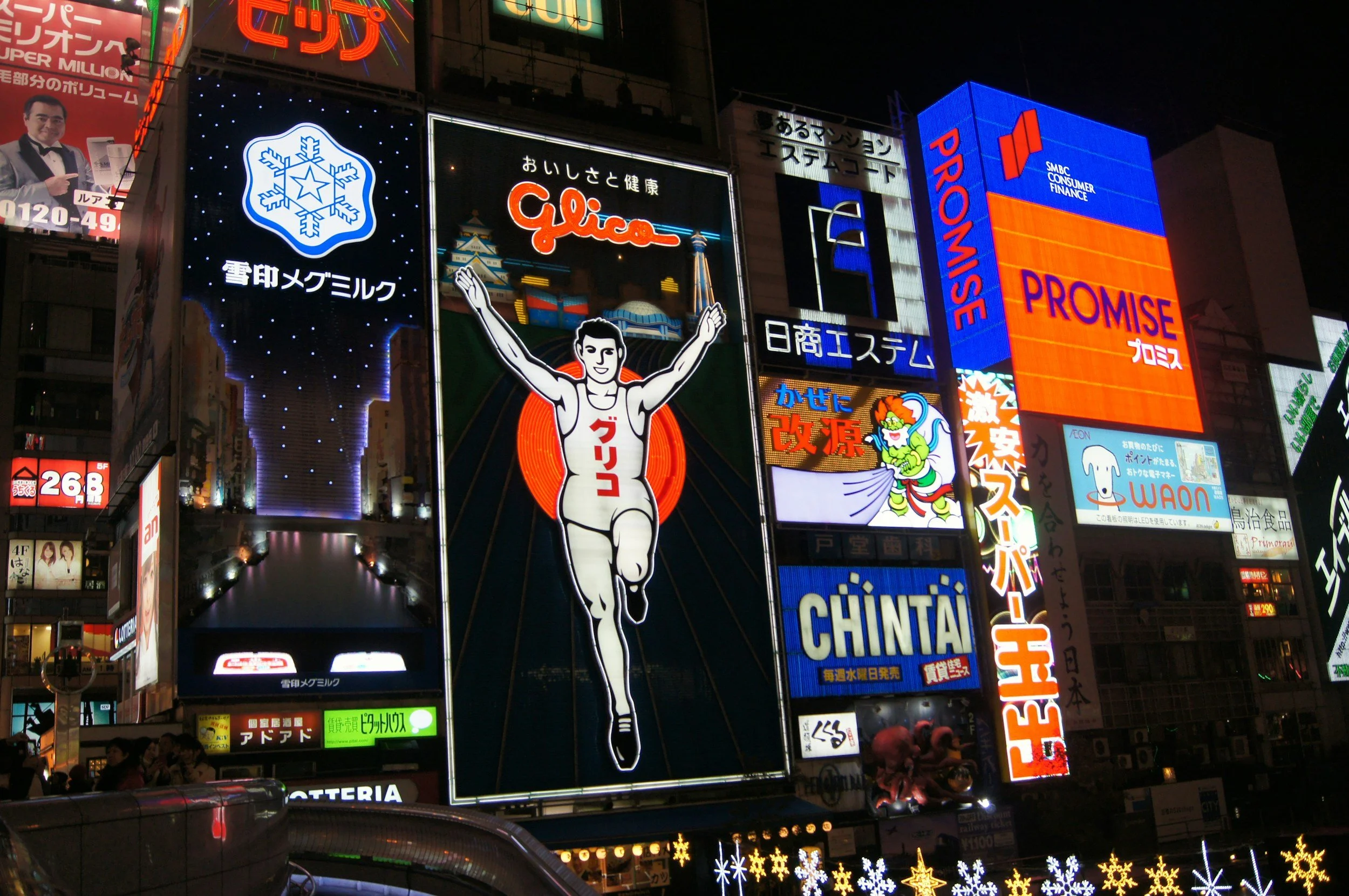
Glico Sign
Day Two, Osaka Castle and Kuromon Market
Begin early at Osaka Castle. Arrive before tour buses. Morning light gives you soft contrast and fewer crowds. Walk the outer moat for clean compositions and reflections.
Later, head to Kuromon Ichiba Market. This is texture and color. Seafood displays, steam rising, vendors calling out. Focus on details and candid moments.
If you are comfortable, ask for a portrait. A smile and simple respect go a long way.
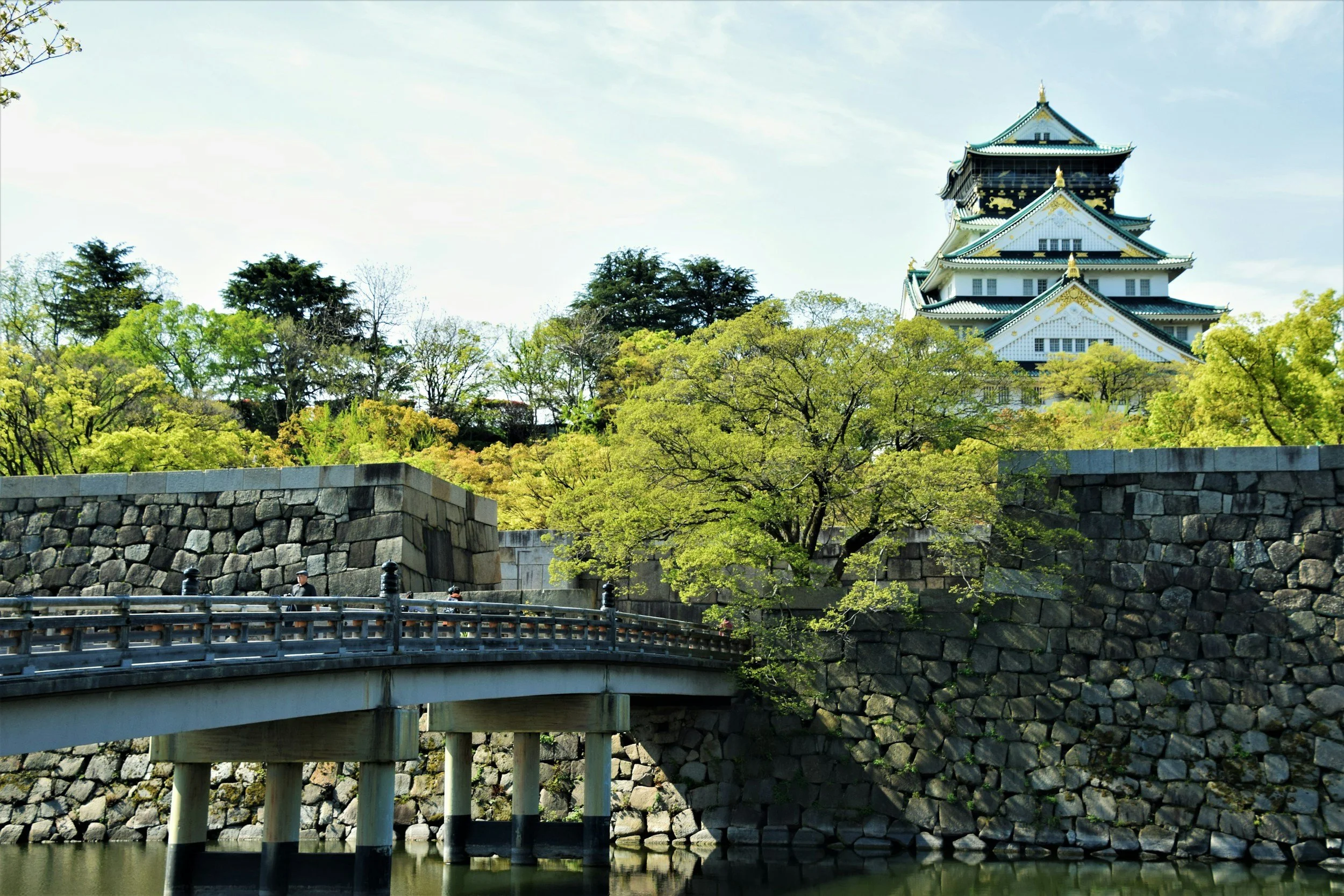
Osaka Castle
Day Three, Shinsekai and Umeda
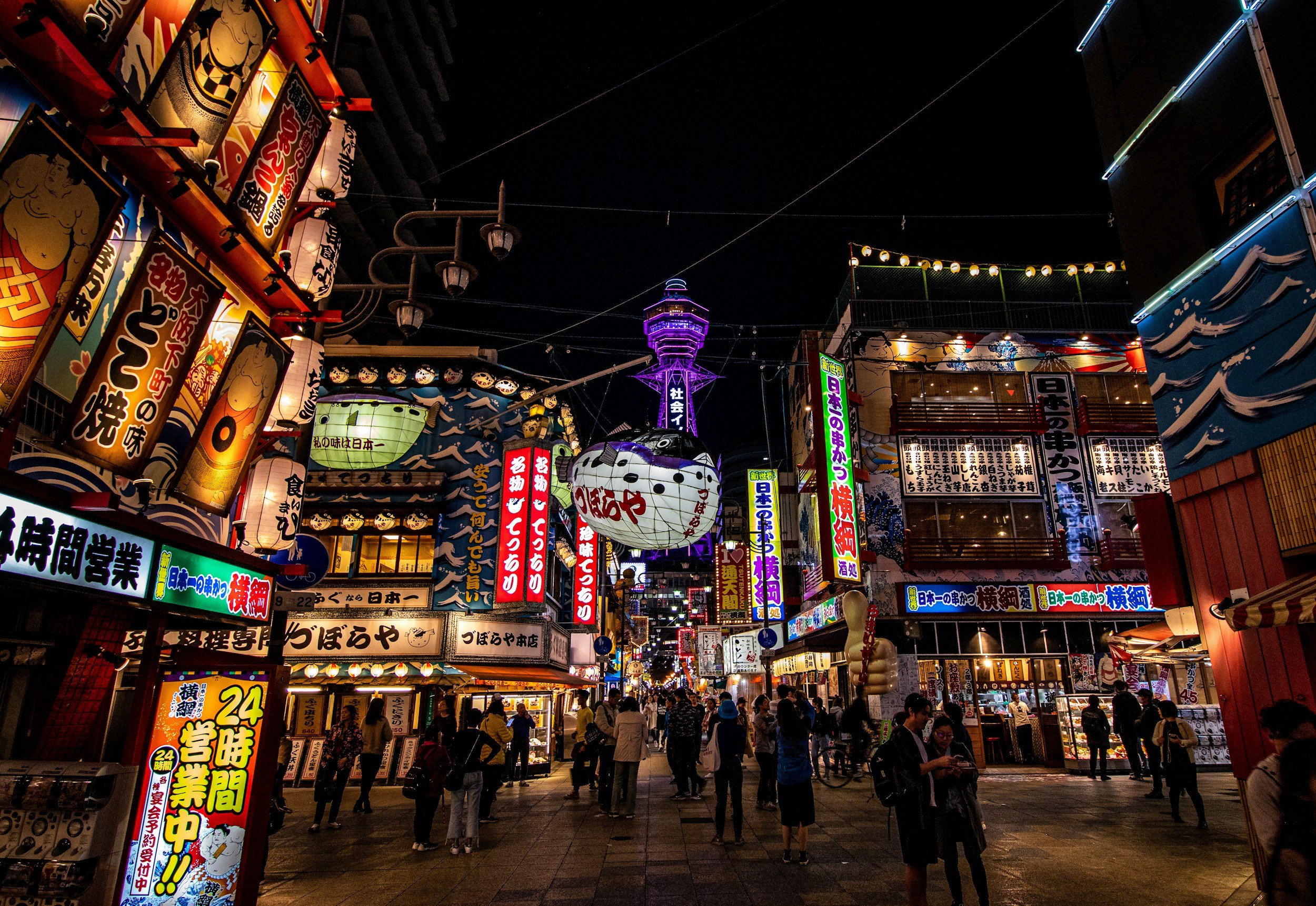
Explore Shinsekai in the late afternoon. It has a nostalgic feel, with old signs and gritty charm. The iconic Tsutenkaku Tower anchors your frame.
In the evening, move north to the Umeda Sky Building. The Floating Garden Observatory offers sweeping city views. Sunset here is powerful. Stay for blue hour. The city grid begins to glow beneath you.
Bring a small tripod if allowed, or stabilize your camera against a railing.
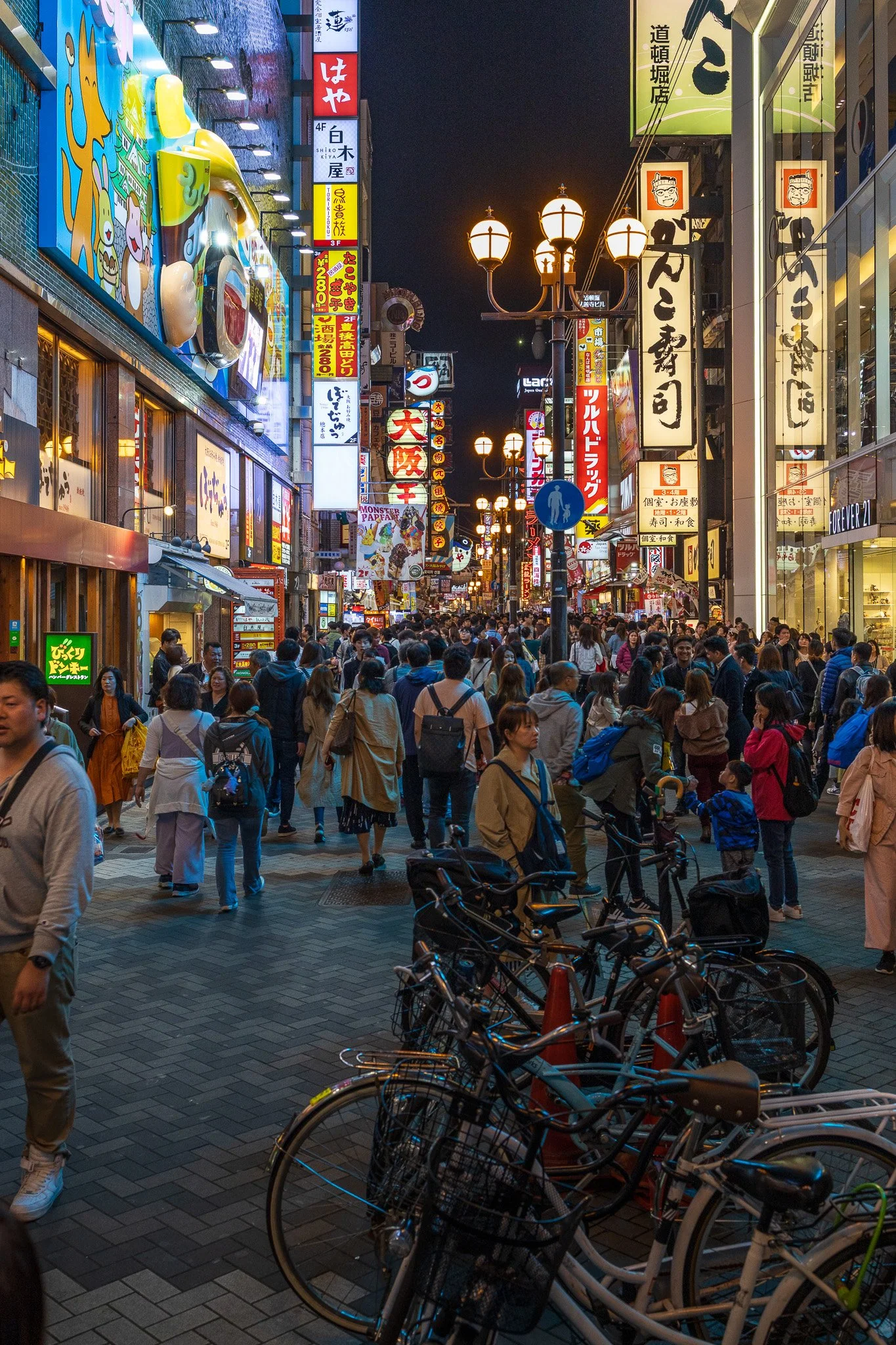
Dotonburi
Best Time to Visit Osaka for Photography
Timing matters in Osaka. The light shifts, the colors change, and the mood of the city transforms with the seasons.
Late March to early April is special. Cherry blossoms frame Osaka Castle and create classic foreground layers. Arrive early in the morning for softer light and fewer crowds. Use the blossoms to add depth to your compositions.
November brings rich autumn color. Parks glow with reds and golds, and the lower sun angle gives you softer contrast throughout the day. It is an underrated season for photography.
Summer is humid but vibrant. Festivals, street energy, and saturated neon scenes make night photography especially rewarding. Embrace the heat and shoot after sunset when the city cools slightly and reflections intensify.
Winter is crisp and clear. The air often feels cleaner, which is excellent for skyline shots and night photography. You get strong contrast and sharp detail, especially around Umeda.
If your focus is street photography, Osaka delivers year round. The city’s personality does not take a season off.
No matter when you visit, plan your shoots around light. Early morning and blue hour will always give you the strongest images.
How to Get Around Osaka
Getting around Osaka is refreshingly simple. The city is compact, well organized, and built for movement.
Metro and Trains
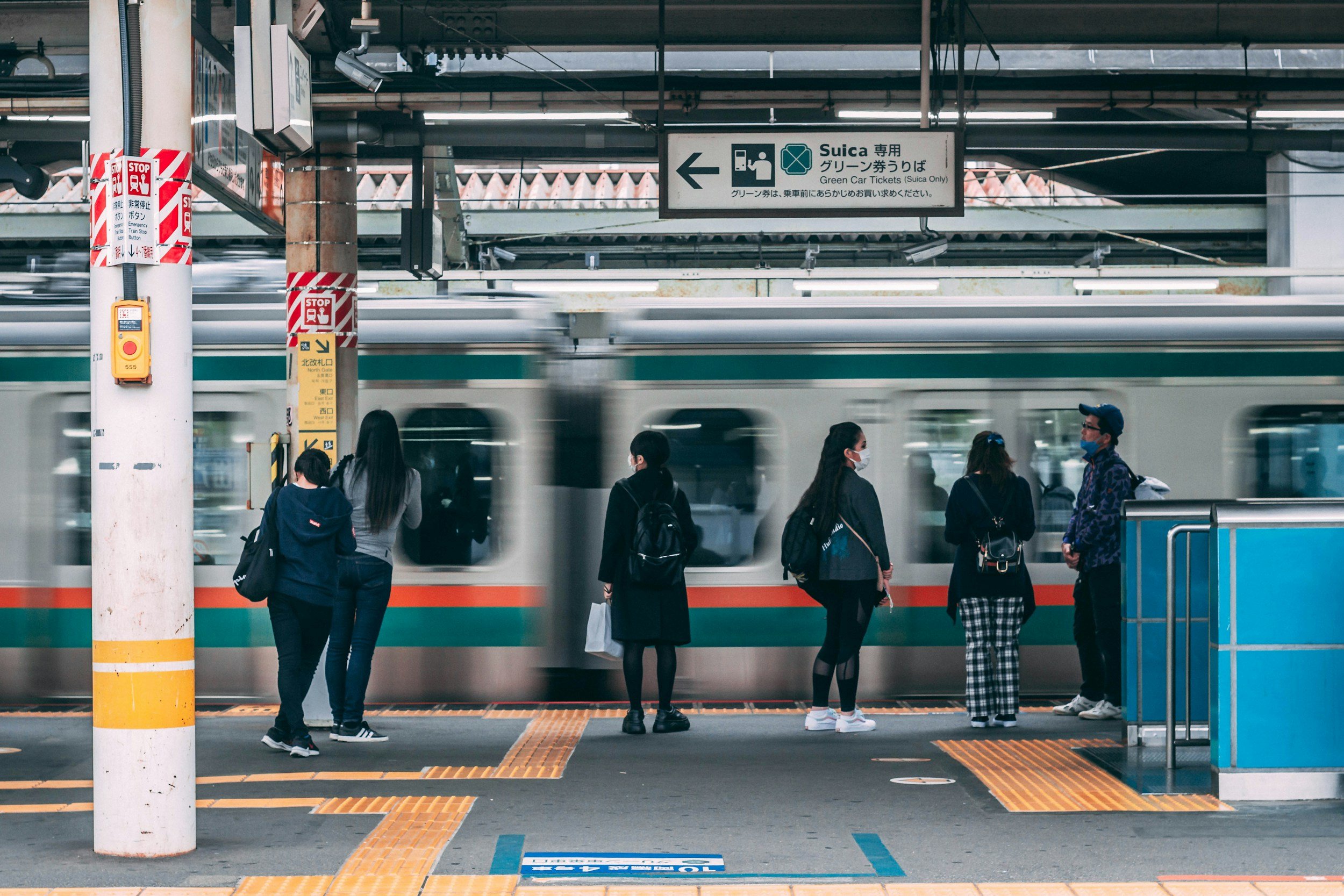
The metro is efficient, clean, and easy to use, even if you do not speak Japanese. Signs are clear and most major stations have English translations.
Purchase an ICOCA card and move freely between neighborhoods. Tap in. Tap out. No need to buy individual tickets each time. It works across much of the Kansai region, which is perfect if you plan day trips.
Public transport is usually faster than driving, especially during busy hours.
Arriving by Train
We took the Shinkansen from Tokyo to Kyoto and then continued on to Osaka. The transition is seamless. High speed trains are comfortable, punctual, and efficient. If you are planning a multi city trip in Japan, this is the smartest way to move.
Walking
You will walk a lot. That is a good thing.
The strongest images are often one street away from the main road. Step off the neon strip in Dotonbori and you will find quiet alleys, textured walls, and everyday life unfolding.
Wear comfortable shoes. Explore without a strict plan. Osaka rewards curiosity.
Taxis and Uber
Uber exists, but taxis are reliable, clean, and professional. Drivers are courteous and the cars are immaculate. That said, public transport is usually faster and more practical for photographers carrying gear.
Osaka is easy. Move by train. Wander on foot. Follow the light.
Where to Eat in Osaka
Best Restaurants in Osaka
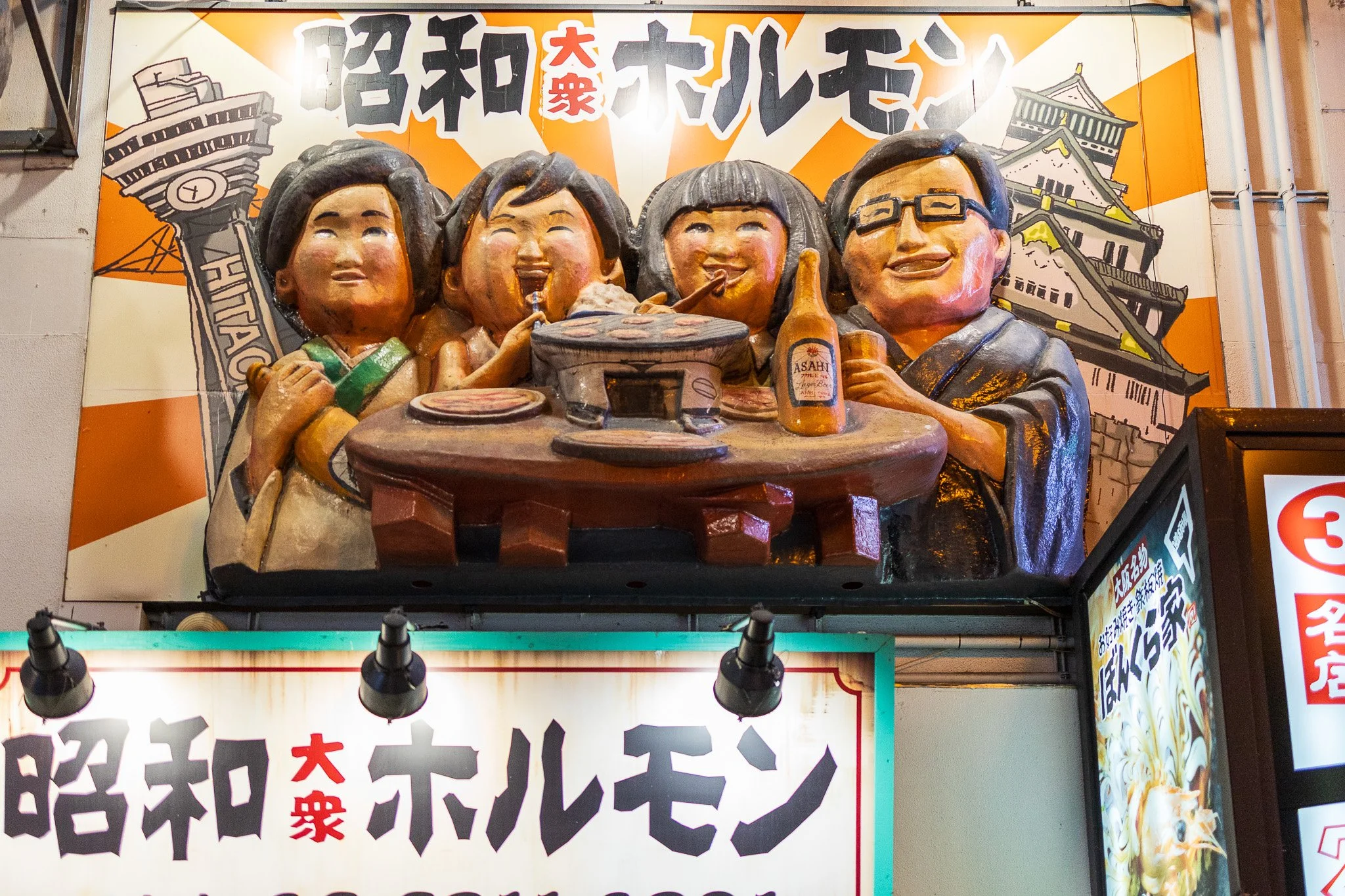
Osaka is Japan’s kitchen. Come hungry. Come curious. And do not rush.
Mizuno
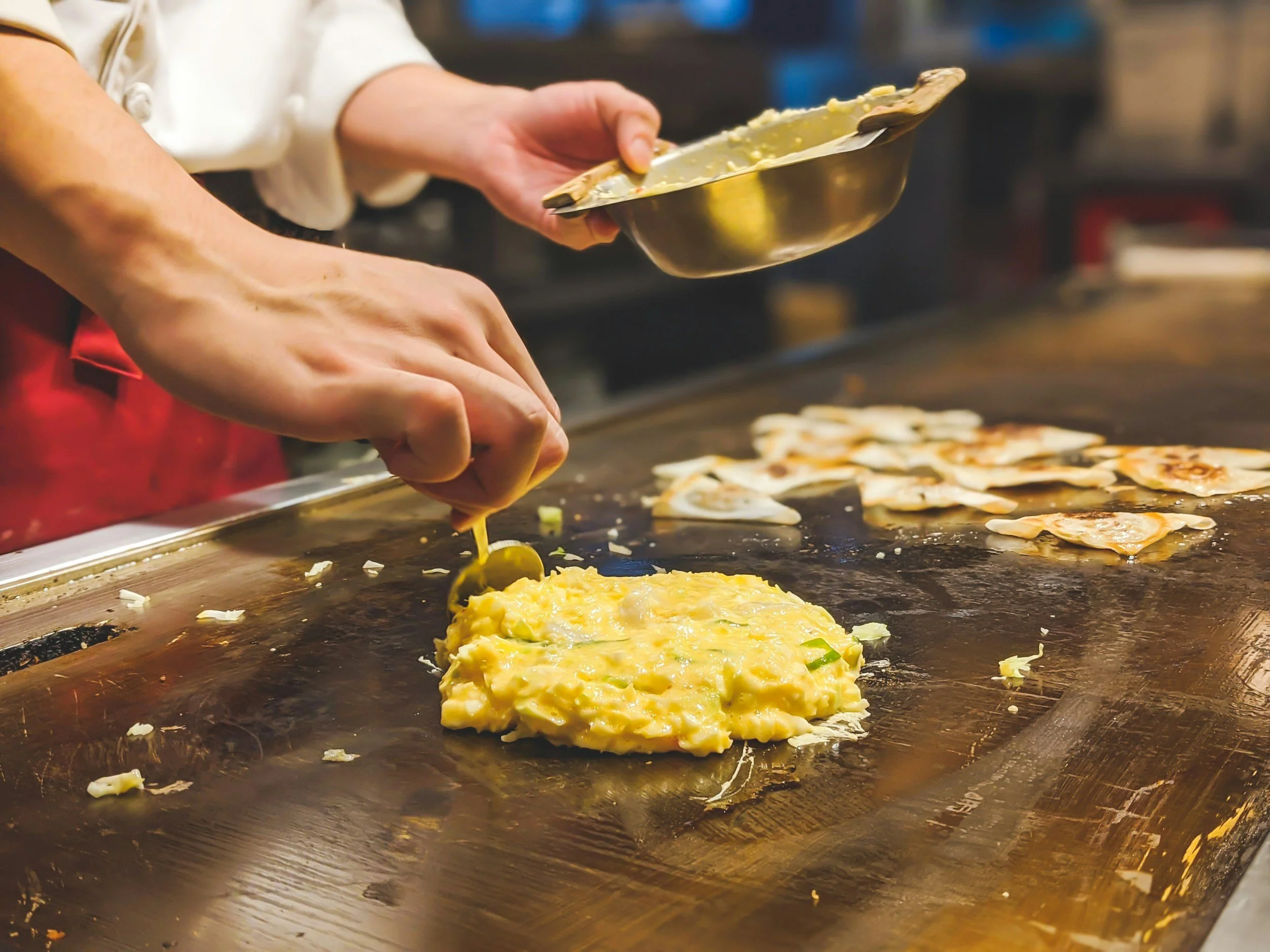
Legendary okonomiyaki in the heart of Dotonbori.
You sit at the counter and watch it cook in front of you. Cabbage, pork, seafood, batter, sauce. It is comfort food with texture and history. Expect a line. It moves fast.
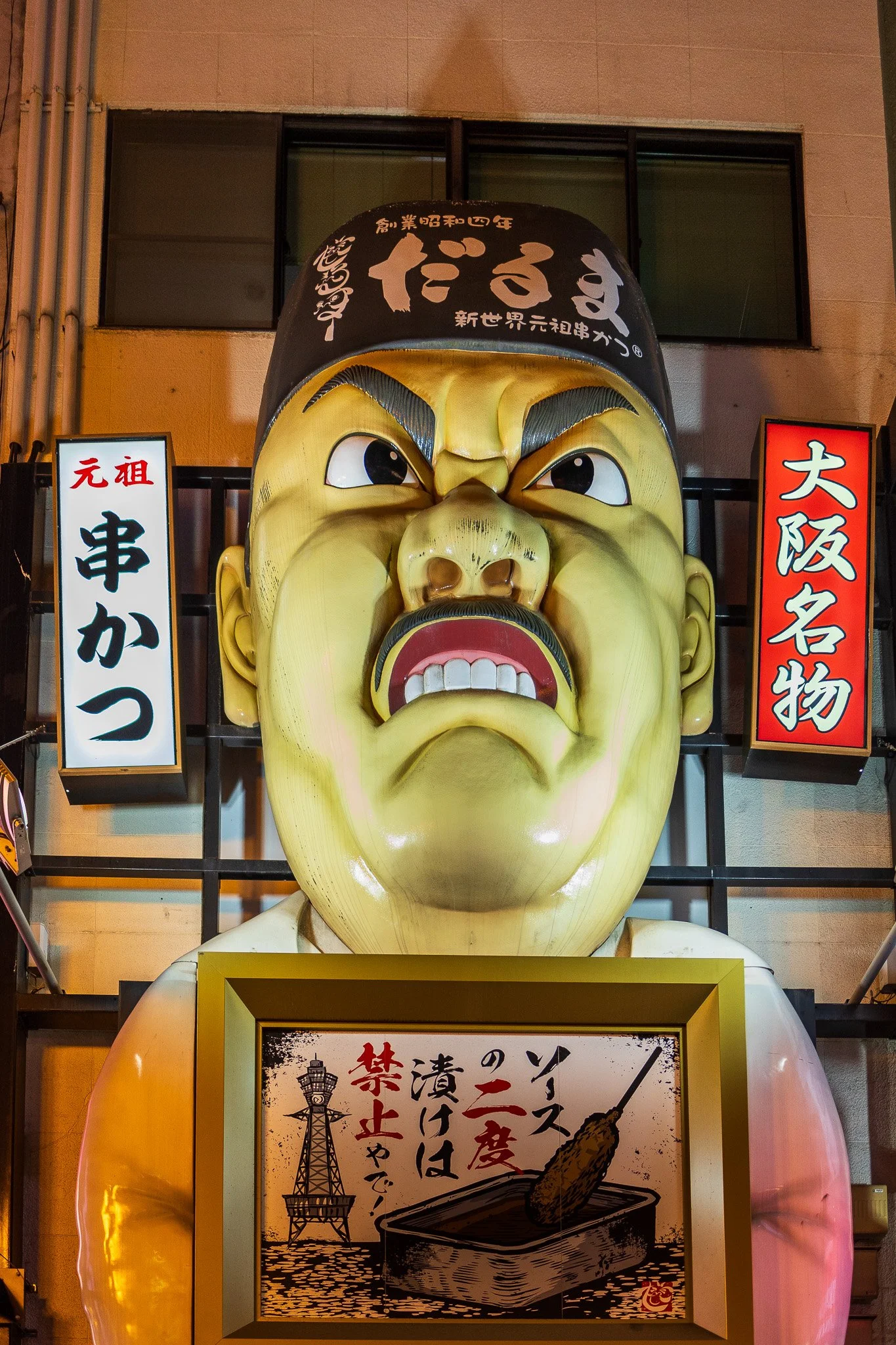
Kushikatsu Daruma
Deep fried skewers in Shinsekai. Fun and unapologetically local. Remember the rule, no double dipping in the communal sauce. It is part of the experience.
Harukoma Sushi
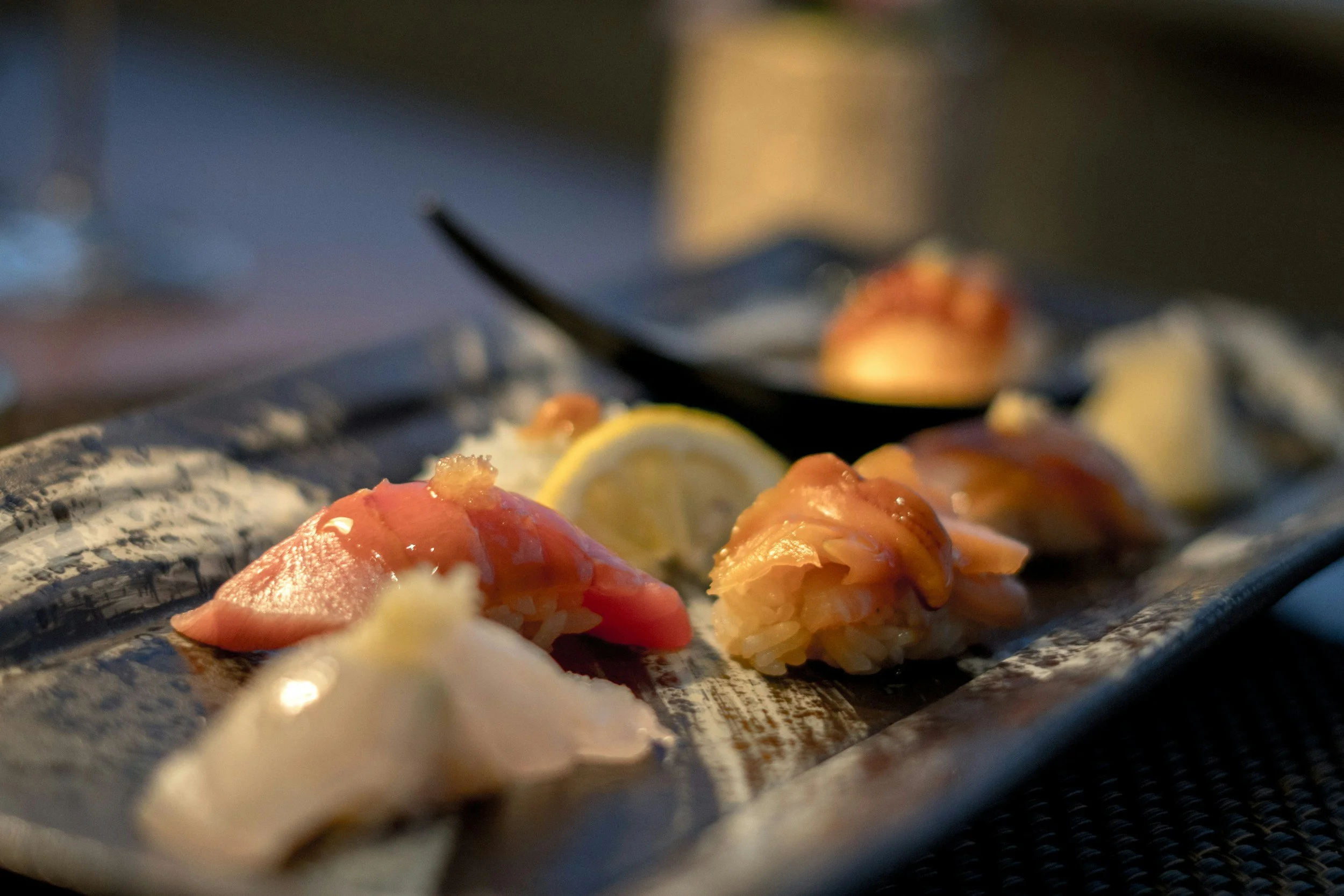
Excellent value sushi with serious quality. Fresh cuts, generous portions, and a lively atmosphere. Come early or be prepared to wait.
Endo Sushi
Located at Osaka Central Market. Go early for the freshest selections. Sit at the counter and let the chef guide you. Simple, precise, memorable.
Osaka Coffee Shops
Photography days are long. Good coffee helps.
LiLo Coffee Roasters
Great light and texture inside. Perfect for detail shots or a quiet moment between shoots.
Brooklyn Roasting Company Kitahama
Riverside location with industrial vibes. The light off the water in late afternoon is beautiful.
Streamer Coffee Company Shinsaibashi
Ideal place to review and edit photos. Strong espresso. Relaxed energy. A good reset before heading back out into the city.
Best Photography Gear for Osaka
Osaka mixes tight alleys with sweeping skyline views. You will move from neon soaked streets to elevated observatories in the same day. Bring flexibility.
Camera Bodies
You do not need the latest release, but strong autofocus and good dynamic range help.
Solid choices include:
Canon EOS R5
Sony A7R V
Nikon Z7 II
Any modern full frame mirrorless body will perform beautifully here, especially at night.
Lenses
Osaka rewards versatility.
16 to 35mm for architecture, shrines, and dramatic foreground work around Osaka Castle.
24 to 70mm for street photography in Dotonbori and Shinsekai. This is the workhorse.
70 to 200mm for skyline compression from Umeda and layered compositions across the city.
If you prefer a single lens, a 24-105mm lens works extremely well. It gives you range without constant lens changes, which matters in busy streets.
Accessories
Keep it light but smart.
A compact travel tripod for night scenes and blue hour work.
A polarizer for canal reflections and reducing glare on glass buildings.
Extra batteries. Long nights and cold evenings drain power faster than you expect.
ND filters for long exposure, neon, and smoothing water along the canal.
Top Photography Spots in Osaka
Osaka is built for photographers. Neon, history, texture, symmetry. You can shoot all day and still feel like you missed something.
Here are the locations that consistently deliver.
Dotonbori
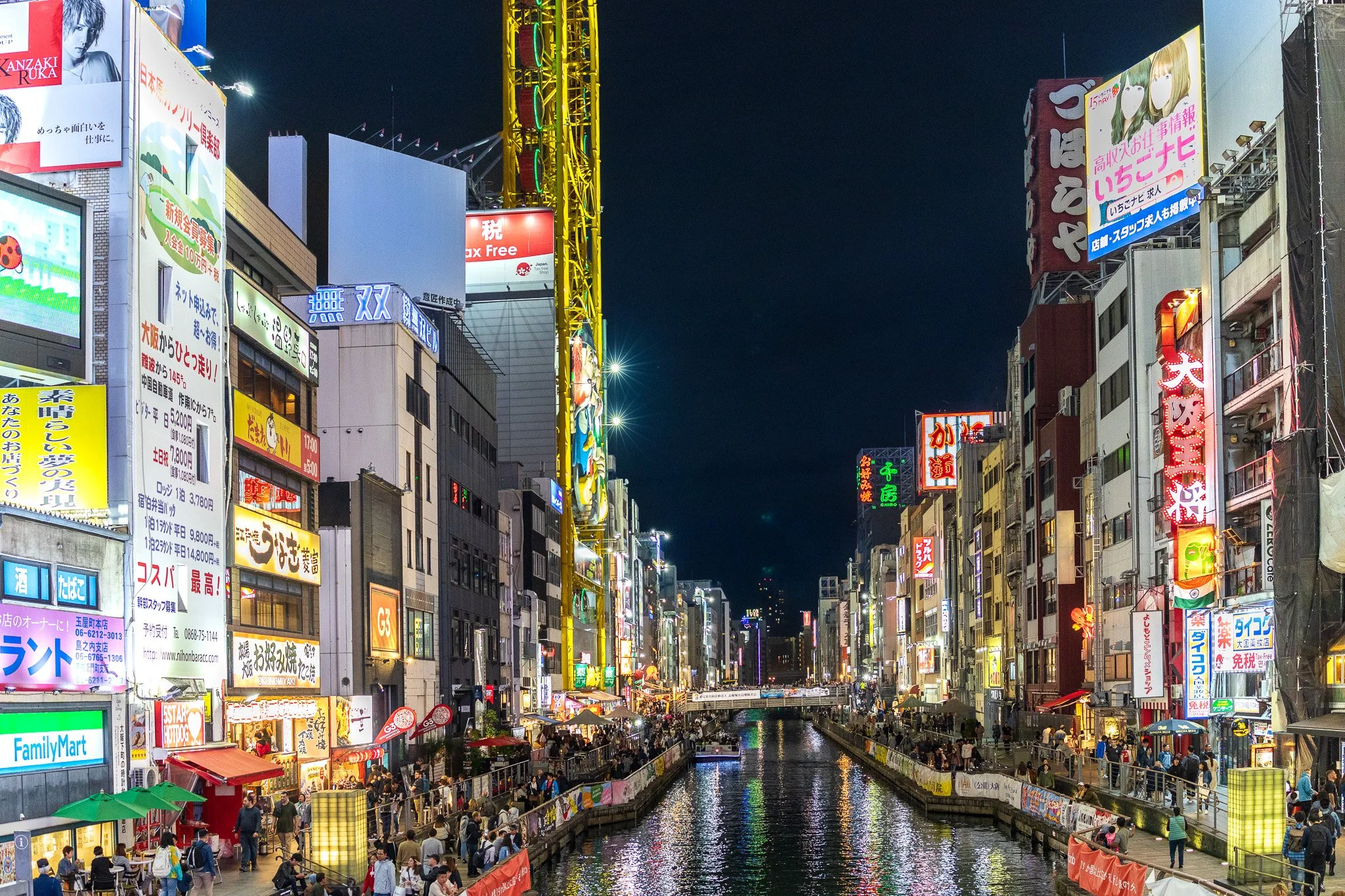
Go at blue hour and stay through the night. The bridge over the canal gives you strong leading lines. Reflections in the water add depth and energy.
Pro tip. Do not just shoot the signs. Turn around. Capture the people watching the spectacle. Candid expressions often tell a better story than the neon.
Osaka Castle
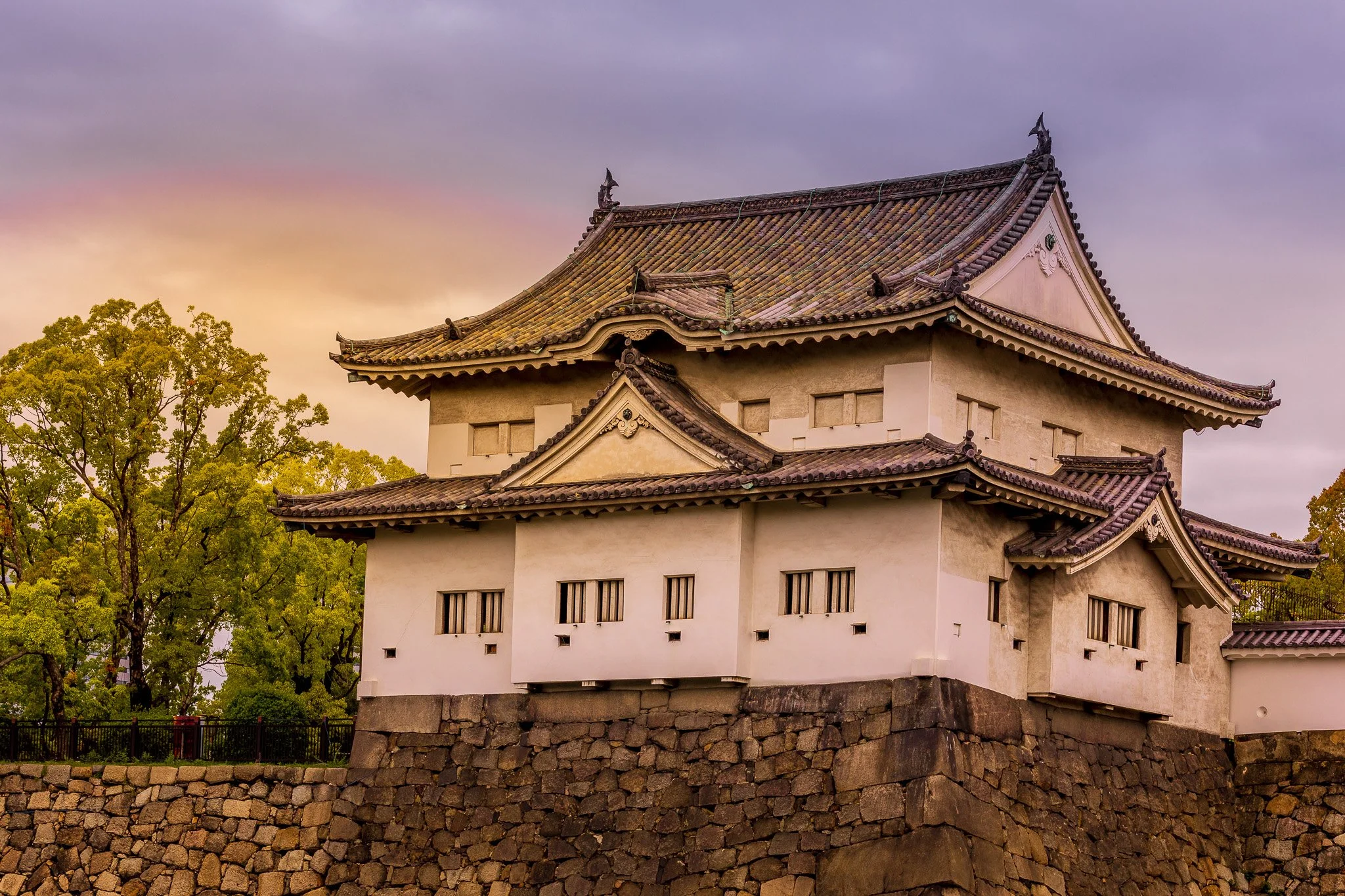
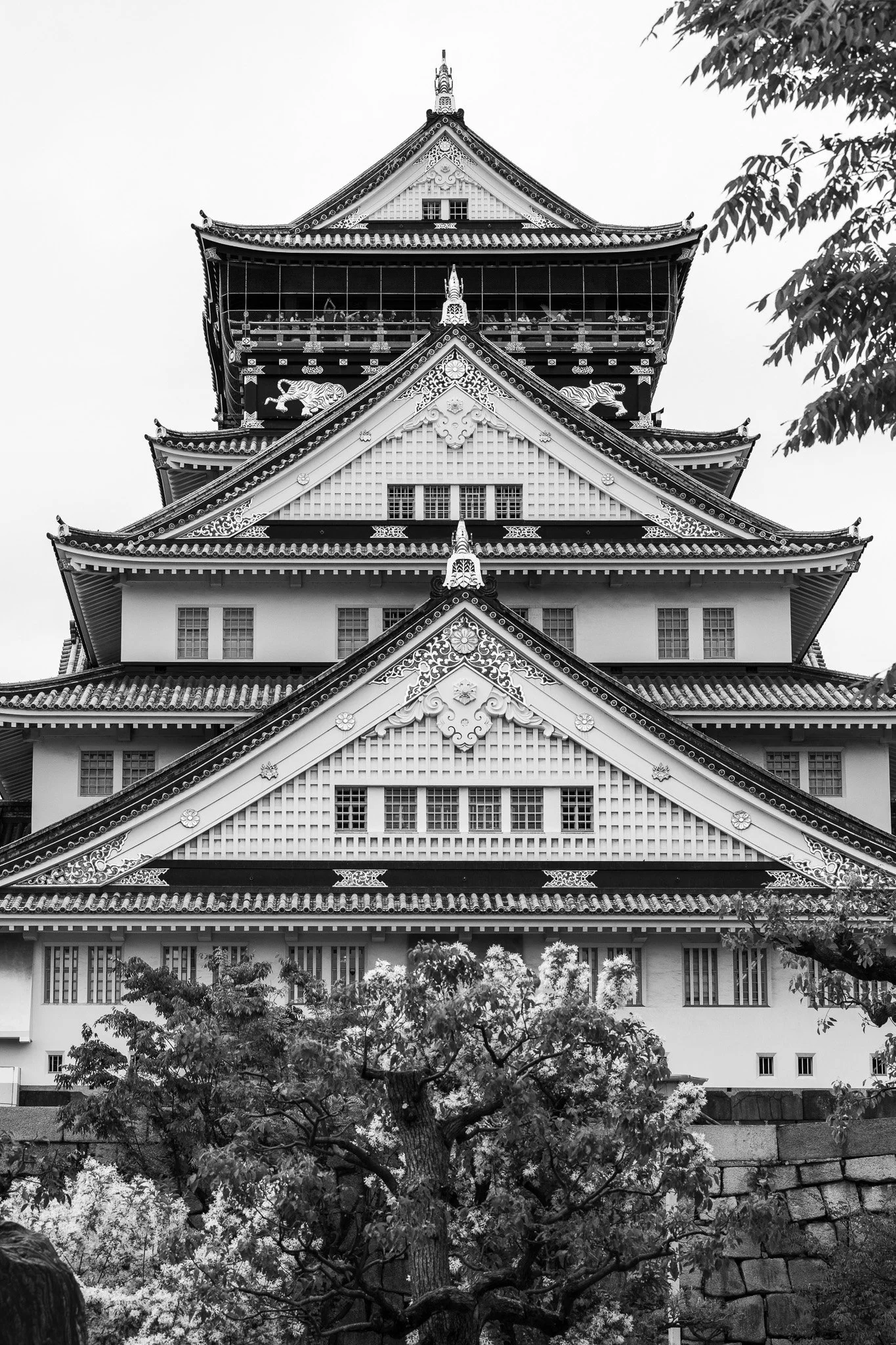
Arrive early. Before the crowds. Before the tour groups.
Use a longer lens to isolate the castle against a clean sky. Walk the outer moat for reflections. In spring, cherry blossoms create natural framing elements. Position them in the foreground to add scale and depth.
Shinsekai
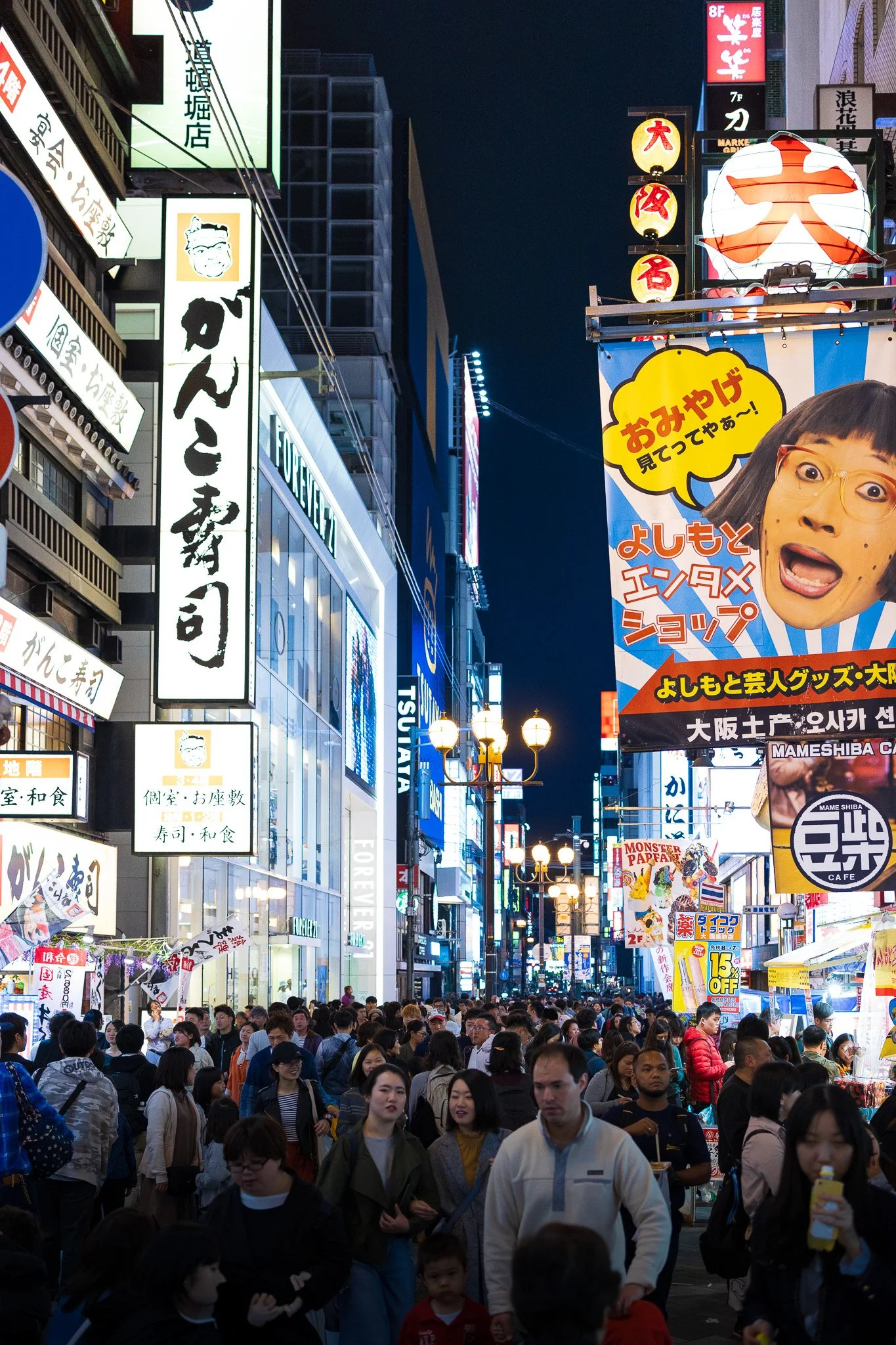
Retro signs. Layered visuals. Gritty charm.
Late afternoon into evening works best. As the lights come on, the mood shifts from nostalgic to cinematic. The Tsutenkaku Tower gives you a strong anchor for composition.
Umeda Sky Building
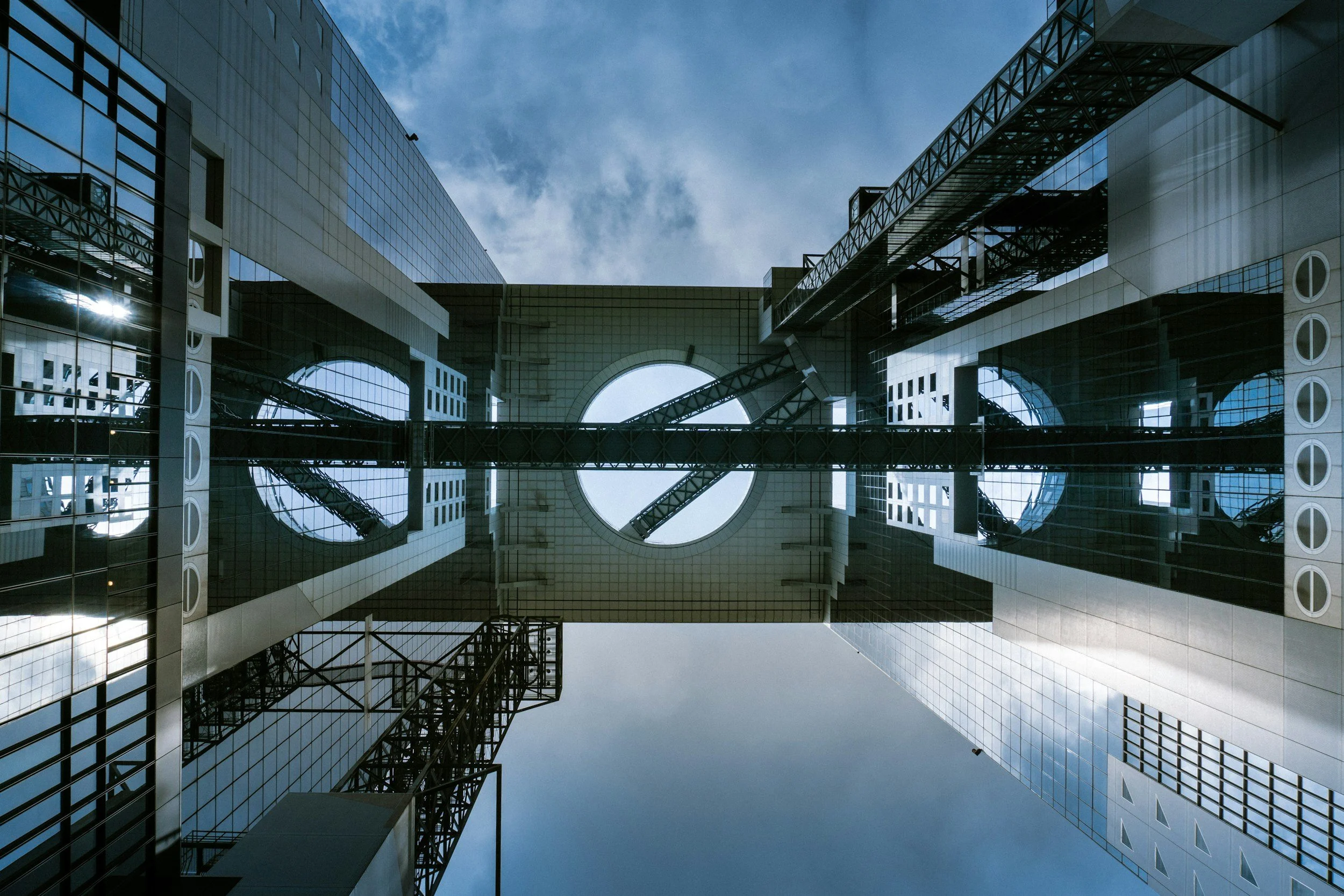
Sunset is powerful here. The Floating Garden Observatory offers sweeping views across the city grid.
Use a telephoto to compress the skyline and isolate architectural patterns. Stay into blue hour. The city begins to glow beneath you.
Kuromon Ichiba Market
Work close. Focus on hands, food preparation, and vendor expressions.
This is about storytelling. Look for steam, texture, and movement. Ask politely before photographing individuals. A smile goes a long way.
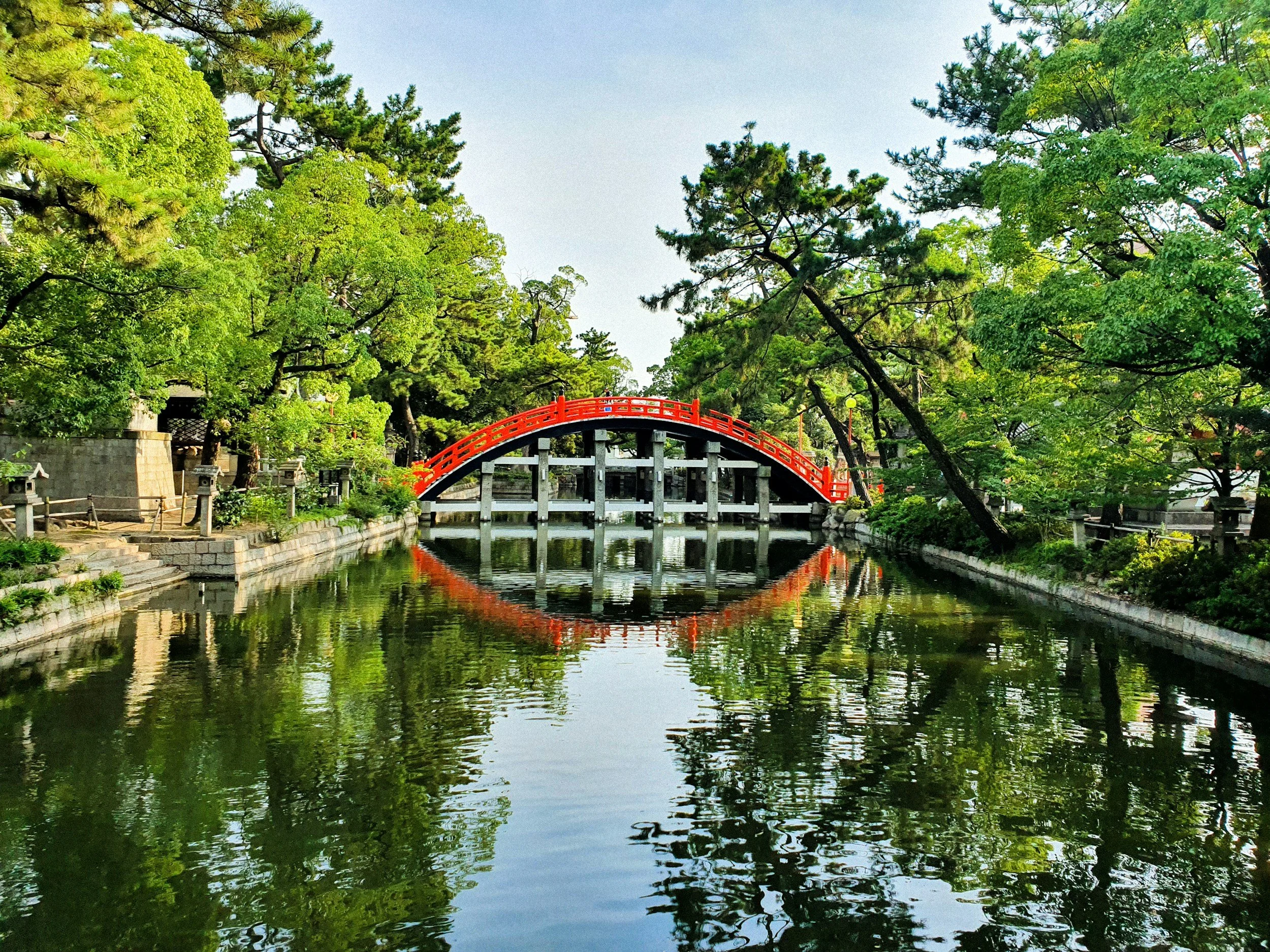
Sumiyoshi Taisha
Morning light is softer and calmer.
The arched bridge creates beautiful symmetry. Position yourself slightly off center for depth, or shoot straight on for graphic balance. Early hours give you cleaner compositions.
Osaka rewards patience. Return to these locations at different times of day. The light transforms the mood completely.
That is where the strongest images live.
Osaka Festivals and Events
Osaka knows how to celebrate. If you time your visit around a festival, the city shifts. The colors intensify. The streets fill with rhythm. And your photography options multiply.
Tenjin Matsuri, July
One of Japan’s most famous festivals. Expect river processions, traditional boats, lantern light, and a dramatic fireworks finale along the Okawa River.
For photographers, this is layered storytelling. Foreground silhouettes, glowing lanterns, reflections in the water. Arrive early to secure a strong position. A telephoto helps isolate performers and fireworks bursts.
Cherry Blossom Season, Late March to Early April
The city softens. Parks and castle grounds turn pink.
Osaka Castle becomes the centerpiece. Blossoms create natural frames and foreground interest. Early mornings are best for clean compositions before crowds build.
Sumiyoshi Matsuri
Held at Sumiyoshi Taisha, this festival offers traditional energy with fewer crowds than Tenjin Matsuri.
You will see ceremonial processions, vibrant clothing, and authentic local participation. It feels intimate. Respectful. Real.
Final Thoughts
Osaka is bold. It is energetic but grounded. The city moves fast. You do not have to.
Walk slower.
Look higher.
Return to locations twice.
Shoot Dotonbori at blue hour, then come back after full darkness. Visit Osaka Castle at sunrise, then again in late afternoon. The light changes everything. So does your perspective.
Osaka rewards curiosity more than speed. The best frames are often one side street away from the obvious view. Step off the main road. Pause. Watch how people move through space.
This city does not demand perfection. It invites participation.
If you give it time, it will give you stories.
Subscribe to the newsletter for more practical photography tips and destination guides.
Osaka is not just a stop between Tokyo and Kyoto. It is a city that rewards photographers who pay attention.
And you will leave with images that feel alive.
If you are interested in joining one of my photography workshops, you can find the details through the link. You can also follow along on Instagram, Facebook, or subscribe to my newsletter for more travel photography tips and behind-the-scenes insight.
✈️ Travel Photography Planning Sessions
One-on-One Trip Planning with a Professional Travel Photographer
Don’t miss the shot. Let me help you plan for it.
Overview
Planning a photography-focused trip can be overwhelming. From figuring out the best places to shoot, to when the light is just right, to knowing which lens to pack — there are a lot of decisions to make.
This one-on-one Zoom session is your chance to get personalized travel photography advice from someone who’s spent the past 25 years exploring cities, coastlines, and wild places around the world — camera in hand.
Whether you're headed to Paris, Patagonia, Tokyo, or Tuscany, I’ll help you make sure your photography trip is well-planned and creatively inspired, so you come home with the images you dreamed of (and then some).
What’s Included
✅ Photography Location Planning
I’ll help you create a customized itinerary of the best photo spots, including off-the-beaten-path gems and iconic views.
✅ Best Times to Shoot
Get expert advice on lighting, golden hour, blue hour, and seasonal conditions for each location.
✅ Gear Recommendations
Not sure whether to bring the telephoto or the prime? We’ll walk through your gear and make sure you’re bringing the right tools for your destination and style.
✅ Hotel and Base Recommendations
Stay where it’s convenient for sunrise shoots and late-night strolls with your camera. I’ll recommend hotels that are photographer-friendly and well-located.
✅ Custom Travel Tips
From sunrise entry times to tripod rules at major landmarks, you’ll get insider tips to save time, avoid tourist traps, and make the most of your trip.
Who It’s For
This service is for anyone who:
Is planning a trip and wants to prioritize photography
Wants expert insight on the best places to shoot and how to get there
Is tired of missing the shot because of poor planning or bad timing
Is a beginner, enthusiast, or professional photographer looking for guidance before a trip
How It Works
Book a Session
Choose a time that works for you and tell me where you're headed.Share Your Plans
You’ll fill out a quick questionnaire so I know your travel dates, interests, and photography style.One-on-One Zoom Call (60 minutes)
We’ll meet via Zoom and walk through your trip together — from location ideas to gear and timing. You'll leave with a custom PDF full of notes and suggestions.Follow-Up Support
Get one round of email Q&A after your session to clarify anything as your plans evolve.
Why Work With Me?
I’ve spent the last 25 years photographing the world — from major cities to remote islands. I know what it’s like to travel and shoot under pressure, and I love helping people get the most out of their trips. This is not just about hitting “popular spots” — it’s about crafting a creative and efficient plan tailored to your trip, your gear, and your goals.
Pricing
$125 / Session
Includes:
60-minute Zoom call
Custom PDF summary with photography spots, gear tips, and travel recommendations
One follow-up email with additional Q&A
Introductory rate available through September 2025
Ready to Plan Your Trip?
Let’s make sure you’re ready — so when the light is perfect, you’re in the right place with the right gear.
Questions?
Please email me at vito@chasinghippoz.com if you're not sure whether this is right for you. I'm happy to chat.
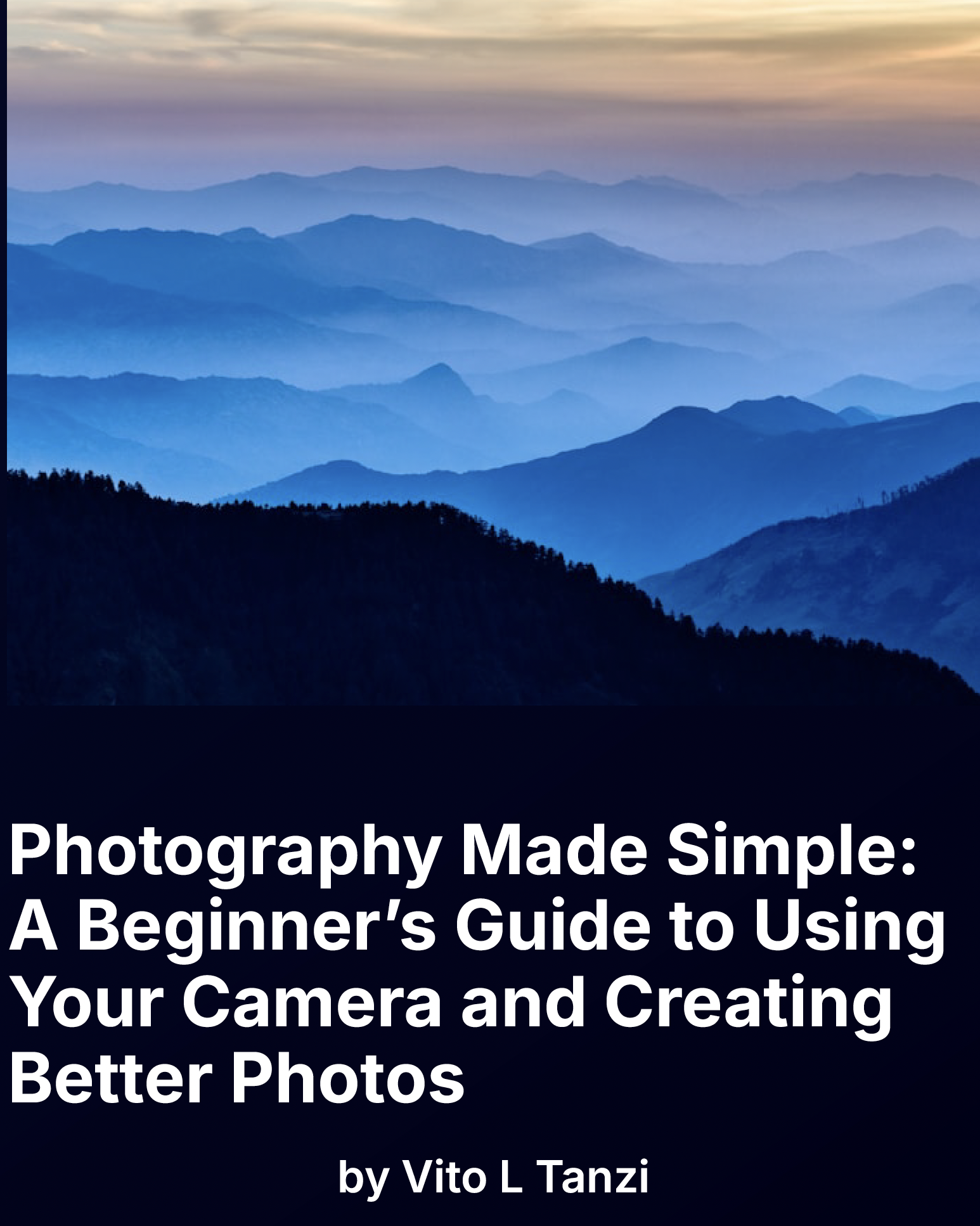
Finally—a beginner-friendly photography guide that makes sense.
If you've ever picked up a camera and thought, "Now what?" this is the book for you.
Photography Made Simple is written for adults who are just starting out and want a clear, encouraging, real-world approach to learning photography. Whether you're using a DSLR, mirrorless, or just your smartphone, this guide walks you through the basics—without the jargon or tech overwhelm.
Inside, you'll learn:
The only camera settings you really need to know to get started
How to shoot sharper, more intentional photos using light and composition
Simple tips for portraits, landscapes, travel, and everyday life
What gear you do (and don’t) need
How to create better photos without upgrading your camera
You’ll also get practical exercises, cheat sheets, and tips for organizing and editing your images—plus the confidence to shoot off Auto Mode for good.
This is not a textbook. It’s a friendly guide to seeing the world with fresh eyes—and finally capturing what you see the way you imagine it.
📸 Format: PDF download
Pages: 100+
Perfect for: Beginners, hobbyists, and anyone ready to take better photos without the stress