Lucerne, Switzerland Travel & Photography Guide: Best Photo Spots, Things to Do & Hidden Gems
Most people think of Switzerland and picture Zurich's banking towers or the Matterhorn's pyramid spike. Lucerne operates differently. It is a compact medieval city perched on a glacial lake, ringed by the Alps, and threaded through by the clear-green Reuss River. The old town is small enough to walk in an afternoon and deep enough to keep you busy for a week. There is no single landmark that defines it. Instead, Lucerne is defined by an accumulation of details: painted facades on houses along the waterfront, a 14th-century covered wooden bridge decorated with triangular paintings of local history, towers still standing from the old city wall, and beyond it all, the silhouette of Mount Pilatus rising from the far shore of the lake.
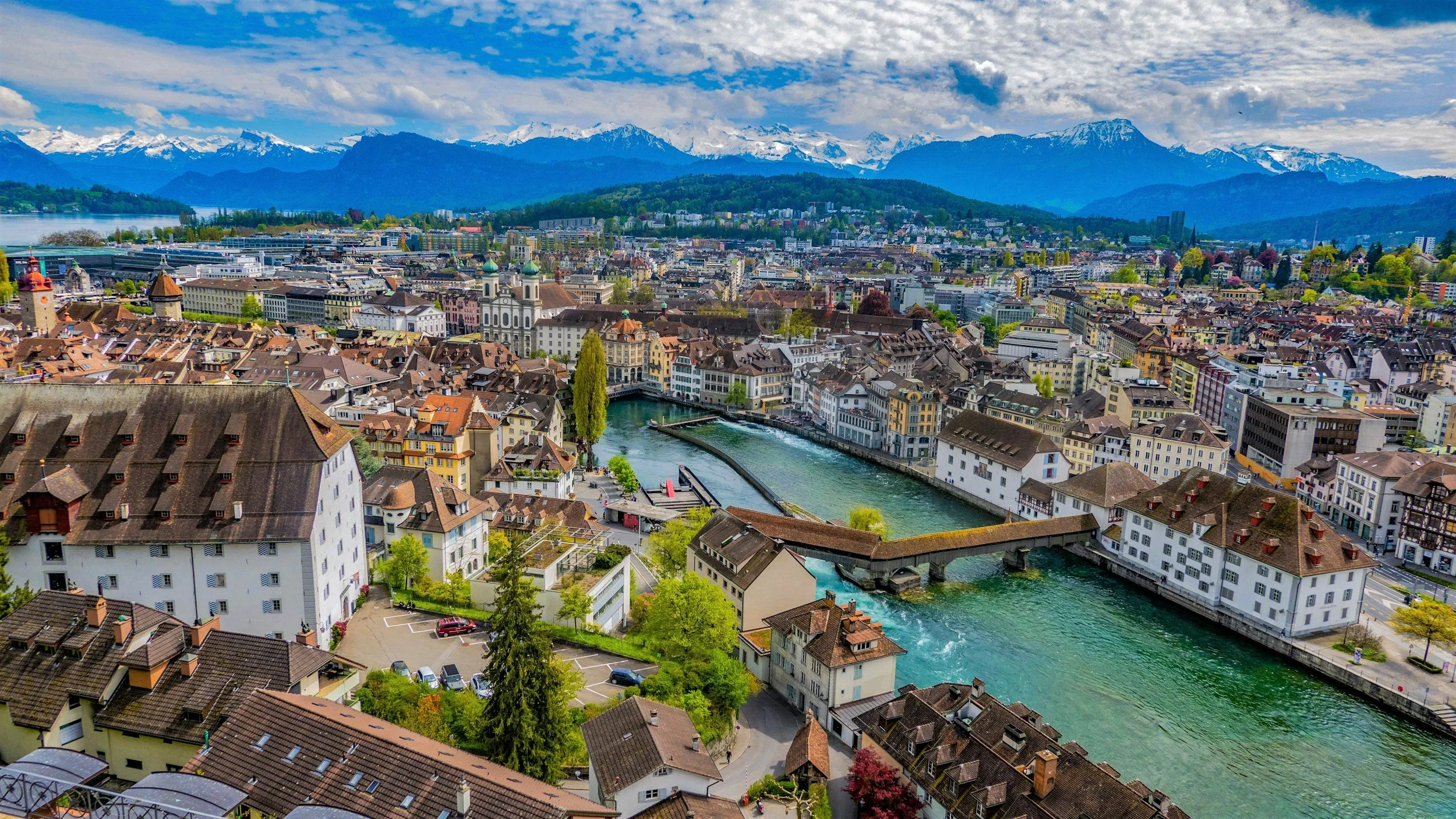
For photographers, this city is one of the most photogenic places in Europe. The light here is extraordinary. Because Lucerne sits in a bowl formed by the Alps, the mountains catch and redirect the light in ways that are unpredictable and consistently beautiful. At golden hour, the facades along the lakefront turn amber and rose. In winter, when mist rolls off the lake and hangs between the bridges, the city looks like a 19th-century painting. In summer, the deep cobalt of the water mirrors a sky that most photographers only dream about.
And there is something else. Unlike some Swiss cities that feel more like financial centers with pretty backdrops, Lucerne feels alive. Street musicians play under the archways. School groups clatter across the cobblestones. Old men read newspapers on benches by the water. It is still, genuinely, a city where people live their lives, and that gives your photography texture and soul beyond the purely scenic.
In this Photography Guide to Lucerne, I share the places and experiences that continue to draw me back. You will find my favorite photography locations, guidance on when and where to shoot, practical travel tips, and gear recommendations, along with cultural insights to help you explore and photograph Lucerne with confidence, respect, and ease.
Photographer's Notes
Before you go, here are my own takeaways.
Favorite Season: Spring
Favorite Location: The Brünig Pass viewpoint above Lungern
Favorite Hotel: Villa Honegg
Favorite Restaurant: La Cucina
Favorite Café: Mill'Feuille
Favorite Lens: 16-35mm f/2.8
Would I Return? Yes, but maybe after a few years.
Where to Stay in Lucerne
The best place to stay in Lucerne for photographers is simple: the Old Town and lakefront area. Everything worth shooting is within walking distance, and being close to the water means you can be at your spot before sunrise without fighting traffic or navigating public transit in the dark. The city is compact, so staying central is never a bad idea.
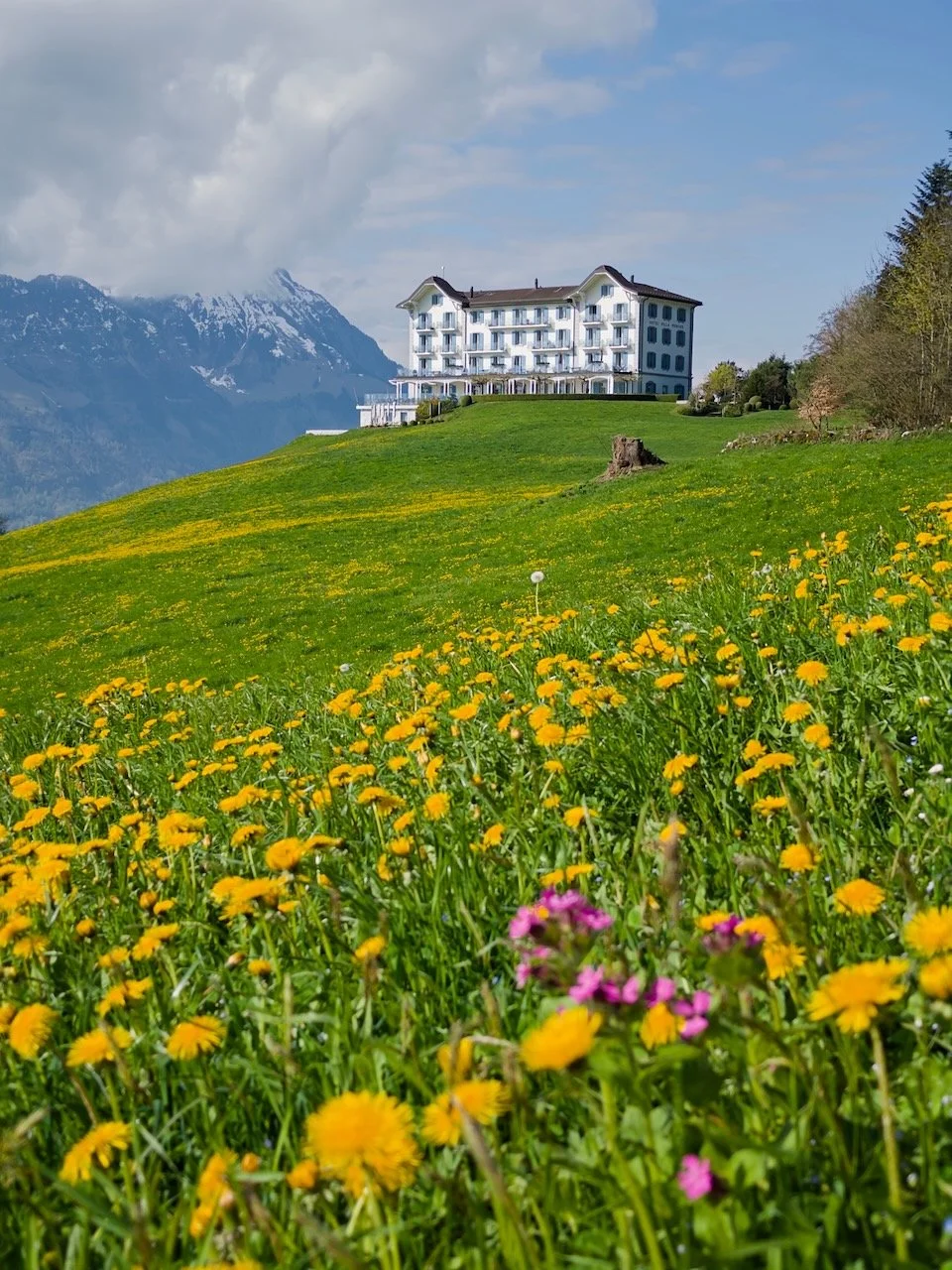
Villa Honegg
Best Neighborhoods
Old Town (Altstadt): The historic core of the city, on both sides of the Reuss. Cobblestoned, atmospheric, and wonderfully walkable. You are steps from the Chapel Bridge, the Jesuit Church, and the painted facades of the Weinmarkt. This is ground zero for photographers.
Lakefront Promenade (Schweizerhofquai): The elegant boulevard that runs along the northern shore of Lake Lucerne. Grand hotels line one side; swans drift on the other. Morning light here is exceptional.
Klein (Little) Lucerne / Museggstrasse area: Quieter residential streets near the medieval city wall. Great for those who want a more local feel with still easy access to the old town.
Luxury Hotels in Lucerne, Switzerland
Mandarin Oriental Palace, Luzern — Arguably the finest address in town. This Belle Époque landmark reopened in 2022 after a full renovation and sits directly on the lake promenade. The rooms are immaculate, the lake-view suites are genuinely special, and the two Michelin-starred Colonnade restaurant is worth a reservation regardless of whether you are staying there. The light from the terrace at breakfast, looking across the water toward Mount Pilatus, is a meal in itself.
Grand Hotel National Luzern — A 19th-century palace of a hotel on the lakefront promenade, with a direct view of the mountains and the water. There is a grandeur to it that feels unhurried rather than stiff. Rooms facing the lake offer some of the best sunrise views in the city, and the proximity to the Chapel Bridge means you can be shooting the bridge at first light and back for breakfast without breaking a sweat.
Art Deco Hotel Montana — Perched on a hill above the city with panoramic views over Lake Lucerne and the old town rooftops, the Montana is the most visually distinctive hotel in Lucerne. It has its own private funicular down to the lakeshore, and the terrace cafe is one of the best places in the city for a coffee with a view. For photographers who want an elevated vantage point baked into their hotel stay, this is the place.
Boutique and Mid-Range Hotels
Hotel Wilden Mann — Lucerne's most historic boutique hotel, tucked into the Old Town with roots going back to the 16th century. The rooms are cozy and full of character, the restaurant is excellent, and the location puts you at the center of everything. This is the kind of place that makes a city feel like yours.
Cascada Boutique Hotel — A stylish, modern boutique hotel a short walk from the Chapel Bridge and the Rosengart Collection museum. The rooms are clean and well-designed, the breakfasts are generous, and the staff genuinely know the city. A solid choice for photographers who want comfort and proximity without the grand-hotel price tag.
Hotel Château Gütsch — A castle perched above the city that feels like a fairy tale and functions like a proper boutique hotel. The views from the terrace over Lucerne's rooftops and the lake are among the most dramatic in the city, especially at sunset. Getting there requires a short funicular ride, which is charming in its own right. This is a fantastic base if you want elevated perspectives built into your daily routine.
A Special Option: Staying Outside the City
If you have the flexibility to base yourself outside Lucerne's city center, one property stands out from the rest in the region and deserves its own mention.
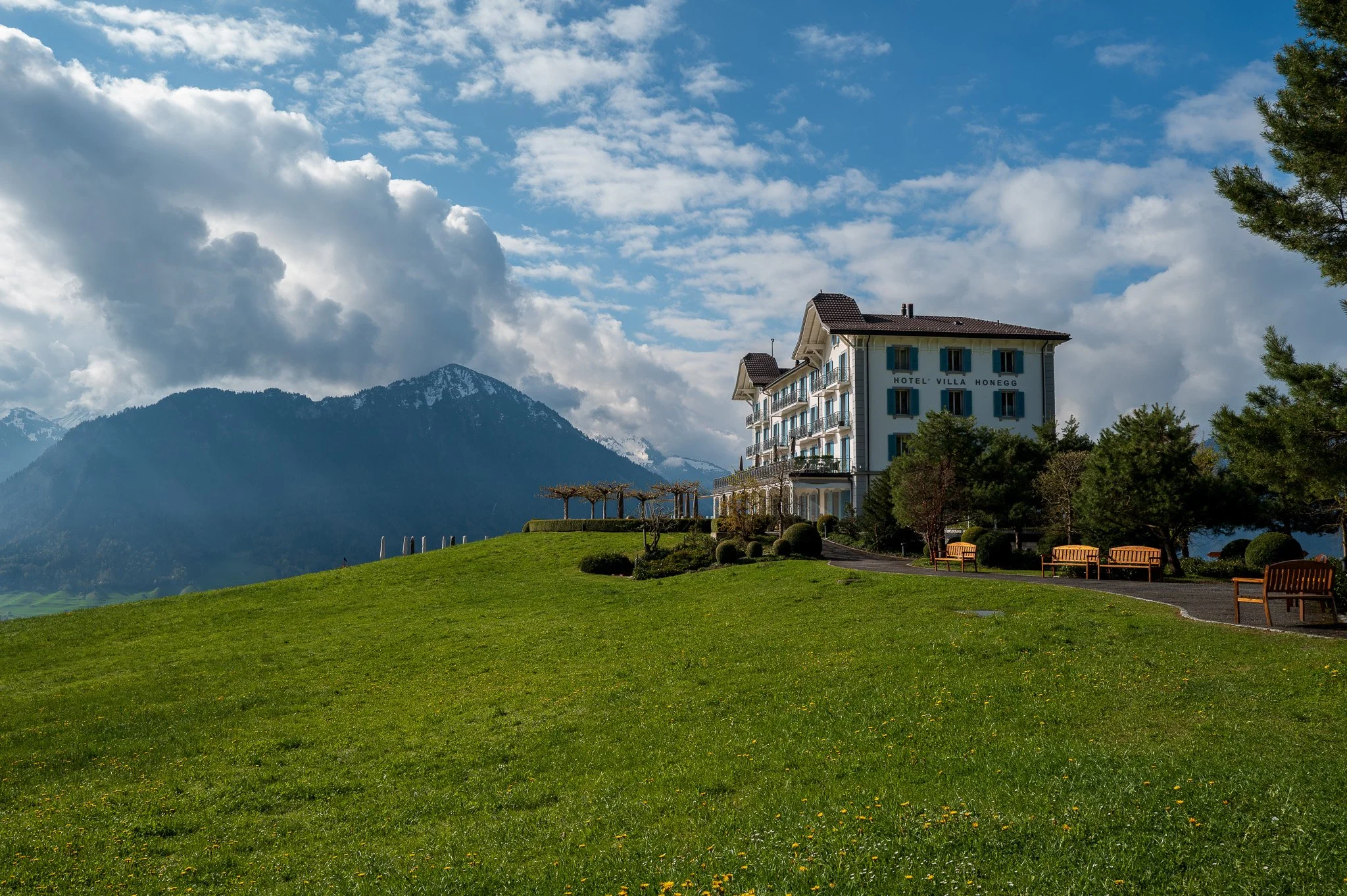
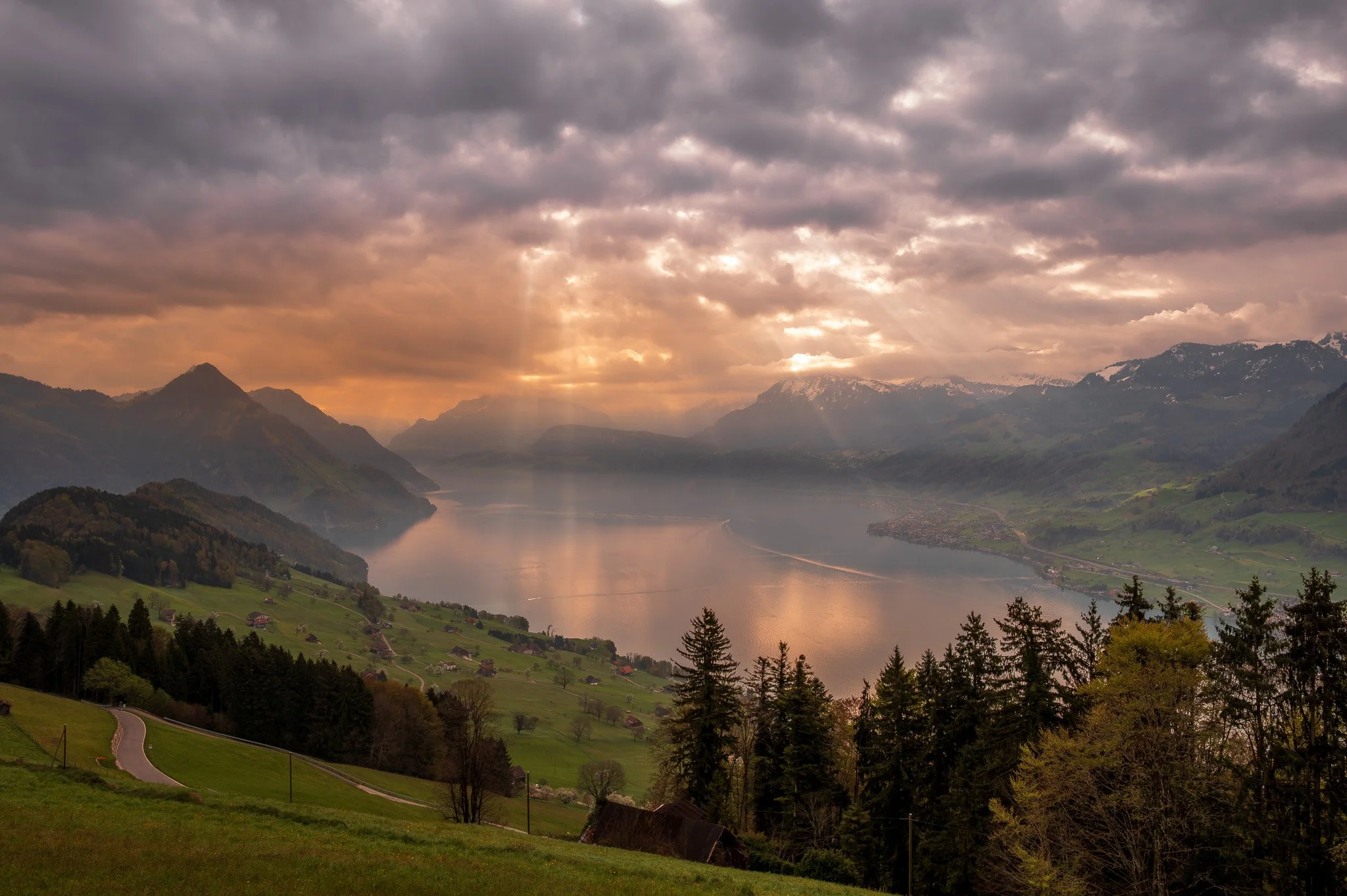
Hotel Villa Honegg — Perched 914 meters above sea level on the Bürgenstock ridge above the village of Ennetbürgen, Villa Honegg is one of the most quietly extraordinary hotels in Switzerland. The original Art Nouveau villa was built in 1905, renovated completely in 2011, and now offers just 23 rooms and suites, all with private terraces or balconies looking out over Lake Lucerne and the surrounding Alps. That view is not something you casually glance at. It stops you.
The infinity pool, heated to 34 degrees and open year-round, hangs at the edge of the ridge with nothing but air and the lake between you and the mountains. If you have seen photographs of it and thought they must be exaggerated, they are not. The Gault Millau-rated restaurant serves seasonal, regionally sourced cuisine with that same view as a backdrop, and the spa is exactly what you want after a long day of mountain shooting.
Lucerne is a 20-minute drive down the mountain, which makes this a fully workable base. The tradeoff is that you need a car or are willing to use the hotel's shuttle to reach your shooting locations. For photographers willing to make that trade, the reward is a base with one of the most dramatic and photogenic viewpoints in the entire region built right into your morning coffee.
Photography note: The view from Villa Honegg's terrace and infinity pool, with the lake below and the Alps wrapping around the horizon, is a significant photography location in its own right. Bring a wide-angle zoom for the full panorama and a telephoto for pulling individual mountain peaks and villages on the far shore. Sunrise from the terrace, when the first light catches the snow on Pilatus and the lake is still dark, is genuinely hard to describe.
Ideal Duration of Stay in Lucerne, Switzerland
Give Lucerne three to five days. Three days is enough to hit the major photography locations at the right light and still eat well and breathe. Five days lets you go deeper: take a day trip up to Mount Pilatus or Rigi, spend a leisurely morning on a lake cruise, and revisit the Chapel Bridge at three or four different times of day to see how radically the light changes it.
Here is how a four-day visit might unfold:
Day 1: Arrive in the afternoon. Walk from the train station to the lake promenade and orient yourself. Shoot the Chapel Bridge and the Water Tower at blue hour, when the warm reflections in the Reuss are at their best.
Day 2: Up early for sunrise at the Chapel Bridge and the Musegg Wall towers. Spend the morning wandering the Old Town streets, looking for painted facades, market stalls, and quiet courtyards. Afternoon at the Rosengart Collection (Picasso and Klee, in a beautiful space). Evening at the Jesuit Church for golden-hour interior light.
Day 3: Full-day mountain excursion to Mount Pilatus or Mount Rigi. The views from the top are in a different league from anything you can capture at lake level. Plan for all-day shooting.
Day 4: Morning lake cruise on Lake Lucerne for water-level reflections and mountain panoramas. Afternoon in the Glacier Garden and the Bourbaki Panorama. Final golden hour and blue hour shots along the lakefront promenade.
Best Time to Visit Lucerne for Photography
Lucerne is a four-season city, and each season produces genuinely different photographs. Here is the honest breakdown:
Spring (March to May): One of the best times to visit. The mountains still hold snow, the lake is perfectly clear, and the city has not yet been swamped by summer tourists. The flowers along the lakefront and in the city gardens are excellent foreground material. Light is crisp and clean.
Summer (June to August): Beautiful and busy. The longest days mean golden hour runs well past 9 p.m., and the deep blue sky against the snow-capped peaks is spectacular. Crowds are heaviest in July and August, but early mornings at the Chapel Bridge and the lakefront are still manageable if you are up before 6 a.m. The Lucerne Festival and the Blue Balls Festival also happen in summer, offering excellent people-and-event photography.
Autumn (September to October): One of the best times to visit. The tourist crowds thin out, the light turns golden and warm, and there is a stillness to the city that you simply cannot find in summer. The mountains reflect beautifully in the lake, and mist begins to appear in the early mornings. September is also when the Lucerne Festival reaches its peak.
Winter (November to February): Dramatic and underrated. When snow sits on the chapel roof, and the wooden bridge is dusted white, Lucerne looks like an illustration in a storybook. The Fasnacht carnival in February is one of the great photography events in all of Europe (more on that below). Cold, but genuinely beautiful.
Getting to Lucerne from Zurich
Zurich is the main international gateway into Switzerland, and Lucerne is the natural first stop after landing. The two cities are only about 52 kilometers apart, which makes the connection fast and flexible regardless of how you want to travel. Most photographers coming from abroad will fly into Zurich Airport (ZRH) and then decide whether to take the train or rent a car. Here is how to think through both.
By Train (Recommended for Most Visitors)
The train from Zurich to Lucerne is one of the easiest connections in Switzerland. Direct trains run from Zurich Hauptbahnhof (HB) roughly every 30 minutes throughout the day, and the journey takes about 45 to 50 minutes. From Zurich Airport, there is a direct train to Lucerne without changing; that journey takes around 70 minutes. Both options are clean, punctual, and effortless with luggage and camera bags.
For photographers not planning to drive or take day trips by car, the train is the right call. The Swiss rail network is comprehensive enough to reach Mount Pilatus, Rigi, and the Brünig Pass route by a combination of train and cable car, so a car is not strictly necessary for any of the standard photography itineraries.
By Car (Essential If You Are Staying at Villa Honegg or Driving the Brünig Pass)
If you are planning to stay at Villa Honegg, drive the Brünig Pass, or build a broader Swiss road trip around your time in Lucerne, renting a car at Zurich Airport is the most efficient starting point. The drive to Lucerne is direct and easy.
The standard route follows the A4 motorway from Zurich south through Zug and into Lucerne. It is efficient and quick at around 50 to 55 minutes without traffic, but not particularly scenic. The road passes through suburban Zurich, industrial zones around Zug, and some pleasant countryside before the approach into Lucerne. Fine for getting there; nothing to pull over for.
If you want a more scenic entry and have an extra 30 to 40 minutes, take the slower cantonal roads south along the west shore of Lake Zurich through Horgen, then continue through Zug and down to Lucerne. The views over Lake Zurich on this stretch are lovely in the morning, and the road is far quieter than the motorway.
Three important practical notes for driving in Switzerland:
The Swiss Motorway Vignette. To use Swiss motorways and expressways legally, you must have a valid annual vignette. It currently costs CHF 40 (roughly $45 USD) and is now available as a digital e-vignette linked to your license plate. You can buy it online before you travel at the Swiss Federal Roads Office website. If you rent a car from Zurich Airport, the vignette is usually already included; confirm with your rental company before you drive. If you are driving in from another European country in your own car, buy the vignette at a gas station before crossing the border. The fine for driving without one is considerably more painful than the 40 francs.
Speed enforcement. Switzerland takes speed limits seriously, and speed cameras are common on both motorways and secondary roads. The standard motorway limit is 120 km/h; in built-up areas, it is 50 km/h; on rural roads, it is 80 km/h. Fines scale with your income in Switzerland, which means they can reach levels that will ruin your trip budget. Set the cruise control and enjoy the scenery.
Parking in Lucerne. The old town is largely pedestrianized, parking is expensive, and it is not worth the hassle. If you are staying in the city center and driving, ask your hotel about parking arrangements; most have agreements with nearby garages. If you are based outside the city at Villa Honegg, parking is straightforward, and you drive in for your photography sessions. For the Brünig Pass drive, you leave from Lucerne by car, and there is no parking challenge involved.
Getting Around Lucerne
Lucerne is one of the most walkable cities in Europe. Every major photography location in the old town is within a 20-minute walk of the main train station, and the lakefront promenade is flat and easy, regardless of what gear you are carrying.
Walking: Your primary and best option. The old town, lakefront, Musegg Wall, Lion Monument, and Jesuit Church are all on foot. Wear comfortable shoes; the cobblestones are beautiful but uneven.
Buses and Trams: Lucerne has a clean and reliable public transit network that covers the wider city and outlying neighborhoods. For most photographers staying centrally, you will rarely need it. Buy a day pass if you plan to venture beyond the old town.
Lake Boats: The boats on Lake Lucerne are part of the Swiss Travel System and are a practical (and spectacular) way to reach lakeside villages and the base stations of mountains like Pilatus and Rigi. If you have a Swiss Travel Pass, they are included.
Trains: The central train station (Luzern Bahnhof) is right on the lake, an easy walk from the old town. Direct trains run to Zurich (about 50 minutes), Basel, and Bern. For day trips to Mount Pilatus or Rigi, the trains and cable cars are straightforward.
Uber: Yes, Uber operates in Lucerne and across Switzerland. Local taxis are also readily available at the train station and main squares. For most of what you need as a photographer in Lucerne, though, your feet will take you everywhere.
One important note: Do not rent a car for the city itself. Parking is expensive and difficult, and the old town is largely pedestrianized. A car is only worth considering if you plan an extended road trip through the Swiss countryside after your time in Lucerne.
Dining and Coffee in Lucerne
Swiss food gets unfairly dismissed as nothing more than cheese and chocolate, and while I will not pretend either is unwelcome, Lucerne's dining scene is considerably more interesting than that. The city punches well above its size when it comes to restaurants, with a strong mix of traditional Swiss cooking, Italian-inflected cuisine (remember, the Italian border is only two hours south), and creative modern kitchens.

Cafe in Meiringen
Where to Eat in Lucerne, Switzerland
Restaurant Pfistern — Right on the Kornmarkt, steps from the Chapel Bridge, in a building that has been a place of hospitality since the 15th century. This is where you go for fondue and raclette done properly, with good local wine and a dining room that feels genuinely historic rather than staged. Book ahead in the evening; it fills up.
Old Swiss House — One of the most celebrated traditional restaurants in the country, and it has earned a reputation. The Wiener Schnitzel here is cooked tableside, carved, and presented with ceremony. The interior, all dark wood paneling, stained glass, and antiques, is immensely photogenic. Go for dinner; dress up a little.
Stadtkeller — A lively, unpretentious Swiss folk restaurant in the Old Town that has been feeding locals and travelers since 1945. The food is hearty and traditional, the portions are honest, and there is live Swiss folk music in the evenings that is genuinely fun rather than merely touristy. Good for groups.
La Cucina — Located in the Hotel Astoria, this Italian kitchen holds a Michelin star and appears in the Gault & Millau guide for a reason. The pasta is exceptional, the truffle tagliatelle is the kind of dish you remember months later, and the atmosphere is warm without being precious. Worth every centime.
Mill'Feuille — On the banks of the Reuss River, this is the best spot in Lucerne for breakfast or brunch. Fresh-baked bread, excellent coffee, beautiful pastries, and a terrace that looks out over the water. After an early morning shoot at the Chapel Bridge, this is exactly where you want to end up.
Wirtschaft zum Schützenhaus — A short walk from the center but very much worth the effort, this is one of the most beloved traditional Swiss restaurants in the city. The food is seasonal and locally sourced, the service is warm, and the dining room has an intimacy that the tourist-zone restaurants cannot replicate. Highly recommended for a slower evening.
Coffee Shops
Mill'Feuille (mentioned above) doubles as Lucerne's finest cafe. The riverside terrace is perfect for editing, people-watching, or doing absolutely nothing. Do not skip it.
Heini — A beloved Lucerne institution with multiple locations across the city. Heini is a combination bakery, chocolate shop, and cafe, and the hot chocolate here is legitimately one of the best things you will drink in Switzerland. Their traditional Swiss breads and cakes are excellent. Go in the morning with a good book and stay a while.
Seecafe — Right on the lakefront with outdoor terrace seating and views of the water and the mountains. The coffee is good, the setting is exceptional, and it is an ideal place to review your morning shots over a flat white while watching the city come to life.
Cafe Bar Montana (at the Art Deco Hotel Montana) — Even if you are not staying at the Montana, the terrace cafe is open to visitors, and the panoramic view over the city and lake makes it one of the best spots for a mid-afternoon break after a morning of shooting. Take the funicular up; it is part of the experience.
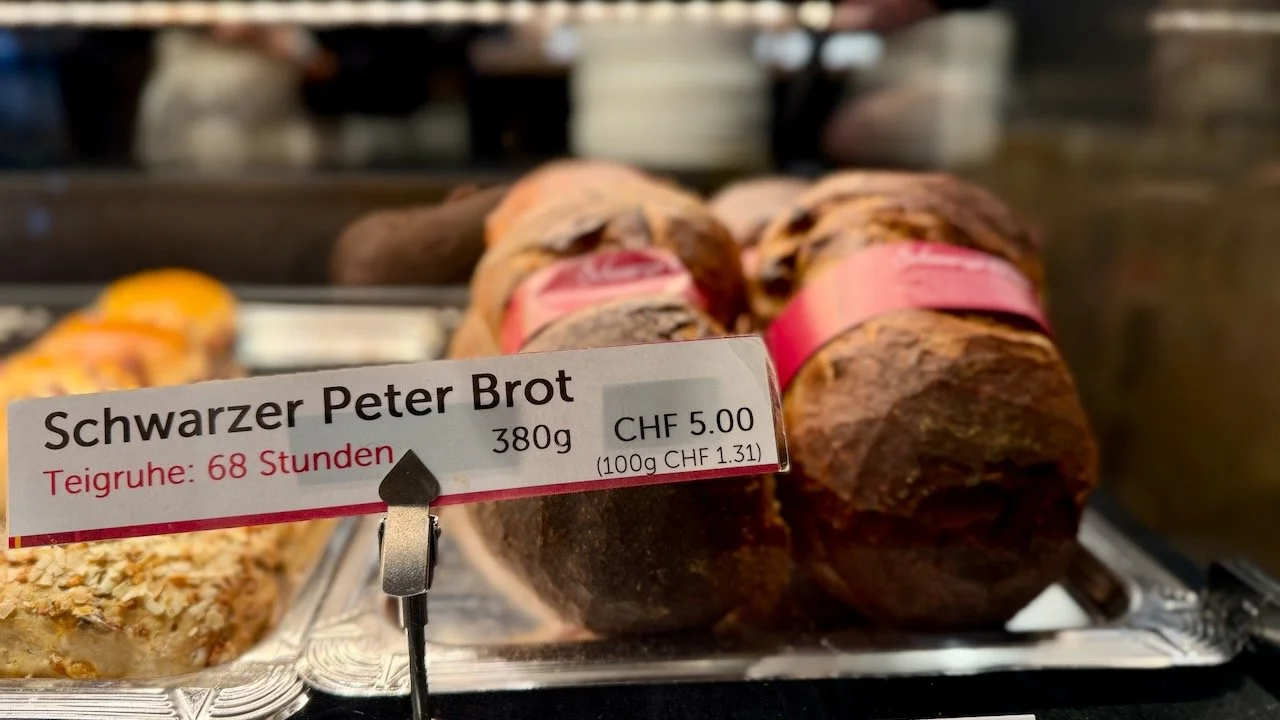
The Famous Peter Brot
Photography Gear to Bring to Lucerne
Lucerne rewards a thoughtful kit. The city offers everything from tight medieval alley shots to sweeping alpine panoramas, so having a range of focal lengths is genuinely useful.
Camera Body
Any modern full-frame mirrorless is ideal here. The Canon EOS R5 Mark II, Sony A7R V, or Nikon Z8 will all perform beautifully, particularly in the low-contrast, mist-heavy light of early morning or overcast days. The dynamic range of current sensors handles the high-contrast alpine scenes well.
Lenses:
Wide angle (16-24mm): Essential for the Chapel Bridge interior, the medieval alleyways, and any shot where you want to include both foreground detail and the mountain backdrop. I use this lens more than any other in Lucerne.
Standard zoom (24-70mm): Your workhorse for street scenes, architecture, and lakefront compositions. If you are only bringing one lens, this is it.
Telephoto (70-200mm or longer): Critical for mountain shots from the lakefront, for compressing the relationship between the old town and the Alps, and for pulling individual details off the painted facades of the Old Town buildings. A 100-400mm is worth its weight if you plan to shoot from any of the mountain viewpoints.
Prime (35mm or 50mm): For street photography in the Old Town and low-light shooting inside the Jesuit Church or the covered sections of the Chapel Bridge.
Accessories:
Tripod: Non-negotiable if you plan to shoot blue hour and night reflections on the Reuss and the lake. A compact travel tripod works well; the streets are mostly flat.
Polarizing filter: Significantly improves lake and river reflections in bright conditions. The water in Lucerne is extraordinarily clear and the polarizer reveals it beautifully.
ND filters (6-stop and 10-stop): For long exposures of the river and lake in daylight, and for the boat shots on Lake Lucerne.
Rain cover for your camera: Switzerland is predictably unpredictable weather-wise, especially near the mountains. A light rain cover adds no weight and saves your gear.
Spare batteries: Cold alpine air drains batteries faster than you expect, especially in autumn and winter.
A note on drones: Flying a drone in Lucerne is legally possible but requires careful planning. Since 2023, EU drone regulations also apply in Switzerland, meaning almost all amateur drone pilots must register with the Federal Office of Civil Aviation (FOCA) and complete an online exam. All drones equipped with cameras must be registered, even those weighing under 250g, since they can collect personal data. Drones should not be operated over crowds or within 100 meters of crowds, and flights must remain within visual line of sight. The old town area is heavily pedestrianized and drone flight over it is essentially off the table. Your best drone opportunities near Lucerne are at altitude, away from the city center, with mountain or lake backdrops. Always check the FOCA interactive map before you fly.
Best Photography Spots in Lucerne
Kapellbrücke (Chapel Bridge) and Water Tower
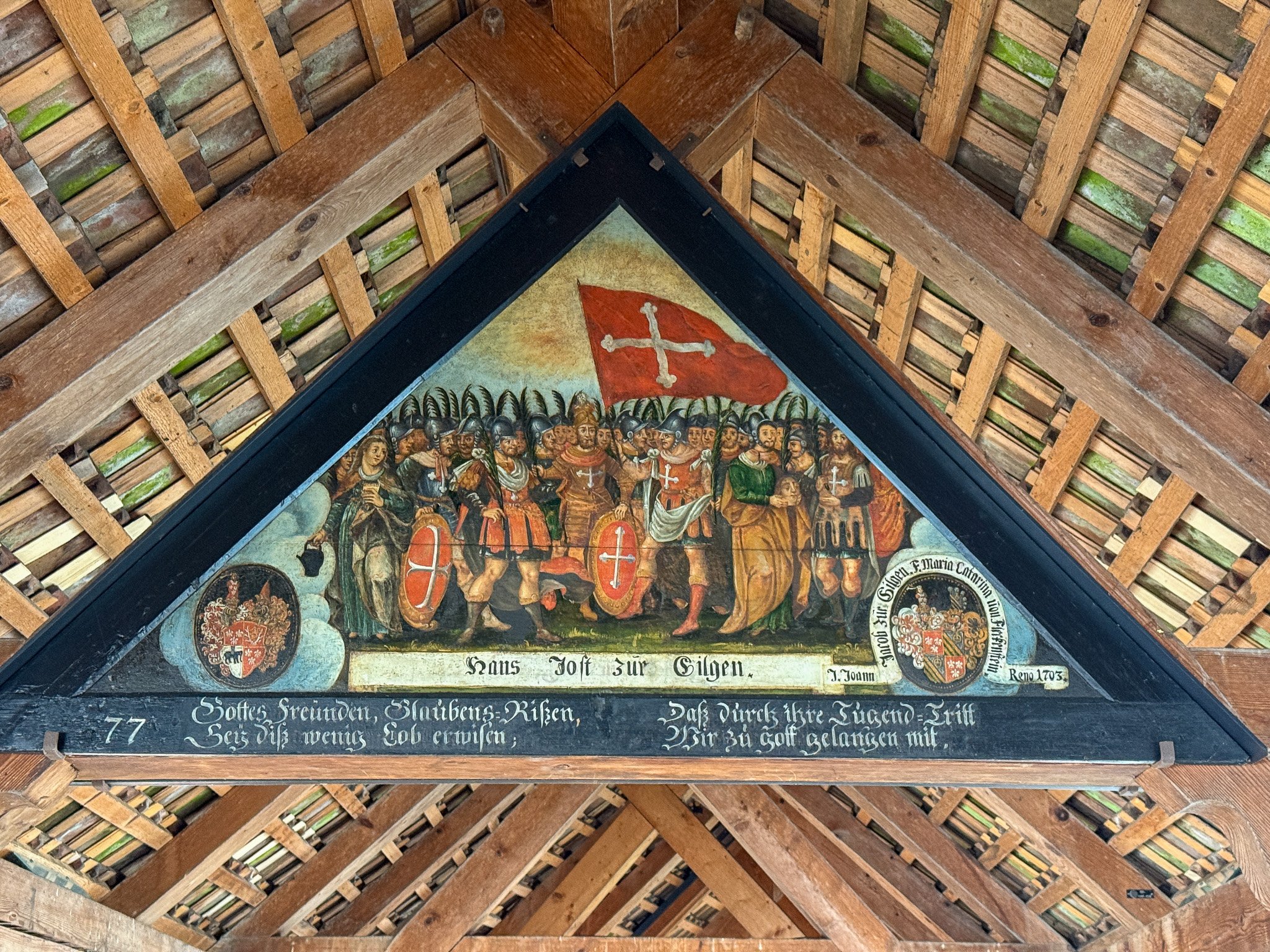
This is Lucerne. The 14th-century covered wooden bridge spans 204 meters across the Reuss River and is decorated with triangular ceiling panels depicting scenes from Lucerne's history. Beside it stands the stone Water Tower, once a treasury, torture chamber, and archive. Together, they form one of the most recognizable compositions in Switzerland.
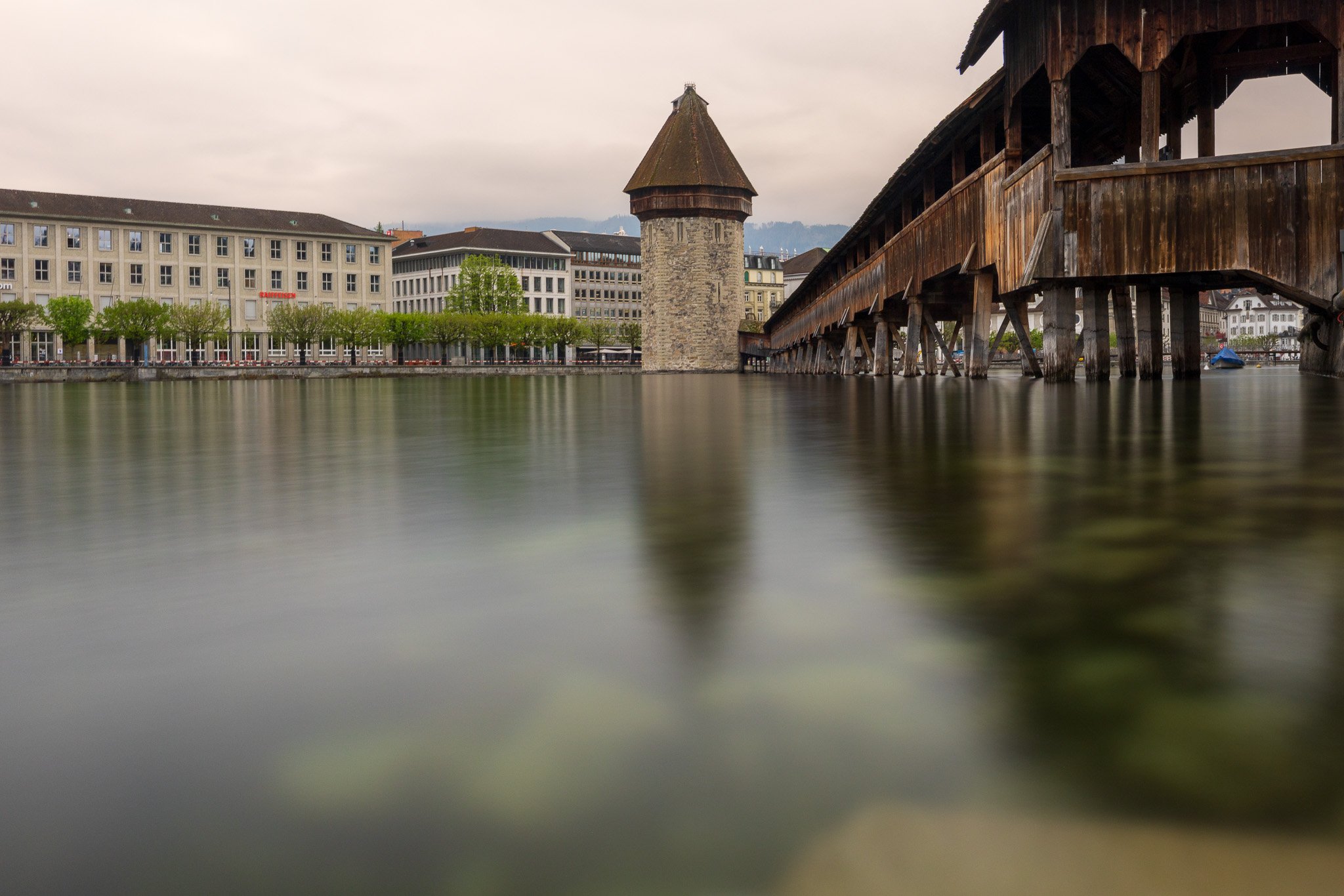
The challenge with the Chapel Bridge is that by mid-morning in summer, it is wall-to-wall tourists. Your window is early morning, ideally an hour before sunrise, and again at blue hour after sunset. At those times, the bridge is quiet, the reflections in the Reuss are vivid, and the geraniums in the window boxes catch the soft light perfectly.
Pro Tip: For the classic wide composition, position yourself on the Rathaussteg (the smaller bridge downstream) and shoot back toward the Chapel Bridge and Water Tower with a 24-35mm lens. At blue hour, the warm light inside the bridge contrasts beautifully against the cool sky. For detail shots, go inside the bridge and shoot upward at the painted ceiling panels with a wide lens.
Musegg Wall and Towers
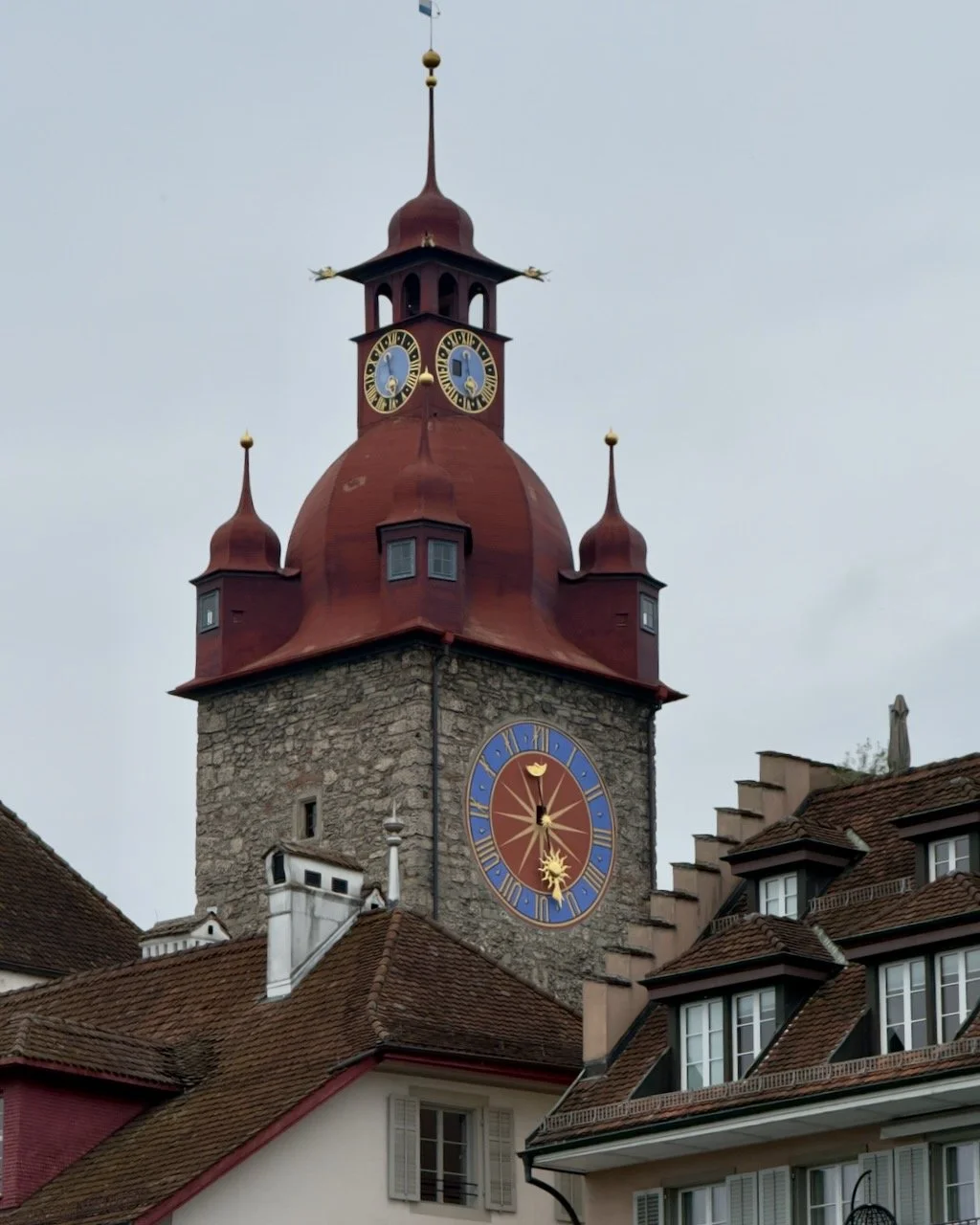
The old city wall of Lucerne, built in the 14th century, runs along the north side of the Old Town with nine towers still standing. Three of the towers are open to climb during the summer months, and the views from the top down over the red rooftops of the old town toward the lake and the Alps are exceptional. The wall itself, with its crenellations and towers rising above gardens and residential streets, offers great compositional material at ground level too.
Pro Tip: The Zyt Tower holds the oldest public clock in Lucerne and rings one minute before all others in the city, a centuries-old privilege. Position yourself at the base of the Mannliturm or Wacht Tower at golden hour for the best combination of warm stone and long shadows. A 70-200mm lens works well here for isolating individual towers against the mountain backdrop.
Lion Monument (Löwendenkmal)
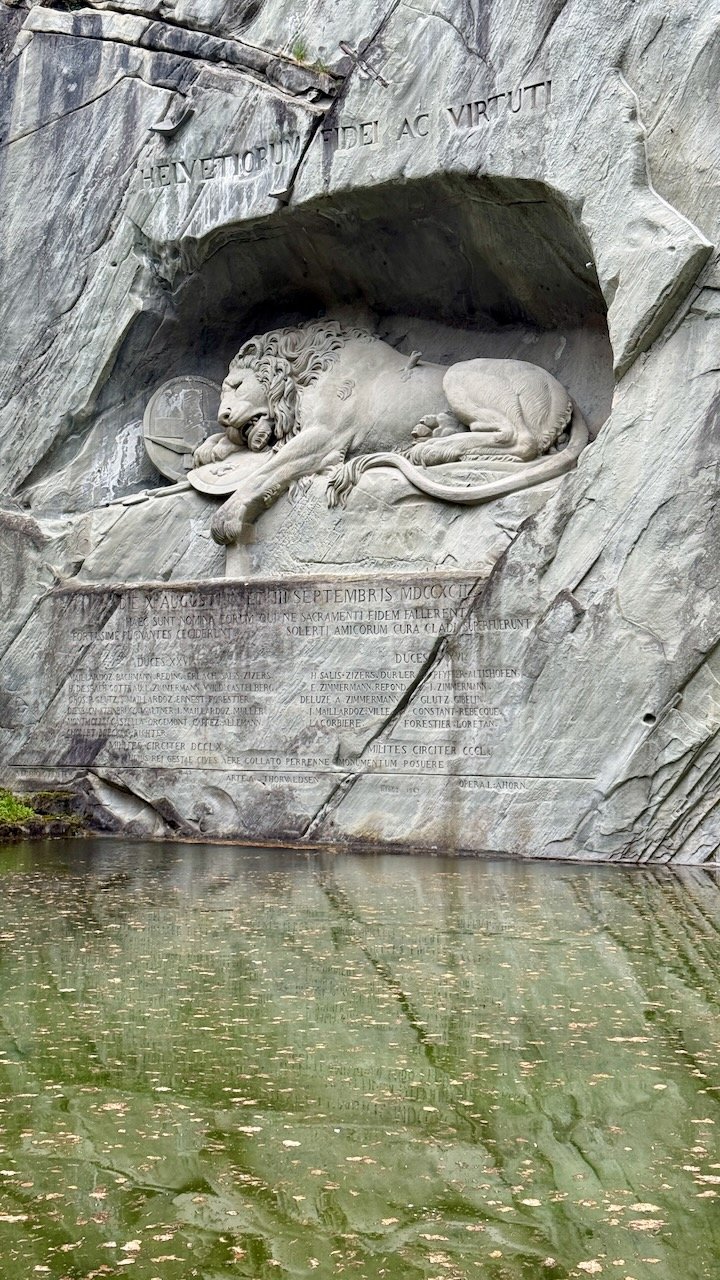
Carved directly into a sandstone cliff face in 1820, the dying lion of Lucerne is one of the most powerful sculptures in the world. Mark Twain called it "the most mournful and moving piece of stone in the world," and even accounting for Victorian hyperbole, he was not wrong. The sculpture, roughly 9 meters wide and 6 meters high, depicts a dying lion with a broken spear in its flank, mourning the Swiss Guards who died defending the French royal family in 1792.
It sits in a small sheltered park in a quiet corner of the city, with a rectangular reflecting pool below it that creates a remarkable mirror image when the water is still.
Pro Tip: Shoot with a telephoto lens (100-200mm) from across the reflecting pool to isolate the sculpture and fill the frame with the carved cliff. The overhanging trees filter the light beautifully and create a cool, dappled effect. Avoid midday; the sculpture faces roughly north, so it receives the most even light in the morning and on overcast days. The reflection in the pool only works when there is no wind, which is most reliably the case early in the morning.
Lake Lucerne Promenade (Schweizerhofquai)
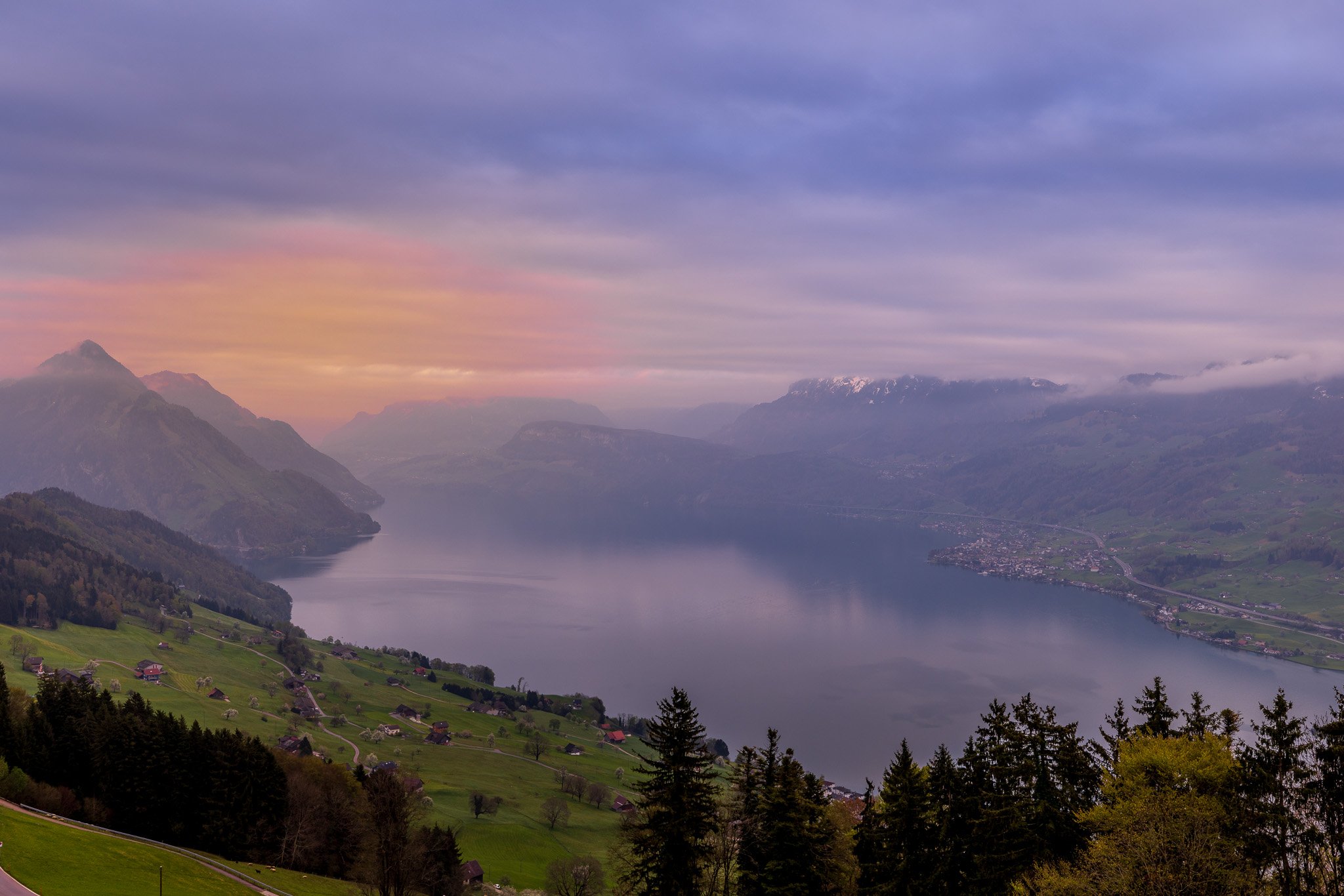
The lakefront promenade running east from the train station is one of the great walking and shooting corridors in Switzerland. On a clear day, the reflection of the Alps in the lake is so sharp it looks composited. The elegant 19th-century hotel facades line one side; the water, swans, and mountains fill the other. At dawn, when the light first hits the snow-covered peaks across the water, the colors run through pink, gold, orange, and white in a matter of fifteen minutes.
Pro Tip: Position yourself near the Lido end of the promenade for the best angle back toward the city with the mountains behind. A 24-70mm covers most compositions well here, but bring your telephoto for pulling the mountain detail. Shoot at sunrise and at blue hour for the best water reflections. In autumn, early morning mist rising off the lake adds depth and mystery to your images.
Old Town Painted Facades and Weinmarkt
The Old Town of Lucerne, particularly around the Weinmarkt and Kornmarkt squares, is full of buildings with elaborate painted facades depicting biblical scenes, Swiss history, and decorative motifs. Some of these frescoes date back to the 15th century; others are more recent restorations. Either way, they turn ordinary building facades into canvases.
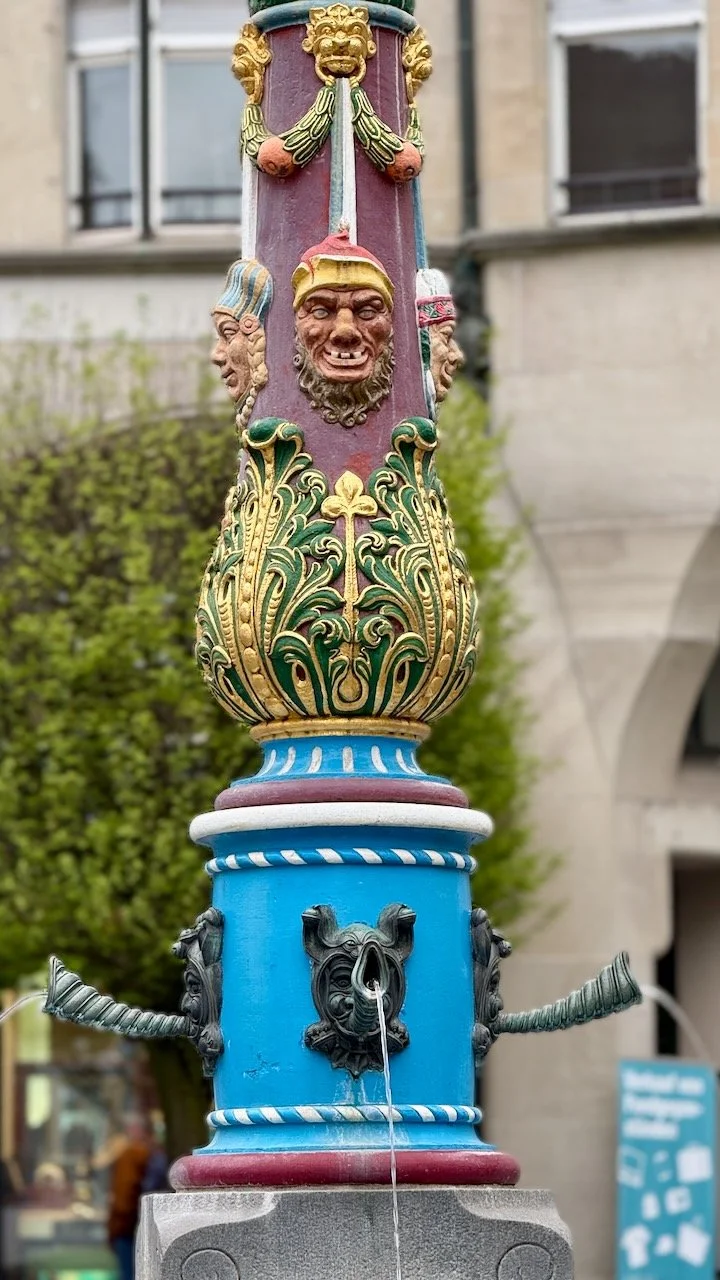
The Weinmarkt is one of the most photographed squares in the city. The combination of the painted buildings, the Renaissance fountain at the center, and the uneven cobblestones creates a composition that feels timeless. Early morning, before the market stalls are set up and the cafes put out their chairs, is the purest version of this scene.
Pro Tip: Work the square with a 24-35mm lens for environmental shots that show the full sweep of the facades. Then switch to a longer lens (85-135mm) for close crops of the painted details. The best light on the Weinmarkt facades hits in the late afternoon, when the sun drops below the rooftops on the western side and wraps the buildings in warm side light.
Jesuit Church (Jesuitenkirche)
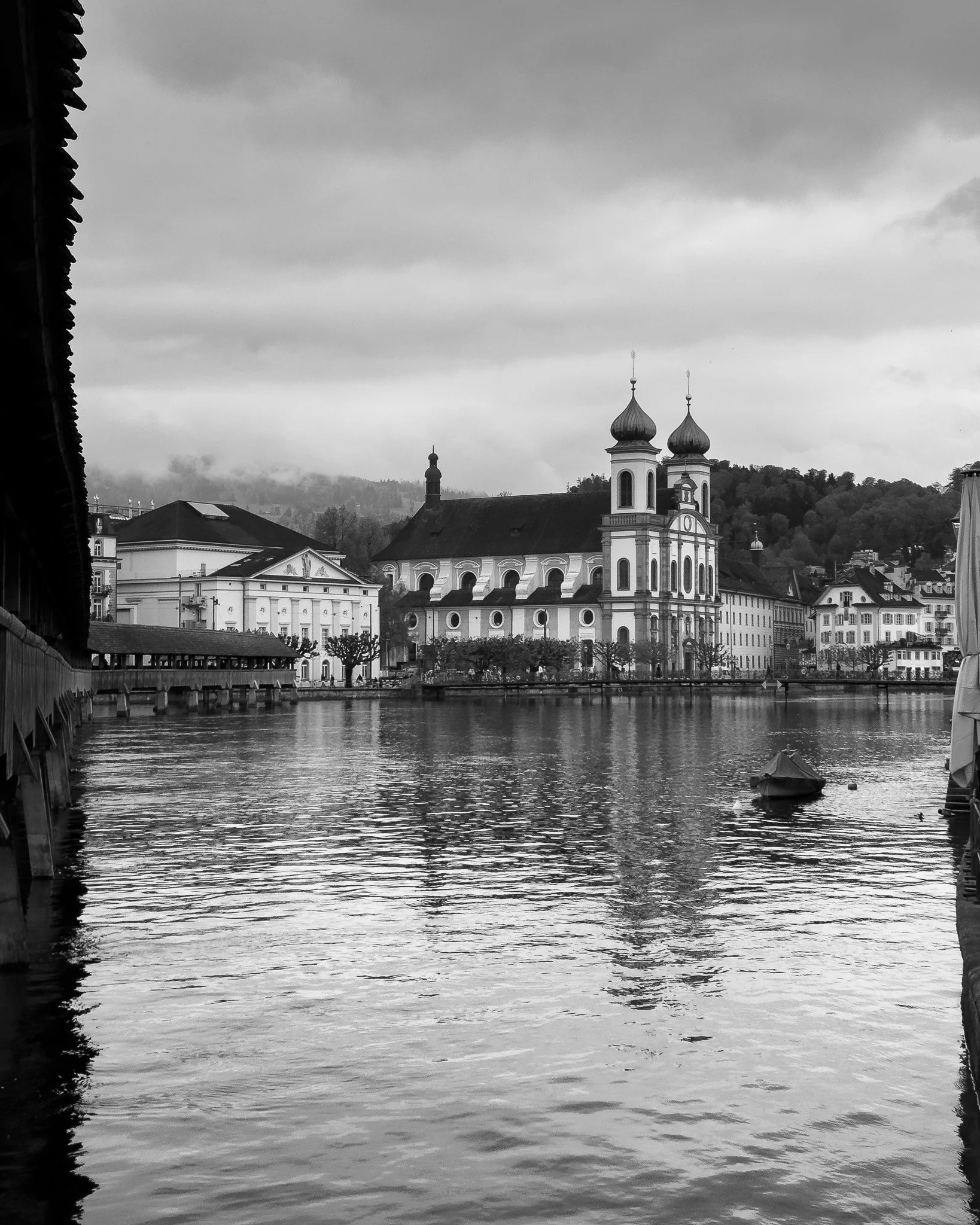
The Jesuit Church, completed in 1677, is the oldest large Baroque church in Switzerland and one of the finest interiors I have encountered anywhere in Europe. The ceiling is painted in soft pinks, greens, and golds, with a trompe-l'oeil effect that makes the interior feel significantly larger than it is. Two onion-domed towers flank the entrance, and the church sits directly on the bank of the Reuss River, making the exterior reflections on calm water a worthwhile composition as well.
Photography is permitted inside the church; tripods are generally tolerated when services are not in progress.
Pro Tip: Use a wide-angle lens (16-24mm) tilted upward from the center of the nave to capture the full ceiling composition. The light inside is best in the late morning when the windows on the south side let in warm, diffused light. For the exterior, position yourself on the Kapellbrücke footpath and shoot back toward the twin towers with the Reuss River in the foreground.
Mount Pilatus
You cannot truly photograph Lucerne without going up. Mount Pilatus, at 2,132 meters, is the dramatic peak that defines Lucerne's western skyline. Getting there is itself an adventure: the world's steepest cogwheel railway climbs from Alpnachstad on one side, and a combination of gondolas and cable cars ascends from Kriens on the other. The classic round-trip does both, and it is excellent.
At the summit, you are standing in the Alps with 360-degree views over Lake Lucerne, the surrounding peaks, and on clear days, far into the Swiss plateau toward the Bernese Oberland. The scale is humbling. The light at sunrise, when the clouds below you are still pink, and the peaks around you glow gold, is among the most dramatic I have seen anywhere.
Pro Tip: If the weather cooperates, go for sunrise. Take the last gondola up the previous evening, spend the night at the Pilatus Kulm Hotel, and be on the summit before first light. The hotel is basic but perfectly positioned. A 24-70mm and a 70-200mm cover everything you need. Bring warm layers regardless of the season; it is a mountain and the weather changes fast.
The Brünig Pass Drive
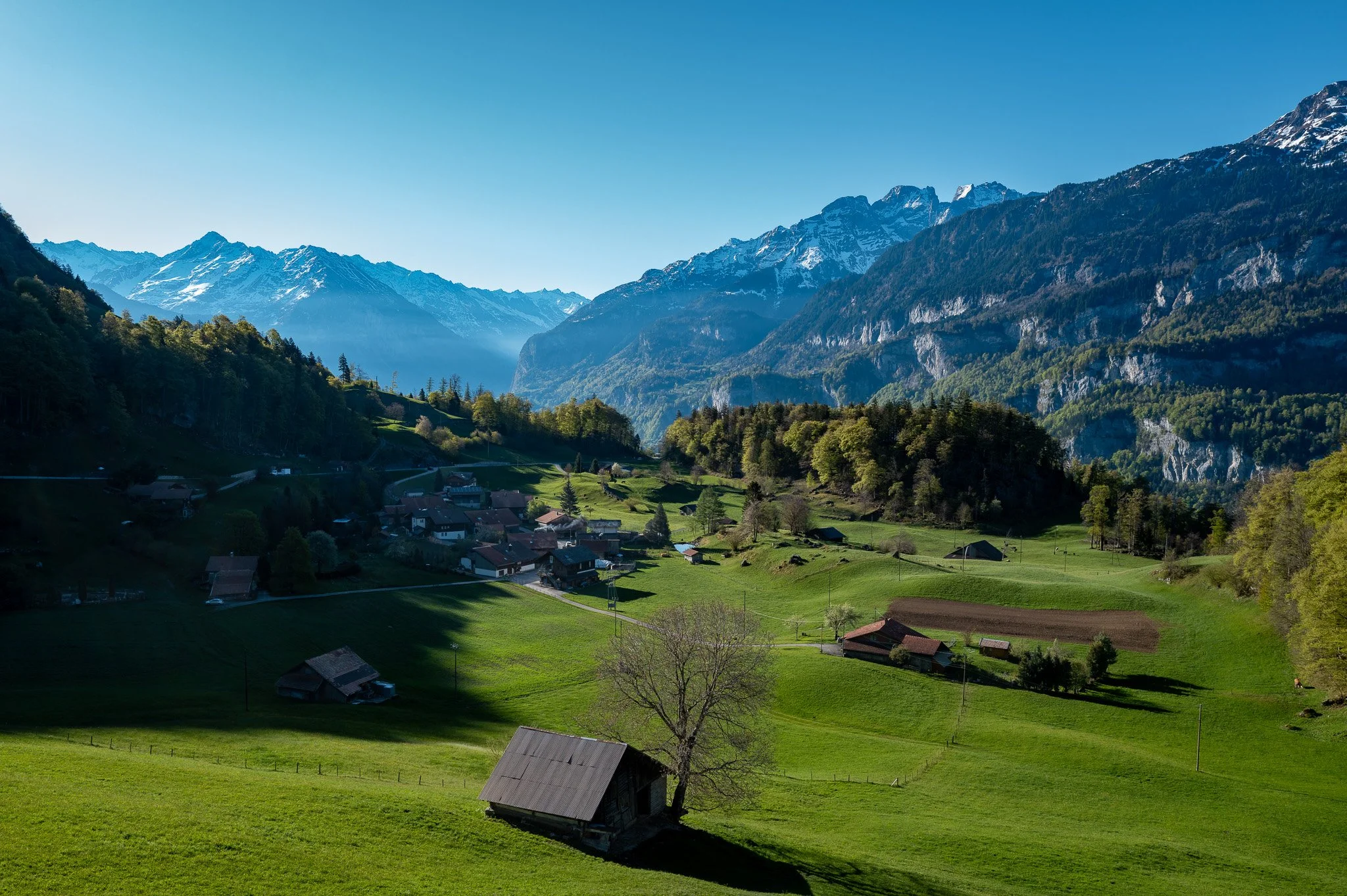
If you have a car or are willing to rent one for a day, the Brünig Pass is one of the great photography drives in Central Europe, and most visitors to Lucerne never think to do it.
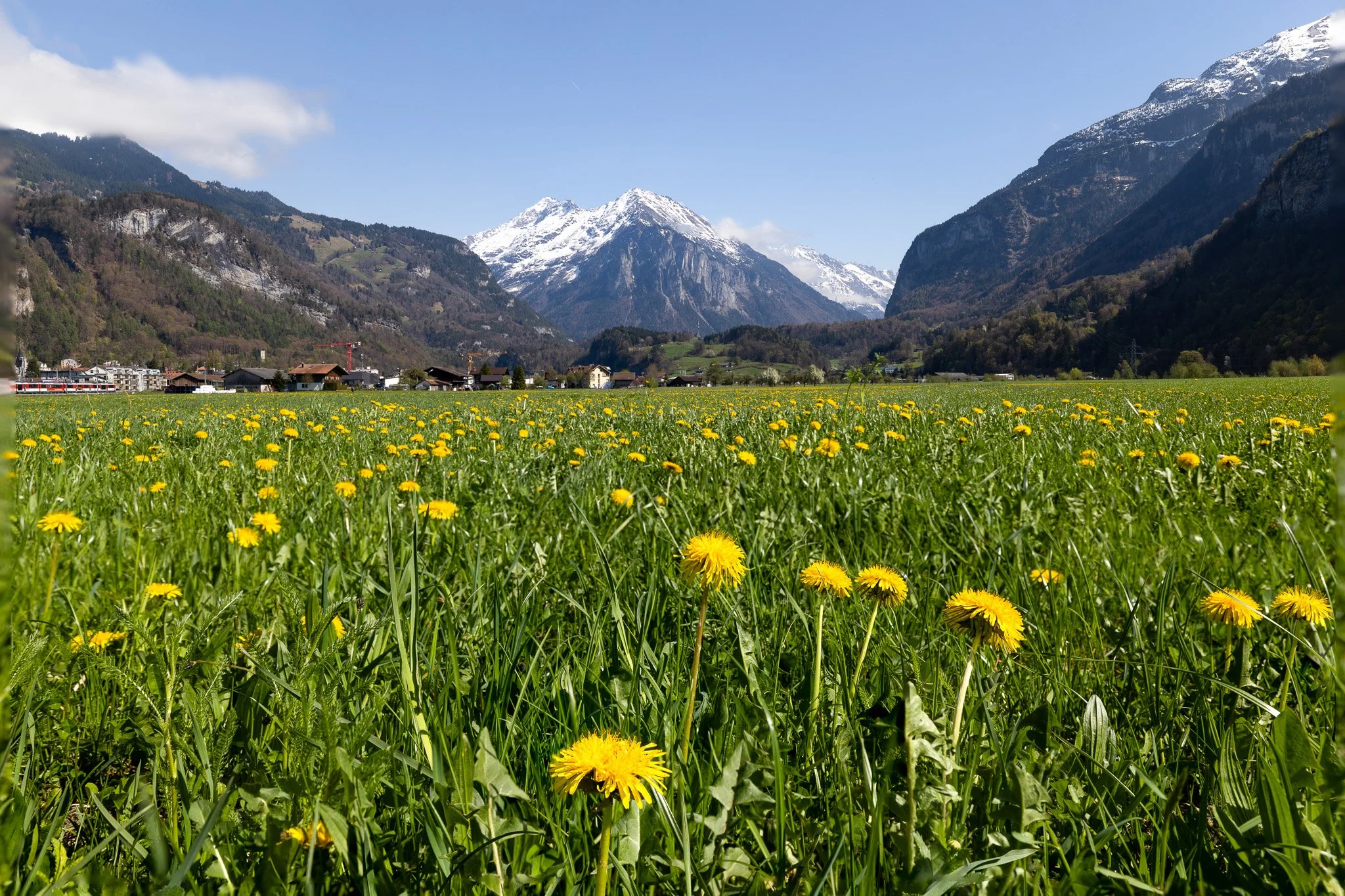
The pass connects central Switzerland with the Bernese Oberland, climbing from the Lucerne lowlands up through pine forests and alpine meadows before cresting at 1,008 meters and descending toward Interlaken and the chain of lakes below. The entire drive from Lucerne to Interlaken takes roughly an hour and a half without stops. With stops, you can spend a full day and still not run out of frames.
The highlight, photographically, is the viewpoint above the village of Lungern, where the road swings around a bend and the Lungerersee suddenly appears below: an intensely turquoise alpine lake set in a deep green valley, rimmed by forested ridges, with the scale of it all completely out of proportion to what you expected. It is the kind of view that makes you pull over without consciously deciding to. The viewpoint is right on the roadside, free to access, and consistently one of the most dramatic landscape shots available anywhere in the Lake Lucerne region.
Beyond Lungern, the road drops into the Hasli Valley and the village of Meiringen before the landscape opens into the Bernese Oberland. The Luzern-Interlaken Express train runs this same route, and if you want to combine both options, you can drive one direction and take the train back, which gives you the flexibility of stopping where you want in one direction and the panoramic train windows for uninterrupted viewing in the other.
Pro Tip: Drive east to west (Lucerne toward Interlaken) to have the Lungernsee viewpoint on your left side, which makes stopping easier and puts the sun at your back in the morning. Early morning and late afternoon light transforms the lake color from blue-green to almost electric turquoise. A 24-70mm covers the wide panorama, but bring a telephoto for pulling the village detail and the far ridgeline. If you are continuing to Interlaken, the descent along the shore of Lake Brienz is equally spectacular and worth at least two or three additional stops.
Festivals and Events in Lucerne
Fasnacht (Lucerne Carnival) — February/March
This is not a polite civic parade. Lucerne's Fasnacht is six days of organized chaos that completely transforms the city, and it is one of the greatest photography events in Central Europe.
It all kicks off on "Dirty Thursday" (Schmutzige Donnerstag) at 5 in the morning, when the legendary figure of Brueder Fritschi, chief of the guild Zunft zum Safran, arrives by boat and officially opens the carnival with the Urknall (a great bang) and a rain of confetti over Kapellplatz. From there, the city dissolves into parades, costumes, Guggenmusik brass bands blasting from every alley, and revelers in elaborate hand-crafted masks that represent months of work by the carnival guilds.
The people of Lucerne take their carnival very seriously; even the Chapel Bridge is covered in plywood panels painted with carnival art. The Monstercorso on the final Tuesday is the biggest parade of the week, with every Guggenmusik group in the city participating.
Photo Tip: The costumes and masks on display at Fasnacht are extraordinary; close portraits with a 50mm or 85mm prime are your best tool. The Kapellplatz and Kornmarkt are the main stages for the opening ceremonies. Get there early and find an elevated position for the processions. Ask before you photograph individuals up close; most participants are delighted to show off their costumes, but a quick gesture of respect goes a long way.
Lucerne Festival — August/September
The Lucerne Festival in Summer is the flagship event of Lucerne's cultural calendar. For more than 75 years, it has presented approximately 100 concerts and related events, primarily at the architecturally stunning KKL (Culture and Congress Center) designed by Jean Nouvel. The KKL building itself, a flat-roofed structure that appears to hover over the lake on a platform, is one of the finest pieces of contemporary architecture in Switzerland and worth photographing inside and out regardless of the festival.
Photo Tip: The KKL's reflection pool at the building's base is a perfect foreground for long-exposure shots at night. For the festival itself, pre-concert crowds on the lakeside terrace offer excellent candid and environmental portrait opportunities.
Blue Balls Festival — July
The Blue Balls Festival transforms the Lucerne lake basin for nine days in July, featuring over 120 events across multiple venues, including the KKL, Hotel Schweizerhof, and outdoor pavilions. The festival covers a diverse range of musical genres, complemented by art exhibitions, photography displays, and cultural talks, and has attracted over 100,000 fans.
Photo Tip: The outdoor pavilion performances on the lakefront promenade at dusk offer fantastic environmental concert photography, with the lake and mountains as a backdrop. Low-light performance shooting benefits from an f/1.8 or f/2.8 prime.
Frequently Asked Questions About Visiting Lucerne
Do you need a car in Lucerne?
No, not for the city itself. Lucerne is one of the most walkable cities in Europe, and the old town is largely pedestrianized. A car becomes worth it only if you're staying at Villa Honegg or driving the Brünig Pass.
How many days do you need in Lucerne?
Three to five days. Three covers the major photography locations at the right light; five lets you add a mountain day trip and a lake cruise without feeling rushed.
Is Lucerne expensive?
Yes, Switzerland overall runs high, and properties like Villa Honegg and the Mandarin Oriental Palace sit at the premium end. There's still real range, Mill'Feuille and casual spots let you eat well without the luxury price tag.
What are the best photo spots in Lucerne?
The Chapel Bridge at blue hour, the painted facades of the Weinmarkt in late afternoon, and Mount Pilatus at sunrise are three that consistently deliver. The full list with Pro Tips is above.
Can you fly a drone in Lucerne?
Registration with Switzerland's FOCA is mandatory for any camera drone since 2023, even under 250g. The old town is heavily pedestrianized and effectively off-limits for drone flight. Your best opportunities are at altitude, away from the city center.
What surprised you most about Lucerne?
The view from Villa Honegg. Photos of that infinity pool look exaggerated, like they must be composited, and they're genuinely not. Standing on that terrace with the lake and Alps wrapped around the horizon is one of those moments that photographs still don't fully prepare you for.
Is Fasnacht worth planning a trip around?
Yes, if you want Lucerne at its most theatrical. Six days of parades, elaborate hand-carved masks, and Guggenmusik brass bands in February or March turn the entire city into one of the great photography events in Central Europe.
Is Lucerne worth combining with Interlaken?
Yes, they're a natural pair, connected by the Brünig Pass, one of the great scenic drives in Central Europe. Lucerne gives you medieval architecture and lake reflections; Interlaken gives you the high Alps and glacier valleys.
Final Thoughts
Every time I look at my images from Lucerne, I am struck by how complete a photography destination it is. It has intimacy and scale in equal measure. You can spend an hour in a single medieval alleyway chasing light on stone, and then turn a corner and find yourself looking at the Alps reflected in a lake so blue it barely seems real.
The light here is generous. The subjects are endless. The city is safe, easy to navigate, and built on a scale that rewards photographers who walk slowly and look carefully. Whether you have three days or a week, whether you are shooting with a professional rig or just your phone, Lucerne will give you more than you expected.
Get up early. Stay out at blue hour. Climb the mountain. Walk the wall. Drive the Brünig Pass and pull over when the lake appears below you. And if you are there in February, put on something ridiculous and join the carnival.
If you enjoyed this Photography and Travel Guide to Lucerne, you can explore my other Photography and Travel Guides here.
My Photography & Travel Guide to the Dolomites, Italy - About four hours by car. The Tre Cime di Lavaredo at sunrise, the flower-filled meadows of Alpe di Siusi, and mountain light so dramatic it feels almost unfair. If you are building a Swiss photography trip, the Dolomites are the natural next chapter.
My Photography & Travel Guide to Salzburg, Austria - About four hours by train. Baroque rooftops, the Hohensalzburg Fortress rising above the city, and a river setting that photographs beautifully before the Mozart tour groups arrive. Get there early, and you will have it to yourself.
My Photography & Travel Guide to Cologne, Germany - About four hours north by train. Plant yourself on the opposite bank of the Rhine at sunrise and shoot the Cologne Cathedral against the morning sky. It is one of the great Gothic architecture photography shots in Germany, and most people never think to frame it from the water side.
If you would like to join a future photography workshop, visit my Workshops page for current offerings and upcoming dates. You can also connect with me on Instagram (@chasinghippoz) and Facebook, or subscribe to the newsletter for travel photography tips, destination guides, and behind-the-scenes stories from more than 75 countries. I look forward to sharing the journey with you.
Finally—a beginner-friendly photography guide that makes sense.
If you've ever picked up a camera and thought, "Now what?" this is the book for you.
Photography Made Simple is written for adults who are just starting out and want a clear, encouraging, real-world approach to learning photography. Whether you're using a DSLR, mirrorless, or just your smartphone, this guide walks you through the basics—without the jargon or tech overwhelm.
Inside, you'll learn:
The only camera settings you really need to know to get started
How to shoot sharper, more intentional photos using light and composition
Simple tips for portraits, landscapes, travel, and everyday life
What gear you do (and don’t) need
How to create better photos without upgrading your camera
You’ll also get practical exercises, cheat sheets, and tips for organizing and editing your images—plus the confidence to shoot off Auto Mode for good.
This is not a textbook. It’s a friendly guide to seeing the world with fresh eyes—and finally capturing what you see the way you imagine it.
📸 Format: PDF download
Pages: 100+
Perfect for: Beginners, hobbyists, and anyone ready to take better photos without the stress