Stockholm, Sweden Travel & Photography Guide: Best Photo Spots, Things to Do & Hidden Gems
Stockholm is one of those cities I keep coming back to, and each time I think I have figured it out, it shows me something new.
I have visited probably half a dozen times now, in multiple seasons and different light, and my base has almost always been Hotel Skeppsholmen, a boutique property housed in two 17th-century Royal Marine barracks sitting on its own tranquil island between Gamla Stan and Djurgården. Waking up there and watching the light come across the water before the city wakes is one of my favorite ways to start a shooting day anywhere in the world. Stockholm has a way of rewarding that kind of patience.
What makes Stockholm work photographically is the combination of elements that rarely coexist this well: medieval architecture in warm ochre and burgundy, open waterways that act as natural mirrors, and a quality of light that changes dramatically by season. In summer, golden hour stretches until nearly 10 pm and comes back again before 4 am, giving you an almost unfair amount of time to shoot. In winter, the low sun barely clears the rooftops, painting everything in a cold, diffused glow that turns even an ordinary street into something worth framing. The city sits across fourteen islands, and the water is everywhere, which means reflections, leading lines, and natural framing are always within reach.
This is not a city that shows off. Stockholm is quiet about its confidence, and that restraint is part of what makes it so compelling to photograph. The streets of Gamla Stan feel genuinely medieval without being theatrical. The design culture that runs through the city means even a coffee shop or a metro station is worth looking at carefully. And outside the urban core, the Stockholm Archipelago opens up into one of the great natural photography landscapes in Scandinavia.
In this Photography Guide to Stockholm, I share the places and experiences that continue to draw me back. You will find my favorite photography locations, guidance on when and where to shoot, practical travel tips, and gear recommendations, along with cultural insights to help you explore and photograph Stockholm with confidence, respect, and ease.

Photographer's Notes
Before you go, here are my own takeaways.
Favorite Season: Fall
Favorite Location: Gamla Stan
Favorite Hotel: Hotel Skeppsholmen
Favorite Restaurant: Fotografiska Restaurant
Favorite Café: Komet Café Stockholm
Favorite Lens: 15-35mm f/2.8
Would I Return? Stockholm has never once disappointed me.
Where to Stay in Stockholm
Stockholm's best neighborhoods for photographers are Gamla Stan, Östermalm, and Södermalm. Gamla Stan puts you inside the medieval core, which means you can be shooting its alleys at dawn before anyone else arrives. Södermalm is grittier and more creative, with sweeping views from its ridgeline and a strong indie food and coffee scene. Östermalm is quieter and more elegant, with grand architecture and easy access to Djurgården.
Across my visits, I have stayed at three of the hotels I recommend below: Hotel Skeppsholmen, which has been my base more times than I can count; Ett Hem, which I have returned to twice and which remains one of the most genuinely special small hotels I have experienced anywhere; and the Bank Hotel, which I chose for its location and which delivered on every count. All three are places I would go back to without hesitation.
Here is where I would stay.

The ETT Hem
Luxury Hotels in Stockholm
Hotel Skeppsholmen. This is where I stay, and it is the hotel I recommend to every photographer visiting Stockholm. The property occupies two long buildings constructed in 1699 as barracks for Sweden's Royal Marines, sitting on the small island of Skeppsholmen between Gamla Stan and Djurgården. The rooms are quiet and thoughtfully designed by Claesson Koivisto Rune, with the kind of calm that makes early wake-ups feel worthwhile. The waterfront location gives you direct sightlines across the water to the Old Town, the Moderna Museet is steps away, and the walk across Skeppsholmsbron to the city takes about ten minutes. The restaurant, Långa Raden, serves seasonal Swedish cuisine and opens onto a terrace and garden in summer. It is a member of Design Hotels, and for photographers, it may be the best-positioned hotel in the city.
Ett Hem I have stayed here twice, and both times I left wishing I had booked an extra night. Ett Hem occupies an Arts and Crafts townhouse in the Östermalm embassy quarter with just 22 rooms, and it operates more like a private home than a hotel. There are open kitchens where guests and staff coexist without formality, a library, a garden courtyard, a sauna, and a staff-to-guest ratio that borders on absurd. The design throughout, by Ilse Crawford, is warm, layered, and deeply considered; nothing in it feels like a hotel decorator made a safe choice. Breakfast is served at the table personally, not from a buffet. It is expensive, and it is worth every krona.
Bank Hotel I have stayed at the Bank Hotel, and it is an excellent choice, especially if you want to be centrally positioned and within walking distance of multiple photography locations without giving up on style or comfort. The property is housed in a former bank building in the Blasieholmen area, sitting between the Royal Palace, Nationalmuseum, and the Strandvägen waterfront. The interiors keep the architectural bones of the original building while adding a contemporary Stockholm design sensibility throughout. For photographers, the location is hard to argue with: Gamla Stan is across the bridge on foot, and the Strandvägen promenade, which is one of the best blue hour walks in the city, is right outside. The rooftop bar at dusk is worth building an evening around.
Mid-Range Hotels in Stockholm
Scandic Klara is well-located near Stockholm Central Station in the Klara district. Scandic Klara offers clean, practical rooms with easy access to the T-Centralen metro hub, putting almost every photography location in the city within 20 minutes. A solid choice if you want to minimize transit time between locations. The breakfast is reliable, and the staff is helpful.
Hotel Kungsträdgården is positioned directly beside Kungsträdgården park in the heart of the city. This hotel offers a combination of central location and genuine character. The park it overlooks changes dramatically by season: cherry blossoms in spring, outdoor concerts in summer, and an ice rink in winter. For photographers interested in seasonal street scenes and urban parks, the location is hard to beat.
Hotel C Stockholm A contemporary hotel near Klarabergsviadukten with easy connections to Stockholm Central Station and the metro. The property is known for a social atmosphere and a central position that suits photographers who want to cover a lot of ground efficiently. A good option for the value-conscious traveler who still wants a well-run property.

Hotel Skeppsholman
How Many Days Should I Spend in Stockholm
For photographers, four to five days is the sweet spot. It gives you enough time to shoot the main locations in different light conditions, take a day trip to the archipelago, and explore the quieter corners of the city without feeling rushed.
Three days covers the essentials well: Gamla Stan at dawn and dusk, Monteliusvägen at sunrise, City Hall at blue hour, Djurgården in the afternoon, and a ferry out to one of the inner islands. You will leave with strong images but you will feel the time pressure.
Four to five days lets you slow down, revisit locations in better light, cover Östermalm, explore the Stockholm Metro art installations, and spend a full day on the archipelago. This is the pace I would recommend.
Day 1: Gamla Stan at dawn, Royal Palace mid-morning, City Hall at blue hour. Day 2: Monteliusvägen at sunrise, spend the morning in Södermalm, Fotografiska in the late afternoon, sunset from the Skansen hilltop. Day 3: Djurgården in the morning, Vasa Museum, Skansen open-air museum, water reflections along the Djurgårdsbrunnsviken. Day 4: Östermalm neighborhoods, Humlegården park, Stockholm Metro art stations. Strandvägen at blue hour. Day 5: Archipelago day trip by ferry. Target Vaxholm or Fjäderholmarna for island light, wooden buildings, and water reflections.

The Colors of Stockholm
Best Time to Visit Stockholm
Stockholm rewards photographers in every season, but they are genuinely different experiences.
Summer (June through August) is the peak for light. Golden hour in June can last until nearly 10 pm, and it returns before 4 am, giving you a photography window that feels almost unfair. The city is green, the archipelago is accessible, and the outdoor terraces fill up, making street photography and café scenes easy. The flip side is that Gamla Stan and the major viewpoints can get crowded by mid-morning. Plan your shooting for early morning and stay out late.
Spring (April through May) is the smart photographer's window. The crowds are smaller, the light is improving week by week, and the cherry blossoms around Kungsträdgården and Djurgården bring a brief but beautiful photographic moment in late April. The air is clear, and the city feels energized after winter.
Autumn (September through October) brings amber light and turning leaves across the parks and Djurgården. The quality of the afternoon light in September, in particular, is remarkable, with long golden hours and moody skies. Crowds thin out noticeably after the school year begins, and the pace of the city slows in a way that suits careful, considered photography.
Winter (November through February) is not the obvious choice, but it has real photographic value. The low sun barely clears the rooftops even at midday, producing a long, raking light that drapes across the ochre facades of Gamla Stan in a way no other season delivers. The Nobel Prize Week in December brings ceremony, lights, and pageantry to the city. Christmas markets in Gamla Stan and Skansen transform the Old Town into a warm, candlelit setting ideal for atmosphere shots. Bring layers and a solid cold-weather strategy for your batteries.

Getting Around Stockholm
Stockholm is highly walkable within and between most photography locations, and walking is almost always my preference. You discover things on foot that you miss from a taxi or a tram, and Stockholm's streets are safe and well-maintained year-round.
The public transport system, SL (Stockholms Lokaltrafik), is excellent. Buses, the T-bana metro, trams, and ferries all operate on the same ticketing system. The Pendeltåg commuter trains and regional ferries extend the network across the archipelago. A rechargeable SL card or the SL app makes navigating the system easy.
For photographers carrying gear, Uber and Bolt both operate in Stockholm and are reliable. Taxis are available but tend to be expensive; agree on a fare before you get in or use the app-based options instead.
If you are heading to the archipelago, Waxholmsbolaget operates the public ferry network. Day tickets give you access to the inner islands for a reasonable cost, and the boats themselves offer excellent water-level shots of the city and the islands as you depart and arrive.
The T-Centralen metro hub at Stockholm Central connects you to virtually every neighborhood. Södermalm is a short ride south. Östermalm is a short ride northeast. Gamla Stan has its own metro stop at the edge of the island.
One important note for photographers: many of the best shooting spots in Stockholm, including Monteliusvägen, Skeppsholmen, and the Djurgården waterfront, are best reached on foot. Build your days around walking routes rather than point-to-point transit.

Where to Eat in Stockholm
Stockholm's food scene is serious, seasonal, and increasingly New Nordic in its DNA. The city has a strong tradition of sourcing locally and cooking with what the season offers, which means menus shift throughout the year. For photographers, it also means some of the best-looking plates in Scandinavia.
Lunch is often the better meal here from a value standpoint. Many restaurants offer a Dagens rätt, a fixed-price lunch of the day, that represents real value compared to dinner. If you are watching costs in an expensive city, lunch is where you eat well.
Fotografiska Restaurant, Södermalm The restaurant at the top of the Fotografiska museum building earns its own visit, separate from the museum itself. The kitchen runs a rotating menu concept called The Fifth Exhibition, where themes shift seasonally like gallery shows. The approach is vegetable-forward, sustainable, and genuinely creative, with sweeping views across the Stockholm waterfront from the upper-floor dining room. Dinner reservations are recommended; the views at blue hour are extraordinary.
Oaxen Slip, Djurgården The more casual sibling to the Michelin-starred Oaxen Krog, Oaxen Slip occupies a converted boathouse on Djurgården with triple-height ceilings and old fishing boats suspended from the rafters. The food is Nordic gastropub at its best: seasonal, inventive, and grounded in Swedish ingredients. Weekend brunch with cured meats, smoked salmon, and potato dishes is worth building a morning around. The setting alone, a short walk from the Vasa Museum, makes it a natural fit for a photography day on Djurgården.
Pelikan, Södermalm A true Stockholm institution, Pelikan has been serving classic Swedish food in its dark-wood dining room since the early 1900s. The meatballs and herring are exactly what they should be, the beer is cold, and the atmosphere is authentic in a way that newer restaurants spend years trying to manufacture. If you want to understand what Swedish food culture actually looks like rather than what it aspires to be, eat here.
Kajsas Fisk, Hötorgshallen Tucked inside the Hötorgshallen indoor market, Kajsas Fisk is the kind of place that locals know and visitors rarely find. The seafood is outstanding and the atmosphere is unpretentious. Arrive early at lunch service; it fills up quickly. The fish soup is exceptional.
Urban Deli Nytorget, Södermalm Half grocery store, half restaurant, entirely Södermalm. Urban Deli is a great place to settle in with a coffee after a morning shoot, watch the neighborhood walk past, and eat something genuinely good without ceremony. The atmosphere is relaxed, the ingredients are high quality, and the people-watching from the window tables is excellent.
Coffee (Fika)
Stockholm's coffee culture is among the finest in the world, and the city takes it seriously. These are worth knowing:
Drop Coffee, Södermalm: One of the best specialty roasters in the city, with a stripped-back space that lets the coffee do the talking. Go here for a pour-over after a morning in Gamla Stan.
Café Pascal, Vasastan: Award-winning coffee in a cozy neighborhood space north of the city center. Strong natural light makes it a good place to edit while you refuel.
Johan & Nyström, Mariatorget: A Stockholm roastery institution with a modern interior and excellent natural light. The cortado is consistently one of the best in the city.
Komet Café Stockholm: Warm service, exceptional coffee, and a space that earns a return visit. One of my personal favorites when I need to sit down and review what I shot that morning.
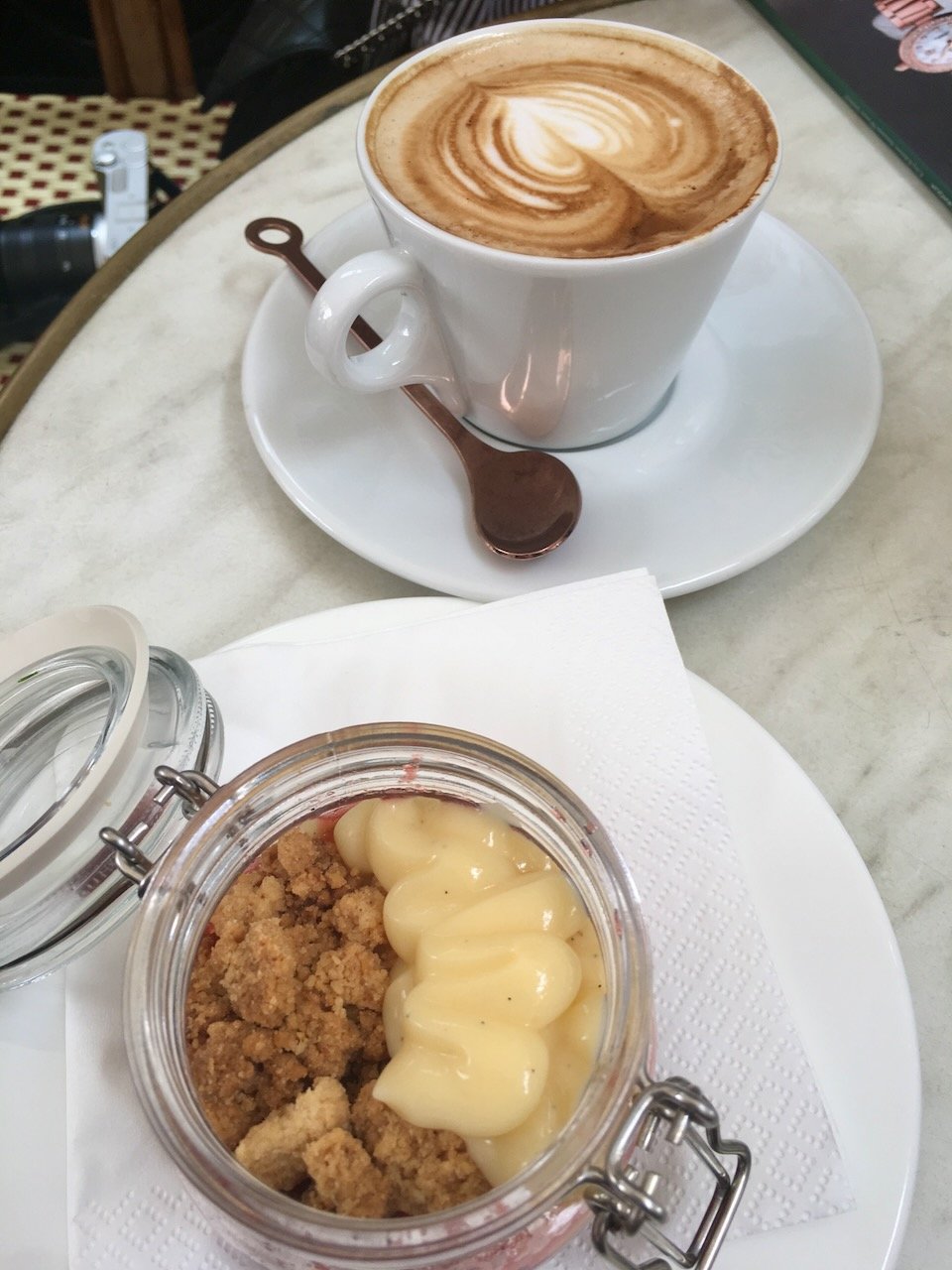
Stockholm has some of the best coffee shops in the world
Photography Gear to Bring to Stockholm
Stockholm is a full-kit destination. The range of shooting situations, from medieval street scenes to wide waterfront panoramas to blue hour long exposures to archipelago landscapes, means you will use everything you bring.
My standard kit for Stockholm is the Canon EOS R5 Mark II as the primary body, with a 15-35mm f/2.8 for the wide architectural shots and panoramas, a 24-70mm f/2.8 as the all-day workhorse, and a 70-200mm f/2.8 for compressing the layered architecture across the water and isolating details in Gamla Stan. If you shoot with the Leica Q3, it is an ideal walk-around companion here; the 28mm equivalent focal length handles most street situations beautifully.
Bring a tripod. Blue hour and night shots along the waterfront, from City Hall across Riddarfjärden, from Skeppsholmsbron, and from Monteliusvägen, all benefit from it. A 6-stop ND filter gives you the ability to do smooth long exposures of the water in broad daylight, which produces excellent results on the canals and waterways. Extra batteries are essential in winter, when cold temperatures drain them faster than you expect. A Samsung T7 SSD for backup is standard kit; do not rely on a single card.
If you are carrying a full kit, Stockholm's cobblestone streets in Gamla Stan and the uneven surfaces along the waterfront can be tiring on a shoulder bag. A backpack setup, especially on days when you are covering a lot of ground on foot, will serve you better.
Drone note: Drones are regulated in Sweden under the EU drone framework. Stockholm has significant restricted airspace around Arlanda Airport and certain protected areas, and several zones around the city center require specific permits. Before flying anywhere in or around Stockholm, check the Transportstyrelsen (Swedish Transport Agency) drone map and the LFV (Luftfartsverket) airspace information. The archipelago islands outside the city offer better opportunities and fewer restrictions. Do not assume it is permitted just because you are outdoors; verify before you fly.
iPhone Photography Tips
Stockholm is one of the best cities in the world for iPhone photography because the visual opportunities are everywhere, and the light quality is consistently good.
In Gamla Stan, use the 1x or 2x focal length to capture the compressed lanes and facades. The narrow alleys create natural leading lines; position yourself at the far end and use the standard lens to let the street draw the eye toward a subject or architectural detail at the far end. Avoid the ultra-wide in these tight spaces unless you are specifically going for a distorted perspective effect.
For waterfront reflections along the canal and at City Hall, shoot at blue hour with Night Mode enabled. The iPhone handles the mixed artificial and natural light better than most people expect. Keep the phone stable against a railing or use a small pocket tripod for a sharper result.
At Monteliusvägen, use the 0.5x ultra-wide only if you want to capture the full sweep of the skyline in a single frame. Otherwise, the standard 1x lens at eye level gives you a more composed, less distorted version of the classic view. In Lightroom Mobile, a slight warm tone and lifted shadows will bring out the detail in the city below without blowing out the sky.
For the Stockholm Metro stations, use Night Mode and brace against a wall. The blue caves of T-Centralen and the rock-cut ceiling of Solna Centrum station have strong graphic qualities that work beautifully as iPhone images. Shoot wide, look for symmetry, and let the color do the work.
Best Photography Locations in Stockholm
Gamla Stan (Old Town)
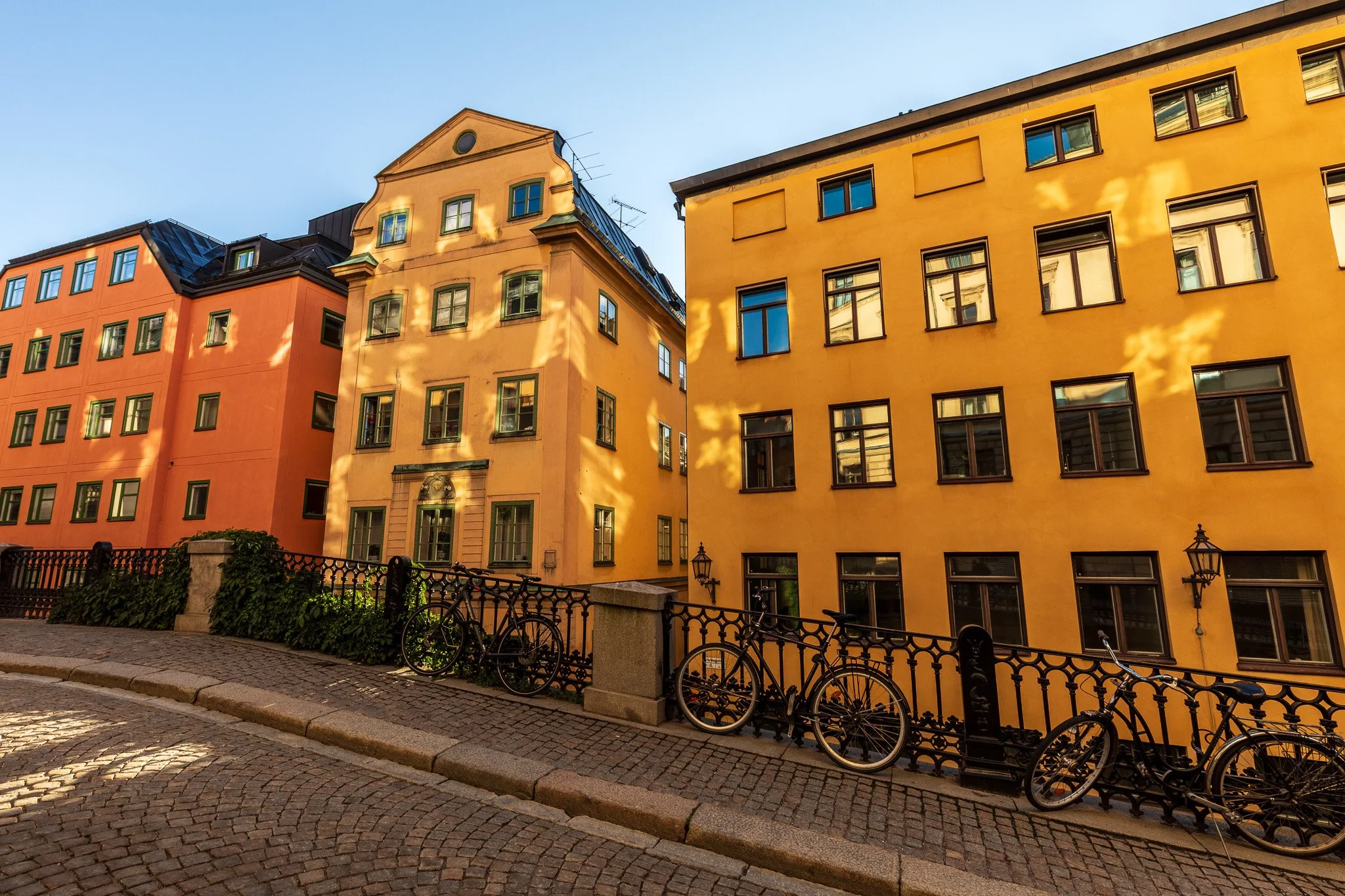
Stockholm's medieval heart occupies its own island, Stadsholmen, completely surrounded by water, and contains one of the finest concentrations of medieval and Renaissance architecture in Scandinavia. The streets — Prästgatan, Österlånggatan, Mårten Trotzigs Gränd — are narrow enough to touch both walls in places, paved in worn cobblestones, and lined with buildings whose facades range from deep ochre to faded mustard, rust red, and pale cream.
Stortoget, the main square, is surrounded by color-blocked buildings that are among the most photographed in Sweden. The smaller alleyways behind and around it are where the real character lives.
📷 Pro Tip: Come before 7 am on any day. Gamla Stan empties completely at night and the early morning — especially in spring and summer when the light comes in at a low angle from the east — is extraordinary. A 35mm prime is the right lens for the narrow streets; wide enough to capture both facades of an alley, compact enough to work without drawing attention. For Stortoget, position yourself at the north end of the square facing south with the colorful facades filling the frame. At blue hour in the evening, the square illuminates, and the reflections in the wet cobblestones after rain are exceptional.
Best time: Before 7 am for empty streets. Blue hour for illuminated facades.

You could walk for hours in the historic center. It’s so colorful, with lots of small streets and alleyways.

Coloful Houses from Stortoget
This is a wonderful location early in the morning.

Djurgården
Djurgården is Stockholm's royal island — part working-class park, part museum district, part waterfront promenade. The Vasa Museum, housing the 17th-century warship salvaged from Stockholm harbor after 333 years underwater, is the finest maritime museum in Scandinavia and one of the most extraordinary photography subjects in Sweden. The ship, with its carved wooden figures and painted decorations still intact, fills the entire museum space.
The waterfront between the museum and the Oaxen restaurants offers some of the finest boat and cityscape photography in Stockholm.

📷 Pro Tip: Photography is permitted throughout the Vasa Museum without flash. Shoot the ship from the upper walkways looking down for the full length of the hull — a 16–24mm captures the complete vessel. The carved stern with its gilded figures is best at close range with a 50–85mm. On the Djurgården waterfront outside, a 70–200mm looking west toward Skeppsholmen and Gamla Stan gives you Stockholm's most layered cityscape with boats in the foreground.
Best time: Weekday mornings for the museum. Late afternoon on the waterfront. Admission: SEK 160. Museum opens 10am daily (earlier in summer).

Södermalm’s Monteliusvägen
This 500-meter-long walking path on the cliffs of Södermalm is Stockholm's most famous panoramic viewpoint, offering the City Hall, Riddarholmen, and the Old Town in a single frame. The path runs along the northern edge of the Södermalm cliff, about 30 meters above the water, with benches at intervals and the rooftops of Kungsholmen and Gamla Stan below. Ivar Los Park, midway along the path, is the finest single viewpoint.
📷 Pro Tip: The golden hour here is genuinely magical — the sun sets roughly behind City Hall in summer, and the last light turns the water and the rooftops amber while the Three Crowns on the City Hall tower catch the final rays above. Position yourself at the Ivar Los Park benches for the most open composition. A 24–70mm captures the full panorama including City Hall and the Old Town; a 70–105mm compresses the layers of rooftops and water for a tighter cityscape. Come 45 minutes before sunset and stay through blue hour, when the City Hall tower illuminates and the water below reflects the last color in the sky.
Best time: Golden hour through blue hour. Sunrise for the east-facing light on Gamla Stan.

The Royal Palace
One of the largest palaces in Europe by floor area and the official residence of the Swedish monarch, the Royal Palace sits at the northern tip of Gamla Stan with water on two sides and the city spreading out behind it. The Changing of the Guard ceremony is held daily in summer and weekly in winter.

📷 Pro Tip: The best exterior photography position is from the small island of Blasieholmen, shooting south across the Norrstrom with the palace and Gamla Stan in the background. A 70–105mm compresses the view. For the Changing of the Guard, arrive 20 minutes early and position near the inner courtyard entrance for the ceremony itself. A 70–200mm lets you isolate individual guards without fighting through the crowd. The west facade of the palace, photographed from the Stallbron bridge, catches warm afternoon light.
Best time: Morning for the Blasieholmen view. Midday for the Changing of the Guard.

Stadshuset (City Hall)
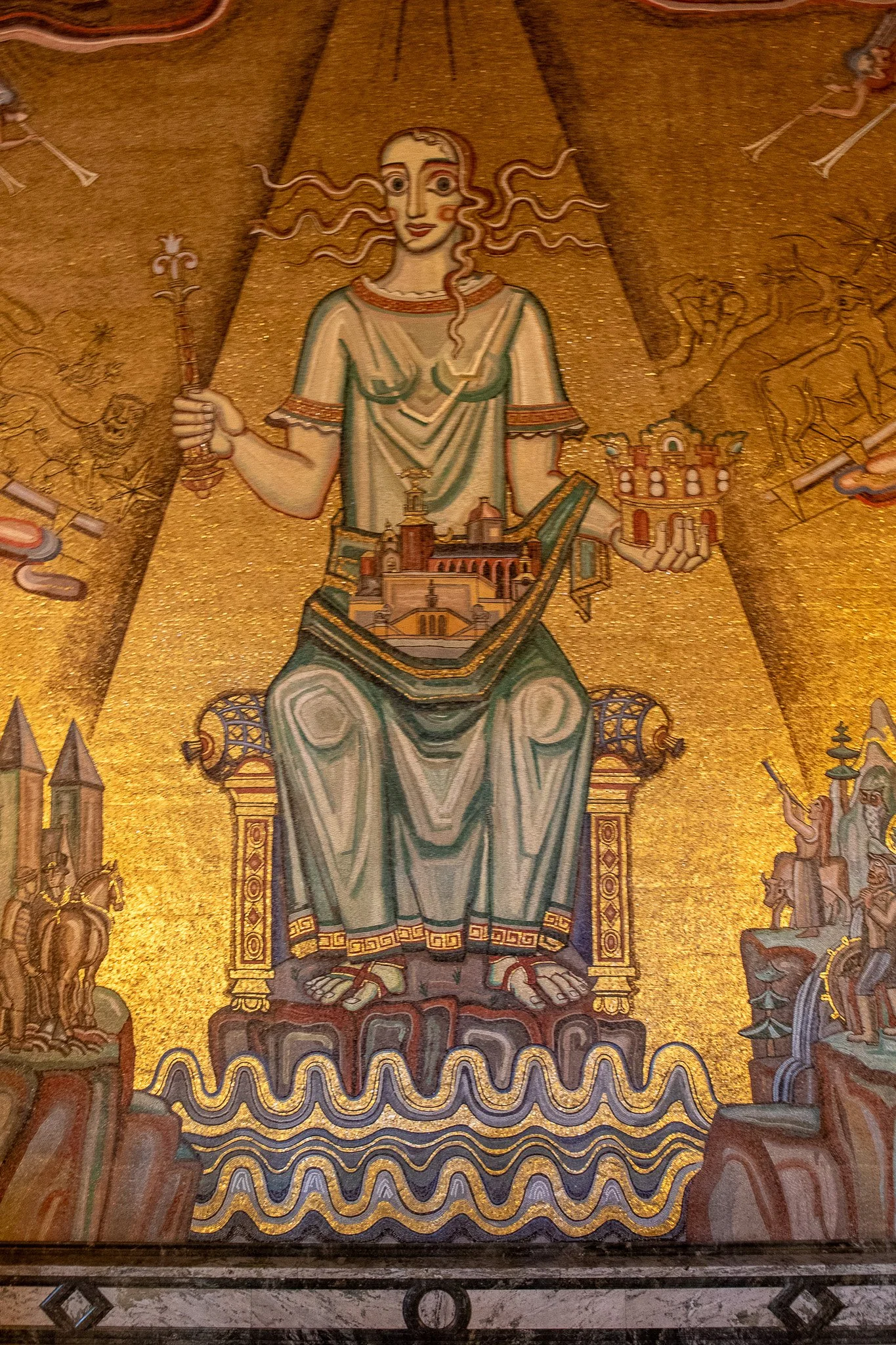
Designed by Ragnar Östberg and completed in 1923, Stadshuset is one of the finest examples of Swedish National Romanticism in architecture, and the most recognizable silhouette in Stockholm's skyline. Its 106-meter tower, topped by the Three Crowns, anchors the western end of Kungsholmen and is visible from virtually every elevated viewpoint in the city. The Golden Hall inside — a Venetian-inspired mosaic chamber hosting the Nobel Prize dinner — is one of the finest interior photography subjects in Stockholm.
📷 Pro Tip: The City Hall photographs best from the waterfront on the south bank of Riddarfjärden, shooting north with the building reflected in the water at golden hour. A 24–70mm captures the full building and reflection; a 70–105mm compresses the tower against the sky. Tower visits (SEK 130, must be booked in advance) offer sweeping views from the top — City Hall is the highest accessible point on Kungsholmen with unobstructed sightlines in every direction.
Best time: Golden hour from the south bank. Tower opens daily for guided visits — book ahead. Admission: Courtyard free; tower tours SEK 130; Golden Hall SEK 130.

Designed by Ragnar Östberg and completed in 1923, the City Hall is a stunning example of Swedish National Romanticism. Its 106-meter-tall tower, crowned with the Three Crowns (Sweden’s national emblem), dominates Stockholm’s skyline and offers breathtaking views of the city.
Stadshuset is renowned worldwide as the venue for the Nobel Prize banquet, held annually on December 10th in the lavish Blue Hall (Blå Hallen).

Skeppsholmen
The small island of Skeppsholmen sits between Gamla Stan and Djurgården, connected by bridge to the mainland, and is home to the Moderna Museet and the ArkDes architecture museum. The island's waterfront, with views toward Gamla Stan to the west and Djurgården to the east, is one of Stockholm's finest photographic positions for capturing the full panoramic relationship between the city's islands.
The gilded crown atop the Skeppsholmsbron bridge railing — a symbol of Swedish royal heritage — is one of Stockholm's most-photographed small architectural details.
📷 Pro Tip: The western waterfront of Skeppsholmen, looking toward Gamla Stan and the Royal Palace, is best at sunrise when the east-facing facades of the Old Town catch the first light and the water between is completely still. A 70–105mm compresses the palace and city together. For the gilded crown on the bridge, a 50–85mm and close positioning captures the detail against the sky.
Best time: Sunrise from the western waterfront.

Gilded Crown on Skeppsholmsbron
The gilded crown atop the bridge's railings symbolizes Sweden’s monarchy and national pride. Its golden shimmer captures the essence of Stockholm’s nickname, the "Capital of Scandinavia."

Svea Hovratt
The cobblestone streets and walkways leading to the court create natural leading lines that draw attention to the building.

Statue of Evert Taube
Evert Taube (1890–1976) was a celebrated Swedish troubadour, composer, and author, renowned for his contributions to Swedish music and literature. Situated in Gamla Stan (Old Town), this statue stands at the eastern end of Järntorget square.

The Metro
The Stockholm Tunnelbana is the most extraordinary urban photography subject in the city that most visitors miss entirely. Over 90 of the system's 100 stations are decorated by more than 150 artists — some with painted murals covering entire walls and ceilings, some with carved rock left deliberately raw and painted in vivid colors, some with mosaic installations that transform the platforms into gallery spaces.
The T-Centralen Blue Line station, directly under the city center, has white and blue rock-wall paintings covering every surface. Kungsträdgården station evokes an archaeological excavation, with Roman sculptures embedded in the wall. Rådhuset station has a cavernous vaulted ceiling painted deep red. Solna Centrum has an entire forest of red pine trees painted across the ceiling and walls.
📷 Pro Tip: For photography, the most visually dramatic stations are: T-Centralen (Blue Line), Rådhuset (Blue Line, red vaulted ceiling), Kungsträdgården (Blue Line, Roman ruins theme), and Solna Centrum (Blue Line, green forest and sunset). All require long exposures — bring a Platypod or a compact tripod and stabilize against the platform edge. Personal photography is permitted. A 16–24mm wide angle captures the full ceiling and wall installations; a 35–50mm works for the perspective views down the platform. Shoot off-peak for fewer people and cleaner compositions.
Best time: Off-peak weekday mornings or evenings.

The Stockholm Archipelago
With over 30,000 islands stretching from the city into the Baltic, the photographic possibilities of the Stockholm Archipelago are endless — from the rugged rocks of the outer islands like Sandhamn to the traditional red cottages of the inner islands, with a light out at sea that has a clarity you will not find anywhere in the city.
The closest island, Fjäderholmarna, is 25–30 minutes by boat from central Stockholm. Vaxholm, the most scenic of the easily accessible islands, takes about an hour. Both offer the combination of wooden jetties, red cottages, fishing boats, and open water that defines the Swedish archipelago aesthetic.
📷 Pro Tip: Take the Waxholmsbolaget ferry from Strömkajen. For Fjäderholmarna, the ferry crossing itself is a photography subject — shoot back toward the Stockholm skyline with the water and the islands in the frame. On the islands, a 35–50mm lens handles the intimate scale of the cottages and harbors; a 16–24mm lens for the wider seascape compositions. Summer evening light on the archipelago, when the sun drops low over the water and the rocks glow warm, is some of the finest golden-hour photography available in Sweden.
Best time: Summer evenings for golden hour. Any clear day in any season for the archipelago light. Access:Waxholmsbolaget ferries from Strömkajen (near the Grand Hotel). Tickets on board, card only.
Festivals & Holidays
Midsommar (late June) The Swedish celebration of the summer solstice is one of the most visually rich events in the Scandinavian calendar. Flower crowns, traditional costumes, maypole dancing, and the never-setting summer light combine into a photographer's paradise. Skansen open-air museum in Djurgården hosts one of the largest public Midsommar celebrations in the city, and is a good place to photograph the festivities with access and context. This is also a significant family holiday, and the atmosphere at local celebrations outside the city on private properties and village greens is more authentic; if you can get an invitation, take it.
Stockholm Culture Night (Kulturnatt Stockholm) (October) One night each autumn, museums, galleries, concert halls, and cultural institutions across the city stay open late and offer free admission and special programming. For photographers, it is an extraordinary opportunity to access interiors that are otherwise restricted or heavily visited during normal hours. The mix of event lighting, crowds in motion, and late-night urban atmosphere also makes for compelling street photography.
Nobel Prize Week (December). Early December transforms Stockholm with ceremony, lights, and anticipation. The Nobel Prize Award Ceremony takes place at Stockholm Concert Hall on December 10th, followed by the Nobel Banquet at City Hall. The exterior of City Hall and the Concert Hall are both lit for the occasion, and the city streets fill with an unusual combination of global press and local festivity. For photographers, this is one of the few times of year when Stockholm's formal, ceremonial side is on full public display. Dress warmly; December nights in Stockholm are cold.
Christmas Markets (late November through December) Gamla Stan hosts Stockholm's oldest Christmas market at Stortorget, and Skansen runs one of the most extensive open-air Christmas market experiences in Scandinavia. The warm light of candles and lanterns against the cold winter air, the ochre facades of the Old Town dusted with snow, and the quiet of the city after dark in December combine into some of the most atmospheric photography conditions of the year. Go on a weekday evening to avoid the thickest weekend crowds.
Stockholm Jazz Festival (October) The festival spans multiple venues across the city and brings outdoor performances and intimate club sessions to neighborhoods that do not always see this kind of street energy. Street photography at the outdoor stages, particularly in Kungsträdgården, captures a different side of Stockholm's cultural life. Good candid portrait and performance photography opportunities throughout.
Frequently Asked Questions About Visiting Stockholm
Is Stockholm expensive?
Yes, it's one of the pricier Scandinavian capitals, but there's real range. Dagens rätt, the fixed-price lunch of the day, offers genuine value at most restaurants, and much of the best photography, Gamla Stan, Monteliusvägen, the archipelago ferries, costs little beyond transit.
Do you need a car in Stockholm?
No, and it's actively unnecessary. The city is highly walkable, and the SL public transport system, buses, metro, trams, and ferries, covers everything else efficiently on a single ticketing system.
What are the best photo spots in Stockholm?
Gamla Stan before 7am for empty medieval streets, Monteliusvägen at golden hour for the classic skyline view, and the Stockholm Metro art stations for something most visitors miss entirely are three that consistently deliver. The full list with Pro Tips is above.
Can you fly a drone in Stockholm?
Regulated under the EU drone framework, with significant restricted airspace around Arlanda Airport and several protected zones near the city center. Check the Transportstyrelsen drone map before flying; the archipelago islands outside the city offer better opportunities and fewer restrictions.
What surprised you most about Stockholm?
The metro system. Over 90 of its 100 stations are decorated by more than 150 artists, painted murals, raw carved rock in vivid color, mosaic installations, turning an everyday commute into one of the most extraordinary urban photography subjects in the city, and most visitors never think to look for it.
How many days do you need in Stockholm?
Four to five days is the sweet spot, enough time to shoot the main locations in different light, take an archipelago day trip, and explore the quieter corners of the city without rushing.
Is Midsommar worth planning a trip around?
Yes, if you want Sweden at its most visually rich. Flower crowns, traditional costumes, maypole dancing, and never-setting summer light combine at Skansen's public celebration in late June for genuinely striking photography.
Is Stockholm a good base for a broader Scandinavian trip?
Yes, it's the natural hub. Malmö, Copenhagen, and Oslo are all a few hours away by train, making Stockholm a strong starting point for photographers covering multiple Scandinavian destinations.
Final Thoughts on Stockholm
Stockholm has never once disappointed me, and I have come back to it in every season. It is one of those cities where the more time you give it, the more it gives back. You can spend three days chasing the obvious shots and leave satisfied. Or you can spend a week slowing down, revisiting the same locations in different light, taking a ferry to the archipelago, getting lost in Södermalm's streets, and sitting in a coffee shop watching the city go about its life. That second trip is the one you will still be thinking about years later.
For photographers, Stockholm is both immediately accessible and endlessly deep. You do not need local knowledge or inside information to make strong images here. The light, the architecture, the water, and the city's design sense do much of the work. What you need is patience and a willingness to wake up early.
Stay at least five days. Slower is better here.
Want to improve your photography while exploring some incredible destinations? Join me on one of my photography workshops! You can find all the details, including upcoming destinations and dates, through the links below.
Let's Stay Connected!
Stockholm is the hub for Scandinavian photography travel. Here is where I would go next.
My Photography & Travel Guide to Malmö, Sweden Three and a half hours south by train. The Turning Torso at blue hour, Ribersborgs Kallbadhus on its pier above the Öresund, and the Old Town streets of Gamla Väster. Sweden's most cosmopolitan city is also its most surprising.
My Photography & Travel Guide to Copenhagen, Denmark Five hours south by train, or one hour by plane. Nyhavn's canal houses at dawn, Rosenborg Castle at golden hour, and the cycling streets of a city that knows exactly what it is. The natural pairing with a Stockholm trip.
My Photography & Travel Guide to Oslo, Norway, Five hours by train through some of the most dramatic landscapes in Scandinavia. The Oslo Opera House at blue hour, the Vigeland Sculpture Park, and a fjord city that rewards photographers who show up early.
Finally—a beginner-friendly photography guide that makes sense.
If you've ever picked up a camera and thought, "Now what?" this is the book for you.
Photography Made Simple is written for adults who are just starting out and want a clear, encouraging, real-world approach to learning photography. Whether you're using a DSLR, mirrorless, or just your smartphone, this guide walks you through the basics—without the jargon or tech overwhelm.
Inside, you'll learn:
The only camera settings you really need to know to get started
How to shoot sharper, more intentional photos using light and composition
Simple tips for portraits, landscapes, travel, and everyday life
What gear you do (and don’t) need
How to create better photos without upgrading your camera
You’ll also get practical exercises, cheat sheets, and tips for organizing and editing your images—plus the confidence to shoot off Auto Mode for good.
This is not a textbook. It’s a friendly guide to seeing the world with fresh eyes—and finally capturing what you see the way you imagine it.
📸 Format: PDF download
Pages: 100+
Perfect for: Beginners, hobbyists, and anyone ready to take better photos without the stress