The Best Places to Travel & Photograph in September
I have spent enough Septembers on the road to know it might be the best month nobody talks about.
Everyone plans around summer or fall foliage. September gets overlooked, and that always surprises me, because it may be the easiest month to actually enjoy a place. School is back in session. So is everyone's work schedule. The crowds thin out, but the weather has not caught up to that yet. You still get warm days and long, soft evenings.
The light gets gentler. Wildlife gathers around whatever water is left before the dry season deepens. Coastal fog, which can make for some of the most beautiful, moody shots you will ever get, starts to lift along places like Big Sur, giving you both worlds in the same trip if you time it right.
I chose these five places for one reason. September is when each one is at its best. Go at a different time of year, and you get a different trip. In my experience, not as good a one.
Why These Five
I chose these destinations for what September specifically gives a photographer: the clearest skies of the year on the California coast, a wildlife concentration that only the dry season produces, warm water and empty beaches in the Mediterranean, cooler desert light in the American Southwest, and a Bosphorus city finally breathing after a brutal summer of tourists. I care about quality here, not popularity. Every place on this list had to earn its spot, or it did not make it.
Big Sur, California
Why September specifically
Everyone assumes summer is peak season on the California coast. It is actually the foggiest stretch of the year. The marine layer that rolls in June through August retreats hard after Labor Day, and September gives you the clearest ocean visibility of the entire calendar. You get warm days, cool, crisp nights, and skies that let you actually see the coastline you drove hours to photograph.

From the Post Ranch Inn in Big Sur
What to photograph
This had been on my bucket list for years, and getting there finally lived up to it. We drove down from San Francisco and stopped in Carmel for a few days before working our way slowly along the coast, which I still rank among the best stretches of coastline anywhere in the world. Once you reach Big Sur itself, Bixby Bridge and McWay Falls are the obvious anchors, but the real photography happens at the countless unnamed pullouts along Highway 1 where the cliffs drop straight into the Pacific. Waking up for sunrise there, and watching the light change again at sunset, is something I still think about.
Best time to shoot
Early morning, right around sunrise, before the day warms up and the light flattens. Sunset along the western-facing cliffs is where Big Sur earns its reputation, especially with the clear September skies giving you color all the way to the horizon instead of a fog bank.
Photography tips
For mirrorless and DSLR shooters, bring a wide-angle in the 16 to 35mm range for the coastline and a mid telephoto around 70-200mm to compress the cliffs and waves from the higher pullouts. A polarizer cuts glare off the water and saturates the greens on the hillsides. If you plan to shoot the surf with any motion blur, pack an ND filter.
For iPhone shooters, the pullouts just south of Bixby Bridge work well for a wide shot of the bridge itself using the ultra-wide lens, and shooting straight down at the tide pools with the standard lens at low tide gives you texture shots that most visitors walk right past.
What to watch out for
Highway 1 is narrow, curvy, and often has no shoulder to pull onto safely. Only stop at marked pullouts, and never at night when visibility drops. Cell service disappears for long stretches, so download offline maps before you go.
Planning notes
Weather in September runs comfortably between the low 50s and low 70s Fahrenheit (11 to 23°C), with far less fog than the summer months. Stay somewhere between Carmel and Big Sur proper if you want flexibility for early sunrise shoots. Book lodging well ahead, since September's better weather is starting to draw the crowds that used to only show up in summer. A rental car is essential. There is no meaningful public transit along this stretch.
Pro Photographer Tip
Give yourself more than one night. Fog and light change fast and unpredictably along this coast, and staying only one night means you get whatever the sky gives you that evening. Stay two or three nights, and you can return to the same pullout when the light finally cooperates.
Full Guide
I have driven this coastline more than once, and the guide I wish I had before that first trip is here. My full Big Sur Photography Guide covers every pullout worth stopping at, the exact light for each one, and the gear that makes sense for a coastline this unpredictable.

Namibia
Why September specifically
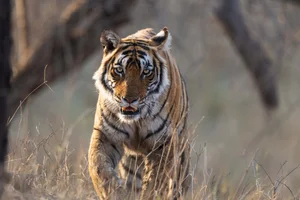
Namibia is deep into its dry season by September, and that is exactly what makes it work for photographers. Water sources shrink, wildlife concentrates around what remains, and the desert air produces a stark, high-contrast light over the dunes that the wetter months simply cannot match.

At Etosha in Namibia at Sunrise
What to photograph
Namibia is a place people have often seen in photographs without realizing where it was. Some of the biggest sand dunes in the world are here, along with wildlife and rock formations that would not look out of place in Utah. In the north, you can visit the Himba people, and at Deadvlei you find the petrified forest, ancient camel thorn trees standing dead in a white clay pan against the orange dunes. What makes Namibia different from Tanzania or Kenya, both exceptional in their own right, is the sheer range in one trip: landscape, culture, and wildlife, back to back.
Best time to shoot
Sunrise at Deadvlei and Sossusvlei is non-negotiable. The dunes go from soft pink to deep orange in the span of twenty minutes, and the shadows carve the ridgelines in a way that disappears once the sun climbs. Wildlife photography at the waterholes is strongest in the early morning and again in the last hour before dusk, when animals move to drink before nightfall.
Photography tips
For mirrorless and DSLR shooters, a telephoto in the 200-500mm range is essential for waterhole wildlife, while a wide-angle around 16-35mm handles the dune landscapes. Bring a rain cover or dry bag, since fine desert sand finds its way into everything. A polarizer helps with the harsh midday glare if you are shooting outside the golden hours.
For iPhone shooters, the dune ridgelines photograph well with the standard lens shot low to the ground, exaggerating the height of the dune against the sky. Avoid changing lenses or opening your bag in open sand when the wind picks up.
What to watch out for
Distances between locations are long, often several hours by self-drive on gravel roads. This is not a trip to rush. Build in buffer days rather than a tight day-by-day itinerary.
Planning notes
September temperatures swing widely, from around 40°F (4°C) at sunrise to 90°F (32°C) by midday, so layers matter more here than almost anywhere else on this list. Self-drive is common and workable with the right vehicle, but a guided safari removes the logistics if this is your first trip. Everyone we met was kind, the food was great, and the variety across the country is what makes it stand apart. Fly into Windhoek, a short hop from Cape Town.
Pro Photographer Tip
Get to Deadvlei before the first tour buses arrive. The window between first light and the crowd walking onto the clay pan is short, maybe twenty minutes, and it is the only time you get the dead trees without footprints crossing the foreground.
Full Guide
Namibia is one of those places that changes what you think "African safari" means. My full Namibia Photography Guide covers the dune access points, waterhole timing, and the gear that actually survives a week in that much sand.

Puglia, Italy
Why September specifically
Puglia has become a popular destination over the last five to ten years, but by September the summer crowds have cleared out while the Mediterranean is still warm enough to swim in. That gap, warm water and thin crowds, does not last long, and September is the best window to catch both at once.
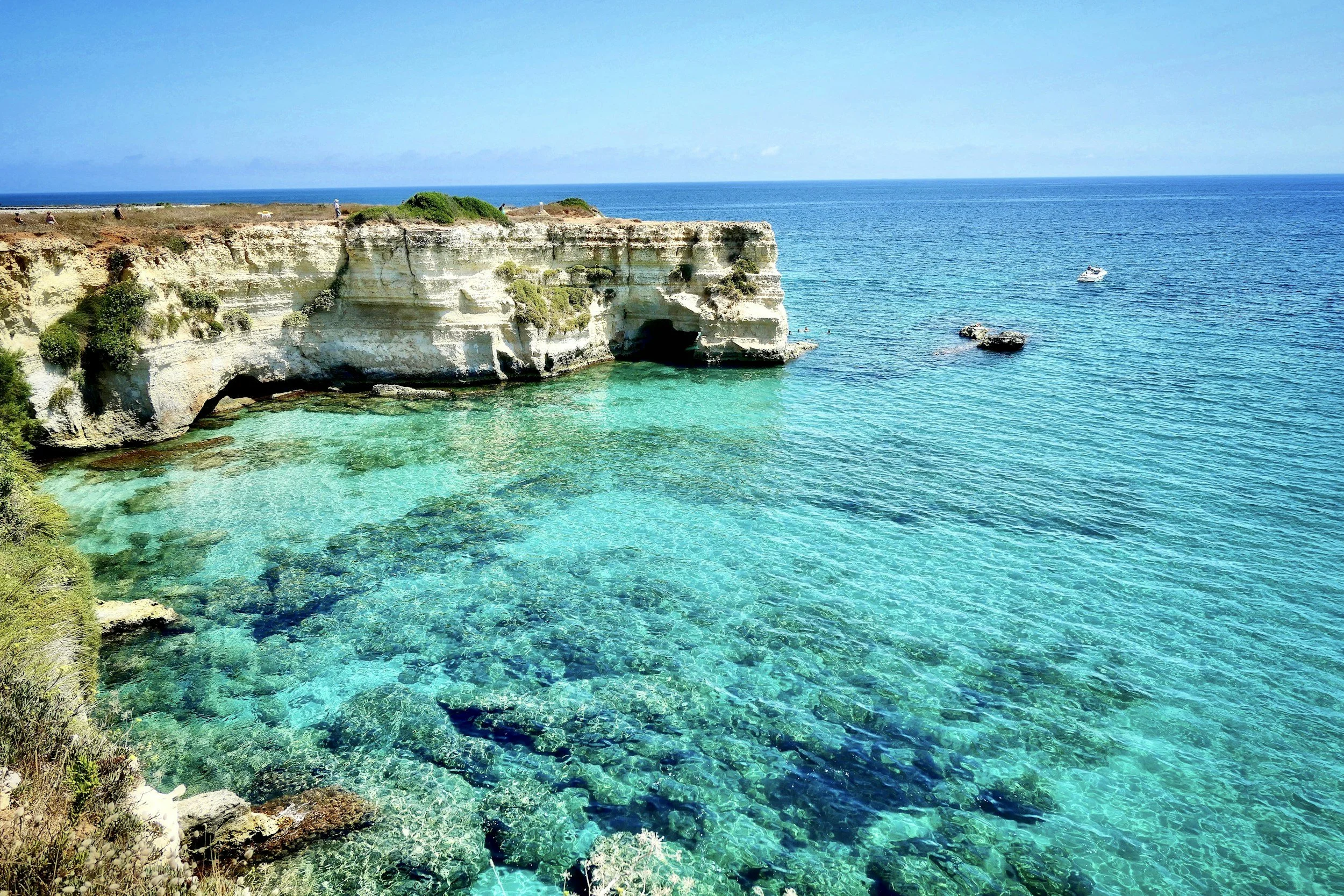
From the coast of Monopoli in Puglia
What to photograph
This is the part of Italy my father is from. I spent nearly every summer of my life there until I was eighteen, thirty or forty trips over the years, months at a time, and my family still has a small home there. Puglia is the real Italy in a sense you do not get in Florence, Rome, or Milan. Towns like Alberobello, with its trulli, and Ostuni, the white city, look unlike anywhere else in the country, closer in feel to Greece than to the rest of Italy, and that difference is the whole point. The coastline and beaches are just as striking, and the food carries the trip on its own, especially the focaccia and the pasticciotto.
Best time to shoot
Early morning in the hill towns, before the day heats up and the whitewashed walls start reflecting harsh light. Golden hour along the coast, especially around Polignano a Mare, where the cliffs drop straight into turquoise water.
Photography tips
For mirrorless and DSLR shooters, a standard zoom around 24-70mm covers the narrow streets and architecture of towns like Alberobello, while a wide-angle helps in the tighter alleys. A polarizer is worth carrying for the coastal shots, cutting glare off the water to bring out the color.
For iPhone shooters, the trulli rooftops in Alberobello photograph best from a slight elevation, so look for a terrace restaurant or a rise in the street rather than shooting flat from ground level.
What to watch out for
There is no meaningful train network connecting most of what matters in Puglia. Rental cars book up fast, especially in September as more people catch onto the shoulder-season advantage. Reserve early.
Planning notes
Weather stays warm, typically 65 to 82°F (18 to 28°C), with the sea still swimmable. Book a rental car well in advance. Base yourself centrally, since the towns worth photographing are spread across the region rather than clustered in one spot.
Pro Photographer Tip
Skip the well-known viewpoint in Alberobello that every tour bus stops at. Walk two streets over, and you will find quieter trulli rooftops with the same light and none of the crowd in your frame.
Full Guide
I have been coming back to Puglia my whole life, and my full Puglia Photography Guide is the one I would hand to anyone visiting for the first time, covering the towns, the coastline, and the timing that makes September worth the trip.
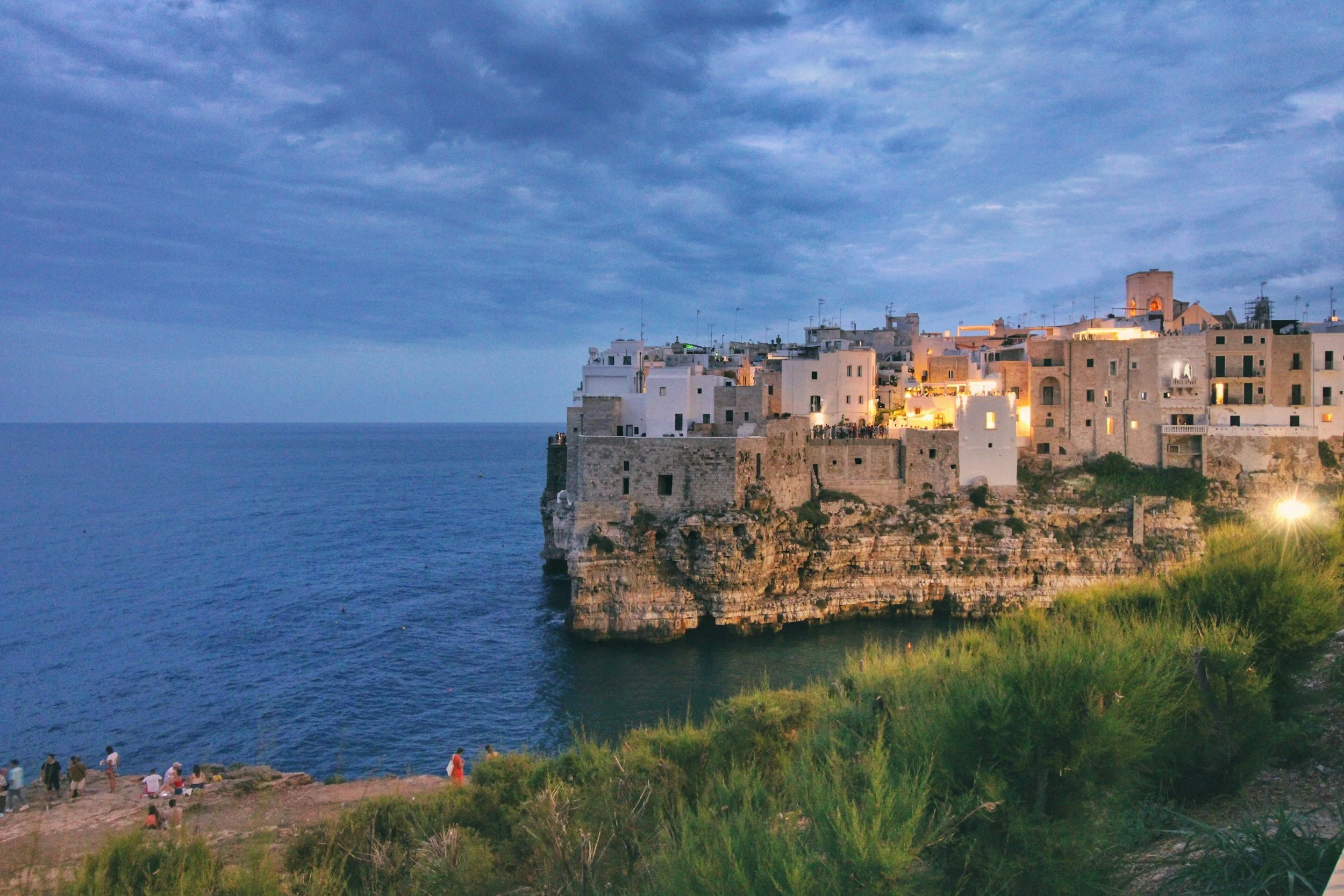
Polignano a Mare
Antelope Canyon, Horseshoe Bend, and Monument Valley
Why September specifically
The monsoon storms that roll through the Southwest in July and August leave behind dramatic cloud formations that linger into September, while daytime temperatures finally drop out of the brutal summer range. The light beams inside Antelope Canyon are still strong this time of year, and the crowds that swamp these parks in June and July have started to thin.

On a Photo Tour in the Upper Antelope Canyon
What to photograph
Antelope Canyon and Horseshoe Bend sit close enough together to cover both in a single trip. There is something unreal about canyons carved over thousands of years by water and wind, and the way the light hits the walls has to be seen to be understood. A photography-specific tour is worth booking if you can get one, but even the standard Upper and Lower Canyon tours let you take in the texture and deep red color of the stone. From Antelope Canyon, Monument Valley is only about two hours by car, and while a day trip works, overnighting there is worth it if you want both the sunset and the sunrise over the mesas. A Navajo-guided tour of the valley is well worth doing.
Best time to shoot
Midday for the light beams inside Upper Antelope Canyon, when the sun sits high enough to angle through the narrow openings above. Sunrise and sunset at Monument Valley, when the light rakes across the buttes and throws long shadows across the valley floor.
Photography tips
For mirrorless and DSLR shooters, a wide-angle in the 16-35mm range handles Monument Valley's scale, while inside Antelope Canyon a mid-range zoom around 24-70mm gives you flexibility without needing to change lenses in the dust. Tripods are often restricted inside the canyon on guided tours, so check ahead. A lens cloth is essential. Fine sand gets into everything.
For iPhone shooters, Horseshoe Bend rewards the ultra-wide lens shot low near the rim to exaggerate the depth of the canyon below, though always stay behind the marked barriers.
What to watch out for
Antelope Canyon requires a guided tour booked well in advance. There are no walk-ins and no exceptions. Horseshoe Bend has no fence at the edge in most sections, so footing matters more than it looks like it should.
Planning notes
September temperatures typically run 70 to 90°F (21 to 32°C), a real drop from summer's triple digits. Book Antelope Canyon tours weeks ahead, especially for the more limited photography tours. If you plan to overnight in Monument Valley, book lodging inside the park early, since rooms are limited.
Pro Photographer Tip
At Antelope Canyon, ask your guide which side canyon has the most direct overhead sun for that specific hour. The light beams shift meaningfully within a single tour slot, and a guide who knows the canyon will move your group to where the beam is strongest instead of where the tour route defaults to.
Full Guide
This is one of the most photographed corners of the American Southwest for a reason. My full Antelope Canyon & Horseshoe Bend Photography Guide breaks down tour operators, timing, and gear restrictions before you book anything.

Horseshoe Bend
Istanbul, Turkey
Why September specifically
Istanbul in summer is brutal, both in heat and in tourist volume. By September, the Mediterranean warmth holds while the crowds thin out considerably, giving you a city that is far easier to move through and photograph without fighting for space at every landmark.
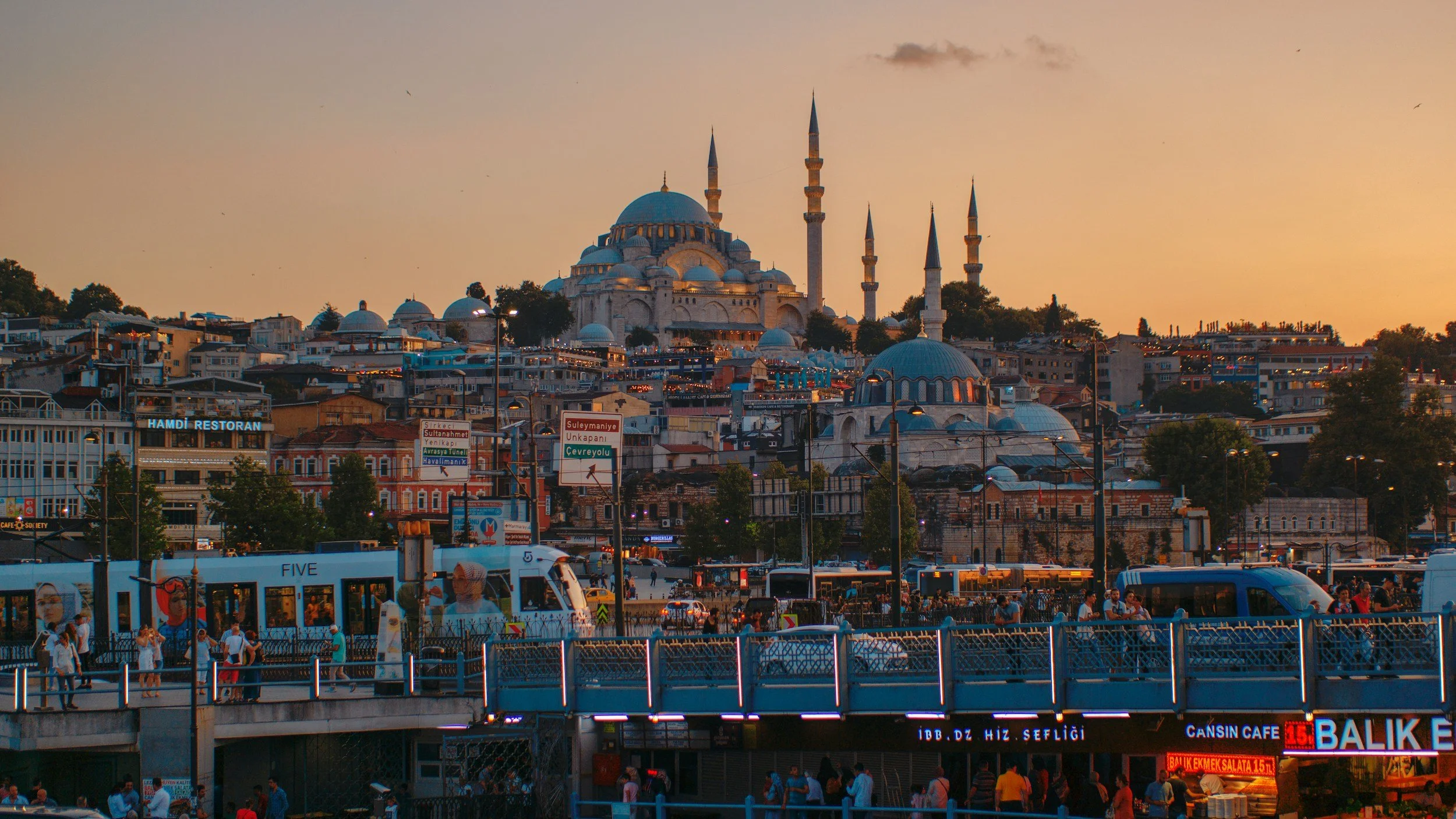
The Hagia Sophia at Sunset
What to photograph
I lived in Lebanon for twenty-three years and visited Istanbul ten to fifteen times over that period, mostly for work conferences, which gave me real time to explore the city beyond the obvious stops. Stay near the Grand Bazaar or Hagia Sophia, in the old part of the city, which is the most interesting district and mostly walkable. The call to prayer echoing across the rooftops at sunset near the Blue Mosque is a moment worth planning your evening around, and the Bosphorus itself, with ferries crossing between Europe and Asia, gives you a constantly changing waterfront scene.
Best time to shoot
Sunset over the Bosphorus, when the light hits the domes and minarets of the old city from across the water. Early morning at Hagia Sophia and the Blue Mosque, before the tour groups arrive.
Photography tips
For mirrorless and DSLR shooters, a standard zoom around 24-70mm covers most of the old city's architecture, and a wider lens helps inside the Grand Bazaar's tight, crowded aisles. Low light inside Hagia Sophia calls for a fast prime if you want to shoot without a tripod, which is restricted in most interior spaces.
For iPhone shooters, the ferry crossing between the European and Asian sides gives you a genuinely unique shot most visitors never bother to make, framing the skyline from open water instead of the shore.
What to watch out for
Istanbul is a large, sprawling city. If you are staying in a newer district and want to visit the old town, budget real time to cross the city rather than assuming everything is close together.
Planning notes
September weather runs warm, typically 65 to 79°F (18 to 26°C), with far fewer crowds than peak summer. The food is excellent and there is genuinely more to see and do than most travelers plan for in a short visit. Base yourself near the old city if photography is the priority.
Pro Photographer Tip
Take a ferry ride purely for the view, not to get somewhere specific. The best skyline shot of Istanbul's old city is from the water looking back at it, not from any single viewpoint on land.
Full Guide
Istanbul rewards people who slow down and actually walk it. My full Istanbul Photography Guide covers the old city's best light, the Bosphorus ferry routes, and where to go once you have covered the obvious landmarks.
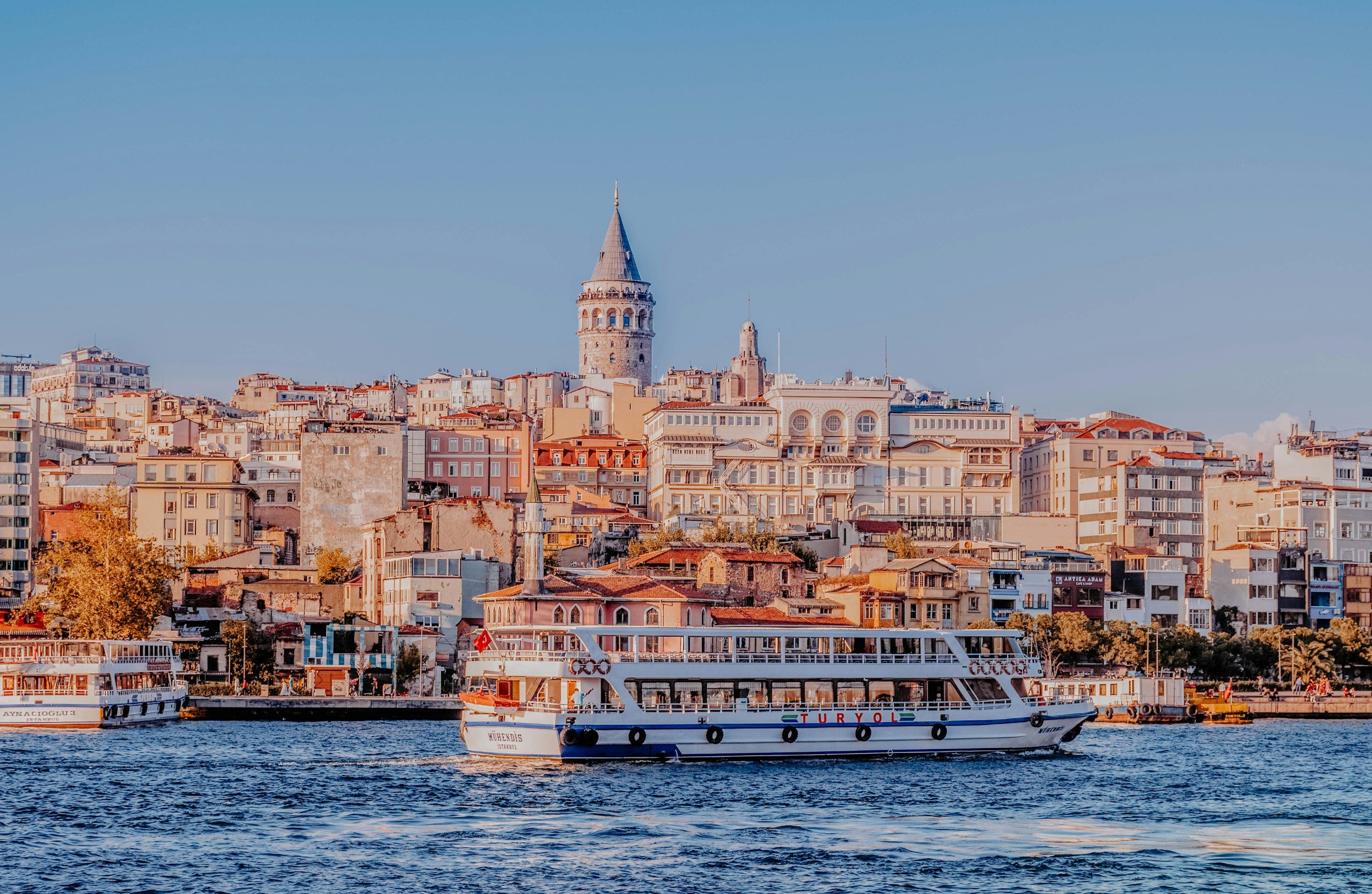
From a ferry over the Bosphorus
Photography Planning Tips for September
This month's destinations split cleanly into two camps: wide-open landscapes and tighter, detail-driven scenes, and your gear list should reflect that split rather than trying to cover everything with one setup.
A wide-angle in the 16-35mm range earns its place on every one of these trips, from Big Sur's coastline to Monument Valley's scale to Namibia's dunes. If Namibia is on your list, add a telephoto in the 200-500mm range for waterhole wildlife, since nothing shorter gets you close enough without disturbing the animals. A polarizer is worth packing regardless of destination this month, cutting glare on water in Big Sur and Puglia and saturating color on the stone in Antelope Canyon.
Dust and sand protection matters more in September than most months, since both Namibia and the Southwest desert destinations put fine particles into the air regularly. A simple rain cover or dry bag for your camera body goes a long way. Layers matter in Namibia specifically, where a 50-degree temperature swing between sunrise and midday is normal. Everywhere else on this list, September means comfortable daytime warmth and cool evenings, so a light jacket covers most situations.
Sunrise planning matters most in Namibia and Monument Valley, where the light window is short and the payoff is significant. Sunset planning matters most in Big Sur and Istanbul, where the golden hour light over water is the shot most people travel for.
Continue Planning Your Next Photography Adventure
Tuscany (Val d'Orcia), Italy. If Puglia's light and food pulled you in, Tuscany extends that same Italian rhythm into rolling hills and cypress-lined roads. My guide covers the harvest season light and the back roads most visitors never find.
Kenya. For a different take on the wildlife concentration that makes Namibia work in September, Kenya's Masai Mara offers its own dry season story with a completely different landscape. My guide breaks down where to base yourself and when the light works best.
Cinque Terre, Italy. Another coastline that rewards the same patience Big Sur demands, with colorful cliffside villages instead of redwood forests. My guide covers the trail access points and the best light for each village.
Santa Fe, New Mexico. If the Southwest light in Antelope Canyon and Monument Valley stayed with you, Santa Fe offers a different side of that same desert palette, with adobe architecture and high desert skies. My guide covers the historic district and the surrounding landscape.
Frequently Asked Questions
What is the best place to travel for photography in September? Big Sur, California stands out because September brings the clearest skies of the entire year to the coastline, after the summer marine fog finally retreats. It combines strong weather, dramatic scenery, and thinner crowds than summer.
Is September a good month for landscape photography in general? Yes. September sits in a sweet spot across much of the world, past the peak summer crowds and heat but before winter weather limits access. Many coastal and desert destinations see their clearest skies of the year in this window.
Is September a good time to visit Big Sur? Yes, arguably the best time. The marine fog that dominates Big Sur's summer months retreats after Labor Day, giving you the clearest ocean visibility of the year along with warm days and cool nights.
Do I need a permit to photograph Antelope Canyon? You need a guided tour to enter Antelope Canyon at all. There are no independent visits and no walk-ins. Book well in advance, especially for photography-specific tours that allow tripods.
Is Namibia's dry season the best time for wildlife photography? Yes. By September, Namibia is deep into its dry season, and animals concentrate around the remaining water sources, making wildlife easier to find and photograph than during the wetter months.
When should I visit Puglia for the best light and fewest crowds? September. The Mediterranean stays warm enough to swim in while the summer crowds have largely cleared out, giving you both good weather and breathing room at popular spots.
Is September a good time to visit Istanbul? Yes. Summer heat and tourist volume make Istanbul difficult to enjoy at peak season. September holds onto the warm weather while crowds thin out considerably.
How far in advance should I book September photography trips? For destinations requiring permits or guided access, like Antelope Canyon, book at least a month ahead. For general lodging in popular spots like Big Sur or Puglia, several months ahead is safer, since September's improving weather has started attracting the crowds that used to only show up in summer.
Should I overnight in Monument Valley or visit as a day trip from Antelope Canyon? Overnighting is worth it if you want both sunset and sunrise over the mesas, since the light at both ends of the day is what makes Monument Valley worth photographing. A day trip works if your schedule is tight, but you will only get one of the two golden hours.
What should I pack for a September photography trip across multiple climates? Layers are essential if Namibia is on your itinerary, given the wide temperature swing between sunrise and midday. For the other destinations on this list, a light jacket for cool evenings and comfortable warm-weather clothing during the day covers most situations.