Copenhagen, Denmark Travel & Photography Guide: Best Photo Spots, Things to Do & Hidden Gems
I was photographing Nyhavn at sunrise when a group of young Copenhageners appeared at the end of the canal, coming home from a night out. They stopped when they saw the camera, walked over, and asked what I was doing. I started showing them photos on the back of the camera. They gathered around, genuinely delighted. We stood there for twenty minutes at five in the morning at one of the most beautiful canals in Europe, laughing at the images. Then they continued home, and I continued shooting. That is Copenhagen..
A city that works beautifully at every hour, where the people are warm and curious and completely comfortable starting a conversation with a stranger, pointing a camera at their waterfront. I have been here more than half a dozen times, and it remains one of my favorite cities in the world.
I have walked every neighborhood, in summer light and in winter grey, and photographed everything from the candy-colored houses of Nyhavn to the modern architecture of the Ørestad district. I have walked the cobblestone streets of the old city until my feet argued with me. I have taken the morning train to Malmö for coffee and come back in time for lunch. I have eaten at Geranium, which is the best restaurant we have encountered anywhere, and I have eaten a hot dog from Døp at a street stand, and both meals were exactly right for the moment.
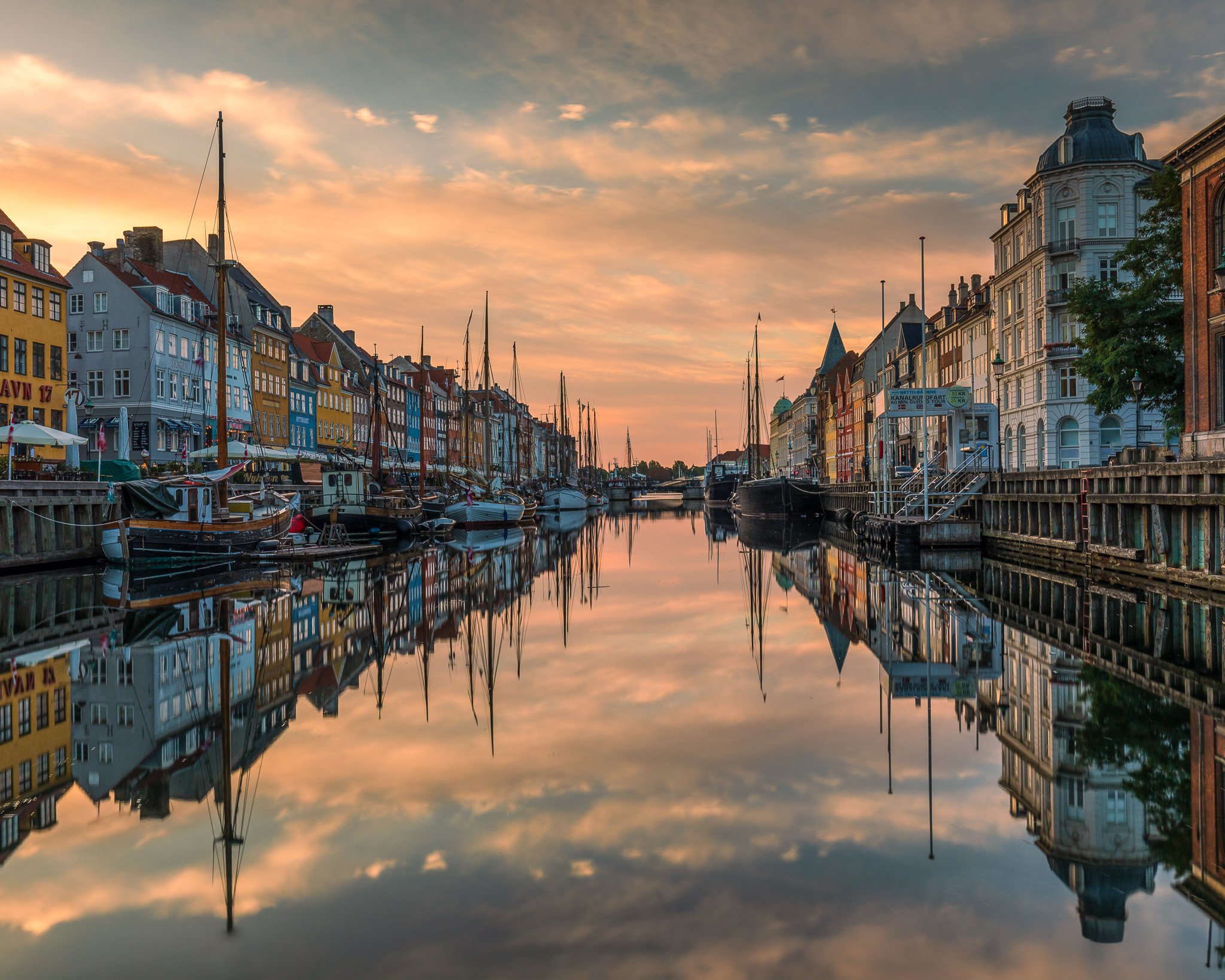
Nyhavn at sunrise, when Copenhagen’s colorful canal houses reflect beautifully in the quiet water.
Copenhagen has a quality of life that you feel as a visitor. Everything works. The bikes, the transit, the food, the design. People swim in the harbor in summer. The city is clean without feeling sterile. The food culture that Noma built over the years before it closed its dining room in December 2023 shaped an entire generation of Copenhagen chefs, and the restaurants they have opened since are among the finest in northern Europe. For photographers, the city offers extraordinary range: the candy-colored canal houses of Nyhavn, the Baroque spire of the Church of Our Saviour, quiet cobblestone streets in the Old Town, and bold contemporary architecture along the waterfront. The northern light here is something to work with rather than around. Soft, diffused, and flattering across almost every subject.
In this Photography Guide to Copenhagen, I share the places and experiences that continue to draw me back. You will find my favorite photography locations, guidance on when and where to shoot, practical travel tips, and gear recommendations, along with cultural insights to help you explore and photograph Copenhagen with confidence, respect, and ease.
Photographer's Notes
Before you go, here are my own takeaways.
Favorite Season: Spring
Favorite Sunrise Location: Nyhavn
Favorite Sunset Location: The Opera House steps, with a perfect view toward Amalienborg
Favorite Neighborhood: Nørrebro
Favorite Hotel: Hotel Sanders
Favorite Café: Atelier September
Favorite Lens: 15-35mm f/2.8
Would I Return? 100 percent. I love coming back. There's a lot to photograph, and the food is amazing.
Best Time to Go to Copenhagen
The best window for photography is April through September, when the days are long, and the light stays well into the evening.
April and May are the sweet spot. The crowds are lighter than peak summer, the light is warm and directional, and the city is beginning to open up after winter. The cherry blossom season in April brings beautiful color to parks and residential streets.
June through August brings long days with golden hour stretching past 9:30 pm, which is extraordinary for photography. Nyhavn fills with people and boat traffic, which adds life to the canal shots. The downside is that peak summer crowds at places like the Little Mermaid and Nyhavn require you to shoot early, before 7 am, to get clean compositions.
September remains excellent. The crowds thin, the light takes on a warmer quality, and the city settles back into its everyday rhythm, which is ideal for street photography.
Winter (November through February) is genuinely underrated for photographers. The Copenhagen Light Festival in February fills the city with illuminated installations. Christmas markets at Tivoli and Nyhavn in December are atmospheric and beautiful to photograph, especially in the blue hour before dark. Dress in layers and bring hand warmers for your batteries.

The colorful 17th century townhouses of Nyhavn reflected in Copenhagen’s historic canal.
Getting Around Copenhagen
Copenhagen is a walker's city. If you are staying in the Nyhavn or city center area, you can reach most of the photography locations in this guide on foot. The city is flat, compact, and extremely well-signed.
Metro and S-Tog (commuter rail): The public transit system is clean, efficient, and easy to navigate. The same ticket covers the metro, buses, and harbor buses. Buy tickets on the DOT Mobilbilletter app or at any station. The metro runs 24 hours, which matters when you are heading out at 4:30 am for sunrise at Nyhavn.
Bicycles: Copenhagen is one of the world's great cycling cities. Renting a bike is easy and gives you a completely different perspective on the city. Just remember: the bike lanes are serious infrastructure. Cyclists have the right of way, and they will use it. Stay off the lanes when you are walking.
Taxis and Rideshare: Dantaxi and other companies operate reliably throughout the city. Unlike much of Northern Europe, cash is largely phased out, so plan on paying by card. Uber also operates in Copenhagen.
Harbor Buses: The harbor bus lines (9A and 991/992) are some of the most enjoyable ways to move around the waterfront while seeing the city from the water.

Early morning at Nyhavn, before the restaurants open and the crowds arrive.
How Many Days Should You Stay in Copenhagen
Three days is the minimum to cover the major photography locations at a relaxed pace. Four to five days is better, especially if you want to spend a morning at each location in different light conditions.
A rough outline:
Day 1: Nyhavn at sunrise, the Frederiksstaden neighborhood (Amalienborg, Frederik's Church, Gefion Fountain, St. Alban's Church, Kastellet), and the Little Mermaid. End at the Black Diamond Library at blue hour.
Day 2: Christianshavn (Church of Our Savior, Freetown Christiania perimeter, Inderhavnsbroen bridge), the Old Town (Magstræde, Round Tower, Strøget street photography). Evening at Torvehallerne and Nørrebro.
Day 3: Louisiana Museum of Modern Art day trip (35 minutes north by train), or a morning in Vesterbro followed by an afternoon at Designmuseum Denmark and Rosenborg Castle at golden hour.
Day 4 or 5: Day trip to Malmö, Sweden (30 minutes by train over the Øresund Bridge). A morning walk, a coffee, and back in time for lunch in Copenhagen. It is one of the easiest and most satisfying cross-border day trips in Europe.

A quiet everyday moment on the streets of Copenhagen.
Where should you stay in Copenhagen
The best neighborhood for photographers and travelers is the Nyhavn and Frederiksstaden area. You are walking distance from the canal, Amalienborg Palace, Frederik's Church, the Gefion Fountain, and the Little Mermaid. The metro connects directly from the airport in about 14 minutes to Kongens Nytorv, right at the top of Nyhavn. From there, you can walk to almost every location in this guide.

Hotel Angleterre
Luxury Hotels in Copenhagen
Hotel d'Angleterre One of the great classic hotels in Europe, and it has been operating for more than 265 years. It sits right on Kongens Nytorv, the square at the top of Nyhavn, which means you are ninety seconds from the canal at any hour. The architecture is beautiful, the service is outstanding, and the in-house restaurant holds a Michelin star. If you want a hotel that earns its position, this one does. We have stayed here many times.
Villa Copenhagen, a former central post office, has been transformed into one of the most distinctive hotels in the city. Housed in a monumental early 20th-century building across from Copenhagen Central Station, it combines grand architecture with a relaxed, design-forward atmosphere. The rooftop pool with city views is a genuine treat after a long day of shooting.
Nimb Hotel Set inside the Moorish-inspired Nimb building at Tivoli Gardens, this small luxury hotel is one of the most atmospheric addresses in Copenhagen. With fewer than fifteen rooms and suites, it operates at a different pace from larger properties. The location, right on the edge of Tivoli, gives you early access to the gardens before they open to the public.

Hotel Angleterre
Mid-Range Hotels in Copenhagen
Hotel Sanders. This is my favorite hotel in Copenhagen, and I come back to it every time. It was founded by Danish ballet dancer Alexander Kølpin and opened in 2017 with just 53 rooms. That size matters. The service is personal, the design is warm and considered, and the rooftop breakfast area is one of the most peaceful spots in the city on a summer morning. Located in the Nyhavn area, it puts you within walking distance of everything.
71 Nyhavn Hotel, converted from two 19th-century warehouses right on the Nyhavn waterfront, this hotel has genuine character and one of the best locations in Copenhagen. The facade with its symmetrical windows is actually worth photographing. It is a solid, well-run property with views directly onto the canal.
Wakeup Copenhagen (Borgergade) A well-priced, design-conscious option in a good location east of the city center. Clean, comfortable, and efficiently run. If your priority is spending your money on food and photography experiences rather than the hotel room, this is a smart choice.
Where to Eat in Copenhagen
Copenhagen's food scene is genuinely world-class. The generation of chefs that came out of Noma over the past two decades has opened restaurants across the city that range from exceptional fine dining to the best hot dog stand you will ever visit. Fresh ingredients are the foundation of everything here, and you can feel that difference.


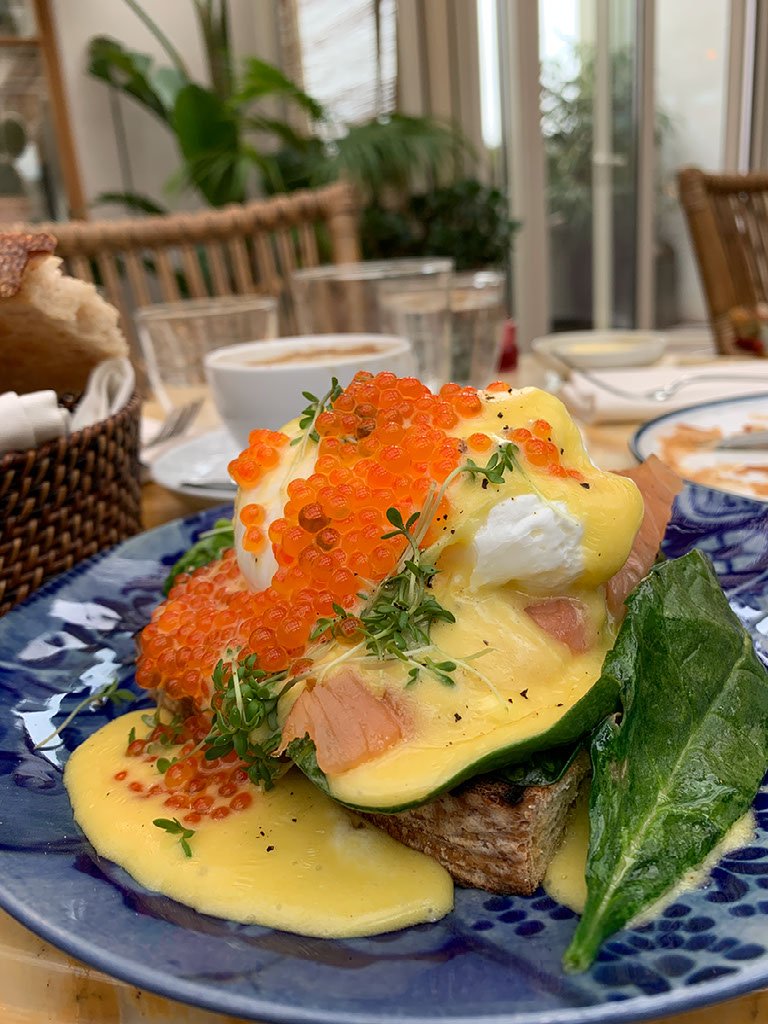
Restaurants in Copenhagen
Geranium If you get the chance to go, go. It is expensive, and it is worth every krone. Three Michelin stars. Located on the eighth floor of the national stadium with views over Fælledparken. The tasting menu changes with the seasons and the kitchen operates at a level I have not encountered anywhere else. Book well in advance.
Baest Named one of the best pizza restaurants in the world, and the reputation is earned. The sourdough crust, the house-made charcuterie, the natural wines. Located in Nørrebro. It is almost always busy, and they do not take reservations for smaller parties, so go at an off-peak hour or be prepared to wait.
Aamanns The definitive destination for smørrebrød, the classic Danish open-faced sandwich. Chef Adam Aamanns operates out of a beautifully converted space and approaches this traditional format with genuine creativity. This is not a tourist version of Danish food. It is the real thing, done exceptionally well.
Restaurant Barr Outstanding fish and meat restaurant in Christianshavn, just across the inner harbor bridge from Nyhavn. In summer, people swim in the water just outside. The cooking is Nordic, grounded, and confident. Book ahead.
Hija de Sanchez Founded by Rosio Sanchez, a former Noma pastry chef, this taqueria operates with the same attention to quality that defines Copenhagen's best restaurants. The tortillas are made fresh, the ingredients are sourced carefully, and the result is some of the best Mexican food you will find outside of Mexico.
Døp A hot dog stand. But not just any hot dog stand. These are genuinely the best hot dogs I have eaten anywhere in the world. There is a vegetarian option. You will eat standing on the street and you will not regret it.
Gasoline Grill A former gas station converted into one of the most popular burger spots in the city. The owner went to college in the United States and came back to Copenhagen with an idea. The result is a burger that consistently outperforms its category. Always busy. Worth the wait.


Nimb Brasserie, French-inspired cooking with a direct view of Tivoli Gardens. Good for breakfast, lunch, or dinner. The setting is hard to beat, and the food consistently delivers.
Torvehallerne One of the best food markets in Europe. Dozens of stalls cover everything from sushi to fresh produce to pastries. Go for GRØD if you want one of the best bowls of oatmeal you have ever had. It is a great breakfast stop before a morning shoot.
Llama, a Latin American restaurant in the city center, surprised me. I went in not knowing what to expect and left genuinely impressed. Good service, creative cooking, and a fun atmosphere.

Coffee at the Coffee Collective
Coffee
Atelier September: Light-filled, minimal, and beautiful. Ideal for breakfast or a mid-shoot break. One of the most photographed interiors in the city, and it earns the attention.
Coffee Collective (Jægersborggade): Specialty roasts with a loyal local following in Nørrebro. The street itself is worth photographing.
Prolog Coffee Bar: Tucked into the Meatpacking District in Vesterbro. Great for editing on a laptop, people-watching, and a very good flat white.
Original Coffee (Illum): Rooftop location at the Illum department store with good views over the city center. A solid option if you are already in the shopping district.
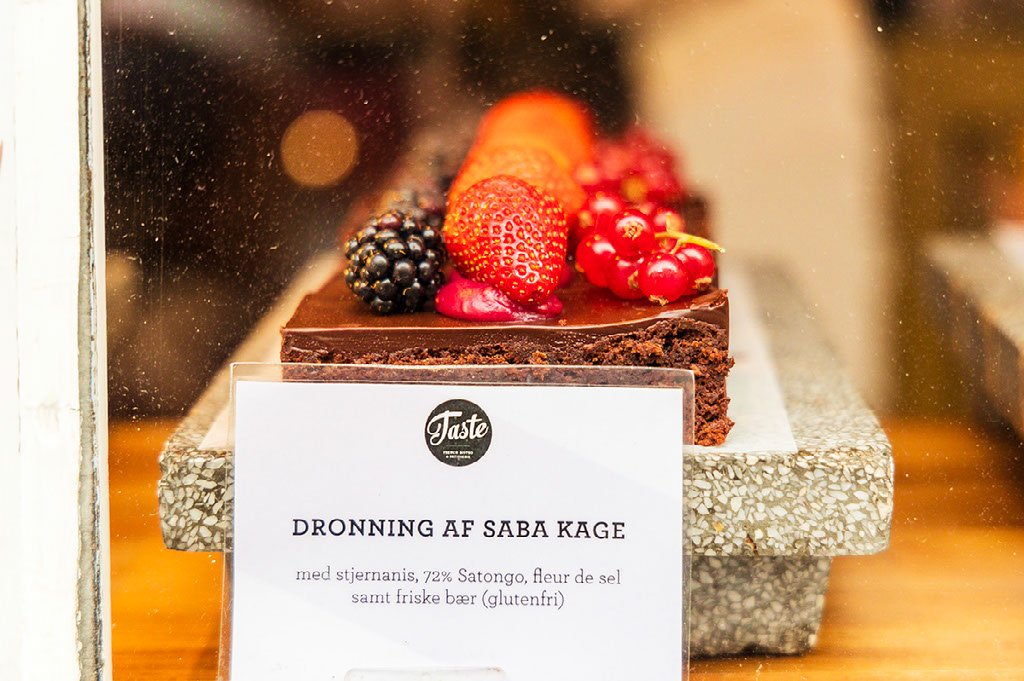

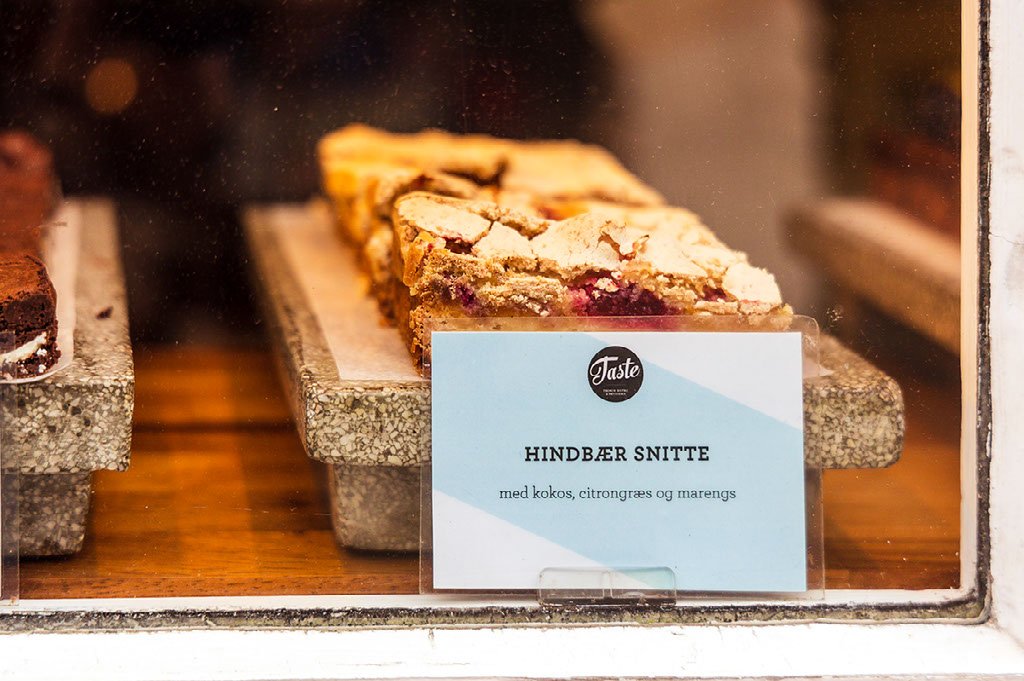
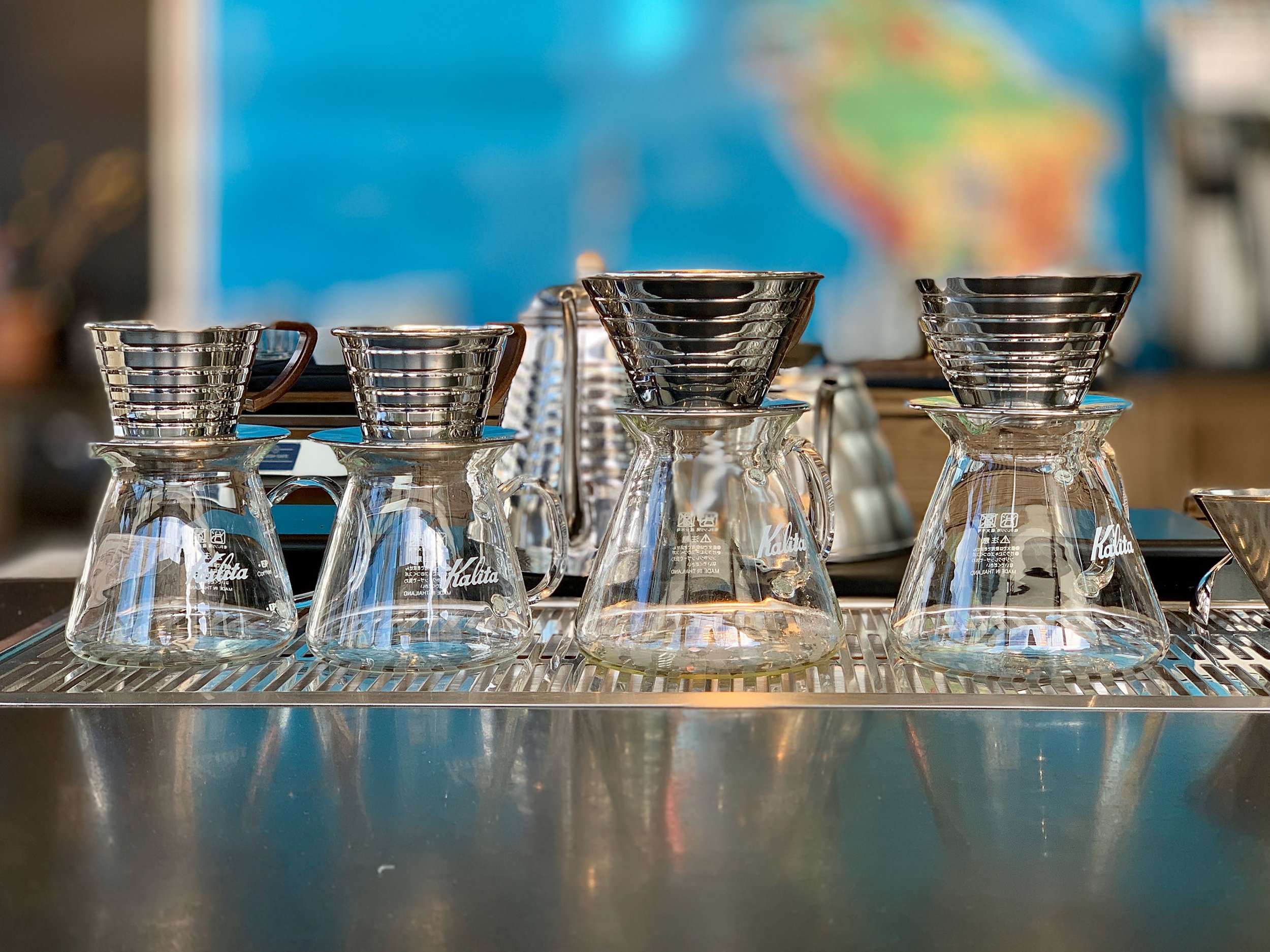
Photography Gear Recommendations for Copenhagen
DSLR and Mirrorless Kit
The city offers wide architectural shots, intimate street moments, long-exposure canal reflections, and portrait opportunities, often within a few hundred meters of each other.
Camera Body: Any of the current-generation mirrorless bodies perform well here. I shoot with the Canon EOS R5 Mark II as my primary body. The Sony A7R V and Nikon Z8 are both excellent choices for the resolution and dynamic range you want in low-light urban environments. The Leica Q3 with its fixed 28mm lens is my preferred walk-around camera for street photography days in Copenhagen.
Wide Angle (15-35mm or 16-35mm): Essential for Nyhavn, the interior of the Round Tower, and the long canal compositions in Christianshavn. This is the lens you will reach for most often.
Standard Zoom (24-70mm or 24-105mm): If you want to travel light with a single lens, a 24-105mm covers almost everything in this city. It handles street photography, architecture, and environmental portraits without requiring a lens change.
Telephoto (70-200mm): Useful for compressing the canal rows at Nyhavn, isolating the spire of the Church of Our Saviour, and photographing the Changing of the Guard at Amalienborg from a comfortable distance.
Tripod: Bring one. Nyhavn at blue hour and sunrise requires it for long exposures on the water. The Round Tower interior benefits from slower shutter speeds. A compact travel tripod works well here since you are never far from your base.
ND Filters: A 6-stop and 10-stop ND are worth having. Near water, longer exposures smooth out canal surfaces and remove boat traffic from compositions. Kase makes excellent options that are easy to carry.
Extra Batteries: In summer, you will be shooting from 4:30 am sunrise through a long blue-hour evening. Plan for 12 to 14 hours of potential shooting time and pack accordingly. Cold weather in winter drains batteries faster.
Drone: Recreational drone use requires authorization in Copenhagen's urban areas. The city center, including Nyhavn, Tivoli, and the waterfront, falls under restricted airspace near Copenhagen Airport and multiple no-fly zones. Do not fly without checking the Danish CAA (Trafikstyrelsen) for current regulations and obtaining the necessary permits. The consequences of unauthorized flight in Denmark are real and enforced.
iPhone Photography Tips
Copenhagen is an exceptional city for iPhone photography, and the reasons are practical: the light is soft and consistent, the architecture has clean lines that the iPhone handles well, and street photography here tends toward candid rather than confrontational, which suits a phone camera.
At Nyhavn: Shoot in Portrait Mode from the end of the canal looking down the row of colored houses. The compression of the focal length, combined with the blur on the water surface, creates a strong image. Try this in the blue hour before sunrise when the lights on the facades are still glowing.
At Amalienborg, the octagonal courtyard has strong geometric symmetry. Stand at the center of the statue and use the iPhone's ultra-wide lens to capture all four palace facades in a single frame. In the standard or 2x lens, use the statue as a foreground anchor.
In Vesterbro and Nørrebro: These neighborhoods are made for street photography with a phone. The iPhone's Night Mode performs well in the Meatpacking District at dusk. Shoot handheld with Night Mode and lean into the grain rather than fighting it. Use ProRAW if your iPhone supports it to retain maximum detail for editing.
General tip: Copenhagen has extraordinary reflective surfaces everywhere, from the harbor to rain-wet cobblestones to the mirrored facades of the Black Diamond Library. After rain, the entire city becomes a reflection opportunity. Keep the phone out and look down as often as you look up.
Best Photography Locations in Copenhagen
There are plenty of photography options in Copenhagen. I will provide some classic locations that should not be missed, but I will try to concentrate on certain subjects such as Design Museums, Waterways & Canals, Bicycles, Street Photography, and Parks. Here are a few suggestions:
Nyhavn
Nyhavn is the image of Copenhagen that everyone carries before they arrive, and the reality is better than the expectation. The 17th-century canal is lined on both sides with townhouses painted in shades of ochre, red, blue, and yellow. Old wooden sailing ships are moored along the quay. The scale is perfect: wide enough for dramatic compositions, intimate enough to feel personal.
The key to photographing Nyhavn well is simple: arrive before the crowds. By 8 am in summer, the canal fills with tourists and restaurant chairs. By 6 am, it belongs to photographers. The light at sunrise comes in low from the east and catches the facades directly, which is when the colors are warmest, and the reflections on the water are still.
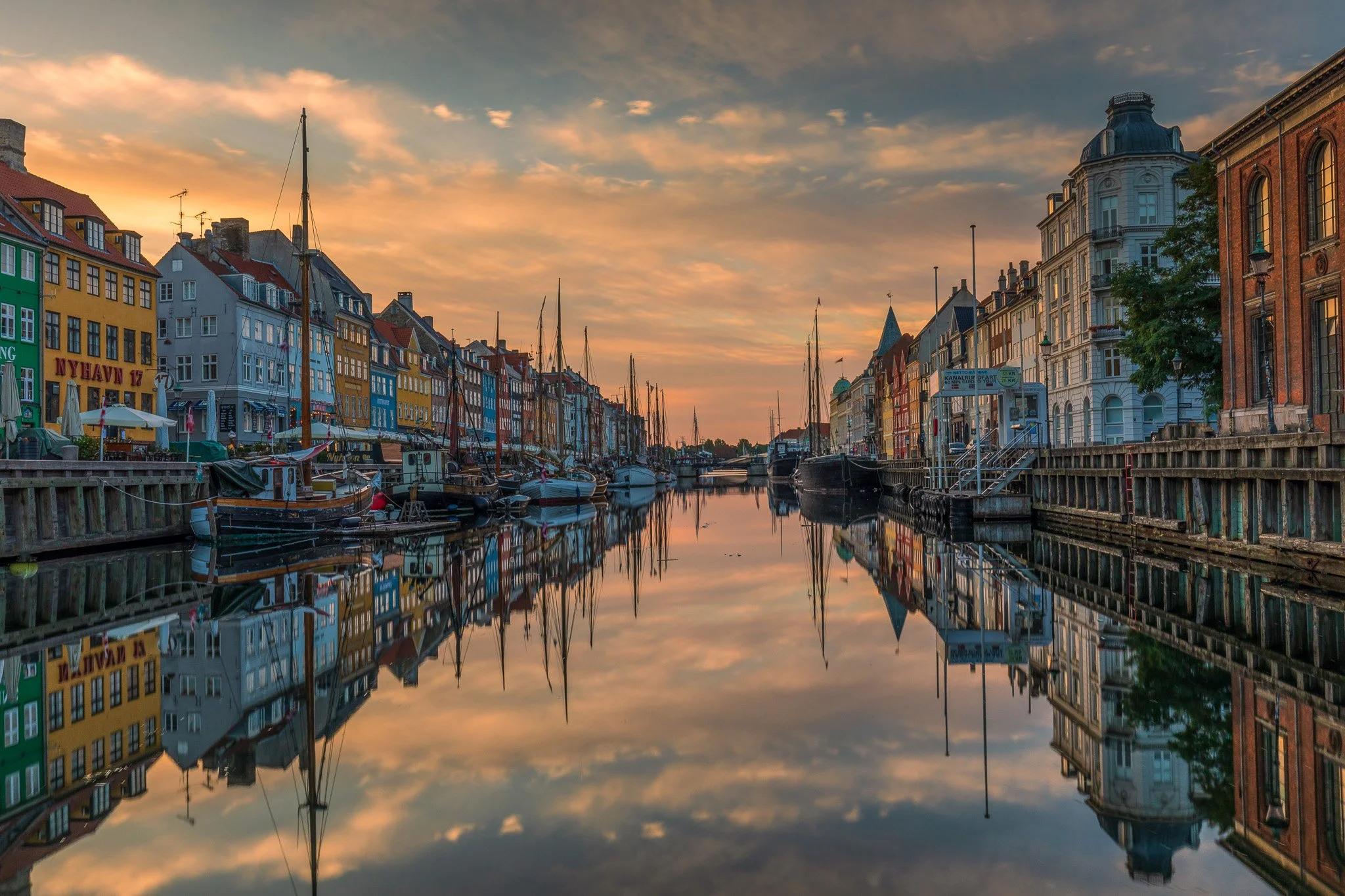
Colorful façades, wooden boats, and calm reflections along Copenhagen’s famous Nyhavn canal.
📷 Pro Tip: Position yourself at the far end of the canal, on the south side (Nyhavn 1-17 side), and shoot down the length of the canal with a wide-angle lens between 16-24mm. In summer, arrive by 4:45 am for the best pre-sunrise blue light and stay through the golden hour. For long exposures of the water surface, set up on the cobblestones near water level and use a 6-stop ND with a 15-20 second exposure to smooth the canal. The north side of the canal (opposite the colored houses) gives you the buildings as your background with unobstructed shooting lanes. Also worth exploring: walk around the back of the townhouses and photograph the secondary facades and side streets. Most visitors never go there.
Best time: Sunrise or blue hour before sunrise. Access: Free, public. Walk from Kongens Nytorv metro station (2 minutes).

Early morning at Nyhavn, before the restaurants open and the crowds arrive.
There are a lot of different compositions here

Colorful façades, wooden boats, and calm reflections along Copenhagen’s famous Nyhavn canal.
Amalienborg Palace
Amalienborg is the winter residence of the Danish royal family and one of the finest examples of 18th-century Rococo architecture in Northern Europe. The palace complex consists of four identical mansions arranged around a large octagonal courtyard, with an equestrian statue of Frederick V at the center. Just behind the palace, the dome of Frederik's Church (known as the Marble Church) rises above the roofline and creates one of the most powerful compositions in Copenhagen.
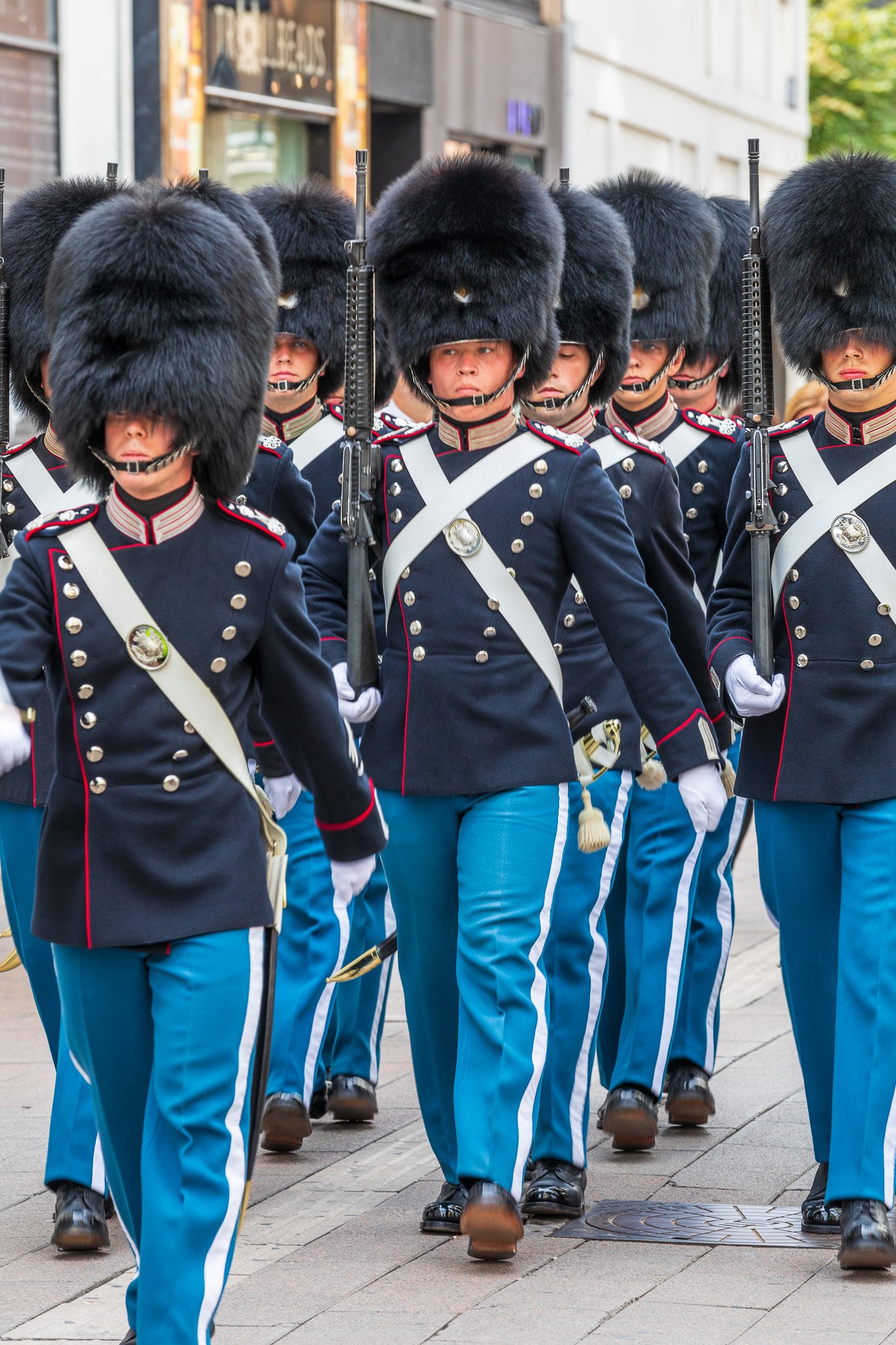
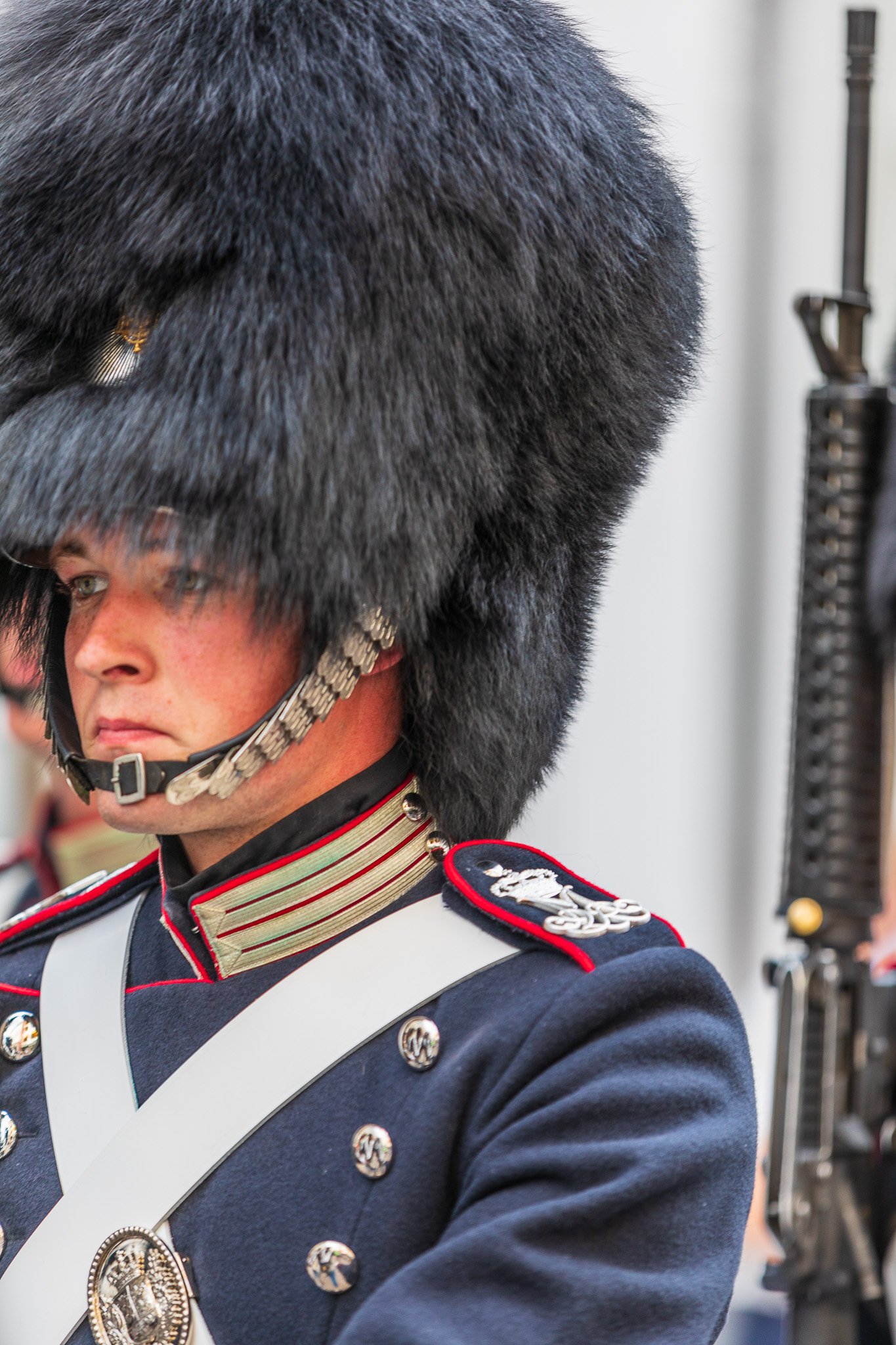
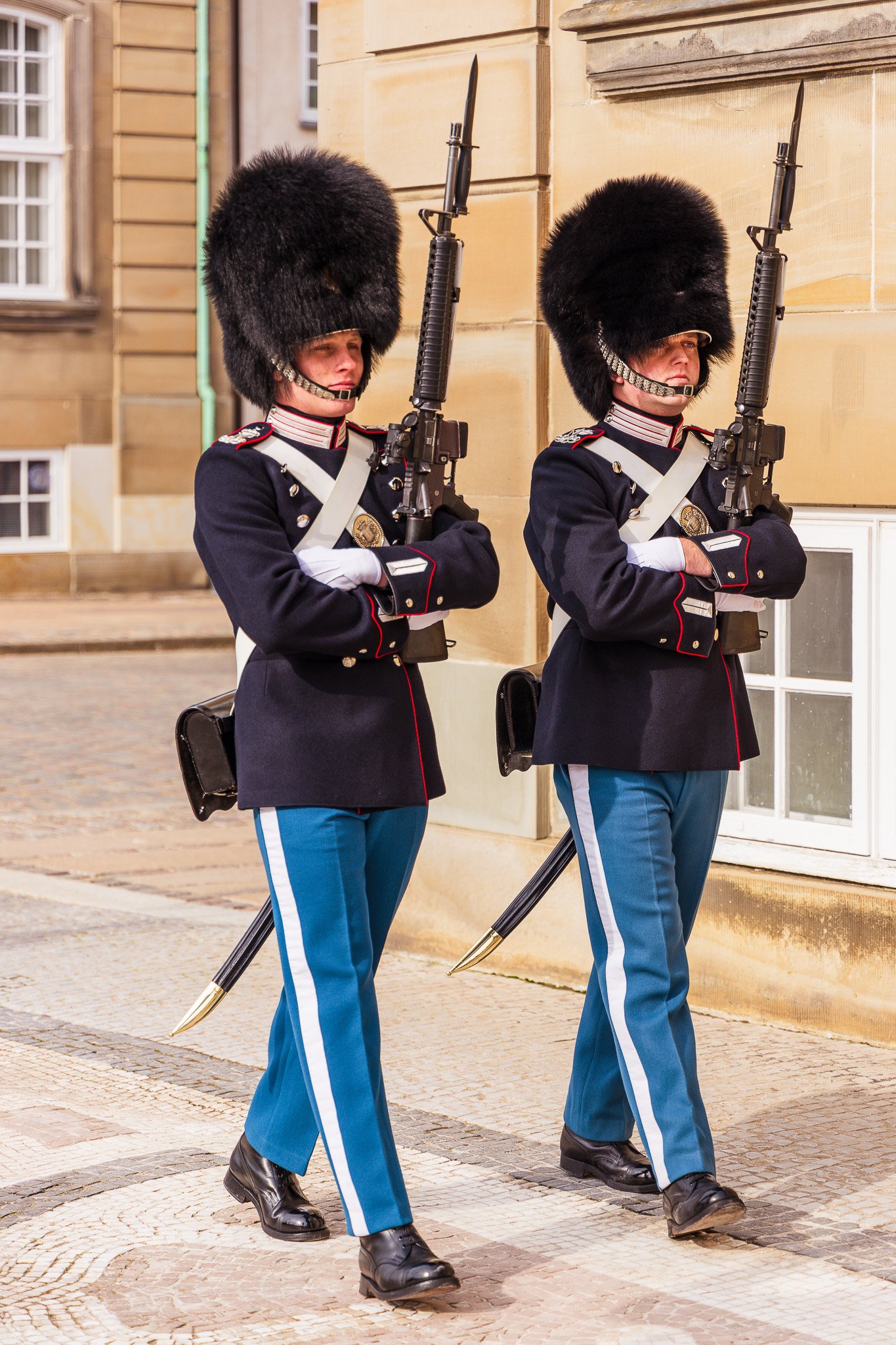
The Changing of the Guard happens daily at noon, when soldiers march from Rosenborg Castle to Amalienborg. The ceremony is formal and photogenic, and the guards in their bearskin hats provide strong portrait subjects.
📷 Pro Tip: For the classic composition, stand on the axis that runs from Amalienborg's courtyard straight toward Frederik's Church dome, approximately 200 meters away. A 70-200mm at 135-200mm compresses the space beautifully, bringing the dome forward behind the palace. At noon, position yourself early on the south side of the courtyard for the Changing of the Guard. Shoot with a 70-200mm for tight portrait frames of the guards, then switch to a wide angle for the full courtyard ceremony. In the evening, the dome of Frederik's Church catches the last light beautifully. Shoot from the street outside the courtyard for the full architectural frame.
Best time: Noon for the guard ceremony; golden hour for the church dome. Access: Free, public. Walk 10 minutes north from Nyhavn.
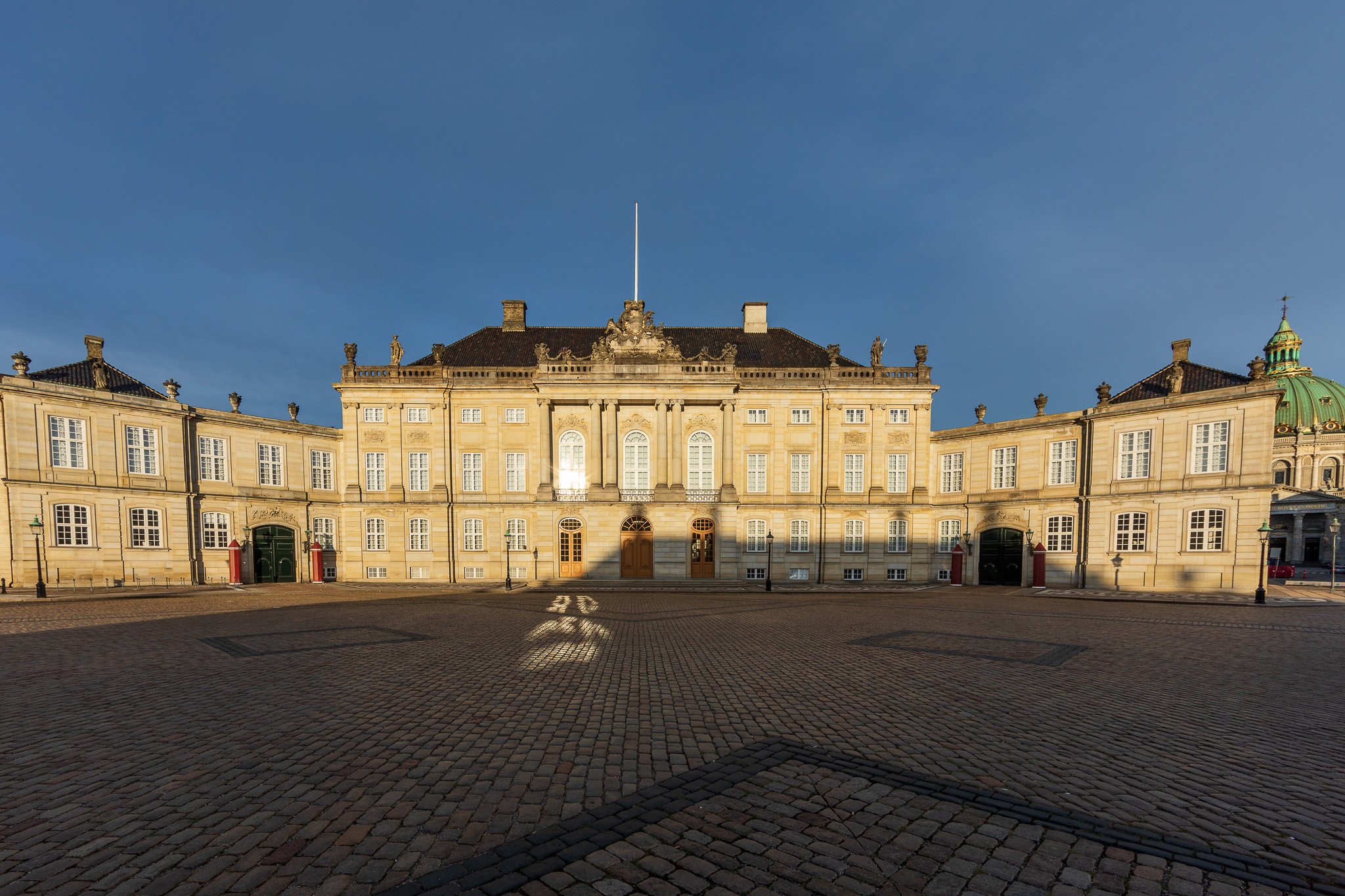
The elegant Rococo architecture of Amalienborg Palace in the heart of Copenhagen.
The Royal guard protecting the entrance to the residences.

A member of the Royal Guard standing watch at Amalienborg Palace in Copenhagen.
At noon you can watch the change of the guard
71 Nyhavn Hotel
Converted from two 19th-century warehouses right on the Nyhavn waterfront, this hotel has one of the best facades in the neighborhood for photographers. The symmetrical rows of windows, warm brick, and canal-front position make it worth a few frames even if you're not staying there. It photographs especially well in the same early morning light that works for the rest of Nyhavn, before the crowds and restaurant seating fill the foreground. If you're already at the canal for sunrise, it's a five-minute detour to include.

The Facade of the 71 Nyhavn Hotel
Frederik's Church
Frederik's Church, popularly known as The Marble Church for its rococo architecture, is an Evangelical Lutheran church located right next to Amalienborg.
📷 Pro Tip: Shoot the dome early morning, when the light is soft and the square in front of the church is still empty. This is a different angle from the axis shot toward Amalienborg described earlier, here you're working the church's own facade and dome directly, not the compressed view from the palace courtyard. A 15-35mm handles the scale of the dome without needing to back too far into the square. Circle the building once, the side and rear approaches catch morning light differently than the main facade.
Best time: Early morning. Access: Free, public. Located next to Amalienborg, a short walk from Nyhavn.

The magnificent dome of Frederik’s Church, also known as the Marble Church, rising above Copenhagen.
You can also take the photo from the Royal Palace

Frederik’s Church framed from the courtyard of Amalienborg Palace.
Designmuseum Denmark
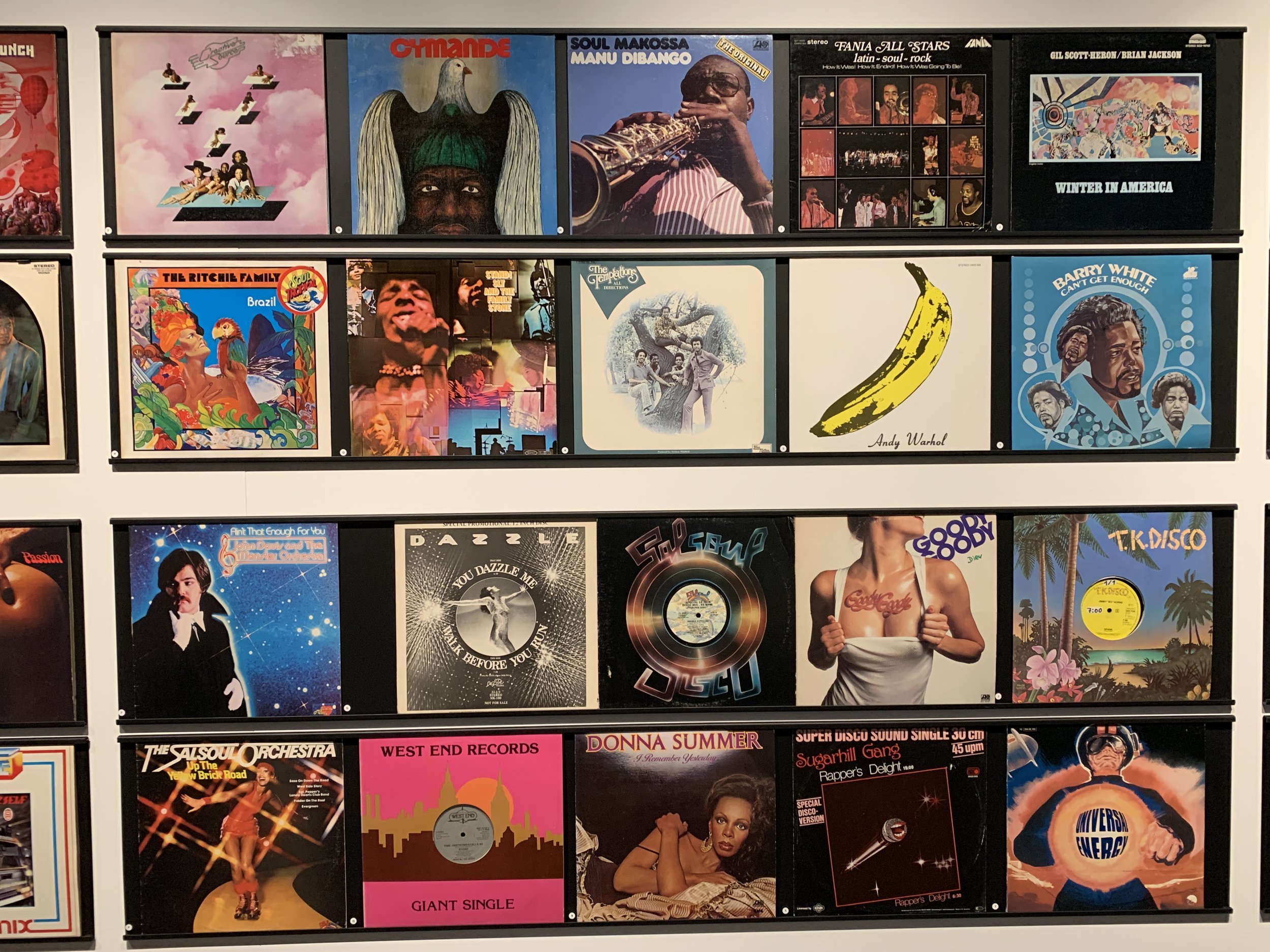
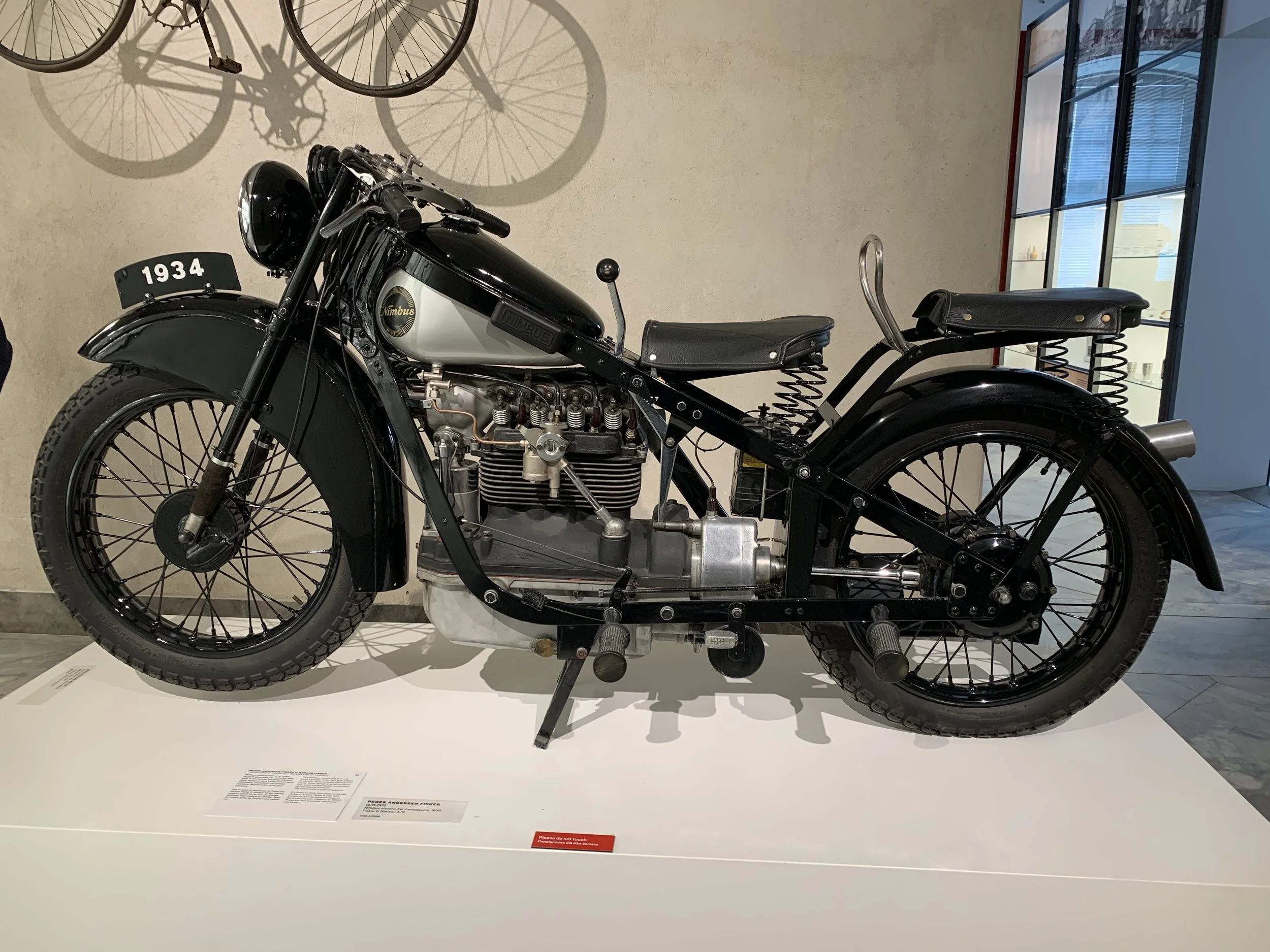
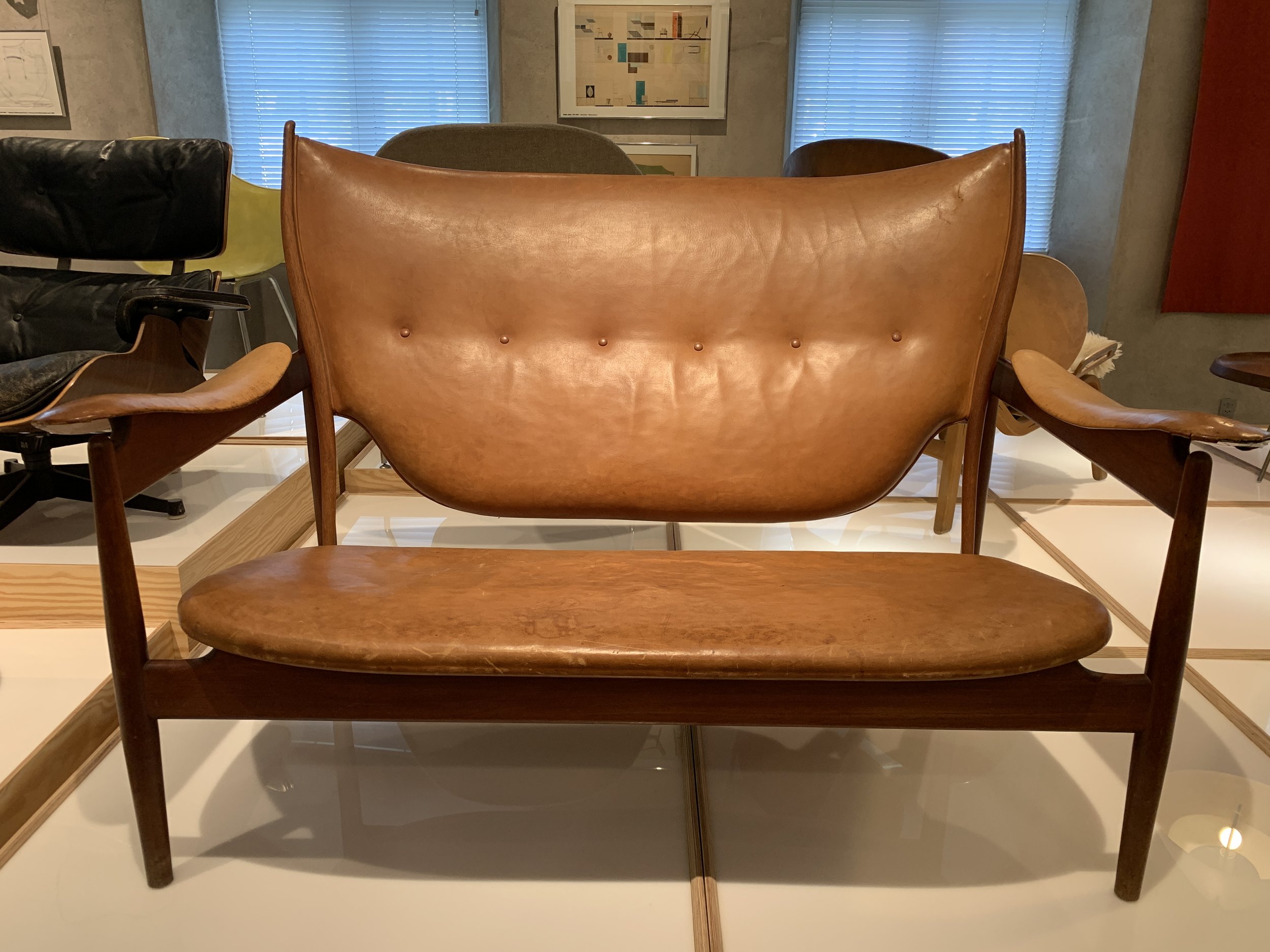
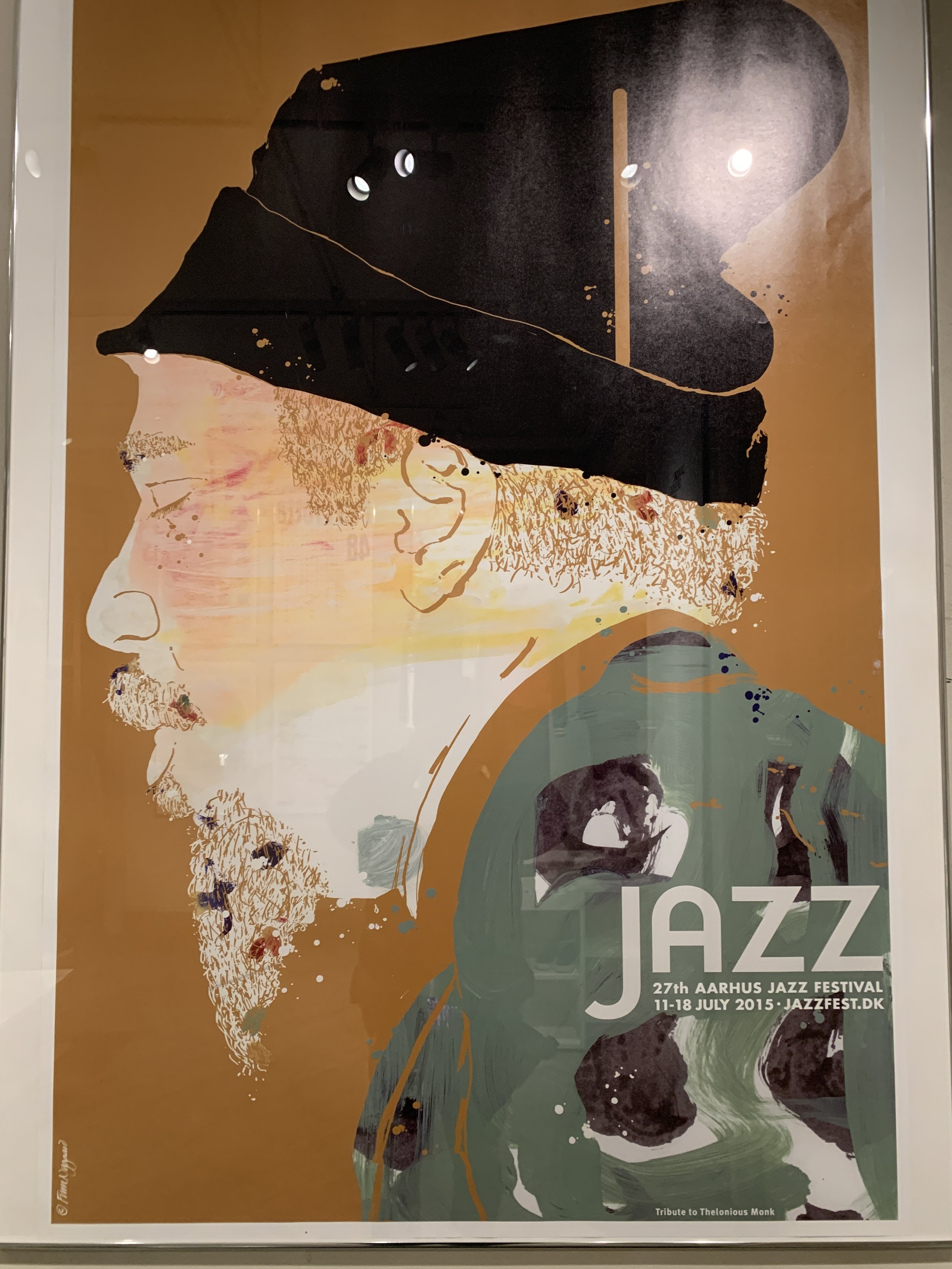
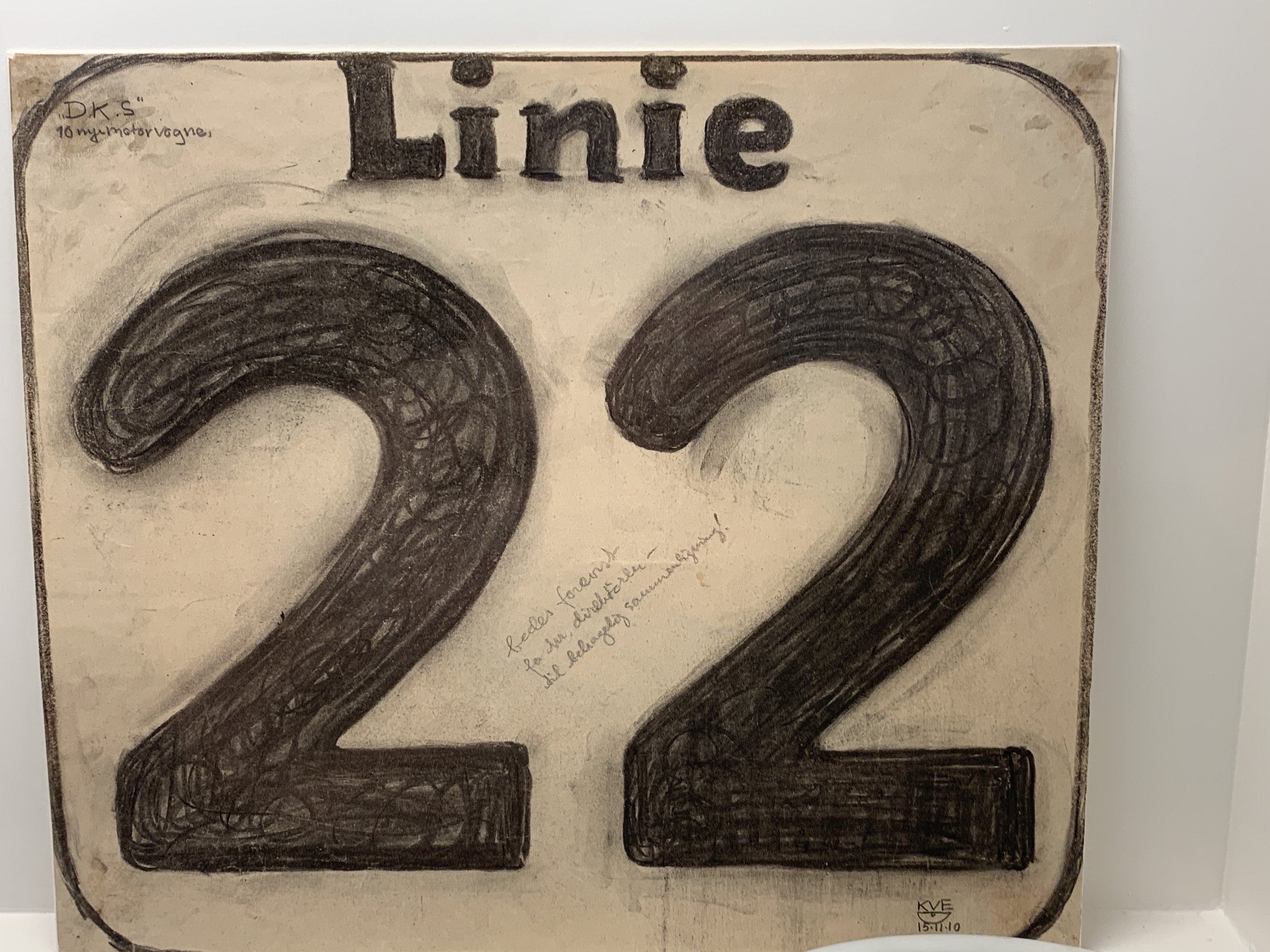
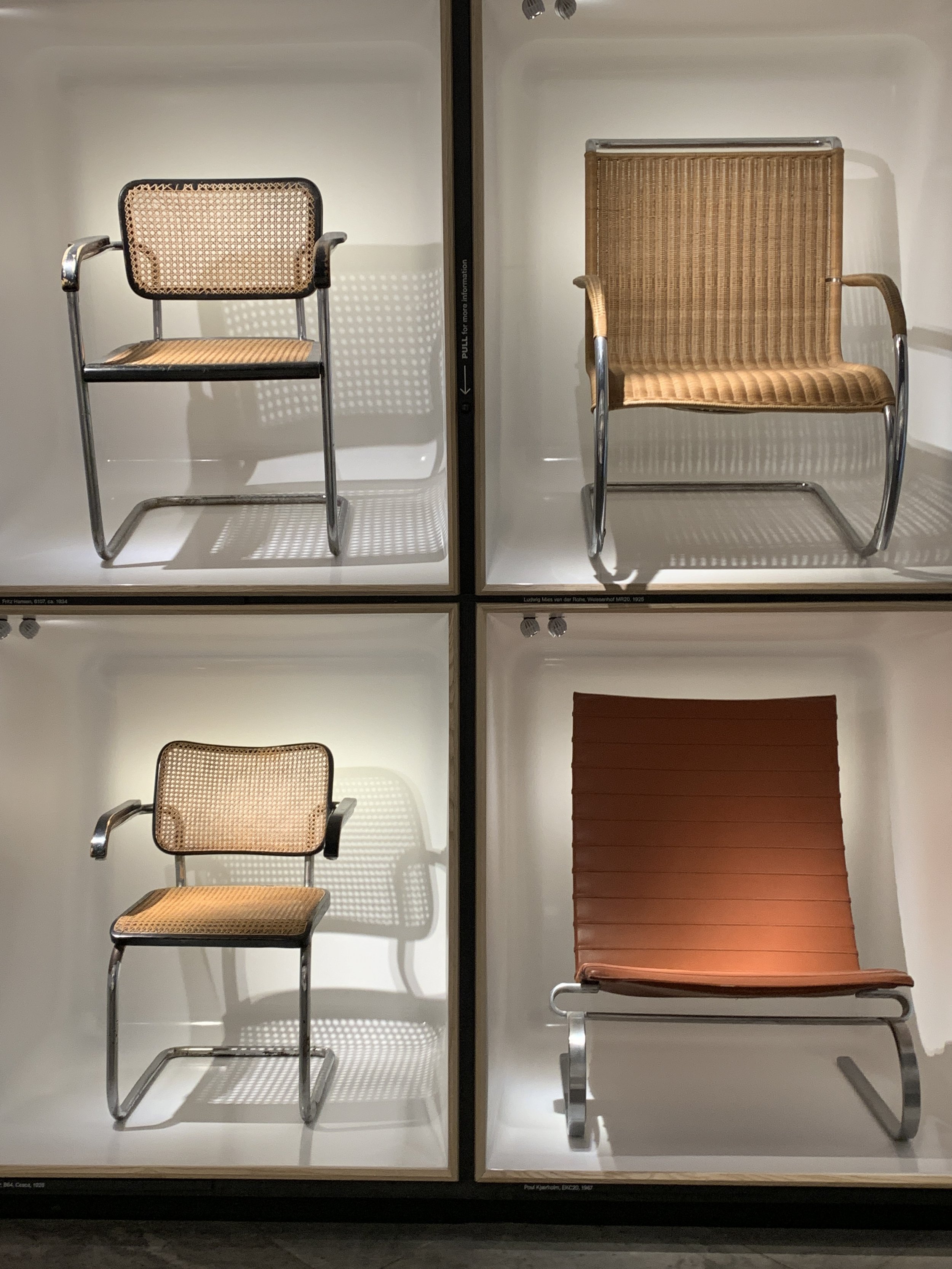
The Designmuseum Denmark is a museum dedicated to Danish and international design, housed in a former hospital building from 1757 in Frederiksstaden. The permanent collection spans furniture, textiles, fashion, and industrial design, with works by Arne Jacobsen, Jacob Jensen, Kaare Klint, and other Danish masters. The museum building itself is as beautiful as the objects inside.
For photographers, the interior offers extraordinary material: curves, surfaces, textures, and objects designed with such clarity that they photograph almost effortlessly. The iPhone does particularly well here.
📷 Pro Tip: Use the 24-70mm for the gallery rooms and the museum courtyard. The courtyard is one of the quieter spots in this part of the city and photographs well in both morning and afternoon light. For the design objects themselves, a 50mm or 85mm prime gives you natural perspective and good subject separation. Many of the chairs and furniture pieces are displayed on open plinths, which allows close approach. Use your iPhone's Portrait Mode on individual objects for strong product-style images with the museum architecture blurred behind them. Check current exhibition schedules as temporary shows occasionally close sections of the building.
Best time: Morning for the courtyard; any time for the interiors. Access: Paid entry. Located in Frederiksstaden, a 5-minute walk from Amalienborg.
Amalie Garden
Amalie Garden sits between Amalienborg Palace and the waterfront, a small, formal park that acts as a quiet buffer between the royal complex and the harbor. It's not a destination on its own, but it's a pleasant pause if you're moving between Amalienborg and the Little Mermaid, with clean sightlines back toward the palace and glimpses of the water through the trees. The symmetry of the garden's layout gives you a few clean, simple compositions if you want a breather from architecture-heavy shooting.

The peaceful symmetry of Amalie Garden between Amalienborg Palace and Copenhagen’s waterfront.
St Alban's Church
Locally known simply as the English Church, St. Alban's is an Anglican church built between 1885 and 1887 for Copenhagen's English congregation. It sits along the route between Amalienborg and the Little Mermaid, next to the Military Barracks, and its Gothic Revival style stands out from the Danish Baroque architecture surrounding it. It's a quick stop rather than a planned shoot, but the contrast in architectural style makes it worth a frame or two on your way past.

The Gothic Revival architecture of St. Alban’s Church near Copenhagen’s Kastellet.
Gefion Fountain
Right next to St. Alban's Church, the Gefion Fountain is one of Copenhagen's largest and most dramatic public sculptures, depicting the goddess Gefion driving a team of oxen. The scale and movement of the piece make it a strong subject in its own right, especially with harbor views as a backdrop. It sits directly on the route toward the Little Mermaid, so most visitors pass it without stopping, but it deserves a few minutes and a few frames, particularly if the fountain is running.

The dramatic Gefion Fountain depicting the Norse goddess Gefion and her team of oxen.
Kastellet
Kastellet is one of the best-preserved star-shaped fortresses in Northern Europe, built in the 17th century and still an active military installation. The grounds are open to the public and offer a combination of historic earthworks, a working windmill, red-brick barracks buildings, and quiet tree-lined paths. It is a genuinely beautiful and underrated photography location.
📷 Pro Tip: Walk the perimeter early morning, before the grounds fill with joggers and dog walkers. A 15-35mm covers the earthworks, the windmill, and the red-brick barracks without needing to switch lenses. The full loop takes about 30-40 minutes at a photographer's pace, plan for that if you're also shooting the Little Mermaid at sunrise nearby, since the two pair naturally into one early outing.
Best time: Early morning. Access: Free, public. A 15-minute walk north from Nyhavn along the waterfront.

The traditional windmill inside Kastellet, one of Copenhagen’s most distinctive historic landmarks.
Military Barracks
The red-brick barracks buildings near Kastellet and the Little Mermaid are some of the most photogenic architecture in this part of the city, with warm color and clean geometric lines that hold up well in both flat and directional light. They're still connected to Kastellet's active military use, so treat them with the same respect you would any working installation, but the exteriors are fair game and genuinely rewarding to photograph. This area pairs naturally with an early morning Kastellet walk.
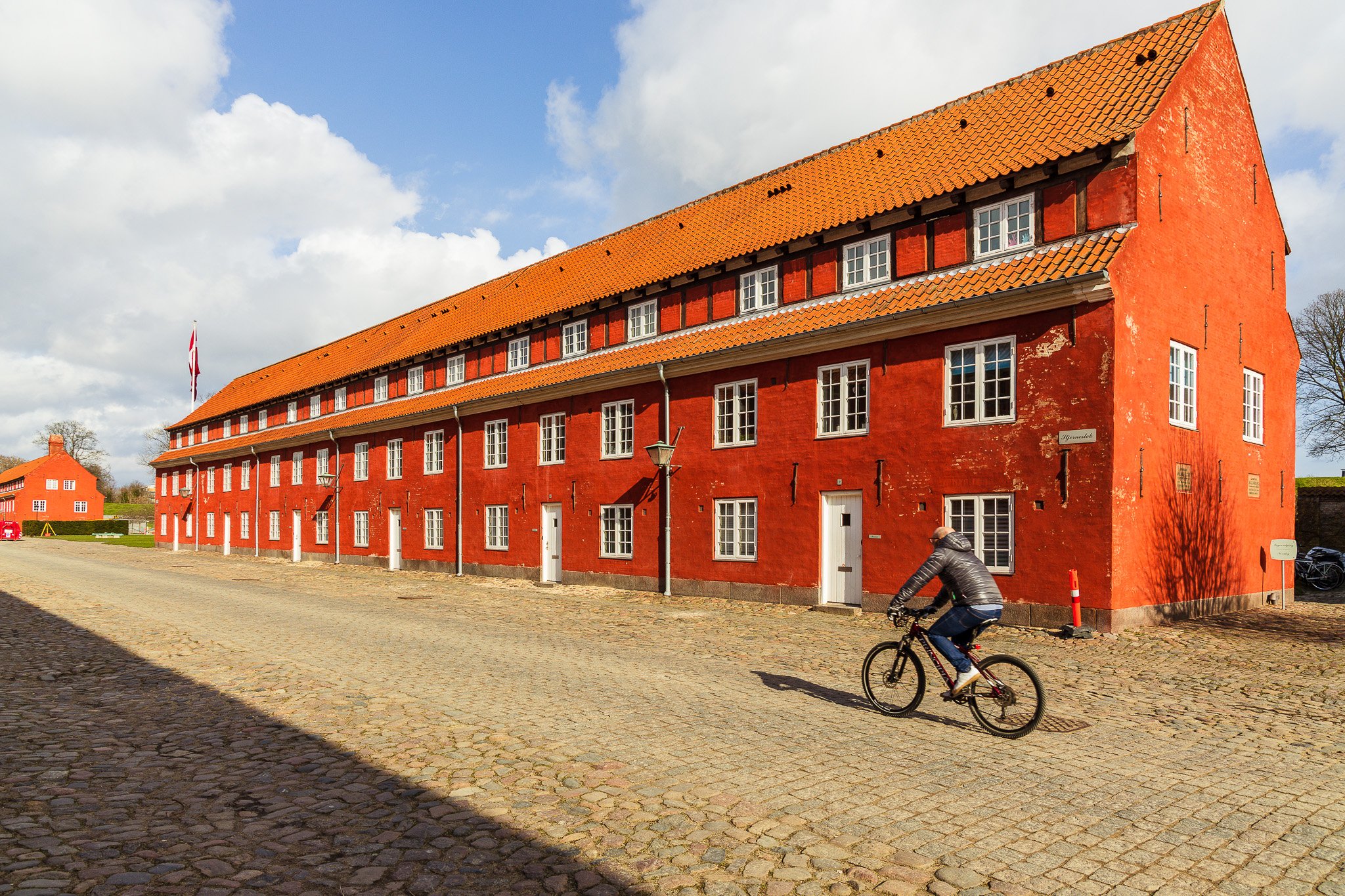
The historic red brick buildings and green ramparts of Copenhagen’s star shaped Kastellet fortress.
There are a number of beautiful buildings in this area

Beautiful architecture near the Military Barracks
The Little Mermaid
The Little Mermaid sits on a rock at the edge of the harbor, a short walk from Kastellet's northern perimeter. The bronze statue by Edvard Eriksen is smaller than most visitors expect, at just 1.25 meters tall. It will almost certainly have people climbing on and around it at any hour of the day.
📷 Pro Tip: Photograph the Little Mermaid as early as possible, before 6am if you can manage it. Even then, you may have other photographers present. A 70-200mm allows you to compress the harbor behind the statue and isolate her against the water or the distant Langelinie waterfront. For the Kastellet, walk the full perimeter of the moat and look for the windmill framed against the earthwork ramparts with a wide angle. The red-brick barracks have good symmetry and warm color that photographs well in morning light. The footbridge over the moat at the southern entrance is a clean, simple shot.
Best time: Sunrise for both locations. Access: Kastellet grounds are free and open daily. Walk from Nyhavn (15 minutes north along the waterfront).
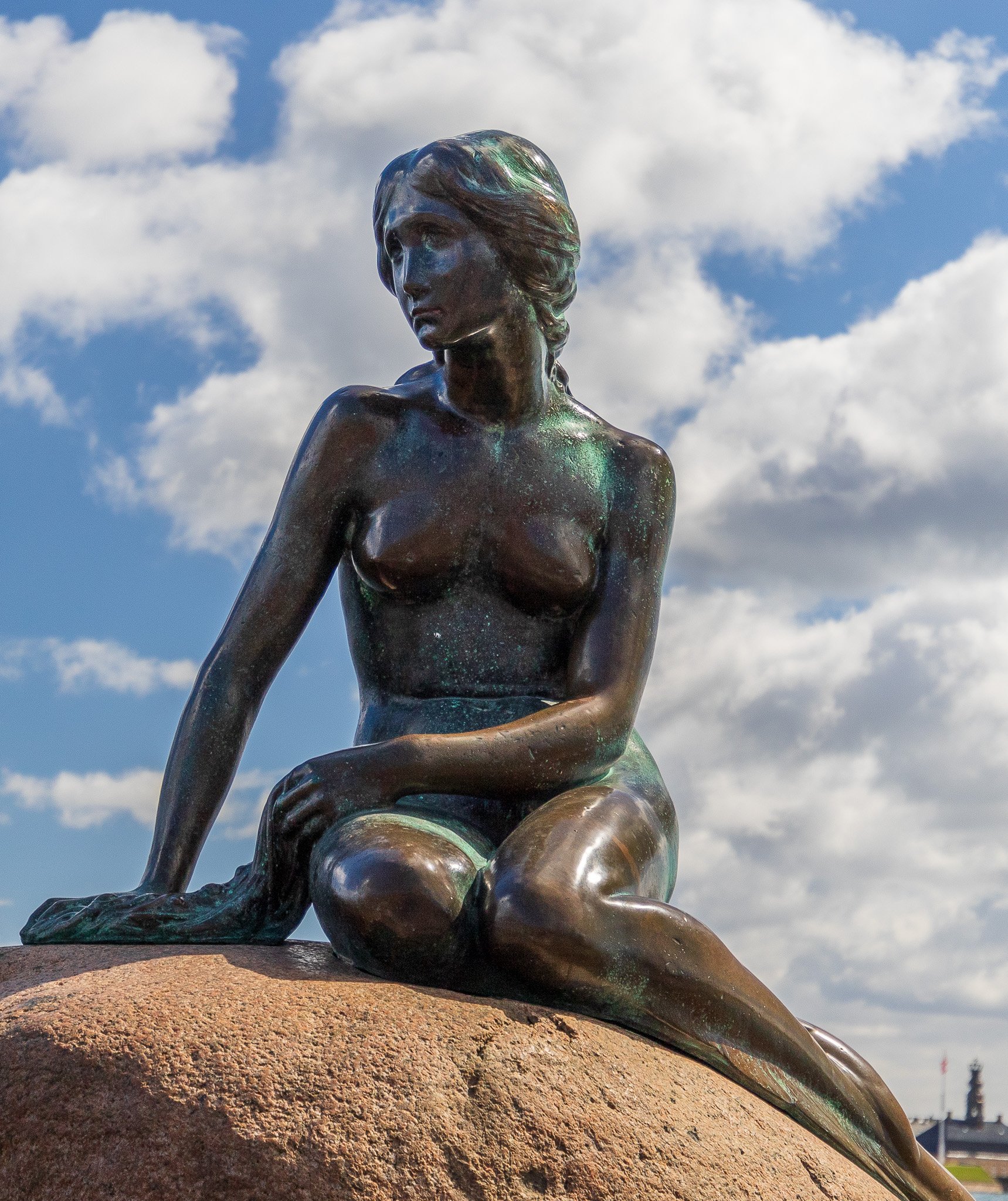
The Little Mermaid sitting quietly along Copenhagen’s Langelinie waterfront.
It is 1.25 meters (4.1 ft) tall and weighs 175 kilograms (385 lb). It is much smaller than you would think.

Copenhagen’s famous Little Mermaid statue is considerably smaller in person than most visitors expect.
Sculpture Man Thinking
This waterfront sculpture sits along the path to the Little Mermaid, easy to walk past without noticing if you're focused on the bigger landmarks ahead. It's worth a deliberate stop. There's a small café right next to it, so it's a natural place to pause, grab a coffee, and work a few compositions before continuing on to the Mermaid and Kastellet.

A contemplative waterfront sculpture along the walk toward Copenhagen’s Little Mermaid.
The Opera House
The Copenhagen Opera House is the national opera house of Denmark and among the most modern opera houses in the world.
📷 Pro Tip: This location works two ways, and they're different shots. Early morning, shoot toward the Opera House itself from across the harbor when the light is clean, and the water is calm. Then come back at sunset and shoot from the Opera House steps looking the other direction, toward Amalienborg. This is the view I use most and the one that gives you the city's skyline in warm evening light. Bring a 15-35mm lens for both. The two sessions bookend a full day well if you're already covering Frederiksstaden.
Best time: Sunrise (toward the Opera) or sunset (from the Opera toward Amalienborg). Access: Free exterior viewing. On Holmen, a short harbor bus ride or a 15-minute walk from Nyhavn.
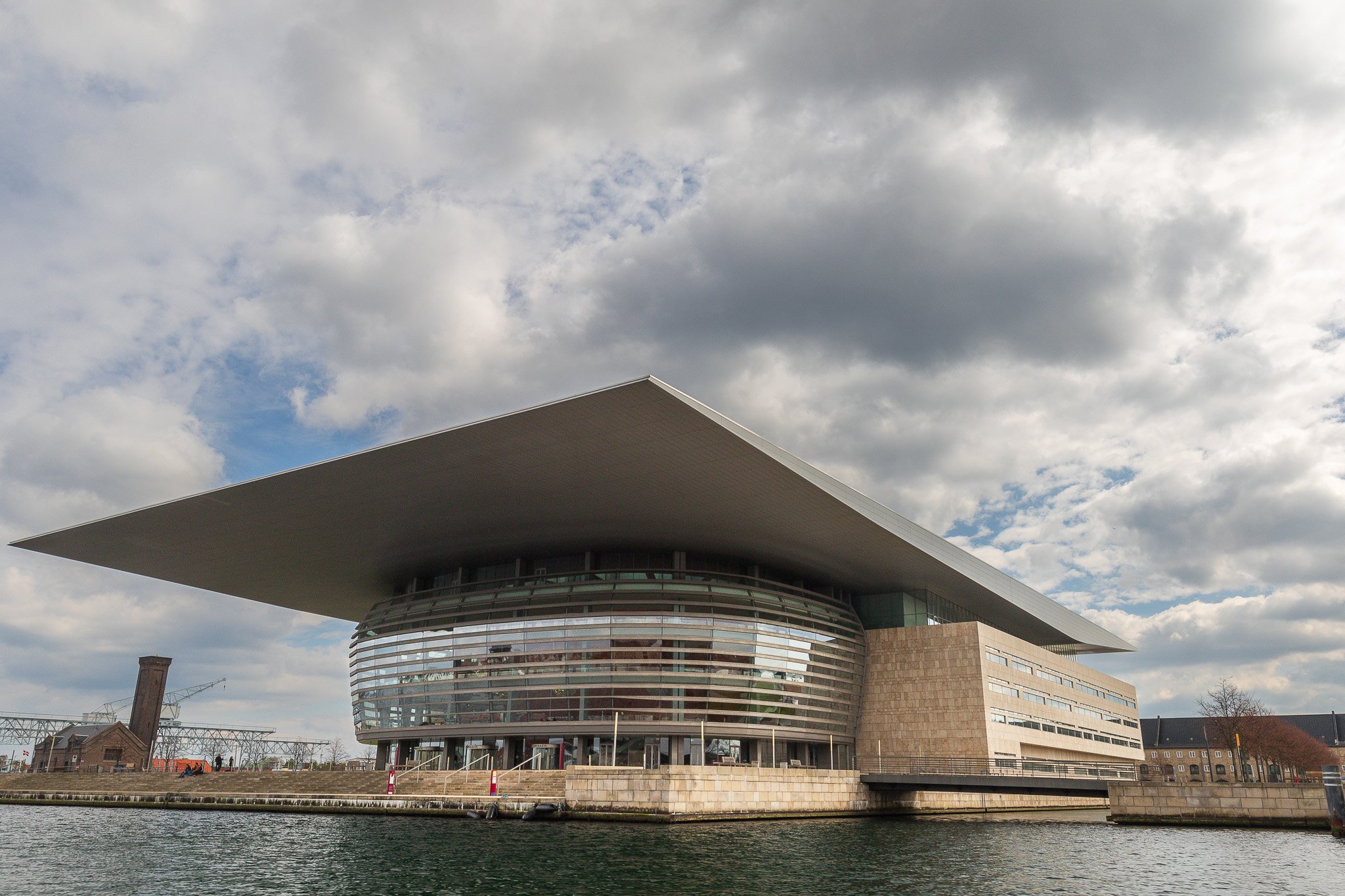
The modern Copenhagen Opera House reflected across the waters of the inner harbor.
Inderhavnsbroen
The Inderhavnsbroen is a combined cyclist and pedestrian bridge that crosses the inner harbor between Nyhavn and Christianshavn. It is a piece of contemporary engineering with a clean, graphic design, and it sits at the intersection of two of the best photography neighborhoods in Copenhagen. In the early morning, cyclists stream across it in both directions, which gives you strong movement shots with the harbor and city as your background.
From the bridge or from the waterfront promenade in Christianshavn, looking back, you get an unobstructed view across the inner harbor toward the Opera House on Holmen Island.
📷 Pro Tip: At sunrise, stand on the Nyhavn side of the bridge and shoot toward Christianshavn with the rising light behind you. The bridge geometry, the cyclists, and the church spires create a layered composition that is uniquely Copenhagen. At blue hour or after dark, the bridge lights reflect in the harbor water for strong long-exposure opportunities. Use the 24-70mm for the bridge itself and switch to the 70-200mm for the Opera House compression across the water. A 1-2 second exposure at blue hour smooths the water surface without requiring a full ND filter.
Best time: Sunrise for cyclist activity and light; blue hour for reflections. Access: Free, public. Located at the southern end of Nyhavn.

Cyclists crossing Inderhavnsbroen, the pedestrian and bicycle bridge connecting Nyhavn with Christianshavn.
Freetown Christiania
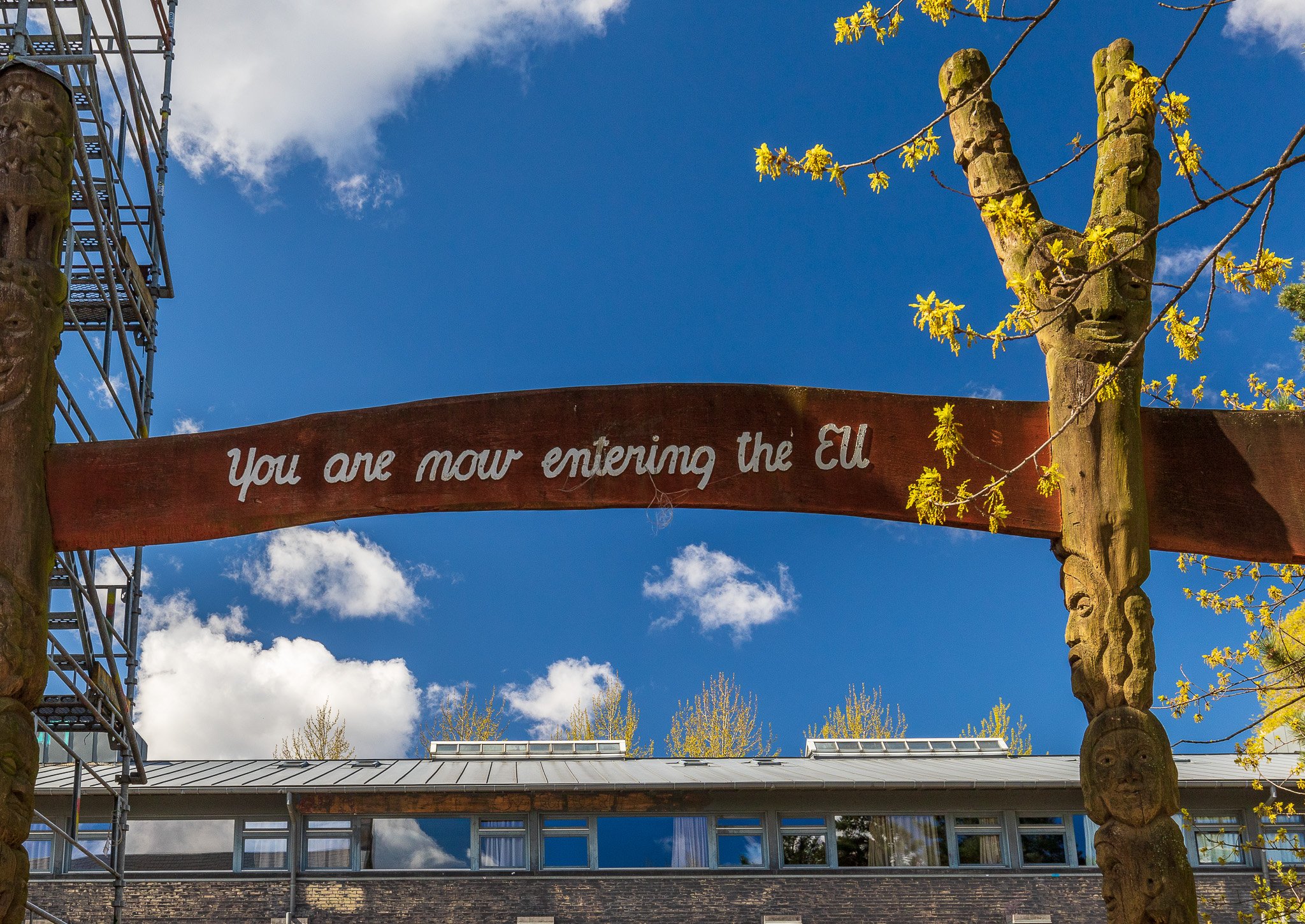
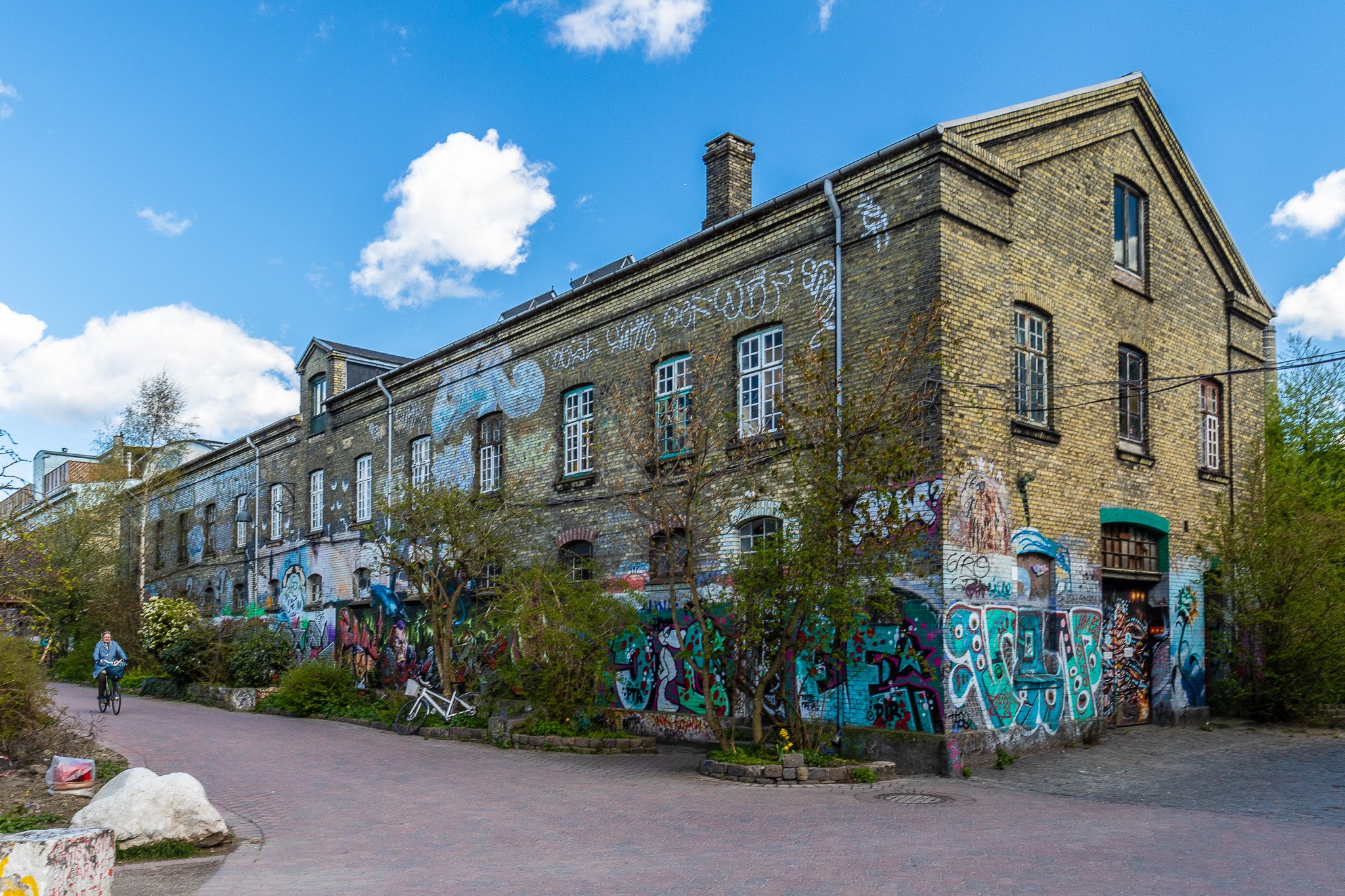
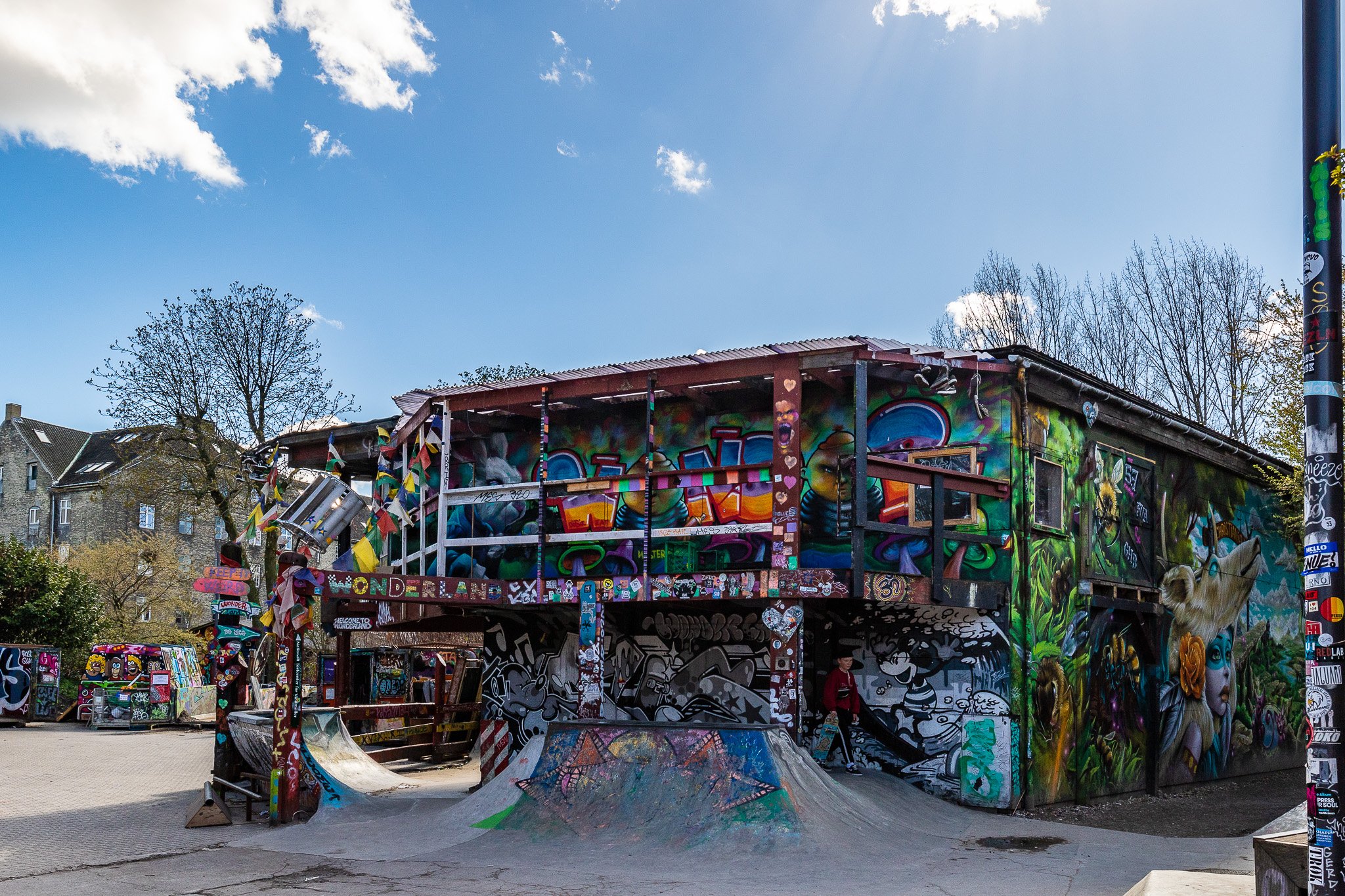
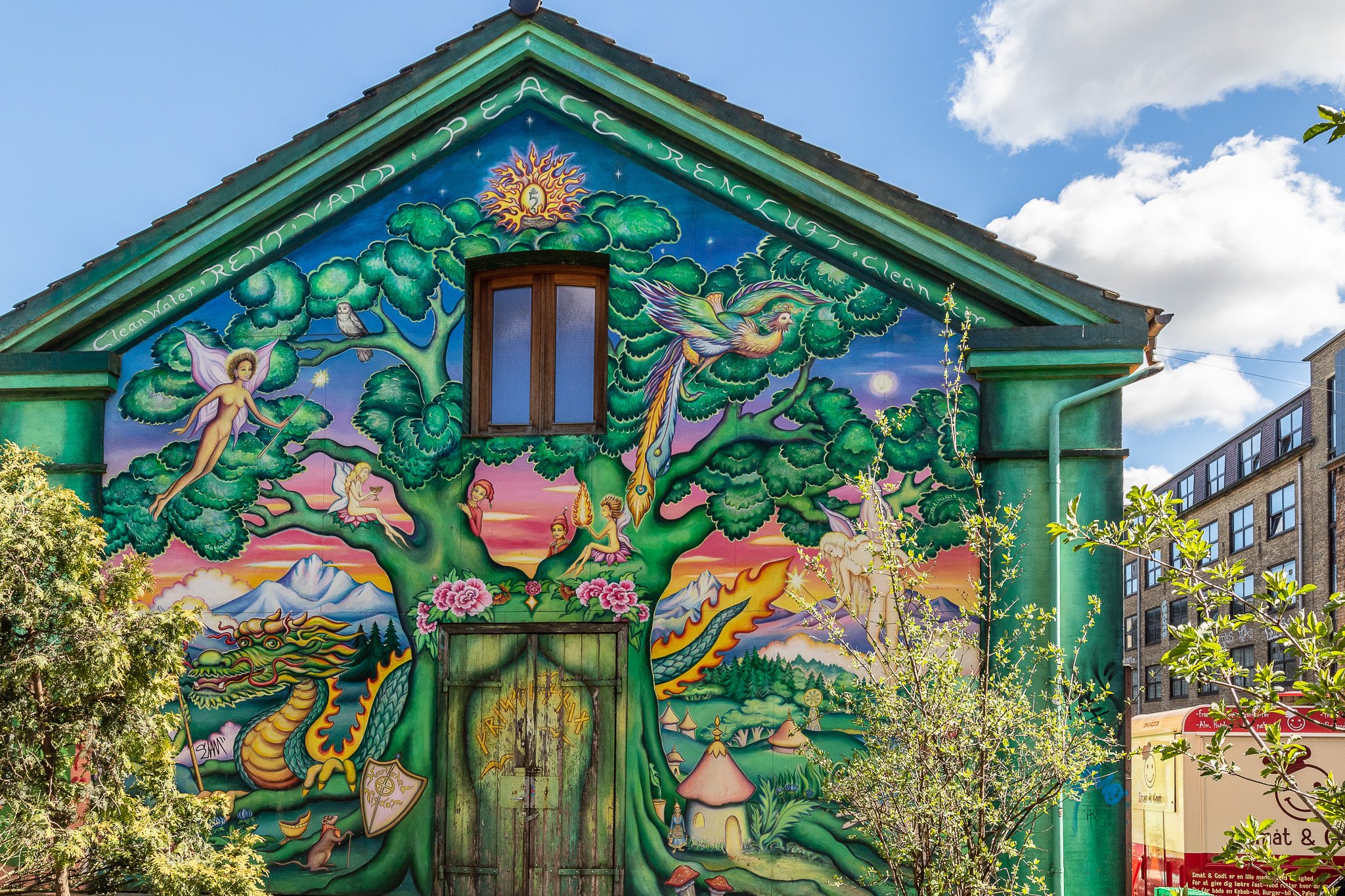
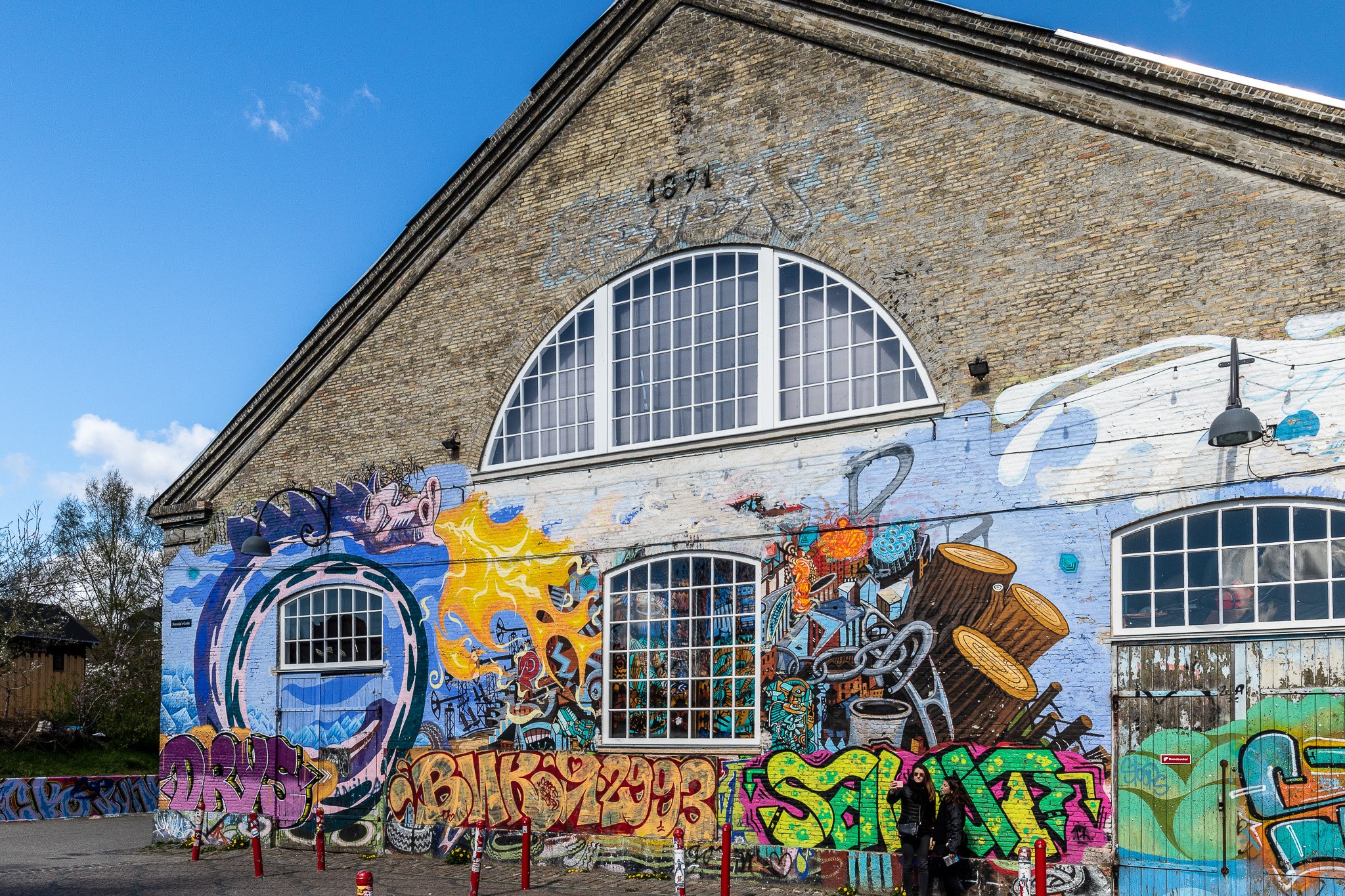
Christiania is an intentional community that began in 1971 when squatters took over a former military base in Christianshavn. It operates as a semi-autonomous neighborhood of roughly 900 residents with its own governing rules. The main street, Pusher Street, is immediately visible upon entering and is a no-photography zone. That rule is real, it is enforced by the residents, and I learned it the hard way on my first visit. Respect it completely.
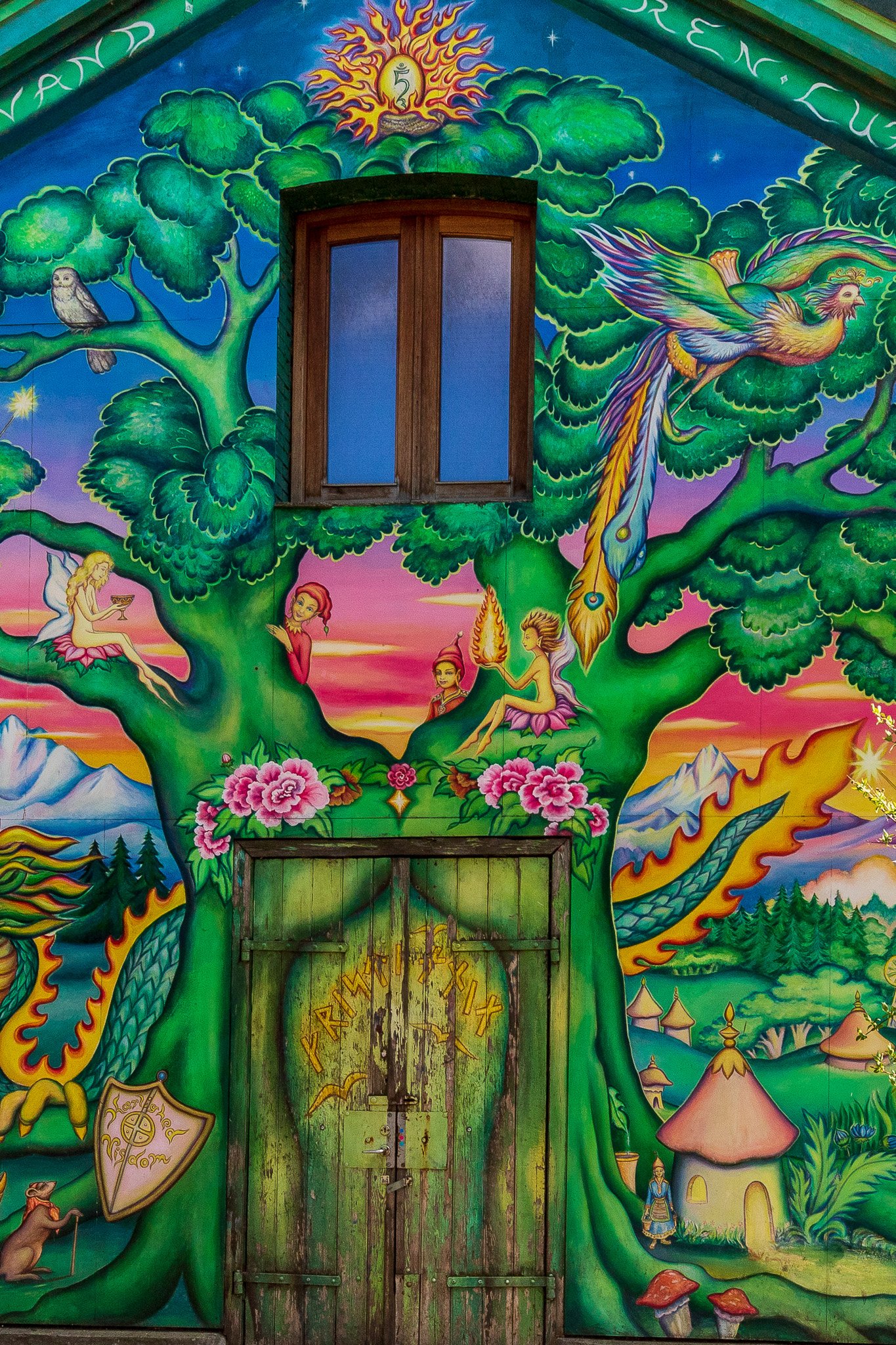
What you can photograph in Christiania: the murals, the outer perimeter, the lake and green spaces, and the architecture of the surrounding neighborhood. The community has genuine creative energy, and the area around the main entrance and the lake walks offers strong documentary and street images.
📷 Pro Tip: Enter through the main gate and keep your camera down on Pusher Street. The murals along the outer walls and on buildings near the entrance are excellent and photograph well with a wide angle. Walk toward the lake (Christianshavns Voldgrav) and photograph from outside the community looking back toward the green rooftops and alternative architecture. The Loppen venue and the theater building are both architecturally interesting and generally open to photography. If in doubt, ask. The residents here are direct and will tell you clearly what is permitted.
Best time: Afternoon for the murals and perimeter. Access: Free to enter. Located in Christianshavn; walk from the Church of Our Saviour (5 minutes).

Colorful murals along the edges of Freetown Christiania in Copenhagen.
The first time I went into Christinia I did not realize you are not allowed to take photos—Oops!!! Also known as Christiania, it is an intentional community, commune, and micronation in the Christianshavn neighborhood of Copenhagen, Denmark's capital city. It began in 1971 as a squatted military base.
Church of Our Saviour (Vor Frelsers Kirke)
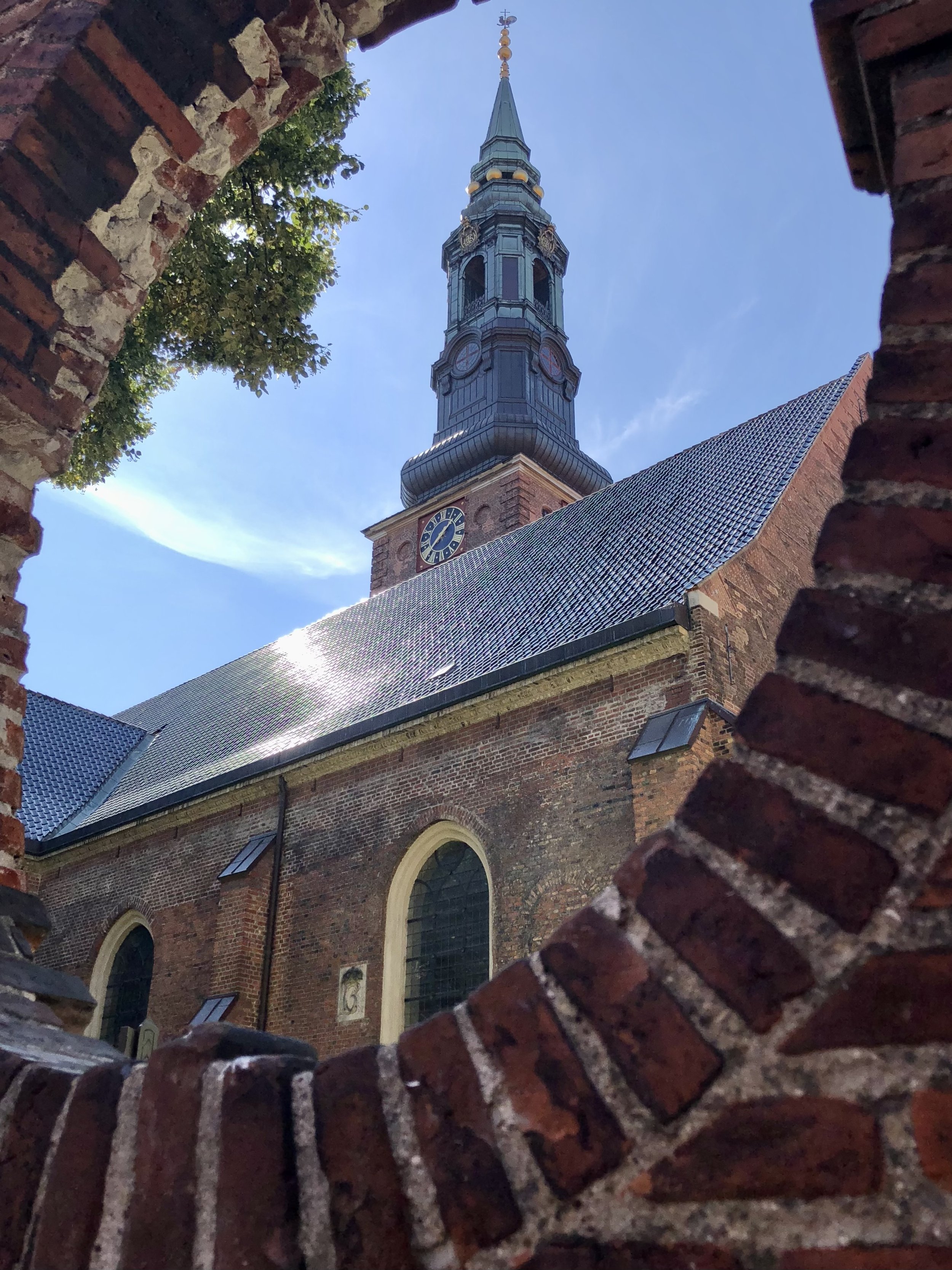
The Church of Our Saviour is one of those photography locations that rewards the effort required to reach the top. The external spiral staircase winds around the spire for 90 meters, narrowing as it rises until only one person can stand at the very top. From there, you can see across the city to Sweden on a clear day, and the view down the helical staircase itself makes for one of the most distinctive architectural images in Copenhagen.
Inside the church, the Baroque interior is worth photographing in its own right: gilded altarpiece, painted ceiling, and an extraordinary pipe organ supported by two plaster elephants.
📷 Pro Tip: The external climb is not for those uncomfortable with heights. The staircase narrows significantly near the top and is exposed to wind. That said, the image of the spiral staircase looking downward from above, with the city and harbor visible below, is one I always get. Bring a wide-angle (16-24mm) lens for both the interior and the elevated exterior views. Shoot down the staircase with the ultra-wide to exaggerate the spiral geometry. Inside the church, a tripod is permitted during non-service hours and is useful for the longer exposures needed in the darker interior. Arrive early to avoid queues, particularly in summer.
Best time: Morning for interior light; midday for exterior climb. Access: Paid entry for the tower climb. Located in Christianshavn; walk 20 minutes from Nyhavn or take the metro to Christianshavn station.

The view from the Church of Our Saviour
The Black Diamond Library (Kongelige Bibliotek)
The Black Diamond is the Royal Danish Library's harbor extension, a striking black granite and glass building that juts out over the water of Slotsholmen. The reflective black facade mirrors the sky, the water, and the city around it in constantly shifting ways, and the contrast with the older stone buildings of the original library behind it makes for a powerful architectural composition.
Inside, the atrium is one of the finest interior photography subjects in Copenhagen: a soaring glass-roofed space with dramatic angles and beautiful natural light.
📷 Pro Tip: Shoot the Black Diamond from the harbor walkway to the west, using a wide-angle lens to include the reflective facade and the water surface below. At midday on a clear day, the granite surface takes on a deep mirror quality. Try shooting the reflection of passing boats or the neighboring buildings in the facade using a 70-200mm lens from a distance. Inside the atrium, use the 15-35mm wide-angle lens and look upward toward the glass ceiling. A midday visit gives you the best interior light. Photography is permitted in most public areas; check with staff for any restricted zones during exhibitions.
Best time: Midday for reflections; late afternoon for interior light. Access: Free entry to the public areas. Located on Slotsholmen, a 10-minute walk south of the city center.

The striking black granite façade of Copenhagen’s Black Diamond Library reflected in the harbor.
Magstræde
Magstræde and the adjacent Snaregade are two of the oldest streets in Copenhagen, connecting the harbor at Gammel Strand to Rådhusstræde in the west. The buildings lean toward each other overhead, the facades are painted in faded pastels, and the cobblestones catch the light in a way that changes dramatically by hour. It is a genuinely old street that has not been over-restored or turned into a tourist thoroughfare.
📷 Pro Tip: Photograph Magstræde from the western entrance, looking east toward the harbor, with a 24-35mm. The converging lines of the buildings create a natural frame that pulls the eye through the composition. Morning is best when the street is quiet, and the light comes in at a low angle from the east, catching the texture of the facades. In wet weather, the cobblestones reflect the colored buildings above. Come back at different times: the mood shifts considerably between the quiet of early morning and the activity of a weekday afternoon.
Best time: Early morning. Access: Free, public. Walk from the Black Diamond Library (5 minutes) or from Strøget (5 minutes).
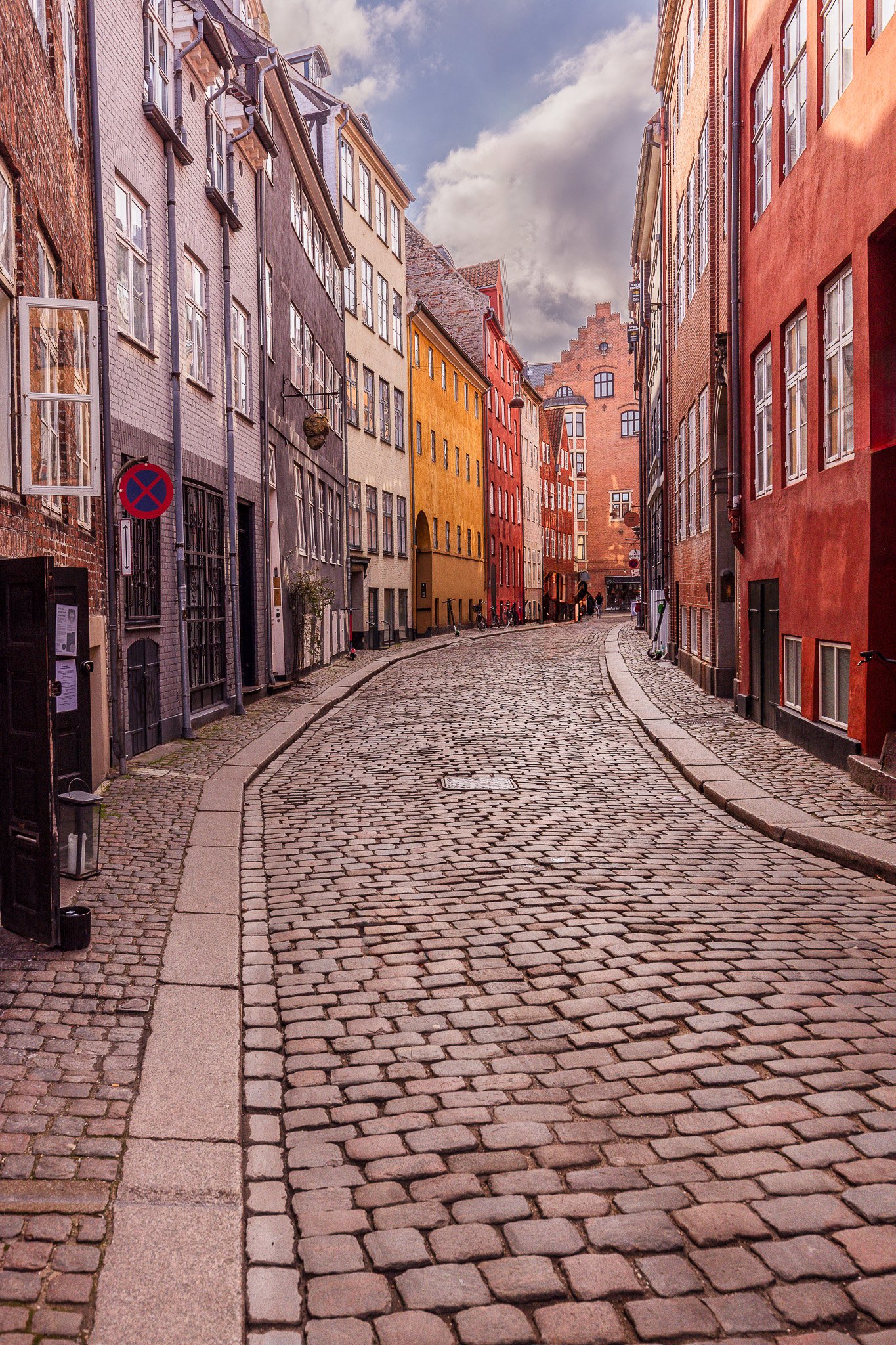
The colorful historic façades and cobblestones of Magstræde, one of Copenhagen’s oldest streets.
There are different angles you can find

A quiet morning along Magstræde in Copenhagen’s historic center.
The Round Tower
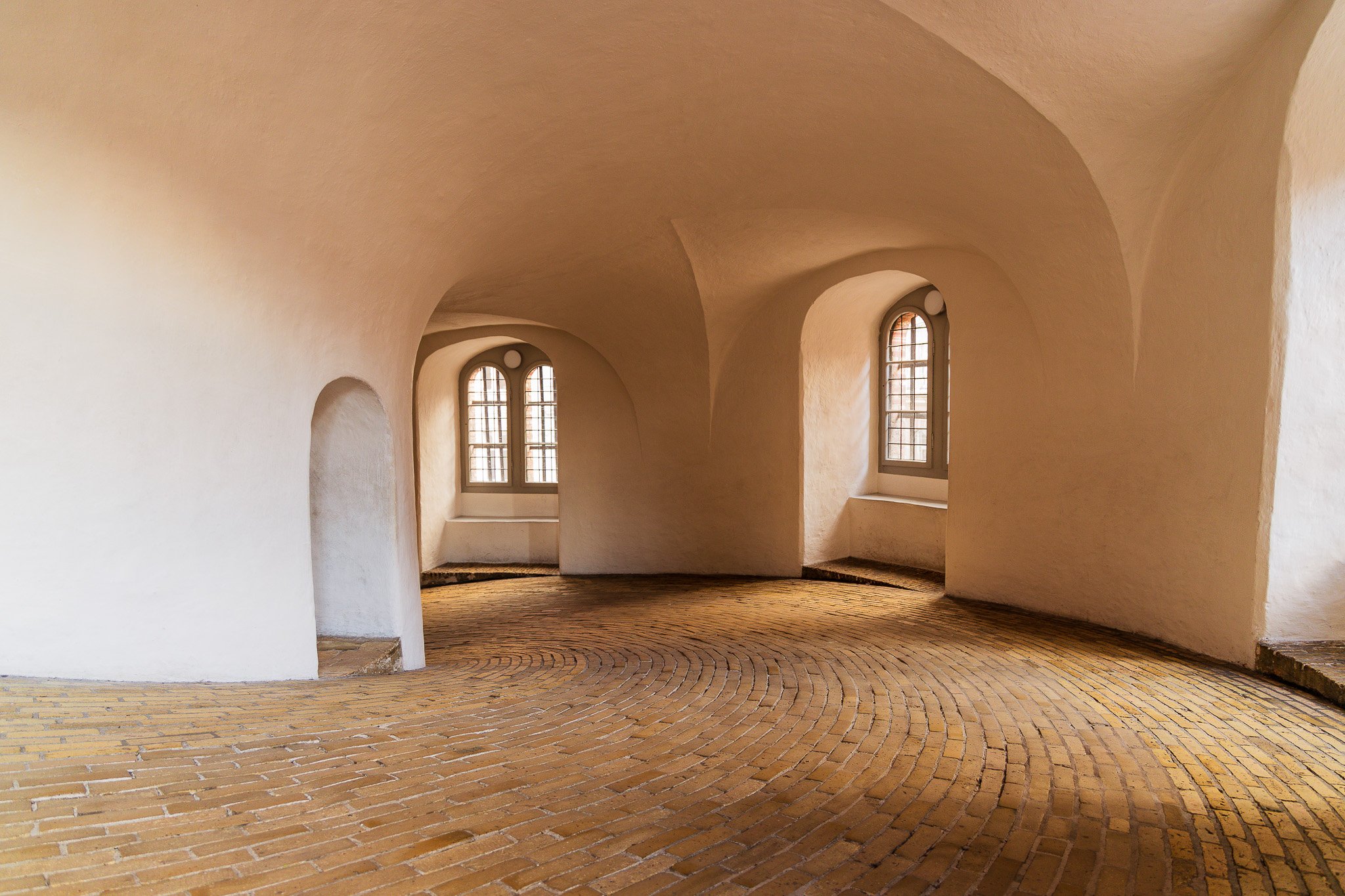
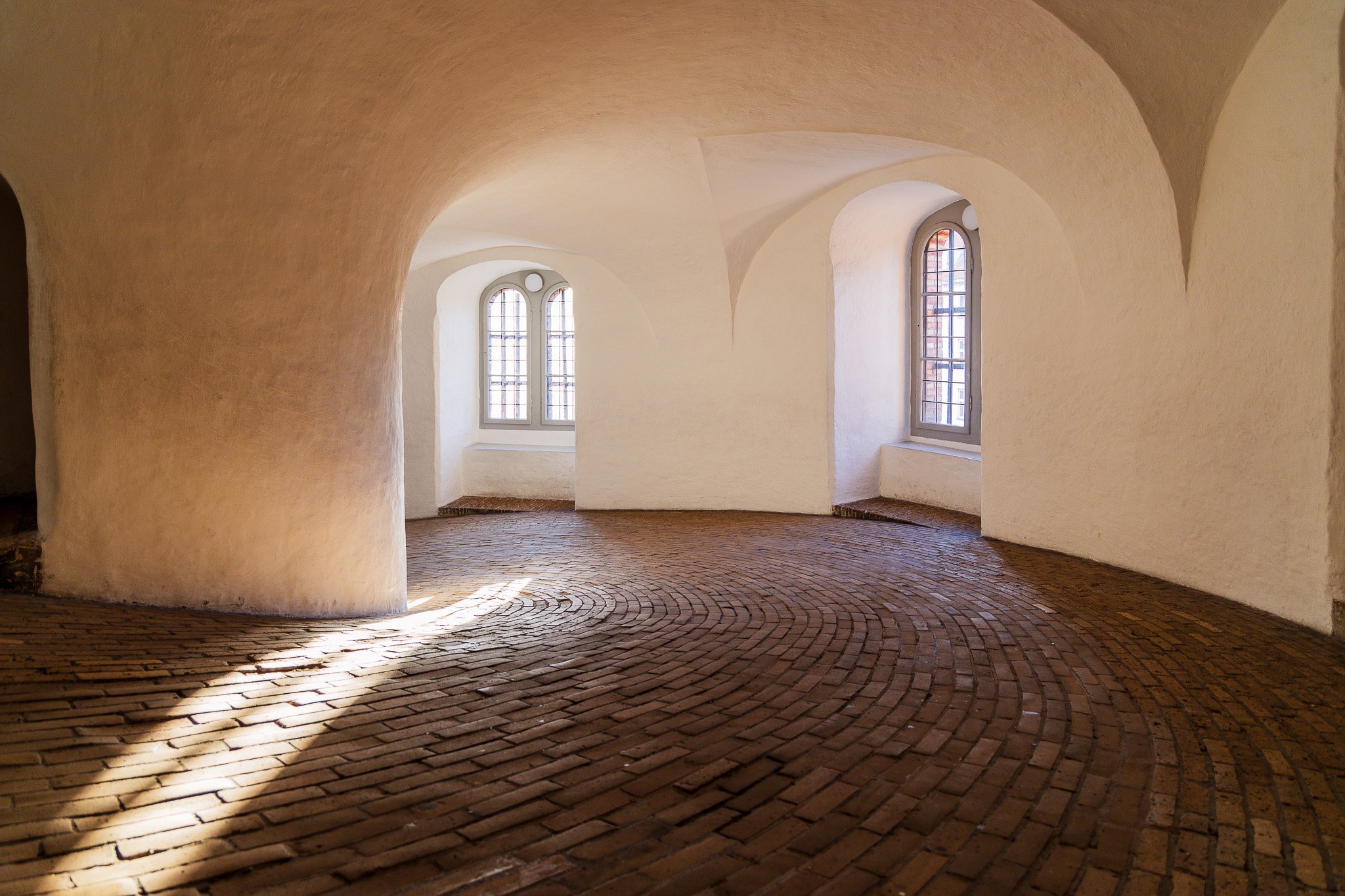
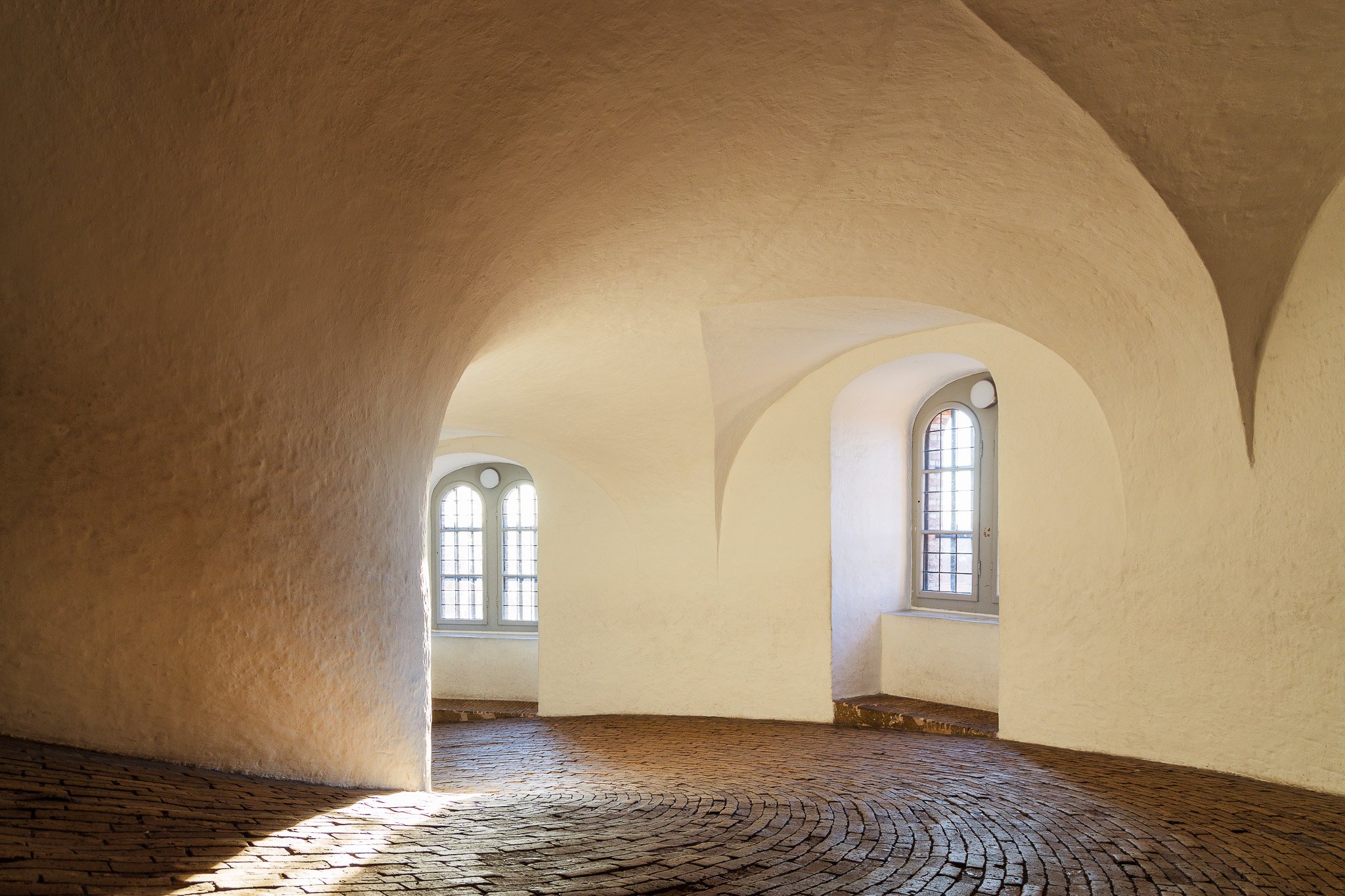
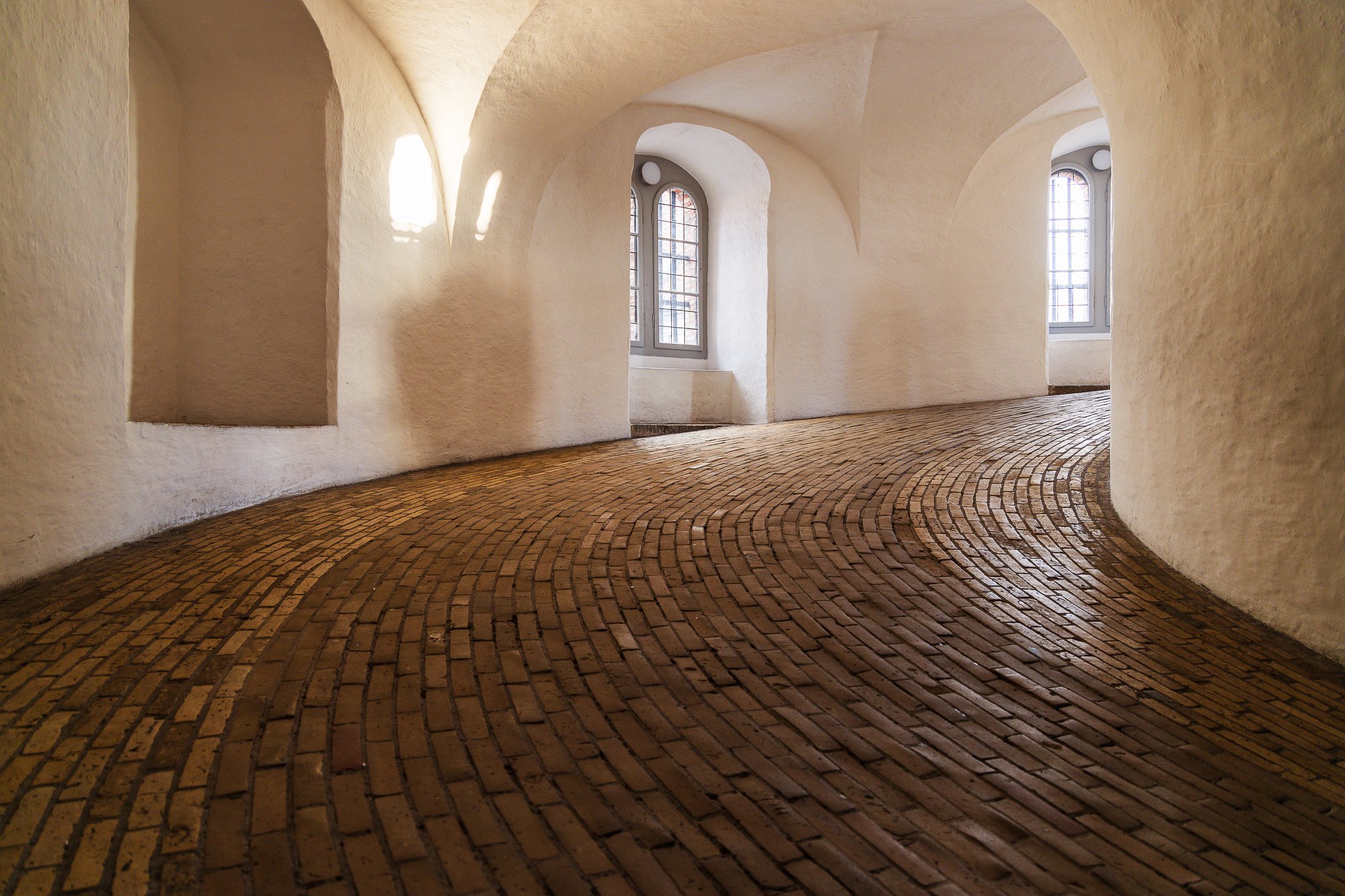
The best photo options for the round tower are photos inside the tower. This 17th-century tower and observatory is one of Copenhagen's most iconic buildings. There is nothing to photograph at the top, so the interiors are fun to photograph.
📷 Pro Tip: Come in the evening when the exterior lighting turns on and the ramp takes on a warmer tone. Bring a 15-35mm and shoot up through the spiral as you climb, the repeating curve is the shot, not the view from the top. A tripod isn't practical on the ramp itself, so brace against the wall for a steadier handheld exposure in the lower light. Weekday evenings are noticeably quieter than weekend afternoons.
Best time: Evening. Access: Paid entry. Located on Købmagergade in the city center, walking distance from Strøget.
Royal Copenhagen Flagship Store
Operating since 1911 from a historic Renaissance building at Amagertorv 6, the Royal Copenhagen flagship store sits directly on Strøget, Copenhagen's main pedestrian shopping street. The building's facade is worth a frame on its own if you're already working Strøget for street photography, and the porcelain displays inside offer a different kind of subject if you want a break from architecture and street scenes. Not a dedicated stop, but an easy one to fold into a Strøget walk.

The historic Royal Copenhagen flagship store along Strøget in the center of Copenhagen.
Street Photography
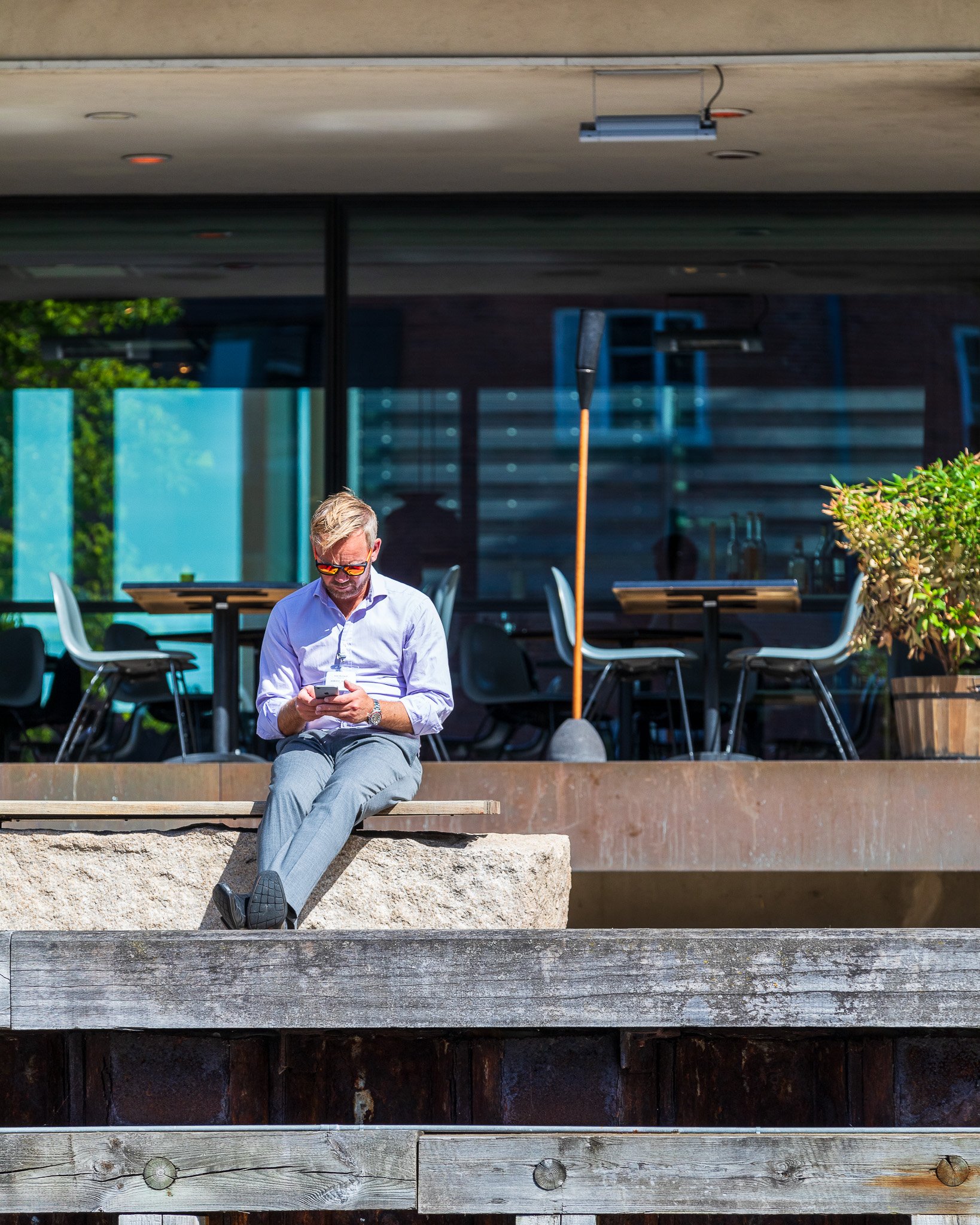
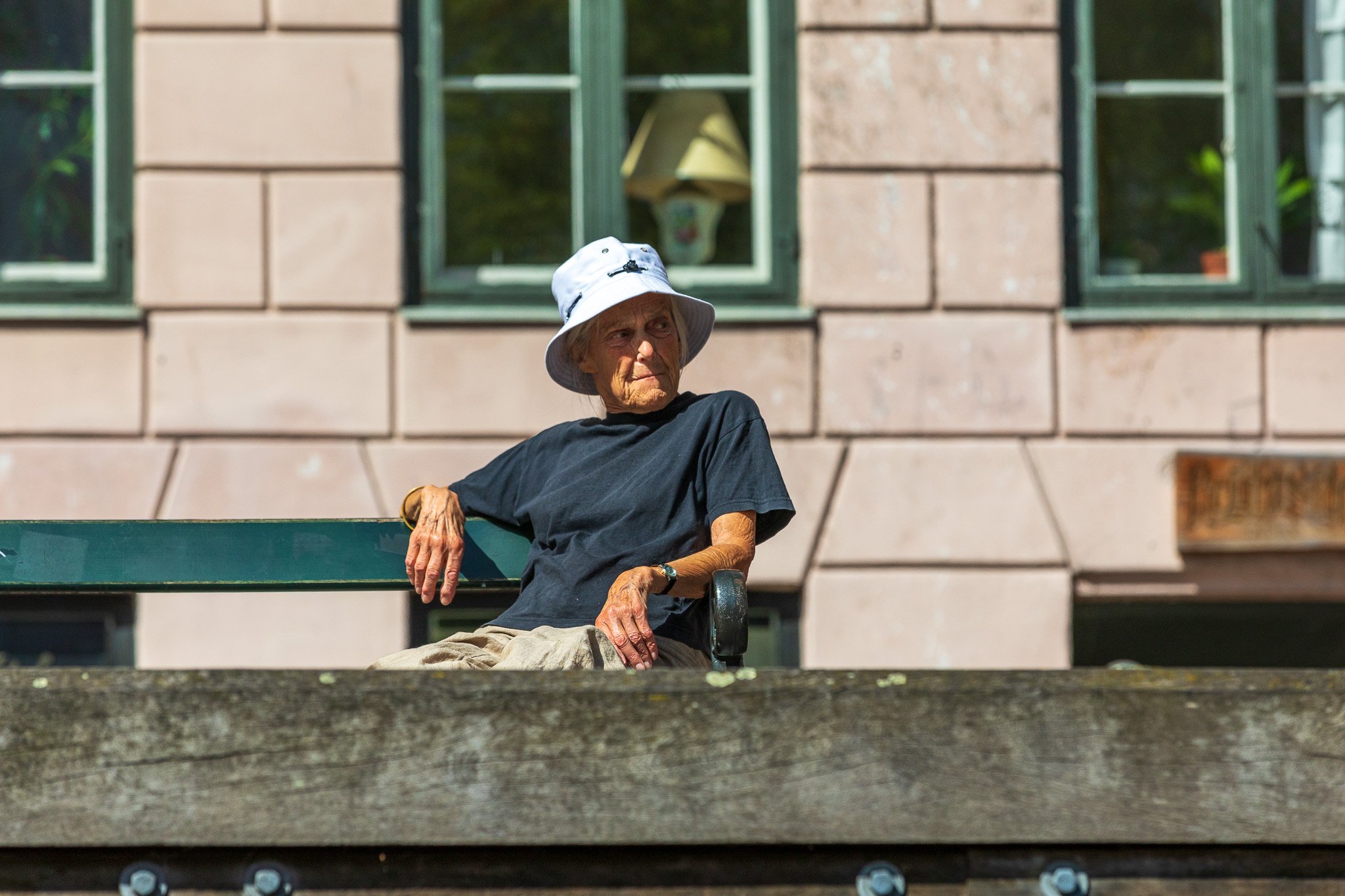
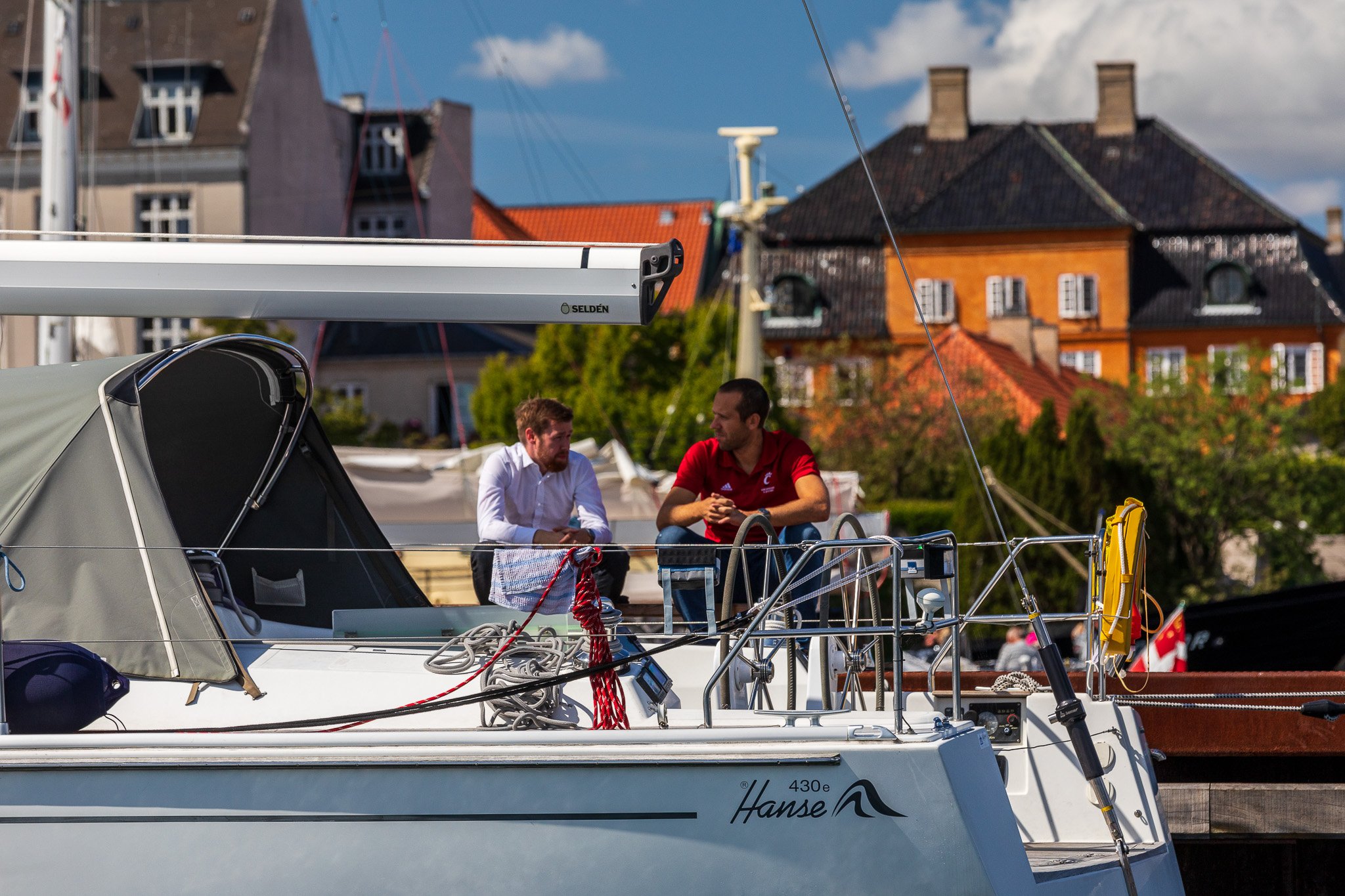
Copenhagen is a genuinely great street photography city, and part of what makes it work is the character of each neighborhood. Street photography is legal in Denmark. Photographing people in public spaces is permitted.
Vesterbro is the Meatpacking District neighborhood: gritty, creative, and full of texture. Urban walls, independent shops, and a local energy that does not feel forced for visitors.
Nørrebro is multicultural, politically active, and photographically rich. The main street, Nørrebrogade, is one of the busiest in the city. The markets, cafés, and everyday street life here are closer to a real Copenhagen neighborhood than anything in the tourist center.
Strøget is one of Europe's longest pedestrian streets and runs from Rådhuspladsen (City Hall Square) to Kongens Nytorv. It is excellent for people photography, street fashion, and motion blur shots at busy crossings.
Superkilen Park in Nørrebro is a remarkable public space: a long, narrow urban park divided into three zones (red, black, and green) filled with objects from 60 countries representing the neighborhood's multicultural population. The geometry and color make it a strong photography subject in its own right.
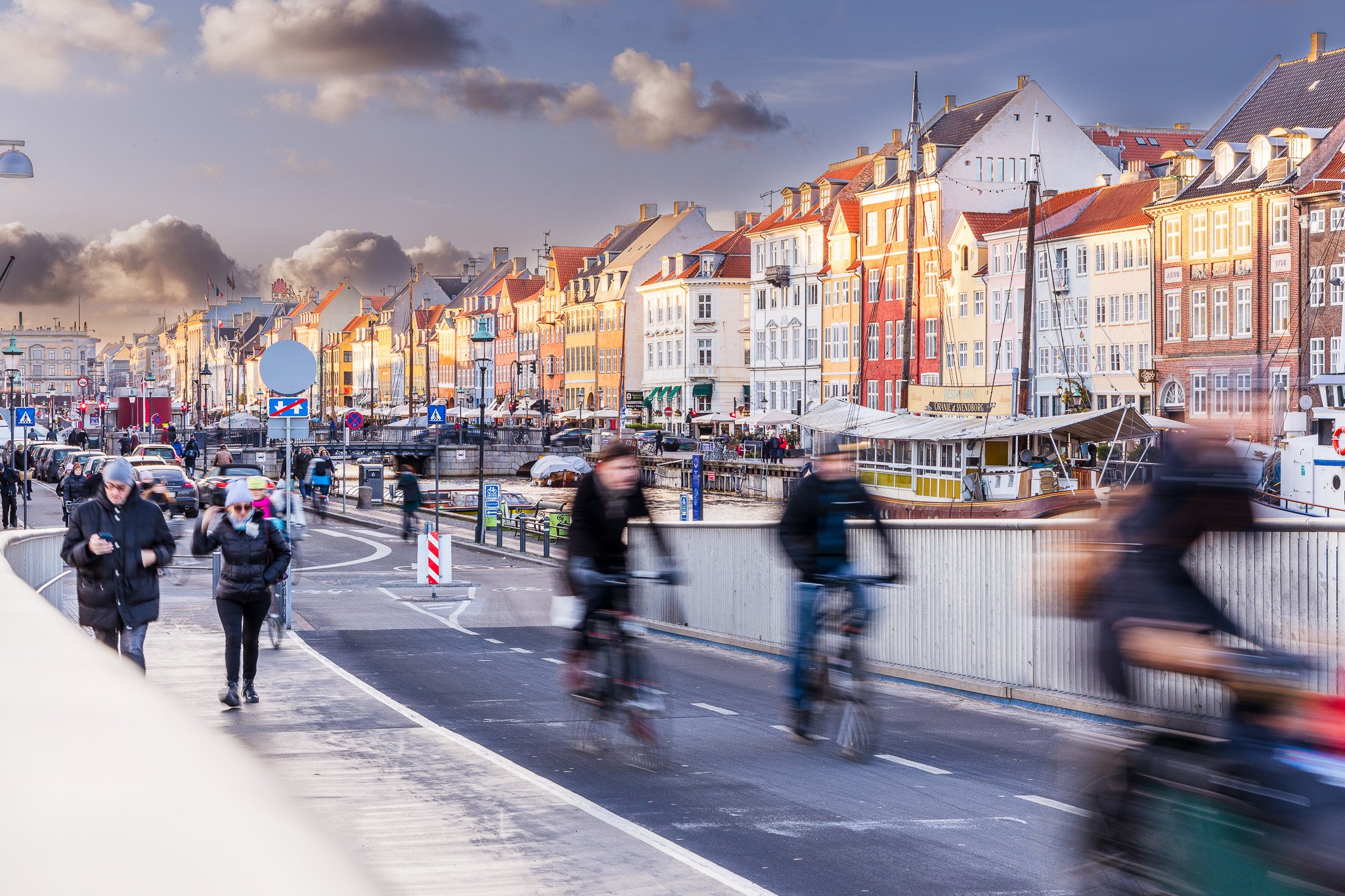
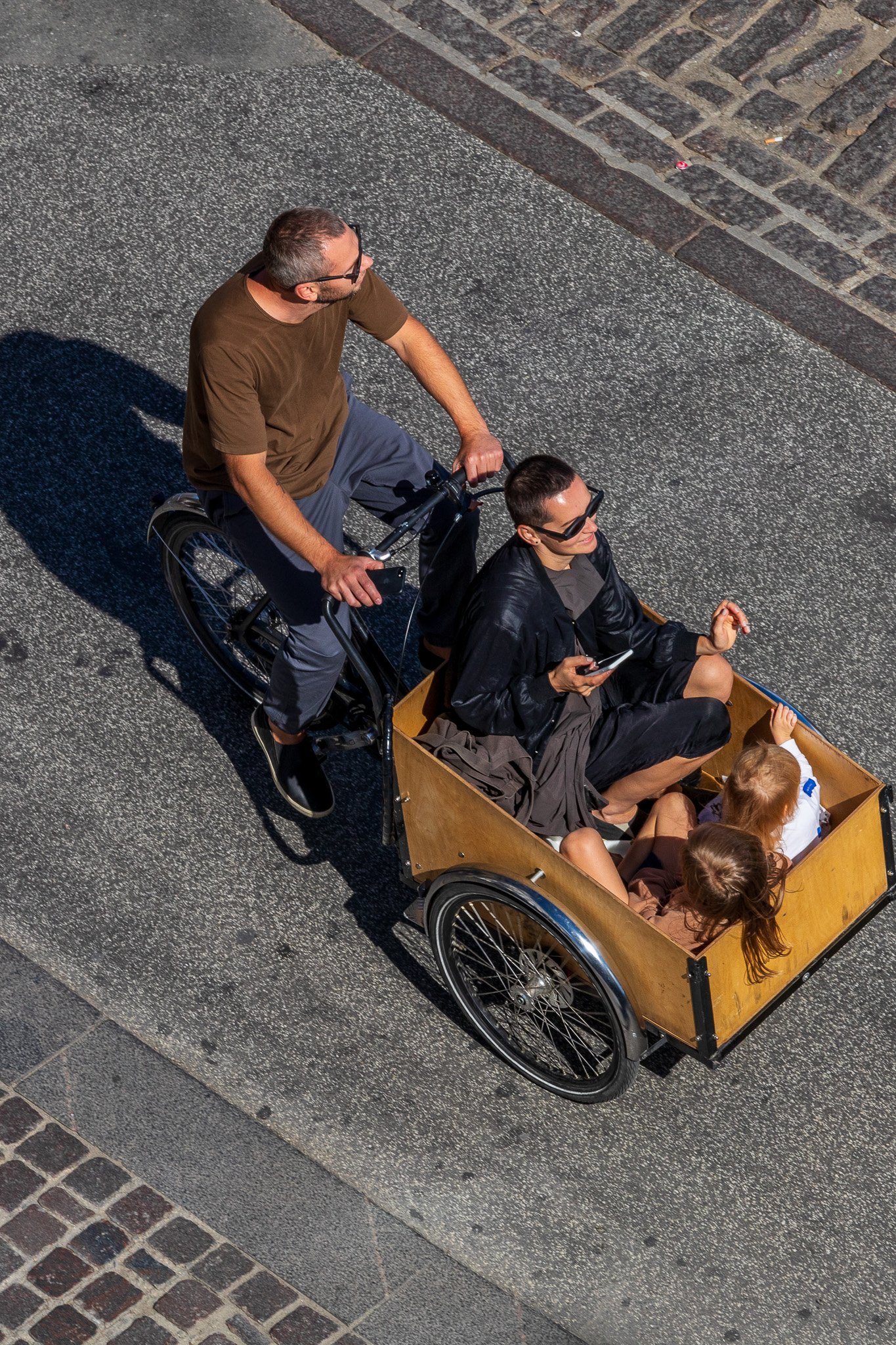
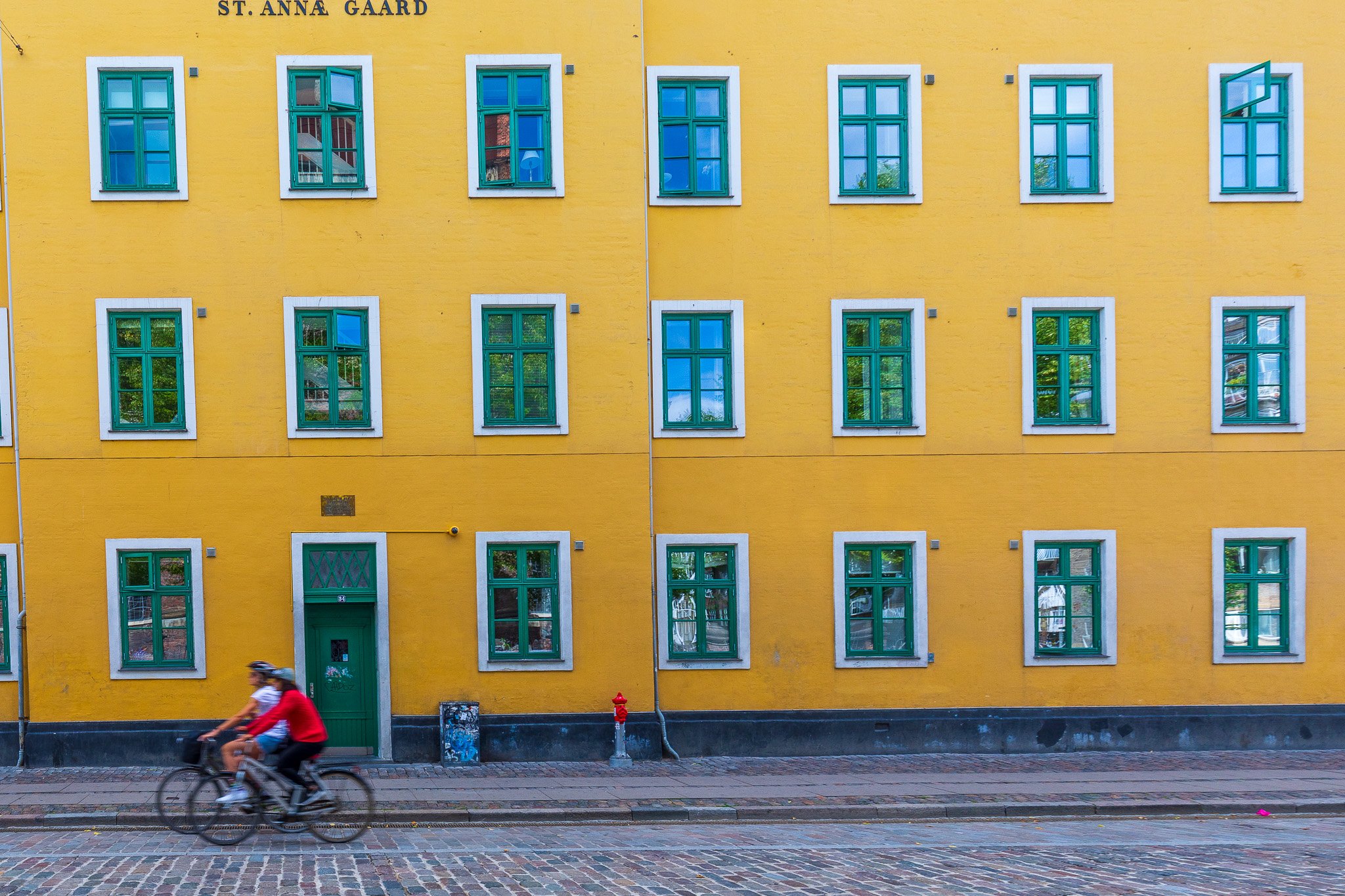
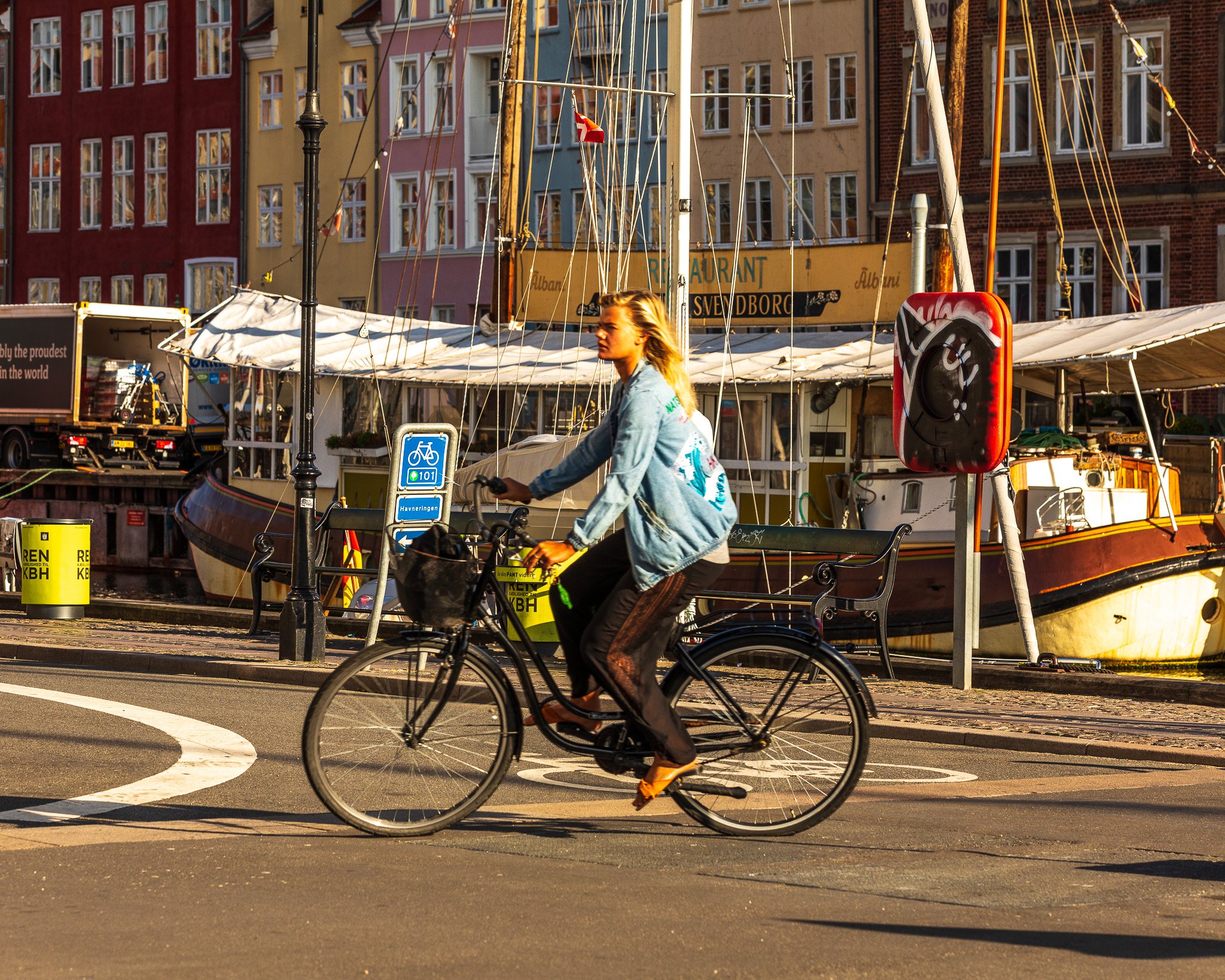
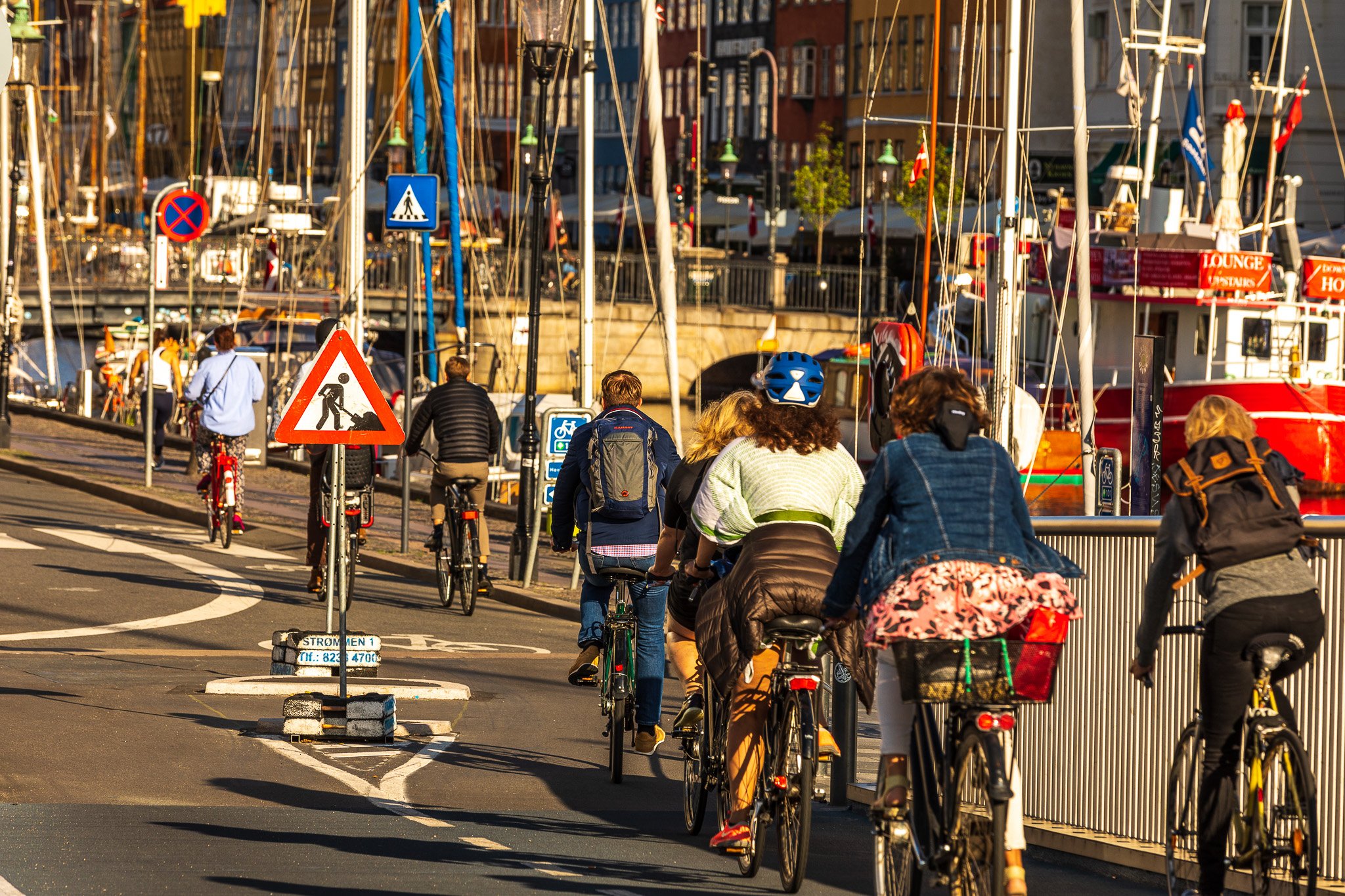
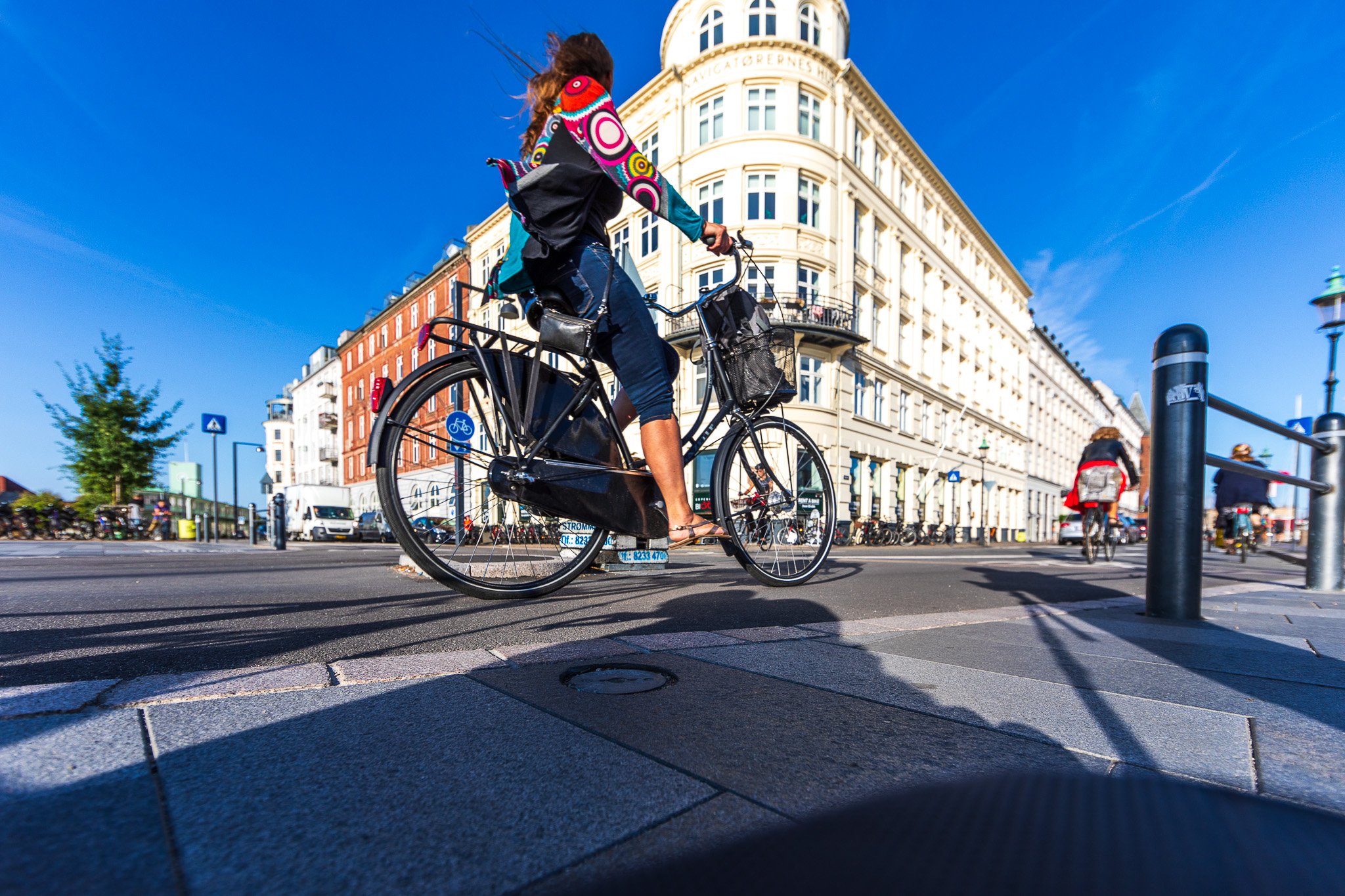
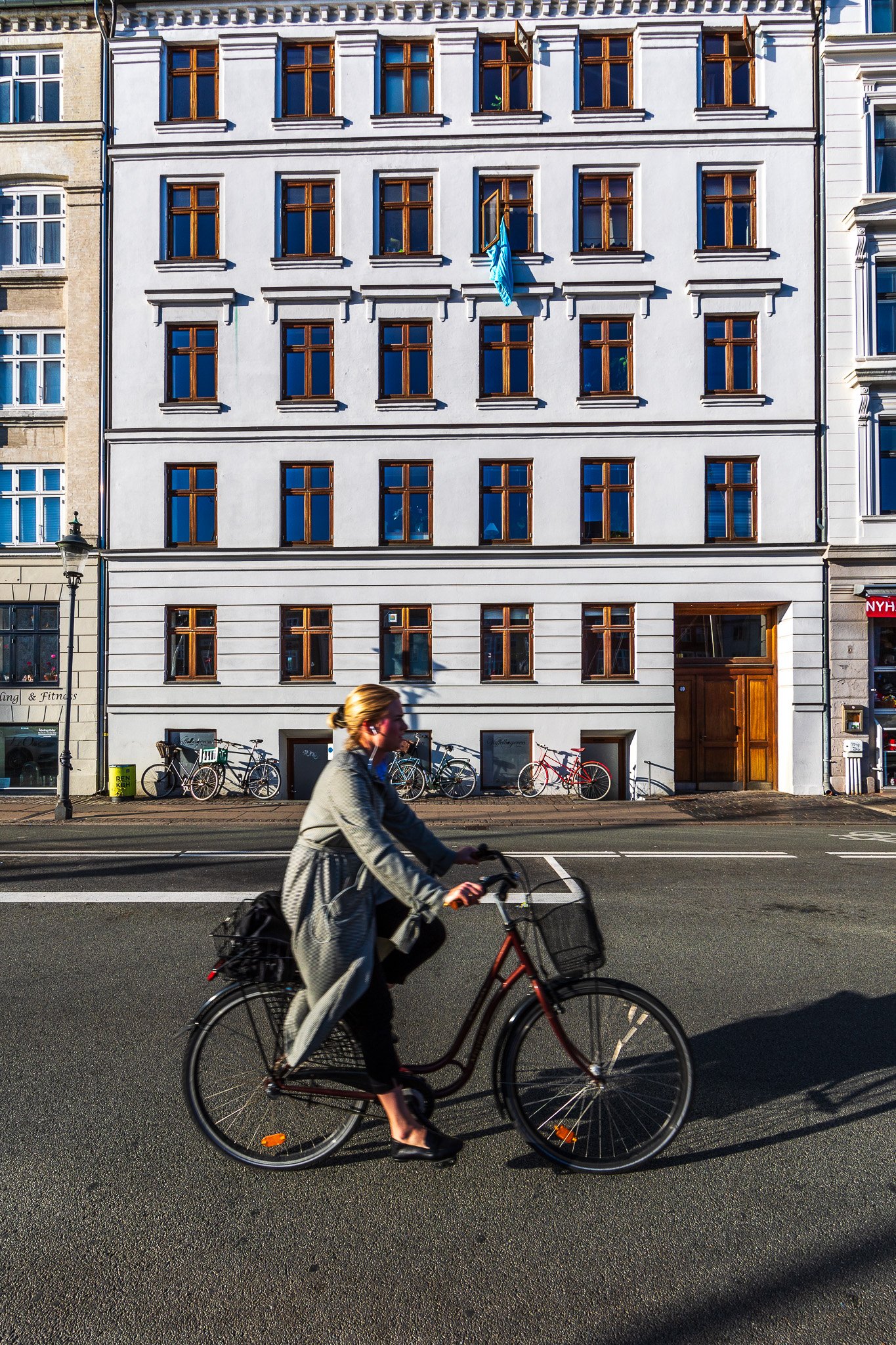
📷 Pro Tip for Street Photography: Copenhagen cyclists are one of the best street photography subjects in the world. Position yourself near a busy intersection in Nørrebro or on one of the main cycling corridors and shoot cyclists coming toward you with a 70-200mm lens compressed from a distance. The density of bikes, the variety of riders, and the city backdrop create images that are distinctly Copenhagen. Shoot at 1/500 or faster to freeze movement, or drop to 1/60 and pan with a rider for motion blur.
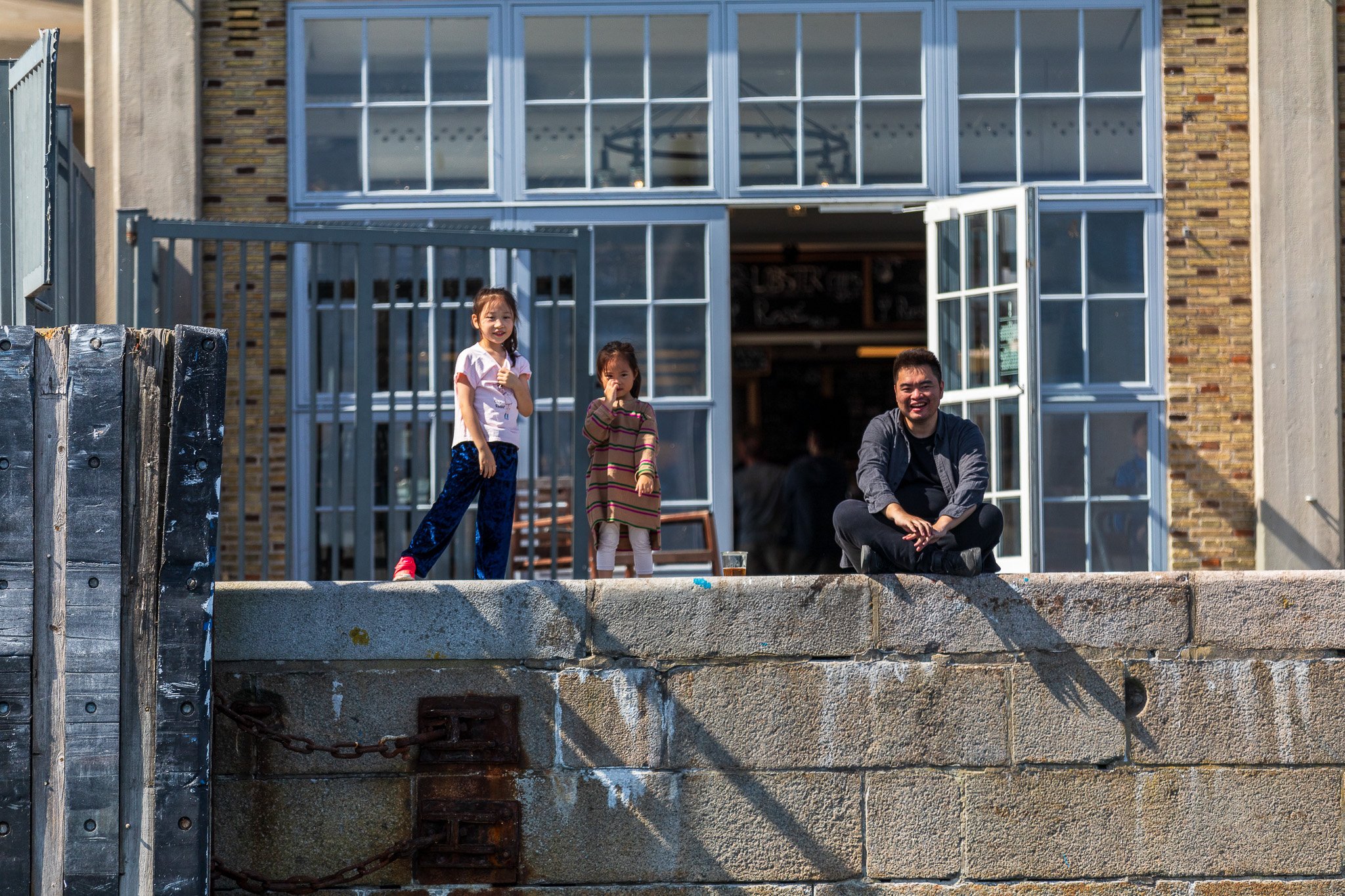
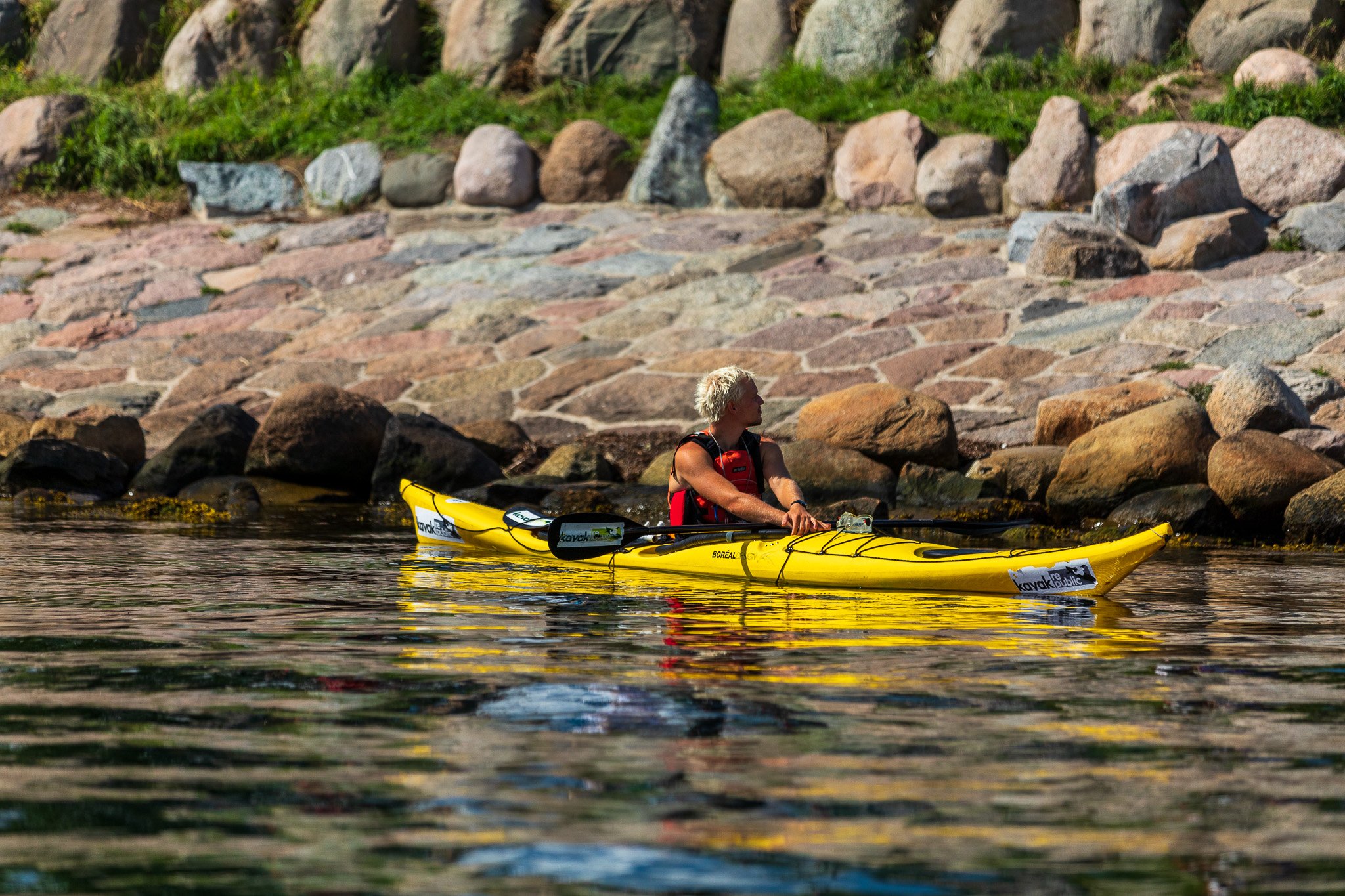
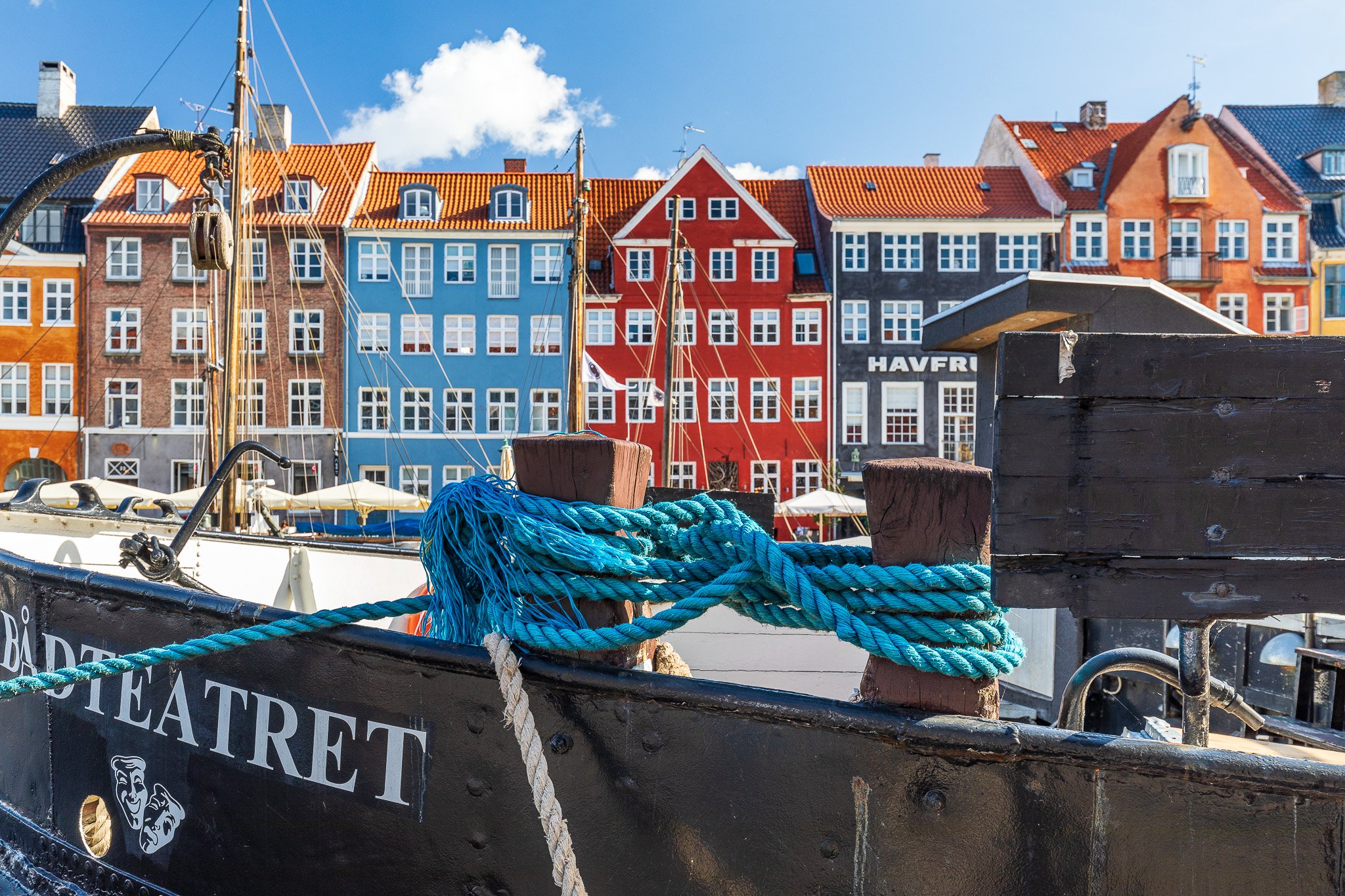
Street Photography Hotspots in Copenhagen
Vesterbro – Gritty, artsy, and full of stories. Great for urban textures and portraits.
Nørrebro – Vibrant and multicultural, with murals, street art, and busy local markets.
Strøget – One of Europe’s longest pedestrian streets, perfect for capturing people, movement, and Copenhagen fashion.
Christianshavn – Canals, bikes, bohemian vibes.
Superkilen Park – A modern and colorful space full of geometric lines and diverse subjects.

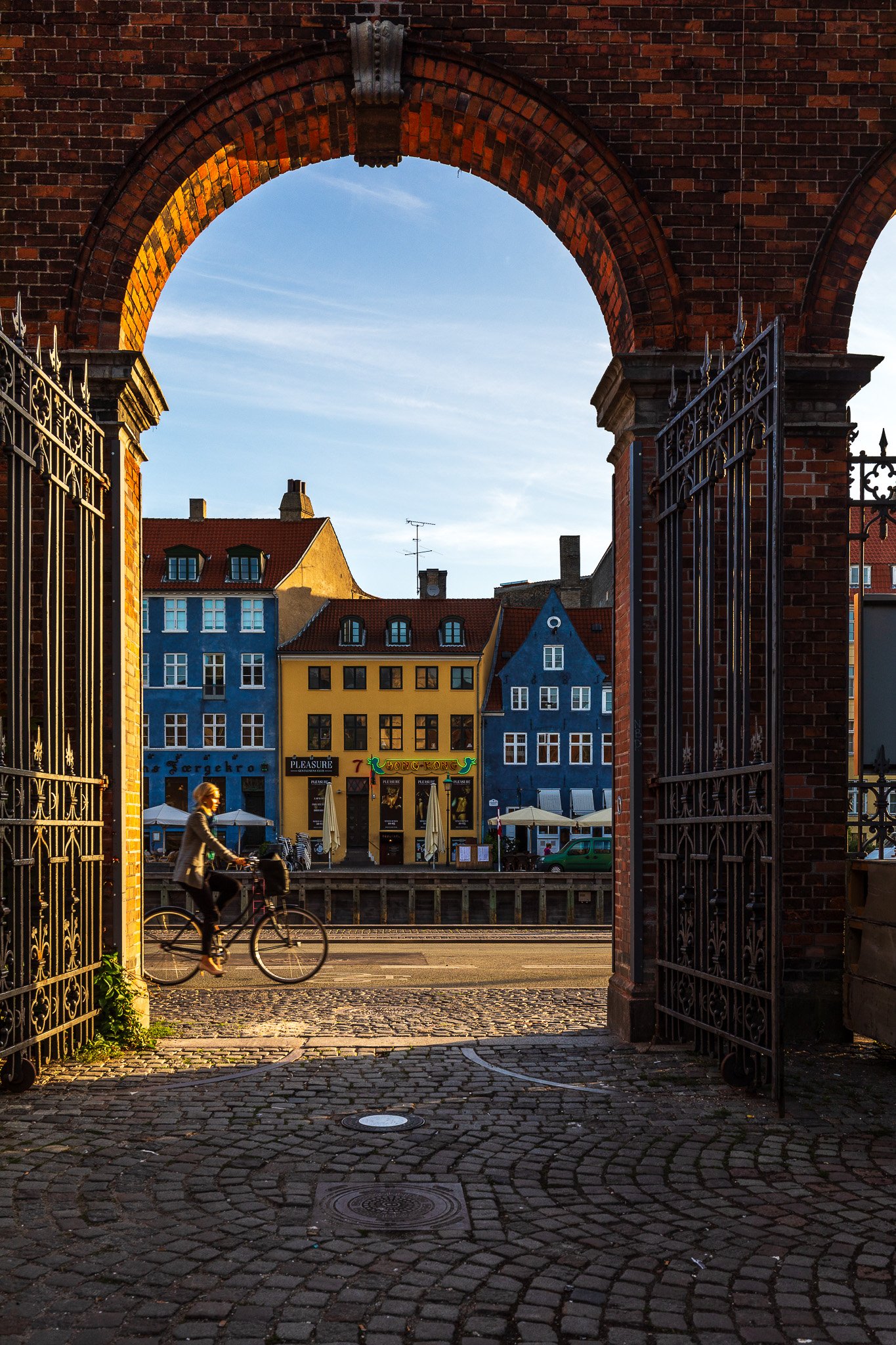
Everyday life on the streets of Copenhagen, where bicycles are rarely far from the frame.
The Bicycles of Copenhagen
Day Trips from Copenhagen
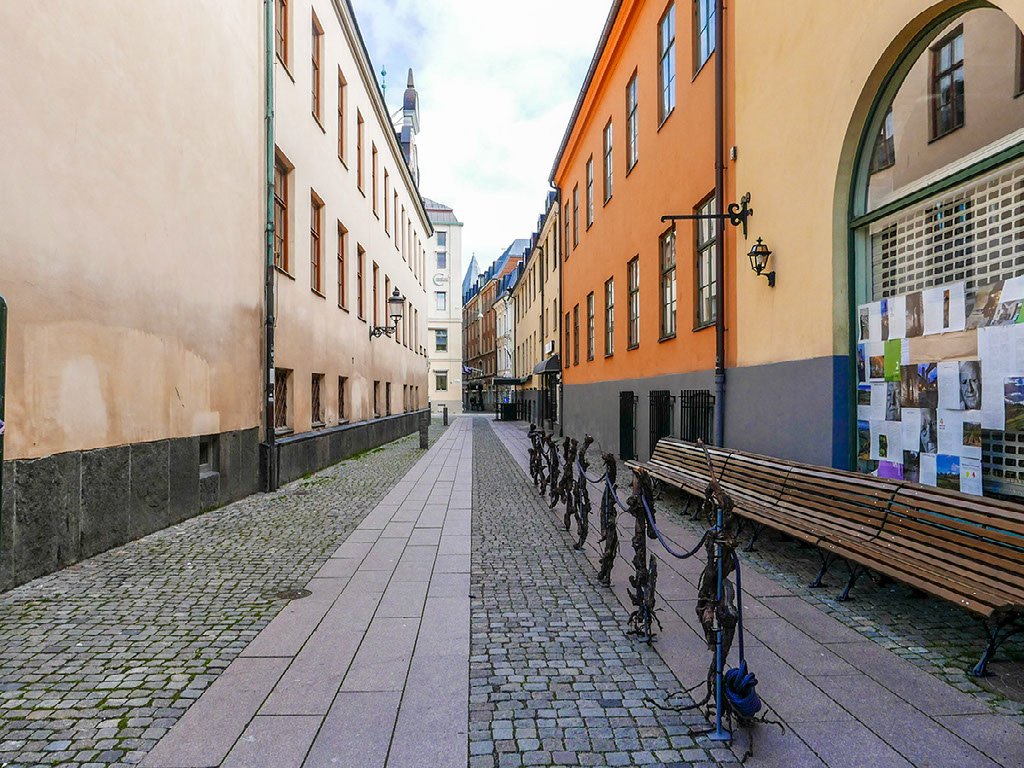
Malmö, Sweden,
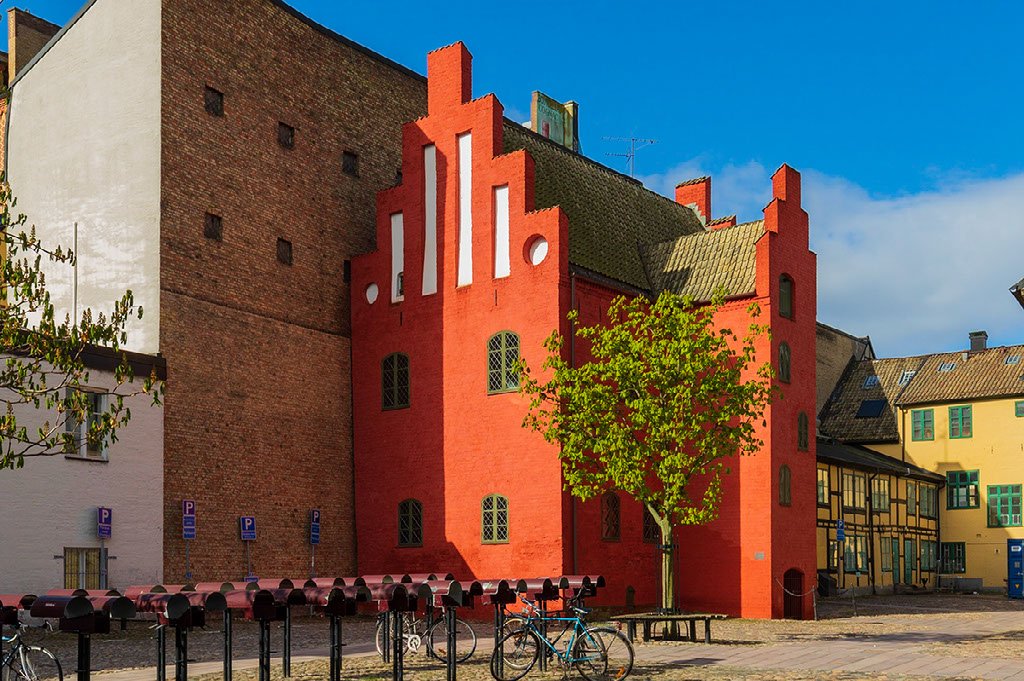
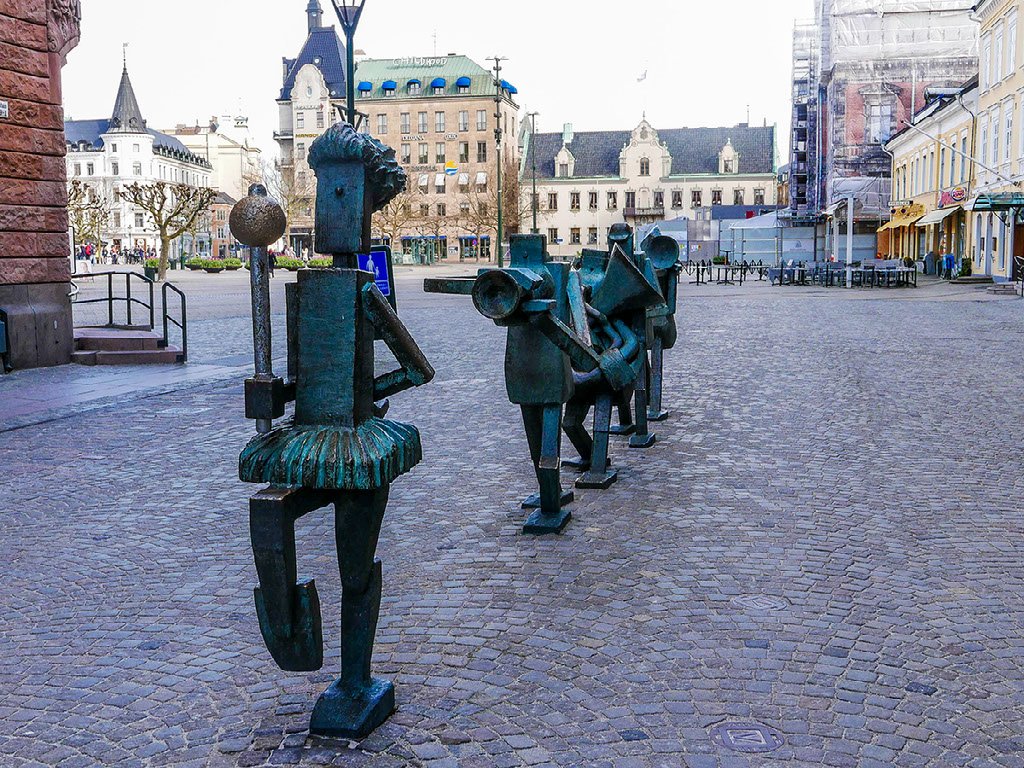
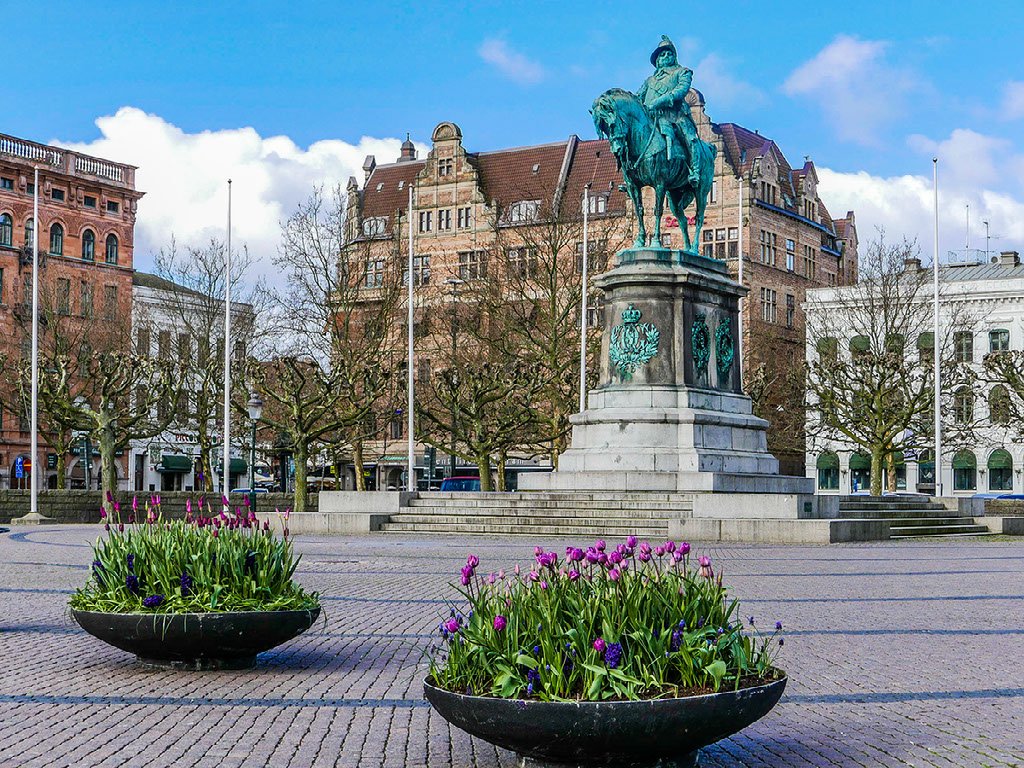
It is 30 minutes by train over the Øresund Bridge. You need your passport. The train crosses the bridge above water with good views from the left-side window heading toward Malmö. It is a morning excursion or a full day, depending on your pace. I have a complete Photography Guide to Malmö for everything you need once you get there.
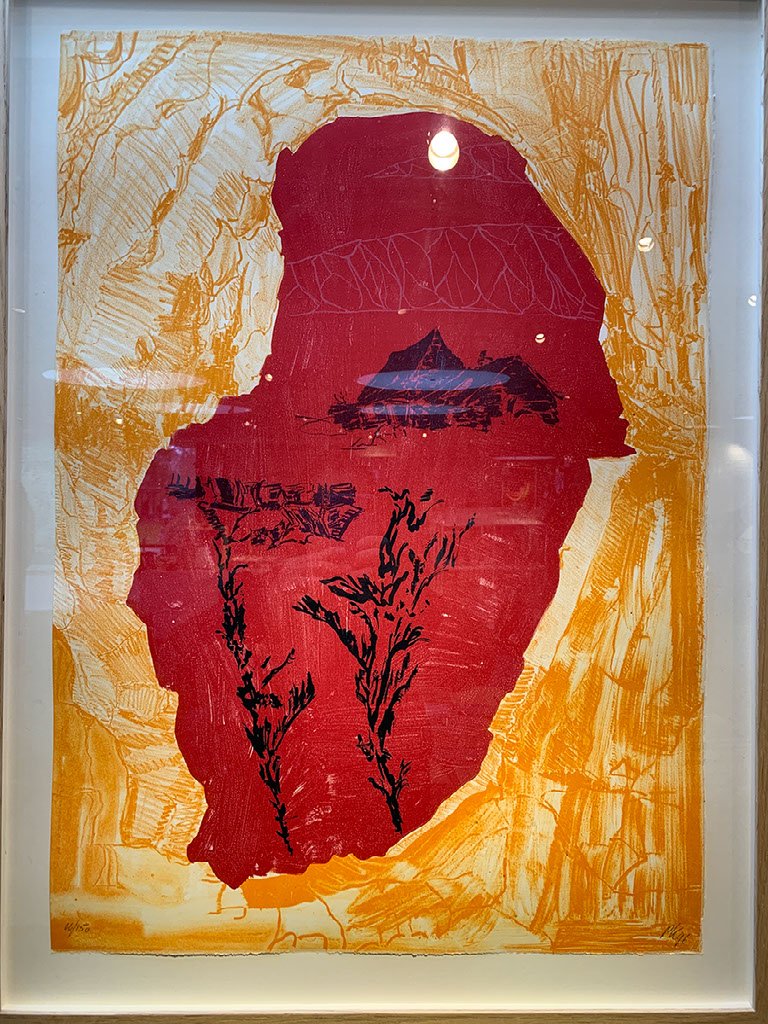
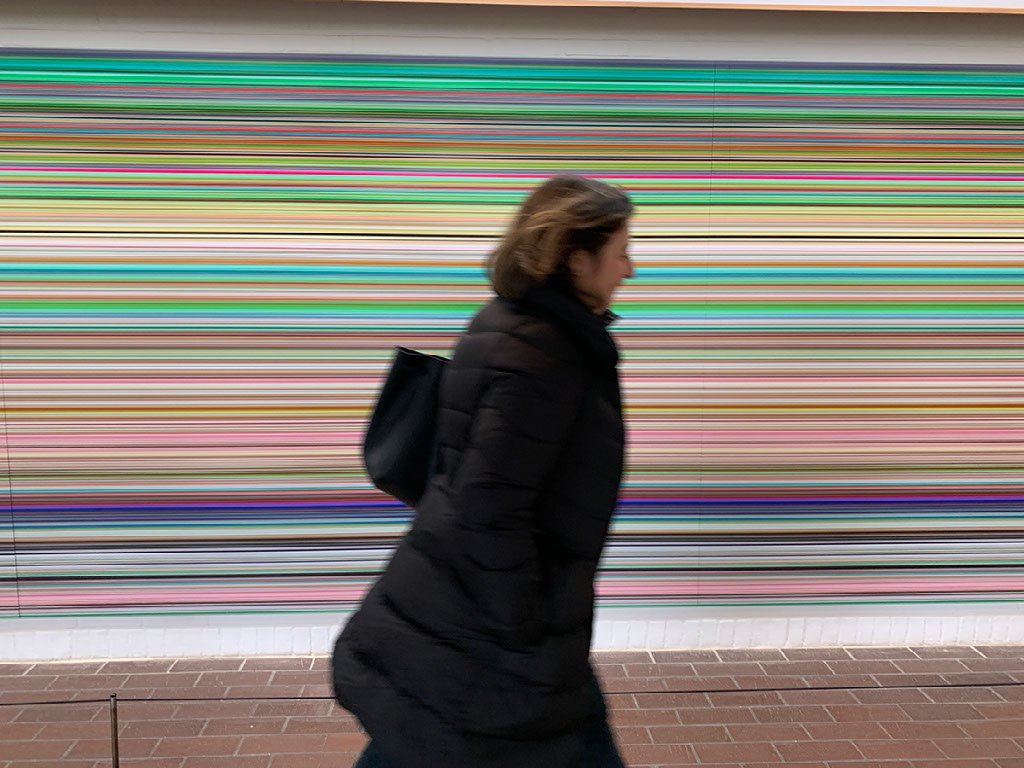
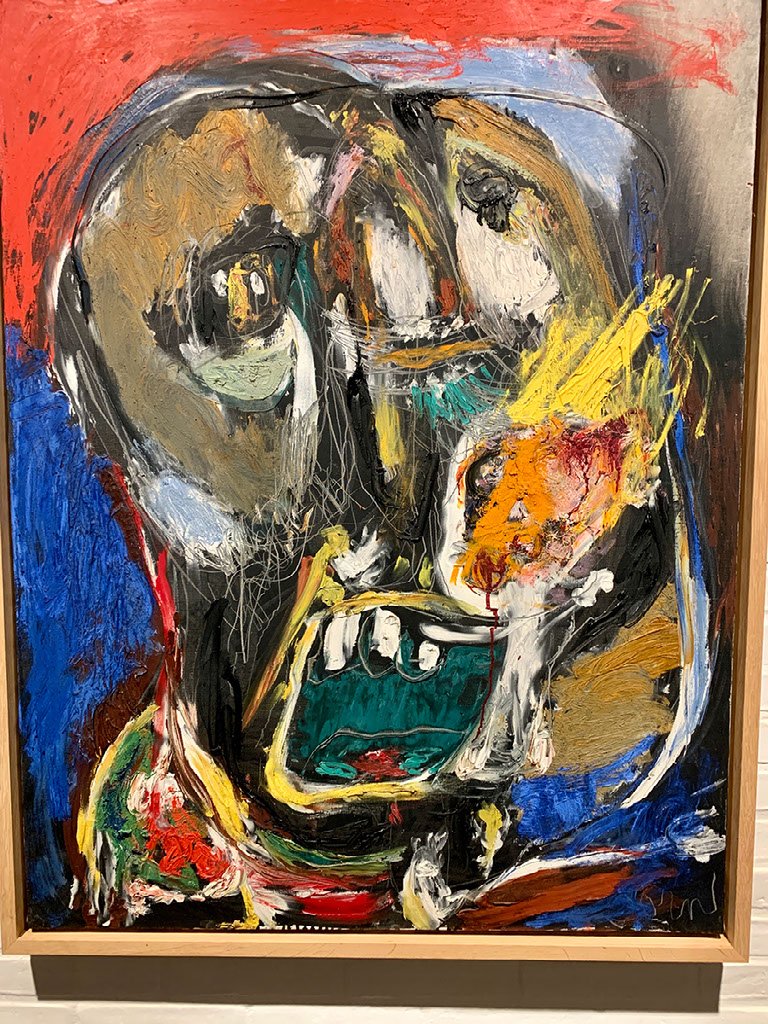
Louisiana Museum of Modern Art
It is 35 minutes north of Copenhagen by regional train, getting off at Humlebæk Station. From there, it is a 10-minute walk to the museum. The building sits directly on the sound between Denmark and Sweden, and on a clear day, you can see the Swedish coast from the museum restaurant. The permanent collection includes works by Giacometti, Calder, and Picasso, and the outdoor sculpture garden is one of the best in Europe. This is a full-day excursion worth planning.
Frequently Asked Questions About Visiting Copenhagen
Is Copenhagen expensive?
It can be, but it doesn't have to be. Hotels and fine dining run high, but many of the best experiences, such as swimming in the harbor, viewpoints across the city, and walking the neighborhoods, are free. Food markets like Torvehallerne let you eat exceptionally well without a fine-dining price tag.
Is Copenhagen safe?
Yes, it's one of the more relaxed major cities in Europe for visitors. Violent crime is low, and most people walk or bike through the city center comfortably at night. Normal awareness in crowded areas still applies.
Can beginners bike safely in Copenhagen?
Yes, but give yourself a moment to adjust. The bike lanes are serious infrastructure and move fast, especially at rush hour. Start on quieter streets or off-peak hours, and pay close attention to how locals signal before merging into busier corridors.
What are the best photo spots in Copenhagen?
Nyhavn at sunrise, the Opera House steps toward Amalienborg, and the Church of Our Saviour's spiral staircase are three I return to constantly. The full list with Pro Tips is below.
Can you fly a drone in Copenhagen?
Not without authorization. The city center, including Nyhavn, Tivoli, and the waterfront, sits under restricted airspace near Copenhagen Airport. Check with the Danish CAA before you pack one, or leave it at home.
What surprised you most about photographing Copenhagen?
That you can take a train to Malmö, Sweden, and in twenty minutes you're in an entirely new city and country. It's one of the easiest and most rewarding day trips I've found anywhere in Europe.
How many days do you need in Copenhagen?
Three days minimum for the major locations at a relaxed pace. Four to five is better if you want to shoot each spot in different light. Add a day if you're including Malmö or the Louisiana Museum.
Is the day trip to Malmö worth it?
Yes. It's thirty minutes by train over the Øresund Bridge; you'll need your passport, and the ride itself, crossing the bridge above open water, is worth the trip on its own.
Festivals & Events in Copenhagen
Copenhagen Light Festival (February): The city installs large-scale illuminated art installations in public spaces, buildings, and parks throughout February. For photographers, it is one of the most productive events of the year. Long exposures of the installations against dark winter skies produce extraordinary images. Go on a clear night and budget several hours.
Copenhagen Photo Festival (June): A city-wide photography festival with exhibitions, talks, and outdoor installations across multiple venues. If you are a photographer planning a summer visit, check the schedule and plan around the opening events.
Roskilde Festival (Late June to Early July): The largest music festival in Scandinavia takes place about 30 kilometers west of Copenhagen. Over 130,000 attendees, hundreds of performances, and a visual and documentary photography opportunity that has no parallel in the region. Day tickets are available if you are not camping for the full week.
Tivoli Christmas Markets (Late November through December): Tivoli Gardens transforms completely during the Christmas season with markets, skating, and theatrical lighting. The combination of the Nimb building, the park's historic rides, and the festive decorations creates a photographic environment unlike anything in summer. Photograph at blue hour (around 4pm in December) when the artificial lights are warm against the remaining sky.
Queen's Birthday (April 16): The Danish royal family appears on the balcony at Amalienborg Palace to greet the crowds on the monarch's birthday. The square fills with Danes waving flags, and the scale and warmth of the event make for exceptional photography. Arrive at least an hour early for a clear sightline.
Final Thoughts
What I love most is how livable it feels. People bike everywhere. Locals swim in the harbor. Cafés spill onto sidewalks even when the weather is cool. There is beauty here, but it never feels staged. It feels authentic.
Copenhagen is one of those cities that becomes more valuable with each visit. The first time, you photograph the postcard locations and learn the geography. The second time, you start to understand how the light moves through the neighborhoods. By the fourth or fifth visit, you know exactly where you want to be at 5 am on a Tuesday in June, and the city rewards that familiarity with images that no amount of research could have predicted.
What I keep coming back to is the balance of it. Old and new, formal and relaxed, minimal and warm. A city that has thought carefully about how people live, and then built that thinking into everything from its architecture to its bike infrastructure to its food culture. For photographers, that intentionality creates endless subjects. For travelers, it creates a place that is genuinely enjoyable to be in, not just to pass through.
Go. Go more than once.
If you would like to join a future photography workshop, visit my Workshops page for current offerings and upcoming dates. You can also connect with me on Instagram (@chasinghippoz) and Facebook, or subscribe to the newsletter for travel photography tips, destination guides, and behind-the-scenes stories from more than 75 countries. I look forward to sharing the journey with you.
My Photography and Travel Guide to Stockholm, Sweden: A five-hour train ride north (or a one-hour flight) and you are in another of Scandinavia's finest photography cities. Gamla Stan's medieval alleyways at golden hour, the waterfront at Djurgården, and the archipelago light beyond the city. Stockholm and Copenhagen together tell the full Scandinavian story.
My Photography and Travel Guide to Oslo, Norway: One hour by air from Copenhagen, and Oslo is one of the most architecturally photogenic capitals in Europe. The Opera House alone, with its white marble planes rising from Bjørvika harbor, is worth the trip. Vigeland Sculpture Park with 200-plus bronze works, all free, all accessible before 7 am when the light is perfect.
My Photography and Travel Guide to Malmö, Sweden: Thirty minutes by train over the Øresund Bridge, and you are in Sweden. I have made this day trip from Copenhagen more times than I can count. The Turning Torso, the Möllevångstorget market, and the old town streets make for a rewarding morning, and the train ride over the bridge is genuinely spectacular.
Are you carrying too much camera equipment, but still coming home disappointed with your travel photographs?
You are not alone. Many photographers fall into the packing trap. They bring too much, plan too little, and spend their trip scrambling to capture photographs instead of enjoying the experience.
Capture the World offers a better approach.
In this practical guide, travel photographer Vito L. Tanzi shares the five step system he uses to plan photography trips, pack with purpose, work with the best light, and return home with stronger images.
Inside, you will learn how to:
• Travel lighter without sacrificing image quality
• Choose destinations that match your photography goals
• Visit at the right time for weather, light, wildlife, festivals, or seasonal conditions
• Build a photography itinerary around sunrise, sunset, blue hour, and changing weather
• Select the equipment you will actually use
• Find promising locations before you arrive
• Avoid the stress and exhaustion that can ruin a photography trip
• Stay flexible when weather, crowds, or travel plans change
This guide includes practical planning advice, useful photography tools, real travel examples, and a complete system you can use again and again.
Whether you are preparing for your first international photography trip or planning a weekend closer to home, Capture the World will help you travel with greater purpose, photograph with more intention, and spend less time worrying about what is inside your camera bag.
Because the best photography trip is not the one where you carry everything.
It is the one where you are ready when the right moment appears.
📸 Format: PDF download
Instant Download
Finally—a beginner-friendly photography guide that makes sense.
If you've ever picked up a camera and thought, "Now what?" this is the book for you.
Photography Made Simple is written for adults who are just starting out and want a clear, encouraging, real-world approach to learning photography. Whether you're using a DSLR, mirrorless, or just your smartphone, this guide walks you through the basics—without the jargon or tech overwhelm.
Inside, you'll learn:
The only camera settings you really need to know to get started
How to shoot sharper, more intentional photos using light and composition
Simple tips for portraits, landscapes, travel, and everyday life
What gear you do (and don’t) need
How to create better photos without upgrading your camera
You’ll also get practical exercises, cheat sheets, and tips for organizing and editing your images—plus the confidence to shoot off Auto Mode for good.
This is not a textbook. It’s a friendly guide to seeing the world with fresh eyes—and finally capturing what you see the way you imagine it.
📸 Format: PDF download
Pages: 100+
Perfect for: Beginners, hobbyists, and anyone ready to take better photos without the stress