Reykjavík, Iceland Travel & Photography Guide: Best Photo Spots, Things to Do & Hidden Gems
The first time I landed in Reykjavík, I stepped out into the quiet morning and saw steam rising from the hills in the distance. The air was sharp and salty, and the light hung in that blue-hour space between night and day. That rising steam is what gave the city its name. Reykjavík means "Smoky Bay" in Old Norse. It was my first glimpse of a place that feels both ancient and alive.
I have been to Iceland a half-dozen times now, but I did not spend much real time in Reykjavík until my last two trips. Most people use the city as a launching pad for the countryside, and I understand that impulse. But Reykjavík deserves more than a night or two. It is a genuinely photogenic city, full of color, texture, mood, and the kind of soft Nordic light that makes you want to keep your camera out all day. The compact scale works in your favor. You can walk almost everywhere, and the weather changes so fast that you get new light every hour without even trying.
What makes Reykjavík different from other European capitals is its rawness. The architecture is bold and colorful, but you are never more than a few minutes from the harbor, the water, and the feeling that civilization is holding its own against something much bigger. That tension, between the human and the elemental, is where the best photographs come from here.

In this Photography Guide to Reykjavík, I share the places and experiences that continue to draw me back. You will find my favorite photography locations, guidance on when and where to shoot, practical travel tips, and gear recommendations, along with cultural insights to help you explore and photograph Reykjavík with confidence, respect, and ease.
Photographer's Notes
Before you go, here are my own takeaways.
Favorite Season: Fall
Favorite Location: Old Harbor
Favorite Hotel: The Reykjavík EDITION
Favorite Restaurant: DILL
Favorite Café: Reykjavík Roasters
Favorite Lens: 24-105mm
Would I Return? I've been six times already, and it's still not enough.
How to Get to Reykjavík
Keflavík International Airport (KEF) is the main international airport for Iceland and sits about 50 km from the city center. Budget 45 to 60 minutes for the transfer and plan accordingly.
If you are not renting a car, Flybus is the most convenient option, running direct from KEF to the BSÍ Bus Terminal in central Reykjavík in connection with all arriving flights. One-way adult tickets run around $29 USD. If you want door-to-door hotel drop-off, the Flybus+ option adds a short minibus connection from BSÍ for a small extra fee. Taxis exist but are expensive. It is worth noting that Uber does not operate in Iceland.

The Harpa
Where to Stay in Reykjavík
The beauty of Reykjavík is that it is a walkable city, which makes neighborhood choice important for photographers. I recommend staying in one of three areas.
Miðborg (City Center) is where you will find Hallgrímskirkja, Harpa Concert Hall, and most of the best street photography. It is ideal for early morning walks before the city wakes up and the light starts dancing off the water.
Vesturbær is a little quieter and more residential, with views over the bay and easy access to the Old Harbor. This area is good if you want a slower rhythm to your day.
Grandi Harbor Area was once industrial and is now one of the most creative corners of the city, full of wide-open space and excellent Icelandic light.
Luxury Hotels in Reykjavík
The Reykjavík EDITION is sleek and moody with harbor views and floor-to-ceiling windows. You can shoot the sunrise from your room. One honest note: this hotel handles a lot of cruise ship traffic, so it can get crowded during peak season.
Hotel Borg is an Art Deco classic across from Austurvöllur Square. The interiors are beautiful and well-suited for low-light photography. One of the more atmospheric hotels in the city.
ION City Hotel sits right on Laugavegur with modern Icelandic design throughout. Great base for street and night photography access.
Mid-Range & Boutique Hotels in Reykjavík
KEX Hostel is a former biscuit factory turned hip hostel with serious vintage character. Even if you are not staying here, stop in for a drink and the people-watching.
Center Hotels Laugavegur puts you directly on Reykjavík's main street with clean Scandi design and good balcony views.
Fosshotel Reykjavík is Iceland's largest hotel and well-placed for photography, with strong upper-floor views worth requesting at check-in.
Ideal Duration of Stay: Reykjavík in 4 to 5 Days
Four to five days is the right pace. Reykjavík is not about rushing from one landmark to the next. That time also gives you a day to do the Golden Circle without feeling like you are skipping the city entirely.
Day 1: Arrive, check in, and take a golden-hour walk up to Hallgrímskirkja. Shoot from the tower for views over the rainbow rooftops, then wander Laugavegur for storefronts and street scenes.
Day 2: Wake early for harbor shots. Walk the Sæbraut path from the Old Harbor to Sun Voyager and then to Harpa. Return in the evening with a tripod for long exposures at blue hour.
Day 3: Explore Grandi and Tjörnin Lake in the morning. Head to Perlan in the afternoon for the city panorama from the observation deck. If it is late spring or summer, consider a puffin watching tour from the Old Harbor. Fast shutter speeds and a zoom lens will serve you well.
Day 4: Day trip on the Golden Circle. See the section below.
Day 5 (Optional): Circle back to your favorite spots. Shoot them at a different time of day or bring only your iPhone and see how your eye changes when you are not hauling gear.


Day Trip: Golden Circle Photography Adventure
If you have a spare day, the Golden Circle is worth doing. It is Iceland's most popular day-trip route, which means you will find tour buses at every stop. The further you get from the main viewing platforms, the better your photographs will be. Go early, and position yourself away from the crowds.
Thingvellir National Park
Þingvellir sits in a rift valley where the North American and Eurasian tectonic plates are literally pulling apart. You can walk between the plates in the Almannagjá gorge, and the cracks and cliffs make for incredible wide-angle or drone photography.


Kerið Volcanic Crater
Kerið Volcanic Crater is a 6,500-year-old crater lake with striking red, black, and ochre slopes. The color contrast photographs beautifully. The rim walk gives you multiple angles.

Geysir Geothermal Area:
The word "geyser" comes from Geysir itself. While the original erupts rarely now, its neighbor Strokkur puts on a reliable show every five to ten minutes, blasting water 20 to 30 meters into the air. Use burst mode and pre-focus on the surface of the pool just before it erupts.


Gullfoss Waterfall:
Gullfoss Waterfall drops in two dramatic stages into a rugged canyon. On sunny days, you often catch a rainbow in the spray. Shoot from both above and alongside for different perspectives.
If you can, finish the day at Friðheimar, a tomato farm with a greenhouse café. The natural light inside the greenhouse is excellent, and the soup is worth the stop.

Best Time to Visit Reykjavík for Photography
Winter (November to February): Long shadows, snow-dusted rooftops, and the chance to photograph the Northern Lights right from the city. Fast lenses and a solid tripod are essential. Dress in layers and expect the light to be short but dramatic.
Spring (March to May): Morning fog and a slower rhythm to the city. Blue hour seems to last forever. Excellent for harbor scenes and moody skies. Fewer tourists than in the summer.
Summer (June to August): The midnight sun creates magical golden light that lingers late into the night. This is when iPhone photographers can shine too, because the light stays soft and even for hours. Be prepared for crowds at the main landmarks.
Fall (September to October): My favorite season to shoot Reykjavík. Crisp air, fewer tourists, and bold autumn colors against the city's steel-and-glass buildings. The light has a quality in September that is hard to describe and harder to replicate anywhere else.
Getting Around Reykjavík
Reykjavík is walkable, and that is a genuine advantage when you are carrying camera gear. Most of the photography locations in this guide are within walking distance of each other.
For longer distances, the Strætó bus system is efficient, and the Reykjavík City Card covers buses along with admission to museums and pools. There is no metro, and as noted, Uber does not operate here. Taxis are available but expensive. For day trips outside the city, a rental car gives you the flexibility to stop wherever the light looks interesting, which is the real reason to rent one in Iceland.
Watch for slippery sidewalks in winter and be cautious with gear in windy conditions near the harbor and the coast.
Where to Eat & Drink in Reykjavík
Reykjavík punches well above its size when it comes to food. The city is small enough that quality restaurants stand out, and the emphasis on Icelandic ingredients (lamb, Arctic char, langoustine, skyr) means the best meals feel specific to this place and nowhere else.
Restaurants in Reykjavík
DILL on Laugavegur is Iceland's first Michelin-starred restaurant and still the benchmark for what Icelandic cuisine can be. Chef Gunnar Karl Gíslasson's tasting menu is built around local and foraged ingredients. Book well in advance. The interior is moody and photogenic; if you bring a fast prime, you will get usable shots without disturbing other diners.
Apotek Kitchen + Bar is housed in a former pharmacy and the design shows in the best way. The space is chic, the food is beautiful, and the atmosphere at sunset is golden. Worth a reservation.
Messinn is a casual seafood spot with big windows, excellent Arctic char, and a cozy, unhurried atmosphere. A reliable favorite.
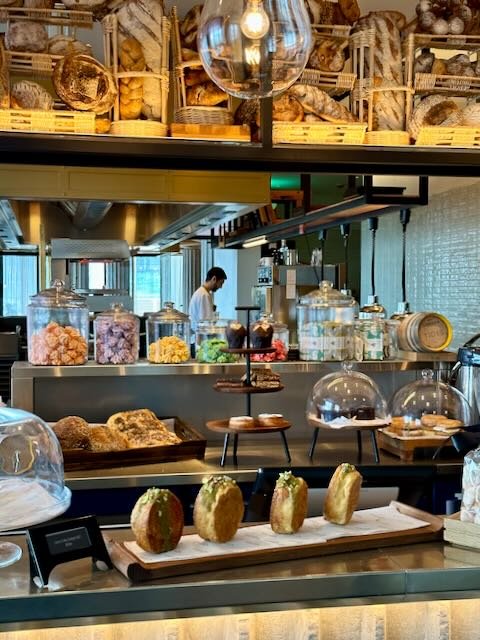
DEIG is fun and full of personality. The pastries and cinnamon buns photograph well in the natural window light.
Sægreifinn (The Sea Baron) sits right on the harbor with rustic maritime vibes and the best lobster soup in the city. Arrive at golden hour for a bowl by the water.
Coffee in Reykjavík
Reykjavík Roasters has soft window light, excellent craft coffee, and a photogenic crowd. One of the better spots in the city for editing work between shooting sessions.
Kaffibrennslan is warm and cozy. Ideal on a rainy afternoon when you are waiting for the clouds to break.
Sandholt Bakery has gorgeous pastries and strong natural light. Bring a 50mm and spend an hour with a coffee and a cardamom bun.




Book a walking food tour
A walking food tour is at the top of the must-do list. One of the best ones is Reykjavik Food Walk, which allows you to “dive into Icelandic food culture” and meet some locals along the way.
Photography Gear to Bring to Reykjavík
Reykjavík is a weather-challenged city. Whatever body you bring, make sure it is weather-sealed. The Canon R5 Mark II, Sony A7RV, and Nikon Z8 are all excellent choices here.
For lenses, a 16 to 35mm is essential for architecture, interior shots of Harpa, and wide landscapes at Þingvellir. A 24 to 70mm covers most of your daily street and documentary work. Bring a 70 to 200mm for compressed harbor shots, puffin photography in late spring, and pulling in distant mountain details across the bay.
A lightweight tripod is not optional here. You will use it for blue-hour long exposures at the harbor, Northern Lights if you visit in winter, and waterfall shots on the Golden Circle. Kase ND filters (6 and 10 stop) are useful for silky water shots at Gullfoss and managing the bright Arctic summer light. Bring extra batteries because cold temperatures drain them faster than you expect. A lens cloth is non-negotiable near the coast and the geothermal areas. Spray and steam are everywhere.
iPhone Tips
The long light of Reykjavík's summer is genuinely ideal for iPhone photography. Here are three things worth knowing for this specific city.
Use Night Mode on the Harpa Concert Hall façade at blue hour. The honeycomb glass panels catch the changing sky in a way that the automatic exposure handles surprisingly well. Keep the phone against a railing or surface for maximum sharpness.
Use Ultra-Wide at Hallgrímskirkja when you are shooting from directly below the facade. The vertical distortion actually works in your favor here and exaggerates the height of the tower dramatically.
At Tjörnin Lake on a still morning, switch to Portrait Mode for the Fríkirkjan church reflected in the water. The subject separation against the soft background works well and the shallow depth effect flatters the muted Icelandic color palette.
Best Photography Spots in Reykjavík
Hallgrímskirkja:
Hallgrímskirkja is Reykjavík's most recognizable landmark and genuinely one of the most architecturally striking churches in Europe. Designed by state architect Guðjón Samúelsson and completed in 1986 after 41 years of construction, the building was inspired by the basalt lava columns that define Iceland's landscape. Stand at the base and look straight up along the facade and you will immediately understand the reference. The tower rises 73 meters over the city and is visible from almost everywhere in Reykjavík, which makes it an unavoidable orientation point.
Entering the church is free. Tower access requires a ticket (around 1,500 ISK for adults as of 2026, purchased on-site at the church shop, no pre-booking available). The tower closes 30 minutes before the church, and both can close without notice for services or events.
📷 Pro Tip: Shoot the exterior from directly below with an ultra-wide lens (16mm or wider) to capture the full verticality of the facade. Early morning before 8am gives you the exterior in soft light without other visitors in the frame. At the top of the tower, use a 24 to 35mm for sweeping rooftop panoramas. In winter, if there is snow on the colored roofs below, get up there first thing in the morning before it melts. The organ inside the nave photographs beautifully with available light if you have a fast 35mm or 50mm prime.
Best time: Sunrise for exterior, any clear morning or evening for the tower views. Access: Free to enter; tower approx. 1,500 ISK for adults. Central city, walkable from most hotels.

Harpa Concert Hall
Designed by Henning Larsen Architects in collaboration with Icelandic artist Ólafur Elíasson, Harpa is one of the most photographically interesting buildings in Northern Europe. The geometric glass façade is made up of thousands of panels in shifting colors, reflecting the sky, the sea, and the surrounding city in ways that change minute by minute. Walk around the entire building before you start shooting because every angle reads differently.
The honeycomb structure gives you endless options for creative composition. Shoot tight for abstract geometry, wide for the full scale of the building against the harbor, or go inside (free entry) for reflections and layered glass patterns.
📷 Pro Tip: Harpa is most photogenic at golden hour and blue hour when the glass panels catch the changing sky and the building's own internal lights begin to glow. Position yourself to the southwest during sunset for the warm reflection across the full facade. If the harbor is calm, walk to the water's edge directly in front of the building and shoot the reflection in the water below. Use a 24 to 70mm for the full building. Shoot inside for abstract compressed compositions with a 70 to 200mm aimed at the ceiling panels. In winter, the Northern Lights occasionally reflect in the glass, which is as good as it sounds.
Best time: Golden hour and blue hour, any season. Access: Free to enter. Waterfront, walkable from most hotels and the Old Harbor.

Sun Voyager
Designed by Icelandic sculptor Jón Gunnar Árnason and installed in 1990, Sun Voyager looks like a Viking longship at first glance, but Árnason described it as a dreamboat, an ode to the sun symbolizing hope and freedom. The skeletal stainless-steel form curves upward as if it is about to sail into the Arctic light. It sits on the Sæbraut waterfront with Mount Esja across the bay and the open sea behind it.
The reflective steel surface catches and transforms any available light, which means the sculpture looks entirely different depending on when you arrive.
📷 Pro Tip: Arrive at sunrise for the best light. Position yourself low to the ground and slightly to the southeast so the sculpture reads against the sky and the bay behind it. A 24 to 70mm handles the full composition well. In summer, the midnight sun hits the steel at a low angle and turns the whole sculpture gold. In winter, if Northern Lights are active, this is one of the best spots in the city to combine them with a foreground subject. Use a tripod and a wide lens (16 to 24mm) for the aurora shots. Be aware that this location is busy in summer, especially at sunset. Arrive 30 minutes before golden hour to find your position before the crowd builds.
Best time: Sunrise or golden hour. Winter for Northern Lights potential. Access: Free, outdoor public sculpture. Sæbraut waterfront, walkable from Harpa and the city center.

Old Harbor:
Reykjavík's Old Harbor is alive with fishing boats, whale-watching tours, ferries, and cargo vessels. There is a raw, authentic feeling here that balances nicely against the city's more polished modern side. If you enjoy photographing boats, maritime textures, and everyday working life, this is the right place.
Color is everywhere: red and blue trawlers, yellow cranes, bright murals, and cheerful seaside buildings painted in tones that pop against Iceland's often grey sky. It is a strong contrast to the stark natural landscape just outside the city.
📷 Pro Tip: Arrive at first light before the tour boats depart and the harbor fills with visitors. The working vessels are at their most photogenic in the early morning before engines start, when the water is still and the light is soft. A 70 to 200mm lets you work the details of rigging, ropes, and boat hulls from the dock without getting in the way of the crew. For wider environmental shots, position yourself at the eastern end of the harbor facing west to get the boats in the foreground and Esja mountain across the bay. The Grandi end of the harbor has larger murals worth shooting with a 24 to 70mm.
Best time: First light or golden hour. Any season. Access: Free, public waterfront. Western edge of the city center.

Grandi District: Wide
Grandi is one of those neighborhoods that sneaks up on you. At first glance, it looks like a working industrial area by the docks. Spend a few hours here and it reveals itself as one of the most creative and character-rich corners of Reykjavík. Former warehouses now house independent shops, food halls, craft breweries, and the Reykjavík Maritime Museum. The wide streets and open waterfront give you room to work with a longer lens.
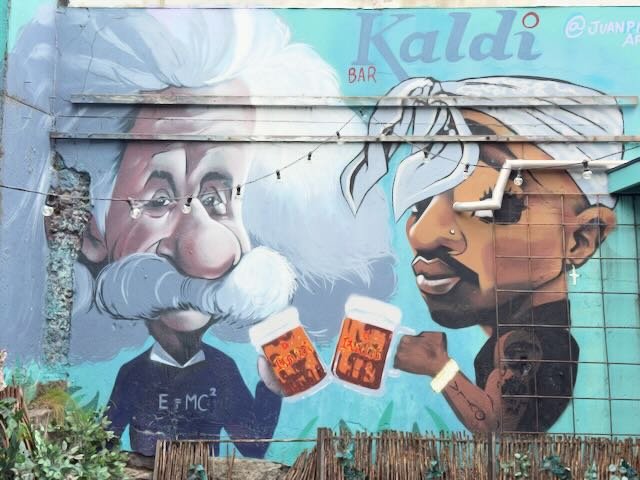
What makes Grandi photogenic is the contrast: raw industrial surfaces next to colorful murals, fishing equipment next to artisan coffee. The light over the harbor from this end of the city is particularly clean because there is very little to obstruct it.
📷 Pro Tip: The best murals in Grandi change periodically, so explore on foot before committing to any single composition. A 35mm prime is ideal for working the narrow passages between buildings. The fish-drying sculpture installation (Þúfa) on the cape near Grandi is a small grass mound with a fish-drying hut on top. Walk to the top for a view of Harpa and the bay that most visitors completely miss. Kaffivagninn, one of the oldest cafés in Reykjavík, sits right on the harbor at the Grandi end. Shoot the exterior at golden hour and then stay for coffee.
Best time: Golden hour for the waterfront, any time for street and mural photography. Access: Free. Walking distance from the Old Harbor, about 15 minutes from the city center.




Festivals & Events to Photograph
Winter Lights Festival (February): Light installations across the city, outdoor art, and music. This is one of the best events for long-exposure photography, with colored light on architectural surfaces and the cold winter air adding drama to every frame.
Culture Night / Menningarnótt (August): A city-wide celebration with concerts, open studios, and fireworks. Arrive early to stake out a position for the fireworks over the harbor. The energy in the city that evening is excellent for street photography.
Iceland Airwaves (November): One of the best music festivals in Northern Europe, spread across venues throughout the city. Great for moody, atmospheric portrait and documentary work inside intimate venues. Bring a fast prime and shoot in available light.
New Year's Eve: Reykjavík's New Year celebration is one of the most photogenic in the world. The entire city lights up with private fireworks (essentially legal everywhere here) and the harbor becomes a wall of light and smoke. A tripod and a wide lens are essential. Position yourself at the Old Harbor or Sæbraut waterfront by 11:30 pm.
Puffin Season (May to August): Not a festival, but worth noting for photographers. Puffin-watching boat tours depart from the Old Harbor and get you close enough for serious bird photography. Bring your longest lens and use a fast shutter speed.
Frequently Asked Questions About Visiting Reykjavík
Is Reykjavík worth spending real time in, or just a launching pad to the countryside?
Worth real time. Most people use it purely as a launching pad for the Ring Road or the Golden Circle, and that surprised me too the more I visited. Reykjavík is a genuinely photogenic city on its own, and four to five days there before heading out isn't wasted time.
Do you need a car in Reykjavík itself?
No, the city is compact and walkable. A car becomes essential only for day trips like the Golden Circle, where flexibility to stop for light matters more than convenience.
Is Reykjavík expensive?
Yes, Iceland overall runs high, both for hotels and dining. DILL and other standout restaurants sit at the premium end, but casual spots like Sægreifinn and coffee shops keep everyday costs more manageable.
What are the best photo spots in Reykjavík?
Hallgrímskirkja from directly below at sunrise, Harpa's glass façade at blue hour, and the Old Harbor at first light before the tour boats depart are three that consistently deliver. The full list with Pro Tips is above.
Can you fly a drone in Reykjavík?
Check current Icelandic Transport Authority regulations before flying, particularly around the harbor and central city, which likely carry restrictions given airport proximity and population density.
What surprised you most about Reykjavík?
That most people treat it purely as a launching pad for the countryside and skip the city itself entirely. It's a genuine mistake. The architecture, the harbor, the light, all of it rewards real time, not just an overnight stop before the Ring Road.
How many days do you need in Reykjavík?
Four to five days is the right pace, which also leaves room for a Golden Circle day trip without feeling like you're skipping the city.
Is Reykjavík worth combining with Iceland's South Coast or the Westfjords?
Yes, both are natural extensions. The South Coast gives you black sand beaches and glacier lagoons; the Westfjords give you Iceland at its most remote and least photographed, genuinely different experiences from the city itself.
Final Thoughts
Reykjavík rewards the photographer who slows down. The city is small enough to cover thoroughly but layered enough to keep revealing new images every time you return. The light moves fast, the weather shifts by the hour, and the most memorable shots often come from quiet moments you did not plan for.
I have left Reykjavík after every visit with more photographs than I expected, and a longer list of reasons to come back. That is the highest recommendation I can give a city.
If you are interested in joining one of my photography workshops, you can find the details through the link. You can also follow along on Instagram, Facebook, or subscribe to my newsletter for more travel photography tips and behind-the-scenes content from 75+ countries.
More Photography Guides for the Region
My Photography & Travel Guide to the Southern Coast of Iceland: The logical next chapter after Reykjavík. Black sand beaches, glacier lagoons, dramatic waterfalls, and the kind of wide-open landscapes that Iceland is famous for. Plan at least three days. Every pull-off on Ring Road is worth stopping for.
My Photography & Travel Guide to the Westfjords and Snæfellsnes Peninsula, Iceland's most remote and least-photographed regions. The Westfjords are raw and genuinely off the tourist circuit. Snæfellsnes has the glacier, the lava fields, and the fishing villages. If you want Iceland without the crowds, go here.
Finally—a beginner-friendly photography guide that makes sense.
If you've ever picked up a camera and thought, "Now what?" this is the book for you.
Photography Made Simple is written for adults who are just starting out and want a clear, encouraging, real-world approach to learning photography. Whether you're using a DSLR, mirrorless, or just your smartphone, this guide walks you through the basics—without the jargon or tech overwhelm.
Inside, you'll learn:
The only camera settings you really need to know to get started
How to shoot sharper, more intentional photos using light and composition
Simple tips for portraits, landscapes, travel, and everyday life
What gear you do (and don’t) need
How to create better photos without upgrading your camera
You’ll also get practical exercises, cheat sheets, and tips for organizing and editing your images—plus the confidence to shoot off Auto Mode for good.
This is not a textbook. It’s a friendly guide to seeing the world with fresh eyes—and finally capturing what you see the way you imagine it.
📸 Format: PDF download
Pages: 100+
Perfect for: Beginners, hobbyists, and anyone ready to take better photos without the stress