My Photography & Travel Guide to the Southern Route of Iceland
There are places that make you reach for your camera. And then there's Iceland, a place that makes you wish you had a hundred of them, all firing at once.
I have been coming to Iceland for years, and it still stops me cold every time I drive out of Keflavik and the landscape opens up. The country is small enough to drive across in a day but layered enough to fill a lifetime of trips. In a single afternoon on the Southern Coast, you can walk behind a waterfall, stand on a black sand beach while waves the size of trucks roll in, and pull over three more times before dinner because something extraordinary is happening in the light. That doesn't get old.
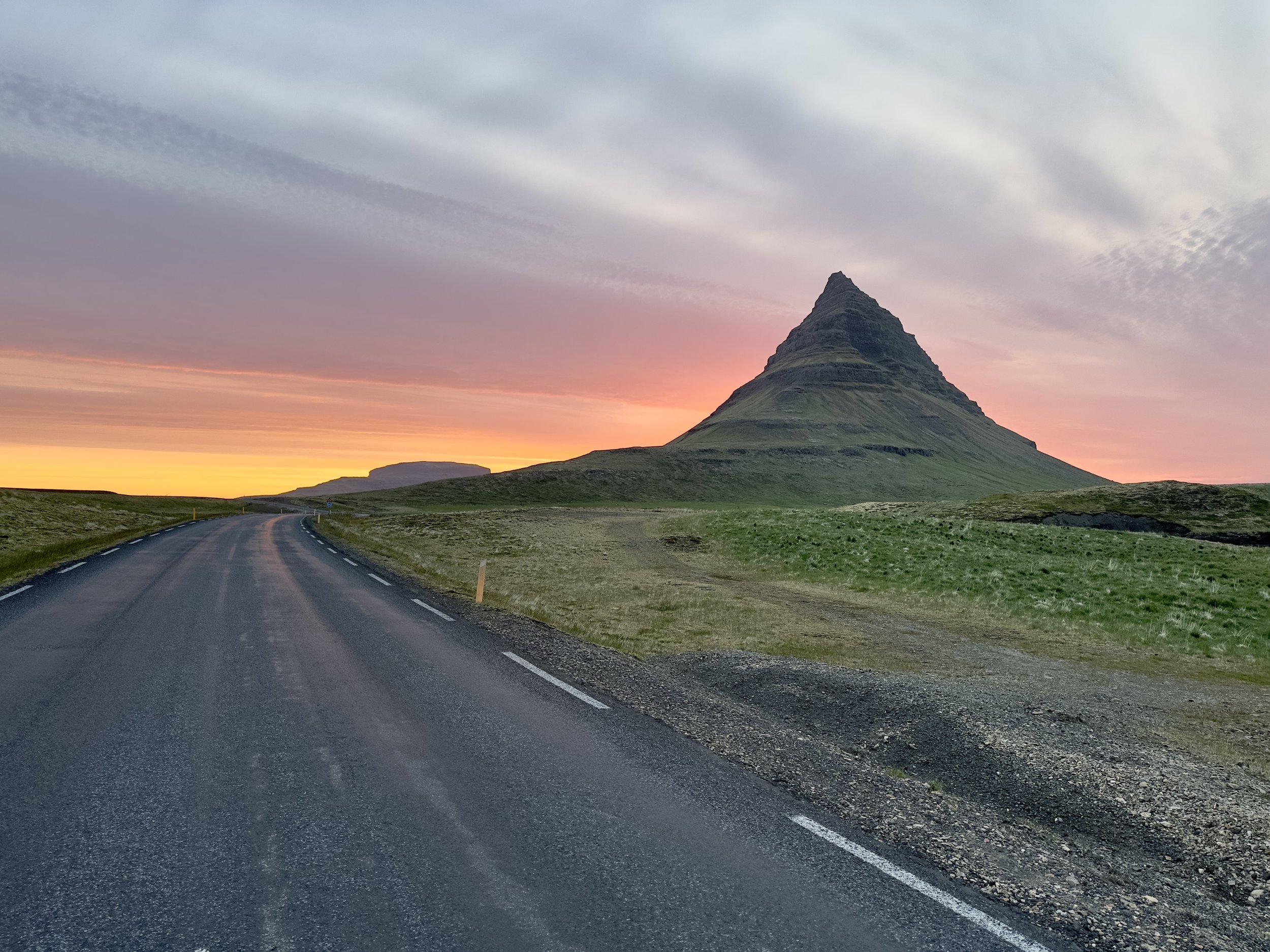
The Road to Kirkjufell
For photographers, Iceland is as close to a guaranteed result as travel gets. The light is extraordinary. In summer, golden hour stretches past midnight, and the landscape goes soft and warm in ways that feel almost unfair. In winter, the darkness hands you the aurora and glacial ice caves that glow blue from the inside. Every texture, the lichen on lava rock, the steam rising from a thermal vent, the mane of an Icelandic horse catching the wind, is a photograph waiting to happen. For travelers who are not photographers, Iceland is still one of the most accessible adventures on earth. The roads are well-marked, the people are warm, and even a roadside rest stop looks like a movie set.
In this Photography Guide to Southern Iceland, I share the places and experiences that continue to draw me back. You will find my favorite photography locations, guidance on when and where to shoot, practical travel tips, and gear recommendations, along with cultural insights to help you explore and photograph Iceland with confidence, respect, and ease.

Best Time to Visit
Summer (June to August) is the season most photographers plan around, and for good reason. Daylight runs 20-plus hours at peak, which means you are shooting in golden hour light at 11pm and again at 3am. Puffins nest from June through August. Lupins are in bloom from late May through June, surrounding Vik Church in purple and turning roadside stops into proper compositions. The downside is that the most popular locations, Skogafoss in particular, get very crowded from mid-morning onward. Plan early arrivals.
Fall (September to October) is the smart photographer's window. Crowds drop sharply after the first week of September. The light softens and turns warm. The highlands are still accessible early in the season. Aurora activity picks up in late September as the nights get dark enough. This is my favorite time to go.
Winter (November to March) is for the aurora, the ice caves inside Vatnajokull glacier, and the drama of frozen waterfalls. Seljalandsfoss is especially beautiful when ice builds up around the falls, though the path behind the waterfall closes for safety. Expect shorter daylight (4 to 5 hours at the darkest point), fast-changing weather, and road conditions that require a 4x4.
Spring (April to May) is underrated. Snow is melting, waterfalls are running hard from snowmelt, lupins are just beginning, and tourist numbers are still manageable. A solid option if summer pricing is a concern.
Getting Around
A rental car is non-negotiable on the Southern Route. There is no public transport that will get you to Seljalandsfoss at 5 am or Diamond Beach at sunset. Book your car in advance, especially in summer when demand is high.
In winter, book a 4x4. The main Ring Road (Route 1) is generally well-maintained, but conditions change fast. Check the road before driving each day. Snow, ice, and high winds can close roads or make driving genuinely dangerous. Take it seriously.
Uber and Bolt do not operate in Iceland. Taxis exist in Reykjavik, but are expensive and not practical for South Coast photography.
A few practical notes for photographers. F-roads (mountain roads marked with an F) require a 4x4 and are closed in winter. Do not attempt them in a standard rental car. Your rental insurance will not cover you. Fill your tank whenever you see a petrol station on the South Coast. Stations are spaced far apart east of Vik. And pack your gear for quick access. You will stop the car unexpectedly many times.
How Many Days
For a well-paced trip focused on the Southern Route, plan for 5 to 7 days minimum.
Five days gives you enough time to hit the main locations at a reasonable pace, Seljalandsfoss and Skogafoss on day one, the Vik area on day two, the canyon and glaciers on day three, Jokulsarlon and Diamond Beach on day four, and a buffer day for weather and revisiting your best spots.
Seven days lets you breathe. You can shoot the same location in different light, wait out bad weather, do the Ingolfshofdi puffin tour properly, and make it to Vestrahorn and Eystrahorn on the far eastern end without rushing.
If you are combining the Southern Route with Reykjavik and the Westfjords, two weeks is the right number.
Where to Stay
The Southern Route runs from Reykjavik east toward Hofn, and your base will depend on how far you plan to drive each day. Vik is the sweet spot for most photographers. It sits roughly midway along the coast, puts you within an hour of Seljalandsfoss, Skogafoss, and Reynisfjara, and has enough accommodation and food options to serve as a real base.
If you are spending time near the glacier lagoons at the far eastern end, consider moving your base to the Jokulsarlon area for a night or two. The light at Diamond Beach at sunrise is worth not driving two hours to get there.
Luxury Hotels
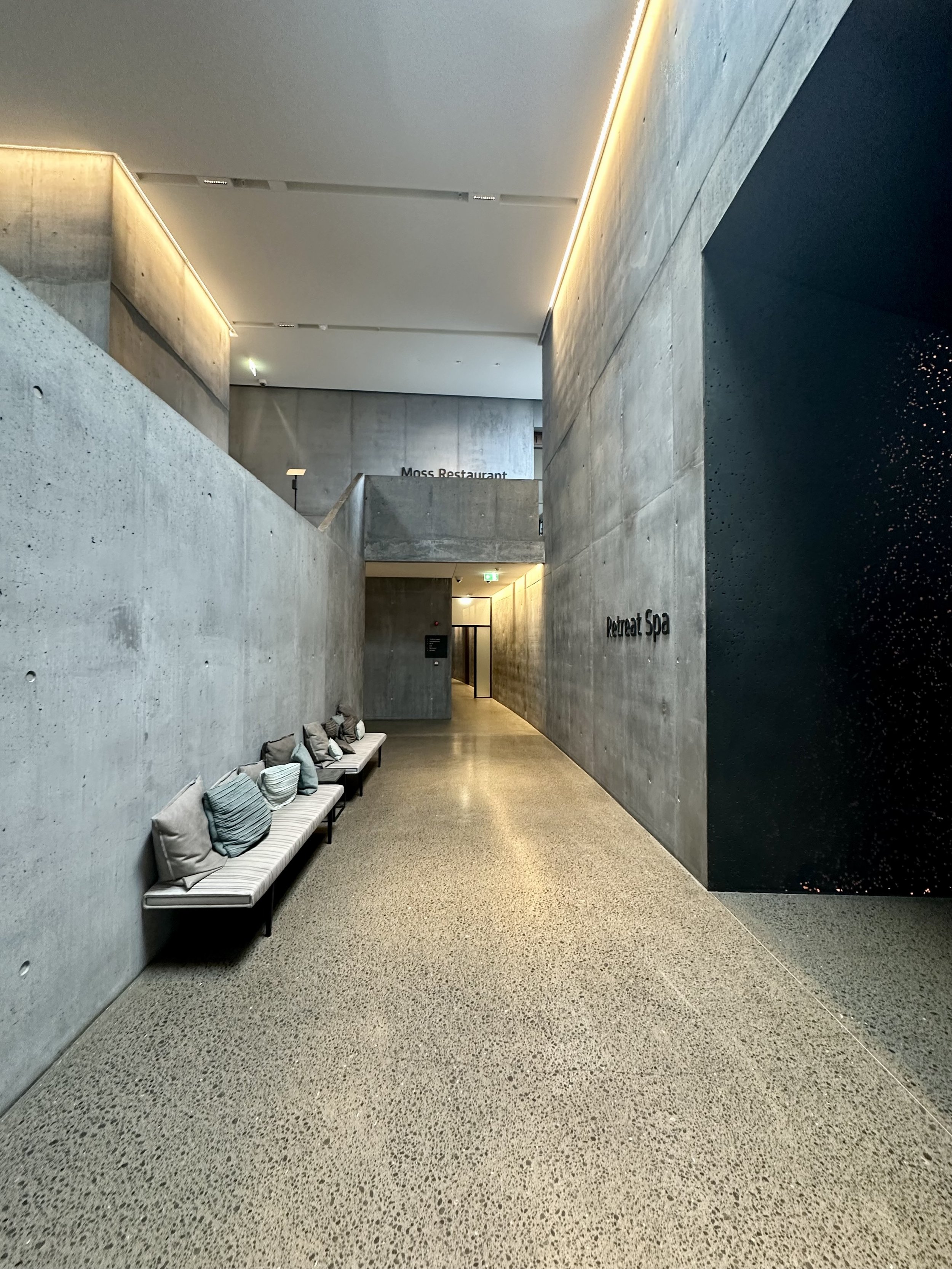
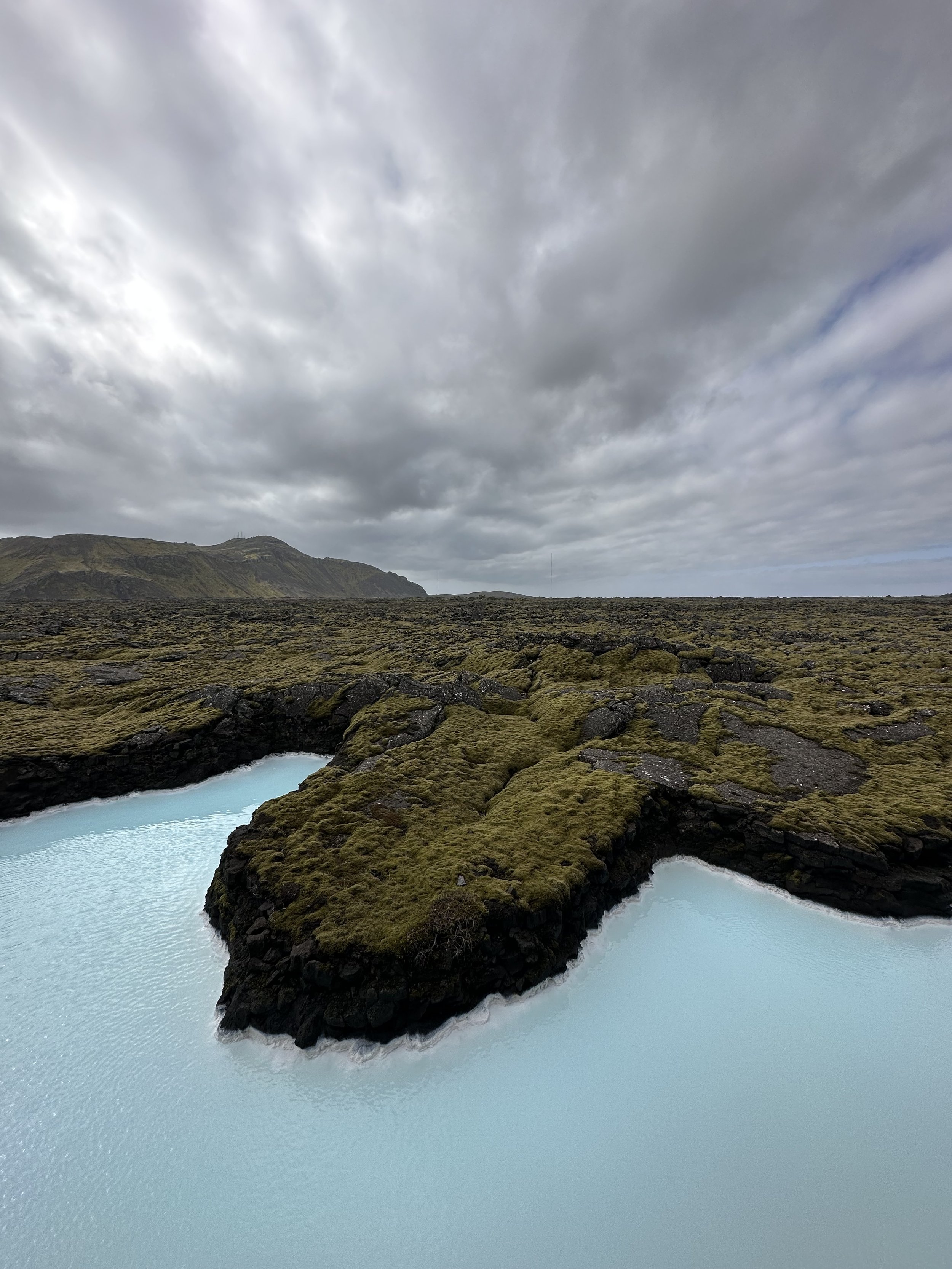
The Retreat at Blue Lagoon — Grindavik area, near Keflavik Airport. This is where I recommend starting or ending your trip. The rooms are exceptional, the food is outstanding, and access to the geothermal waters is included. It is a genuine splurge and worth it.
Reykjavik EDITION — Right in the heart of Reykjavik, by the water. The rooms are elegant and the restaurant is very good. A great choice if you want to spend a night or two in the capital at the start of your trip before heading south. Be aware the hotel is popular with cruise passengers, so the lobby can get busy.
ION Adventure Hotel — Near Thingvellir National Park, on the Golden Circle route. Architecturally interesting, great for Northern Lights viewing from the terrace in winter, and a genuinely atmospheric place to spend a night.
Mid-Range Hotels
Hotel Kria — Vik. This is my top recommendation for a base on the Southern Route. The hotel opened in 2022, so the rooms are modern, clean, and well-designed. The restaurant is good. The staff are friendly and genuinely helpful. It is a 10-minute walk to Reynisfjara Beach.
Fosshotel Glacier Lagoon — Near Jokulsarlon. The location is the only reason to book this one. It puts you within minutes of Diamond Beach and the glacier lagoon, which makes it worth it for photographers who want to shoot sunrise at both locations. The rooms and food are unremarkable.
Skalakot Manor Hotel —
Between Selfoss and Vik. A working horse farm and bed and breakfast. The rooms are cozy, the restaurant serves excellent local food, and if you are there in the right season, you can photograph Icelandic horses right on the property.
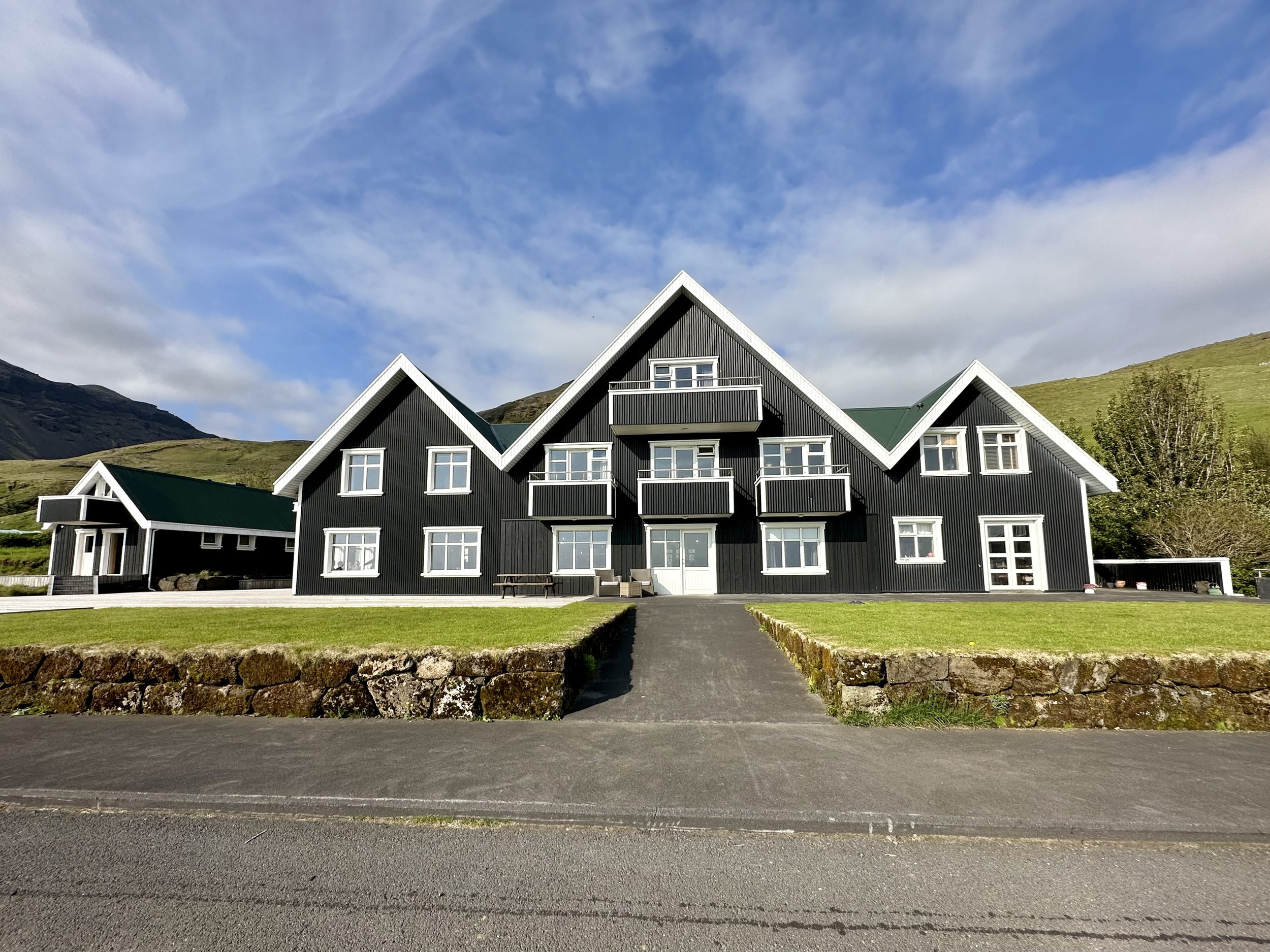
Where to Eat
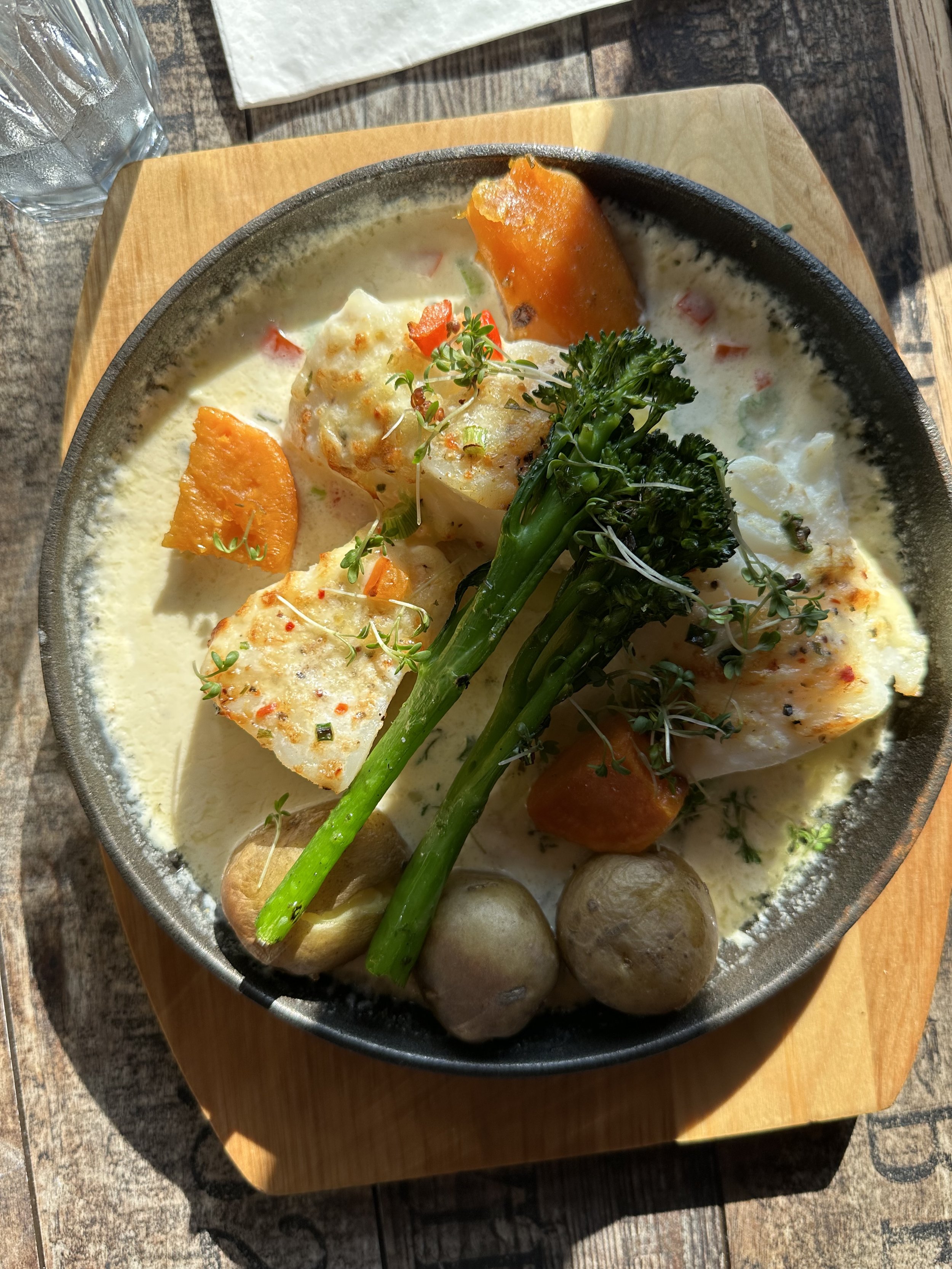
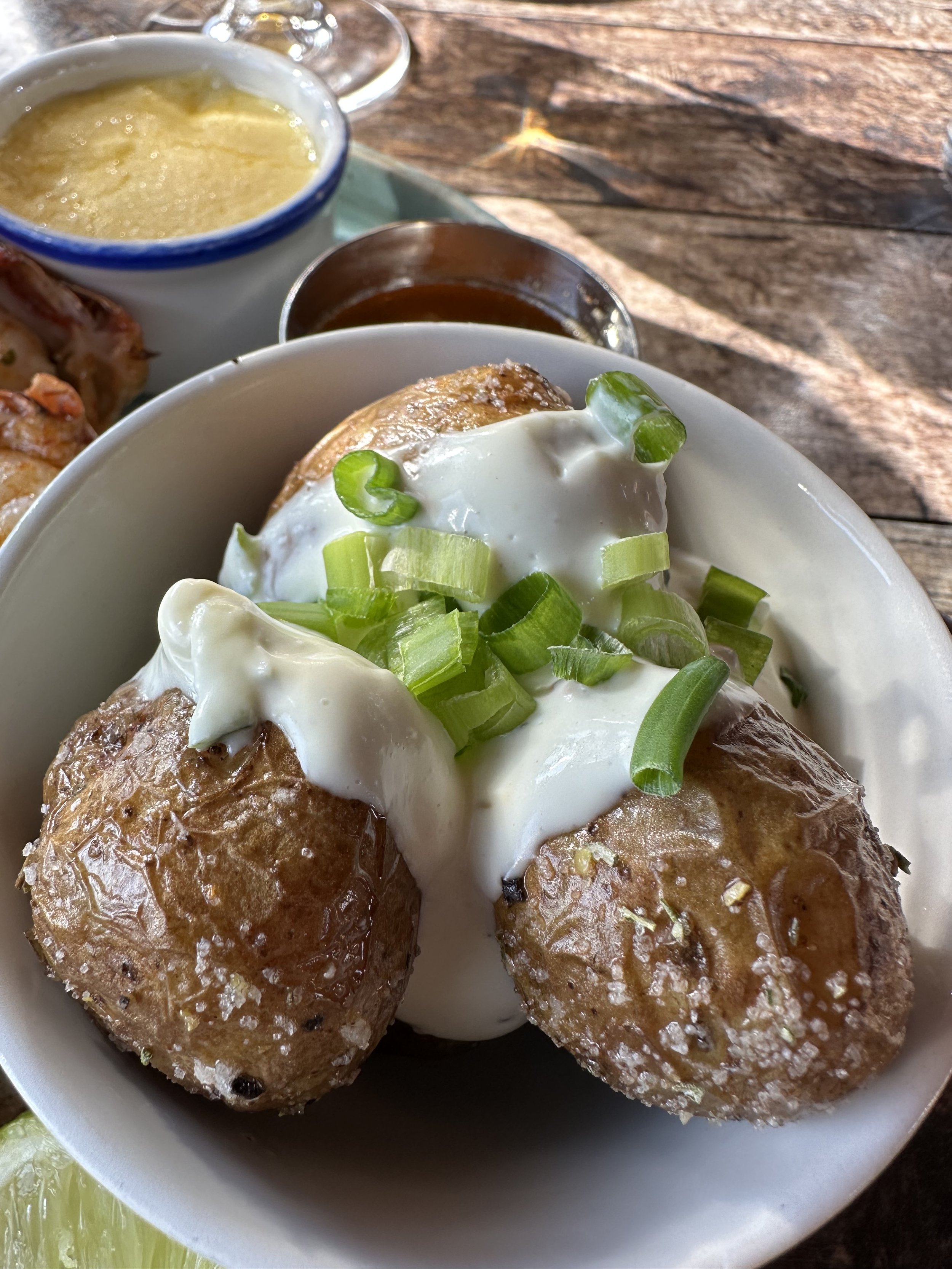
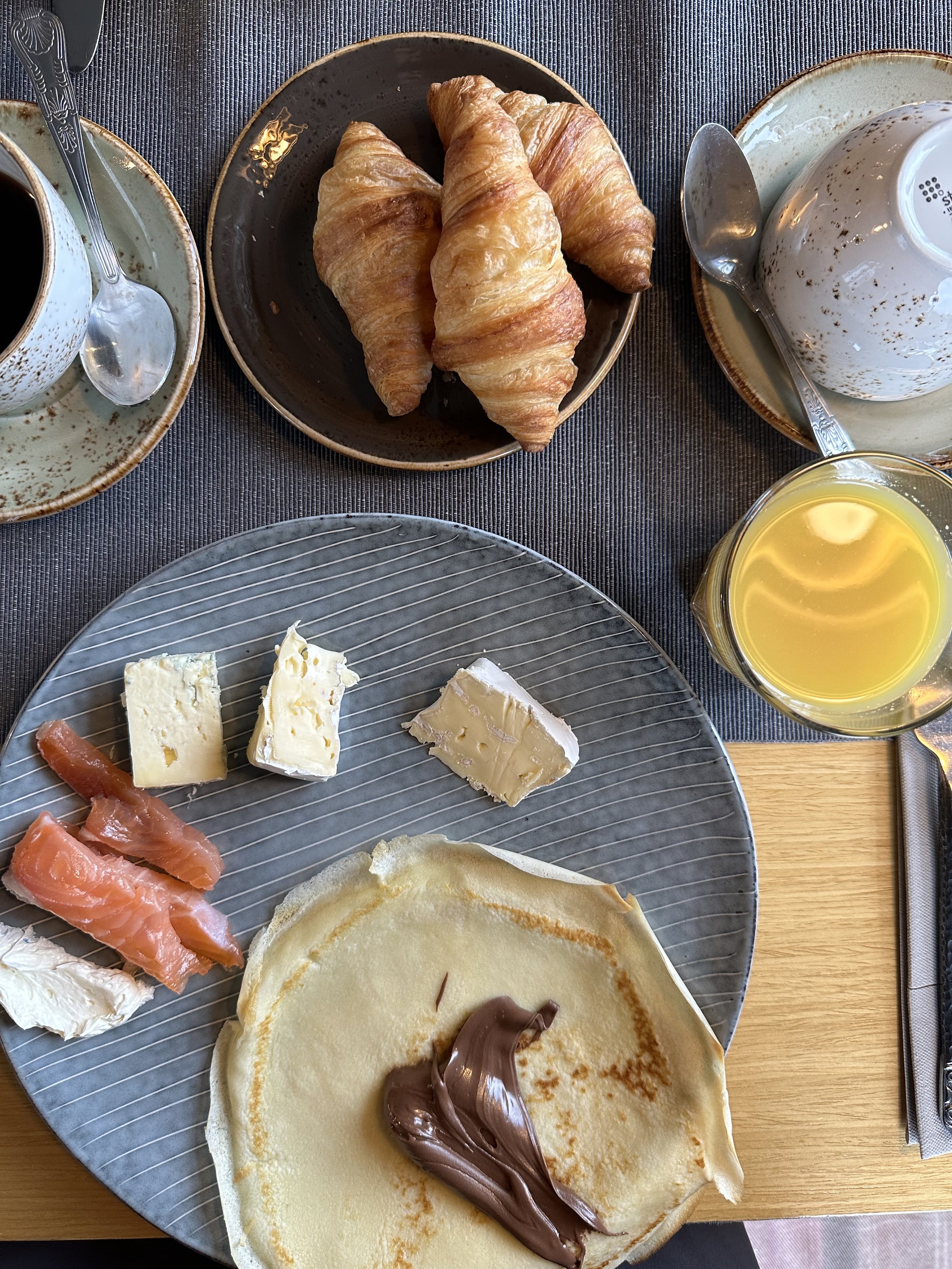
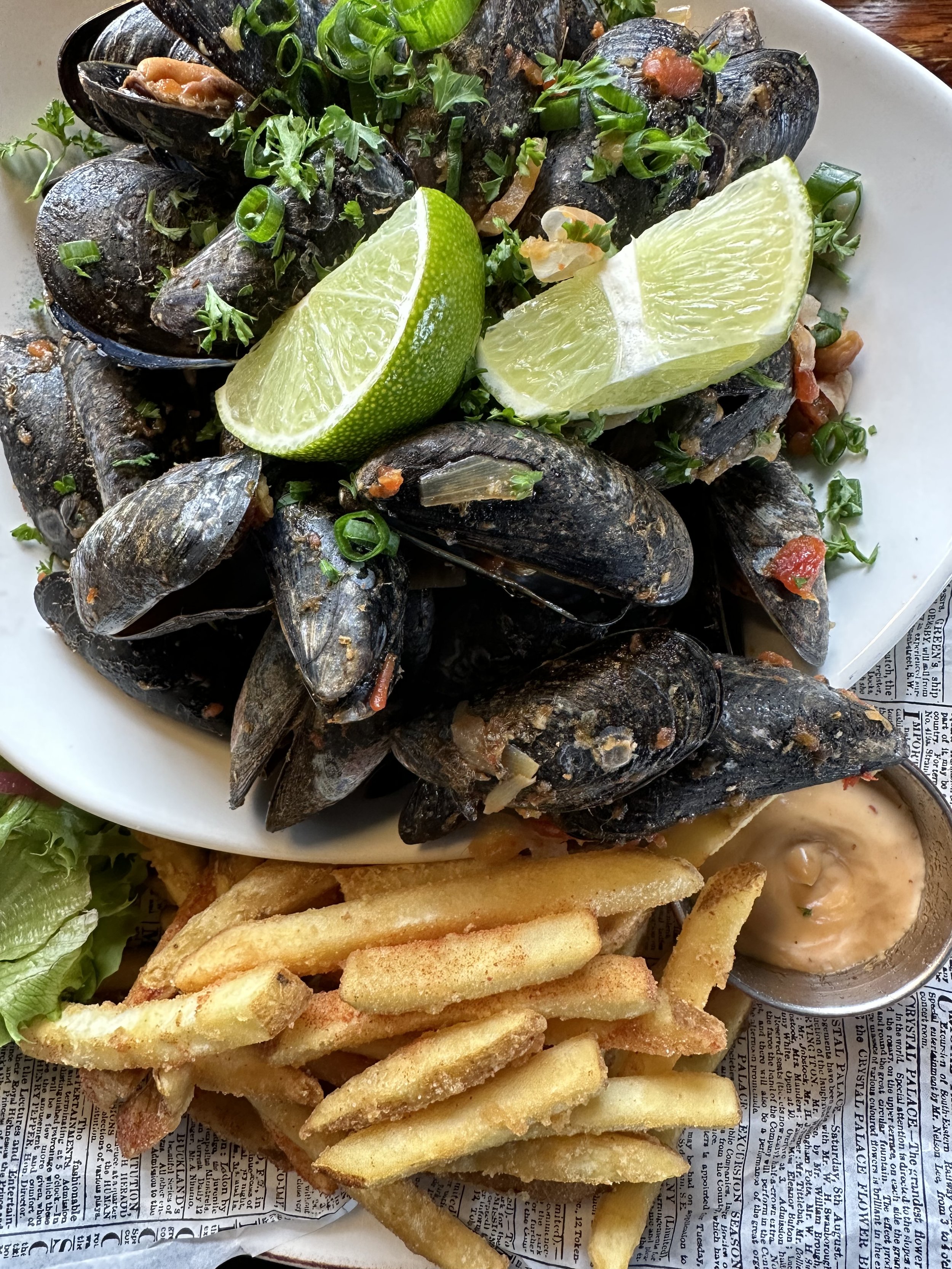
Iceland's food scene is better than its reputation suggests, and the Southern Coast has more good options than you would expect for such a remote stretch of road. The main caveat is cost. Everything is expensive. Budget accordingly and do not be surprised.
The fresh fish is the thing to order. The cod in particular is some of the best I have had anywhere. Lamb is also exceptional, raised on open grassland and tasting of it.
Restaurant Sudur-Vik — Vik. A small, welcoming restaurant run by local women. The food is honest and good. This is the kind of place you are glad you found, not a tourist trap. Book ahead if you can.
Bistro Bar at Hotel Skogafoss — Skogafoss area. Convenient if you are spending time at the falls. The food is solid and the setting is pleasant. A good option for dinner after a long afternoon of shooting.
Pakkhus Restaurant — Hofn, on the east coast. If you make it this far, this is the place to eat. Hofn is the lobster capital of Iceland and Pakkhus does it well. The seafood here is outstanding and the setting overlooking the harbor adds to it.
Narfeyrarstofa — Stykkisholmur, on the Snaefellsnes Peninsula. If your trip extends to the west, this is one of the best meals I have had in Iceland. Charming space, excellent local ingredients, real character. Worth planning around.
Soup Company — Reykjavik. For a quick, warming, affordable meal in the capital, the Soup Company on Laugavegur is a reliable go-to. A big bowl of Icelandic lamb soup on a cold day is exactly what it should be.
Coffee
Kaffitar — Multiple locations including Reykjavik and Keflavik Airport. Iceland's best-known specialty coffee roaster. Clean, well-made espresso drinks and good pastries. Consistent quality across locations.
Cafe Vestajorkul — Near Ingolfshofdi, after the puffin tour. Small and informal but a useful stop for lunch or coffee after the haystack wagon ride.
Skool Beans — A coffee bus that shows up near Jokulsarlon in season. Worth knowing about if you are in the area on a cold morning.
Photography Gear to Bring
Iceland is a weather-sealed camera destination. Full stop. Do not bring gear that is not protected against moisture. You will be standing behind waterfalls, shooting in rain and sleet, and wiping your front element constantly. Bring your most weather-resistant body.
Camera bodies: Canon EOS R5 Mark II, Nikon Z8, or Sony A7R V are all excellent choices. Any of these will handle the dynamic range of Iceland's landscapes and the low-light demands of aurora photography.
Lenses:
16 to 35mm: Your workhorse on the South Coast. Waterfalls, canyon rims, black sand beaches, and glacier lagoons all reward the wide perspective.
24 to 70mm: Versatile for everything from Icelandic horses to lupin fields to landscape detail.
70 to 200mm: Compression shots of distant mountains, isolating horses against landscape, and tighter work on glaciers.
100 to 500mm: Essential if puffin photography is on your list. You need reach, and the birds move fast.
Tripod: Non-negotiable. The Northern Lights, long exposures at Diamond Beach, and waterfall shots all require one. I use the RRS TVC-24L with a BH-40 ballhead. It is heavy enough to stay stable in Icelandic wind, which matters more than you think. A lightweight travel tripod will let you down.
Filters: Bring a polarizer and a full set of ND filters. I carry a 3-stop, 6-stop, and 10-stop. The 6 and 10-stop are the ones I reach for most at waterfalls. A polarizer helps cut the glare on glacier water and deepen the sky.
Microfiber towels: Bring at least three and keep them in your jacket pockets, not your bag. Near Seljalandsfoss and Skogafoss, you will be wiping your lens and body constantly. The mist gets everywhere. This is not optional advice.
Samsung T7 SSD: Back up every night. You do not want to lose a day of shooting in Iceland to a card failure.
Extra batteries: Cold drains batteries fast. Bring at least three and keep them in your inside jacket pocket so your body heat keeps them warm. This is especially important in winter.
Camera bag: Use a waterproof bag or one with a proper rain cover. I used the Shimoda Explore V2 30-liter on my last trip. It protects the gear and is comfortable for longer walks to shooting locations.
iPhone Tips for Iceland
Iceland rewards iPhone photographers who plan their shots rather than react to them.
Seljalandsfoss path: When you walk behind the waterfall, use your iPhone's ultrawide lens and get very close to the water curtain on the left side. The framing of the landscape through the falling water is a composition that works beautifully on a phone. Turn on Live Photo so you can choose the sharpest frame afterward.
Lupins in the wind: In June, when the lupin fields around Vik Church are in full bloom, use burst mode on your iPhone to capture the movement of the flowers against the church and sky. The wind almost never stops in Iceland. Work with it.
Northern Lights without a tripod: iPhone's Night Mode does a better job with the aurora than most people expect, but you need to brace the phone against a car roof, a fence post, or a rock. Even 3 seconds of stable support makes a significant difference over holding it freehand. Set Night Mode to the longest available exposure and experiment with framing the aurora over a dark foreground like Reynisfjara beach.
Icelandic horses up close: When horses approach the fence to investigate you (and they will), switch to Portrait Mode and focus on the eye. The shallow depth of field separates the horse's face from the background perfectly and the images look remarkable.

The Ring Road in Southern Iceland
Winter Clothing & Gear
If you plan to visit Iceland during the Winter, you should be prepared for cold weather. As photographers, we often stay in the same spot for hours on end, which quickly makes us cold. During our winter trip to Iceland, we experienced a wide range of temperatures and weather conditions.
Here is a link to my Winter Clothing Packing List
The Best Photography Locations in Iceland
Below are some of my favorite photography locations in Iceland so far. There are still so many spots I have not reached. I’ve placed these in order, running from the West to the Eastern part of the country. Of course, there are many more beautiful spots in Iceland, and stumbling upon lesser-known spots is always enjoyable.
Top photography spots in Iceland—don’t miss these
Seljalandsfoss Waterfall – Walk behind it at sunset.
Skógafoss – One of the most photogenic falls, especially in misty light.
Jökulsárlón Glacier Lagoon – Floating icebergs and arctic terns.
Diamond Beach – Ice chunks on black sand at sunrise.
Reynisfjara Black Sand Beach – Basalt columns, sea stacks, and moody waves.
Fjaðrárgljúfur Canyon – Best shot in early morning light.
Vestrahorn (technically East Iceland, but reachable) – Epic foregrounds and mirror reflections.
Probably the most iconic locations are along the Southern Coast. So driving from Keflavik Airport with stops along the way to Hofn is an excellent idea.
PUFFINS
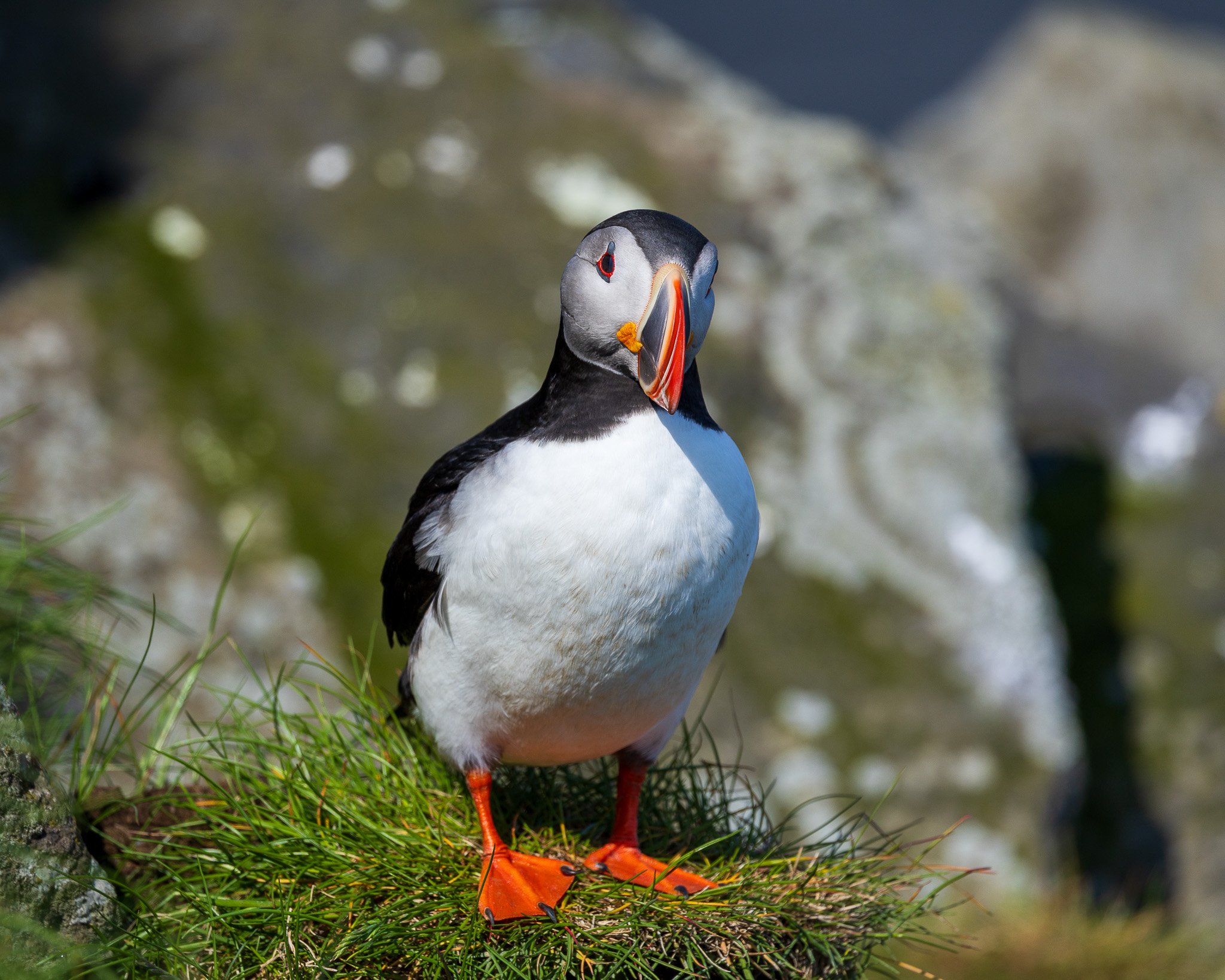
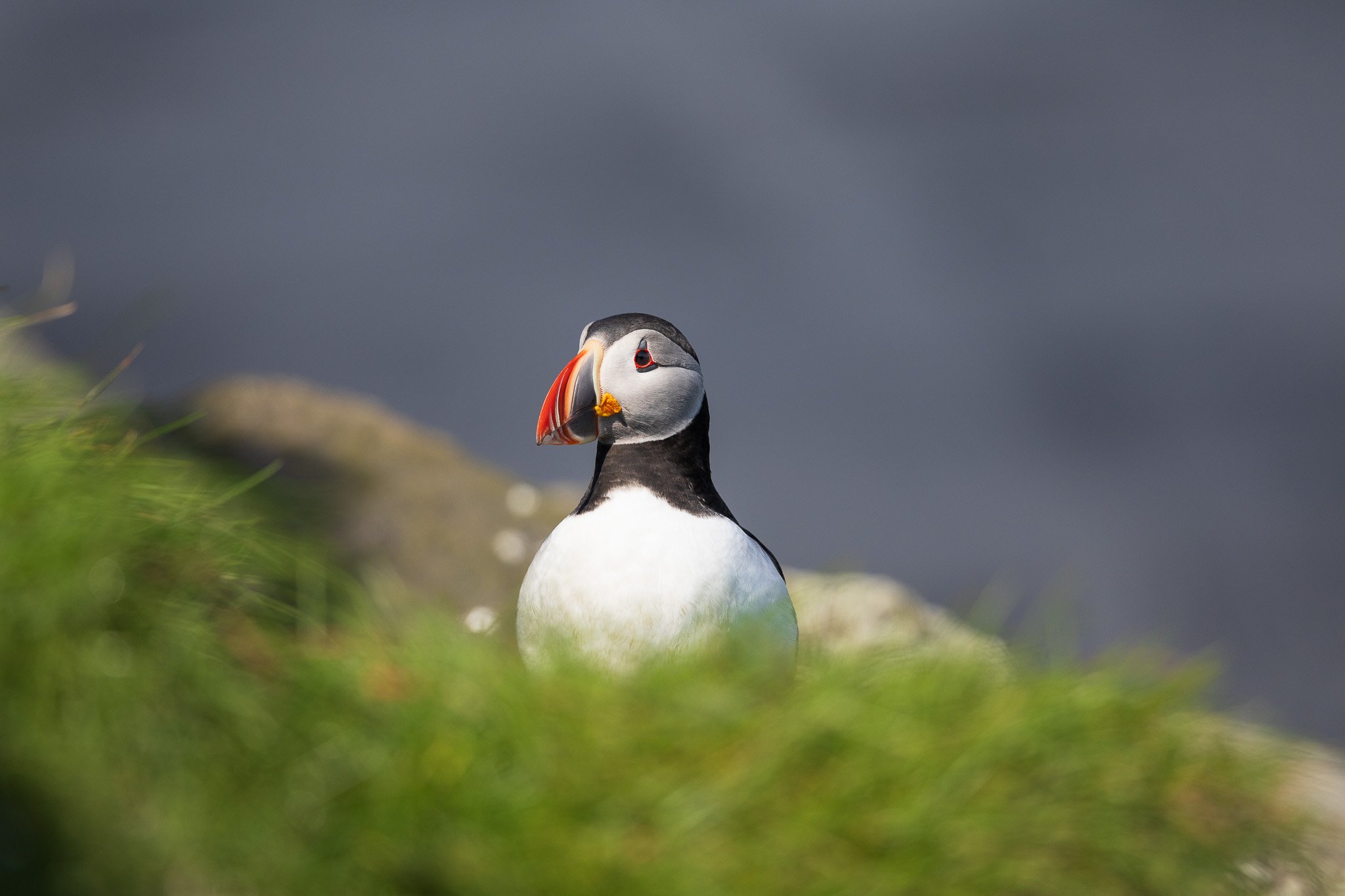
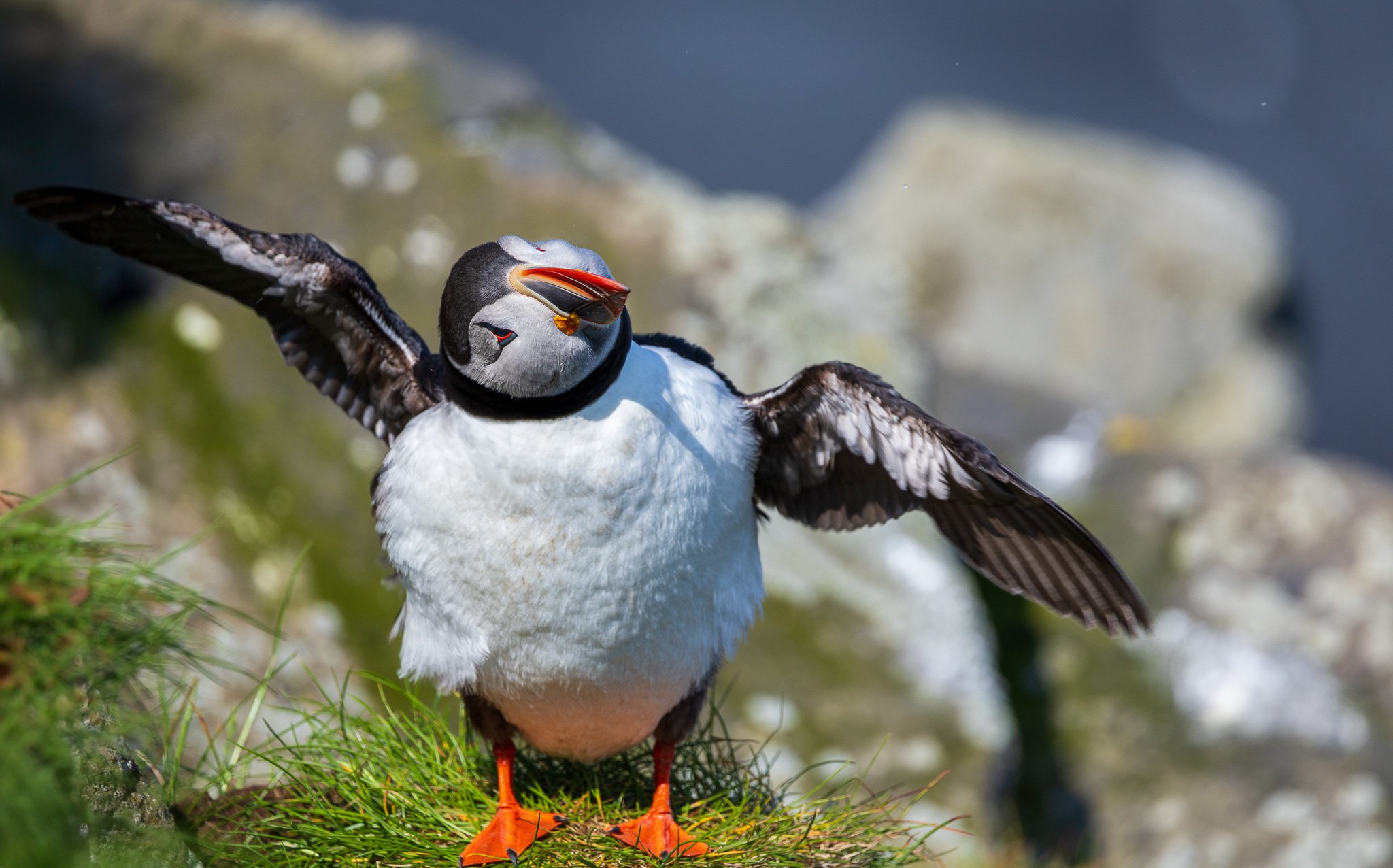
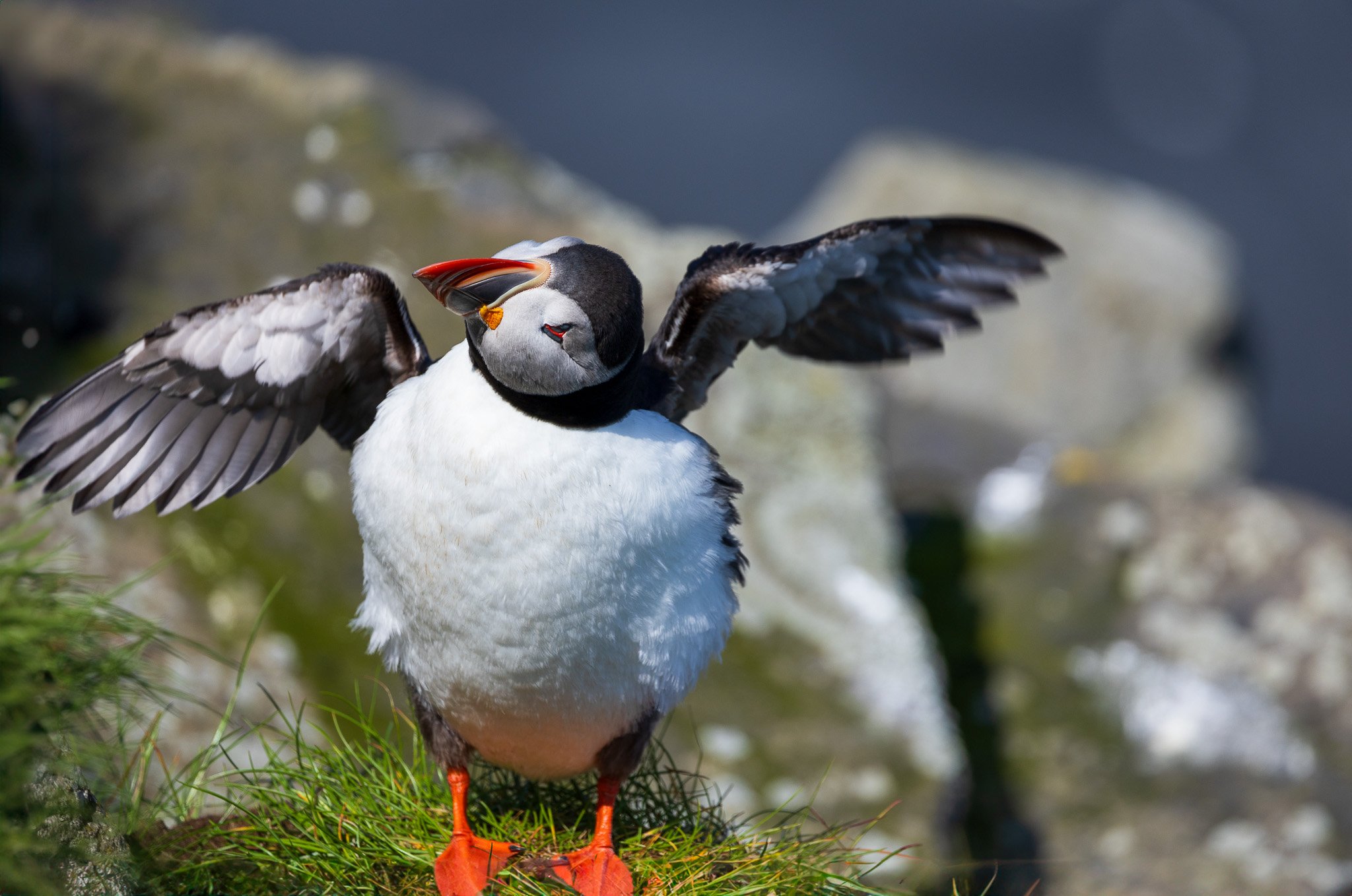
On our last trip to Iceland in June, we really wanted to see Puffins again. You can see Puffins between June and August in Iceland. We saw them at the Dyrhólaey Lighthouse, Black Sand Beach, Ingólfshöfði, and the Latrabjarg Cliffs. You will also find them in the Western Islands and other locations in Iceland. They are challenging to photograph, but I just love them.

Puffins in Ingólfshöfði,
Icelandic Horses
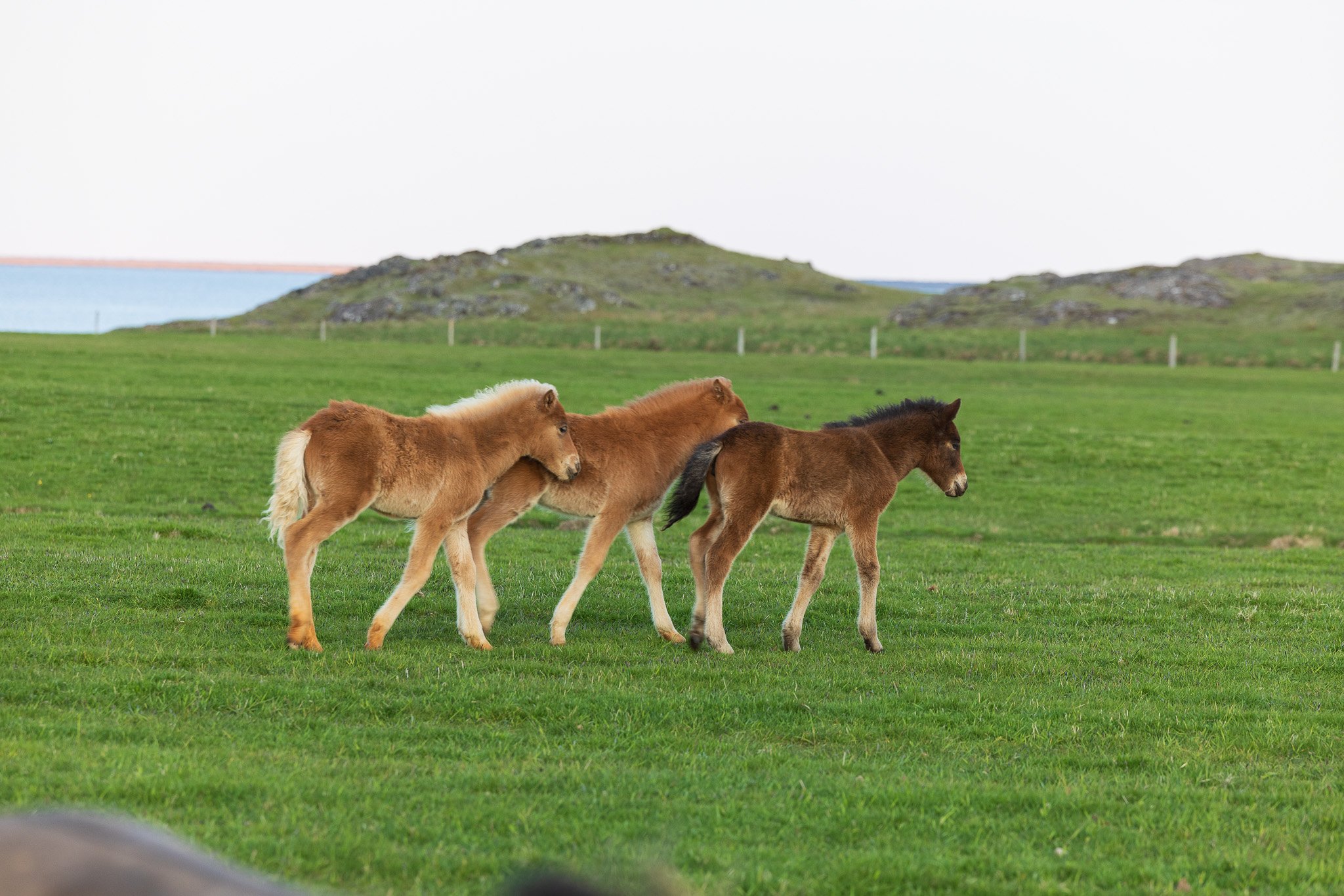
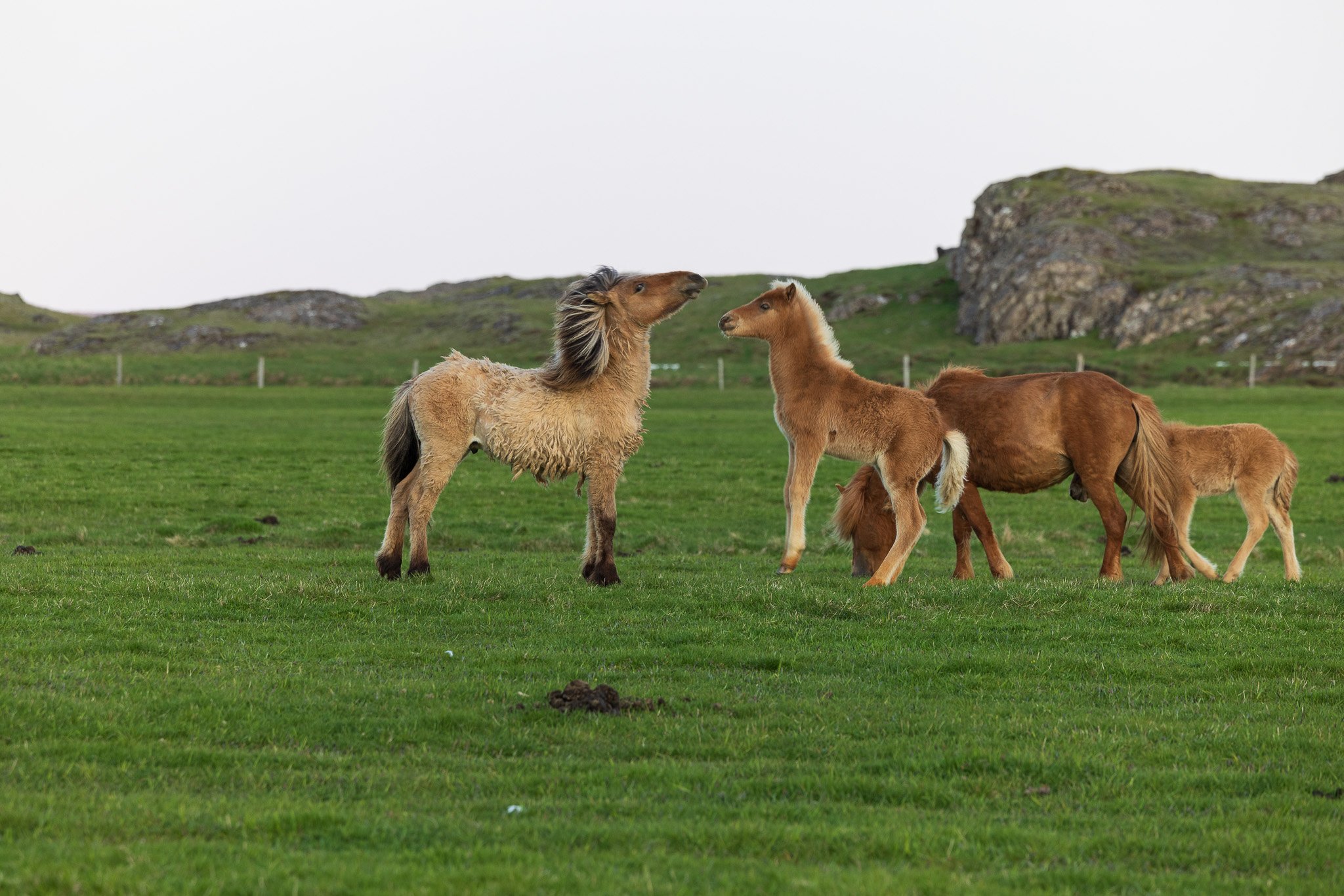
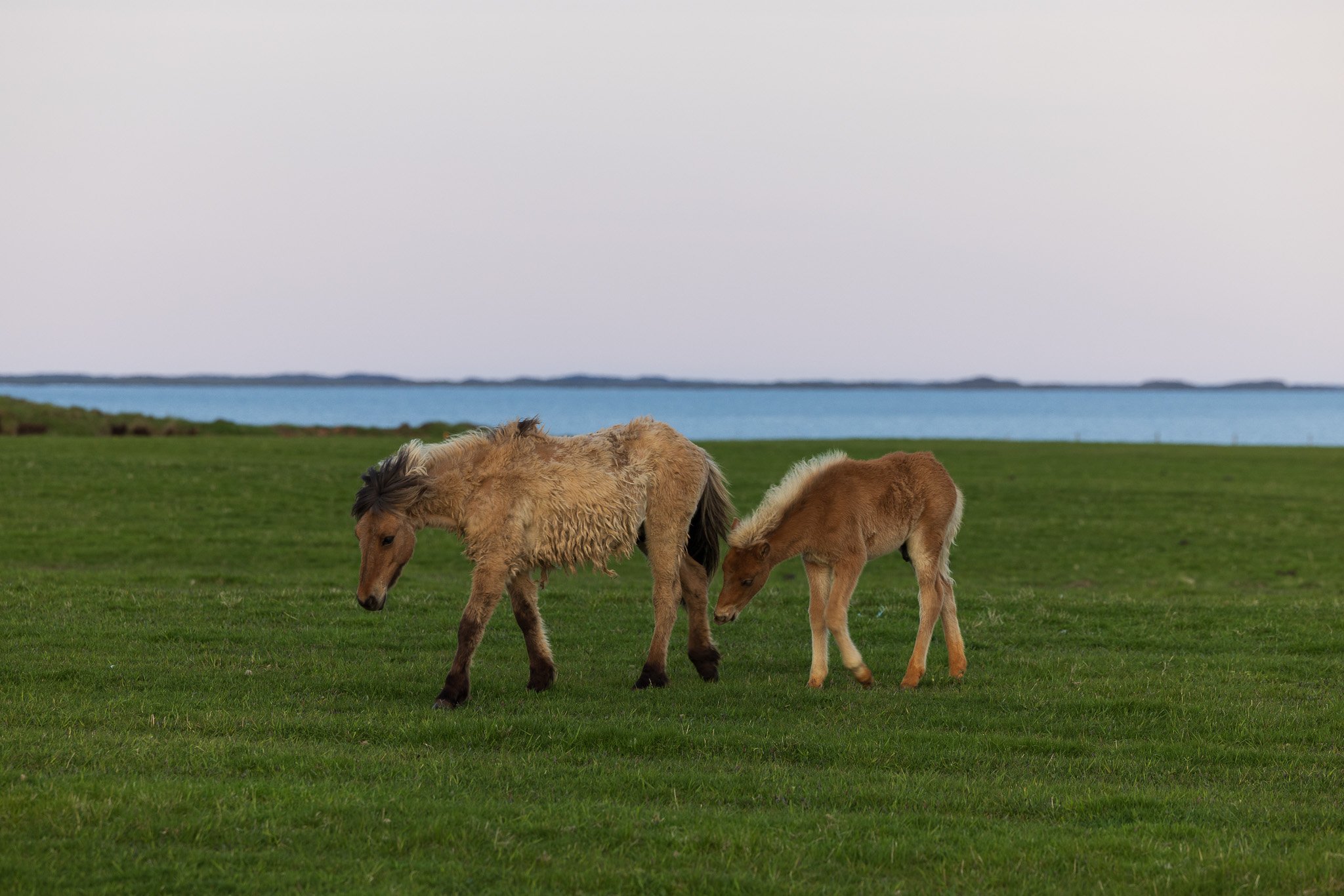
These deserve their own entry because they are not just a wildlife encounter; they are a genuine photography subject. Icelandic horses are a distinct breed, smaller than most horses, thick-maned, and remarkably friendly. They will often walk directly to the fence when you stop, which means you do not need reach to photograph them well.
You will see them in fields along the Ring Road throughout the South Coast. When you do, pull over.
📷 Pro Tip: When a horse comes to the fence, stay calm and patient. Move slowly and let the animal approach on its terms. For portraits, use a 70 to 135mm focal length and focus on the eye. The mane in the wind is the defining visual element of Icelandic horse photography; wait for a gust rather than shooting in still air. Early morning and late evening give you the best light, with the low sun bringing out the texture of the coat and the landscape behind. In winter, a horse standing in snow with steam rising from its back is one of the great Icelandic images.
Best time: Early morning or evening, any season. Access: From the roadside. Do not cross fences or enter fields without permission. Getting there: All along Route 1 between Selfoss and Hofn.

Icelandic horses tend to be smaller, at times pony-sized. Despite being small they are very strong and live long lives.
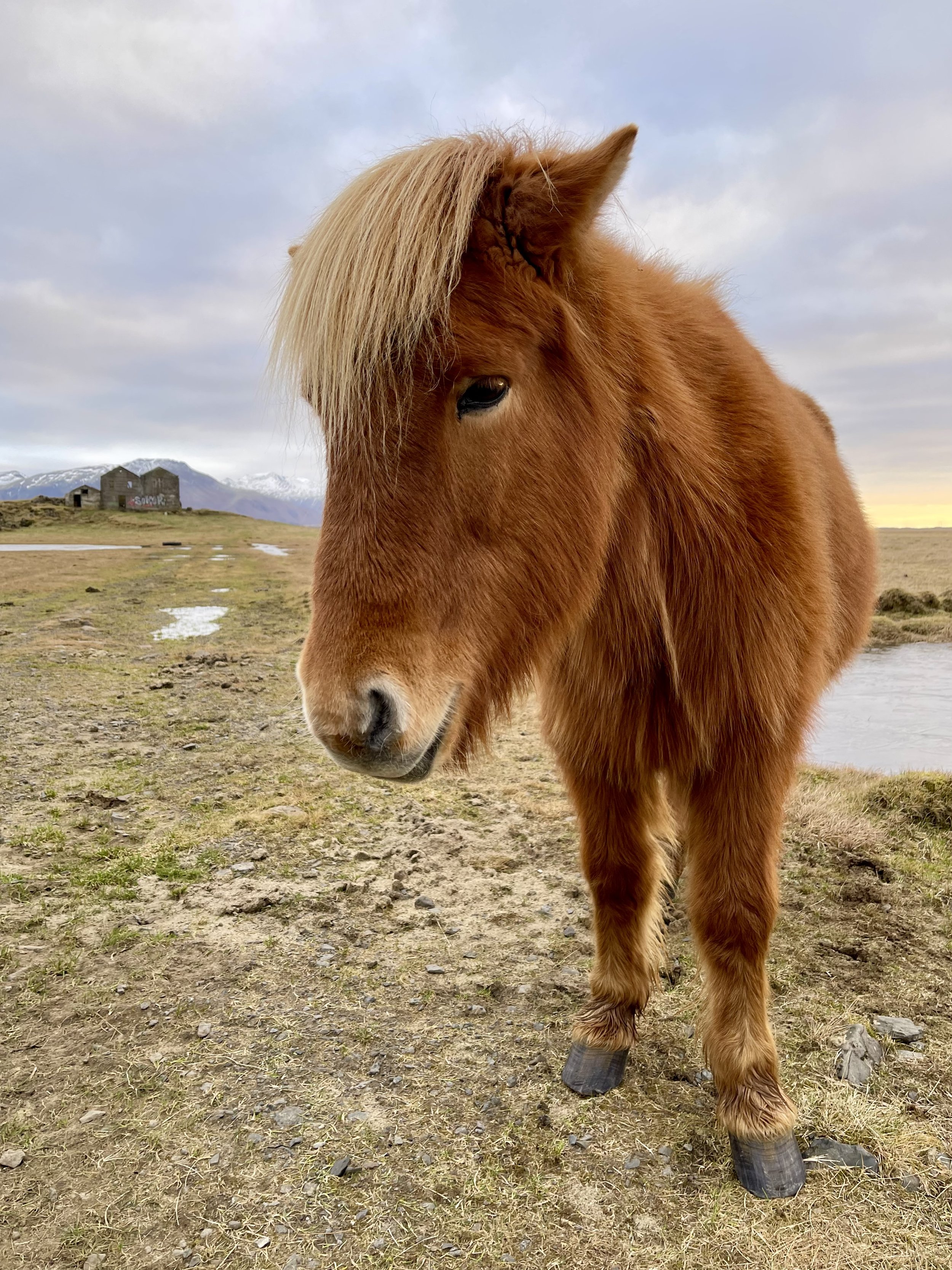
When you see them by the roads, they will often come right up to you to say hello.
Lupins
Why Does Iceland Get So Many Lupine Flowers? Lupine plants are unique because they thrive well in harsh conditions and rugged landscapes. So, how do they survive in such harsh conditions? They are able to extract nitrogen from the air and redistribute it to their roots. Basically, the lupine plant makes its own fertilizer.

Endless Fields of Lupins
The Southern Route
There are several ways to discover all the photography areas of Iceland. Some people enjoy driving the Ring Road. The Ring Road is the Road that circles Iceland. We have driven the South Coast Road from Keflavik Airport to Hofn, the Snaefellsnes Peninsula, and the remote Westernfjords. While we have seen a great deal, there is still much more to discover.
One of the best drives in Iceland is to drive the Southern Coast. There are just so many locations to shoot. Here is a good guide to the South Coast. My list below is pretty comprehensive, but there are still many places I need to visit.
Seljalandsfoss
Seljalandsfoss is my favorite waterfall in Iceland, and the reason is simple: you can walk behind it. Most waterfalls give you one angle. This one gives you the option of standing inside the falling water and looking out through the curtain at the landscape beyond. That perspective is unlike anything else on the South Coast.
The waterfall drops about 60 meters off a volcanic cliff, and the path behind it curves around the back through a narrow, wet passage. In summer, flowers grow in front of the falls. In winter, ice formations build up along the rock face and the light catches them in ways that are genuinely extraordinary.
The crowds arrive mid-morning and stay through the afternoon. If you want the falls to yourself, be there at or before sunrise.
📷 Pro Tip: Position yourself at the left side of the waterfall path, just before the passage curves behind the falls. A 16 to 24mm focal length lets you include both the water curtain framing your shot and the landscape beyond. Shoot in the hour before and after sunrise for warm light and no crowds. In winter, the path behind the falls closes due to ice buildup, so shoot from the front. Morning light hits the falls from the east, which gives you a warm, raking quality that afternoon light cannot match. Bring your ND filters: a 6-stop will let you smooth the water into silk at f/8 without blowing the sky.
Best time: Sunrise, or the hour before sunset in summer. Access: Free, small parking fee. Getting there: Off Route 1, clearly signed, about 30 minutes east of Selfoss.

The path behind the waterfall provides an opportunity for some very unique shots.
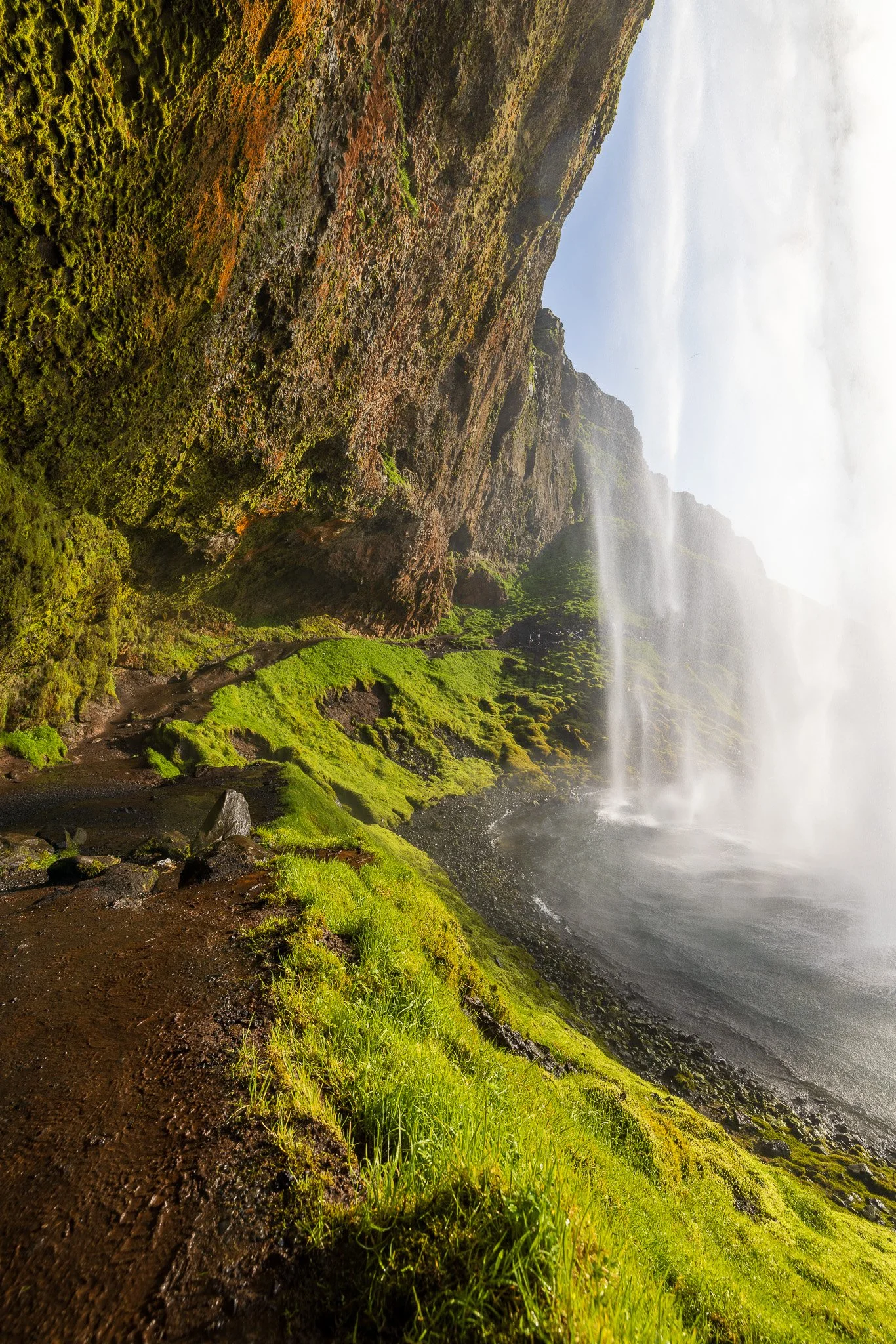
In the Summer, there are flowers in front of the waterfall.

Skógafoss
Skogafoss is the most famous waterfall in Iceland, and the crowds reflect that. On a summer afternoon, the viewing platform in front of the falls holds dozens of people and the shot is almost impossible to isolate. Go early.
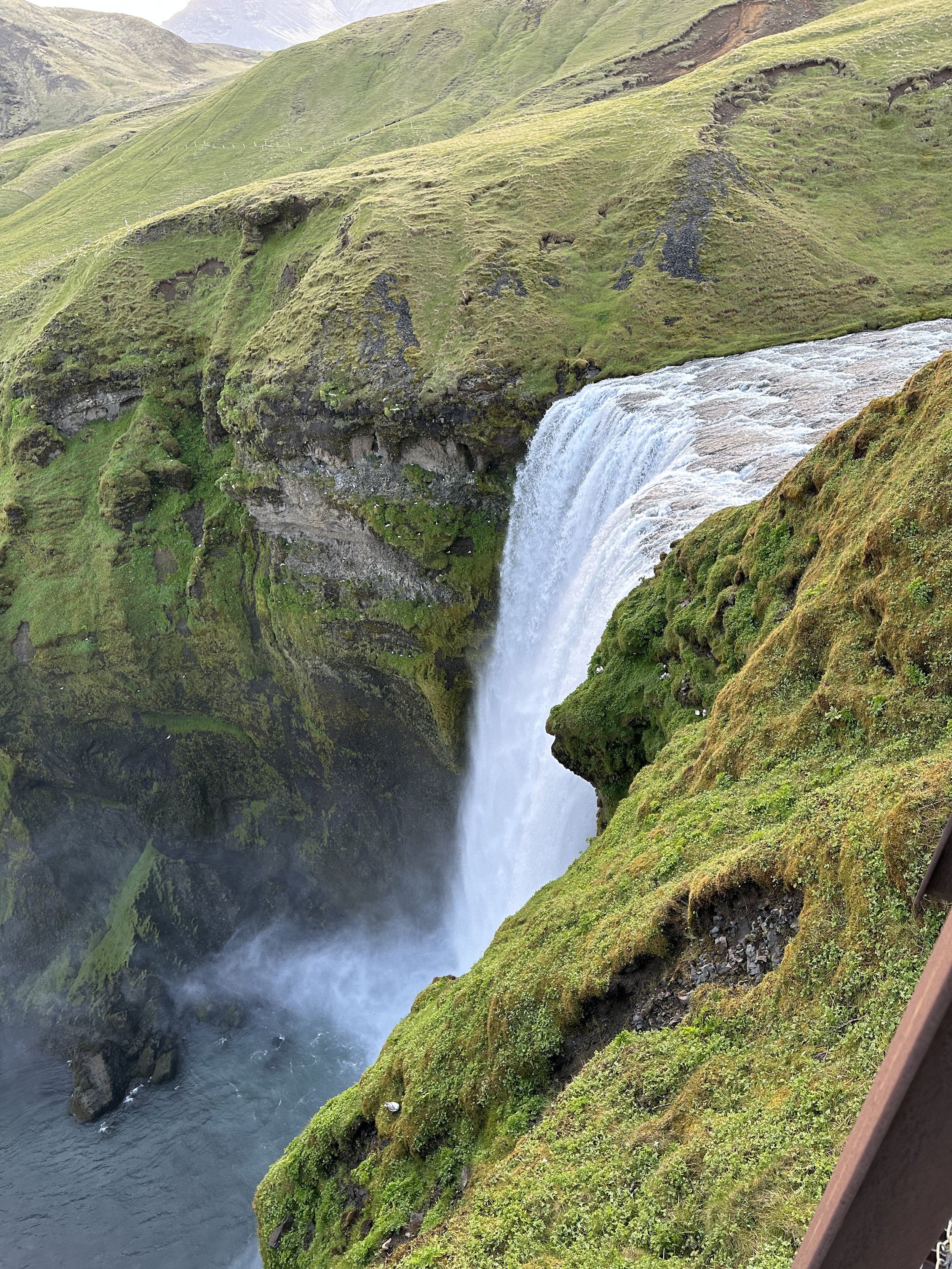
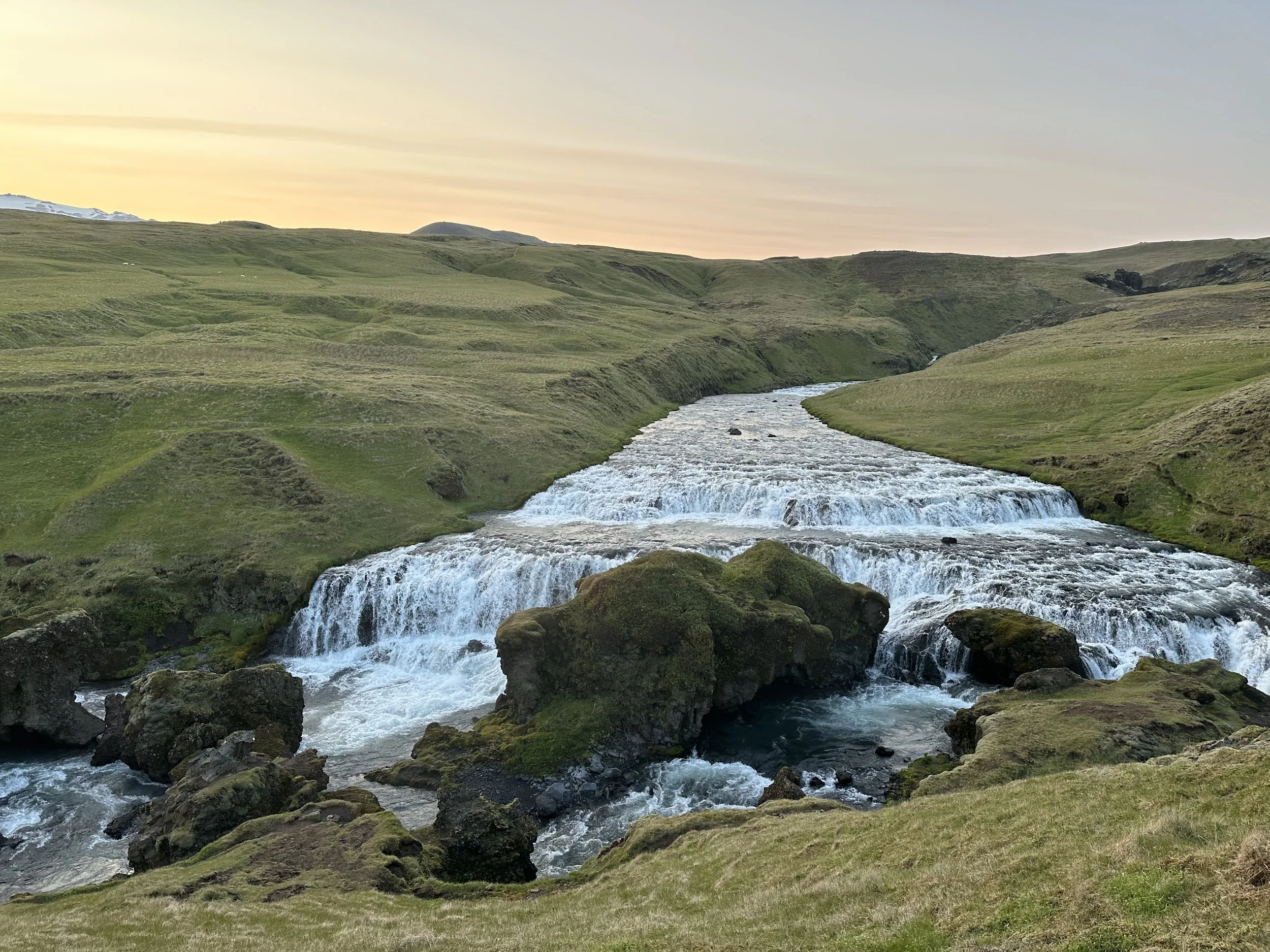
What most visitors miss is the staircase on the right side. Climb the 500 or so steps to the top and keep walking. The trail above Skogafoss follows the river upstream through a series of smaller waterfalls, each one less visited than the last. The views back down the valley are outstanding, and above the main falls the landscape is wide, green, and quiet in a way the parking lot below is not.
📷 Pro Tip: For the iconic front-on shot, arrive before 7am in summer. Position yourself on the lower left of the viewing area for a slight angle that avoids the full-frontal symmetry and gives the falls more depth. A 24 to 35mm focal length works well here. The falls generate significant mist, so keep your microfiber towel in hand. For the staircase view from above, a 16 to 24mm lets you capture the full scale of the river valley below. On overcast days, the soft light eliminates harsh shadows and the falls look their best for smooth, long-exposure water.
Best time: Pre-sunrise in summer, overcast days year-round. Access: Free, small parking fee. Getting there: Off Route 1, well-signed, about 45 minutes east of Selfoss.
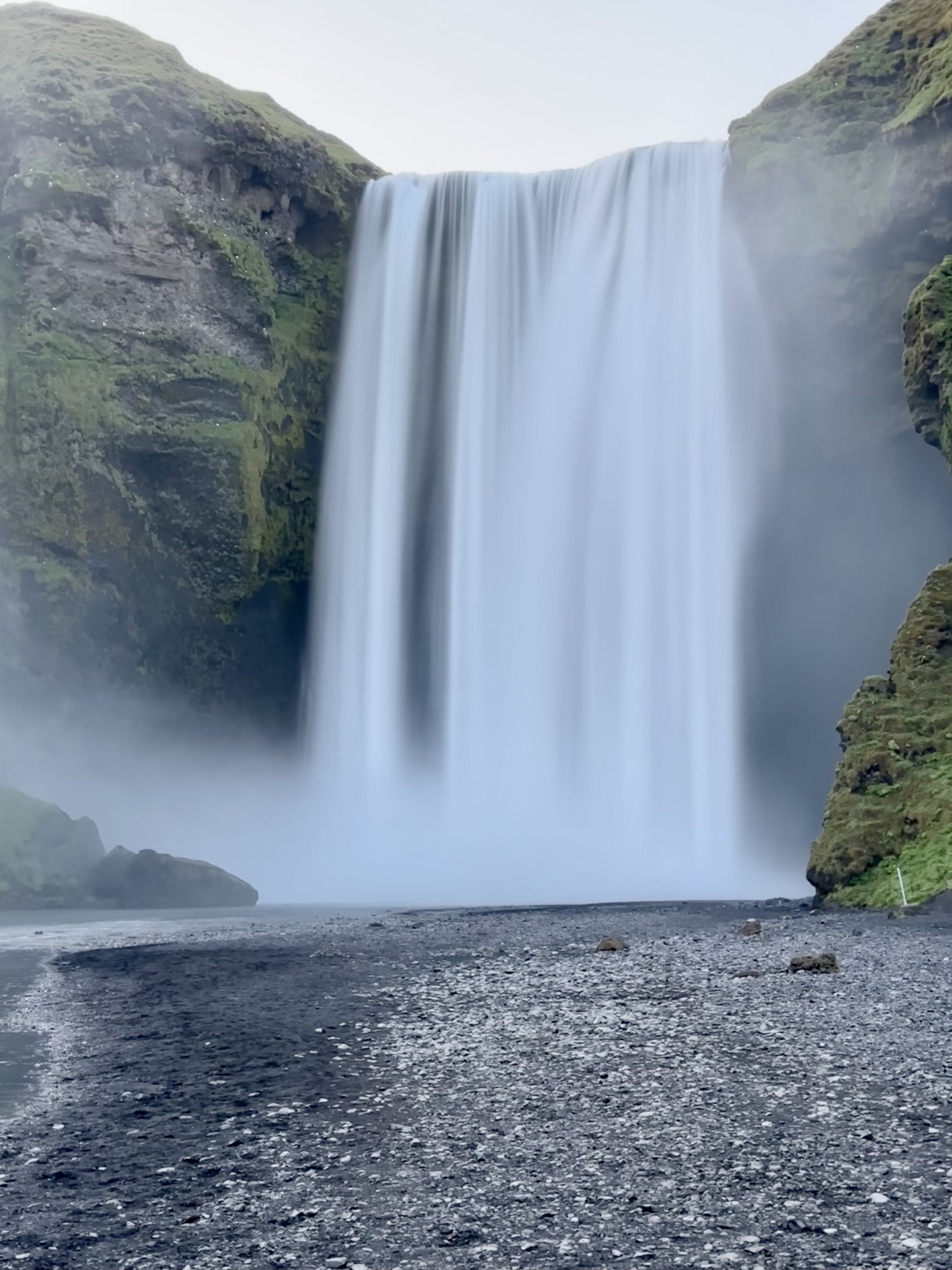
A rare shot with no one in the frame
The first time I was in Iceland, I went on a workshop with Nigel Danson, pictured below.

Nigel Danson
Once you hike to the top and pass the Hestavaðsfoss and Fosstorfufoss waterfalls, the views are amazing, and the walk is well worth it.
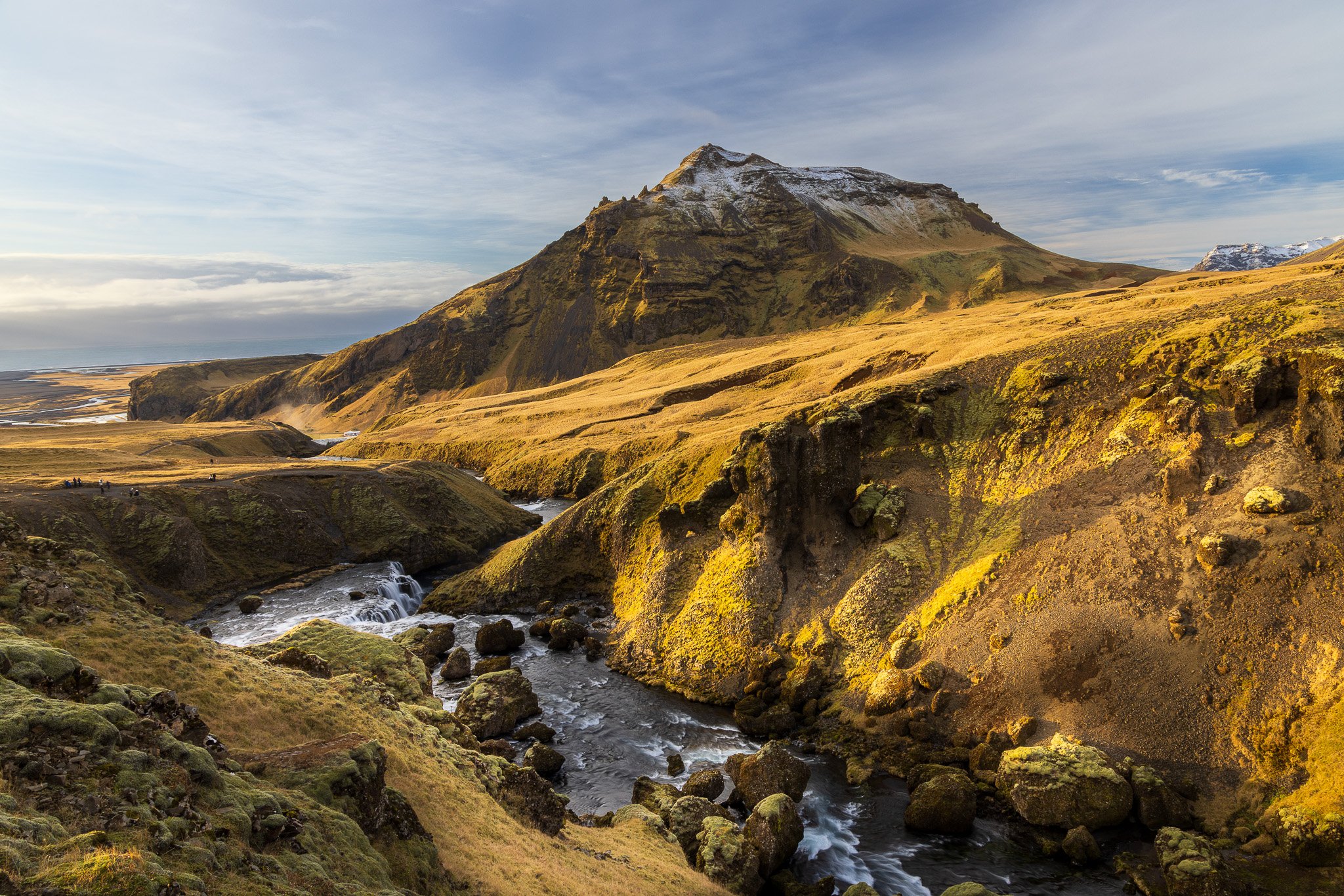
Above Skogafoss
Kvernufoss
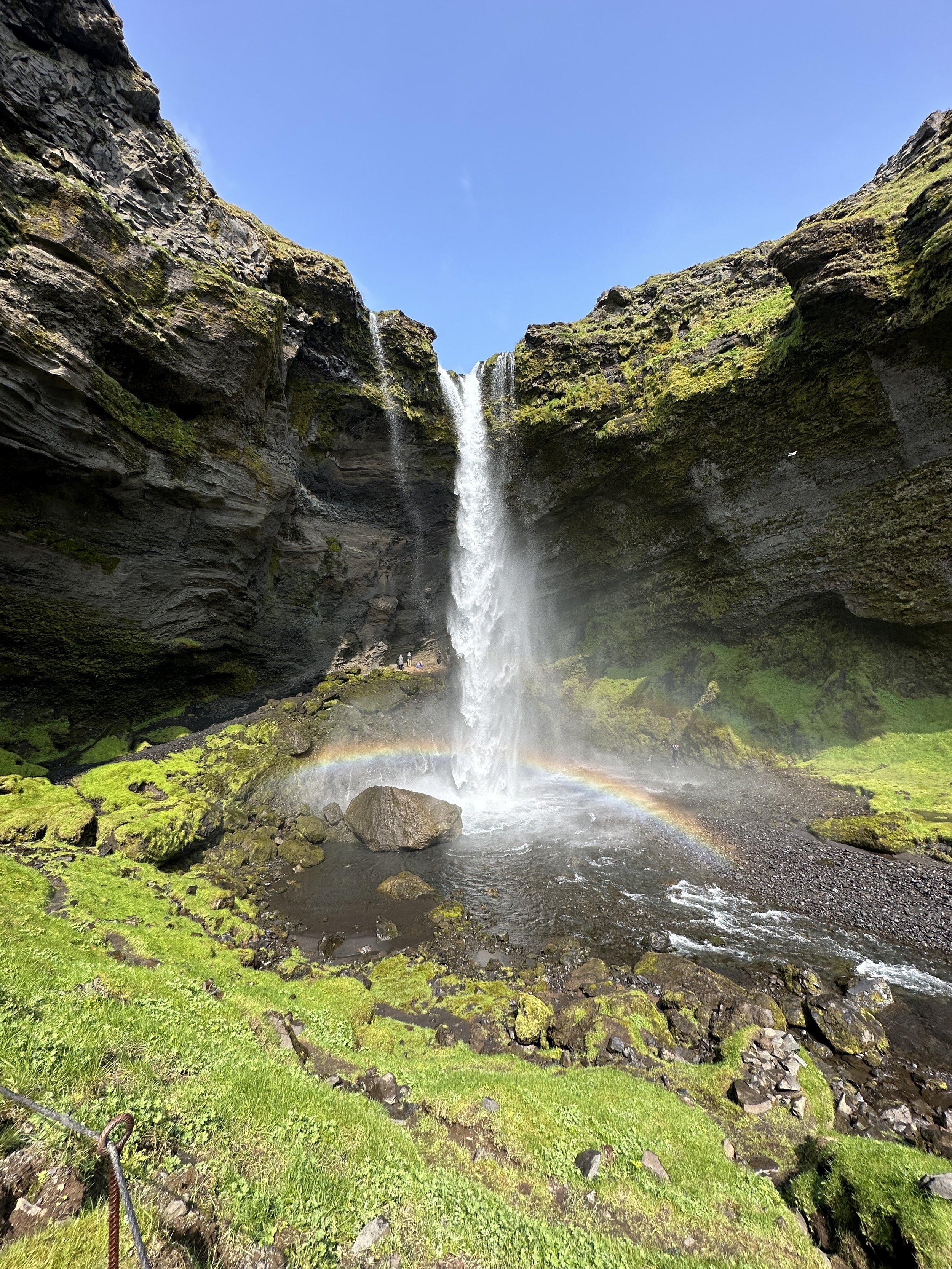
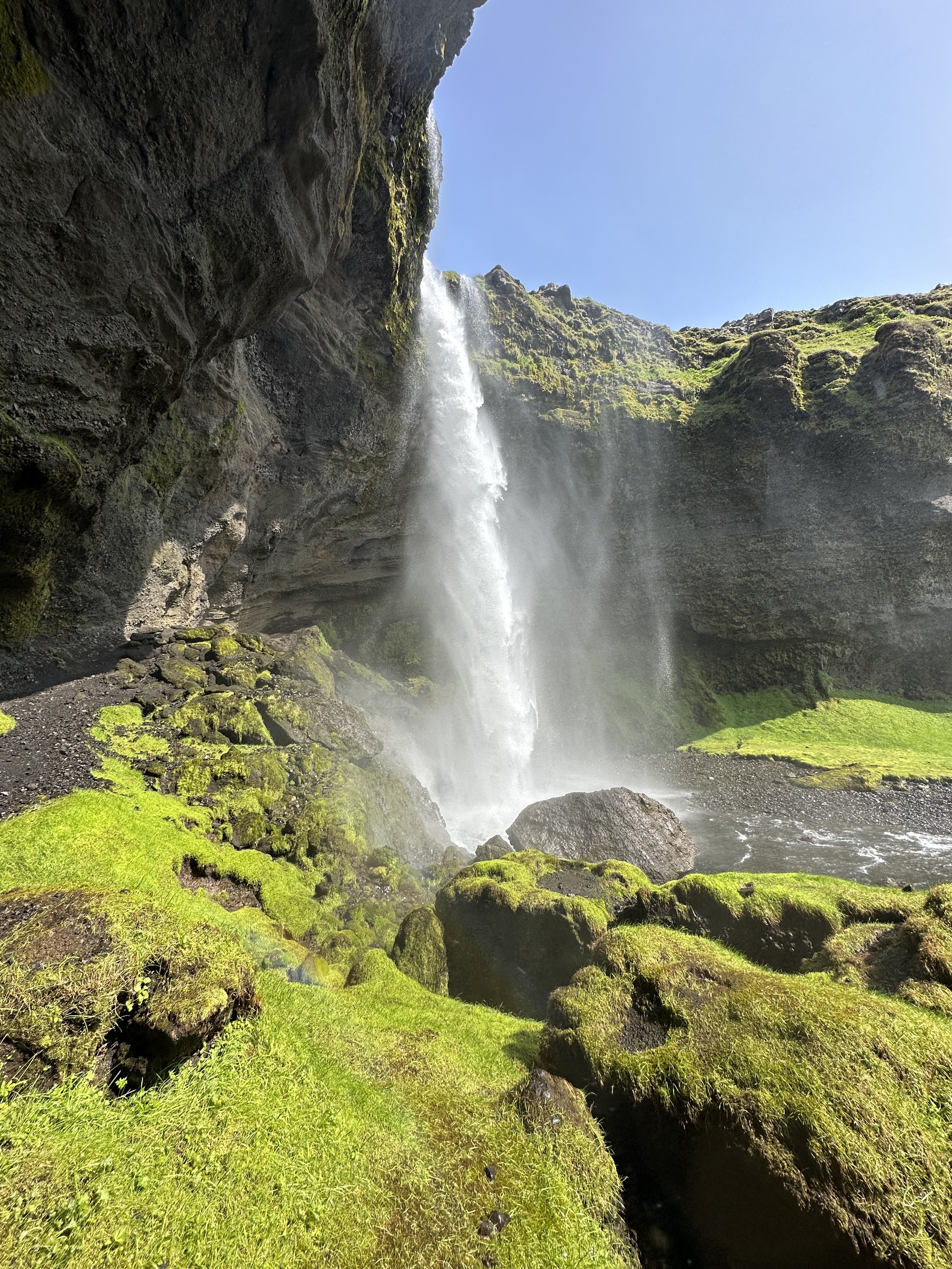
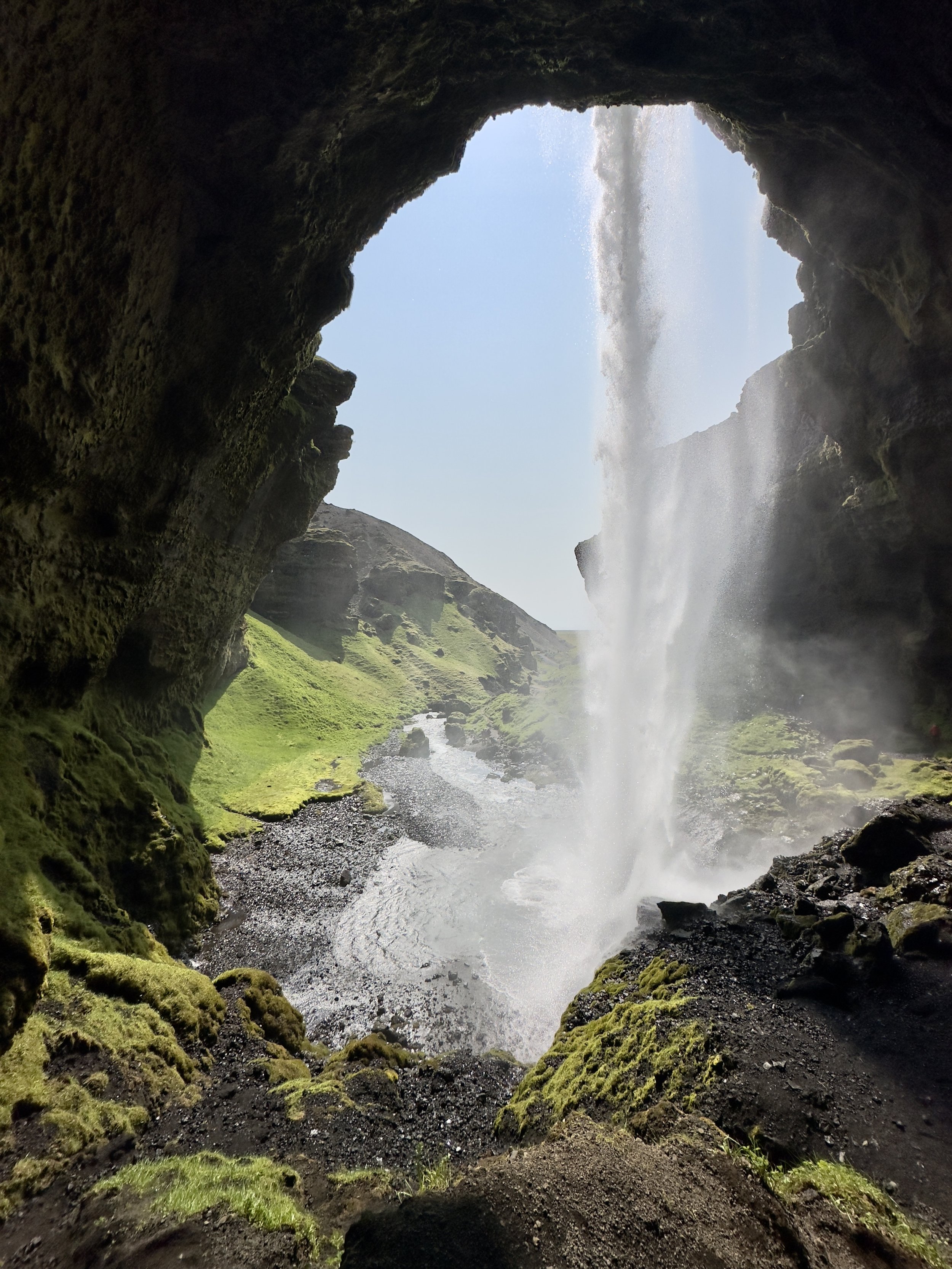
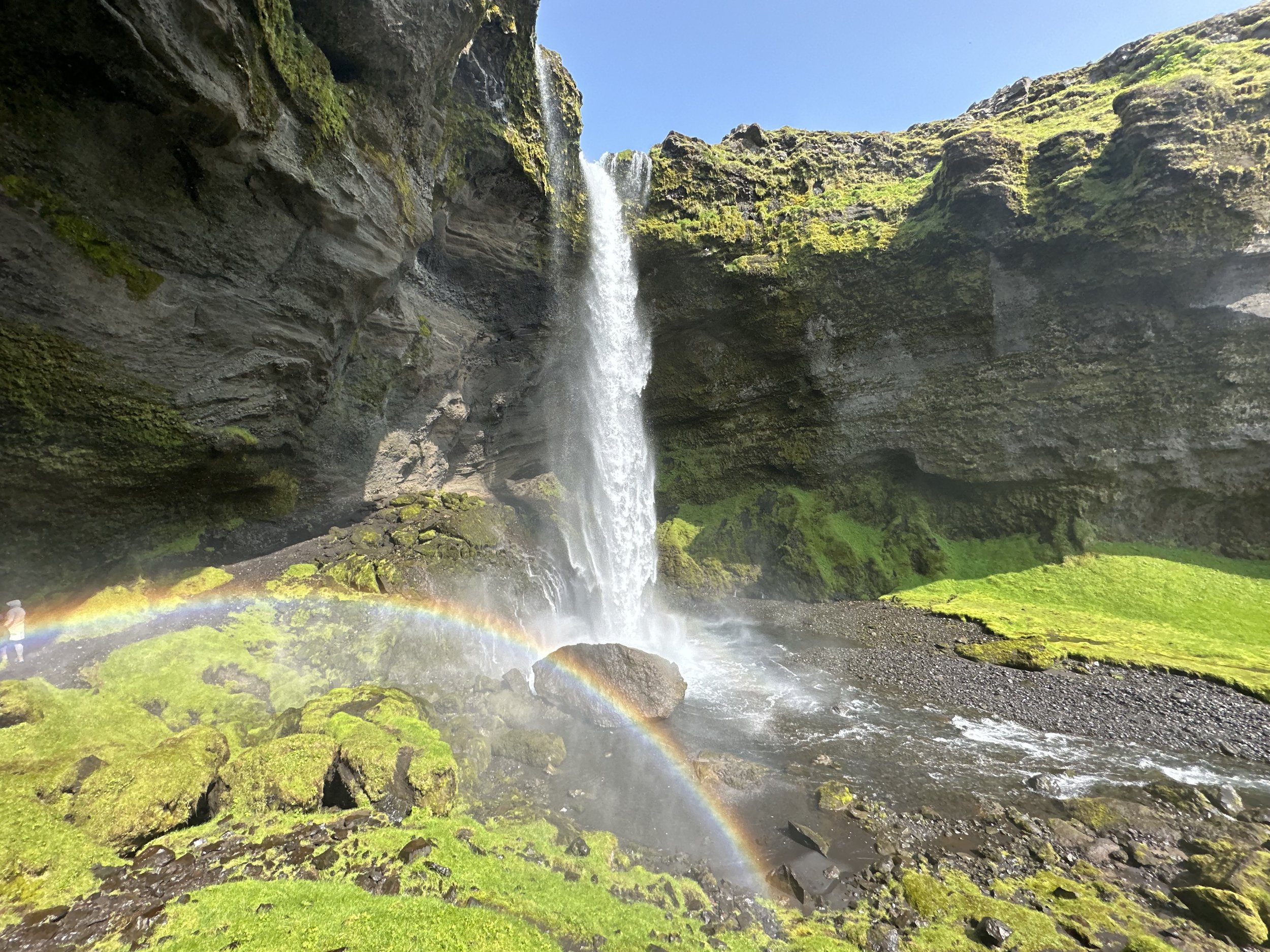
Kvernufoss is right next to Skogafoss, but almost nobody goes there. The parking area is small and unmarked, the walk takes about 15 minutes, and the reward is a waterfall you can walk behind, similar to Seljalandsfoss, with almost no other people present. On my last visit in summer, there were two other photographers. That is it.
The falls are smaller than its famous neighbor but the setting is more intimate. The narrow canyon walls, the path along the stream, and the light filtering through the gorge give it a quality that is harder to find at the busier locations.
📷 Pro Tip: The path behind the falls is the shot. Stand just inside the water curtain and use a wide lens, 16 to 24mm, to frame the landscape through the falling water. The canyon walls on either side create a natural leading frame. Because visitor numbers are so low, you can set up your tripod and wait for exactly the light you want without pressure. Bring your rain cover; the spray here is heavier than it looks from the outside. Best light comes when the sun is high enough to reach into the canyon, roughly 9am to noon in summer.
Best time: Mid-morning in summer. Access: Free. Small, easy-to-miss parking area off Route 1 near the Skogafoss turnoff. Getting there: Walk from the Skogafoss area, following the river trail east for about 15 minutes.
Dyrhólaey Lighthouse
Dyrhólaey is a lighthouse that overlooks Vik Beach. You can often see Puffins by the rock formations. There is also the Dyrhólaey rock arch and cliffs.

Reynisfjara Beach
Reynisfjara is one of the most iconic locations in Iceland and one of the most dangerous. The combination of black sand, basalt column formations, dramatic sea stacks (the Reynisdrangar), and violent surf makes it extraordinary to photograph. It also means that sneaker waves, waves that arrive without warning and reach far up the beach, are a genuine and documented threat. People have been seriously injured and killed here. The warning signs are serious. Read them. Stay well back from the water's edge.
The basalt columns on the left side of the beach, as you face the ocean, are the compositional anchor. They form a geometric pattern that looks almost man-made, stacked into natural hexagonal shapes that run along the base of the cliff. The sea stacks in the water offshore complete the frame.
📷 Pro Tip: Position yourself at the far left end of the beach near the basalt column formations with a 24 to 35mm lens. Shoot wide enough to include both the columns in the foreground and the sea stacks in the background. A long exposure here, 10 to 20 seconds with a 10-stop ND filter, will blur the incoming waves into a fog around the base of the columns and create real depth in the image. Sunrise in winter gives you pink and orange light on the black sand that looks almost unreal. In summer, shooting in the hour before midnight gives you the golden color without the midday flatness. Always keep one eye on the ocean.
Best time: Sunrise in winter, late evening in summer. Access: Free, small parking fee. Getting there: Off Route 1, well-signed from Vik, about 5 minutes by car.

At Sunrise
The waves can be more than 7 meters high (25 feet) today. The first time I was in Iceland, a large wave came onto the beach. Most of us ran. But there is always that one person that does not think it’s a big deal. The wave flipped him over, and he was drenched. Luckily, he was okay but he had to change his clothes. and he even had a change of clothes with him. His camera also survived thanks to someone telling him to remove the batteries.

Sunrise
Vík i Myrdal Church
The little church on the hill above Vik is one of those subjects that rewards you every time you return. In summer, the hillside around it fills with purple lupins and the combination of the white church, the flowers, and the dramatic coastline below is a composition that works from almost every angle. At sunset, the light goes orange and warm and the church seems to glow.
The church sits on a hilltop that also gives you views down to Reynisfjara Beach and the sea stacks offshore. It is one location where you can work multiple compositions without moving far.
📷 Pro Tip: The classic shot is from the road below, using a telephoto in the 70 to 135mm range to compress the church against the hillside lupins. For a wider environmental image, climb up to the churchyard and use a 24 to 35mm to include the coastline and sea stacks behind the church. The lupin bloom is reliable in June and early July but can be shorter in a cold year. Arrive at or just before sunset and stay for the blue hour, when the church windows catch the last light. In winter, the lupins are gone but the drama of the coast behind the church remains.
Best time: Sunset in June for lupins. Any time of year for the coastal view. Access: Free. Getting there: Follow the small road that winds up the hill from central Vik.

At Sunset
I loved taking photos of this church from different angles with the lupins.

Sunset
The Yoda Cave
The cave sits inside Hjorleifshofdi mountain and has been nicknamed the Yoda Cave because of its distinctive shape, wide at the top and tapering at the sides in a way that vaguely resembles the character. It gained wider attention after Star Wars: Rogue One was filmed nearby. The cave is special not just for its shape but for what you see when you stand inside and look out: a wide cinematic frame of the coastal plain below, with black sand, the ocean, and on clear days, the glacier in the distance.
While we were inside on one visit, three young women began singing. The acoustics were remarkable. It was one of those travel moments that could not have been planned.
📷 Pro Tip: Position yourself inside the cave mouth and use the cave walls as a natural frame for the landscape beyond. A 24 to 35mm focal length is ideal. The interior of the cave is dark, so expose for the bright exterior landscape and let the cave edges go dark, which emphasizes the framing effect. Early morning gives you the best light on the coastal plain below. The cave sits on the south side of Hjorleifshofdi, reached by a 30 to 40 minute walk across lava fields from the parking area on Route 1. Wear sturdy footwear.
Best time: Morning light. Access: Free. Getting there: Look for the Hjorleifshofdi turnoff on Route 1, east of Vik. Park and follow the trail around to the south side of the mountain.

While we were in the cave, three young women began singing. It was incredible.
Fjaðrárgljúfur
Fjaðrárgljúfur is one of those places that makes you question your scale of reference. The canyon is about 2 kilometers long and 100 meters deep, carved by glacial meltwater over thousands of years. The walls are layered with moss-covered basalt in shades of green, brown, and rust, and the river winds along the bottom in tight curves that look best from the viewing platforms along the rim.
The canyon gained unexpected global attention when Justin Bieber used it in a music video, which led to massive overcrowding and temporary closure. Access is now managed more carefully, with a defined trail and viewing platforms.
📷 Pro Tip: Walk the full rim trail, which runs along the top of the canyon for about a kilometer. The best compositions are from the viewpoints about halfway along, where the canyon curves and you can include both walls and the river below in a single wide frame. A 16 to 24mm lens works well from the rim. Shoot in the morning when the sun is low enough to cast warm light down into the canyon rather than flattening everything with overhead light. Overcast days are excellent here because the soft light brings out the saturated greens of the moss without harsh shadows. A polarizer will deepen those greens significantly.
Best time: Morning light or overcast days. Access: Small fee or managed parking, confirm current rules. Getting there:Turn onto Road 206 west of Kirkjubaejarklaustur, off Route 1.

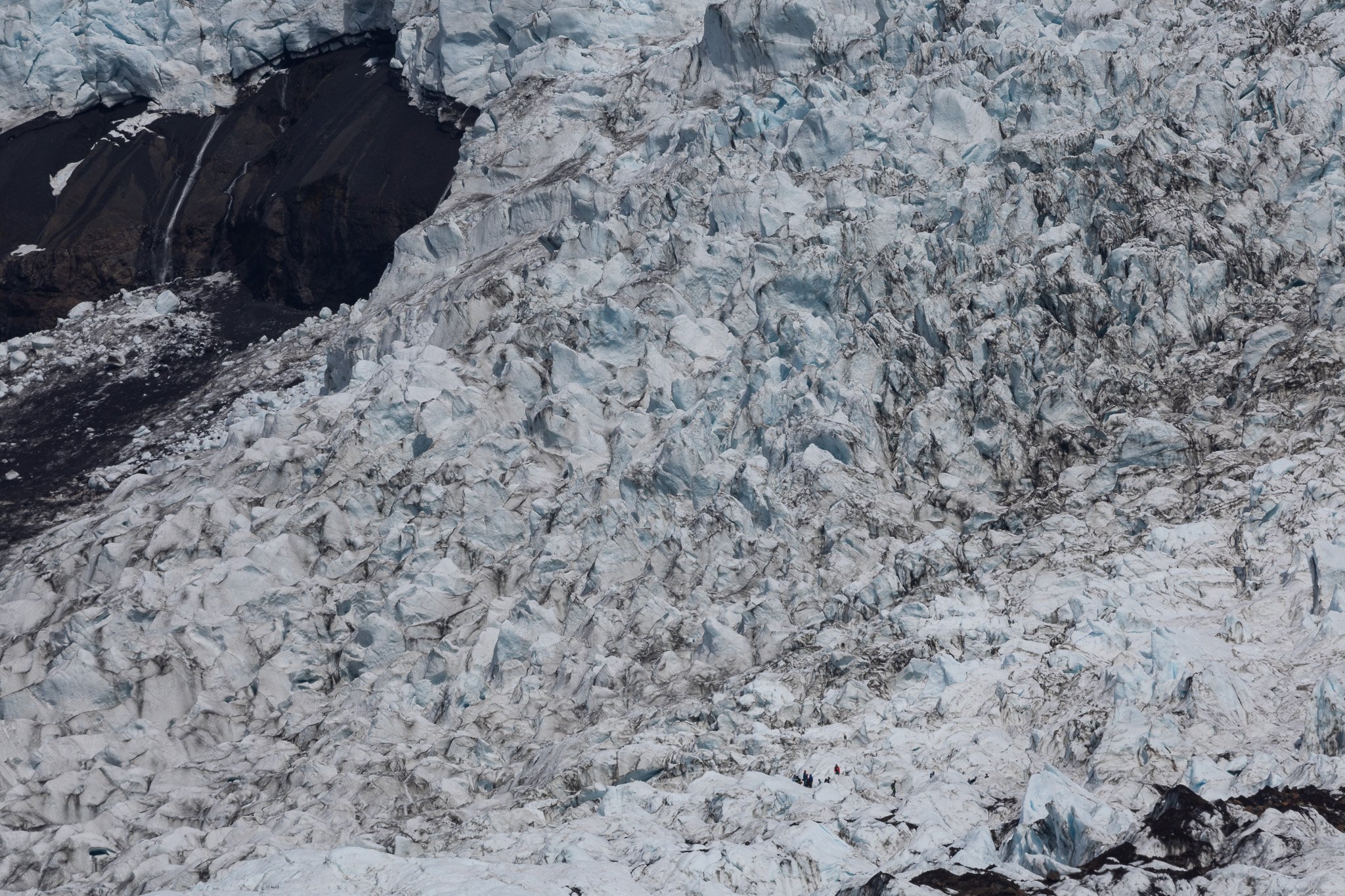
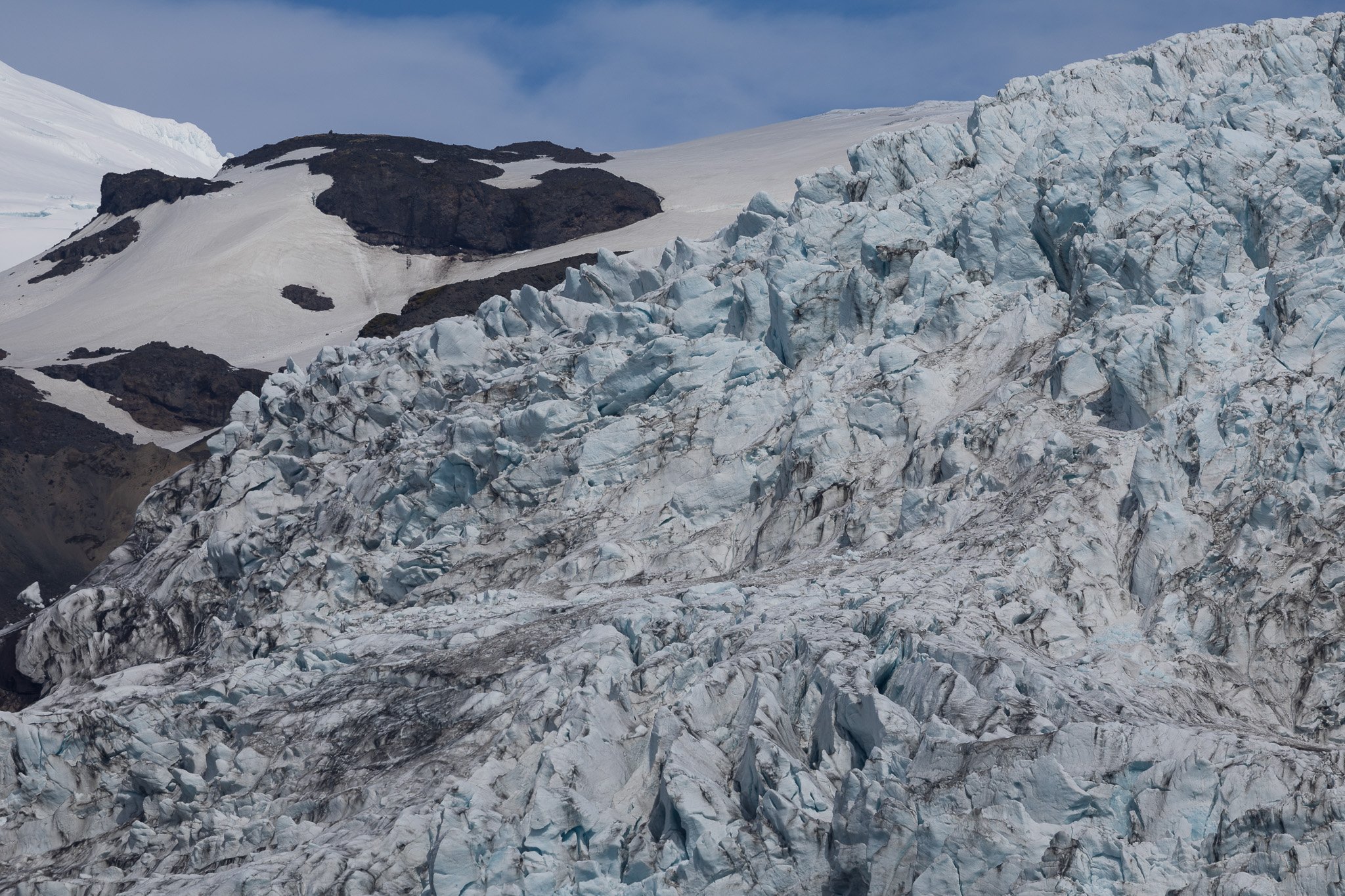
Svinafellsjokull
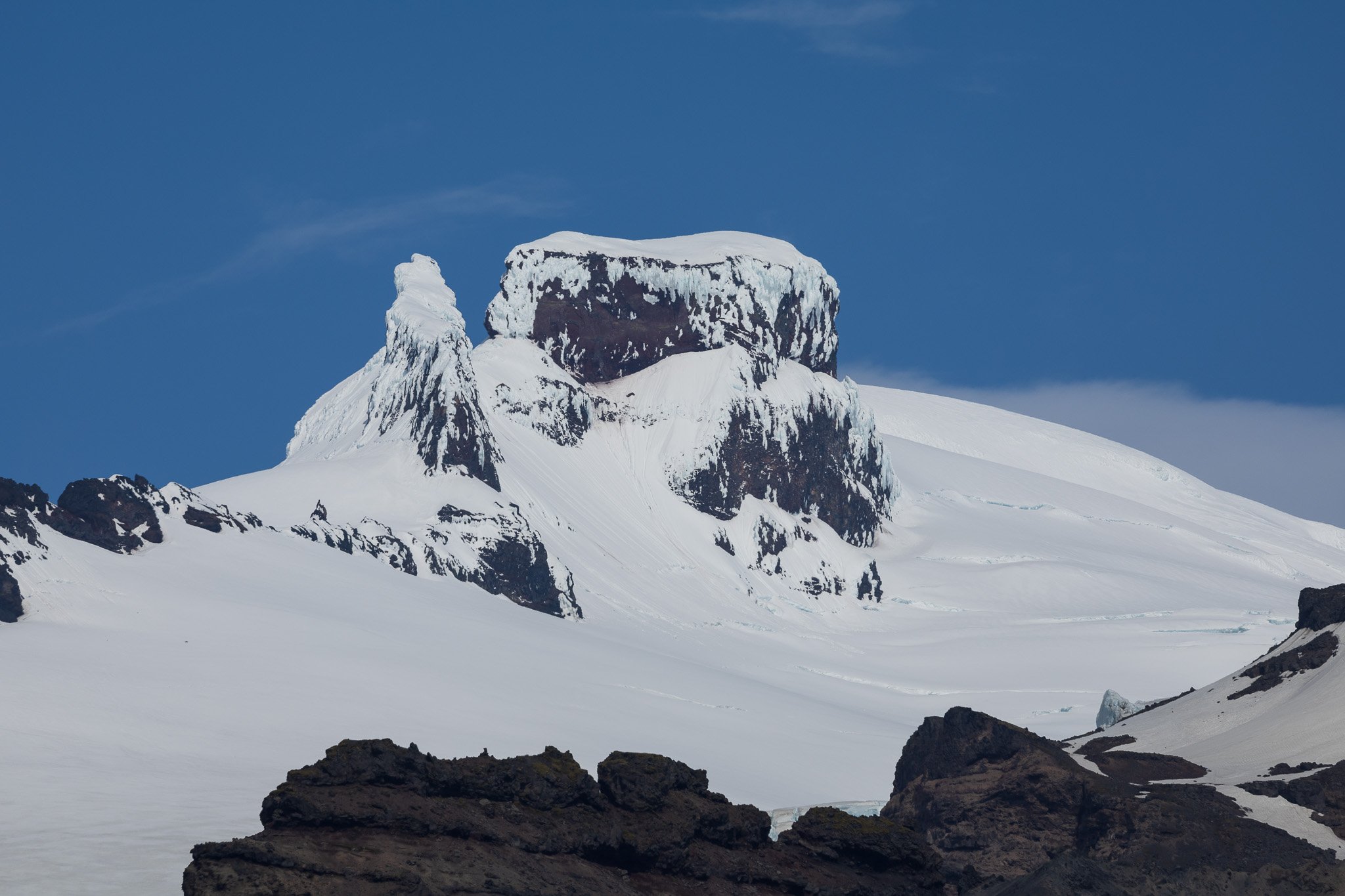
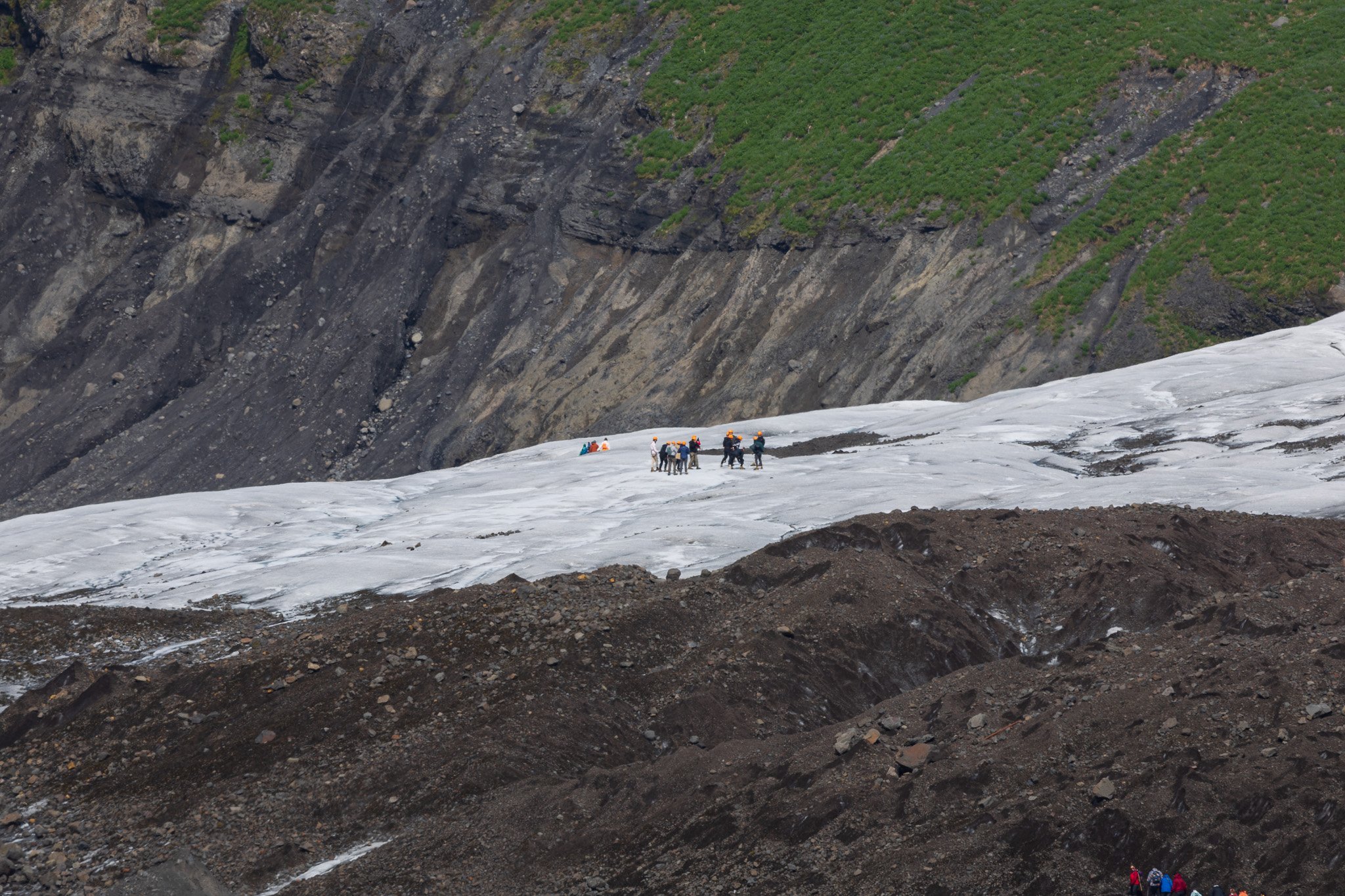
Svínafellsjökull is part of the Skaftafell Nature Reserve. It is very popular with hikers. The road to Svínafellsjökull is quite challenging so you really need a 4x4 vehicle.
Ingólfshöfði Puffin Tour
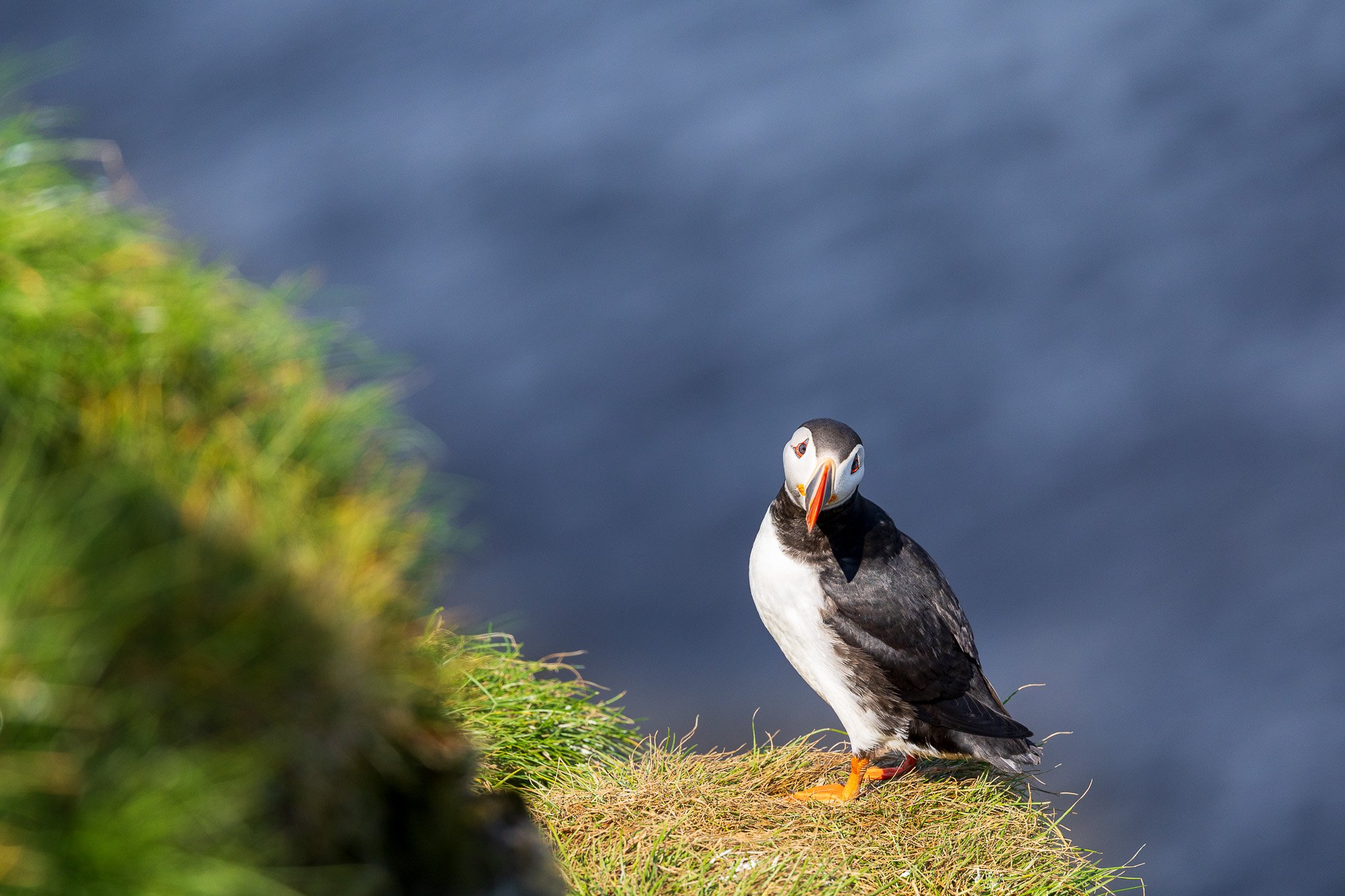
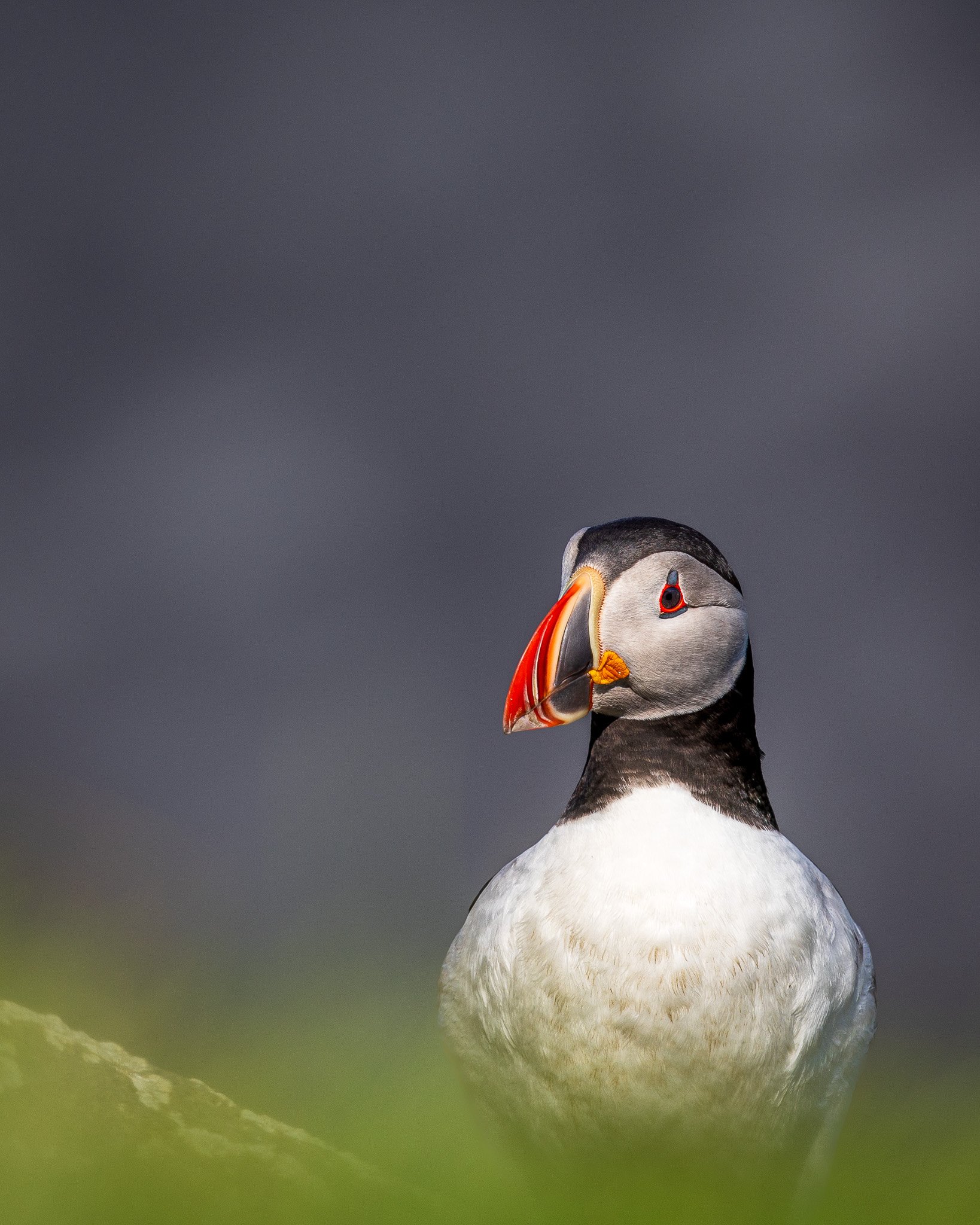
Between June and August, you can take a small group tour to Ingolfshofdi, a remote nature reserve reached by tractor-pulled haystack wagon across tidal flats. The reward is access to one of the best puffin colonies in Iceland, along with great skuas, Arctic terns, and the kind of landscape remoteness that feels genuinely earned.
The tour is run by Einar, who is both a gifted photographer and a genuinely welcoming host. He will give you tips, point you toward the best positions, and share the kind of knowledge that only comes from spending years in the same place with a camera.
📷 Pro Tip: Puffins are fast, unpredictable, and worth every frustrating shot before you get the one. Use a 400 to 500mm focal length for in-flight shots and a 200 to 300mm for birds on the ground or at their burrows. Continuous autofocus and a fast shutter speed of at least 1/1600 second is the combination that works. The birds will often line up on the cliff edge before launching, giving you a moment of stillness to compose before the flight. Overcast light is better than direct sun for puffins because it eliminates the harsh shadows that fall across white chest feathers.
After the tour ends, a great spot to grab lunch or coffee is Cafe Vestajorkul.
Diamond Beach
These two locations sit side by side and are best visited together, ideally over two separate shoots: the lagoon in the evening, the beach at sunrise.
Jokulsarlon is a glacial lagoon where icebergs calve off the Breidamerkurjokull Glacier and drift slowly toward the sea. The icebergs range from small chunks to pieces the size of a house, some pure white, some vivid blue, some striped with black volcanic ash. Seals hang out in the lagoon in winter and are worth looking for along the shore.
Diamond Beach is the stretch of black sand just across the road where those same icebergs wash up after passing through the channel to the ocean. At sunrise or sunset, the light hits the ice and turns the whole beach into a scatter of lit jewels on black sand.
📷 Pro Tip for Jokulsarlon: Shoot from the edge of the lagoon with a 24 to 70mm to include multiple icebergs in the frame. The lagoon is still enough in calm weather to produce reflections. Get low and use the ice at your feet as a foreground element. If you are there in winter, the chance of Northern Lights over the lagoon is one of the great Iceland shots; set up on the northern shore facing the glacier for the best background.
📷 Pro Tip for Diamond Beach: Arrive at sunrise and work the beach for at least an hour. The light changes quickly and the arrangement of ice pieces shifts with every tide. Use a 10-stop ND filter for 15 to 30 second exposures that blur the incoming waves while keeping the ice sharp. A 16 to 24mm focal length lets you get close to individual ice pieces and include the full sweep of the beach behind them. Position yourself so the waves are washing in from behind your subject, not toward you, both for safety and for the visual effect of water flowing around ice.
Best time: Sunrise and sunset year-round. Winter for aurora over the lagoon. Access: Free. Getting there: Off Route 1 in southeast Iceland, clearly signed, about 5 hours from Reykjavik.

You will see 100s of large pieces of ice all over the beach. I love this spot for long-exposure photos.
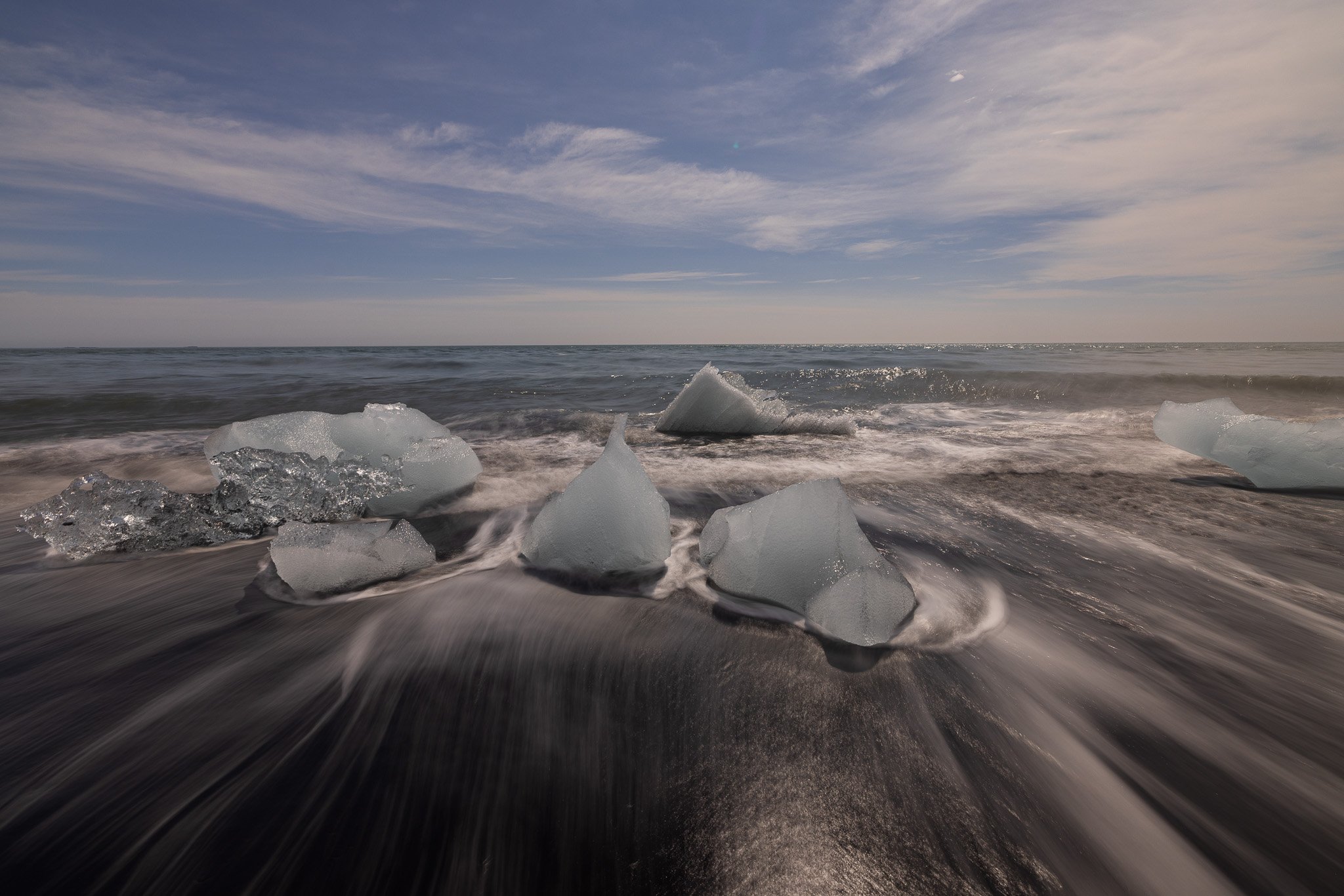
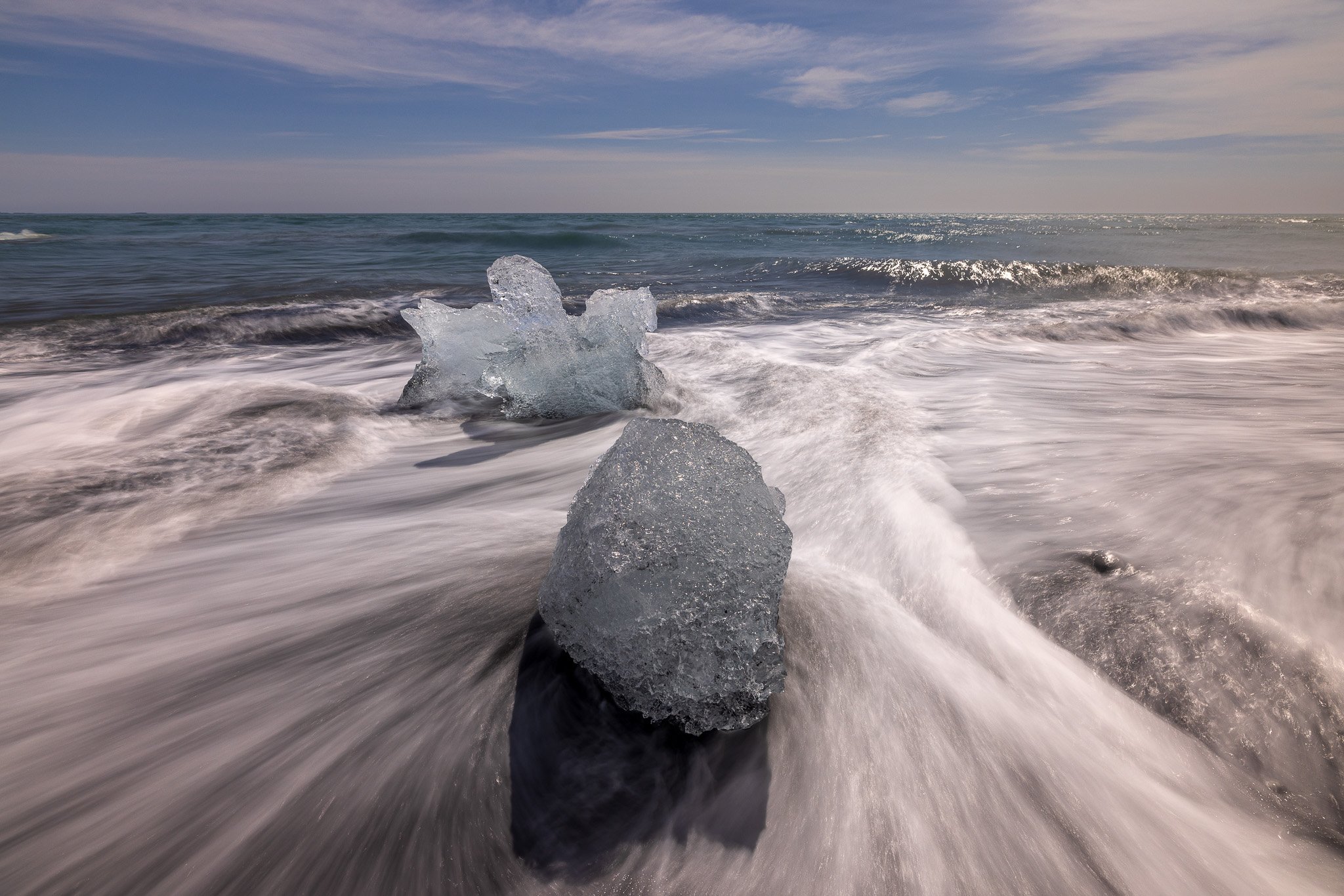
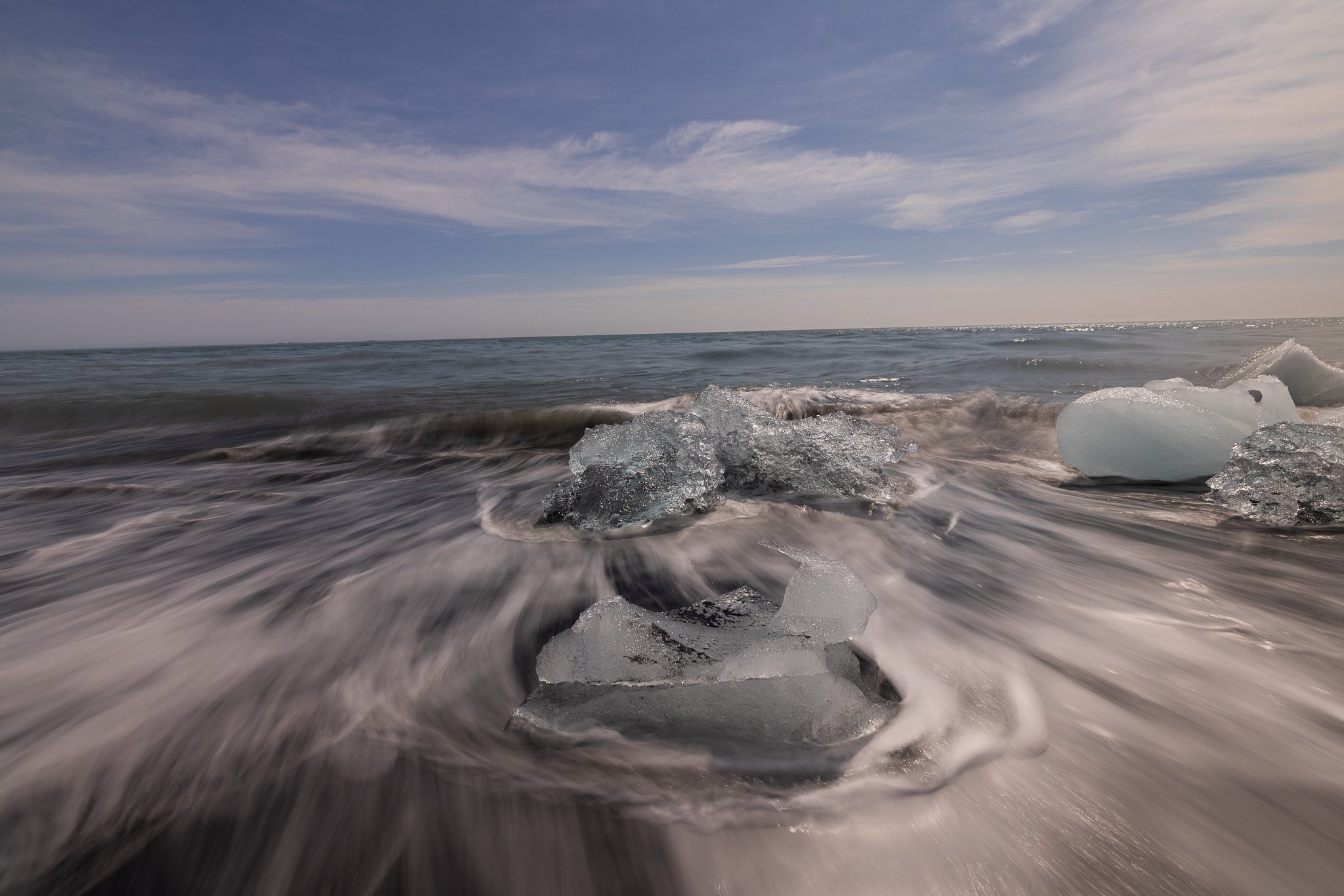
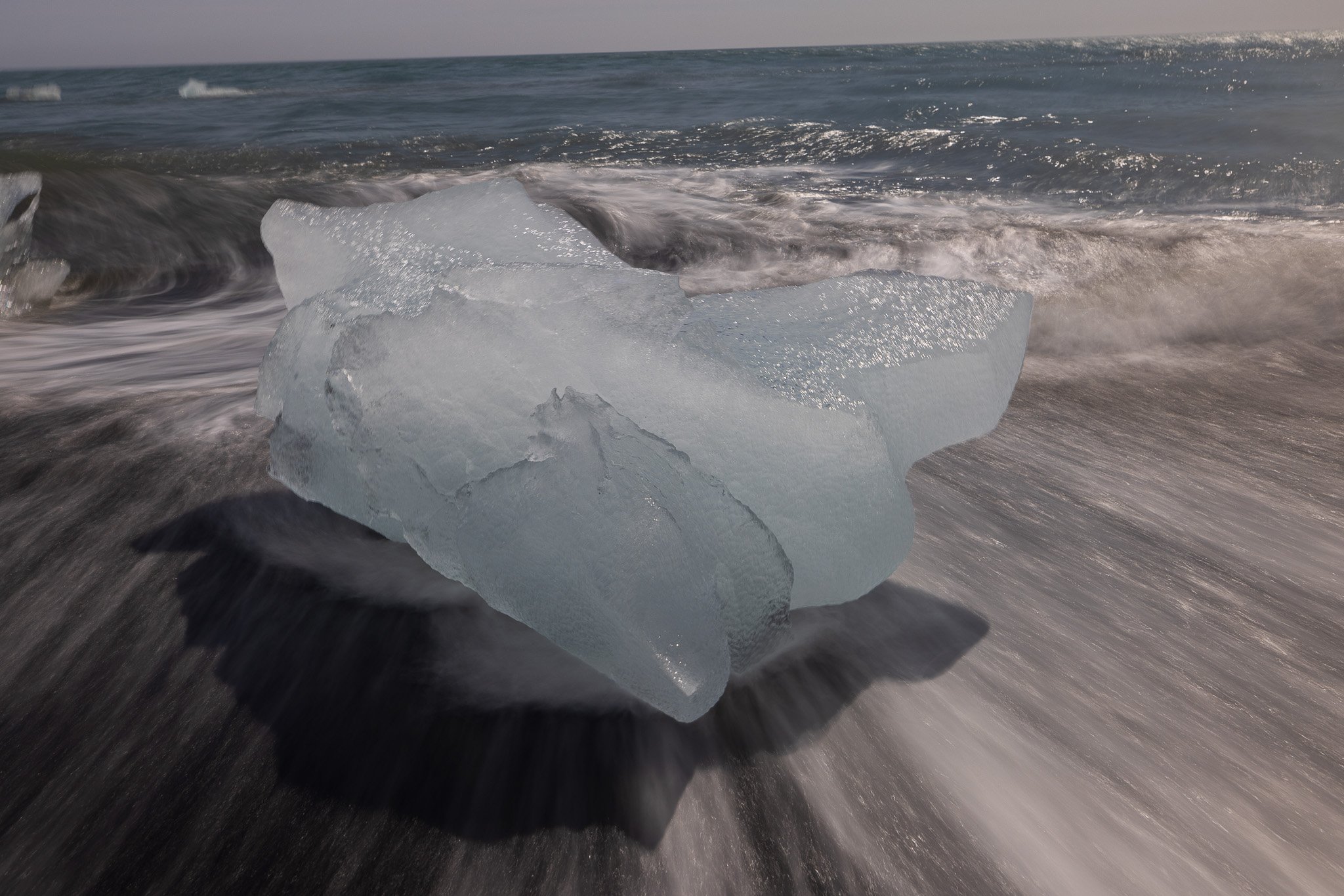
If you can reach Diamond Beach at sunrise or sunset, it would provide the best chances for some great photos.

Long Exposure
Fjallsárlón Glacier Parking
Fjallsárlón is Jokulsárlón’s smaller and less well-known glacier. Fjallsárlón and Jokulsárlón are glacier lagoons, yet significantly different in size and fame.

Jökulsárlón
Jökulsárlón is a glacial lagoon, bordering Vatnajökull National Park in southeastern Iceland. It’s still, blue waters are dotted with icebergs from the surrounding Breiðamerkurjökull Glacier, part of the larger Vatnajökull Glacier. The Glacier Lagoon flows through a short waterway into the Atlantic Ocean, leaving chunks of ice on a black sand beach. In winter, the fish-filled lagoon hosts hundreds of seals.

Sólheimajökull
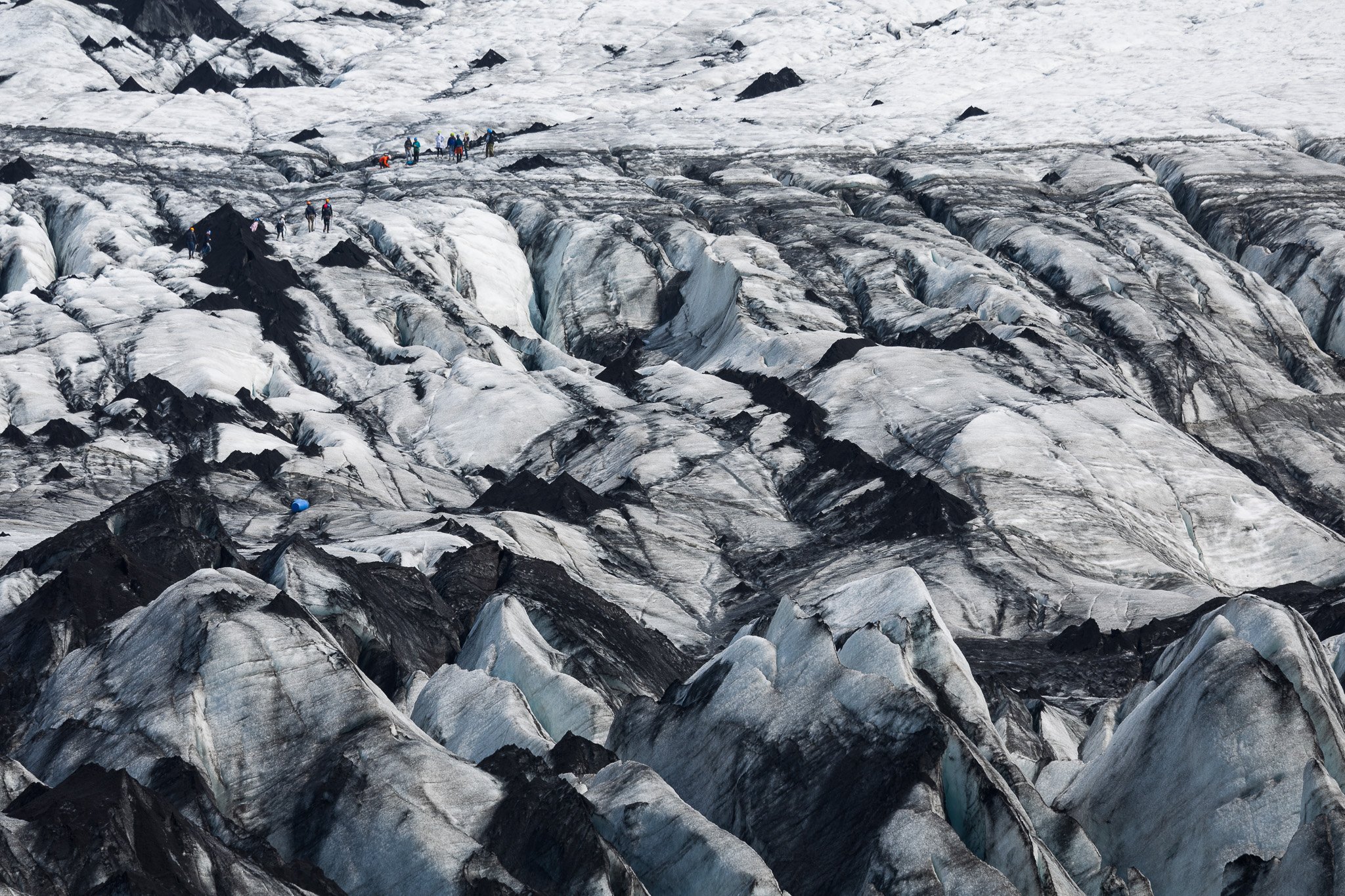
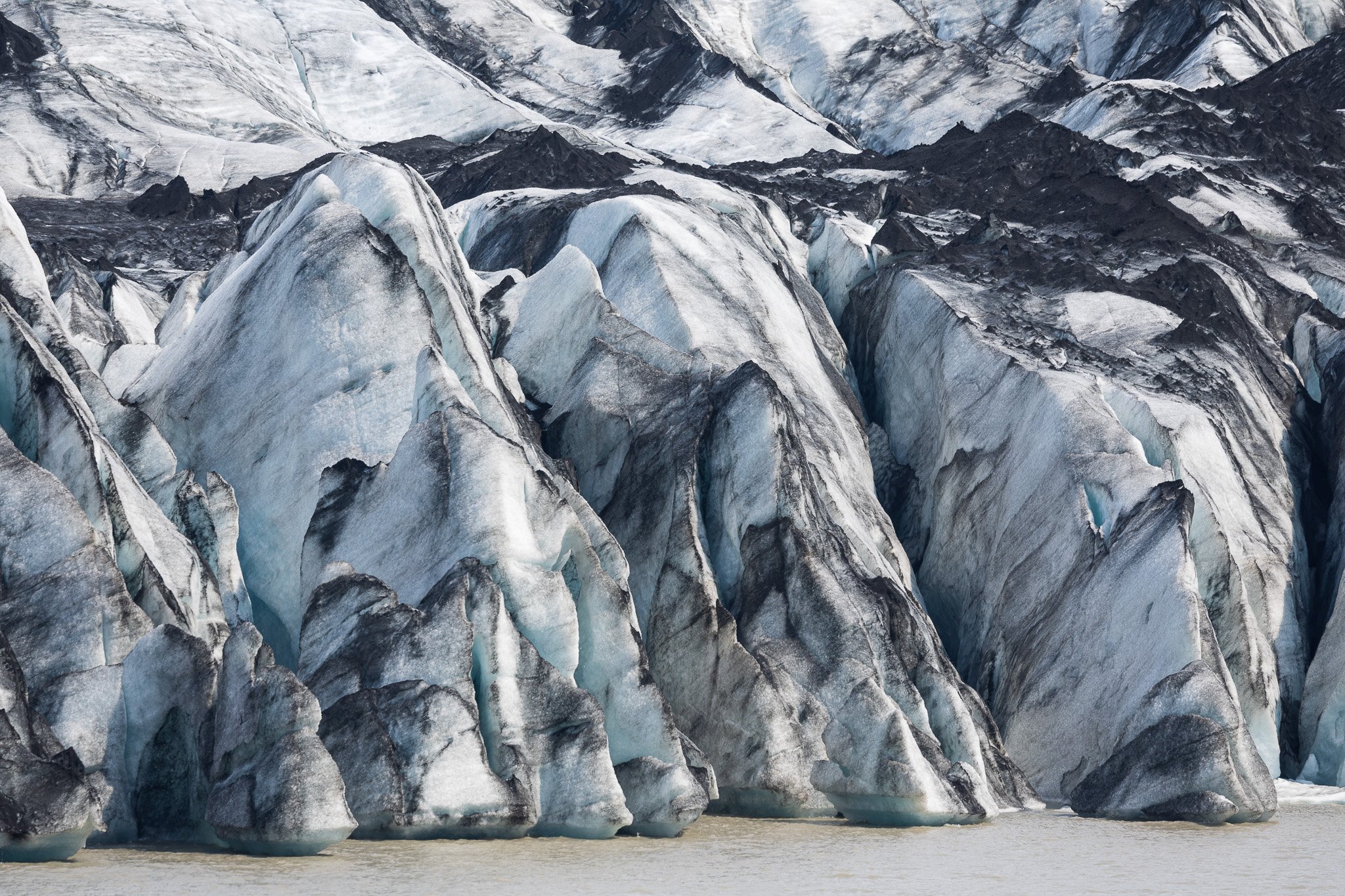
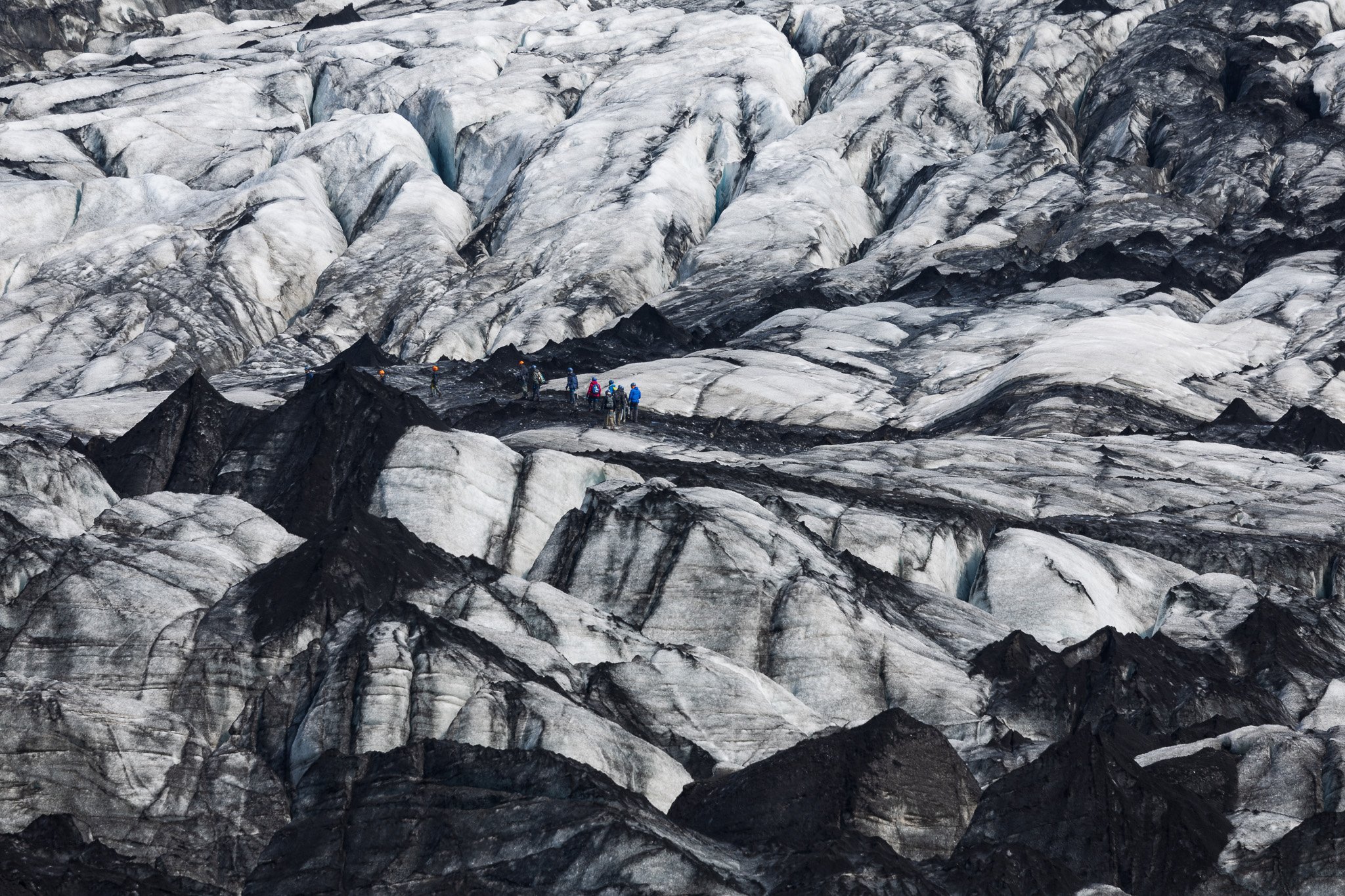
Solheimajokull Glacier has a ton of dramatic ice formations, including crevasses, rugged ridges, and sinkholes. Sólheimajökull is a glacier tongue of Mýrdalsjökull – the 4th largest glacier in Iceland. The black volcanic sand is what you see on the glacier.
Vestrahorn
Vestrahorn is my favorite single location in Iceland. The mountain rises sharply from a flat black sand spit, its jagged peaks reflected in tidal pools that form along the shore at low tide. The combination of the mountain, the black sand, and those reflections is one of the most dramatic landscape compositions in the country.
To access Vestrahorn, you need to stop at the Viking Cafe at the entrance and purchase an entry token. It is a small fee and well worth it. Since the location is technically private land and farther east than most tourists drive, the crowds are a fraction of what you find at the main South Coast locations.
I stood in the tidal water to get the reflection shot. It is cold and wet and absolutely worth it.
📷 Pro Tip: Time your visit to coincide with low tide when the tidal pools are at their fullest and the reflections are clearest. A 24 to 35mm focal length lets you include the full mountain and its reflection in a single frame. Get your feet wet and position yourself so the mountain fills the upper half of the frame and the reflection fills the lower half, with a thin strip of dark wet sand between them for separation. Sunrise and sunset both work here, but I prefer the pre-sunrise blue hour in winter when the sky goes deep blue and the mountain goes near-black against it. Come back after dark if there is any aurora activity; Vestrahorn is one of the best foregrounds in Iceland for aurora photography.
Best time: Low tide, sunrise or pre-dawn blue hour. Access: Small entry fee at the Viking Cafe. Getting there: Off Route 1 near Hofn, about 6 hours from Reykjavik. Look for the Stokksnes turnoff sign.

At Sunrise, standing in the water
The black sand in this location provides such a beautiful contrast

I love the lone figure on the right side
We came back at night to see the Northern Lights at Vestrahorn. While it was not a fantastic display of Northern Lights, it was a lot of fun.

Eystrahorn Beach
Eystrahorn is one of those locations that is made for photographers. There was only 1 other person there when we arrived. I think it is so far away from Reykjavik that tourists don't get that far east. It is located by the Hvalnes Lighthouse, about 45 minutes drive from Stokksnes.

The Colors at Sunset were Unreal
Festivals & Events
Midnight Sun (June to July) — This is not a festival but it is the reason many photographers choose summer. Around the summer solstice, the sun does not fully set in Iceland. Golden hour runs from roughly 10pm until 2am before swinging back into sunrise light. For landscape photographers, it is one of the most extraordinary light events in the world. Plan a late-night drive along the South Coast during this window.
Seafarers Day (Sjomannadagur, first Sunday in June) — Celebrated in coastal communities including Vik. Boat races, food, and local celebration. A good opportunity for people photography in a genuine cultural setting rather than a tourist context. Approach respectfully and ask before photographing individuals.
Northern Lights Season (September to April) — Again, not a festival in the traditional sense, but the defining event for winter travel. Activity peaks during periods of high geomagnetic activity. Download an aurora forecast app before you go and check it nightly. The best foregrounds on the South Coast for aurora photography are Vestrahorn, the Jokulsarlon lagoon, and Reynisfjara Beach.
Iceland Airwaves (November, Reykjavik) — One of the best music festivals in the Nordic countries. Indie, alternative, and electronic acts perform in venues across Reykjavik over four days. Worth extending your trip for if music is part of how you travel. The venues are intimate, the crowds are enthusiastic, and the atmosphere of Reykjavik in November has a dark, cozy energy that suits the event perfectly.
Secret Solstice (June, Reykjavik) — A summer music festival held over the solstice weekend, including a concert inside a glacier. The combination of midnight sun and live music is a genuinely unusual experience. Strong people photography opportunities.
Final Thoughts
The South Coast of Iceland is one of those routes you do not forget. Not because of any single location, though Vestrahorn and Diamond Beach are up there with the best things I have ever photographed, but because of the cumulative effect of a day that just keeps delivering. You stop for a waterfall and end up staying an hour. You pull over for a horse and find a lupin field behind it. You drive past a canyon you did not plan to visit and end up standing on the rim watching the light change.
Iceland rewards photographers who slow down, plan their timing, and come back. I keep coming back. If this is your first trip, pace yourself, protect your gear from the water, and do not skip the road stops. Some of the best frames I have from Iceland are from places I was not trying to go.
Follow along at Instagram @chasinghippoz and subscribe to the newsletter for more guides, gear notes, and behind-the-scenes content from the road.
My Other Iceland Photography Guides
My Photography & Travel Guide to Reykjavík, Iceland. Most photographers fly into Keflavik and drive straight to the South Coast. Spend two nights in Reykjavik first. The city is compact, colorful, and more photogenic than its reputation suggests, from Hallgrimskirkja at dawn to the harbor light at midnight. My guide covers the best spots in the city, where to stay, and when to shoot.
My Photography & Travel Guide to the Westfjords and Snaefellsnes Peninsula, Iceland. If the Southern Route is Iceland's greatest hits, the Westfjords are the deep cuts. Fewer tourists, more drama, and photography that feels genuinely earned. Latrabjarg for puffins, Dynjandi for waterfalls, Kirkjufell for the iconic mountain shot. Combined with the Snaefellsnes Peninsula, this is the Iceland trip for photographers who want something beyond the Ring Road. My guide covers the full route, the ferry crossing, and every location worth pulling over for.
If you are interested in joining one of my photography workshops, you can find the details through the link on the site. You can also follow along on Instagram, Facebook, or subscribe to my newsletter for more travel photography tips and behind-the-scenes content.

Unlock the power of long exposure and take your photography to the next level.
Mastering ND Filters is your complete guide to understanding and using Neutral Density (ND) filters with confidence. Whether you’re a beginner or a hobbyist looking to expand your creative toolkit, this practical, easy-to-follow book walks you through everything you need to know—from gear choices and exposure calculations to creative shooting techniques and real-world examples.
Inside you’ll learn:
What ND filters are and how they work
How to choose the right strength and type of filter
Step-by-step workflows for photographing waterfalls, clouds, seascapes, and city scenes
How to calculate long exposures using apps and charts
Pro tips for reducing noise, focusing with dark filters, and getting tack-sharp results
Packed with clear explanations, inspiring images, and field-tested advice, this guide will help you shoot with intention, slow down your process, and create stunning photographs that capture not just motion—but mood.
Whether you're shooting with a DSLR, mirrorless camera, or even a smartphone, Mastering ND Filters will help you bring your creative vision to life.
Finally—a beginner-friendly photography guide that makes sense.
If you've ever picked up a camera and thought, "Now what?" this is the book for you.
Photography Made Simple is written for adults who are just starting out and want a clear, encouraging, real-world approach to learning photography. Whether you're using a DSLR, mirrorless, or just your smartphone, this guide walks you through the basics—without the jargon or tech overwhelm.
Inside, you'll learn:
The only camera settings you really need to know to get started
How to shoot sharper, more intentional photos using light and composition
Simple tips for portraits, landscapes, travel, and everyday life
What gear you do (and don’t) need
How to create better photos without upgrading your camera
You’ll also get practical exercises, cheat sheets, and tips for organizing and editing your images—plus the confidence to shoot off Auto Mode for good.
This is not a textbook. It’s a friendly guide to seeing the world with fresh eyes—and finally capturing what you see the way you imagine it.
📸 Format: PDF download
Pages: 100+
Perfect for: Beginners, hobbyists, and anyone ready to take better photos without the stress