Doha, Qatar Travel & Photography Guide: Best Photo Spots, Things to Do & Hidden Gems
Doha is a city of contrasts, but it expresses them quietly. One moment, you are walking through a centuries-old souq, the air scented with spices and oud. Minutes later, glass towers line the Corniche, reflecting the Gulf light in clean, deliberate forms. Heritage and ambition coexist here, and that balance is what makes Doha such a compelling city to photograph.
While I have been to Doha many times, I never had the time to photograph the city. So, I was very happy to spend a few days in Doha to finally take the time to take photographs. It is absolutely worth spending a few days visiting.
The light is the first thing I notice. It arrives early and without drama, sliding across the Corniche, catching the edges of stone and glass, then softening as it meets the Gulf's water. Mornings feel calm and unhurried. There is sea air in the breeze and the faint scent of cardamom drifting from cafés as the city wakes. Before Doha feels ambitious or modern, it feels composed, and that calm sets the tone for how the city photographs.
Long before the skyline, Doha was shaped by the rhythms of pearl diving, fishing, and the desert. That history remains visible in places like Souq Waqif and along the dhow harbors, even as the city looks confidently forward through museums, public spaces, and contemporary architecture. Old and new do not compete here. They coexist with intention.
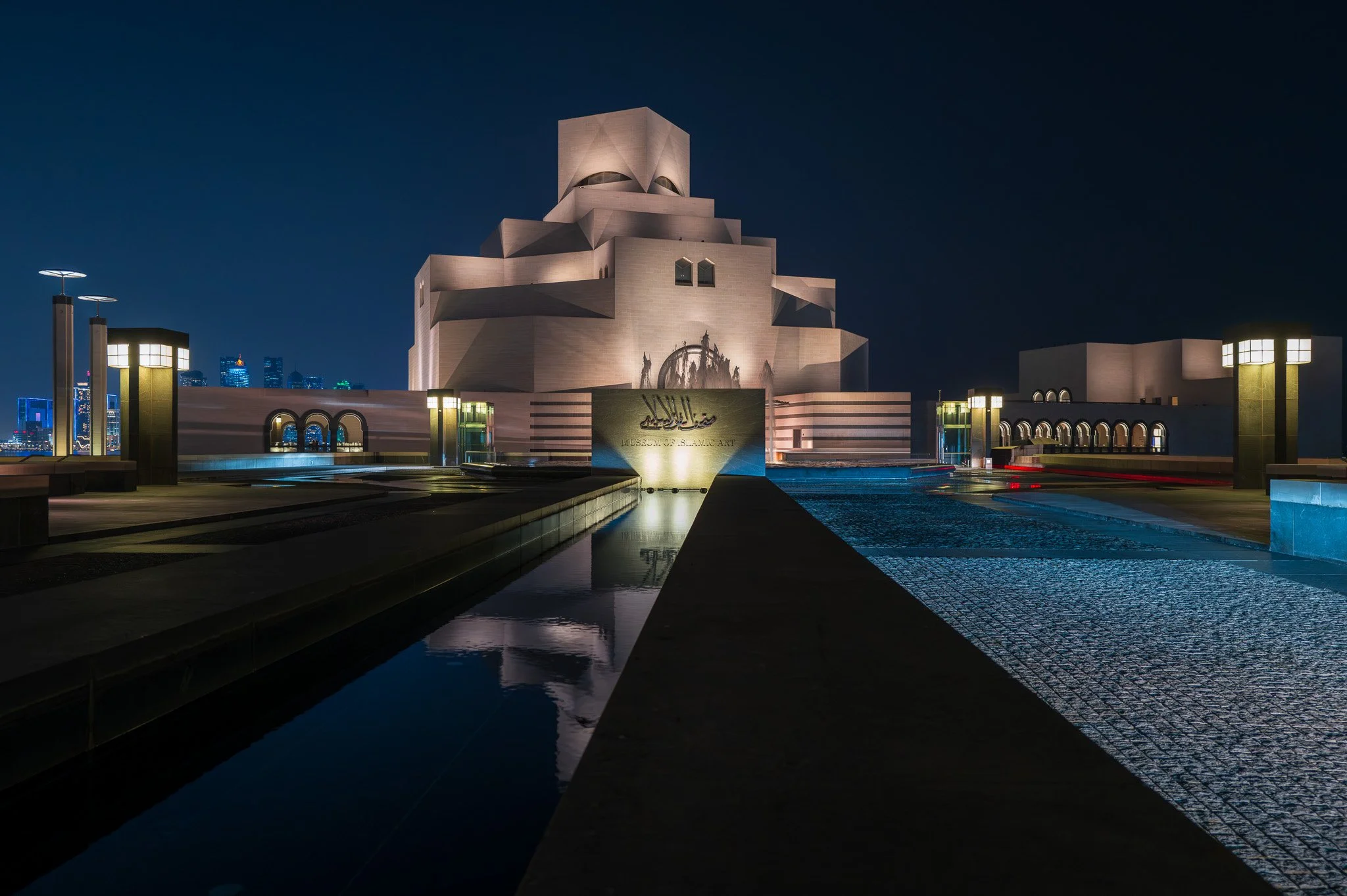
The Museum of Islamic Art
Doha is absolutely worth photographing. It is close to Dubai, yet it feels distinctly different. Where Dubai is fast, bold, and expansive, Doha is quieter, more reserved, and smaller in scale. That difference matters. The city encourages you to slow down, study the light, and return to a scene as it changes rather than rush to the next location.
For photographers, two to three nights is ideal. It allows enough time to work in the city without feeling overwhelmed. Doha’s architecture is world-class and deeply enjoyable to photograph, especially because it invites exploration on foot and rewards careful composition. This is a city where patience matters more than gear, whether you are shooting with a full mirrorless kit or a phone.
This Photography Guide to Doha is designed for travelers and photographers who value culture, design, and light. Doha is compact, welcoming, and visually rich, offering everything from traditional markets and desert landscapes to museums and striking contemporary architecture. If you are looking for practical travel tips and the best photography spots in Doha, this guide will help you plan a focused and rewarding visit.
Photographer's Notes
Before you go, here are my own takeaways.
Favorite Season: November through March
Favorite Location: Museum of Islamic Art
Favorite Neighborhood: Msheireb Downtown Doha
Favorite Hotel: Park Hyatt Doha
Favorite Restaurant: Parisa Souq Waqif
Favorite Café: Qinwan Café
Favorite Lens: 24-105mm
Would I Return? Yes, I definitely would.
How to Get to Doha
Doha is easier to reach than most people expect. Qatar Airways has transformed the city into one of the world’s best-connected hubs, with direct flights from major cities across Europe and the United States, and an expanding network that now includes South America.
Because Doha still feels like a discovery, it is often used as a stopover on the way to Africa, Asia, or Australia. That makes it ideal for a two to three-day photography stop that fits naturally into a longer journey.
If you are flying Qatar Airways, their stopover program is worth serious consideration. Five-star hotel packages starting around thirty dollars a night make it remarkably easy to experience the city without committing to a full standalone trip. From a photography perspective, the stopover format works perfectly. Doha is compact, navigable, and visually rich without feeling overwhelming.
Dreaming
Doha 101: Practical Tips Before You Go
Money in Doha
Qatar uses the Qatari Riyal. Cards are widely accepted across the city, including cafés, restaurants, hotels, Uber, and most shops. I still carry a small amount of cash, but I rarely need it.
Getting around Doha
Uber is the simplest way to move around the city and is usually inexpensive. Doha is not fully walkable due to distance and heat, but areas like Msheireb Downtown and Souq Waqif connect well early in the morning or after sunset.
Safety in Doha
Doha feels exceptionally safe, even at dawn and late evening. Stay aware, keep gear close, and always ask before close-up portraits.
What to wear in Doha
Modest dress is appreciated. Light, breathable fabrics work best. Women do not need to cover their hair unless entering a mosque. A light shawl is useful for sun, air conditioning, and religious sites.
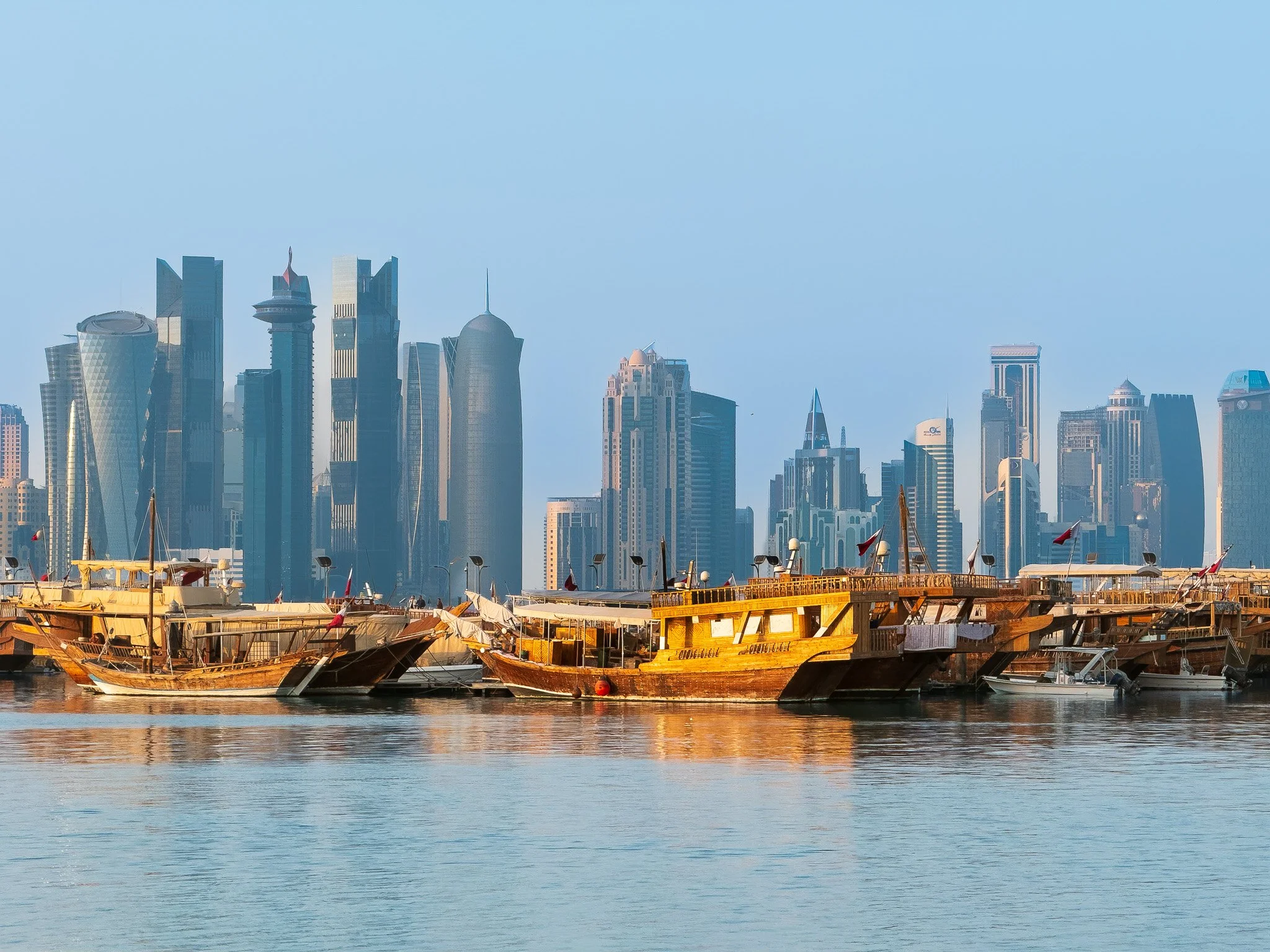
Doha Old & New
Where to Stay in Doha: Best Neighborhoods for Photographers
Best Neighborhoods
For photographers and first-time visitors, West Bay and Msheireb Downtown Doha are the most convenient areas. West Bay offers skyline views and beach access. Msheireb places you close to history, culture, and walkable streets.
Msheireb Downtown Doha
My top choice. Walkable, thoughtfully designed, and rich in light and geometry. Ideal for architecture, street scenes, and iPhone photography.
West Bay
Best for skyline photography, reflections, and blue hour scenes along the water.
Souq Waqif Area
Perfect for texture, atmosphere, and evening street life.
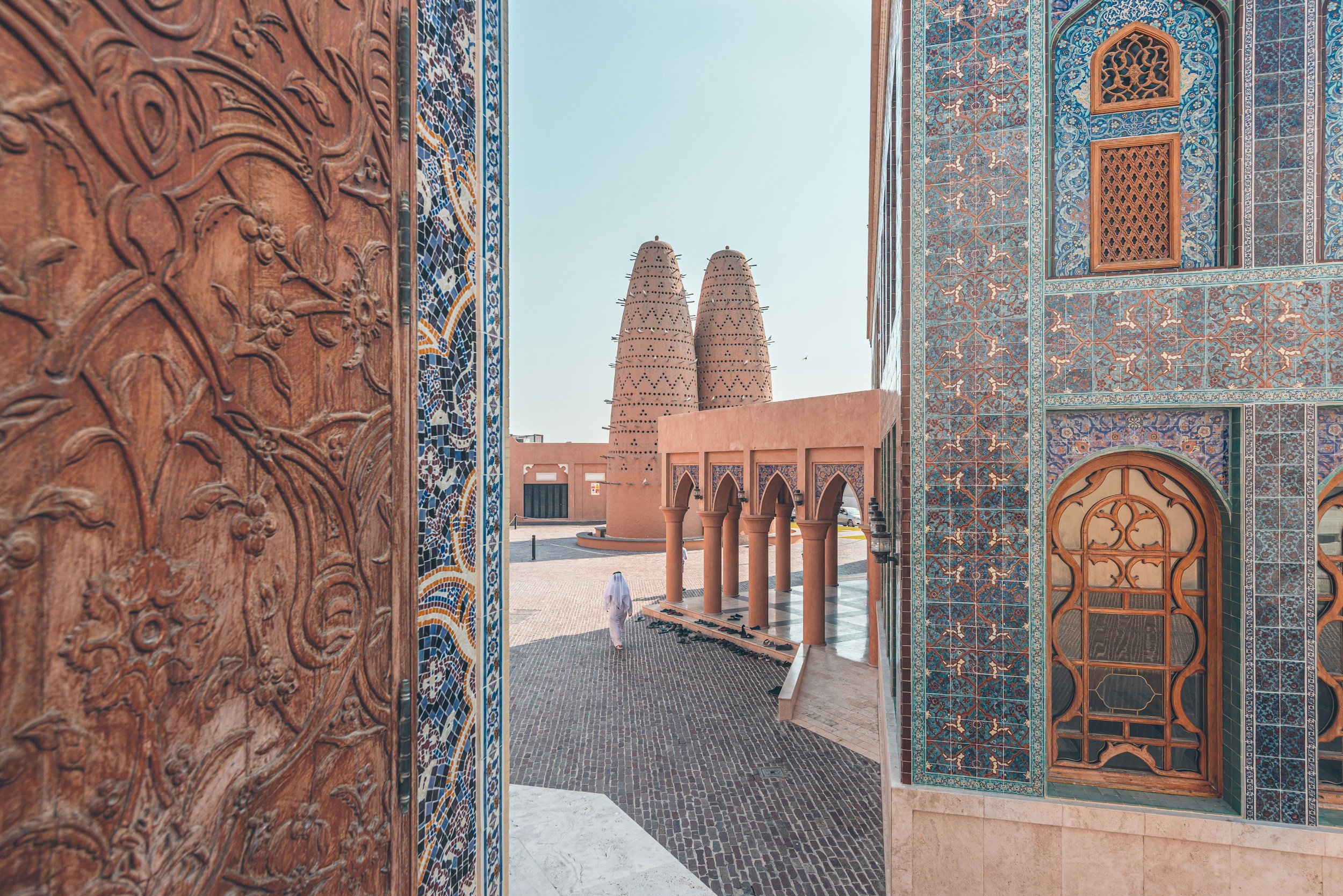
Katara Cultural Area
Luxury Hotels in Doha
Mandarin Oriental, Msheireb
Refined design, excellent service, and one of the best locations in the city. Set in Msheireb Downtown Doha, it offers easy access to Souq Waqif and a strong sense of place rooted in old Doha.
St. Regis Doha
Beachfront luxury with sweeping Gulf views. Ideal if you want a resort feel while still staying close to the city, especially beautiful at sunrise and sunset.
Park Hyatt Doha
My top choice. Elegant, understated, and beautifully integrated into Msheireb Downtown Doha. A great choice for photographers who value walkability, thoughtful design, and a calm, refined atmosphere close to Doha’s historic core.
Mid-Level Hotels in Doha
Alwadi Hotel Doha - MGallery
An excellent value option with a prime location near Souq Waqif. Comfortable, stylish, and well-positioned for both photography and sightseeing.
Centara West Bay Hotel & Residences
Spacious rooms with skyline views at a more approachable price point. A solid choice if you want comfort and modern amenities without paying luxury rates.
Hampton by Hilton Doha Old Town
Reliable, comfortable, and well-located near the Corniche and key cultural sites. A smart option for photographers who plan to spend most of their time out shooting.
Best Time to Visit Doha for Photography
The best time to visit Doha for photography is from November to March. Temperatures are pleasant, skies are clear, and light is soft, especially in the early morning and late afternoon.
Summer months bring extreme heat and humidity, which limit outdoor shooting. Winter evenings are excellent for night photography along the Corniche and in West Bay.
Golden hour in Doha is short but dramatic, with warm light reflecting off limestone and glass.
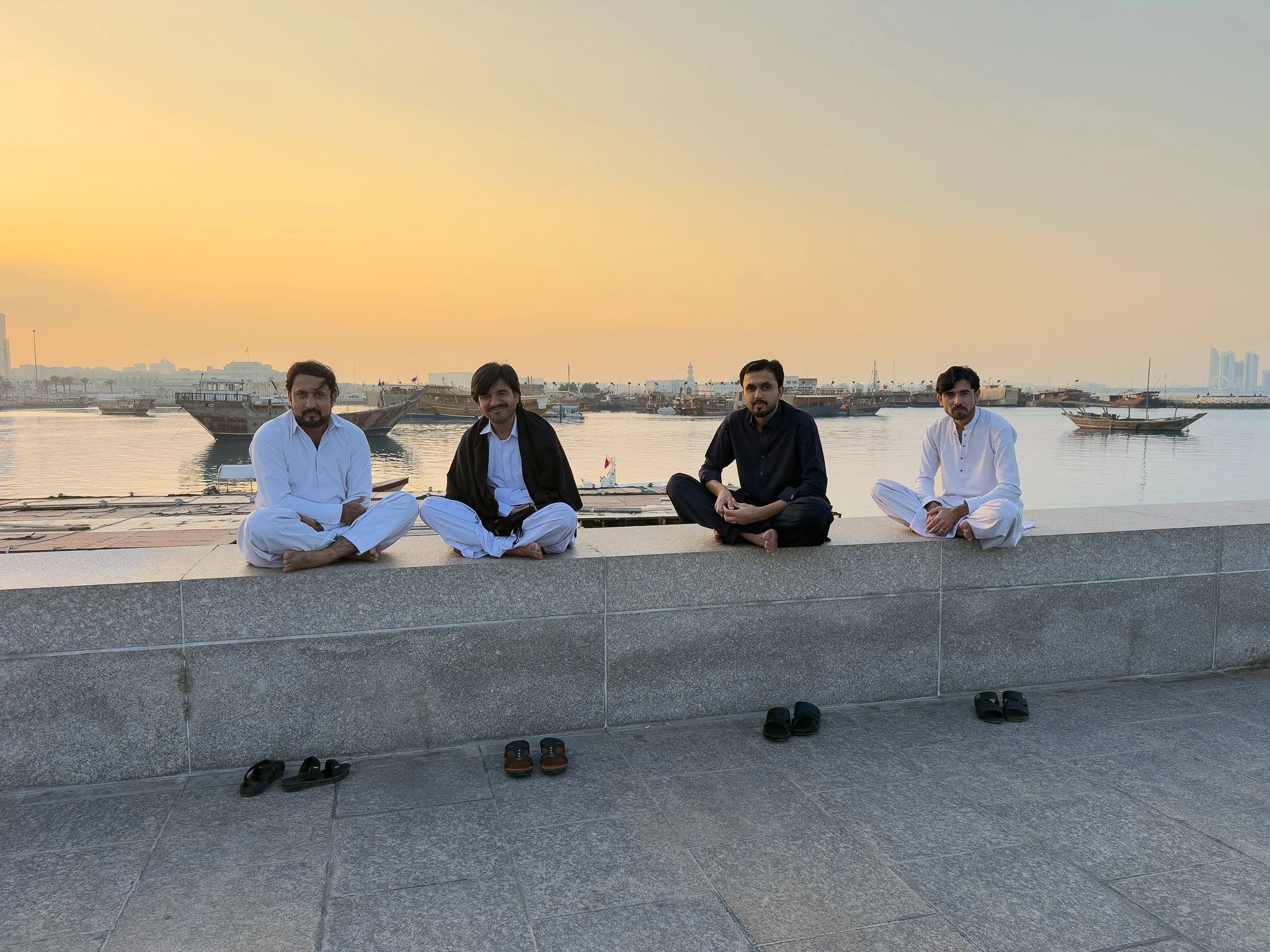
Friends
Getting Around Doha
Doha is easy to navigate and well-suited to short stays. Taxis and ride-hailing services are widely available and affordable, and Uber operates reliably throughout the city, making it the simplest option for most visitors.
The Doha Metro is clean, modern, and efficient, with direct connections to Hamad International Airport, Msheireb Downtown Doha, and West Bay. It is especially useful for airport transfers and moving between key districts without dealing with traffic.
Walking works well in pedestrian-friendly areas like Msheireb and Katara, where streets and public spaces were designed to be explored on foot. Elsewhere, distances are longer, and a car or ride service makes getting around far more comfortable, especially when traveling with photography gear.
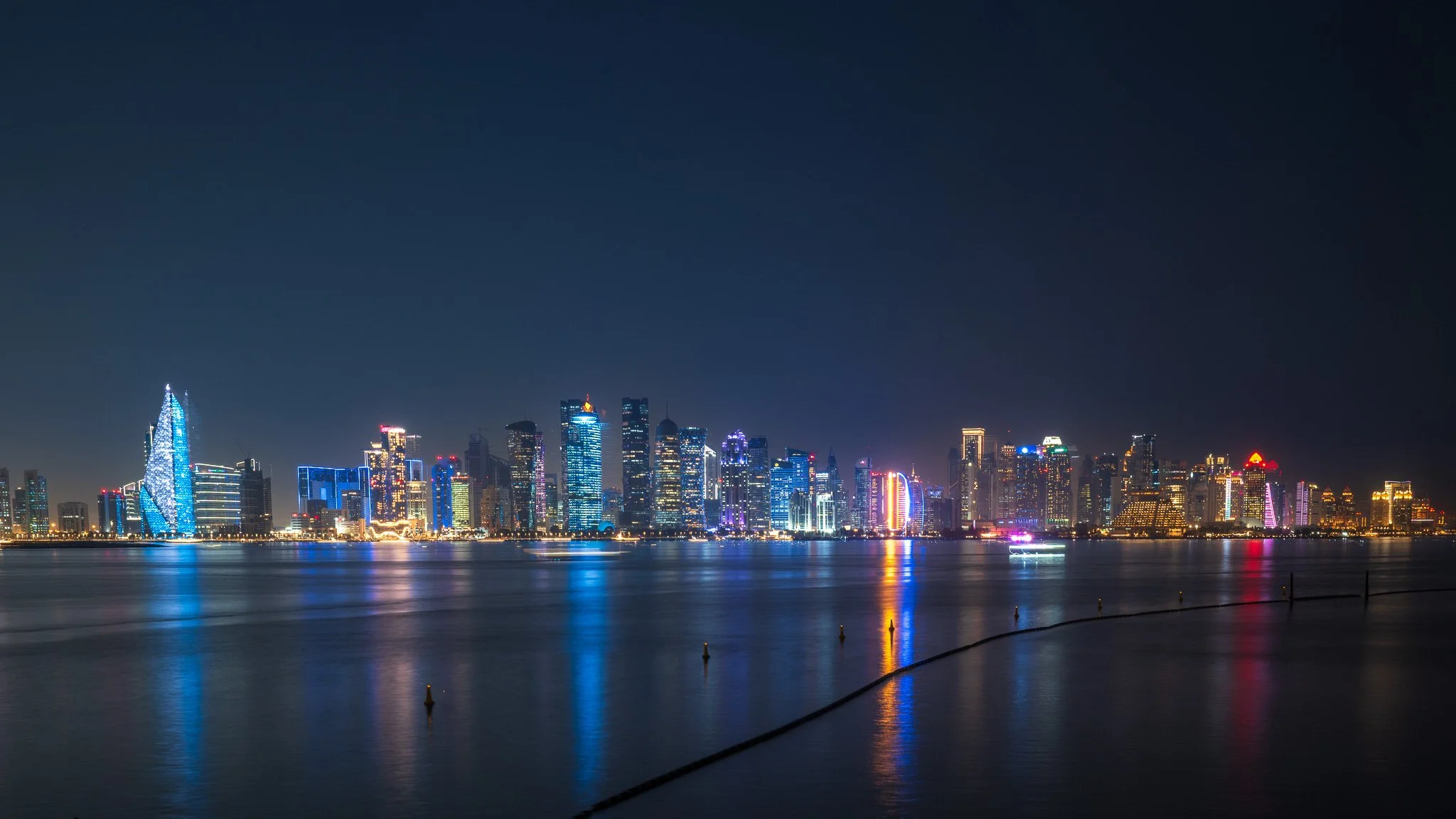
The Beautiful Skyline
A Relaxed 2–3 Day Photography Itinerary to Doha
Two to three days is ideal for a Doha travel itinerary. This allows time to explore museums, photograph the skyline, wander Souq Waqif, and include a desert excursion. Add an extra day if you want a slower pace or deeper cultural exploration.
Day 1: Light and Architecture
Begin at sunrise along the Doha Corniche, where reflections simplify composition. By mid-morning, move to Msheireb Downtown for shadow play and architectural detail. Slow the afternoon with coffee, then return to the Corniche or West Bay for blue hour.
Day 2: Culture and Texture
Start early at the Museum of Islamic Art, then wander Souq Waqif before midday. Return after sunset when the streets fill with movement and warm light.
Optional Day 3
Visit Katara Cultural Village at sunrise or revisit your favorite location. Doha rewards repetition and patience.
Where to Eat
Doha’s food scene reflects its international population, blending Middle Eastern traditions with global flavors.
Qinwan Café
A calm, beautifully designed café focused on premium Qatari dates and Arabic coffee. Clean lines, warm tones, and soft natural light make it an easy and rewarding stop for both shooting and a quiet break.
Damasca Restaurant
Colorful plates, patterned tiles, and warm interiors photograph best in the late afternoon when the light softens and the space feels lively without being crowded.
Parisa Souq Waqif
An immersive, richly decorated interior and one of the most photographed restaurants in the city. Go inside, look up, and take your time. The details reward careful framing.
IDAM
Located inside the Museum of Islamic Art, this is best visited for lunch. Daylight enhances the views and keeps the experience relaxed, making it easier to enjoy both the food and the setting.
Flat White Specialty Coffee
Minimal design, strong window light, and a calm atmosphere. A reliable spot for clean compositions and casual street-style details.
Earth Roastery
Industrial textures, layered spaces, and excellent people-watching. A great place to slow down, observe, and capture small moments as they unfold.
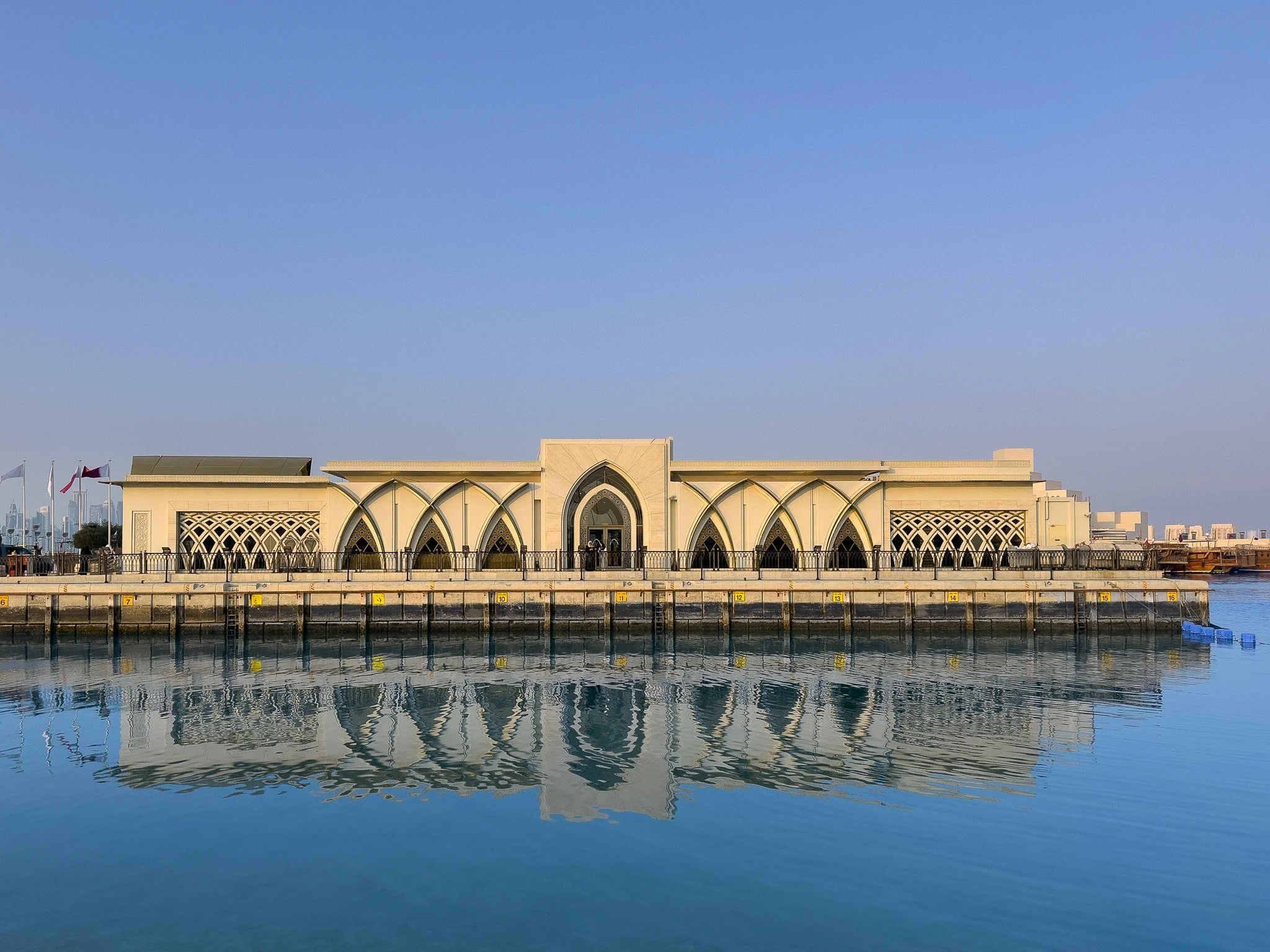
Corniche
Photography Gear to Bring for Doha
Camera
If you are bringing a dedicated camera, choose a weather-sealed mirrorless body. Doha’s conditions are less about rain and more about heat, dust, wind, and glare, especially around the Corniche and open architectural spaces.
Recommended Lenses
A 16–35mm is ideal for wide cityscapes, museums, modern architecture, and interiors where space and scale matter.
A 24–70mm is the most versatile option and works well as an all-day walk-around lens.
A 70–200mm is excellent for compressing skylines, isolating architectural details, and creating respectful portraits from a distance.
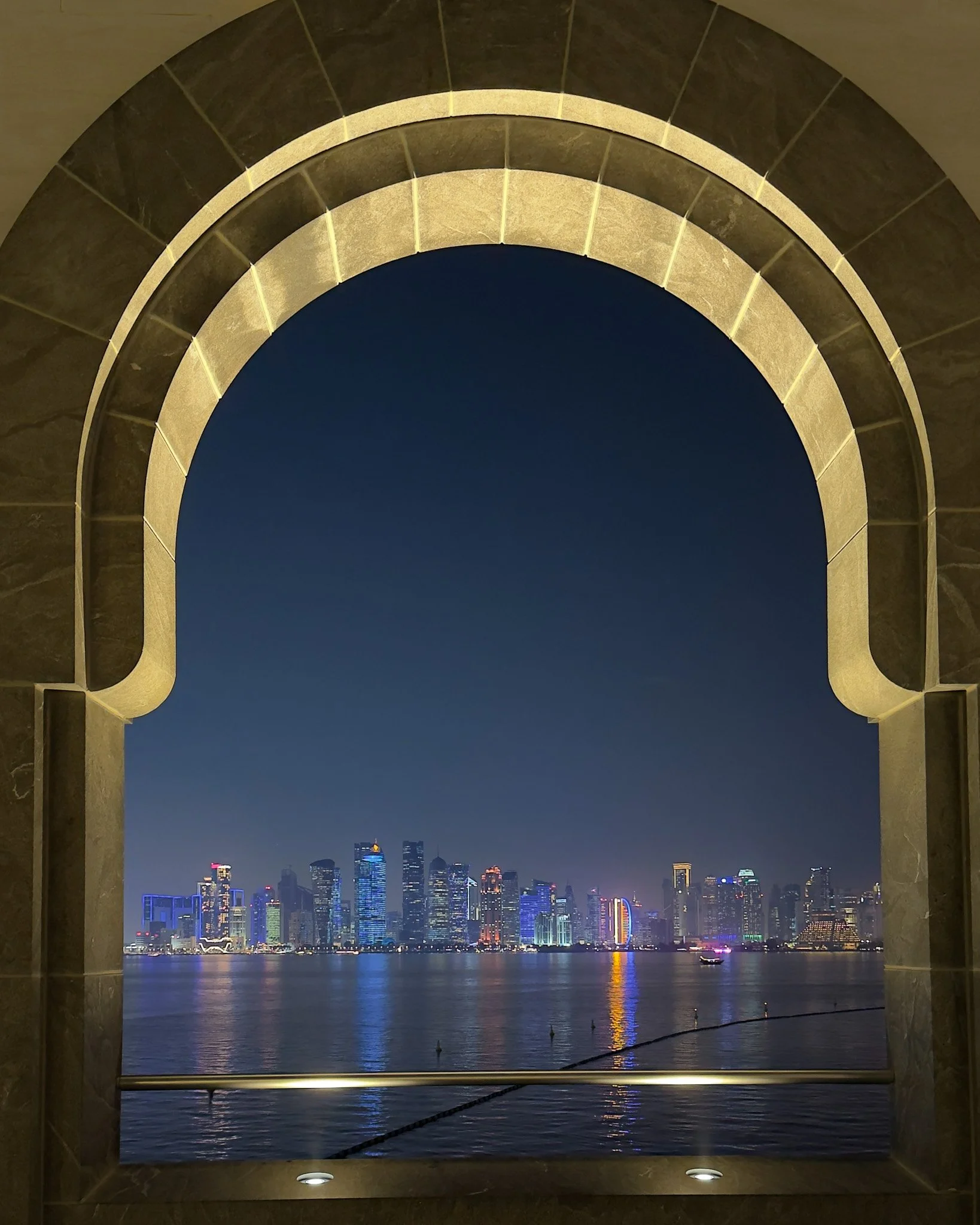
The Skyline of Doha
Accessories
A lightweight travel tripod is useful for blue hour and night photography, especially along the Corniche and near museums.
A circular polarizer helps control glare and reflections on glass and water.
An ND filter allows for long exposures in bright daylight, particularly effective with Doha’s clean lines and open spaces.
A small rain cover or even a simple plastic bag is useful for protection against dust and wind.
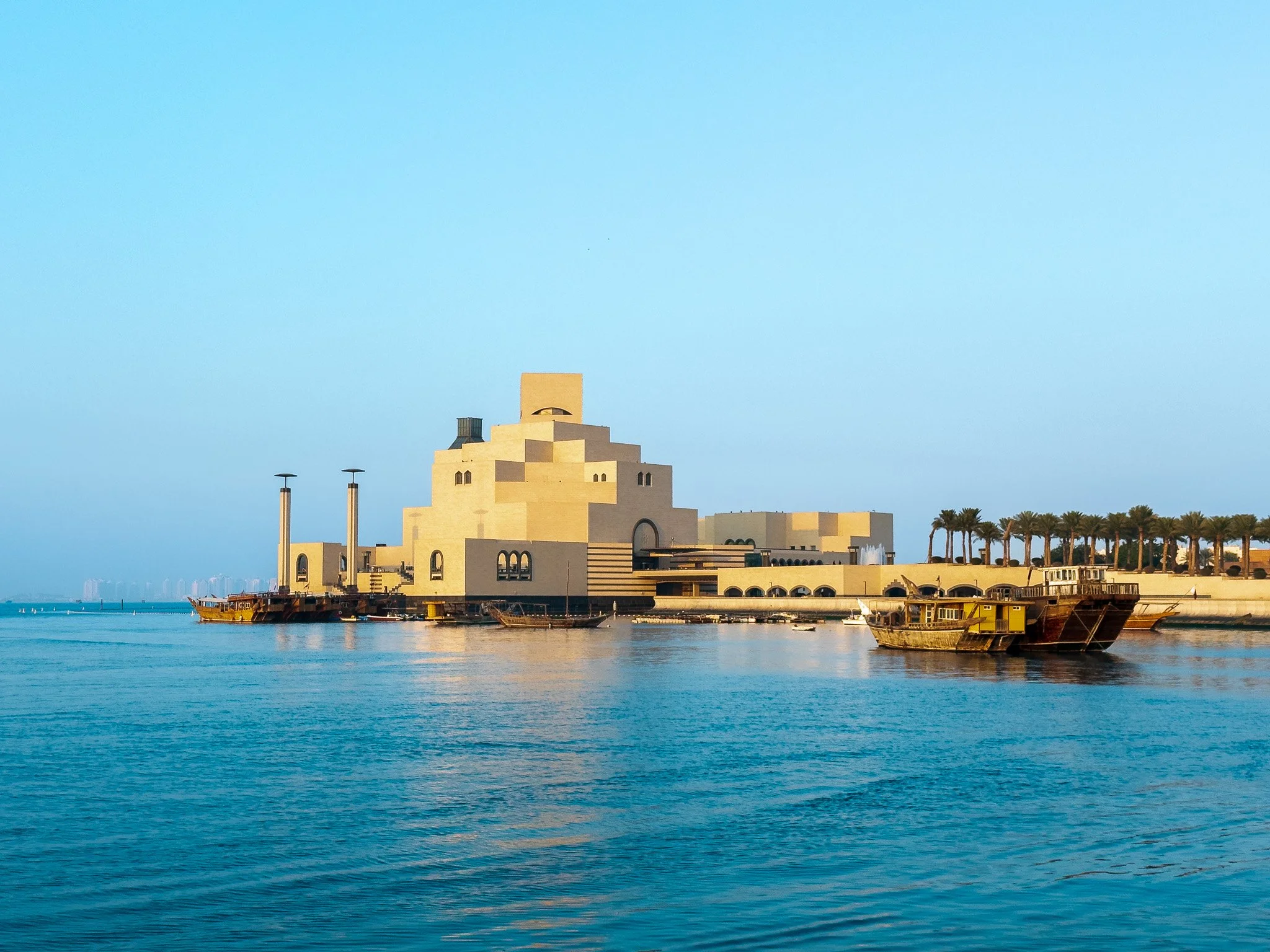
Museum of Islamic Art
Best Photography Spots in Doha
National Museum of Qatar
Designed by Jean Nouvel, the museum draws inspiration from the desert rose, transforming geology into architecture. Its overlapping discs change character throughout the day as light and shadow move across the surface.
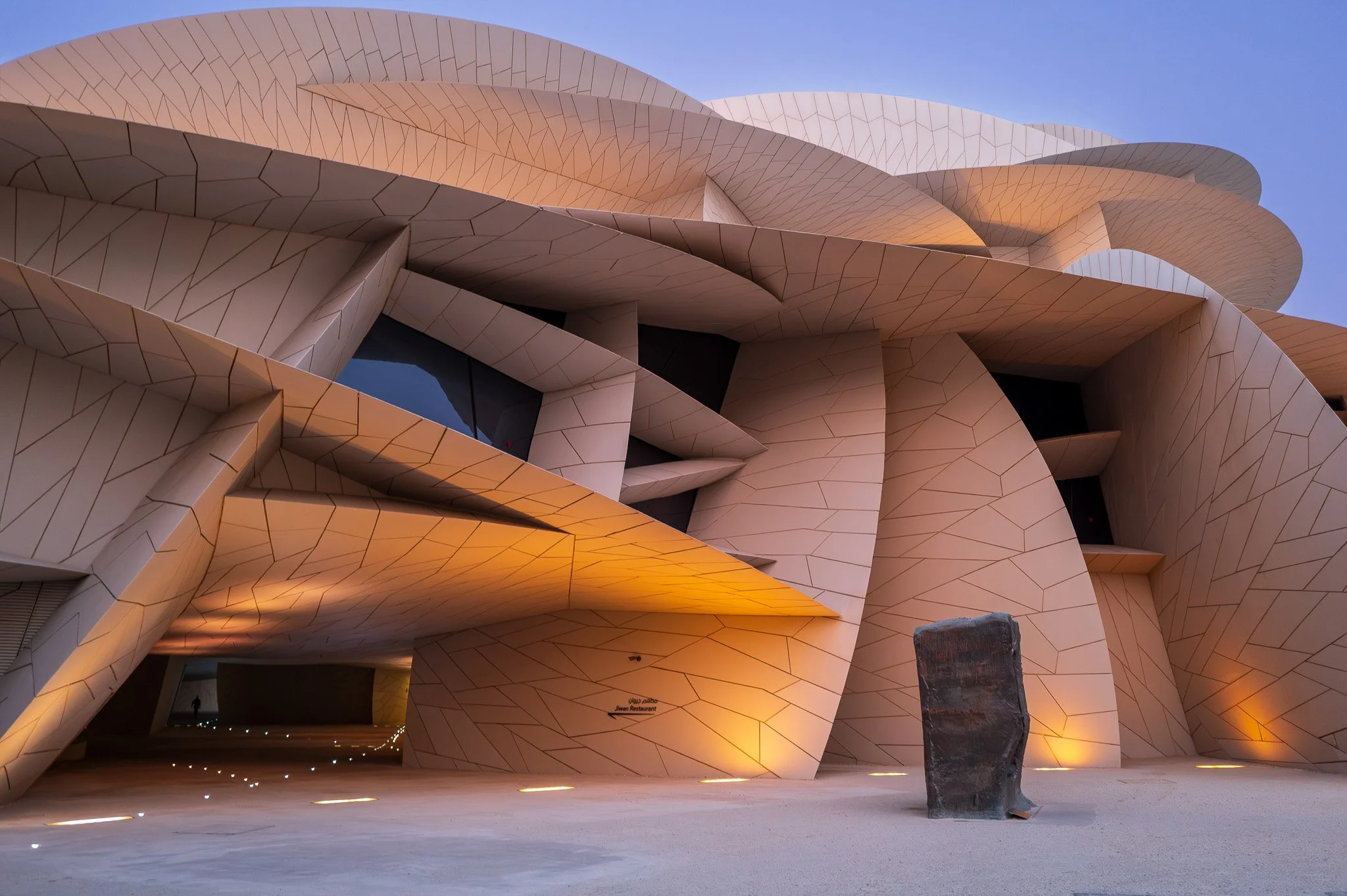
National Museum of Qatar
Fanar - Qatar Islamic Cultural Center -
Often referred to simply as "Fanar" (meaning lighthouse or beacon), it serves as a cultural landmark with a minaret designed to resemble a traditional lighthouse, symbolizing a beacon of guidance.
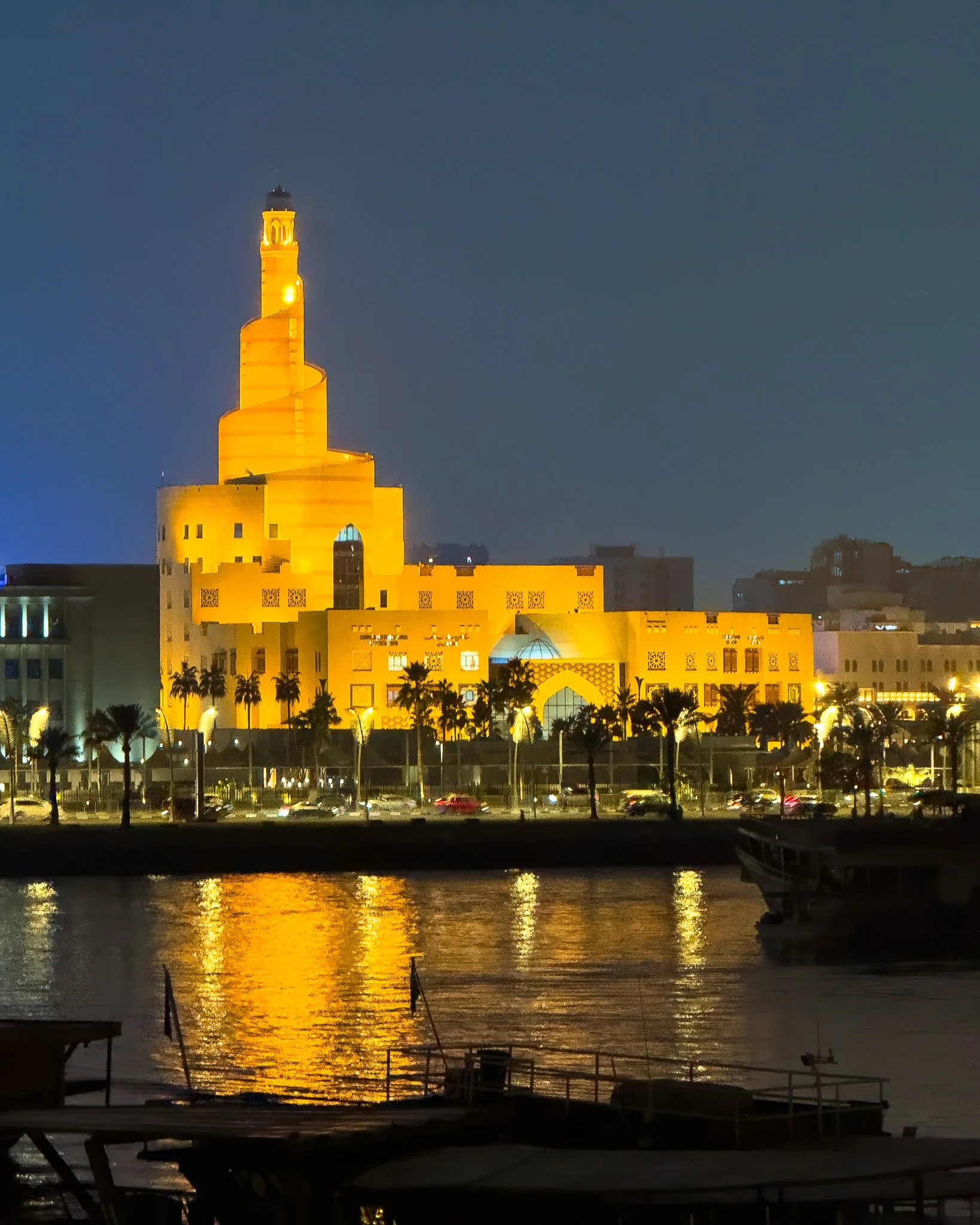
Fanar
Museum of Islamic Art
Designed by I.M. Pei, this museum distills centuries of Islamic architecture into geometry, proportion, and light. Its placement on the water allows the building to be read clearly from every angle.
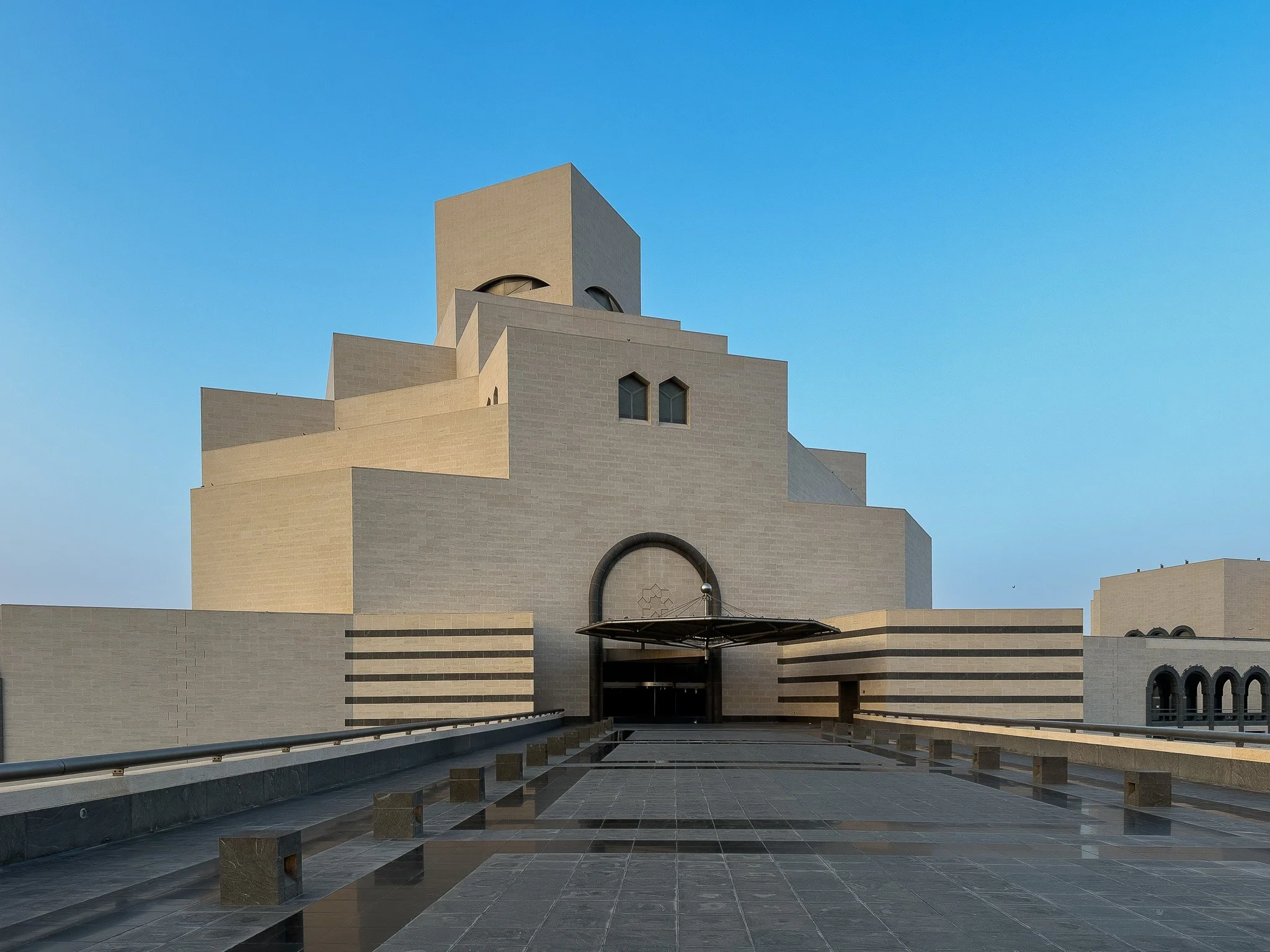
Museum of Islamic Art
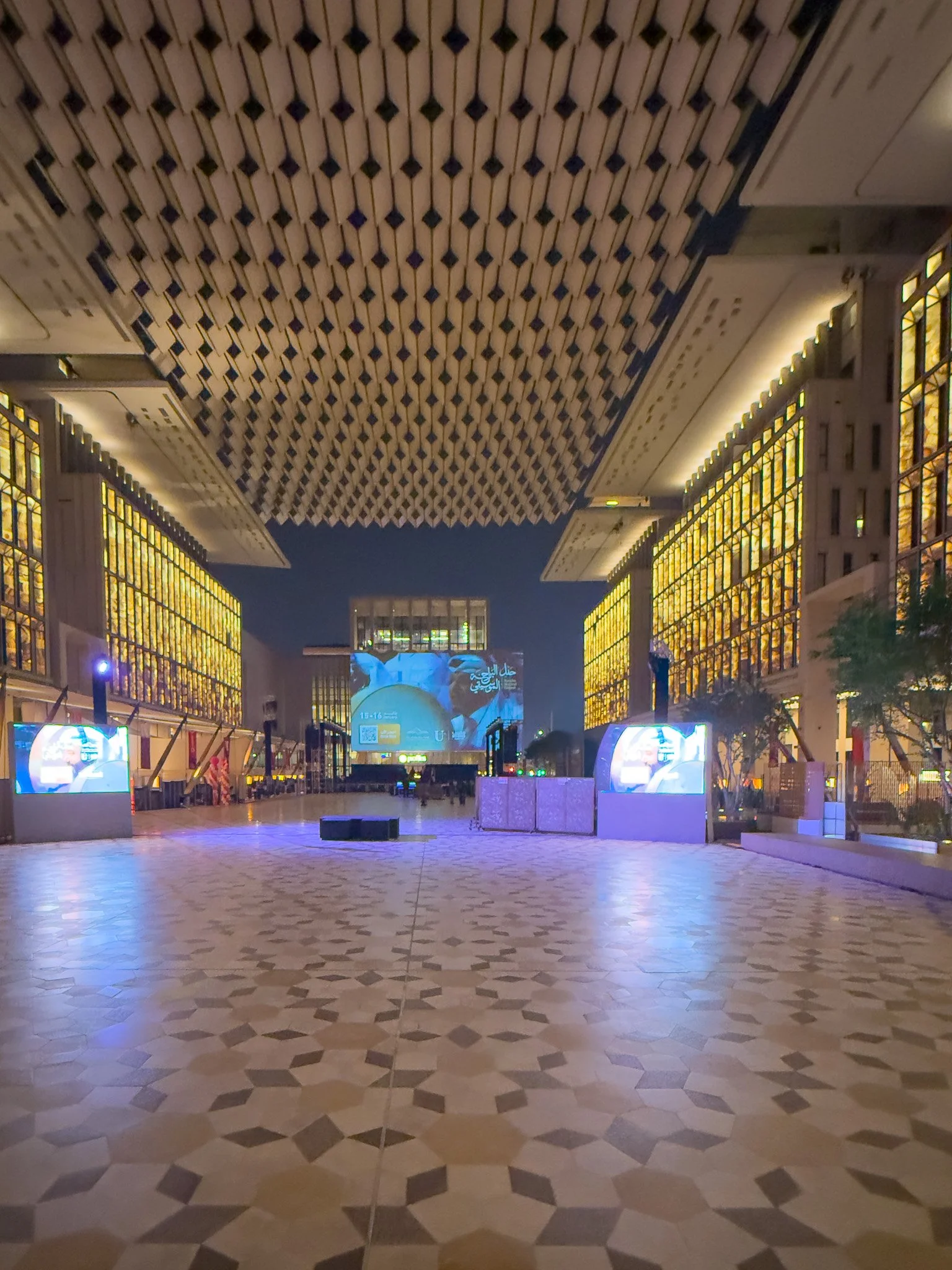
Msheireb Downtown Doha
Msheireb is a thoughtful urban experiment that blends traditional Qatari design with modern sustainability and walkability. It is one of the most photogenic areas of the city.
Souq Waqif
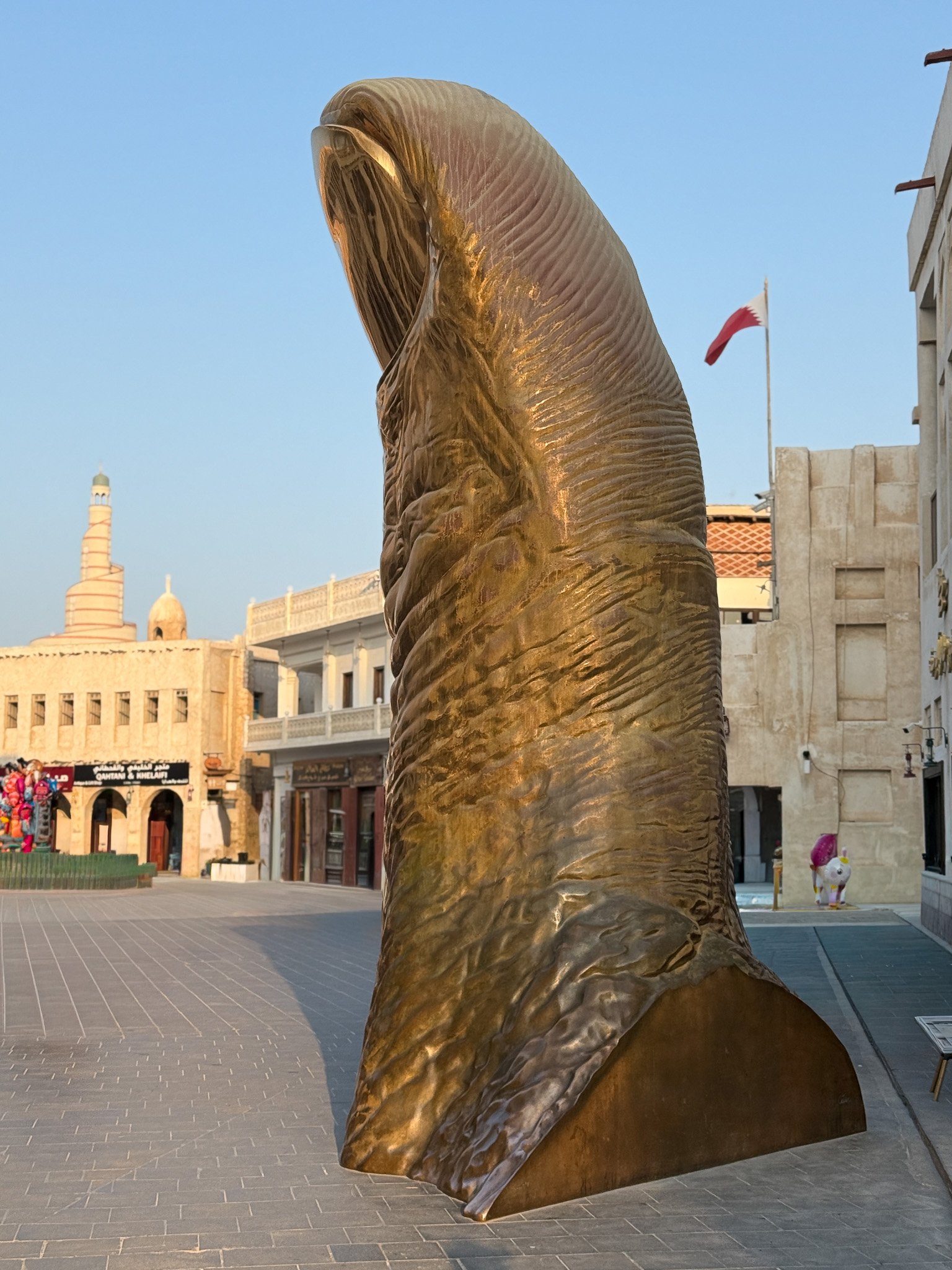
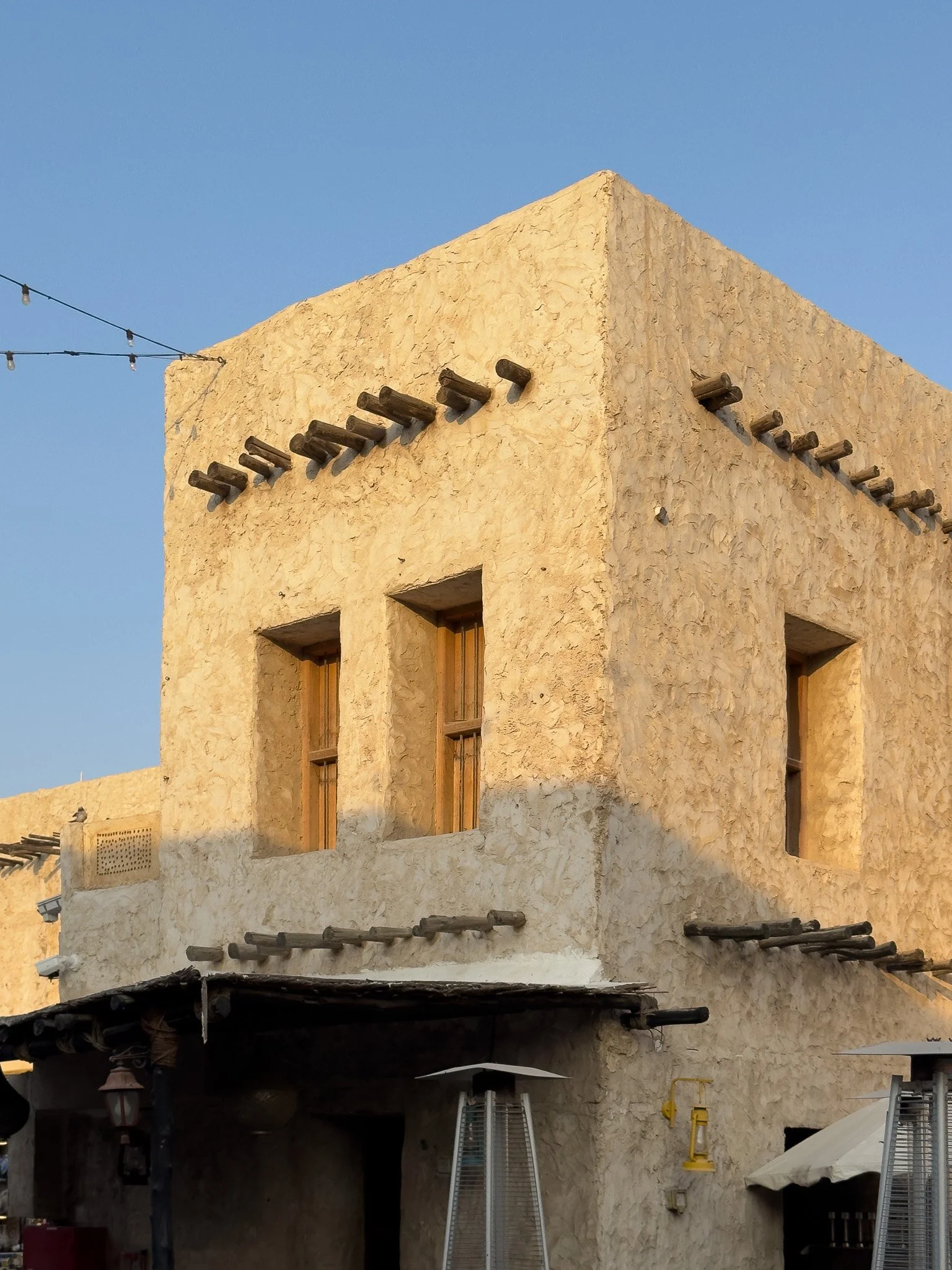
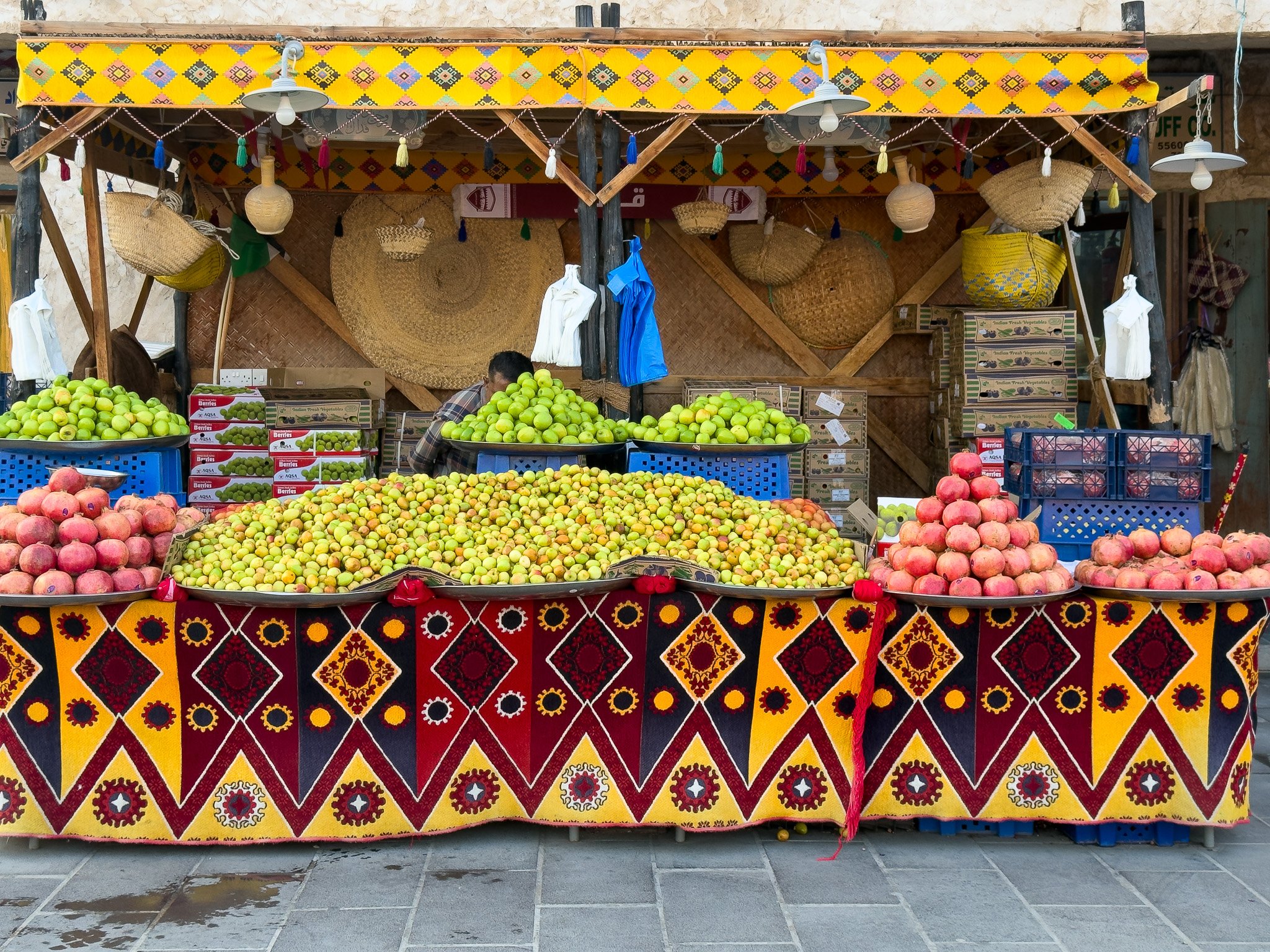
Souq Waqif preserves the rhythm of traditional market life in a city otherwise defined by modernity. It is rich in texture, movement, and everyday moments.
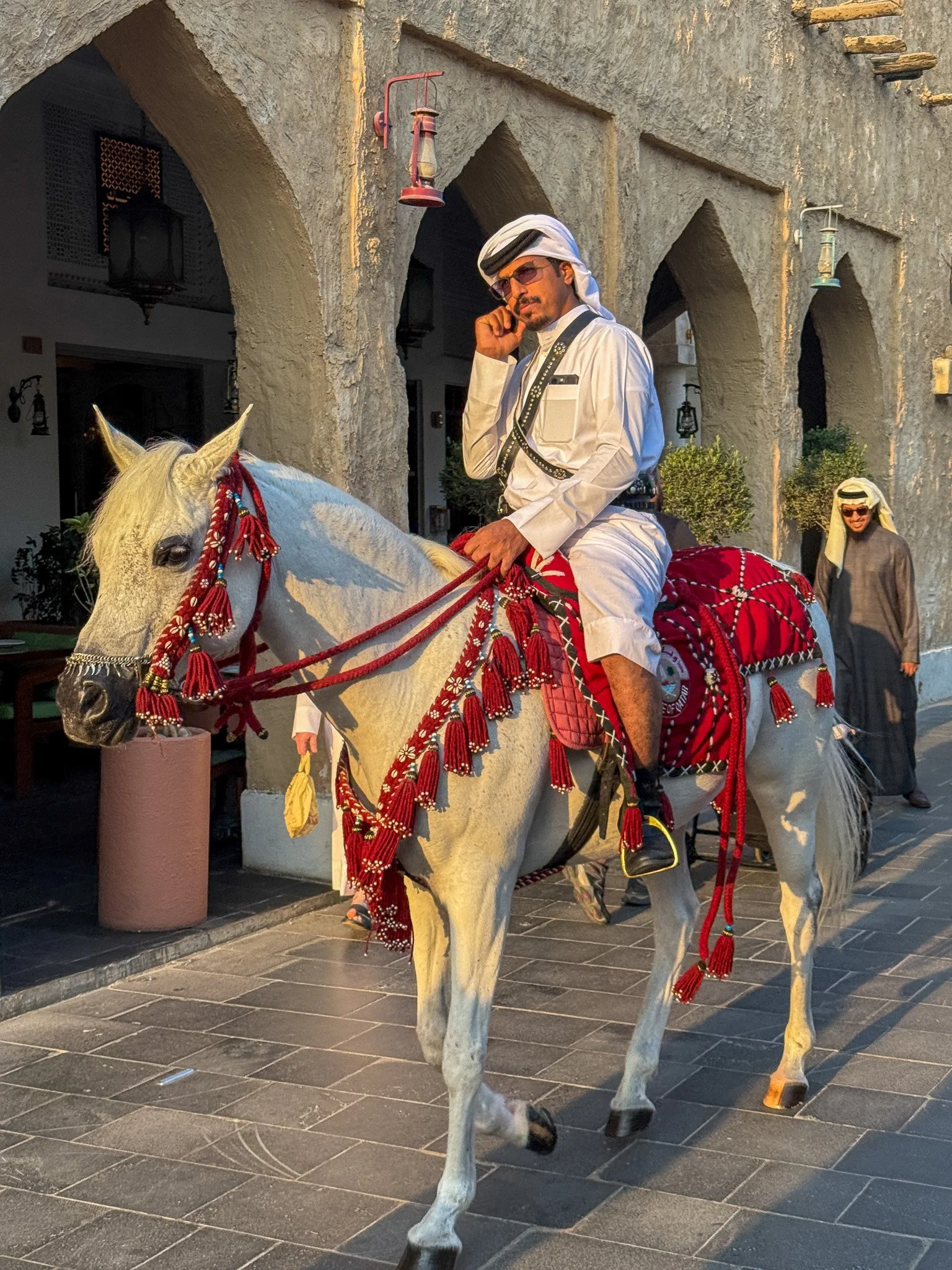
The lively souk
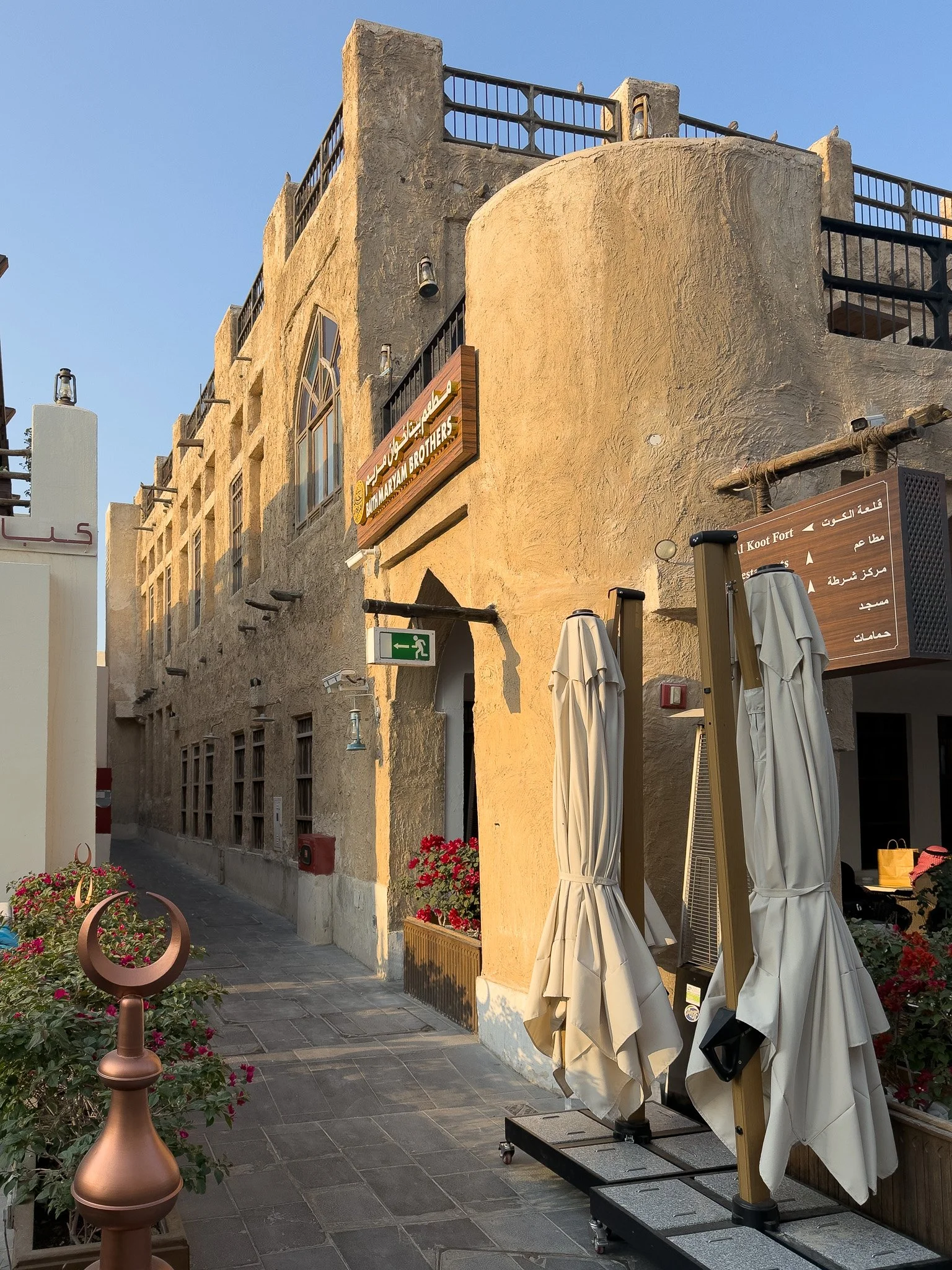
Katara Cultural Village -Pigeon Tower
Katara was designed as a cultural anchor where art, performance, and public life intersect. Its open spaces and classical forms offer strong compositional opportunities. It is a fun area to walk around. There are lots of restaurants and shops in the area.
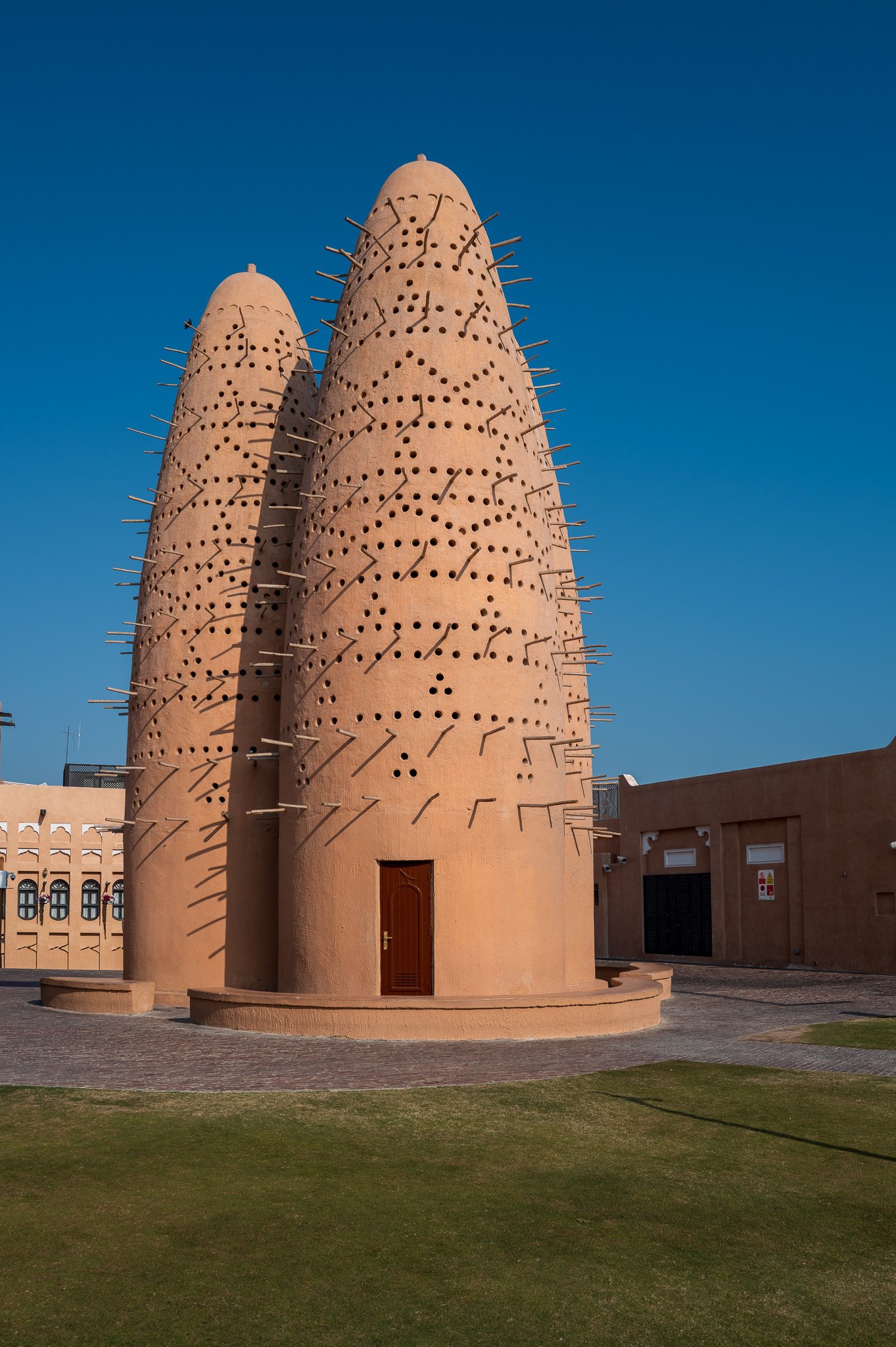
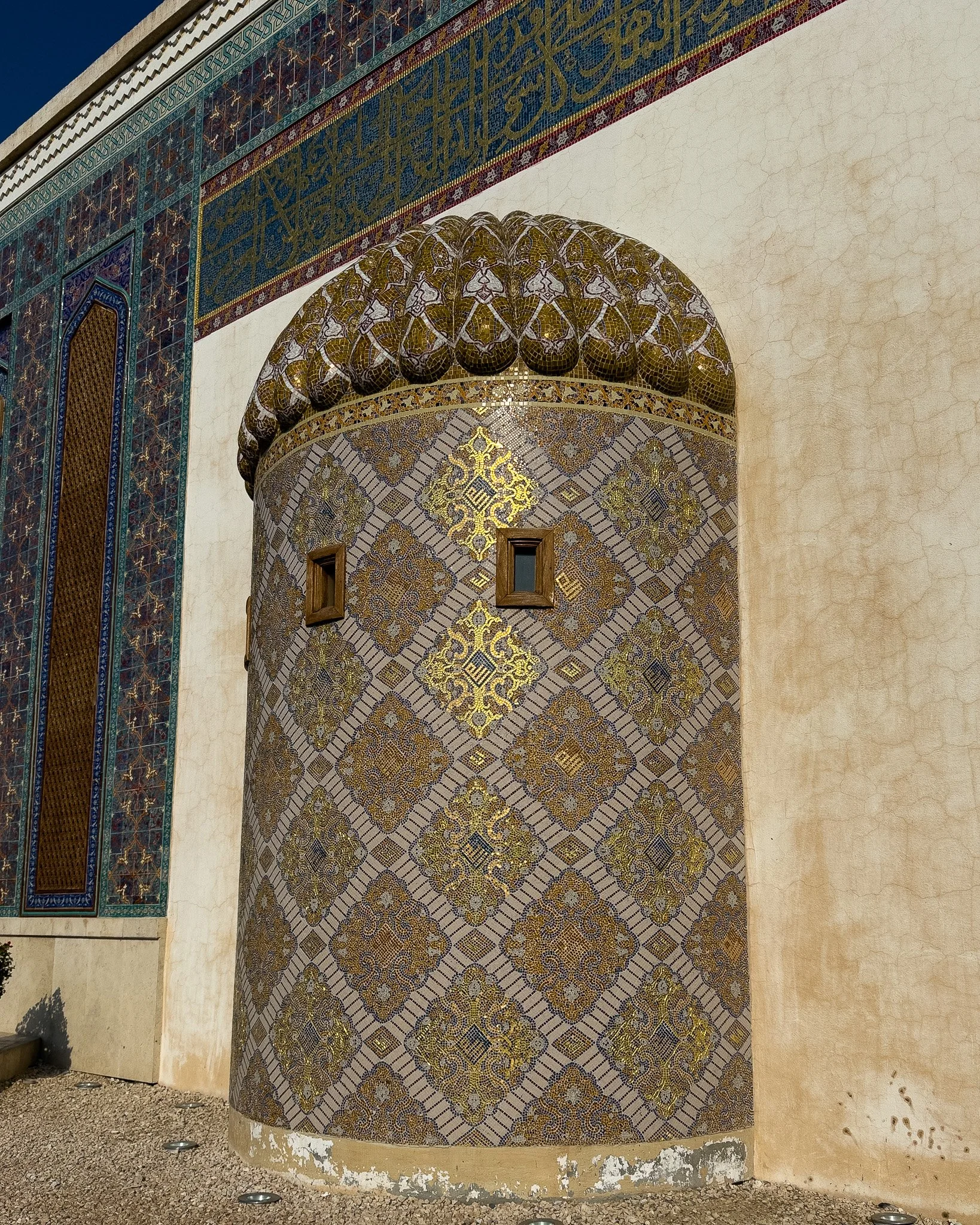
Probably the most interesting thing to photograph is the Pigeon Tower. The towers are designed in a traditional style that has been used in the region to house pigeons.
Pigeon Tower
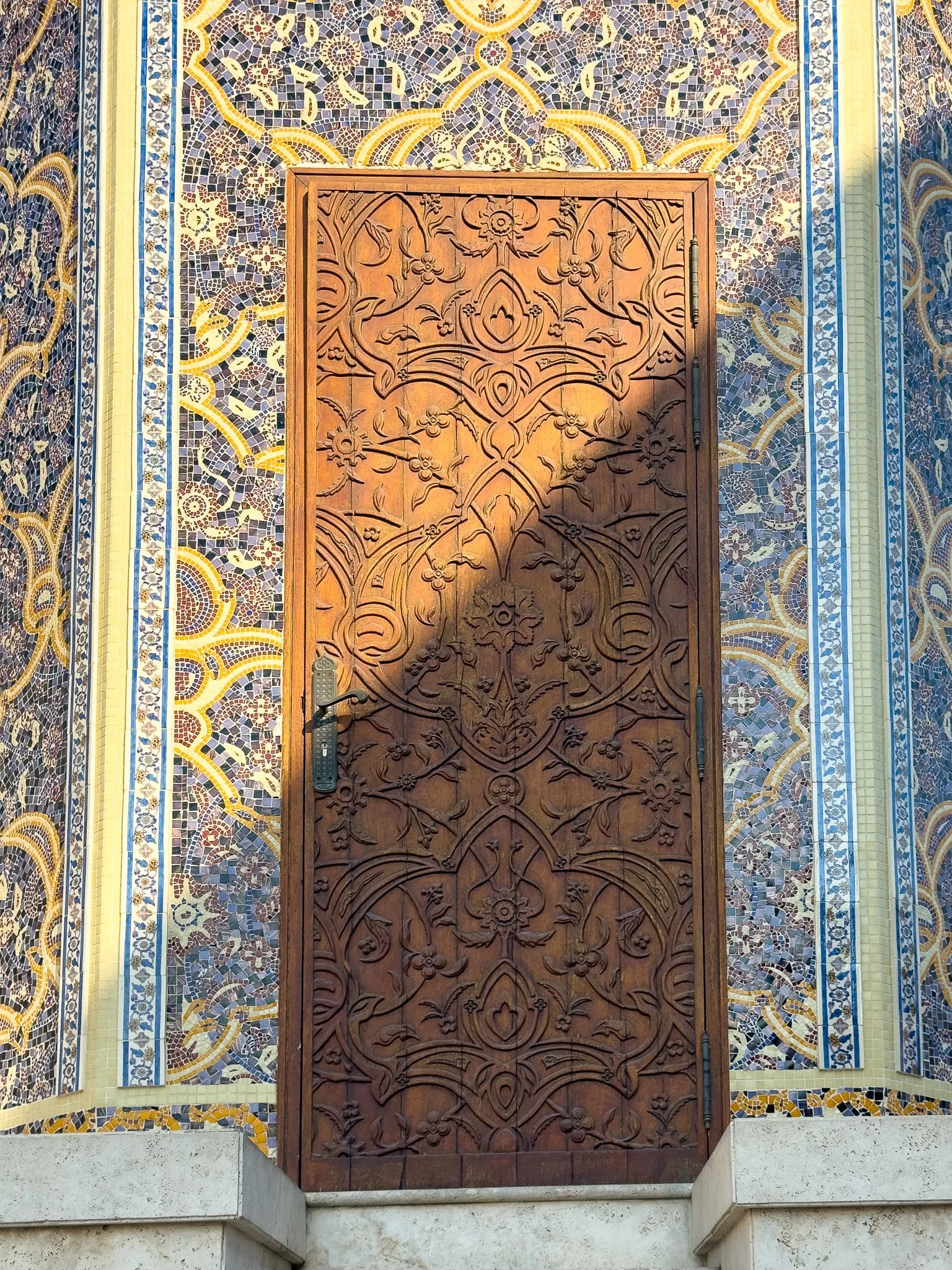
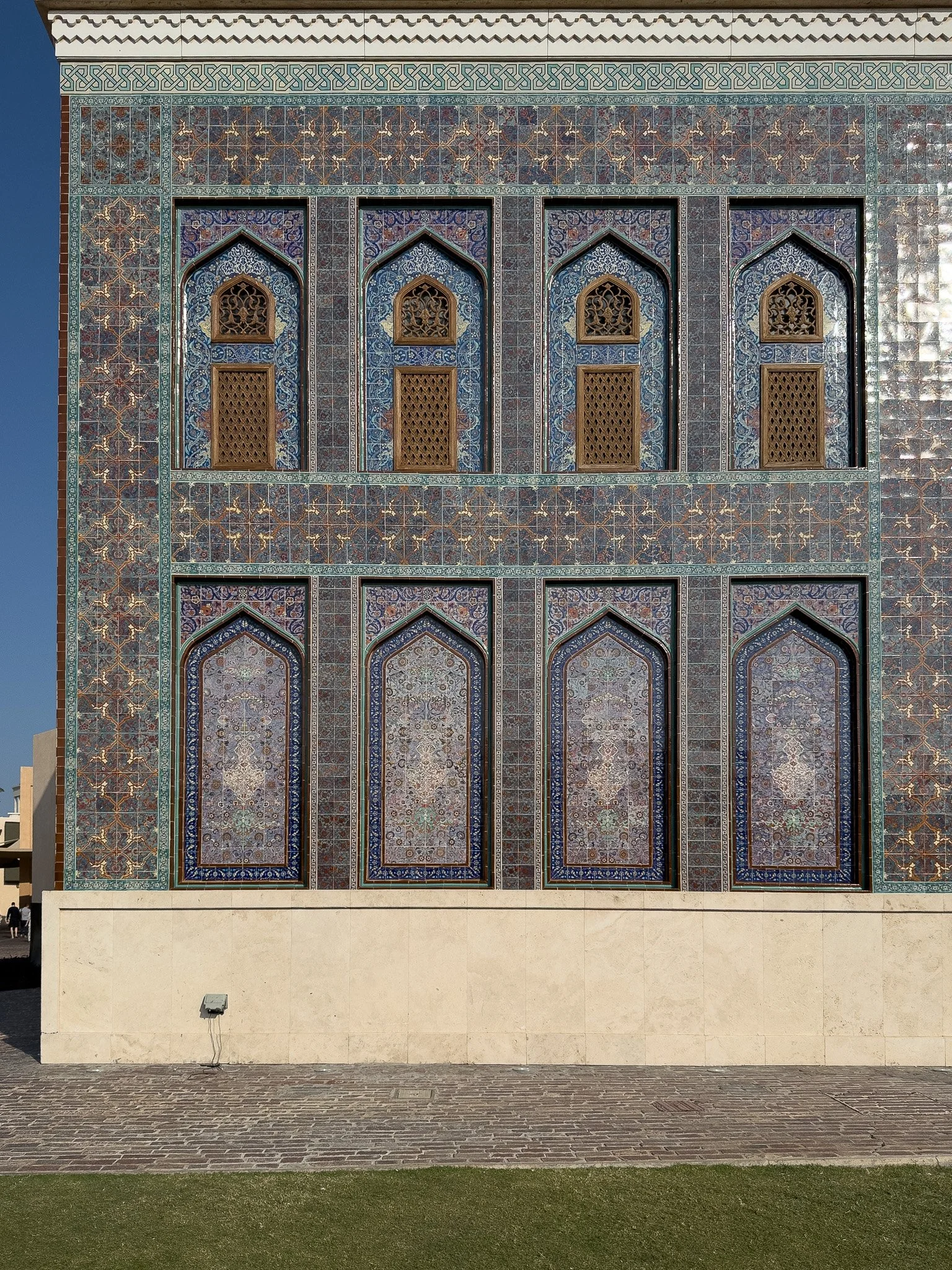
It is definitely worth photographing the Katara Mosque. The mosque, designed by Zeynep Fadillioglu, is stunning with its gold and blue tiles.
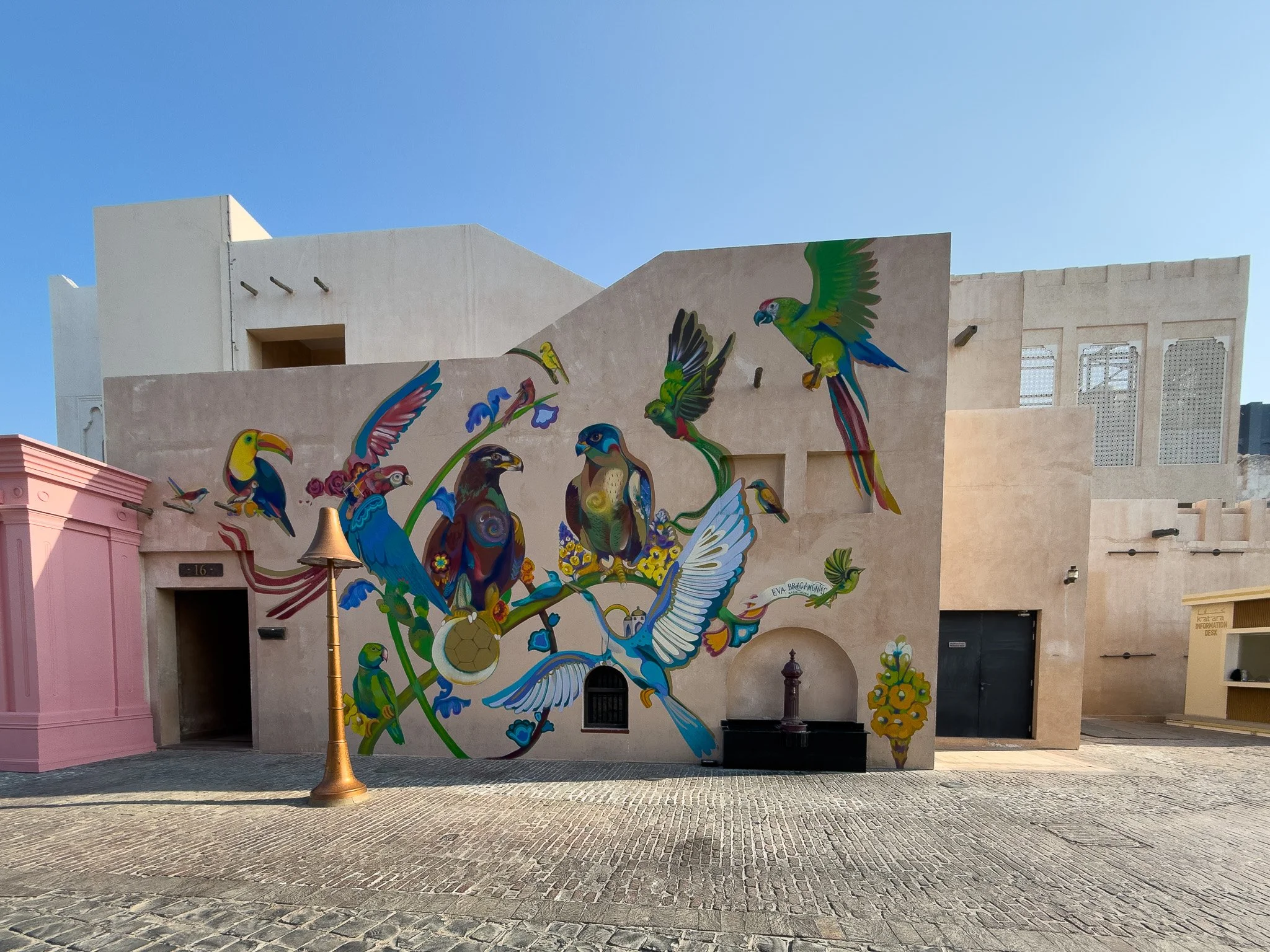
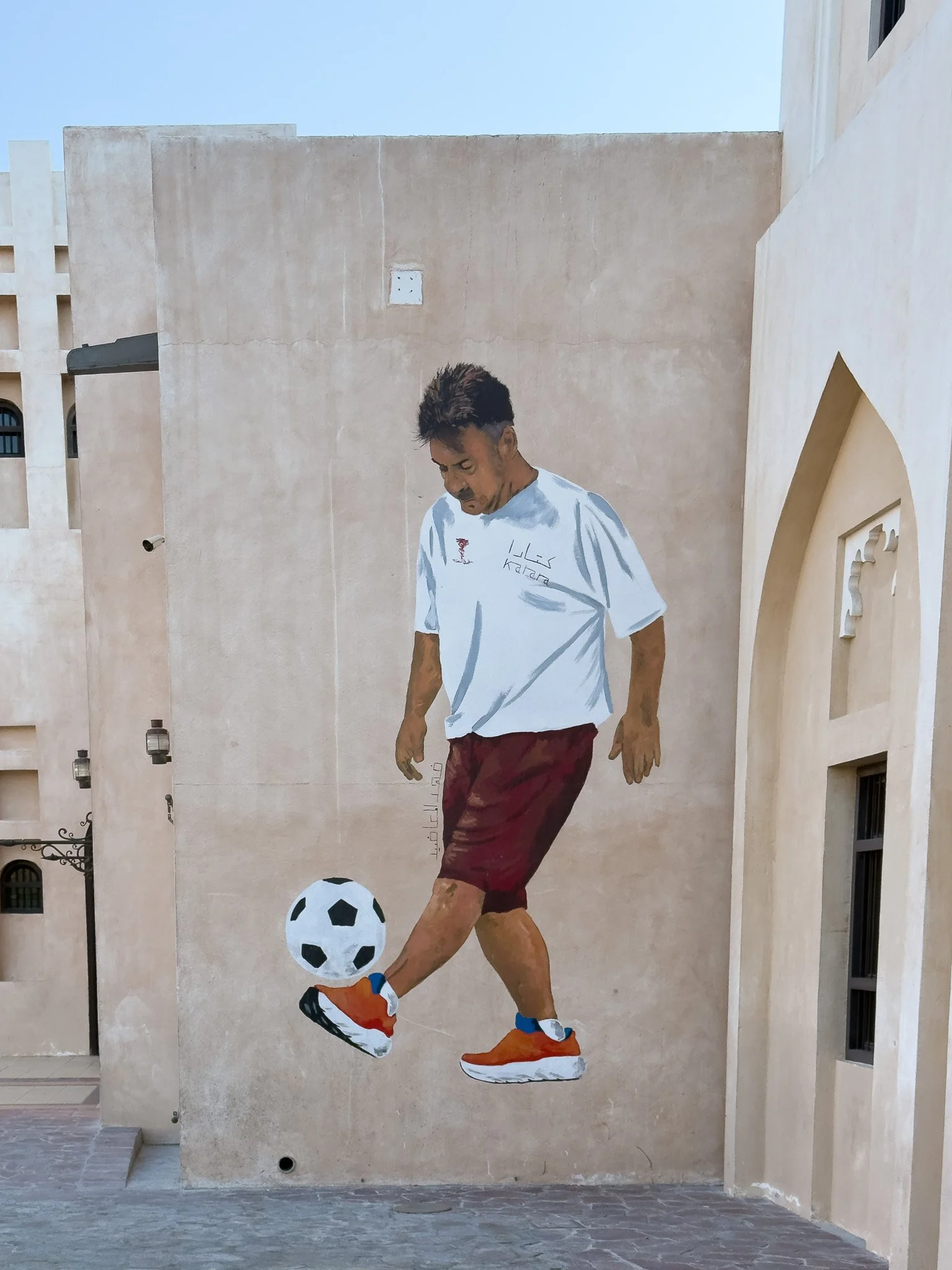
Graffiti in Doha
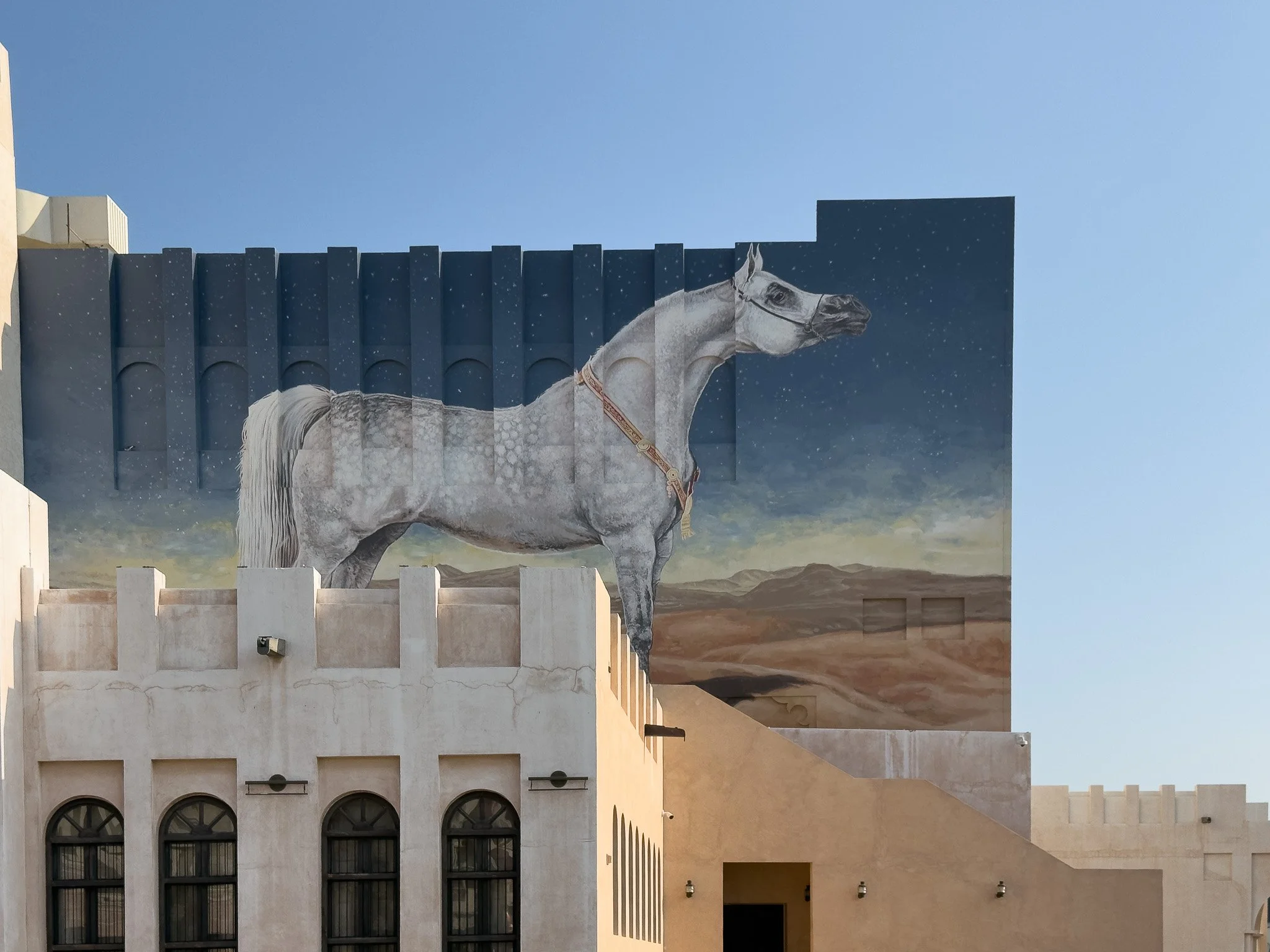
Doha’s graffiti and street art scene isn’t huge in the way you might find in Berlin or New York, but it is growing fast and offers some real gems for photographers who love texture, color and culture in urban environments. It blends local heritage, international street styles, traditional calligraphy, and curated public art into a unique visual language you won’t find anywhere else.
Festivals and Events Worth Photographing
Qatar National Day, December 18
Citywide celebrations, parades, and lights.
Katara Cultural Festivals
Seasonal music, dance, and cultural performances.
Frequently Asked Questions About Visiting Doha
Is Doha expensive?
Not necessarily, and Qatar Airways stopover packages make it especially accessible, five-star hotel rates can start around $30 a night as part of the program. Dining and transport are reasonable, with real range across budgets.
Is Doha safe?
Yes, exceptionally so, even at dawn and late evening. Normal awareness applies, and always ask before close-up portraits, but this is one of the more relaxed cities to walk with a camera anywhere in the world.
What should you wear in Doha?
Modest, light, breathable clothing is appreciated. Women don't need to cover their hair except when entering a mosque, though a light shawl is useful for sun, air conditioning, and religious sites.
What are the best photo spots in Doha?
The Museum of Islamic Art on the water, Souq Waqif in the evening when the streets fill with warm light, and the National Museum of Qatar for its overlapping disc architecture are three that consistently deliver. The full list is above.
Do you need a car in Doha?
No, Uber is affordable and reliable throughout the city, and the Doha Metro connects the airport, Msheireb, and West Bay efficiently. Walking works well in Msheireb and Katara specifically.
What surprised you most about Doha?
How different it is from Dubai. Dubai is fast, bold, and expansive; Doha is quieter, more reserved, and smaller in scale. It's a completely different rhythm despite being just a short flight away.
How many days do you need in Doha?
Two to three nights is ideal, enough time to cover the museums, Souq Waqif, and the skyline without feeling rushed. Add a day if you want a slower pace or a desert excursion.
Is Doha worth combining with Dubai or Abu Dhabi?
Yes, easily. All three are a short flight or drive apart, and together they show the real range of what the Gulf region offers, from Dubai's scale and energy to Doha's quiet intentionality to Abu Dhabi's cultural depth.
Final Thoughts
Doha earns a place on any serious photographer's radar in the Middle East. The architecture alone is worth the trip. Between I.M. Pei's Museum of Islamic Art, Jean Nouvel's National Museum of Qatar, and the entirely reimagined urban fabric of Msheireb Downtown Doha, you have a city that treats architecture as a cultural statement rather than just a skyline. Pair that with Souq Waqif's textures, the Corniche's light on the Gulf, and a food scene that reflects both tradition and ambition, and you have a destination that rewards several days of slow, deliberate photography.
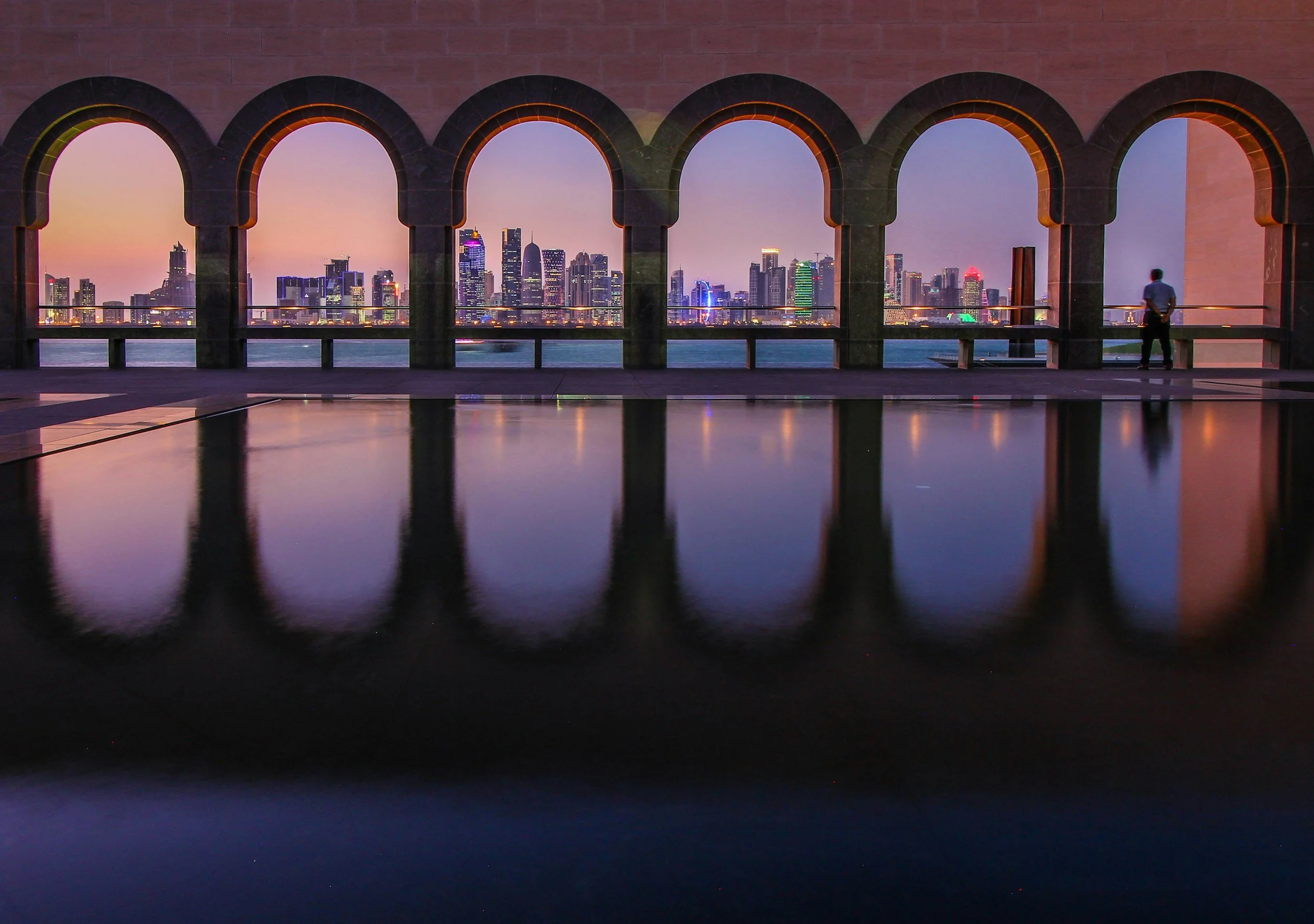
What I appreciate most is the pace. Doha does not try to overwhelm you. It invites you to look more carefully. The light changes fast at golden hour, the souq shifts dramatically from afternoon to late evening, and the reflection pools around the MIA reward a return visit at different times of day. That rhythm suits the patient photographer far more than a rushed one.
Want to improve your photography while exploring some incredible destinations? Join me on one of my photography workshops! You can find all the details, including upcoming destinations and dates, through the links below.
Let's Stay Connected!
If you are already planning a trip to the broader region, Doha connects naturally with some extraordinary destinations.
My Photography & Travel Guide to Dubai, UAE. Doha and Dubai are often compared, but they photograph very differently. Where Dubai is vertical and relentless, Doha is quieter and more composed. Spending three or four days in each gives you a complete picture of what Gulf architecture and culture look like in two distinct registers. Dubai's Creek, the Burj Khalifa at sunrise, and the Al Fahidi district are a clear continuation of everything Doha begins.
My Photography & Travel Guide to Abu Dhabi, UAE. A ninety-minute drive from Dubai and one of the most rewarding single-day photography destinations in the region. The Sheikh Zayed Grand Mosque at sunrise is among the most beautiful architectural subjects I have ever photographed. Pair it with the Louvre Abu Dhabi at golden hour and the Empty Quarter desert beyond the city, and you have a full photography day that delivers at every stop.
My Photography & Travel Guide to Sharjah, UAE. Often overlooked in favor of its larger neighbors, Sharjah is a focused, rewarding half-day shoot. The Sharjah Grand Mosque is one of the most elegant in the UAE, with symmetry, soft stone tones, and afternoon light that photographers consistently underestimate. If you are already in Dubai, it is an easy add-on that few visitors bother to make.
Doha is compact, welcoming, and genuinely worth your time. Book the nights, carry your camera, and slow down. The city will meet you more than halfway.

Are you carrying too much camera equipment, but still coming home disappointed with your travel photographs?
You are not alone. Many photographers fall into the packing trap. They bring too much, plan too little, and spend their trip scrambling to capture photographs instead of enjoying the experience.
Capture the World offers a better approach.
In this practical guide, travel photographer Vito L. Tanzi shares the five step system he uses to plan photography trips, pack with purpose, work with the best light, and return home with stronger images.
Inside, you will learn how to:
• Travel lighter without sacrificing image quality
• Choose destinations that match your photography goals
• Visit at the right time for weather, light, wildlife, festivals, or seasonal conditions
• Build a photography itinerary around sunrise, sunset, blue hour, and changing weather
• Select the equipment you will actually use
• Find promising locations before you arrive
• Avoid the stress and exhaustion that can ruin a photography trip
• Stay flexible when weather, crowds, or travel plans change
This guide includes practical planning advice, useful photography tools, real travel examples, and a complete system you can use again and again.
Whether you are preparing for your first international photography trip or planning a weekend closer to home, Capture the World will help you travel with greater purpose, photograph with more intention, and spend less time worrying about what is inside your camera bag.
Because the best photography trip is not the one where you carry everything.
It is the one where you are ready when the right moment appears.
📸 Format: PDF download
Instant Download