Washington, DC Murals Guide: Best Street Art, Photo Spots, Map & Hidden Gems
Street art is not vandalism with better lighting. It is one of the most honest art forms in the world.
No gallery admission. No velvet rope. No explanation card telling you what to feel. Street art lands on a wall and faces the public directly: accept it, argue with it, photograph it, walk past it. The artist gets no protection from the audience. That is exactly why it matters. The best street art says something the formal art world is moving too slowly to say, or will not say at all.
Washington DC understands this. A city built on power, protest, and the constant negotiation between the two was always going to produce extraordinary public art. The walls here are not decorations. They are conversations. Political, personal, joyful, furious, and sometimes simply beautiful in the way that a technically exceptional piece of work is beautiful, regardless of what it says.
I have been photographing DC murals and street art for years. I have published a book on the subject, Expressions of the World, which covers graffiti and murals across more than 24 countries and is available on Amazon. And I am still finding new pieces every time I go out with a camera.
My Washington, DC, Murals book documents the city's street art across categories: portraits, social justice, Black Lives Matter pieces, women's rights, cultural celebrations, and pure abstract work. The range of talent and subject matter across DC's walls is extraordinary.
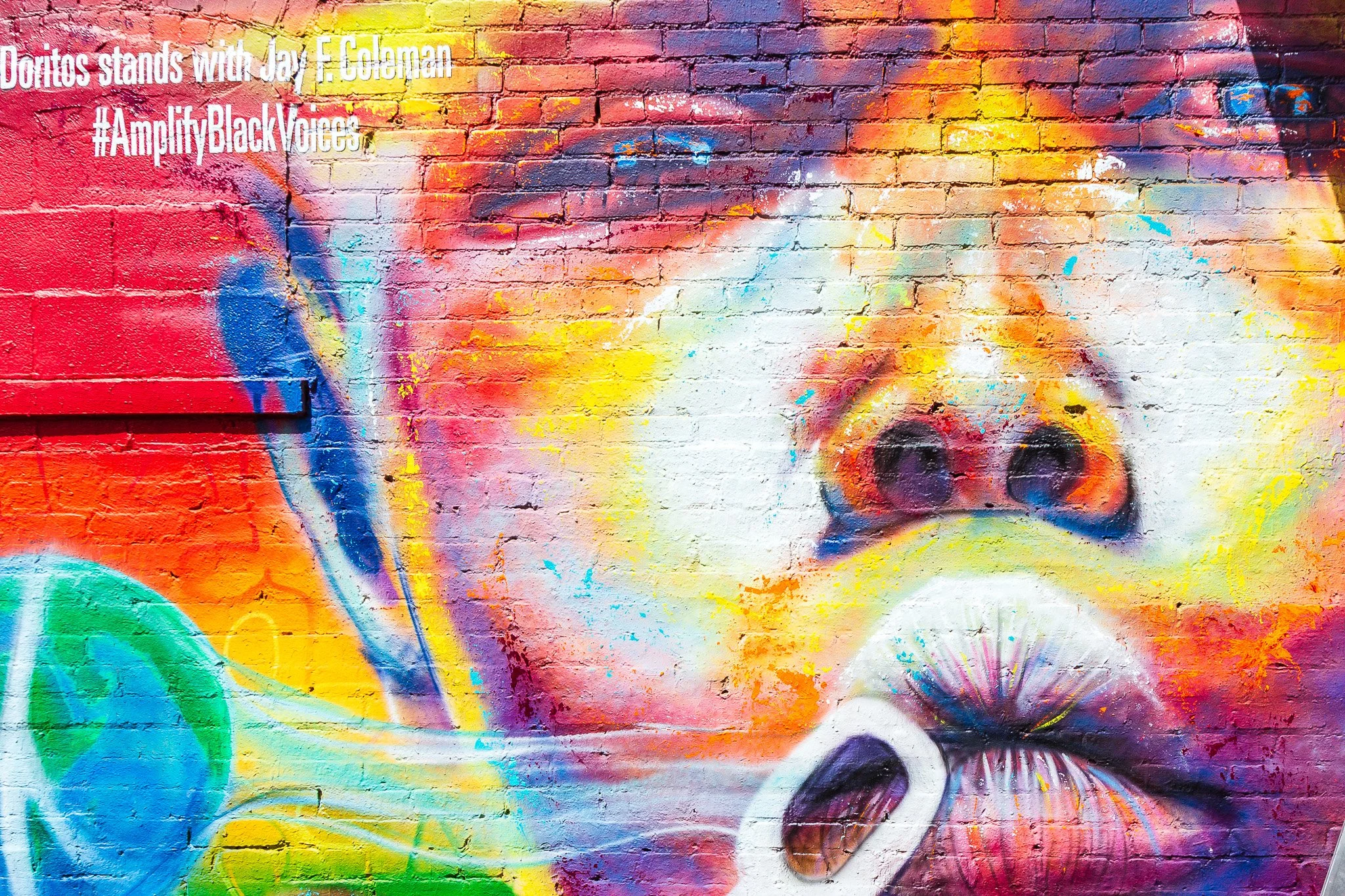
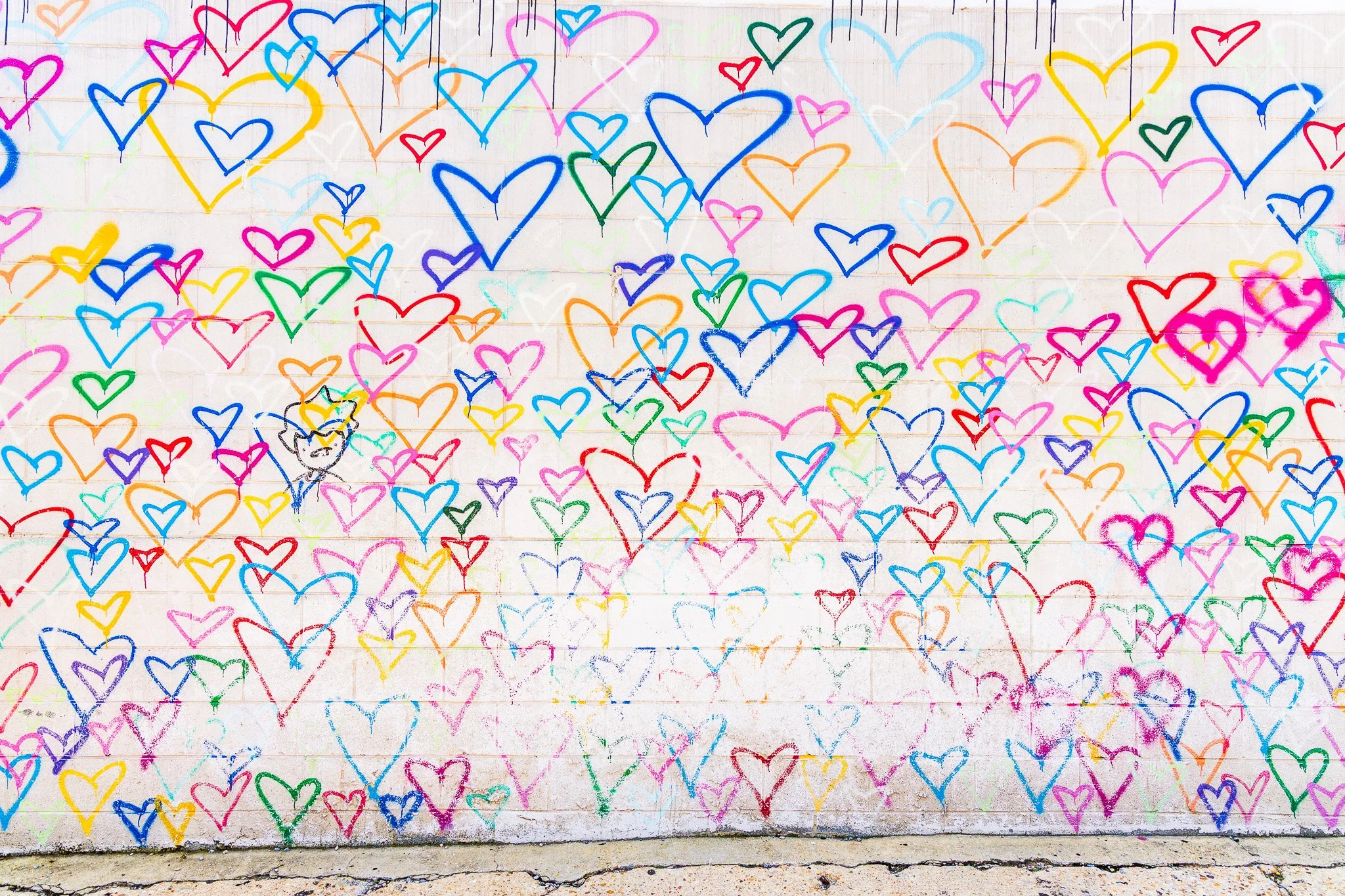
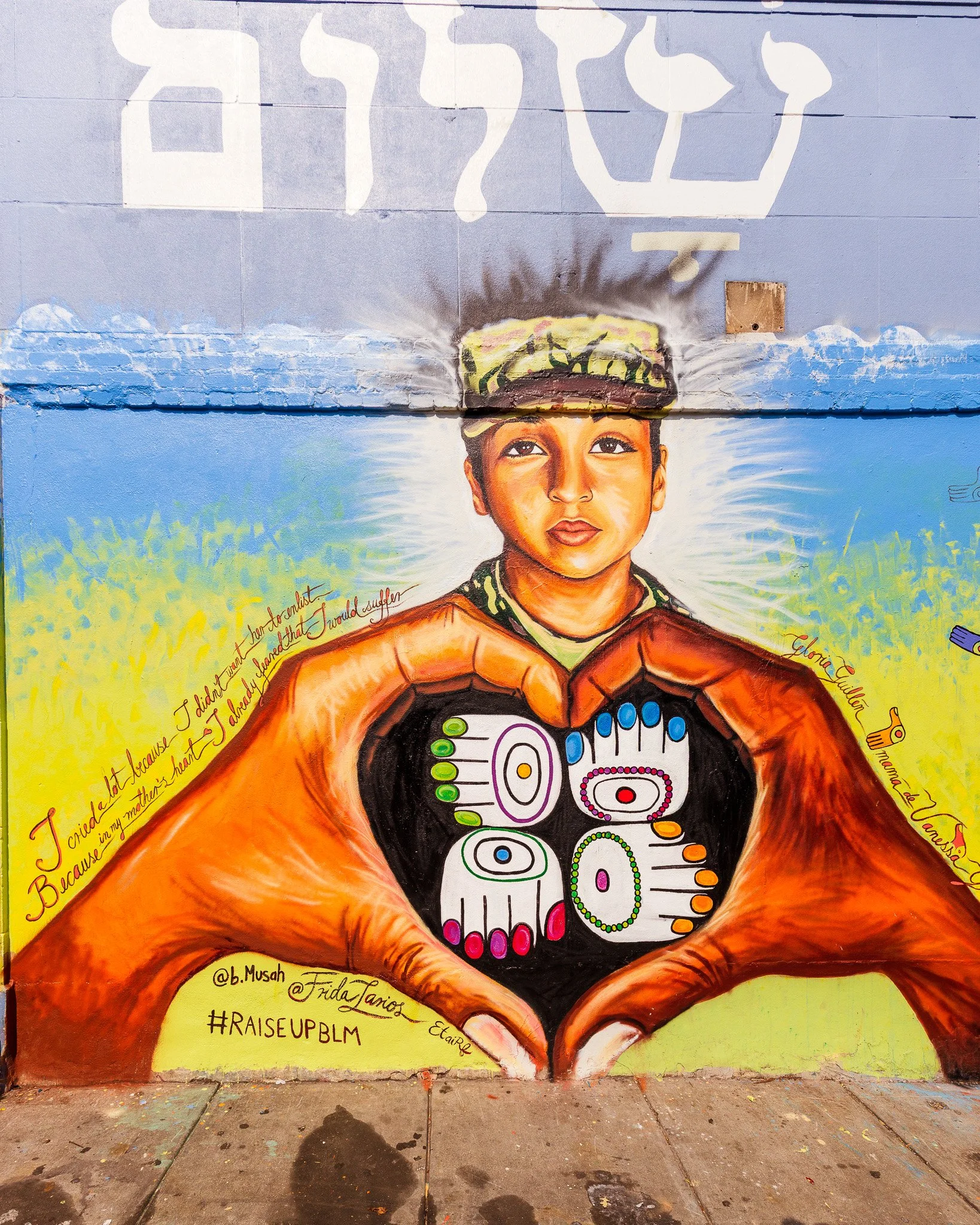
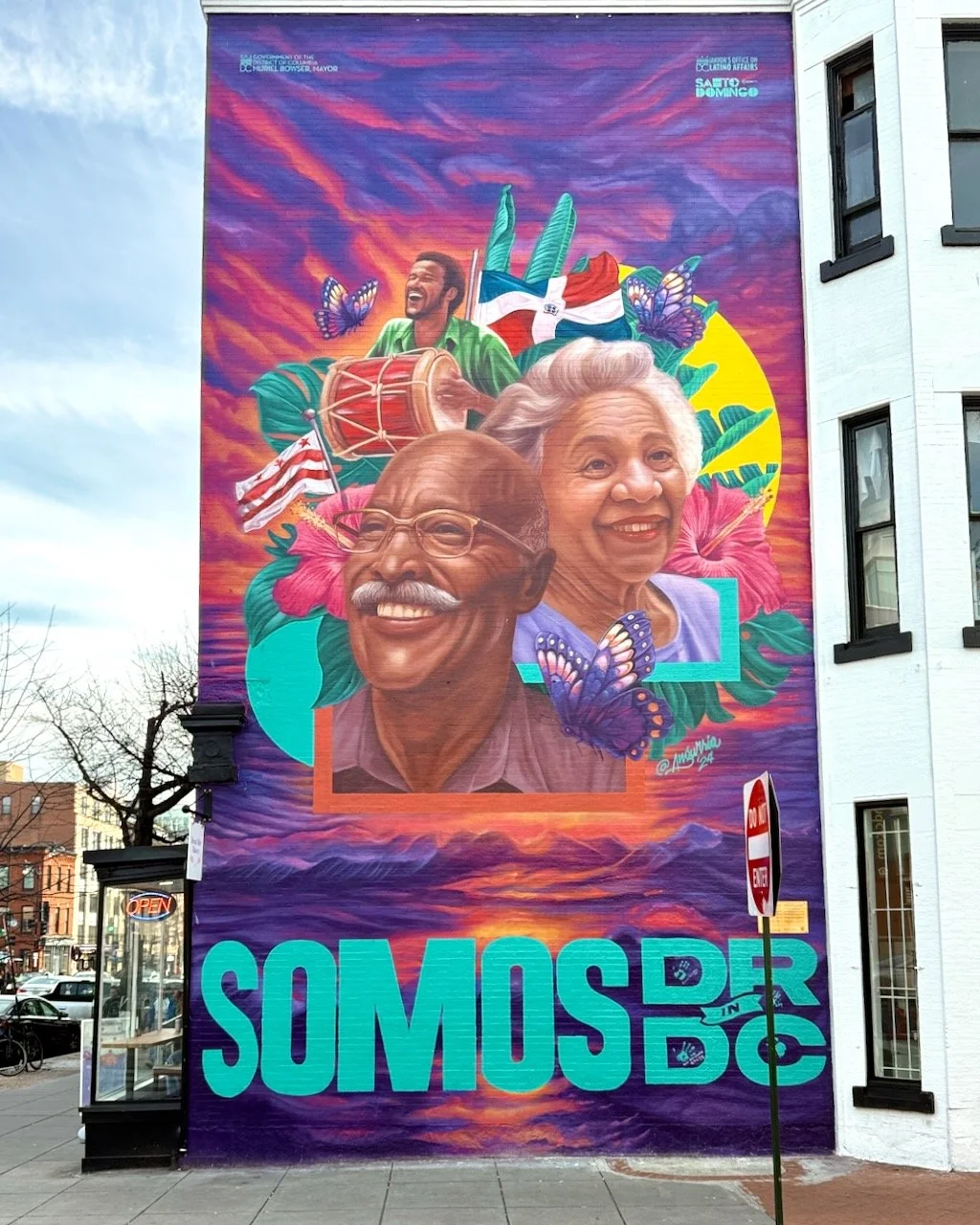
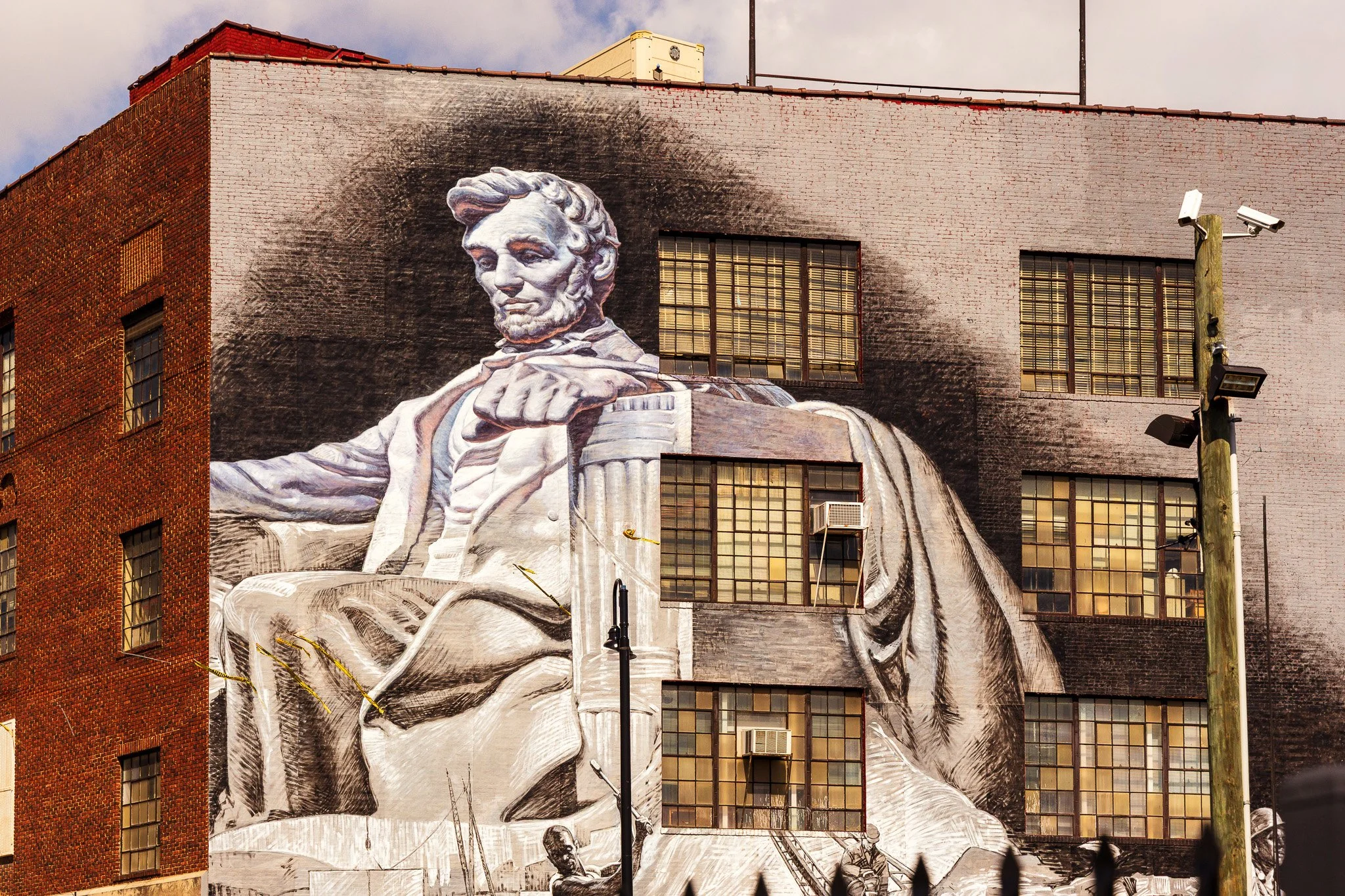
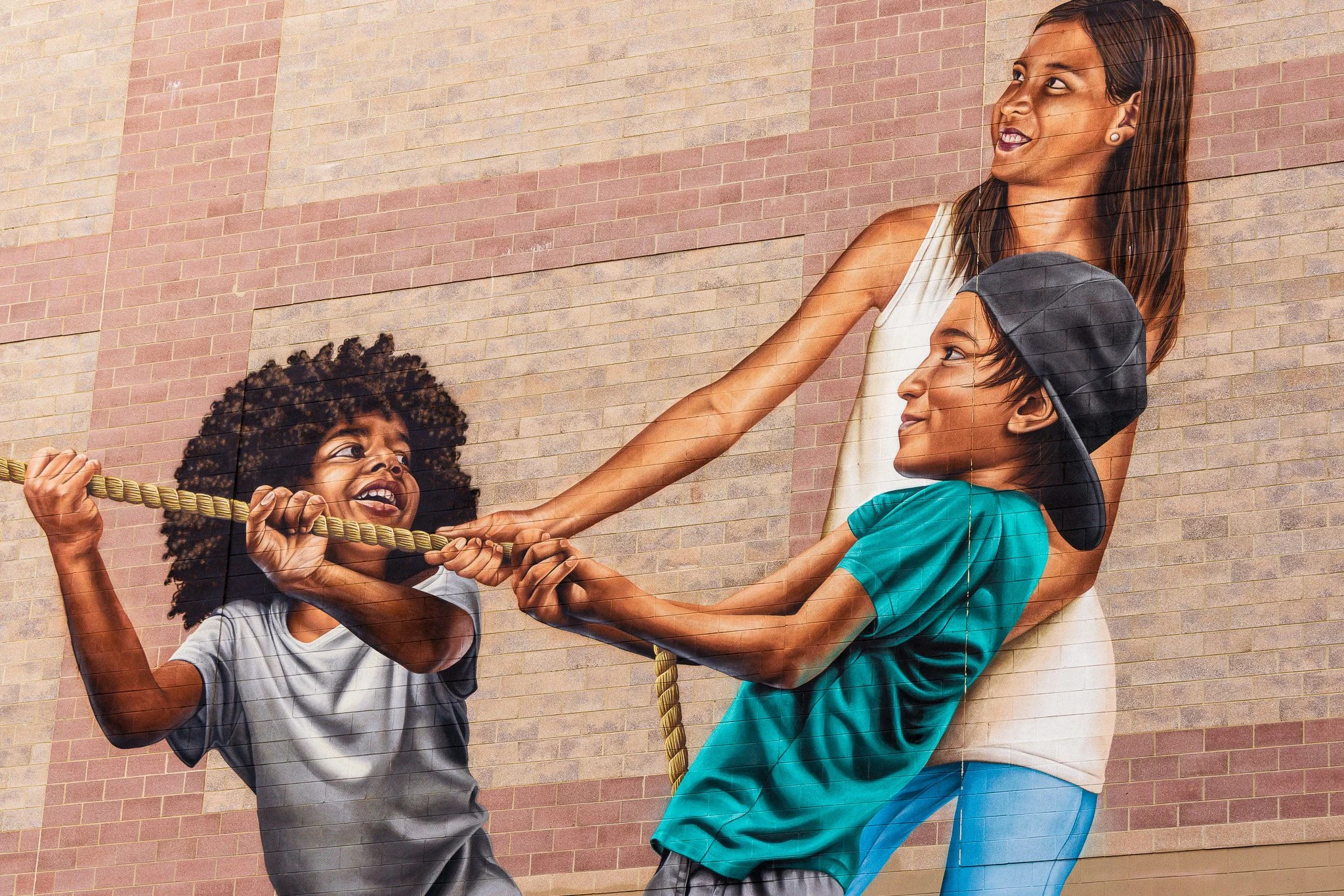
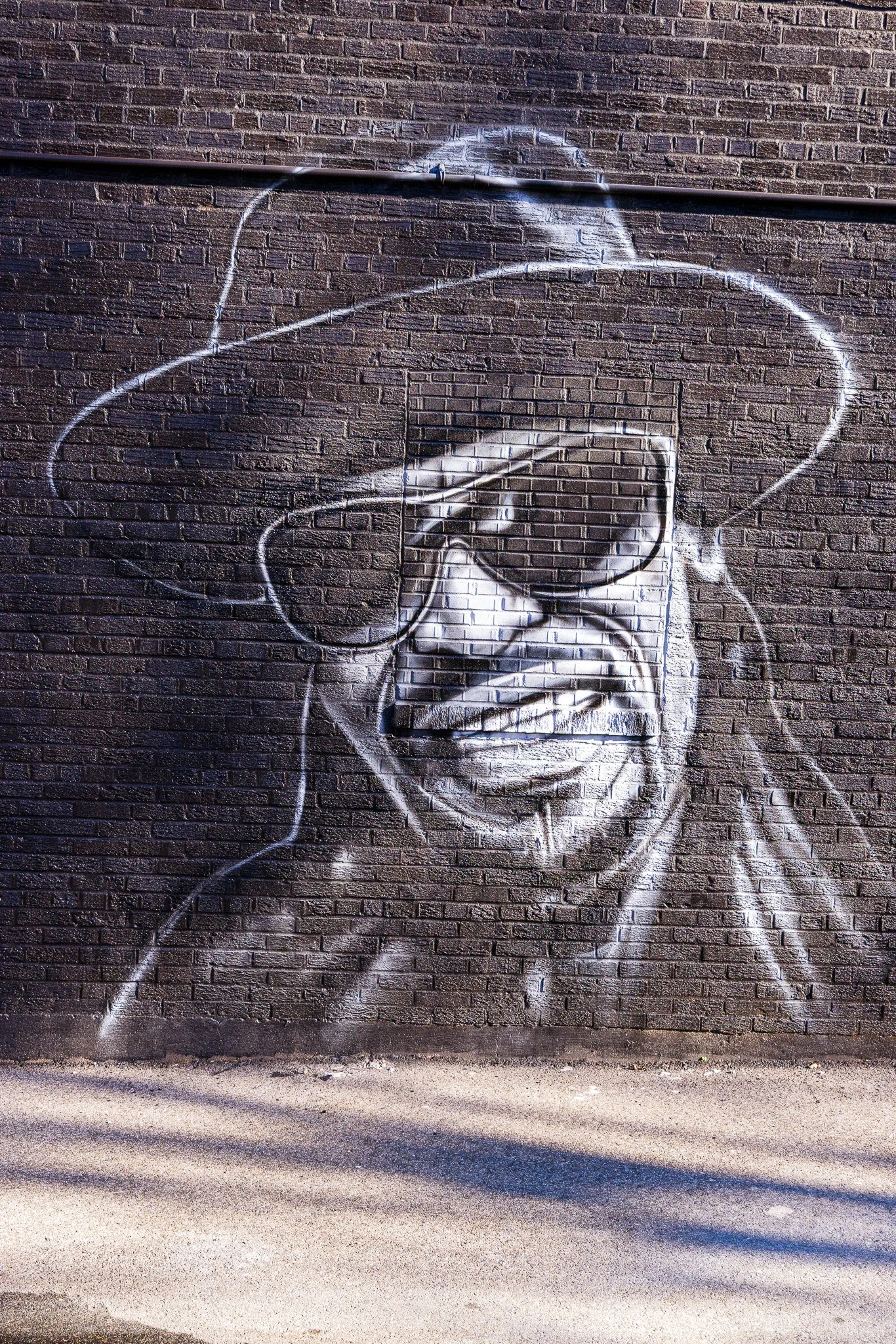
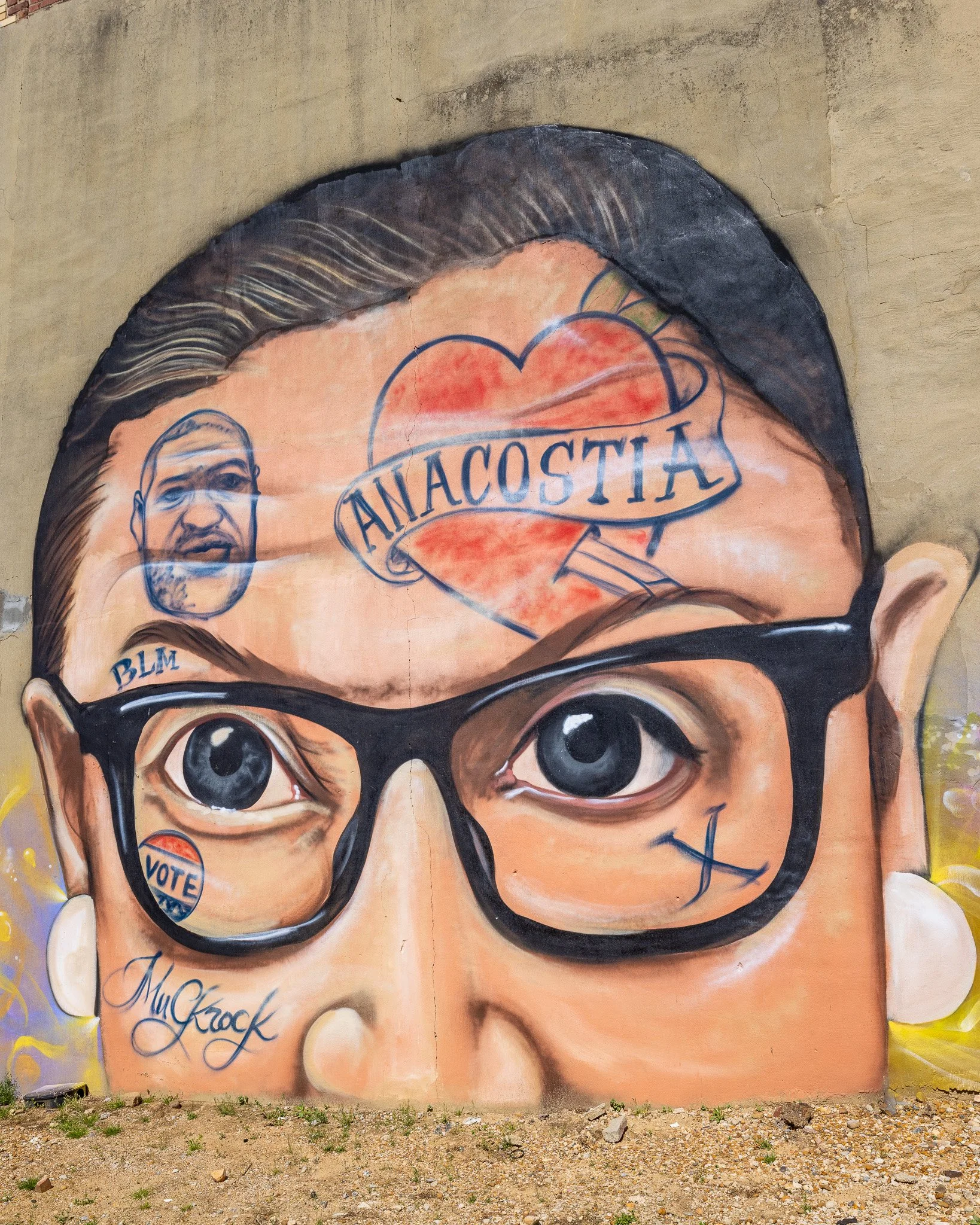
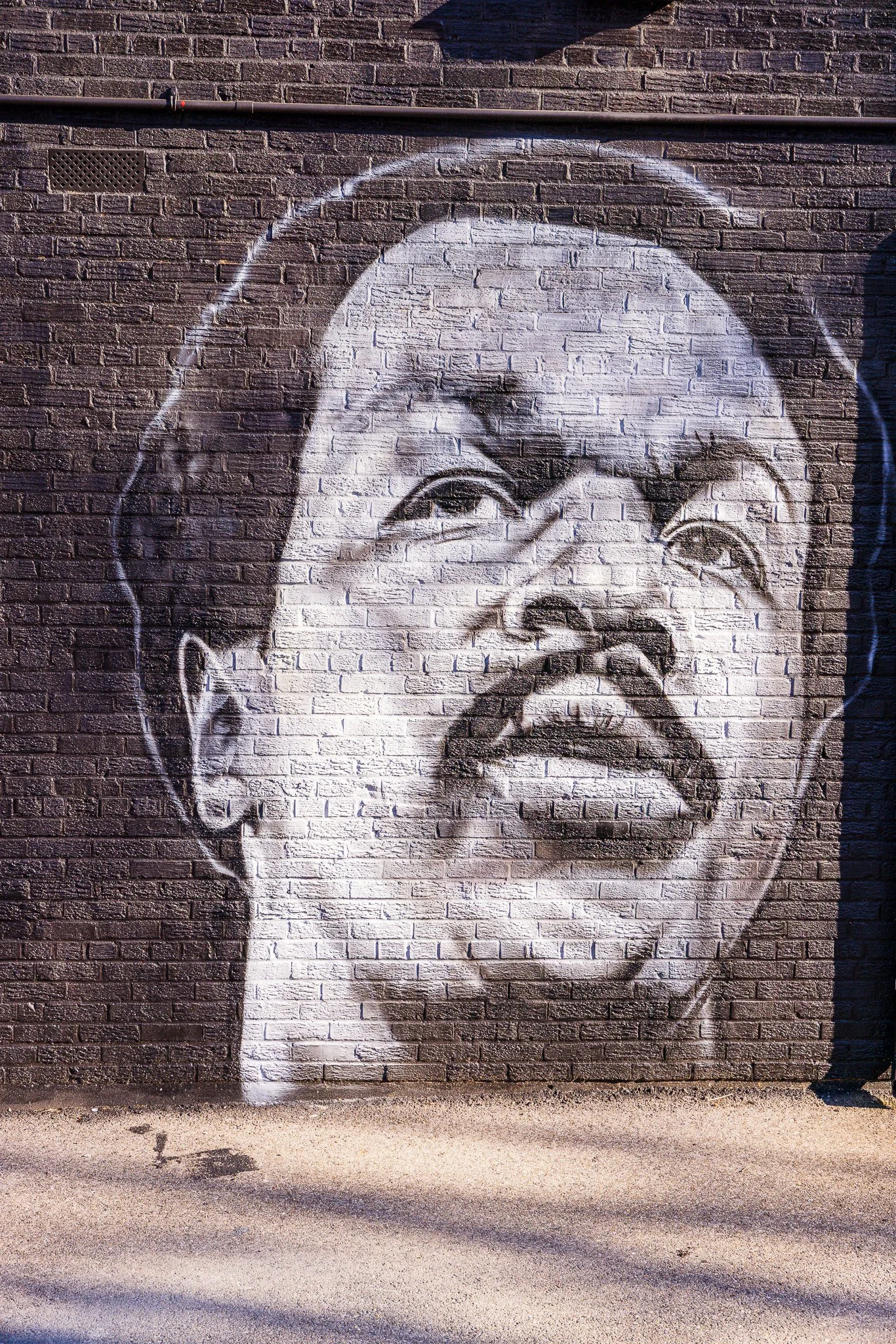
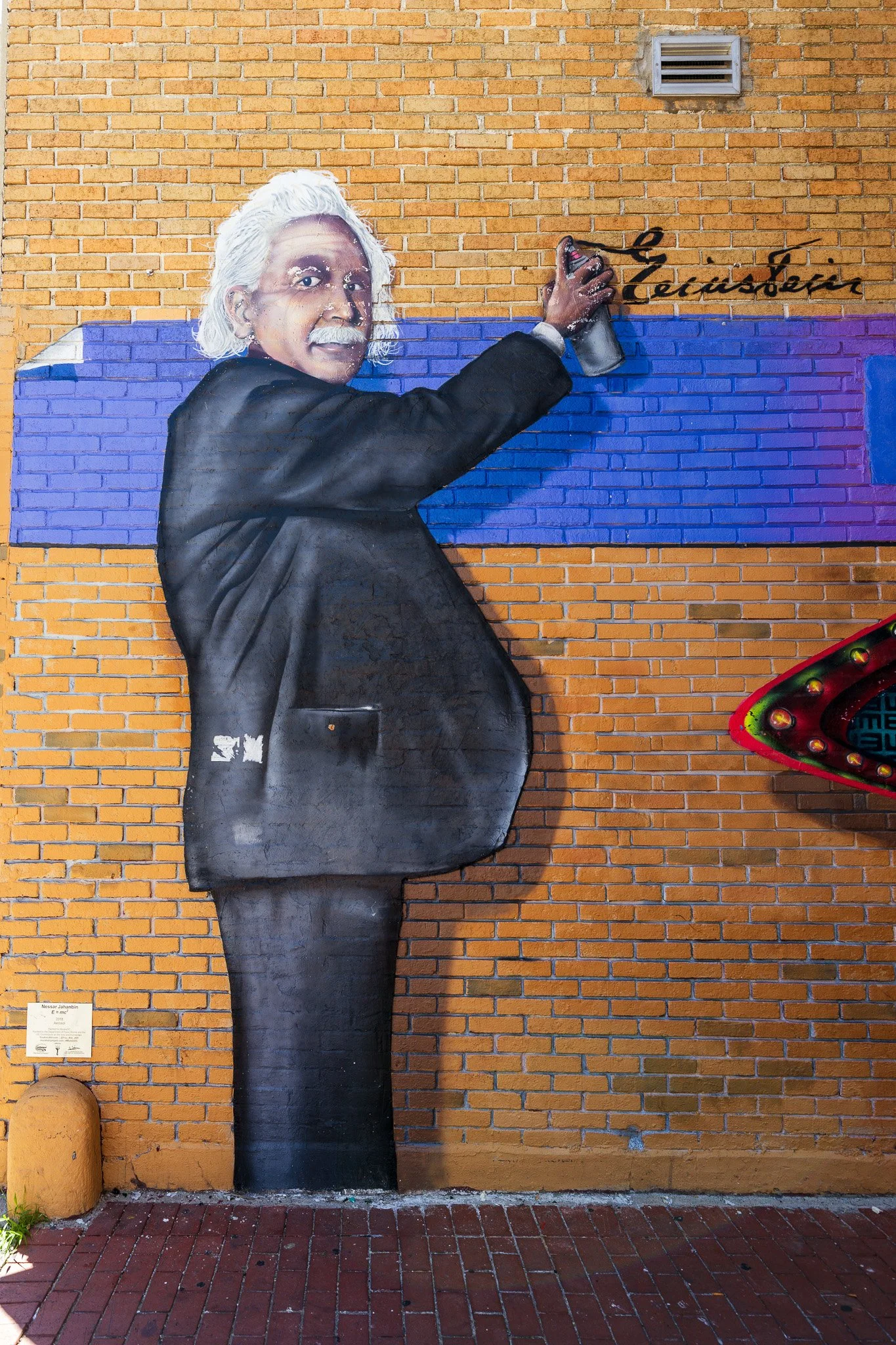
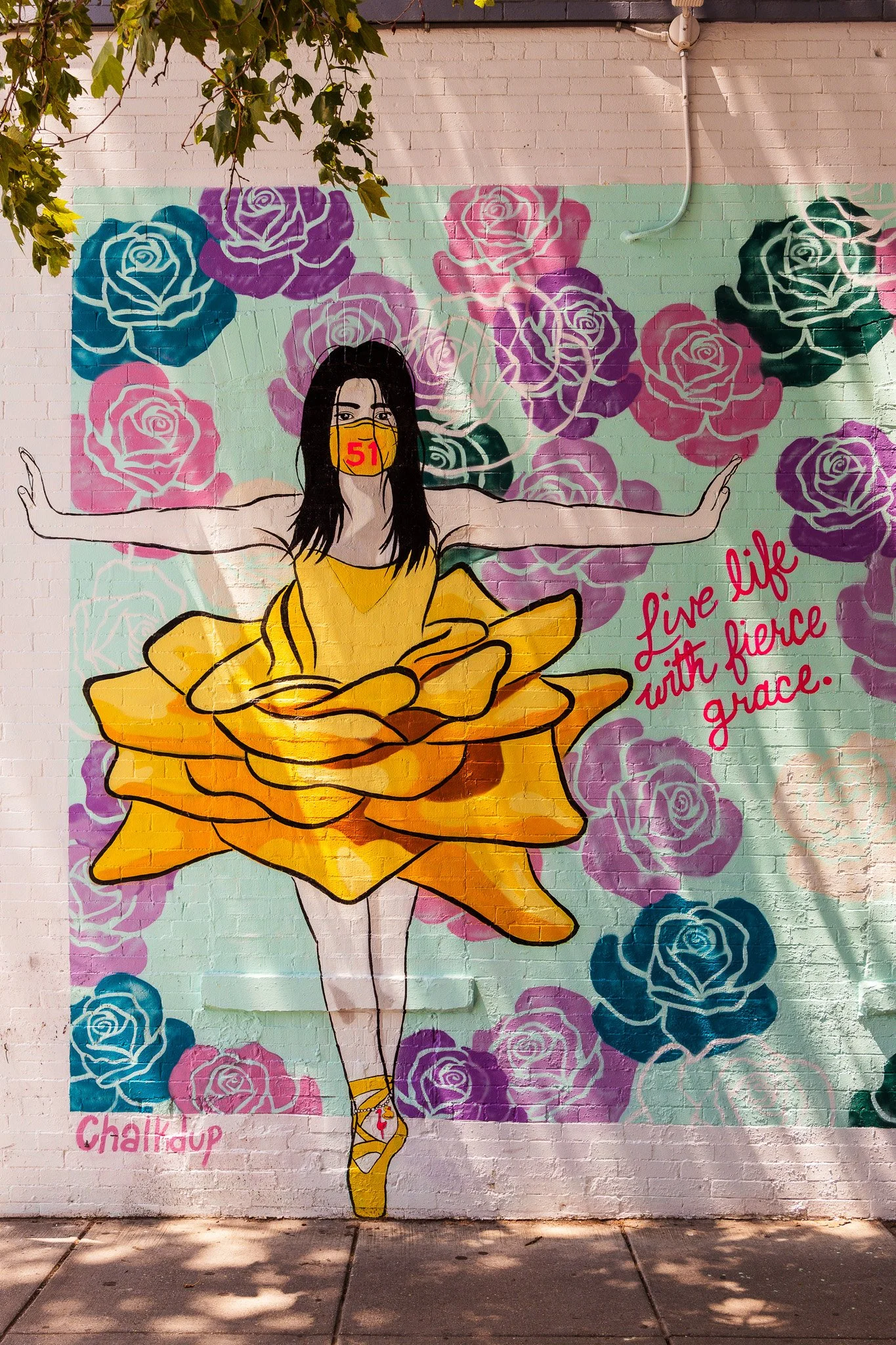
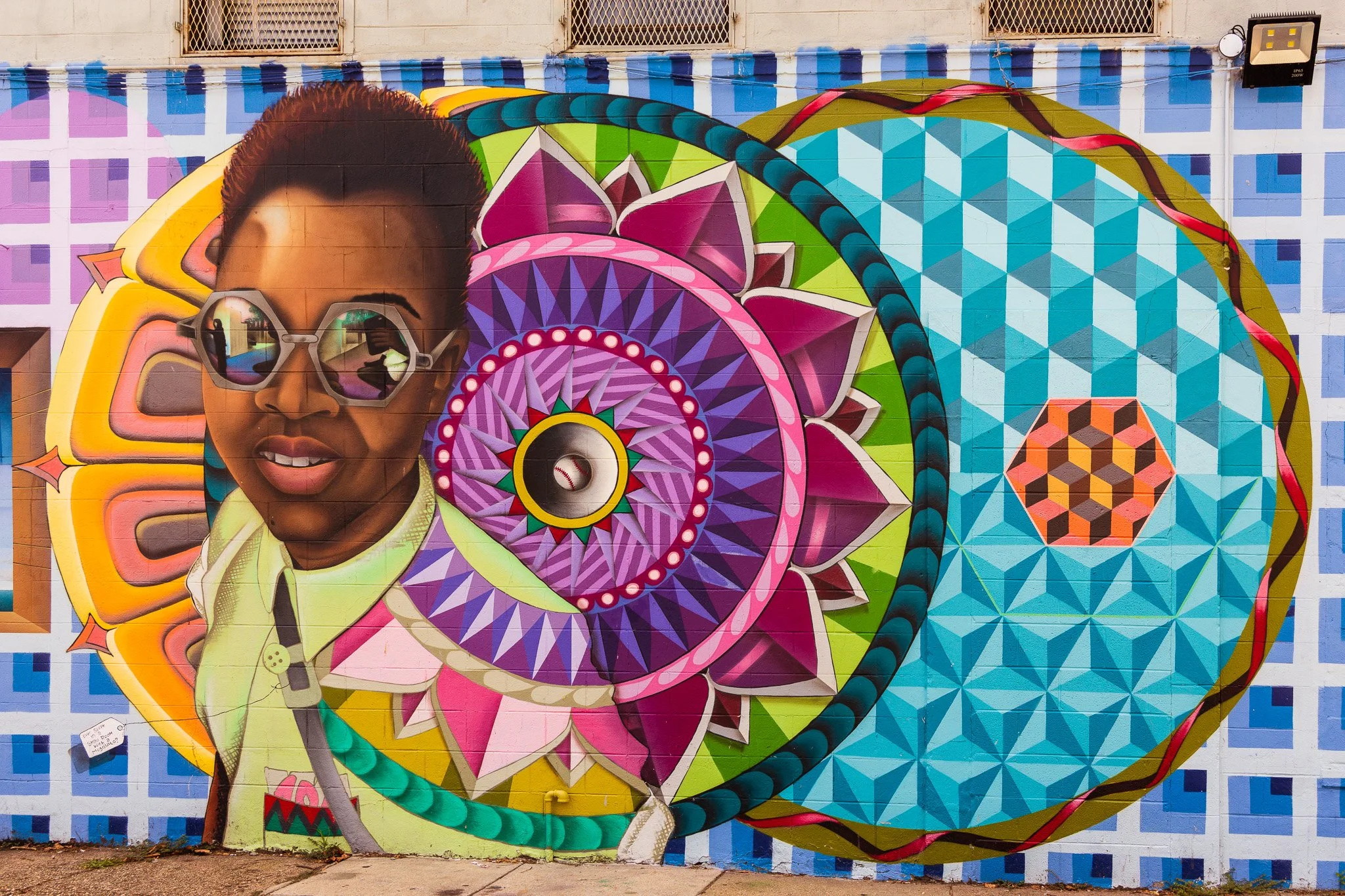
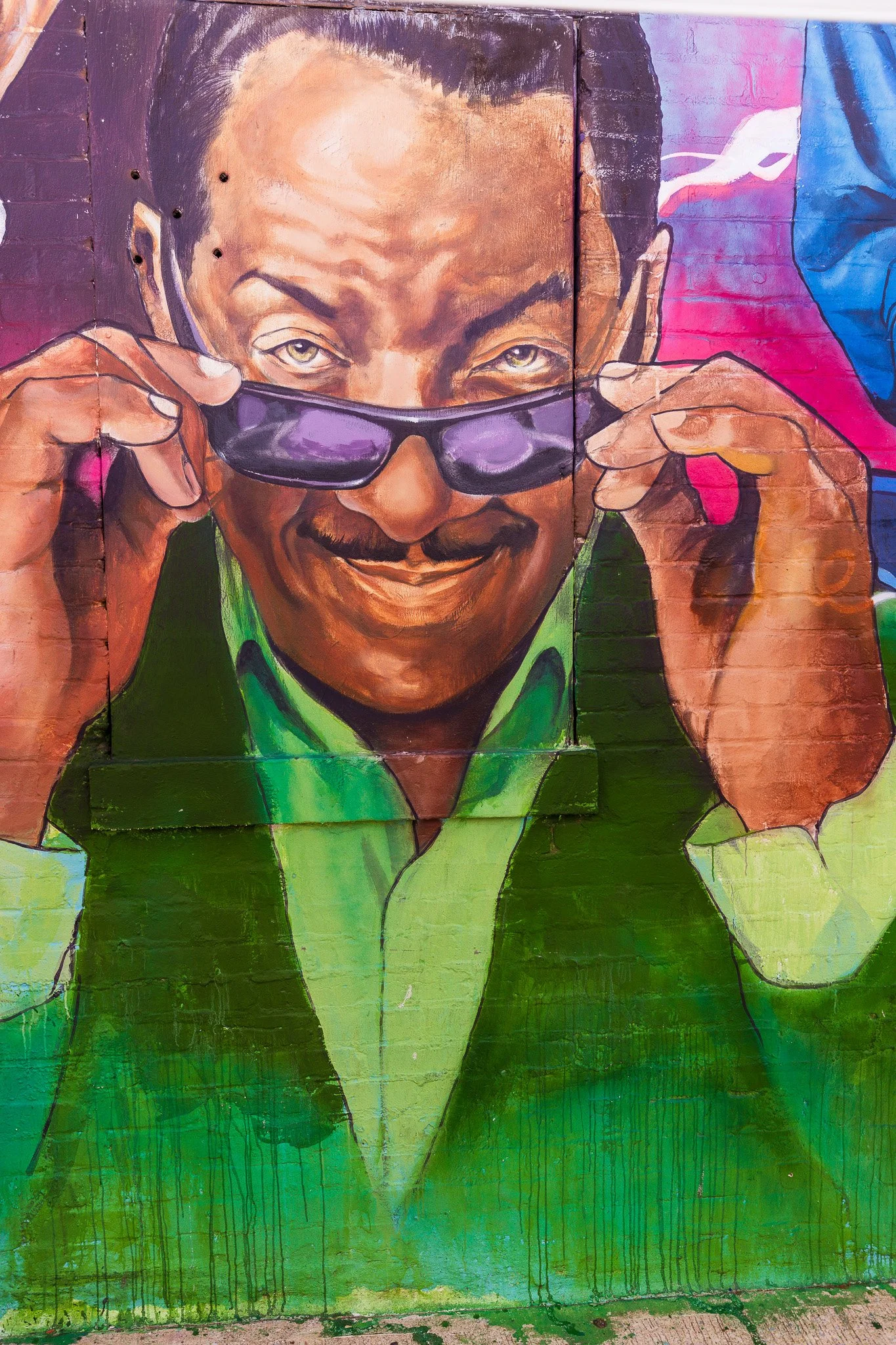
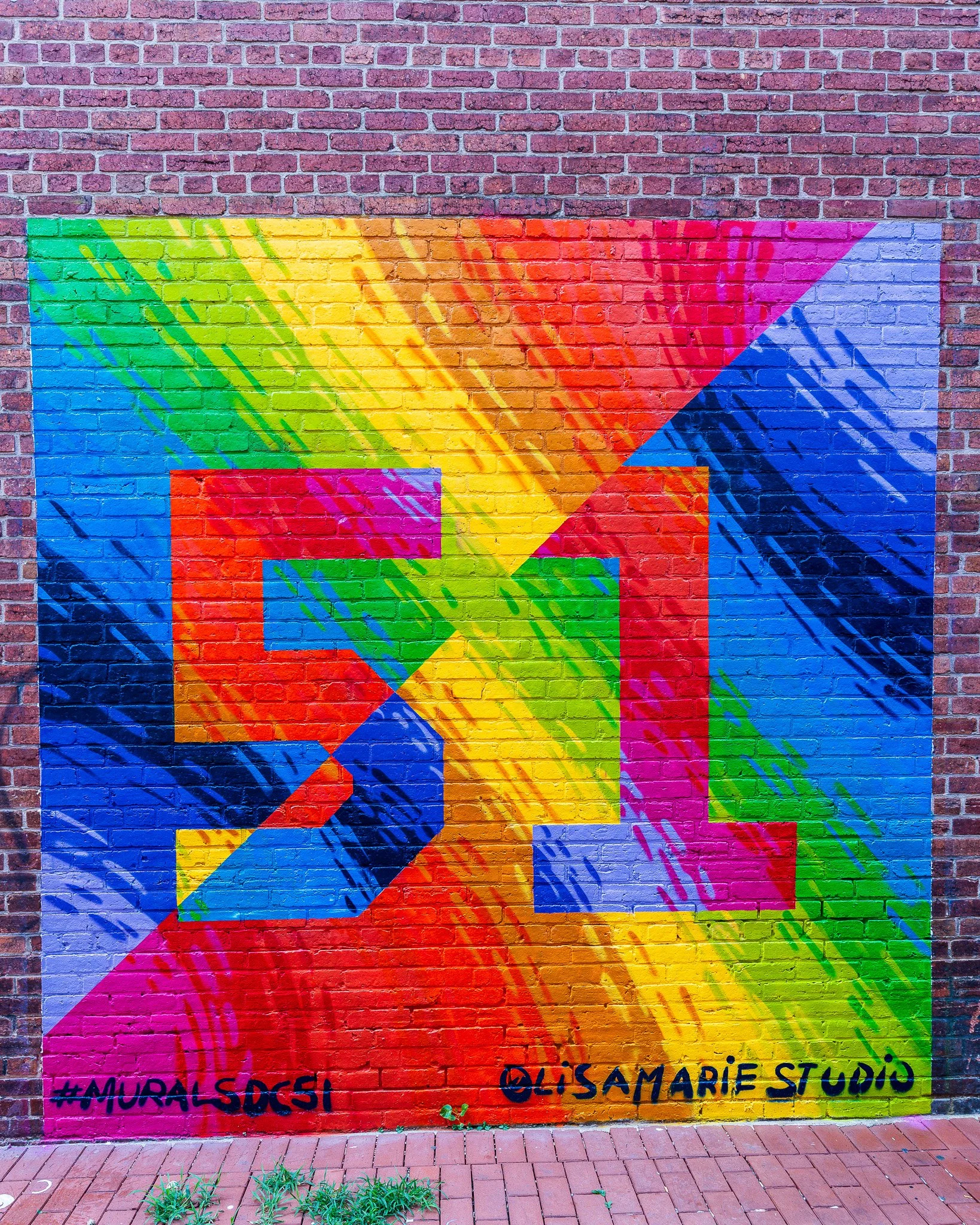
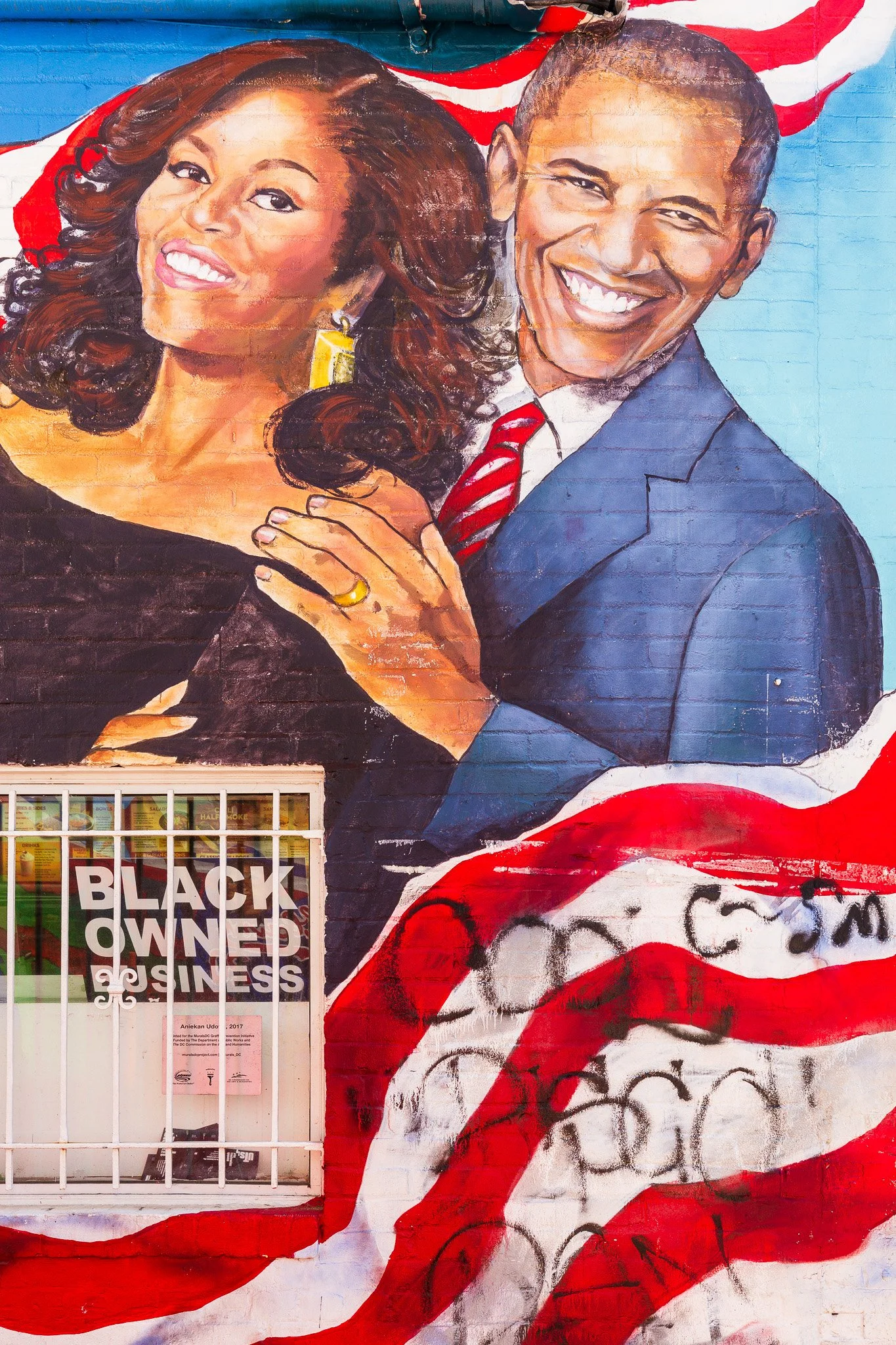
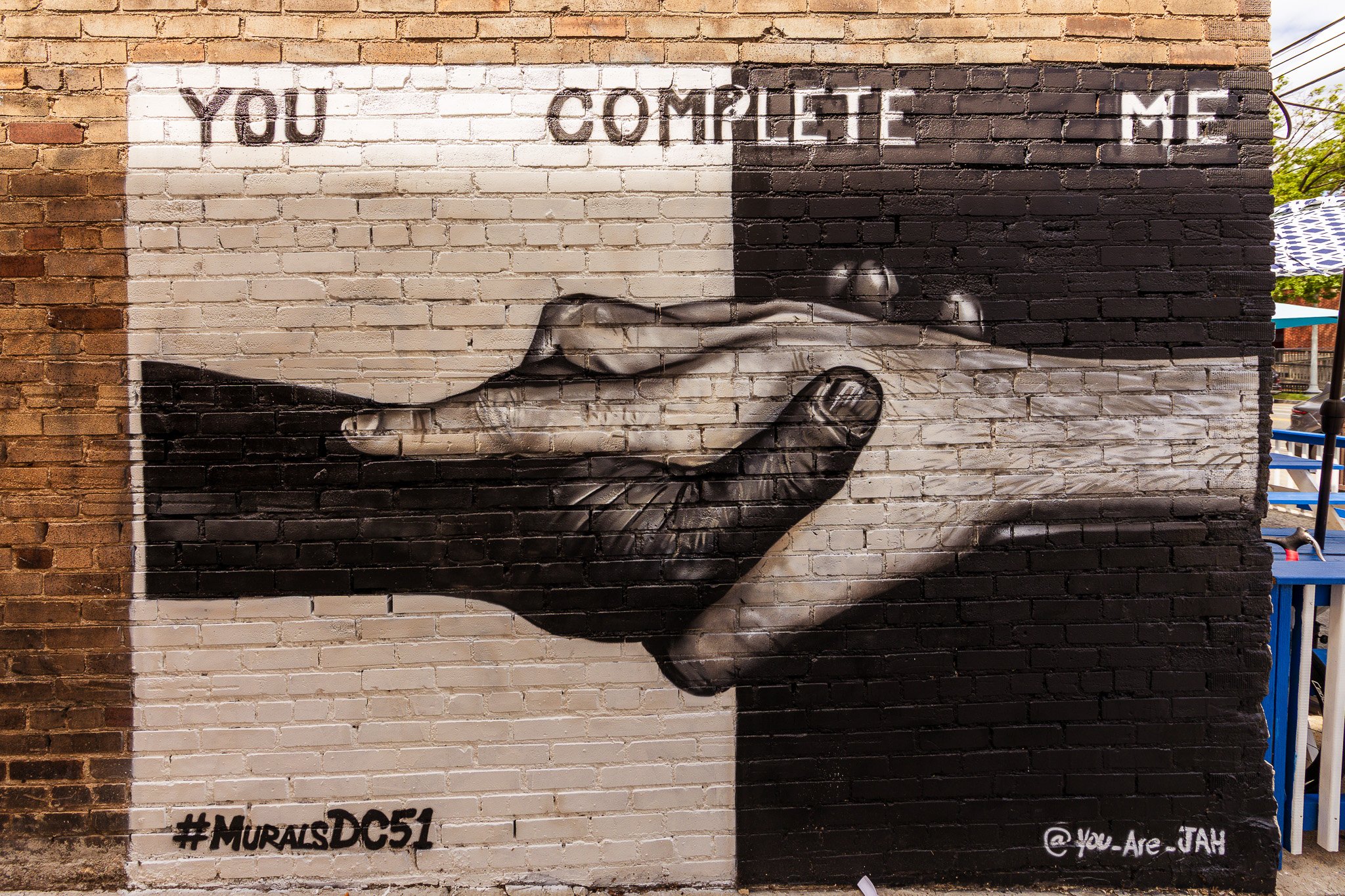
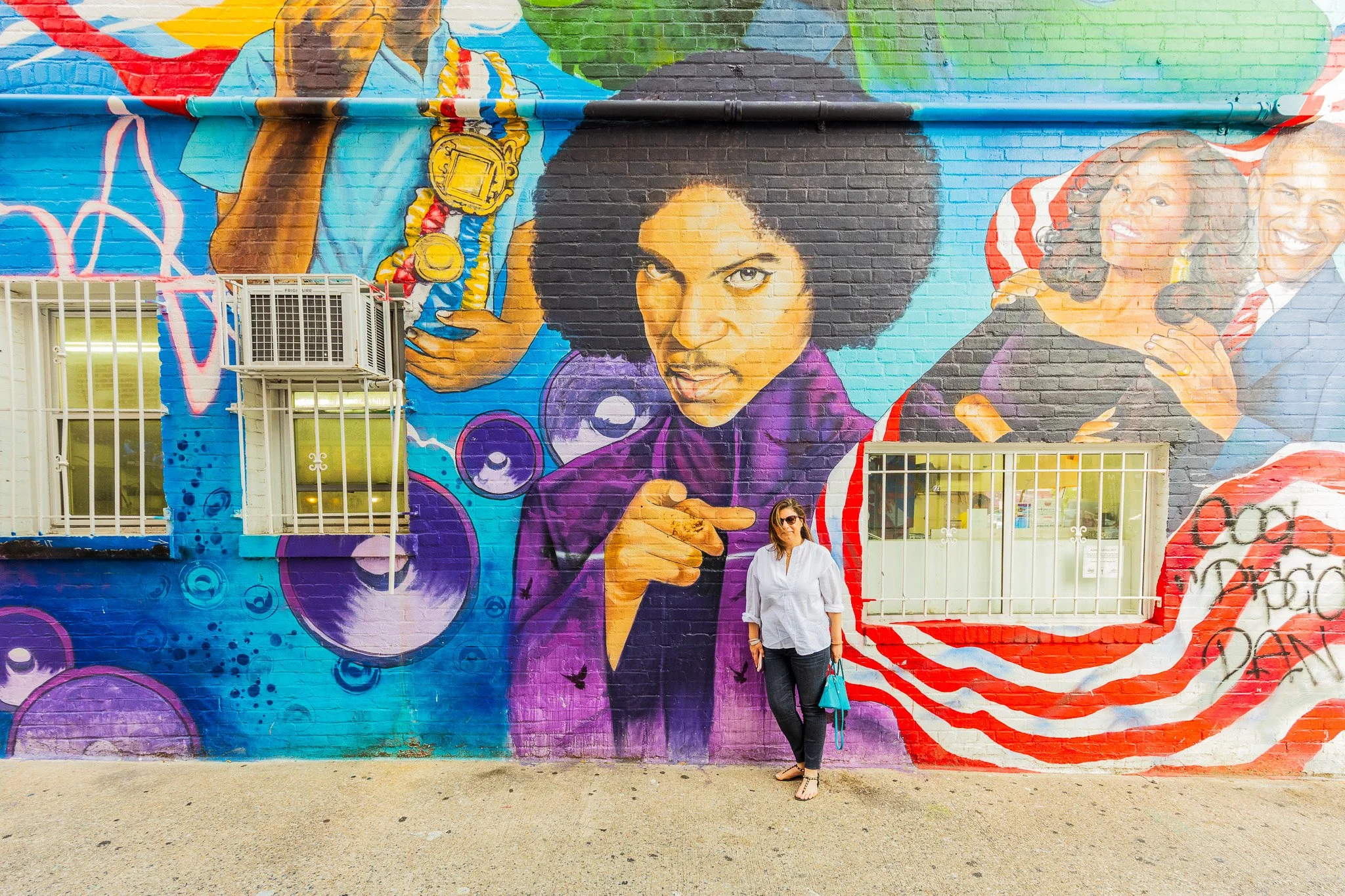
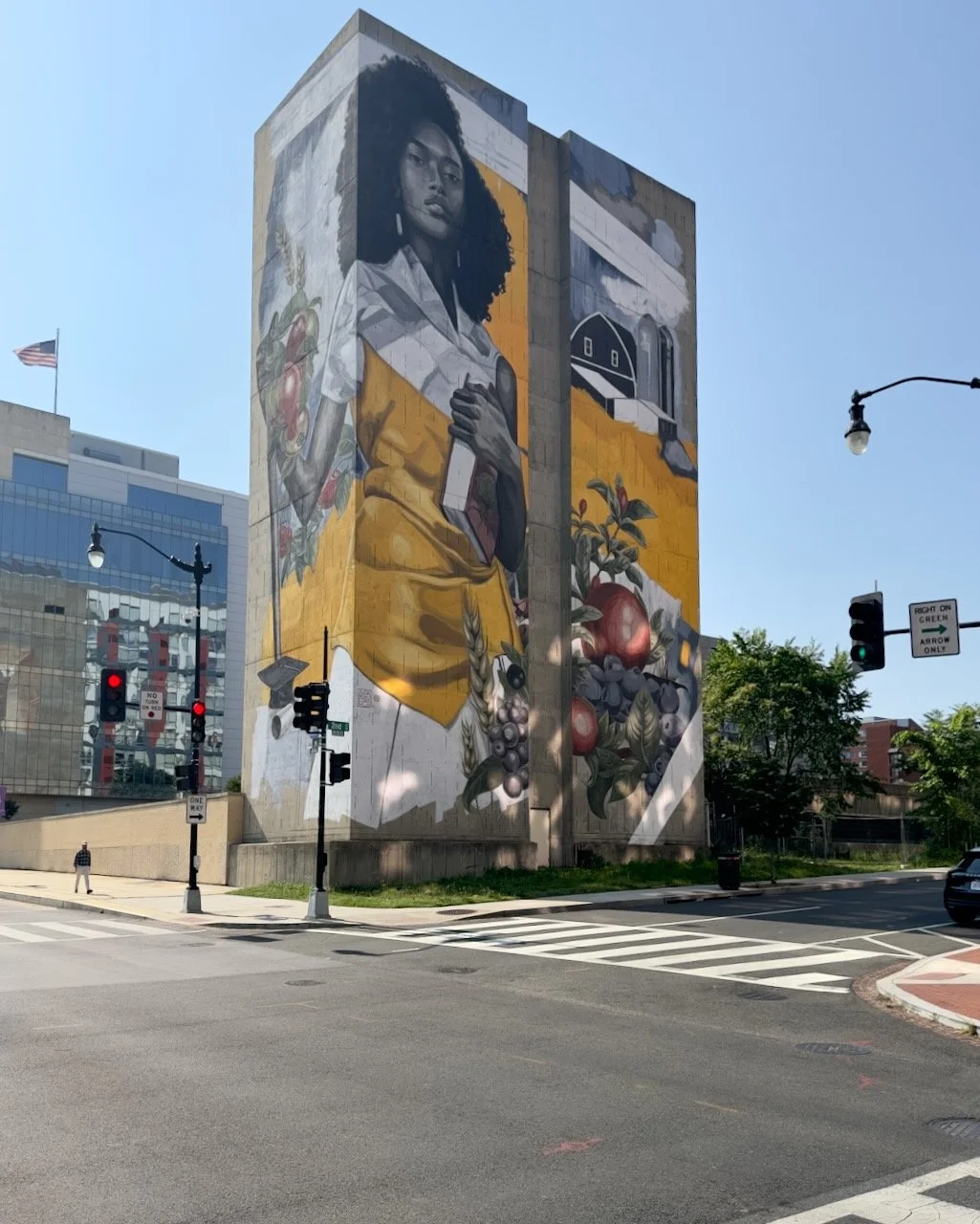
That is the thing about this city. It is a scavenger hunt that never ends.
Washington, DC, is not just monuments and marble. It is layers. It is a brick. It is concrete. It is stories sprayed at 2 am and commissioned at 2 pm. I walk down alleys that most people ignore. I turn corners with no expectations. And almost every time, I discover something bold, thoughtful, or completely unexpected. A massive portrait. A political statement that appeared overnight. A tiny tag in the corner of a loading dock that belongs in a museum. The city talks through its walls, and the walls are always saying something new.
That is why I created my own Google Map. Every mural I have photographed and verified is pinned there. It is organized, constantly updated, and growing every week. Think of it as a personal DC mural treasure map. Download it before you go. Use it. And if you find something I have not pinned yet, tell me.
The DC Murals Project has done excellent work documenting many of the city's commissioned pieces and supporting public art. Their website is a strong starting point. But understand this: murals are appearing faster than anyone can catalog them. Some disappear. Some get painted over. Others show up overnight. That is part of the culture. The map and the guide below reflect what I have found. The city will keep adding to it.

The Washington DC Neighborhoods
NoMa and the Metropolitan Branch Trail
Start here. The Metropolitan Branch Trail is essentially an outdoor gallery running through Northeast DC, and the walls along it are going massive. Long surfaces, big color, ambitious scale. You will find abstract work, social justice themes, portraits, and technical lettering that reward standing close and looking carefully at the detail. This is the most concentrated mural corridor in the city.
Shaw and U Street
That neighborhood has history in its bones. Jazz, protest, culture, and community. The walls reflect all of it. You will find tributes to musicians, civil rights leaders, and neighborhood legends. Some pieces are polished and city-funded. Others are raw and layered, tags over wheatpaste over stencil over time. Shaw is where the art carries the most weight.
Blagden's Alley (Shaw)
One of the most photogenic short stretches in DC. A single alley with serious work on both sides, good coffee at La Colombe and Seylou Bakery at either end, and enough variety in a few hundred meters to keep a photographer busy for an hour. Start here if you want a concentrated introduction to what DC street art looks like.
Union Market and NoMa
Curated but still creative. Large-scale murals with bright palettes and technically impressive work. This area feels more organized than the raw corridors of Northeast, but the scale of some pieces is extraordinary. Big walls demand confidence and the artists who work here have it.
Anacostia
Cross the river. That is where you feel your heart. Community-driven murals about resilience, family, and identity. Less about hype. More about meaning. Anacostia is not on most visitor itineraries and that is exactly why it belongs on yours.
The Alleys
The spots that are not on maps. Roll down a random alley in Northeast or behind a warehouse in Ivy City. You will find throw-ups, burners, paste-ups, and political statements. That is the pulse. That is where you see experimentation and risk and the raw version of what eventually gets commissioned and scaled up on the main corridors. If you are only photographing the walls on named streets, you are missing half the story.

Photography Tips for Murals
Light: Early morning and late afternoon are your two windows. Midday sun creates harsh shadows on textured walls and blows out bright colors. Overcast days are underrated for mural photography: the flat, even light saturates colors without creating the contrast problems that direct sun introduces.
Wide vs. Tight: Both approaches work. A wide shot establishes the mural in its environment, the alley, the wall, and the neighborhood context. A tight shot isolates detail and texture. The best mural portfolio includes both. Do not leave a wall with only a shot of the full composition.
The Human Element: People walking past a mural, standing in front of it, or looking up at it add scale and story to what would otherwise be a flat documentation shot. Wait for the moment. It always comes.
Look High and Low: Murals are not always at eye level. Some of the most interesting work is overhead, in corners, on loading dock doors, on the backs of buildings that face parking lots. The scavenger hunt is literal. Look everywhere.
Phone Photography: The latest iPhones and Android cameras handle mural photography exceptionally well. The wide lens captures the full composition. Portrait mode works for tight details. Cinematic mode while walking along a long wall creates a natural reveal effect. You do not need a full kit to do this well.

I am constantly searching for new murals across Washington, DC. Early mornings, side streets, behind restaurants, down industrial alleys in Northeast. It has become part exploration, part obsession, part treasure hunt.
Some murals are massive and commissioned through programs like the DC Murals Project. Others show up quietly. No announcement. No press. Just an artist leaving a mark and moving on.
That is why I offer a DC Mural Photography Tour.
This is not a basic walk past a few well known walls. This is a curated experience built from hours of scouting. I take you to the iconic pieces in NoMa and Shaw, but also to the hidden gems that most people walk right past. We talk composition, light, storytelling, and how to photograph murals in a way that feels intentional, not just documentary.
You will learn how to:
• Use leading lines in tight alleyways
• Frame portraits within murals
• Capture texture and detail
• Work with harsh midday light
• Shoot clean wide shots and creative close-ups
Whether you shoot with a DSLR, a mirrorless camera, or just your phone, you will walk away seeing the city differently.
And here is the best part. The walls change. So every tour feels different.
If you are interested in joining a DC Mural Photography Tour, book your spot through the link. Bring comfortable shoes, an open mind, and curiosity.
The city is talking. Let’s go photograph it.

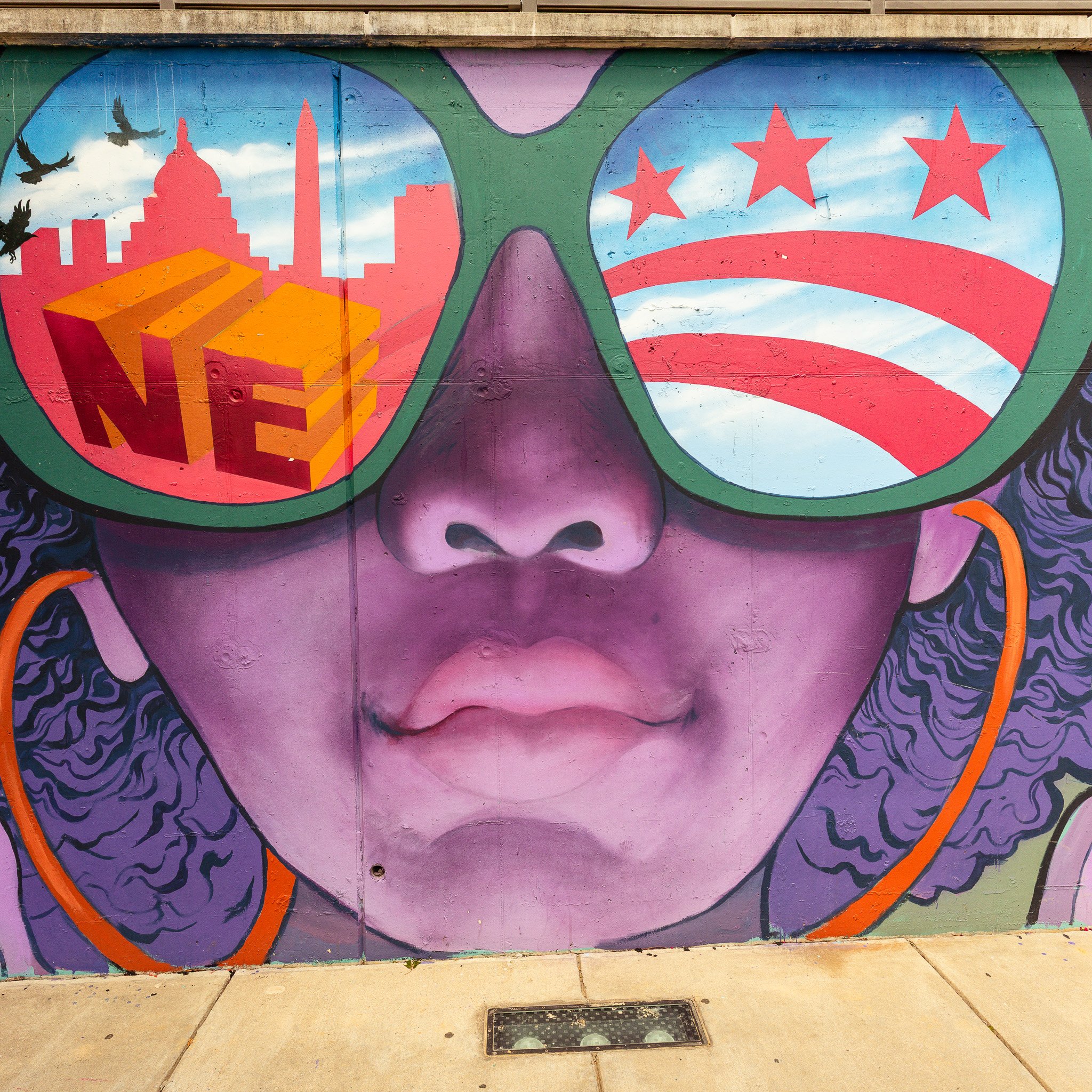
Here is one of my newest finds in NOMA
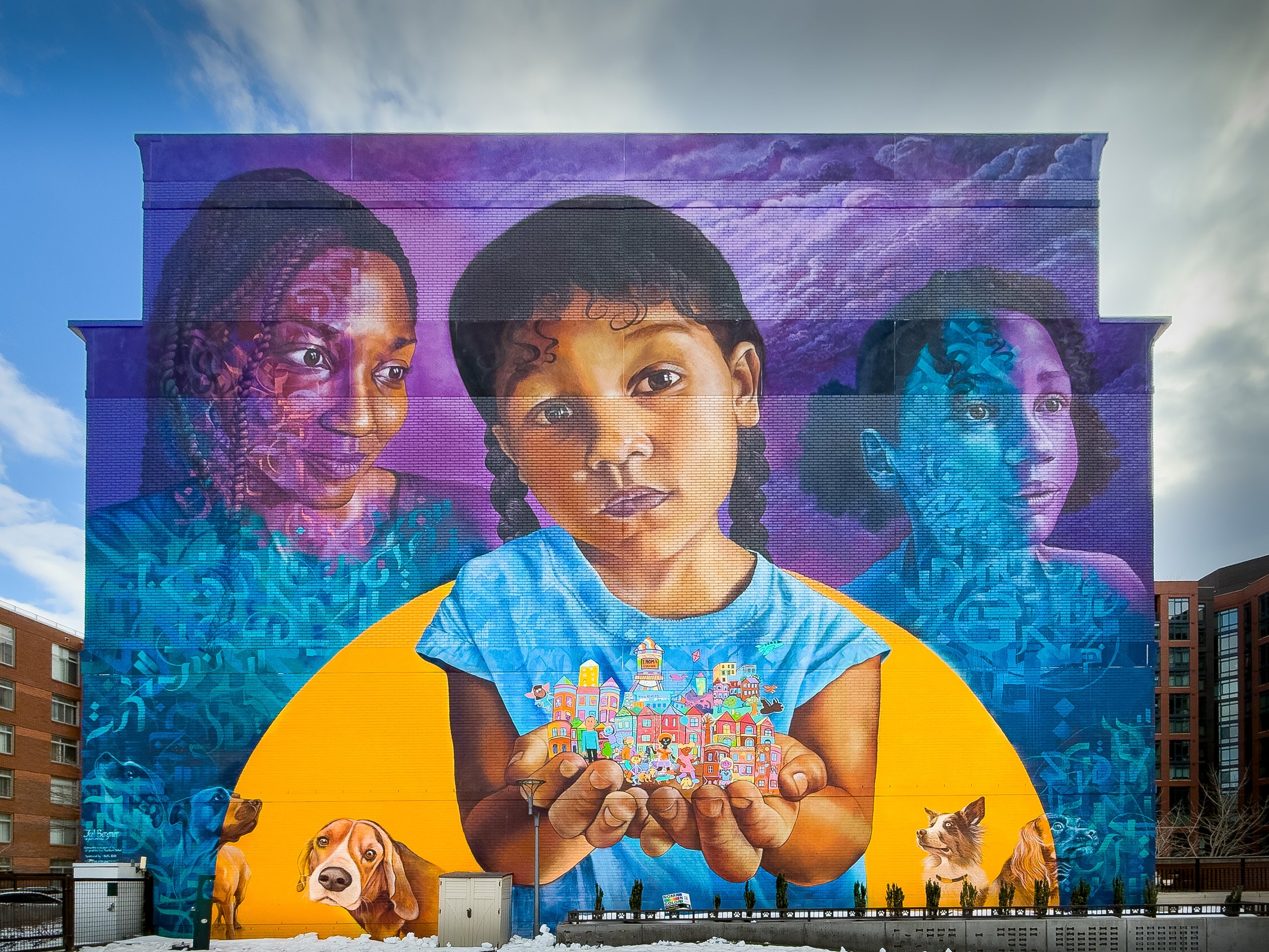
If you want to explore DC's murals with guidance, I offer a DC Graffiti Photography Workshop that takes you to carefully scouted locations across NoMa, Shaw, Blagden's Alley, Union Market, and beyond. Some are well known. Others are tucked down alleys you would never think to explore on your own. All skill levels welcome.
This is not just a walk around the city pointing at colorful walls. I take you to carefully scouted locations across NoMa, Shaw, Union Market, and beyond. Some are well known. Others are tucked down alleyways you would never think to explore on your own.
We focus on real technique.
You will learn how to compose in tight urban spaces, how to avoid distortion when shooting large-scale art, how to work with harsh midday light, and how to use shadows creatively. I will show you how to capture wide environmental shots, tight details, and layered storytelling frames.
If you shoot with a mirrorless or DSLR camera, you will refine your technical approach. If you use an iPhone or Android, I will show you how to maximize dynamic range, perspective, and editing tools to elevate your images.
Most importantly, you will start seeing the city differently.
The murals are always changing. New pieces appear. Others disappear. Every workshop feels fresh.
If you enjoyed this guide, you can explore my full Photography & Travel Guide to Washington DC for the complete city coverage, including the 54-location photography list and restaurant recommendations.
You can also follow along on Instagram or subscribe to my newsletter for new mural finds, photography tips, and behind-the-scenes stories from DC and beyond.
Join Me for a DC Graffiti Photography Workshop
$99 per person | Max 6 participants or $199 Private
Washington, D.C., is a goldmine for urban photographers. Beyond the polished monuments and federal buildings, the city is bursting with colorful, expressive, and politically charged street art. The graffiti scene here is not just vibrant—it's deeply layered with history, activism, and local pride.
Graffiti in D.C. often reflects:
Social justice movements (BLM murals are everywhere—each one telling a unique story)
Political commentary
Celebrations of identity (Afro-Caribbean heritage, LGBTQ+ pride, immigrant stories)
We will be exploring the U Street Corridor, Blagden’s Alley, Georgetown, and NoMa, and much more.
The cost is $99/person for groups of no more than 6 or $199 for a private tour, and it's the perfect opportunity to sharpen your photography skills while capturing some of DC’s most iconic graffiti.
What You’ll Learn:
Tips for composition and framing to create postcard-perfect photos
How to work with light, reflections, and movement to elevate your images
We will drive and walk for about 2 hours to capture as many locations as time permits.
Location: We will meet in the Georgetown area.
Gear Recommendations:
Bring a DSLR or mirrorless camera with interchangeable lenses (in the 15 mm–100mm range, for example, a 24-70 mm lens or a 24-105 mm lens ).
Skill Level: All Are Welcome!
Whether you're just getting comfortable with your camera or you’ve been shooting for years, this class is designed for all experience levels. I will provide step-by-step guidance tailored to your skill set, helping you grow more confident behind the lens, no matter where you’re starting from.
Fitness Level: Easy and Relaxed
No hiking, climbing, or running involved—just casual walking between monuments. We’ll be on paved paths and sidewalks throughout the evening, with time to stop, set up, and shoot at each location.
What’s Included:
In-the-field photography instruction
Post-workshop image review session via Zoom
Workshop Cancellation Policy:
Cancellations made more than 2 days before the workshop will receive a refund.
No refund or credit is given for cancellations made without notice or within 2 days if the spot remains unfilled.
Questions?
Contact me (Vito L Tanzi) at vito@chasinghippoz.com to schedule it

Join Me for a DC Evening Monuments Photography Workshop!
📸 Washington, DC Evening Monuments Photography Workshop
$99 per person | Max 6 participants or $199 Private
Love photography and iconic views? Then grab your camera and join me for a golden hour photo walk through Washington, DC’s most breathtaking monuments—right as the city lights up!
Throughout the year, I host small group workshops and offer private walking photo tours (1–6 people) tailored to your style and pace. But this group workshop is a crowd favorite: a two-hour guided adventure as we chase reflections, long exposures, and those postcard-perfect twilight shots.
Who This Workshop Is For
Beginners who want to learn how to use their camera
Travelers visiting DC
Photographers who want iconic shots without crowds
What You’ll Learn:
Getting to Know Your Camera and Settings
Creative composition tricks to elevate your shots
How to work with changing light, reflections, and motion
Long exposure tips for amazing nighttime images
We’ll Photograph DC Icons Like:
The Jefferson Memorial
Lincoln Memorial
Washington Monument
The US Capitol
The White House
and a few other locations
Where We Meet:
We’ll start near the Tidal Basin. Parking is available at the lot near Floral Park (by the paddle boats on Maine Ave—click here for the map).
Recommended Gear:
Bring a DSLR or mirrorless camera with interchangeable lenses (think 24-70mm or 24-105mm), a sturdy tripod, and, if you have them, an ND filter and remote shutter release. I’ve got one tripod to lend—just email me ahead of time to reserve it.
All Skill Levels Welcome!
Whether you're just getting comfortable with your camera or looking to take your skills to the next level, this workshop is designed for you. I’ll guide you step-by-step—from finding the right settings to composing striking shots—so you can feel more confident behind the lens and come away with photos you'll be excited to share.
Fitness Level: Easy Breezy
No hills, no hustle—just a relaxed stroll on paved paths with plenty of photo stops.
What’s Included:
• Personalized instruction in the field
Weather Policy
What happens if it rains? DC weather in spring and fall can be unpredictable. We can reschedule.
Cancellation Policy:
• Full refund if canceled 48+ hours in advance
• No refund for late cancellations unless your spot is filled
Have Questions or Want to Book a Private Tour?
Email me directly at vito@chasinghippoz.com
*Contact me to schedule your session