Amazon and Galápagos Travel & Photography Packing List
The Galapagos Islands and the Amazon rainforest share one thing in common: they will both test your gear in ways that most travel destinations never do. Humidity that destroys camera lenses overnight. Wet landings that soak everything from the knees down. The heat makes cotton feel like a punishment. Wildlife so close you forget you even need a telephoto lens. And light, especially in the Amazon at dawn, that is unlike anything you will find anywhere else on earth.
I have photographed both destinations across multiple trips. The Galapagos was where I first understood what it means to photograph animals with no fear of humans. You do not chase subjects in the Galapagos. You sit down next to them. The Amazon is the opposite: everything is hidden, moving fast, and demanding your longest glass and fastest reflexes.
These are not the same trip, and they do not require the same kit. This guide covers both, with clear notes on what applies where. Whether you are on a Galapagos expedition cruise, an Amazon river lodge, or doing both back to back through Ecuador, this is what I carry and why.
The Galapagos Islands are a UNESCO World Heritage Site and one of the most strictly protected ecosystems on earth. What you bring matters legally, not just practically.
You cannot bring fresh food, meat, dairy, fruits, or vegetables onto the islands. Your bags will be inspected. Violation is not a gray area.
Reef-safe sunscreen is not optional. Standard sunscreens contain oxybenzone and octinoxate, chemicals that damage coral reefs. The Galapagos National Park prohibits them. Bring reef-safe sunscreen only. Badger, Raw Elements, and Stream2Sea all make effective options. This applies to the Amazon as well, where you will be swimming and boating in ecosystems that deserve your respect.
Yellow Fever Vaccination: Required for entry into many Amazon regions of Ecuador, Peru, and Brazil, and strongly recommended for the Galapagos travel route through mainland Ecuador. Get vaccinated at least 10 days before travel and carry your yellow fever certificate.
Visa and Entry Requirements
Galapagos Islands
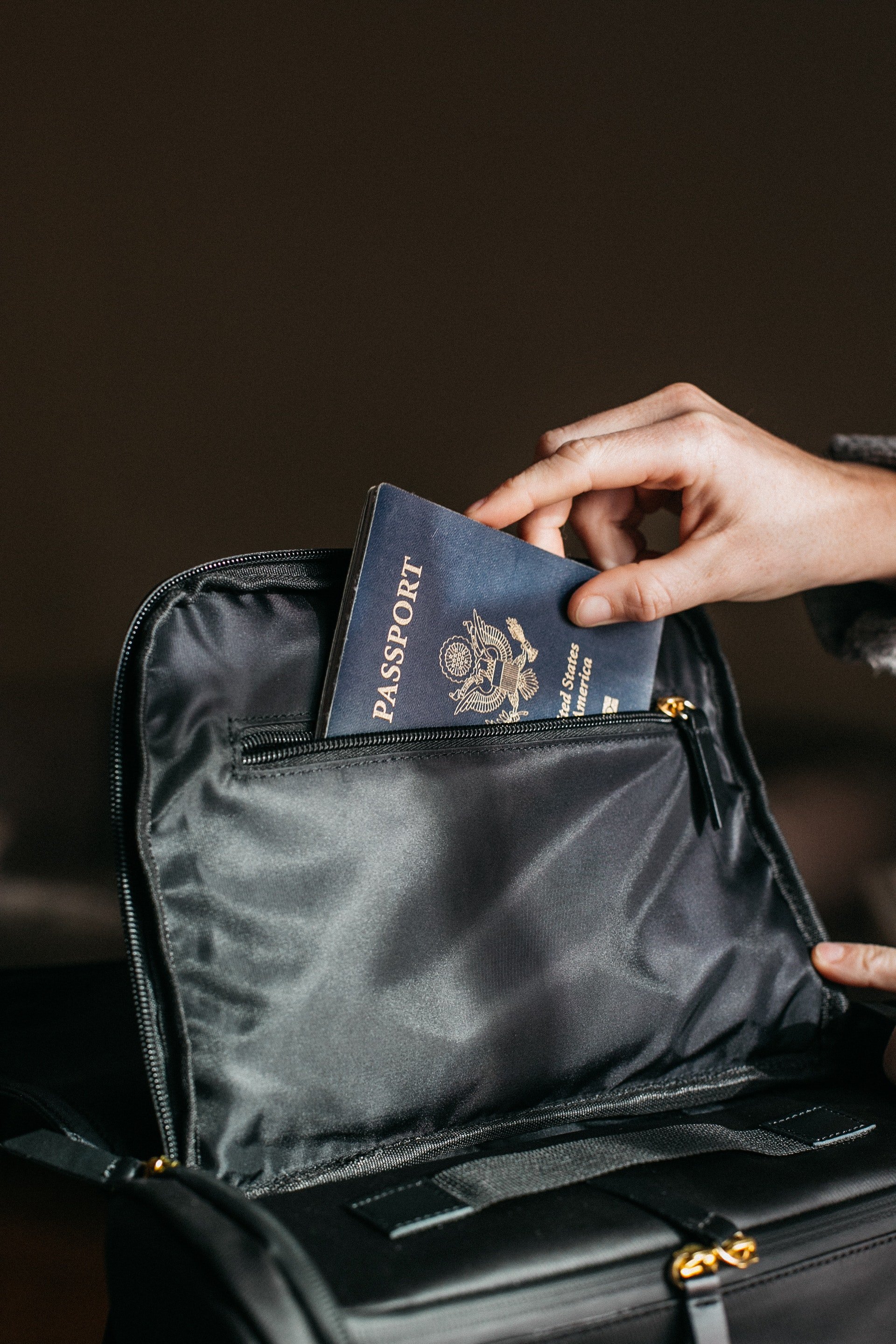
The Galapagos are part of Ecuador. Travelers from the United States, Canada, the UK, EU, and most Latin American countries do not need a visa for stays up to 90 days. Your passport must be valid for at least six months beyond your arrival date. Carry a return or onward ticket as proof of exit.
Transit Control Card (TCT) Issued by the Galapagos Government Council at designated counters in Quito or Guayaquil airports before boarding your flight to the islands. Bring your passport, flight ticket, and Galapagos itinerary. Cost is $20 USD, paid at the airport.
Galapagos National Park Fee $200 per adult, $50 for children under 12. Paid in cash on arrival at the islands. Do not arrive without this cash. There is no ATM at the entry point. Bring US dollars in small bills. Ecuador uses the US dollar as its official currency.
Health Insurance Ecuador requires all travelers to carry valid health insurance for the duration of their trip. Carry proof of coverage with you.
Amazon (Ecuador, Peru, or Brazil)
Entry requirements depend on your specific country of destination. US, Canadian, UK, and EU passport holders do not need a visa for Ecuador or Peru for stays under 90 days. Brazil requires advance visa registration for US citizens through the e-Visa system as of 2024. Check current requirements before booking.
Cash is essential in the Amazon. Many lodges and all staff gratuities are cash only. Bring plenty of small US dollar bills ($1, $5, and $10) for tips, small purchases, and any lodge extras. Do not count on ATM access once you leave the city.
Understanding the Climates
Galapagos Islands
The Galapagos has two distinct seasons that directly affect what you pack.
Warm Season (January to June): Water temperatures reach 75 to 80°F (24 to 27°C). Air temperatures are warm, 77 to 90°F (25 to 32°C). Seas can be choppy. Wildlife activity is high. This is the best season for snorkeling without a wetsuit.
Cool Season (July to December): The Humboldt Current brings cooler water, 65 to 72°F (18 to 22°C), and cooler air. A wetsuit is strongly recommended for snorkeling. Seas are calmer. Penguin and marine iguana activity increases. This is excellent for photography.
Amazon Rainforest
The Amazon has no dry season in the true sense. It is always humid and it rains year-round. The distinction is between high water and low water.
High Water (December to May): Forests flood. More areas are accessible by canoe and skiff. Hiking is limited. Pack extra dry bags, light layers, and quick-dry footwear. Boat excursions are the primary activity.
Low Water (June to November): Trails emerge. Beaches appear. Birding and wildlife viewing improve dramatically on foot. Pack sturdier shoes, gaiters, and extra socks. Mud is constant. Rubber boots are your best friend.
In both seasons, temperatures run 75 to 95°F (24 to 35°C) with humidity above 80 percent. Everything stays damp. Plan your kit around that reality.

Clothing
The Universal Rules for Both Destinations
Light colors only. Mosquitoes are attracted to dark colors and will bite through tight-fitting fabrics. In the Amazon especially, light olive, beige, tan, and white are your palette. Dark blue and black attract more insects and absorb more heat.
Long sleeves and long pants for outdoor activities. I know it sounds counterintuitive in tropical heat. It works. A lightweight, loose-fitting long-sleeve shirt in a UPF fabric keeps insects off your arms, reduces sun exposure, and breathes better than bare skin covered in DEET. Every morning excursion in the Amazon, I am in long pants and a long-sleeve shirt.
Quick-dry and moisture-wicking fabrics only. Cotton is a liability in both destinations. It absorbs moisture, stays wet, and sours in humidity within 24 hours. Merino wool or synthetic quick-dry fabrics are the right choice for every layer.
What to Pack
Moisture-Wicking T-Shirts: Short-Sleeve (x3 to 4) For boat decks, lodge evenings, and base layers under long-sleeve shirts. Merino blend or synthetic. Not cotton.
Long-Sleeve UPF Shirts (x3 to 4) Your primary daytime shirt for all outdoor excursions in both destinations. Choose loose-fitting, lightweight options in light earth tones. Columbia PFG and ExOfficio both make excellent options. Plan on changing shirts after morning and afternoon excursions in the Amazon. The humidity means you will go through two shirts per day.
Lightweight Hiking Pants or Convertible Pants (x2) Quick-dry, with zip-off legs as an option for flexibility. Tuck the pants into your boots or socks during Amazon hikes to block insects from reaching your legs. This is not optional advice. Do it every time.
Casual Shorts (x2) For lodge time, boat deck, and evenings. The Galapagos is more relaxed in the evenings. The Amazon lodges tend to be informal. One pair that doubles as a swimsuit is practical.
Lightweight Down or Fleece Layer (x1) For air-conditioned long-haul flights, cool Galapagos evenings in the cool season, and chilly early morning Amazon river excursions before the sun rises. A packable Patagonia Nano Puff or similar takes up almost no space.
Rain Jacket: Fully Waterproof (x1) Separate from a poncho. For boat rides, hiking in rain, and protection on Zodiac landings in the Galapagos.
Lightweight Packable Rain Poncho (x1) For sudden Amazon deluges that soak you in seconds. A poncho covers both you and your daypack. Throw it on in fifteen seconds without putting your camera down. Cheap, light, and worth every penny.
Underwear and Socks (x5 to 7 pairs each) Pack more socks than you think you need. In the Amazon, your feet will be wet or damp almost constantly. Wool or synthetic hiking socks dry faster than cotton. Carry at least one pair per day, minimum, more for Amazon river lodge trips.
Swimsuit (x2) You will snorkel in the Galapagos. You will swim from river beaches in the Amazon. Two suits mean one dries while you wear the other.
Wetsuit (x1, Galapagos cool season only) If you are visiting July through December and plan serious snorkeling, bring your own. Water temperatures in the cool season drop to 65°F (18°C). Rental wetsuits are available on most cruises but bringing your own guarantees fit and condition.
Lightweight Scarf or Buff For neck and face protection from sun and insects on open boat rides. Doubles as a sleep mask on overnight flights.
Footwear
This section is where most Amazon travelers make their biggest mistake.
Rubber Boots (Amazon) The single most important piece of footwear for Amazon jungle trails. Not your best hiking boots. Rubber boots. The Amazon floor is wet, muddy, and full of ground-level insects. Rubber boots protect your feet completely, clean in seconds, and cost almost nothing. Most lodges provide them, but sizing is limited for larger feet above US size 12. If you wear a larger size, bring your own or confirm availability with your lodge before departure. Wear thick wool socks inside them to prevent blisters.
Waterproof Hiking Shoes or Low Hikers (Amazon) For boat decks, lodge grounds, and any trail that is drier and more stable. A waterproof trail runner handles most Amazon lodge activities that do not require rubber boots.
Water Shoes or Teva-Style Sandals (Galapagos) Wet landings in the Galapagos mean stepping out of a Zodiac into shallow water and wading to the beach. You need a sandal or shoe with a secure strap that handles wet sand and uneven rock. Tevas and Keens are the standard pick. Single-strap sandals do not work for wet landings.
Flip-Flops or Crocs For lodge and boat deck time in both destinations. Crocs clean easily, dry instantly, and have enough sole traction to be practical beyond the deck.
Comfortable Walking Shoes For city days in Quito, Guayaquil, or any mainland stop before and after the islands or jungle.
Insect Protection
This is not optional in either destination, but the Amazon demands more urgency.
DEET-Based Insect Repellent: Ben's 30 Tick and Insect Repellent Wipes I prefer the wipes over spray for travel. They are precise, do not drift onto camera lenses, and are easier to apply in a panga or on a moving trail. DEET is the most effective ingredient against the mosquitoes in both the Amazon and Galapagos. Ben's 30 percent DEET concentration is effective without being unnecessarily harsh. Buy on Amazon or at REI.
Permethrin Spray for Clothing Spray all your outdoor clothing, especially long-sleeve shirts, pants, socks, and hats, at least one week before travel. Permethrin bonds to fabric fibers and remains effective through multiple washes. It is odorless once dry and does not affect fabric performance. The combination of DEET on your skin and permethrin on your clothing is your most effective insect protection system. This is what I do on every Amazon trip without exception.
Mosquito Head Net For intense insect periods in the Amazon, particularly at dawn and dusk near the water. Lightweight, takes up almost no space, and you will be genuinely grateful to have it when you need it.
Skincare and Sun Protection
Reef-Safe Sunscreen: SPF 30 or Higher Required in the Galapagos. Recommended everywhere. The equatorial sun in both destinations is intense, and you will be outdoors for six to eight hours daily. Apply every two hours. Badger Sport SPF 35 and Raw Elements are both reliable reef-safe options.
EltaMD UV Clear Broad-Spectrum SPF 46 For face protection. Dermatologist-recommended, lightweight, and does not leave a white cast. I apply it every morning before any outdoor activity.
Aloe Vera Gel For sunburn relief, insect bite soothing, and general skin irritation after long days in sun and saltwater.
Lip Balm with SPF Equatorial sun and wind on open water cracks lips fast.
Face Moisturizer A lightweight option for evening use. Humidity does not replace hydration. Wind and sun still dry your skin.
After-Sun Lotion For evening recovery after full days of equatorial exposure.

Photography Gear
Camera Bodies
I travel with two Canon EOS R5 Mark IIs on both destinations. In the Galapagos, the weather sealing handles salt spray on Zodiac rides and misty shore landings. In the Amazon, the humidity is your primary threat. Keep bodies in a dry bag or camera bag with silica gel packets whenever you are not actively shooting.
Do not leave camera bodies exposed in the Amazon overnight. The humidity will find its way in. Pack in a sealed bag with silica gel every night without exception.
Lenses
Telephoto: Canon RF 100-500mm The workhorse lens for wildlife in both destinations. In the Amazon, birds move fast through the canopy that keeps them at a distance. In the Galapagos, even though animals approach closely, a telephoto lets you isolate subjects, compress backgrounds, and fill the frame with wildlife detail without disturbing nesting behavior. This lens stays on my primary body for most of both trips.
Wide Angle: 15-35mm or 16-35mm For Galapagos landscapes, volcanic lava fields, dramatic coastal scenes, and underwater housing use if you have a wide housing. In the Amazon, for lodge interiors, river panoramas at dawn, and astrophotography from open clearings away from light pollution.
Mid-Range Zoom: 24-105mm For Galapagos town and port photography, close animal encounters where the 100-500mm is too long, and general flexibility throughout both destinations.
Critical: Silica Gel Packets
This is the most important photography item on this list that most photographers forget. Humidity in the tropics can destroy a camera and a lens if left unprotected overnight. Silica gel packets inside your camera bag, your lens pouches, and any sealed electronics bag absorb moisture and protect optics from fungal growth and condensation damage.
Pack at least six large silica gel packets per trip. Regenerate them in a dry environment between trips. This one item protects thousands of dollars of camera gear. Do not skip it.
Dry Bags for Camera Gear
A roll-top dry bag is essential in both destinations.
Galapagos: A roll-top dry bag is a genuinely worthwhile investment for Galapagos trips. It is fantastic for Zodiac tours, wet landings, kayaking, and beach time. Everything fits, including camera, water bottle, and phone, and is fully protected when you wade ashore from the Zodiac.
Amazon: For river skiff excursions, canoe trips, and any time sudden rain arrives while you are on open water. The Amazon does not give you warning before a downpour.
GoPro or Action Camera
Perfect for underwater shots while snorkeling with sea lions and marine iguanas in the Galapagos. Use a floating hand grip to prevent loss if it slips from your hand during snorkeling. The GoPro is not a substitute for a real camera for wildlife, but it captures experiences that a full-frame body cannot follow into the water.
Bean Bag for Amazon Skiff Shooting
In the Amazon, you will spend hours shooting from a slow-moving river skiff. A tripod is impractical on a moving boat. A bean bag rests on the gunwale of the skiff and gives you a stable platform for your 500mm glass while the boat drifts silently past river birds, caimans, and riverbank wildlife. This is a small, light, and highly effective tool that makes a genuine difference in image sharpness on long lens shots from the water.
Additional Camera Essentials
Rain Cover for Camera Bag: Your camera bag will get wet in both destinations. Pack one or buy a bag that includes it.
Extra Batteries: 3 to 4 per body minimum Humidity and heat affect battery performance. Charge all batteries nightly. Keep a rotation system so you always have fully charged batteries ready at dawn when the best wildlife light begins.
Memory Cards: CFexpress and SD (multiple) The Galapagos offers wildlife encounters that do not repeat. You will shoot more than you plan. Run out of cards at a blue-footed booby nesting site at golden hour and you will feel it for years.
Lens Cloths: 4 to 6 minimum Salt spray, humidity, and rain will hit your front element constantly in both destinations. Keep a lens cloth in your pocket at all times.
Lens Cleaning Kit Rocket blower for dust particles and a cleaning solution for salt spray and fingerprints. Clean your lenses every evening.
Laptop or iPad with Photo Mechanic and Lightroom Back up your cards every evening. Use Photo Mechanic to cull your keepers and Lightroom Mobile for quick social media edits. In the Galapagos, your next morning starts at 6 am. The Amazon starts even earlier. Do not go to bed without backing up.
Samsung T7 Shield SSD x2 Two drives, mirrored nightly using Carbon Copy Cloner or manual copy. Do not erase memory cards until you are home.
Underwater Photography
Underwater Housing for Smartphone For Galapagos snorkeling, a waterproof phone case with a lanyard is the minimum. Captures sea lions, marine iguanas, and sea turtles without risking your phone.
GoPro with Protective Housing and Floating Hand Grip For snorkeling video and photo that a phone cannot match. The floating grip is non-negotiable. The Galapagos water is clear and the marine life is cooperative. This combination delivers.
iPhone Photographers
The iPhone 15 Pro Max and newer perform exceptionally well in both destinations. The telephoto camera handles moderate wildlife distances in the Galapagos. Use a waterproof case for wet landings and snorkeling days. Pack a small GorillaPod for stable low-light shots at the Amazon lodge at dawn. ProRAW mode gives you the best editing latitude. A clean sensor and a steady hand at golden hour in the Galapagos will produce images worth printing.
Snorkeling Gear
Snorkeling is a highlight of any Galapagos trip. Most expedition cruises provide equipment, but bringing your own mask guarantees fit and eliminates fogging issues with shared gear.
Snorkel Mask A mask that fits your face and does not leak is the single most important snorkeling item. Rental masks that leak or fog ruin the experience. Test your mask before travel.
Fins Optional if your cruise provides them. Worth bringing if you snorkel independently or want a specific fit.
Anti-Fog Solution A small bottle of liquid soap works as well as commercial anti-fog drops. Apply a drop inside the mask lens before each use, rinse briefly, and the lens stays clear.
Wetsuit (cool season, July to December). Already covered in the clothing section. Water temperatures in the Galapagos cool season make snorkeling without a wetsuit uncomfortable for extended sessions.
Electronics
Smartphone: Download offline maps before departure. Cell coverage in the Amazon is nonexistent outside of major towns. The Galapagos has limited signal away from inhabited islands. Download apps including iNaturalist for species identification, which is genuinely useful in both destinations.
Universal Travel Adapter Ecuador uses 110V Type A/B plugs, identical to US standard. If you are visiting US travelers, you may not need an adapter for Ecuador-based trips. Confirm for your specific lodges.
Charging Cables: One Per Device Plus Spares Bring extras. Cables fail, fall overboard, and get left at lodges. A small Velcro cable organizer or Tenba cable pouch keeps everything accessible.
Portable Power Bank: Anker Prime Lodges in the Amazon often have limited charging hours and shared outlets. A high-capacity power bank keeps all devices topped up between charges. The Anker Prime at 99.75Wh sits just under the TSA carry-on limit.
Waterproof Electronics Bag For phones, power banks, and cables on wet landings and boat excursions. A simple roll-top dry bag in a 5-liter size handles this perfectly.
E-Reader For downtime on long boat transfers and afternoon lodge rest periods. Lighter than any book and holds an entire library.
Headlamp For pre-dawn Amazon excursions, lodge navigation after dark, and night walks. Use red light mode to preserve night vision during wildlife observation.
Headphones or Earbuds For long-haul flights and lodge downtime.
Personal Care and Hygiene
Biodegradable Shampoo and Conditioner Required for both destinations. Standard products wash into ecosystems during outdoor showers and river activities. Dr. Bronner's and Ethique both make solid travel options.
Biodegradable Body Wash or Soap Same rationale. Pack travel-size.
Toothbrush, Toothpaste, and Floss Travel-size to save space.
Deodorant A travel stick or roll-on. In the Amazon heat and humidity, you will use it twice daily.
Antibacterial Wet Wipes For refreshing between showers, cleaning hands before meals, and wiping down gear after muddy excursions.
Hand Sanitizer: 60 percent alcohol minimum Use before every meal. Especially important in Amazon lodges where running water access between activities can be limited.
Wide-Tooth Comb or Brush For managing hair in saltwater and humidity.
Dry Shampoo For in-between wash days at Amazon lodges.
Anti-Chafe Balm Prevents discomfort during hot, humid hiking days. Body Glide is the standard recommendation.
Laundry Detergent Sheets or Packets For handwashing items at the lodge sink. Compact and dissolve completely.
Travel Towel: Quick-Dry Microfiber Most lodges in both destinations provide towels. A personal quick-dry travel towel is useful for wet landings, beach snorkeling transitions, and any moment when a lodge towel is not at hand.
Menstrual Supplies if Applicable Availability varies significantly in Amazon lodges and Galapagos island towns. Pack an adequate supply for your full trip plus extra.
Tweezers and Nail Clippers For splinter removal, insect bite management, and general grooming.
Powder or Anti-Chafe Balm For high-humidity days when friction becomes a genuine issue during long hikes.
Personal Prescription Medications In original containers, with copies of all prescriptions. Bring enough for the full trip plus several extra days.
Health and First Aid
See the full Chasing Hippoz Medical Kit Guide for a complete travel medical list. For the Amazon and Galapagos specifically, the following are the highest-priority items.
Antimalarial Medication (Amazon only) Discuss with your travel medicine physician before departure. Malaria risk varies by specific Amazon region and season. This is not optional for most Amazon destinations.
Motion Sickness Medication Galapagos Zodiac crossings and Amazon river transfers in rough water both trigger seasickness in people who do not normally experience it. Pack both Dramamine and a prescription Scopolamine patch if you are prone.
Oral Rehydration Salts: 6 sachets minimum Heat, humidity, and physical activity in both destinations cause rapid dehydration. ORS is the most effective treatment. Carry them in your daypack.
Antibiotic for Traveler's Diarrhea Prescribed by your physician before travel. The combination of new food environments, remote water sources, and tropical heat makes GI illness a genuine risk in both destinations.
Pain Relievers: Ibuprofen and Acetaminophen Both. For heat exhaustion, minor injuries, and insect bite inflammation.
Antiseptic Wipes and Antibiotic Ointment For minor cuts and scrapes on lava rock in the Galapagos and jungle trail injuries in the Amazon.
Band-Aids and Blister Pads Wet landings, rubber boots, and long hikes all generate blisters. Treat them early.
Antifungal Cream Humid conditions in both destinations create ideal conditions for fungal foot infections. Pack a small tube and use it if you notice any sign of athlete's foot.
Allergy Medication Both destinations involve significant exposure to new flora, pollen, and animal dander. Pack both a non-drowsy daytime antihistamine and a stronger option for nighttime.
EpiPen if Applicable Non-negotiable if you have serious allergies. Carry two. Medical care in remote Amazon lodges and outer Galapagos islands is hours away.
Bags and Luggage
Soft-Sided Duffel Bag with Wheels Hard-sided suitcases do not fit in small charter planes or Amazon riverboats. A soft-sided wheeled duffel handles both. Osprey Transporter 90L is my recommendation.
Carry-On: Camera Bag Your camera gear travels as carry-on only. Always. No exceptions. Put your camera bag in the overhead bin and your duffel in checked luggage.
Daypack: 20 to 25 liters, Waterproof For daily excursions in both destinations. Needs to fit a camera, dry bag, water bottle, sunscreen, insect repellent, and rain jacket. Osprey Talon or equivalent.
Dry Bags: 10-liter and 5-liter The 10-liter handles your camera and electronics on Zodiac rides and river skiffs. The 5-liter handles your phone, wallet, and documents. Roll-top closure only. Side zipper dry bags are not reliably watertight.
Ziploc Bags: Gallon and Quart Size For wet clothing separation, snack storage, electronics backup protection, and keeping passport copies dry inside your daypack. Pack a dozen of each. They are the most practical small item you can bring.
Packing Cubes One cube per category. Compression packing cubes reduce volume significantly in a soft duffel.
The Complete Checklist
Clothing
Moisture-wicking t-shirts (x3 to 4, no cotton)
Long-sleeve UPF shirts in light earth tones (x3 to 4)
Lightweight quick-dry hiking pants (x2)
Casual shorts (x2, one doubles as swimsuit)
Packable down or fleece layer (x1)
Fully waterproof rain jacket (x1)
Lightweight packable rain poncho (x1)
Swimsuit (x2)
Wetsuit (Galapagos cool season July to December)
Wool or synthetic hiking socks (x6 to 7 pairs)
Lightweight buff or scarf
Underwear (x5 to 7)
Footwear
Rubber boots (Amazon, confirm lodge sizing or bring own for large feet)
Waterproof hiking shoes or trail runners
Water shoes or Teva-style sandals with strap (Galapagos wet landings)
Flip-flops or Crocs for lodge
Photography Gear
Canon EOS R5 Mark II (x2)
Canon RF 100-500mm telephoto
Wide angle lens 15-35mm or 16-35mm
Mid-range zoom 24-105mm
Silica gel packets (x6 large, critical)
Dry bag for camera gear, roll-top 10-liter
Bean bag for Amazon skiff shooting
GoPro with protective housing and floating hand grip
Underwater phone housing
Rain cover for camera bag
Extra batteries (x3 to 4 per body)
CFexpress and SD memory cards (multiple)
Lens cloths (x6 minimum)
Lens cleaning kit with rocket blower
Samsung T7 Shield SSD x2
Laptop or iPad with Photo Mechanic and Lightroom
Snorkeling (Galapagos)
Personal snorkel mask
Fins (optional if cruise provides)
Anti-fog solution
Wetsuit (cool season)
Electronics
Smartphone with offline maps downloaded
Universal travel adapter (Type A/B for Ecuador)
USB-C cables and spares
Anker Prime power bank
Waterproof electronics bag 5-liter
E-reader
Headlamp with spare batteries
Headphones or earbuds
Insect Protection
Ben's 30 DEET wipes (primary)
Permethrin spray applied to clothing 1 week before departure
Mosquito head net
Skincare and Sun Protection
Reef-safe sunscreen SPF 30 or higher (required)
EltaMD UV Clear SPF 46 for face
Aloe vera gel
Lip balm with SPF
Face moisturizer
After-sun lotion
Personal Care and Hygiene
Biodegradable shampoo and conditioner
Biodegradable body wash or soap
Toothbrush and toothpaste
Deodorant
Antibacterial wet wipes
Hand sanitizer 60 percent alcohol minimum
Dry shampoo
Anti-chafe balm
Laundry detergent sheets
Quick-dry microfiber travel towel
Menstrual supplies if applicable
Tweezers and nail clippers
Health and First Aid
Antimalarial medication (Amazon, as prescribed)
Motion sickness medication
Oral Rehydration Salts (x6 sachets minimum)
Antibiotic for traveler's diarrhea (as prescribed)
Pain relievers: Ibuprofen and Acetaminophen
Antiseptic wipes and antibiotic ointment
Band-aids and blister pads
Antifungal cream
Antihistamines: daytime and nighttime
EpiPen x2 (if allergies)
Personal prescription medications in original containers
Bags and Luggage
Soft-sided wheeled duffel (Osprey Transporter 90L)
Camera bag (carry-on only)
Daypack 20 to 25 liters, waterproof
Dry bags: roll-top 10-liter and 5-liter
Ziploc bags: gallon and quart (x12 each)
Packing cubes
Documents and Essentials
Passport valid 6+ months beyond return date
Transit Control Card (TCT) obtained at Quito or Guayaquil airport
Galapagos National Park fee: $200 USD in cash per adult
US dollar bills in small denominations for Amazon lodge tips and purchases
Yellow fever vaccination certificate
Proof of health insurance
Travel insurance with medical evacuation confirmed
Copies of all prescriptions
Emergency contact list
E-Visa for Brazil if applicable
My Photography and Travel Guides: Plan the Rest of Your Trip
This packing list is the foundation. These guides cover where to go, what to photograph, where to stay, and how to make the most of your time in each destination.
Ecuador and the Galapagos
Photography and Travel Guide to the Galapagos Islands My complete guide to photographing the Galapagos, built from multiple visits including December 2015 and February 2025. Covers when to go, how to choose between an expedition cruise and a land-based stay, the best wildlife photography locations by island, and the gear that actually works here. If you are planning your first Galapagos trip, start here.
Photography and Travel Guide to Quito, Ecuador Most Galapagos and Amazon trips route through Quito. Do not treat it as just a connection. Quito is the world's second-highest capital city, the first city ever designated a UNESCO World Heritage Site, and one of the most photogenic cities in South America. This guide covers the best photo locations, where to stay near the airport for early departures, and how to build a worthwhile two to three day stopover into your Ecuador itinerary.
Tropical Wildlife Photography
Photography and Travel Guide to Costa Rica If the Amazon or Galapagos lit something in you, Costa Rica keeps it burning. More than 500,000 species packed into a country smaller than West Virginia. Toucans, sloths, scarlet macaws, sea turtles, and cloud forest waterfalls. This guide covers the best locations, which lodges give you direct wildlife access, and how to hire the right local guide.
Africa Safari
Safari Packing List: Clothing, Gear and Essentials for Africa The companion packing guide to this post. If the Amazon or Galapagos is your first serious wildlife photography trip, Africa is the next chapter. This guide covers everything you need for a safari, from the 15kg charter flight limit to the camera gear that works in dust, heat, and low light.
Photography and Travel Guide to Kenya The Galapagos gives you intimacy with wildlife. Kenya gives you scale. The Masai Mara during the Great Migration is one of the defining wildlife photography experiences on earth. This guide covers the best parks, timing for the Migration, and the lodges that put you in position for the best light.
Photography and Travel Guide to Tanzania The Serengeti at first light, the Ngorongoro Crater at dawn mist, and Zanzibar's Stone Town at blue hour. Tanzania combines some of the finest wildlife photography on the continent with a coast and island culture that most safari photographers never explore. Includes the new eVisa requirement as of January 2025.
Photography and Travel Guide to Namibia Dead Vlei's ancient camel thorn trees. Etosha's floodlit waterholes at midnight. The Himba villages of the far north. Namibia is unlike any other African destination, and it rewards photographers who go deep. This guide covers the full country, from Sossusvlei to the Skeleton Coast.
Photography and Travel Guide to Cape Town, South Africa Table Mountain at sunrise, the African penguin colony at Boulders Beach, and a city that combines landscape photography, wildlife, and street photography in a way almost no other destination can match. Worth extending any southern Africa safari itinerary to include it.
Final Thoughts
The Amazon and the Galapagos are two of the most extraordinary photography destinations on earth, and they are genuinely demanding ones. The gear that fails you in Paris or Tokyo can end a shoot in the Amazon. A missing silica gel packet. A wet camera bag on a Zodiac landing. No cash for tips at a lodge four hours from the nearest ATM.
The best trip I ever had in the Galapagos was the one where I stopped worrying about the gear and started watching the animals. That only happens when the kit is right. Pack deliberately, protect your electronics from humidity and water, bring the reef-safe sunscreen, and have your cash ready before you leave the mainland.
The blue-footed boobies will not wait for you to find an ATM. The Amazon at dawn will not repeat itself. Be ready.
If you would like to join a future photography workshop, visit my Workshops page for current offerings and upcoming dates. You can also connect with me on Instagram (@chasinghippoz) and Facebook, or subscribe to the newsletter for travel photography tips, destination guides, and behind-the-scenes stories from more than 75 countries. I look forward to sharing the journey with you.