Agra, India Travel & Photography Guide: Best Photo Spots, Things to Do & Hidden Gems
The Taj Mahal is on nearly every photographer's bucket list, and for good reason. It is one of the most recognized monuments in the world, and standing in front of it for the first time is one of those experiences that actually lives up to the expectation.
I know how rare that is. Most bucket list destinations disappoint slightly up close. The Taj does not. When you are standing at the western gate before sunrise, watching the marble shift from pewter grey to warm gold as the first light catches the dome, you understand why people have been traveling here for centuries to see it.
My wife and I had wanted to visit Agra for years, the way you keep a destination at the back of your mind because you know it will be significant. It was more than significant. The Taj Mahal is one of the great emotional experiences in travel. But Agra gave us more than the monument. It gave us the intricate geometry of Agra Fort, the quiet of Mehtab Bagh at sunset, the chaos of the Kinari Bazaar, and a sweetness called Petha that you will not find anywhere else in quite the same form. This is a city that rewards curiosity.

First Light at the Taj
In this Photography Guide to Agra, I share the places and experiences that continue to draw me back. You will find my favorite photography locations, guidance on when and where to shoot, practical travel tips, and gear recommendations, along with cultural insights to help you explore and photograph Agra with confidence, respect, and ease.

My Wife and I at Sunrise
Photographer's Notes
Before you go, here are my own takeaways.
Favorite Season: Winter to early spring
Favorite Hotel: The Oberoi Amarvilas
Favorite Restaurant: Peshawri
Favorite Café: Sheroes Hangout
Favorite Lens: 15-35mm f/2.8
Would I Return? Yes. I would definitely love to go back. Most people stay for 1 visit. I recommend going a few mornings in a row.
Expert Local Guide Recommendation: Agra, India
I cannot emphasize enough how important it is to have an excellent guide in India and especially in Agra. I highly recommend connecting with Thakur Rajeev Singh (+91 888 15 75888), a very knowledgeable local guide with an incredible gift for storytelling. He knows every alley, hidden viewpoint, and untold tale behind Agra’s iconic facades. With Rajeev, you won’t just see Agra—you’ll truly experience it far beyond the postcards. It is because of his expertise that we were among the first few people to enter the Taj.
The Taj Mahal
For most travelers, Agra is synonymous with the Taj Mahal—and rightfully so. Located in the heart of Uttar Pradesh, this iconic monument is more than just a bucket-list destination; it’s one of the New Seven Wonders of the World, a place where history, architecture, and emotion converge in breathtaking harmony.
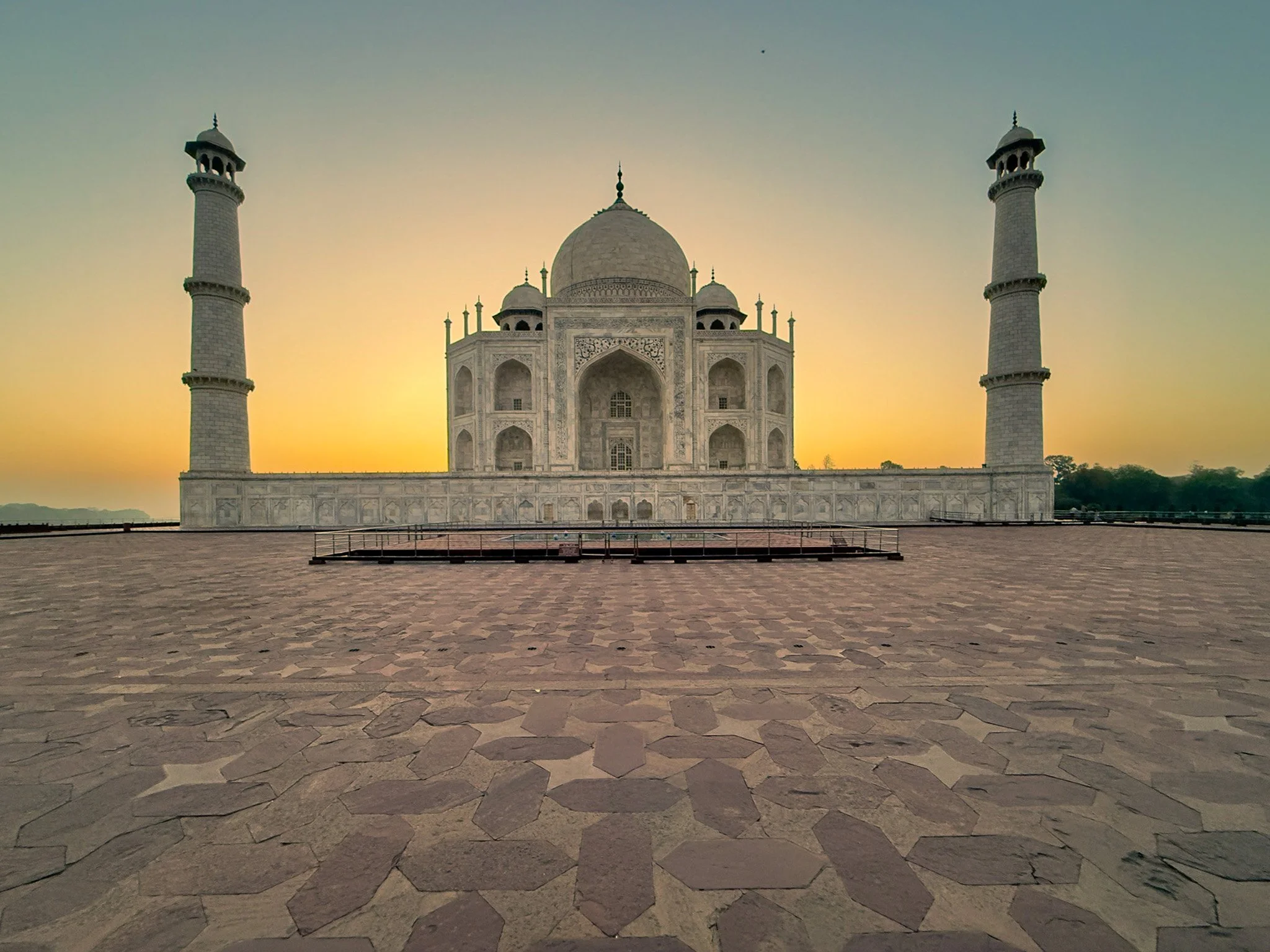
From the Left Side
Roughly a four-hour drive from New Delhi, Agra rewards visitors with a sight that truly defies expectations. Rising from the banks of the Yamuna River, the Taj Mahal is a shimmering vision in white marble, captivating in its symmetry and steeped in legend. Commissioned in 1632 by Mughal Emperor Shah Jahan in memory of his beloved wife Mumtaz Mahal, the mausoleum took over 17 years, 22,000 artisans, and 1,000 elephants to complete. The result? A structure that continues to mesmerize the world nearly four centuries later.
This masterpiece of Mughal architecture is not just India’s most famous monument but a universally admired gem of Islamic art and a UNESCO World Heritage Site. Built with a perfect balance of form and detail, the Taj Mahal is a study of bilateral symmetry, designed with mathematical precision along a central axis. Its gleaming dome, intricate pietra dura inlay, and expansive Mughal garden spanning nearly 17 hectares create an atmosphere of otherworldly serenity.

The Longer View Image of the Taj
While its dazzling beauty is what draws the crowds, the Taj Mahal’s power lies in its story—a tale of enduring love, artistic ambition, and timeless craftsmanship. From the mosque and guest house that flank the main tomb to the majestic red sandstone gateway, every element reflects an unmatched devotion to design and detail.
In Agra, the Taj Mahal is just the beginning. But it is, without question, a moment that will stay with you forever.

The Walls of the Fort
Where to Stay in Agra
The neighborhood to stay in is Taj Ganj. It puts you within walking distance of the Taj Mahal's eastern and western gates, which matters enormously for early-morning sunrise access. You want to roll out of bed and be at the gate in under ten minutes.

The View from the Oberoi Hotel
Luxury Hotels in Agra, India
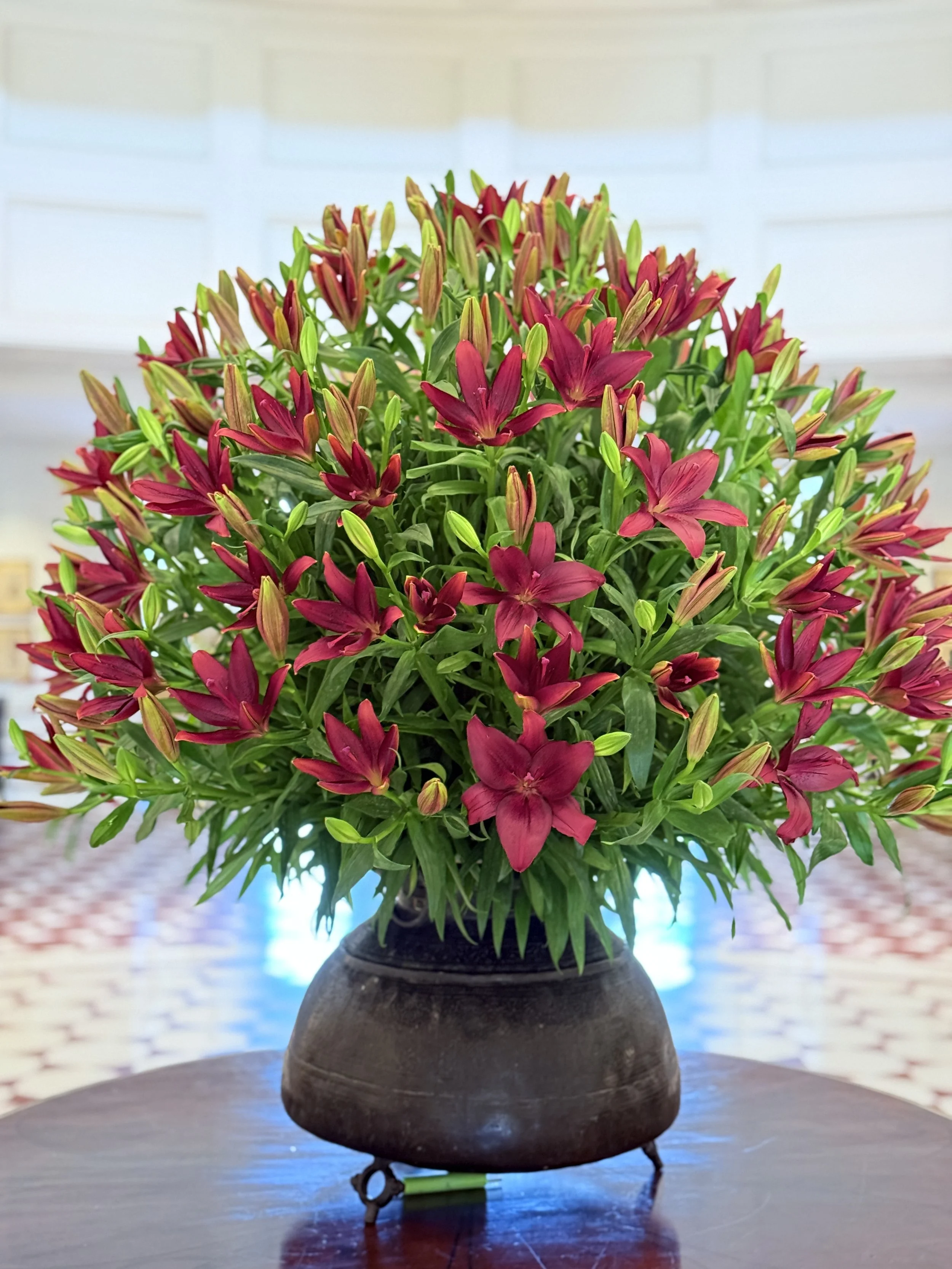
The Oberoi Amarvilas - This is where we stayed, and it was extraordinary. Every room looks toward the Taj Mahal. The Mughal-inspired architecture, the terraced gardens with their fountains and reflection pools, and the level of service make it a complete experience, not just a place to sleep. It was named to the Condé Nast Traveler Triple Crown in 2026 and has held a Travel + Leisure Hall of Fame designation. If you can swing it, stay here. The view from the room at sunrise is something you will remember forever.
ITC Mughal, A Luxury Collection Resort & Spa Sprawled across 23 acres of formal Mughal gardens, this is the only Indian hotel to have received the Aga Khan Award for architecture. The spa, the restaurants (including the outstanding Peshawri), and the scale of the property make it a destination in itself. It was renovated in 2024, and the grounds alone justify a stay. About 15 minutes from the Taj by car.
Taj Hotel & Convention Centre Modern comfort with a convenient location and good connectivity for travelers combining Agra with Delhi or Jaipur. Reliable, well-run, and solid if the first two options are not available.



Mid-Range Hotels in Agra, India
Hotel Taj Resorts Comfortable, clean, and positioned about 500 meters from the Taj's eastern gate. Good value and genuinely convenient for early-morning access.
Coral Tree Homestay A colorful, cozy homestay with a warm welcome and a proper Indian breakfast included. A good choice if you want something personal rather than corporate.
The Retreat Boutique-style rooms in a location that works well for navigating between the Taj, Agra Fort, and Mehtab Bagh. A solid mid-range pick.
How Many Days Should I Stay in Agra?
Most travelers give Agra a day. That is not enough.
Two to three days is the right amount. Here is how I think about it.
Day one is for the Taj. You need one full sunrise visit and ideally a second in the late morning to see how the crowds and the light change. Spend the afternoon at Mehtab Bagh across the river for a completely different perspective, and watch the Taj glow at sunset from that northern bank.
Day two is for everything else: Agra Fort in the golden late afternoon, the Itimad-ud-Daulah (the Baby Taj) in the morning when it is quieter, and time in the Kinari Bazaar for street photography and a proper plate of local food.
If you have a third day, use it for a half-day trip to Fatehpur Sikri. The abandoned Mughal capital is one of the most extraordinary pieces of architecture in India, and almost nobody talks about it the way they should. The geometry alone is worth the drive.
Best Time to Visit Agra for Photography
October through March is the window. Winter mornings bring soft, golden light that wraps the Taj's white marble in warmth. Temperatures are manageable, which matters when you are up before sunrise and standing in a queue.
December and January can bring a light morning mist. Do not let that put you off. The haze adds mood, especially when you are shooting from Mehtab Bagh across the Yamuna. Some of my favorite Taj images were made in that soft, diffused light.
March brings Holi. If your timing allows it, being in Agra during Holi is a once-in-a-lifetime photography experience. The streets and faces fill with colored powder, the energy is electric, and the images practically make themselves. Protect your gear (rain cover on the camera body, lens hood on), wear clothes you do not mind ruining, and embrace the chaos.
Avoid April through June. Heat is intense, midday haze flattens contrast and kills color, and the crowds do not thin enough to justify the discomfort.
If you want the best light, the most bearable conditions, and the highest probability of mist-enhanced early mornings, plan your trip between late October and early March.

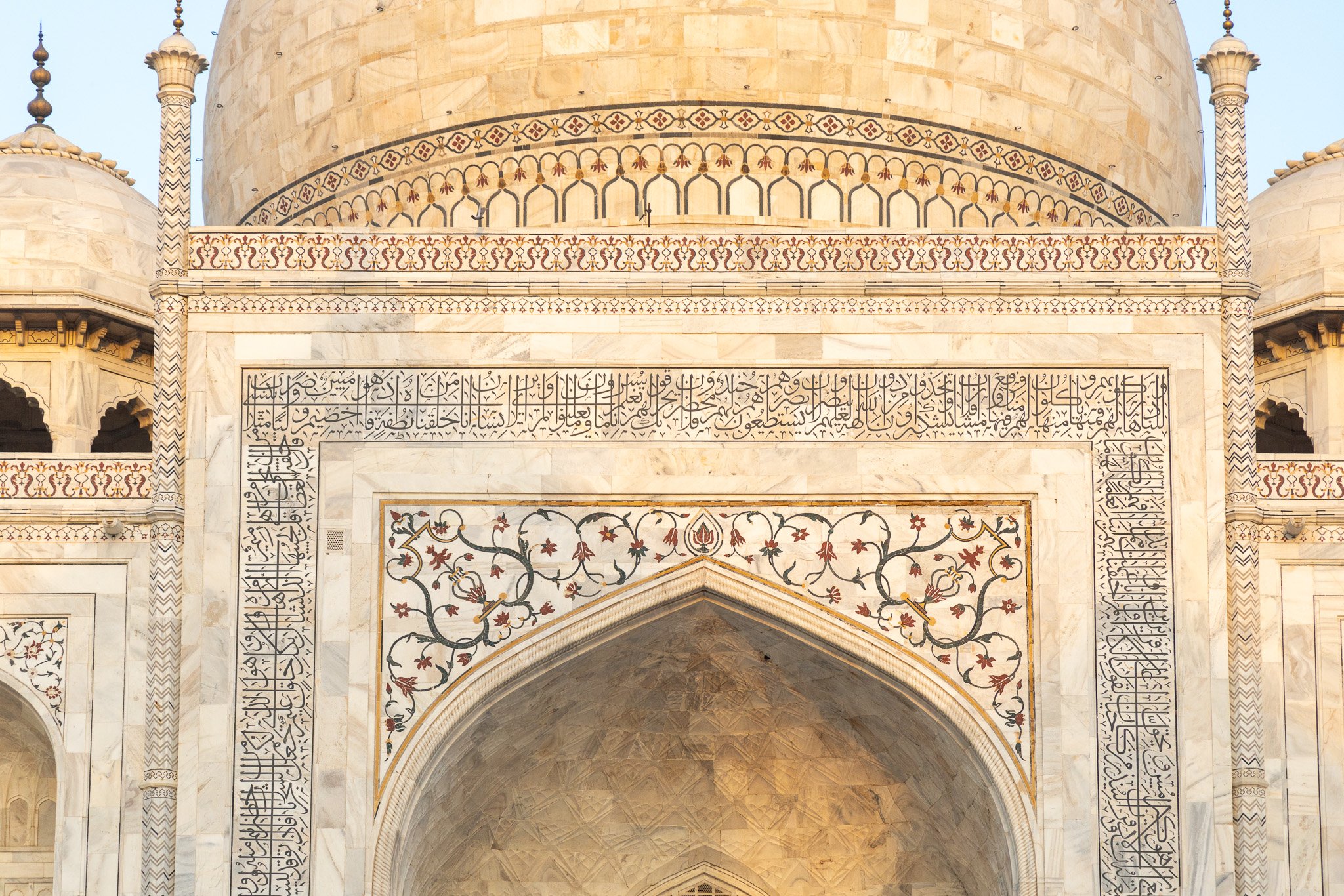
The In-Lay in the Marble at the Taj
How to Get Around Agra
Agra is compact and manageable. Here is what works.
Auto-rickshaws are your primary tool for short hops. Widely available, inexpensive, and easy to negotiate. The ride to Mehtab Bagh from Taj Ganj takes about 10 to 15 minutes and costs very little.
Uber and Ola both operate in Agra. More comfortable for longer trips, like the drive out to Fatehpur Sikri. For sunrise sessions at the Taj, consider pre-booking a driver the night before so you are not hunting for a ride at 5:00 AM.
Walking works well inside Taj Ganj. The eastern and western gates are both walkable from the main hotels in the neighborhood, and wandering the streets in that area is part of the experience.
Hired car with driver is worth considering if you are covering multiple sites in a day or coming from Delhi. A full-day driver can be arranged through your hotel, making logistics considerably easier, especially when you are carrying camera gear.
Note on carrying gear: Security at the Taj Mahal is real and thorough. Leave large backpacks at your hotel or use the bag deposit at the gate. Travel as light as possible when shooting here.
Where to Eat in Agra: Best Restaurants & Coffee Shops
Agra is known around the world for one monument. But its food tells its own story.
Agra's food scene is anchored in the Mughal culinary tradition: rich spice blends, slow-cooked meats, exceptional breads, and a love of the tandoor. But there is also something uniquely Agra that you need to try before you leave.
First, the Petha. This is Agra's signature sweet, made from white pumpkin (ash gourd). It is translucent, lightly sweetened, and oddly addictive. There is the dry, chewy version and the soft, syrup-soaked version that melts when you bite into it. The most famous source is Panchi Petha at Hari Parvat Crossing, which has been making it for decades and now offers dozens of flavors, including saffron and rose. Buy some to eat and some to bring home.

In the Oberoi
Restaurants Agra, India
Esphahan Inside the Oberoi Amarvilas. This is Mughal-style fine dining at its most refined: candlelight, the sound of the santoor, and a view of the Taj Mahal from your table. There are two seatings in the evening (around 7:00 PM and 9:30 PM), and reservations are essential. Go at least once if you are staying at the Oberoi or are celebrating something.
Peshawri Inside ITC Mughal. The signature restaurant specializes in food from the North-West Frontier: kebabs and tikkas from the tandoor, exceptional dal, naan baked in a wood-fired clay oven. No curries, but you will not miss them. One of the best meals I had in Agra.
Pinch of Spice A reliable, well-run North Indian restaurant near the Taj Ganj area. Good curries, attentive service, and a comfortable setting after a long morning. My go-to for a proper sit-down lunch after the sunrise session.
Sheroes Hangout A café run by survivors of acid attacks, operating on a donation basis. The food is good and the chai is strong, but the reason to go is deeper than the menu. It is one of those stops that adds real human weight to a trip that can otherwise feel monument-heavy. Go. Buy something from the craft shop on the way out.
Coffee Agra, India
Tea'se Me A rooftop café near the Taj with a killer masala chai and a decent view. Good for a break between the Taj and Agra Fort, or a slow afternoon edit session.
Mocha Cafe & Bar A more polished, sit-down café. Good for laptop work or decompressing after a full day on your feet.
Sheroes Hangout Worth a second mention here. It works just as well as a morning coffee stop. Pull up a chair, order a cold coffee or chai, and spend 30 minutes with the women who run it. It is a better use of time than most things on a Taj-day itinerary.
Photography Gear for Agra
DSLR and Mirrorless Kit
Agra rewards a varied kit. Here is what I brought and what I would bring again.
Camera bodies: Canon EOS R5 Mark II as the primary body, with the Leica Q3 as a walk-around when I wanted to travel light through the Kinari Bazaar. For those shooting Sony, the A7R V handles the marble's tonal range beautifully. Nikon Z8 users will be equally well-served.
Lenses:
15–35mm f/2.8. Essential for the Taj's wide symmetrical compositions and for working inside Agra Fort's courtyards. Most of my best Taj shots were made here.
70–200mm f/2.8. Critical for compressing the Taj from Mehtab Bagh across the river, for detail shots of the pietra dura marble inlay, and for candid street frames in the bazaar.
24–70mm f/2.8. The all-around lens for the Kinari Bazaar, food photography, and architectural interiors.
35mm or 50mm prime. If you want to travel light one afternoon, this is the lens.
Tripod: You cannot bring a tripod into the Taj Mahal complex. Do not try. For blue-hour and long-exposure work at Mehtab Bagh and from Agra Fort's terraces, a compact travel tripod or Platypod is worth having. Use a ledge, a step, or your bag inside the Taj gates.
ND filters: Less critical here than destinations with waterfalls or coastlines, but a 3-stop ND is useful for silky dawn exposures from the Yamuna riverbank.
Extras: Extra batteries are essential for pre-dawn starts. Cold winter mornings drain batteries faster than you expect. Carry a Samsung T7 SSD for daily backups.
Drone: Drones are strictly prohibited inside and around the Taj Mahal complex. Do not bring one to the site.
iPhone Shooting Tips Agra, India
For the Taj reflection shot: Use the standard 1x lens from the main axis walkway. The ultra-wide distorts the symmetry badly. Get closer and shoot slightly narrower.
At Agra Fort: The red sandstone against the open sky is a strong graphic composition. Use the native camera in Photo mode with gridlines on, and look for the fort's geometric window frames as natural borders for your subject.
In the Kinari Bazaar: Switch to Portrait Mode for vendors and craftspeople. The background separation in a busy street scene helps your subject breathe. Ask permission before pointing the camera at anyone directly.
For the pietra dura marble inlay details: Use your iPhone's 2x or 3x focal length to fill the frame with the stone patterns. Early morning inside the mausoleum, before the crowds pack in, gives you quieter moments for detail work.
Use ProRAW if your iPhone supports it. The marble's tonal range from near-white to deep shadow is wide, and ProRAW captures the latitude that HEIC simply discards.

Buying Tickets to the Taj
Plan ahead and buy online. The ASI ticketing portal (asi.payumoney.com) lets you book in advance and saves you the queue at the gate.
Pricing for foreign tourists (2026):
Base entry ticket: ₹1,100
Main mausoleum entry (inner chamber): ₹200 additional
Total for full access: ₹1,300
Online booking discount: ₹50 off the base ticket
Children under 15: free
Always confirm current pricing at tajmahal.gov.in before your visit, as the Archaeological Survey of India updates rates periodically.
Gate hours: The eastern and western gates open 30 minutes before sunrise and close 30 minutes before sunset. The southern gate is exit-only. Ticket counters at the gate open one hour before sunrise.
The Taj Mahal is closed every Friday. This is for mosque prayers and is firm. No exceptions. Plan your Taj visits for any other day, and use Friday for Agra Fort, Mehtab Bagh, Fatehpur Sikri, or the Kinari Bazaar.
The western gate is slightly less crowded than the eastern gate, especially at peak times. If you are arriving at sunrise and want to be among the first in, aim for the western gate and join the queue at least 30 minutes before the gates open.
Photography Locations in Agra, India
The Taj Mahal at Sunrise
There is nothing else in the world quite like standing in front of the Taj Mahal as the first light catches the dome. The marble reads differently at every hour. At dawn, before the crowds arrive, you get a few minutes of near-silence that feel genuinely rare for one of the most photographed places on Earth.
The key is to be at the gate early. Our guide Rajeev had us in position among the first group through the western gate, and we had roughly 20 minutes with the forecourt nearly to ourselves. That window is precious. Use it.
Beyond the main axis shot from the central walkway, look for the water pools and their reflections, the arched gateways that frame the dome, and the flanking mosque and guest house for context and scale. The marble inlay detail inside the mausoleum itself is a photographer's reward: semi-precious stones set in patterns that look almost three-dimensional up close.
📷 Pro Tip: Position yourself on the central axis at the main reflecting pool as soon as you enter. Shoot at 16–24mm to capture the full symmetry of the monument and the pool reflection in one frame. As crowds build, move to the sides and use the cypress trees as natural frames for a different composition. For detailed work on the pietra dura inlay, switch to your 70–200mm and fill the frame. No tripod is permitted, so stabilize against your bag or use a fast shutter. The best light is the first 30 to 45 minutes after the gates open.
Best time: Sunrise, October to March. Access: Ticketed (₹1,300 for foreign tourists, including mausoleum entry). Book online at asi.payumoney.com.
Go At Sunrise
If there’s one time you must visit the Taj Mahal, it’s at sunrise. As the first light washes over the white marble and the sky shifts from violet to gold, the monument seems to glow from within—an experience that feels nothing short of magical. It’s also the best time for photography, with soft, diffused light and fewer harsh shadows.
But timing is everything. Even just 10 minutes after the gates open, the peaceful quiet gives way to crowds. We’re talking hundreds—if not thousands—of eager visitors streaming in. So aim to be among the very first in line, ideally by 5:30 a.m.
Often, the Taj is shrouded in early morning mist or haze, which only adds to the drama. As the sun rises, the monument slowly reveals itself, like a shimmering mirage taking form. It’s a breathtaking moment—but be ready for a bit of chaos, too. Even at dawn, expect 500 to 1,000 people all vying for that iconic shot. Go early, be patient, and soak in every second—you’ll remember it forever.

Getting Low
Keep in mind that the Taj Mahal is closed on Fridays. Hence, Friday is the perfect day to visit Mehtab Bagh on the opposite side of the river and capture photos of the Taj Mahal without hordes of tourists crowding the terrace right in front of it.

From the Right Side
Look out for Frames & Reflections
Beyond the iconic postcard shot, the Taj Mahal complex offers countless opportunities to explore fresh angles and creative compositions. Plan to spend at least two hours inside—you’ll want time to observe how the shifting light subtly changes the color of the marble, from cool silver to warm gold.

Frames
Look for reflections in the water pools, and use the arches, trees, and gates to creatively frame your shots. And don’t be afraid to include people in your photos—their presence adds both scale and a human touch, highlighting just how monumental and awe-inspiring this structure truly is.
Photograph Details
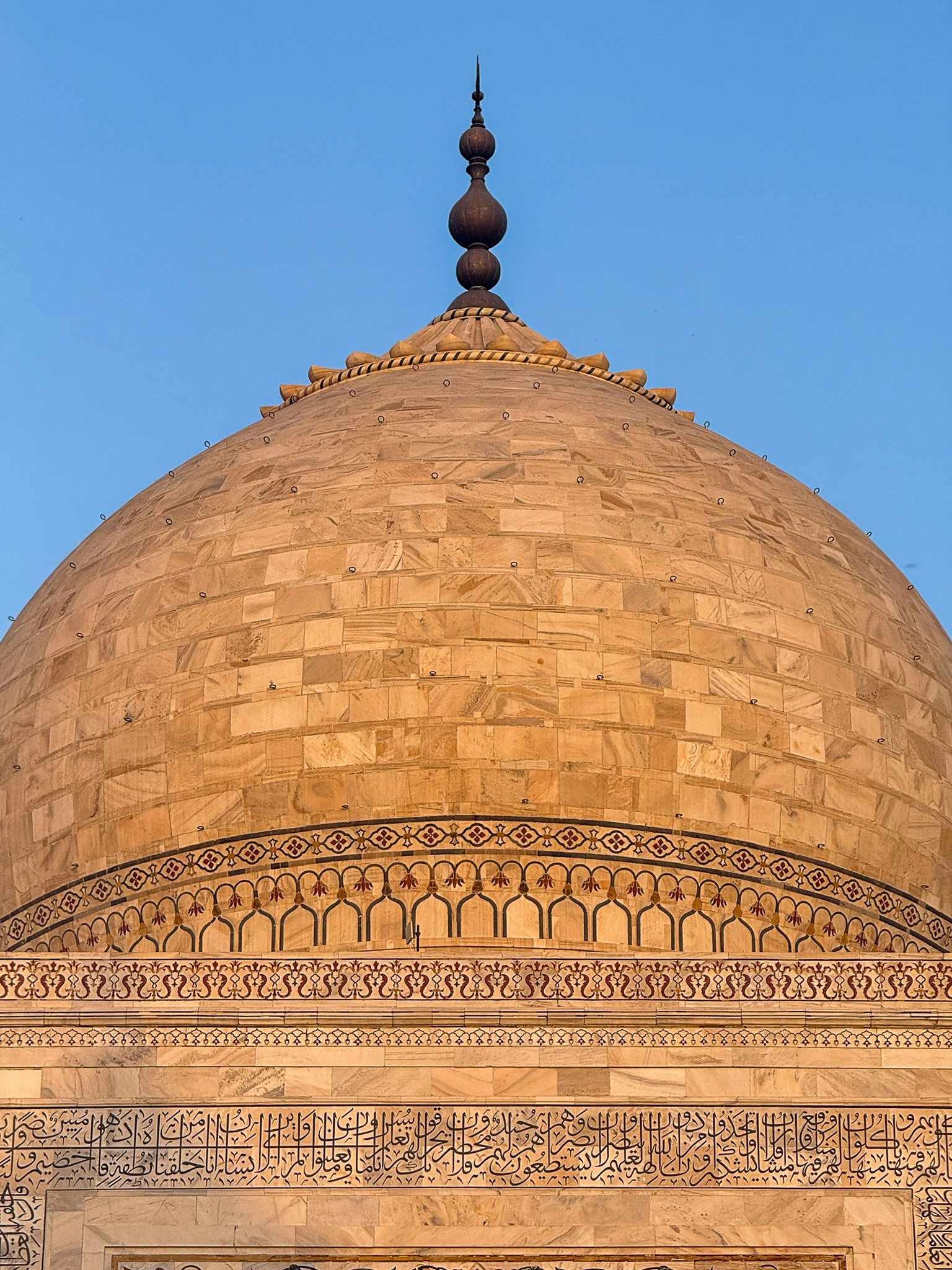
The Taj Mahal is undeniably breathtaking from a distance, but don’t miss the magic up close. The intricate Pietra Dura—marble inlaid with delicate patterns of semi-precious stones—is a photographer’s dream, rich in detail and craftsmanship. Equally captivating is the elegant calligraphy adorning the monument, featuring verses from the Quran masterfully rendered in black marble. These finer elements reveal the artistry and devotion behind this architectural masterpiece, well worth capturing through your lens.




Agra Fort: The Overlooked Gem in the Shadow of the Taj
People treat Agra Fort as an afterthought after the Taj. That is a mistake. This is one of the great Mughal architectural sites in India, and it photographs completely differently from the Taj. Red sandstone instead of white marble. Courtyards, ramparts, and pavilions with elaborate latticework screens. And from certain pavilions inside the fort, you can look across the Yamuna directly toward the Taj Mahal, which is where Shah Jahan spent the last eight years of his life under house arrest.
The Diwan-i-Am (Hall of Public Audience) and the Khas Mahal (Private Palace) are the most photogenic interiors. The rampart walk gives you elevated views over the river and, on a clear day, the Taj in the distance.
📷 Pro Tip: Arrive in the late afternoon, two to three hours before sunset. The low-angle light catches the red sandstone and reveals the texture in the walls in a way that flat midday light completely suppresses. Shoot the Khas Mahal's white marble pavilions against the sandstone backdrop at 24–50mm; the color contrast is strong. For the view toward the Taj, use your 70–200mm from the northern pavilion balcony and find the alignment. Note: Agra Fort is closed on Mondays, not Fridays. The closures for each site are different days; plan accordingly.
Best time: Late afternoon, year-round. Access: Ticketed (check current ASI pricing at asiagracircle.in). About 2.5 km from the Taj; take an auto-rickshaw.


Mehtab Bagh
Most visitors only see the Taj from the front. Mehtab Bagh, a formal garden complex on the northern bank of the Yamuna directly opposite the Taj, gives you the rear view, and it is a completely different photograph. The symmetry from this angle is quieter. The river provides a foreground. At sunset, the light comes from behind you and warms the entire face of the monument.
Go on a Friday when the Taj is closed to the public. With no crowd on the Taj grounds and no visitors visible at the terrace level, you get a cleaner image than is possible on any other day of the week.
📷 Pro Tip: Bring your 70–200mm here. The compression from the far bank flattens the surrounding landscape and makes the Taj dome appear to rise directly from the water. Set up 30 minutes before sunset and watch the color shift from gold to orange to deep red. Early morning is also excellent if you want the mist-over-the-river effect common in winter months. Entry for foreign tourists is approximately ₹300. Take a rickshaw from Taj East Gate Road; the ride takes 10 to 15 minutes.
Best time: Sunset year-round; misty winter mornings. Access: Paid entry, approximately ₹300 for foreign tourists.

From the Yamuna River
Plan ahead: check the sunrise time and give yourself at least 30 minutes to get there from Taj East Gate Road. A rickshaw ride should cost around ₹100, and the early start is well worth it.

From the Yamuna River
Top Photography Spots in Agra
Taj Mahal – Shoot at sunrise from the main entrance or from Mehtab Bagh for a river reflection shot.
Agra Fort – Go in the late afternoon for golden-hour shadows and historical textures.
Mehtab Bagh – Across the Yamuna, ideal for sunset shots of the Taj.
Itimad-ud-Daulah (Baby Taj) – Great for detail shots and far fewer crowds.
Fatehpur Sikri – A ghost city rich in geometry and drama, about an hour’s drive from Agra.
Kinari Bazaar – Chaos and color in the heart of old Agra. Perfect for street photography.
Graffiti in Agra
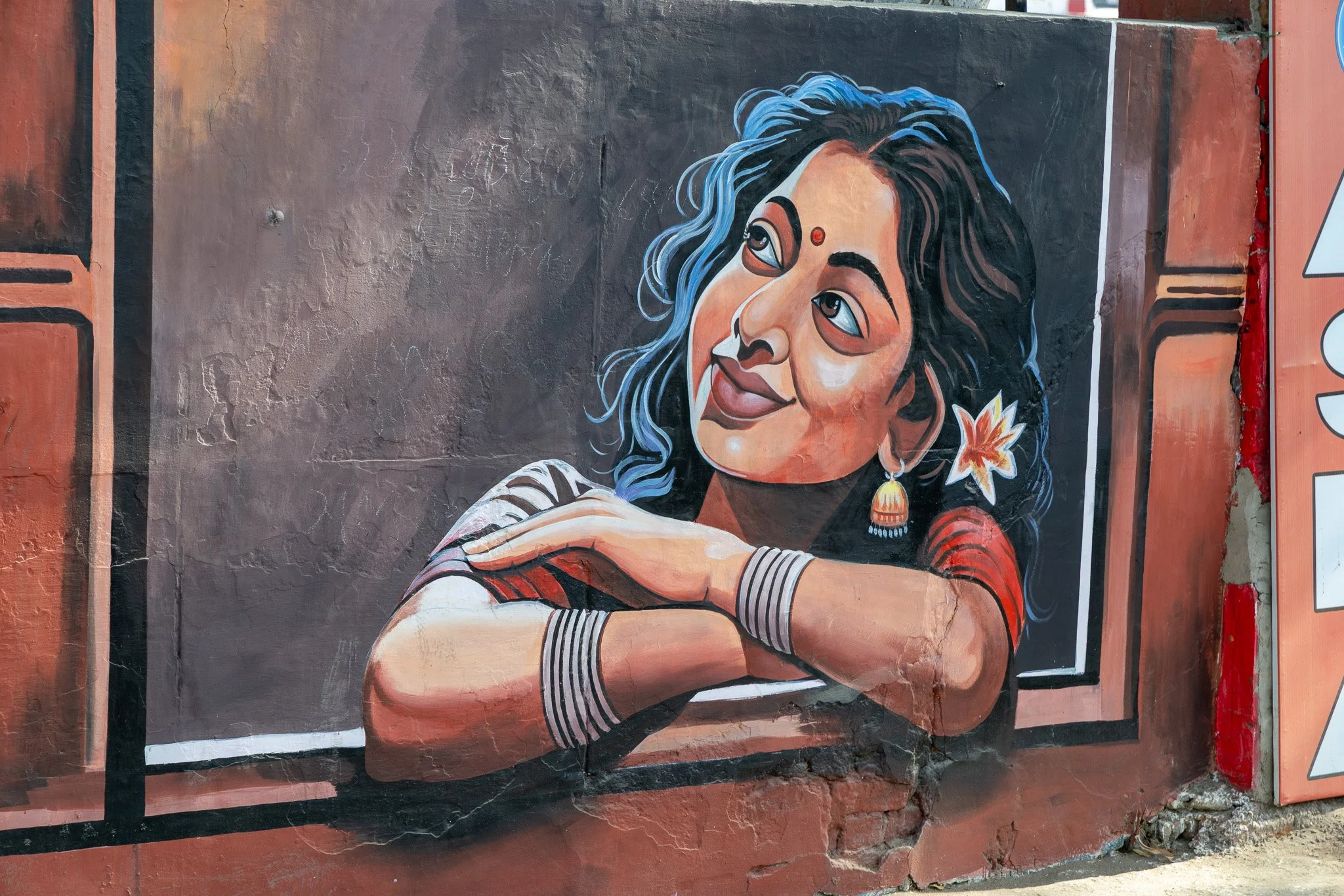
Agra, best known for the Taj Mahal, also boasts a vibrant street art scene that adds a contemporary flair to its historic charm. While not as widely recognized as other art hubs, Agra's graffiti culture is gaining momentum, reflecting both local and global artistic influences.




Festivals & Cultural Events in Agra, India
Taj Mahotsav (February/March) A ten-day celebration of Indian arts, crafts, music, and food held near the Taj Mahal's eastern gate. The market stalls pull in artisans from across India: weavers, potters, stone carvers, embroiderers. The evening performances include classical music and dance. For documentary and cultural photography, this is excellent. The lighting at the evening shows is warm and dramatic.
Holi (March) If you are anywhere in North India during Holi, stay for it. In Agra, the festival is celebrated with full intensity: streets fill with colored powder and water, faces become abstract paintings, and the normal rules of the city seem to dissolve for a day. For photographers who enjoy human-centered, uncontrolled, emotionally charged images, Holi is as good as it gets. Protect your gear with a rain cover, remove any lens that you cannot afford to have damaged, and wear clothes you will not keep. And ask before you photograph children.
Ram Barat (October) A lesser-known festival celebrating the wedding procession of Lord Ram, performed as a theatrical parade through the streets of Agra. Elaborate costumes, painted faces, music, and a genuinely local crowd that is there for the tradition rather than the tourism. For street and documentary photography, this is the most overlooked event on Agra's calendar.
Frequently Asked Questions About Visiting Agra
Is Agra safe?
Yes, for the areas most visitors go to, the Taj and around the major monuments. Normal city awareness applies in crowded markets like the Kinari Bazaar. A private driver for full-day excursions removes most of the logistical hassle.
How many days do you need in Agra?
Two to three days. One day covers the Taj at sunrise and Mehtab Bagh at sunset. A second day for Agra Fort, Itimad-ud-Daulah, and the Kinari Bazaar. A third for a half-day trip to Fatehpur Sikri.
Is the Taj Mahal open every day?
No, it's closed every Friday for mosque prayers, no exceptions. That's actually the best day to visit Mehtab Bagh instead, since the Taj's terrace is empty of visitors that day.
What are the best photo spots in Agra?
The Taj Mahal at sunrise from the western gate, Mehtab Bagh at sunset for the rear view across the river, and Agra Fort in late afternoon for the red sandstone light are three that consistently deliver. The full list with Pro Tips is above.
Can you fly a drone in Agra?
No. Drones are strictly prohibited in and around the Taj Mahal complex. Don't bring one to the site.
What surprised you most about photographing Agra?
We've all seen photos of the Taj, but seeing it in person is far more impressive. The scale and the beauty are genuinely incredible, no photograph fully prepares you for standing in front of it.
Do you need to book Taj Mahal tickets in advance?
Yes, strongly recommended. Book online through the ASI portal ahead of time to save time at the gate, and note that a mausoleum entry fee applies on top of the base ticket for foreign visitors.
Is it worth hiring a local guide?
Yes, without hesitation. A knowledgeable guide can get you positioned among the first through the gate at sunrise, which makes a real difference for both the experience and the images you come home with.
Final Thoughts
Agra is not just about checking the Taj Mahal off a list.
Yes, the Taj Mahal is one of the most extraordinary buildings ever created. You can photograph it ten times in one day, and it will look different each time. Soft and ethereal at sunrise. Bold and bright by mid-morning. Romantic and glowing at sunset from Mehtab Bagh.
But Agra is more than a single monument.
It is the quiet details inside Agra Fort. The rhythm of daily life in the streets. The sweetness of fresh Petha from a local shop. The layers of Mughal history that shaped India’s story.
Agra forces you to slow down. It reminds you that great photography is not just about iconic structures. It is about patience, light, and perspective.
If you care about architecture, history, culture, or simply making images that feel timeless, Agra deserves your time. Come for the Taj. Stay for the atmosphere. Leave with photographs that will stay with you long after you return home.
Want to improve your photography while exploring some incredible destinations? Join me on one of my photography workshops! You can find all the details, including upcoming destinations and dates, through the links below.
Let's Stay Connected!
If you want to explore the region further, here are three guides worth reading alongside this one.
My Photography & Travel Guide to Delhi, India— Most travelers arrive in Agra via Delhi, and the capital deserves far more than a transit stop. Old Delhi alone is one of the most intense, rewarding street photography environments in the world. My guide covers the best neighborhoods, the spice market at Chandni Chowk, the Red Fort, and where to stay.
My Photography & Travel Guide to Jaipur, India — Agra is the eastern anchor of India's Golden Triangle; Jaipur is the western one. The pink-walled old city, the Amber Fort at dawn, and the city's distinctive palette of terracotta and marigold make Jaipur a photographer's city in its own right. Two to three days here, combined with Agra, covers the Triangle's most rewarding photography.
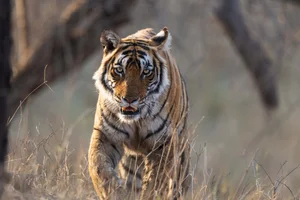
My Photography & Travel Guide to Ranthambore National Park, India — If wildlife photography is part of your trip, Ranthambore is within reach of both Agra and Jaipur. India's most famous tiger reserve offers some of the most dramatic big-cat photography in Asia, and the fort ruins within the park are a remarkable backdrop for sunrise shoots.
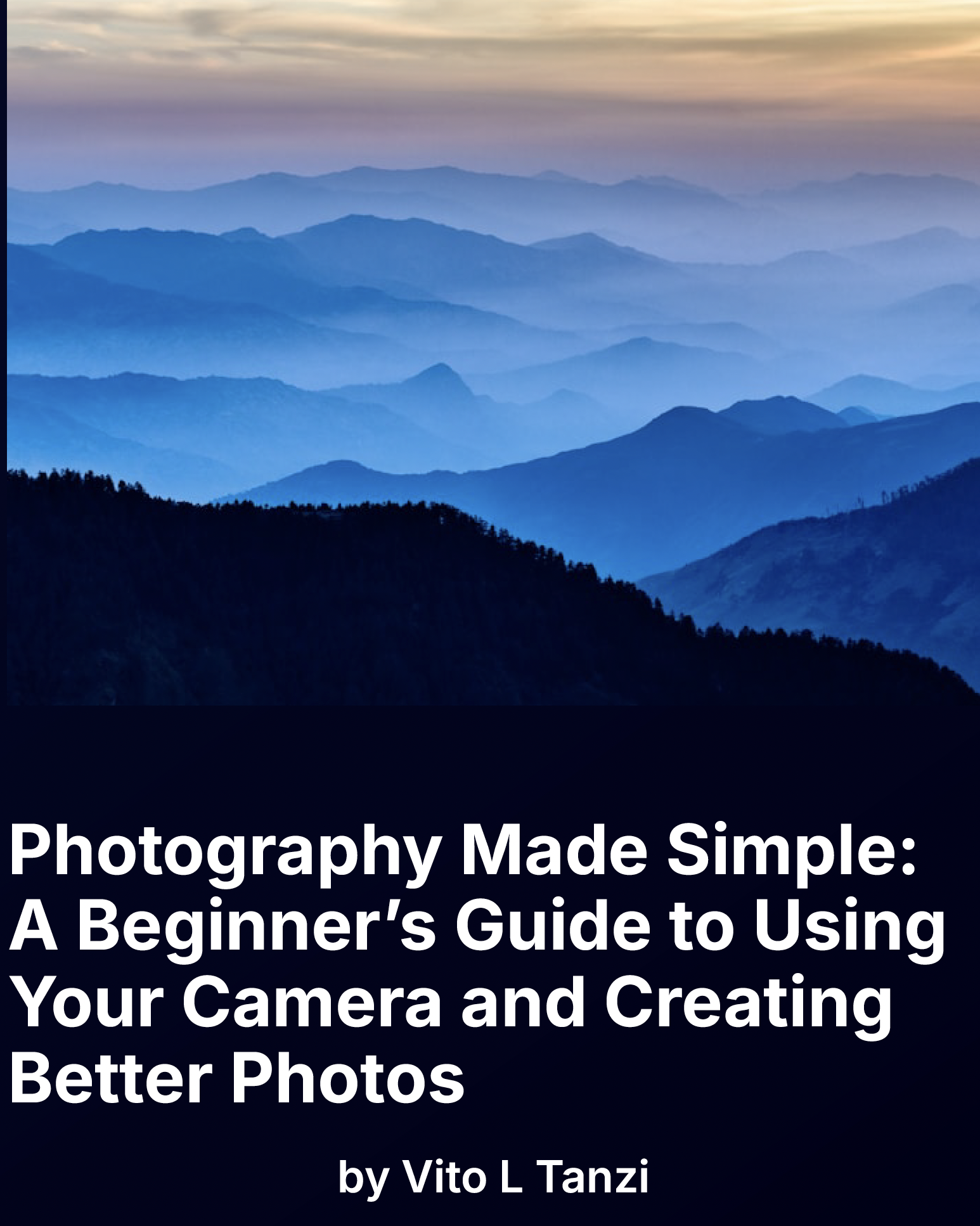
Finally—a beginner-friendly photography guide that makes sense.
If you've ever picked up a camera and thought, "Now what?" this is the book for you.
Photography Made Simple is written for adults who are just starting out and want a clear, encouraging, real-world approach to learning photography. Whether you're using a DSLR, mirrorless, or just your smartphone, this guide walks you through the basics—without the jargon or tech overwhelm.
Inside, you'll learn:
The only camera settings you really need to know to get started
How to shoot sharper, more intentional photos using light and composition
Simple tips for portraits, landscapes, travel, and everyday life
What gear you do (and don’t) need
How to create better photos without upgrading your camera
You’ll also get practical exercises, cheat sheets, and tips for organizing and editing your images—plus the confidence to shoot off Auto Mode for good.
This is not a textbook. It’s a friendly guide to seeing the world with fresh eyes—and finally capturing what you see the way you imagine it.
📸 Format: PDF download
Pages: 100+
Perfect for: Beginners, hobbyists, and anyone ready to take better photos without the stress
✈️ Travel Photography Planning Sessions
One-on-One Trip Planning with a Professional Travel Photographer
Don’t miss the shot. Let me help you plan for it.
Overview
Planning a photography-focused trip can be overwhelming. From figuring out the best places to shoot, to when the light is just right, to knowing which lens to pack — there are a lot of decisions to make.
This one-on-one Zoom session is your chance to get personalized travel photography advice from someone who’s spent the past 25 years exploring cities, coastlines, and wild places around the world — camera in hand.
Whether you're headed to Paris, Patagonia, Tokyo, or Tuscany, I’ll help you make sure your photography trip is well-planned and creatively inspired, so you come home with the images you dreamed of (and then some).
What’s Included
✅ Photography Location Planning
I’ll help you create a customized itinerary of the best photo spots, including off-the-beaten-path gems and iconic views.
✅ Best Times to Shoot
Get expert advice on lighting, golden hour, blue hour, and seasonal conditions for each location.
✅ Gear Recommendations
Not sure whether to bring the telephoto or the prime? We’ll walk through your gear and make sure you’re bringing the right tools for your destination and style.
✅ Hotel and Base Recommendations
Stay where it’s convenient for sunrise shoots and late-night strolls with your camera. I’ll recommend hotels that are photographer-friendly and well-located.
✅ Custom Travel Tips
From sunrise entry times to tripod rules at major landmarks, you’ll get insider tips to save time, avoid tourist traps, and make the most of your trip.
Who It’s For
This service is for anyone who:
Is planning a trip and wants to prioritize photography
Wants expert insight on the best places to shoot and how to get there
Is tired of missing the shot because of poor planning or bad timing
Is a beginner, enthusiast, or professional photographer looking for guidance before a trip
How It Works
Book a Session
Choose a time that works for you and tell me where you're headed.Share Your Plans
You’ll fill out a quick questionnaire so I know your travel dates, interests, and photography style.One-on-One Zoom Call (60 minutes)
We’ll meet via Zoom and walk through your trip together — from location ideas to gear and timing. You'll leave with a custom PDF full of notes and suggestions.Follow-Up Support
Get one round of email Q&A after your session to clarify anything as your plans evolve.
Why Work With Me?
I’ve spent the last 25 years photographing the world — from major cities to remote islands. I know what it’s like to travel and shoot under pressure, and I love helping people get the most out of their trips. This is not just about hitting “popular spots” — it’s about crafting a creative and efficient plan tailored to your trip, your gear, and your goals.
Pricing
$125 / Session
Includes:
60-minute Zoom call
Custom PDF summary with photography spots, gear tips, and travel recommendations
One follow-up email with additional Q&A
Introductory rate available through September 2025
Ready to Plan Your Trip?
Let’s make sure you’re ready — so when the light is perfect, you’re in the right place with the right gear.
Questions?
Please email me at vito@chasinghippoz.com if you're not sure whether this is right for you. I'm happy to chat.