My Photography & Travel Guide to Ranthambore National Park, India
In the early morning haze of Ranthambore, the ancient ramparts of a 10th century fort rise from the jungle like a forgotten kingdom. Below, the forest begins to stir. A peacock calls across the valley. A spotted deer freezes mid-step. And somewhere in the tall grass, the striped ghost of India moves with quiet authority.
Ranthambore National Park is not just a wildlife destination. It is a place where history and wilderness share the same frame. Towering above the reserve, Ranthambore Fort watches over lakes filled with lilies, steep cliffs, and dry deciduous forest that seems pulled from a film set.

Located in eastern Rajasthan, Ranthambore is one of India’s most celebrated tiger reserves, drawing wildlife lovers and photographers from around the world. It is beloved not only for its tiger sightings but also for its layered landscape. Ancient ruins sit beside watering holes. Langurs leap across temple stones. Marsh crocodiles rest in golden light.

For photographers, the setting adds depth to every image. You are not just capturing a tiger. You are telling a story of place, of history, of survival.
Whether you are a seasoned wildlife photographer carrying a super telephoto lens or a traveler with a camera phone and curiosity, this Photography Guide to Ranthambore National Park will give you the tools, timing strategies, and practical tips you need to plan, shoot, and fully experience this iconic Indian jungle.
Where to Stay in Ranthambore
Location matters here. You want to be close to the action, especially when your wake-up call is before sunrise.
Best Base: Sawai Madhopur
The town of Sawai Madhopur sits just minutes from the main gates of Ranthambore National Park. Staying here means less time driving in the dark and more time focused on the golden light that makes this park magical.
Morning safaris start early. Very early. The closer you are to the entrance zone assigned to you, the better your experience will be.

The Ranthambore Regency
Luxury Hotels in Ranthambore
The Oberoi Vanyavilas Wildlife Resort
If you want a true luxury safari experience, this is it. Tented suites, impeccable service, and beautiful grounds. It is polished, calm, and perfectly positioned for early departures.
Aman-i-Khás
Minimalist elegance in the jungle. Small, intimate, and thoughtfully designed. Ideal if you want privacy and a refined atmosphere between game drives.
Mid-Range Options
Ranthambhore Heritage Haveli
Charming, comfortable, and well run. It offers a relaxed environment and is popular with photographers.
Nahargarh Ranthambhore
A larger property with traditional style architecture and good value for the location.
Where to Eat & Grab Coffee
In Ranthambore, your schedule revolves around safari drives. Early departures. Midday breaks. Afternoon game drives. Most of your meals will likely be at your lodge, and honestly, that works well. The better properties understand photographers. They serve early breakfasts and hearty dinners that help you recharge.
We mainly ate at our hotel, which made logistics simple between drives. That said, if you want to explore a bit beyond your lodge, here are a few reliable options near Sawai Madhopur and the entrance to Ranthambore National Park.

Best Restaurants in Ranthambore
The Oberoi Vanyavilas Dining – Elegant, fine Indian cuisine in a romantic setting.
Sher Bagh Dining Pavilion – Farm-to-table menus with Raj-era charm.
Jungle View Restaurant – Affordable and authentic Rajasthani meals.
Vivanta by Taj Sawai Madhopur Lodge – Colonial-style ambiance and great continental options.
Khem Villas Kitchen – Organic and vegetarian fare that surprises in the best way.
Best Coffee Shops
Café Kothi – A charming coffee and crafts café in an old haveli.
[Shri Balaji Coffee House] – Great for chai and local interactions.
In-house lounges at Aman-i-Khás and Suján Sher Bagh – Ideal for relaxed editing sessions or afternoon espresso.
How Many Days Should I Stay in Ranthambore?
When people ask, “How many days should I stay in Ranthambore?” my answer is simple. Give yourself time.
Ideal Length: 3 to 4 Days
Plan for at least three to four days.
That usually means six to eight safari drives. And that matters. Tiger sightings are never guaranteed in Ranthambore National Park. This is real wilderness, not a zoo. The more drives you book, the better your odds.
Different safari zones also offer different landscapes. Some have more lakes. Others feature dramatic cliffs or denser forest. Variety adds depth to your portfolio, even if you do not see a tiger on every drive.
And remember, it is not just about tigers.
You will photograph leopards, sloth bears, crocodiles, peacocks, langurs, and spotted deer. You will capture sunrise light filtering through dust. You may frame wildlife against the ancient walls of Ranthambore Fort rising above the jungle.
Three to four days gives you time to relax into the rhythm of the park. By your third morning, you stop chasing and start anticipating.

Looking into the Eyes of a Tiger is Incredible
Morning and evening safaris offer very different lighting and activity patterns, so spread your safaris across your stay for the full experience.
Best Time to Visit Ranthambore
The park is open from October to June, but the best time to visit Ranthambore for photography is from February to April, when vegetation is sparse, and wildlife is more easily spotted near water sources.
October–January: Lush, green landscapes and misty light—ideal for moody compositions.
February–April: Dry season begins, great visibility, best tiger sightings.
May–June: Intense heat, but prime time for wildlife near water holes (ideal for serious photographers).

How to Get Around Ranthambore

By Air: The nearest airport is Jaipur (160 km), with regular flights from Delhi and Mumbai.
By Train: Sawai Madhopur Station is well-connected and just a short ride from the park.
Local Transport: Tuk-tuks and taxis are available for local travel, but most hotels provide safari transfers.
Safari Vehicles: Ranthambore uses two main types of vehicles:
Gypsies: 6-seater open jeeps, ideal for photographers. Can be booked privately or shared.
Canters: 20-seater open trucks—budget-friendly but more crowded.
Tip: Book a private Gypsy for full photographic flexibility and better angles.
Safari Vehicles in Dudhwa: All About the Gypsy
When you’re heading into the wild heart of Dudhwa National Park, your ride will most likely be a Maruti Suzuki Gypsy—India’s go-to safari vehicle for navigating rugged forest tracks and narrow trails.
What is a Gypsy?
The Gypsy is a compact 4x4 open-top jeep used across most Indian national parks. It's favored for its off-road capability, open design (perfect for shooting from all angles), and ability to handle everything from muddy trails to forest terrain with ease.

Entrance to the Park at sunrise
What to Expect on Safari:
Seating: Typically accommodates 6 passengers, including a driver and park guide. Photographers can often book a full vehicle for more shooting flexibility.
Open Top: Offers an unobstructed 360-degree view—great for wide-angle shots, spotting birds overhead, and tracking wildlife movement.
Custom Rigs: Some lodges or private operators offer Gypsies with customized camera mounts or beanbag setups for added stability.
Photography Tips for Shooting from a Gypsy:
📸 Bring a beanbag or clamp mount—tripods are tough to manage in a moving vehicle.
🔭 Sit on the back bench if you prefer a bit more elevation and side-angle flexibility.
🧢 Don’t forget a hat, sunglasses, and a dust cover for your gear during dry months.
💨 Wear layers—it can be chilly at 6 AM and scorching by 10.
The Ranthambore Zones: A Photographer’s Guide to Tiger Territory
Ranthambore National Park in Rajasthan is divided into 10 tourism zones, each offering a unique window into the lives of India’s most iconic big cats. As a wildlife photographer, I see these zones not just as numbered regions, but as dramatically different canvases that paint the many moods of Ranthambore.
Zones 1 to 5: The Core Zones
These are the oldest and most celebrated parts of the park. If you're chasing iconic tiger portraits or moody habitat shots, this is where the legends live.
Zone 1 – The Underdog with Surprises
Highlights: Tuti ka Nalla, Sultanpur, Peela Pani
Why it matters: Often overlooked, but surprisingly good for sightings of tigers like Arrowhead (T-84) in the past. It's a zone that rewards patience—and those who know how to work with tricky terrain.

Sloth Bear
Zone 2 – Classic Ranthambore Drama
Highlights: Jogi Mahal, Phuta Kot, Lahpur
The vibe: Dramatic rocky outcrops and waterholes that offer high drama. This zone has given me some of my most intense tiger encounters, often with tigers descending from cliffs like silent ghosts.


Zone 3 – Postcard Perfection
I loved the Ranthambore Fort views in the morning.


Highlights: Padam Talab, Rajbagh Lake, Malik Talab
Why it’s a favorite: If you’ve seen a photo of a tiger walking near ancient ruins or reflected in a shimmering lake, odds are it was taken here. I always recommend this zone for both landscape and wildlife photography—especially at sunrise when the golden light hits Rajbagh.

Zone 4 – The Wild Card
Highlights: Malik Talai, Singh Dwar, Lakkarda
Known for: Unpredictable but rich. Home to tigers like T-19 (Krishna) and her cubs in the past. There's always a buzz of activity here—sloth bears, leopards, even marsh crocodiles occasionally surprise you.

The Chase
Zone 5 – The Sleeper Hit
Highlights: Bagda, Anatpur, Jokha
My take: Less traffic, more solitude, and excellent lighting conditions. Zone 5 is where I go when I want quieter sightings and to experiment with more creative compositions.
Zones 6 to 10: The Buffer Zones
These were opened later, but they’ve been delivering some serious action in recent years. Think of them as the rising stars—more open landscapes, more flexibility, and less competition for sightings.
Zone 6 (Kundal) – The Open Plains
Why it’s special: Feels like a mix of Ranthambore and Africa. Grasslands meet low hills. Great for photographing tigers against clean backdrops or in motion—especially in dry season.
Zone 7 & 8 – The Raw Edges
Highlights: Chidikho, Banskhori, Kherai
Photographer’s note: These are rugged, less manicured zones. You’ll work a bit harder here, but the payoff? Tighter encounters, better tracking, and sometimes—you’re the only jeep around when a tiger appears.
Zone 9 (Kuwalji) – Off the Beaten Path
Why it’s different: Far from the core, but worth the trip if you love photographing wildlife in more open scrub terrain. Tigers here are more elusive, but the scenery is unique.
Zone 10 – The Newcomer’s Edge
Best for: Birding, dramatic skies, and occasional big cat sightings. It’s still developing as a photographic hotspot, but it’s calm and full of potential.

Tiger Crossing
Photography Gear to Bring
Ranthambore offers a variety of photographic challenges—from low-light forest shots to close-up wildlife portraits.

Camera Bodies
Canon: EOS R5 Mark 2, R1
Sony: Alpha A1, A7R V
Nikon: Z9, Z8

Lenses
Telephoto:
Canon RF 400mm f/2.8L IS USM – Incredible for close tiger portraits, especially with RF extenders.
Sony FE 300mm f/2.8 GM OSS – Lightweight and fast, excellent for action and handheld tracking.
200–600mm or 100–500mm for zoom versatility
Zoom: 24–70mm for safari vehicles and habitat shots
Wide-Angle: 16–35mm for capturing forts, landscapes, and environmental storytelling

4 Tigers from One Family
Accessories
Beanbag for stability on jeep rails
Rain/dust cover, UV filters
Extra batteries and high-speed memory cards
Polarizer/ND filter for waterhole shots
Binoculars for spotting and planning compositions
Drones: Not allowed within the park boundaries
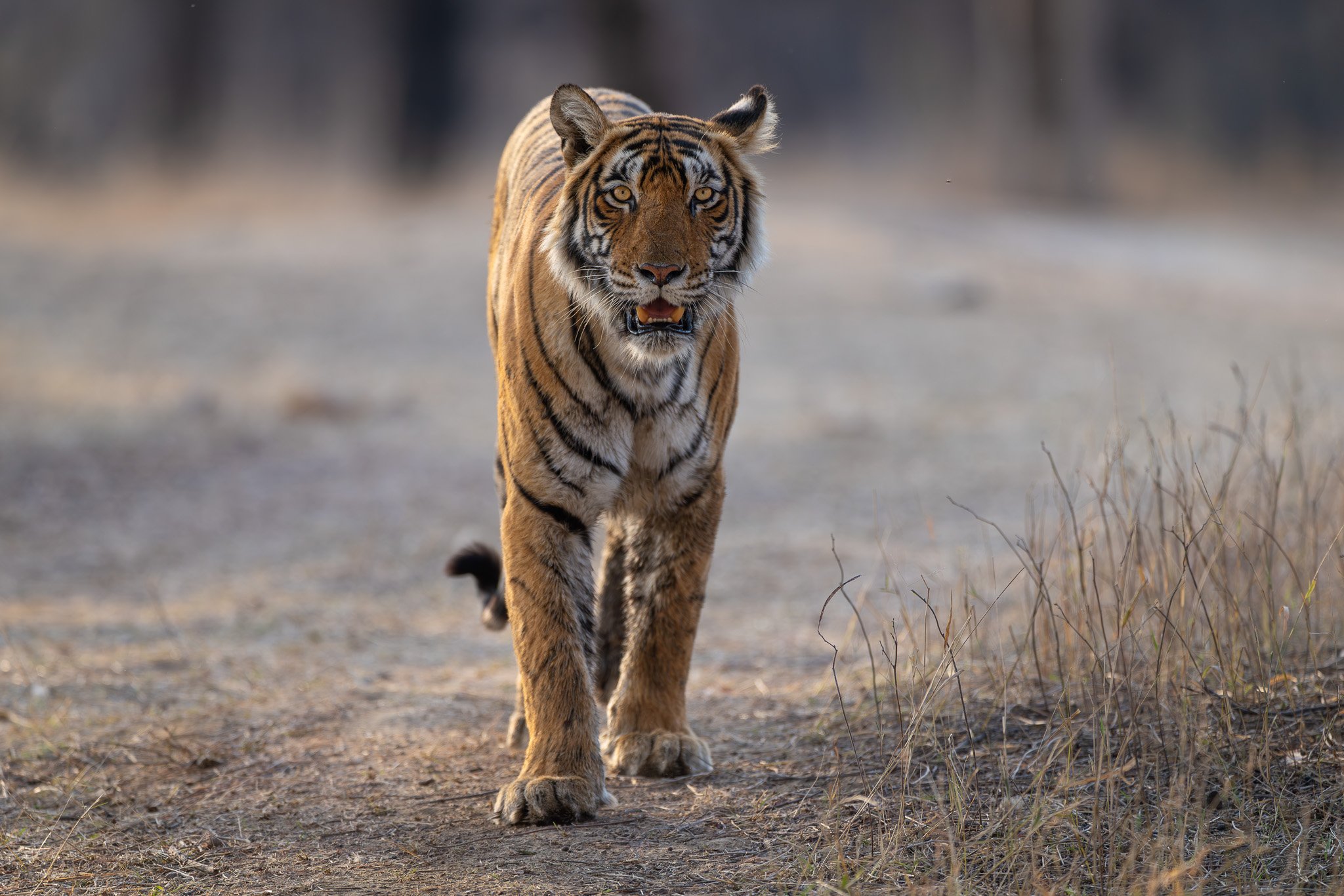
At Sunrise
Dust Protection Tips for You & Your Camera Gear
Dudhwa’s dirt trails, dry grasslands, and open-top Gypsy rides are a dream for wildlife lovers—but a challenge for your gear (and your lungs). Whether you're bouncing along jungle tracks or sitting in a cloud of kicked-up dust during a tiger sighting, being prepared will help keep you and your equipment protected and running smoothly.

📸 How to Protect Your Camera Gear
Use a Rain/Dust Cover: Invest in a dedicated camera/lens cover like those from Think Tank or LensCoat. A simple shower cap or large ziplock bag can work in a pinch.
Lens Filters: Keep a UV or clear protective filter on your lenses at all times.
Change Lenses Sparingly: Avoid changing lenses in the field unless absolutely necessary. If you do, turn your back to the wind and use a sensor-safe dust blower after every shoot.
Wipe Down Nightly: Carry a microfiber cloth and lens wipes to gently clean off fine grit at the end of each day.
Dry Bag or Padded Backpack: Store gear in a dustproof, padded bag when not in use. Brands like Lowepro, Shimoda, and F-Stop Gear make excellent safari-ready options.
😷 How to Protect Yourself
Face Buffs or Neck Gaiters: A lightweight, breathable buff or cotton scarf works great for covering your nose and mouth during dusty drives.
Sunglasses or Wrap-Around Shades: Protects your eyes from both sunlight and particles.
Saline Nasal Spray: If you’re sensitive to dust, this can help flush out irritants post-safari.
Hydration: Dust + heat = dehydration risk. Always carry a reusable water bottle and sip frequently.

Top Photography Spots in Ranthambore
Zone 3 – Rajbagh Lake: One of the most scenic zones, with tigers often seen against the backdrop of palace ruins.
Padam Talao: Lotus-covered lake with great reflections and sunrise shots.
Ranthambore Fort: Dramatic views and a cultural-photography twist to your wildlife trip.
Zone 2 and 4: Known for leopard sightings and birdlife.
Zone 6–10: Less crowded, higher chances of solitary tigers and landscape shots.
Photo Tip: Early morning safaris give the best light and animal activity; sit on the left side of the Gypsy for prime angles in Zones 3 and 4.
Festivals & Events in Ranthambore
Ranthambore Music & Wildlife Festival (Dates vary) – A blend of conservation, culture, and art.
Holi and Diwali – Celebrated enthusiastically in nearby towns and lodges, ideal for cultural shots.
Final Thoughts
Ranthambore is one of the rare places on Earth where ancient architecture and apex predators share the same frame. You can photograph a tiger moving through golden grass with the silhouette of Ranthambore Fort watching from above. That combination of history and raw wilderness is unforgettable.
Ranthambore National Park offers more than wildlife sightings. It offers atmosphere. Dust rising in early light. Alarm calls echoing across a lake. The tension of waiting, knowing something extraordinary could step into view at any moment.
With the right gear, thoughtful timing, and a patient mindset, this park becomes a playground for storytelling. Long lenses help isolate behavior. Wider compositions capture scale and setting. Even a smartphone can document the mood if you pay attention to light and layering.
Ranthambore rewards those who slow down. It is a photographer’s dream and a traveler’s treasure. If you love wild places with depth and history, this is one you should experience at least once in your lifetime.

If you are interested in joining one of my photography workshops, you can find the details through the link. You can also follow along on Instagram, Facebook, or subscribe to my newsletter for more travel photography tips and behind-the-scenes insight.
Finally—a beginner-friendly photography guide that makes sense.
If you've ever picked up a camera and thought, "Now what?" this is the book for you.
Photography Made Simple is written for adults who are just starting out and want a clear, encouraging, real-world approach to learning photography. Whether you're using a DSLR, mirrorless, or just your smartphone, this guide walks you through the basics—without the jargon or tech overwhelm.
Inside, you'll learn:
The only camera settings you really need to know to get started
How to shoot sharper, more intentional photos using light and composition
Simple tips for portraits, landscapes, travel, and everyday life
What gear you do (and don’t) need
How to create better photos without upgrading your camera
You’ll also get practical exercises, cheat sheets, and tips for organizing and editing your images—plus the confidence to shoot off Auto Mode for good.
This is not a textbook. It’s a friendly guide to seeing the world with fresh eyes—and finally capturing what you see the way you imagine it.
📸 Format: PDF download
Pages: 100+
Perfect for: Beginners, hobbyists, and anyone ready to take better photos without the stress
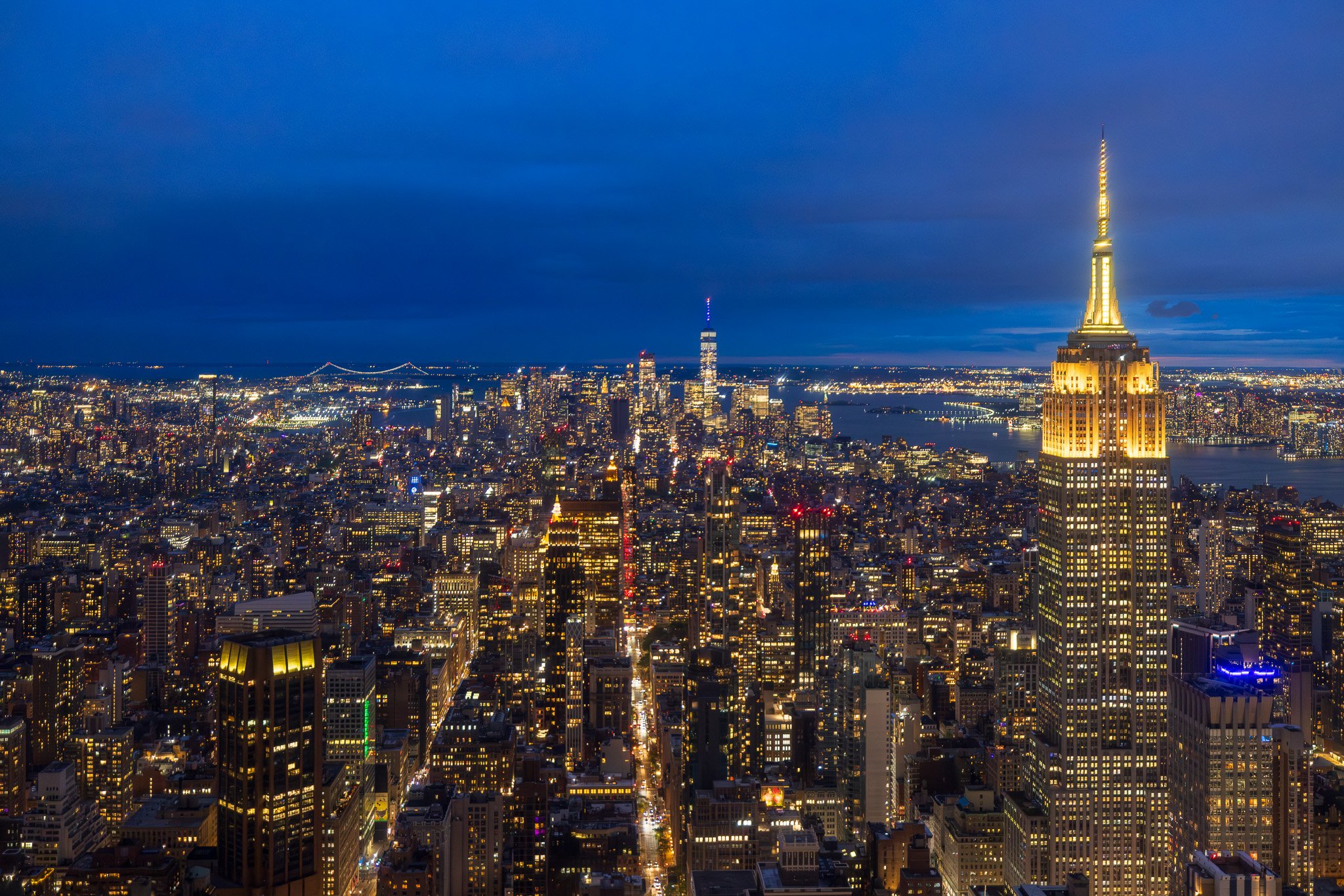
✈️ Travel Photography Planning Sessions
One-on-One Trip Planning with a Professional Travel Photographer
Don’t miss the shot. Let me help you plan for it.
Overview
Planning a photography-focused trip can be overwhelming. From figuring out the best places to shoot, to when the light is just right, to knowing which lens to pack — there are a lot of decisions to make.
This one-on-one Zoom session is your chance to get personalized travel photography advice from someone who’s spent the past 25 years exploring cities, coastlines, and wild places around the world — camera in hand.
Whether you're headed to Paris, Patagonia, Tokyo, or Tuscany, I’ll help you make sure your photography trip is well-planned and creatively inspired, so you come home with the images you dreamed of (and then some).
What’s Included
✅ Photography Location Planning
I’ll help you create a customized itinerary of the best photo spots, including off-the-beaten-path gems and iconic views.
✅ Best Times to Shoot
Get expert advice on lighting, golden hour, blue hour, and seasonal conditions for each location.
✅ Gear Recommendations
Not sure whether to bring the telephoto or the prime? We’ll walk through your gear and make sure you’re bringing the right tools for your destination and style.
✅ Hotel and Base Recommendations
Stay where it’s convenient for sunrise shoots and late-night strolls with your camera. I’ll recommend hotels that are photographer-friendly and well-located.
✅ Custom Travel Tips
From sunrise entry times to tripod rules at major landmarks, you’ll get insider tips to save time, avoid tourist traps, and make the most of your trip.
Who It’s For
This service is for anyone who:
Is planning a trip and wants to prioritize photography
Wants expert insight on the best places to shoot and how to get there
Is tired of missing the shot because of poor planning or bad timing
Is a beginner, enthusiast, or professional photographer looking for guidance before a trip
How It Works
Book a Session
Choose a time that works for you and tell me where you're headed.Share Your Plans
You’ll fill out a quick questionnaire so I know your travel dates, interests, and photography style.One-on-One Zoom Call (60 minutes)
We’ll meet via Zoom and walk through your trip together — from location ideas to gear and timing. You'll leave with a custom PDF full of notes and suggestions.Follow-Up Support
Get one round of email Q&A after your session to clarify anything as your plans evolve.
Why Work With Me?
I’ve spent the last 25 years photographing the world — from major cities to remote islands. I know what it’s like to travel and shoot under pressure, and I love helping people get the most out of their trips. This is not just about hitting “popular spots” — it’s about crafting a creative and efficient plan tailored to your trip, your gear, and your goals.
Pricing
$125 / Session
Includes:
60-minute Zoom call
Custom PDF summary with photography spots, gear tips, and travel recommendations
One follow-up email with additional Q&A
Introductory rate available through September 2025
Ready to Plan Your Trip?
Let’s make sure you’re ready — so when the light is perfect, you’re in the right place with the right gear.
Questions?
Please email me at vito@chasinghippoz.com if you're not sure whether this is right for you. I'm happy to chat.