Tasmania, Australia Travel & Photography Guide: Best Photo Spots, Things to Do & Hidden Gems
Tasmania stopped me in my tracks from the moment I landed. I had heard the descriptions before. Wild. Remote. Untouched. None of them prepared me for what I actually found.
This is an island that looks like someone pressed pause on the natural world a few million years ago and just left it alone. The landscapes are raw and strangely quiet. Ancient rainforests draped in moss. Coastlines where orange lichen burns against white granite and cold southern ocean. Mountains that carry snow well into summer. Wildlife that behaves as if it has never learned to fear people, because here, it mostly hasn't.
What makes Tasmania extraordinary for photographers is the combination of scale and intimacy. You can shoot sweeping alpine panoramas at Cradle Mountain in the morning, then be kneeling in front of a wombat by afternoon. The light here has a particular quality, softer and more diffuse than the Australian mainland, especially in autumn and winter, when golden tones settle low across open farmland and the mist hangs in the valleys long after sunrise.

And then there was MONA.
The Museum of Old and New Art is the strangest, most memorable institution I have visited in any city anywhere. Carved into the sandstone below the Derwent River, reached by ferry, full of art that will either move you, disturb you, or make you stand in a corridor wondering what you are supposed to be feeling. Someone told us before we went: "You will either love it or hate it, but you will never forget it." They were completely right. We loved it.
Tasmania also rewards patience. Weather changes fast. The island keeps its best light for photographers who show up early, stay late, and are willing to wait. That patience is almost always rewarded.
In this Photography Guide to Tasmania, I share the places and experiences that continue to draw me back. You will find my favorite photography locations, guidance on when and where to shoot, practical travel tips, and gear recommendations, along with cultural insights to help you explore and photograph Tasmania with confidence, respect, and ease.
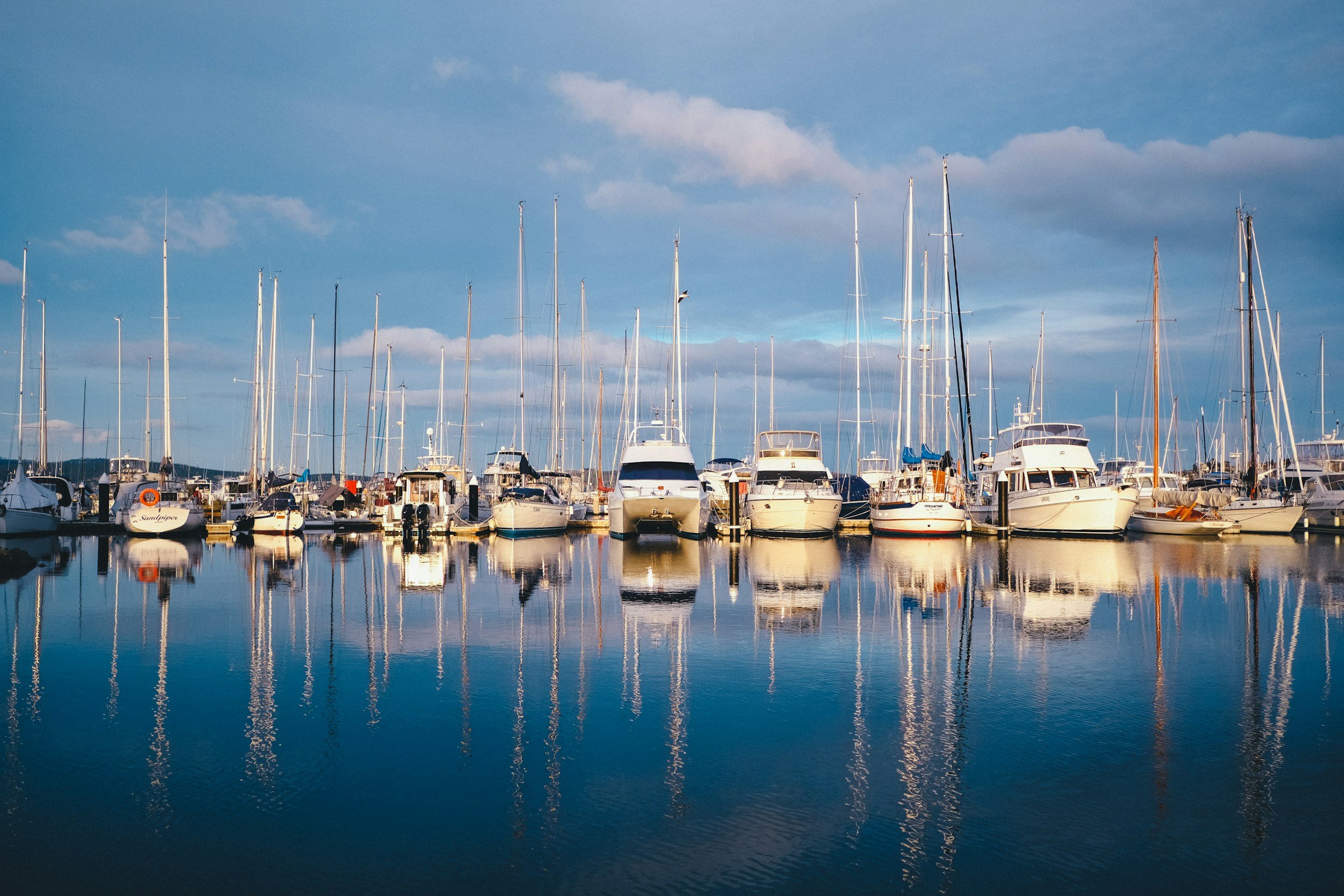
Hobart Harbor
Photographer's Notes
Before you go, here are my own takeaways.
Favorite Season: Autumn
Favorite Location: Bonorong Wildlife Sanctuary, feeding the kangaroos
Favorite Hotel: Islington Hotel
Favorite Restaurant: Templo
Favorite Café: Somewhere Coffee Bar
Favorite Lens: 15-35mm f/2.8
Would I Return? I left Tasmania already planning the return trip.
How to Get There to Tasmania?
Tasmania is Australia’s only island state, so you reach it by air or by sea.
The easiest option is flying. Regular direct flights operate from Melbourne, Sydney, and Brisbane to both Hobart and Launceston. The flight time from Melbourne is just over an hour, making it surprisingly accessible.
If you prefer a slower journey, you can take the Spirit of Tasmania ferry from Geelong in Victoria to Devonport. This is a great option if you want to bring a car and explore the island at your own pace.
For photographers, I recommend renting a car upon arrival. Tasmania’s beauty lies in its landscapes, and many of the best locations are outside the main cities.
It feels remote, but getting there is easier than you might think.

Where to Stay in Tasmania?
Hobart is your base. As the island's capital, it blends history, food, art, and access to nature in one compact waterfront city. You can photograph sunrise along the harbor, walk through historic Battery Point before breakfast, and still reach national parks and coastal scenery within an hour or two.
Staying near Salamanca Place or the waterfront keeps you within easy walking distance of restaurants, galleries, and the morning market, which matters when early starts are part of your shooting schedule.
Luxury Hotels in Tasmania
MACq 01 Hotel sits right on the waterfront on Hunter Street and is one of Hobart's most distinctive addresses. Every room is themed around a real character from Tasmania's history, explorers, convicts, artists, and settlers. The harbor views are excellent, especially at blue hour, and the location puts you within easy walking distance of the ferry to MONA. If you want to be at the center of it all, this is your pick.
The Henry Jones Art Hotel occupies a series of beautifully restored 19th-century waterfront warehouses along Hunter Street and holds the title of Australia's first dedicated art hotel. Curated contemporary artwork covers nearly every surface. It has a warm, creative atmosphere that feels genuinely Tasmanian, and the restaurant and bar are both worth your time after a long day in the field.
Islington Hotel is where we stayed on our visit, and I cannot recommend it strongly enough. Eleven rooms in a beautifully restored Georgian mansion set along a quiet residential road a short drive south of the city. The grounds are immaculate, the interiors are elegant without being fussy, and the views toward Mount Wellington are something you will want to photograph every morning. After long days exploring Tasmania's wild landscapes, returning here felt like retreating to somewhere genuinely calm. It was difficult to leave.

Hotel Islington
Mid-Range Hotels in Tasmania
Salamanca Inn puts you right in the heart of Salamanca Place, which means you are within a few minutes' walk of the Saturday market, good coffee, and the waterfront. Comfortable rooms, reliable service, and a location that makes early morning shoots easy.
Hadley's Orient Hotel is one of Hobart's oldest properties, with a colonial-era facade that photographs beautifully on its own. The rooms blend period character with contemporary comfort, and the central location keeps you close to everything.
Mantra Collins Hotel is a clean, modern option close to the waterfront with good rooms and solid value. A practical choice if you want comfortable accommodation without the boutique price tag.


How Long to Stay in Tasmania
Plan for at least seven days. Tasmania is not a place you rush.
Distances look short on a map, but the roads wind through mountain passes and coastal headlands, and you will want to stop constantly. A week gives you time to settle into Hobart, get out to Cradle Mountain, visit the Bay of Fires, and still leave room for the unexpected detour that turns into your best photograph of the trip.
For photographers, extra days are not optional. Weather is everything here. Having two or three flexible days built into your schedule dramatically improves your chances of catching that shot at Dove Lake or finding the Bay of Fires glowing at golden hour with no one else around.
If you can extend to ten days, do it. Tasmania rewards the travelers who are not racing anywhere.
A loose framework: spend the first two days in and around Hobart, including a half day at MONA and a morning at Bonorong Wildlife Sanctuary. Days three and four, drive northwest to Cradle Mountain. Days five and six, work your way along the east coast toward the Bay of Fires. Day seven gives you a buffer to revisit your best locations in better light or explore Bruny Island.
Best Time of Year to Visit Tasmania
Summer (December to February) is the most popular season, and for good reason. Long days, warm temperatures, and festivals. If you want to shoot the coastline in beautiful evening light that lasts past 9pm, this is your window.
Autumn (March to May) is my personal preference for photography. The crowds thin quickly, the air turns crisp, and the landscape takes on golden tones that work beautifully for landscape and detail work. Light falls at lower angles for longer periods of the day. If you have flexibility in your schedule, this is the smart photographer's window.
Winter (June to August) brings dramatic skies, fewer visitors, and the extraordinary Dark Mofo festival, one of the most photogenic events on the Australian cultural calendar. Snow on Cradle Mountain is possible, and the light on clear winter mornings is extraordinary. Cold, yes. Worth it, absolutely.
Spring (September to November) sees the island come back to life. Wildflowers appear across the highlands, the weather begins to stabilize, and you get soft light without summer crowds.
Avoid the first two weeks of January if you want manageable crowds at popular locations. Summer school holidays bring significant visitor numbers to Cradle Mountain and the Bay of Fires.

Mount Wellington
Getting Around Tasmania
Rent a car. This is not optional in Tasmania.
Public transport is limited beyond Hobart's city center, and almost everything worth photographing on this island is outside of it. A rental car gives you the freedom to stop when the light looks interesting, take an unplanned detour down a gravel road, and wait out the weather without watching a bus schedule. For photographers, that flexibility is everything.
Uber operates within Hobart and is reliable for short city trips. Taxis are available but less consistent. Neither will get you to Cradle Mountain, the Bay of Fires, or Bruny Island.
Within Hobart itself, the waterfront and Salamanca area are entirely walkable. Battery Point, the Botanic Gardens, and the city center are all reachable on foot from most central accommodations. This matters for early morning and late evening photography, where having your hotel within a short walk of the harbor makes it easy to be out the door before sunrise.
The MONA ferry departs from Brooke Street Pier on the Hobart waterfront and is the recommended way to reach the museum. The journey up the Derwent River takes about 25 minutes each way and offers views worth having your camera ready for. The ferry runs Wednesday through Monday. Book tickets in advance, especially on weekends.
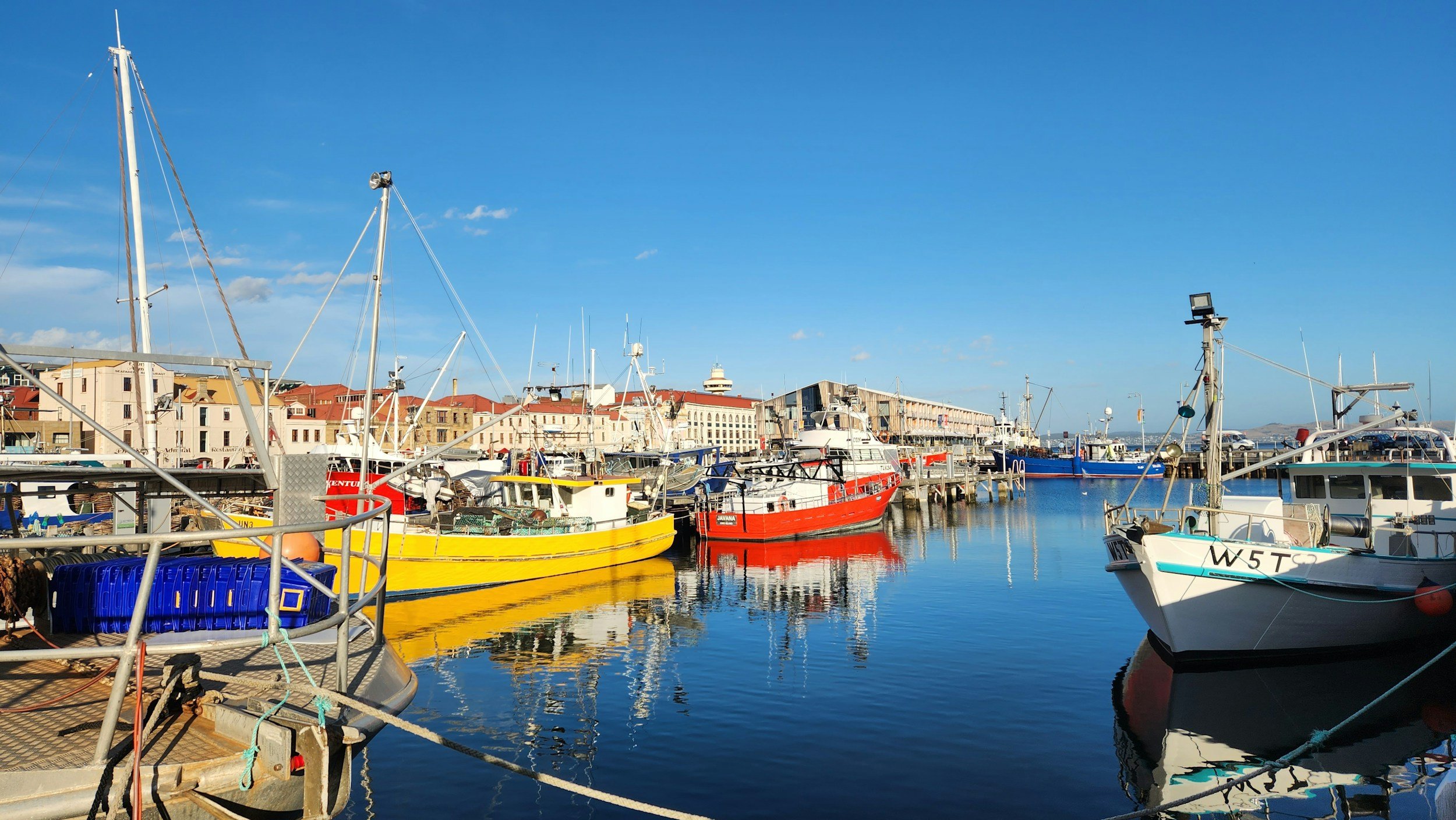
Hobart Harbor
What to Eat in Tasmania
Tasmania's food scene is one of the best arguments for visiting that no one makes loudly enough. The island's separation from the mainland created not only a unique ecosystem but a food culture built entirely around what grows, swims, and grazes here. Local salmon. Atlantic lobster. Black truffles from the Huon Valley. Apples, cheese, oysters, and some of the best whisky being made anywhere in the world right now.
When you drive through the island, pull over at roadside produce stalls. Buy the apples. Sample the cider at whatever small farm is open. That instinct to stop and taste is exactly how Tasmanians eat, and it will give you some of your best memories from the trip.

Hobart’s waterfront comes alive on Saturdays with Salamanca Market, a huge outdoor market selling artisan crafts and fresh produce. In Tasmania’s summertime (December to February), you can hear live music everywhere downtown.
What should you eat? In Hobart, get the seafood, specifically lobster, salmon, and black truffles.
Restaurants in Tasmania
Templo on Patrick Street is tiny, around 25 seats, and requires a reservation booked well in advance. The menu changes weekly based on what is local and seasonal, with a strong Italian influence. Gnocchi, cured meats, and naturally produced wines from small makers. This is the best restaurant in Hobart.
Mures Upper Deck on the waterfront delivers fresh Tasmanian seafood with harbor views that earn their own photograph. Come for the local salmon and whatever is freshest from the catch that day. The setting is genuinely good.
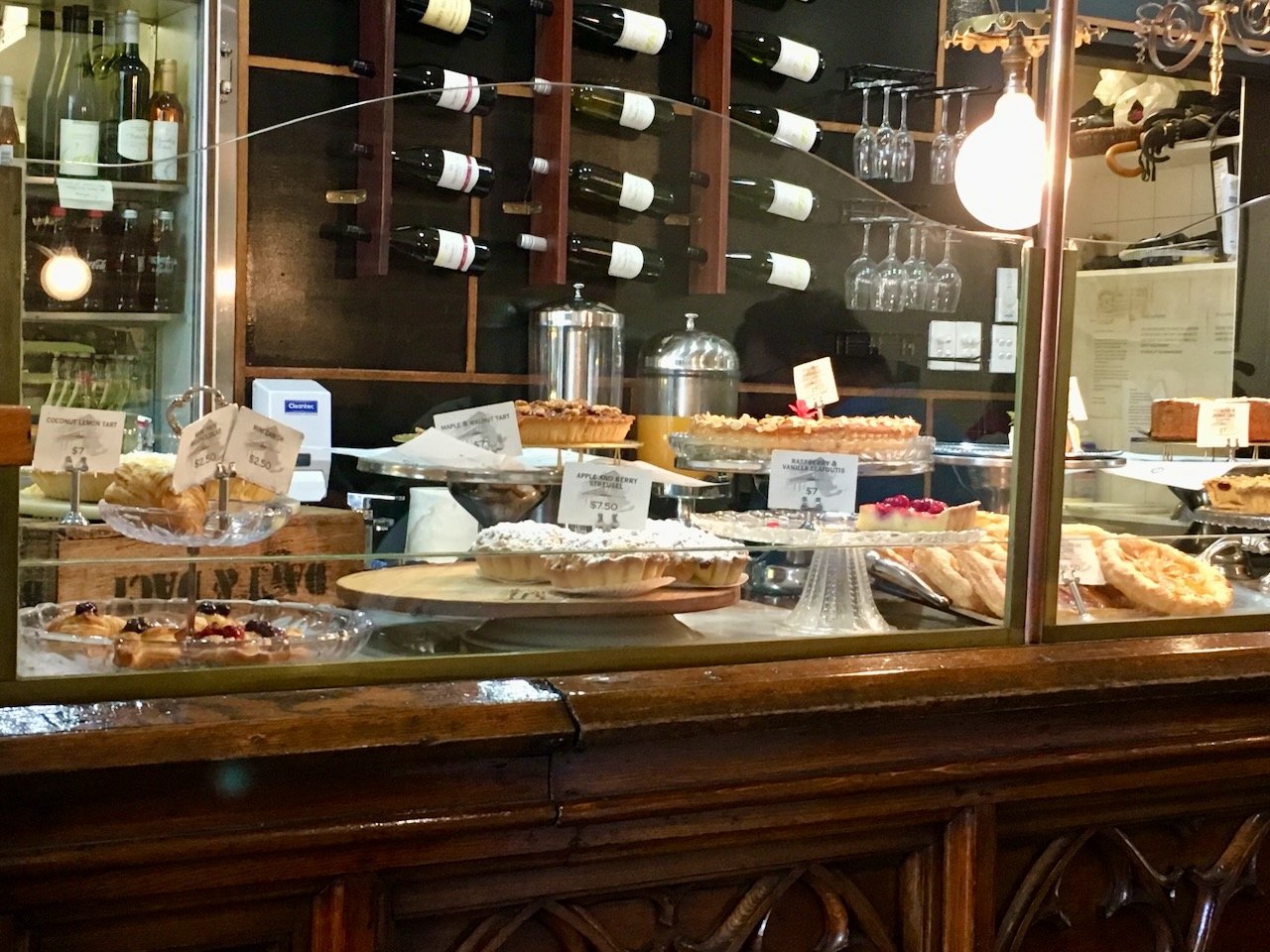
Daci & Daci Bakers near Salamanca is perfect for breakfast or a morning break between shoots. Outstanding pastries, strong coffee, and a warm space that works well as a base before heading out for the day.
Salamanca Market runs every Saturday and deserves its own morning. More than 300 stalls selling local produce, artisan goods, and street food against the backdrop of the Georgian sandstone warehouses. Go hungry.
Lark Distillery in central Hobart is worth a visit beyond just a meal. We took the tour and tasted through the range, and it was one of the genuine highlights of the trip. Buy a bottle of something small to take home.
Coffee in Tasmania
Hobart takes coffee seriously, and after early starts chasing light, you will be glad it does.
Somewhere Coffee Bar was the best coffee we had in Hobart. Simple space, serious focus on quality. If you only have time for one stop, make it this one.
Villino Coffee is a warm, welcoming specialty roaster with consistent quality and a good space for editing between shoots.
Machine Laundry Café is a quirky, well-loved spot with great brunch options and strong coffee. The combination of mismatched furniture and old washing machines somehow works.
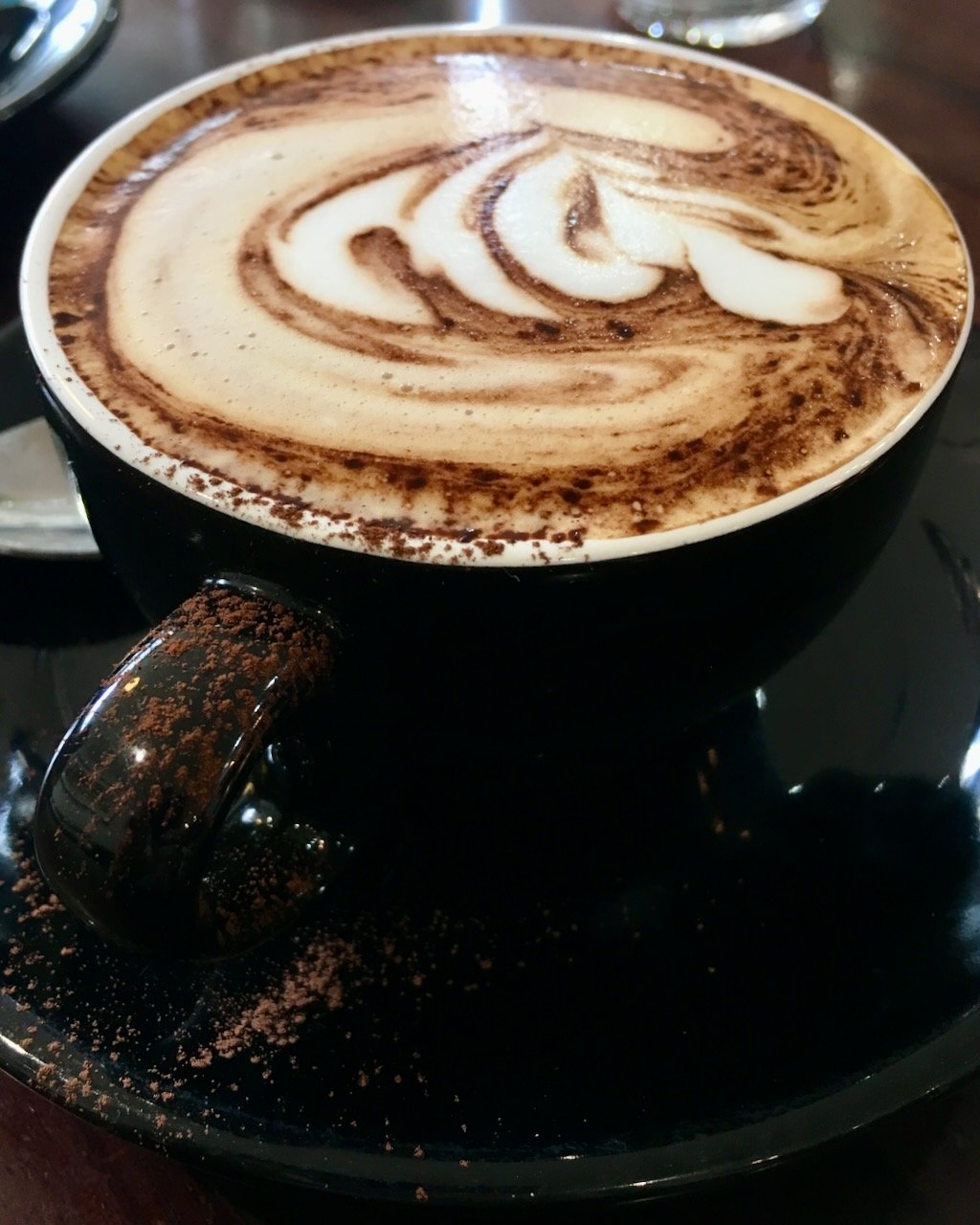
Somewhere Coffee Bar in Hobart
Visiting Whisky Distilleries
We visited Lark Distillery in Hobart, and it was one of the best experiences of the trip. Founded in 1992 by Bill Lark, who is credited with reviving the Tasmanian whisky industry almost single-handedly, Lark remains the benchmark for Tasmanian single malt. We took a tour, sampled several expressions, and walked out with a few small bottles that did not survive the return flight home.
Nant Distillery, which we had planned to visit, was sold in 2016 and subsequently became the subject of Tasmania's largest fraud investigation. I cannot stand behind this recommendation. Lark is where your time and money belong.
Photography Gear to Bring for Tasmania
Tasmania demands versatility. You will photograph expansive mountain landscapes and tight details of wildlife in the same day, often within the same hour.
The Canon EOS R5 Mark II, Sony A7R V, or Nikon Z8 all handle this range well. Any of these bodies gives you the resolution for large landscape prints and the autofocus performance for wildlife.
Lenses: Your 15 to 35mm f/2.8 is your primary landscape and architecture lens. The wide end handles Dove Lake reflections, the dramatic geometry at MONA, and the scale of Cradle Mountain. It is on my camera most mornings.
Your 70 to 200mm f/2.8 is essential for wildlife at Bonorong and for compressing the layered landscapes on the east coast. I reached for this constantly.
A 24 to 70mm covers the middle ground and is the right lens for Salamanca Market, food photography, and general street work in Hobart.
Accessories: A sturdy tripod is non-negotiable. Dove Lake at blue hour requires long exposures. So does the waterfront in Hobart. Do not leave without it.
ND filters (6 stop and 10 stop) will help you with waterfall exposures in the rainforests and smoothing out water at the harbor.
Polarizing filter for cutting glare on the Bay of Fires and managing reflections on coastal rock pools.
Extra batteries and memory cards. Cold weather drains batteries faster than you expect in the Tasmanian highlands. Carry at least three batteries for full-day shoots.
Bring a rain cover for your camera. Tasmania weather changes without warning, and some of the best light arrives right after a shower.
Drone note: Drones require written permission from Tasmania Parks and Wildlife Service to fly in national parks and reserves, including Cradle Mountain, Freycinet, and surrounding protected areas. Do not assume you can fly. Check the Parks website before your trip and apply well in advance if you need approval.
iPhone Photography
The iPhone handles Tasmania well, particularly in good light, but a few things are worth knowing.
For Bay of Fires, use the main lens in good morning light and switch to Night Mode if you are shooting at dusk near the glowing lichen boulders. The texture and color of those rocks reads beautifully on the iPhone when you get close and low.
At Bonorong, use Portrait Mode on the kangaroos when they are feeding from your hand. The subject separation brings out the fur texture and keeps the background soft.
At the Hobart waterfront at blue hour, tripod mount your iPhone and use ProRAW if your model supports it. The detail retention in those conditions is genuinely impressive, and you avoid the heavy HDR processing that ruins blue hour tones.
In MONA, the interior is dark and architecturally complex. Use the ultrawide lens for the sandstone tunnels and descending staircases, and let Night Mode work for you in the dimmer exhibition spaces.
The Best Photography Locations in Tasmania
We need to go back to Tasmania. Our stay was simply too short. This island is larger, wilder, and more diverse than you expect. You cannot see it all in one trip, and that is part of its charm.
Let’s start with Hobart.
Hobart Waterfront and Salamanca Place
The Hobart waterfront is compact, highly walkable, and visually rich at almost any hour. Historic sandstone warehouses from the 1830s line the waterfront along Salamanca Place, and the working harbor still has enough activity to give you interesting foreground elements.
Sunrise along the waterfront is peaceful and productive. The boats in Sullivan's Cove catch the first light while the city is still quiet, and the reflections in the harbor on a calm morning are exceptional. Come back at blue hour in the evening when the boat lights begin to glow against the fading sky.
📷 Pro Tip: Position yourself at the northern end of Sullivan's Cove before sunrise for the best waterfront reflections. A 16 to 24mm focal length captures the sweep of the harbor and the mountains behind. For the Saturday Market, come at opening when the light is soft and the stalls are just setting up. Shoot wide for context, then move in tight with your 70 to 200mm for detail and faces. Access is free and open year round.
Best time: Sunrise for water reflections, Saturday mornings for the market, blue hour for lights. Access: Free.

Salamanca Market on Saturdays transforms this whole area into a documentary photographer's ideal. Color, faces, produce, musicians, the full range of Tasmanian life compressed into a few hundred meters of cobblestone.

The famed Salamanca Market has been a Saturday tradition for more than 50 years, and the city’s food scene is dynamic.

Cafes, restaurants, and bars transform Tasmania’s famously fresh produce into seasonal plates of delicious foods

Mount Wellington (kunanyi)
Mount Wellington rises to 1,271 meters directly behind Hobart and is one of the most accessible mountain viewpoints in Australia. The drive from the city center to the summit is about 21 kilometers and takes roughly 30 minutes, passing through distinct vegetation zones as you climb.
From the summit, you have sweeping views over Hobart, the Derwent River estuary, and the surrounding wilderness. On a clear day, the scale is extraordinary. The summit also has its own photogenic interest in the angular dolerite columns and cliff faces that make up the rocky ridgeline.
Weather changes very quickly up here. I have stood at the summit in sunshine and watched a full overcast roll in within 20 minutes. That volatility also means dramatic skies and fast-moving light.
📷 Pro Tip: Arrive at the summit before sunrise and position yourself on the east-facing rocky platform looking back toward Hobart. As the city lights fade and the sky brightens, you can shoot both in a single frame. A 24 to 70mm lens handles this composition well. If clouds are present, wait at the summit for breaks in the weather since the light that comes through gaps in moving cloud cover is extraordinary here. Check conditions via the Wellington Park website before heading up. The road can be closed in winter and after heavy weather. Access is free.
Best time: Sunrise and late afternoon in autumn. Access: Free. Drive from Hobart.

Bonorong Wildlife Sanctuary
About 30 minutes north of Hobart near Brighton, Bonorong is one of the most remarkable wildlife experiences in Australia. It is not a zoo. It is a working rescue and rehabilitation center, and every entry fee goes directly toward operating Tasmania's largest 24-hour wildlife rescue service.
When you arrive, you are handed a small bag of kangaroo food and directed into the sanctuary, where more than 100 kangaroos roam freely on the open hillside. They come to you. Watching them eat from your hand, leaning into the scratch behind their ears, is the kind of moment that does not need any photographic help to become a memory. But it photographs beautifully.
The guided tours included with admission run four times daily and take you to see wombats, quolls, echidnas, and the Tasmanian devil. The devil is smaller than most people expect, but full of personality.
📷 Pro Tip: The open hillside with the kangaroos offers the best light in the two hours after opening, with soft morning light from the east. Use a 70-200mm lens to isolate individual animals against the green hillside and minimize background distractions. On the Tasmanian devil tour, your guide will bring you to their enclosure. Shoot at f/2.8 or wider to separate them from the wire mesh. These animals move constantly, so use a higher shutter speed, at least 1/500s, and lean on continuous autofocus. No flash. The animals are easily stressed by sudden changes in light.
Best time: Morning, first entry at 9 am. Access: Paid admission. Book the guided tour in advance. 30 minutes north of Hobart by car.
The Tasmanian Devil
The most famous resident is the Tasmanian devil. Sadly, their population has declined dramatically due to a contagious facial tumor disease that has devastated wild populations.
Seeing one up close is powerful. They are smaller than many people expect, but full of energy and personality. Bonorong plays an important role in breeding and conservation programs designed to protect the species and stabilize their numbers.
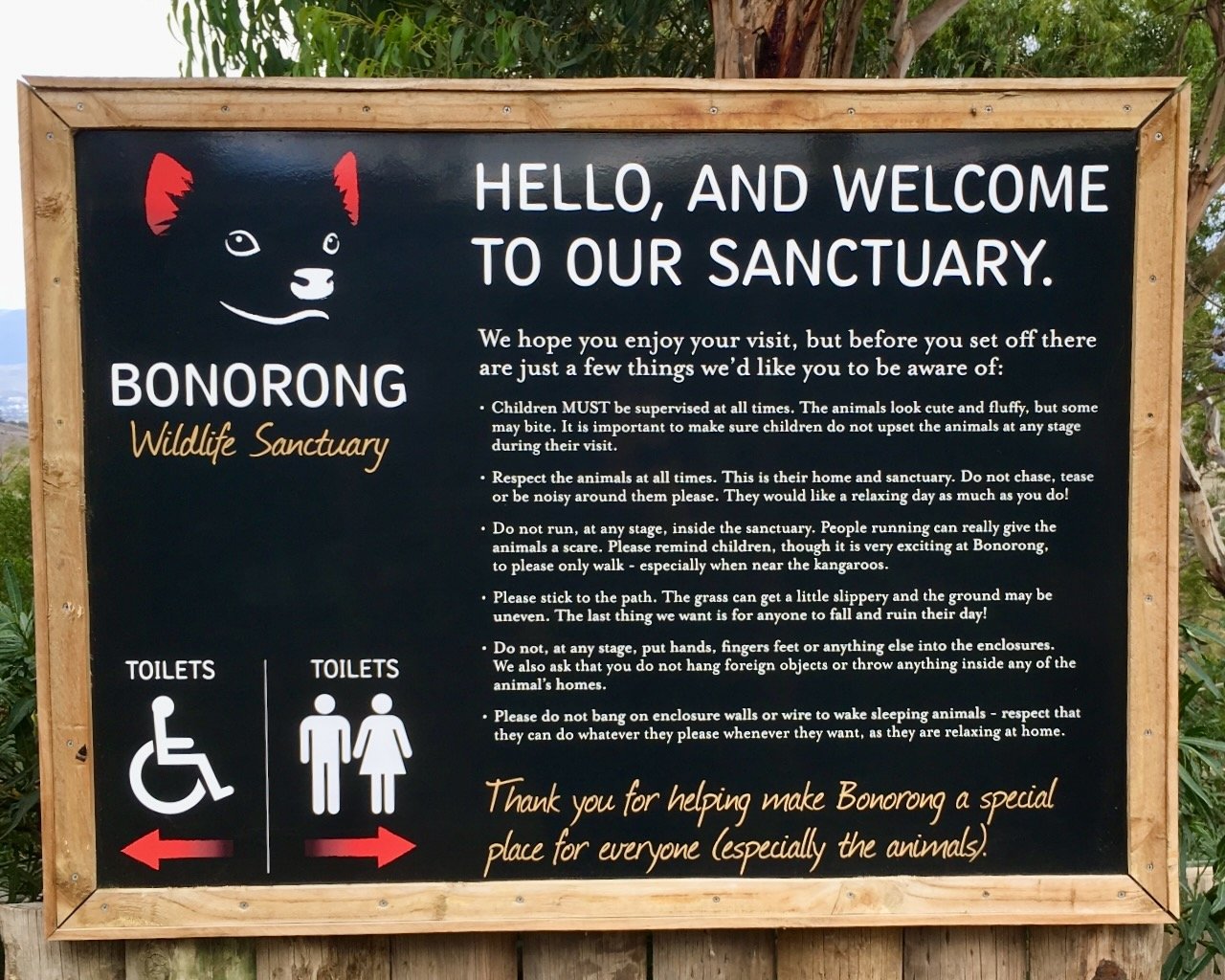
We arrived at Bonorong on a beautiful morning. We were given small paper bags containing pellet food and directed into the sanctuary. There were tons of kangaroos on the grassy hill, just over 100 of them.

Tasmanian Devil
The kangaroos knew what we were carrying, and it did not take long before bunches of them hopped over to us. Watching my wife feeding the kangaroos was something I will never forget.
We offered the kangaroos small handfuls of food, which they ate right from the palms of our hands. It was amazing how tame and patient they were.


Museum of Old & New Art (MONA)
MONA is unlike any museum you have been to. I went in expecting a gallery and came out having experienced something closer to a labyrinth. Someone told me before our visit: "You will either love it or hate it, but you will never forget it." That is exactly right.
The building is carved into a sandstone cliff on the banks of the Derwent River. You descend into the museum rather than walking up steps, and the layout is deliberately disorienting. Founder David Walsh's collection of ancient artifacts, contemporary art, and provocative installations lives in the dark recesses of this cave-like interior, and finding your way through it feels like discovery.
For photographers, the architecture itself is the subject. The exposed sandstone. The long descending staircases. The gallery voids where light from above catches suspended installations. Shoot the building as much as the art.
Take the ferry from Brooke Street Pier. The approach by water, with the museum appearing on the river bank after 40 minutes on the Derwent, builds exactly the right sense of anticipation. It is also a genuinely good photograph.
📷 Pro Tip: Use a wide-angle lens (15 to 24mm) for the architectural interiors. The descending staircases and sandstone entry tunnel are some of the most photogenic elements. For the ferry crossing, bring your 70 to 200mm to compress the Hobart skyline behind you as you move upstream. Photography of the artworks is permitted in most areas (check signage for restrictions on specific pieces). Interior light is very low, so push your ISO and use a wide aperture. A travel tripod helps for longer exposures in the galleries, though space is limited. The ferry runs Wednesday through Monday. Book in advance, especially on weekends.
Best time: Weekday mornings for smaller crowds. Access: Museum entry paid. Ferry ticket separate, also paid. Ferry departs from Brooke Street Pier, Hobart.
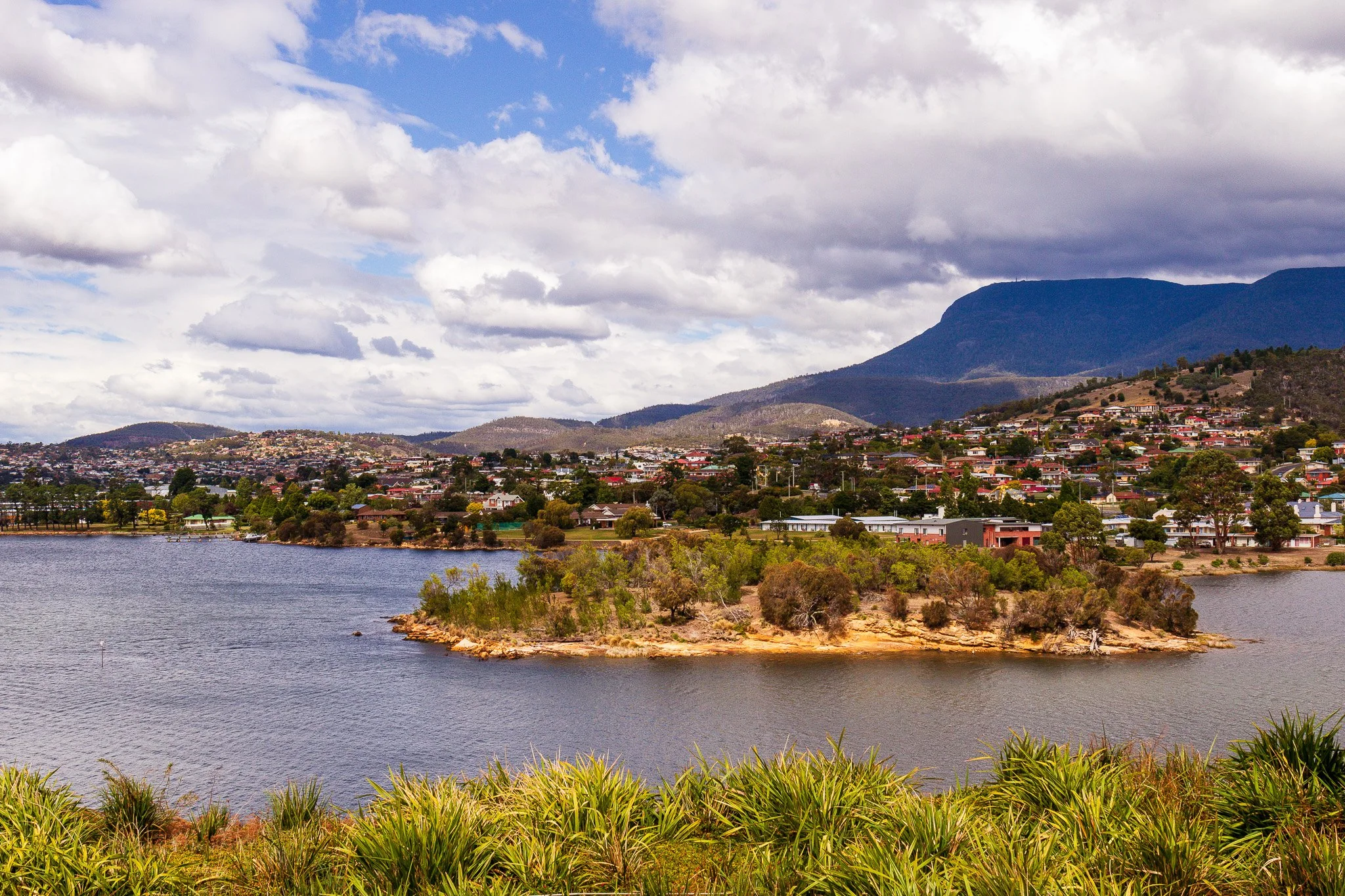
Getting There Is Part of the Experience
Many visitors take the MONA ferry from Hobart along the Derwent River. I highly recommend it. The approach by water builds anticipation and offers beautiful views back toward the city.

You will take a ferry from the Harbor in Hobart to reach the museum. MONA is a 40-minute ferry ride up the Derwent River. Once you arrive, you will walk through a long tunnel that brings you into the museum.
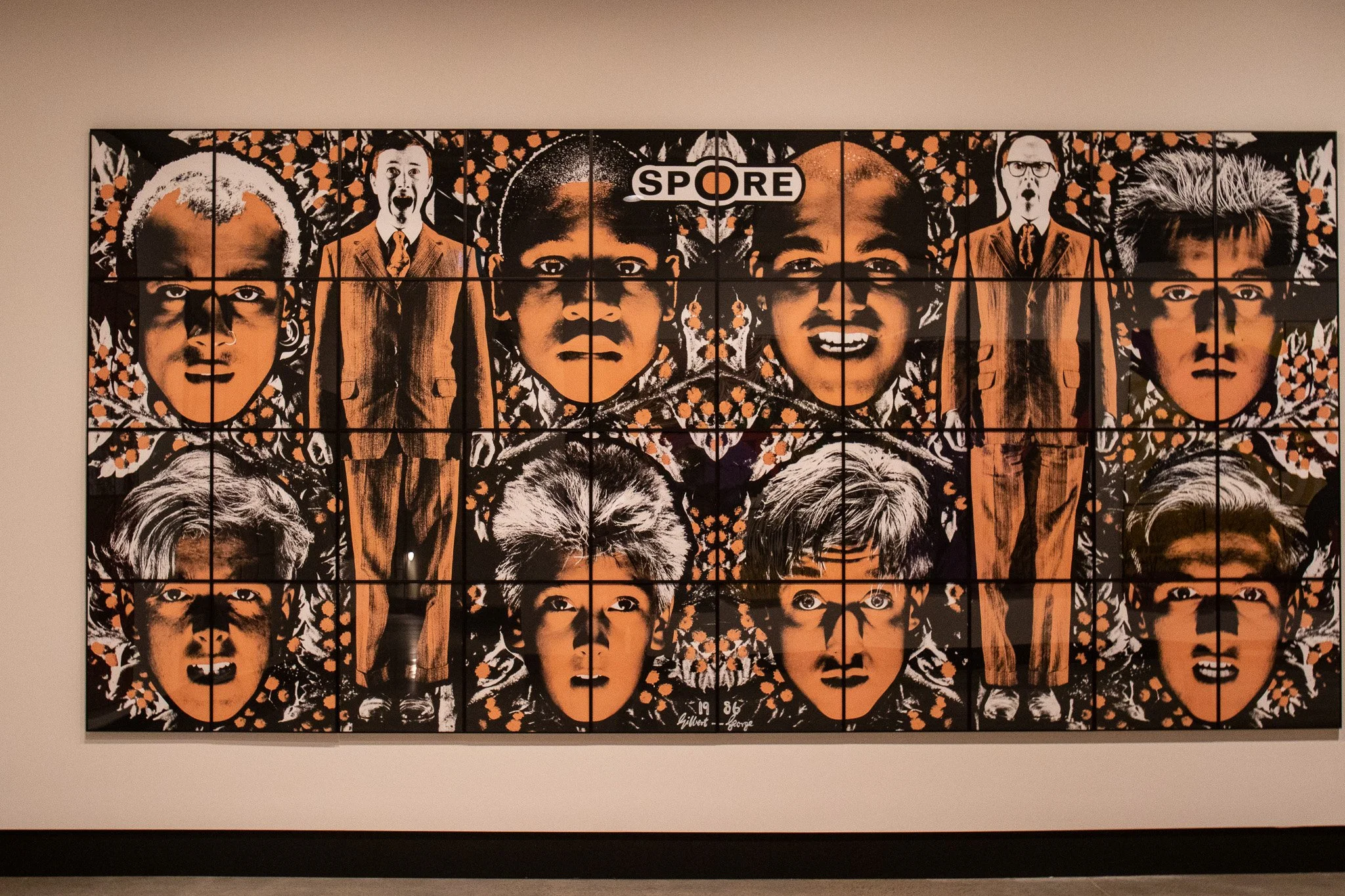
Since its shock-and-awe opening in 2011, the Museum of Old and New Art has been called many things, including “a subversive adult Disneyland.”

Cradle Mountain and Dove Lake
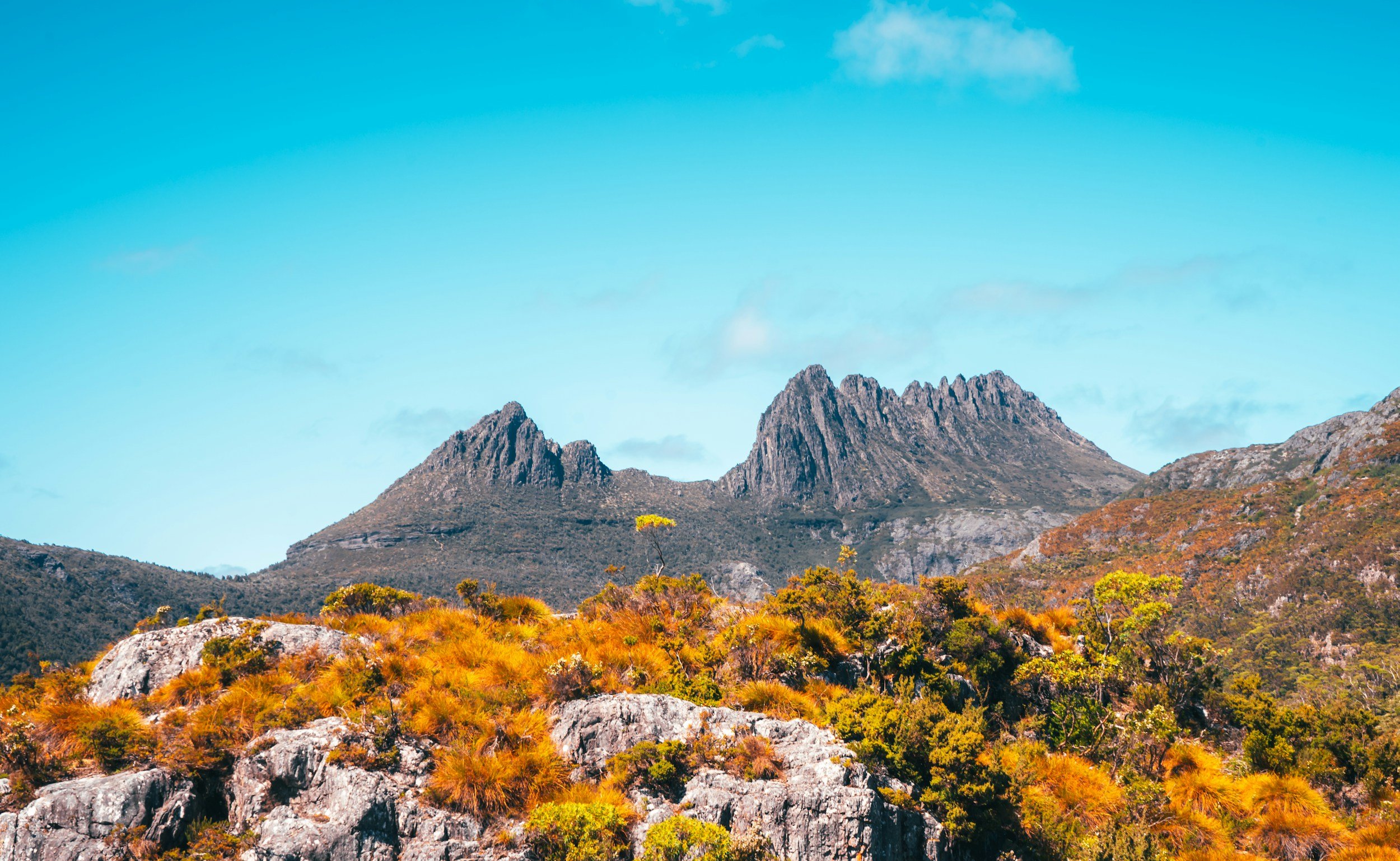
Cradle Mountain is the photograph most people associate with Tasmania, and it earns that reputation. The reflection of the jagged dolerite summit in the still waters of Dove Lake at dawn is one of those images that photographers have been chasing for decades, and it remains extraordinary.
The mountain sits in the Cradle Mountain-Lake St Clair National Park, about 1.5 hours south of Devonport and a full day's drive from Hobart. The drive is part of the experience, working through highland terrain that shifts dramatically as you gain altitude.
The Dove Lake Circuit is a 6-kilometer walk around the lake with clear views of the mountain from multiple angles. In autumn, the fagus beech trees that line the lake turn gold and orange, making this one of the most spectacular landscape scenes in Australia during April and May.
📷 Pro Tip: You need to be at the lake at least 30 minutes before sunrise. In summer this means a very early start. The calmest reflections occur when wind is minimal, which is typically at first light before the morning temperatures start moving air across the lake. Position yourself on the south shoreline for the classic mountain-in-water composition with your widest lens. In autumn, work the western shoreline for the color of the fagus against the mountain. A tripod is essential. Long exposure of the lake surface during blue hour, before direct light hits the scene, produces the smoothest water. Drone use requires written permission from Tasmania Parks and Wildlife Service. Apply before your trip.
Best time: Sunrise year round, April to May for autumn fagus color. Access: National park entry fee applies. Check Parks Tasmania website for shuttle requirements and access conditions.
Bay of Fires
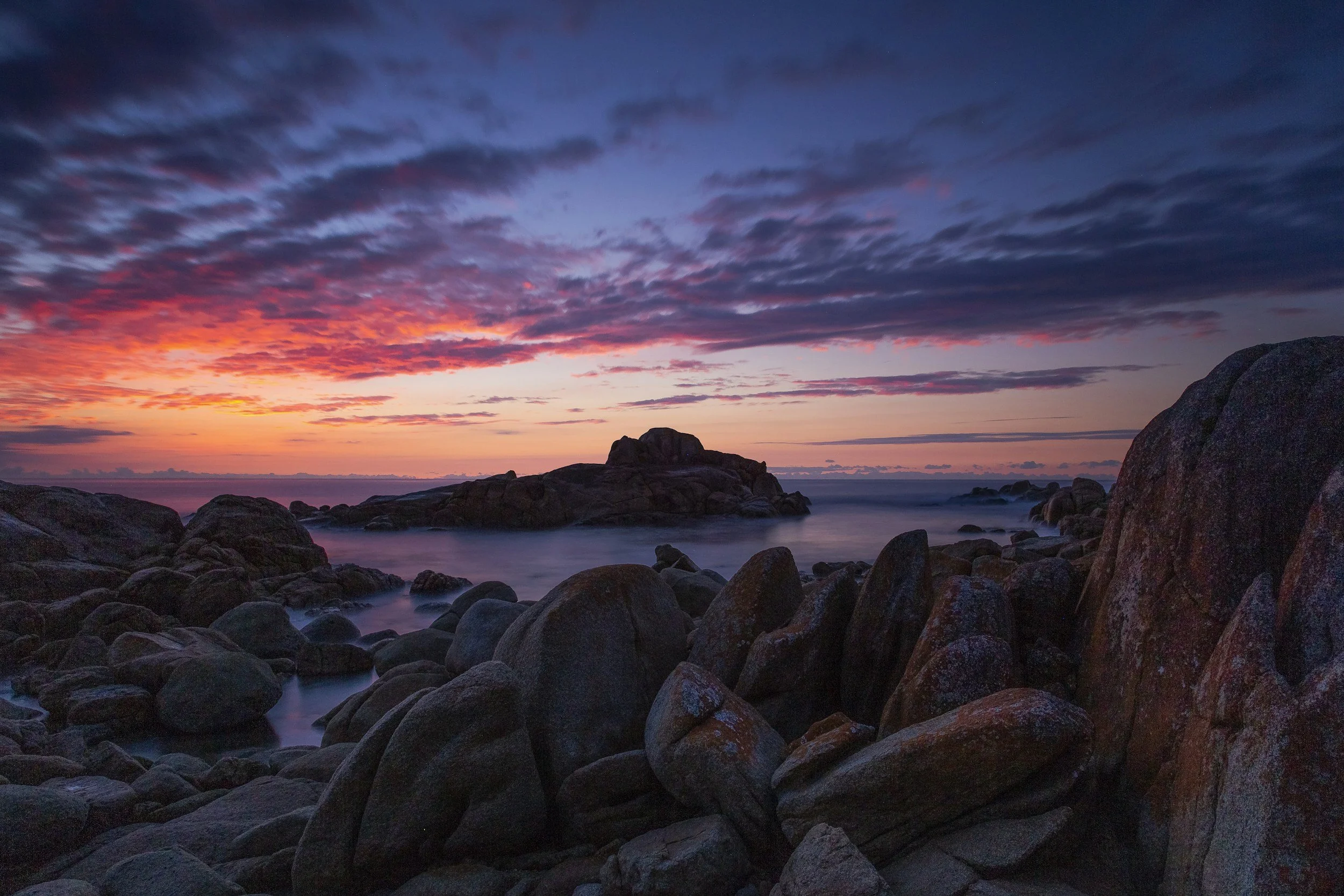
If Cradle Mountain is Tasmania's most iconic inland photograph, the Bay of Fires is its coastal equivalent. The name comes from the fires Aboriginal Tasmanians lit along this coast, seen by early European sailors from offshore. The orange lichen that coats the white granite boulders along the shoreline now gives the place its visual identity, and it is startling.
This is on the northeast coast, roughly two hours from Launceston and a long day's drive from Hobart. Plan to stay overnight at St Helens or Binalong Bay if you want to shoot both sunrise and sunset without a marathon drive.
The beach at Binalong Bay is the most photographed section, with brilliant white sand, turquoise water, and those orange-lichened boulders stacked along the headlands. But walk south along the coastline and you will find quieter stretches with more interesting rock formations and fewer people.
📷 Pro Tip: Arrive at the Binalong Bay headland before sunrise and work the rocky sections south of the main beach. The orange lichen reaches peak color saturation in warm morning light, and combining that with long-exposure white water requires your ND filter kit. Shoot at f/8 to f/11 with a 10-stop ND and exposures of 60 seconds or more to smooth out the surf against the rocks. A 16 to 24mm lens works well here for environmental context. At golden hour, move further south along the reserve where the crowds thin and the rock formations become more graphic. A polarizing filter is useful for cutting glare on the wet rocks and intensifying the color of the lichen.
Best time: Sunrise for the lichen color, late afternoon for the side light on rock texture. Access: Free. Drive to Binalong Bay from St Helens.
Festivals and Events
Dark Mofo (June) is the event that transforms Hobart every winter and is one of the most photographically extraordinary festivals I know of anywhere. Created by MONA, it runs for roughly two weeks each June and fills the city with large-scale public art installations, fire, light projections, music performances, and the Winter Feast, a long-table outdoor dinner lit by fire and neon. For photographers, the combination of fire light, winter darkness, and genuinely provocative art makes for images you cannot replicate anywhere else in Australia. Book accommodation months in advance if you plan to attend.
MONA FOMA (January) is MONA's summer music and arts festival, held primarily in Launceston with events across Tasmania. Less atmospheric than Dark Mofo but equally eclectic. The programming leans toward experimental music and performance art, with strong opportunities for portrait and event photography.
Salamanca Market (every Saturday year round) is not technically a festival but behaves like one. More than 300 stallholders, live music, and the full spectrum of Tasmanian food and craft culture on display. The best documentary photography in Hobart happens here on a Saturday morning.
Taste of Tasmania (late December to early January) is a week-long outdoor food and wine festival on the Hobart waterfront. Local producers, chefs, and wineries take over the waterfront, and the combination of good light in the long summer evenings and the visual energy of a food festival is excellent.
The Rolex Sydney to Hobart Yacht Race (December to January) finishes in Hobart and brings hundreds of racing yachts into Sullivan's Cove. The arrival of the fleet in the harbor, usually in the days after Christmas, is a visually strong event with excellent opportunities for watercraft photography.
Frequently Asked Questions About Visiting Tasmania
Do you need a car in Tasmania?
Yes, essential. Public transport is limited beyond Hobart's city center, and nearly everything worth photographing, such as Cradle Mountain, the Bay of Fires, and Bruny Island, is outside it. A rental car gives you the flexibility that weather-dependent shooting requires.
Is Tasmania expensive?
It can be, especially the standout restaurants and boutique hotels, but there's real range. Salamanca Market and roadside produce stalls let you eat exceptionally well cheaply, and much of the best photography, Dove Lake, and the Bay of Fires, costs nothing beyond a park entry fee.
What are the best photo spots in Tasmania?
Dove Lake at Cradle Mountain for the classic reflection shot, the orange-lichened boulders of the Bay of Fires at sunrise, and the Hobart waterfront at blue hour are three that consistently deliver. The full list with Pro Tips is above.
Can you fly a drone in Tasmania's national parks?
Not without written permission from the Tasmania Parks and Wildlife Service. This applies to Cradle Mountain, Freycinet, and other protected areas. Apply well in advance of your trip; don't assume you can fly without it.
What surprised you most about Tasmania?
MONA. Someone told us before we went, "You will either love it or hate it, but you will never forget it." They were completely right. We loved it, but even walking in expecting a strange experience didn't fully prepare me for it, the sandstone tunnels, the disorienting layout, art that makes you stand there wondering what you're supposed to feel.
How many days do you need in Tasmania?
Seven days minimum, ten if you can manage it. Tasmania punishes rushing; the weather is everything here, and extra flexible days dramatically improve your odds of catching the light you're chasing at Dove Lake or the Bay of Fires.
Is Tasmania worth combining with Sydney or Melbourne?
Yes, it's a natural extension of either. Direct flights from both cities run just over an hour to Hobart or Launceston, making Tasmania an easy add-on to a broader Australia trip.
Final Thoughts
Tasmania got to us in a way we did not fully expect.
We went for the wildlife, the landscapes, and the famous strangeness of MONA. We came home with all of that, and also with something harder to name. A feeling of genuine distance from the noise of the world. A reminder that islands that sit at the edge of maps tend to develop their own logic, their own pace, and their own identity that has nothing to do with anywhere else.
Hobart is one of the most underrated city bases in the Southern Hemisphere. Walk it slowly. Have the seafood. Take the ferry. Go to MONA even if you are not sure you will like it, especially if you are not sure you will like it. The kangaroos at Bonorong will eat from your hand, and you will feel unreasonably happy about it. The whisky at Lark is worth the time.
Go to Tasmania. Give it a full week. Drive the roads slowly. Pull over when something looks interesting. Eat the truffles and the salmon and the local cider from a roadside stall. Let the distance from everything feel like a gift rather than an inconvenience.
You will want to go back before you leave. That is the measure of a place.
I left Tasmania already planning the return trip, which is how you know a place has done something to you.
There are more islands here than you expect. Cradle Mountain, the Bay of Fires, Bruny Island, the Huon Valley, the remote west coast around Strahan, all of it deserves more than a single drive-by.
If you are a photographer, Tasmania is one of those rare places where the subject matter is extraordinary, and the crowds are manageable enough that you can actually work. You can be the only person at Dove Lake at dawn. You can find an empty stretch of the Bay of Fires at golden hour. You can spend an entire morning in Salamanca without fighting for a shot. That combination is increasingly rare.
Come with a flexible itinerary, a car, and patience for the weather. The island will do the rest.
If you would like to join a future photography workshop, visit my Workshops page for current offerings and upcoming dates. You can also connect with me on Instagram (@chasinghippoz) and Facebook, or subscribe to the newsletter for travel photography tips, destination guides, and behind-the-scenes stories from more than 75 countries. I look forward to sharing the journey with you.
Other Guides if you are headed to Australia
My Photography & Travel Guide to Sydney is the natural companion to a Tasmania trip. Fly into Sydney, spend three or four days photographing the harbor, the Opera House at blue hour, and the neighborhoods of Paddington and Surry Hills, then take a short flight down to Hobart to begin the island portion of your trip. The two together are one of the best photography itineraries in the Southern Hemisphere.
My Photography & Travel Guide to Melbourne covers the city that most Australians will fly through en route to Tasmania. Give it at least two days. The street art in Fitzroy, the Queen Victoria Market at dawn, and the coffee culture alone are worth building a stopover around.
My Photography & Travel Guide to Bali, Indonesia, is the ideal contrast to Tasmania. Where Tasmania is wild, cool, and raw, Bali is lush, warm, and layered with ceremony and color. Photographers who love working with both landscapes and people will find Bali endlessly productive. Ubud's rice terraces at dawn, the sea temples at sunset, and the markets in between make it one of the most rewarding islands in Southeast Asia for a camera.
Are you carrying too much camera equipment, but still coming home disappointed with your travel photographs?
You are not alone. Many photographers fall into the packing trap. They bring too much, plan too little, and spend their trip scrambling to capture photographs instead of enjoying the experience.
Capture the World offers a better approach.
In this practical guide, travel photographer Vito L. Tanzi shares the five step system he uses to plan photography trips, pack with purpose, work with the best light, and return home with stronger images.
Inside, you will learn how to:
• Travel lighter without sacrificing image quality
• Choose destinations that match your photography goals
• Visit at the right time for weather, light, wildlife, festivals, or seasonal conditions
• Build a photography itinerary around sunrise, sunset, blue hour, and changing weather
• Select the equipment you will actually use
• Find promising locations before you arrive
• Avoid the stress and exhaustion that can ruin a photography trip
• Stay flexible when weather, crowds, or travel plans change
This guide includes practical planning advice, useful photography tools, real travel examples, and a complete system you can use again and again.
Whether you are preparing for your first international photography trip or planning a weekend closer to home, Capture the World will help you travel with greater purpose, photograph with more intention, and spend less time worrying about what is inside your camera bag.
Because the best photography trip is not the one where you carry everything.
It is the one where you are ready when the right moment appears.
📸 Format: PDF download
Instant Download