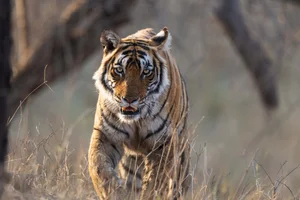
Sydney, Australia Travel & Photography Guide: Best Photo Spots, Things to Do & Hidden Gems
We opened the curtains in Room 138 at the Park Hyatt, and the Opera House was right there.
Not framed in the distance, not visible from a rooftop terrace three blocks away. Right there. Forty meters across the water, filling the window from edge to edge in the early morning light, the white sails still held the last of the blue hour as the harbor woke up around it. I had the camera on the tripod before my wife had finished her first sentence about coffee.
Sydney does not ease you in. It hits you all at once. The Opera House sails catch the first light of morning while the Harbour Bridge holds its dark silhouette against a brightening sky, and before you have even had your coffee, you are already reaching for your camera.
I flew into Sydney from Melbourne on my first Australian trip, and I have returned multiple times since. Four days that first visit. Each time, I leave with a stronger portfolio and a longer list of reasons to come back. Sydney is one of those cities where the photography feels almost effortless because the city is genuinely beautiful from every angle and at every hour. But like every great destination, it rewards the photographers who slow down and do the work.
What makes Sydney exceptional for photography is the range. You can stand at Mrs Macquarie's Chair at sunrise and nail a harbor composition that belongs in a magazine. Walk fifteen minutes and you are in the cobblestone streets of The Rocks. Drive an hour and you are staring across the Jamison Valley from Echo Point, watching mist fill the canyon below like something out of a Terrence Malick film. Sydney gives you architectural drama, coastal texture, dense green wilderness, and one of the most immediately recognizable skylines on earth, all within a single day. That kind of variety is rare.
In this Photography & Travel Guide to Sydney, I share the places and experiences that continue to draw me back. You will find my favorite photography locations, guidance on when and where to shoot, practical travel tips, and gear recommendations, along with cultural insights to help you explore and photograph Sydney with confidence, respect, and ease.

Photographer's Notes
Before you go, here are my own takeaways.
Favorite Season: Spring
Favorite Sunrise Location: Sydney Opera House
Favorite Sunset/Night Location: Mrs Macquarie's Chair
Favorite Neighborhood: The Rocks
Favorite Hotel: Park Hyatt Sydney
Favorite Café: Single O
Favorite Lens: 15-35mm f/2.8
Would I Return? Of course. The nicest people in the world.
Where to Stay in Sydney
The best base for photographers is The Rocks. Staying here puts the Opera House, the Harbour Bridge, Circular Quay, and the Royal Botanic Garden all within walking distance. You can be at your shooting location before the light shifts without scrambling for a taxi. The neighborhood also has its own photographic personality: sandstone buildings, narrow laneways, weekend markets, and constant harbor views. For photography access, nothing in Sydney compares.

Luxury Hotels in Sydney
Park Hyatt Sydney is the gold standard for photographers visiting Sydney. The hotel sits directly on the harbor between the Opera House and the Harbour Bridge, which means you can photograph both from the property. The rooms facing the harbor deliver a composition that most photographers would have to work hard to replicate from the street. If you can get a harbor-view room or suite, do it. The rooftop pool alone is worth it for early morning sessions.
Capella Sydney One of the most exciting hotel openings in Australia in recent years. Capella occupies a beautifully restored sandstone government building in the CBD, minutes from Circular Quay. The interiors are stunning, the spa is world-class, and the Brasserie 1930 is one of the best hotel restaurants in the city. It was named the best city hotel in Australia by Travel + Leisure, and consistently earns top marks. It does not have harbor views from most rooms, but the architecture itself is worth photographing.
Shangri-La Sydney A strong choice if elevated perspectives are your priority. The upper floors deliver sweeping harbor views that work beautifully for blue hour and night photography. Ask specifically for a harbor-facing room on a high floor. The Grand Ballroom level views at dusk are a real draw for photographers who like to shoot from height.
Mid-Range Hotels in Sydney
QT Sydney Creative, design-forward, and centrally located in the CBD. No harbor views, but the interiors are photogenic and the location is excellent for walking to most major attractions. Great energy, solid service.
The Grace Hotel Heritage building is located in a central location and offers reliable comfort. It is a good value relative to the luxury harbor properties, and the architecture itself has character worth exploring with a camera.
Pier One Sydney Harbour Sits on Walsh Bay, just a short walk from The Rocks, on a converted historic wharf over the water. The harbor views are genuine, the rooms have character, and it is a step closer to the harbor than most mid-range options. A strong pick for photographers who want the water nearby without Park Hyatt pricing.
How Many Days Should I Stay?
Plan for five to seven days. Sydney is not a city to rush.
If you give yourself fewer than four days, you will see the highlights. If you give yourself a week, you will actually photograph them well. The difference is time to return to your favorite locations, adjust for light, and let the city reveal itself at its own pace.
Here is how I would structure it as a photographer:
Days 1 to 3: Concentrate on the harbor. The Opera House, the Harbour Bridge, Circular Quay, and The Rocks. Shoot sunrise at least once. Shoot blue hour at least twice. Go back to the same spots. The compositions improve when you return with fresh eyes.
Day 4: Head to Bondi Beach and walk the Bondi to Coogee Coastal Trail. Midday works here because the color of the water and the graphic lines of the cliff paths are bold under direct light. Afternoon light along the southern headland is particularly good.
Day 5: Take the day trip to the Blue Mountains. Drive or train to Katoomba. Build in time for Echo Point and the Three Sisters in the morning, and Govetts Leap in the afternoon.
If you have six or seven days, use the extra time to explore neighborhoods like Surry Hills, Paddington, and Newtown. Slow down. Sydney rewards patience.
Best Time of Year to Visit Sydney
The best photography conditions in Sydney fall in two windows: October and November, and March and April.
Spring, October, and November bring comfortable temperatures, lower humidity, and cleaner air over the harbor. The light feels crisp and clear. November is also jacaranda season, when purple-flowering trees line certain streets in Kirribilli and Lavender Bay, adding unexpected color to the palette.
Autumn, March, and April are equally strong. The light is warm and golden, crowds begin to thin after the summer peak, and the city settles into a productive rhythm that makes it easy to work.
Sydney's summer, December through February, can be spectacular but comes with heat, humidity, and peak tourist numbers. Winter, June through August, is quieter, cooler, and can produce moody, dramatic skies over the harbor.
If you want the best balance of weather, light quality, and manageable crowds, aim for October, November, March, or April. One timing note worth building your calendar around: Vivid Sydney runs from late May through mid-June. It is one of the best photography events in the Southern Hemisphere, and I cover it in the Festivals section below.

Getting Around Sydney
Sydney is easy to navigate, and easy access matters when you are working with a full camera kit and chasing light at unusual hours.
The public transport network is reliable. Trains connect the airport to the city quickly and run frequently. Buses reach the neighborhoods. Ferries deserve special mention: the Circular Quay ferry wharves give you access across the harbor, and the ride itself is a photography opportunity. The Manly Ferry in particular crosses the open harbor and gives you a wide, frontal view of the Opera House and bridge that is difficult to replicate from land.
Uber is widely available and reliable. Bolt operates in Sydney as well. I will say this: we somehow ended up with the same Uber driver four days in a row on one trip. By the end, it felt less like a rideshare and more like having a local guide. That kind of coincidence only happens when a city is genuinely small enough to feel like a neighborhood.
For photographers based in The Rocks or near Circular Quay, walking is the best option for most daytime shooting. The harbor foreshore from Barangaroo to the Opera House is one continuous photographic zone, and you will find angles on every block that do not exist in any guidebook.
A bike rental is worth considering for the coastal paths near Bondi. The trail between Bondi and Coogee is best walked, but having a bike for the flatter stretches along the harbor can save time between locations.
Where to Eat in Sydney
Sydney's food scene is genuinely excellent and deeply multicultural. The city's love of fresh produce, its Asian and Mediterranean influences, and its world-class coffee culture combine to make dining here one of the highlights of any visit. Everything we ate on that first trip was exceptional.
One important update for 2026: Quay, which I would have previously called one of Sydney's signature dining experiences, permanently closed in February 2026 after 37 years. It was a real loss. The good news is that Bennelong, run by the same Fink Group, continues at full strength inside the Opera House.

At the Sydney Opera House
Here are a few standout experiences to consider:
Bennelong Dining inside the Sydney Opera House feels like a theater even before the food arrives. The architecture wraps around you, the harbor light comes through the shell-shaped windows, and the menu celebrates Australian produce with genuine creativity. This is not a tourist trap. It is a serious, award-winning restaurant that happens to sit inside one of the most photographed buildings in the world. Book early, request a window table, and go at least once.
The Grounds of Alexandria is a café, a restaurant, and a garden. The Grounds is lively, colorful, and visually engaging in a way that most restaurants are not. The food is good, the brunch menu is excellent, and the property has been designed with a level of care that translates directly to strong photographs. Expect crowds on weekends, which is also when the energy is best.
Mr. Wong has outstanding Cantonese cuisine in a dark, beautifully designed space in the CBD. This is where locals eat serious Chinese food. The whole Peking duck is the move. The interiors photograph well in the warm, low light.
OTTO Ristorante Italian cooking on Woolloomooloo Wharf, with water views and a refined approach to pasta and seafood. It is run by the same Fink Group behind Bennelong and was one of the places they redirected Quay diners after the closure. Worth knowing.
Bills Bondi, a Sydney institution. You have heard of avocado toast. This is where it became a phenomenon. Bills in Bondi is worth a visit for the relaxed atmosphere, the all-day menu, and the ricotta hotcakes, which are as good as the reputation suggests.
North Bondi Fish Sit outside, eat very fresh seafood, and look at the ocean. It does not need to be more complicated than that. The fish tacos are excellent.
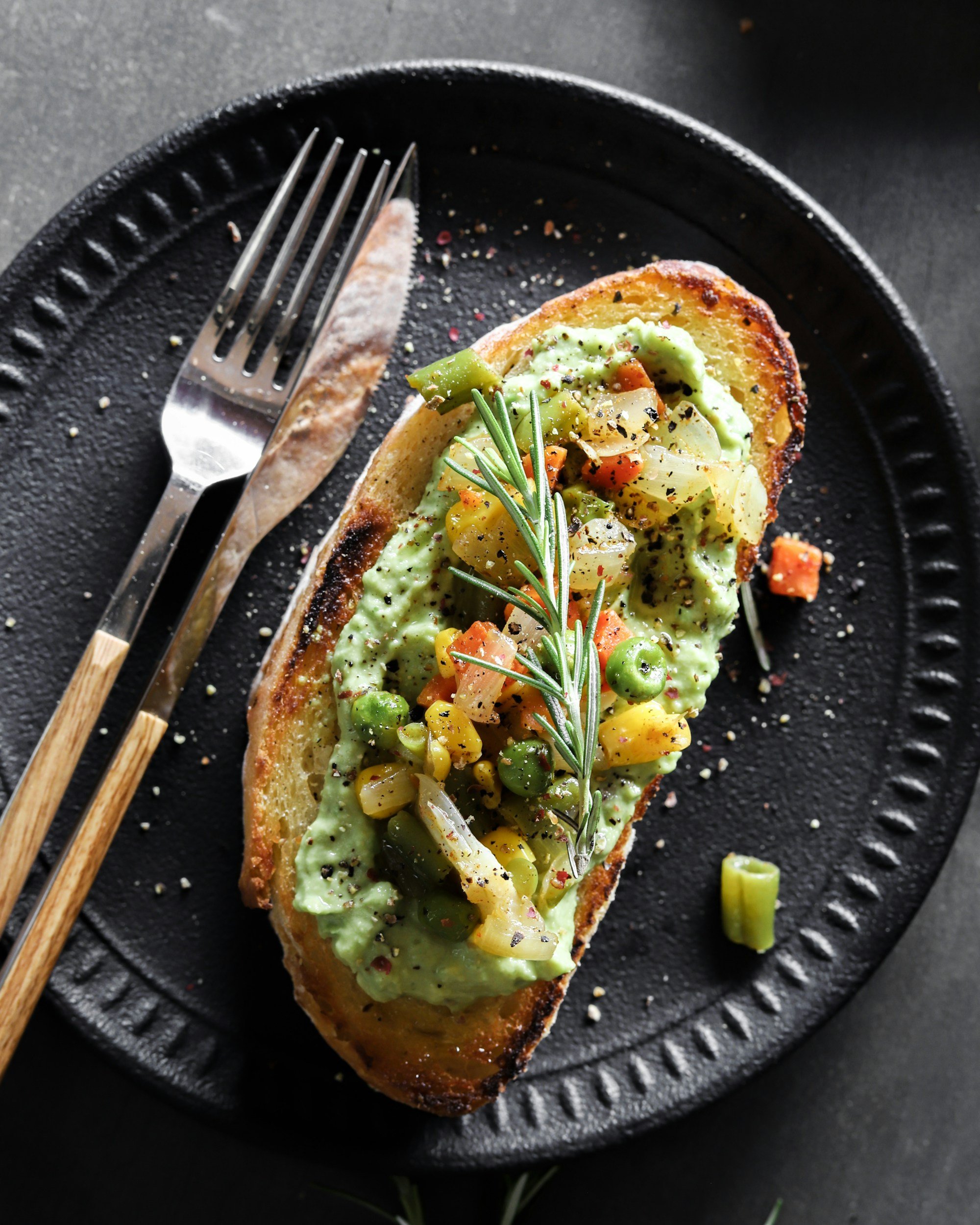
Avocado Toast in Sydney
Coffee Shops in Sydney
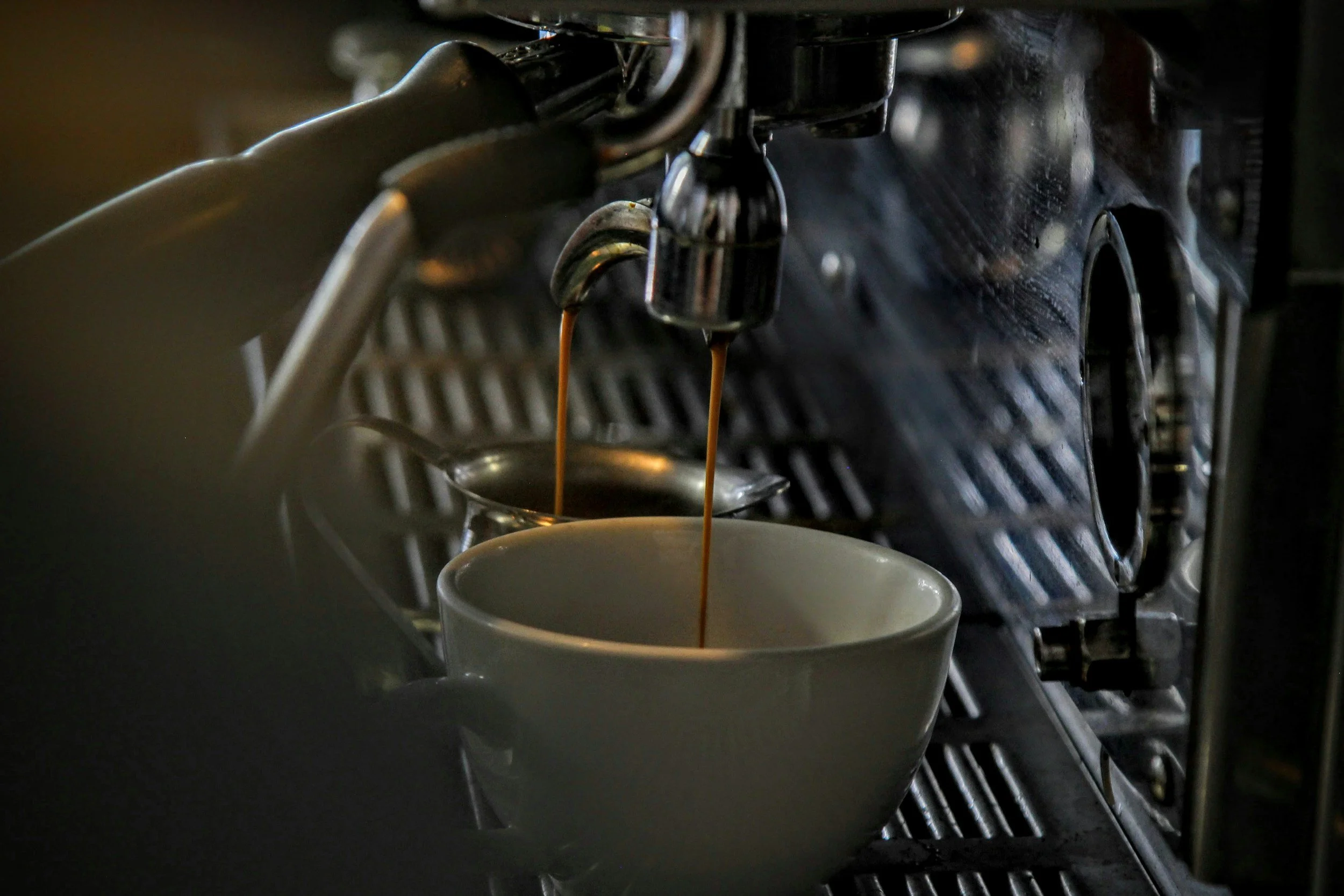
Sydney takes its coffee seriously, and the flat white debate, whether it originated here or in New Zealand, has been debated for decades without resolution. What is not debatable is the quality. This city has mastered the form.
Single O: Roasts its own beans and approaches espresso with precision. A must for coffee purists.
Mecca Coffee: One of the pioneers of Sydney's specialty scene. Clean, consistent, and deeply respected by the industry.
Gumption by Coffee Alchemy: Tucked inside The Strand Arcade in the CBD, this small spot is easy to miss and worth finding. Perfect between photo sessions downtown.
Kansas City Shuffle: More relaxed neighborhood vibe. Great espresso, good for slowing down after a morning shoot.
Photography Gear to Bring to Sydney
For Sydney, you want range. The harbor rewards wide compositions; the telephoto earns its place compressing the skyline or isolating the bridge's steel geometry from a distance.
Camera Body: Your Canon EOS R5 Mark II handles everything Sydney throws at you. The dynamic range matters here; harbor scenes often combine bright sky and dark water in the same frame. The Sony A7R V and Nikon Z8 are equally capable. Bring a high-resolution body if you have one.
Lenses:
Wide-angle, 15 to 35mm: Essential. The Opera House and the harbor foreshore reward wide coverage.
Standard zoom, 24 to 70mm: Your workhorse for markets, cafés, street work, and storytelling through the neighborhoods.
Telephoto, 70 to 200mm: Use it for compressing the skyline from Balmain or Pyrmont, isolating architectural details on the bridge, or shooting from elevated city viewpoints.
Prime, 35mm or 50mm: Ideal for The Rocks and street work in Surry Hills and Newtown.
Tripod: Non-negotiable for blue hour and night harbor shots. A lightweight travel tripod handles the job. The glass-calm harbor at dawn creates mirror reflections that long exposures turn into something extraordinary.
Filters: A polarizer cuts glare on the harbor water and deepens blue skies. ND filters, 3 to 10 stop, allow long exposures on bright days. Useful for smoothing water movement at Bondi and along the coastal cliffs.
Extras: Extra batteries. Sunrise-to-sunset shooting days in Sydney drain power quickly. SSD for backup. Extra cards.
Drone Note: Sydney is one of the more restrictive cities in Australia for drone flying. Much of the inner harbor falls within controlled airspace requiring CASA coordination. The Royal Botanic Garden, Centennial Park, and most City of Sydney council land prohibit recreational drone use. Check the CASA "Can I Fly There?" app before every session. Violations carry real fines.
iPhone Tips for Sydney
At the Opera House before sunrise, switch to ProRAW and shoot in the pre-dawn blue, when the sails begin to separate from the sky. The dynamic range at that light level is where iPhone cameras now genuinely compete with mirrorless.
On the Bondi to Coogee walk, use the ultrawide lens on the cliff sections to exaggerate the depth of the rock platforms below. The scale reads better wider.
For Vivid Sydney, use Night Mode and prop your phone against a railing or small tabletop tripod for the projection sequences on the Opera House sails. Handheld will give you blur.
In The Rocks on weekends, use Portrait Mode on the market stalls to separate subjects from the sandstone backgrounds. The bokeh on fresh produce and handmade goods reads beautifully.
Favorite Photography Locations in Sydney
Here are my recommendations for what to photograph in Sydney.
Sydney Opera House
The Opera House is the reason most photographers come to Sydney, and it earns every frame. Jorn Utzon's design from 1973 is still one of the most photographed structures on earth, and the reason is simple: it reads differently in every light condition. Flat midday sun flattens it. Golden hour turns the cream concrete warm. Blue hour makes the lit interior glow against a darkening sky.
The classic position is Mrs Macquarie's Chair, a sandstone bench in the Royal Botanic Garden that gives you the full Opera House and Harbour Bridge in a single composition. At sunrise, you are often the only person there. Within an hour, tour groups begin to arrive.
The second strong position is the harbor foreshore near the Opera Bar, shooting back toward the sails from the west at blue hour. This gives you the reflections in the water and the warm interior light spilling through the glass.
A third option, and one most visitors miss: the Harbour Bridge walkway, shooting east toward the Opera House with the bridge's steel rigging as a natural frame.

📷 Pro Tip: Arrive at Mrs Macquarie's Chair 30 minutes before sunrise. Set up on the right side of the bench area for the cleanest composition framing both the Opera House and the bridge. Use your 16 to 24mm for the wide establishing shot, then switch to 70 to 200mm to isolate the sails against the warm sky once the light climbs. Stay for at least 20 minutes after sunrise. The light continues to improve as it rises. Blue hour the evening before a clear day often outperforms the sunrise itself. Access is free. Walk from The Rocks, roughly 15 minutes.
Best time: Sunrise and blue hour. Access: Free.

The reason we chose the Park Hyatt hotel is that Opera House is directly in front of our room allowing me to take photos from my balcony at night.

Sydney Harbor Bridge
The bridge is not just a backdrop. It is a subject. The steel arch construction is one of the most photographed engineering achievements in the world, and it rewards photographers who treat it as a primary subject rather than an incidental one.
Walk across it for free using the pedestrian walkway on the eastern side. From the middle of the bridge, you get a direct east-facing view down the harbor toward the Opera House, with ferry traffic below and the city rising on both sides. Bring a lighter kit if you plan the full crossing; the walkway is exposed to wind and you will be on your feet for the duration.
For the best compositional options, photograph the bridge from The Rocks side at blue hour. Position yourself at Dawes Point Park or along the foreshore path at Circular Quay to get the full arch reflected in the harbor. The steel geometry of the pylons reads beautifully in tight telephoto compression from the Pylon Lookout.
📷 Pro Tip: The most underused angle on the bridge is from underneath, looking up at the arch from the western pedestrian path near Milsons Point on the north shore. Take the ferry across to Milsons Point and walk toward the bridge. Looking up from directly beneath, with a 16mm lens, the arch fills the frame and the geometric structure becomes almost abstract. Go at blue hour when the sky behind the steel is still saturated. Tripod required. The north shore foreshore also gives you a strong west-facing composition with the Opera House in the background at sunset.
Best time: Blue hour on either side. Access: Pedestrian crossing is free.

Bondi Beach
You cannot visit Sydney without spending time at Bondi Beach..
Bondi is more than a beach. The 6-kilometer coastal trail from Bondi to Coogee is one of the best photography walks in Australia, passing cliff-edge paths, tidal rock pools, cemetery headlands, and several smaller beaches before ending at Coogee Beach. The walk takes two to three hours at a relaxed pace. You do not have to complete the full route; the section from Bondi to Bronte alone gives you the most dramatic coastal geography.
Bondi Beach itself works at almost any hour. Sunrise at the south end is quiet and golden. Midday is bold and graphic, especially if you lean into the contrast between the turquoise water and white sand. Late afternoon brings softer tones and long shadows across the headlands.
The Bondi Icebergs swimming pool, the ocean pool at the southern end of the beach, is one of Sydney's most iconic photography subjects. The pool sits directly against the ocean, and waves wash over its edge in heavy swells.
📷 Pro Tip: For the Icebergs pool, position yourself on the coastal path above the pool and shoot down with a 70 to 200mm lens during a moderate swell. You want the waves washing over the pool edge without entirely obscuring it. Early morning on the walk from Bondi toward Bronte, the light comes from the east and hits the cliff faces directly. Use a wide angle, 16 to 24mm, for the cliff-path sections where you can include both the path and the ocean in the same frame. The cemetery at Waverley, near the midpoint of the walk, is photographically beautiful in morning light and almost always empty. Do not skip it.
Best time: Sunrise to mid-morning for the beach; anytime during the walk. Access: Free.

Whether you're craving fresh seafood, hearty brunches, or a quick coffee fix, Bondi has something to satisfy every palate.

Arguably one of the world's most talked about beaches in the world, you will absolutely love Bondi Beach.

This sun-soaked paradise is renowned for its golden sands, world-famous surf breaks, rockpools, and beautiful clear waters.

Yoga on the Beach
Here are some top dining spots you won’t want to miss in Bondi Beach:
North Bondi Fish - This beachside restaurant is ideal for seafood lovers. We had incredible Fish Tacos and Fresh fish.
Bills Bondi - A Bondi institution, Bills is famous for its relaxed atmosphere and all-day dining menu. Known for its scrumptious breakfast options, including the iconic ricotta hotcakes and scrambled eggs. Even though we were pretty full from our lunch at North Bondi Fish, we had to try Bills, and it was worth it.
The Bondi to Coogee Coastal Walk
I highly recommend taking the 6-kilometer (3.7-mile) trail along Sydney's eastern coastline, which connects several beaches and parks. The walk typically takes 2-3 hours, depending on your pace and how often you stop to take photos or enjoy the scenery. You do not have to walk the entire distance if you get tired. It’s very easy to turn around and walk back.


Mrs. Macquarie's Chair
Mrs. Macquarie's Chair is the best position in Sydney to photograph the Opera House and the Harbor Bridge in the same frame, and one of the most important photography spots in the city. The carved sandstone chair sits at the tip of a peninsula in the Royal Botanic Garden, jutting into Farm Cove with unobstructed harbor views in every direction.
From this single position, you can compose the Opera House on the left, the Harbor Bridge on the right, and the open harbor between them. At sunrise, the light comes from behind you and rakes across both structures simultaneously. At blue hour, the entire skyline from the Bridge to the Opera House is reflected in the still water below.
Pro Tip: Arrive 30 to 45 minutes before sunrise and set up on the eastern side of the chair's platform. The sails of the Opera House catch the first light before the surrounding harbor does, giving you a window of perhaps five minutes where the sails glow against a still-dark sky. A 24-70mm covers the full dual composition; a 70-200mm lets you pull the Opera House and Bridge together for the classic compressed harbor shot. Bring a tripod. The pre-dawn light requires it.
Royal Botanic Garden
The Royal Botanic Garden wraps around Farm Cove adjacent to the Opera House, and it gives you a quiet, green foreground to work with for harbor compositions. Founded in 1816, it covers 74 acres and contains more than 8,600 species. For photographers, the value is in the walking paths that put you at different angles relative to the Opera House as you move through the garden.
The stretch of path closest to Farm Cove gives you a clean, low-angle view of the Opera House across the water. The garden itself has strong floral and botanical subject matter, particularly in spring when flowering trees are in bloom.
📷 Pro Tip: Walk the foreshore path from the Opera House toward Mrs Macquarie's Point at blue hour. Every 50 meters you get a slightly different angle on the Opera House and the harbor. Bring your tripod. The path is paved and stable. Shoot at roughly 24mm to capture the Opera House with garden foliage framing the foreground. On clear mornings, the harbor reflects the sky almost perfectly, and even a small amount of this mirror reflection in the foreground of a wide-angle shot transforms the composition. Access is free; the garden opens at sunrise.
Best time: Sunrise to early morning. Access: Free.


The Rocks
Sydney's oldest neighborhood sits at the base of the Harbour Bridge on the western side of Circular Quay, and it is one of the most layered urban environments I have found in any city. Colonial sandstone buildings, narrow laneways, iron lampposts, and cobblestone streets create a visual vocabulary unlike anywhere else in Australia.
The weekend Rocks Market adds color, people, and activity that translates directly into strong street photographs. The narrow lanes behind George Street, particularly around Suez Canal Lane and Nurses Walk, give you leading lines and textured walls that work beautifully in early morning directional light.
At night, The Rocks becomes moody and dramatic. The cobblestone streets reflect lamplight, and the old buildings hold their warmth even after the sky goes dark.
📷 Pro Tip: Arrive in The Rocks around 30 minutes after sunrise on a weekday, when the light is low and directional but the streets are not yet crowded. Walk up Argyle Street toward the Argyle Cut, the hand-carved tunnel through the sandstone built by convict labor. Shoot back through the tunnel toward the harbor light at the eastern end with a wide lens; the framing is strong. On weekends, the Rocks Market runs from late morning through the afternoon. Use a 50mm lens and work the stalls for environmental portraits and food photography.
Best time: Early morning on weekdays; late morning on weekends for the market. Access: Free.

Darling Harbor
Darling Harbour is a buzzing waterside area that's just a short walk from the center of Sydney. This area is buzzing with a lot of people taking walks and eating in outdoor restaurants.

Taronga Zoo
Taronga is not on most photography guides' radar, and that is a mistake. The zoo sits on the north shore of the harbor, accessible by a 12-minute ferry from Circular Quay, and it combines wildlife photography with one of the most unexpected city skyline views in Sydney. On the return ferry in the evening, the skyline glows behind you and the harbor is lit for the night. Bring your camera for both legs.
The zoo itself is home to over 4,000 animals, including kangaroos, koalas, and native Australian species that most international travelers have never photographed. The enclosures for native wildlife are designed with the skyline visible behind them, which creates the unusual combination of koala and Opera House in a single frame.
📷 Pro Tip: Book the first ferry of the day, usually around 9 a.m. The lighting in the early morning is softer and the zoo is emptier. For the kangaroo and wallaby enclosures, use a 70 to 200mm lens at f/2.8 to isolate animals against the soft green background. For the skyline view from the zoo's upper paths, shoot at golden hour on the return ferry. Position yourself at the bow of the ferry facing south and use a 24 to 70mm lens. The skyline, the harbor, and the evening light come together in about a 15-minute window.
Best time: Early morning for animals; return ferry at golden hour for the skyline. Access: Ferry plus zoo admission.


Day Trip to the Blue Mountains
The Blue Mountains sit roughly 90 minutes from central Sydney by train or car, and the visual scale of what you find there is genuinely surprising after days shooting an urban harbor city. The Jamison Valley drops hundreds of meters below the cliff-top lookouts at Katoomba, and on clear mornings, the eucalyptus haze that gives the mountains their name creates a layered, atmospheric depth that belongs in landscape photography.
📷 Pro Tip: Arrive at Echo Point before 8 a.m. to photograph the Three Sisters before tour groups arrive. The morning haze is thicker early, which adds depth and atmosphere to the valley. Use a 24 to 70mm lens for context shots that include both the foreground cliff edge and the valley below. Switch to a 70 to 200mm to isolate individual rock formations against the haze layers. At Govetts Leap, the waterfall is most visible after rain. Position yourself on the main lookout platform and use a wide angle to capture both the waterfall on the left edge and the full valley sweep on the right. A polarizer deepens the green of the eucalyptus canopy.
Best time: Early morning. Access: National Parks entry fees apply for some areas. Katoomba is accessible by train from Central Station.


Three Sisters
Echo Point at Katoomba is the primary lookout for the Three Sisters rock formation. The cliff edge gives you a direct view across the valley with the three sandstone pillars in the foreground. It reminded me of a more vertical version of the Grand Canyon, without the crowds.

Govetts Leap
Govetts Leap at Blackheath, about 15 minutes from Katoomba, offers a wider panorama of the Grose Valley and includes a view of Bridal Veil Falls, which drops 180 meters into the valley below. It is one of the best single-frame landscape opportunities within day-trip range of any city in Australia.

The magnificent Bridal Veil waterfall to the east drops a whopping 180m to the base of the cliff, and if you're not mesmerized by the dancing waves of water spray, you'll be transfixed by the sweeping views across the valley to the Grose Wilderness.

Festivals and Holidays in Sydney
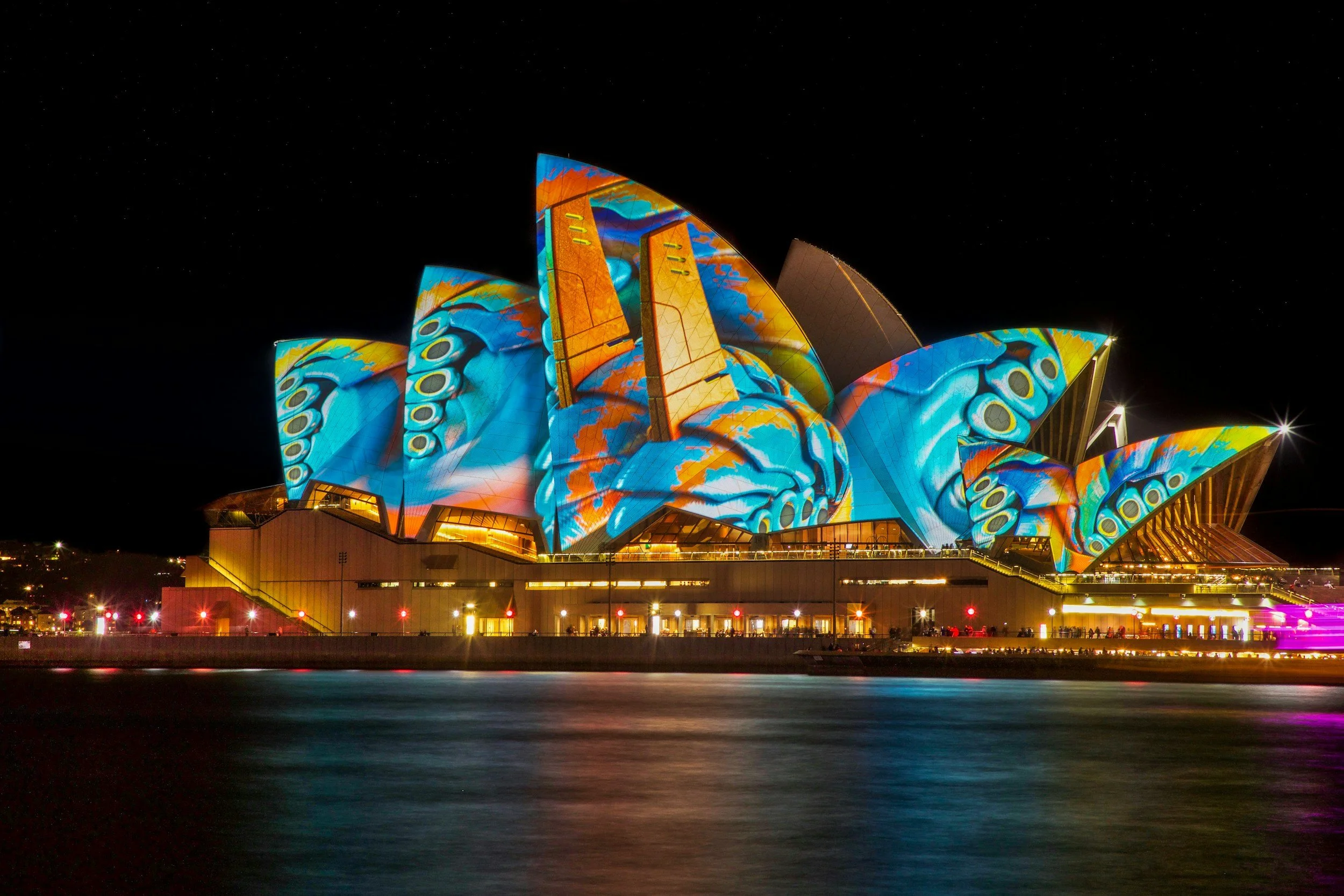
Vivid Sydney (late May to mid-June). This is the event to build your Sydney trip around if your schedule allows. Vivid is the largest festival of light, music, and ideas in the Southern Hemisphere, and for photographers, it is an extraordinary opportunity. The Sydney Opera House sails are used as a projection surface. The Harbour Bridge, Customs House, and dozens of other buildings and public spaces across the 6.5-kilometer Light Walk are transformed nightly. The entire Light Walk is free to attend, and the drone shows above Cockle Bay run on select nights. Crowds are significant, particularly at the Opera House, so arrive early to secure your position. A tripod and a remote shutter release are essential. For the Opera House projections, shoot from the concourse directly in front of the sails using a wide-angle lens, and from Mrs Macquarie's Chair for the full harbor context shot.
Sydney Festival (January) A major arts festival running across the first three weeks of January. Free outdoor concerts and installations happen across the city, including at the Domain and Circular Quay. Strong street photography and performance photography opportunities throughout.
Sydney Gay and Lesbian Mardi Gras (February and March) One of the largest and most colorful LGBTQ+ celebrations in the world, with the parade running down Oxford Street. The parade itself is visually spectacular and photographically generous, with elaborate floats, costumes, and crowd energy. Use a telephoto lens for the parade, and arrive early to secure a position along the route. Respect your subjects; ask before close portrait work.
New Year's Eve Sydney's New Year's Eve fireworks over the harbor are among the most photographed in the world. If you are here for it, position matters more than anything. Mrs Macquarie's Chair and the north shore at Milsons Point are the classic locations. Spots fill hours before the fireworks. This is a tripod, long exposure, and patience situation.
Frequently Asked Questions About Visiting Sydney
Is Sydney expensive?
It can be, especially harbor-view hotels and fine dining, but there's real range. Free ferry views, self-guided walks like Bondi to Coogee, and casual coffee culture let you experience the best of the city without a luxury budget.
Is Sydney safe?
Yes, it's one of the safer major cities to walk, day or night, including around the harbor and The Rocks. Normal city awareness covers most of what you need to know.
Do you need a car in Sydney?
No. Trains, buses, and ferries cover the city well, and Uber and Bolt handle the rest. A car is really only useful for the Blue Mountains day trip, and even that's accessible by train.
What are the best photo spots in Sydney?
Mrs Macquarie's Chair for the Opera House and Harbour Bridge in one frame, the Bondi to Coogee coastal walk, and Echo Point in the Blue Mountains are three I return to constantly. The full list with Pro Tips is below.
Can you fly a drone in Sydney?
Only with care. Much of the inner harbor sits within controlled airspace requiring CASA coordination, and the Royal Botanic Garden and most City of Sydney land prohibit recreational drone use. Check the CASA "Can I Fly There?" app before every session.
What surprised you most about photographing Sydney?
How close everything is. Just a few hours from Sydney you reach the Blue Mountains, and Bondi Beach is close by too, so a single trip gives you harbor, coastline, and mountain landscapes without a long transfer between any of them.
How many days do you need in Sydney?
Five to seven days. Four days shows you the highlights; a full week gives you time to revisit the harbor in different light and add neighborhoods like Surry Hills and Newtown.
Is Vivid Sydney worth planning a trip around?
Yes, if light and projection photography is your thing. It runs late May through mid-June and turns the Opera House sails and the Harbour Bridge into projection surfaces across a 6.5-kilometer light walk, one of the best photography events in the Southern Hemisphere.
Final Thoughts
Four days in Sydney were not enough.
Sydney is one of those rare cities that keeps giving. I have been back multiple times, and each trip produces a different set of images. The harbor never looks the same twice. The light is generous. The neighborhoods have depth. The food is exceptional. And Australians are genuinely easy to travel among.
My advice is practical: wake up early at least once and shoot the harbor before the city wakes up. Take the ferry even when you do not need to. Walk The Rocks at night. Make time for the Blue Mountains. Sit with a flat white after your morning session and review your images. Let the city unfold at its own pace.
If you are putting together an Australia itinerary, pair Sydney with Melbourne for the contrast of two great cities, or with Tasmania for one of the most dramatic and under-visited landscapes in the Southern Hemisphere.
Want to improve your photography while exploring some incredible destinations? Join me on one of my photography workshops! You can find all the details, including upcoming destinations and dates, through the links below.
Let's Stay Connected!
My Photography & Travel Guide to Melbourne, Australia: The natural companion to a Sydney trip. The two cities are an hour apart by air and culturally distinct in ways that make photographing both in a single trip deeply rewarding. Melbourne's coffee culture, street art scene, and Victorian architecture offer a completely different visual vocabulary from Sydney's harbor world.
My Photography & Travel Guide to Tasmania, Australia If you want wilderness after Sydney's urban intensity, Tasmania is the answer. Two hours by air, and you are in one of the most biodiverse and photogenic landscapes in the Southern Hemisphere. The Cradle Mountain area alone is worth the journey.
My Photography & Travel Guide to Singapore. For travelers routing through the Asia-Pacific region, Singapore sits between Sydney and most of Europe and Asia. It is a photography destination in its own right, with extraordinary architecture, food, and a multicultural street scene that rewards a two or three-day stop.
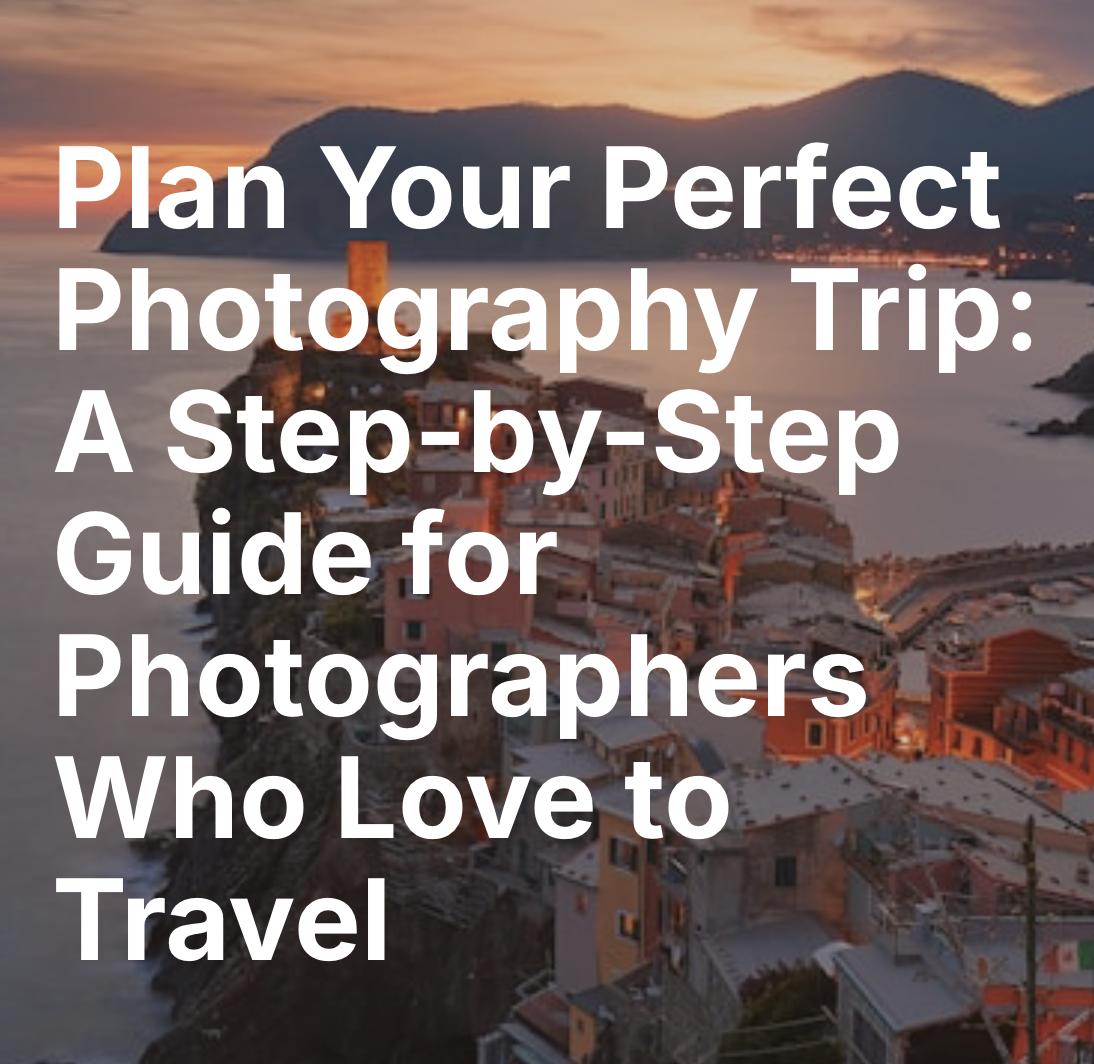
Are you carrying too much camera equipment, but still coming home disappointed with your travel photographs?
You are not alone. Many photographers fall into the packing trap. They bring too much, plan too little, and spend their trip scrambling to capture photographs instead of enjoying the experience.
Capture the World offers a better approach.
In this practical guide, travel photographer Vito L. Tanzi shares the five step system he uses to plan photography trips, pack with purpose, work with the best light, and return home with stronger images.
Inside, you will learn how to:
• Travel lighter without sacrificing image quality
• Choose destinations that match your photography goals
• Visit at the right time for weather, light, wildlife, festivals, or seasonal conditions
• Build a photography itinerary around sunrise, sunset, blue hour, and changing weather
• Select the equipment you will actually use
• Find promising locations before you arrive
• Avoid the stress and exhaustion that can ruin a photography trip
• Stay flexible when weather, crowds, or travel plans change
This guide includes practical planning advice, useful photography tools, real travel examples, and a complete system you can use again and again.
Whether you are preparing for your first international photography trip or planning a weekend closer to home, Capture the World will help you travel with greater purpose, photograph with more intention, and spend less time worrying about what is inside your camera bag.
Because the best photography trip is not the one where you carry everything.
It is the one where you are ready when the right moment appears.
📸 Format: PDF download
Instant Download