New York City Travel & Photography Guide: Best Photo Spots, Things to Do & Hidden Gems
The moment you step out of Penn Station or walk up from the subway onto Seventh Avenue, New York hits you without warning. It does not build. It does not ease you in. It is simply there, fully assembled, at full volume, and the only question is whether you are ready for it.
I have been coming to New York dozens and dozens of times, going back to childhood, when my grandparents would bring me along to visit relatives in Brooklyn. That blast of energy still does something to me every time. It is eight million people moving in eight million directions inside the same square miles, and the result is a city that produces more raw photographic material per block than anywhere else in the United States. I am not sure it is even close.
What makes New York genuinely remarkable for photographers is the range. You can spend a morning at Summit One Vanderbilt, shooting the Chrysler Building and the grid stretching out forty stories below you, then walk down to SoHo and spend an afternoon on cobblestone streets with cast-iron facades and some of the most ambitious street art in the country. Cross into Brooklyn, and the Manhattan skyline is laid out in front of you from angles that most visitors never find. That is one day. You could run that loop for a week and never repeat a frame.
The people are a subject unto themselves. On a single block, you will see someone in a perfectly tailored suit next to a skater in a vintage jersey next to a woman in a full-length fur coat walking a Labrador. New York does not have one aesthetic. It has all of them running simultaneously, and the light falls on all of it the same way. If you photograph people, this city will not let you put the camera down.

Old Pier 1 in Brooklyn
Then there is the food. New York City has the best and most varied restaurant scene in the United States. Full stop. And the boroughs beyond Manhattan make that case even stronger. Brooklyn, Queens, and the Bronx have neighborhoods that will give you some of the most compelling street photography of your entire trip. Do not spend the whole visit in Midtown.
In this Photography Guide to New York City, I share the places and experiences that continue to draw me back. You will find my favorite photography locations, guidance on when and where to shoot, practical travel tips, and gear recommendations, along with cultural insights to help you explore and photograph New York City with confidence, respect, and ease.

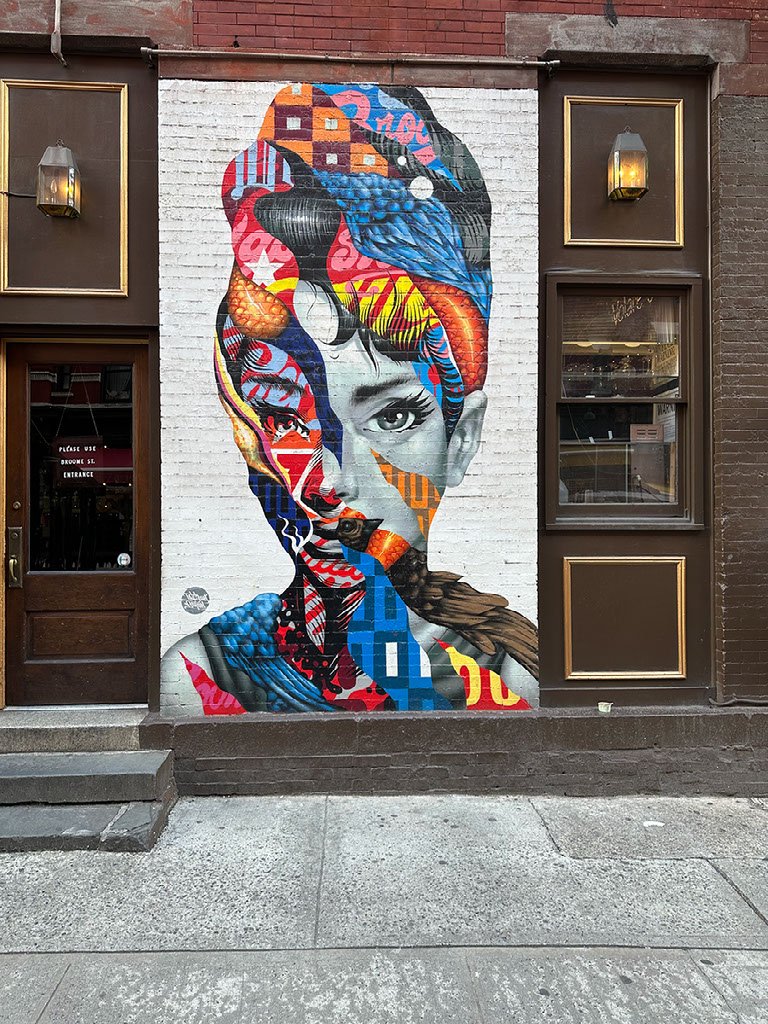
@kobra in Chelsea
Photographer's Notes
Before you go, here are my own takeaways.
Favorite Season: Fall
Favorite Sunrise Location: Brooklyn Bridge
Favorite Sunset Location: Old Pier 1, Brooklyn
Favorite Neighborhood: SoHo
Favorite Hotel: Crosby Street Hotel
Favorite Café: Russ & Daughters
Favorite Lens: 15-35mm f/2.8
Would I Return? Absolutely. I love going to New York City. It never gets old.
Where to Stay in New York City?
The best neighborhoods for photographers are SoHo, Greenwich Village, and the Upper East Side. SoHo puts you within walking distance of some of the best street photography, architecture, and restaurants in the city. The Upper East Side places you steps from Central Park, Museum Mile, and a cluster of photography locations that can fill a full morning without touching a subway.
For first-time visitors, Midtown is a practical base because of its central location and proximity to major landmarks. Just know that Midtown itself is not particularly photogenic. You are there for access, not atmosphere.
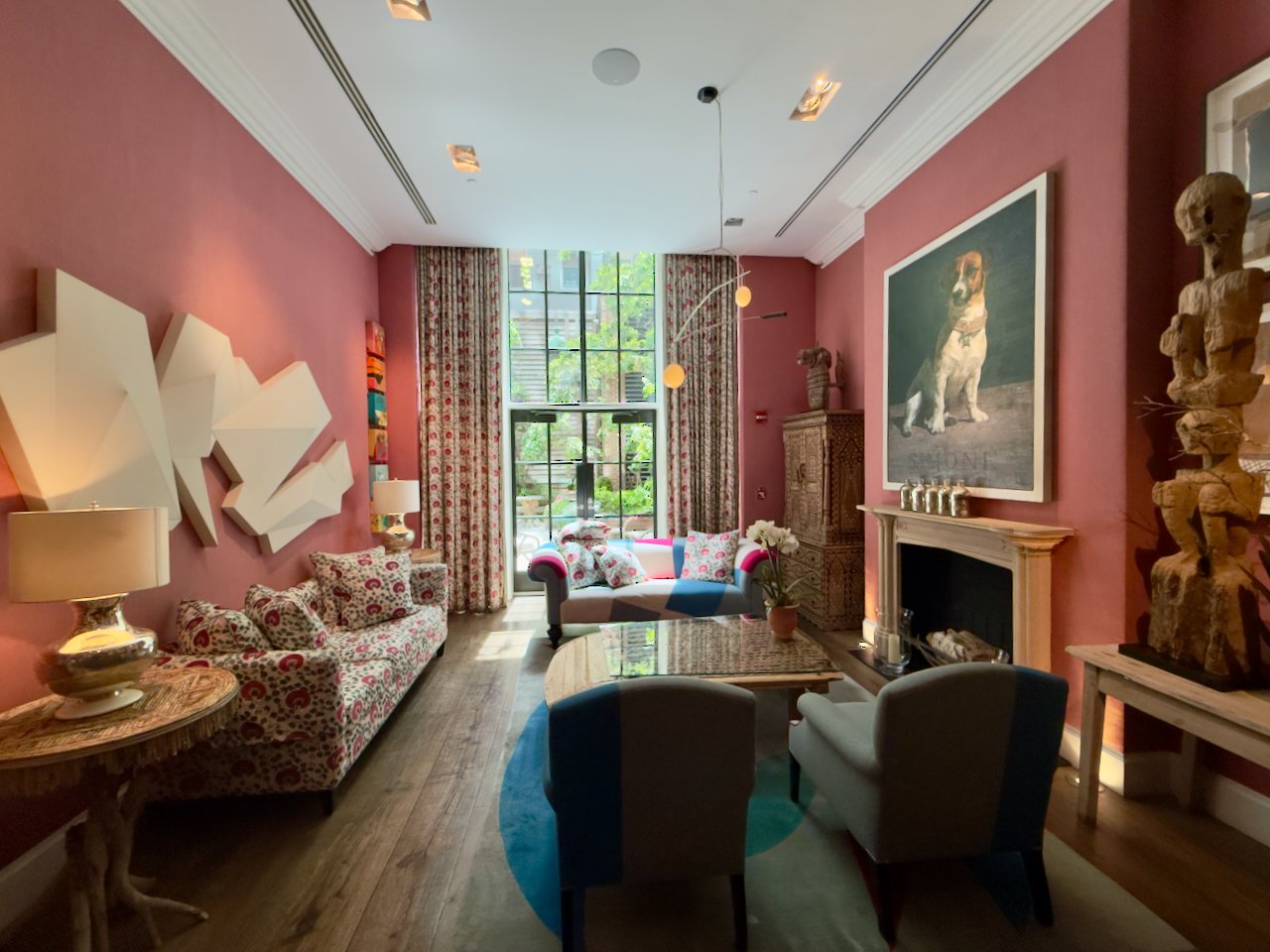
The Crosby Street Hotel
Luxury Hotels in New York City
The Surrey, A Corinthia Hotel (Upper East Side) A longtime favorite of mine. Originally opened in 1926, The Surrey was completely reimagined and reopened as a Corinthia Hotel in 2024, and the result is extraordinary. Originally opened in 1926, The Surrey was completely reimagined and reopened as a Corinthia Hotel in 2024, and the result is extraordinary. Seventy guest rooms, thirty suites, and fourteen residences, all designed by Martin Brudnizki with Murano chandeliers, bespoke furnishings, and a residential calm that makes it feel more like a private apartment than a hotel. The location on Madison Avenue at 76th Street puts you a short walk from Central Park, the Met, the Guggenheim, and Albertine Books. The on-site Casa Tua restaurant holds a Michelin star. If you want to be based in the Upper East Side and come home to something genuinely beautiful, this is the place.
The Ritz-Carlton New York, Central Park (Midtown) Located directly across from Central Park, the Ritz-Carlton gives you one of the best views in the city from the moment you open your curtains. The service is exactly what you expect from a Ritz, and the location on Central Park South means you are steps from Bethesda Fountain, Bow Bridge, and the park's most photogenic entrances. A strong choice if you want Midtown logistics with a world-class address.
The Mark Hotel (Upper East Side) A few blocks from the Met and Central Park, The Mark is a longtime standard-bearer for Upper East Side luxury. The rooms are spacious, the interiors are elegant without being fussy, and the location is hard to argue with. Jean-Georges Vongerichten runs the kitchen. If you are spending significant time photographing the Museum Mile, this is an ideal base.
Mid-Range in New York City
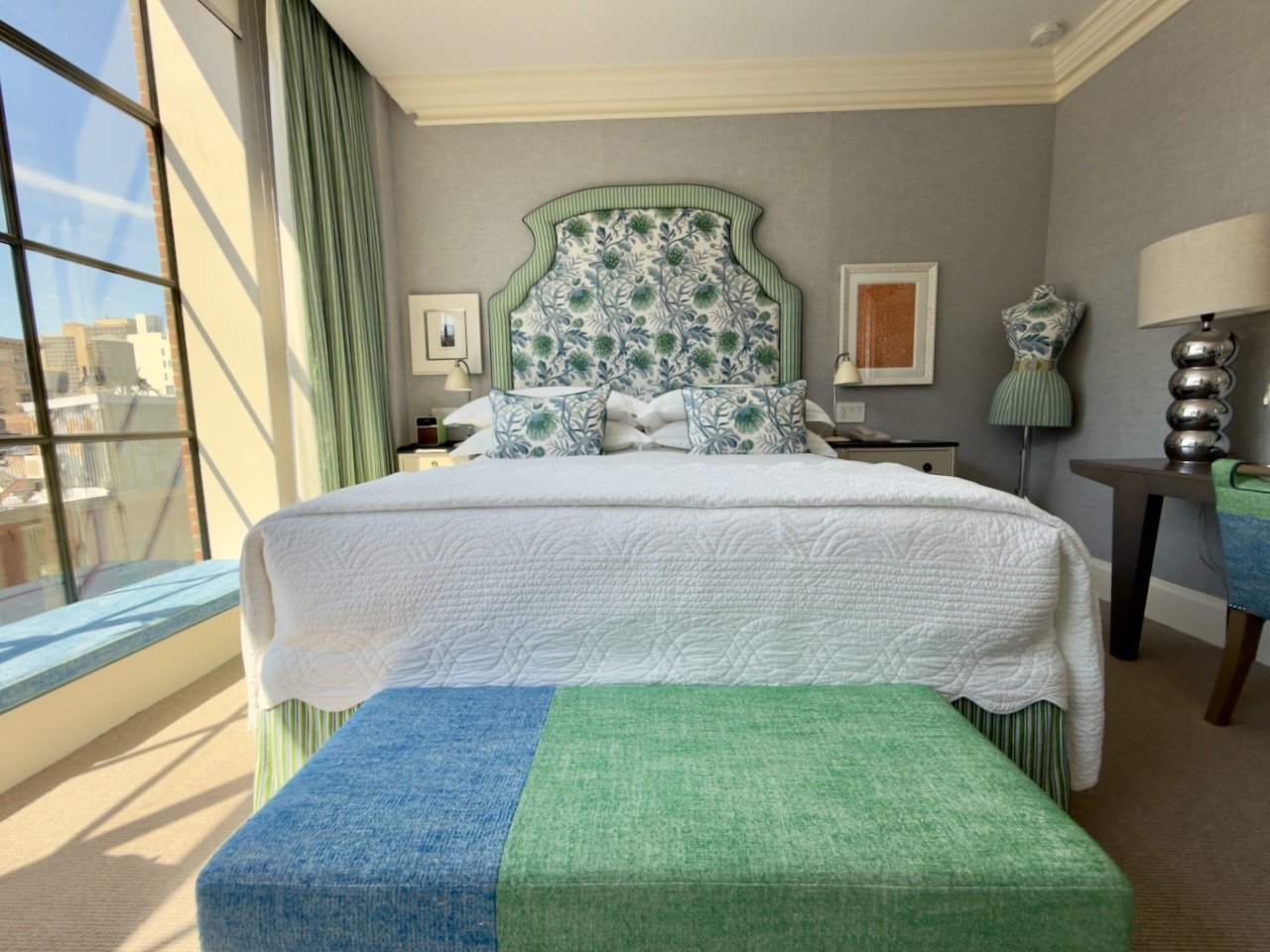
Crosby Street Hotel (SoHo) Part of the Firmdale Hotels group, the Crosby Street Hotel sits in the heart of SoHo, right near Balthazar, and within easy reach of the cast-iron facades, cobblestones, and street art that make that neighborhood worth photographing. The interiors are distinctive, the staff is excellent, and the location is genuinely walkable to a remarkable number of things. A strong choice for photographers who want to be in the action, not above it.
The Langham New York (Midtown) We recently stayed at the Langham and came away impressed. The rooms are large by New York standards, many with kitchenettes, and the staff is genuinely attentive. The Midtown location on Fifth Avenue puts you close to Grand Central, the Morgan Library, and Times Square. It photographs well as a hotel, too. Highly recommended for value at the upper end of the mid-range category.
The William Vale (Williamsburg, Brooklyn) If you want to experience the boroughs properly, the William Vale in Williamsburg is directly across the East River from the East Village and puts you in one of the most photographically rich neighborhoods in the city. Rooftop pool, great design, and a neighborhood full of excellent coffee shops, restaurants, and street art. The L train connects you to Manhattan in minutes. This is where to stay if you want New York off the obvious path.

@kobra
How Many Days Should I Visit New York City
Give yourself at least four days. Five or six is better if you want to photograph at your own pace without feeling like you are running through a checklist.
A four-day structure for photographers:
Day 1: Brooklyn morning. Start at Old Pier 1 for the Manhattan skyline at sunrise, walk to DUMBO for the Manhattan Bridge shot, then Empire Fulton Ferry State Park before breakfast. Cross back into Manhattan in the afternoon for SoHo and the Lower East Side.
Day 2: Midtown and the observation decks. Grand Central Terminal in the morning, before the crowds build, then Summit One Vanderbilt for the elevated city perspective. Times Square at twilight, when the screens compete with the last light in the sky.
Day 3: Upper East Side and Central Park. Spend the morning in the park, Bethesda Fountain, Bow Bridge, the Conservatory Water, and the Alice in Wonderland sculpture. Afternoon at the Guggenheim and Albertine Books. Walk Museum Mile.
Day 4: Neighborhoods. Chelsea and the High Line for street art and architecture. Chinatown and the Lower East Side for color and street photography. Finish at Hamilton Park in New Jersey for the sunset skyline shot.
If you have a fifth or sixth day, use it for the boroughs: Williamsburg, Bushwick, for the graffiti, and Astoria in Queens, for a neighborhood that most visitors never reach.
Best Time to Visit New York City for Photography
Spring and fall are the best seasons, and it is not particularly close.
Spring (April through early June) gives you the cherry blossoms along the Reservoir in Central Park, soft, warm light, and longer days that extend your golden hour window well past 7 pm by late May. Crowds are manageable before Memorial Day. The city wakes up with a specific energy in April that is genuinely different from any other time of year.
Fall (mid-September through November) is the other peak window. The foliage in Central Park turns in October and creates a color palette that is extraordinary against the skyline. Golden hour light hits the streets at a lower angle, which means longer shadows and more dramatic contrast on the architecture. Temperatures are comfortable for walking all day with a camera bag.
Winter is underrated. A fresh snowfall in Central Park produces one of the most photogenic mornings available anywhere in the city, and you have roughly a two-hour window before the paths are tracked through and the magic dissolves. Blue hour in winter arrives early, around 4:30 pm, which means you can finish dinner and still go out for a second shoot. The cold keeps the crowds thin. Dress properly and bring hand warmers for your battery bags.
Summer has energy, but punishing light from about 10 am to 4 pm. Midday contrast is harsh, the heat amplifies the smells of the city, and tourist crowds are at their peak. If you visit in summer, focus your shooting on the first two hours after sunrise and the hour before sunset.
For photographers, the ideal window is the last two weeks of October: the foliage is at peak color, the light is angled and warm, and the city is fully alive without the summer crush.

Getting Around New York City
Walking is your primary tool, and most of the best photography happens at street level, at a walking pace. The city is laid out on a grid, which makes navigation straightforward, and many of the best clusters of locations, such as SoHo and DUMBO, the Upper East Side museum corridor, and the Brooklyn waterfront, are compact enough to cover on foot in a single morning.
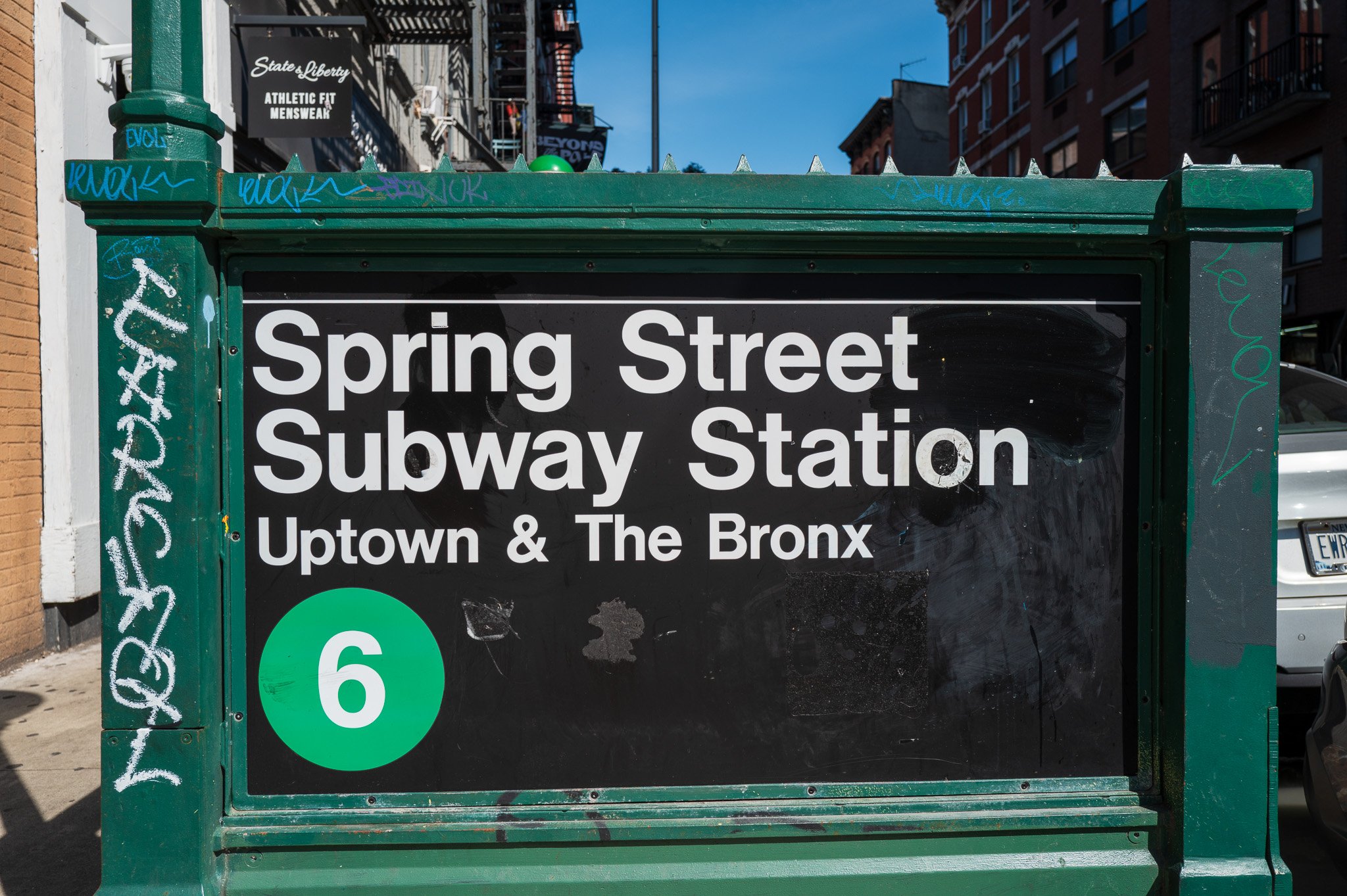
For longer distances, the subway is fast, affordable, and worth using. It is also worth photographing. The Fulton Center hub downtown and the older stations on the IRT lines have a texture and atmosphere that rewards a camera. Keep your card loaded and plan your routes the night before if you are moving between boroughs.
Citi Bike is excellent for waterfronts and parks, where you want to cover ground without the constraints of a subway schedule. The Brooklyn waterfront from DUMBO down toward Red Hook is one of the best cycling photography routes in the city.
Uber and Lyft are available everywhere and useful when you are carrying significant gear and need to move quickly between shoots. During rush hour, the subway is almost always faster than a car. The Staten Island Ferry is free, runs around the clock, and gives you an extraordinary angle on Lower Manhattan and the Statue of Liberty that most photographers overlook. Take it.
Taxis are still around and fine, but rideshares are generally more reliable for non-rush hour movement with gear.
Where to Eat in New York City
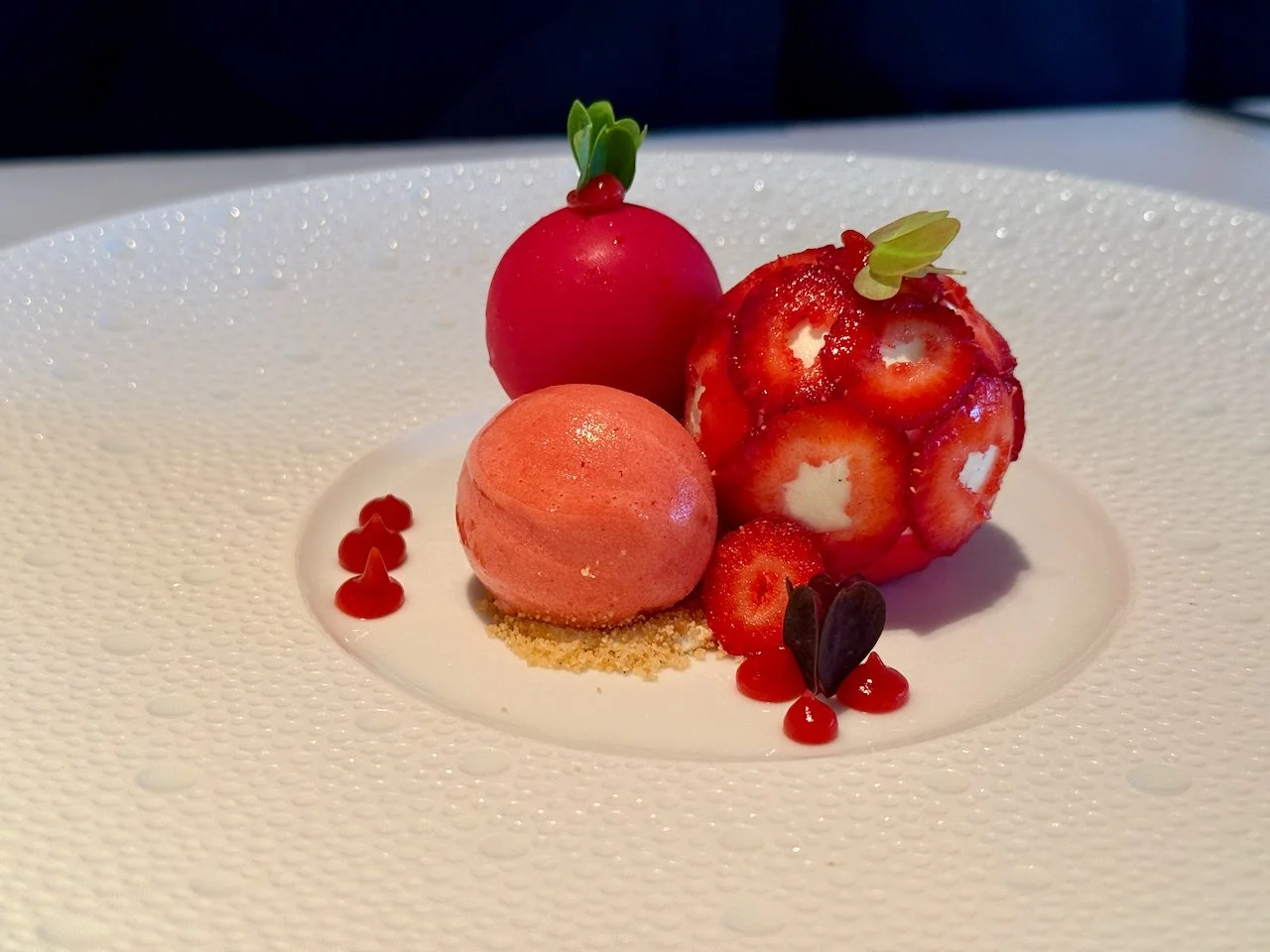
The food in New York is the best in the United States, and I include that as a factual statement rather than a boast. Every cuisine, every price point, and genuinely some of the best cooking in the world. These are the restaurants I come back to.
Le Bernardin (Midtown) Three Michelin stars and one of the greatest meals of my life. Chef Eric Ripert's seafood tasting menu is in a category by itself. This is a special occasion restaurant in the fullest sense. Book well in advance.
Eleven Madison Park (Flatiron) Chef Daniel Humm's restaurant pivoted to a fully plant-based menu in 2021, retained its three Michelin stars, then in late 2025 reintroduced meat and seafood alongside the plant-based offerings. It remains one of the most ambitious and thoughtful dining experiences in the country. Reserve months ahead.
Le Coucou (SoHo) One Michelin star. Chef Daniel Rose brings classical French technique to a Roman and Williams-designed space that is itself worth visiting. Crisp linens, an elegant open kitchen, and a menu that is unapologetically French without being fussy. One of my go-to recommendations for a serious dinner in the city.
Via Carota (West Village) Rustic Italian in the West Village, and one of the most consistently good restaurants in New York. The carciofi alla giudia is worth the trip on its own. No reservations, so go early or late.
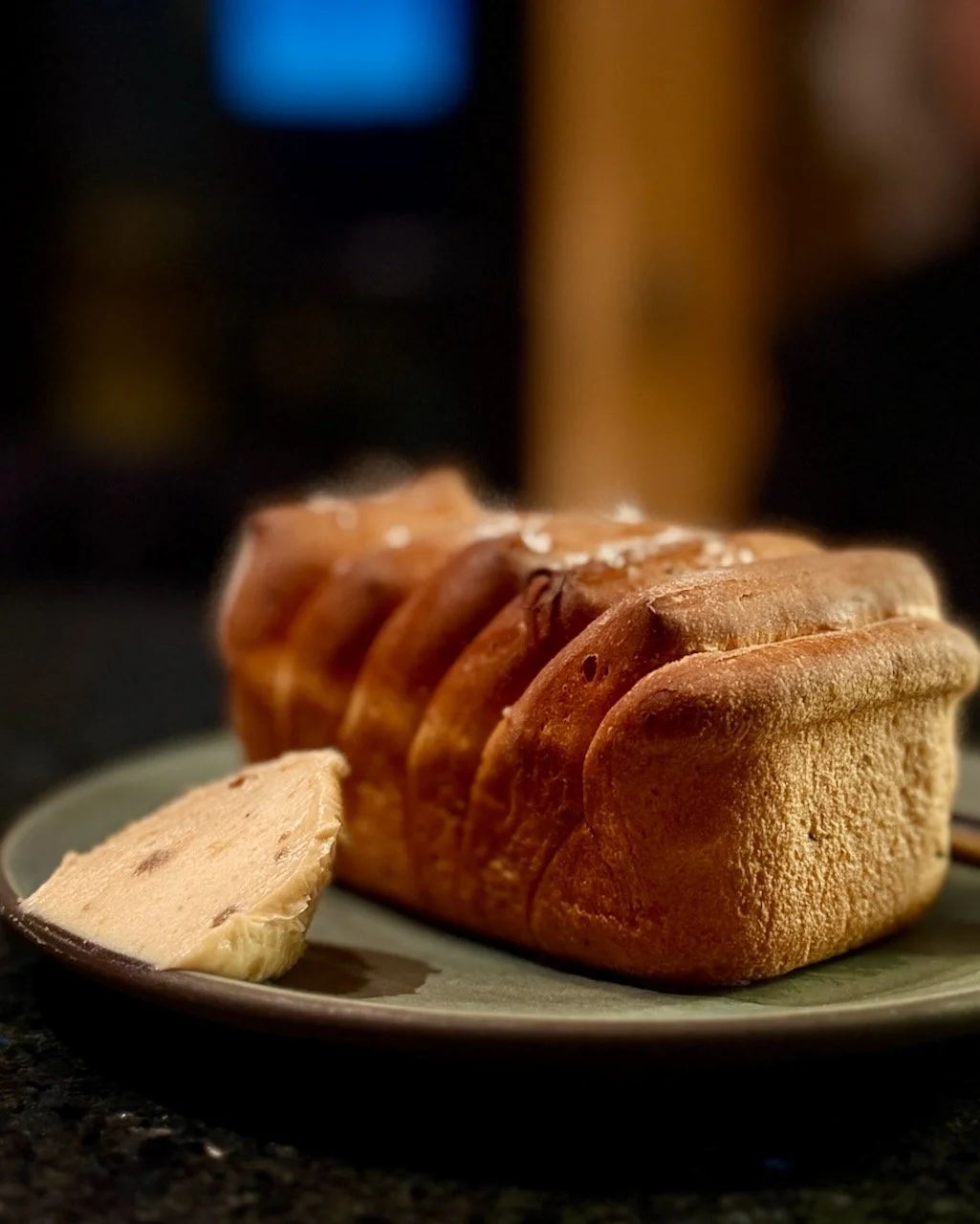
Balthazar (SoHo) No trip to New York is complete without going to Balthazar. The room is beautiful, the steak frites are excellent, and the bread basket alone justifies the visit. It is reliably crowded and reliably worth it.
ABC Kitchen (Flatiron) Chef Jean-Georges Vongerichten's market-driven restaurant near Union Square. The cuisine is always exceptional and the room is warm and well-designed. A reliable choice for a lunch or dinner between shooting sessions.
Mitr Thai (Midtown) If you are in the mood for Thai food, Mitr is a genuine standout in a city with a lot of Thai options. Clean, precise cooking in a relaxed setting.
Lilia (Williamsburg) If you make it to Brooklyn, Lilia is a delicious stop for Italian food. The pasta is exceptional and the room is warm and unpretentious. Reserve ahead.
Estela is one Michelin star, on the World's 50 Best list, at 47 East Houston. The endive salad and ricotta dumplings are the signature dishes everyone references. Written as a serious but unfussy downtown restaurant, which is exactly what it is. Bar walk-in option noted for when reservations are impossible.
Borgo is Andrew Tarlow's first Manhattan restaurant after years of Brooklyn institutions. The wood-burning fireplace, back garden courtyard, and ingredient-driven Italian menu are its defining characteristics. The focaccia and the timballo are the must-orders per every review. Walk-in bar option noted.
Chez Fifi is the hottest reservation on the Upper East Side right now. The Michelin Guide is already watching it. The connection to Sushi Noz, the French-Basque menu, the Salon upstairs with the Miró and Picasso collection, all noted. Reservation system (midnight releases, three weeks out) is in there so readers know what they are dealing with before they try to book.
Coffee, Bagels & Bakeries in New York City
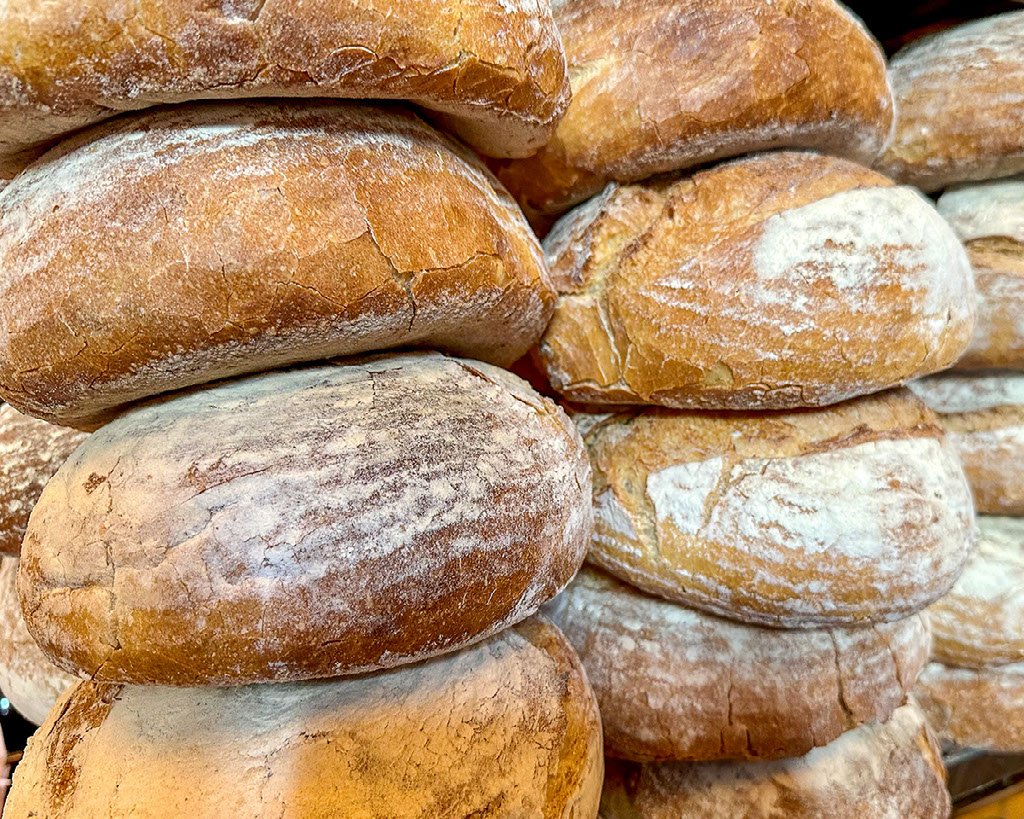
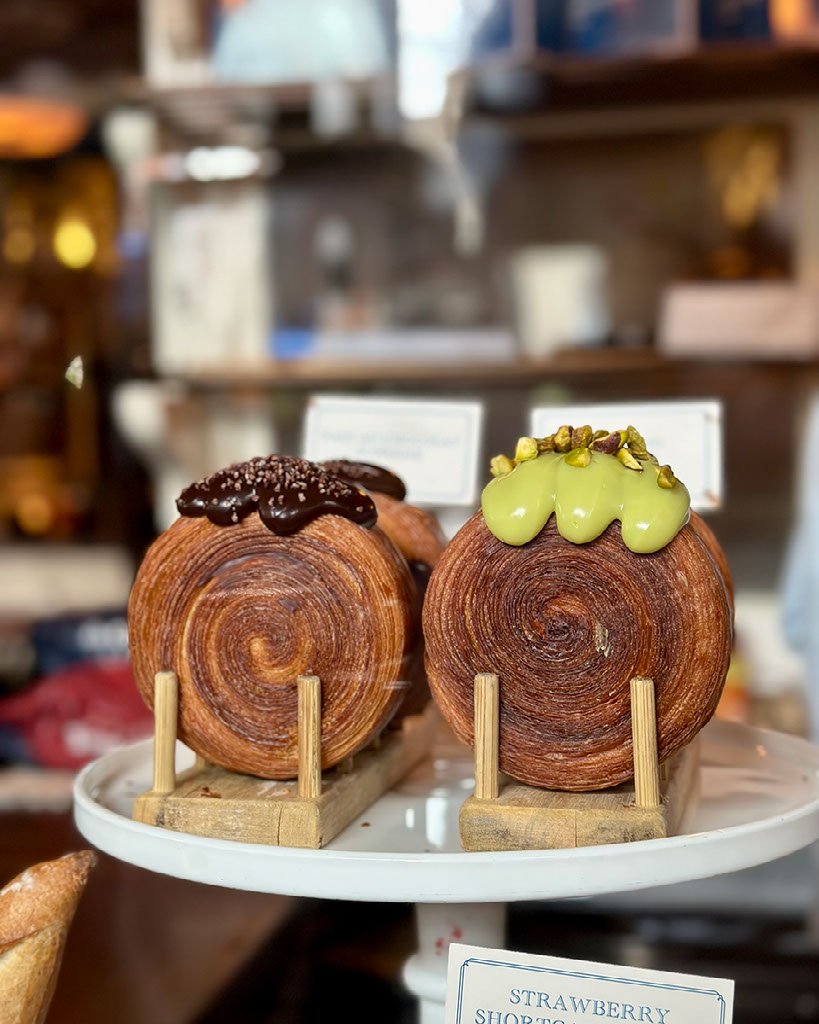
New York is a serious bakery city, ranging from French patisserie to Jewish tradition to a new generation of pastry chefs who trained at the highest level and opened their own shops. These are the ones worth going out of your way for.
Dominique Ansel Bakery (SoHo, 189 Spring Street) The birthplace of the Cronut, but the DKA (Dominique's Kouign Amann) is the real reason to come: caramelized, layered, and made with butter imported from France. Go before 9am on weekends or you will spend your morning in line.
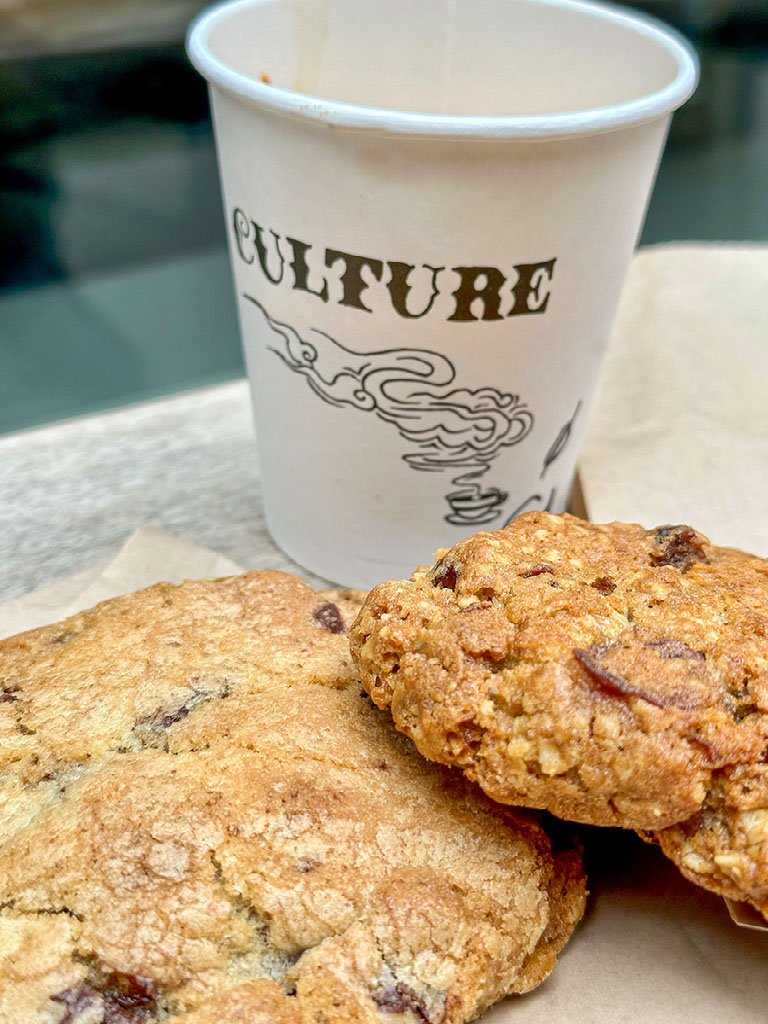
Levain Bakery (Upper West Side original, multiple locations) The gold standard for the New York cookie: thick, dense, barely cooked through at the center, and unlike anything you will find anywhere else. The dark chocolate chocolate chip is the one to order.
Breads Bakery (Multiple locations, flagship near Union Square) The chocolate babka here, dark chocolate ribbons of Nutella folded into airy enriched dough, has been named the best in New York City and the reputation holds. Pairs well with a morning visit to the Union Square Greenmarket next door.
Supermoon Bakehouse (Lower East Side, 120 Rivington Street) The most technically precise laminated pastry operation in the city, running on a weekly drop model where new croissants, cruffins, and eclairs sell out fast. Open Thursday through Monday only.
Lysée (Flatiron, 44 East 21st Street) Chef Eunji Lee, named North America's Best Pastry Chef by 50 Best in 2026, runs a pastry boutique where desserts are displayed on pedestals like sculpture and the corn mousse cake has become one of the most talked-about pastries in the country. Reservations are essentially mandatory for the seated downstairs café.
Lafayette Grand Café & Bakery (NoHo, 380 Lafayette Street) Chef Andrew Carmellini's grand French café on a landmark NoHo corner, open morning through late night, with properly laminated croissants, serious house-made breads, and one of the most photogenic dining rooms in downtown Manhattan.
Aux Merveilleux de Fred (Upper West Side and other locations) A French import specializing in the merveilleux: soft meringue layered with whipped cream and rolled in dark chocolate shavings, caramelized speculoos, or coffee flakes. Impossible to find at this quality anywhere else in New York.
Radio Bakery (Greenpoint, 135 India Street and Prospect Heights, 186 Underhill Avenue, Brooklyn) One of the most talked-about bakeries in New York since opening in 2023, with rotating seasonal croissants and a savory program that rivals any restaurant, all available from 7:30am until sold out. A natural stop after a Brooklyn waterfront photography morning.
Bien Cuit (Midtown, 89 East 42nd Street) A James Beard-nominated bread bakery steps from Grand Central, built on long fermentation and dark, deeply caramelized crusts that make the sourdough here among the best in the city. A strong stop before or after a morning shoot at the terminal.

Best Pizza in New York City
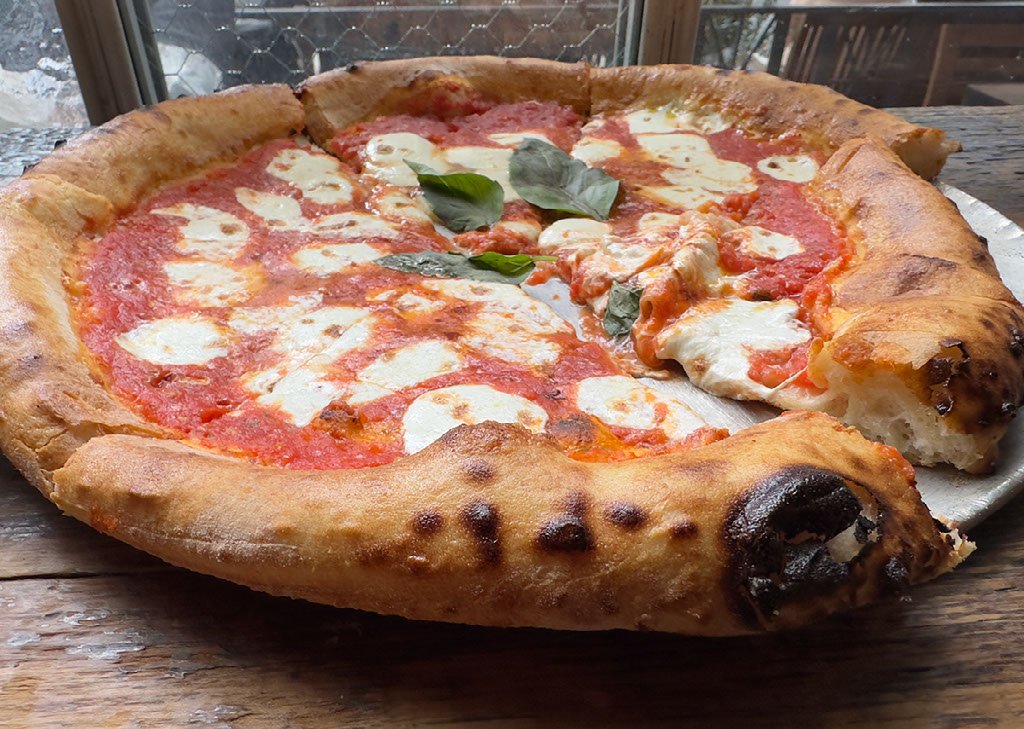
Una Pizza Napoletana is the consensus best Neapolitan in New York right now, open Thursday to Saturday only, with reservations two weeks in advance. Worth flagging the limited availability so readers know to plan.
Roberta's is a Brooklyn institution. The Bee Sting is the signature pie. The outdoor patio and the industrial Bushwick setting make it a photography location as much as a dining one, worth noting if you want to cross-reference it with the Bushwick street art entry.
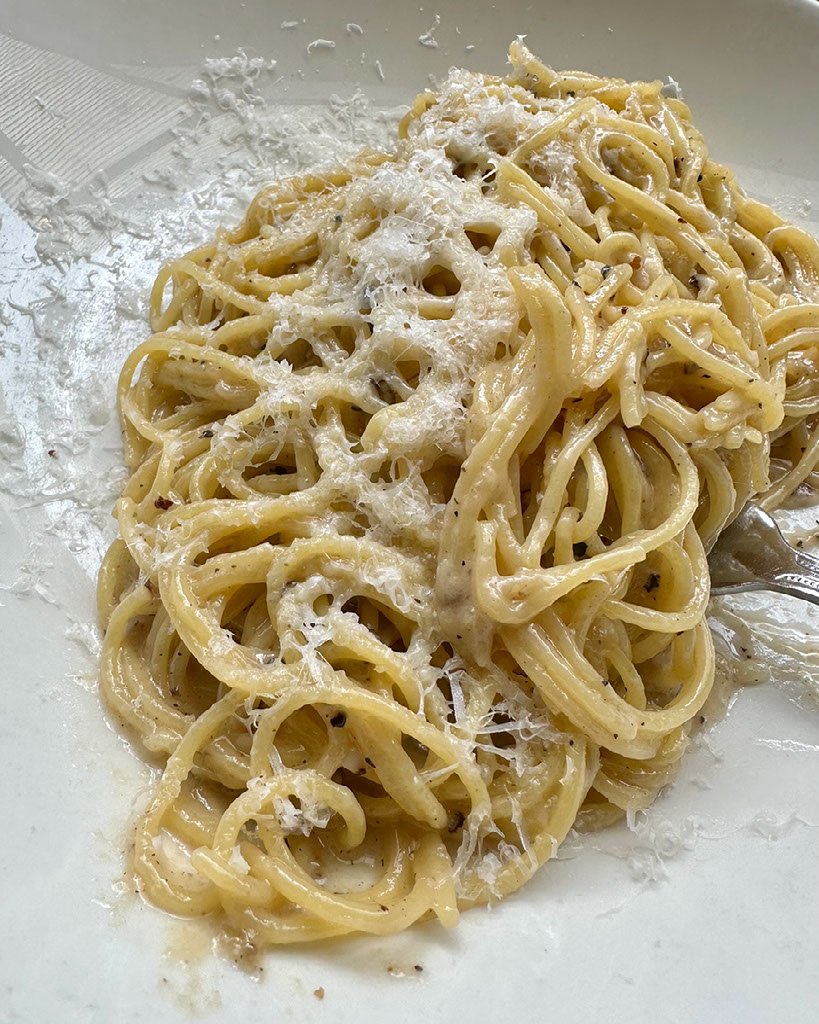
Mama's Too was just named best pizza in the world by Time Out in 2026 for the Cacio e Pepe Sicilian square. That is a current, verifiable hook that gives the entry credibility and gives readers a reason to go now.
L'Industrie has two locations now (Williamsburg and West Village), which makes it more accessible. The Margherita with burrata is the one to order.
John's of Bleecker Street is the old-school coal-fired entry. Whole pies only, no slices. The 1929 origin and the carved booths are worth one sentence each.
Di Fara is a pilgrimage spot. Written honestly: it requires effort, the wait is real, and it earns the trip anyway.
Don Antonio covers the visitor who wants serious Neapolitan without leaving Midtown. The fried-then-wood-fired Montanara is the dish.

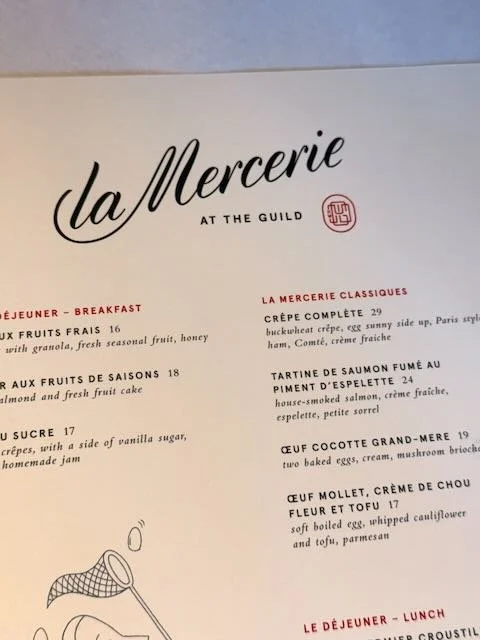

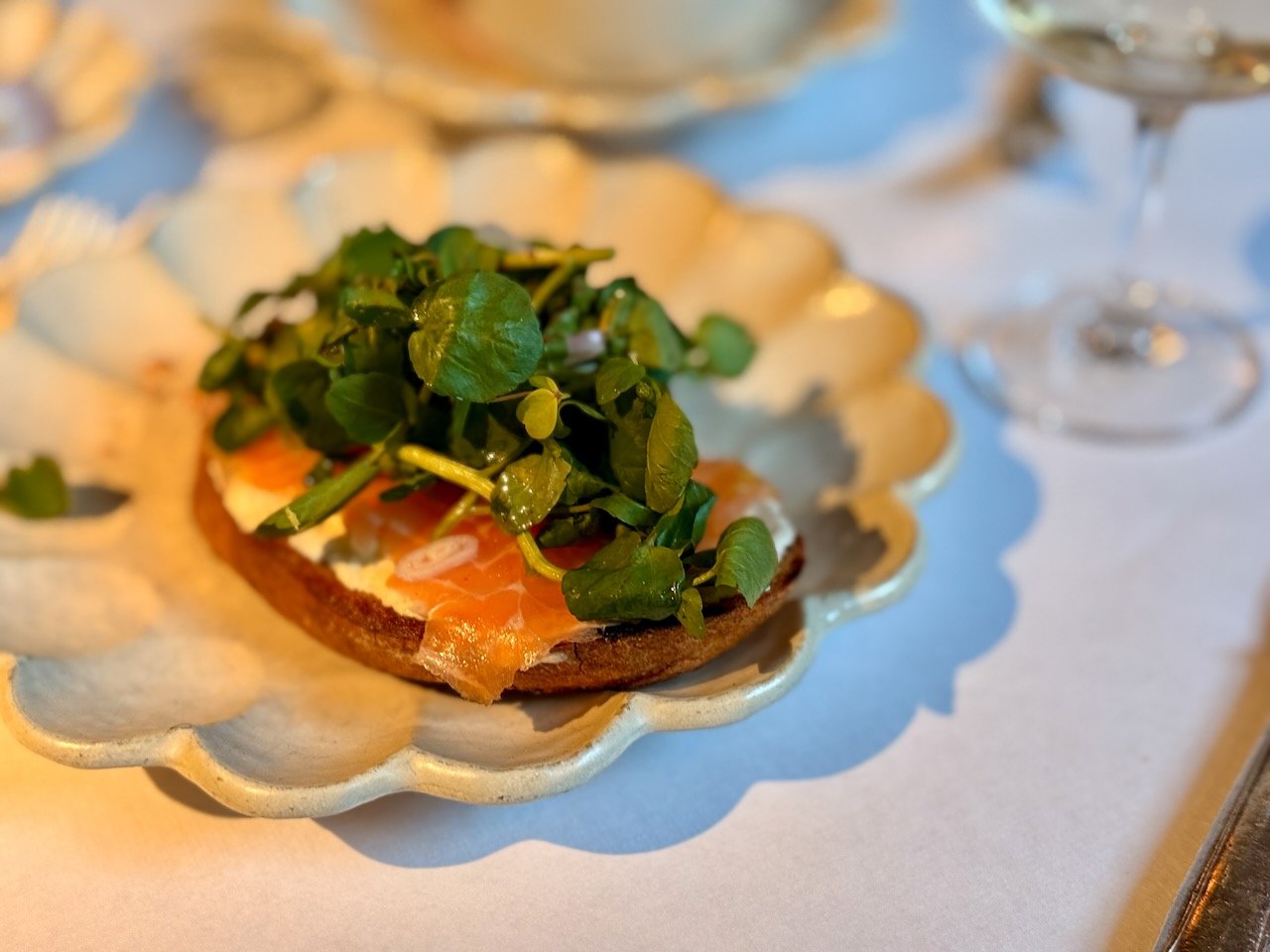
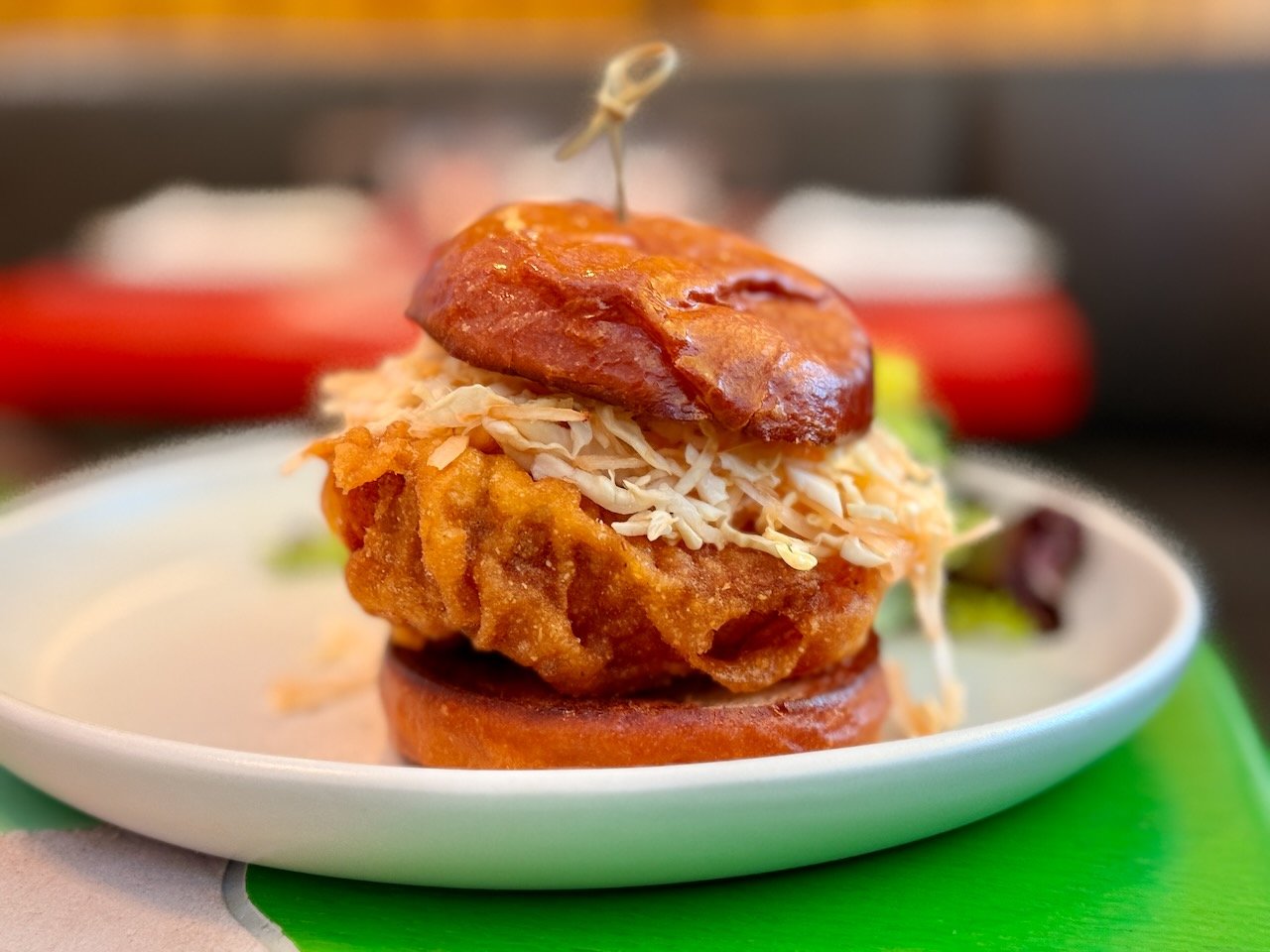
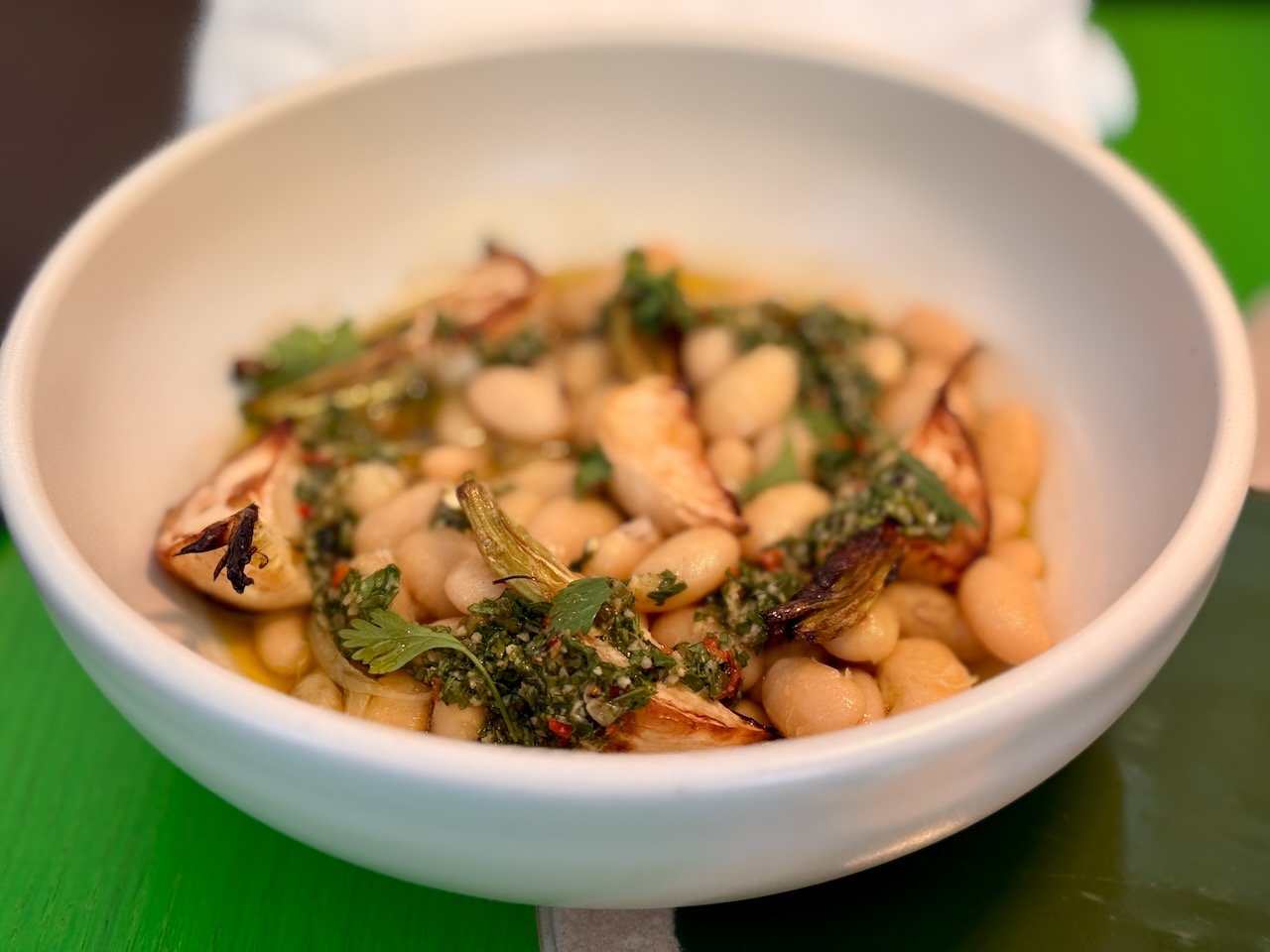
Best Bagels in New York City
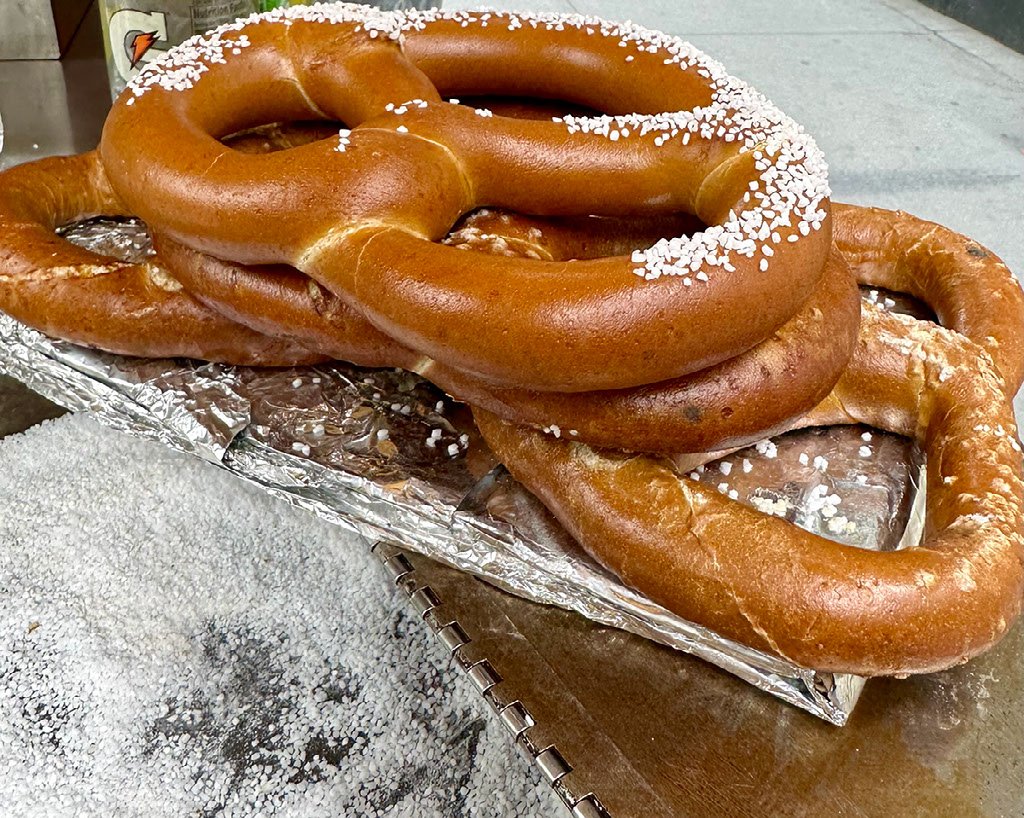
A New York bagel is not a bread roll with a hole in it. The real thing is boiled before it is baked, which gives it a crust that snaps slightly when you bite into it and a dense, chewy interior that no other city has managed to replicate convincingly. If you have never had one, this is as important a stop on your New York itinerary as any museum or photography location. These are the ones worth going out of your way for.
Pop-Up Bagels (West Village, Upper East Side, Upper West Side)
The best bagels I have ever had, anywhere. Pop-Up operates on a different model than a traditional bagel shop: you order whole bagels by the half or full dozen, the schmears come on the side, and there are no sandwiches. What there is, is a bagel with a crust and interior that is unlike anything else in the city right now. The rotating schmear flavors and the trout roe on the side are worth adding. Multiple Manhattan locations. Go.
Russ & Daughters (Lower East Side, 179 East Houston Street)
Russ & Daughters has been on the Lower East Side since 1914, and it is as close to a mandatory New York stop as any restaurant in the city. The smoked fish selection is extraordinary. The bagels are excellent. The caviar is available if you are feeling that way. The original store on Houston Street is the one to visit for the full experience. Lines are long on weekend mornings and move steadily. Worth every minute of the wait.
Barney Greengrass (Upper West Side, 541 Amsterdam Avenue)
The self-proclaimed Sturgeon King, open since 1908. The smoked salmon here is the best I have had anywhere in the world, and the bagels are the right vehicle for it. Go on a weekend morning, sit down if you can get a table, and order a full spread. This is the Upper West Side version of a classic New York morning.
Absolute Bagels (Upper West Side, 2788 Broadway)
A neighborhood institution on Broadway that has been running since the 1990s. The bagels are kettle-boiled, properly sized, and as consistent as anywhere in the city. The everything bagel is the order. No frills, no concept, just a very good bagel done right.
Ess-a-Bagel (Midtown, 831 Third Avenue)
The Midtown option when you want a bagel that is large, packed, and unapologetic about both. Ess-a-Bagel makes the big-bagel version of the genre: substantial, generously schmeared, and built for people who have somewhere to be. The room moves fast and expects the same of you. Classic cream cheese and smoked fish is the order.
Black Seed Bagels (Multiple locations)
Black Seed sits between the Montreal style and the New York style, which sounds like a compromise but produces a bagel with a thinner, crispier crust and a lighter interior than the classic New York form. The house-made spreads are exceptional, especially the dill and lox. A good option if you want something a step outside the traditional.
Frankel's Delicatessen (Greenpoint, Brooklyn)
If you are heading to Brooklyn, Frankel's in Greenpoint is the real-deal Jewish deli approach: smoked meats, excellent lox, and a bagel sandwich built around the pastrami salmon with scallion cream cheese and dill cucumber on pumpernickel. The room has the right energy and the food is serious without taking itself too seriously.
Photography Gear to Bring for New York City
New York rewards a flexible kit. You will be moving between street-level shooting, tight interiors, elevated observation decks, and long waterfront compositions, sometimes in the same morning.
My standard setup for New York is the Canon EOS R5 Mark II as the primary body and the Leica Q3 as a walk-around camera when I want to move fast and light. The Sony A7R V and Nikon Z8 are equally capable choices.
For lenses, the 15-35mm f/2.8 covers Grand Central, the Oculus, and any cathedral or bookstore interior. The 24-105mm handles the majority of street and architectural work. The 70-200mm f/2.8 earns its weight for skyline compression from the waterfront and for candid street photography from a respectful distance. A 35mm or 50mm prime is worth packing if you plan to focus on people and street work; it forces you to move closer and produces more intimate frames.
Bring a lightweight tripod for blue hour and long exposure work. Grand Central does not allow tripods, but a Platypod or a small Gorilla-type mount against a railing gets you the stability you need for slow shutter shots inside. Kase ND filters in 3-stop and 10-stop are useful for the waterfront and any moving water or crowd work. Extra batteries are essential: cold weather in fall and winter drains them fast. A Samsung T7 SSD for on-location backup is always in my bag.
iPhone Photography Tips for New York City
New York is an exceptional city for iPhone photographers, partly because the scale of the city gives the wide and ultrawide lenses real subjects to work with.
At Grand Central Terminal, switch to the ultrawide and shoot from the balcony level looking down at the main concourse. The geometry of the space, combined with the movement of commuters below, produces natural motion blur even in decent light, and the ultrawide captures the full arch of the ceiling.
At DUMBO, use the standard lens rather than the ultrawide for the Manhattan Bridge framing. The ultrawide distorts the bridge towers and flattens the depth that makes the composition work. Portrait Mode on a person standing in the arch of the bridge, with the street stretching toward Manhattan behind them, produces a genuinely strong image.
At Times Square after dark, shoot in ProRAW if your iPhone supports it and edit the exposure down in post. The screens generate so much light that the automatic exposure tends to blow out the signage. Shooting ProRAW gives you the dynamic range to recover those highlights.
For street photography in SoHo and the Lower East Side, the standard lens at eye level is your tool. Get close. The iPhone's small footprint means people are less guarded than they would be with a full camera system.
Drone Restrictions
Drone use in New York City is highly restricted. The entire airspace over Manhattan and the other four boroughs falls within Class B controlled airspace around JFK, LaGuardia, and Newark airports, and recreational drone flight requires authorization through the FAA's LAANC system before you fly. In practice, authorization for most of the city is extremely difficult to obtain, and many areas are simply unavailable. Do not show up with a drone and assume you can fly. For aerial perspectives of Manhattan, the observation decks at Summit One Vanderbilt and Top of the Rock provide what a drone would from a legal vantage point.

Captured from Brooklyn
New York City Photography Map: Best Photo Spots, Viewpoints & Hidden Gems
Best Photography Spots in New York City
Brooklyn Bridge
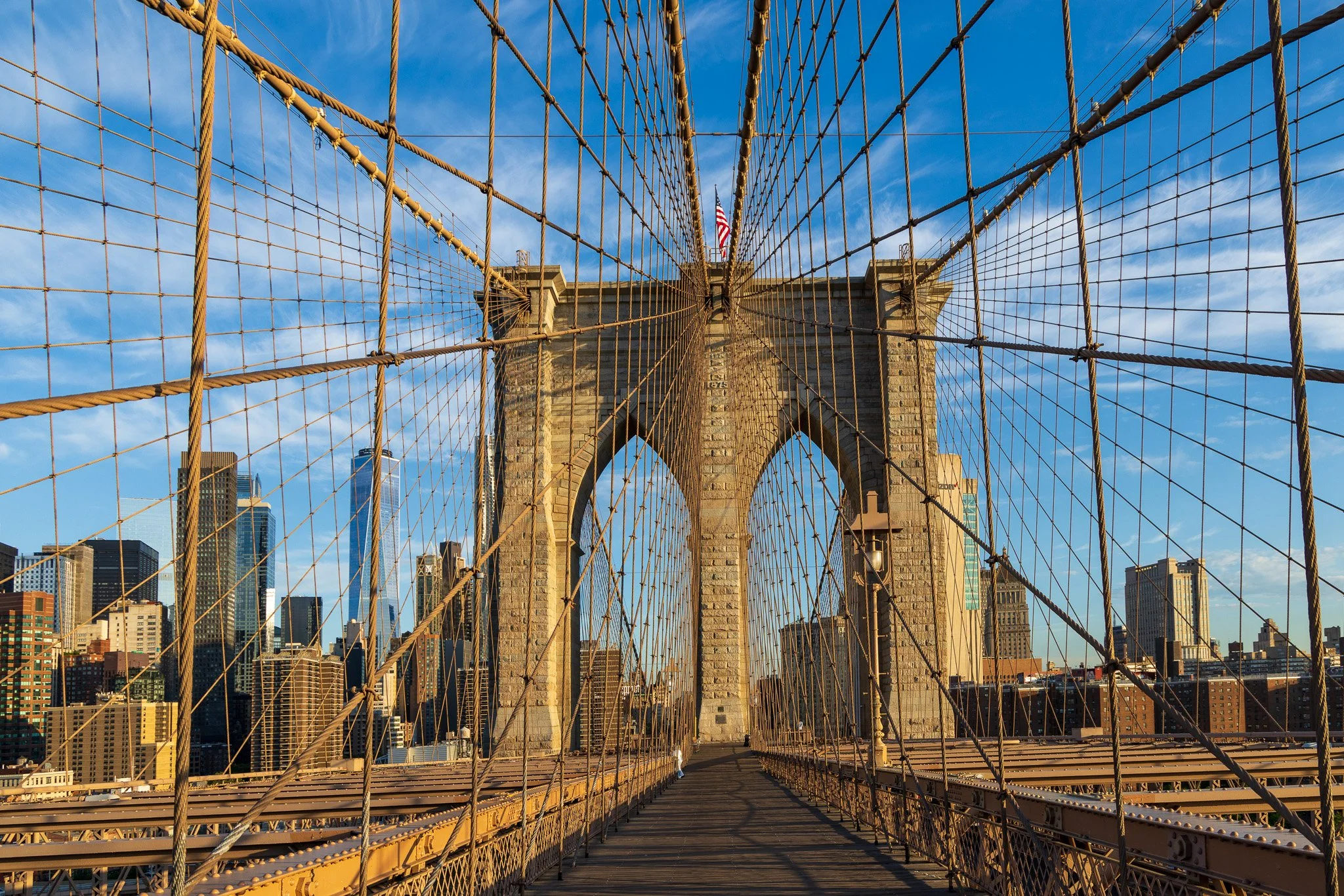
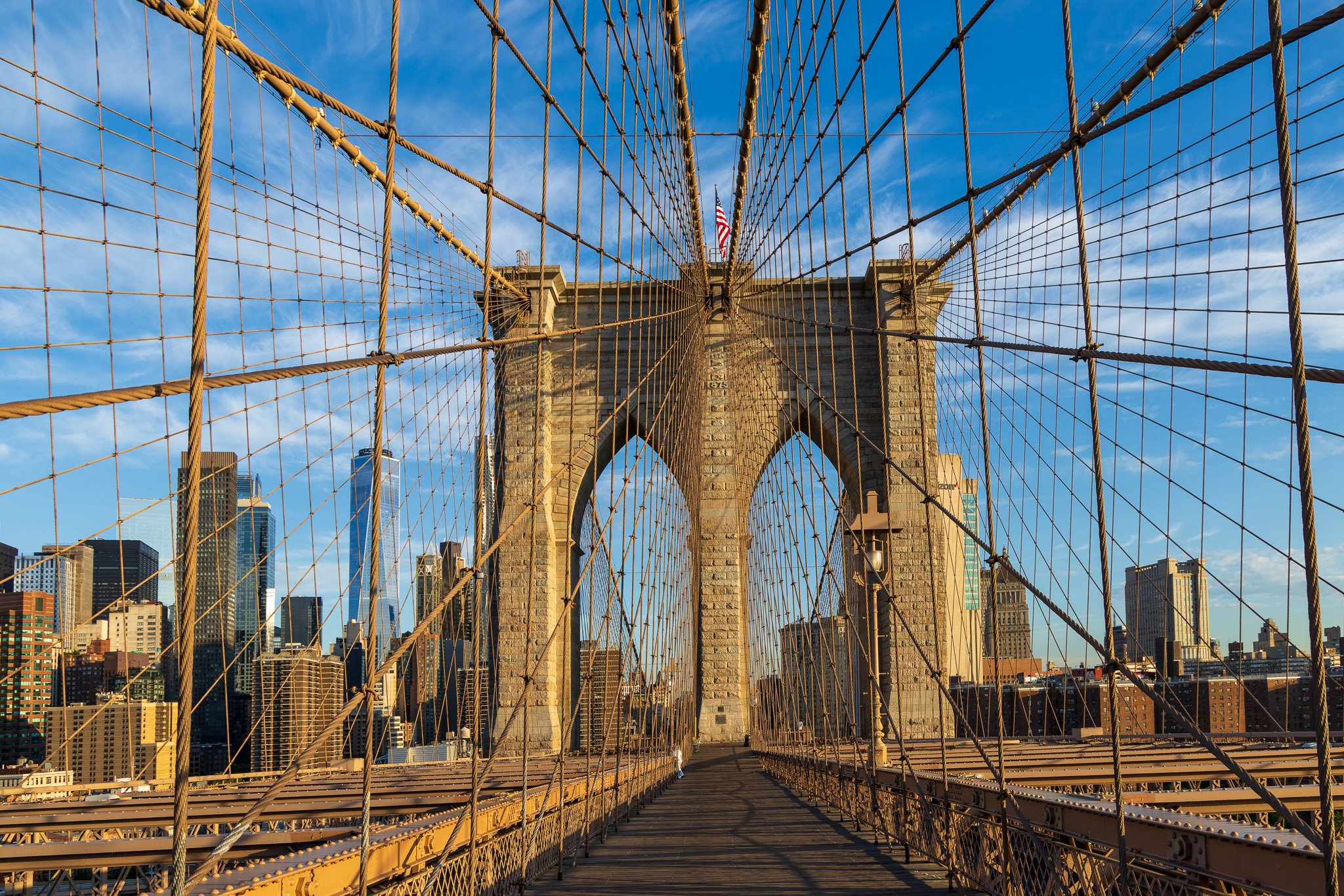
The Brooklyn Bridge is one of the most photographed structures in the world, and it still earns every frame. The Gothic stone towers, the web of suspension cables fanning out above the wooden pedestrian walkway, the skyline of Lower Manhattan rising behind you as you cross from Brooklyn — the whole composition comes together in a way that photographs have never quite captured, which is exactly why you keep trying.
The bridge works at almost any hour, but the light is specific. Walk from the Brooklyn side toward Manhattan at sunrise, and you are shooting into the east-facing towers with the first light hitting the stone directly. That is when you get warmth in the granite, separation between the cables, and very few people in your frame.
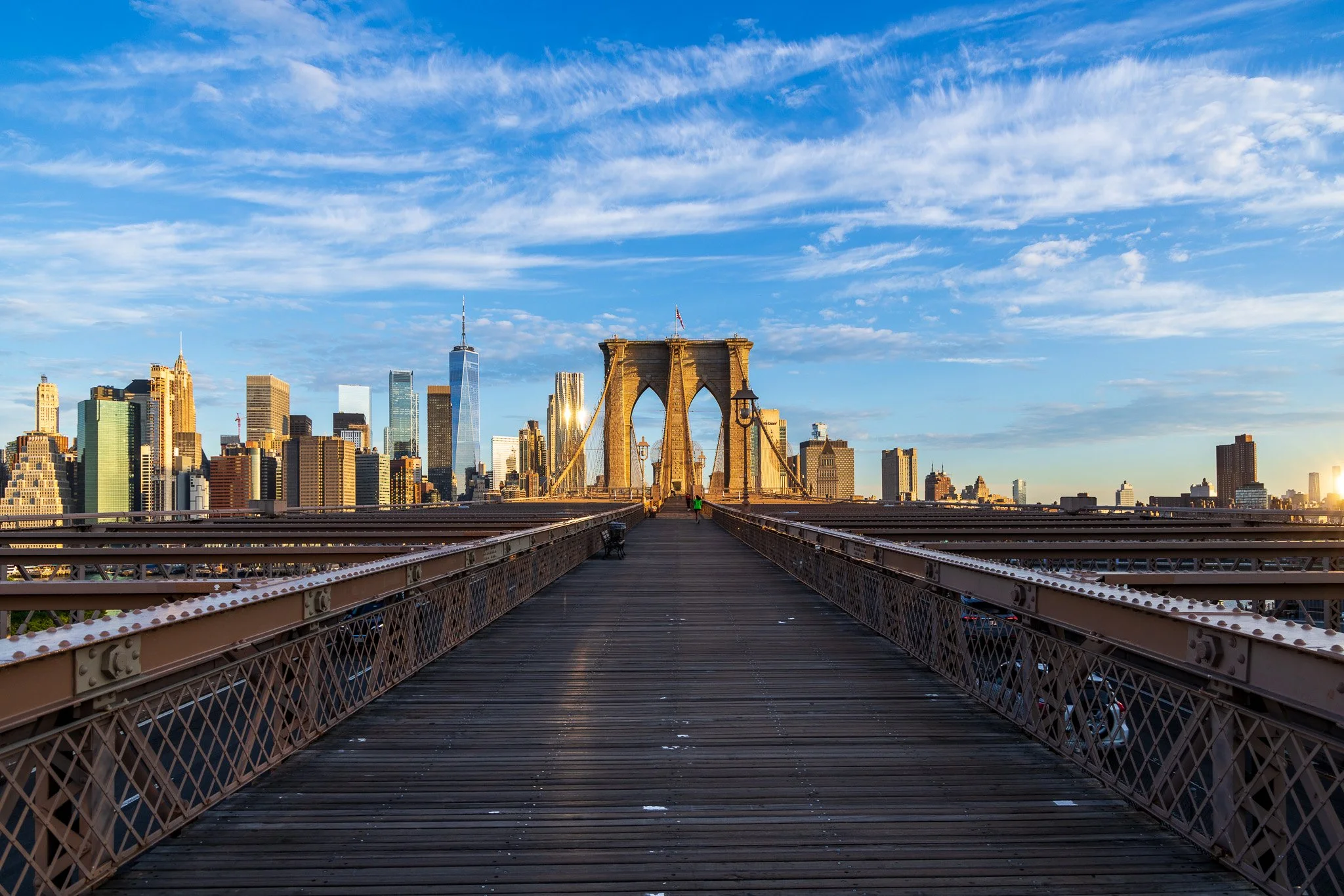
📷 Pro Tip: Start on the Brooklyn side at the base of the first tower. Position yourself dead center on the pedestrian walkway and use a 35mm or 50mm lens to let the cables frame the tower symmetrically. For the classic compressed view of the Manhattan skyline through the cables, move toward mid-span and use the 70-200mm at the long end. Arrive 30 minutes before sunrise. Tripods are permitted on the pedestrian walkway, but watch for cyclists, who share the path and move fast. The walkway is free and open 24 hours. Take the A/C to High Street or the 4/5/6 to Brooklyn Bridge-City Hall and walk across from either direction.
Best time: Sunrise from the Brooklyn side. Access: Free, 24 hours. Nearest subway: A/C High Street or 4/5/6 Brooklyn Bridge-City Hall.
Old Pier 1 in Brooklyn
Old Pier 1 sits along the Brooklyn waterfront in Brooklyn Bridge Park and delivers one of the cleanest, most unobstructed views of the Lower Manhattan skyline available anywhere. The pier extends into the East River, and from the end of it you have the entire skyline spread across your frame with nothing between you and the buildings but water.
This location works at sunrise and sunset, but the light directions are different. Sunrise lights the face of the Manhattan skyline from the east, which means warm light directly on the buildings. Sunset silhouettes the skyline and turns the water into reflective gold. Both are worth making separate trips for.
📷 Pro Tip: For the classic wide skyline shot, use a 16-24mm lens and set up at the end of the pier. At sunrise, arrive 20 minutes before first light; the sky transitions through deep blue, then purple, then gold, and each phase produces a different image. For a tighter, more compressed view of the skyline's density, switch to the 70-200mm at 100-135mm. A tripod is useful here for any exposures longer than 1/60s, especially in the low light before full sunrise. ND filters let you drag the shutter in brighter conditions and smooth out the water surface. Access is free, part of Brooklyn Bridge Park. The nearest subway is the A/C to High Street.
Best time: Sunrise for warm front light on the skyline; blue hour for long exposures. Access: Free. Nearest subway: A/C to High Street, Brooklyn.

Old Pier 1 at Sunrise
Dumbo - Manhattan Bridge
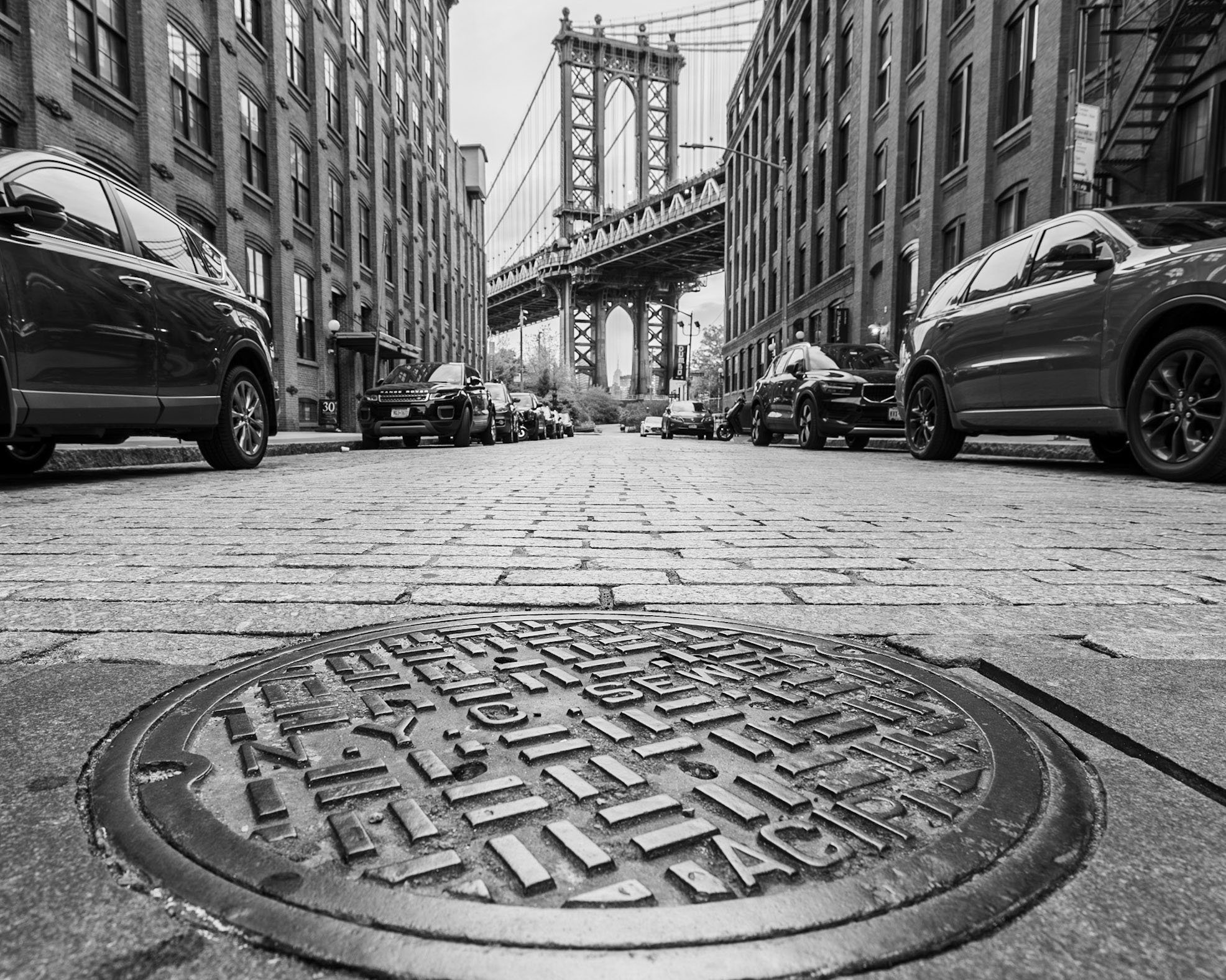
The DUMBO location under the Manhattan Bridge on Washington Street is one of the most reproduced compositions in New York photography, and it remains worth shooting because the frame simply works. The two towers of the Manhattan Bridge bracket the street perfectly, and the Empire State Building sits centered in the gap at the far end of Washington Street. It is a strong geometric composition that requires almost no creativity to execute, which means the differentiation comes entirely from light, timing, and the presence or absence of people.
The challenge is the crowd. By 8 am on any weekend morning, you are competing with dozens of other photographers and a steady stream of Instagram shoots. Arrive before sunrise, and you will have the frame almost entirely to yourself.
📷 Pro Tip: Position yourself on Washington Street between Front and Water Streets, centered in the road. A 35-50mm focal length places the Empire State Building correctly in the frame without too much compression or distortion. Shoot in both portrait and landscape orientation; the portrait frame emphasizes the verticality of the bridge towers. For a more original take, turn your back on the bridge and walk one block north: the archways under the bridge itself produce a different kind of frame with interesting light and texture. Arrive 30 to 45 minutes before sunrise on a weekday for the cleanest conditions. A five-minute walk from Old Pier 1 makes this an easy double location in the same morning.
Best time: Pre-sunrise on weekdays. Access: Free, public street. Nearest subway: A/C to High Street or F to York Street.
Empire Fulton Ferry State Park
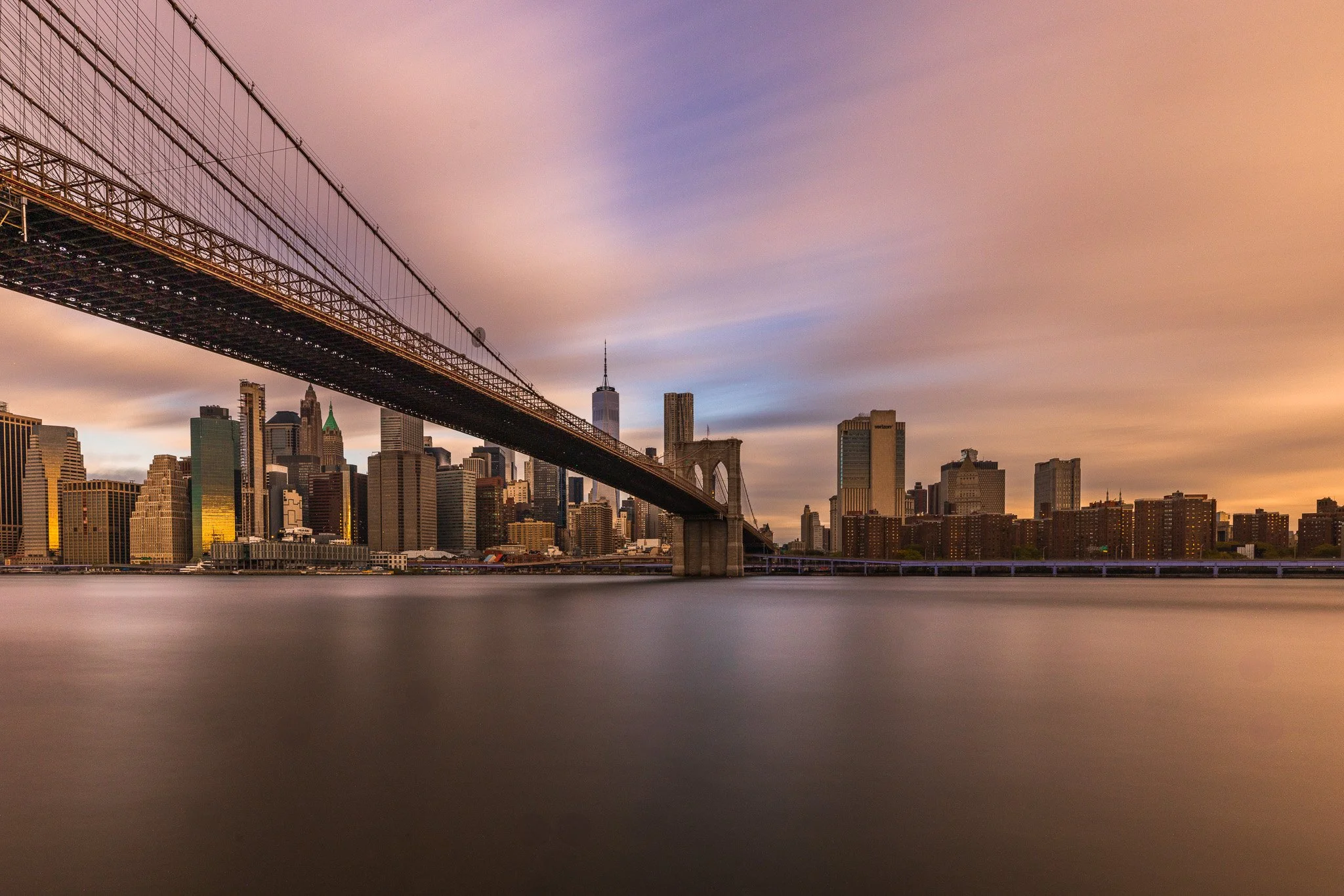
Located just east of the DUMBO Manhattan Bridge spot, Empire Fulton Ferry State Park sits along the East River and gives you a different angle on the Brooklyn Bridge. From here, you are shooting toward the bridge rather than from it, with the bridge framing the Manhattan skyline behind it. The long exposure photograph I made here, using a 10-stop and a 3-stop ND stacked for a five-minute exposure, is one of my favorite images from any visit to New York.
This location, Old Pier 1, and DUMBO can all be shot in a single morning session of two to three hours without moving a car. Plan a Brooklyn sunrise morning around all three.
📷 Pro Tip: For the long exposure setup, stack a 10-stop ND with a 3-stop ND and set your shutter to 3 to 5 minutes. The water becomes completely smooth, and the sky shows movement in the clouds if there is any. Use a 24-50mm to keep the bridge and skyline in frame together. A stable tripod is essential here; bring your remote shutter release to eliminate camera shake at the start of the exposure. The park is free and open from 6 am. Nearest subway: A/C to High Street.
Best time: Sunrise and blue hour. Access: Free. Park opens at 6 am. Nearest subway: A/C to High Street.
Sunrise
Summit One Vanderbilt (45 East 42nd Street)
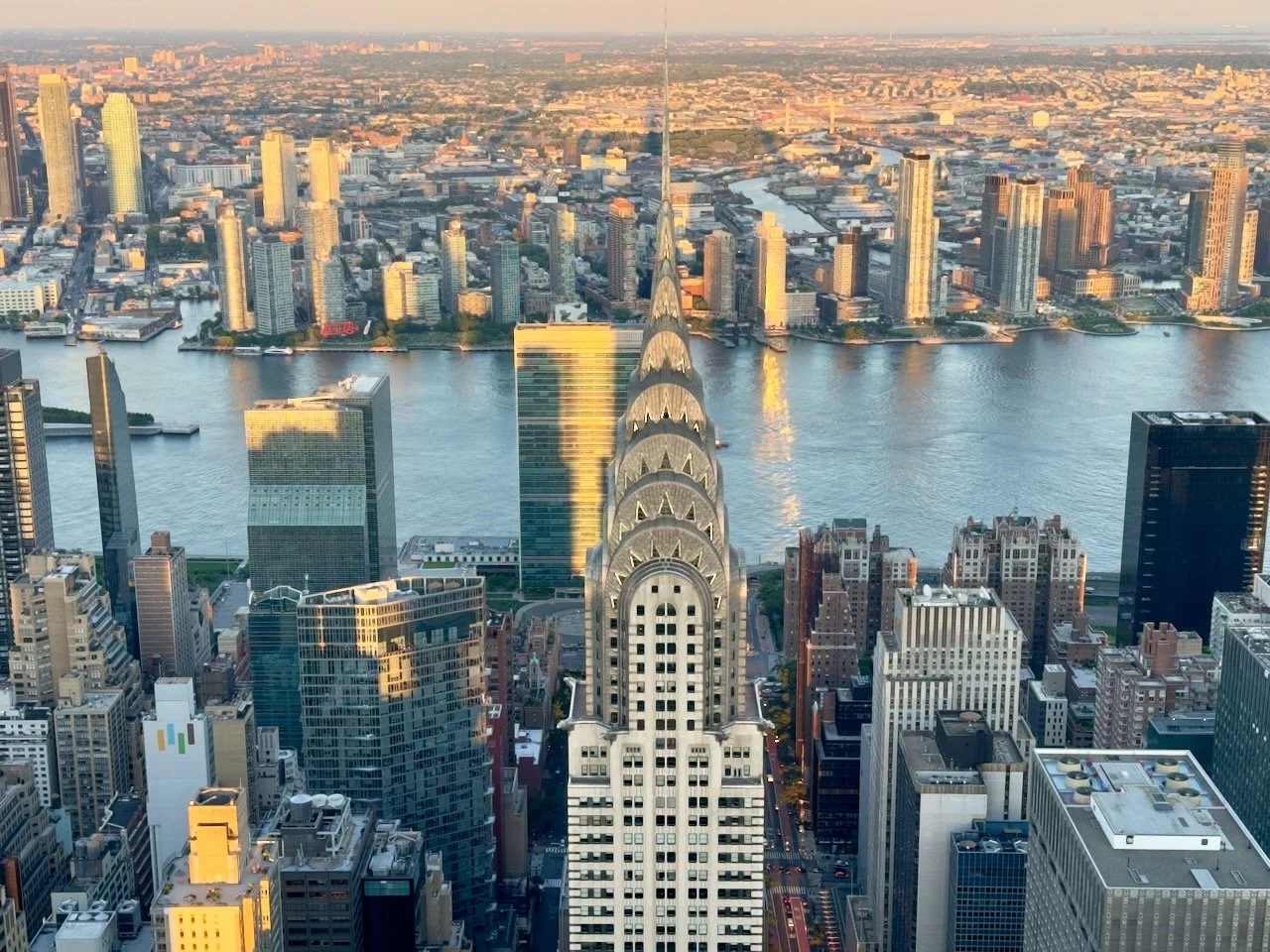
Summit One Vanderbilt is the best elevated photography experience in New York City, and I will defend that claim against Top of the Rock and the Empire State Building. Located right next to Grand Central Station, this attraction spreads across three floors of immersive glass and mirrored spaces, and the views include both the Chrysler Building and the Empire State Building in the same frame, which nothing else in the city gives you at this quality.
The mirrored floors create reflections that produce genuinely unusual architectural images. The glass facades offer unobstructed views of Midtown in every direction. There is a bar on the upper level if you want to extend the visit into blue hour.
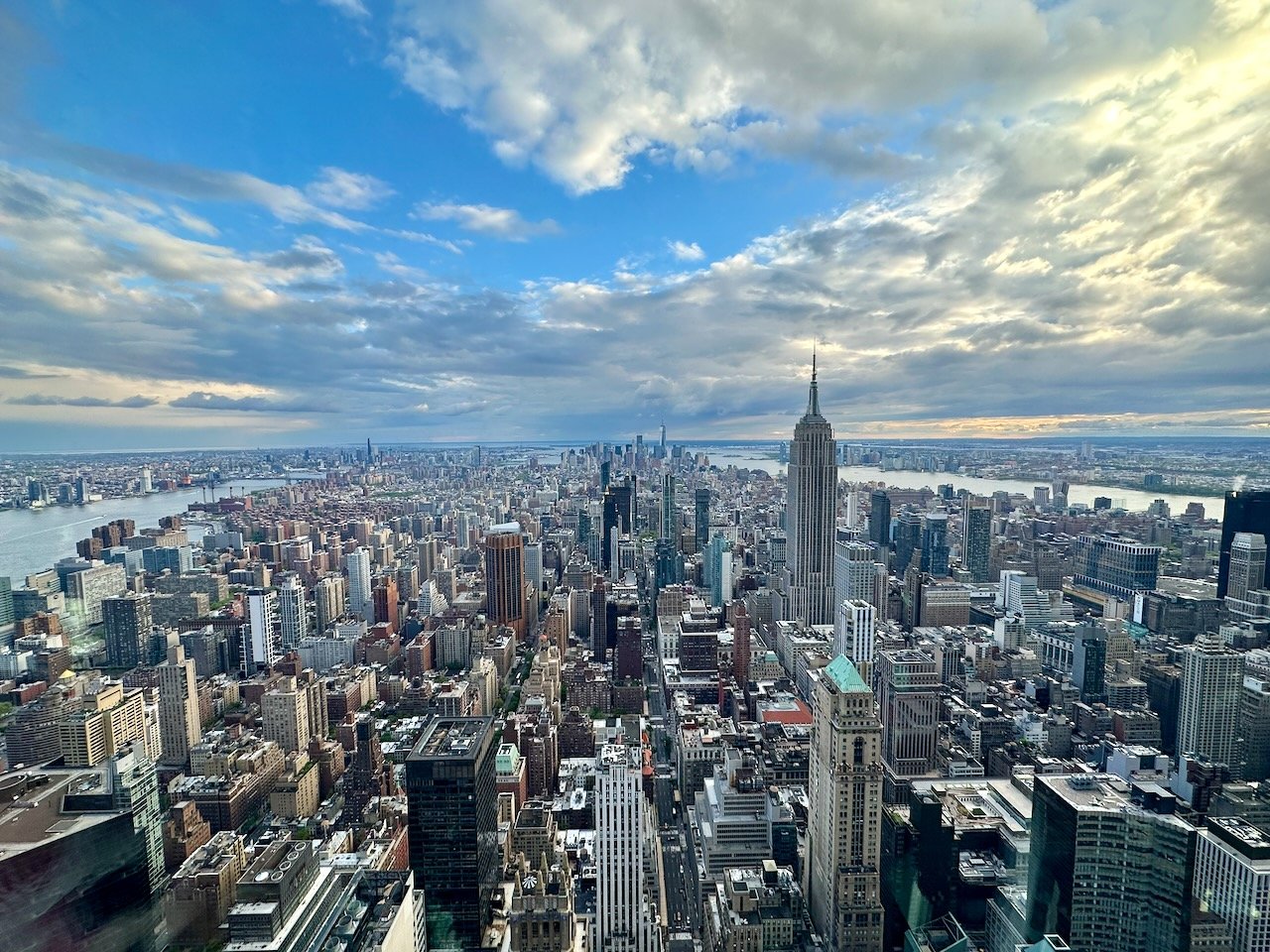
📷 Pro Tip: The primary photographic subject is the space itself: use the mirrored floors by lying down or crouching low to get symmetric reflections of the skyline above you. A 16-24mm gives you the full height of the space. For exterior views, the 24-70mm is the most versatile range. Go at dusk to capture the transition from daylight to city lights. Book tickets online in advance; it does sell out on weekends. No tripods are permitted inside. Located at 45 East 42nd Street, directly adjacent to Grand Central.
Best time: Late afternoon into blue hour. Access: Paid admission; book online in advance. Nearest subway: 4/5/6/7/S to Grand Central-42nd Street.
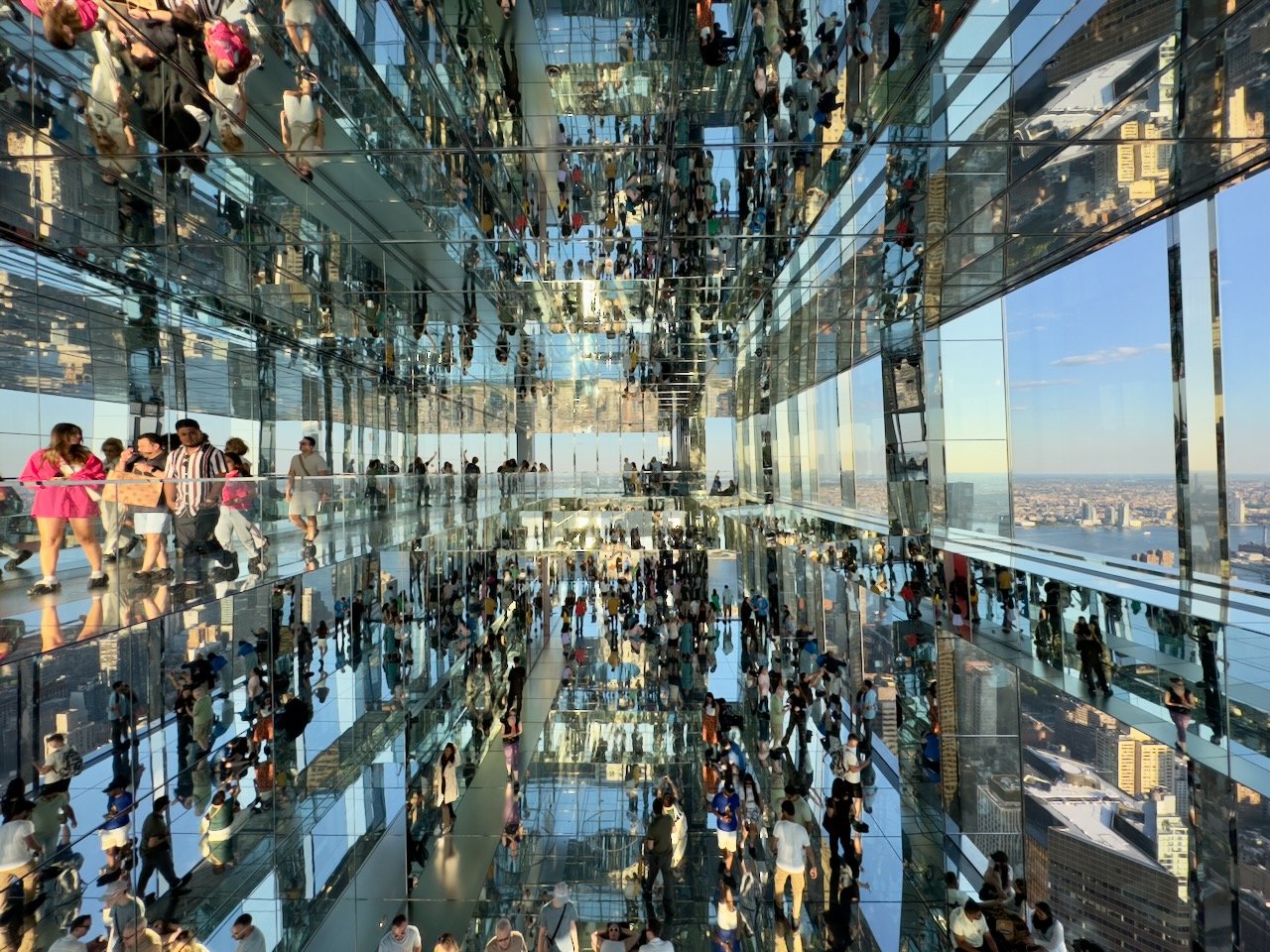
The Inside of the Building Has lots of Mirrors
This location, in my opinion, is better than 30 Rockefeller Plaza or taking photos from the Empire State Building.

You can also shoot the Chrysler Building
Times Square
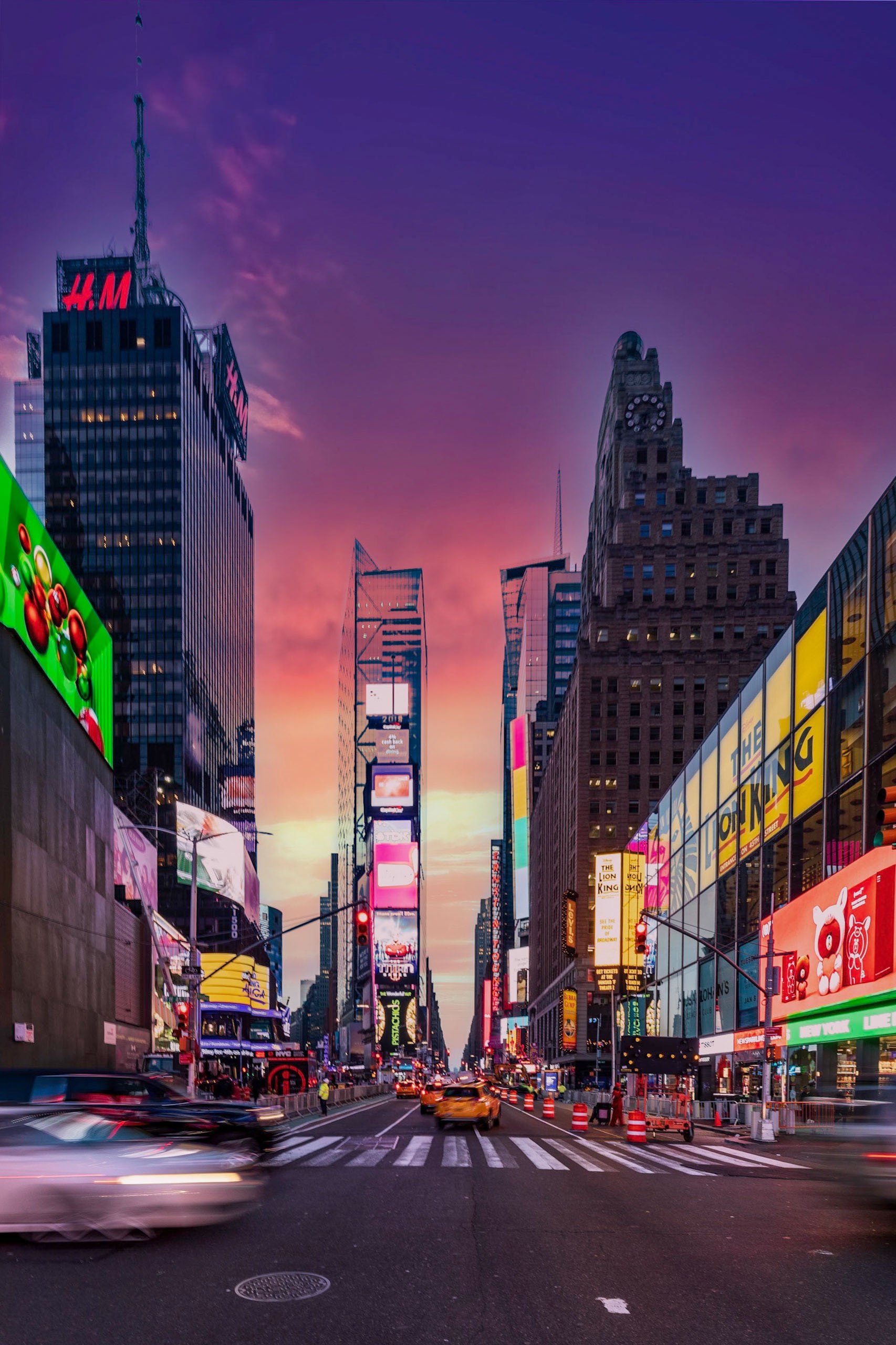
Times Square is packed with tourists, street performers, and some of the most surreal visual overload in any city in the world. The giant digital billboards, the neon, the layers of competing light at every hour of the day. It is a legitimate photography location, and it works best after dark, when the screens take over, and the entire space becomes a light source rather than a subject.
The crowd itself is part of the photograph. Work with it rather than against it.
📷 Pro Tip: Arrive at blue hour, about 20 minutes after sunset, when there is still a trace of color in the sky above the buildings, and the screens are fully lit. From the center of the square, use a 16-24mm lens pointed upward to include both the screens above and the movement of people below. For tighter, more graphic images of the light and signage, switch to a 50-85mm lens and look for color relationships and geometric overlaps between different displays. Shooting from the pedestrian islands in the center of the square gives you elevation above street level. Times Square is free, public, and open all night.
Best time: Blue hour into full night. Access: Free, 24 hours. Nearest subway: N/Q/R/W/1/2/3/7 to Times Square-42nd Street.
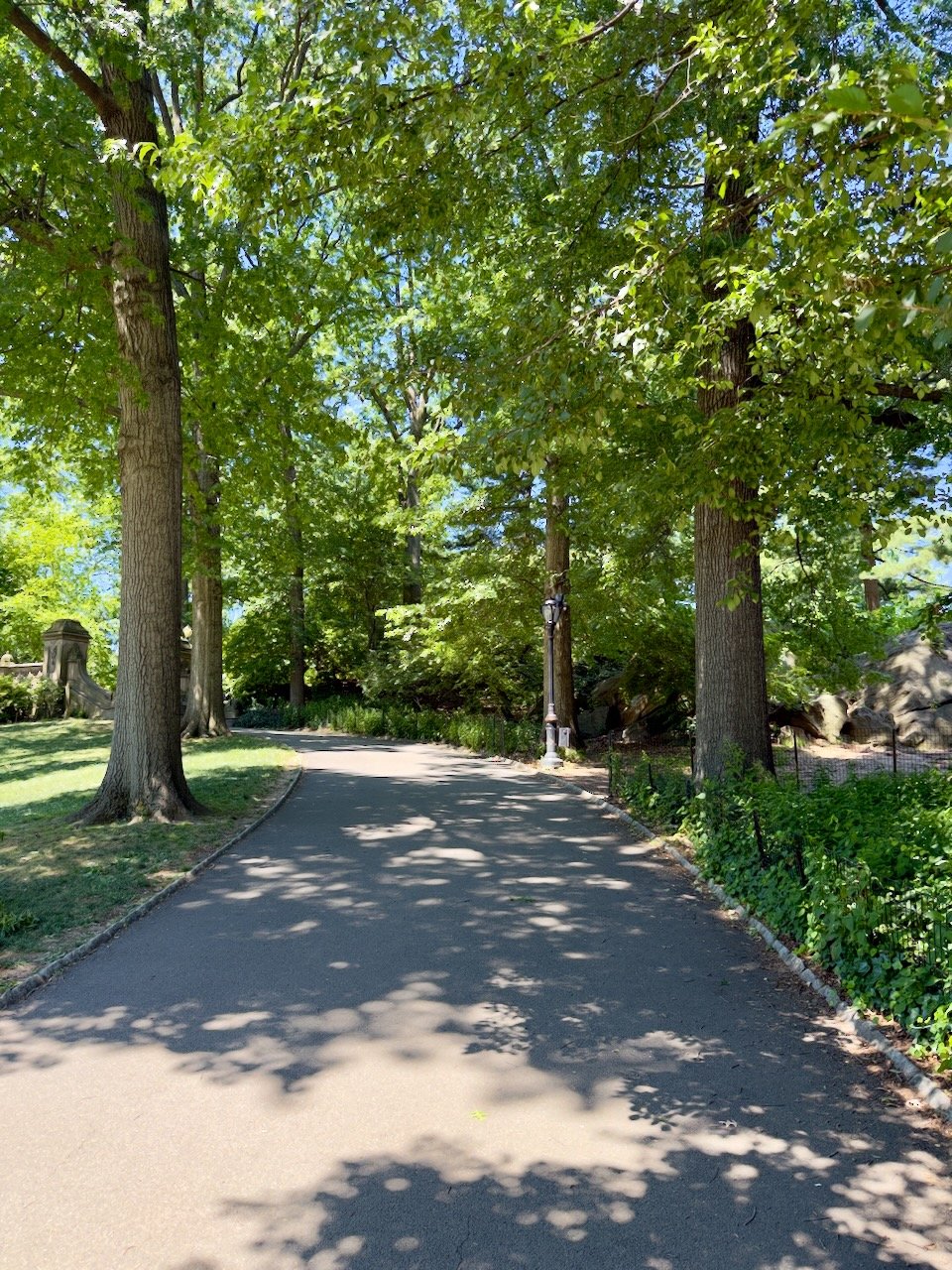
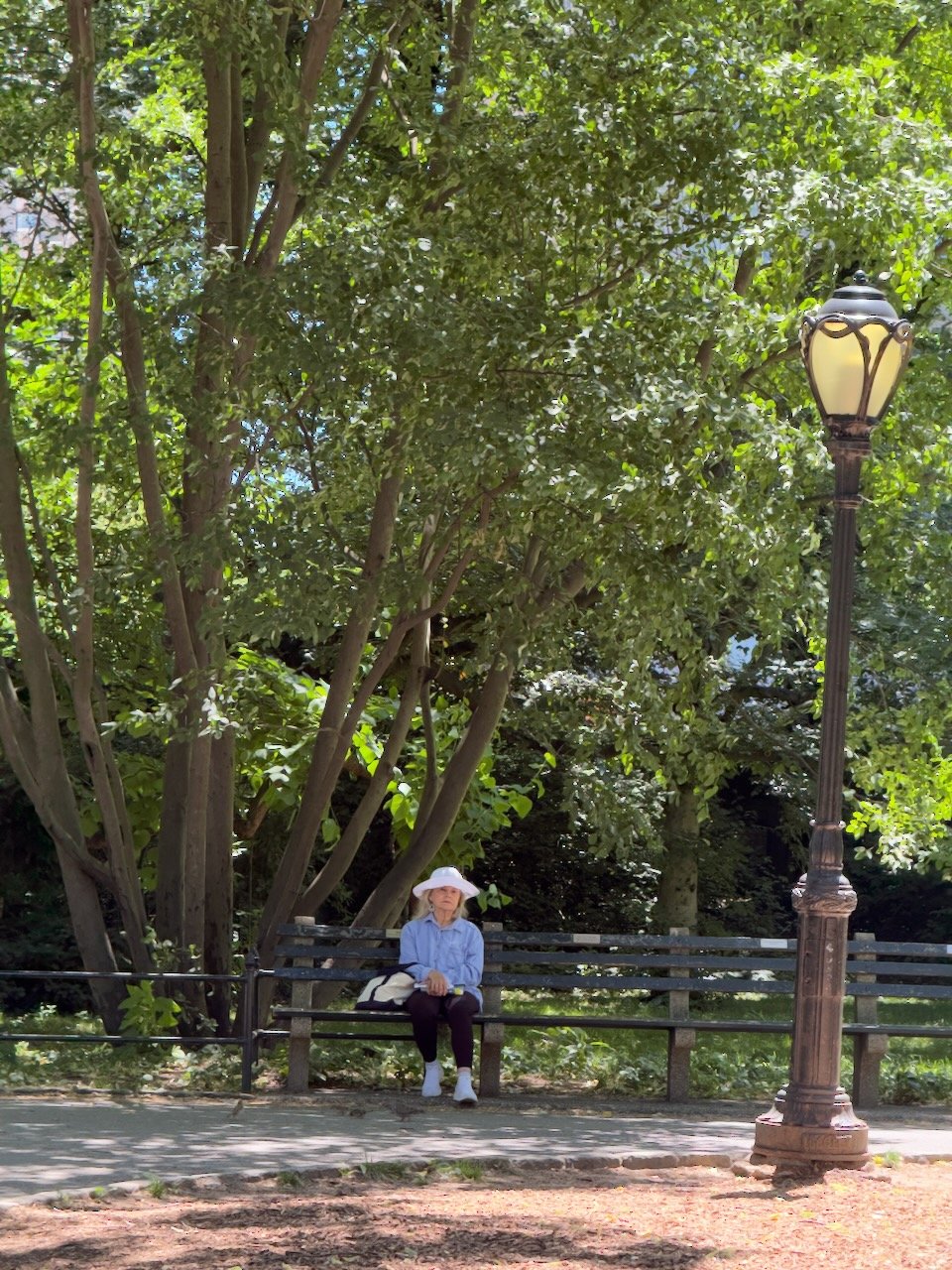
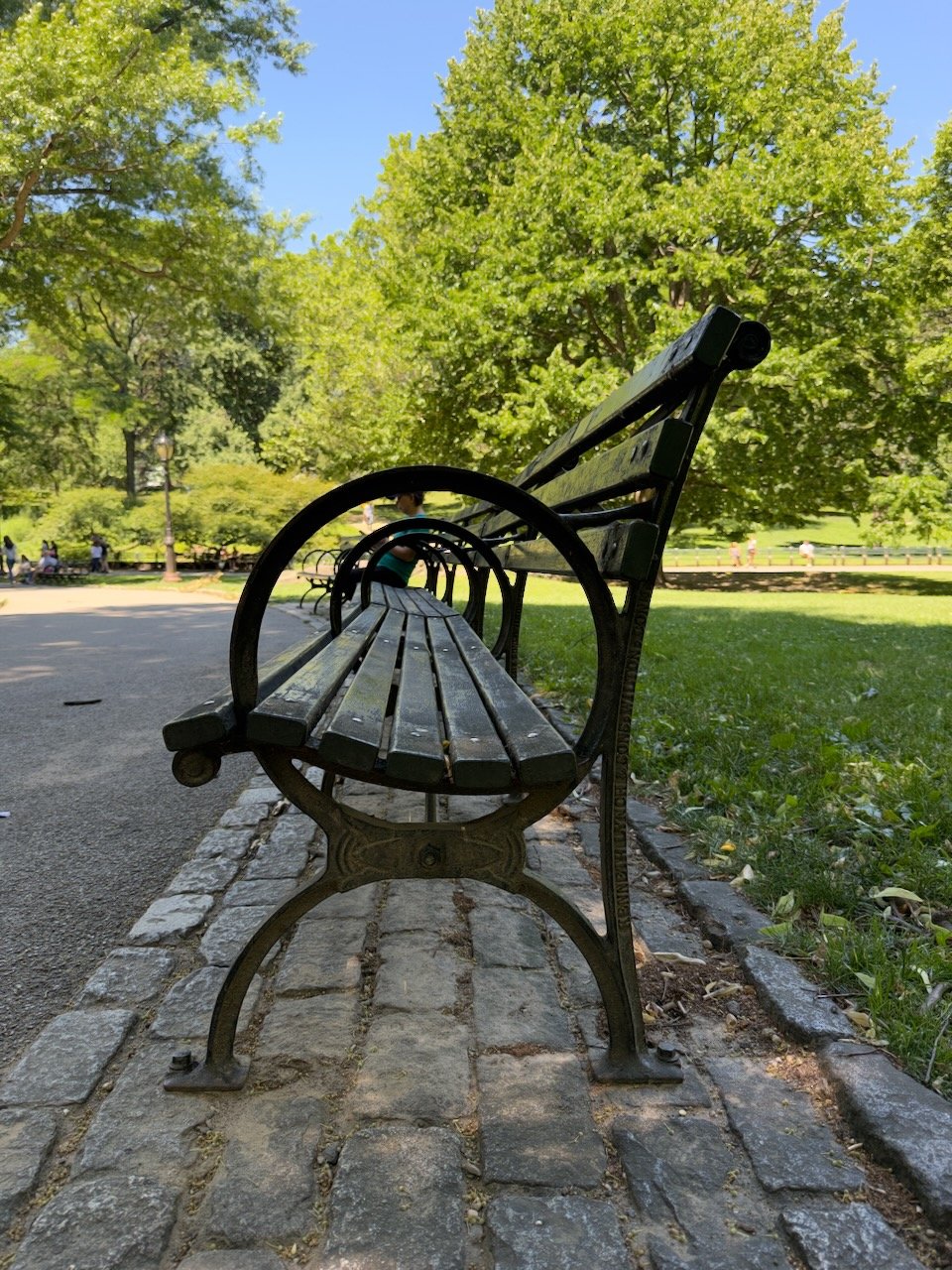
Central Park: Bethesda Fountain, Bow Bridge & the Ramble
Central Park is not a single location. It is dozens of locations across 843 acres, and it changes completely with the season. The three strongest photography subjects in the park are Bethesda Fountain, Bow Bridge, and the Ramble, and they are clustered closely enough to cover in a single two-hour morning walk.
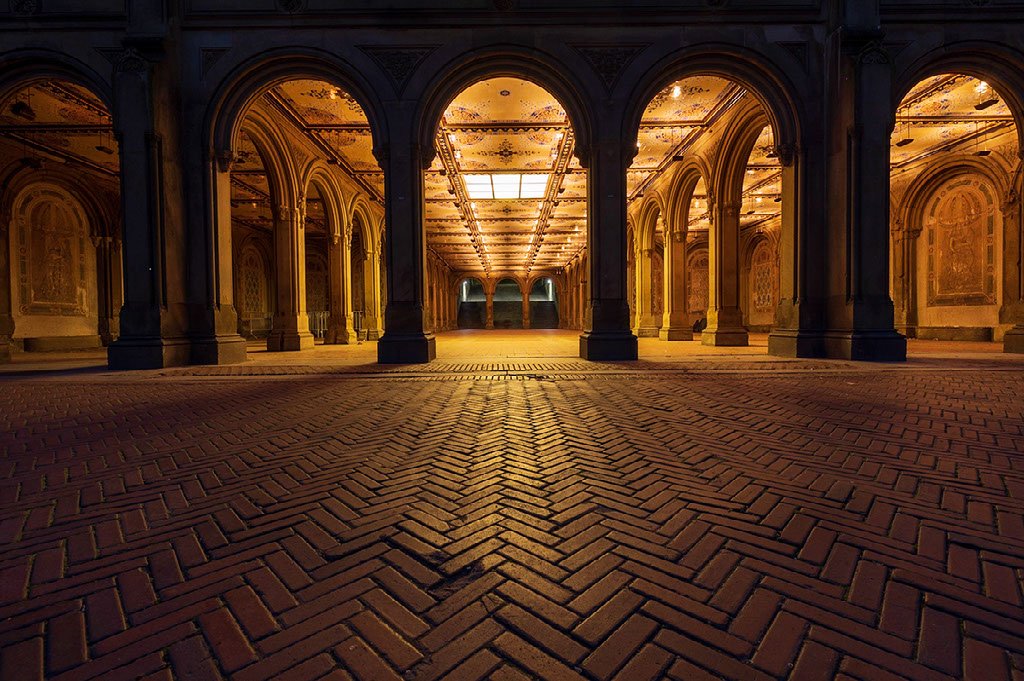
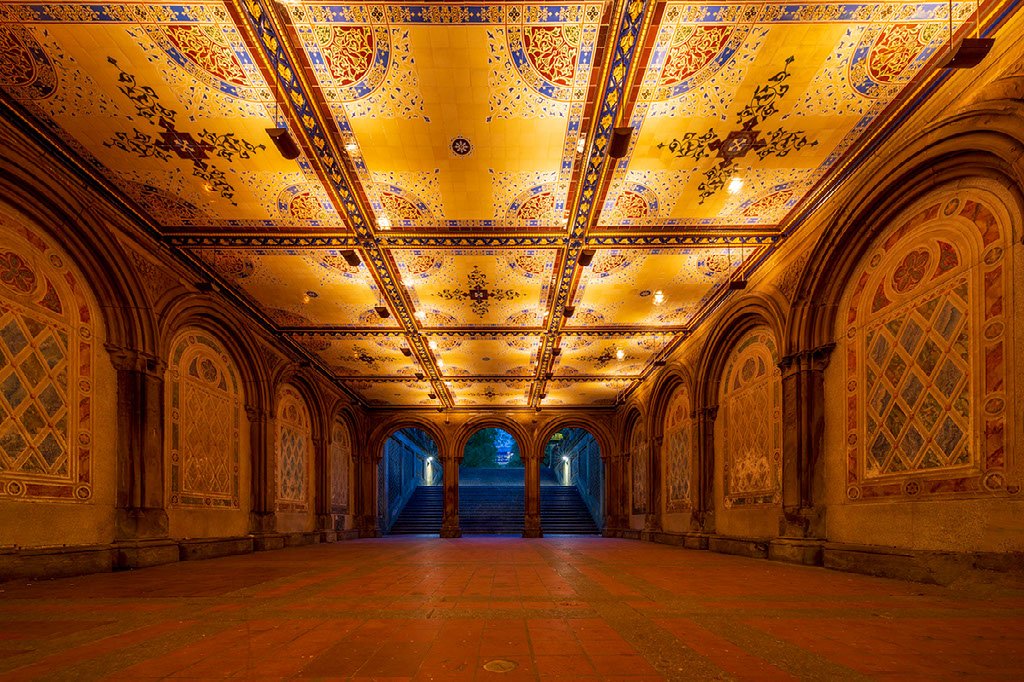
Bethesda Terrace is the most architecturally significant space in the park: two levels, a vaulted arcade beneath the upper terrace, and the Angel of the Waters fountain at the center of the lower plaza. The arcade ceiling has detailed Minton tile work that rewards a wide lens pointed upward. The fountain itself photographs best in fall when the foliage surrounds it with color, or in winter when the bare trees create a graphic, high-contrast frame.
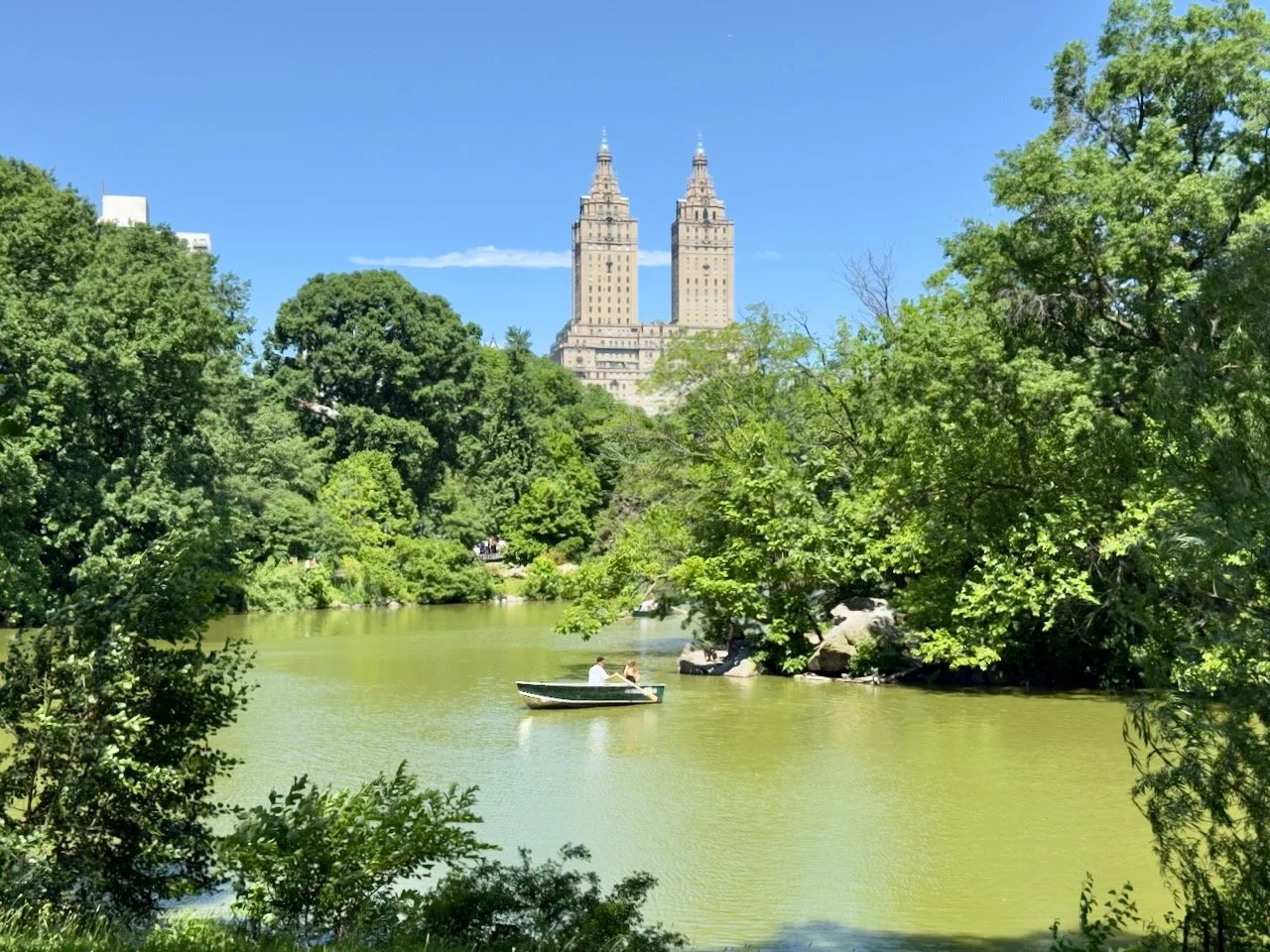
Bow Bridge is the most romantically photographed bridge in New York. The cast-iron span arches over the Lake, and on a calm morning, the reflection of the arch in the water below creates a perfect oval. In October, the trees surrounding the Lake turn gold and amber, and the reflection takes on the full fall palette.
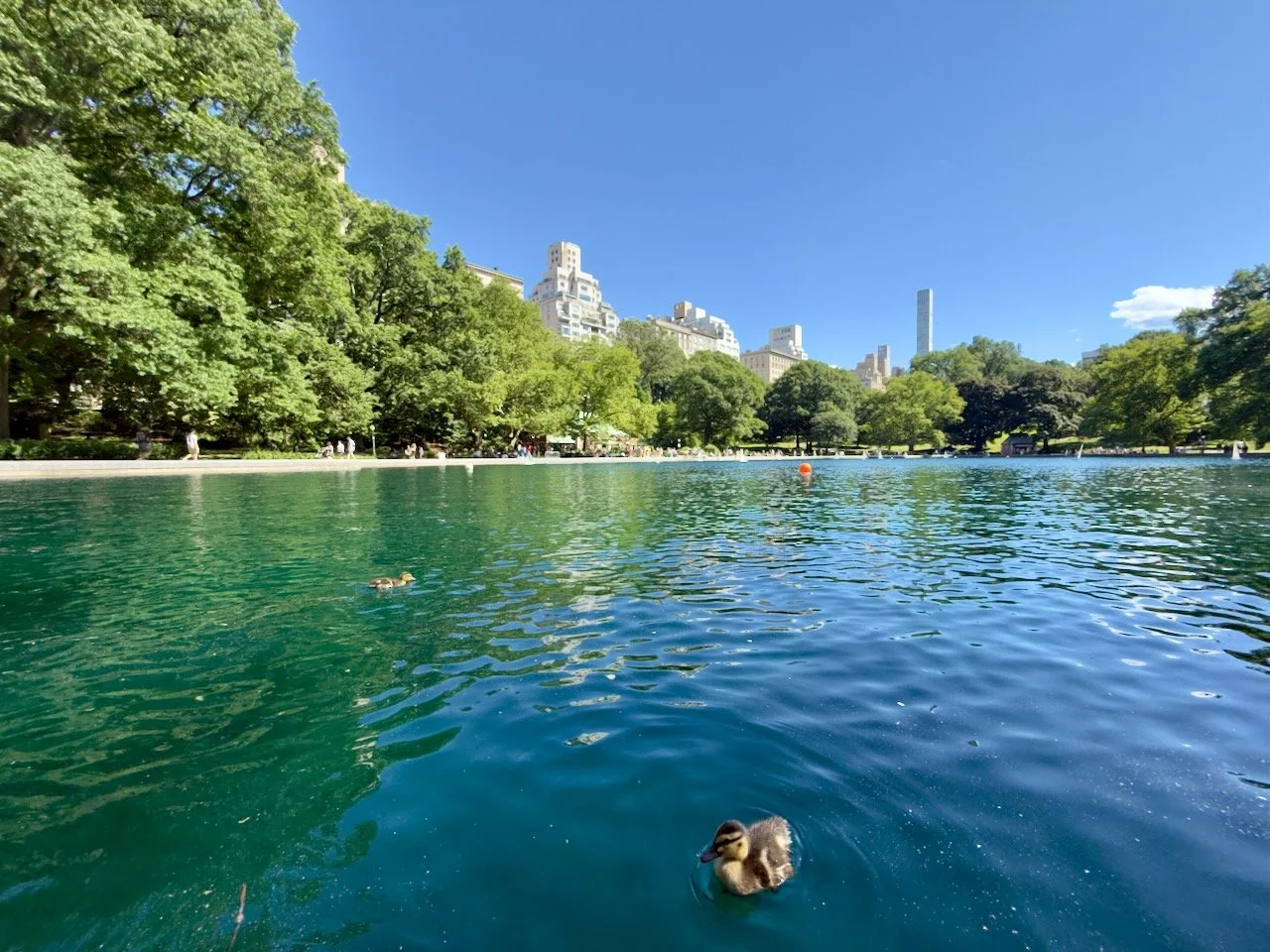
📷 Pro Tip: For Bethesda Fountain, arrive at opening time (6 am) on a weekday. By 8 am it fills with joggers, dog walkers, and tourists. The clearest compositions are from the upper terrace looking down at the fountain, or from water level looking up through the arched supports. For Bow Bridge, set up on the eastern bank of the Lake looking west, or walk onto the bridge itself and shoot along the railing toward the Ramble. A 24-50mm covers both compositions well. In the fall, use a polarizer to manage reflections and deepen the color of the foliage. All of Central Park is free and open from 6 am. Enter at the 72nd Street crossroads on either the east or west side.
Best time: Early morning in fall or spring. Access: Free, opens 6 am. Enter via 72nd Street on the east or west side.
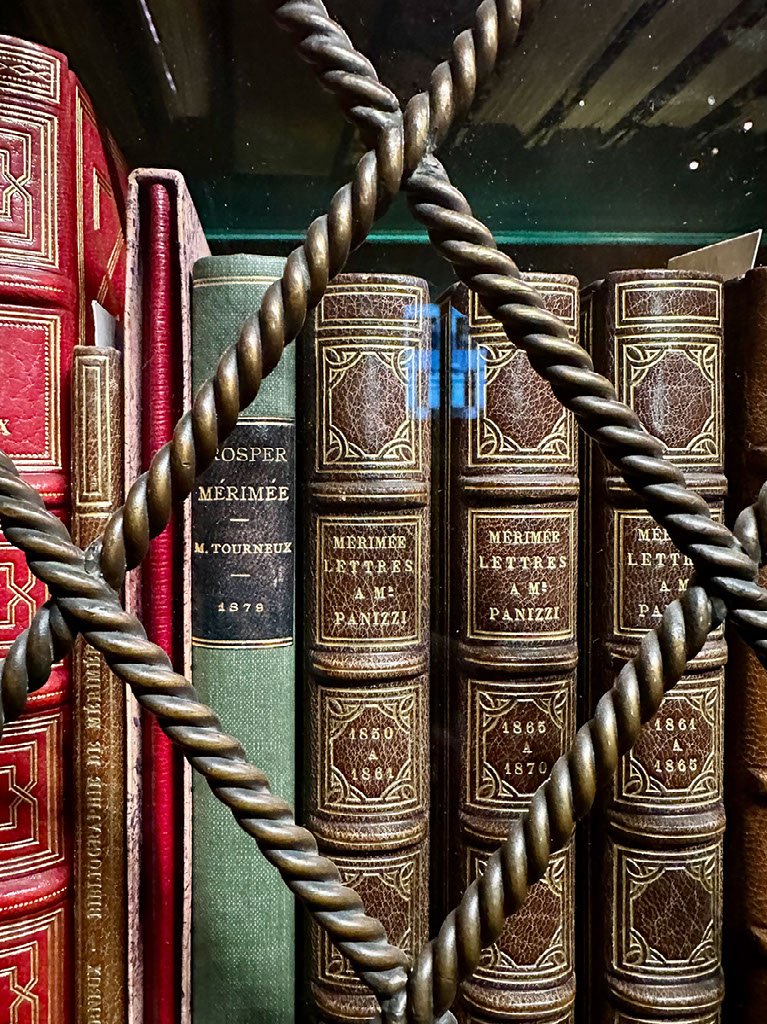
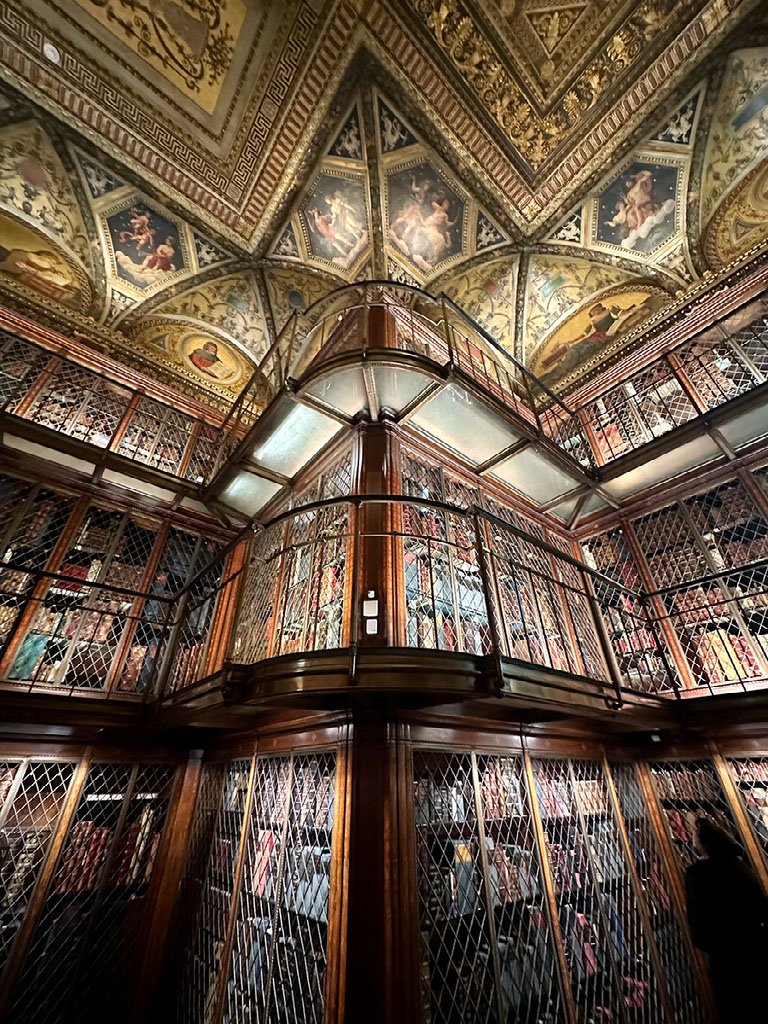
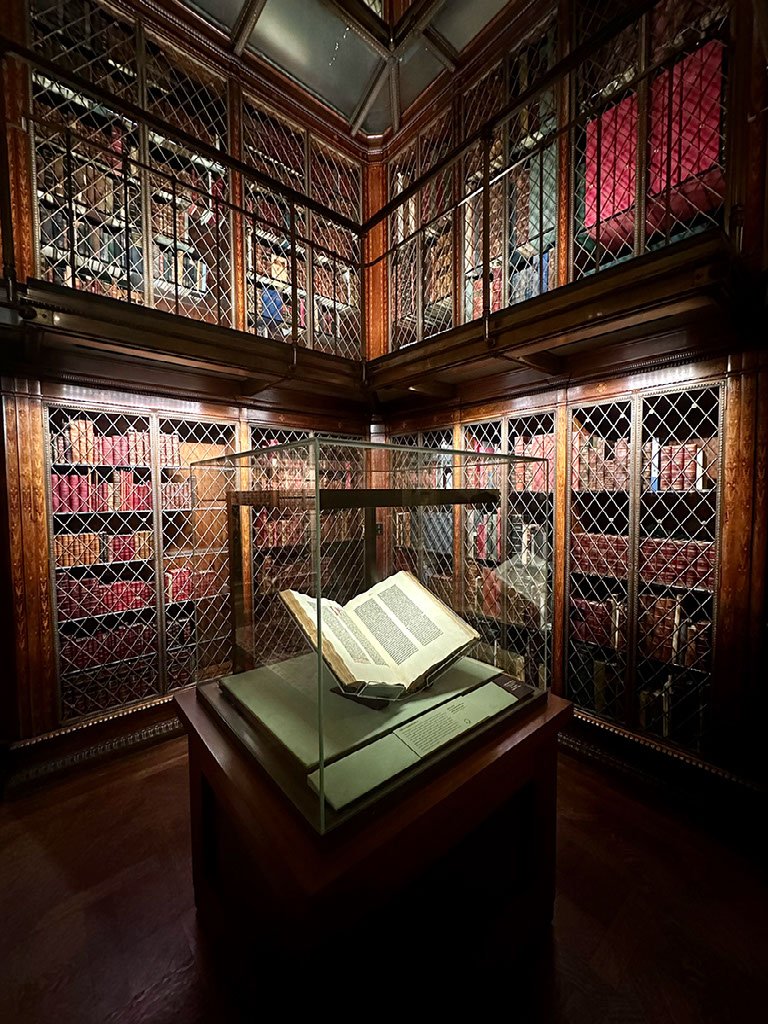
Morgan Library (225 Madison Avenue at 36th Street)
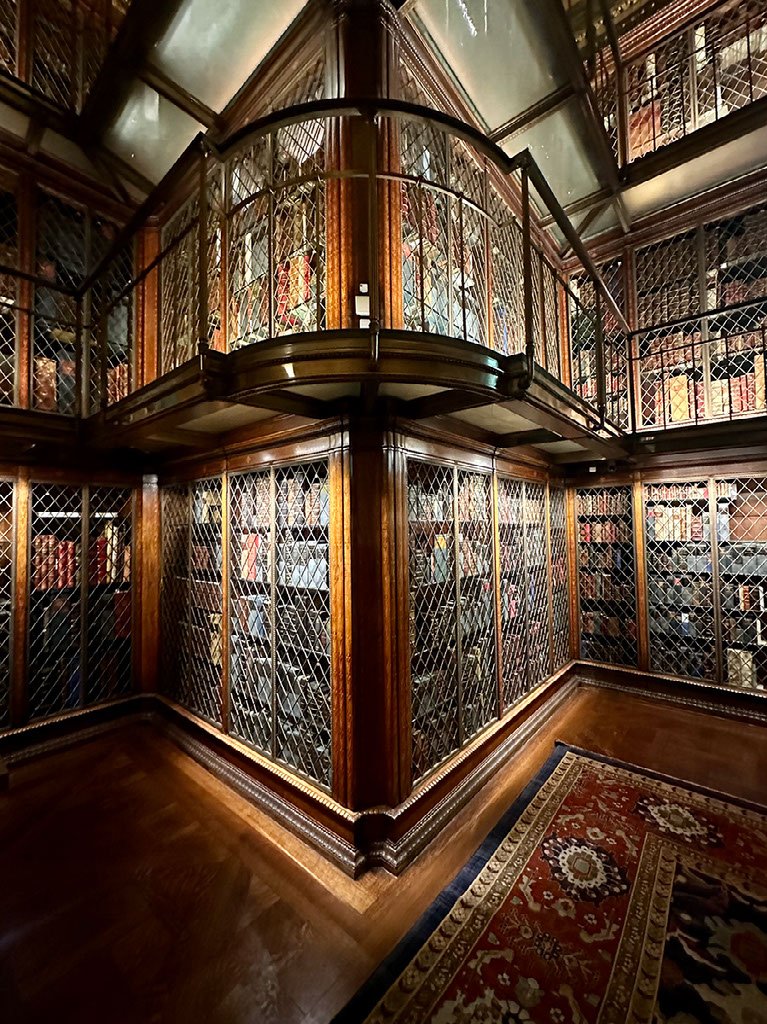
The Morgan Library is Pierpont Morgan's personal library, and it is one of the most photographically compelling interiors in New York. The East Room, the original library space, is a three-story rotunda of floor-to-ceiling bookshelves, ornate ironwork, and a painted ceiling. When the room is quiet, and with patience it sometimes is, it photographs like a European palace library.
📷 Pro Tip: The East Room is the primary subject. Use a 16-24mm from the doorway to capture the full height and width of the space. The room is often busy, so shoot during weekday afternoon hours when group tours are less frequent. A high ISO and wide aperture are necessary; flash is not permitted. No tripods. Admission is required. Closed on Mondays. Nearest subway: 6 to 33rd Street.
Best time: Weekday afternoons. Access: Paid admission. Closed Mondays. Nearest subway: 6 to 33rd Street.

Usually the library is very busy. So getting some detailed shots was my only option on this last visit.
Albertine Books (972 Fifth Avenue, Upper East Side)
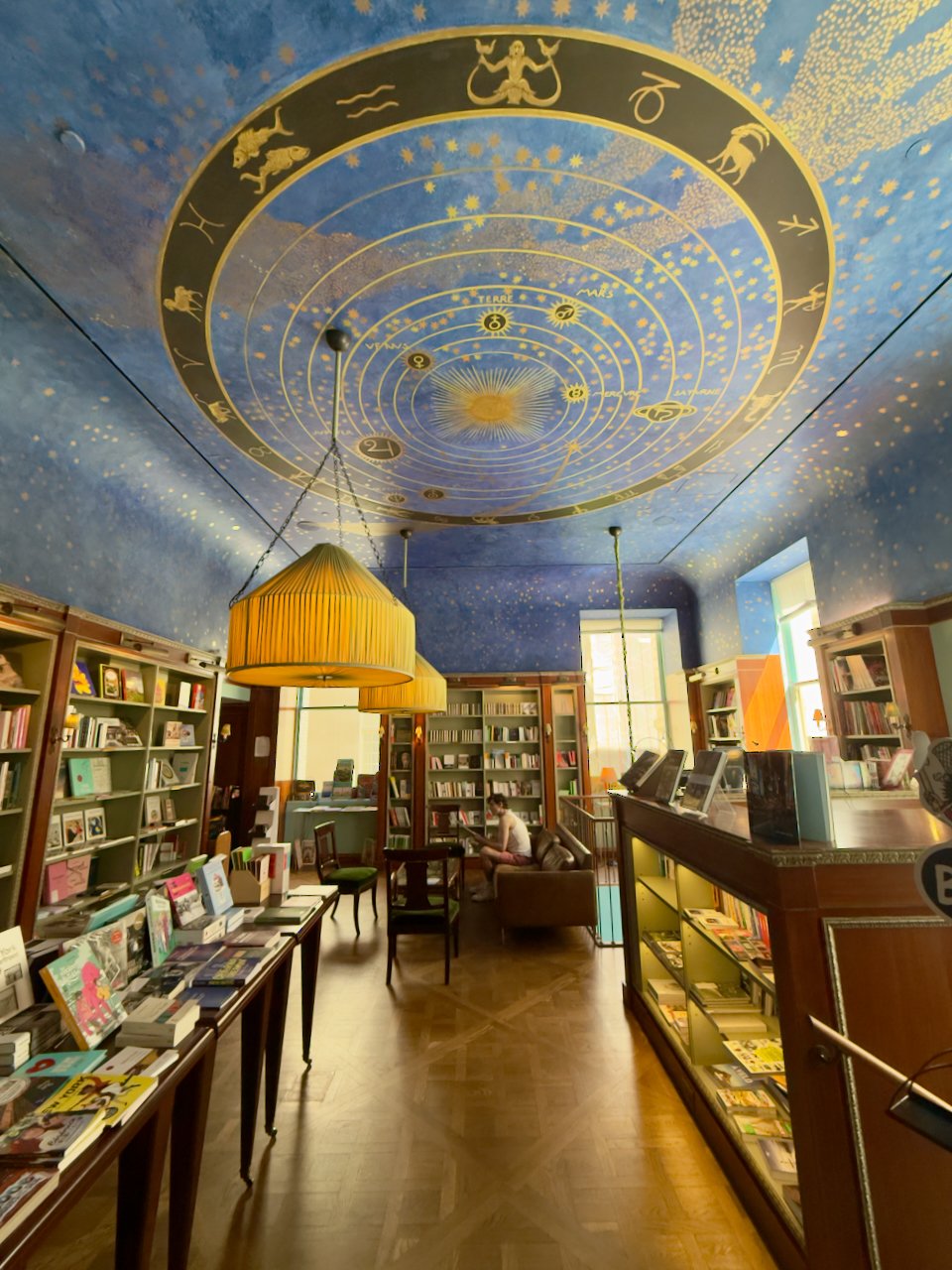
Most visitors walk right past the Payne Whitney mansion without knowing what is inside. The building itself is Stanford White's Italian Renaissance masterpiece on Fifth Avenue, but the interior is what stops you cold. Albertine is a French bookstore and reading room, and it is one of the most photogenic interiors in New York City. The second floor is anchored by a hand-painted celestial ceiling, planets and zodiac symbols arching above floor-to-ceiling shelves, deep green velvet sofas, and busts of Descartes and Benjamin Franklin. Then there is the Venetian salon, all mirrors and light, which looks like it was transplanted directly from Paris.
This is not a tourist attraction. It is a functioning bookstore that happens to be breathtaking. The space rewards a slow visit and a quiet presence.
📷 Pro Tip: The second-floor reading room is the primary subject. Use a wide-to-standard zoom (24-35mm) to capture the ceiling in relation to the shelves below; going too wide distorts the architecture. The ambient light is warm but low, so push your ISO and keep the aperture open rather than bringing flash, which would ruin the atmosphere and is not appropriate here. Come on a weekday morning when the space is quiet. Ask staff politely before shooting; this is a private institution, not a public attraction. Personal photography is generally welcome as long as you are not disrupting the space. No tripods. Located at 972 Fifth Avenue, between 78th and 79th Streets.
Best time: Weekday mornings. Access: Free entry. Nearest subway: 6 train to 77th Street.
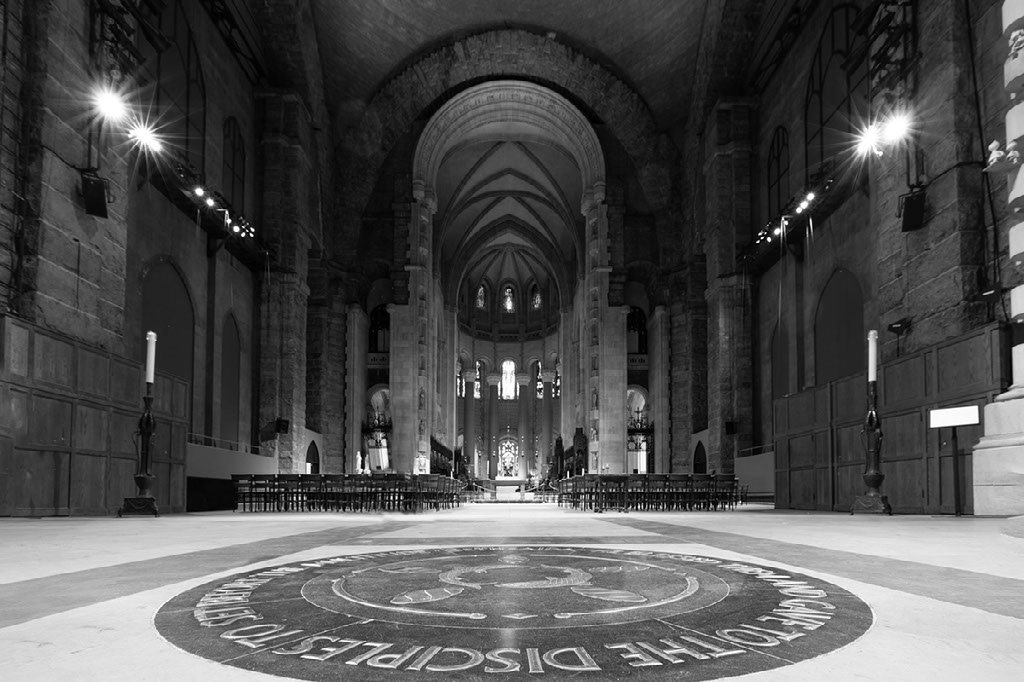
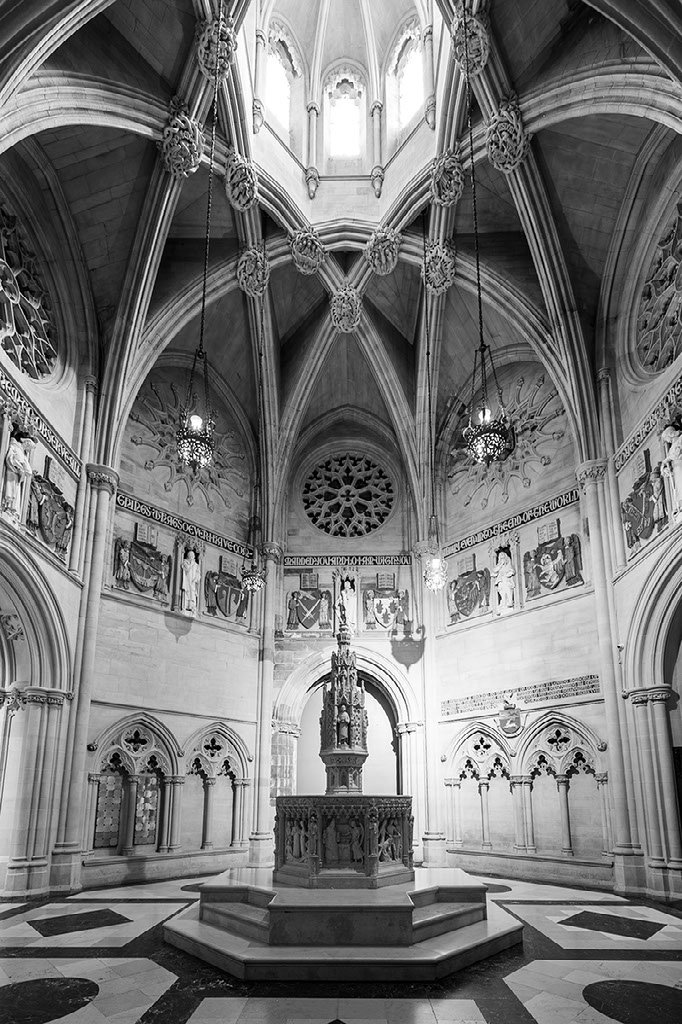
The Cathedral of Saint John the Divine (1047 Amsterdam Ave)
The Cathedral of Saint John the Divine is the largest cathedral in the world by some measurements, and it looks exactly like someone took a Gothic cathedral from France and placed it on the Upper West Side of Manhattan. The nave is enormous, the stained glass is exceptional, and on the right morning, the light coming through the rose window fills the entire interior with color.
We were lucky on one visit to have the cathedral almost entirely to ourselves for an hour before public opening. If you can arrange early access, do so.
📷 Pro Tip: The central nave is the primary subject. Use a 15-24mm lens from just inside the main entrance, positioned on the central axis, and shoot toward the altar. The light peaks in the late morning when the western rose window is backlit, and the eastern windows are in direct sun simultaneously. Cathedral photography requires patience: wait for the moments when no one is walking through your frame. A high ISO and wide aperture are essential; tripods are permitted with prior permission from the cathedral office. Admission is by suggested donation. Nearest subway: 1 to Cathedral Parkway-110th Street.
Best time: Late morning. Access: Suggested donation. Nearest subway: 1 to Cathedral Parkway-110th Street.
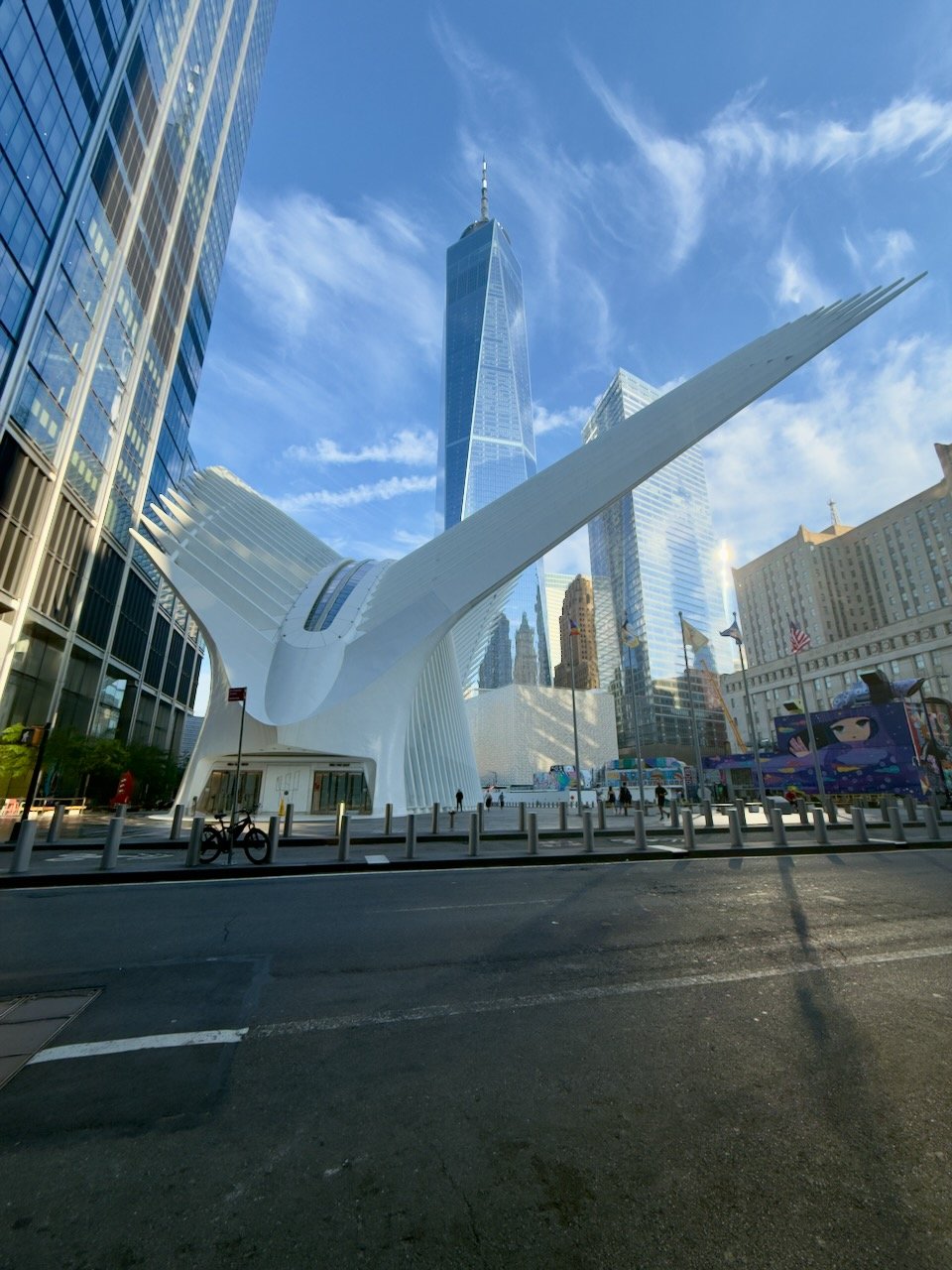
The Oculus (185 Greenwich Street, Lower Manhattan)
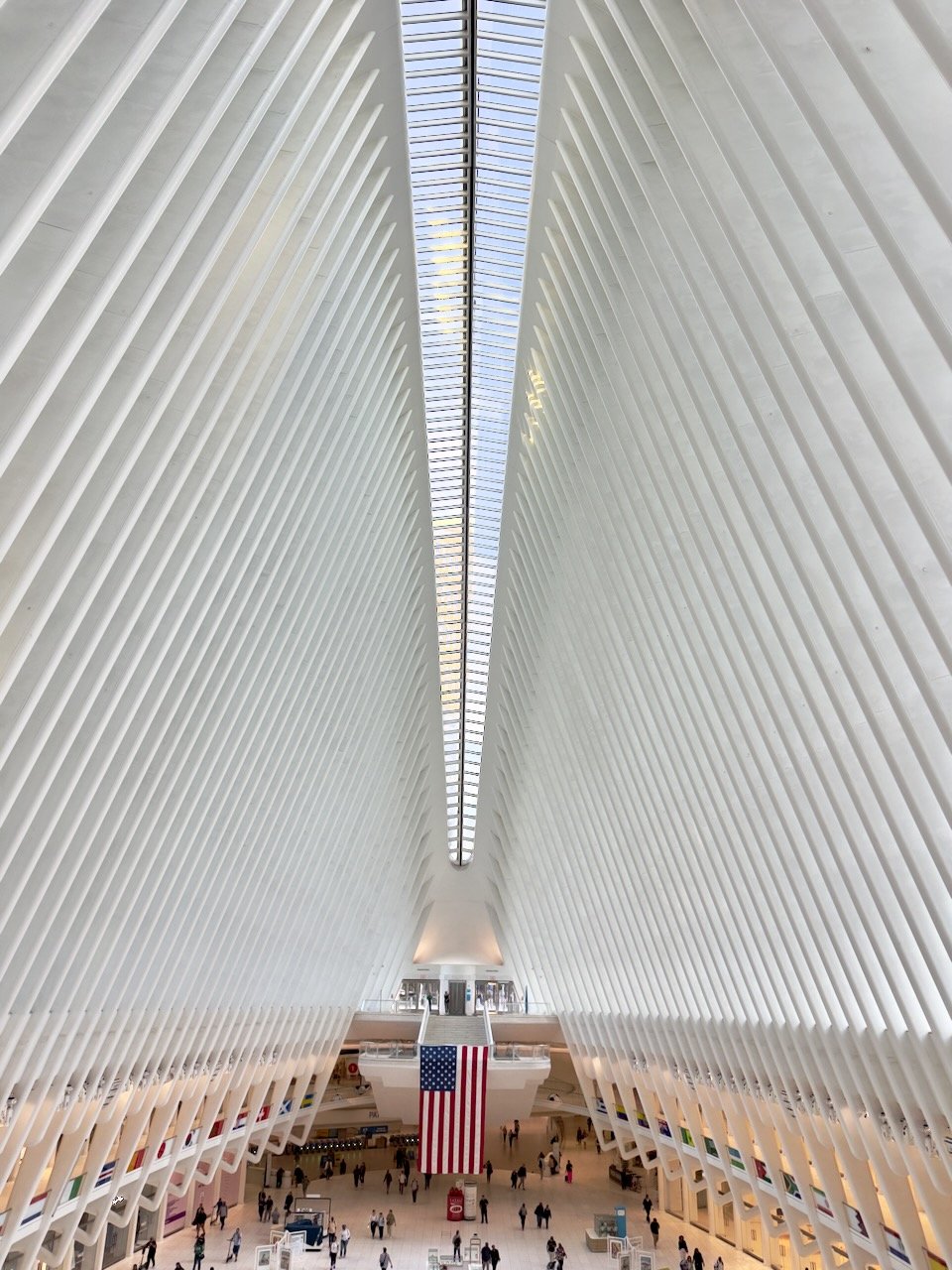
The Oculus is Santiago Calatrava's transportation hub at the World Trade Center site, and it is one of the most distinctive architectural interiors in the city. The ribbed white structure opens to the sky through a long glass oculus in the roof, and on a clear day, the light that falls through it creates a dramatic vertical shaft across the white interior.
📷 Pro Tip: The interior is best on a clear day between 10 am and noon when the roof opening lets direct light into the space. Shoot from the ground level, looking up at the ribs of the structure, using a 16-24mm pointed skyward. For a different perspective, use the upper mezzanine level and look down at the ground floor below. No tripods. The space is free and open during transit hub hours. Nearest subway: R/W/1 to Cortlandt Street or E to World Trade Center.
Best time: Clear mornings, 10 am to noon. Access: Free. Nearest subway: R/W/1 to Cortlandt Street.
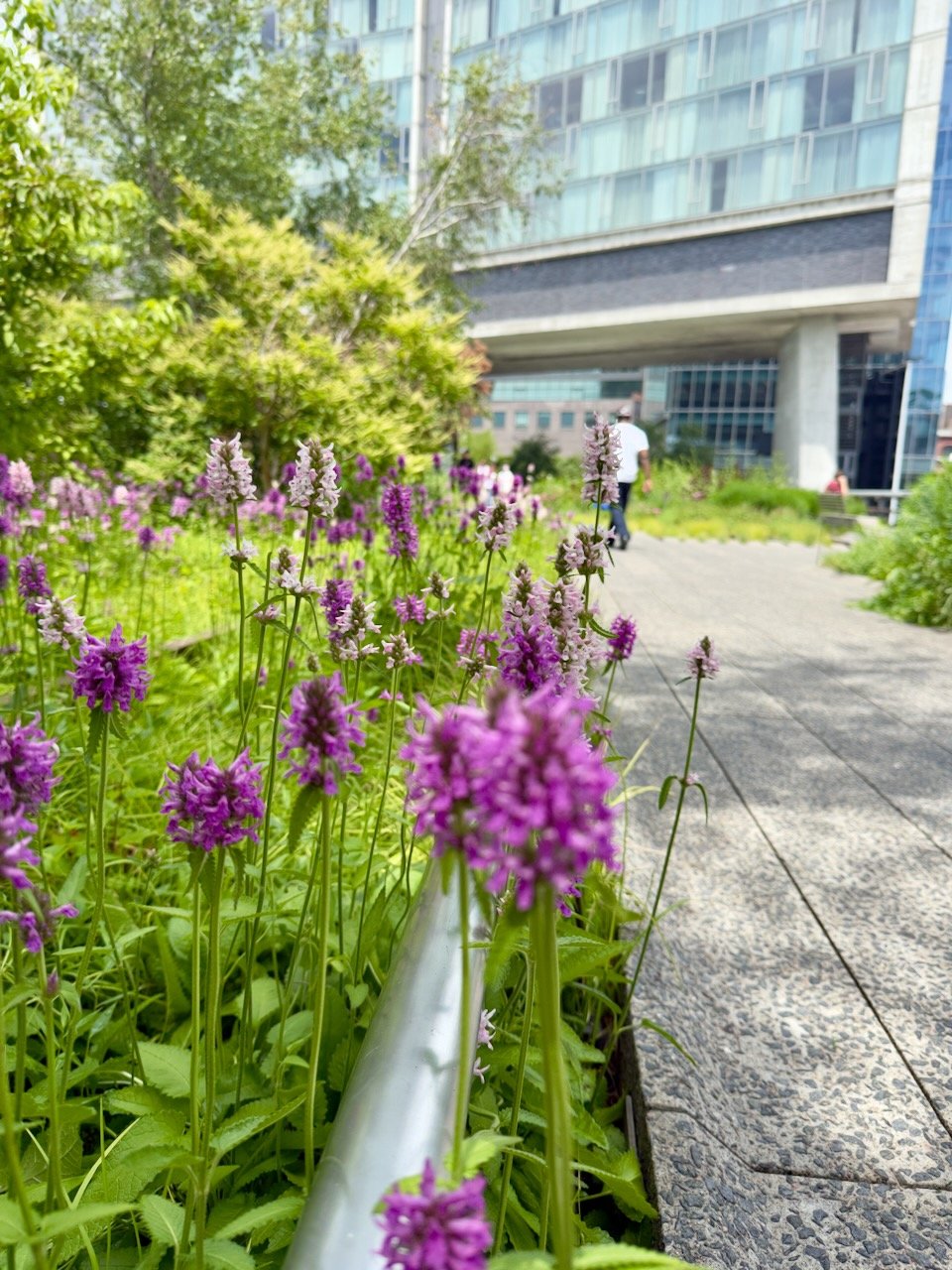
The High Line (Gansevoort Street to 34th Street, Chelsea)
The High Line is an elevated rail line that has been converted into a public park and walkway above the streets of Chelsea and the Meatpacking District. It offers a perspective on the city that is genuinely unique: you are above street level, looking across at the facades of buildings from mid-height, with the Hudson River visible to the west and the Manhattan skyline to the south. The plantings along the path change with the season, and the street art and gallery presence of the surrounding neighborhood make it a worthwhile photography destination year-round.
📷 Pro Tip: Walk the full length from south to north in the morning when the light falls from the east across the city grid. The section over the rail yards at 30th Street gives you a view toward Midtown that few other accessible points can match. Use a 35-70mm range for most of the walkway; the telephoto is useful for compressing the cityscape to the south. Fall is the best season when the native plantings turn color. The High Line is free and opens at 7 am. Access at Gansevoort Street, 14th Street, 16th Street, 18th Street, 20th Street, 23rd Street, 26th Street, 28th Street, and 30th Street.
Best time: Morning, year-round. Best in the fall. Access: Free, opens 7 am.
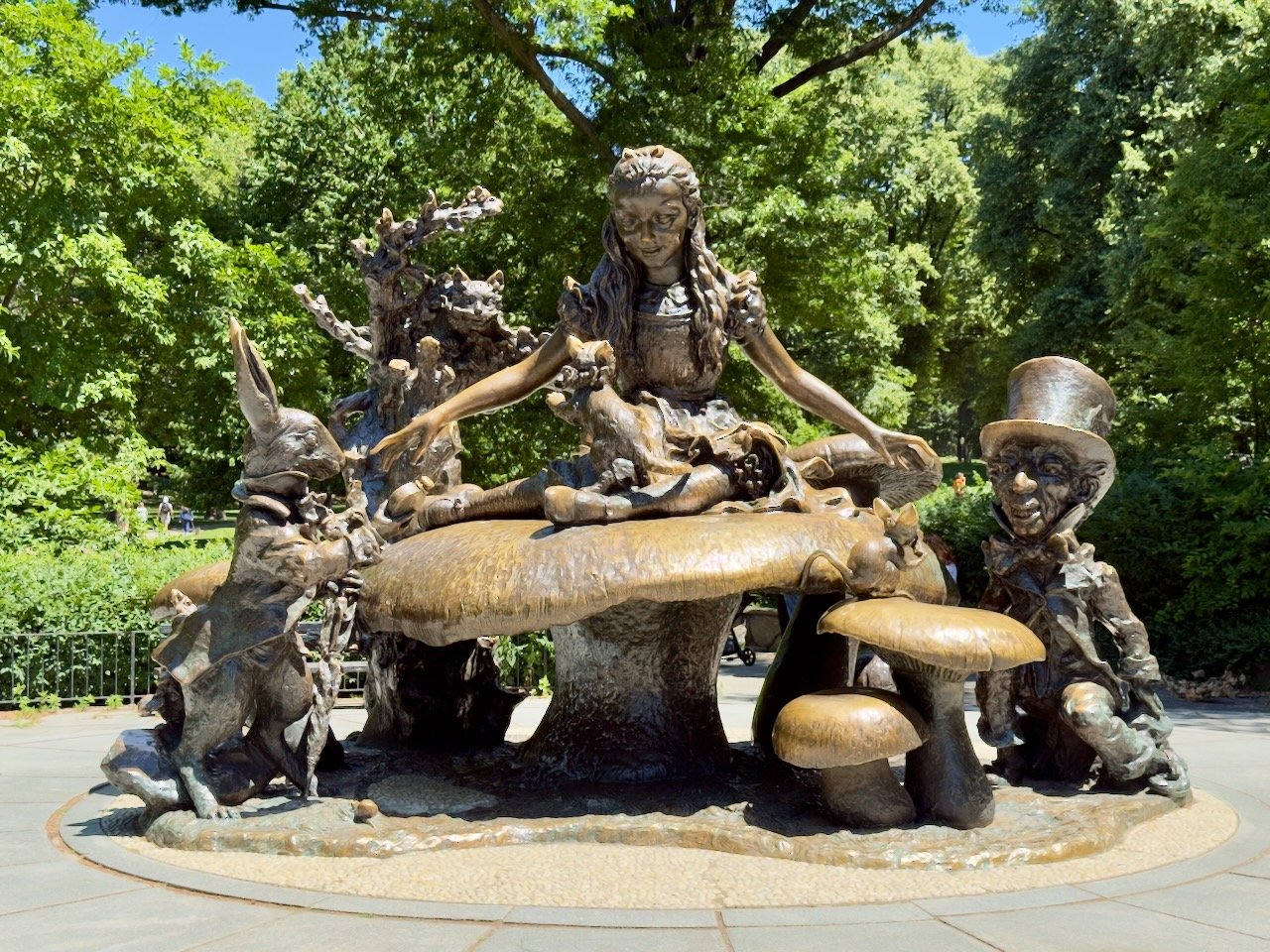
Alice in Wonderland Statue, Central Park
Most people know Bethesda Fountain. Far fewer know about the Alice in Wonderland bronze sculpture at the north end of Conservatory Water, the model sailboat pond on the Upper East Side of the park. Jose de Creeft's 1959 sculpture shows Alice perched on a giant mushroom above the Mad Hatter, the White Rabbit, and the Cheshire Cat, and it is one of the most joyful and genuinely photogenic pieces of public art in the city.
What makes it work photographically is the interaction. Children climb all over it. Adults sit beside it. The bronze is worn to a polish on every surface that gets touched, which creates a specific quality of light that you cannot manufacture. On a bright morning, the patina of the metal against the soft green background of the park produces a color palette unlike anything else in the city.
📷 Pro Tip: Get low. The sculpture is meant to be interacted with, and the most compelling frames come from a child-height perspective looking up at Alice against the sky. A 35mm to 50mm focal length works well here. Come on a weekend morning in spring or fall when children are actively playing on the sculpture; that interaction is the photograph. Flat overcast light is actually your friend here because it kills the harsh shadows that direct sun casts across the textured bronze. The location is free and open all day. Walk north from the 72nd Street entrance on the east side of the park; Conservatory Water is clearly marked.
Best time: Weekend mornings, spring and fall. Access: Free. Location: Conservatory Water, Central Park, near East 74th Street.
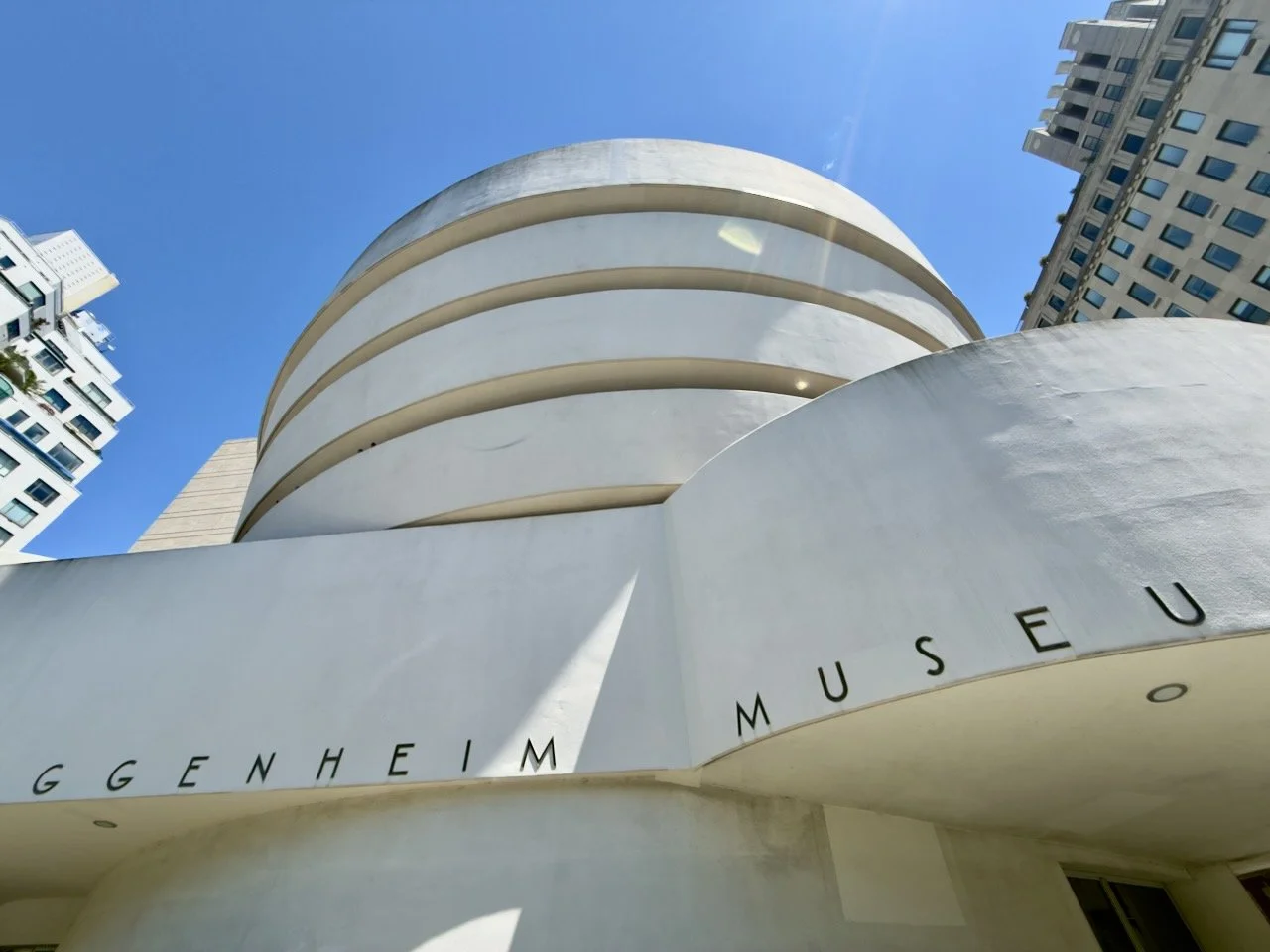
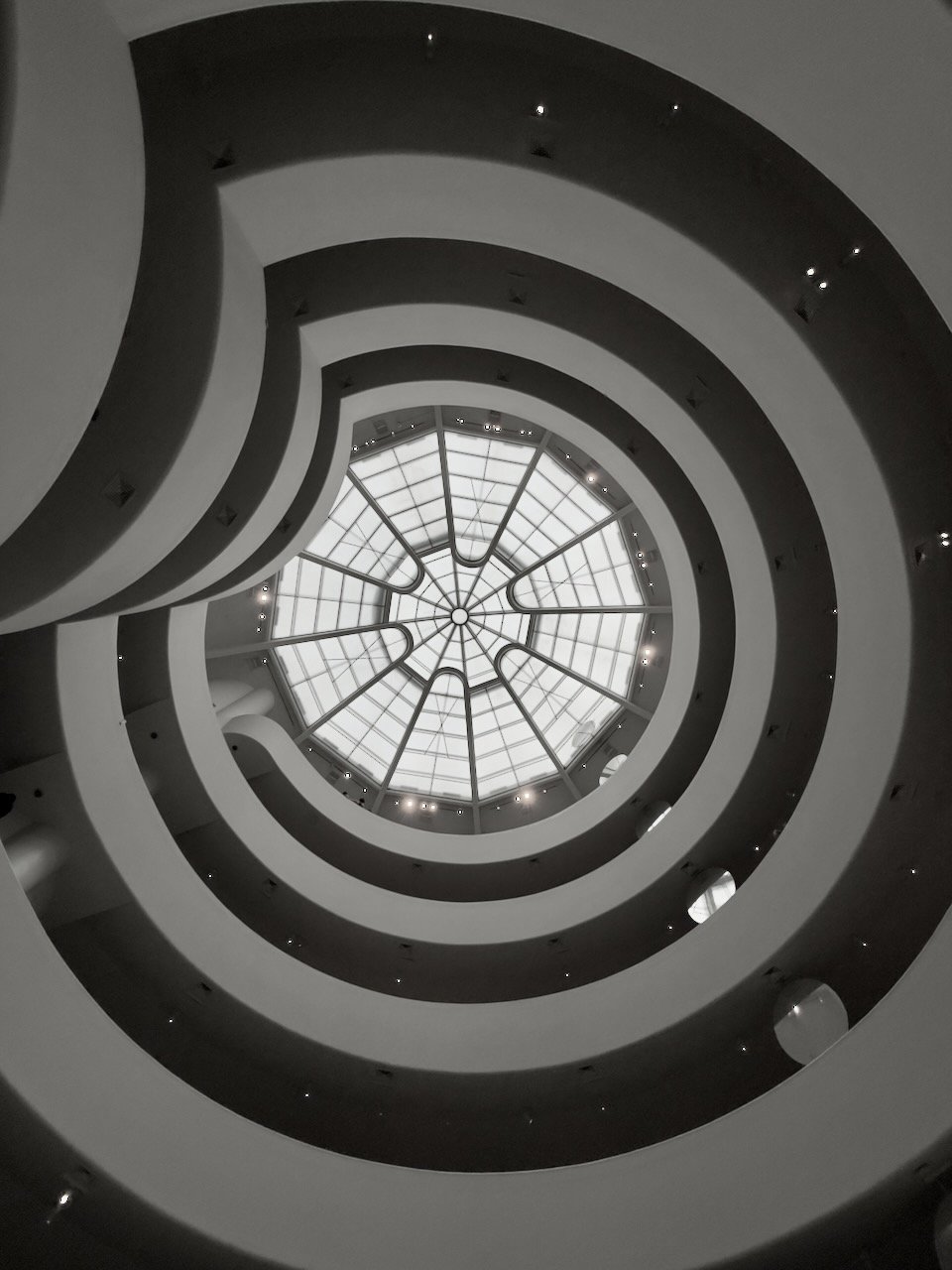
Solomon R. Guggenheim Museum (1071 Fifth Avenue)
Frank Lloyd Wright spent 16 years designing the Guggenheim, and the result is a building that competes with every piece of art inside it. The exterior is immediately recognizable, a continuous white spiral rising from Fifth Avenue with a confidence that bordered on arrogance when it opened in 1959 and still reads that way today. But the interior is where photographers go quiet.
Stand at the base of the rotunda and look up. The skylight dome sits at the top of a quarter-mile ramp that spirals toward you, and the geometry is extraordinary. Clean white curves, natural light diffusing through the glass above, and the sense of continuous motion built into a static structure. It photographs well from multiple angles and focal lengths, which is rare for an interior.
📷 Pro Tip: For the exterior, position yourself on the opposite sidewalk on Fifth Avenue and use a 35mm. The building needs a bit of breathing room and the facade reads best with some of the surrounding streetscape included. For the interior rotunda, stand at ground level and shoot straight up with a wide-angle (16-24mm) to capture the full spiral. The skylight throws natural light that peaks in the late morning on a clear day. No tripods are permitted inside. Admission is required; book tickets in advance online. The museum is closed on Thursdays. The 4/5/6 subway stops at 86th Street, a short walk south on Fifth Avenue.
Best time: Late morning for interior light. Access: Paid admission; book in advance. Nearest subway: 4/5/6 to 86th Street.
Little Italy
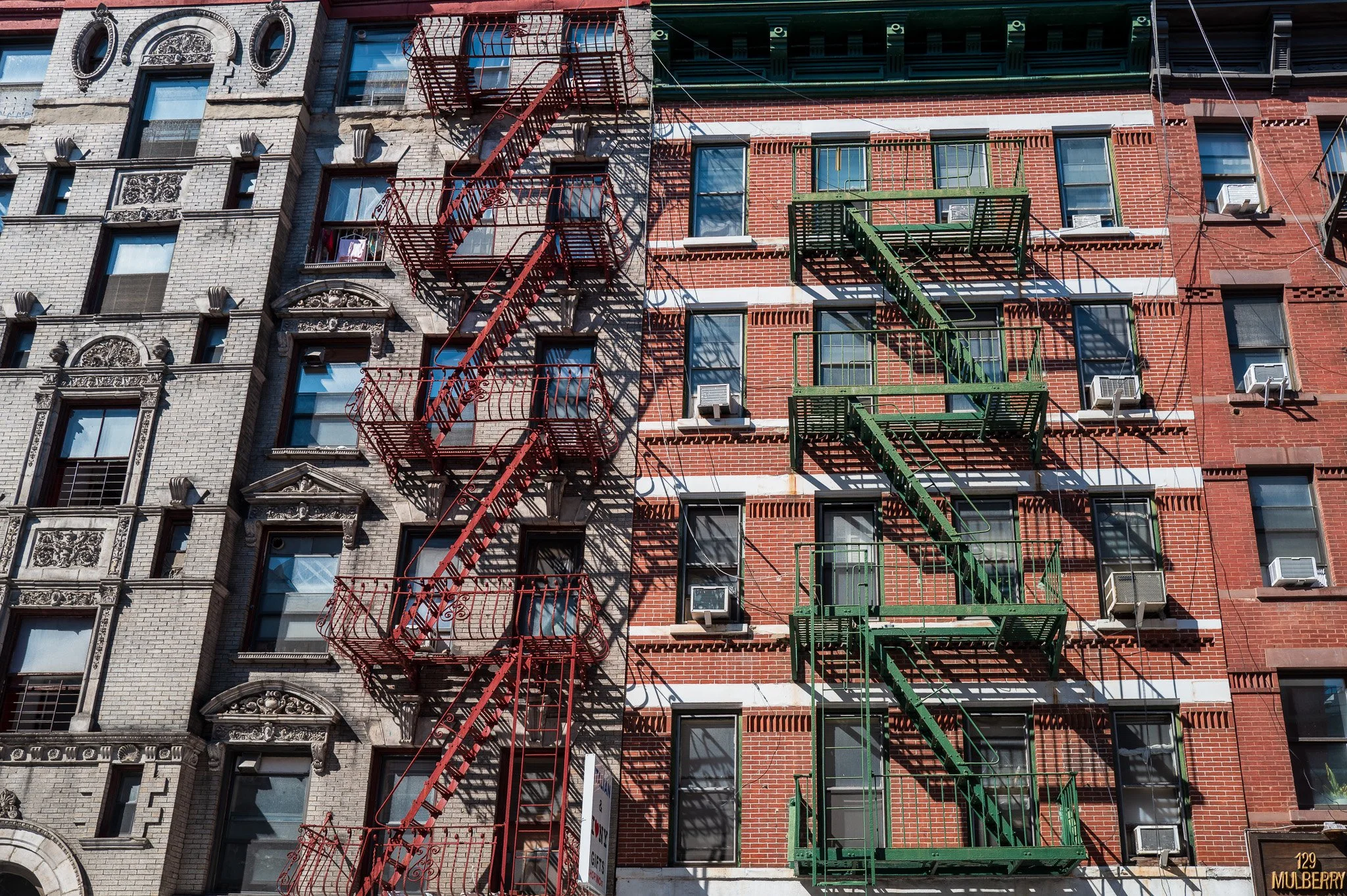
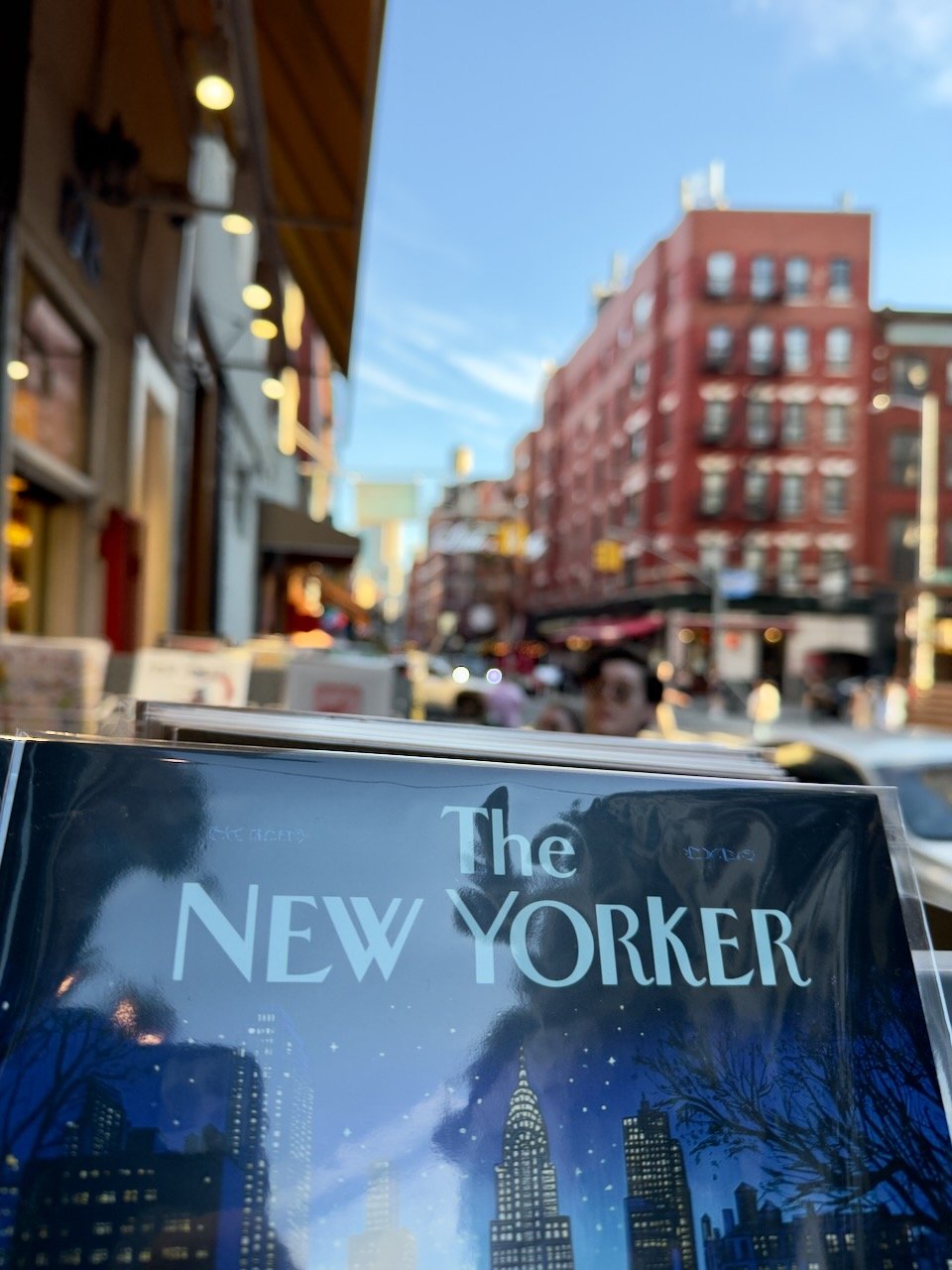
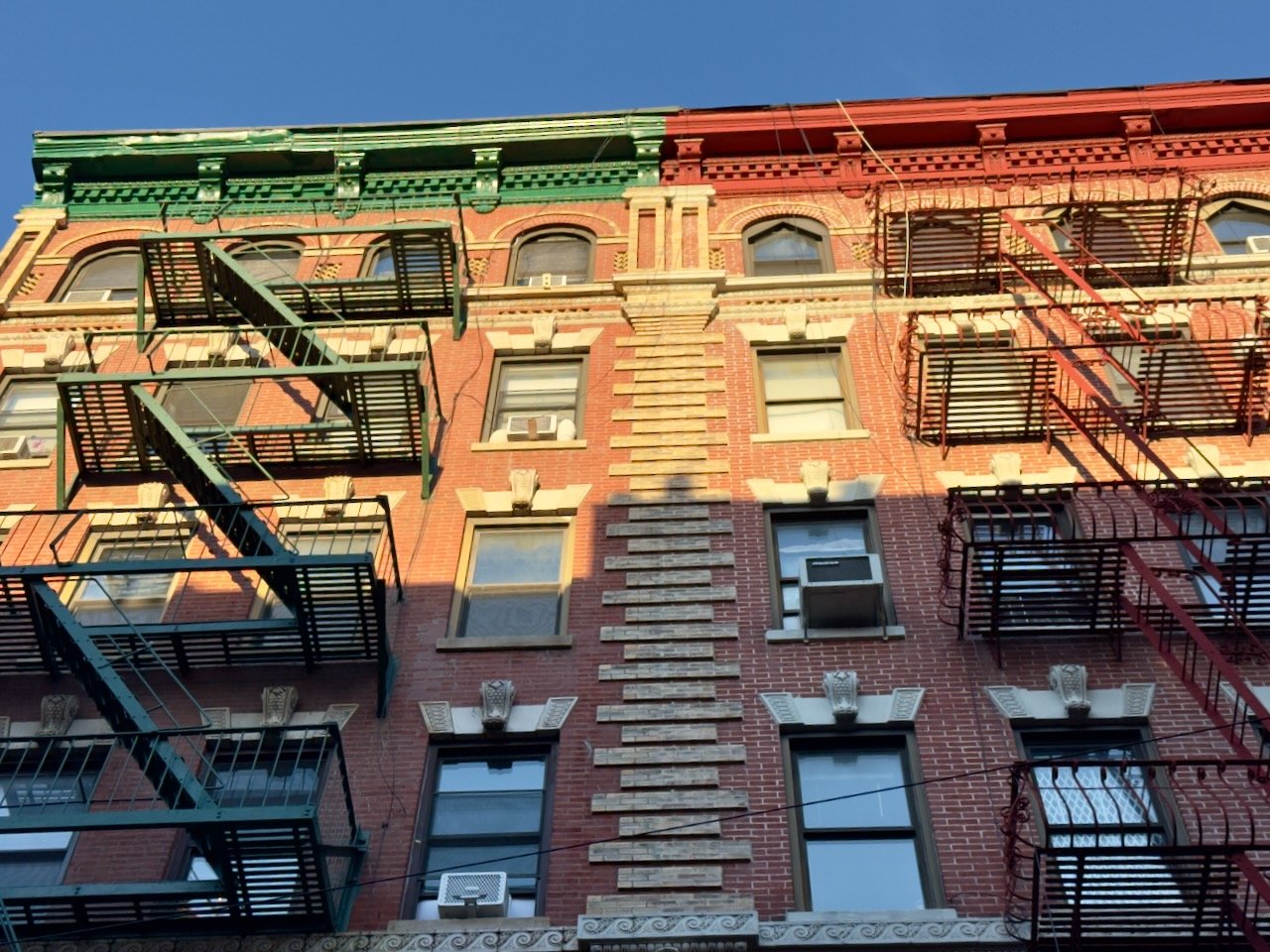
Little Italy may be smaller than many visitors expect, but it remains one of New York City's most atmospheric neighborhoods to photograph. Centered around Mulberry Street, the area is filled with outdoor cafés, Italian flags draped overhead, historic storefronts, and restaurants that come alive after dark. While it no longer occupies the large footprint it once did, it still offers a glimpse into New York's Italian American heritage and provides excellent opportunities for capturing street scenes, architectural details, and local character. The combination of old signs, fire escapes, restaurant patios, and evening lights creates a classic New York backdrop that works particularly well for storytelling images.
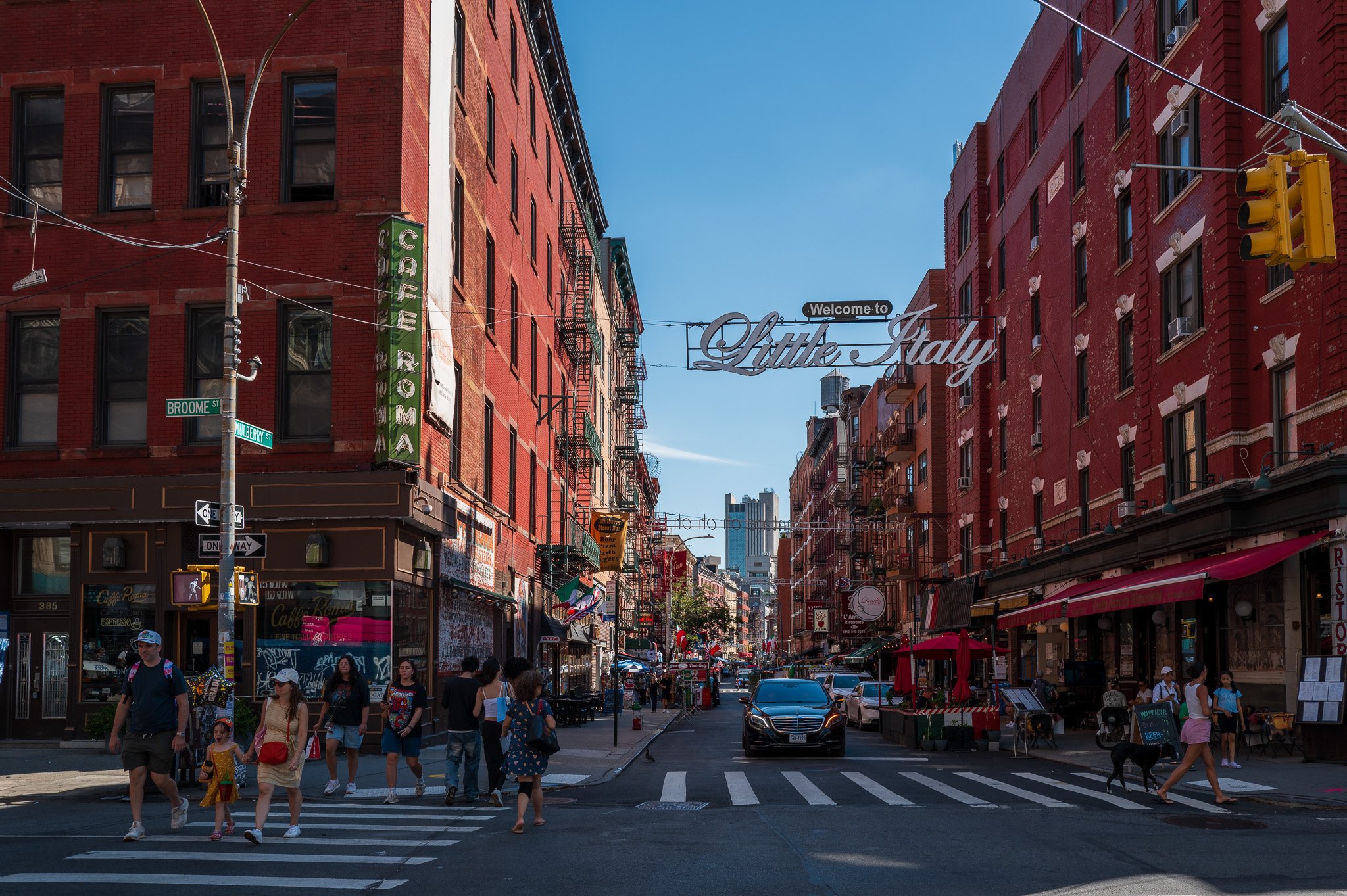
📷 Pro Tip: Visit early in the morning to photograph Mulberry Street before the crowds arrive, when the soft light and quieter streets allow for cleaner compositions. Return at blue hour when restaurant lights begin to glow, and diners fill the sidewalks. A 35mm or 50mm lens is ideal for capturing both environmental portraits and street scenes. Take time to explore the side streets, where you'll often find more authentic details than along the main tourist corridor.
Best time: Early morning or blue hour.
Access: Free.
Nearest subway: J/Z, N/Q/R/W, 6 to Canal Street.
Chinatown and the Lower East Side
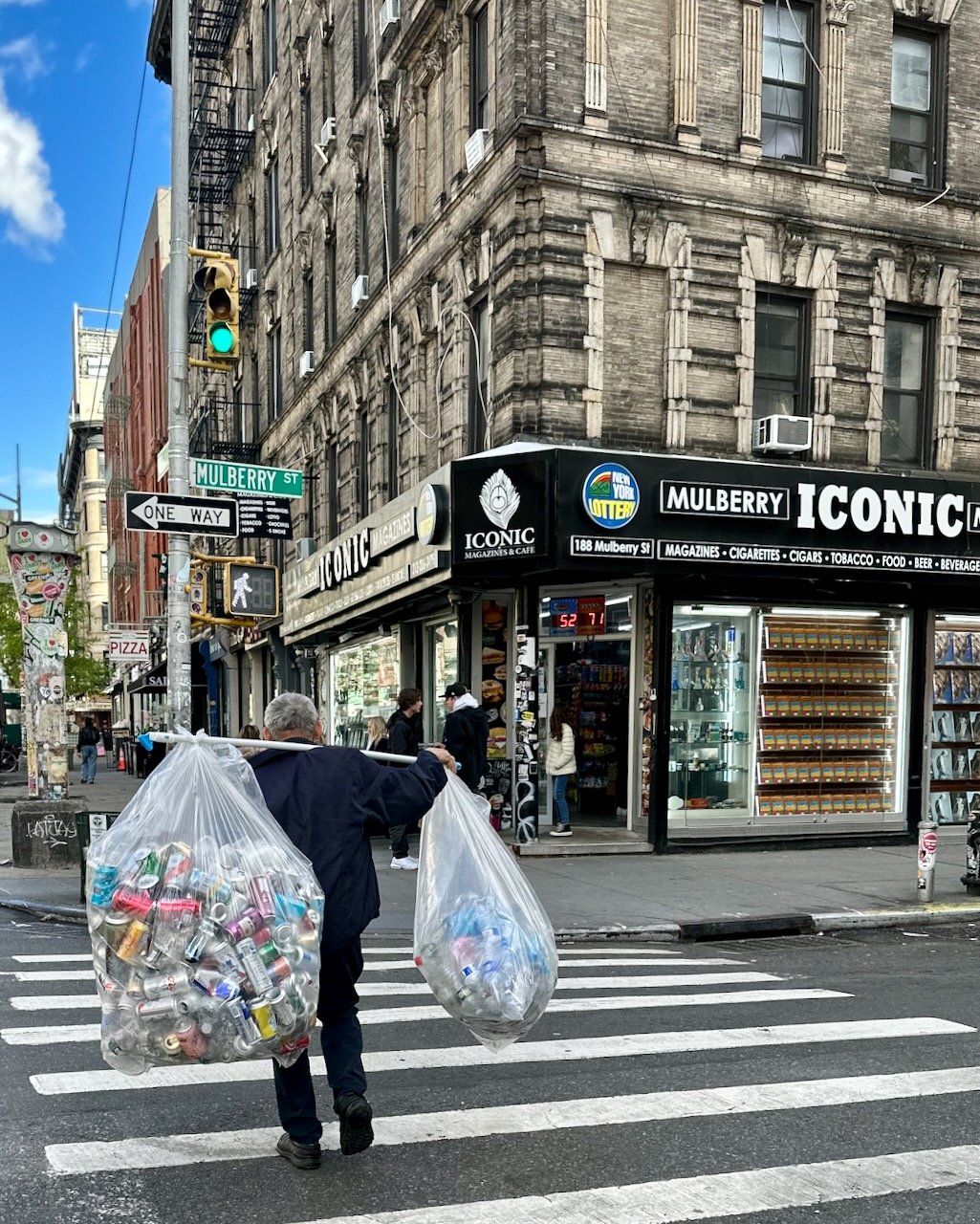
Chinatown and the adjacent Lower East Side make up one of the most genuinely photogenic neighborhoods in New York for street photography. The layering of signage in English and Mandarin, the fish markets and produce stalls spilling onto the sidewalk, the older residents moving through streets that have not changed much in forty years, alongside a younger generation of restaurants and galleries. It is a neighborhood that gives you a hundred photographs before you have walked two blocks.
📷 Pro Tip: Work in the morning when the markets are being set up and the light is soft and directional. Canal Street and Mott Street are the densest for activity and color. Move slowly and carry a single moderate focal length (35mm or 50mm) so you are not constantly changing lenses. Ask permission when you can; people are generally receptive if you make eye contact and are respectful about it. The area is free, open, and best experienced on foot. Nearest subway: J/Z/N/Q/R/6 to Canal Street.
Best time: Morning on weekdays. Access: Free. Nearest subway: J/Z/N/Q/R/6 to Canal Street.
SoHo
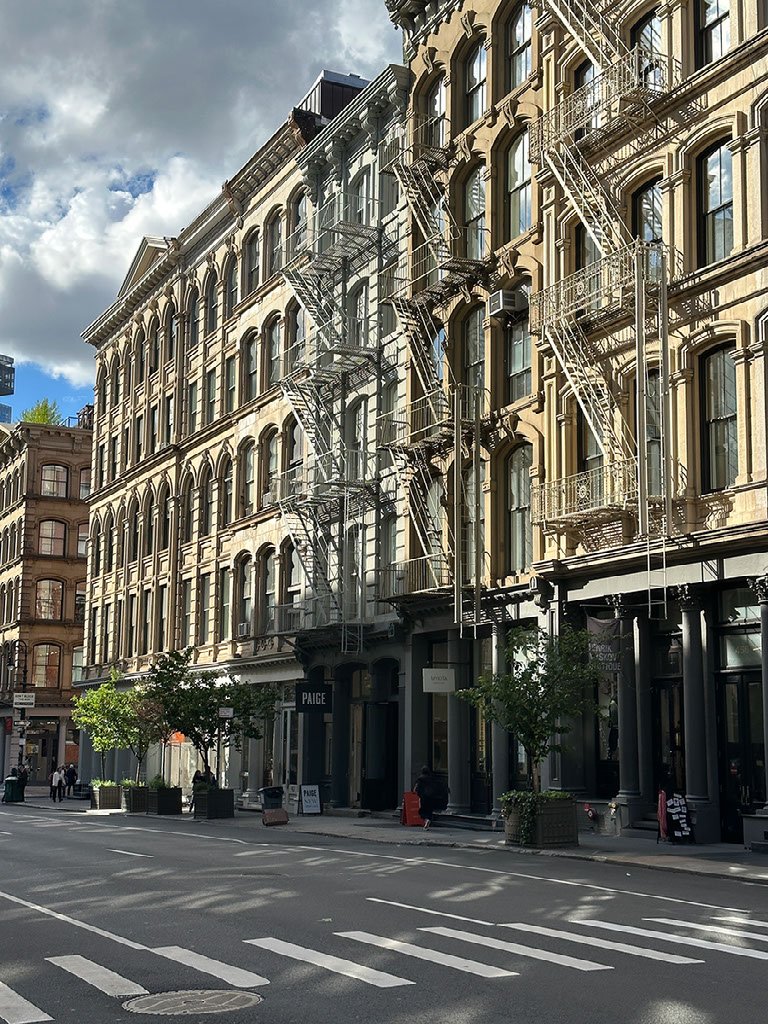
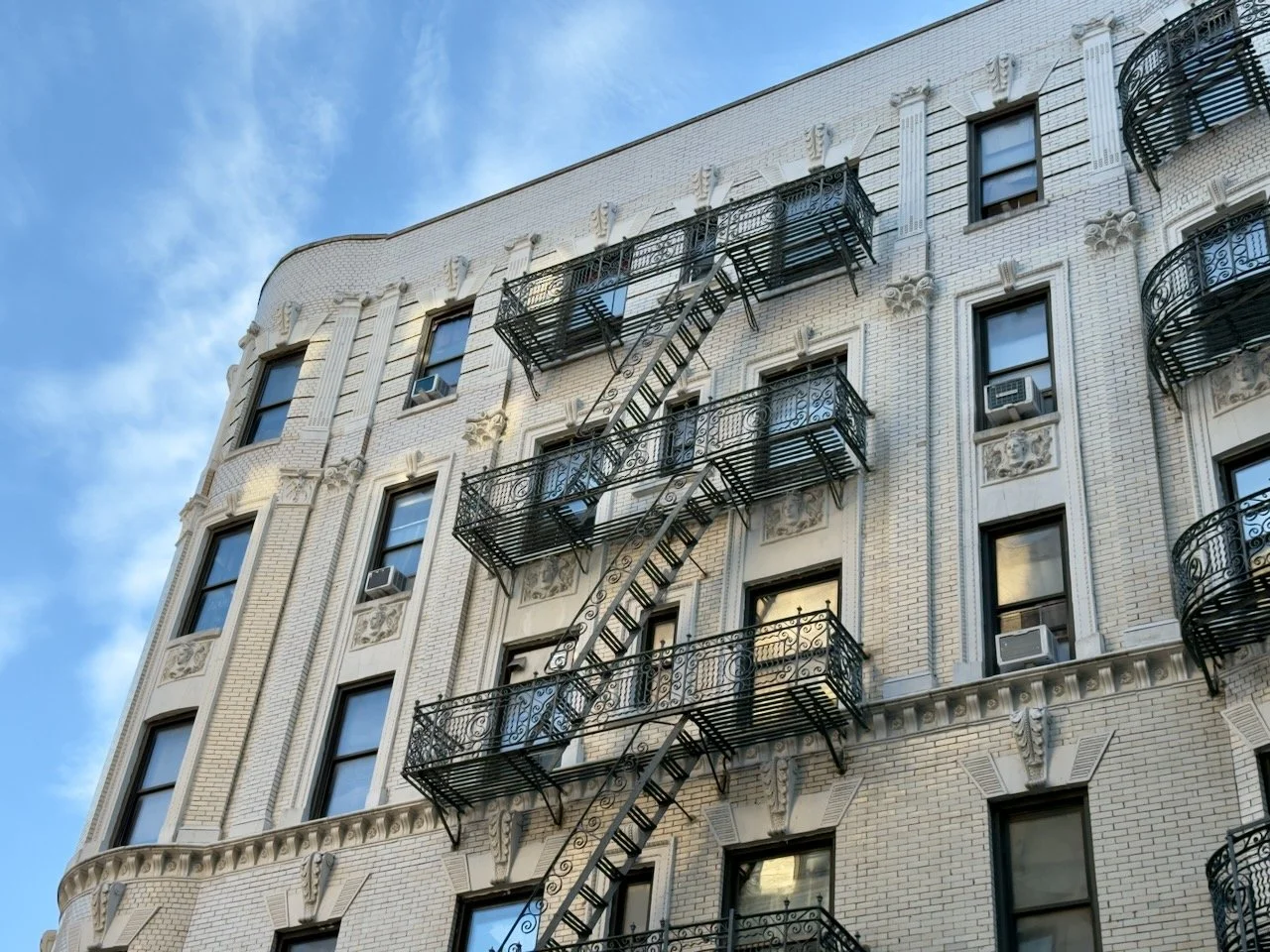
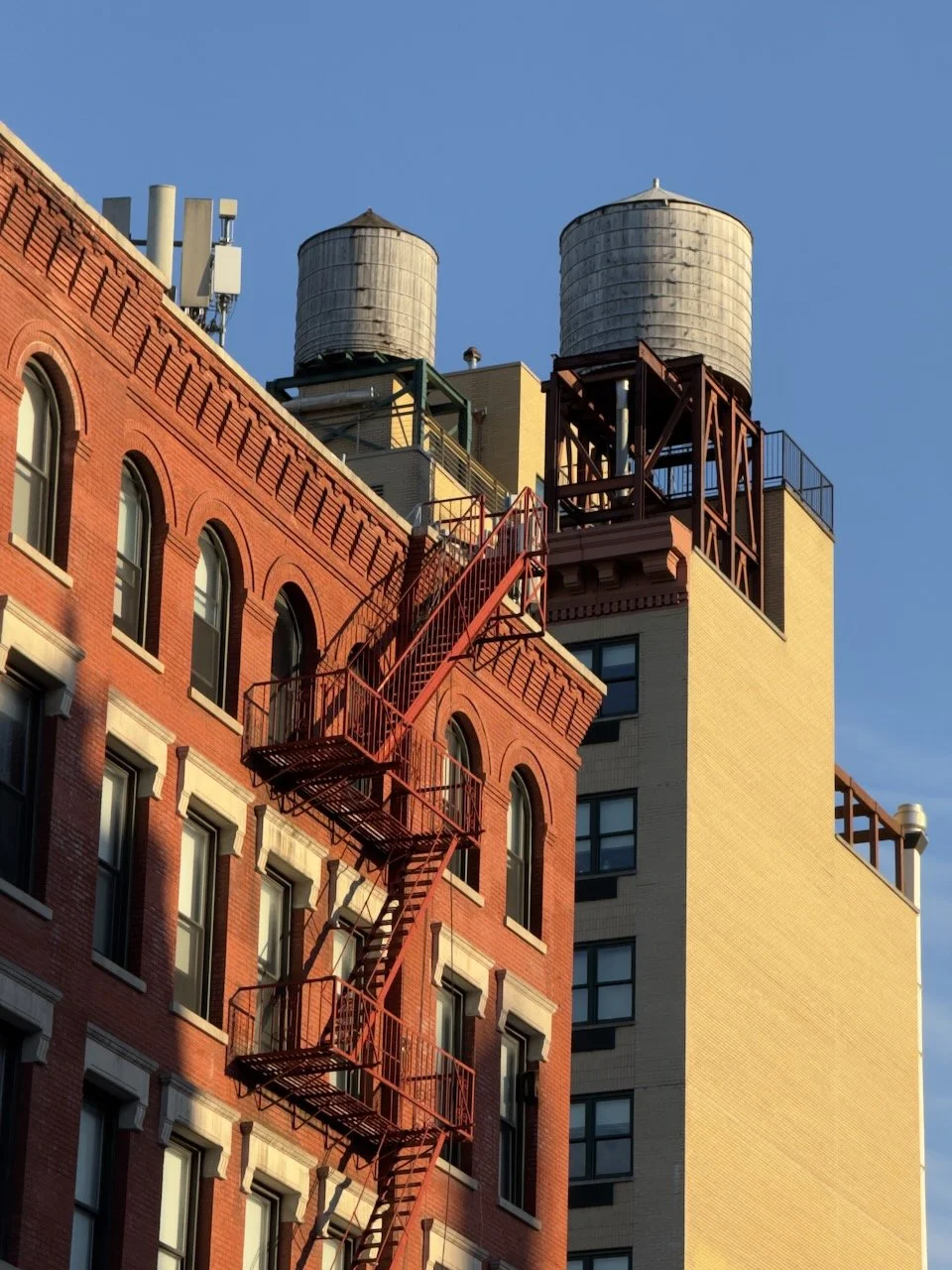
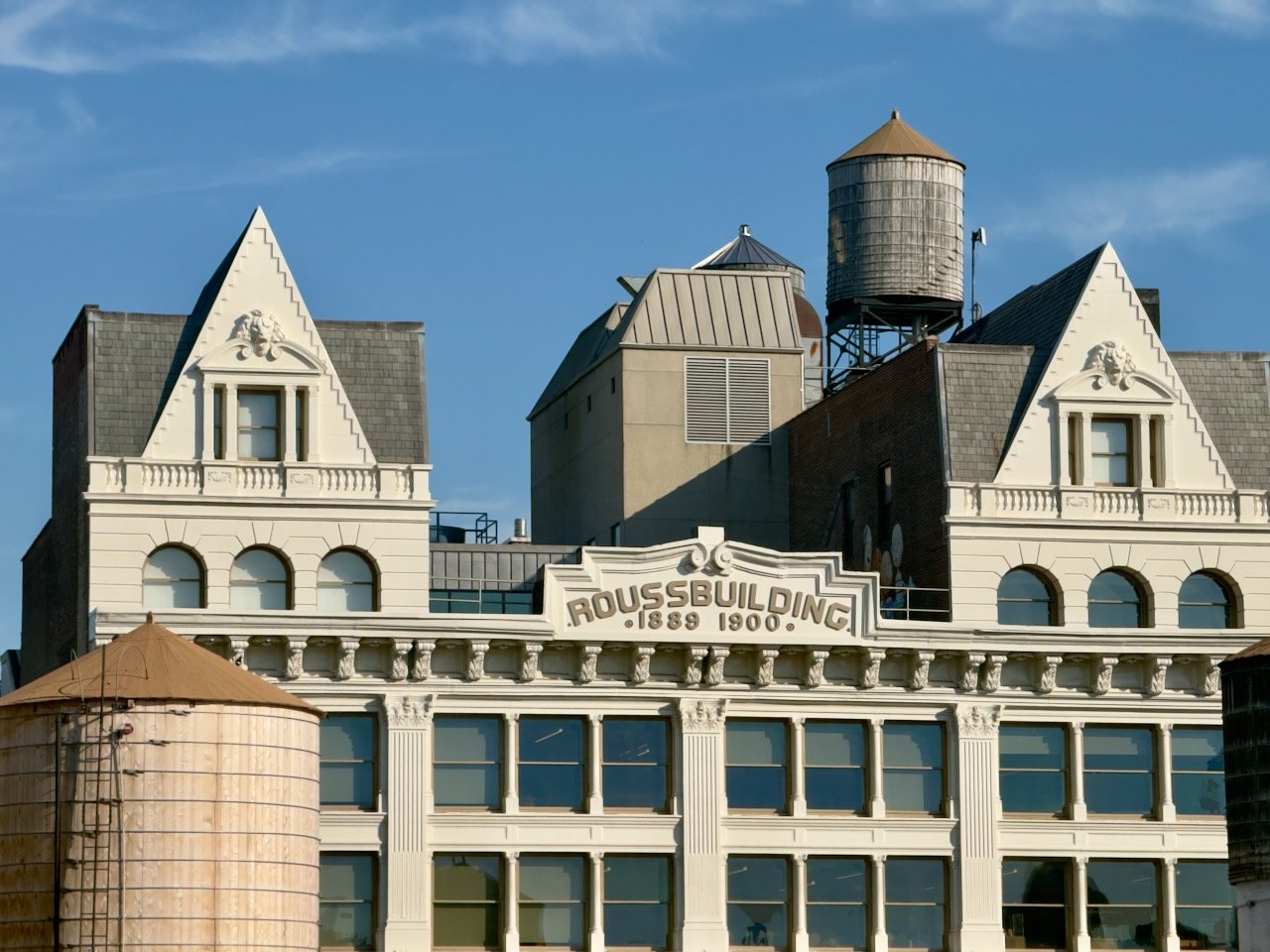
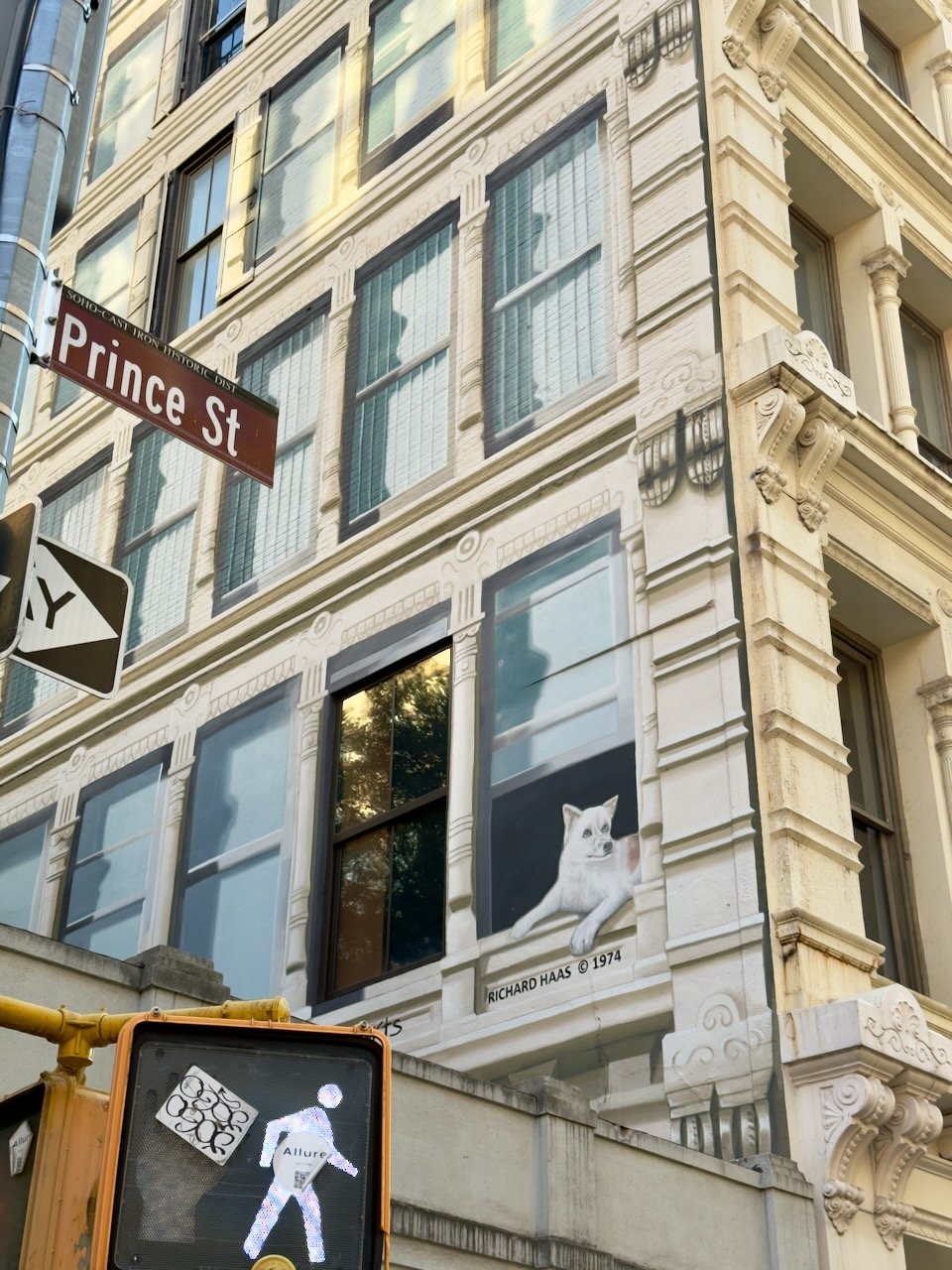
SoHo, south of Houston Street, is one of the most beautiful urban neighborhoods in the United States for architectural and street photography. The cast-iron facades lining the main streets are extraordinarily well-preserved, the cobblestones give the streets a texture that catches light in a way that modern paving does not, and the mix of galleries, boutiques, and restaurants means the neighborhood has energy at almost any hour.
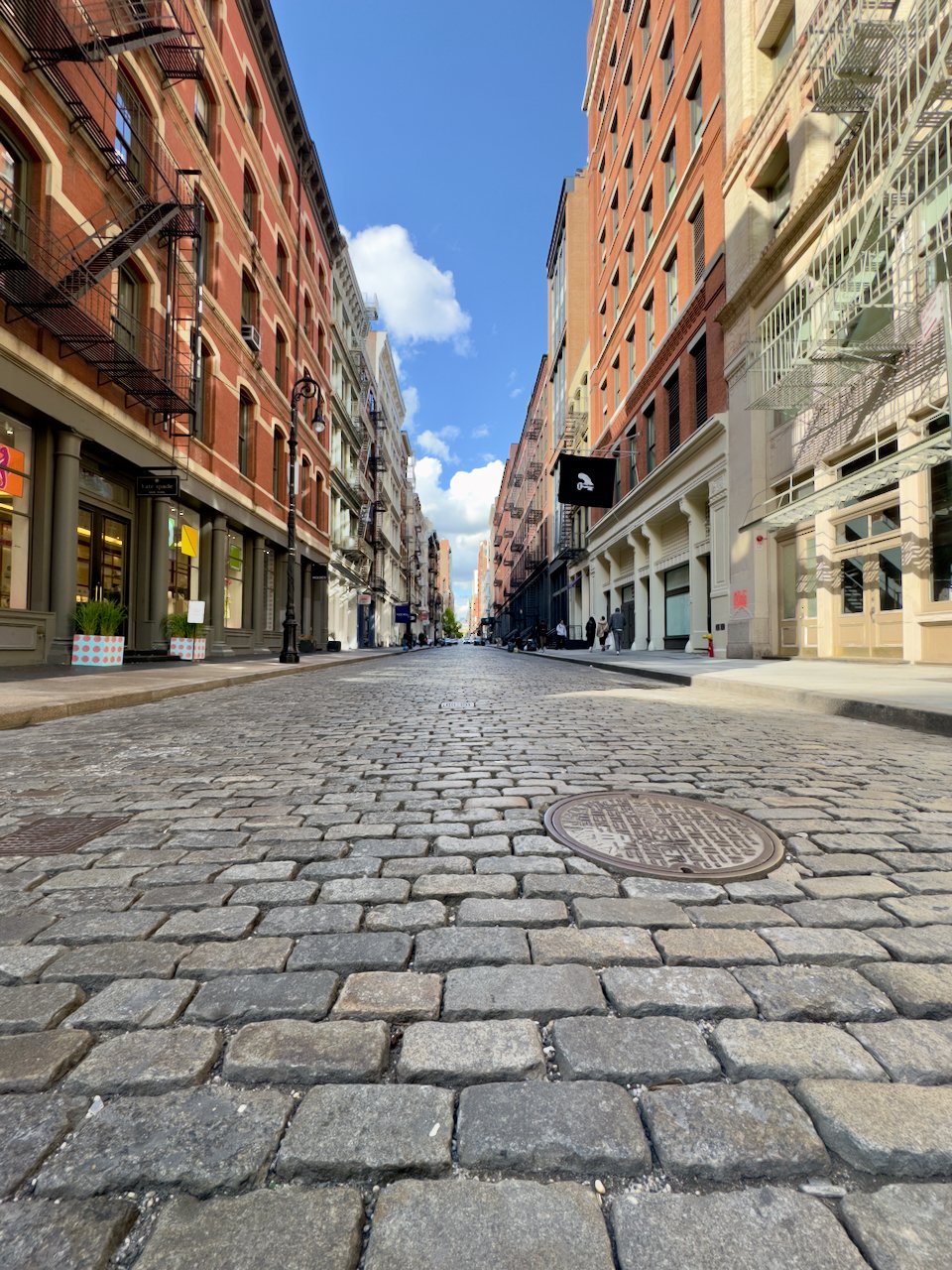
📷 Pro Tip: Walk Greene Street and Mercer Street for the strongest cast-iron architecture. The facades face east on the west side of the street, which means morning light falls directly on them and brings out the detail in the ironwork. Use a 35mm at street level. Rainy days are genuinely excellent in SoHo because the cobblestones reflect the storefronts and street lights in a way that produces naturally beautiful images. The neighborhood is free and walkable. Nearest subway: N/Q/R/W to Prince Street or 1 to Houston Street.
Best time: Early morning or rainy days. Access: Free. Nearest subway: N/Q/R/W to Prince Street.
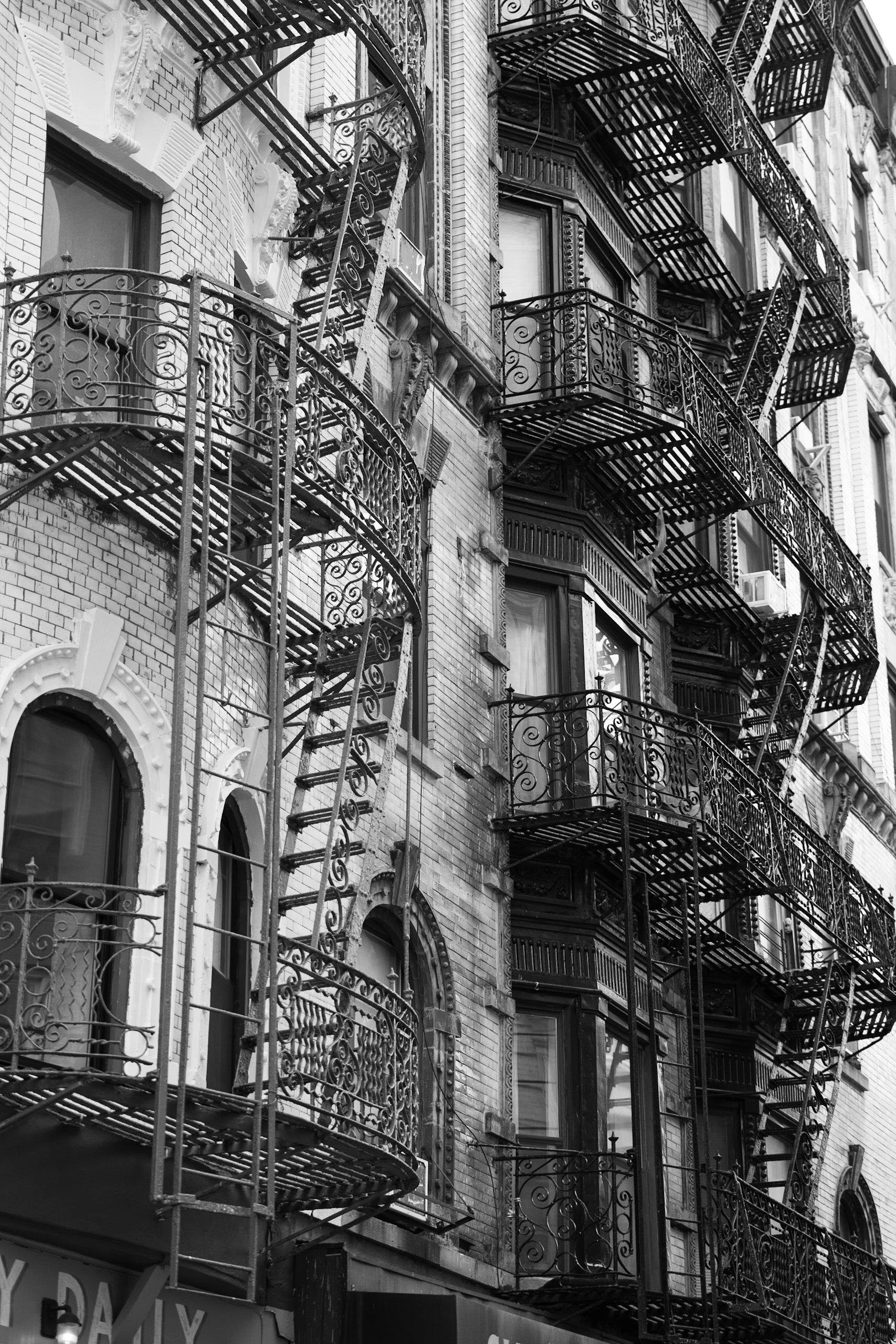
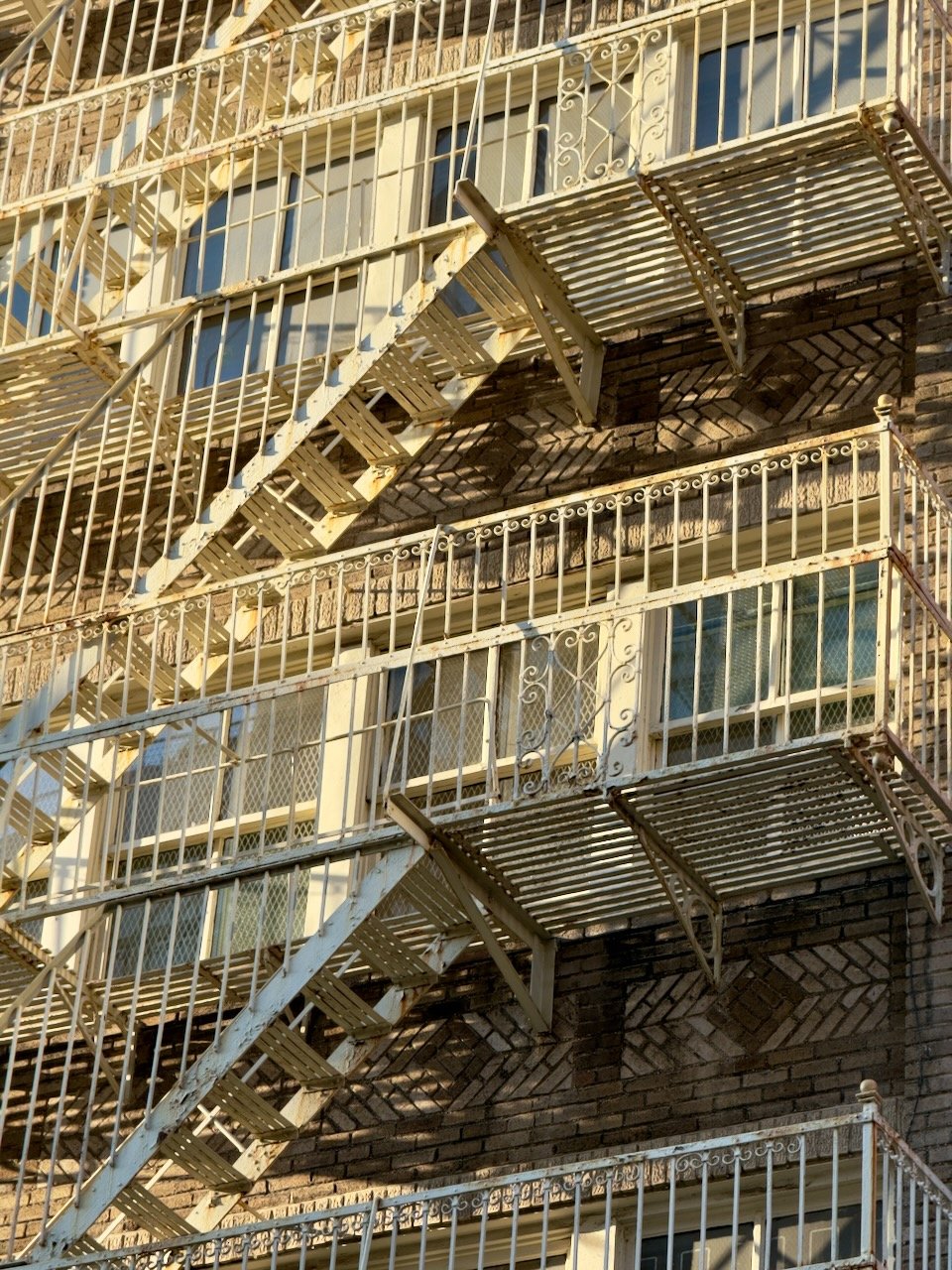
SoHo is well known for its elegant cast-iron facades and cobblestone streets. This area is perfect for street photography.
Grand Central Terminal (42nd Street and Park Avenue)
Grand Central Terminal has been a landmark since it opened in 1913, and it remains one of the great interior photography locations in any American city. The main concourse is extraordinary: the vaulted ceiling painted with the constellations, the famous shafts of light cutting through the clerestory windows on a clear morning, and the constant movement of commuters across the marble floor.
Tripods are not permitted, but the light is strong enough in the morning hours to shoot handheld. There are ledges, benches, and railings throughout the terminal that provide stability for slower exposures.
📷 Pro Tip: The balcony level on both sides of the main concourse gives you an elevated angle that separates the figures on the floor from the ceiling above them, which is the classic composition. Get there between 8 am and 10 am on a weekday for the best natural light through the windows. For a long exposure effect without a tripod, brace the camera on the balcony railing and use a 2-second timer to eliminate shake. A 24-35mm handle handles the full width of the space. The terminal is free and open to the public. Nearest subway: 4/5/6/7/S at Grand Central-42nd Street.
Best time: Weekday mornings, 8 to 10 am. Access: Free. Nearest subway: 4/5/6/7/S Grand Central-42nd Street.
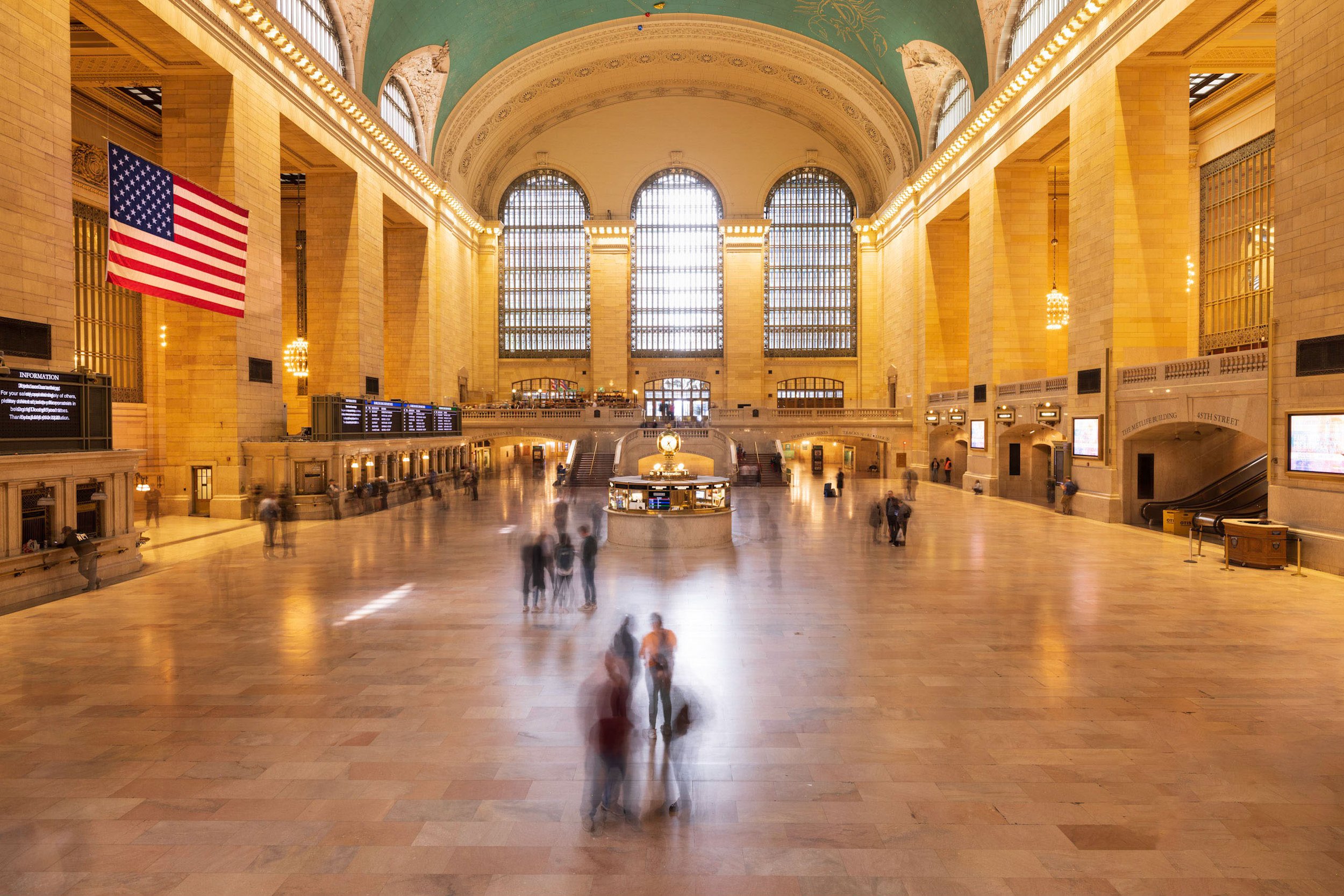
A 4 Minute Long Exposure
While Tripods are not allowed, there are tons of places to put down your camera for a long exposure shot.

Hamilton Park, Weehawken, New Jersey
Hamilton Park in Weehawken sits on the Hudson River Palisades directly above the spot where Alexander Hamilton and Aaron Burr dueled in 1804. It is also one of the best photography locations for the Manhattan skyline in existence. The elevation above the Hudson gives you a sweeping panoramic view of Midtown Manhattan from a distance that compresses the buildings into a single dense wall of glass and steel.

A 5 Image Pano
I made one of my favorite New York images here on a May evening, watching a full moon rise and align perfectly over 1 Vanderbilt as the city lit up below it. The light was changing every few seconds. I was shooting as fast as I could. That is the thing about New York: it is always performing.
📷 Pro Tip: This is a sunset and blue hour location. The skyline faces east, and you are shooting west-to-east, which means the skyline is front-lit at sunset and glows as the sky darkens behind you. Arrive 45 minutes before sunset and stay through full dark. A 70-200mm at the longer end compresses the skyline beautifully into a single tight frame. A wide 24mm lens gives you the full panoramic sweep, including the river. Bring a tripod for the long exposures after dark. Access is free; parking is available near the park. From Manhattan, take the NY Waterway ferry from the West Side or drive through the Lincoln Tunnel. The park is a short walk from the ferry landing.
Best time: Sunset into blue hour. Access: Free. Transport: NY Waterway ferry from midtown Manhattan or drive via the Lincoln Tunnel.
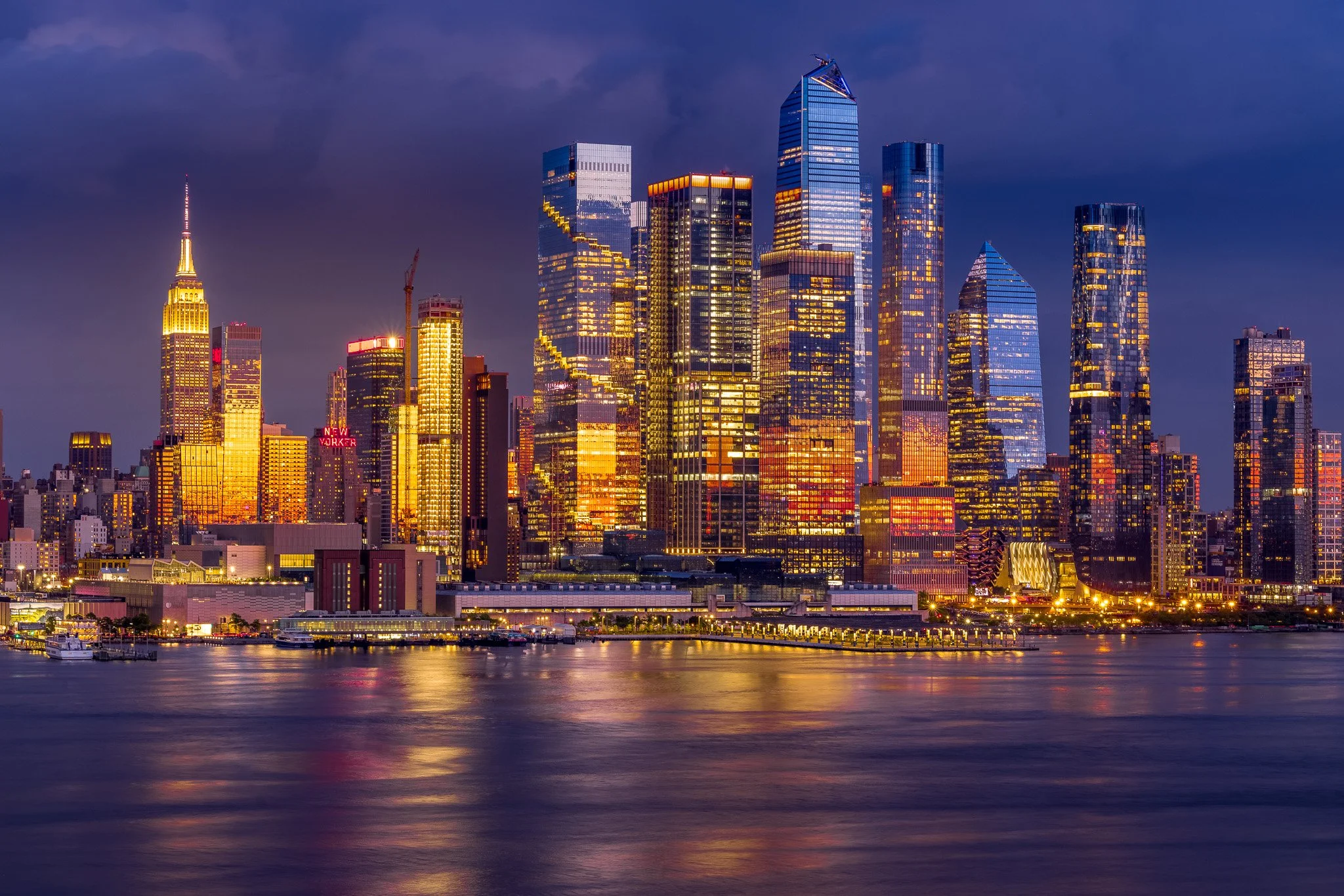
Sunset
The night we went to Hamilton Park, we were treated to incredible light and a Full Moon over the 1 Vanderbilt. The light was changing so quickly that I took a series of photos to show the changing conditions.
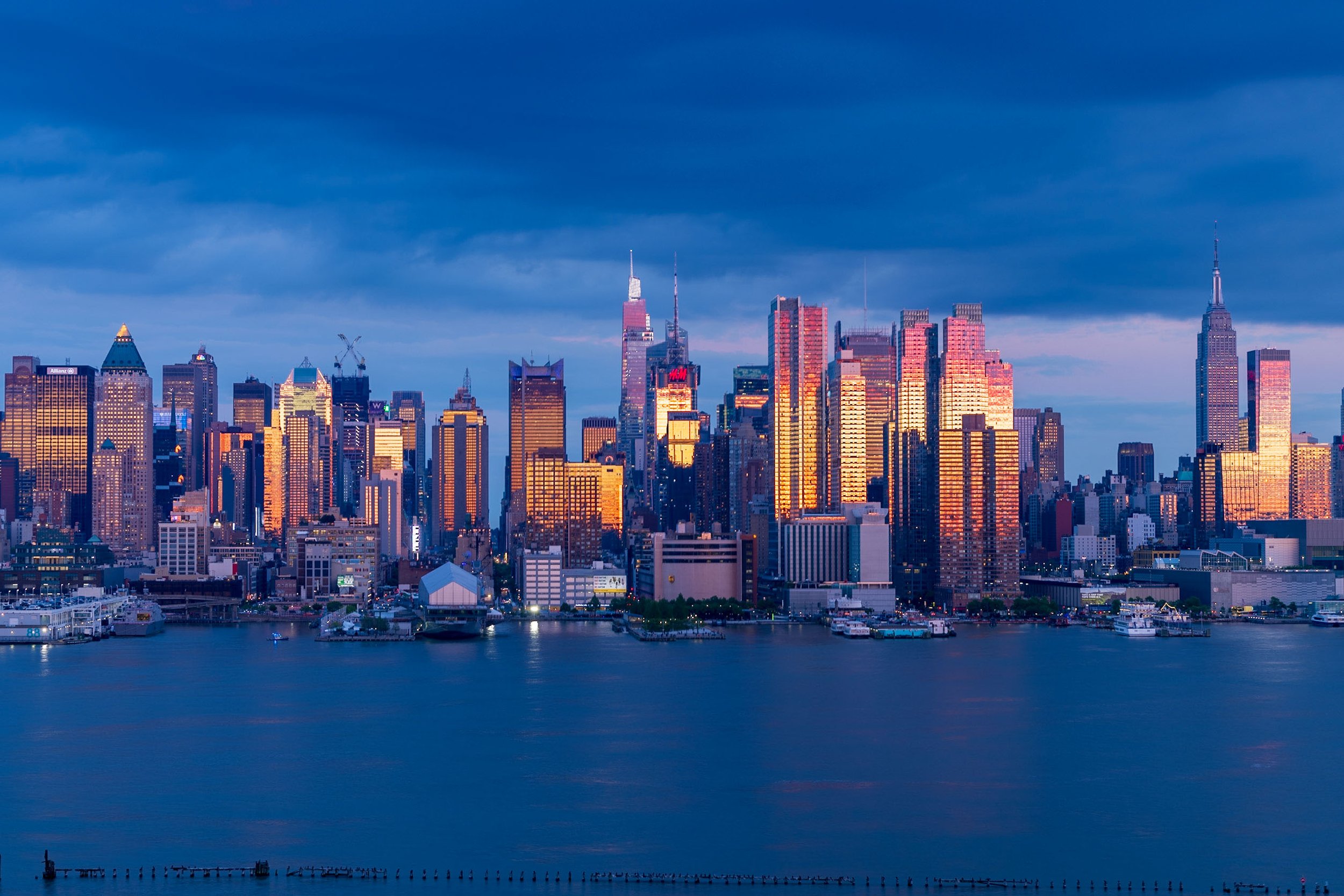
The Colors of The Sun Reflections
The conditions were changing every few seconds. After a few more minutes, the moon was perfectly aligned over 1 Vanderbilt. Such an epic night!!
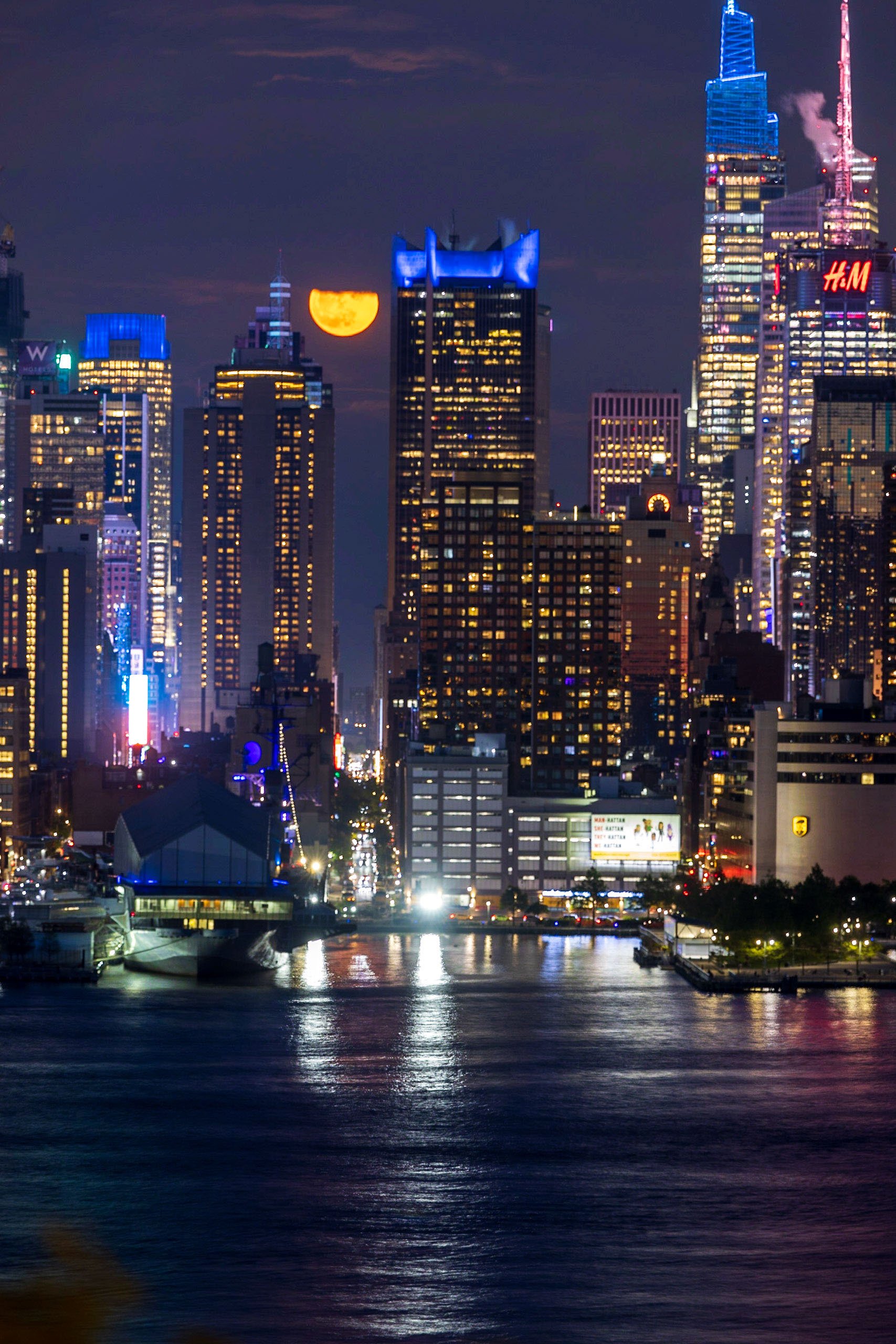
And just a few minutes later the moon came out from behind the clouds.

Street Photography in New York City
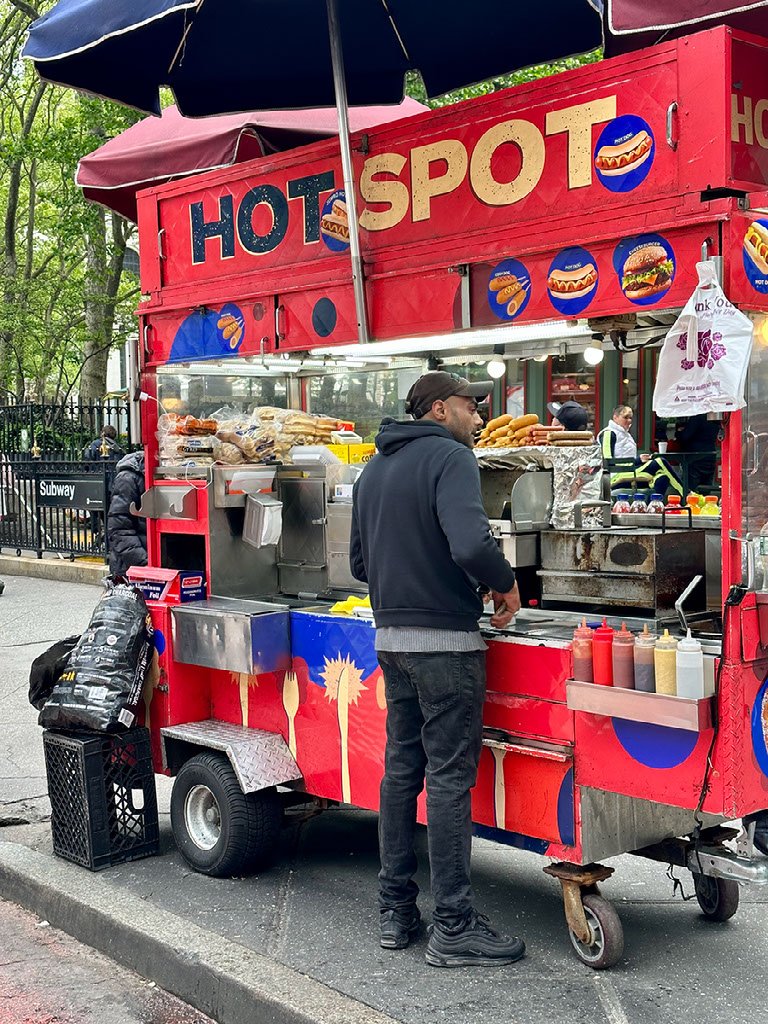
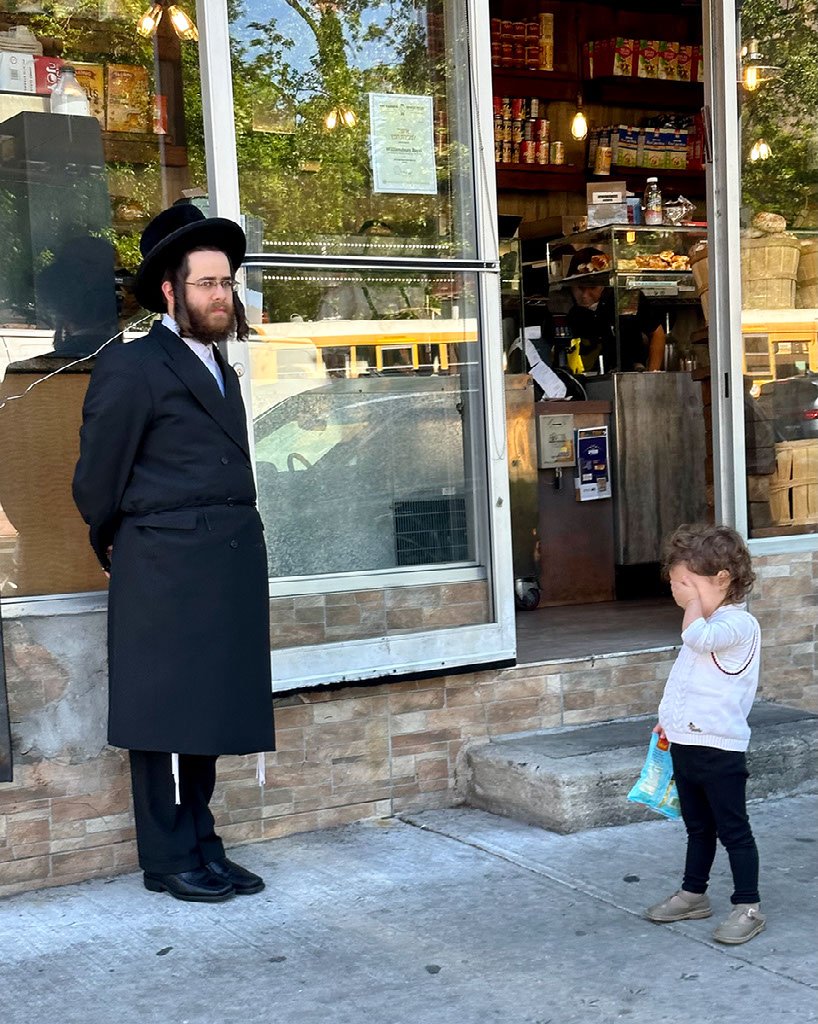
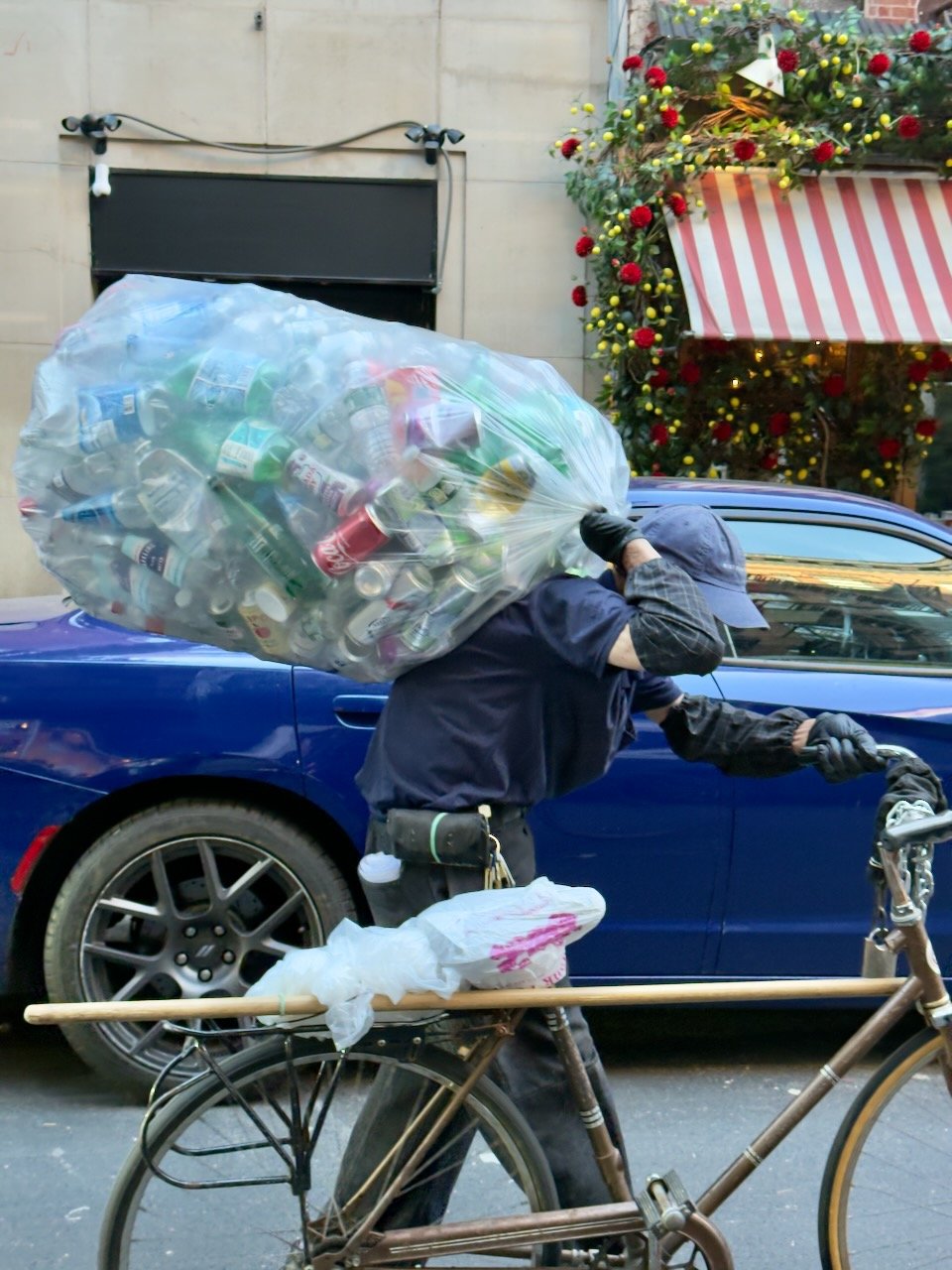
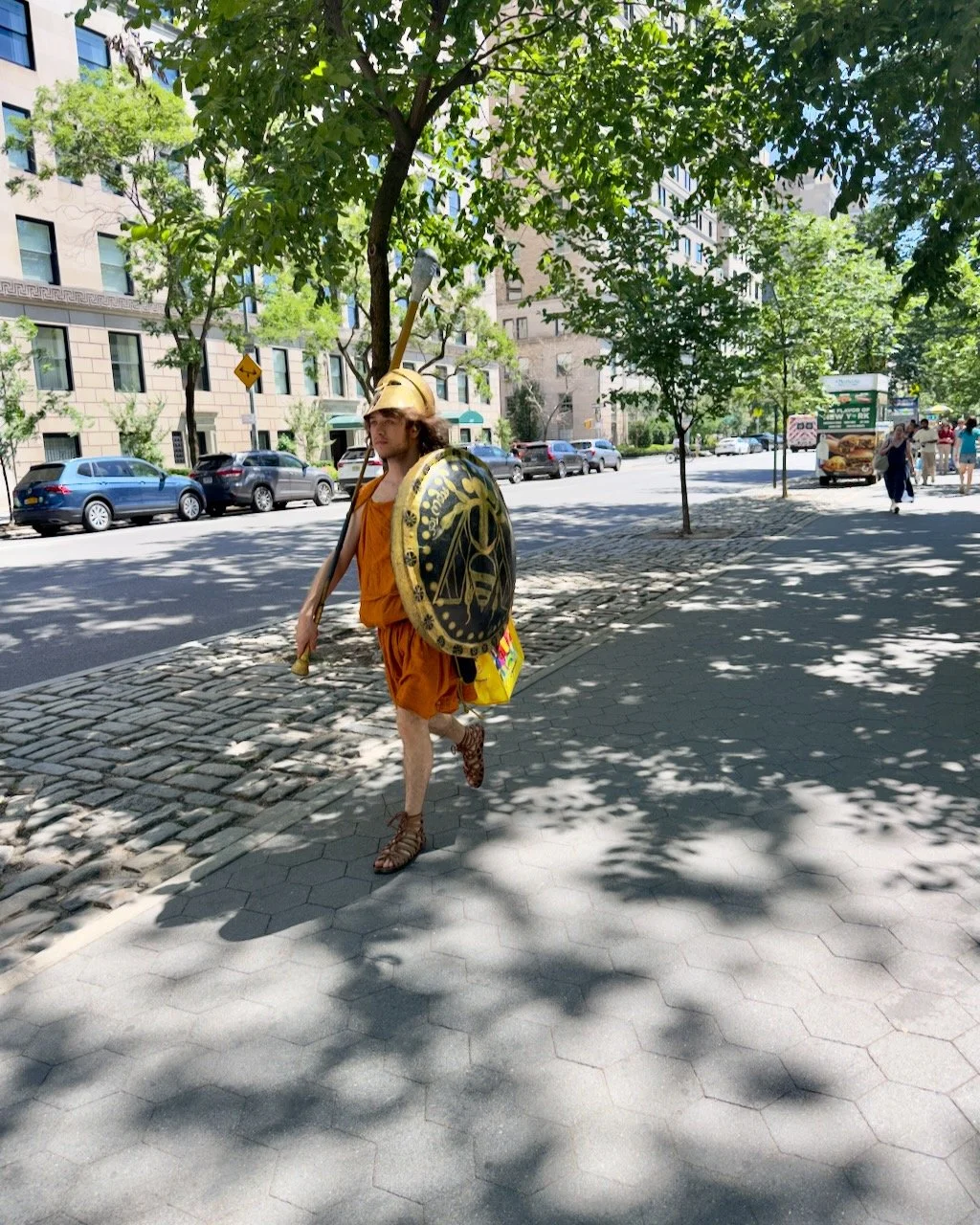
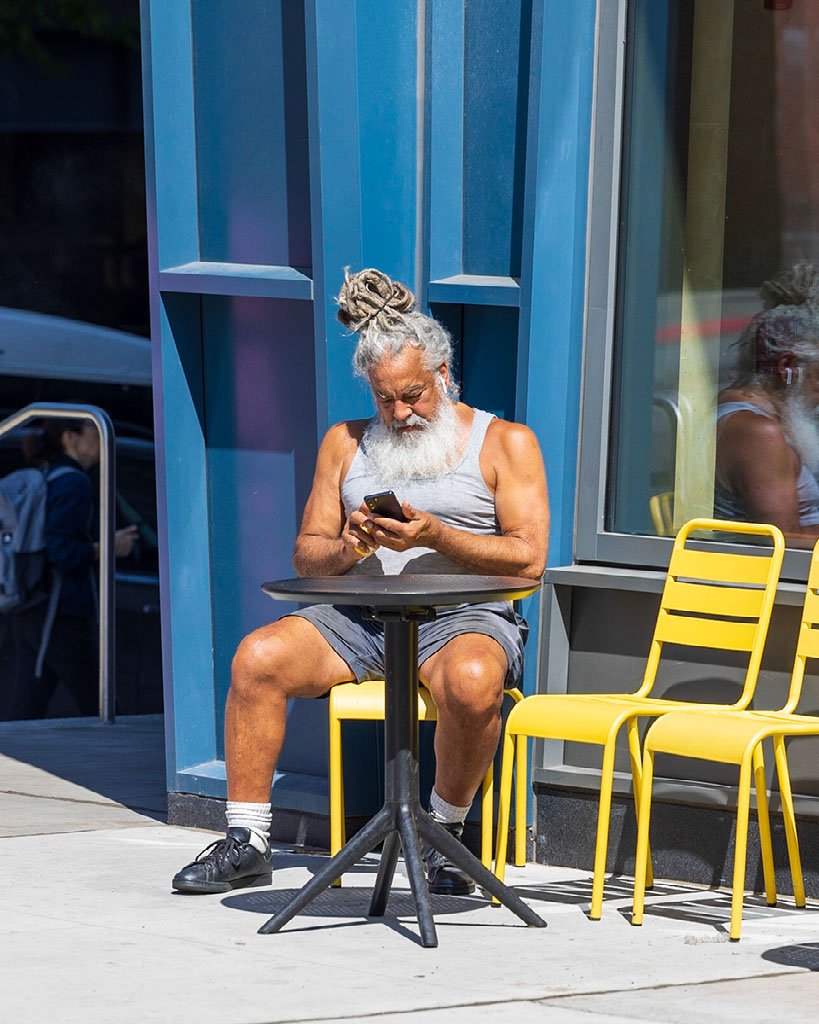
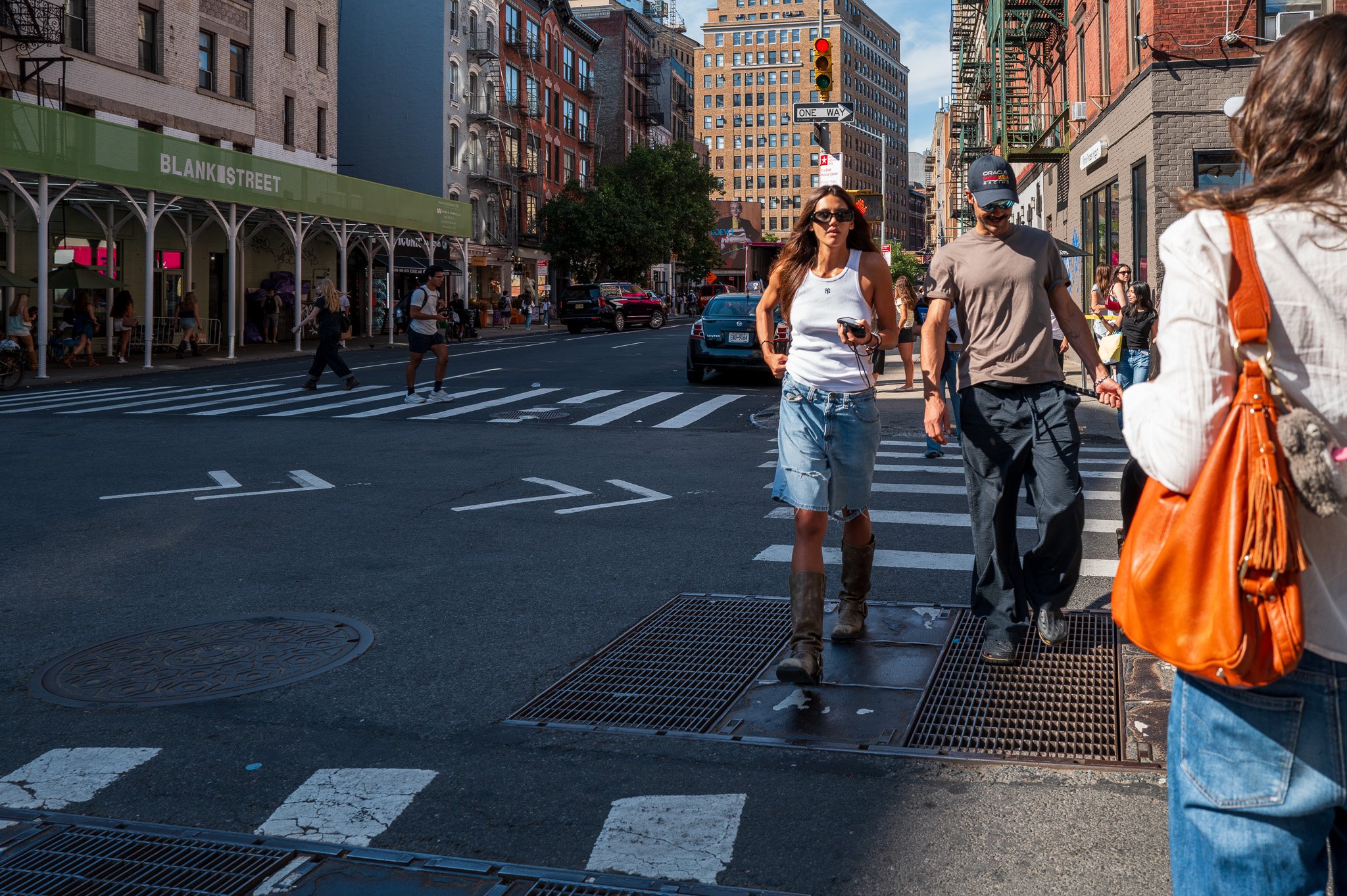
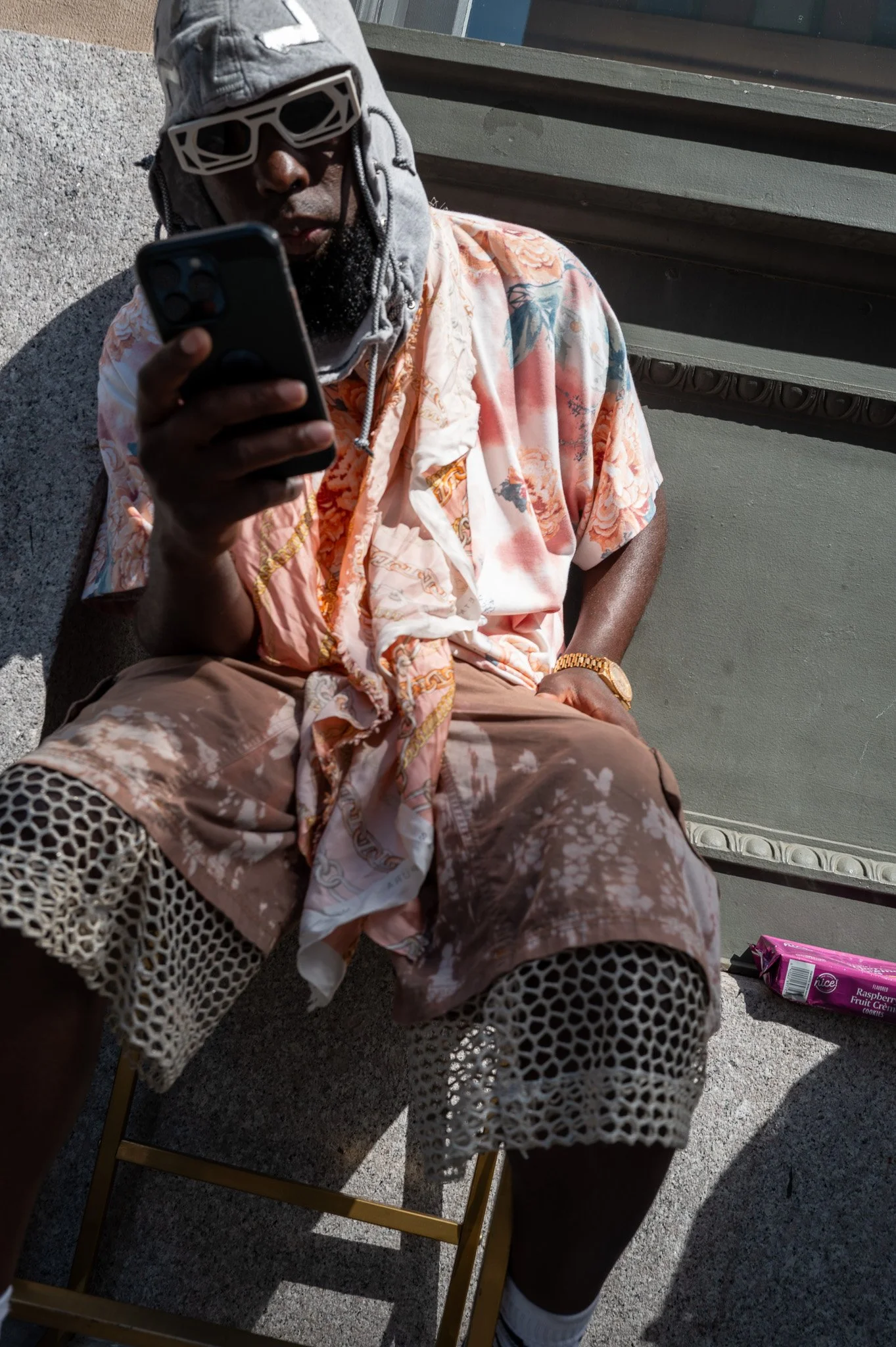
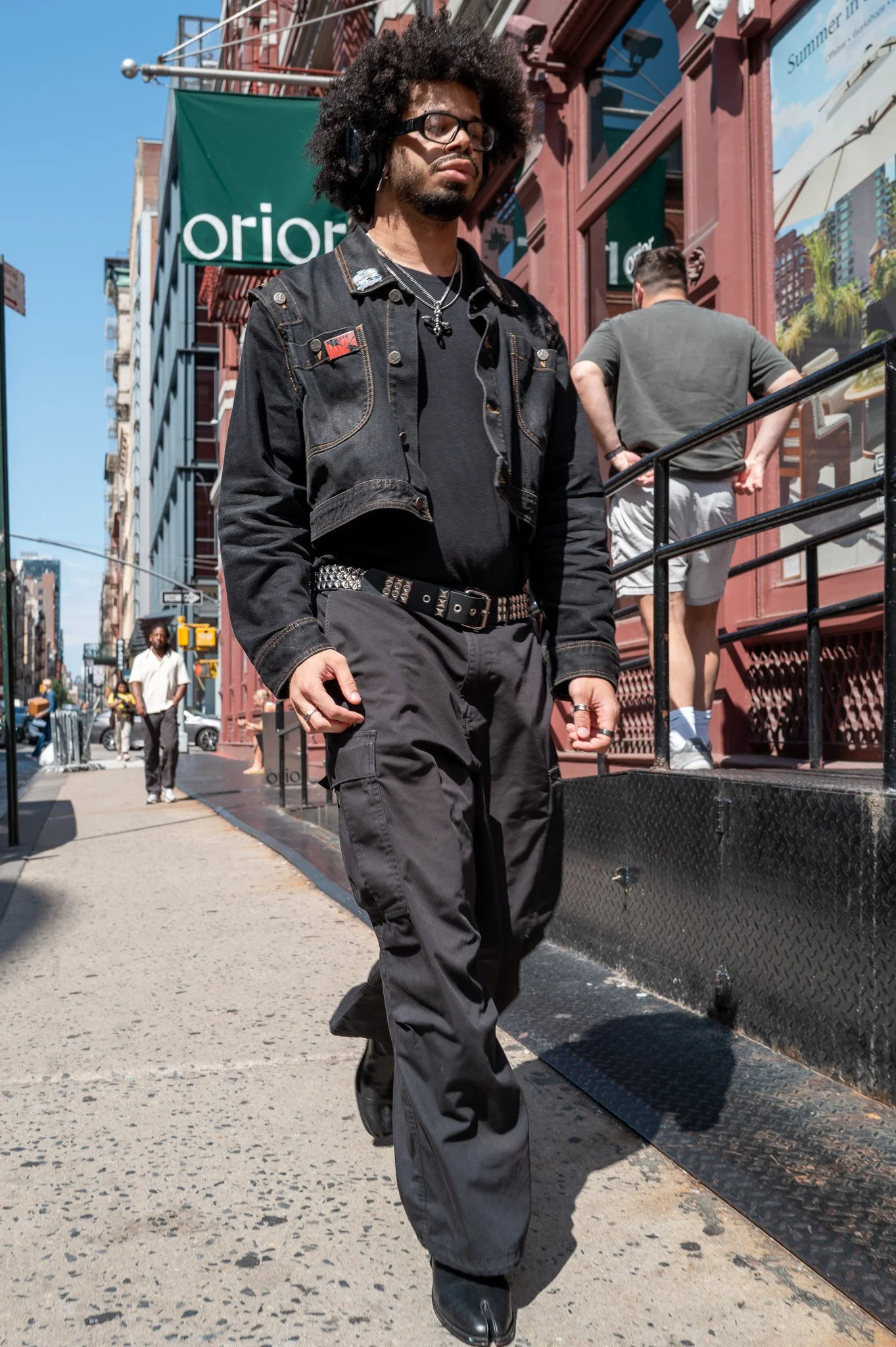
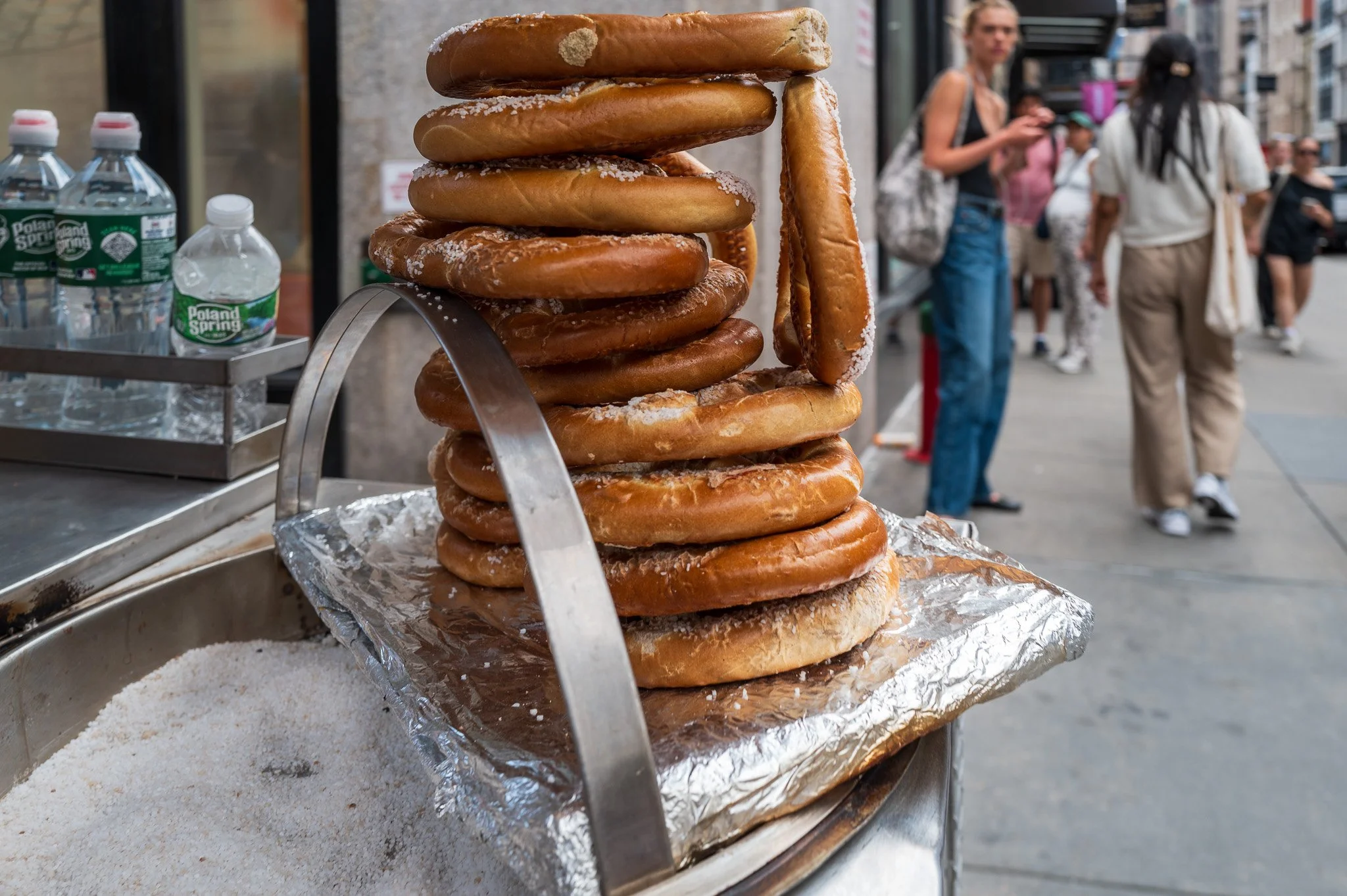
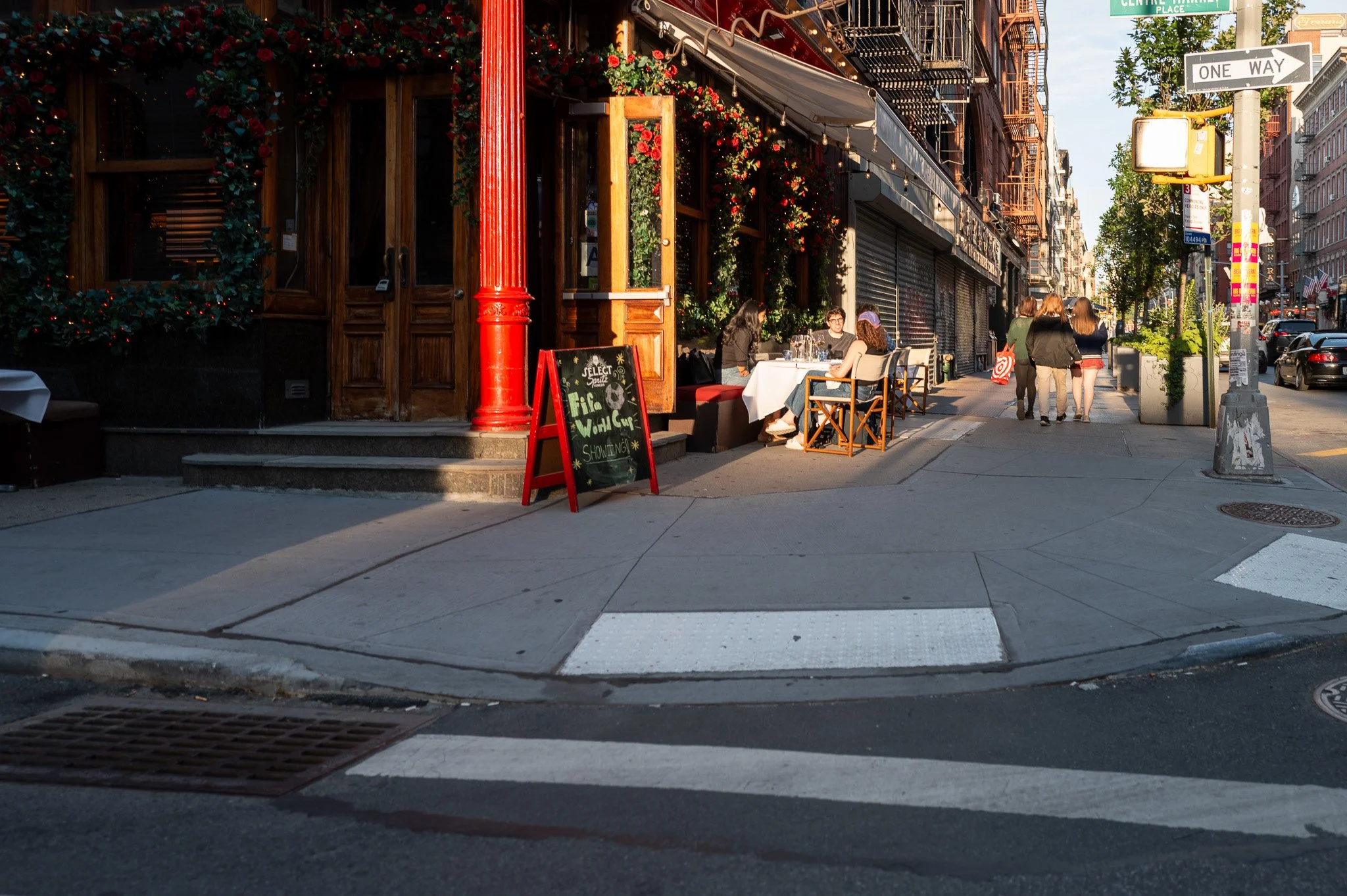
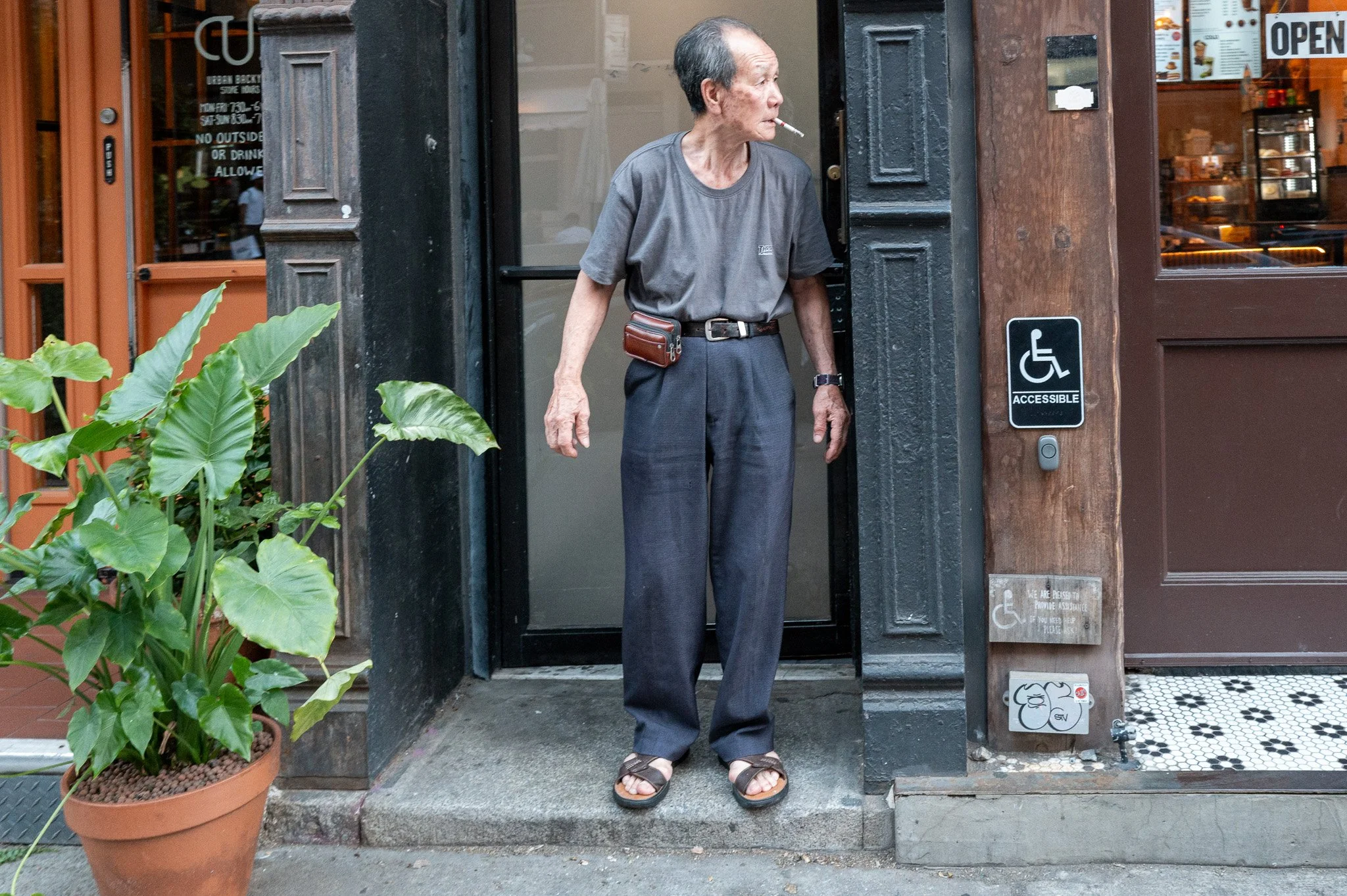
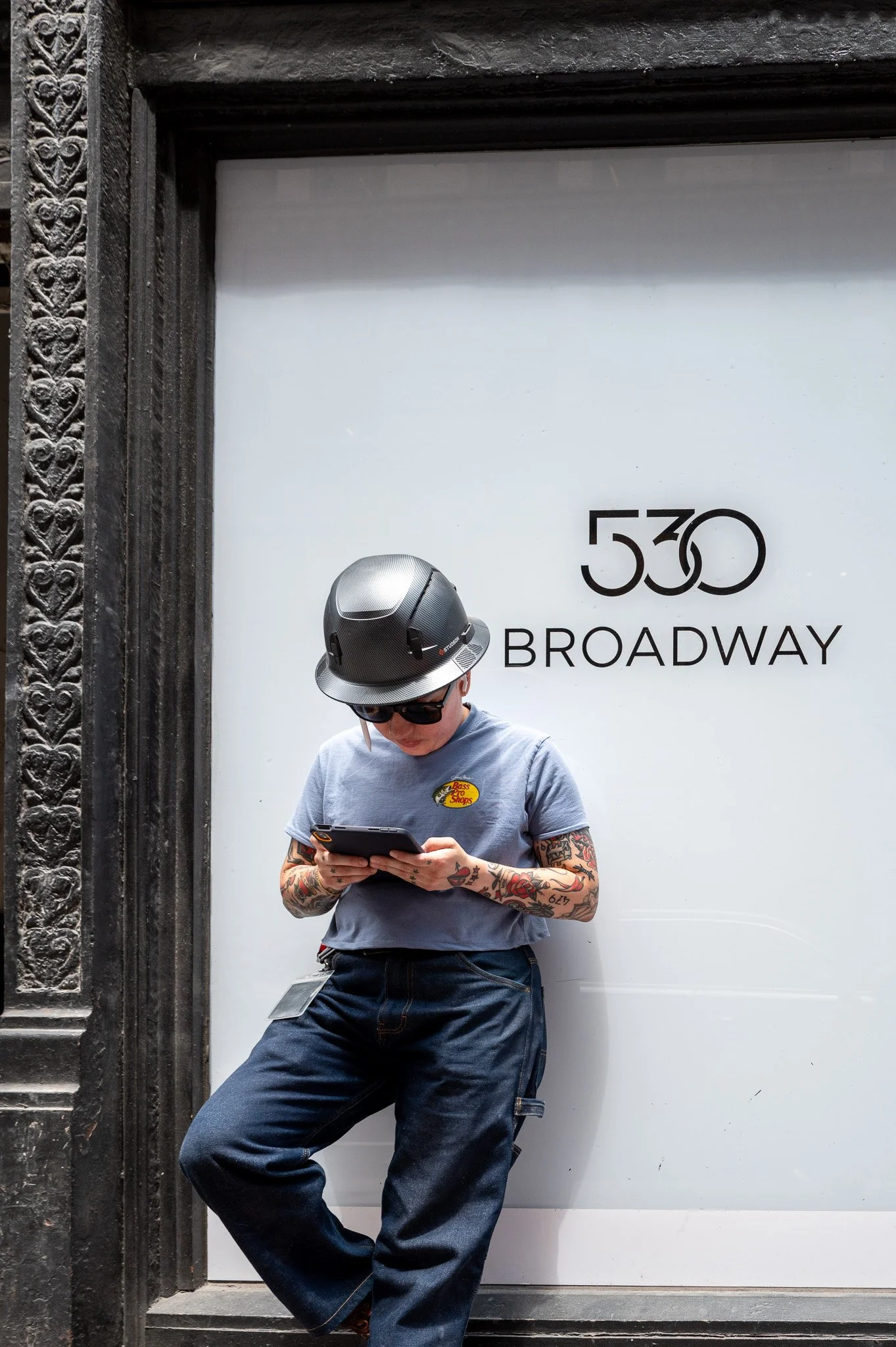
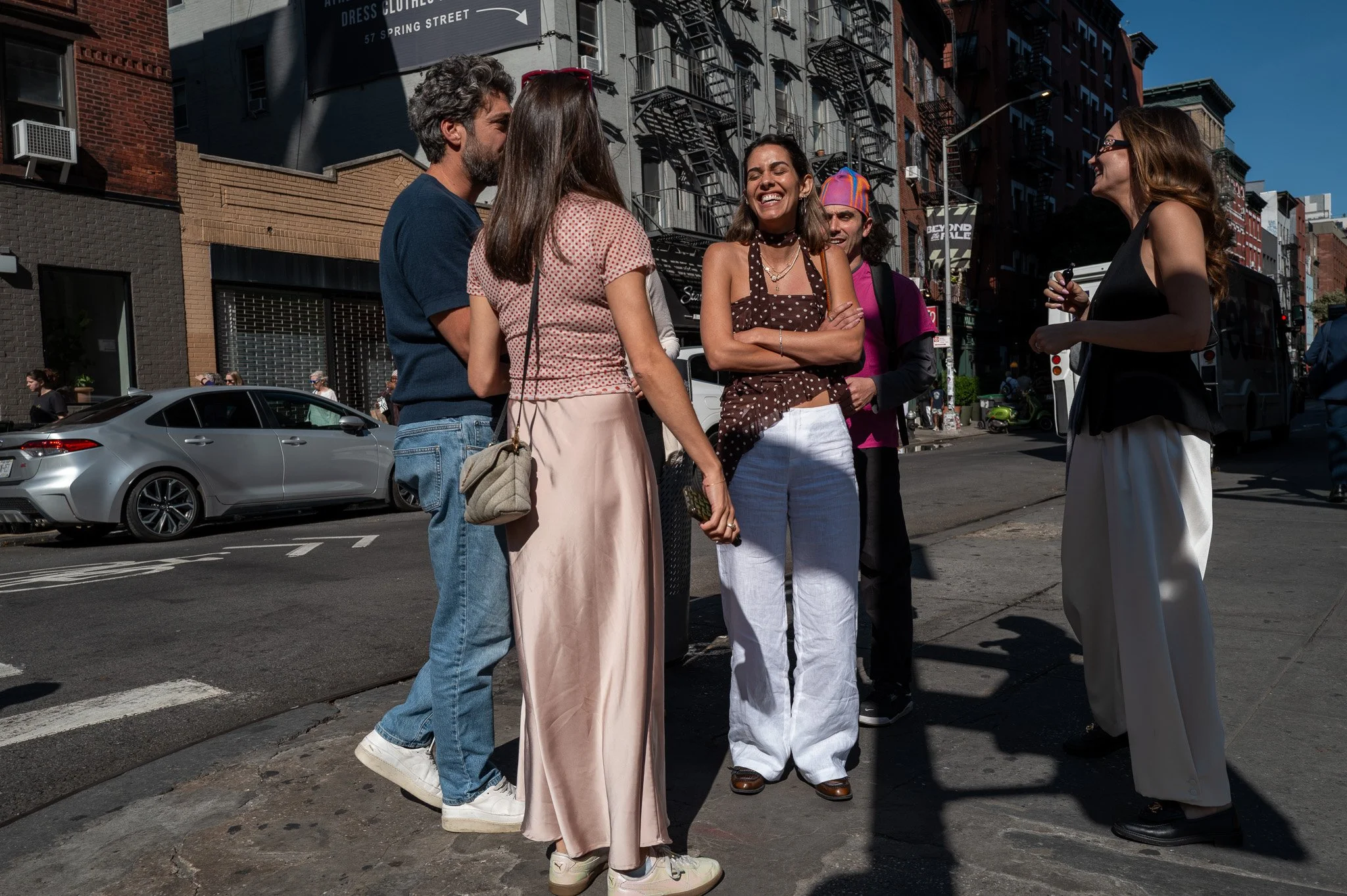
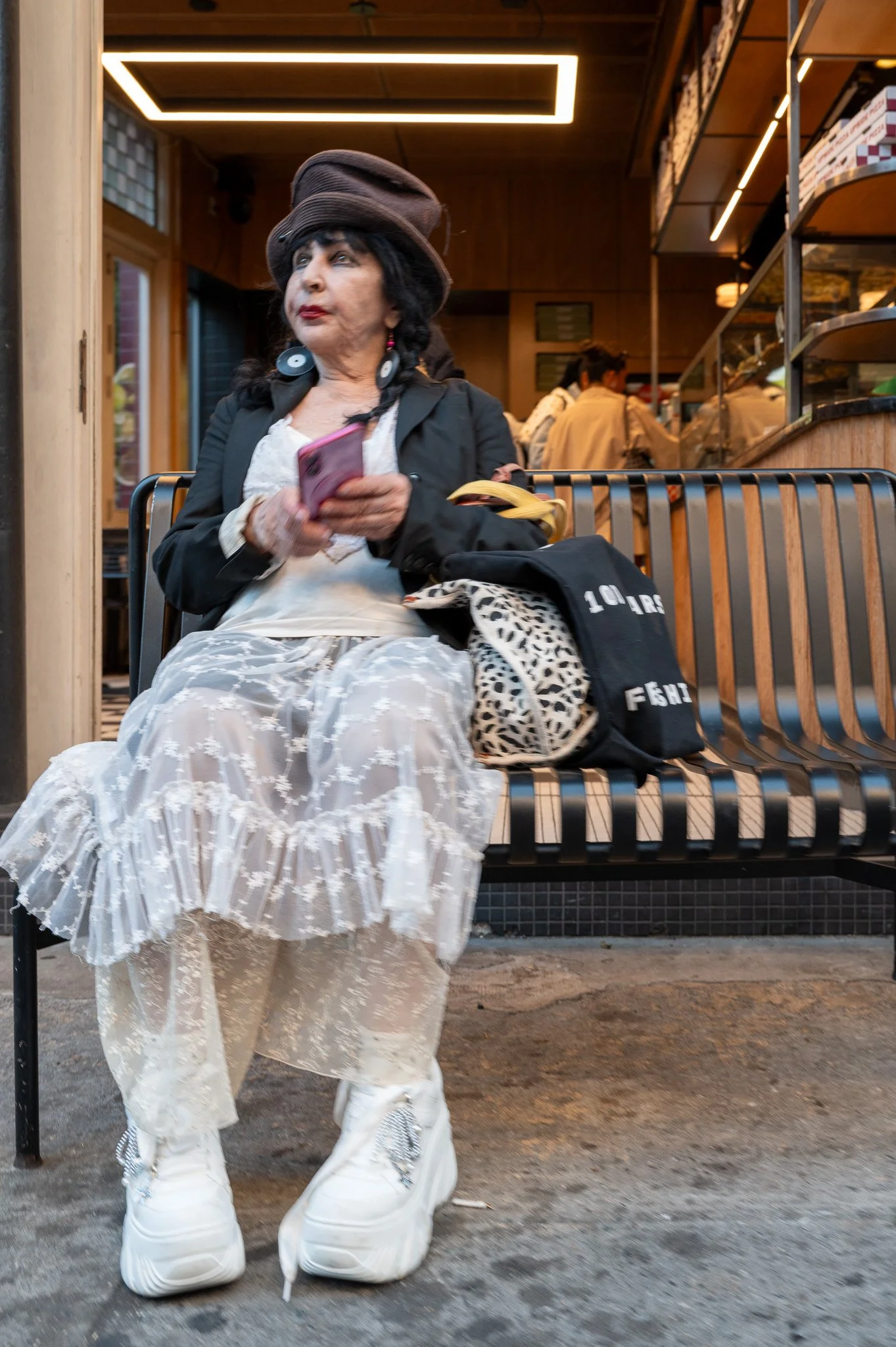
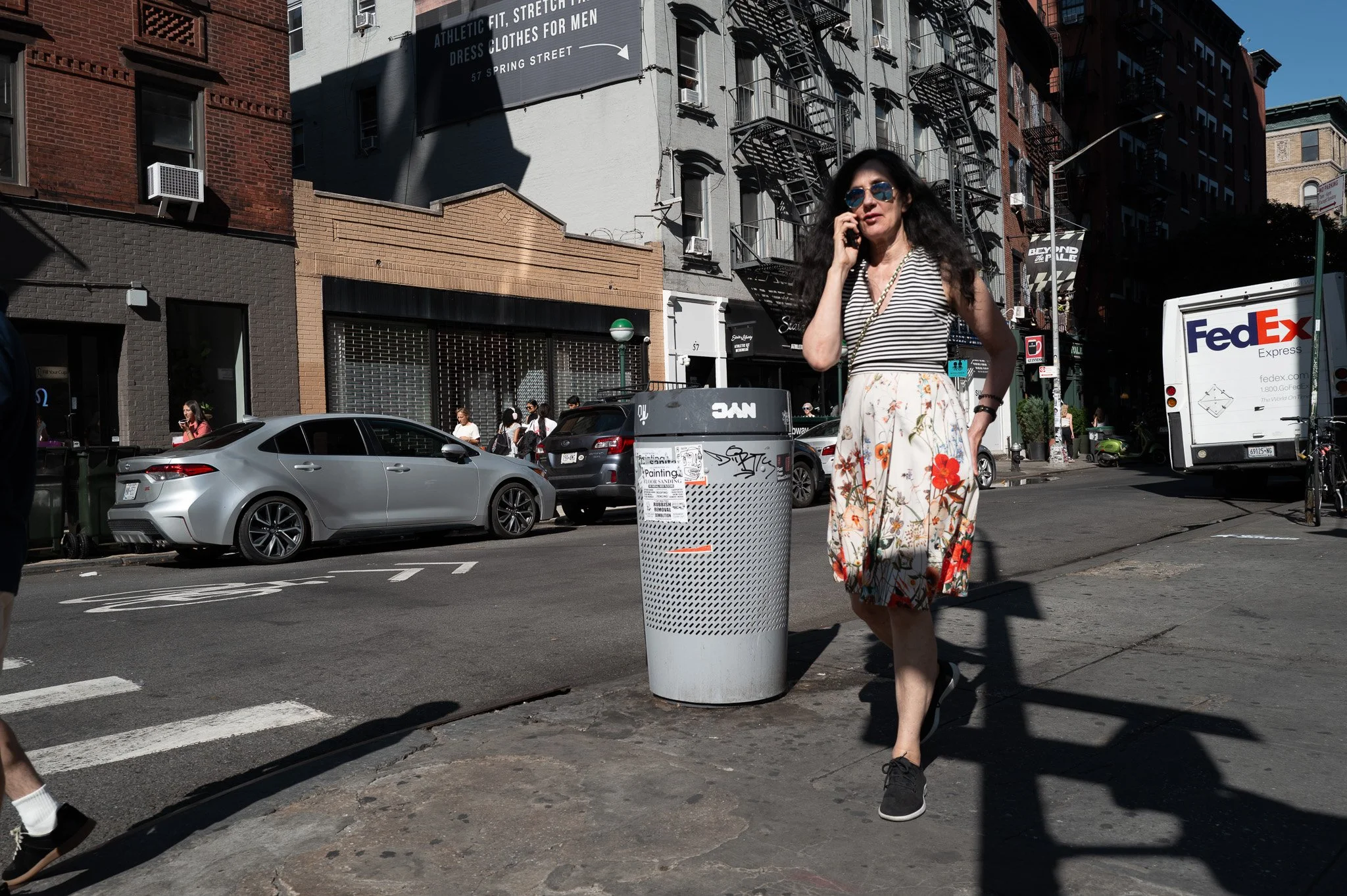
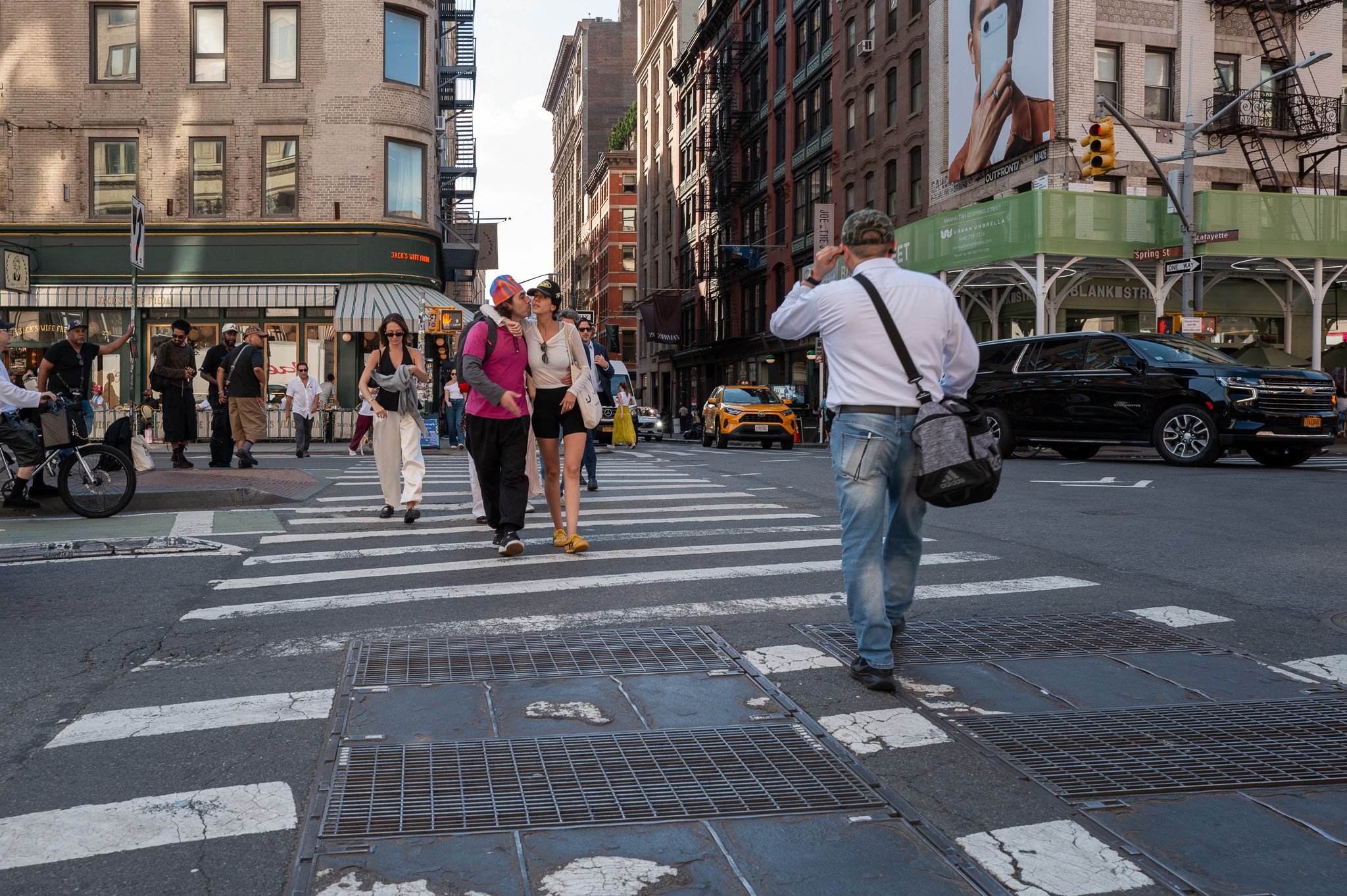
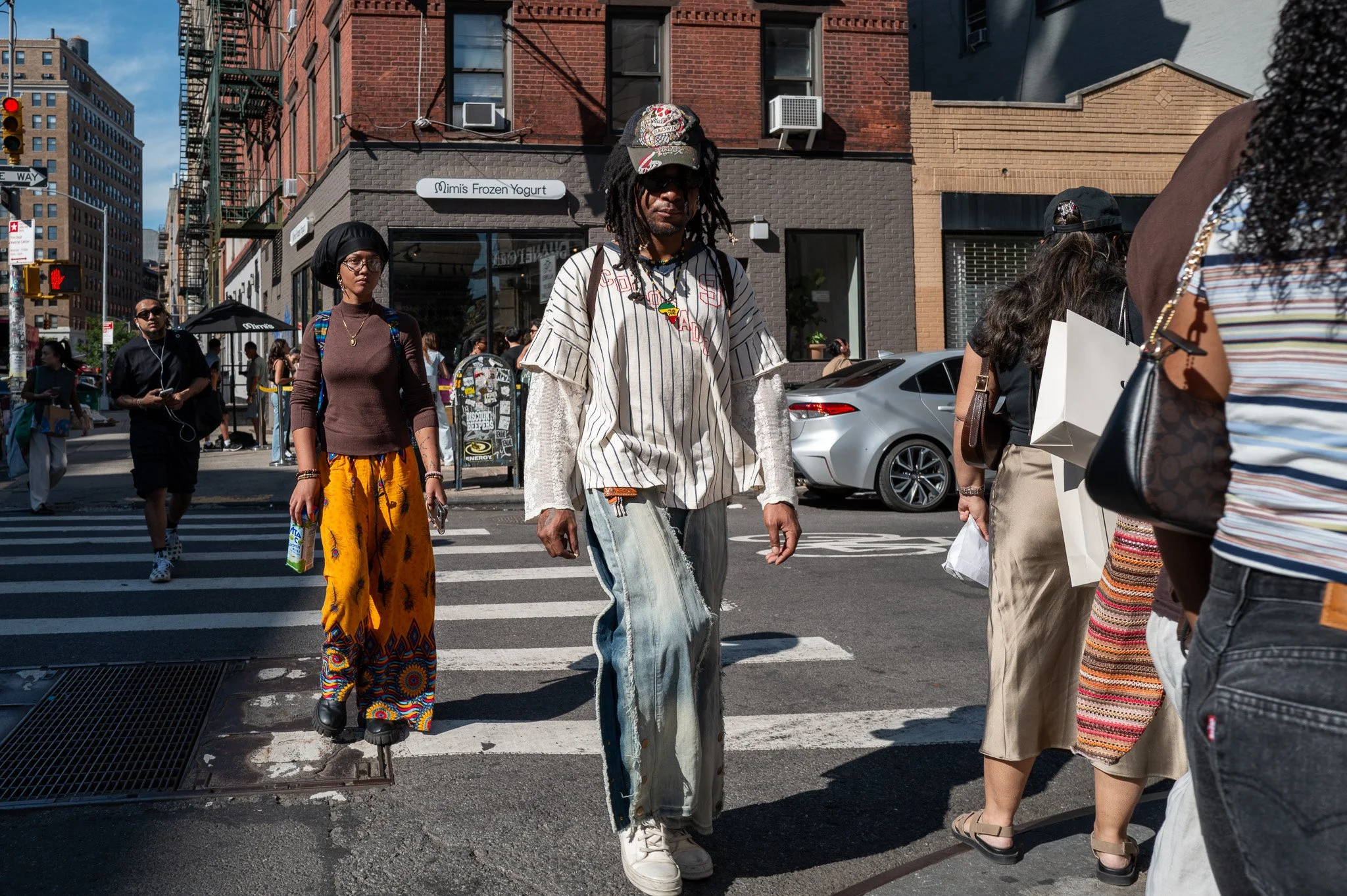
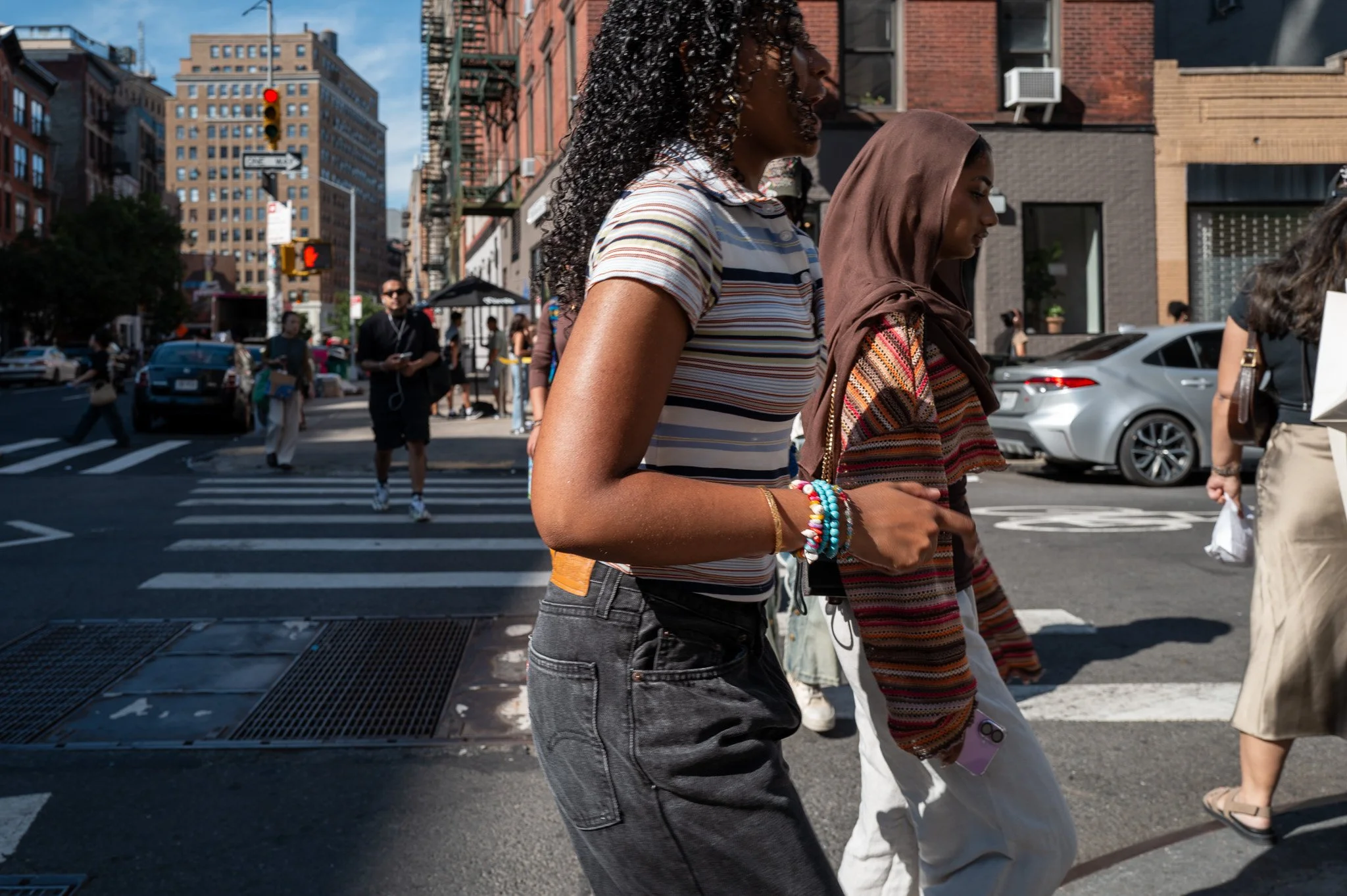
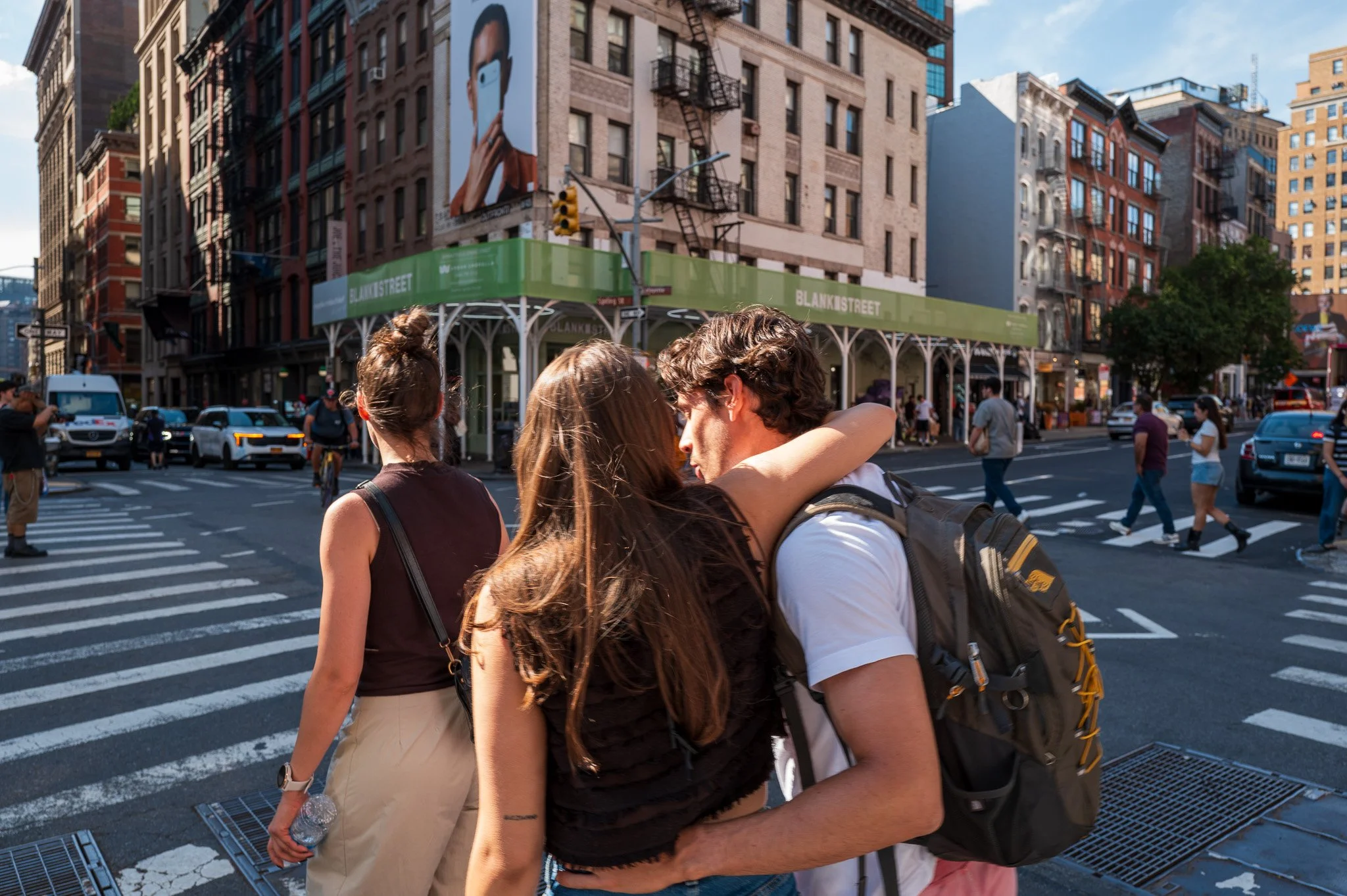
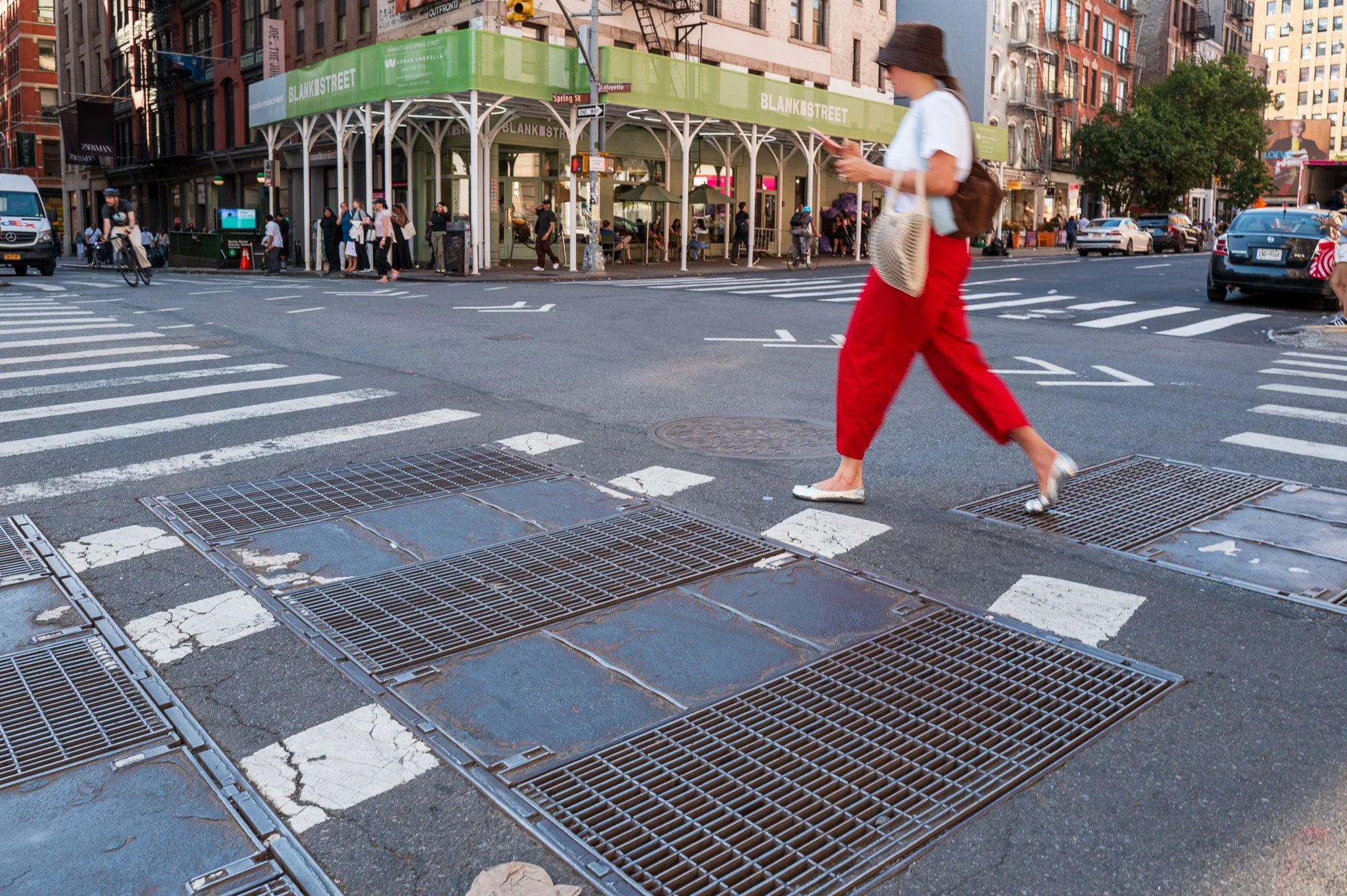
New York is the greatest street photography city in the United States, and one of the best in the world. The density of the population, the mix of cultures and income levels, and aesthetics on any given block, the way the architecture frames and compresses human activity: all of it conspires to put extraordinary frames in front of you constantly, without effort, if you are paying attention.
📷 Pro Tip: Carry one body and one lens and walk for at least two hours without stopping to review your images. The 35mm focal length is the classic street photography tool for a reason: it keeps you close enough to your subject to have presence in the frame without requiring you to be intrusive. The 50mm gives you slightly more separation and is easier to work with in tight spaces. New York is a city where people are accustomed to cameras, but that does not mean everyone welcomes being photographed. Be present, make eye contact, and if someone signals they would prefer not to be photographed, respect it immediately. The best street photography comes from patience and repetition, not from confrontation. Shoot in the morning when the light is low and directional, and the streets have not yet reached full volume. The hour after sunrise in almost any neighborhood in the city is worth getting up for.
Best time: Early morning, any neighborhood. Best areas: Chinatown, Harlem, Bushwick, the Meatpacking District at dawn.
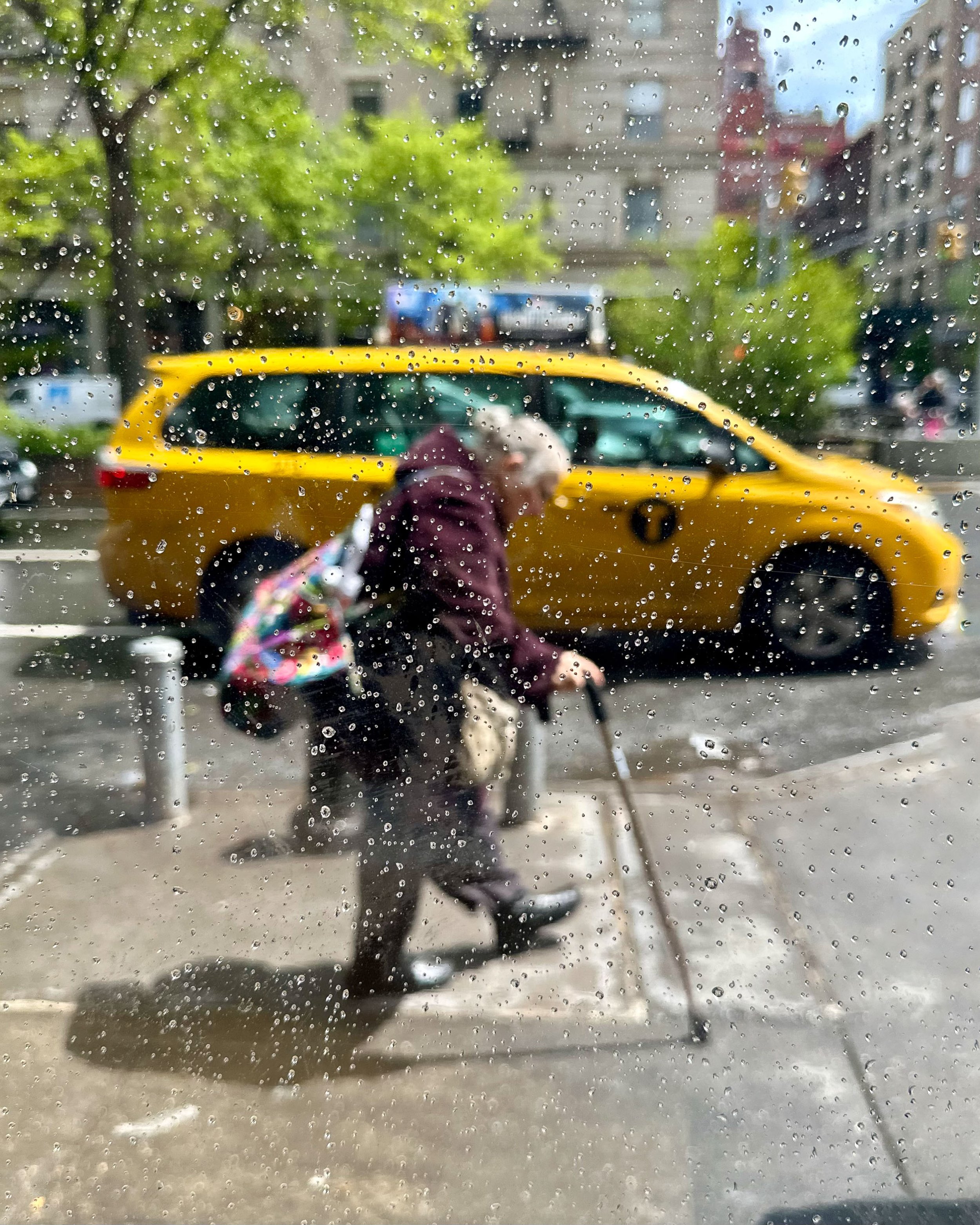
From Zabar’s
I was having lunch in Little Italy when I started hearing Firetruck after Firetruck arrive. So, I quickly paid for lund and walked around the corner to see 30 firetrucks. There was a fire in the building next to the restaurant

The best street photography neighborhoods in New York are not the obvious tourist zones. Midtown gives you volume but not depth. The neighborhoods that consistently produce the strongest street images are Chinatown and the Lower East Side for color and layered texture, Harlem for culture and community, Bushwick for the intersection of street art and neighborhood life, and the Meatpacking District in the early morning when the vendors are working, and the streets are quiet before the fashion crowd arrives.
Street Art: Chelsea and Bushwick
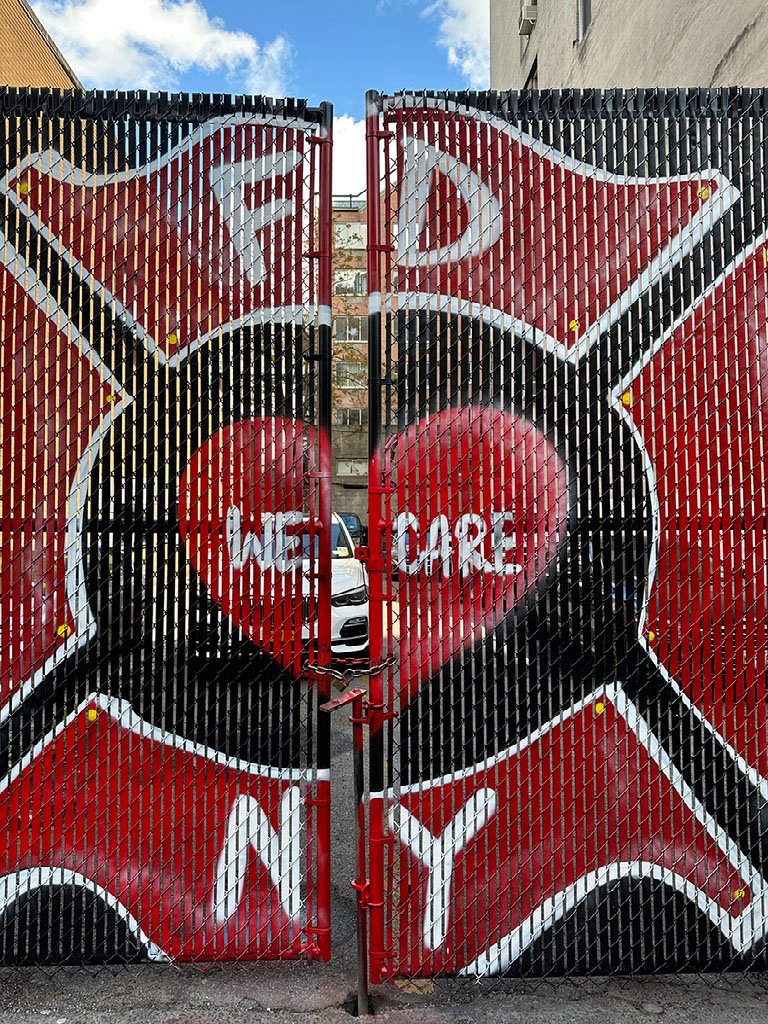
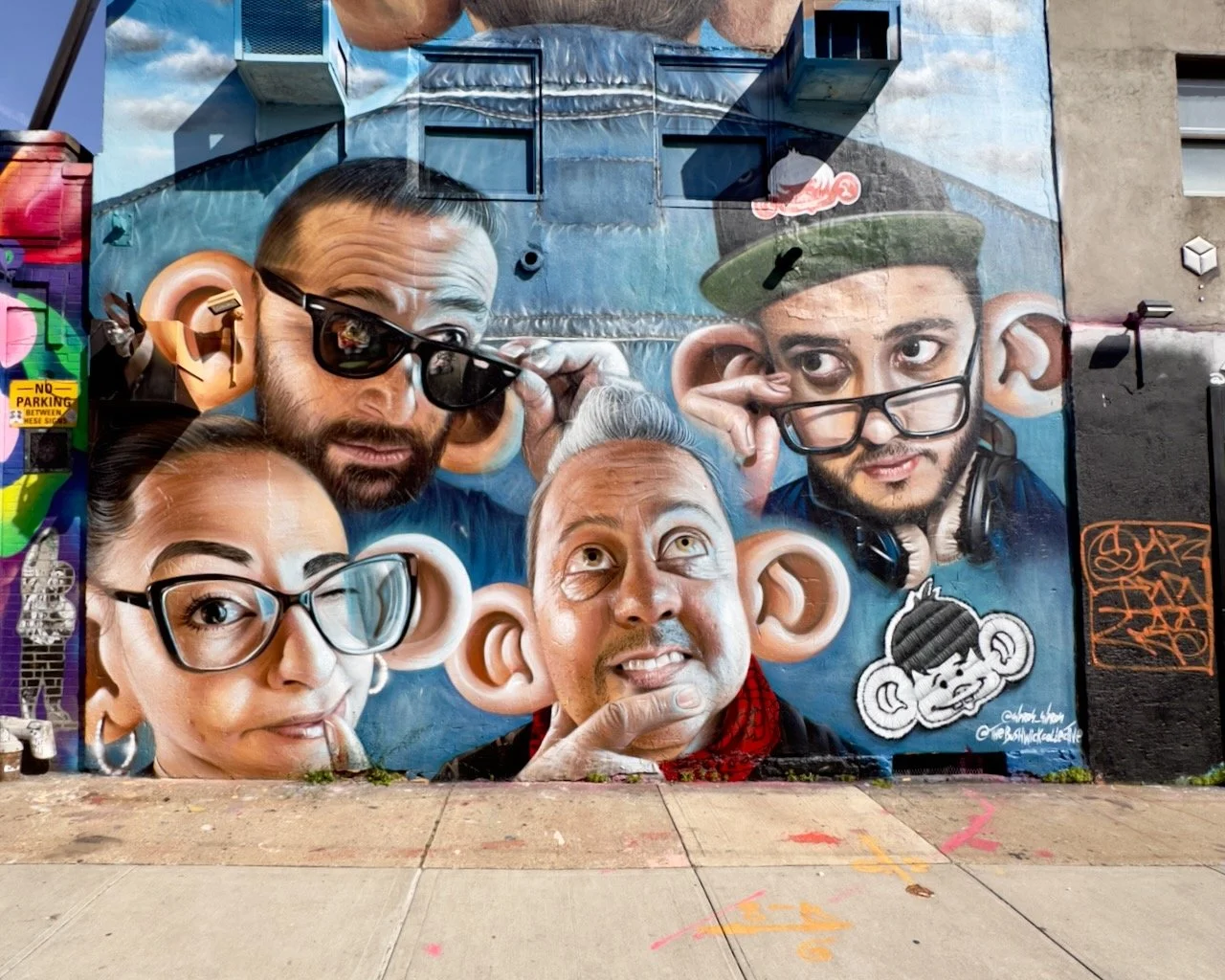
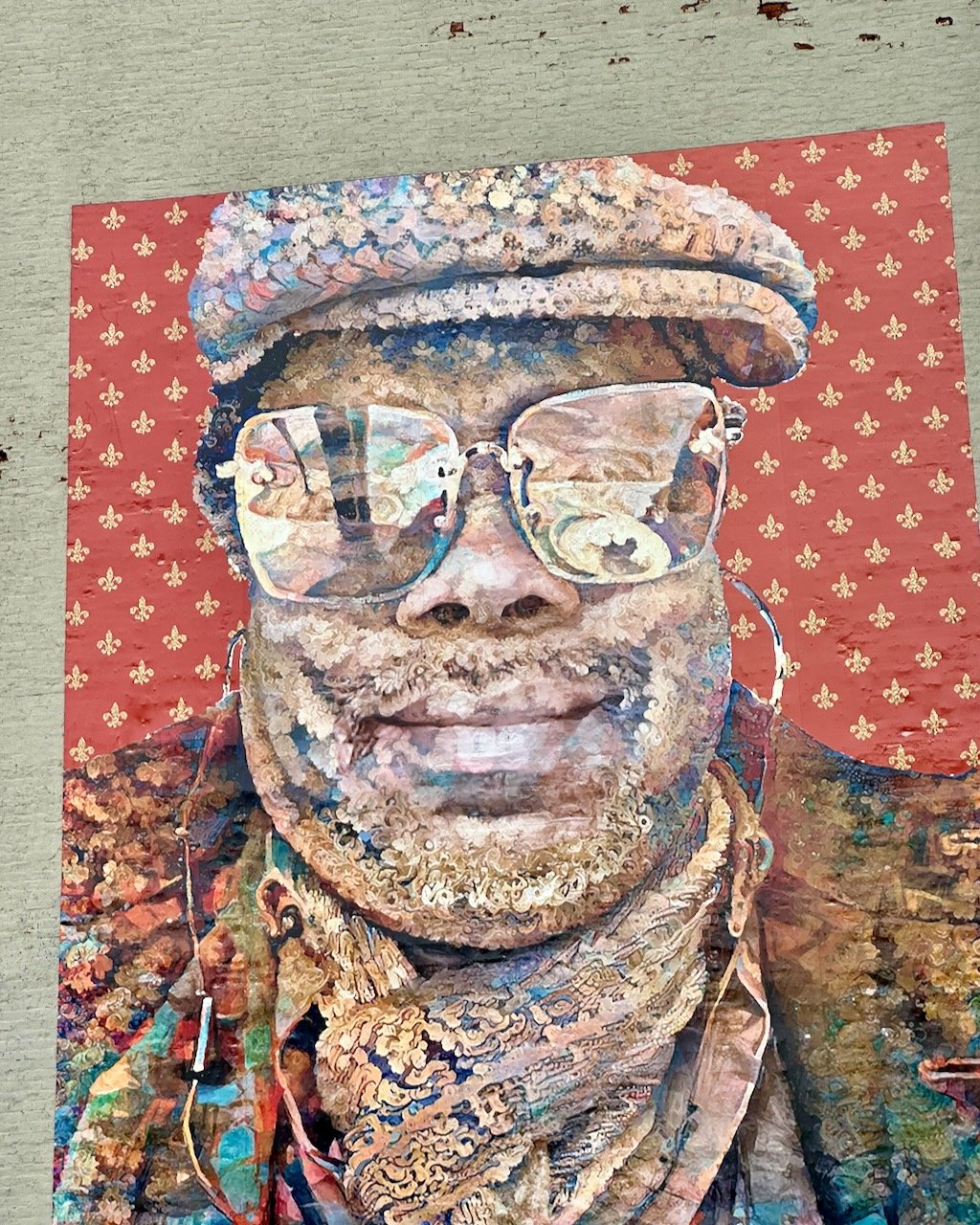
New York has some of the best and most ambitious public street art in the world, and I have published two books on the subject. The two primary neighborhoods for street art photography are Chelsea and Bushwick in Brooklyn.
In Chelsea, the murals on the West Side between 24th and 28th Streets include several large-scale works by Eduardo Kobra, whose "Tolerance" portrait of Gandhi and Mother Teresa is one of the most technically accomplished murals I have seen anywhere. In Bushwick, the Bushwick Collective, along Troutman Street and Jefferson Street, assembles rotating large-format murals that represent some of the most talented street artists working today.
📷 Pro Tip: For large-scale murals, use a wide lens (16-24mm) and back up far enough to include the full piece with some street context. Avoid shooting in harsh midday light; overcast or early morning diffused light gives you the most accurate color rendition. Individual sections of large murals can produce abstract, close-up studies that are visually interesting on their own. For Bushwick, take the L train to Jefferson Street. For Chelsea murals, walk west from the 1 train at 23rd Street.
Best time: Overcast mornings. Access: Free, public. Bushwick: L train to Jefferson Street. Chelsea: 1 to 23rd Street.

Tolerance by Kobra
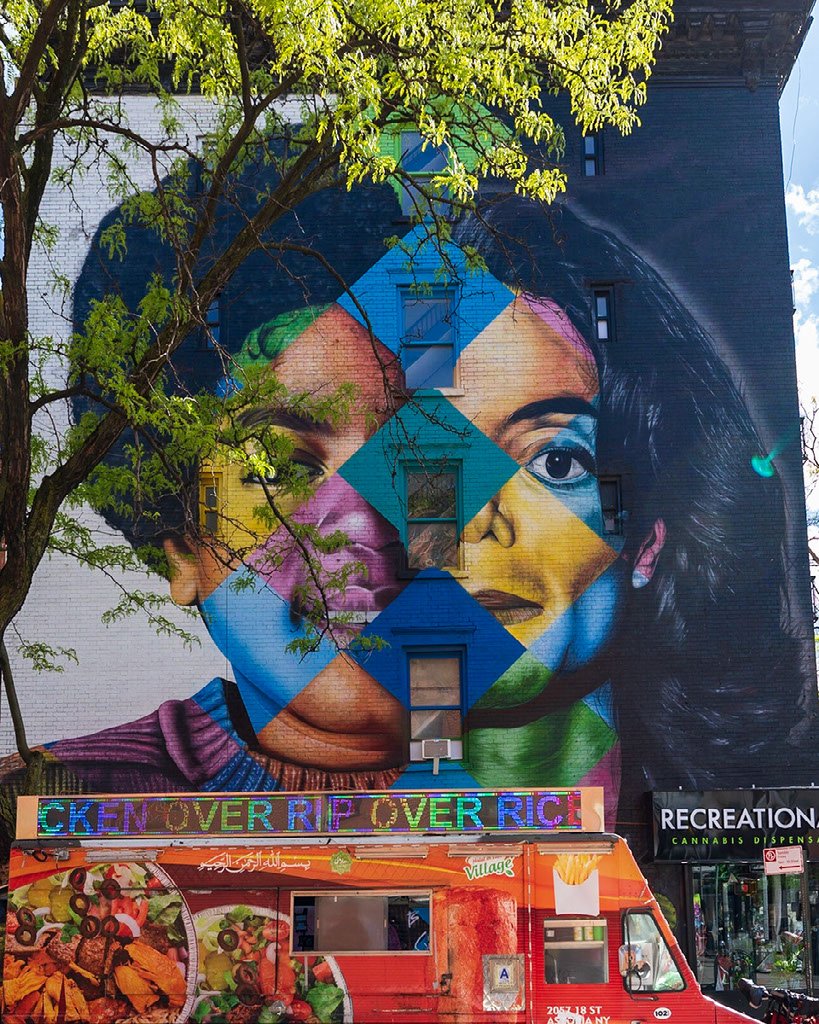
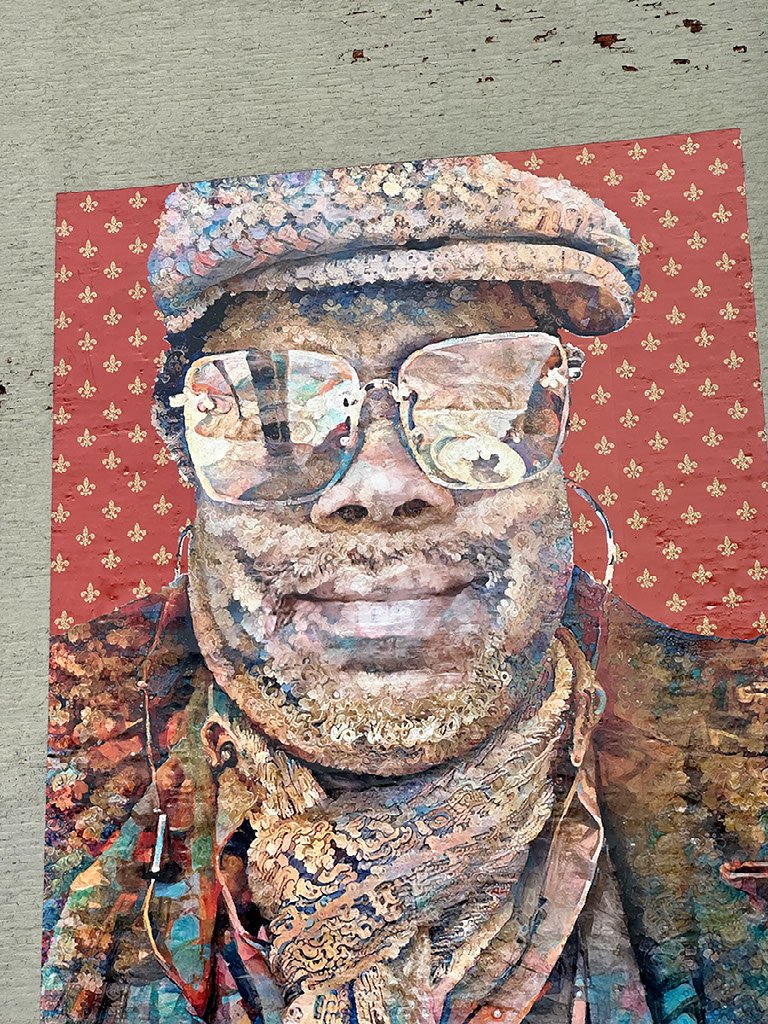
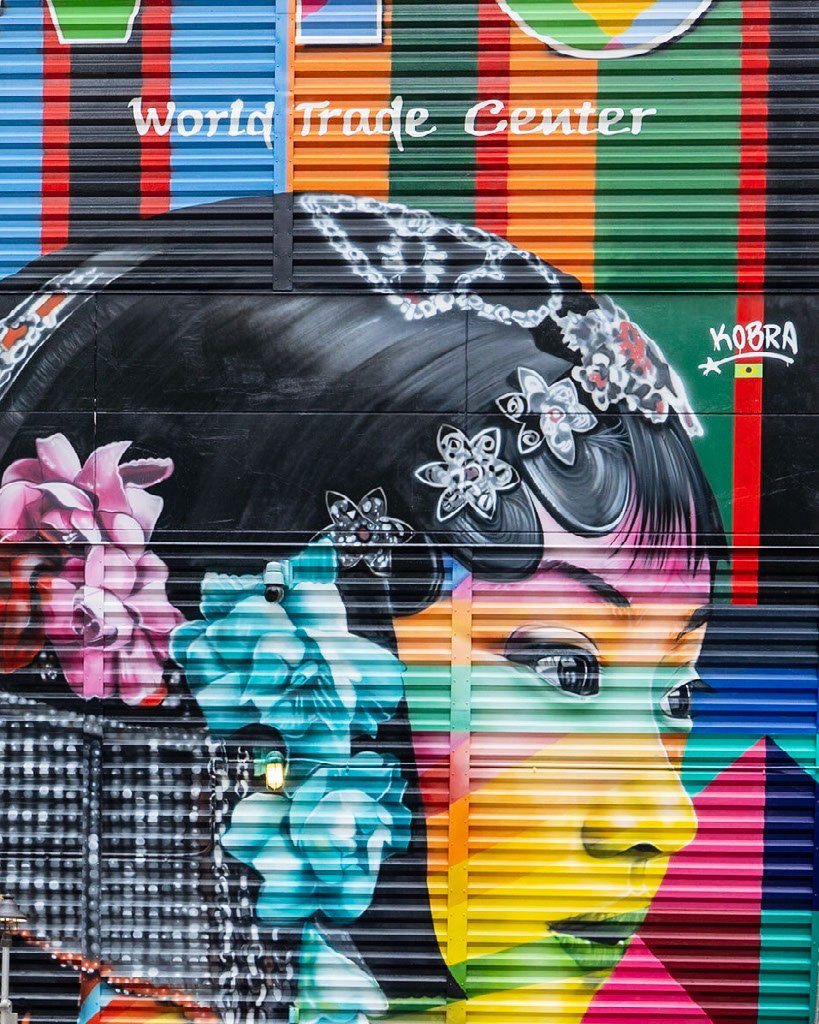
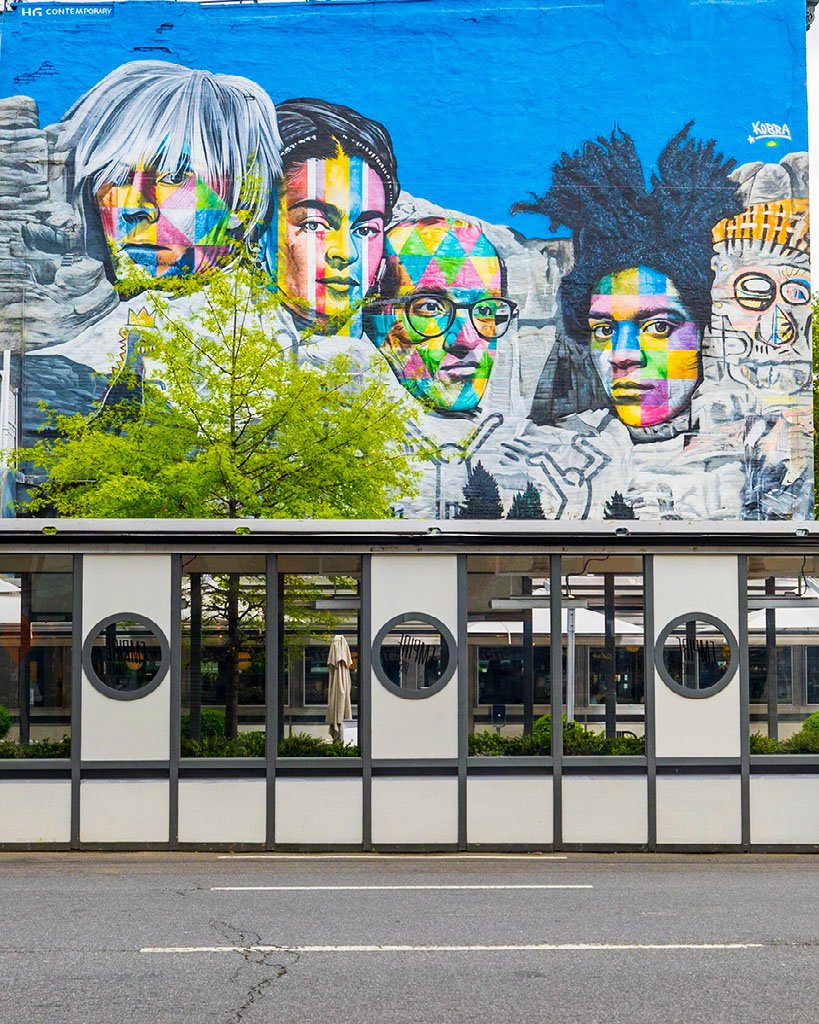
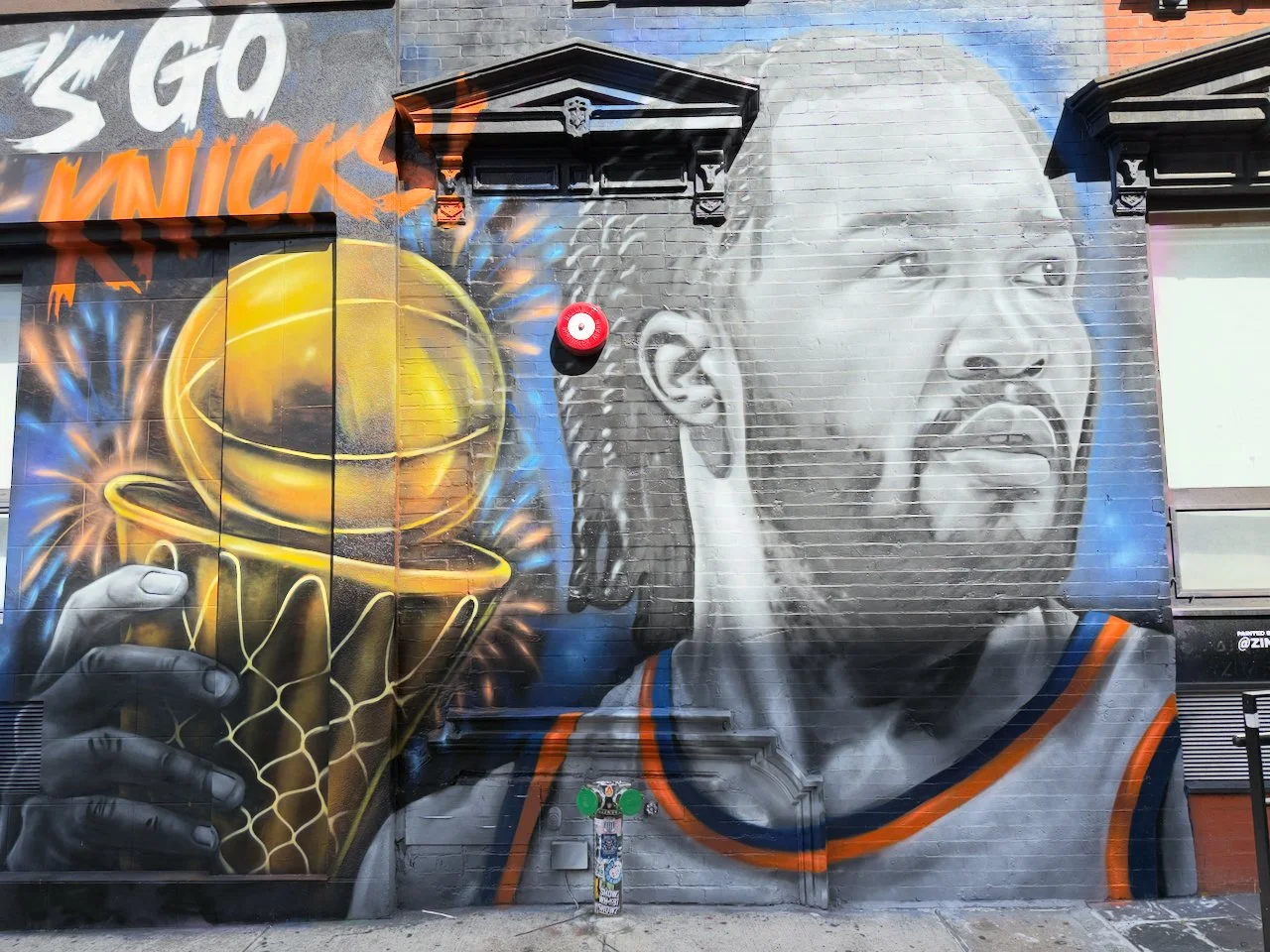
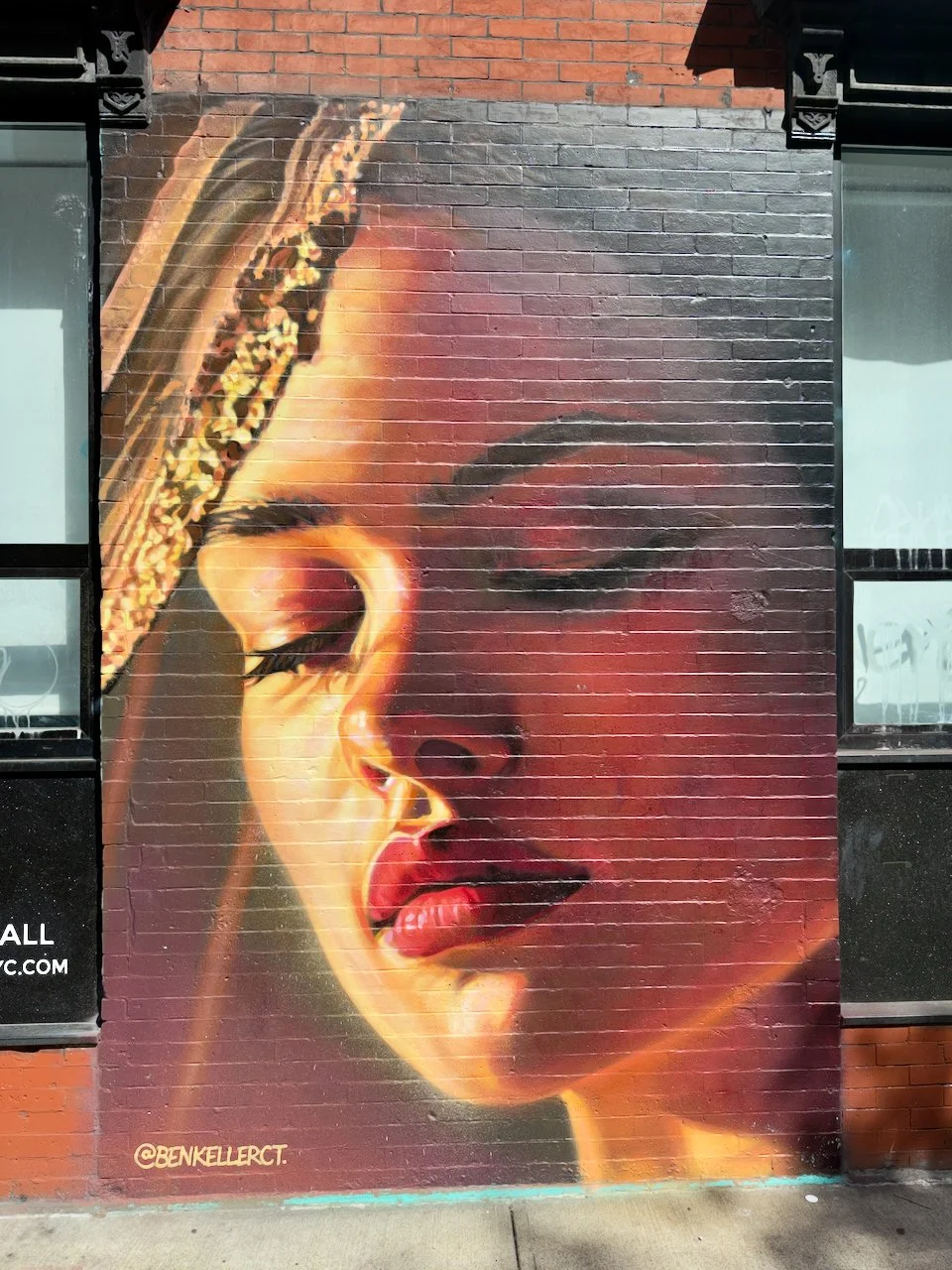
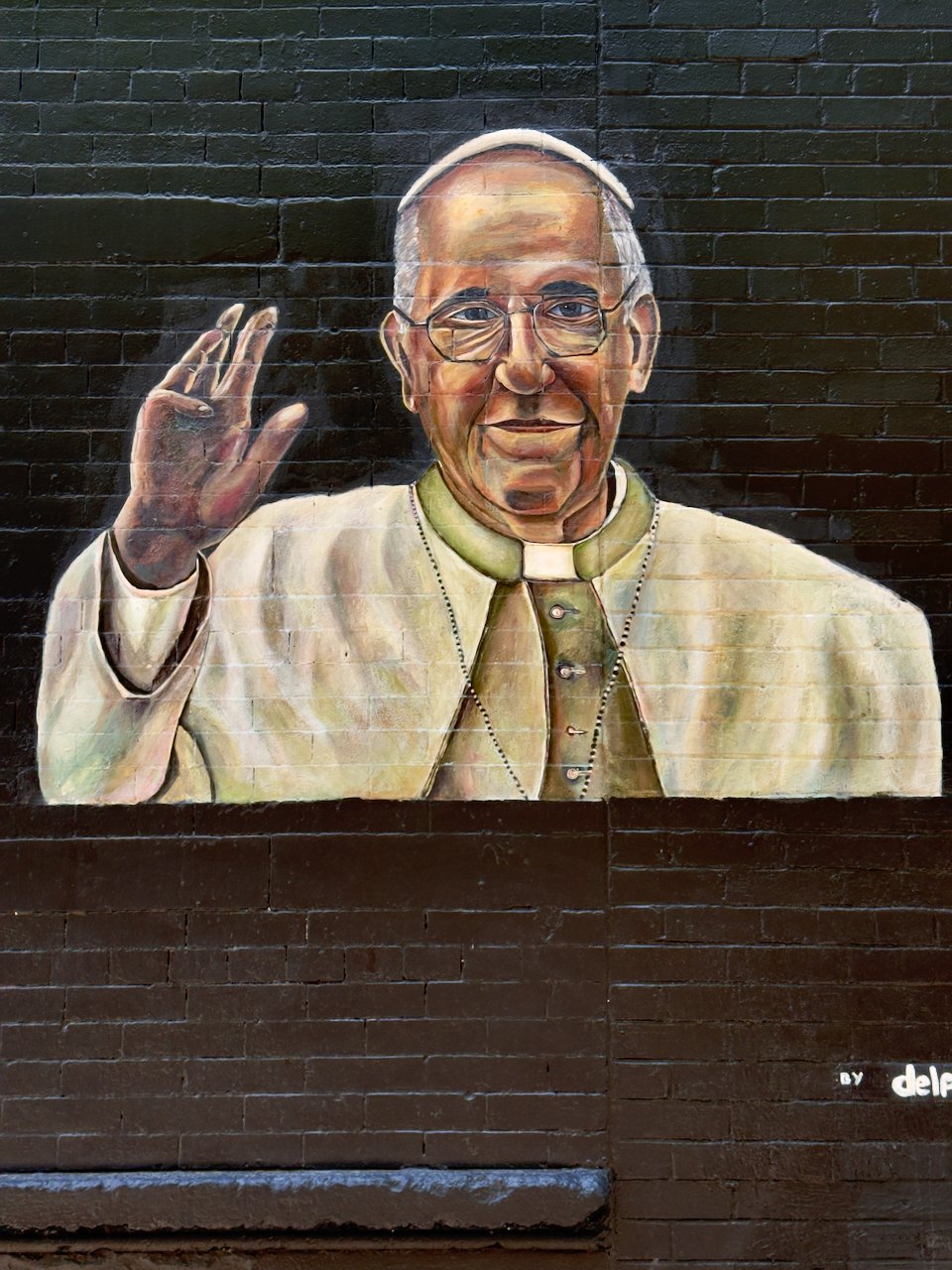
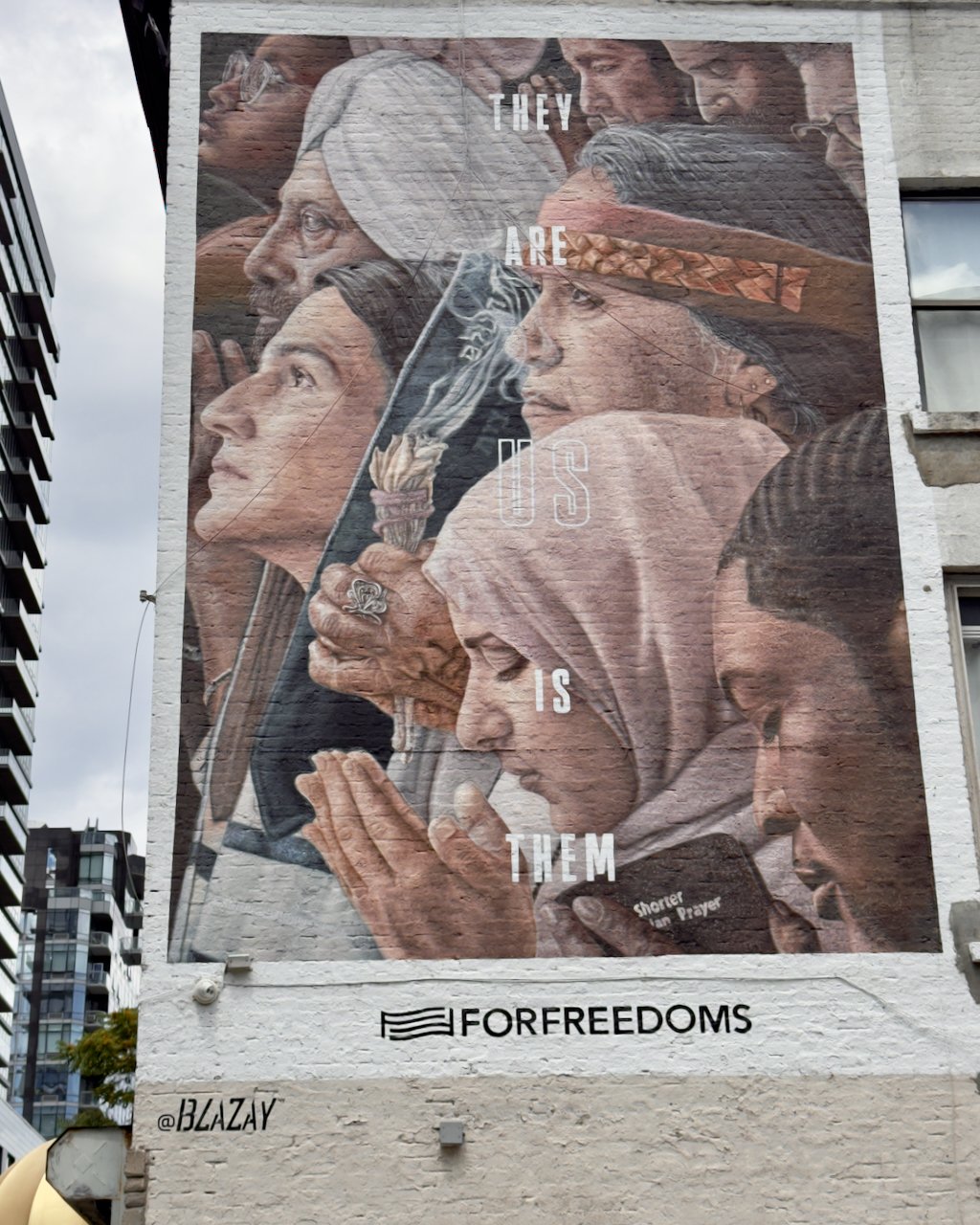
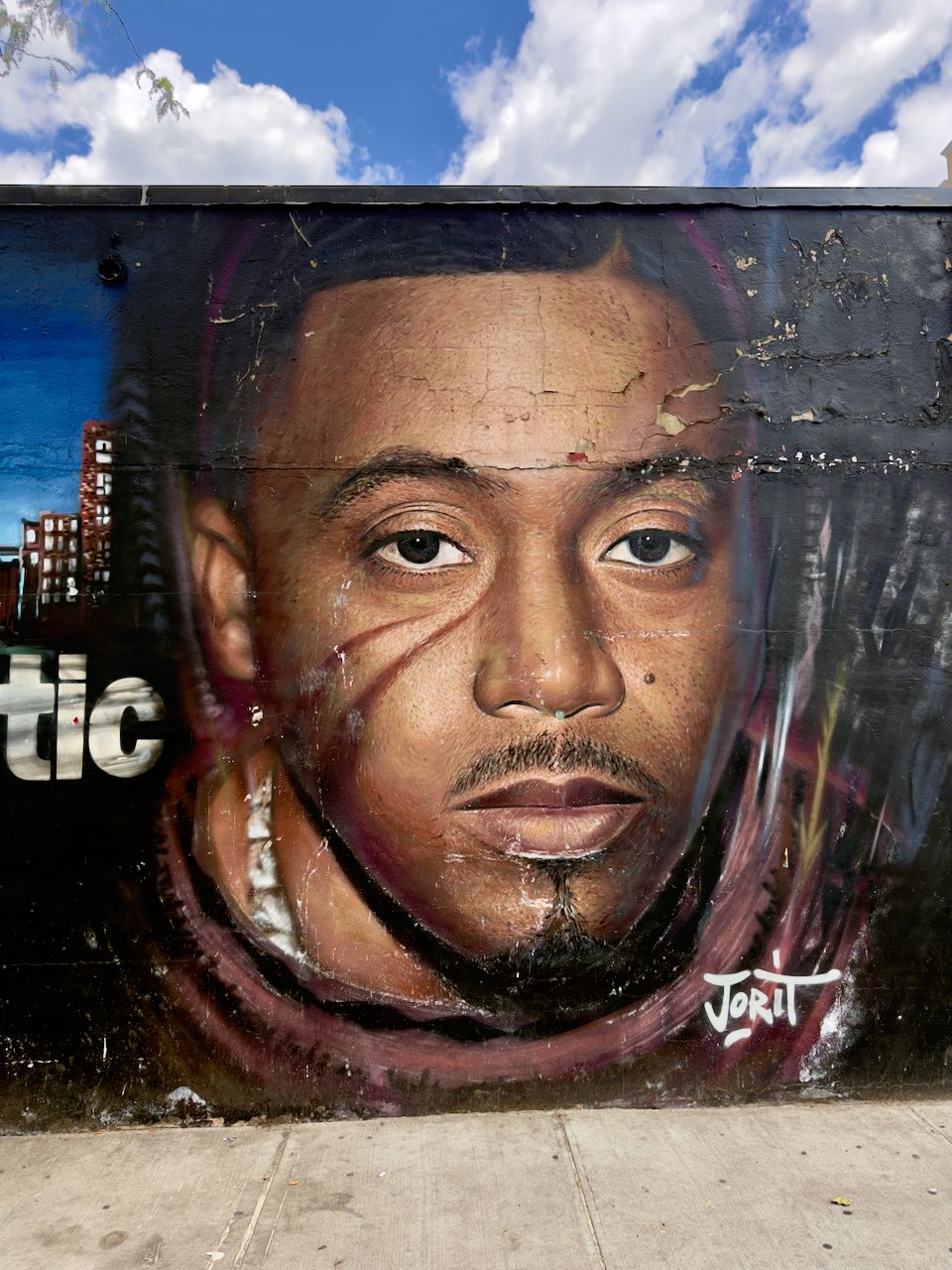
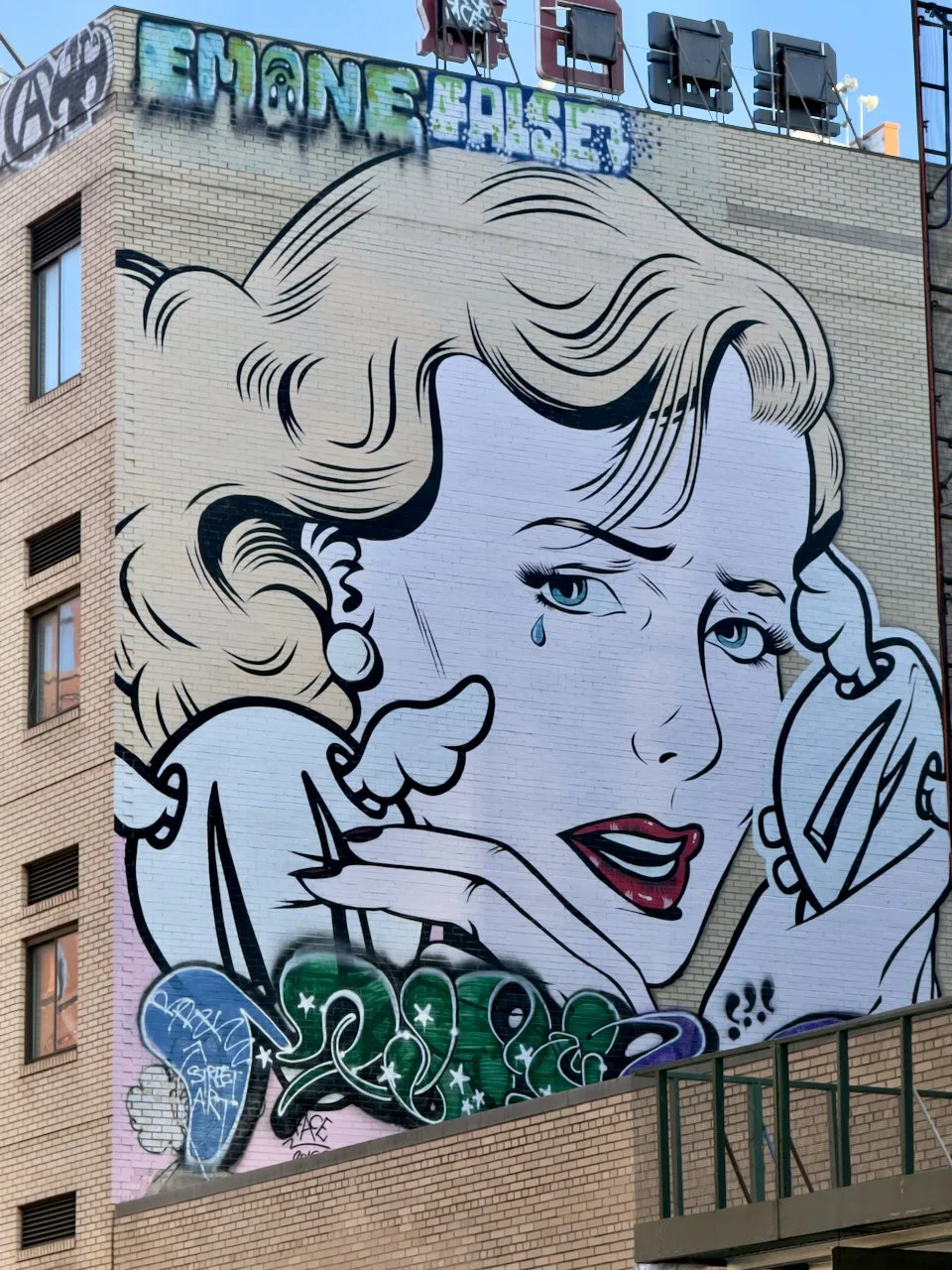
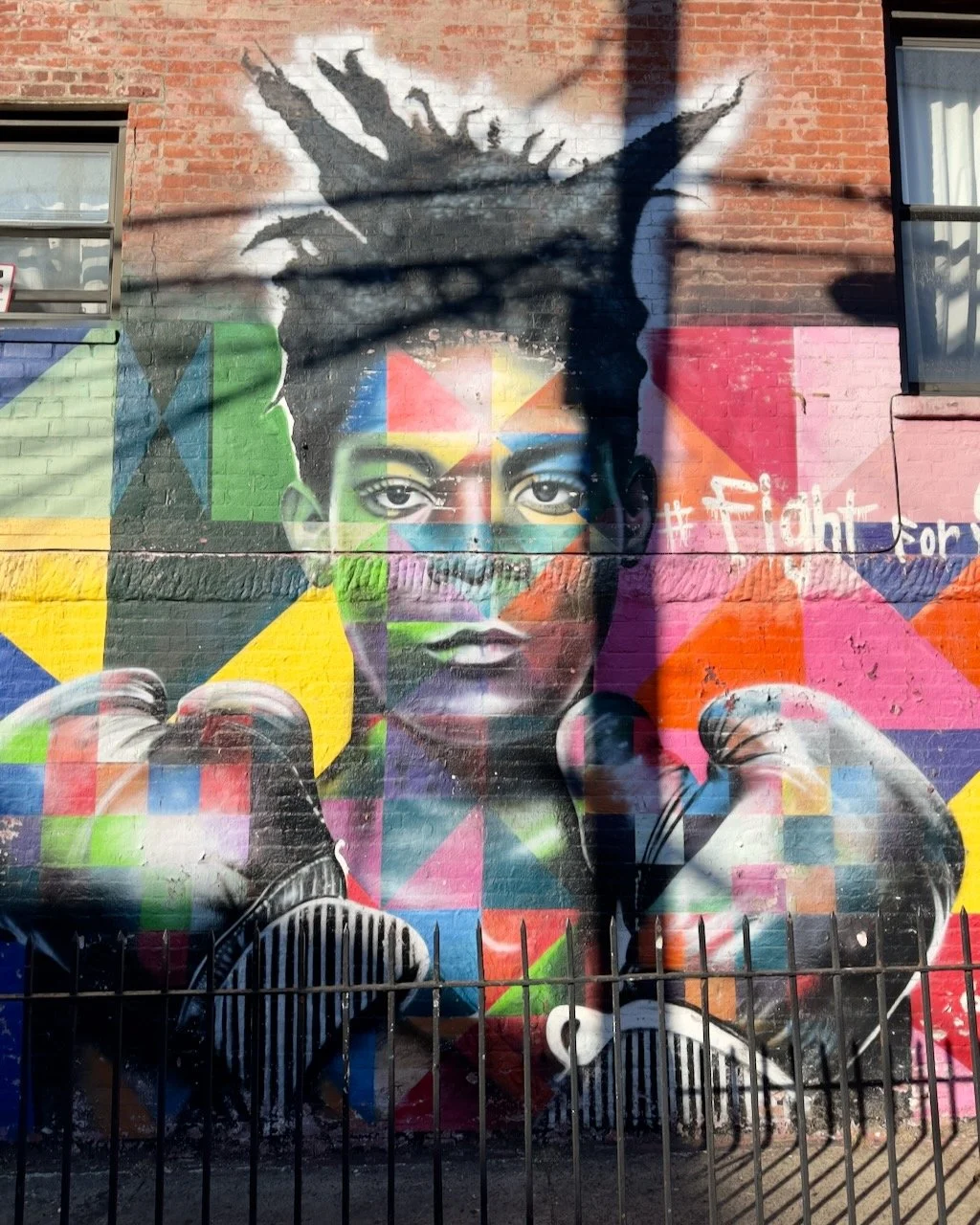
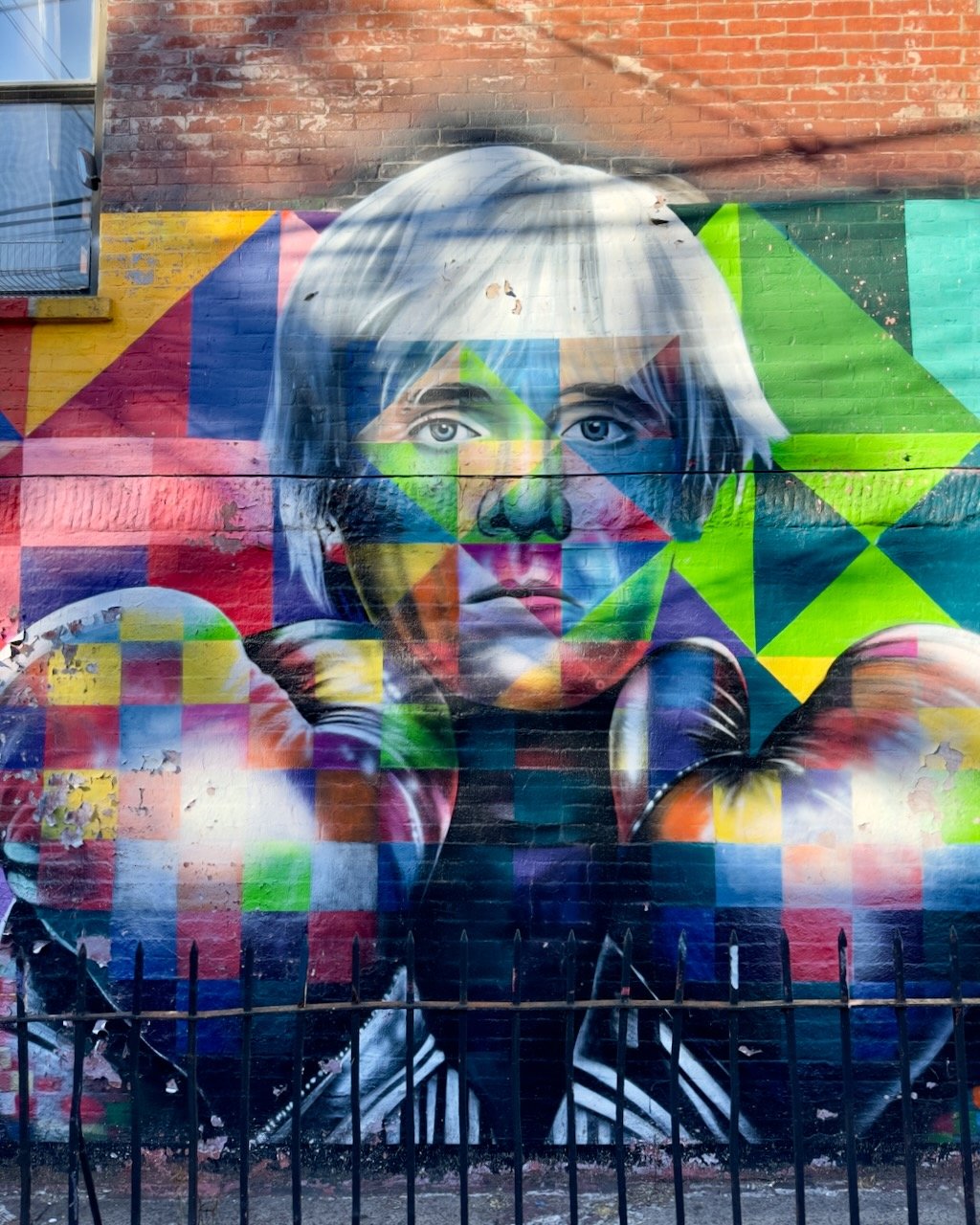
I love this one of Run DMC

This piece is called “the Immigrants.

Bayonne, NJ by Cape Liberty Cruise Port
The park adjacent to the Cape Liberty Cruise Port in Bayonne, New Jersey gives you a vantage point with both the Statue of Liberty and the Midtown Manhattan skyline in the same frame. It is off the standard tourist circuit, requires a short drive or rideshare from Manhattan, and rewards the effort with a composition that most visitors never find.
📷 Pro Tip: This is a sunset location. Position yourself along the waterfront facing northeast and use a 24-70mm to frame the Statue of Liberty on the left with the skyline behind it. A longer telephoto (100-200mm) lets you compress the statue against the skyline for a tighter compositional relationship. The park is free and open to the public. A rideshare from Lower Manhattan takes approximately 20 minutes outside of rush hour.
Best time: Sunset. Access: Free. Transport: Rideshare or drive from Manhattan, approximately 20 minutes.

Radio City Music Hall (1260 Sixth Avenue)
Radio City Music Hall is a masterpiece of Art Deco architecture, completed in 1932, with interiors designed by Donald Deskey. The Grand Foyer alone is worth the visit: an 84-foot-high ceiling, a grand staircase, and decorative detail in every surface. The exterior on Sixth Avenue photographs well in the evening when the marquee is lit.
📷 Pro Tip: The exterior is best photographed at blue hour when the marquee lights are balanced against the remaining sky color. Use a 24-35mm from across Sixth Avenue. Interior photography requires a tour ticket to access the main hall. On a tour, bring a 16-24mm for the auditorium interior and a 35-50mm for the lobby and foyer details. Tours run most days; book in advance at the Radio City Music Hall website.
Best time: Blue hour for exterior; any time with a tour ticket for interiors. Access: Exterior free; interior via paid tour. Nearest subway: B/D/F/M to 47th-50th Streets-Rockefeller Center.

Fulton Center Transit Hub (Broadway and Fulton Street, Lower Manhattan)
The Fulton Center is one of the most architecturally striking subway stations in the world, and almost no one outside of New York knows it exists. The main atrium is a glass and steel oculus wrapped in a spiraling scrim of perforated metal panels, and when the morning light comes through the glass canopy above, it falls in shifting geometric patterns across the curved interior surfaces. The lower concourse connects multiple subway lines and has its own visual character: long corridors, geometric tile work, and the constant motion of commuters that rewards a slow shutter.
This is a free location in the heart of Lower Manhattan, and most visitors walk through it without stopping to look up.
📷 Pro Tip: Look up. The spiral scrim element above the main atrium is the primary subject, and a 16-24mm pointed skyward captures its full geometry. Come on a sunny weekday morning between 9am and 11am when the light through the glass canopy is strongest. For the lower corridors, use the motion of commuters as a compositional element: set a shutter speed around 1/15s to 1/30s and let the moving figures blur against the static architecture. No tripods in an active transit facility, but leaning against a wall or pillar for stability works for these shutter speeds. Free to enter as a transit hub. Nearest subway: A/C/J/Z/2/3/4/5 to Fulton Street.
Best time: Weekday mornings, 9 to 11 am. Access: Free. Nearest subway: A/C/J/Z/2/3/4/5 to Fulton Street.

Vessel, Hudson Yards (20 Hudson Yards)
The Vessel is Thomas Heatherwick's 150-foot honeycomb structure at the center of Hudson Yards, and love it or debate it, it is one of the most photographically interesting contemporary structures in the city. The 154 interconnecting flights of stairs and copper-colored reflective exterior produce an endlessly shifting set of geometric reflections, shadows, and abstract compositions depending on where you stand, what time of day you visit, and how the light hits the surface.
The interior is the real reward. Once you are inside the structure, moving between levels, the repeating geometry of the staircases above and below you creates a visual recursion that photographs in a way that is genuinely difficult to describe and worth experiencing with a camera.
The Vessel reopened in March 2026 with a timed entry system and updated safety measures. Book tickets in advance.
📷 Pro Tip: For the exterior, shoot from across the Hudson Yards plaza using a 35-70mm lens to capture the full structure in context with the surrounding architecture. The copper surface changes color dramatically with the light: warm amber at golden hour, almost silver on overcast days. For interior geometric abstractions, use a 16-24mm pointed straight up or straight down from any platform level. The repeating staircases above and below compress into a pattern that fills the frame completely. Visit on a sunny day for the strongest contrast and reflection play. Open daily 11 am to 7 pm. Timed tickets are required and should be booked in advance online. Nearest subway: 7 train to 34th Street-Hudson Yards.
Best time: Sunny afternoon for exterior; any clear day for interior. Access: Paid admission, timed entry, book online. Open 11 am to 7 pm. Nearest subway: 7 to 34th Street-Hudson Yards.

Union Square Greenmarket
The Union Square Greenmarket has been running since 1976 and is one of the most photographically rewarding markets in any American city. Up to 140 regional farmers, fishers, and bakers set up along the north and west edges of Union Square Park, and the range of color, texture, and human activity is extraordinary. Stacked heirloom tomatoes in a dozen shades of red, yellow, and green. Bundles of dried flowers. A cheese vendor cutting samples from a wheel. A chef in kitchen whites is shopping at 8 am before service. The market is a genuine cross-section of New York, from home cooks to Michelin-starred restaurants, all in the same space before the rest of the city has started its day.
📷 Pro Tip: Arrive at opening, 8 am, when the light is soft and directional, and the market is not yet crowded. Saturday draws the largest number of vendors and the most visual density; Monday and Wednesday mornings are quieter and easier to move through with a camera. Use a 35mm or 50mm prime and work at eye level with the producer and the vendors. Ask before you photograph people directly; most vendors are friendly and accustomed to cameras, but a brief introduction goes a long way. The fall market in October is the strongest visually: the winter squash, apple varieties, and dried flower arrangements produce a color palette that is hard to match at any other time of year. The market is free, open year-round, Monday, Wednesday, Friday, and Saturday, 8 am to 6 pm. Located at 17th Street and Union Square West. Nearest subway: 4/5/6/L/N/Q/R/W to Union Square-14th Street.
Best time: Saturday mornings, especially in the fall. Access: Free, year-round. Nearest subway: 4/5/6/L/N/Q/R/W to Union Square-14th Street.

New York Taxis
The yellow cab is one of the most recognizable objects in American visual culture, and in New York, it is everywhere. What makes taxis worth photographing is not the cab itself but the context: the density of yellow moving through a grid of glass and steel, the reflections in wet pavement after rain, a single cab stopped at a red light while steam rises from a grate below. These are images that belong specifically to New York and to no other place on earth.
The best taxi photography is not about finding the perfect cab. It is about finding the right intersection, the right light, and the right moment when the elements align.
📷 Pro Tip: Midtown is your location, specifically the cross streets between 42nd and 57th along Sixth and Seventh Avenues, where the density of cabs is highest. Shoot from the sidewalk at street level rather than from a crosswalk, and use a 70-200mm to compress the lanes of traffic into a single frame packed with yellow. Rain dramatically improves this shot: wet pavement reflects the cabs and the city lights and turns a competent image into something genuinely strong. Go after dark for long exposures with the cab lights streaking through the frame. A 10-stop ND filter at twilight lets you drag the shutter long enough to capture motion blur in the cabs while the buildings stay sharp. This is a free, public subject available 24 hours a day.
Best time: Rainy evenings and blue hour. Access: Free, public streets. Best intersections: 42nd to 57th Streets along Sixth and Seventh Avenues.


David Bowie Mural
The striking David Bowie mural by Brazilian street artist Eduardo Kobra is located at 837 Jersey Avenue in Jersey City, New Jersey, painted on the side of the Cast Iron Lofts building. Completed in 2016, this 180-foot-tall tribute to the iconic musician is one of @Kobra's tallest works and a prominent feature of the Jersey City Mural Arts Program.

Festivals & Events in New York City
New Year's Eve in Times Square (December) One of the most photographed events in the world, and genuinely extraordinary if you are willing to commit to it. Crowds begin forming in the afternoon, and by evening Times Square is sealed off. If you plan to photograph from inside the square, arrive early and stay put. For a less chaotic approach, shoot from the surrounding streets and elevated vantage points.
NY Fashion Week (February and September) Fashion Week concentrates more visual material per square block than almost any other event in the city. The shows are invitation-only, but the street outside the venues is its own spectacle. Editors, models, buyers, and photographers in outfits that are themselves photography subjects. The Lincoln Center area and the various pop-up show locations are the primary gathering points.
Macy's Thanksgiving Day Parade (November) The parade runs from 77th Street and Central Park West south to the Macy's store on 34th Street. For photography, stake out your position along the Central Park West stretch in the upper 70s and 80s, where the floats are fully inflated and the crowds are thinner than further south. Arrive two hours before the parade start time.
Cherry Blossoms in Central Park and the Brooklyn Botanic Garden (April) Peak bloom varies by year but typically falls in mid to late April. The Reservoir in Central Park and the Japanese Hill-and-Pond Garden at the Brooklyn Botanic Garden are the two best locations. The Botanic Garden requires admission and gets extremely crowded on weekends at peak bloom; go on a weekday morning to photograph without the crowds.
SummerStage in Central Park (June through August) Free outdoor concerts throughout the summer, with the main stage near the 72nd Street entrance. Live music, diverse crowds, and the energy of the park at its most social. Good for people photography and documentary work.
Open House New York (October) One weekend in October, buildings across the five boroughs that are normally closed to the public open their doors for free. This includes private residences, industrial buildings, architectural landmarks, and institutional spaces that you cannot access at any other time of year. For photographers interested in interiors and architecture, this is the most valuable event in the city's calendar.
Frequently Asked Questions About Visiting New York City
Is New York City safe?
Yes, for the areas most visitors go to. Stay alert on the subway late at night and in crowded tourist spots like Times Square, where pickpocketing is the main risk, not violent crime.
Is New York expensive?
It can be, but it doesn't have to be. Hotels and fine dining run high, but the subway is cheap, many museums have free or pay-what-you-wish hours, and some of the best food in the city, bagels, pizza, and street food, costs very little.
What's the best way to get around, and is the subway worth using with camera gear?
Walking covers most of what you'll shoot. The subway is fast and cheap for longer distances or crossing boroughs, but avoid it with bulky gear during rush hour and keep your bag close in crowded stations.
What are the best photo spots in New York City?
Brooklyn Bridge at sunrise, Old Pier 1 for the Manhattan skyline, and Grand Central Terminal's main concourse are three I return to constantly. The full list with Pro Tips is below.
Can you fly a drone in New York City?
No, not realistically. The entire city sits inside controlled airspace around three major airports, and recreational drone authorization is extremely difficult to get. Use the observation decks at Summit One Vanderbilt or Top of the Rock instead.
What surprised you most about photographing New York?
There's just an endless supply of subjects here, especially for street photography and murals. I love finding new pieces across all five boroughs. Every trip, even after decades of visits, I come home with something I didn't expect to find.
How many days do you need in New York?
At least four, five, or six if you want to shoot at your own pace instead of running a checklist. The full day-by-day breakdown is below.
Do you need to book museums and observation decks in advance?
Yes, for the popular ones. Summit One Vanderbilt, the Guggenheim, and the Vessel all sell out on weekends. Book online in advance rather than showing up and hoping.
Final Thoughts
I have lost count of how many times I have visited New York City. And every single trip, I come home with an image I did not plan for. That is the thing about this city. It is always performing, always shifting, and the material never runs out.
The evening at Hamilton Park in New Jersey, watching a full moon rise and align perfectly over 1 Vanderbilt as the city lit up below us in changing light, every few seconds, a different photograph: that is New York at its best. Completely unscripted. Completely extraordinary. Go. Walk until your feet hurt. Shoot until your battery dies. Find a great bagel, charge up, and go again.
Photography Locations Nearby
My Photography & Travel Guide to Washington, DC - The closest major photography destination to New York and, in my opinion, one of the most underrated in the United States. Monuments at sunrise with no crowds, the cherry blossoms at the Tidal Basin, and more street photography per square mile than almost any American city. A natural companion to an East Coast photography trip.
My Photography & Travel Guide to Charleston, South Carolina - A four-hour flight or a long drive south, and worth every minute. The pastel antebellum architecture, the Spanish moss, the French Huguenot Church, and the markets at dawn. It photographs like a European city that somehow landed in the American South.
My Photography & Travel Guide to Stowe, Vermont - A four-hour drive north puts you in a completely different world. Covered bridges, rolling farmland, and some of the best fall foliage light in the Northeast. If you are visiting New York in October, add a few days in Stowe. You will not regret it.
Want to improve your photography while exploring some incredible destinations? Join me on one of my photography workshops! You can find all the details, including upcoming destinations and dates, through the links below.
Let's Stay Connected!
Finally—a beginner-friendly photography guide that makes sense.
If you've ever picked up a camera and thought, "Now what?" this is the book for you.
Photography Made Simple is written for adults who are just starting out and want a clear, encouraging, real-world approach to learning photography. Whether you're using a DSLR, mirrorless, or just your smartphone, this guide walks you through the basics—without the jargon or tech overwhelm.
Inside, you'll learn:
The only camera settings you really need to know to get started
How to shoot sharper, more intentional photos using light and composition
Simple tips for portraits, landscapes, travel, and everyday life
What gear you do (and don’t) need
How to create better photos without upgrading your camera
You’ll also get practical exercises, cheat sheets, and tips for organizing and editing your images—plus the confidence to shoot off Auto Mode for good.
This is not a textbook. It’s a friendly guide to seeing the world with fresh eyes—and finally capturing what you see the way you imagine it.
📸 Format: PDF download
Pages: 100+
Perfect for: Beginners, hobbyists, and anyone ready to take better photos without the stress

Join Me for a DC Evening Monuments Photography Workshop!
📸 Washington, DC Evening Monuments Photography Workshop
$99 per person | Max 6 participants or $199 Private
Love photography and iconic views? Then grab your camera and join me for a golden hour photo walk through Washington, DC’s most breathtaking monuments—right as the city lights up!
Throughout the year, I host small group workshops and offer private walking photo tours (1–6 people) tailored to your style and pace. But this group workshop is a crowd favorite: a two-hour guided adventure as we chase reflections, long exposures, and those postcard-perfect twilight shots.
Who This Workshop Is For
Beginners who want to learn how to use their camera
Travelers visiting DC
Photographers who want iconic shots without crowds
What You’ll Learn:
Getting to Know Your Camera and Settings
Creative composition tricks to elevate your shots
How to work with changing light, reflections, and motion
Long exposure tips for amazing nighttime images
We’ll Photograph DC Icons Like:
The Jefferson Memorial
Lincoln Memorial
Washington Monument
The US Capitol
The White House
and a few other locations
Where We Meet:
We’ll start near the Tidal Basin. Parking is available at the lot near Floral Park (by the paddle boats on Maine Ave—click here for the map).
Recommended Gear:
Bring a DSLR or mirrorless camera with interchangeable lenses (think 24-70mm or 24-105mm), a sturdy tripod, and, if you have them, an ND filter and remote shutter release. I’ve got one tripod to lend—just email me ahead of time to reserve it.
All Skill Levels Welcome!
Whether you're just getting comfortable with your camera or looking to take your skills to the next level, this workshop is designed for you. I’ll guide you step-by-step—from finding the right settings to composing striking shots—so you can feel more confident behind the lens and come away with photos you'll be excited to share.
Fitness Level: Easy Breezy
No hills, no hustle—just a relaxed stroll on paved paths with plenty of photo stops.
What’s Included:
• Personalized instruction in the field
Weather Policy
What happens if it rains? DC weather in spring and fall can be unpredictable. We can reschedule.
Cancellation Policy:
• Full refund if canceled 48+ hours in advance
• No refund for late cancellations unless your spot is filled
Have Questions or Want to Book a Private Tour?
Email me directly at vito@chasinghippoz.com
*Contact me to schedule your session