Miami, Florida Travel & Photography Guide: Best Photo Spots, Things to Do & Hidden Gems
I walked on South Beach at sunset, and the whole city turned pastel. That is Miami's first move: take something already beautiful and light it from the best possible angle at the best possible hour. The Art Deco facades along Ocean Drive, mint green and blush pink and pale yellow, catch the late afternoon light in a way that stops you mid-stride. The Atlantic goes copper behind you. Classic convertibles roll past. The whole scene is cinematic without trying to be, which is the most honest thing I can say about Miami.
Head north and west, and the city shifts its character completely. In Wynwood, the murals confronted us around every corner. Massive, technical, layered works covering warehouse walls, loading dock doors, and rooftop facades. We walked for two hours in what felt like twenty minutes, stopping every half block to work out an angle. Wynwood has been a destination long enough now that the original raw energy has been partially replaced by curation, but the walls still deliver. And the alleys beyond the main corridors, where the newer and more spontaneous work appears, still surprise you.

South Beach Art Deco
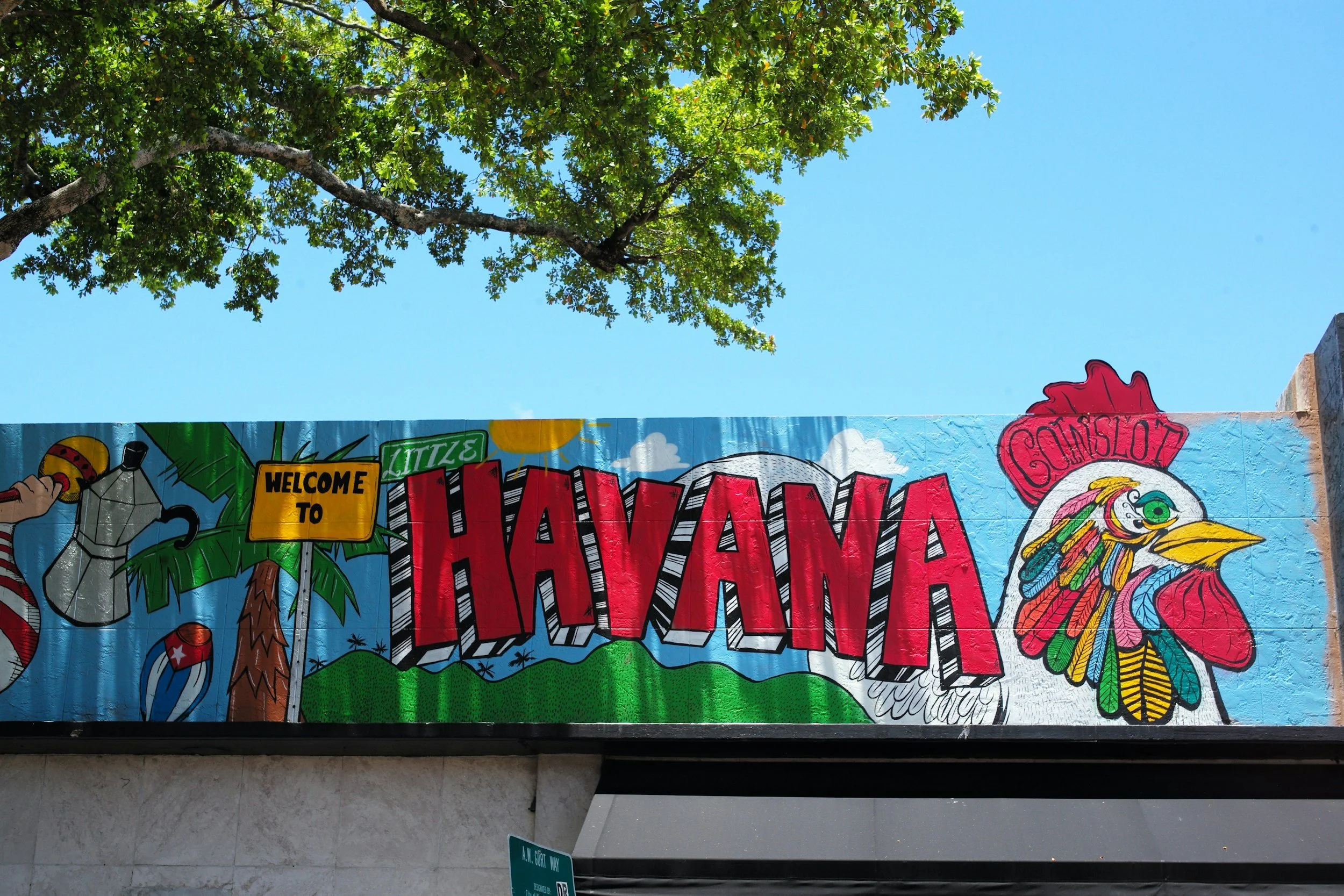
Then Calle Ocho changed the temperature entirely. The Domino Park in Little Havana, the smell of roasted coffee and tobacco, old salsa drifting from somewhere inside a restaurant that has been open since before you were born. Miami's Cuban and Latin American identity is not a neighborhood attraction you visit and leave. It runs through the city the same way jazz runs through New Orleans. You feel it in the rhythm of the place.
We also drove to the Keys. This is not in most Miami guides, and it should be. The drive south from Miami on US-1 takes you through a slow transition from city to water that changes how you understand the whole region. Within an hour, the urban energy is completely gone. The sky opens. The water is on both sides of you. Pelicans stand on channel markers. It is one of the most distinctive drives in the United States, and it reframes everything you thought Miami was.
Miami is a city of strong contrasts and easy transitions. Art Deco to street art. Beach energy to Cuban heritage. City skyline to open ocean. For photographers, those contrasts never run out.
In this Photography Guide to Miami, I share the places and experiences that continue to draw me back. You will find my favorite photography locations, guidance on when and where to shoot, practical travel tips, and gear recommendations, along with cultural insights to help you explore and photograph Miami with confidence, respect, and ease.

Miami Beach Lifeguard Stations
Photographer's Notes
Before you go, here are my own takeaways.
Favorite Location: Wynwood
Favorite Hotel: Four Seasons Surfside
Favorite Restaurant: Mandolin Aegean Bistro
Favorite Café: Vice City Bean
Favorite Lens: 24-105mm
Would I Return? Yes, but not immediately.
Where to Stay in Miami
If photography and walkability matter to you, South Beach is the best neighborhood to base yourself. You can step out of your hotel and be on the sand in minutes. Turn the other direction and you are surrounded by pastel Art Deco buildings, classic convertibles, palm-lined streets, and nonstop people-watching. Sunrise over the Atlantic is a short walk away. Early morning light on the historic facades along Ocean Drive creates clean, colorful compositions before the crowds arrive. At night, neon signs flicker on and the neighborhood turns cinematic.
South Beach is also highly walkable. Cafes, galleries, beach paths, and nightlife are all within reach. You do not need a car, which lets you focus on shooting rather than logistics.
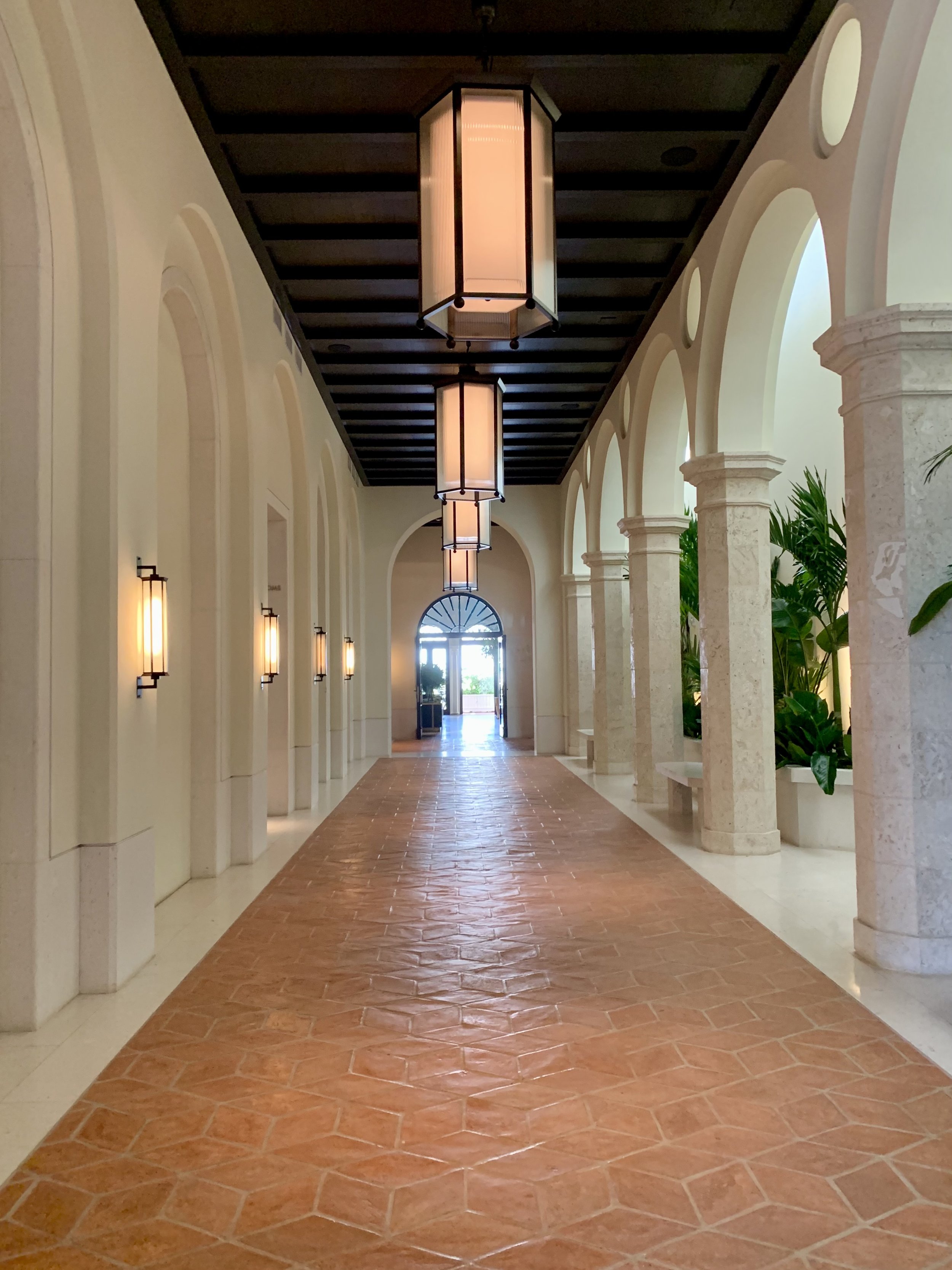
The Four Seasons
Luxury Hotels in Miami
The Setai Miami Beach sits in the heart of South Beach with a sleek, Asian-inspired design that feels unlike anything else on the strip. Three pools, a beachfront setting, and an intimate scale make it one of the most refined places to stay in the city.
Faena Hotel Miami Beach is bold, opulent, and unapologetically theatrical. The crimson and gold lobby, the live performances, the woolly mammoth sculpture in the garden. Even if you are not a guest, walk through. The property is a photography subject in its own right.
1 Hotel South Beach takes the eco-conscious angle seriously without sacrificing style. Rooftop access, lush vertical gardens throughout, and a beachfront location that makes early morning shooting almost embarrassingly convenient.
Mid-Range Hotels in Miami
The Betsy Hotel is a boutique property on Ocean Drive that blends colonial charm with a rooftop terrace that catches excellent sunset light over the neighborhood. The scale is human, the service is personal, and the location is ideal.
Hotel Victor sits directly across from the beach, centrally located for walking to photography spots in both directions. Stylish without being precious.
Kimpton Angler's Hotel South Beach is quieter than most options in this neighborhood, with a tropical courtyard and rooftop pool. Good base for photographers who want to move early and return to a calm space.

Four Seasons Surfside
How Long to Stay in Miami
Three to five days is the right range for Miami.
Three days give you enough time to cover South Beach and Ocean Drive, Wynwood, and a half-day in Little Havana, with enough space to revisit your best locations at different times of day. That last part matters in Miami. Sunrise at South Beach feels completely different from sunset in Wynwood, and neither looks anything like the way Calle Ocho performs at midday.
Five days open up the Everglades, the Florida Keys, Vizcaya, and deeper time in the Design District. It also gives you a buffer for the weather, which in Miami can close the door on good light without warning and open it again an hour later.
A rough framework: Day 1, arrive and orient in South Beach, shoot Ocean Drive at golden hour. Day 2, Wynwood in the morning before crowds, Design District in the afternoon, then back to South Beach for blue hour. Day 3, Little Havana in the morning, Vizcaya in the afternoon. Day 4, Everglades or Keys day trip. Day 5, revisit your best locations and shoot anything you missed.
Best Time to Visit Miami
November through April is the sweet spot for photography. This is Miami's dry season, with warm temperatures, lower humidity, and consistent light. Skies tend to be cleaner, which makes sunrise and golden hour far more reliable. The light in winter and early spring has a warmth to it that flatters both the architecture and the water.
Summer brings dramatic clouds and, in the right conditions, extraordinary skies for photography. The tradeoff is heat, humidity, and the potential for sudden downpours. August through October falls within peak hurricane season, and while you may never see anything more threatening than a spectacular storm sky, the weather is unpredictable. If you do visit in summer, midday is largely unusable for shooting anyway. Work early mornings and late evenings, which is the correct approach regardless of season.
For crowds, December through March is busiest. If you want South Beach with some breathing room, late November or early April offers excellent light without the full high-season compression.
Art Basel in December transforms the entire city into a global art event and brings extraordinary visual energy to Miami Beach and beyond. If you can handle the crowds and the hotel rates, it is one of the best times to photograph Miami. The installations, the fashion, the street energy outside the venues: all of it is worth showing up for.

Wynwood is Amazing
Getting Around Miami
Miami is spread out, but navigation is straightforward.
Uber and Lyft are widely available and the most practical option for moving between neighborhoods with camera gear. Surge pricing happens during major events, so plan accordingly.
Free Trolleys run through South Beach, Wynwood, Downtown, and Coral Gables. Slow but useful for short hops when you are not in a rush.
CitiBike Miami works well for cruising along the beach path or moving through Wynwood and the Design District. A solid option when the weather is right, and you are traveling light.
Brightline connects Miami to Fort Lauderdale and West Palm Beach by rail if you want to extend the trip without renting a car.
For the Florida Keys, you will need a car. The drive south on US-1 is worth making, and rental pickup at Miami International Airport is straightforward.

A Short Drive to the Keys
Where to Eat in Miami
Miami is one of the most exciting food cities in the United States. The flavors are bold, the seafood is exceptionally fresh, and the Latin and Caribbean influence runs deep. The dining scene here is not just about the food. The rooms, the light, the people. Meals in Miami tend to be worth photographing.
Versailles Restaurant in Little Havana is the Cuban diner that every Miami guide mentions, and every mention is earned. Cuban sandwiches, black beans, ropa vieja, and a counter that has been pouring café Cubano since 1971. The room itself, all mirrors and chandeliers, is worth a photograph before you sit down.
Mandolin Aegean Bistro in the Design District is one of my favorites in the city. The courtyard, the mezze, the grilled fish. It feels like eating in a garden somewhere in Greece. Reserve ahead.
Joe's Stone Crab on Washington Avenue has been a Miami institution since 1913. The restaurant is open year-round, but note that stone crab claws are a seasonal product: the Florida stone crab season runs from mid-October through early May. Visit during that window and order the claws with their signature mustard sauce. Visit outside it and the menu still delivers with fish, shrimp, and classic sides.
Zak the Baker is a Wynwood bakery and café known for excellent bread, smart sandwiches, and a room that photographs well. The walls do what Wynwood walls do. Good stop before a morning shoot.
Mignonette in Edgewater is an oyster bar and seafood restaurant that has built a loyal following for good reason. Fresh, ingredient-driven, and more relaxed in pace than some of Miami's higher-profile spots.
Coyo Taco has multiple locations across Miami and consistently delivers one of the city's best informal meals. Street tacos, excellent salsas, and an atmosphere that suits a late-night shoot debrief perfectly.
Coffee in Miami
Coffee culture in Miami tilts heavily toward the Cuban tradition, and rightly so. The cortadito and the café Cubano are small, strong, and consumed standing up at a ventanita, a walk-up window that exists on seemingly every corner in Little Havana. Do not skip this.
Panther Coffee has several locations including Wynwood and Coconut Grove. Specialty roasts, quality brewing, and a calm enough atmosphere to sit, edit, and plan your next location.
Vice City Bean in Edgewater brings a specialty coffee approach to Miami with a distinctly local edge. Good for editing with a long pour-over.
Little Havana
Little Havana is not just a neighborhood. It is an experience.
Centered around Calle Ocho, this area celebrates Cuban heritage through music, food, art, and everyday street life. The colors are vibrant. The rhythm is constant. Domino games unfold in Máximo Gómez Park. Salsa music drifts through open doors.
Stop at Versailles Restaurant for a classic Cuban meal. Visit Azucar Ice Cream Company for creative flavors like Abuela Maria, a blend of guava, cream cheese, and Maria cookies. And grab a coffee at Café La Trova, a music-filled bar and restaurant that channels retro Havana energy.
For photographers, Little Havana is storytelling in motion. Faces. Hands. Color. Music. It is one of Miami’s most soulful and photogenic neighborhoods.
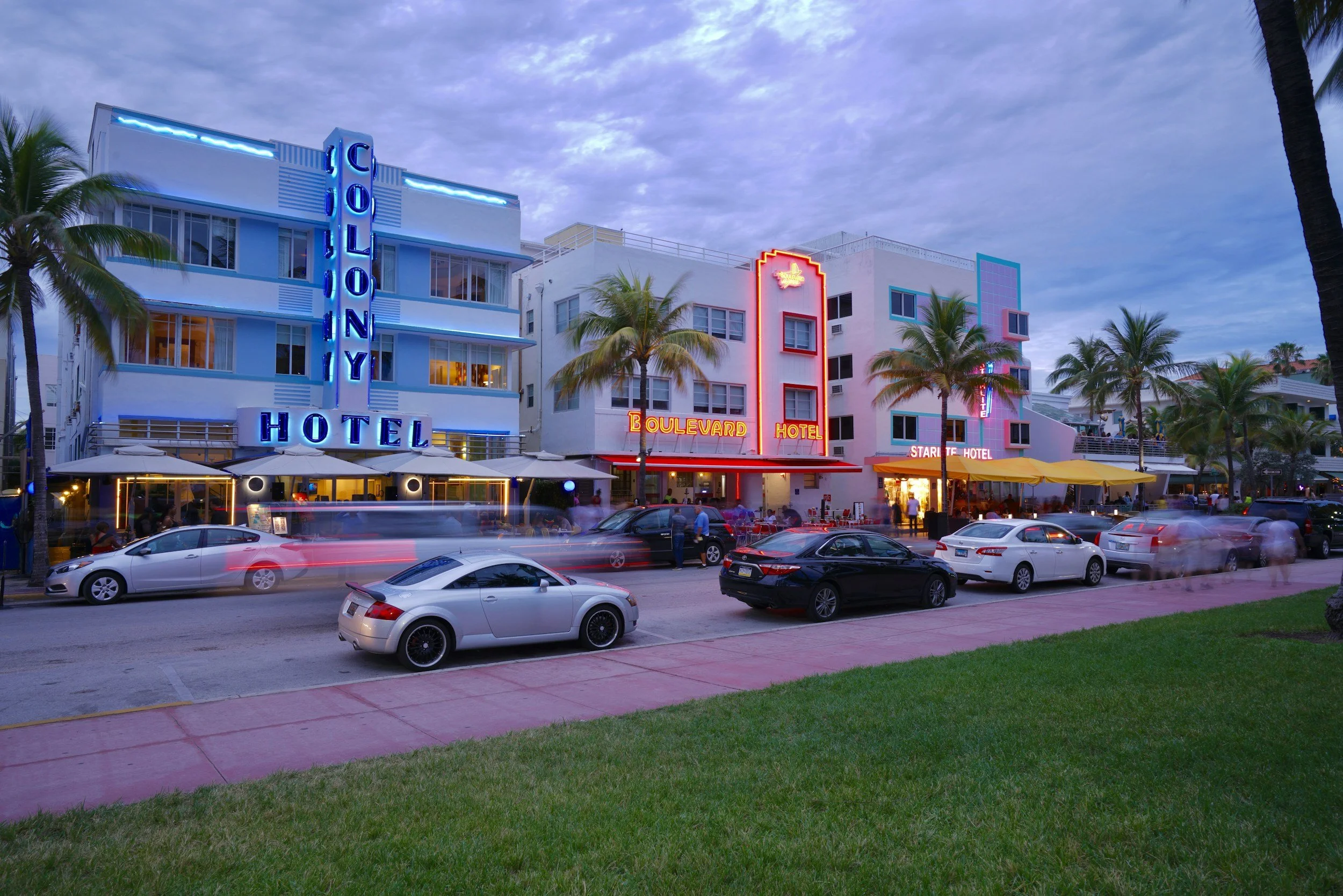
Photography Gear to Bring to Miami
Miami rewards versatility. You will move between intense tropical light, high-contrast shadow, architecture, portraiture, and wide open seascapes, sometimes within a single morning. Build your kit around that range.
Camera Bodies
The Canon EOS R5 Mark II is my go-to here, particularly for street work and the fast-moving scenes in Little Havana. Excellent dynamic range for handling Miami's extremes between shadow and highlight. The Sony A7R Vearns its place for architecture and high-resolution landscape work, especially at Vizcaya and along the beach. The Nikon Z8 is a strong alternative if that is your system. For a walk-around day where you want to move fast and draw less attention, the Leica Q3 handles Miami beautifully.
Lenses
Pack a 16-35mm or 14-24mm wide for the Art Deco facades, the beach at sunrise, and Wynwood's larger murals, where you will often be physically constrained by the street width. A 24-70mm covers the bulk of your shooting day. An 85mm or 70-200mm is worth carrying for candid street work in Little Havana and portraits at the markets, where compression and subject separation matter. A polarizing filter is non-optional in Miami. It cuts the glare off the water and glass and makes the colors in those Art Deco facades pop in a way that no amount of post-processing can replicate.
Accessories
A lightweight tripod or Platypod for sunrise and blue hour on the beach. ND filters (6 and 10 stop) for long exposures on the water or along the beach when the light is still bright. A rain cover for your bag, especially in summer. Miami afternoon storms can arrive with almost no warning.
Drone: Miami's coastline, South Pointe, and the Fisher Island ferry crossing look extraordinary from above. However, the city has active airspace restrictions, particularly around Miami International Airport and along the beach corridor. Check FAA NOTAM rules and the B4UFLY app before flying. Wynwood also has local restrictions near the rooftop venues. Do your homework before you pack the drone.
iPhone Tips
Miami shoots well on iPhone, and the strong directional light here actually works in the iPhone's favor more often than not.
At Ocean Drive, shoot in the early morning when the facades are front-lit and the sidewalk is empty. Use the native camera's wide lens and get close to the architectural details. The pastel colors render especially well in ProRAW.
In Wynwood, switch to the ultrawide for the larger murals where you cannot step back far enough for a standard lens. The high-contrast light and deep color saturation of the murals is exactly what the iPhone handles well in the mid-morning before direct overhead sun kills the color depth.
For beach sunrise, enable ProRAW and shoot into the light with the horizon low in the frame. The gradient from warm orange to pale blue sky is genuinely difficult to blow on iPhone with this subject.
For Little Havana, Portrait Mode on the older dominoes players at Máximo Gómez Park produces frames with real character. Always ask first. Most will say yes.

Miami Beach
Best Photography Spots in Miami
Miami is a playground for photographers. Whether you’re into street photography, art-deco architecture, wildlife, or golden hour beachscapes, the city delivers. Here are some must-shoot subjects and locations:

Near Surfside
Here’s where your camera will be happiest:
Ocean Drive
The postcard image of Miami, pastel Art Deco hotels in mint green, blush pink, and pale yellow, lined up along a strip that comes alive with classic convertibles and people-watching from morning to night.
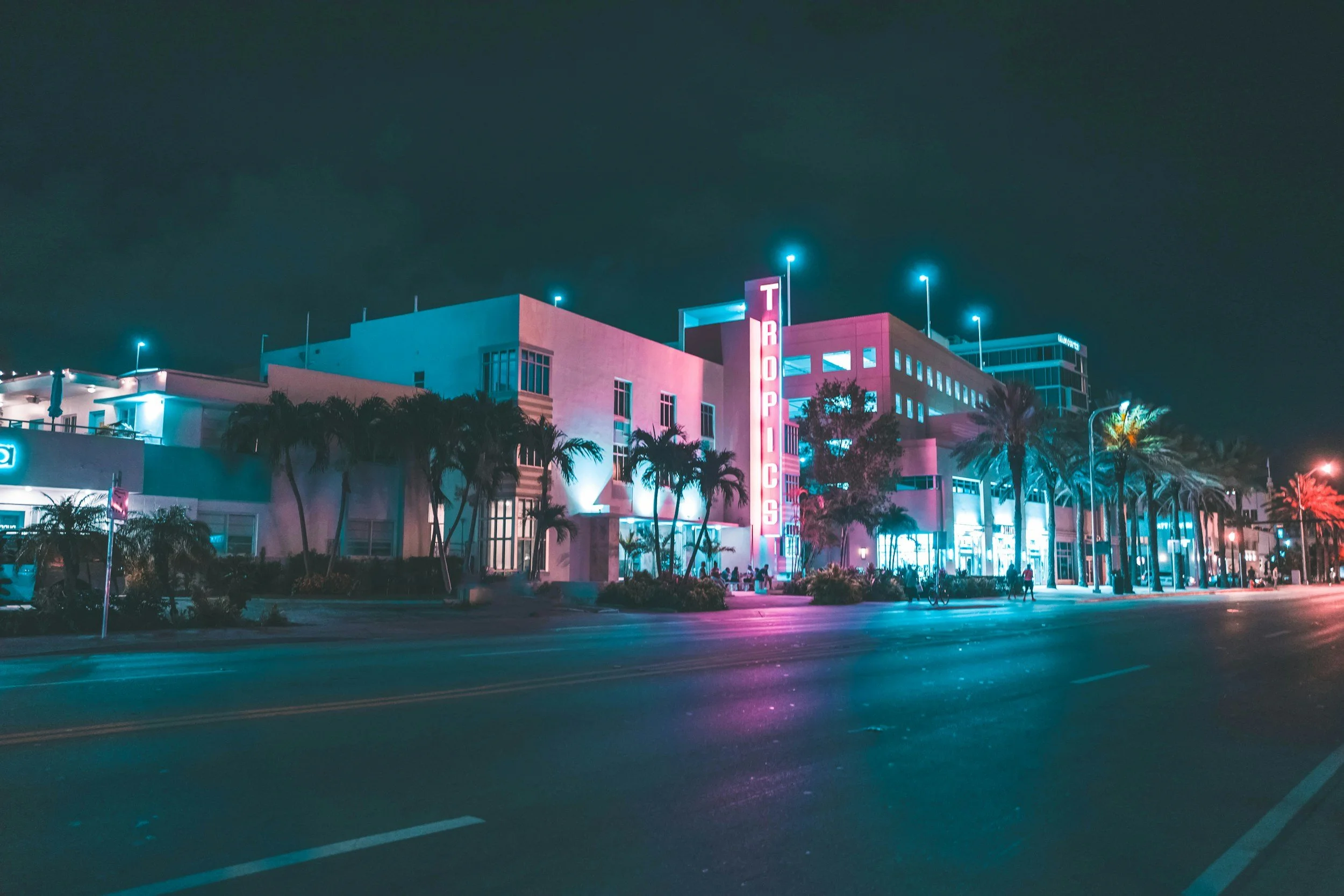
📷 Pro Tip: Shoot early morning, before 8am on weekdays, when the sidewalk is empty and the facades are front-lit in soft light. A 16-35mm captures full building facades from across the street; switch to a 24-70mm for tighter architectural details, neon signs, lettering, deco trim. Return at night for the neon-lit version of the same street, a completely different image.
Best time: Early morning or night for neon. Access: Free, public street.
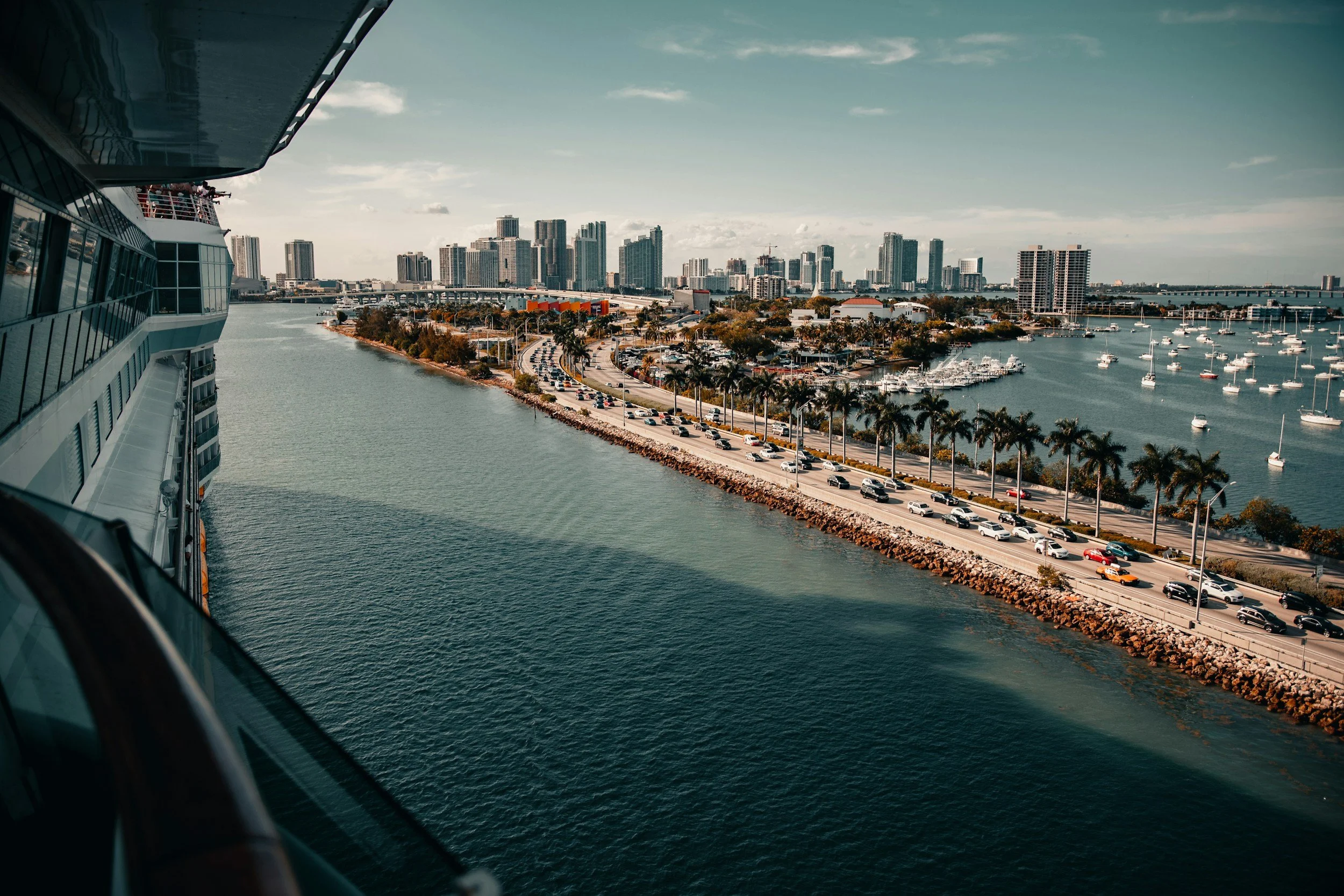
South Pointe Park Pier
At the southern tip of South Beach, this pier offers sweeping views of cruise ships entering and leaving Government Cut, wide beaches, and one of the best sunrise vantage points in the city.
📷 Pro Tip: Arrive well before sunrise to secure a spot at the end of the pier, this location can get crowded as the light builds. A 16-35mm captures the full sweep of beach and horizon; a 70-200mm compresses passing cruise ships against the skyline if timing lines up.
Best time: Sunrise. Access: Free, public park.
Vizcaya Museum and Gardens
An Italian Renaissance-style villa with elaborate European gardens, a striking architectural contrast to the rest of Miami's tropical modernism and Art Deco character.
📷 Pro Tip: Visit in the morning when the gardens are quieter and soft light works well with the formal, symmetrical layout. A 24-70mm covers both the architecture and garden compositions; a wide-angle at 16-35mm suits the grand interior rooms if photography is permitted during your visit.
Best time: Morning. Access: Paid entry.
Little Havana – Calle Ocho
Street life, dominoes, murals, and cigar rollers concentrate along this stretch, one of Miami's most soulful and photogenic neighborhoods, and one built for storytelling rather than static landmarks.
📷 Pro Tip: Spend real time at Máximo Gómez Park watching the domino games, this is the neighborhood's beating heart and its best candid-portrait opportunity. A 70-200mm lets you work from a respectful distance; always ask before close portraits, most people say yes. Late morning brings the most consistent street activity.
Best time: Late morning. Access: Free, public streets.
Pérez Art Museum Miami (PAMM)
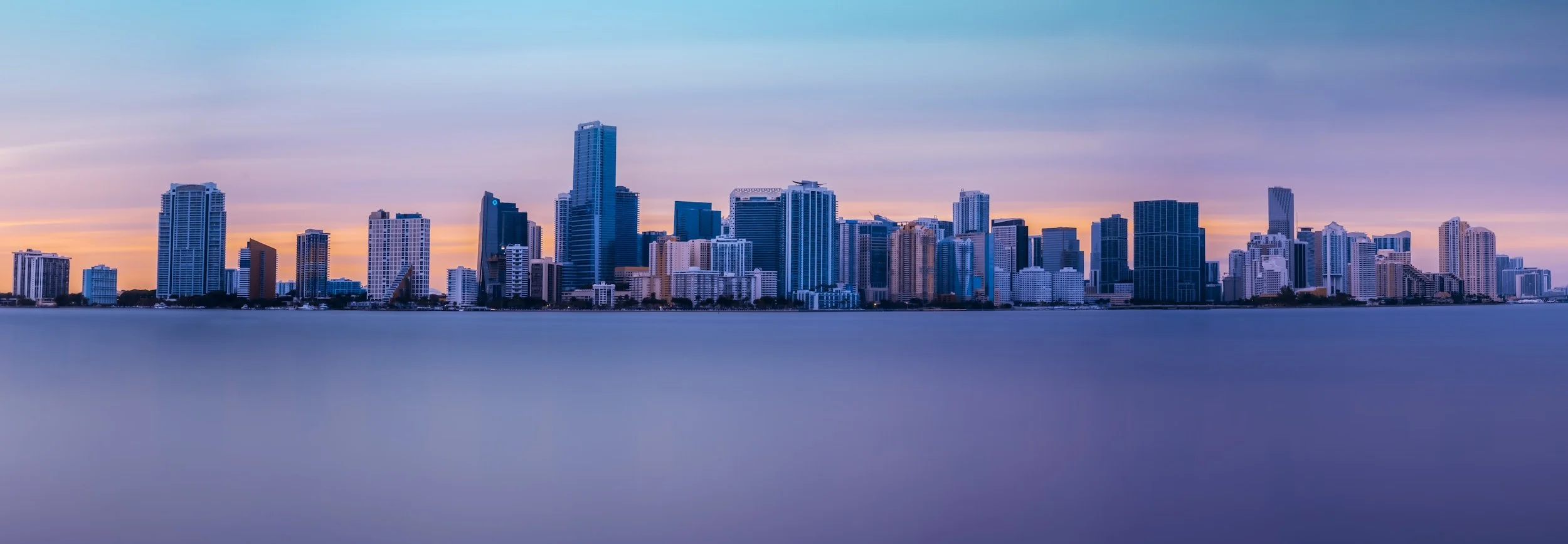
Sleek, modern architecture set directly on Biscayne Bay, with a bayfront sculpture garden that offers some of the cleanest skyline views in the city.
📷 Pro Tip: Shoot the building's exterior and hanging gardens in late afternoon, when warm light catches the architecture's clean lines. A 16-35mm captures the full building against the bay; a 24-70mm works for the sculpture garden and interior spaces.
Best time: Late afternoon. Access: Paid entry; bayfront grounds often free.
Everglades National Park
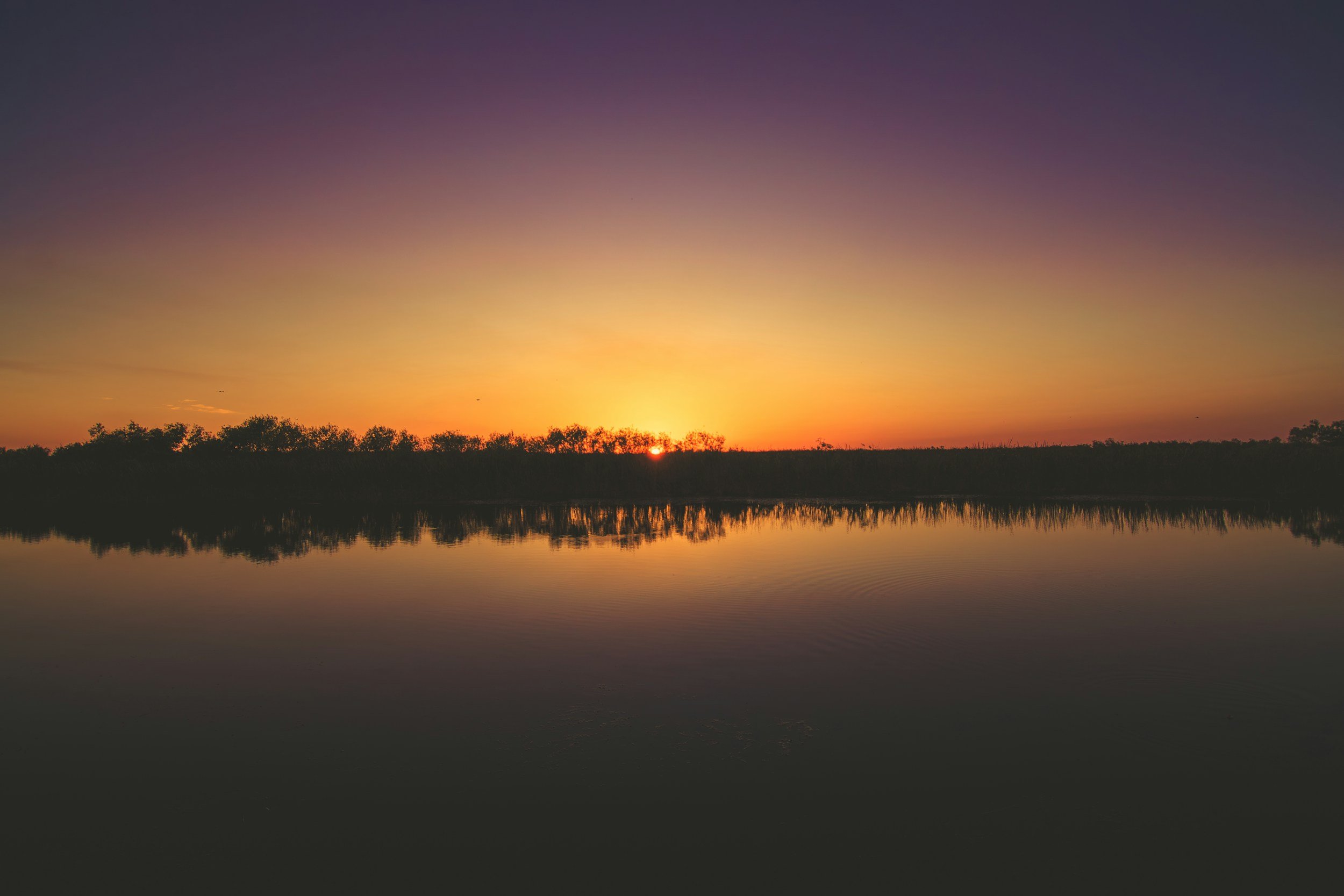
Just an hour from Miami, the Everglades offer a completely different subject, wildlife, wetlands, and dramatic open landscapes that reframe the city's dense, urban energy entirely.
📷 Pro Tip: Book a guided airboat or walking tour with a naturalist, wildlife here is real, not staged, and a guide dramatically improves your odds of good sightings. Bring a 100-500mm for alligators, birds, and other wildlife at a safe distance; a 16-35mm covers the wide, open landscape shots. Early morning offers the coolest temperatures and most active wildlife.
Best time: Early morning. Access: Paid park entry; guided tours available at additional cost.
Graffiti in Wynwood Walls and the Wynwood Arts District
Wynwood is a former warehouse district that has become one of the most significant outdoor mural destinations in the world. At the center is Wynwood Walls, the curated outdoor space founded in 2009 that has featured work by Shepard Fairey, Os Gemeos, RETNA, and others. But the real photography is in the surrounding streets, alleys, and loading dock doors, where the newer and less curated work is still evolving. Walk two blocks in any direction from the main walls, and the energy shifts. That is where the surprises are.
The subject is the work itself, but the subject is also the interaction between the murals and the people who stop in front of them: the women in sundresses, the photographers with their telephoto lenses, the skateboarders passing through. Wynwood is as much a people-watching location as a mural destination.
📷 Pro Tip: Arrive between 8 and 10 am on a weekday. The murals are fully lit by then, and the crowds have not yet arrived from Miami Beach. Bring a wide lens for the full-wall compositions and a 70-200mm for pulling out details and isolating faces in the murals from a distance. The side streets west of NW 2nd Avenue and the alleys off NW 25th Street consistently produce the most spontaneous and layered work. Wynwood Walls has an entry fee during some hours; check current hours before visiting, as they can vary by season and events calendar.
Best time: Weekday morning, 8–10 am. Access: Street murals are free; Wynwood Walls has a ticketed entry. Uber from South Beach is approximately 15 minutes.


Wander the side streets and alleys, and you’ll discover layers of color, protest, poetry, and pop culture—painted on warehouse doors, rooftops, sidewalks, and utility poles. Much of it is unsanctioned, and that’s part of the appeal. It’s alive. It changes constantly. Sometimes overnight. New artists tag over old ones, creating an ever-evolving visual dialogue. That means every visit is different and photographers always have fresh content to capture.
Festivals & Events
Art Basel Miami Beach (December) transforms Miami Beach into a global art event for a week each year. The main fair at the Miami Beach Convention Center is surrounded by satellite fairs, pop-up installations, gallery openings, and after-parties that spill across the entire city. For photographers, the energy in the streets, the fashion, the spontaneous installations, and the density of interesting faces is as valuable as anything inside the fair itself. Book hotels six months in advance. Rates at this time of year are significant.
Calle Ocho Festival (March) fills Little Havana with music, color, food, and movement for one weekend. The largest Latino street festival in the country draws hundreds of thousands of people over its main day. Salsa dancers, Cuban food vendors, live bands on multiple stages, and flags everywhere. Photographically, it is an extraordinary opportunity for street portraiture and documentary-style work. Arrive early for the setup shots before the crowd peaks. A 70-200mm is your best tool in the dense crowd.
Miami Beach Pride (April) runs through South Beach with a street parade and beach festival that bring extraordinary color, costuming, and energy. For street photography, the energy is festive and the subjects are generous with the camera.
Miami Art Week (December) runs concurrently with Art Basel and encompasses dozens of additional fairs including Untitled Art Fair on the beach, Scope Miami, and Design Miami. The installations outside the venues, particularly along Collins and Lincoln Road, are sometimes the best photography of the entire week.
Miami International Film Festival (March) brings international film talent to the city and adds a particular energy to Brickell and the Design District. Worth knowing if cinema photography or editorial work is part of your practice.
Frequently Asked Questions About Visiting Miami
Do you need a car in Miami?
Not for South Beach or Wynwood, both are walkable and connected by trolley, rideshare, or CitiBike. You'll want one for the Florida Keys or the Everglades.
Is Miami expensive?
It can be, especially South Beach hotels and dining, but there's real range. Coyo Taco and the ventanita coffee windows in Little Havana let you eat and drink well without a high price tag.
Is Miami safe?
Yes, for the areas most visitors go, South Beach, Wynwood, and Little Havana are all well-trafficked. Normal city awareness applies, especially at night.
What are the best photo spots in Miami?
Wynwood's murals in the 8 to 10am window, Ocean Drive at golden hour, and South Pointe Park Pier at sunrise are three that consistently deliver. The full list is above.
Can you fly a drone in Miami?
Check current FAA and B4UFLY restrictions before flying, particularly around Miami International Airport and the beach corridor, both carry active airspace restrictions. Wynwood also has local rooftop-venue restrictions.
What surprised you most about Miami?
How quick the drive to the Florida Keys is. Most Miami guides skip it entirely, but within an hour south on US-1, the urban energy is completely gone, replaced by open water on both sides and pelicans on channel markers. It reframes everything you thought Miami was.
How many days do you need in Miami?
Three to five days. Three covers South Beach, Wynwood, and Little Havana properly; five opens up the Everglades and the Keys as day trips.
Is Art Basel worth planning a trip around?
Yes, if you can handle the crowds and hotel rates. The energy in the streets during December's Art Basel week, the fashion, the pop-up installations, is as valuable to photograph as anything inside the fair itself. Book hotels six months ahead.
Final Thoughts
Miami keeps delivering. Every time I think I have covered the city, I find an alley in Wynwood with work I have never seen, or a light on the bay that I caught wrong the first time. It is a city that rewards return visits at least as much as first ones.
Bring more memory cards than you think you need. The light here can go from harsh midday Florida sun to a deep coral sunset in forty-five minutes, and when it shifts, you want to be ready.
Want to improve your photography while exploring some incredible destinations? Join me on one of my photography workshops! You can find all the details, including upcoming destinations and dates, through the links below.
Let's Stay Connected!
More Photography Guides to Explore
My Photography & Travel Guide to New Orleans Miami and New Orleans are connected by the same Southern coastal energy, both rooted in music, food, culture, and a nightlife that runs deep. If Miami opened you up, New Orleans will finish the job. The French Quarter, the second-line parades, the Garden District at dawn. One of the most photographically rich cities in the United States.
My Photography & Travel Guide to Charleston, South Carolina A short flight or a manageable drive from Miami, Charleston is the slower, quieter antidote to South Beach. Antebellum architecture, hanging moss, the Ravenel Bridge at blue hour, and a food scene that genuinely competes with anything on the East Coast. Better than most people expect.
My Photography & Travel Guide to Washington, DC The monuments at sunrise, cherry blossoms at the Tidal Basin, Georgetown at golden hour. My home city and one of the best photography destinations in the country. Free world-class museums, remarkable seasonal light, and more subject variety per square mile than almost anywhere in the United States.
Finally—a beginner-friendly photography guide that makes sense.
If you've ever picked up a camera and thought, "Now what?" this is the book for you.
Photography Made Simple is written for adults who are just starting out and want a clear, encouraging, real-world approach to learning photography. Whether you're using a DSLR, mirrorless, or just your smartphone, this guide walks you through the basics—without the jargon or tech overwhelm.
Inside, you'll learn:
The only camera settings you really need to know to get started
How to shoot sharper, more intentional photos using light and composition
Simple tips for portraits, landscapes, travel, and everyday life
What gear you do (and don’t) need
How to create better photos without upgrading your camera
You’ll also get practical exercises, cheat sheets, and tips for organizing and editing your images—plus the confidence to shoot off Auto Mode for good.
This is not a textbook. It’s a friendly guide to seeing the world with fresh eyes—and finally capturing what you see the way you imagine it.
📸 Format: PDF download
Pages: 100+
Perfect for: Beginners, hobbyists, and anyone ready to take better photos without the stress
✈️ Travel Photography Planning Sessions
One-on-One Trip Planning with a Professional Travel Photographer
Don’t miss the shot. Let me help you plan for it.
Overview
Planning a photography-focused trip can be overwhelming. From figuring out the best places to shoot, to when the light is just right, to knowing which lens to pack — there are a lot of decisions to make.
This one-on-one Zoom session is your chance to get personalized travel photography advice from someone who’s spent the past 25 years exploring cities, coastlines, and wild places around the world — camera in hand.
Whether you're headed to Paris, Patagonia, Tokyo, or Tuscany, I’ll help you make sure your photography trip is well-planned and creatively inspired, so you come home with the images you dreamed of (and then some).
What’s Included
✅ Photography Location Planning
I’ll help you create a customized itinerary of the best photo spots, including off-the-beaten-path gems and iconic views.
✅ Best Times to Shoot
Get expert advice on lighting, golden hour, blue hour, and seasonal conditions for each location.
✅ Gear Recommendations
Not sure whether to bring the telephoto or the prime? We’ll walk through your gear and make sure you’re bringing the right tools for your destination and style.
✅ Hotel and Base Recommendations
Stay where it’s convenient for sunrise shoots and late-night strolls with your camera. I’ll recommend hotels that are photographer-friendly and well-located.
✅ Custom Travel Tips
From sunrise entry times to tripod rules at major landmarks, you’ll get insider tips to save time, avoid tourist traps, and make the most of your trip.
Who It’s For
This service is for anyone who:
Is planning a trip and wants to prioritize photography
Wants expert insight on the best places to shoot and how to get there
Is tired of missing the shot because of poor planning or bad timing
Is a beginner, enthusiast, or professional photographer looking for guidance before a trip
How It Works
Book a Session
Choose a time that works for you and tell me where you're headed.Share Your Plans
You’ll fill out a quick questionnaire so I know your travel dates, interests, and photography style.One-on-One Zoom Call (60 minutes)
We’ll meet via Zoom and walk through your trip together — from location ideas to gear and timing. You'll leave with a custom PDF full of notes and suggestions.Follow-Up Support
Get one round of email Q&A after your session to clarify anything as your plans evolve.
Why Work With Me?
I’ve spent the last 25 years photographing the world — from major cities to remote islands. I know what it’s like to travel and shoot under pressure, and I love helping people get the most out of their trips. This is not just about hitting “popular spots” — it’s about crafting a creative and efficient plan tailored to your trip, your gear, and your goals.
Pricing
$125 / Session
Includes:
60-minute Zoom call
Custom PDF summary with photography spots, gear tips, and travel recommendations
One follow-up email with additional Q&A
Introductory rate available through September 2025
Ready to Plan Your Trip?
Let’s make sure you’re ready — so when the light is perfect, you’re in the right place with the right gear.
Questions?
Please email me at vito@chasinghippoz.com if you're not sure whether this is right for you. I'm happy to chat.