Lofoten Islands, Norway Travel & Photography Guide: Best Photo Spots, Things to Do & Hidden Gems
Some places earn their reputation. The Lofoten Islands are one of them.
When friends ask me what it is actually like, I tell them to imagine the Alps of Switzerland dropped into the Norwegian Sea, with red and yellow fishing cabins scattered along the water's edge and the possibility of the Northern Lights dancing overhead. That is Lofoten. It is not a place you can fully prepare yourself for. You arrive, you look out the window, and your jaw drops.
We were lucky enough to spend about 10 days in the Lofoten Islands, based out of a beautiful restored cabin at Hattvika Lodge. It is one of those places that stays with you. Not a week goes by that I do not think, "When can I go back?"
For photographers, the Lofoten Islands offer an almost unfair supply of material. The coastlines are dramatic and rocky, the water shifts between turquoise and steel gray depending on the light, and the mountain peaks rise sharply right out of the sea. Add in the quaint fishing villages, the famous rorbuer (the iconic red and yellow fishermen's cabins), and the possibility of photographing the Northern Lights from September through March, and you have what I can only describe as a bucket-list destination with substance behind the hype.
What makes Lofoten genuinely special for photographers is how fast everything changes. In one hour, you can go from flat gray skies to golden light breaking through storm clouds. I have stood on the Hamnøy bridge and watched the entire mood of the landscape transform in under 30 minutes. That kind of light is not something you plan. It is something you show up for and wait.

Jagged mountains, quiet fjords, and traditional fishing cabins in Norway’s Lofoten Islands.
The landscape also gives you an extraordinary range. In the morning, you can be photographing long exposures on a wild Arctic beach. By afternoon, you are in a fishing village so perfectly preserved it looks like a film set. The scale here is humbling, and the quiet is absolute. There are no crowds fighting for the same composition. Just you, the wind, and the mountains.
In this Photography Guide to the Lofoten Islands, I share the places and experiences that continue to draw me back. You will find my favorite photography locations, guidance on when and where to shoot, practical travel tips, and gear recommendations, along with cultural insights to help you explore and photograph the Lofotens with confidence, respect, and ease.

Traditional red rorbuer along the waterfront in the Lofoten Islands, Norway.
Where are the Lofoten Islands?
So, where the heck are the Islands located?

Turquoise water, pale sand, and mountains rising directly from the sea at Haukland Beach in Lofoten.
The Lofoten Islands, are located in the North of Norway in the Arctic Circle. The Arctic Circle is located above the latitude 66 33′ North.
Most people will begin their trip in Tromsø and drive to Reine where most of the best photography locations are found. On our trip, we first stayed in Oslo for a few days at a hotel called The Thief. We then took the 2.5 hour flight from Oslo to Tromso. In Tromso, we stayed at the Clarion Hotel The Edge.

A Map with Driving Distances of the Lofoten Islands
During summer, the Lofoten Islands are a great place to tour and to view the Midnight Sun. During the winter, it is one of the best places on Earth to see the Northern Lights. Of course, when we were there for 8 nights, we only saw the Northern Lights on the first night of our trip.
Just outside of Tromso is one of the best places in Norway to see the Northern Lights. There are many Northern Light tours that you can take from Tromso. We visited a small fishing town called Oldervik and saw some incredible lights.

The Northern Lights dancing above the Arctic landscape near Tromsø, Norway.
Photographer's Notes
Before you go, here are my own takeaways.
Favorite Season: Winter
Favorite Sunrise Location: Skagsanden Beach
Favorite Sunset Location: Hamnøy
Favorite Village: Reine
Favorite Hotel: Hattvika Lodge
Favorite Restaurant: Restaurant Gadus
Favorite Café: Lofoten Bakeri
Favorite Lens: 35mm/50mm prime
Would I Return? Yes, next time in the summer.
How to Get to the Lofoten Islands
There are basically 2 options: drive or fly. We choose to drive, but you can also fly to Evenes, which has daily departures from Oslo. It is, however, a long drive from Tromso to Ballstad, so a good place to overnight is Harstad. We stayed at a night hotel called Thon Hotel Harstad.
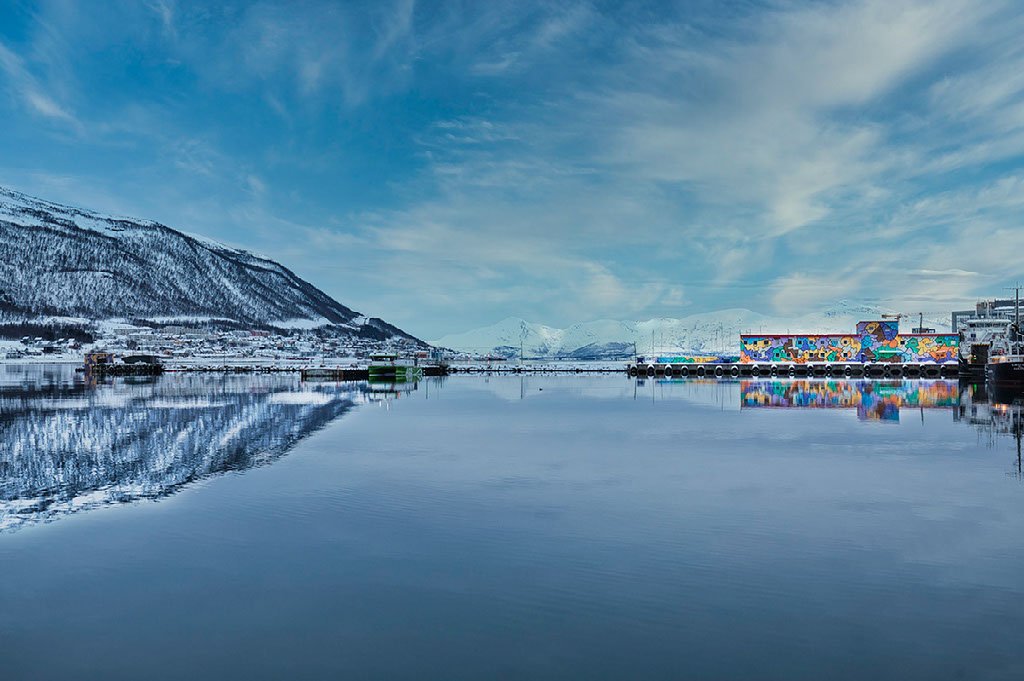
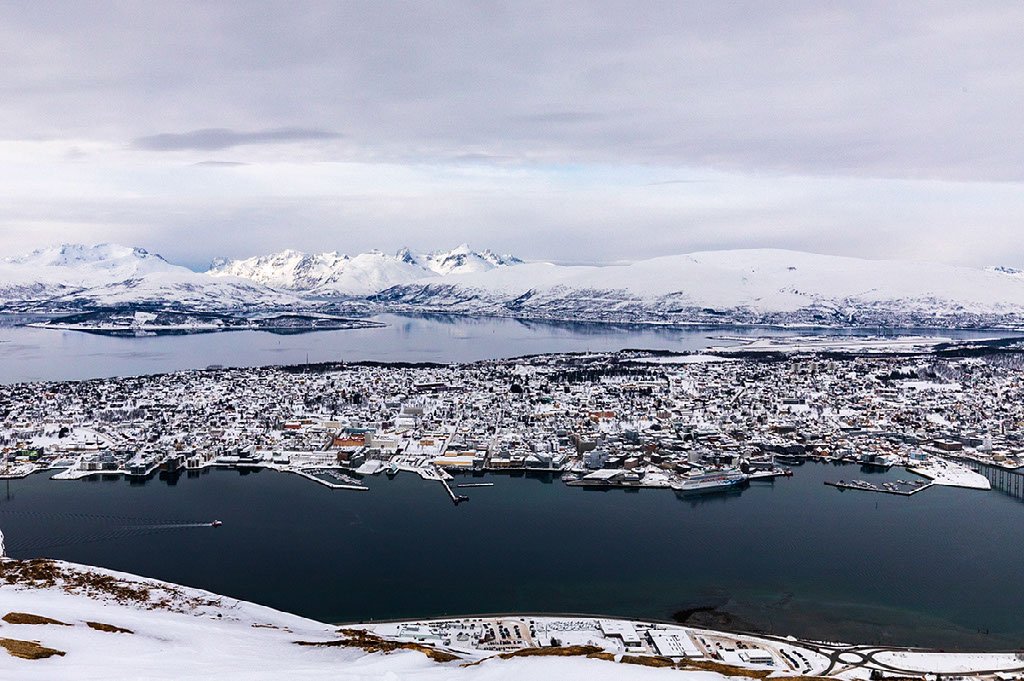
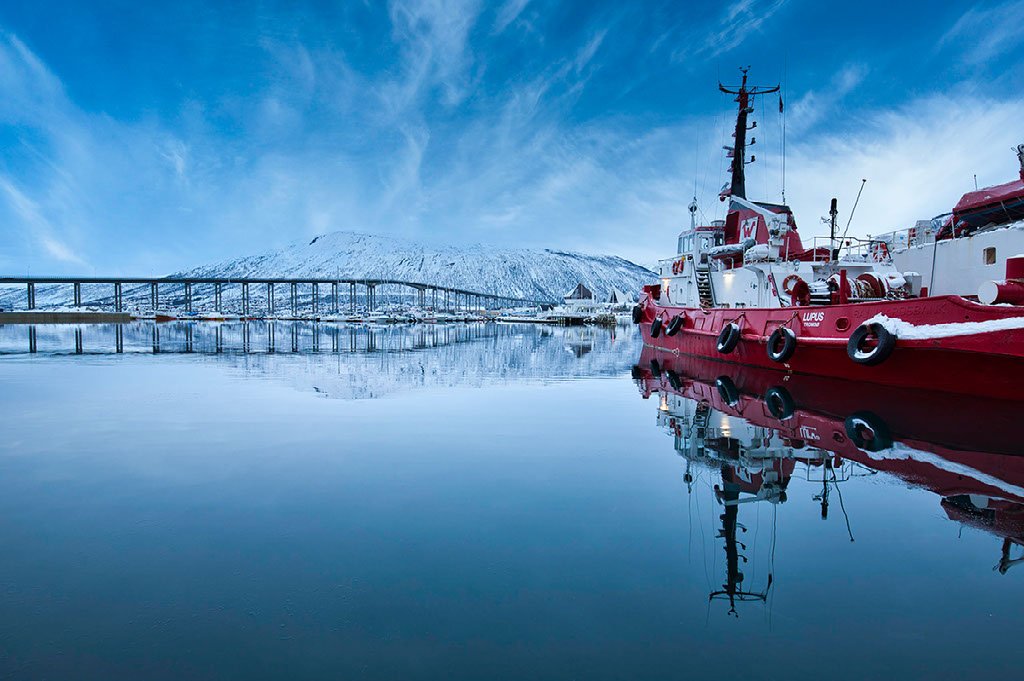
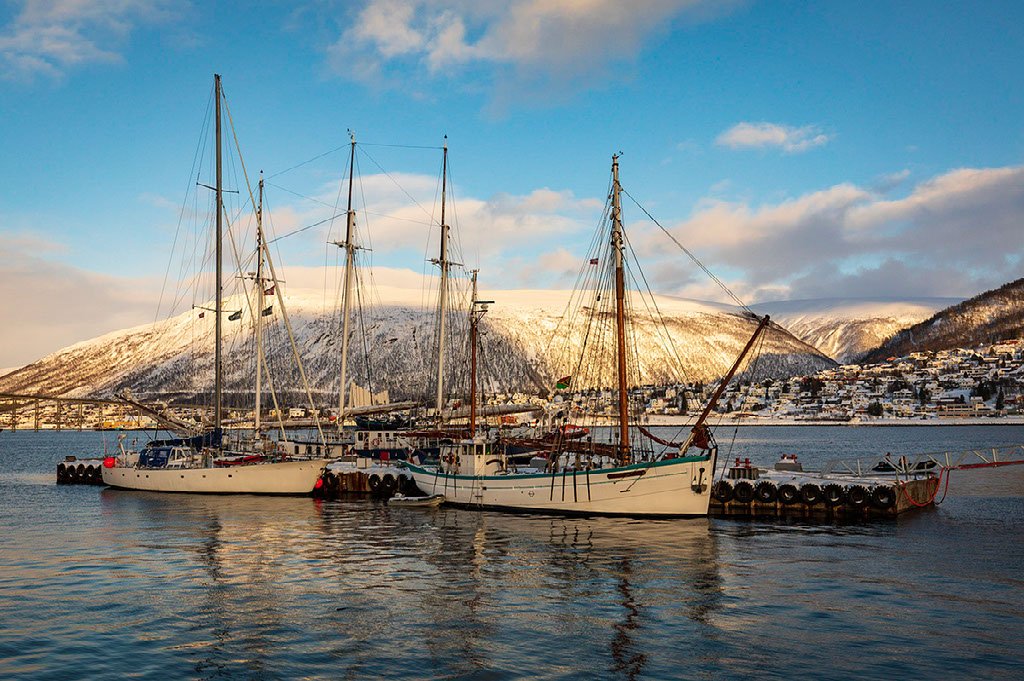
The only thing that you should be aware of is that there will be tons of fantastic photography locations, but they will be difficult to photograph. Why? There are so few spots (cut-outs) to stop at along the side of the road. It is so frustrating to see an epic location but not be able to stop and photograph it.
Getting Around Lofoten Islands, Norway
A rental car is not optional. It is essential. The Lofoten Islands are connected by a single main road, the E10, which runs the length of the archipelago through tunnels, across bridges, and along the water. The drive itself is one of the most beautiful road trips in Europe.
We drove from Tromsø to the islands, which gave us maximum flexibility, including the ability to stop anywhere we wanted along the route. If you are flying directly into the Lofoten, pick up your rental car at Leknes Airport. It is a small airport with limited flights, but it puts you close to the southern photo spots immediately.
Fly into Evenes (the larger regional airport, served by direct Oslo flights) if you want more flight options. From there, it is roughly a 3-hour drive to Reine.
You can also arrive by ferry from Bodø to Moskenes, a 3.5-hour crossing that arrives close to Reine and Å. This is a beautiful way to arrive if you want the full dramatic approach by sea.
Taxis and local transport services do exist, but they are expensive and not designed for the kind of early morning and late evening access that photography requires. Get a car. Uber is not available here. Local transport companies like Guide to Lofoten offer transfers, but expect to pay premium rates.
One important frustration I want to flag: there are very few pull-off spots along the E10. You will drive past breathtaking compositions with nowhere safe to stop. Plan your route in advance using the photography locations in this guide, and accept that a few great shots will simply pass you by from the passenger window. It happens to everyone.
Best Time to Visit Lofoten Islands, Norway
There is genuinely no wrong time to visit Lofoten. The islands change season by season, sometimes hour by hour, and every season offers something different photographically.
Winter (November through March)
This is when I visited, and I have a strong personal bias toward it. The crowds are almost nonexistent, the snow-covered mountains against the dark fjords are extraordinary, and from September through March, you have a real chance of photographing the Northern Lights. Temperatures on the coast stay around -2°C to 4°C, which is milder than you would expect at this latitude thanks to the Gulf Stream. The blue winter light at midday, what the Norwegians call blåtimen, is unlike anything I have photographed anywhere else. Flat, soft, and impossibly atmospheric.
The trade-off is unpredictable weather. We went from sunshine to blizzard conditions in 10 minutes on the Hamnøy bridge. Dress for it, and embrace it. The drama is part of the photograph.
Summer (June through August)
Summer brings the Midnight Sun, which means you essentially have golden hour from late evening through early morning for weeks at a time. If you have never experienced shooting at 1 a.m. in full golden light with mountains reflected in still water, it is as surreal and beautiful as it sounds. Wildflowers cover the hillsides, wildlife is active, and the sea eagle safaris are genuinely spectacular.
The trade-off is that summer brings significantly more visitors. Book accommodations at least 5 to 6 months in advance for the peak months of July and August.
Shoulder Seasons (May and September)
If I were planning a return trip specifically for photography and wanted the best balance of light, manageable crowds, and weather variability, I would choose late May or early September. The Northern Lights season starts again in September, the summer visitors have thinned out, and the light at these shoulder months is extraordinary.
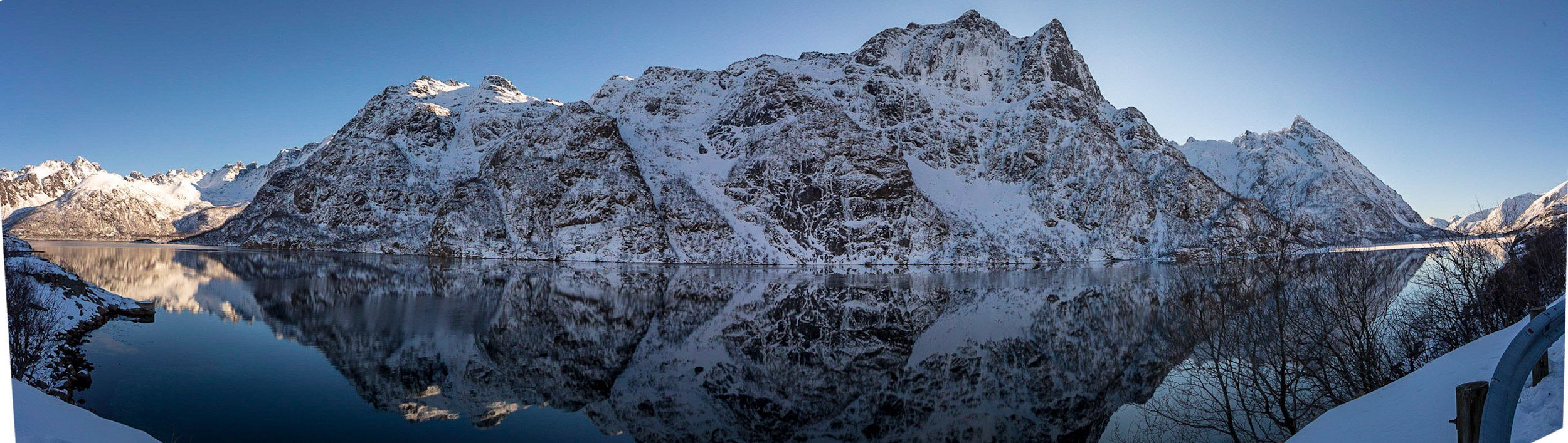
Snow covered mountains rising directly from the sea in the Lofoten Islands.
Ideal Duration of Stay for Lofoten Islands, Norway
I recommend spending at least 7 days on the islands. If you are routing through Tromsø first, add at least 2 to 3 days there, making it a 10-day trip total. Lofoten rewards patience. The light changes constantly, and some of the best shots only happen when the weather decides to cooperate after two days of clouds.
Here is how a 7-day itinerary might look:
Day 1: Arrive, settle in, and take an easy evening drive to Reine or Hamnøy. No pressure to shoot. Get your bearings and let the landscape sink in.
Day 2: Photograph Hamnøy at sunrise from the bridge. Drive to Sakrisøy and Reine in the afternoon.
Day 3: Spend the morning at Uttakleiv and Haukland Beaches. Work with long exposures in the afternoon as the tide changes.
Day 4: Drive to Skagsanden Beach for sunset. This is one of the best Northern Lights locations in winter, and in summer, the sand reflections at golden hour are extraordinary.
Day 5: Explore Nusfjord fishing village in the morning. Head to Unstad Beach in the afternoon. If you photograph surf, this is your day.
Day 6: Myrland Beach, then revisit any locations where the weather did not cooperate earlier in the week.
Day 7: A slower day for editing, exploring a village on foot, or making a return visit to your single favorite spot with fresh eyes.
Where should you stay in Lofoten Islands, Norway?
The southern part of the islands, centered around Reine, Hamnøy, and Å, is where the majority of the best photography locations are concentrated. If your trip is focused on photography, you want to base yourself somewhere within easy driving distance of these villages. Svolvær in the north is a useful landing point and works well for a first night, but I would not linger there for more than a day or two if you came specifically to shoot landscapes.
We stayed at Hattvika Lodge in Ballstad for the full trip, and it was the right call. It sits within about an hour's drive of all the key spots in the south, and the property itself is worth photographing. More on that below.
Luxury Options Lofoten Islands, Norway
Nusfjord Arctic Resort. One of the most atmospheric places to stay in all of Lofoten. It sits inside a perfectly preserved 19th-century fishing village, and several of the cabins are historic rorbuer that have been thoughtfully updated. Waking up here to still water and mountain light is an experience that photographers dream about. Book well in advance, especially for summer.
Thon Hotel Svolvær. A well-positioned property right on the Svolvær harbor, with comfortable rooms and one of the better restaurant experiences in the north of the islands. If you are flying into Svolvær or arriving by Hurtigruten, this is a strong first-night option before you drive south.
The Tide Hotel. A newer property located between Reine and Å that opened in 2022. Modern, well-designed, and ideally positioned for the southern photo spots. The on-site Havet Restaurant offers exceptional views and solid food, which is not something you take for granted in this part of Norway.
Mid-Range and Boutique Options
Hattvika Lodge. This is where we stayed, and I recommend it without hesitation. The lodge sits in an authentic fishing harbor in Ballstad, surrounded by traditional rorbuer and with a direct view over the water. The restored cabins include full kitchens, which matters more than you think when you are doing early morning and late-night shoots and do not want to hunt for a restaurant at 5 a.m. The owners are warm, the setting is photogenic, and the location puts you within range of everything.
Reine Rorbuer by Classic Norway Hotels. Red fishing cabins sit right on the water in one of the most photographed villages on earth. Staying here puts you inside the frame rather than driving to it. Atmospheric, comfortable, and about as Lofoten as it gets.
Svinøya Rorbuer, Svolvær. A collection of restored historic cabins on a small island just off the Svolvær waterfront. Traditional in feel, with an excellent on-site restaurant and mountain views from every direction. A great base if you want to spend time photographing the northern part of the archipelago.

Traditional restored fishermen’s cabins at Hattvika Lodge in Ballstad, Lofoten.
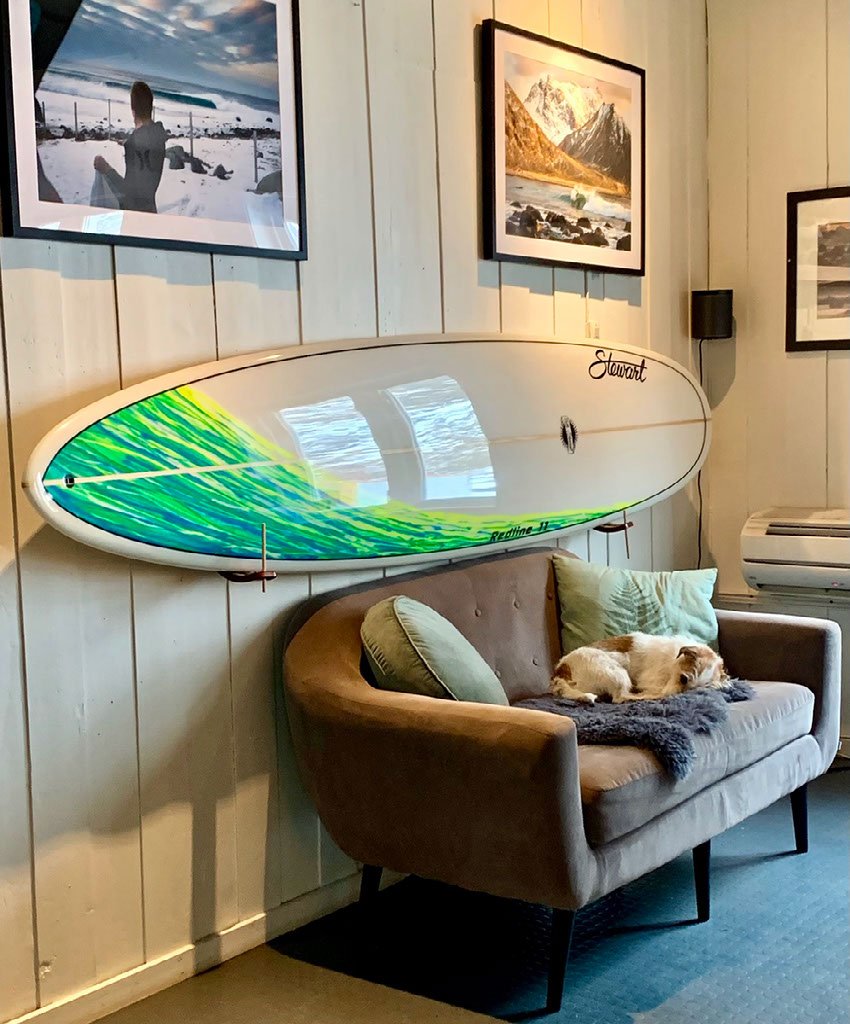
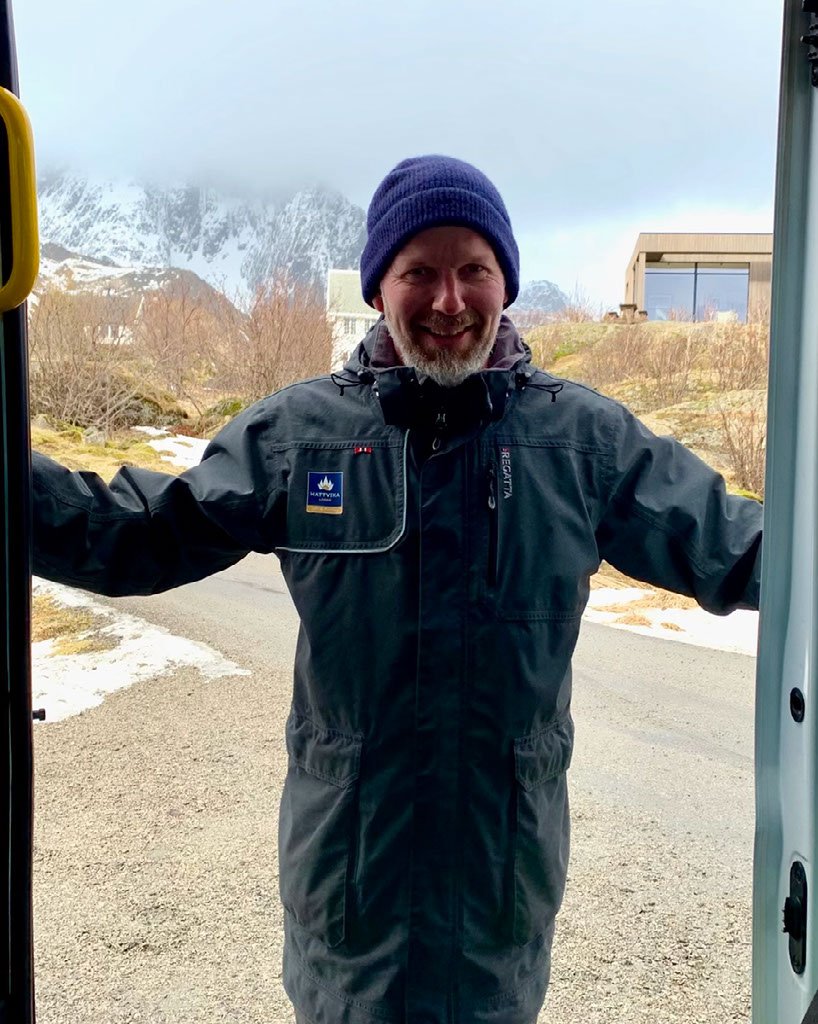
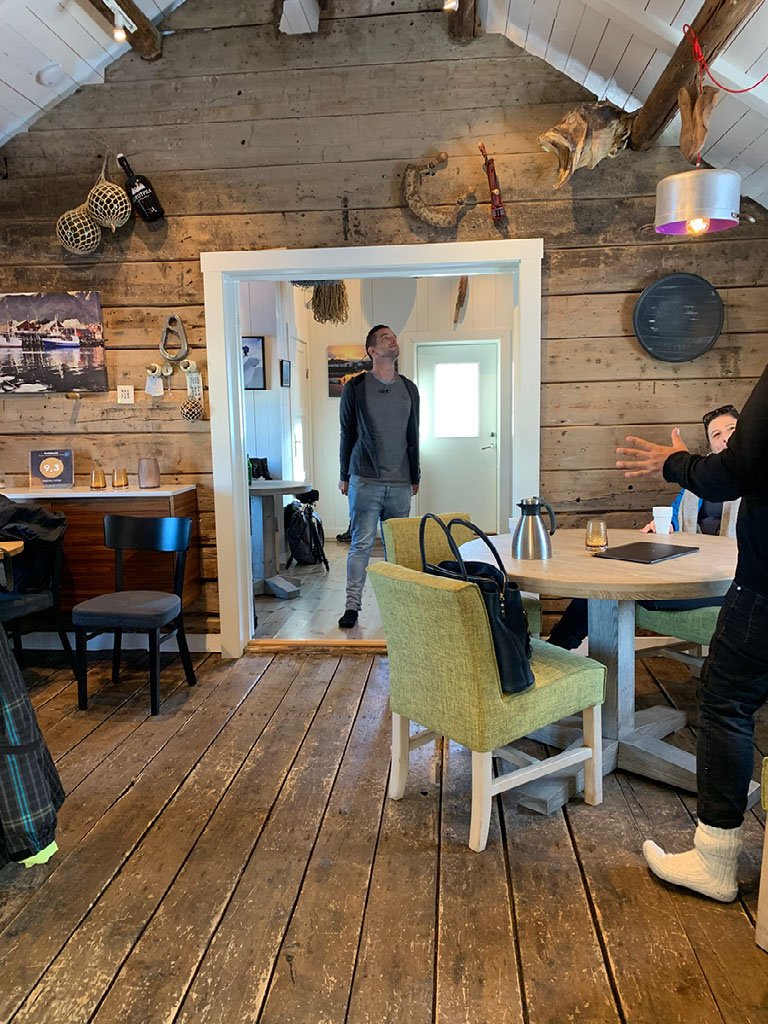
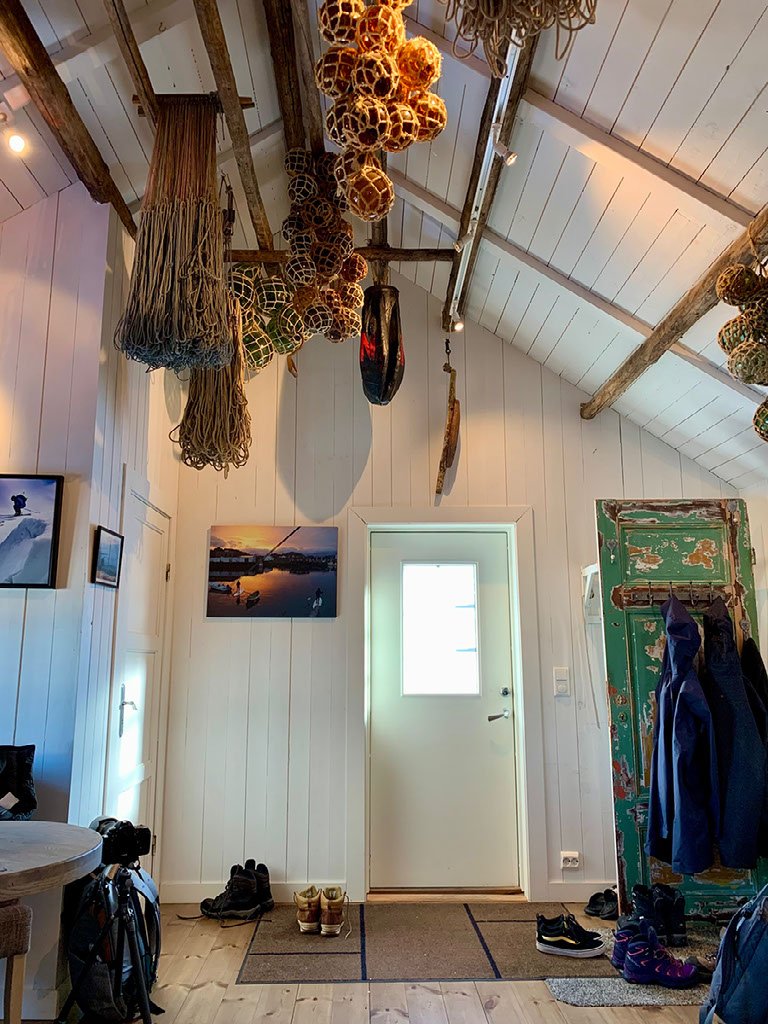
We stayed at the beautiful Hattvika Lodge which seems to be very popular with photographers. It is located in a perfect spot and the grounds of the hotel are very picturesque.
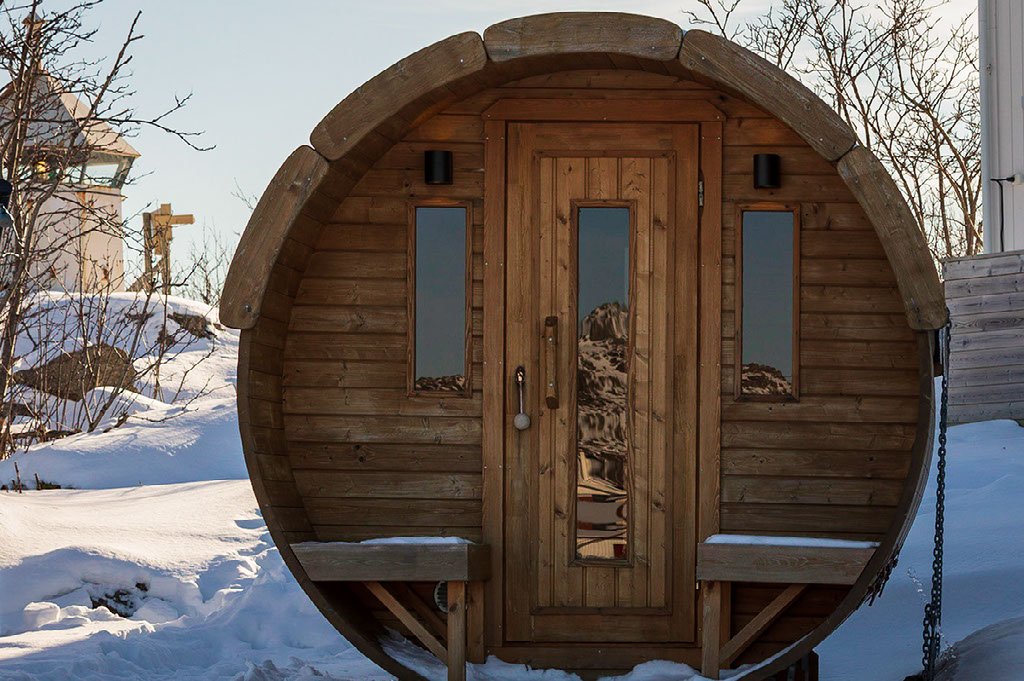
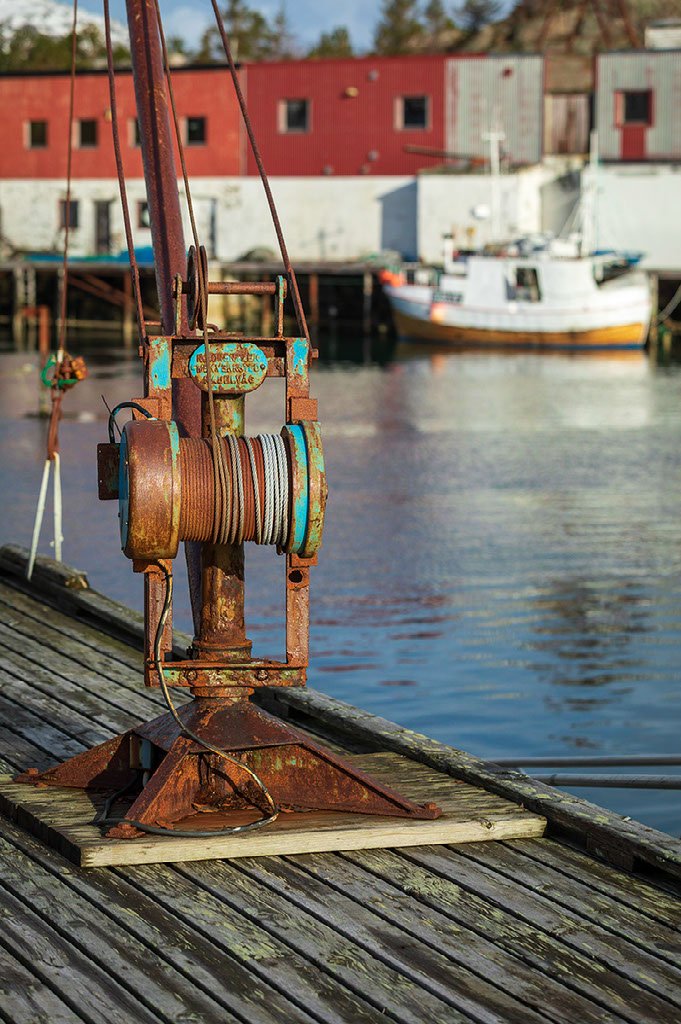
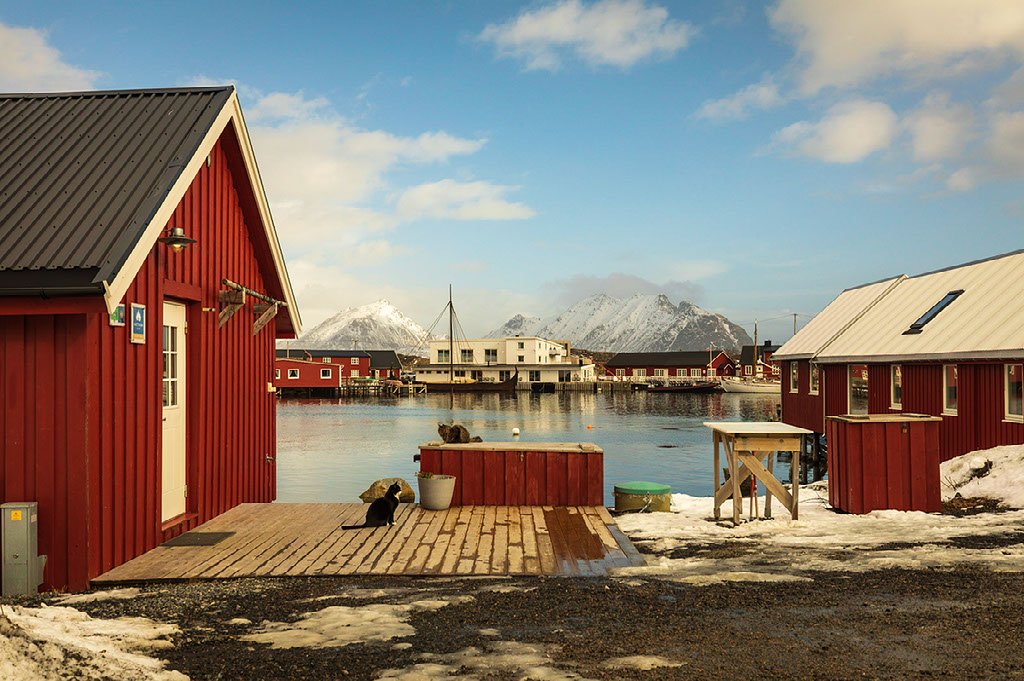
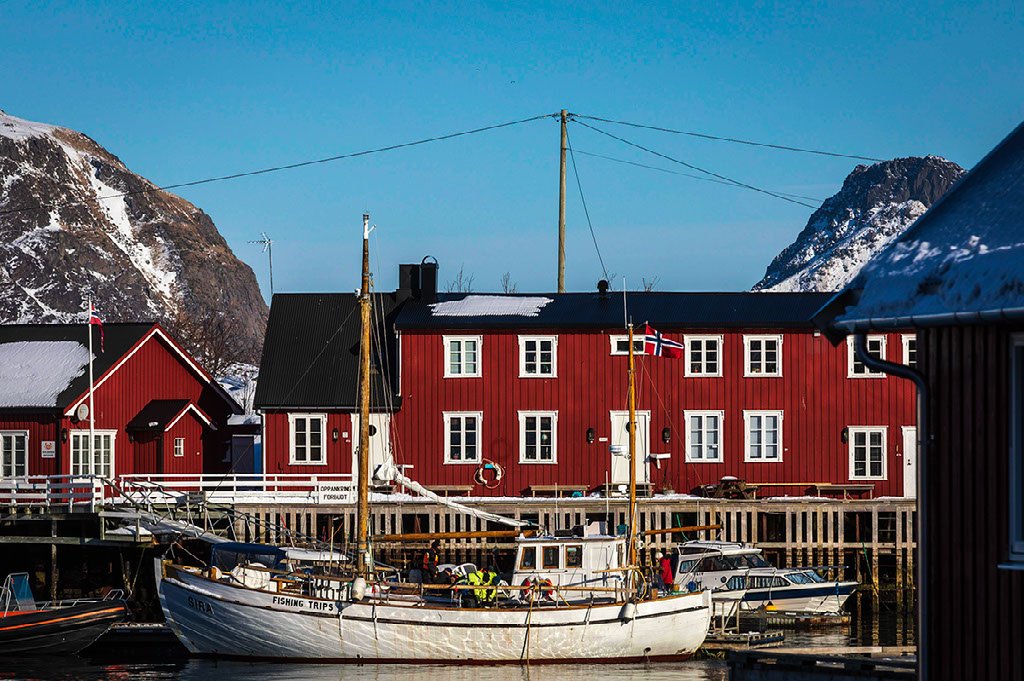
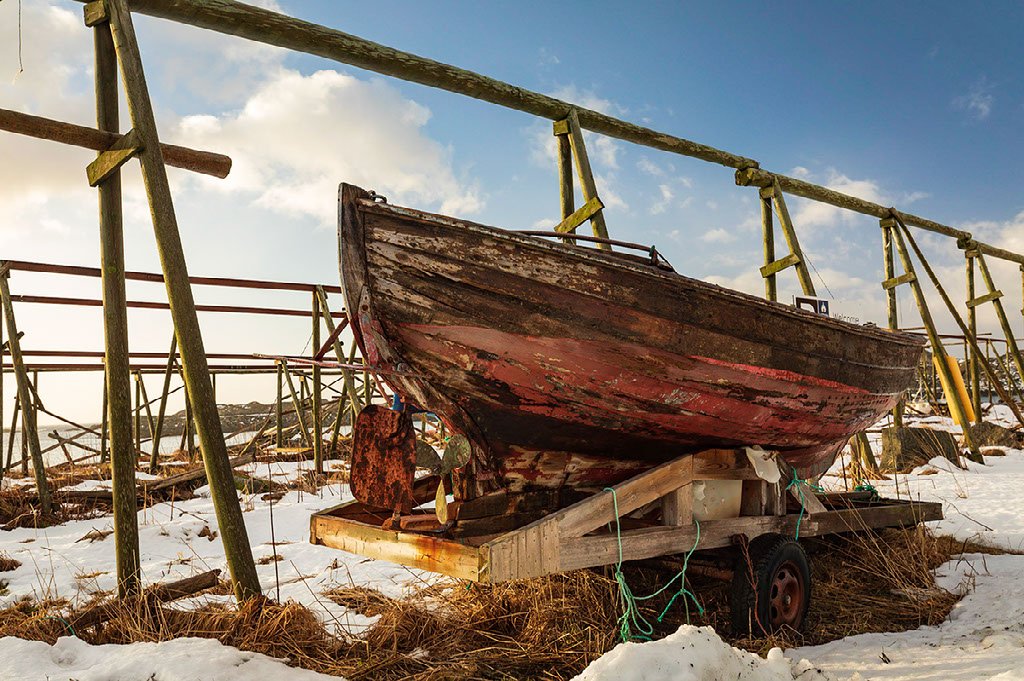
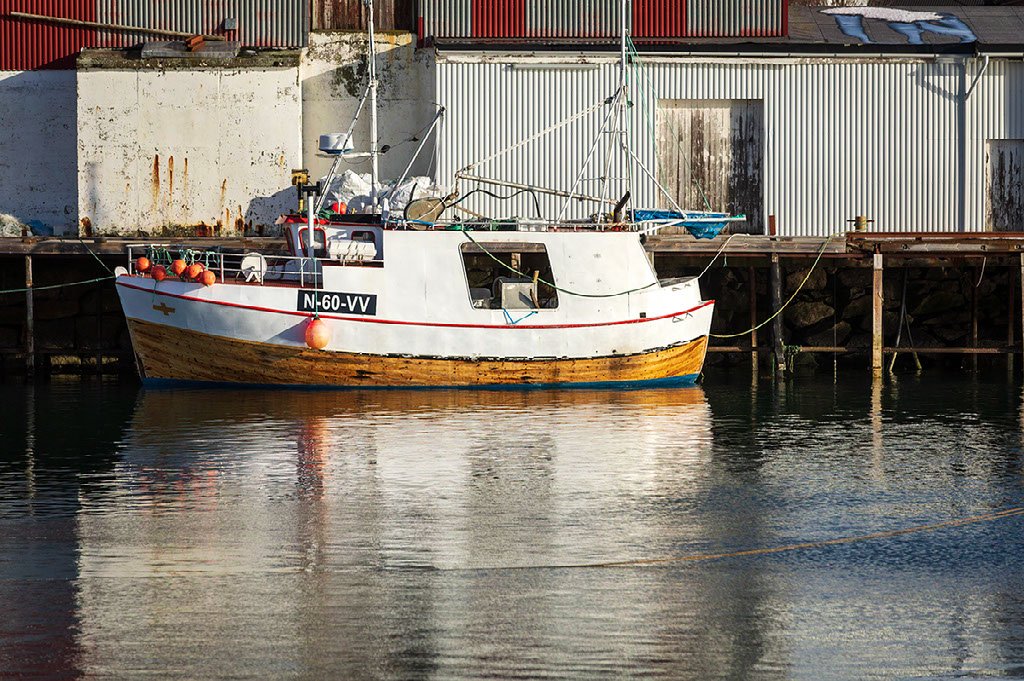
The owners of the hotel use to work in tech in Oslo before buying and renovating the property. The rooms were very cozy and the location is absolutely perfect.

Hattvika Lodge sits directly on the water in the fishing village of Ballstad.
The funny thing about this location is that it is located right by a major fishing port. One night we walked to a cafe for dinner and wanted to order some fresh fish. It seems Norway exports all the fish overseas and they only had frozen fish sticks. Not what you would expect in a fishing village!
The hotel is located within a 1-hour drive of all the ‘must-see’ photographic locations, so it’s the perfect base. Our restored cabin even included a washer/dryer and mini kitchen.
Be ready for changing weather conditions
It’s important always to be prepared for a change in the weather, as it can happen in a matter of minutes in the Lofoten. For that reason, it’s essential to bring the right clothes – especially when being outside for hours. The weather forecast on the Norwegian Weather App YR tends to be very accurate, but you need to always be prepared.
The first time we went to Hamnoy, the weather went from Sunny to Blizzard Conditions in about 10 minutes. We were stuck on the Hamnoy bridge with about 40-50 miles per hour winds. People were literally hanging onto the bridge and trying to hold their tripods in place. Very scary!
A lot of times, it would rain, snow, and be sunny within minutes. While we were in Tromso, we went into a Coffee Shop, and it was snowing. Ten minutes later, as we left, there were Blue Skies. So you can get quite different shots of the same location within just one hour of shooting. So, if the weather is not great, just wait a few minutes, and you might get some terrific light.
What to Pack for a Winter Photography Trip to the Lofoten Islands
You should always keep in mind that you are above the Arctic Circle, and you should dress accordingly. We were there in late Winter, so my packing list is geared towards visiting in the winter. Click on the link below for a complete packing list.
What to Pack: Summer Visit (June through August)
Summer in Lofoten feels like a completely different destination from the one I experienced in March. The Midnight Sun means it simply does not get dark, and you will find yourself shooting at 1 a.m. in golden light with no other photographers around. The wildflowers are out, the sea eagles are active, and the beaches are accessible for hiking and exploration in ways that winter makes difficult.
But summer in Lofoten does not mean summer in the traditional sense. Having visited Norway many times in summer, I can tell you that you can go from a t-shirt to a warm jacket in the same hour. Pack for all of it.
Clothing
Waterproof shell jacket. Non-negotiable, regardless of the forecast. Gore-Tex or equivalent. This is your most important piece of clothing.
Mid-layer fleece or down jacket. Evenings and mornings are cool even in July. You will want this for the Midnight Sun shoots when you are standing still for long periods.
Moisture-wicking base layers. Merino wool is ideal. It regulates temperature and does not hold odor after long days on the trail.
Lightweight hiking pants and shorts. Pack both. Some days will be warm enough for shorts on the beaches; others will not.
Sturdy waterproof hiking boots. The coastal rocks are covered in algae and genuinely slippery. We saw photographers fall at Haukland and Uttakleiv. Good grip is not a style choice; it is a safety choice.
Wool beanie and lightweight gloves. Yes, even in July. Early morning on a beach at 4 a.m. is cold regardless of the season.
Swimsuit. Some accommodations have saunas and the beaches are swimmable in summer, at least briefly. The water is cold, but if you go for a sauna first, it becomes tolerable and entirely worth it.
Sleep and Sun
Blackout sleep mask. This is the single most important non-camera item you will bring. The Midnight Sun means genuine 24-hour daylight in June and July. Most accommodations do not have blackout curtains. Without a sleep mask, you will not sleep. Full stop.
High-SPF sunscreen. The sun sits low and rakes across you for hours during golden hour. It is easy to burn in conditions like this, especially when it does not feel hot.
Mosquito repellent with DEET. Mosquitoes are not tropical-level aggressive in Lofoten, but in sheltered valley areas during summer they are present, particularly during hikes. Bring it.
Dining and Coffee in Lofoten Islands, Norway
Let me be honest with you: food is not the main draw of Lofoten. We were consistently surprised by how difficult it was to find fresh fish in a fishing village. Most of the salmon and cod is exported, and some of the most obvious restaurants serve what amounts to frozen convenience food. Cook in your cabin when you can, stock up on groceries in Leknes, and save your restaurant budget for the handful of genuinely excellent spots below.
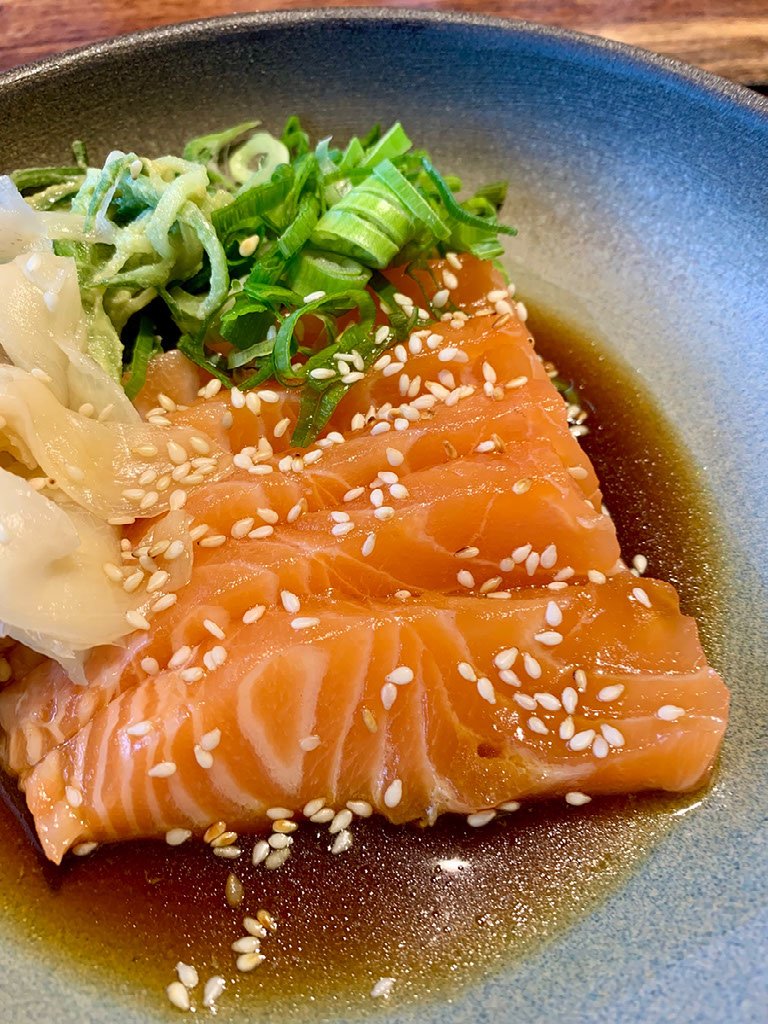

Restaurants in Lofoten Islands, Norway
Restaurant Gadus, Hamnøy. This is the one. An Italian-Norwegian fusion kitchen inside an old white wooden house just off the water in Hamnøy. The menu changes daily based on what fresh ingredients they can source, and the handmade pasta is exceptional. It is a small room, and it fills up fast. Make a reservation. I should have gone back a second time. The reviewers who say it was the best meal of their entire Norway trip are not exaggerating.
Restaurant Gammelbua, Reine. Set inside a restored 18th-century general store in the heart of Reine. The atmosphere is warm and cozy, the halibut is worth ordering, and the reindeer dishes are a genuine highlight. This is local cooking done right. Reserve ahead in summer.
Karoline Restaurant, Nusfjord. A cozy, classically decorated spot inside the Nusfjord fishing village. The setting alone is worth the visit. Good local seafood and a friendly staff who actually know what they are serving. Pair it with a morning walk around the village for a perfect full day.
Arctic Surf Café, Unstad Beach. This is where you go for the cinnamon roll. I am not being dismissive. It is one of the best cinnamon rolls I have ever eaten, and the view from the café over the surf break makes for a genuinely memorable lunch stop. A casual, warm spot at the end of a very remote road.
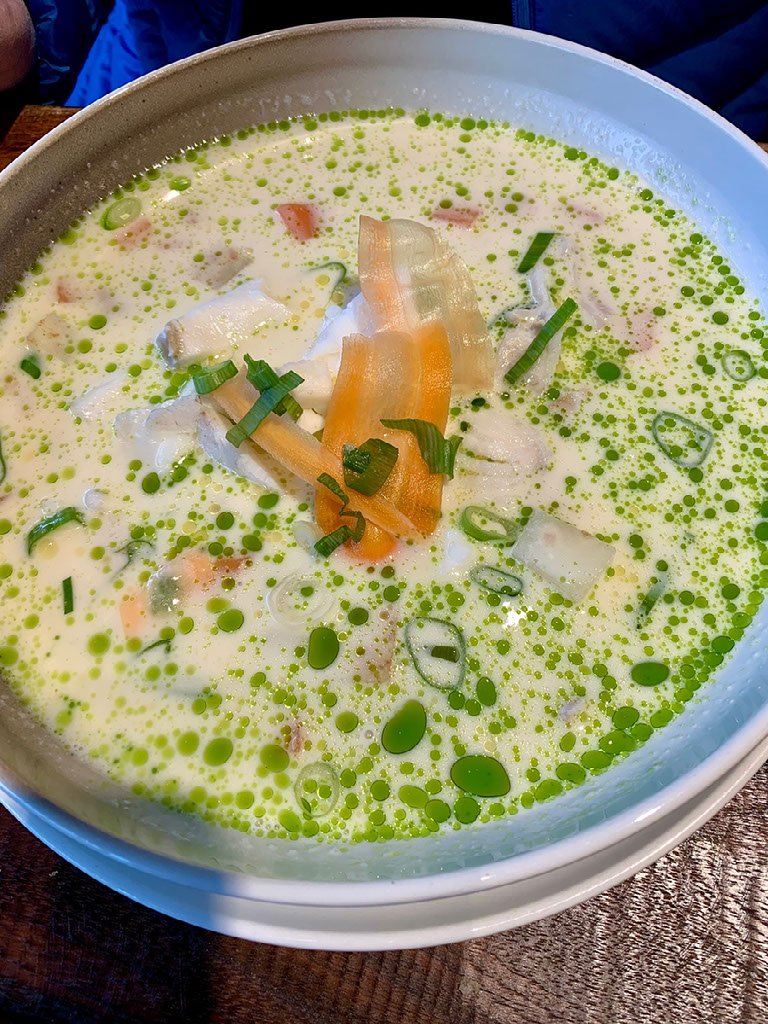
Anker Brygge Restaurant, Svolvær. A traditional North Norwegian kitchen inside the Anker Brygge property on the Svolvær waterfront. Good for a proper sit-down dinner if you are spending your first or last night in the city. The fish soup is the right choice.
Coffee
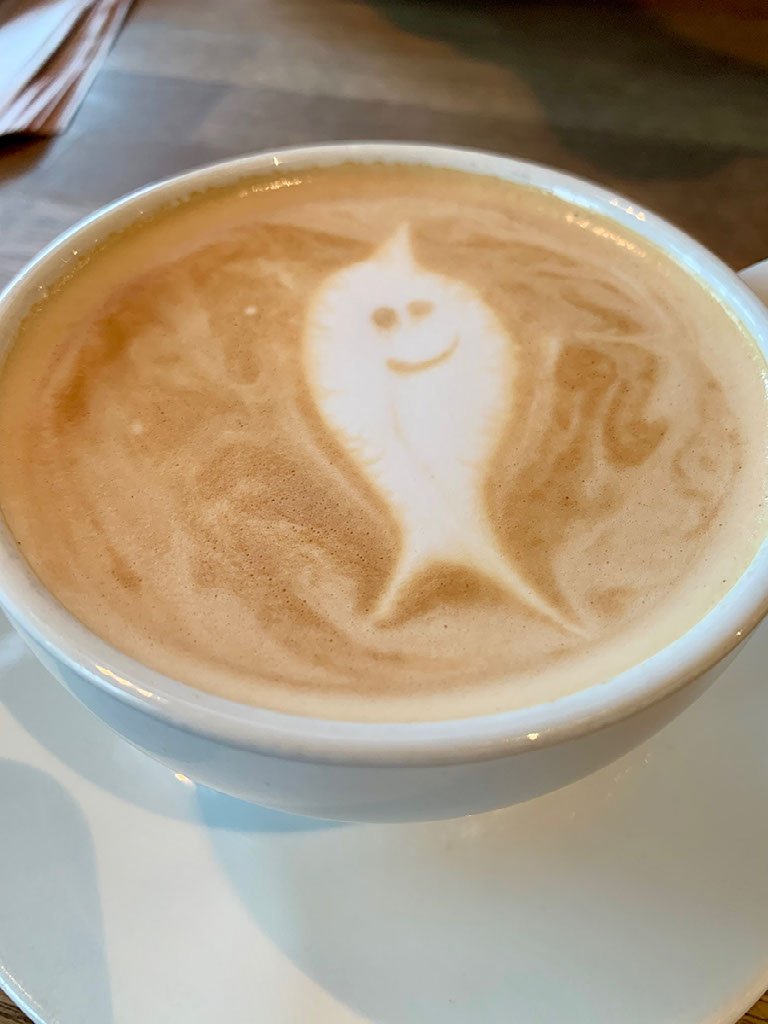
Lofoten Bakeri. Multiple locations across the islands. The cinnamon rolls here are legitimately excellent, and the coffee is reliably good. A warm, bakery-style atmosphere that is perfect for a slow morning before or after a sunrise shoot.
Kaffebrenneriet, Svolvær. A small coffee roaster with good espresso and a relaxed atmosphere. Bring your laptop and spend an hour editing after a morning shoot. The light through the harbor-facing windows is a bonus.
Cafe Børsen, Svinøya Rorbuer, Svolvær. Part of the Svinøya Rorbuer complex, overlooking the water. Great for a mid-afternoon break, especially if you need to sit still for 30 minutes and let the morning's shots settle before you start planning the afternoon.
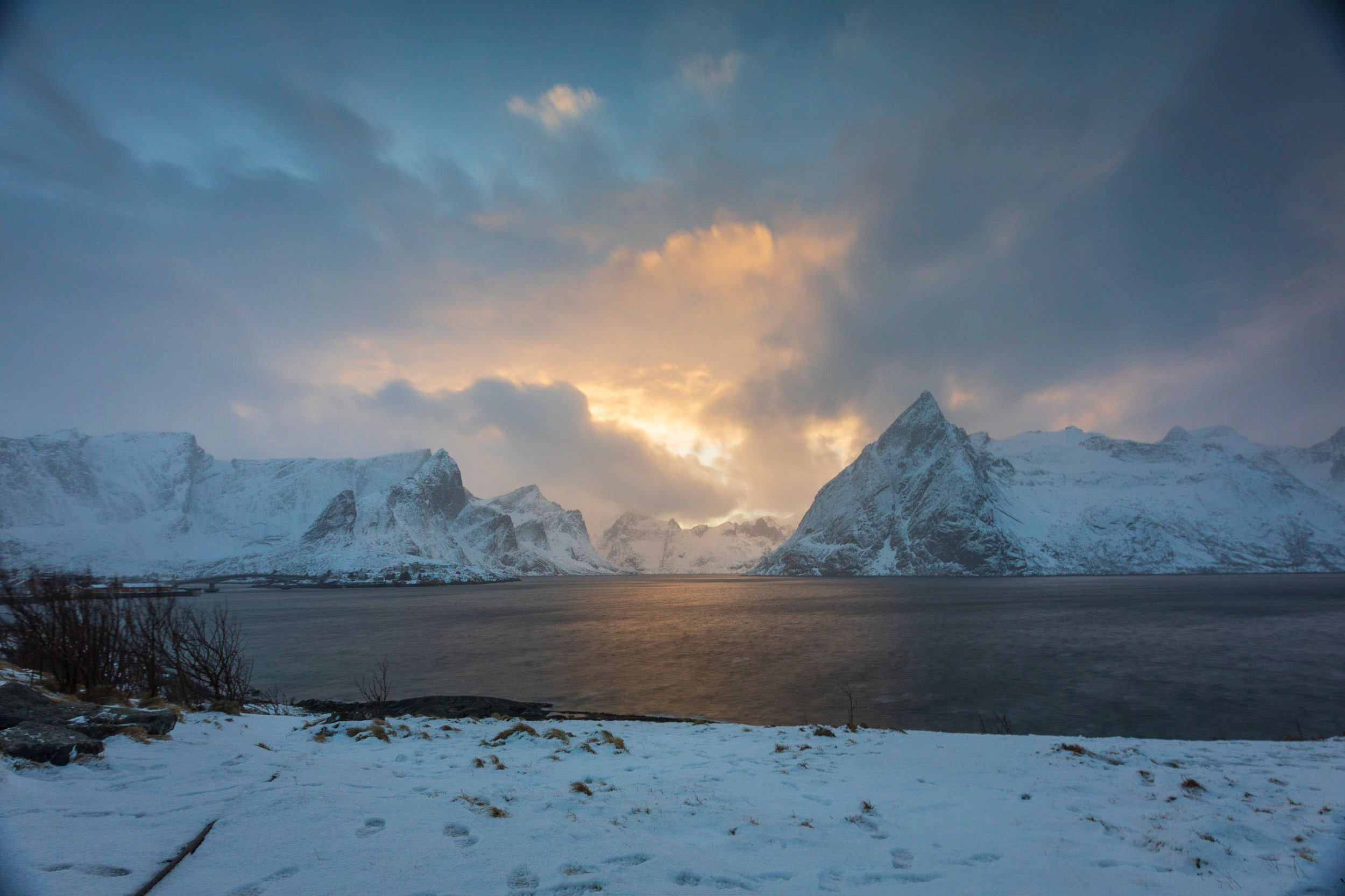
Snow covered mountains rising directly from the sea in the Lofoten Islands.
Photography Gear Recommendations for the Lofoten Islands, Norway
Traveling to the Lofoten Islands can be demanding in terms of camera gear, so let's go through what is absolutely necessary to bring versus what is recommended and what is not going to be helpful at all up there.
Cameras
Any modern full-frame mirrorless or DSLR body will serve you well here. I use the Canon R5 Mark II, and cameras like the Sony A7RV and Nikon Z8 are equally suited to this landscape. High dynamic range matters in Lofoten because you are often balancing bright skies against dark water and rock. A body that handles high ISO well is also important for Northern Lights work.
Lenses
Wide-angle (16-35mm or similar). This is your workhorse lens in Lofoten. The beaches, the mountains, the full sweep of the fjords. You will use this more than anything else. For Northern Lights, prioritize a maximum aperture of f/2.8 or faster to keep your ISO manageable.
Mid-range zoom (24-70mm). Good for the fishing villages where you want to compress a composition slightly, and for shooting from the bridges and viewpoints where a true wide-angle creates too much distortion.
Telephoto (70-200mm or longer). Useful for isolating mountain peaks above the cabins, compressing the rorbuer against the water, and picking out details you cannot reach on foot. Also valuable for wildlife in summer.
Prime (35mm or 50mm). A personal favorite for the villages. The scale of the fishing cabins and the dock details reward a tighter, more intimate look.
Accessories
A sturdy tripod. This is not negotiable. The wind in Lofoten is serious. A lightweight travel tripod will end up in the fjord. Bring something solid and use a sandbag or your camera bag as additional ballast in high wind conditions.
ND filters (3-stop, 6-stop, and 10-stop). You will be shooting near moving water constantly. Long exposures are one of the defining looks of Lofoten photography. I use Kase ND filters and have been happy with them in cold and wet conditions.
Spare batteries (at least 3). Cold temperatures drain batteries faster than you expect. Keep your spares in an inner pocket so your body heat keeps them warm. During our trip, one photographer nearly lost his entire session because his battery died during a Northern Lights display.
Microfiber cloths. Multiple ones. The coastal spray and mist will be on your lens constantly. This is the cheapest and most essential item on the list.
Rain covers for your camera and bag. The weather changes without warning. Do not let it end your shoot.
Drone. The aerial perspective of Reine and the surrounding fjords is genuinely extraordinary. However, check current Norwegian drone regulations before you travel, and verify any local restrictions at specific locations, especially near populated fishing villages. Rules can and do change.
Photography Locations in The Lofoten Islands
You can Download My Google Map of Photography Locations in the Lofoten Islands here. There are literally tons and tons of great locations. Here are a few of my favorites:
Hamnøy
Hamnøy is the iconic image of Lofoten. The shot that every photographer comes here for is taken from the bridge connecting Hamnøy to Sakrisøy, with the red rorbuer, the water, and the jagged mountain peaks in the background. There is no pretending otherwise. It is the defining frame, and it lives up to the expectation.
What surprised me was how much it changes. We shot here at sunrise and at sunset on different days, and the images look like they were taken at two different locations. At sunrise, the golden light wraps around the mountains from behind you and hits the cabins directly. The reflections in calm water are extraordinary. In stormy light, the drama triples. I stood on that bridge for an hour once and watched the scene go from sunshine to near-blizzard and back to broken clouds. Every five minutes was a different photograph.
Pro Tip: Come both at sunrise and at sunset on different days if your schedule allows. Use a mid-range zoom (70-200mm) to compress the mountains against the cabins. Arrive early in summer because this spot is popular and parking is limited. In winter, accept the wind and plant your tripod legs wide.

The iconic red fishing cabins of Hamnøy framed by dramatic mountains in the Lofoten Islands.
If you stand on the bridge for an hour, you will see how much the weather changes and how it will affect your photo.
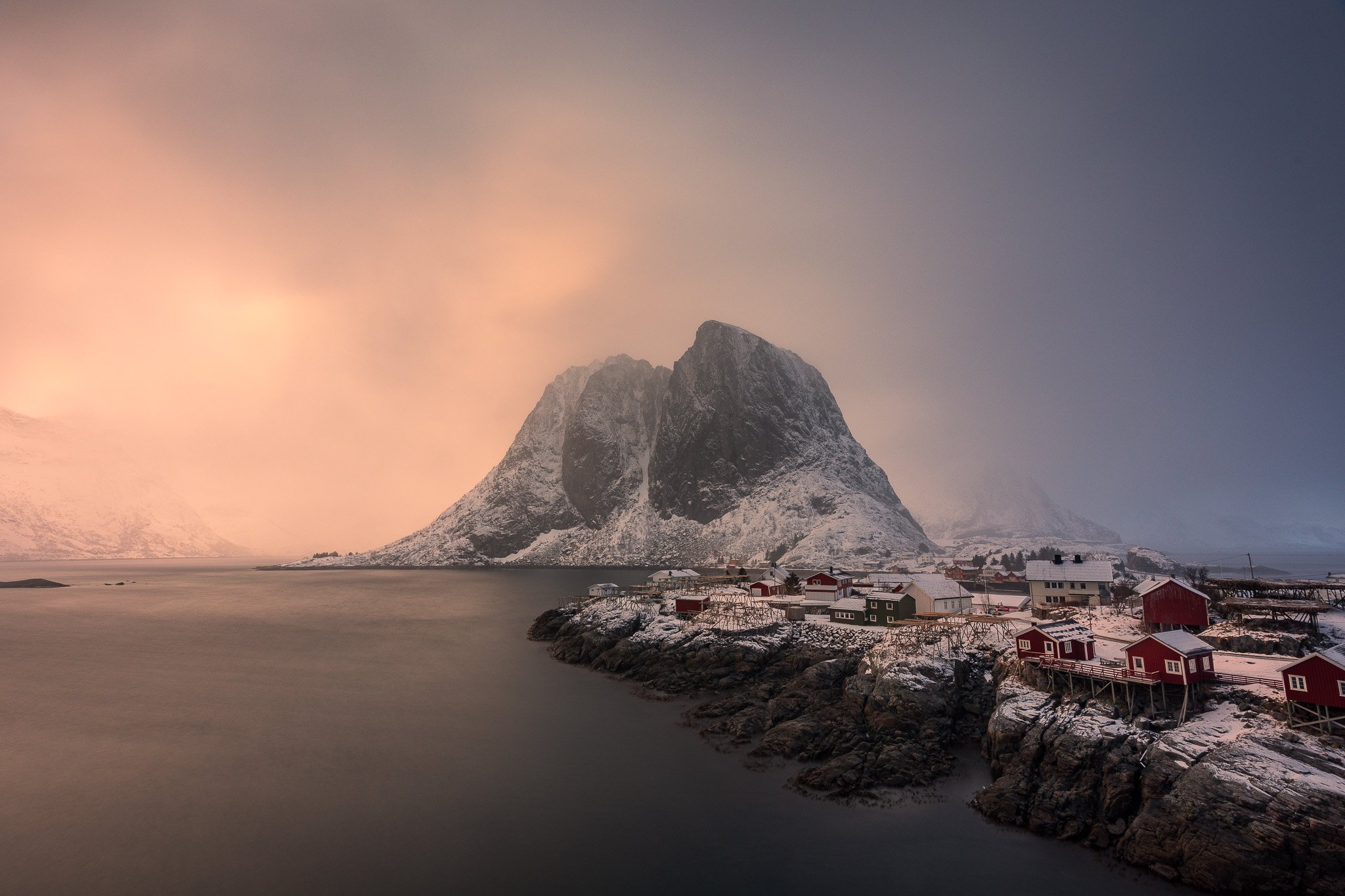
Hamnøy under rapidly changing Arctic weather, just minutes after the previous photograph.
Sakrisoy -
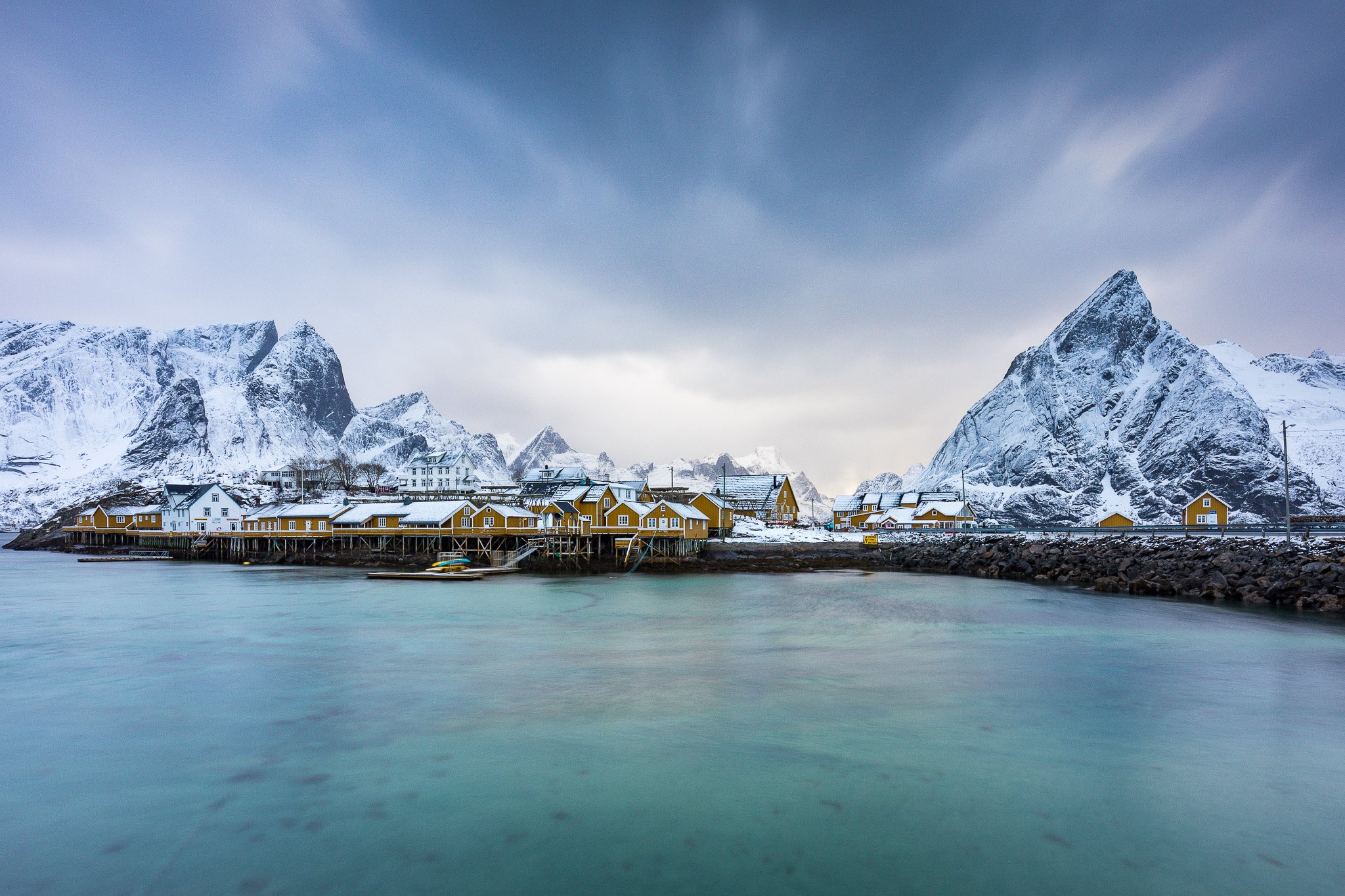
Sakrisøy is a two-minute drive from Hamnøy, and most photographers skip it too quickly. The cabins here are yellow, not red, and the smell of drying cod hits you the moment you step out of the car. It is unmistakable. The village sits just above the water with the same dramatic mountain backdrop, but it feels less visited and more genuinely lived-in.
Pro Tip: Explore the village on foot rather than shooting only from the road. The angles looking back toward the mountains from the dock are stronger than the standard roadside shot. Morning light works best here.

Yellow fishing cabins line the waterfront at Sakrisøy, surrounded by the dramatic mountains of Lofoten.
Like Hamnøy, it’s a beautiful spot to capture the cabins with mountains in the background. One thing you will notice is that the cabins are yellow, not red. The other thing that you will smell immediately is the Cod hanging to dry. It is a smell that you will never forget. Trust me :)!
Reine
Reine is the main town in the southern part of the archipelago and arguably the most photographed village in all of Norway. The classic viewpoint is from the bridge as you enter town, and it will indeed be crowded with photographers who have already found it. But walk a bit further, and you will discover quieter angles from the small docks and the waterfront paths.
Pro Tip: The view from the bridge is best at golden hour when the mountains behind the village catch warm light. For something less crowded, explore the small harbor area on foot and look for compositions using the fishing boats as foreground elements.
The fishing village of Reine surrounded by steep mountains and calm fjord waters in Norway’s Lofoten Islands.
The main viewpoint of Reine is from the bridge that you cross as you enter the town. There will also be lots of photographers at this spot, so it will be easy to spot.
Haukland and Uttakleiv Beaches
These two beaches sit right next to each other and together they form one of the most rewarding locations in Lofoten for photographers. Haukland is sweeping and open, with a massive mountain that runs directly into the sea. Uttakleiv is more dramatic, with tide pools, rock formations, and the famous Dragon's Eye, a naturally formed pool in the rocks that frames the sky perfectly on a low tide.
The rocks here are covered in algae. I cannot stress this enough. Several photographers fell while we were there. Move carefully, especially when working near the water's edge on long exposures.
Pro Tip: Use a wide-angle lens on Haukland and let the sand textures lead into the frame. At Uttakleiv, find the Dragon's Eye at low tide and use a 30 to 60-second exposure to turn the water silky. Late afternoon to sunset is the best light window.

The Dragon’s Eye rock formation at Uttakleiv Beach, one of Lofoten’s most recognizable coastal compositions.
Most photographers will go down to the rocks and take long exposure photos with the waves. Be careful. A lot of the rocks are covered with algae and are very, very slippery. We saw a few photographers fall down. If you go down to the rocks, try to capture the 'Eye of Uttakleiv' – or Dragon's Eye.

A long exposure softens the waves around the rocky shoreline of Uttakleiv Beach.
I would definitely recommend using a wide angle lens on this beach

A long exposure softens the waves around the rocky shoreline of Uttakleiv Beach.
Haukland beach, there are a lot of foregrounds such as sea waves, sand textures, and rocks to play with, which is perfect for using a wide-angle lens. There is also a huge mountain that goes right into the sea, so it’s popular for a reason.
Skagsanden Beach
Skagsanden is probably the most famous beach in Lofoten, and for good reason. The wet sand creates mirror-like reflections that turn the sky into the foreground of your image. In winter, this is one of the premier Northern Lights locations on the islands. In summer, the reflections during golden hour and the Midnight Sun produce images that are genuinely hard to believe until you are standing there making them.
Pro Tip: Arrive as the tide is receding for maximum reflective surface. In winter, check Northern Lights forecasts on YR (the Norwegian weather app) and be prepared to return multiple nights. In summer, plan a 1 a.m. Midnight Sun session here. You will have the beach almost entirely to yourself.
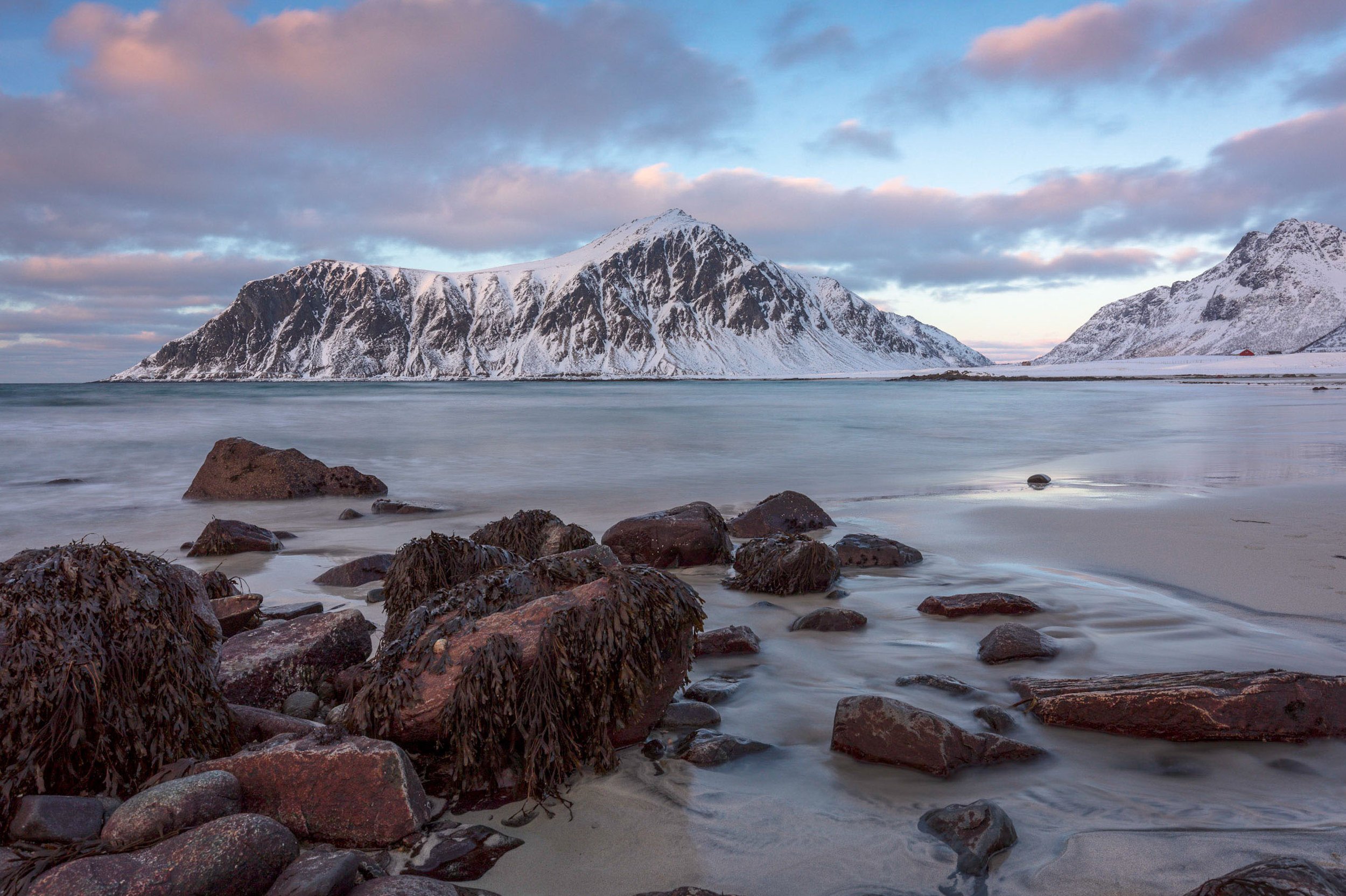
Sunset reflecting across the wet sand at Skagsanden Beach in Norway’s Lofoten Islands.
Here is a photo at sunset

Wet sand creates mirror like reflections along the shoreline at Skagsanden Beach.
Unstad Beach -
If you are a photographer who is also drawn to human subjects, Unstad is for you. It is an active surf beach with a year-round community of surfers who go into genuinely Arctic water. Watching people paddle out in winter wetsuits with snow on the mountains above them is one of the more surreal human moments I have witnessed. In summer, the beach itself is beautiful, and the surrounding valley offers strong hiking opportunities.
Pro Tip: Use a telephoto lens (200mm or longer) to photograph the surfers in context with the mountains behind them. The contrast between the human figures and the landscape scale is the story. Early morning or late afternoon for the best directional light.

Surfers brave the cold Arctic waters at Unstad Beach, surrounded by the mountains of Lofoten. Then eat the cinnamon rolls
Nusfjord -
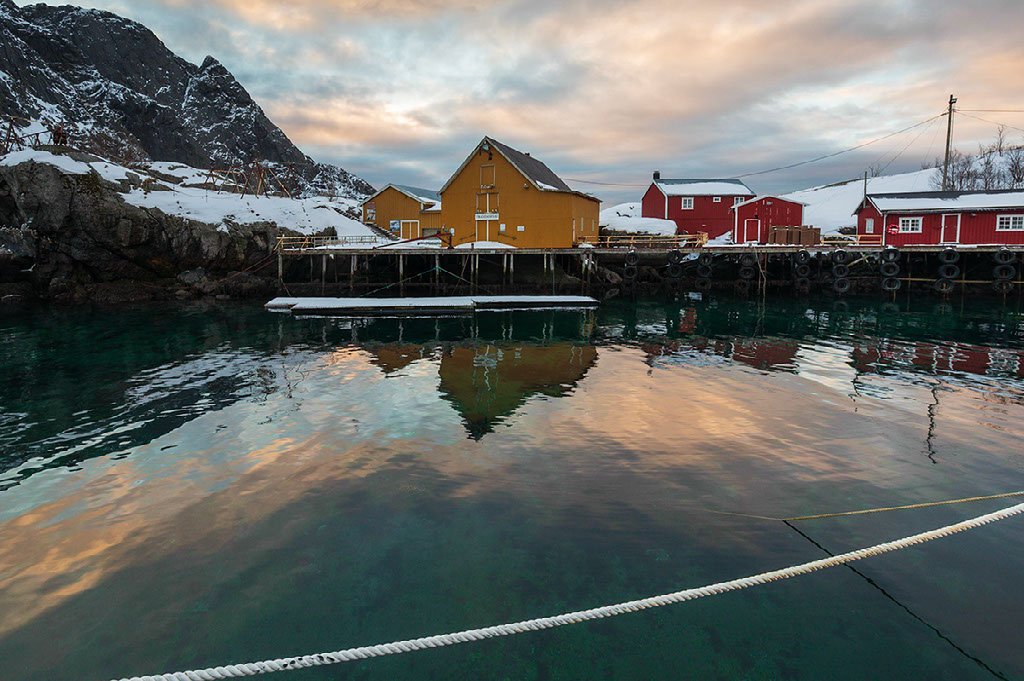
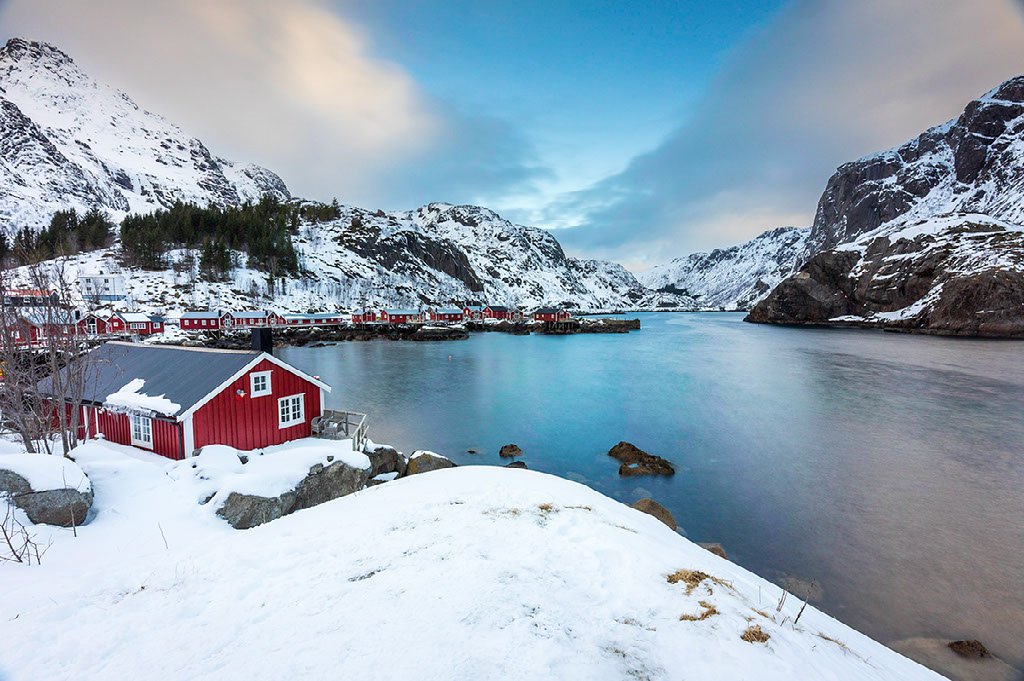
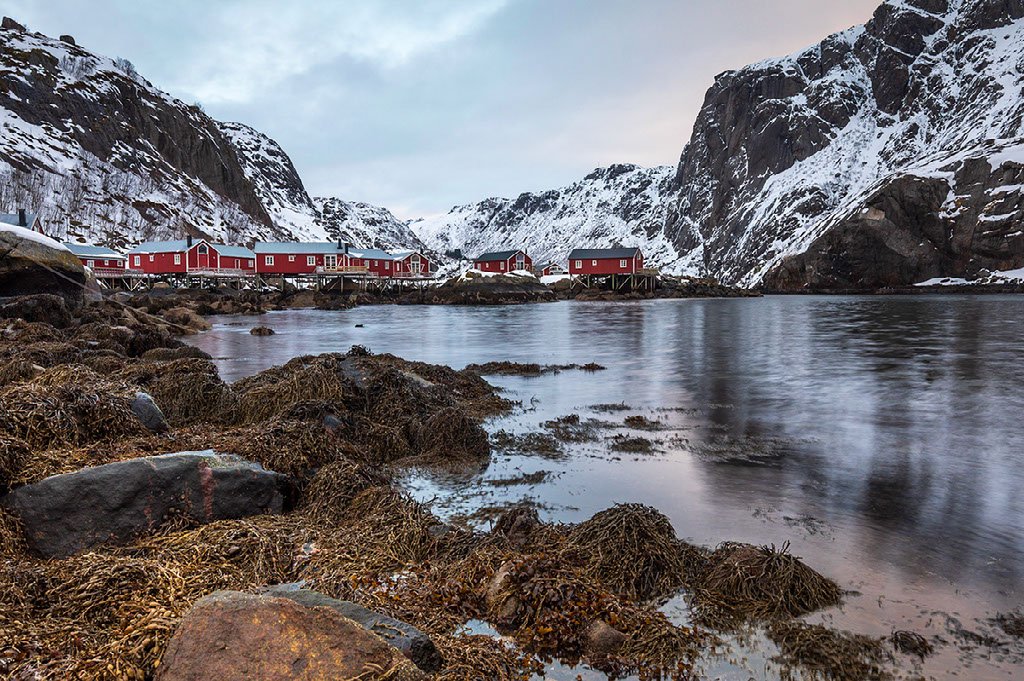
Nusfjord is one of the best-preserved fishing villages in all of Lofoten, and it is the one location where I would tell you to slow down and walk rather than set up a tripod. The yellow and red cabins, the old equipment, the racks of drying cod. It is a living archive of how this archipelago operated for centuries, and the photographic details reward a slow walk with a prime lens.
Pro Tip: Morning light is perfect here. The village faces east and the early sun wraps beautifully around the cabins and the harbor. Use a 35mm or 50mm prime and look for intimate details rather than wide landscape shots. This is a character location, not a grand-scale one.

Traditional red and yellow fishing cabins line the harbor in the historic village of Nusfjord.
This is a beautiful town to walk around and see the yellow and red cabins.
Myrland Beach
This was one of the first locations that we photographed. It is a bit of a struggle to get down to the beach. But once we were on the Beach we were the only ones there. It is definitely fun to play with long exposures on this beach.

A long exposure along the rugged shoreline of Myrland Beach in the Lofoten Islands.
Festivals and Events
Lofoten International Chamber Music Festival (July)
This is one of the most unexpectedly remarkable cultural events I have encountered in a remote location anywhere in the world. Held in the second week of July each year, the festival brings world-class classical musicians to venues across Svolvær and Kabelvåg, including historic wooden churches scattered across the archipelago. The combination of the Midnight Sun, the landscape, and live performances at this level is genuinely moving. For photographers, it is also a strong opportunity for environmental portraiture and concert photography in unusually beautiful settings.
Photography tip: The outdoor and church venues offer beautiful natural light. Ask permission before photographing performers up close, and respect the silence during performances. The musicians at the festival level are approachable, and several have agreed to informal portrait sessions with visiting photographers in the past.
Lofoten Piano Festival (Alternates with Chamber Music Festival, July)
In alternate years, the Piano Festival takes the place of the Chamber Music Festival, centered around Ballstad, which sits close to Hattvika Lodge. Same extraordinary combination of landscape and live music. Same beautiful photographic opportunities.
The Midnight Sun (Late May through Mid-July)
Not a festival in the official sense, but worth treating as one. The Midnight Sun is a genuine photographic phenomenon, and the islands are alive with activity during the weeks when darkness never comes. Locals stay up late, the energy is different, and the light at 1 and 2 in the morning is genuinely golden. Plan at least one dedicated Midnight Sun shoot at Skagsanden or Haukland during this window.
Stockfish Season (February through April)
If you visit in late winter, the sight of cod drying on the traditional wooden racks outside every fishing village is a photographic subject in its own right. The racks run along the roadsides and above the harbors, and the smell is distinctive. This is Lofoten's oldest industry, still operating as it has for centuries. A quiet, authentic subject that not enough photographers stop for.
Frequently Asked Questions About Visiting the Lofoten Islands
Do you need a car in Lofoten?
Yes, essential, not optional. The islands are connected by a single main road, the E10, and taxis are expensive and not built for the early morning and late evening access that photography requires.
Is Lofoten safe?
Yes, it's one of the safer, more remote destinations you can visit. The real risks are environmental, not human: slippery, algae-covered rocks near the water and sudden severe weather changes, so normal outdoor caution matters more than city safety concerns.
When can you see the Northern Lights in Lofoten?
Roughly September through March. Even during the season, sightings aren't guaranteed, on an 8-night winter trip, the lights were visible clearly on only one night. Check the YR weather app and be prepared to try multiple nights.
What are the best photo spots in Lofoten?
Hamnøy from the bridge, Skagsanden Beach for the mirror reflections, and Reine's harbor for quieter angles away from the crowds are three I return to constantly. The full list with Pro Tips is above.
Can you fly a drone in Lofoten?
Yes, generally, but check current Norwegian drone regulations and local restrictions before flying, especially near populated fishing villages. Rules can and do change.
What surprised you most about photographing Lofoten?
How much a single location changes. Shooting Hamnøy at sunrise and sunset on different days produced images that looked like two entirely different places, and watching the weather shift from sunshine to near-blizzard and back within an hour on that bridge is something no single visit fully prepares you for.
How many days do you need in Lofoten?
Seven days minimum, ten if you're routing through Tromsø first. The light changes constantly, and some of the best shots only happen after waiting out a day or two of clouds.
Is the food good in Lofoten?
It's inconsistent, surprisingly. Despite being a fishing region, much of the local salmon and cod gets exported, and some restaurants serve frozen convenience food. Cook in your cabin when you can, and save your budget for the handful of genuinely excellent spots, Restaurant Gadus and Restaurant Gammelbua stand out.
Final Thoughts
The Lofoten Islands feel wild in the best possible way. Jagged peaks rise straight out of the sea. Red fishing cabins sit quietly along the shoreline. The light changes by the minute. This is not a place you rush. It is a place you respect.
Standing in places like Reine or looking across from the Hamnøy bridge, you quickly understand why photographers return again and again. Sunrise and sunset stretch longer here. In winter, you may witness the Northern Lights dancing over the fjords. In summer, the Midnight Sun gives you creative freedom that simply does not exist anywhere else.
Whatever season brings you here, bring your patience alongside your gear. Wait for the clouds to move. Embrace the wind. Come back to the same spot on a different day and watch it transform. Some of the most powerful images I have seen from the Lofotens were made on the second visit to a location, not the first.
It is one of the most beautiful places on earth. Go.
Want to improve your photography while exploring some incredible destinations? Join me on one of my photography workshops! You can find all the details, including upcoming destinations and dates, through the links below.
Let's Stay Connected!
Explore More Photography Guides
My Photography & Travel Guide to Bergen, Norway. The most logical add-on to a Lofoten trip for anyone flying in and out of Norway. Bergen sits on the western coast, surrounded by fjords and seven mountains, with a colorful wooden wharf at Bryggen, one of the most photographed waterfronts in Scandinavia. It earns two or three days on its own before or after Lofoten.
My Photography & Travel Guide to Oslo, Norway. If you are routing through the capital, Oslo is far more photogenic than its reputation suggests. The waterfront at Aker Brygge, the Vigeland Sculpture Park, and the bold architecture of the Opera House. A strong two-day photography stop at either end of your trip.
My Photography & Travel Guide to Stockholm, Sweden. A short flight from Oslo and one of the most beautiful capital cities in northern Europe. Gamla Stan, the archipelago at golden hour, the open waterways between islands. Stockholm rewards photographers who slow down, and it pairs naturally with any Scandinavian itinerary that includes Lofoten.
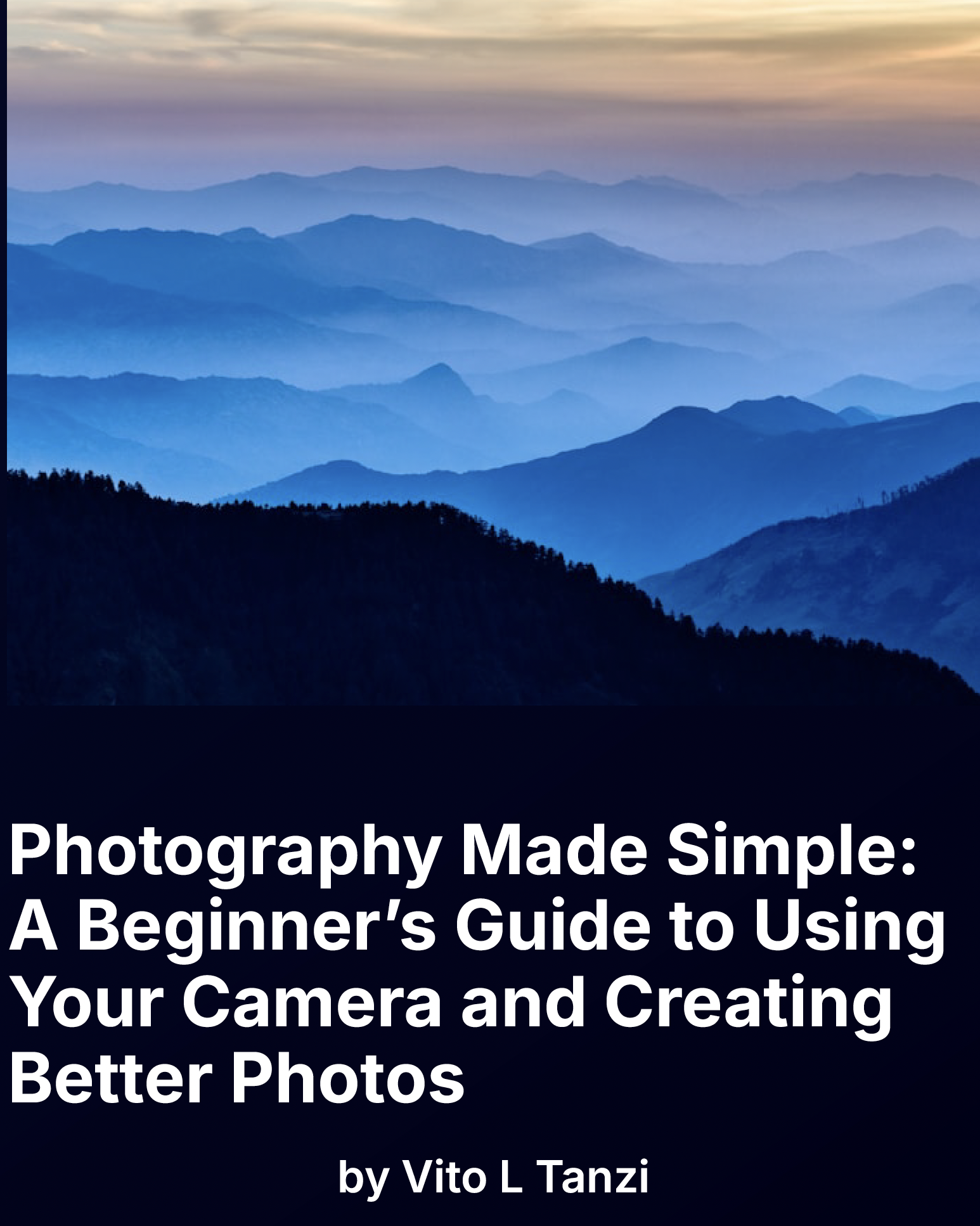
Finally—a beginner-friendly photography guide that makes sense.
If you've ever picked up a camera and thought, "Now what?" this is the book for you.
Photography Made Simple is written for adults who are just starting out and want a clear, encouraging, real-world approach to learning photography. Whether you're using a DSLR, mirrorless, or just your smartphone, this guide walks you through the basics—without the jargon or tech overwhelm.
Inside, you'll learn:
The only camera settings you really need to know to get started
How to shoot sharper, more intentional photos using light and composition
Simple tips for portraits, landscapes, travel, and everyday life
What gear you do (and don’t) need
How to create better photos without upgrading your camera
You’ll also get practical exercises, cheat sheets, and tips for organizing and editing your images—plus the confidence to shoot off Auto Mode for good.
This is not a textbook. It’s a friendly guide to seeing the world with fresh eyes—and finally capturing what you see the way you imagine it.
📸 Format: PDF download
Pages: 100+
Perfect for: Beginners, hobbyists, and anyone ready to take better photos without the stress
Are you carrying too much camera equipment, but still coming home disappointed with your travel photographs?
You are not alone. Many photographers fall into the packing trap. They bring too much, plan too little, and spend their trip scrambling to capture photographs instead of enjoying the experience.
Capture the World offers a better approach.
In this practical guide, travel photographer Vito L. Tanzi shares the five step system he uses to plan photography trips, pack with purpose, work with the best light, and return home with stronger images.
Inside, you will learn how to:
• Travel lighter without sacrificing image quality
• Choose destinations that match your photography goals
• Visit at the right time for weather, light, wildlife, festivals, or seasonal conditions
• Build a photography itinerary around sunrise, sunset, blue hour, and changing weather
• Select the equipment you will actually use
• Find promising locations before you arrive
• Avoid the stress and exhaustion that can ruin a photography trip
• Stay flexible when weather, crowds, or travel plans change
This guide includes practical planning advice, useful photography tools, real travel examples, and a complete system you can use again and again.
Whether you are preparing for your first international photography trip or planning a weekend closer to home, Capture the World will help you travel with greater purpose, photograph with more intention, and spend less time worrying about what is inside your camera bag.
Because the best photography trip is not the one where you carry everything.
It is the one where you are ready when the right moment appears.
📸 Format: PDF download
Instant Download