Colombo, Sri Lanka Travel & Photography Guide: Best Photo Spots, Things to Do & Hidden Gems
Colombo surprised me. Not because I had low expectations, but because the city kept revealing itself in ways I did not expect.
Most travelers land here, clear immigration, and head straight to the beaches or the hill country. I get it. Sri Lanka has a lot to compete with. But skipping Colombo is a mistake, and I say that as someone who has now spent real time in this city rather than just passing through.
What strikes you first is the contrast. Galle Face Green sits right on the Indian Ocean, flanked on one side by colonial-era buildings that feel like they belong in another century and on the other by gleaming glass towers that feel like they belong in the next one. Tuk-tuks thread through it all. The air smells like salt and spice and diesel and something frying nearby.
For photographers, Colombo is genuinely exciting. The light here is tropical and warm, with a directness that makes colors pop. Early mornings along the coast are extraordinary. The markets in Pettah are chaotic in the best possible way. The temples range from quiet and meditative to packed with ceremony and color. And because the city is compact and walkable in its core neighborhoods, you can move between these worlds quickly.
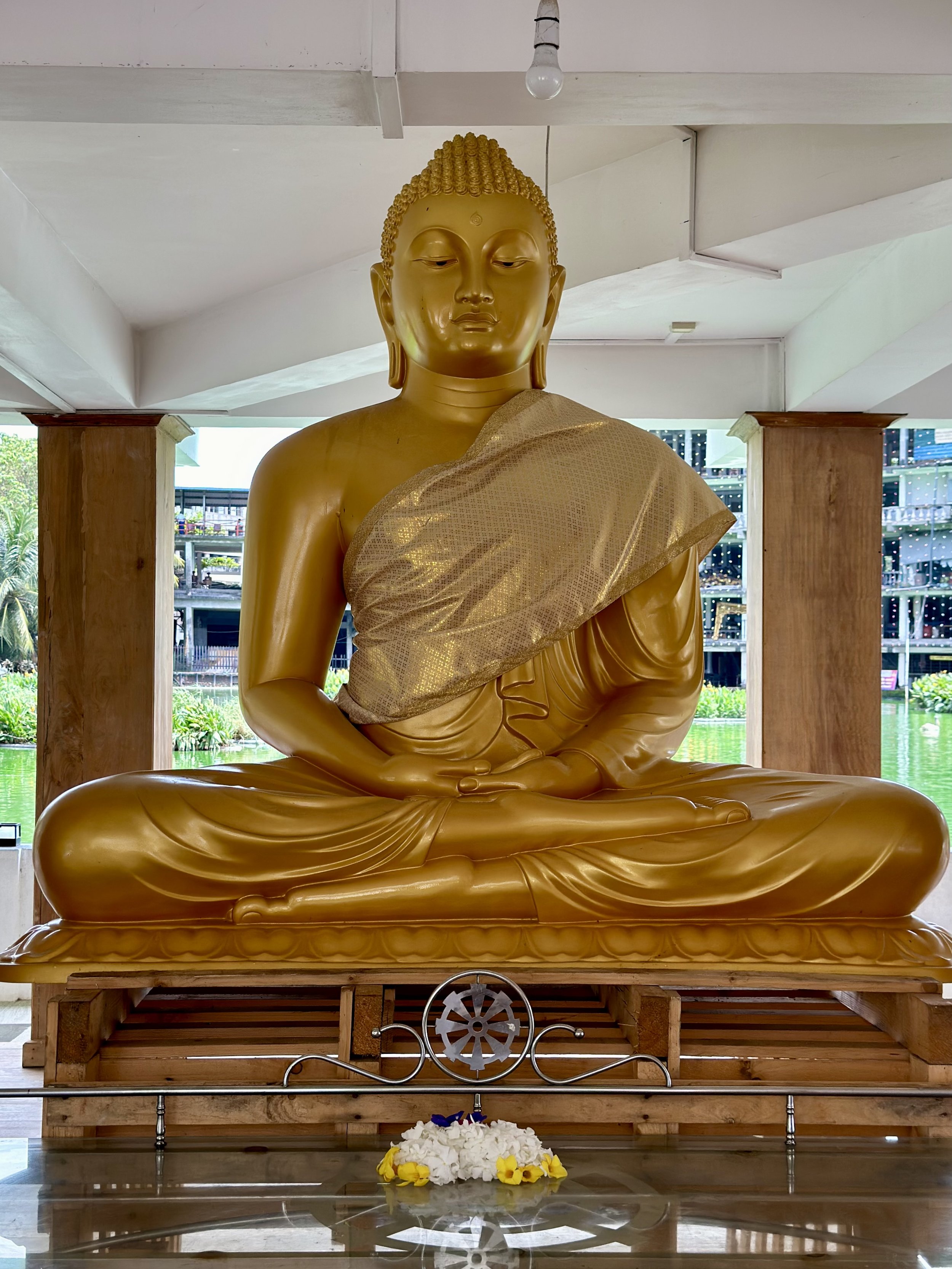
Gangarama Sima Malaka
Colombo is also a city shaped by waves of colonizers, traders, and settlers. The Portuguese arrived in the 16th century, followed by the Dutch and then the British. Each left layers, and you can read all of them if you slow down and look. That kind of visual and cultural depth is rare, and it is what keeps me coming back.
In this Photography Guide to Colombo, Sri Lanka, I share the places and experiences that continue to draw me back. You will find my favorite photography locations, guidance on when and where to shoot, practical travel tips, and gear recommendations, along with cultural insights to help you explore and photograph Colombo with confidence, respect, and ease.

Photographer's Notes
Before you go, here are my own takeaways.
Favorite Season: December through March
Favorite Location: The Red Mosque (Jami Ul-Alfar Mosque)
Favorite Hotel: Shangri-La Colombo
Favorite Lens: 24-70mm f/2.8
Would I Return? You'll leave wishing you had stayed longer.
So, should you stop in Colombo
Yes. And not just as a layover.
Colombo is the largest city in Sri Lanka, yet it feels approachable. With a population of around 650,000, it never overwhelms you the way other Asian capitals can. Instead, it pulls you in slowly.
This is the country’s gateway, but it is much more than an arrival point. The Portuguese, Dutch, and British all left their mark here, and you can see it in the architecture, street names, and coastal fortifications. Red tiled colonial buildings sit beside sleek new hotels and modern shopping centers. Glass towers reflect palm trees. Old railway tracks cut through neighborhoods where life unfolds at street level.
For photographers, this contrast is the story.
Spend a morning in Pettah Market, and you will find layers of color, texture, and movement. Spices piled high. Textiles hanging from doorways. Vendors selling fresh fruit under soft filtered light. Walk a few blocks, and you will encounter churches, mosques, and Buddhist temples, all within the same district. The city’s multi ethnic legacy is visible and deeply woven into daily life.
Colombo rewards curiosity. It is not a postcard city. It is a lived-in city. And that is exactly what makes it worth your time.
When to Go to Colombo
If your goal is great light, comfortable weather, and strong wildlife sightings, plan your trip carefully.
I recommend visiting Sri Lanka during the drier window from December through March. This period generally offers more predictable weather, especially along the west and south coasts, which includes Colombo.
Sri Lanka has two distinct monsoon patterns. The northeast monsoon runs roughly from October through January and mainly affects the northern and eastern regions. The southwest monsoon typically arrives between May and July and impacts the south and west, including Colombo.
Weather patterns can shift slightly year to year, but understanding these seasons helps you plan smarter.
If you are combining Colombo with national parks, timing matters even more. The dry months improve road conditions and concentrate wildlife around water sources, which increases your chances of sightings. We visited three national parks during our trip, and choosing the right season made a real difference in what we were able to see and photograph.
Fewer rain interruptions. Better wildlife activity. Softer early morning light. That is a combination worth planning around.
Getting a Visa
You will need to get a visa to visit Sri Lanka. The good thing is that getting a tourist visa for Sri Lanka is easy and can be booked online as an electronic visa (ETA). We received our 30-day tourist visa via email within 24 hours of applying.

The Embarkation Card
One thing to keep in mind is that once you land in Colombo, you need to fill out an Embarkation Card. The signs in the airport are tough to spot. We, of course, did not see them, so we approached the immigration officer, who told us we needed to return to fill out an embarkation card.
Take a TukTuk Tour
I would highly recommend taking a TukTuk tour. It is so much fun; you will see so much more than going around in a car. The nice thing about the TukTuks is that they can go down small roads and alleyways that would be impossible for cars to access. There is an excellent tour company called Capital TukTuk Tours.
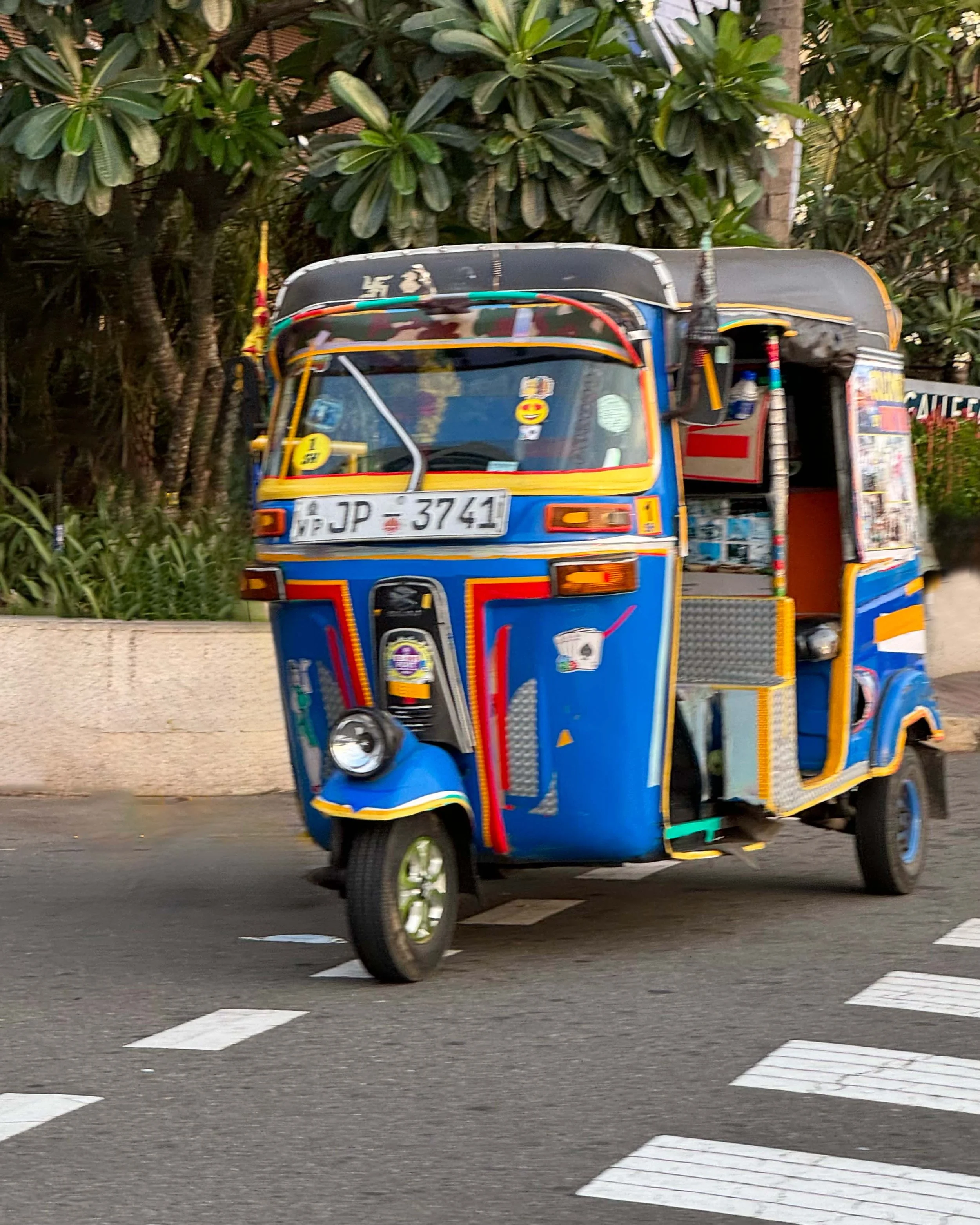
Our TukTuk Tour
Where to Stay in Colombo
We stayed at the Shangri-La in Colombo, and it was fantastic. It is located right on the Indian Ocean and attached to a large mall, Galle Face Mall. Having the mall next door was very convenient to access restaurants, shops, and ATMs. I would recommend spending 2 nights in Colombo.
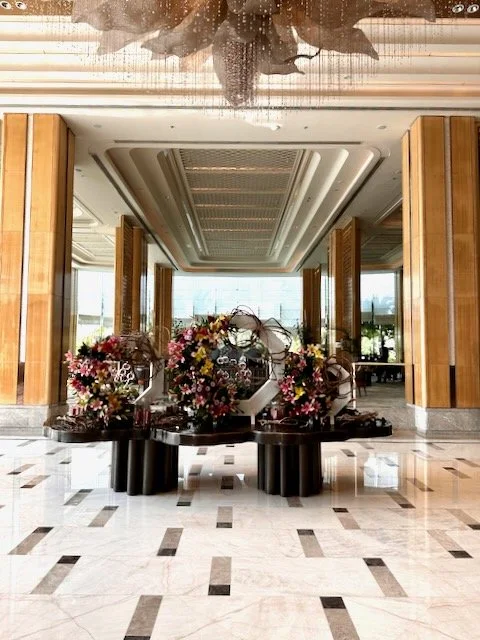
The Lobby of the Shangri-La
Where to Eat in Colombo
Colombo's dining scene mixes serious culinary ambition with laid-back garden restaurants and rooftop cocktail spots, giving you a real range depending on what kind of evening you're after.
Ministry of Crab trades on its reputation, and mostly earns it. The mud crab is sourced with the kind of ethical rigor that restaurants like to advertise and rarely practice, and it shows on the plate: a crab liver pâté with real depth, an avocado crab salad that doesn't bury the crab under avocado, a black pepper dashi crab that balances heat against umami without either one winning outright. It is expensive, and it is full of tourists, and the staff still manage to talk about the crab like they mean it.
Shang Palace, tucked inside the Shangri-La, does not coast on hotel-restaurant convenience. The Cantonese cooking is precise rather than performative, and weekend Yum Cha turns the room into something closer to a proper Hong Kong dim sum hall than a hotel dining room.
Chill Colombo, the Port City outpost of the Ella original, plays a different game entirely: low light, a menu that wanders continents, and a spaghetti and risotto that arrived without the compromises usually made when a restaurant tries to be several things at once. Order a cocktail. Stay past sunset.
Table By Nyne consistently offers good food. The cocktails are excellent. It is not too loud so that two people can actually hear each other, a rarer commodity in Colombo than the food itself.
Coffee
Grind does not overthink itself. The espresso is rich, properly strong, and, more importantly, consistent, cup after cup, visit after visit. For a city where coffee quality swings widely, that consistency is the whole pitch.
Brown Sugar, ten minutes on foot from the Shangri-La, treats matcha with the same seriousness it treats espresso. The shrimp taco earns a mention it doesn't need to: the tortilla is thin, properly crisped, the kind of detail that separates a kitchen paying attention from one that isn't.
Café Kumbuk reads like a café still deciding what it wants to be, in the best sense. Comfortable, fairly priced, unusually generous with vegetarian options. The flat white arrives with a small unbidden treat on the saucer, the sort of gesture that costs the kitchen little and buys real goodwill.
Photography Gear for Colombo
Colombo rewards a compact, versatile kit. You are moving between temple interiors, crowded market streets, coastal views, and colonial architecture, often within the same morning.
Camera Body: A mirrorless body handles the range of conditions well. The Canon EOS R5 Mark II, Sony A7R V, or Nikon Z8 all deliver the dynamic range needed for the high-contrast tropical light.
Lenses:
Standard zoom (24-70mm): Your primary lens for everything. Street scenes in Pettah, temple architecture, market colors, and the Shangri-La waterfront views all fall comfortably within this range.
Wide angle (16-24mm): For the interior of Gangaramaya Temple, the Wolvendaal Church nave, and any shot where you want to show the full scale of the space around you.
Telephoto (70-200mm): Useful for compressing the Red Mosque details from a distance, isolating faces in Pettah Market from a respectful distance, and pulling the skyline from Galle Face Green.
Prime (50mm or 85mm): For street portraits and lower-light shooting inside the temples.
A note on temple photography: Most temples in Colombo permit photography, but always ask first and be respectful of active worship. Remove shoes before entering. Move quietly. Do not use flash. Your best light is the natural glow through doorways and windows.
Best Photography Locations in Colombo
Here are my photography location recommendations for Colombo. They are listed in no particular order.
Wolvendaal Church (Christian Reformed Church)
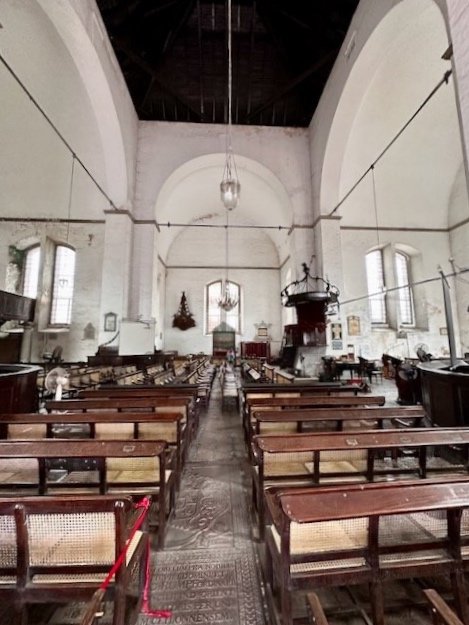
The Dutch Church in Pettah is one of the most important Dutch colonial-era buildings in Sri Lanka and one of the country's oldest Protestant churches still in active use. A hand-pumped pipe organ dating back to the 1750s still works inside, and the interior, though modest in size, carries a genuine sense of age.
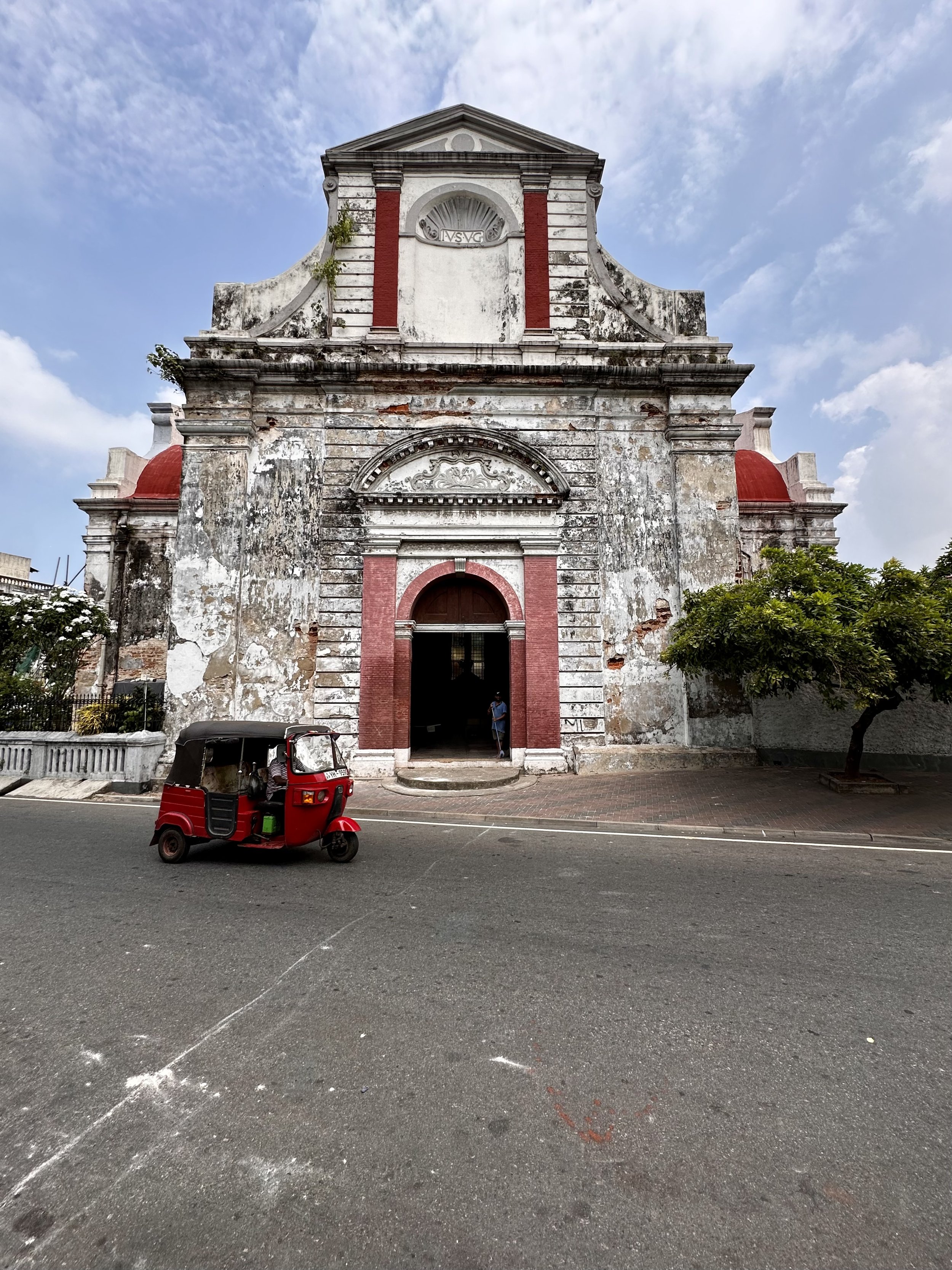
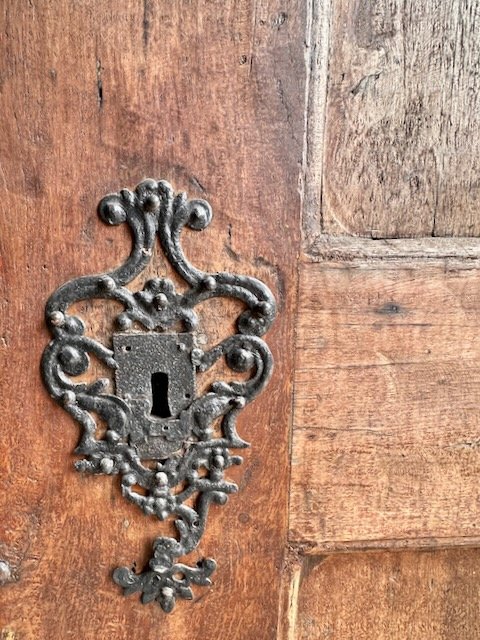
I would definitely visit the interior of the church. It is not very large but you can feel the age of the church. It would be hard to count how many people have been through these doors.
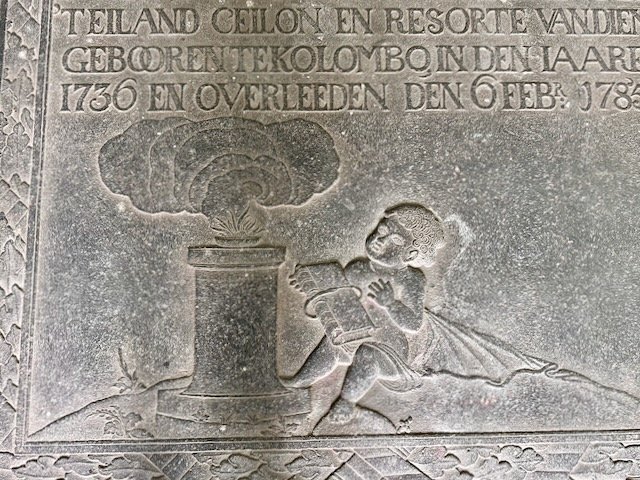
📷 Pro Tip: Visit in the late morning when soft light filters through the tall windows onto the pews and the historic organ. A 16-24mm captures the full nave and vaulted ceiling; switch to a 50mm for detail shots of the organ and the old tombstones set into the floor. The church is quiet most days, so keep your movements slow and respectful even without an active service.
Best time: Late morning. Access: Free, respectful entry. In Pettah, Colombo.
Pettah Food Markets
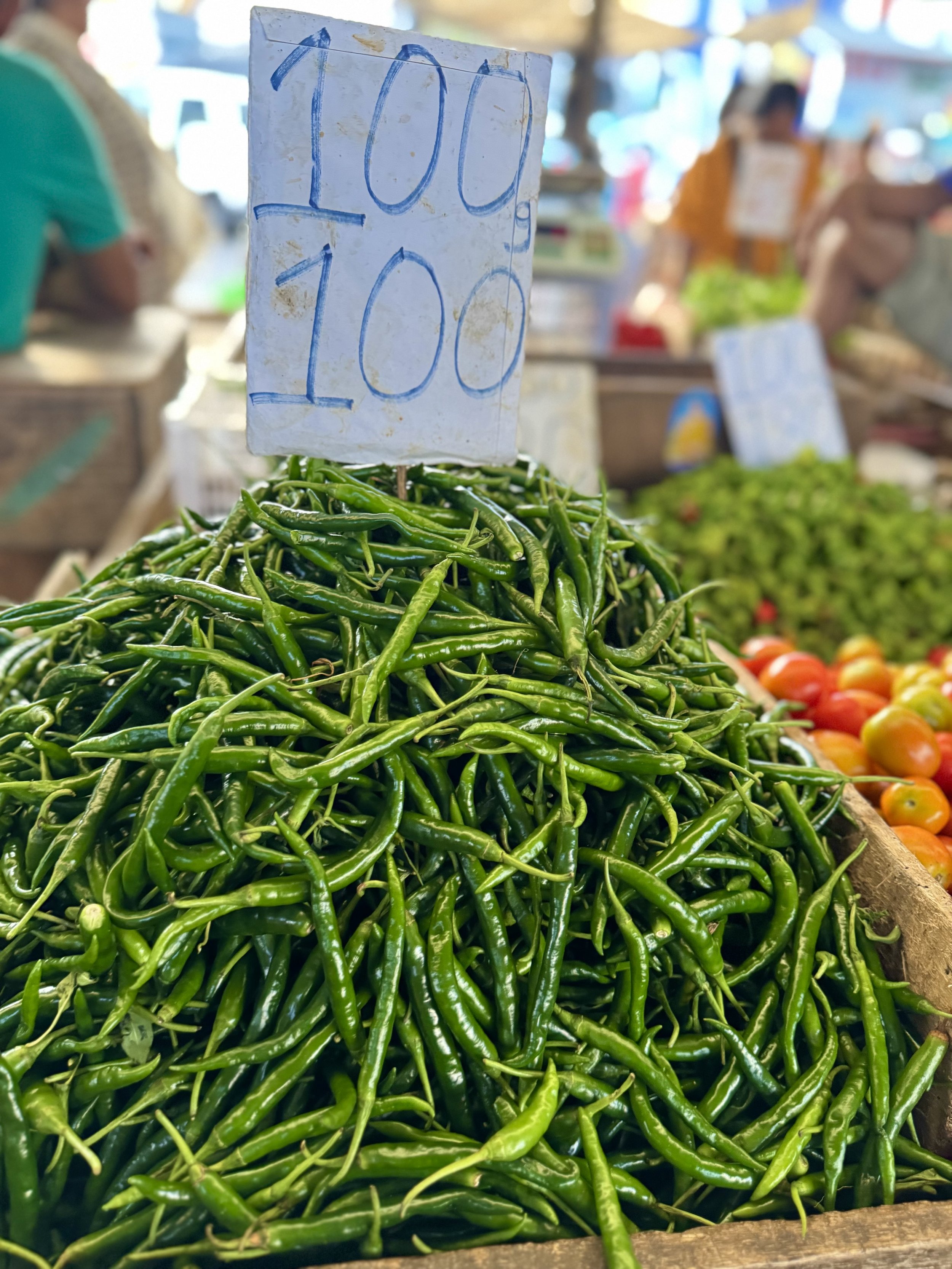
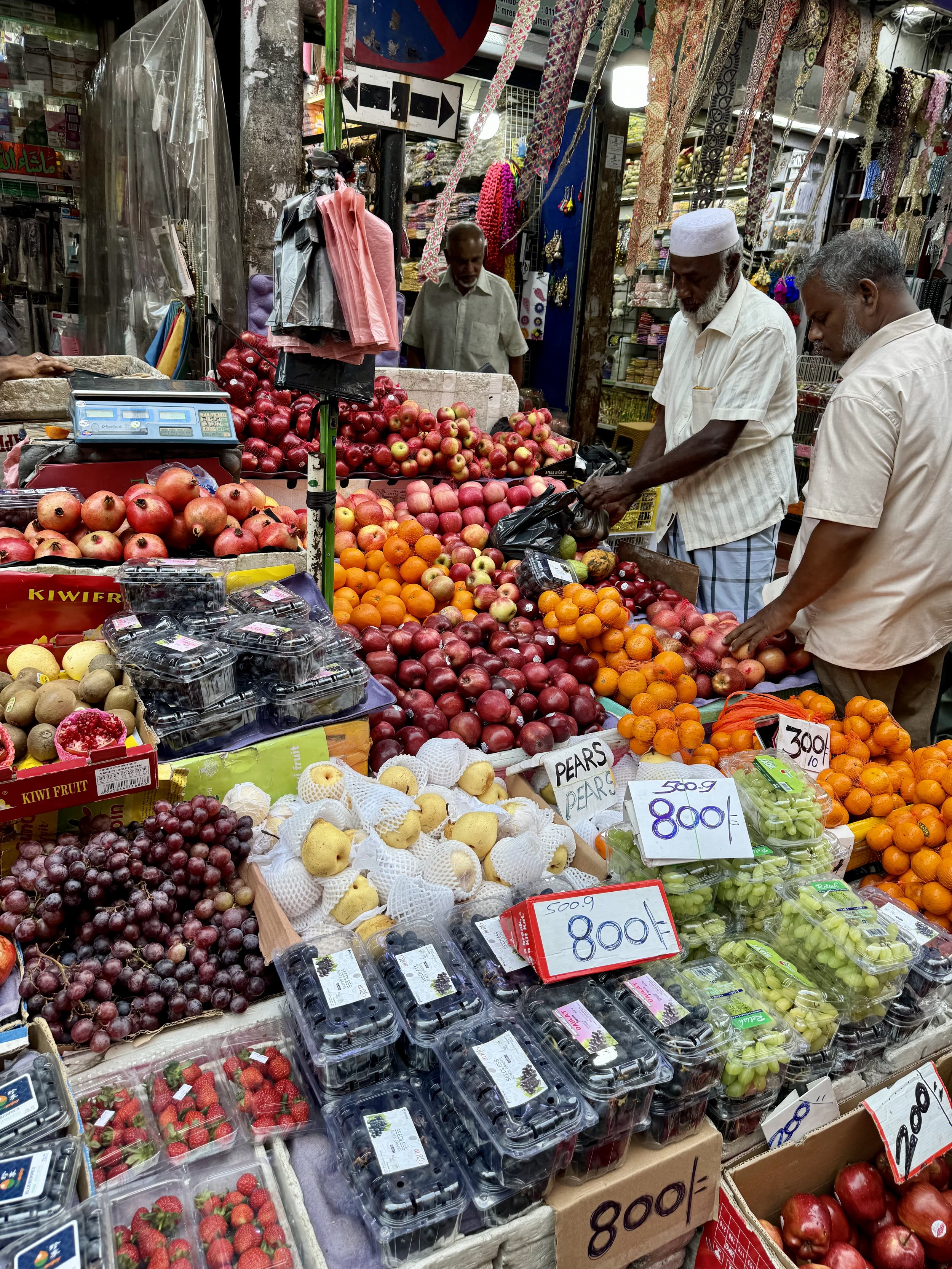
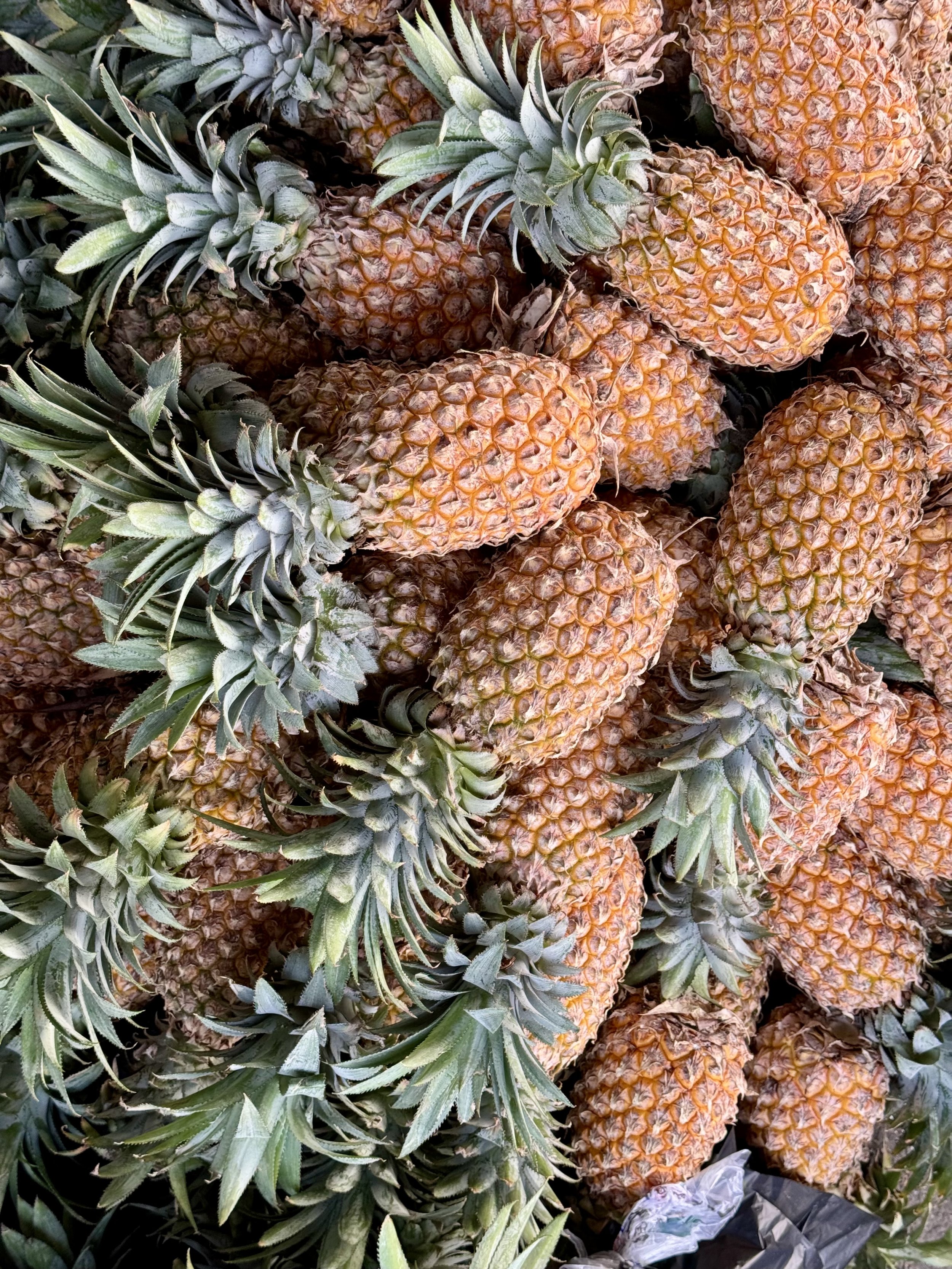
The food markets of Sri Lanka are so much fun to visit. You will see all sorts of items for sale, from fruits and vegetables to teas and spices. The markets tend to be very lively, and they are a perfect place for Street Photography.
📷 Pro Tip: Arrive mid-morning when the market is fully active but before the midday heat sets in. A 24-70mm handles most of the work, close enough for texture, wide enough for the full scene. Make eye contact and ask before photographing individual vendors directly; most are happy to oblige once you've shown genuine interest rather than just raising a camera.
Best time: Mid-morning. Access: Free, public market. Central Pettah.

The Fruit & Vegetable Market
In addition to all sorts of fruits and vegetables you will find spices, nuts, clothing. I loved watching people working in the market.
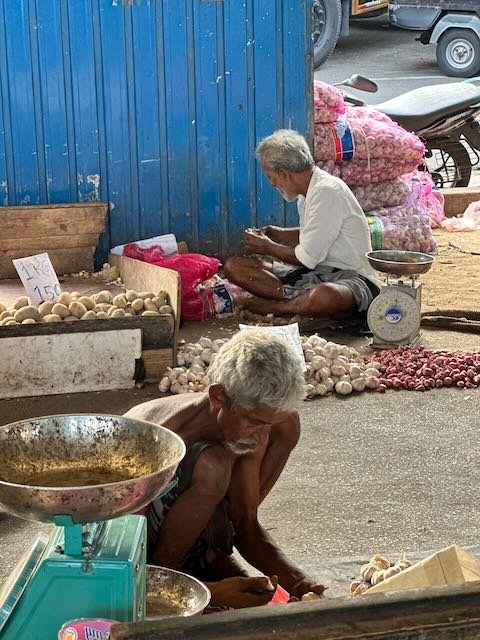
Day Laborers Peeling Onions
Walking through the markets will allow you to see the real Sri Lanka. You to see how people live.
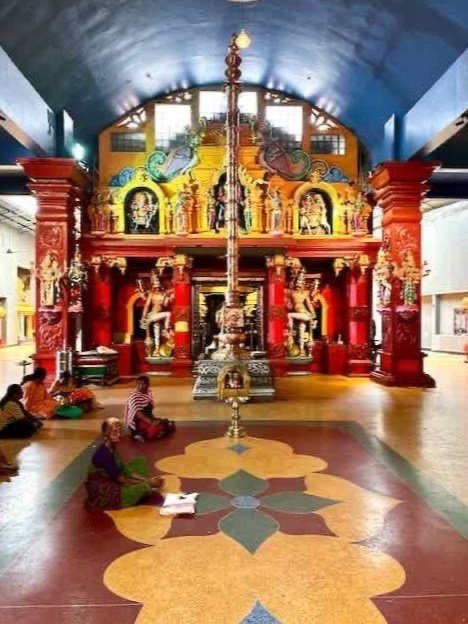
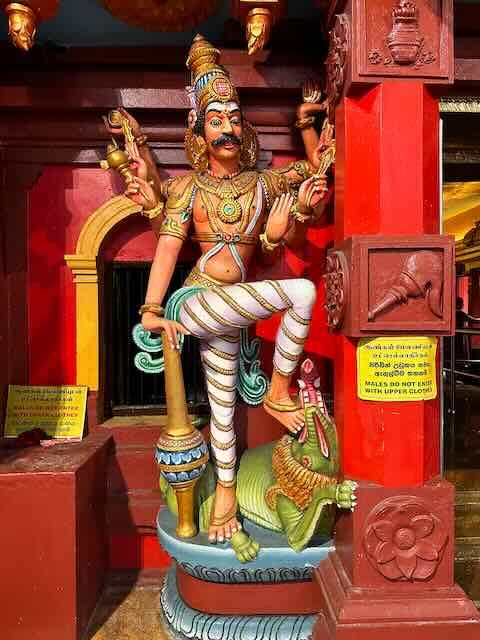
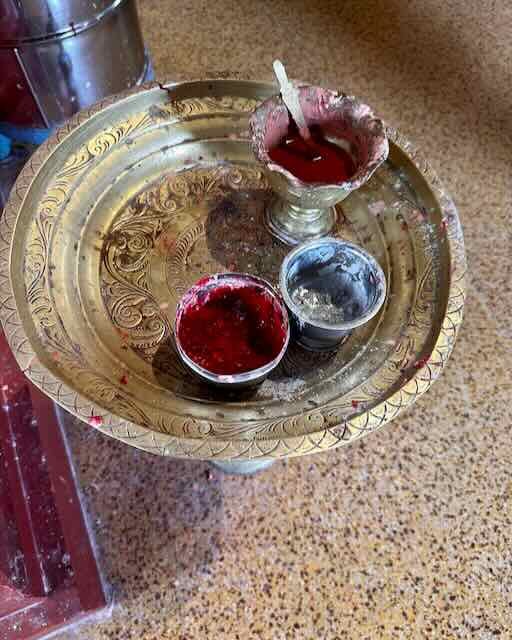
Temple of Sri Kailawasanathan Swami Devasthanam Kovil
This is the oldest and largest Hindu temple in Colombo. Its South-Indian-inspired architecture, as well as the beautiful and bright paintings and detailed artwork, especially on the ceiling, is impressive. The temple has many statues of Hindu gods, but the main gods are Easwaran (Shiva) and Ganesh.

Outside of the Temple
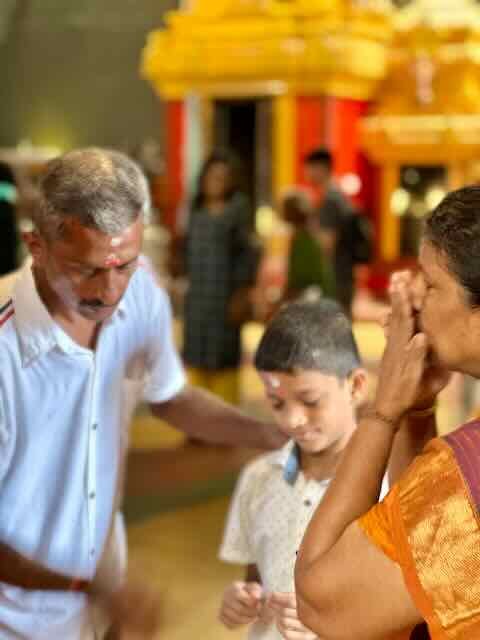
I loved walking around the temple and seeing the worshippers. It is truly a beautiful and very colorful temple.
📷 Pro Tip: Shoot the exterior facade in the late afternoon when the sun angles onto the carved gopuram. Inside, bring a fast lens, 24mm f/1.8 or similar, since the interior is dim and tripods aren't practical during active worship. Ask before photographing worshippers directly, and keep a respectful distance during ceremonies.
Best time: Late afternoon for the exterior; any time for the interior, respecting active worship. Access: Free, respectful entry required.
Gangaramaya Temple
One of Colombo's most important temples, blending Sri Lankan, Thai, Indian, and Chinese architectural styles on the shore of Beira Lake. The complex includes the main temple, a museum, a library, and vocational training centers, far more than a single quick stop can cover.
📷 Pro Tip: Budget at least an hour here, the complex rewards slow exploration rather than a rushed pass. A 24-70mm covers most of the architectural detail; switch to a 16-24mm for the full scale of the main hall interior. Morning light works well for the exterior courtyards before crowds build.
Best time: Morning. Access: Small entry fee. On Beira Lake, central Colombo.
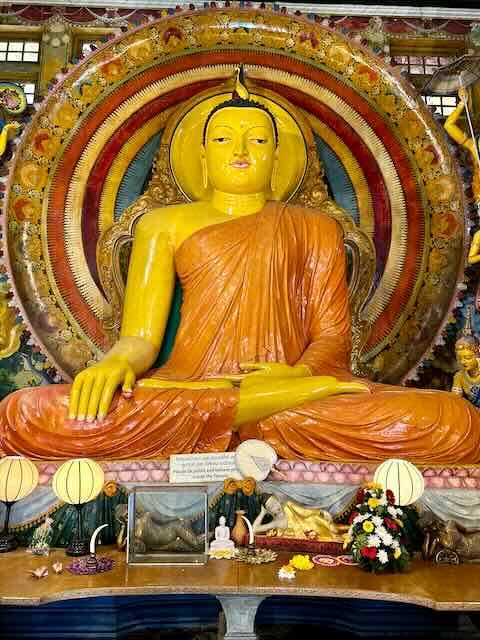
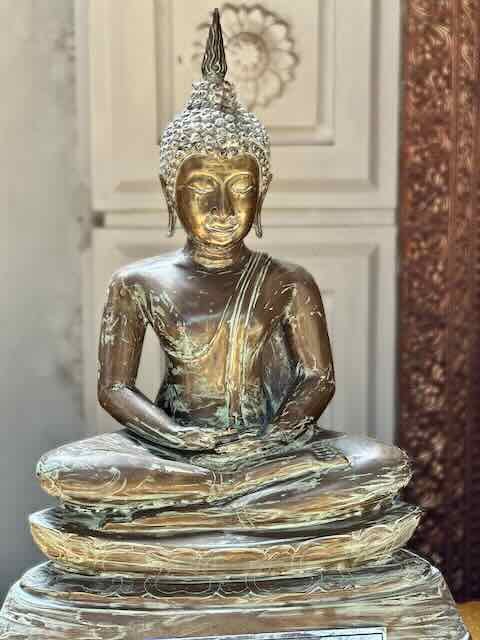
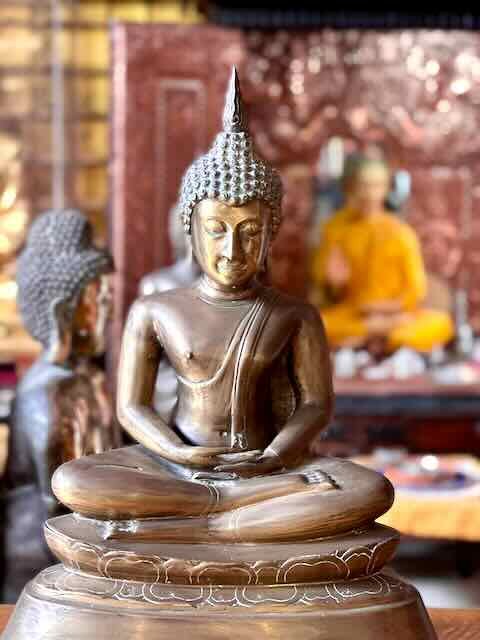
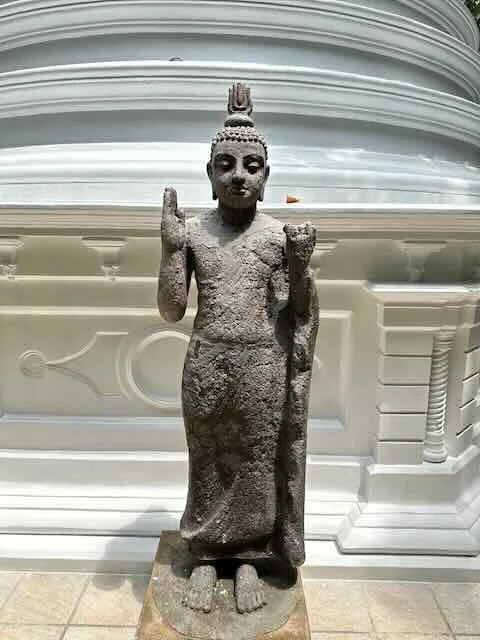
Gangarama Sima Malaka
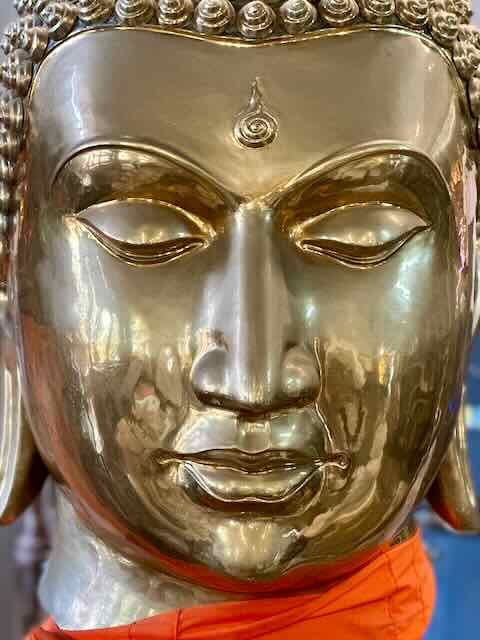
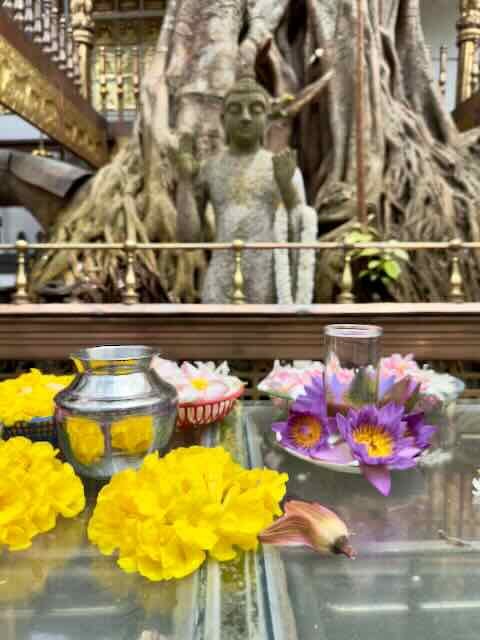
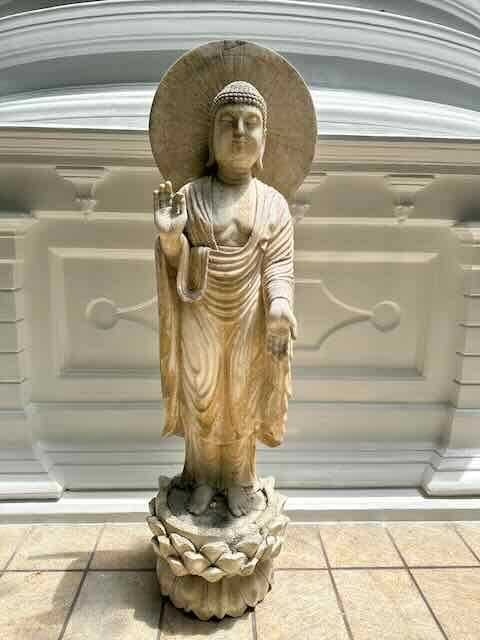
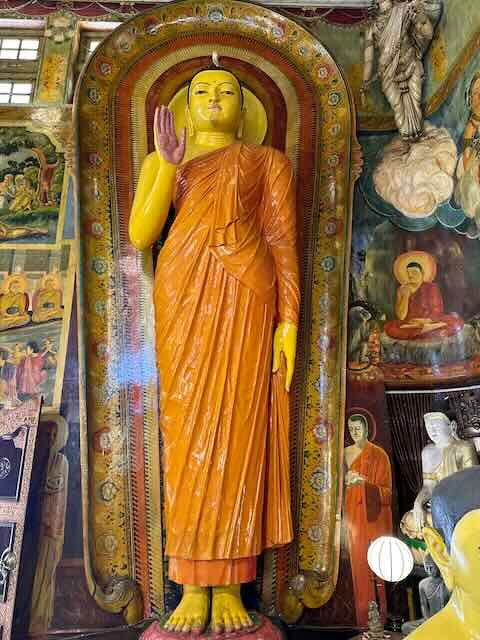
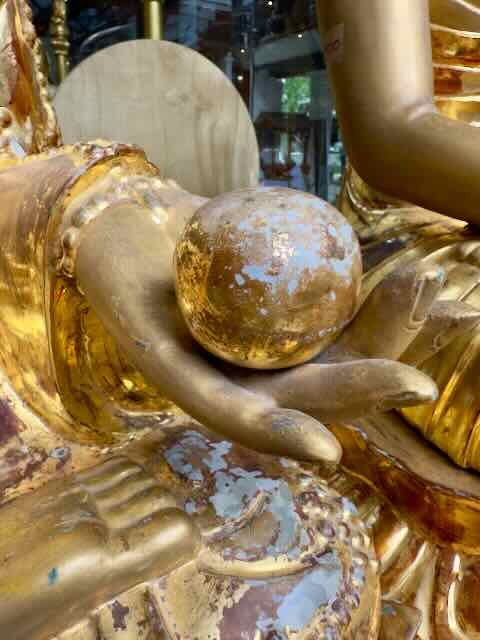
A serene meditation temple built on three floating platforms on Beira Lake, connected by a floating bridge. Multiple seated Buddha statues in different mudras sit across the platforms, with a central wooden-paneled hall for meditation.
📷 Pro Tip: Shoot from the bridge itself for a low, water-level composition that includes the reflections off the lake. A 24-70mm handles the platforms and statues well; a wide-angle at 16-24mm captures the full complex from the shoreline. Morning light gives the calmest water for reflections. Monks are frequently present, photograph respectfully and ask before close portraits.
Best time: Morning. Access: Small entry fee. On Beira Lake, central Colombo.
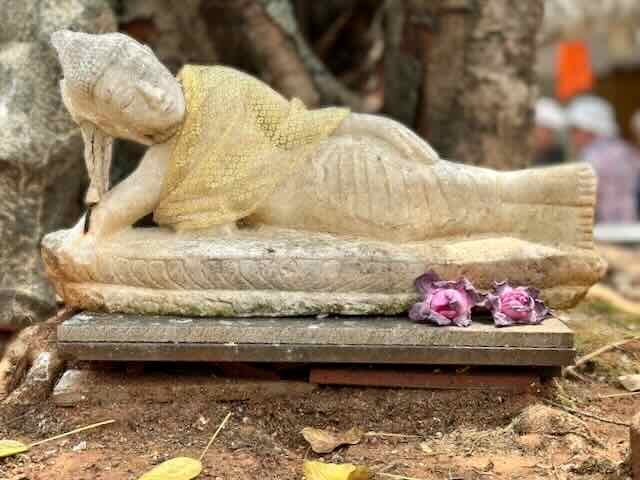
Sri Kailawasanathan Swami Devasthanam
A second Hindu kovil in Pettah with a nearly identical name to the temple above, but a distinctly different atmosphere, closer to the railway tracks and with its own character.
📷 Pro Tip: Visit as a companion stop to the first kovil rather than a standalone destination, the contrast between the two, despite the similar name, is worth documenting side by side. The same technical approach applies, a fast lens for the interior, and a respectful distance during worship.
Best time: Late afternoon. Access: Free, respectful entry required. Near the Pettah railway tracks.

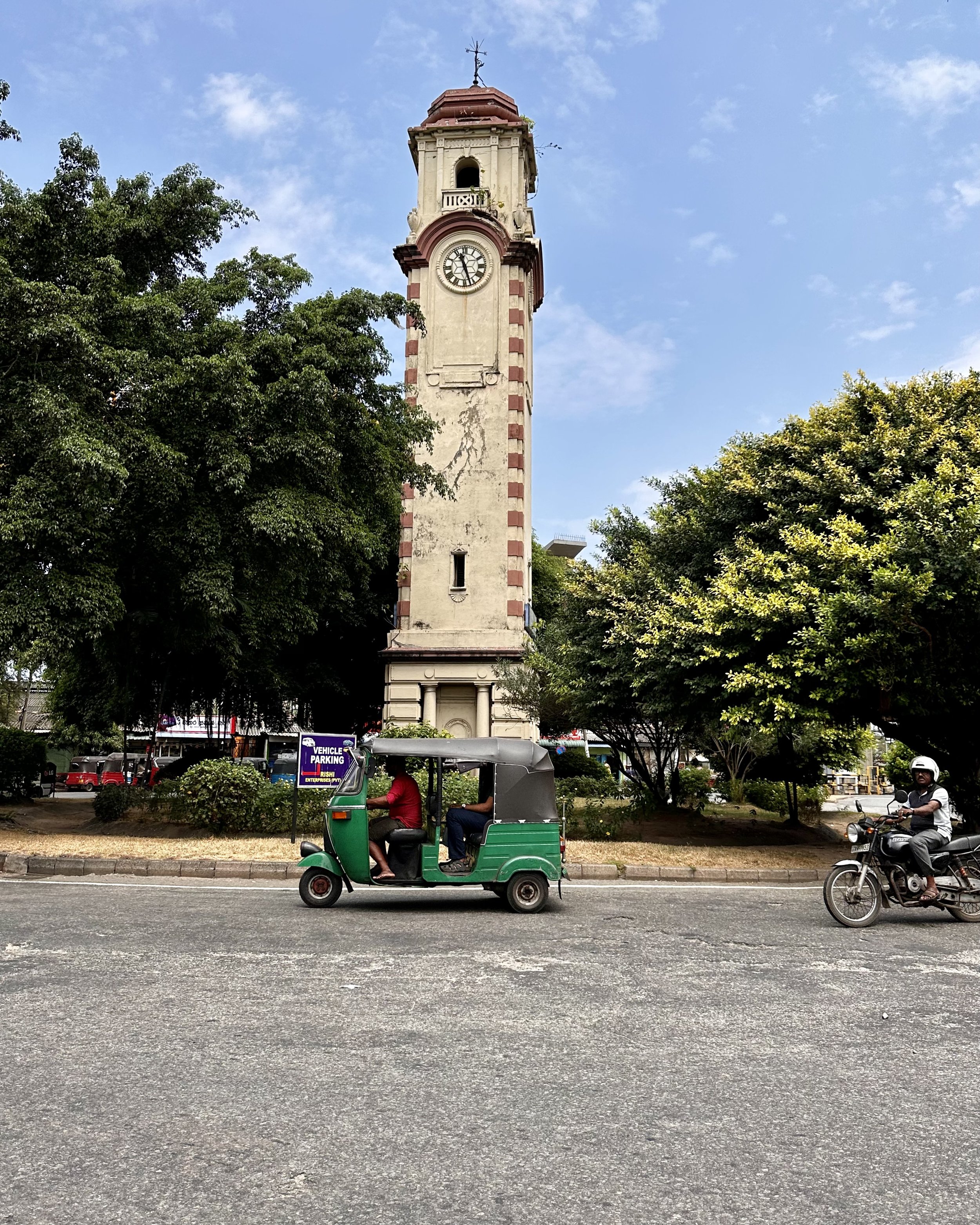
Wimaladarma Clock Tower
A four-story clock tower marking the entrance to Pettah Market, built in the early 20th century. It's a compact but genuinely useful landmark for orienting yourself, and a clean subject in its own right.
📷 Pro Tip: Shoot from across the street with a 24-70mm to include the tower alongside the market entrance activity below it. This works as a quick stop rather than a dedicated session, most valuable as a marker for where Pettah Market begins.
Best time: Any time; morning for less foot traffic in front. Access: Free, public landmark.
Kelaniya Raja Maha Viharaya Temple
One of the most revered Buddhist temples in the world, over 2,500 years old, and believed to have been visited by the Buddha himself. Located about 25 minutes from central Colombo, it's a genuinely worthwhile detour, quiet, serene, and filled with families making offerings.
📷 Pro Tip: Give yourself a full hour here; this is not a quick photo stop. A 24-70mm covers the architecture and the worshippers respectfully from a natural distance; a 50mm prime works well for quieter, more intimate frames of families at prayer. Morning visits tend to be calmer, with fewer tour groups.
Best time: Morning. Access: Small entry fee. About 25 minutes from central Colombo.

We loved watching people worship and pray in this very serene temple.
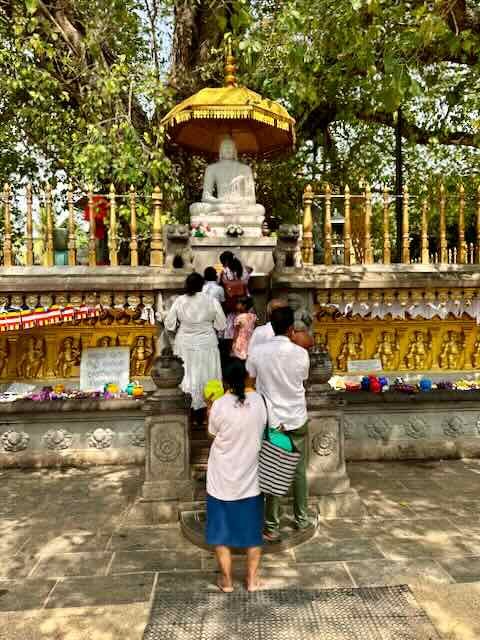
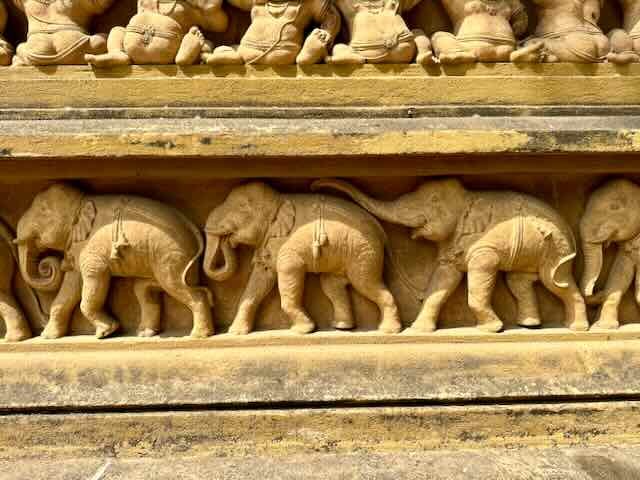
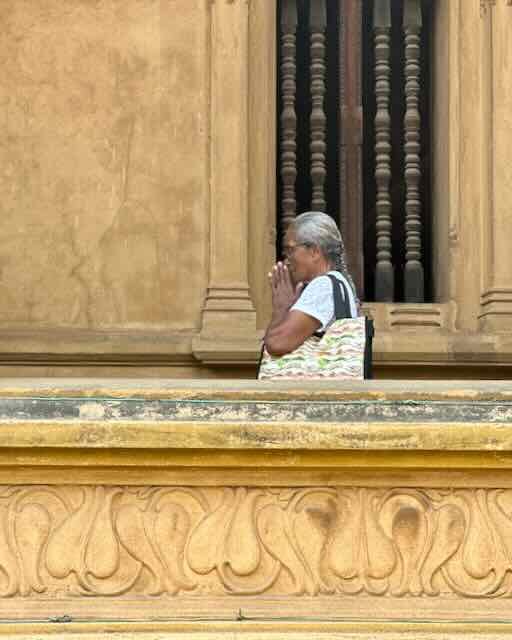
You could easily spend an hour at this peaceful temple. There are families coming to pray and leave offerings for Buddha.

The Pettah Market
Sri Lanka's busiest commercial district spans several city blocks, with each area specializing in different goods, clothing, electronics, and beyond. It's the single most active neighborhood in Colombo for street photography, packed with workers pushing carts, unloading trucks, and moving through impossibly narrow lanes.
📷 Pro Tip: This location rewards hours, not minutes; budget real time to wander without a fixed plan. A 24-70mm is your primary lens; a 70-200mm lets you isolate individual faces and moments from a respectful distance in the density. Morning is more manageable than afternoon, when the crowds and heat both peak.
Best time: Morning. Access: Free, public market. Central Pettah.
Jami Ul-Alfar Mosque (RED MOSQUE)
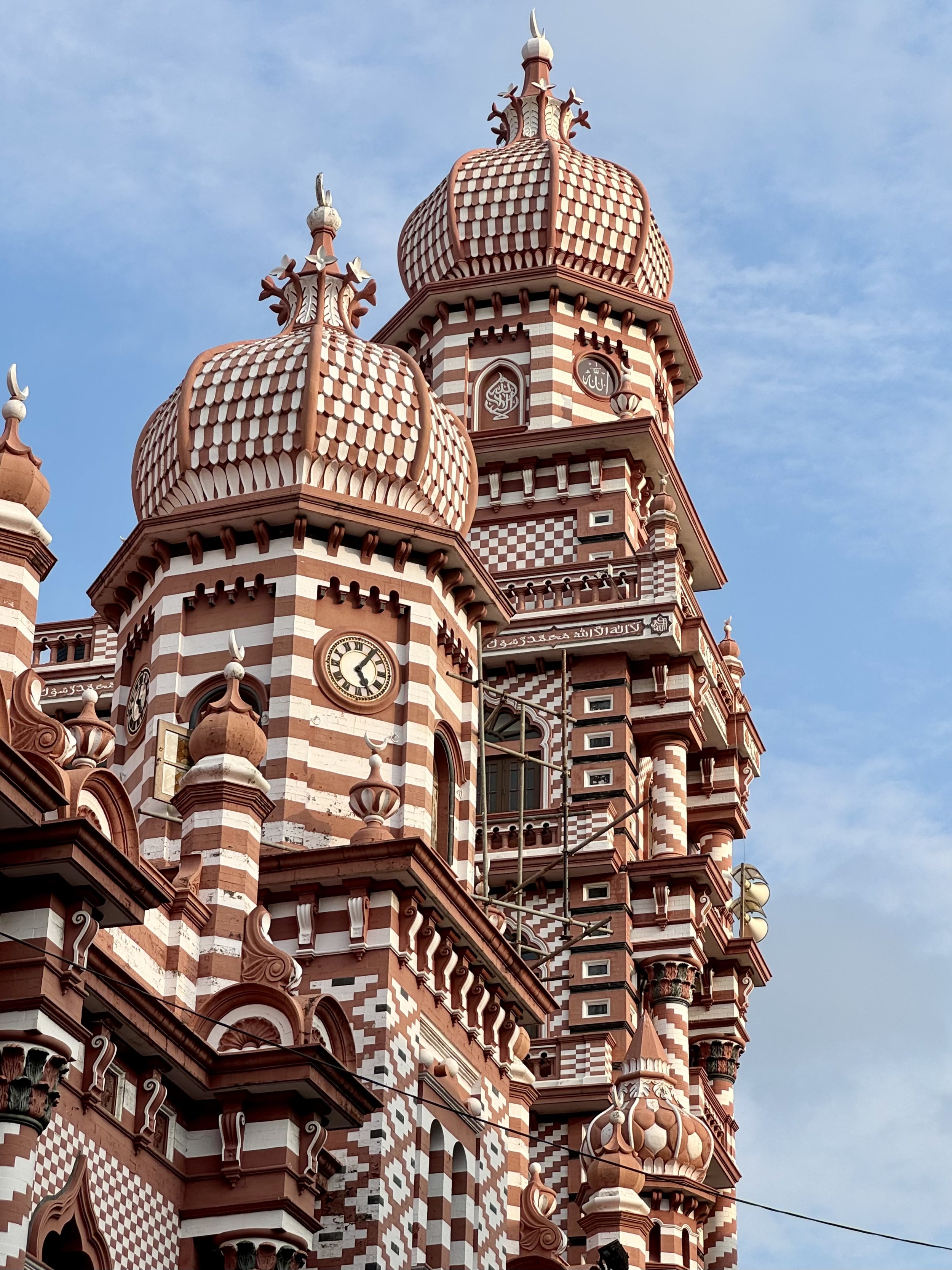
The most striking mosque I've photographed anywhere, including extensive travel across the Middle East. Most visitors only see the front facade from the main road, but the back of the mosque, reached by tuk-tuk through Pettah's back lanes, is the far more beautiful and photogenic side.
📷 Pro Tip: Don't settle for the front-road view, arrange to see the backside specifically, ideally with a tuk-tuk driver or local guide who knows the access route. A 24-70mm captures the striped red-and-white facade in full; a 16-24mm works better in the tighter back-lane approach. Late afternoon light brings out the color and pattern of the brickwork most vividly.
Best time: Late afternoon. Access: Free exterior viewing; respectful dress required. Central Pettah.

I loved capturing the details of the mosque.
Pettah Floating Market
Originally home to small shops, this area has evolved into a cluster of restaurants and cafés along the water. It's a lighter, more relaxed stop compared to the intensity of the main Pettah Market.
📷 Pro Tip: Treat this as a pause rather than a dedicated shoot, a place to rest, eat, and edit between the more demanding sessions elsewhere in Pettah. A 24-70mm covers the waterfront setting well if you do want a few frames.
Best time: Any time; late afternoon for warmer light on the water. Access: Free to walk through.
Frequently Asked Questions About Visiting Colombo
Is Colombo worth visiting, or just a transit point?
Worth visiting, genuinely. Most travelers treat it as a stopover on the way to Galle or the hill country, and that's a mistake. Two full days give you real access to the markets, temples, and coast without feeling rushed.
Is Colombo safe?
Yes, it's an approachable capital that doesn't overwhelm the way some other Asian cities can. Normal city awareness in crowded markets like Pettah covers most of what you need to know.
Do you need a visa for Sri Lanka?
Yes, most travelers need an Electronic Travel Authorization (ETA), applied for online before departure. Approval typically arrives by email within 24 hours.
What are the best photo spots in Colombo?
The Red Mosque's hidden backside, the floating temple platforms of Gangarama Sima Malaka on Beira Lake, and the chaos of Pettah Market are three that consistently deliver. The full list with Pro Tips is above.
Is a tuk-tuk tour worth doing?
Yes, highly recommended. Tuk-tuks reach the small roads and alleyways cars can't access, giving you a genuinely different view of the city than a standard car tour.
What surprised you most about Colombo?
The Red Mosque. I've visited many mosques across the Middle East and had never seen anything like it. Most visitors only see the front from the main road, but the backside, reached by tuk-tuk, is the most beautiful part of the building and easy to miss entirely.
How many days do you need in Colombo?
Two full days minimum. Most visitors who've been to Sri Lanka wish they'd spent more time here rather than treating it purely as a gateway city.
Is Colombo worth combining with Galle?
Yes, they're a natural pair. Colombo is the gateway; Galle, just two hours south along the coast, is the reward. Most Sri Lanka itineraries connect the two directly.
Final Thoughts
Colombo does not ask for much. It just asks you to slow down.
Most people I know who have visited Sri Lanka wish they had spent more time in Colombo rather than treating it as a stopover. The city is approachable, genuinely welcoming, and full of photographic material that does not require chasing or staging. You just have to show up, keep your eyes open, and be willing to wander.
The markets, the temples, the coast at dawn, the tuk-tuk rides through Pettah, all of it adds up to something that is hard to fully describe before you have experienced it. Marco Polo called Sri Lanka the finest island in the world. After visiting, I understand why he felt that way.
If you are planning a trip to Sri Lanka and wondering whether Colombo is worth your time, the answer is yes. Give it two full days at minimum. You will leave wishing you had stayed longer.
Want to improve your photography while exploring some incredible destinations? Join me on one of my photography workshops! You can find all the details, including upcoming destinations and dates, through the links below.
Let's Stay Connected!
Three Related Guides to Pair With This One
My Photography & Travel Guide to Galle, Sri Lanka Colombo is the gateway. Galle is the reward. Just two hours south along the coast, Galle Fort is one of the best-preserved colonial fortifications in Asia and one of the most photogenic places in all of Sri Lanka. If you are spending time in Colombo, Galle has to be on your itinerary.
My Photography & Travel Guide to Hong Kong A short flight from Colombo and one of the most visually intense cities in Asia. Hong Kong delivers on every level: skyline photography, street markets, temple interiors, and harbor reflections that are unlike anywhere else in the world. A natural next stop for anyone working their way through the region.
My Photography & Travel Guide to Bali, Indonesia Bali and Sri Lanka share a similar spirit. Both are island destinations shaped by deep spiritual traditions, lush landscapes, and a photographic richness that rewards slow travel. If Sri Lanka left you wanting more of that energy, Bali is your answer.
Finally—a beginner-friendly photography guide that makes sense.
If you've ever picked up a camera and thought, "Now what?" this is the book for you.
Photography Made Simple is written for adults who are just starting out and want a clear, encouraging, real-world approach to learning photography. Whether you're using a DSLR, mirrorless, or just your smartphone, this guide walks you through the basics—without the jargon or tech overwhelm.
Inside, you'll learn:
The only camera settings you really need to know to get started
How to shoot sharper, more intentional photos using light and composition
Simple tips for portraits, landscapes, travel, and everyday life
What gear you do (and don’t) need
How to create better photos without upgrading your camera
You’ll also get practical exercises, cheat sheets, and tips for organizing and editing your images—plus the confidence to shoot off Auto Mode for good.
This is not a textbook. It’s a friendly guide to seeing the world with fresh eyes—and finally capturing what you see the way you imagine it.
📸 Format: PDF download
Pages: 100+
Perfect for: Beginners, hobbyists, and anyone ready to take better photos without the stress