My Photography & Travel Guide to Colombo, Sri Lanka
Colombo surprised me. Not because I had low expectations, but because the city kept revealing itself in ways I did not expect.
Most travelers land here, clear immigration, and head straight to the beaches or the hill country. I get it. Sri Lanka has a lot to compete with. But skipping Colombo is a mistake, and I say that as someone who has now spent real time in this city rather than just passing through.
What strikes you first is the contrast. Galle Face Green sits right on the Indian Ocean, flanked on one side by colonial-era buildings that feel like they belong in another century and on the other by gleaming glass towers that feel like they belong in the next one. Tuk-tuks thread through it all. The air smells like salt and spice and diesel and something frying nearby.
For photographers, Colombo is genuinely exciting. The light here is tropical and warm, with a directness that makes colors pop. Early mornings along the coast are extraordinary. The markets in Pettah are chaotic in the best possible way. The temples range from quiet and meditative to packed with ceremony and color. And because the city is compact and walkable in its core neighborhoods, you can move between these worlds quickly.
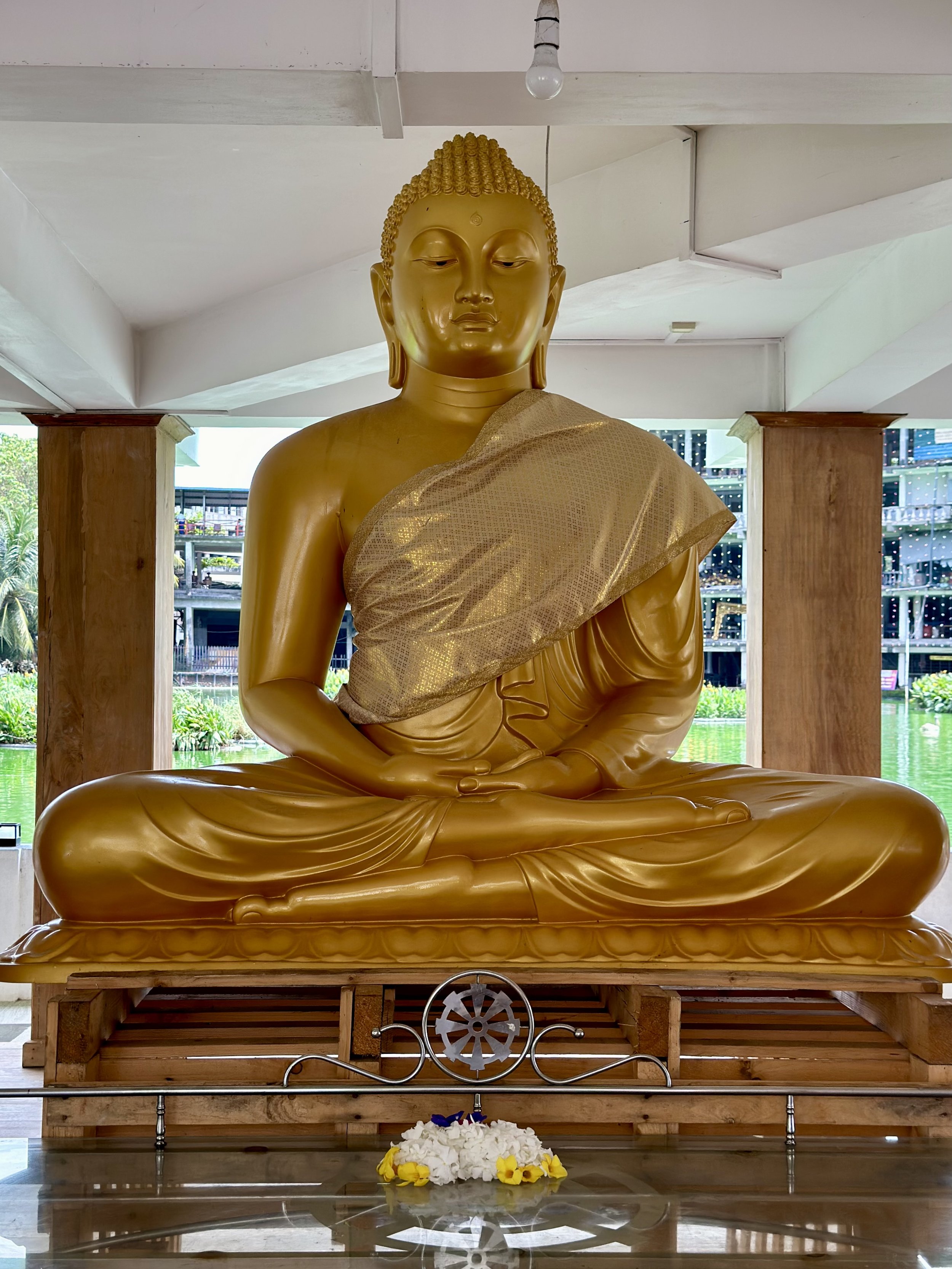
Gangarama Sima Malaka
Colombo is also a city shaped by waves of colonizers, traders, and settlers. The Portuguese arrived in the 16th century, followed by the Dutch and then the British. Each left layers, and you can read all of them if you slow down and look. That kind of visual and cultural depth is rare, and it is what keeps me coming back.
In this Photography Guide to Colombo, Sri Lanka, I share the places and experiences that continue to draw me back. You will find my favorite photography locations, guidance on when and where to shoot, practical travel tips, and gear recommendations, along with cultural insights to help you explore and photograph Colombo with confidence, respect, and ease.

So, should you stop in Colombo
Yes. And not just as a layover.
Colombo is the largest city in Sri Lanka, yet it feels approachable. With a population of around 650,000, it never overwhelms you the way other Asian capitals can. Instead, it pulls you in slowly.
This is the country’s gateway, but it is much more than an arrival point. The Portuguese, Dutch, and British all left their mark here, and you can see it in the architecture, street names, and coastal fortifications. Red tiled colonial buildings sit beside sleek new hotels and modern shopping centers. Glass towers reflect palm trees. Old railway tracks cut through neighborhoods where life unfolds at street level.
For photographers, this contrast is the story.
Spend a morning in Pettah Market, and you will find layers of color, texture, and movement. Spices piled high. Textiles hanging from doorways. Vendors selling fresh fruit under soft filtered light. Walk a few blocks, and you will encounter churches, mosques, and Buddhist temples, all within the same district. The city’s multi ethnic legacy is visible and deeply woven into daily life.
Colombo rewards curiosity. It is not a postcard city. It is a lived-in city. And that is exactly what makes it worth your time.
When to Go?
If your goal is great light, comfortable weather, and strong wildlife sightings, plan your trip carefully.
I recommend visiting Sri Lanka during the drier window from December through March. This period generally offers more predictable weather, especially along the west and south coasts, which includes Colombo.
Sri Lanka has two distinct monsoon patterns. The northeast monsoon runs roughly from October through January and mainly affects the northern and eastern regions. The southwest monsoon typically arrives between May and July and impacts the south and west, including Colombo.
Weather patterns can shift slightly year to year, but understanding these seasons helps you plan smarter.
If you are combining Colombo with national parks, timing matters even more. The dry months improve road conditions and concentrate wildlife around water sources, which increases your chances of sightings. We visited three national parks during our trip, and choosing the right season made a real difference in what we were able to see and photograph.
Fewer rain interruptions. Better wildlife activity. Softer early morning light. That is a combination worth planning around.
Getting a Visa
You will need to get a visa to visit Sri Lanka. The good thing is that getting a tourist visa for Sri Lanka is easy and can be booked online as an electronic visa (ETA). We received our 30-day tourist visa via email within 24 hours of applying.

The Embarkation Card
One thing to keep in mind is that once you land in Colombo, you need to fill out an Embarkation Card. The signs in the airport are tough to spot. We, of course, did not see them, so we approached the immigration officer, who told us we needed to return to fill out an embarkation card.
Take a TukTuk Tour
I would highly recommend taking a TukTuk tour. It is so much fun; you will see so much more than going around in a car. The nice thing about the TukTuks is that they can go down small roads and alleyways that would be impossible for cars to access. There is an excellent tour company called Capital TukTuk Tours.
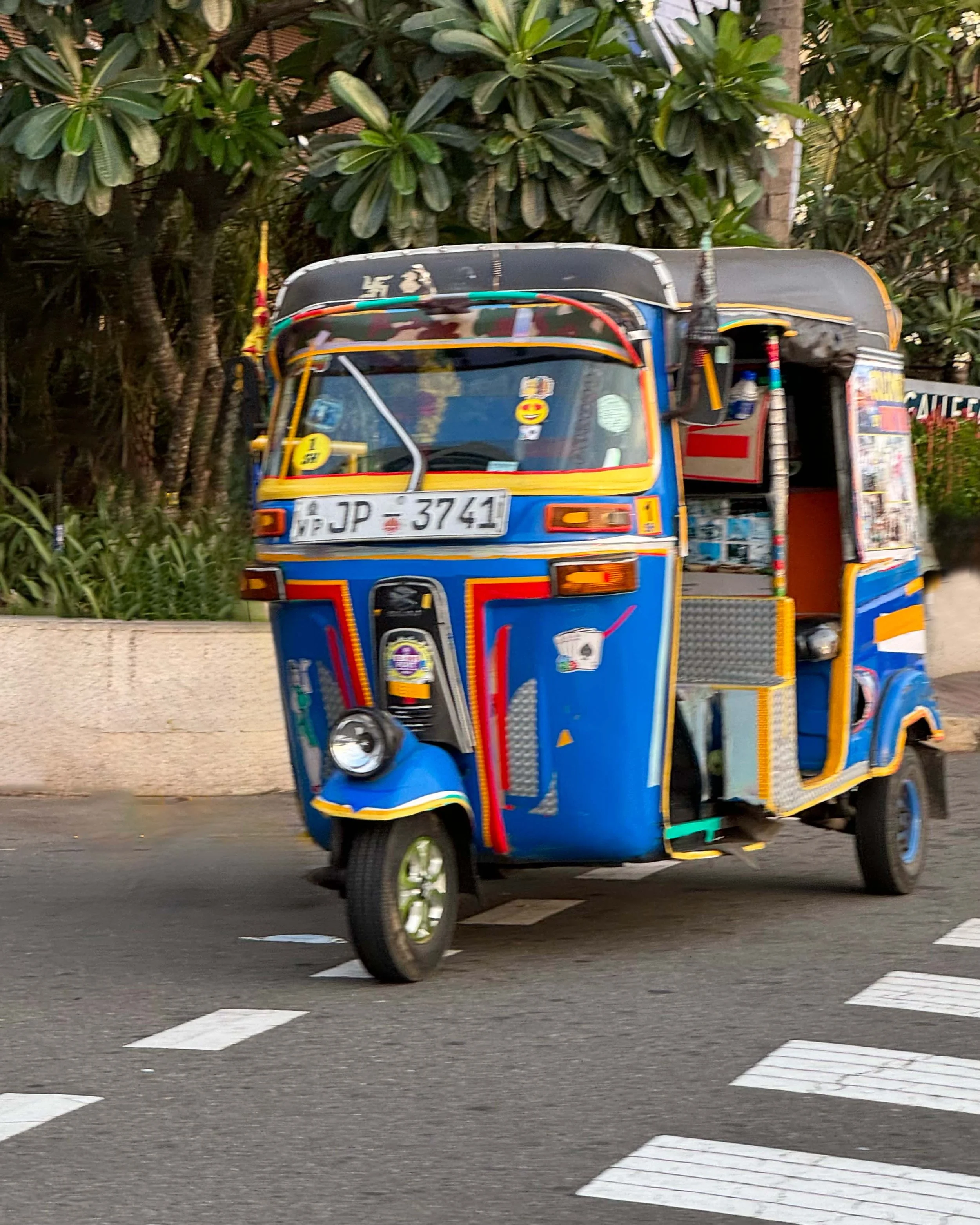
Our TukTuk Tour
Where to Stay?
We stayed at the Shangri-La in Colombo, and it was fantastic. It is located right on the Indian Ocean and attached to a large mall, Galle Face Mall. Having the mall next door was very convenient to access restaurants, shops, and ATMs. I would recommend spending 2 nights in Colombo.
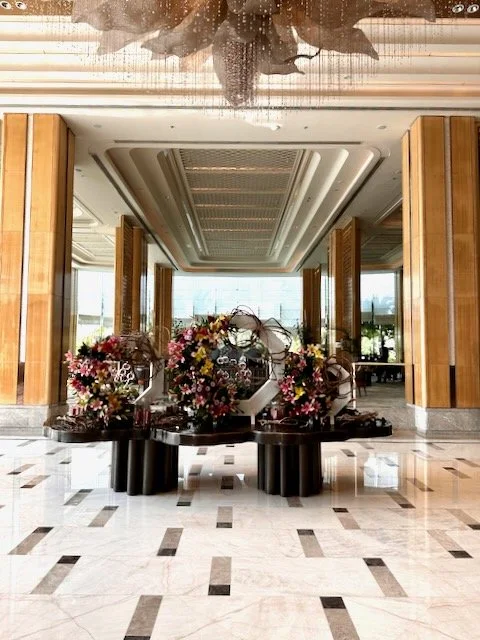
The Lobby of the Shangri-La
Photography Gear for Colombo
Colombo rewards a compact, versatile kit. You are moving between temple interiors, crowded market streets, coastal views, and colonial architecture, often within the same morning.
Camera Body: A mirrorless body handles the range of conditions well. The Canon EOS R5 Mark II, Sony A7R V, or Nikon Z8 all deliver the dynamic range needed for the high-contrast tropical light.
Lenses:
Standard zoom (24-70mm): Your primary lens for everything. Street scenes in Pettah, temple architecture, market colors, and the Shangri-La waterfront views all fall comfortably within this range.
Wide angle (16-24mm): For the interior of Gangaramaya Temple, the Wolvendaal Church nave, and any shot where you want to show the full scale of the space around you.
Telephoto (70-200mm): Useful for compressing the Red Mosque details from a distance, isolating faces in Pettah Market from a respectful distance, and pulling the skyline from Galle Face Green.
Prime (50mm or 85mm): For street portraits and lower-light shooting inside the temples.
A note on temple photography: Most temples in Colombo permit photography, but always ask first and be respectful of active worship. Remove shoes before entering. Move quietly. Do not use flash. Your best light is the natural glow through doorways and windows.
Photography Locations
Here are my photography location recommendations for Colombo. They are listed in no particular order.
Wolvendaal Church (Christian Reformed Church)
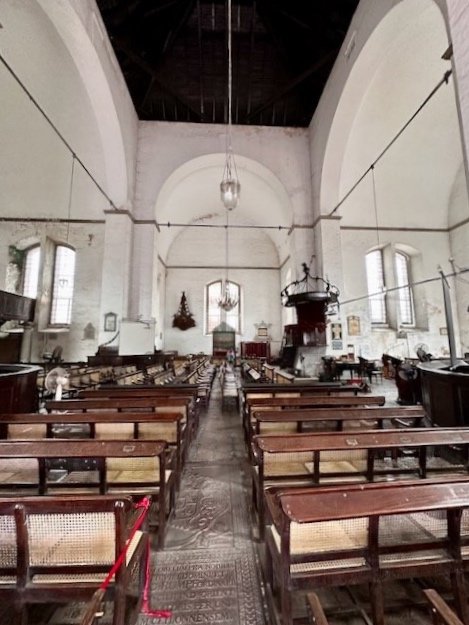
The Dutch Church, or the Wolvendaal Church, is located in Pettah, a neighborhood of Colombo. It is one of the most important Dutch Colonial-era buildings in Sri Lanka and is one of the country's oldest Protestant churches still in use.
They have a hand-pumped pipe organ that dates back to the Dutch period in the 1750s and still works.
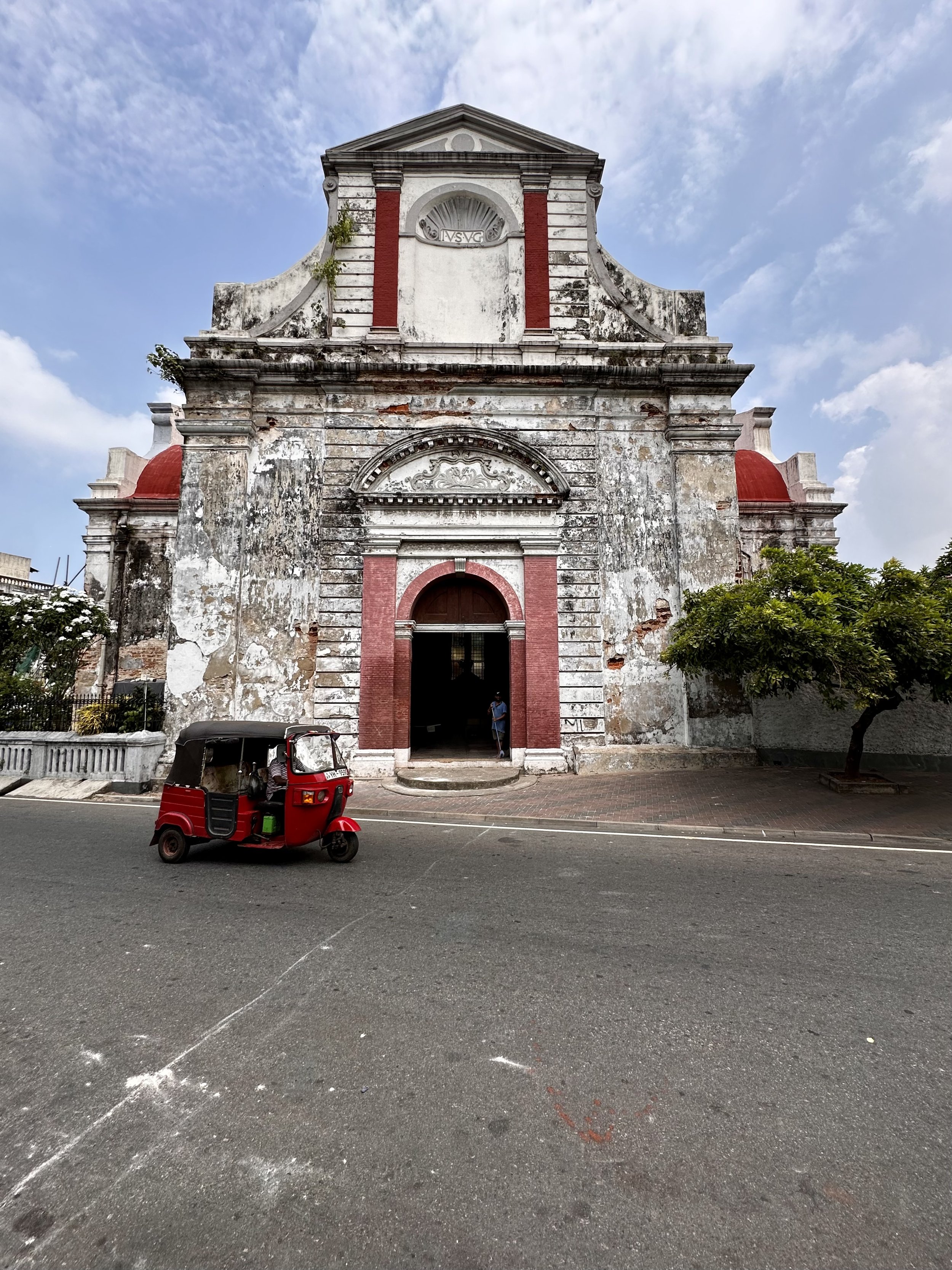
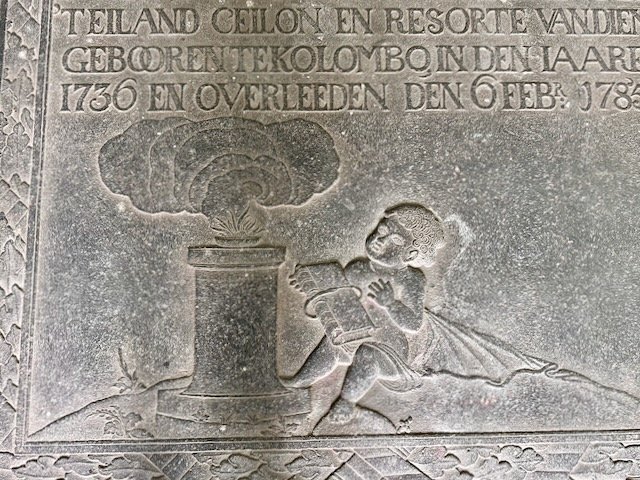
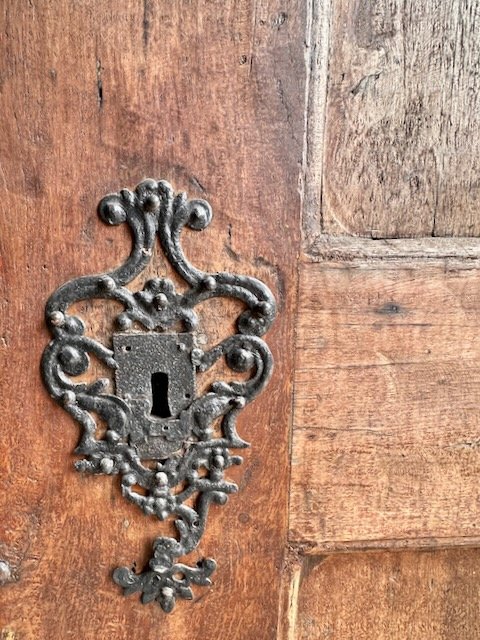
I would definitely visit the interior of the church. It is not very large but you can feel the age of the church. It would be hard to count how many people have been through these doors.
Food Markets
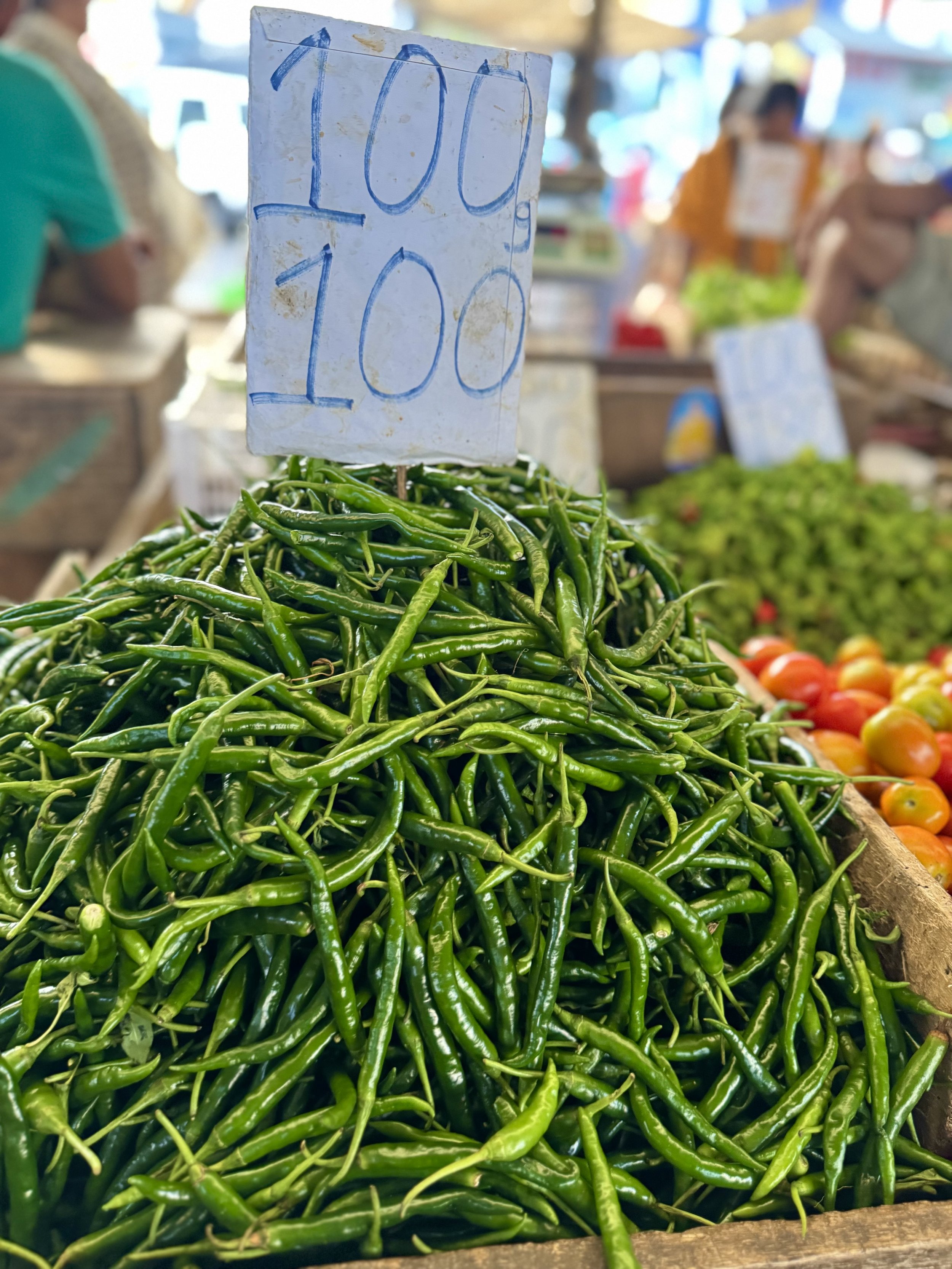
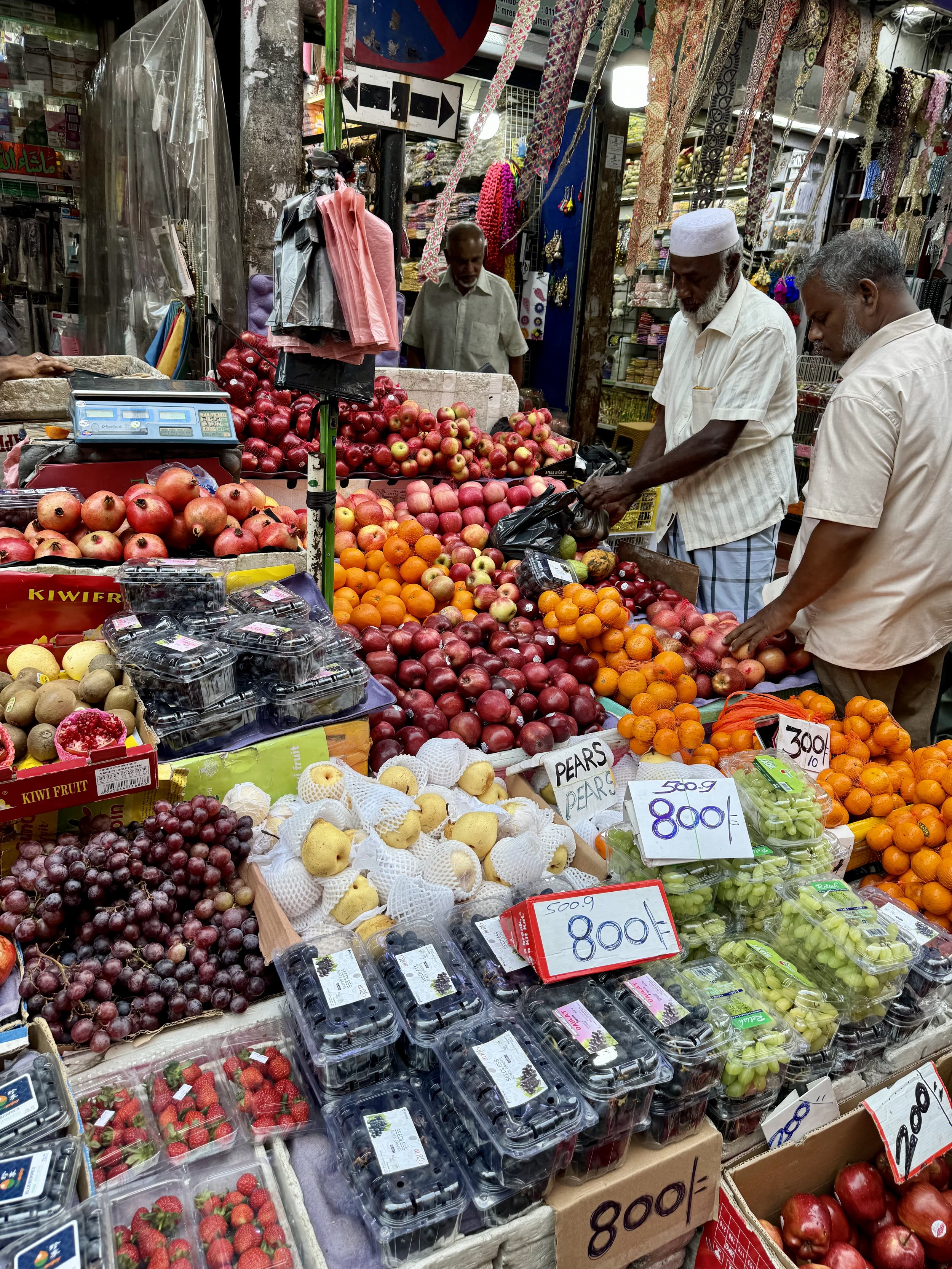
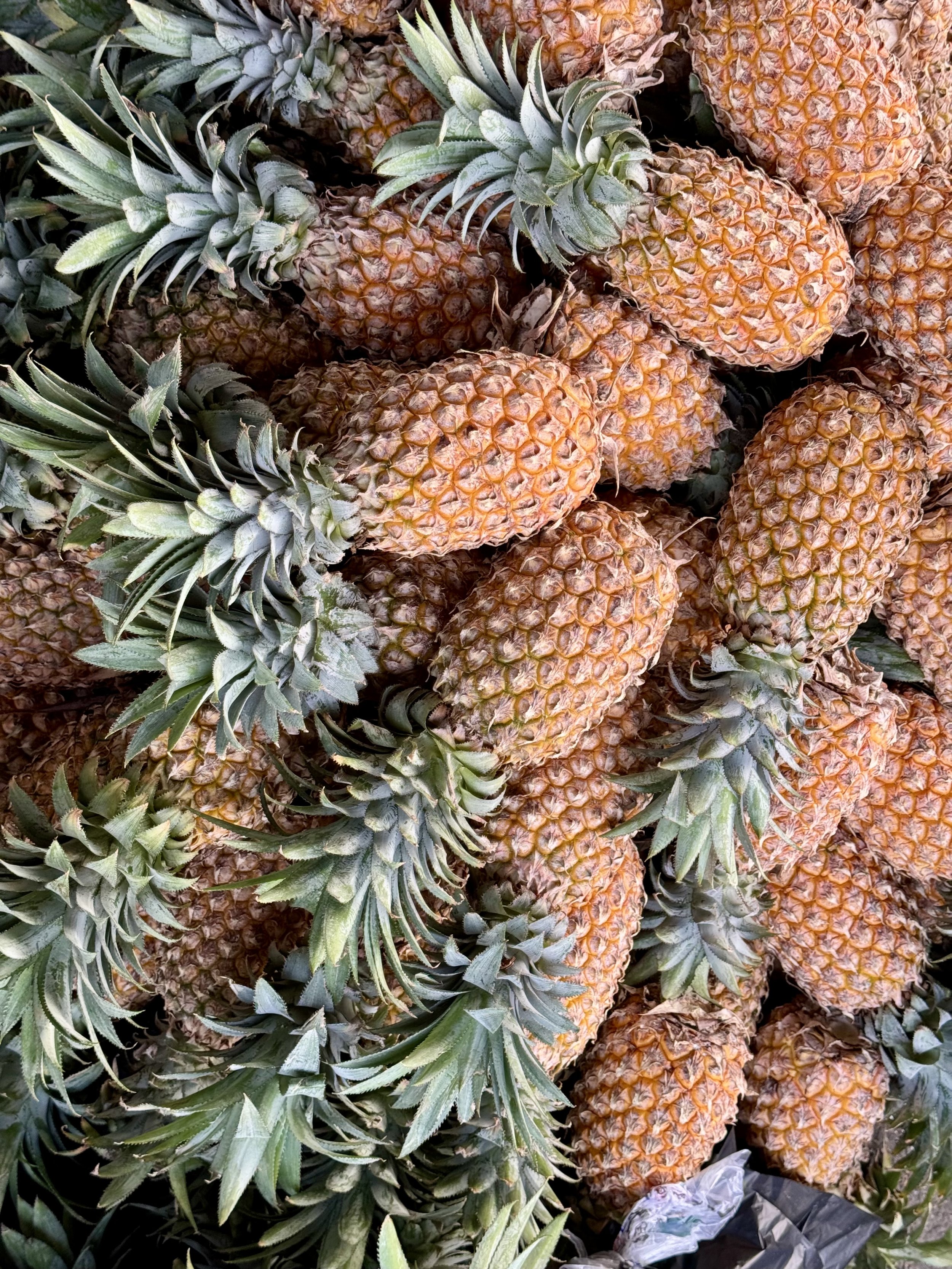
The food markets of Sri Lanka are so much fun to visit. You will see all sorts of items being sold, from Fruits & Vegetables to teas and spices. The markets tend to be very lively, and they are a perfect place for Street Photography.

The Fruit & Vegetable Market
In addition to all sorts of fruits and vegetables you will find spices, nuts, clothing. I loved watching people working in the market.
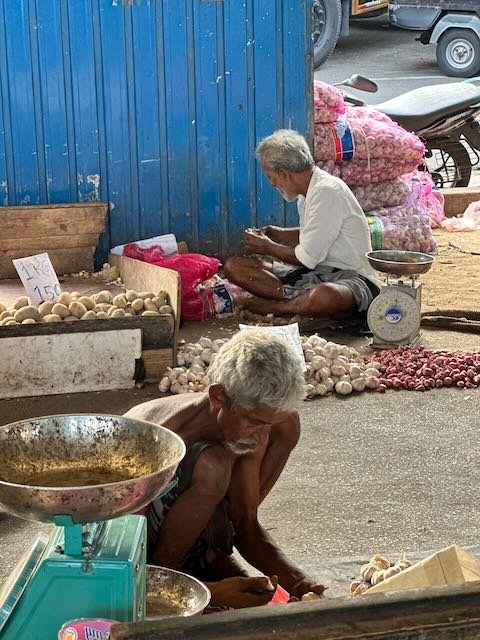
Day Laborers Peeling Onions
Walking through the markets will allow you to see the real Sri Lanka. You to see how people live.
Temple of Sri Kailawasanathan Swami Devasthanam Kovil
This is the oldest and largest Hindu temple in Colombo. Its South-Indian-inspired architecture, as well as the beautiful and bright paintings and detailed artwork, especially on the ceiling, is impressive. The temple has many statues of Hindu gods, but the main gods are Easwaran (Shiva) and Ganesh.

Outside of the Temple
I loved walking around the temple and seeing the worshippers. It is truly a beautiful and very colorful temple.
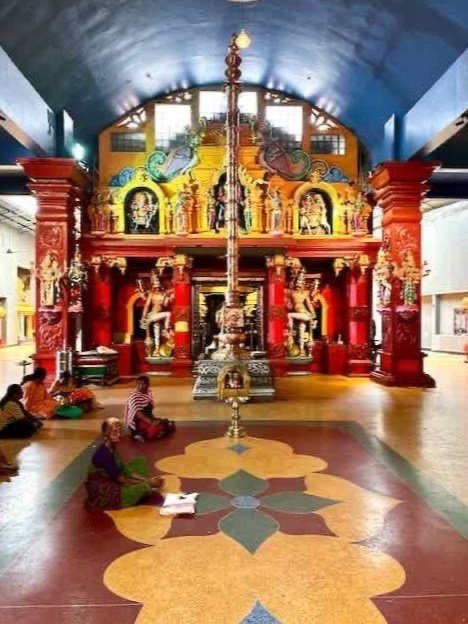
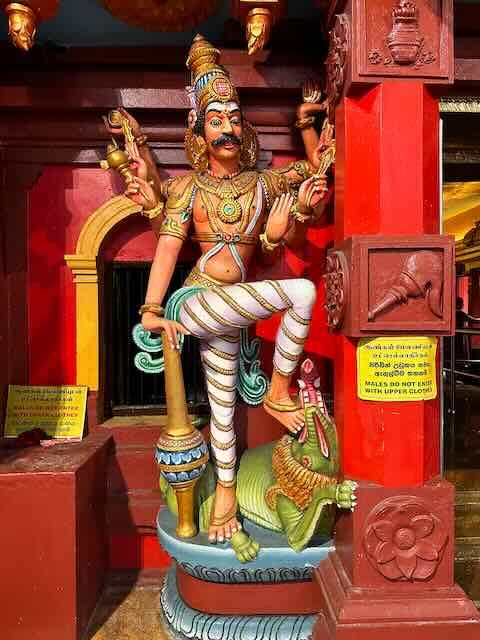
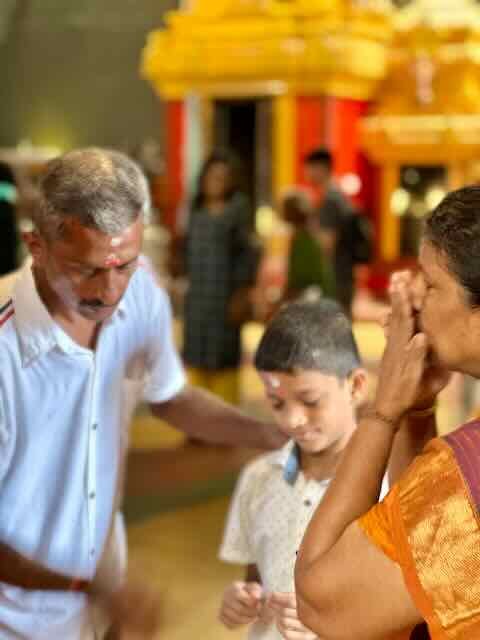
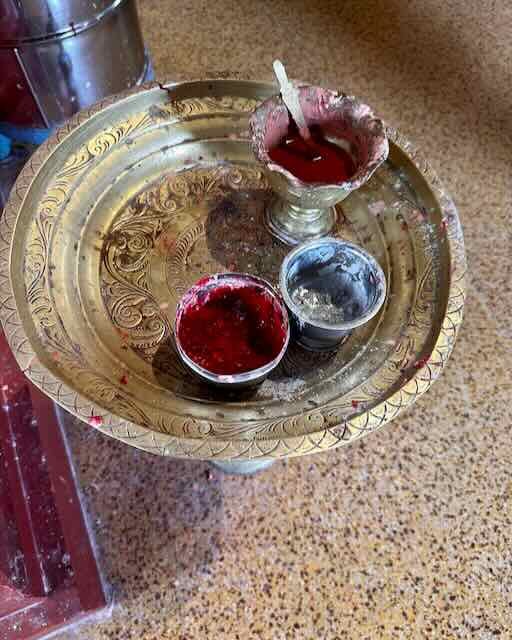
Gangaramaya Temple
Gangaramaya Temple is one of the most important temples in Colombo, Sri Lanka, blending modern architecture with cultural art. Located on Beira Lake, it was completed in the late 19th century.
There is so much to see in this temple. Gangaramaya consists of the main temple, a museum, a library, and vocational training centers. Gangaramaya temple's architecture combines Sri Lankan, Thai, Indian, and Chinese styles.
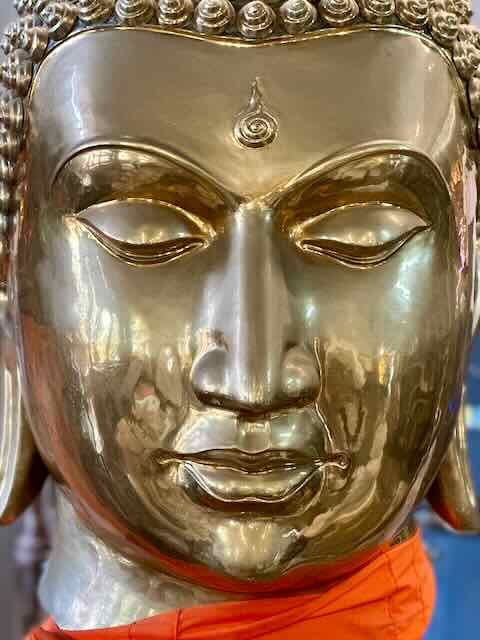
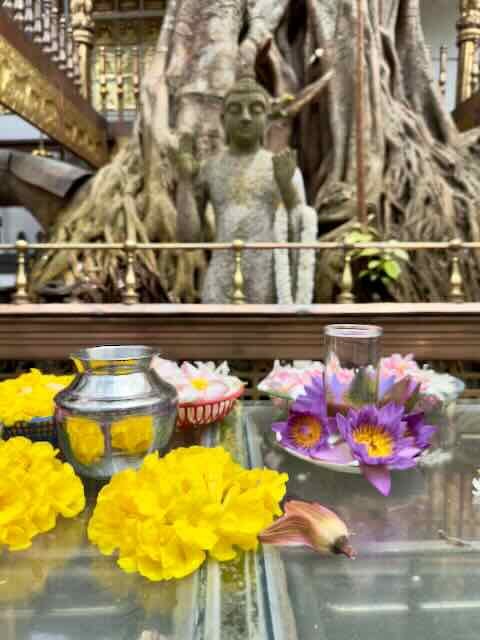
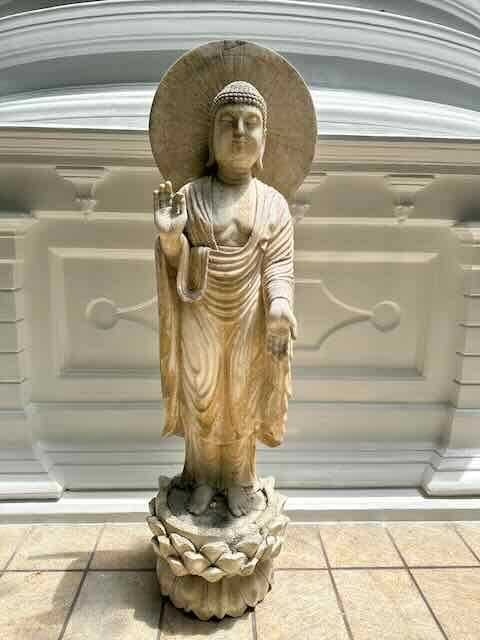
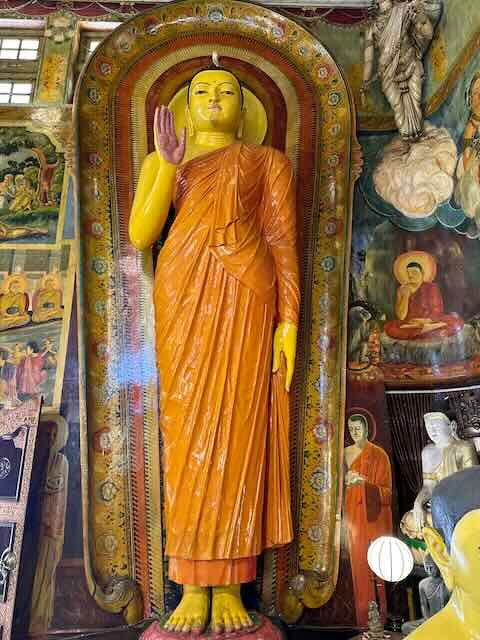
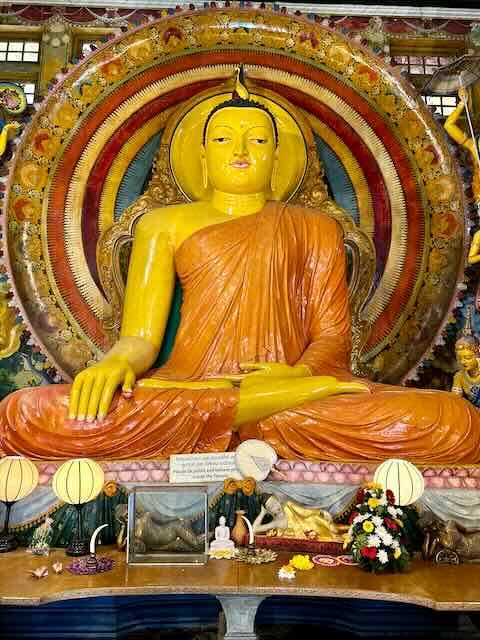
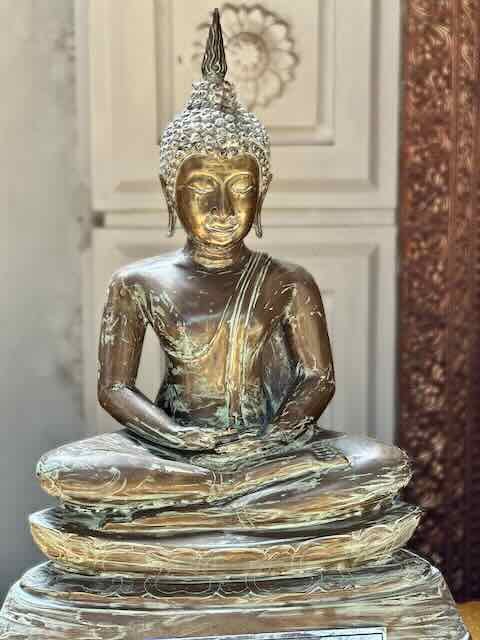
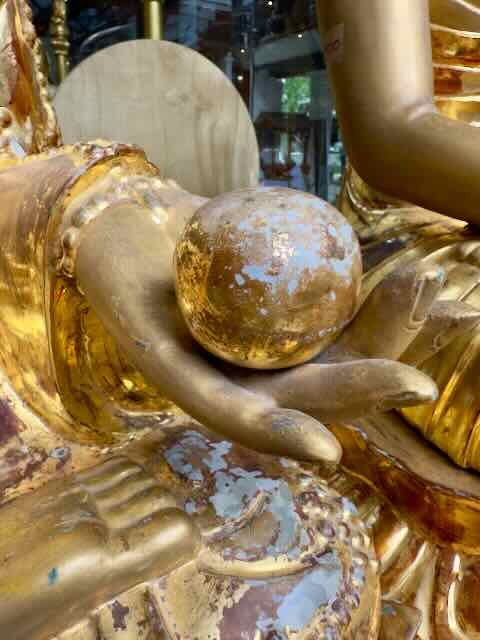
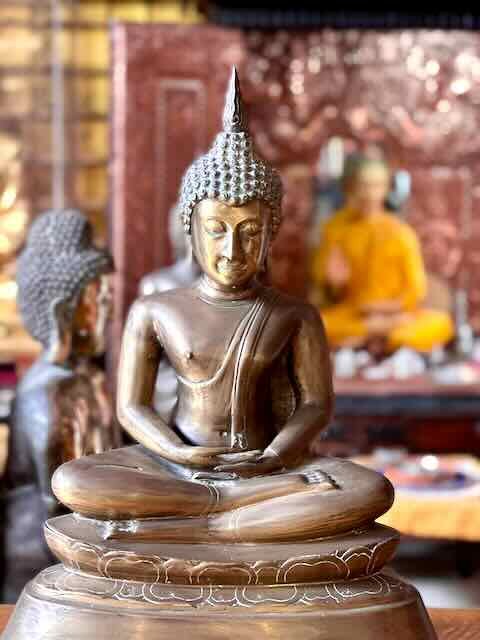
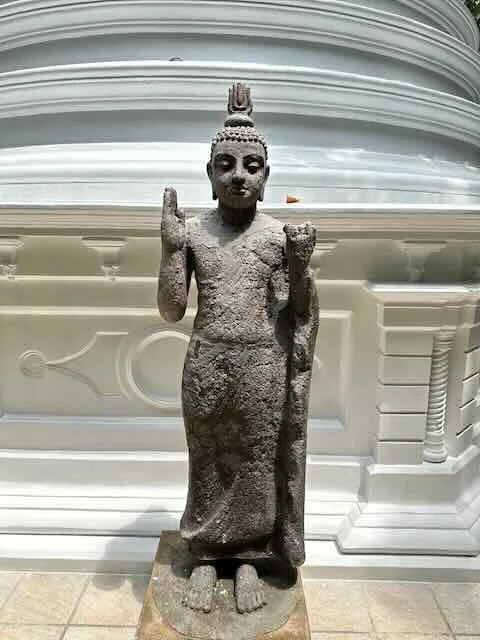
Gangarama Sima Malaka
This serene temple sits on three floating platforms on Beira Lake. They are connected to each other and to the entrance by a floating bridge. There are numerous seated Buddha statues displaying different mudras (hand gestures) on all three platforms. The central platform houses a wooden paneled temple for meditation.
We saw many monks at this temple.
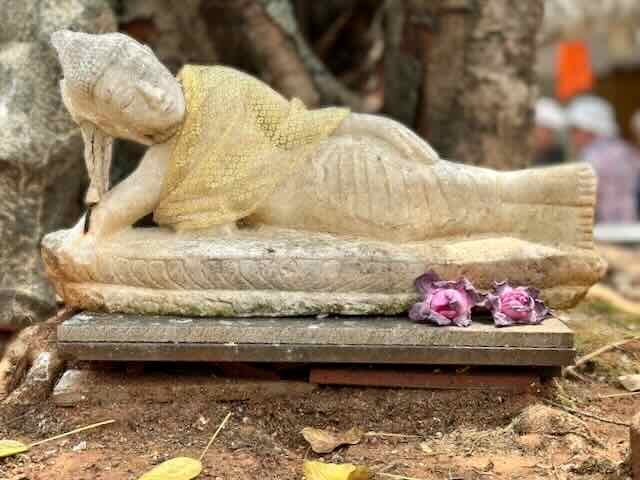
Sri Kailawasanathan Swami Devasthanam
This is a second Hindu kovil in Pettah with a similar name to the one above, located closer to the railway tracks. Despite the name similarity, it has a distinctly different atmosphere.

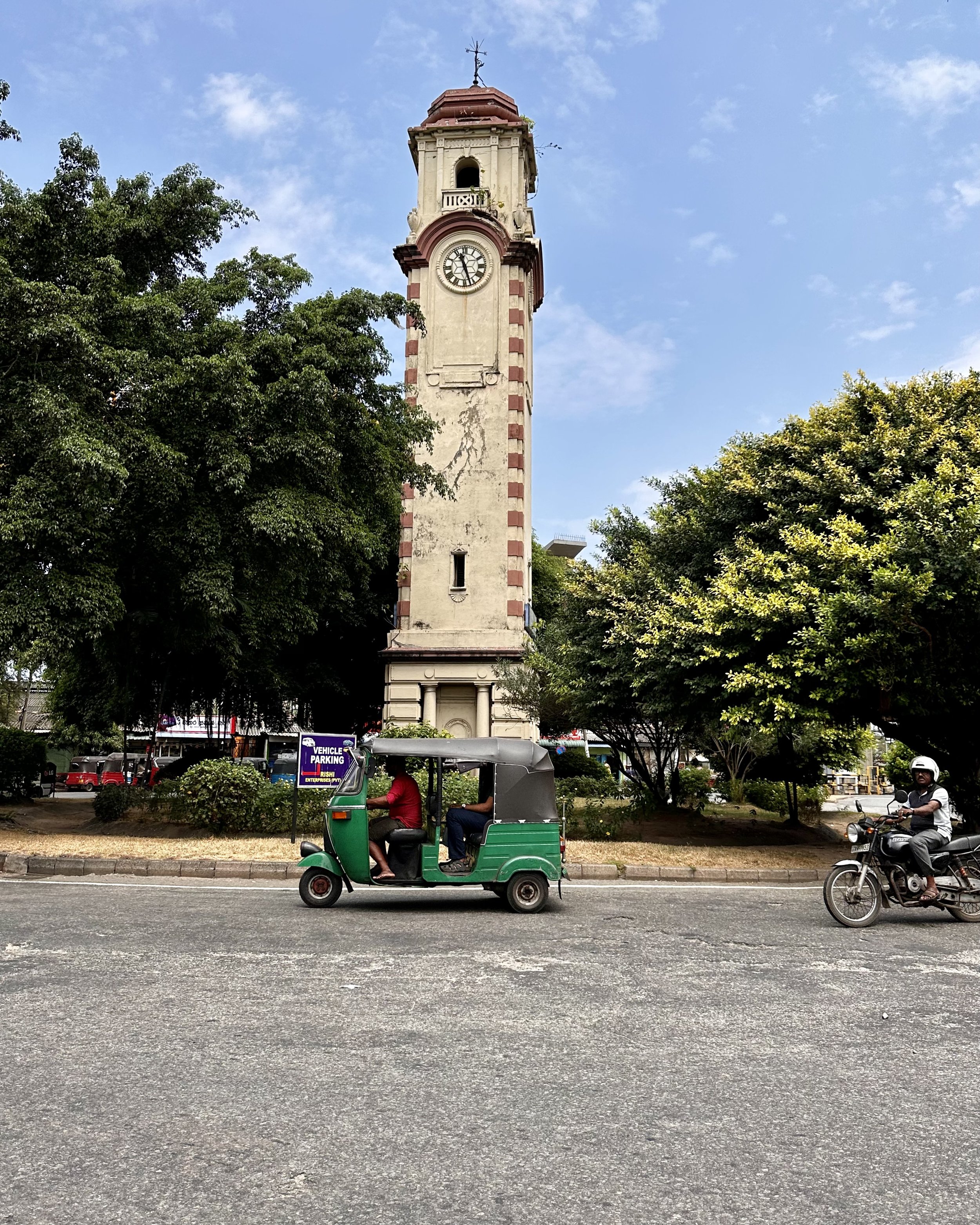
Wimaladarma Clock Tower
The Clock Tower is a popular landmark and marks the entrance to Pettah Market. The Tower is roughly four stories high. The Clock Tower was built in the early 20th century by the family of Framjee Bhikhajee Khan from Bombay, India.
Kelaniya Raja Maha Viharaya Temple
This Buddhist temple was just incredible. It is one of the most revered historic Buddhist temples in the world. It is located about 25 minutes from Colombo, but it is definitely worth a visit. It is over 2500 years old, and it is believed that Buddha visited the temple.

We loved watching people worship and pray in this very serene temple.
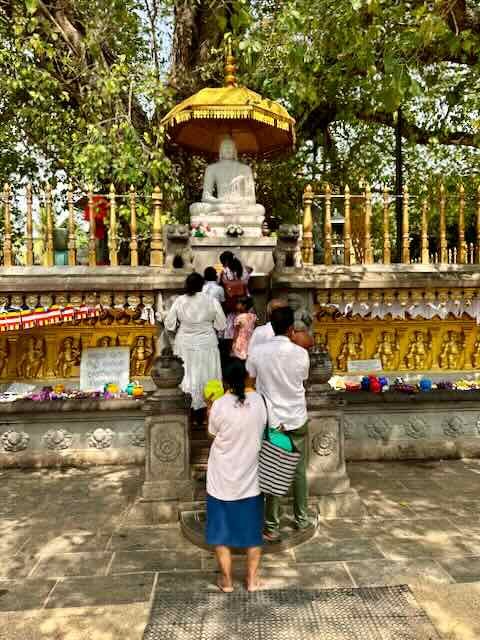
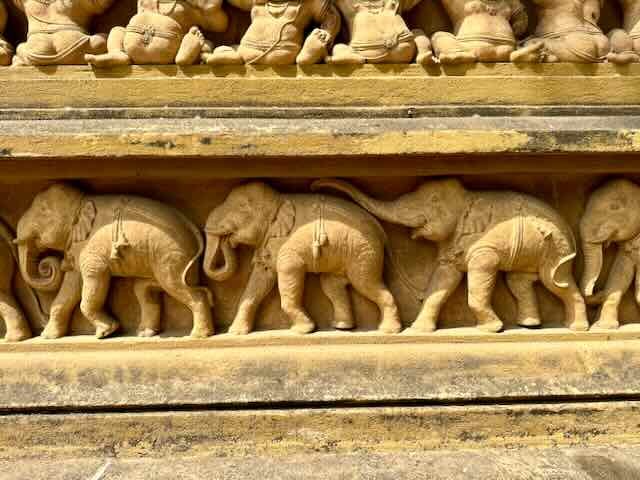
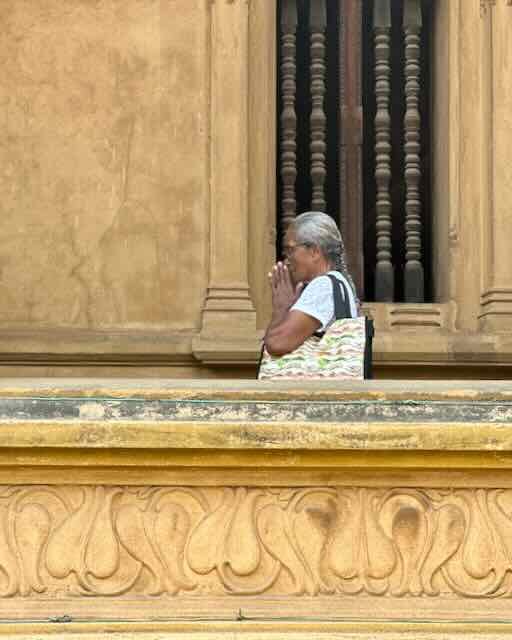
You could easily spend an hour at this peaceful temple. There are families coming to pray and leave offerings for Buddha.

The Pettah Market
The Pettah neighborhood is famous for the Pettah Market, a series of open-air bazaars and markets. It is one of Sri Lanka's busiest commercial areas, home to a large number of wholesale and retail shops, buildings, commercial institutions, and other organizations.
The market is large, chaotic, and wonderful. The market spans several blocks, with each area specializing in clothes, electronics, or a wide range of other items. It would take you hours and hours to see the entire market.
Pettah is probably the most active and interesting neighborhood in Colombo for street photography. It’s packed with chaotic streets full of shops, businesses, restaurants, and people moving everywhere. It’s always busy with endless numbers of workers pushing carts and unpacking trucks, too.
Jami Ul-Alfar Mosque (RED MOSQUE)
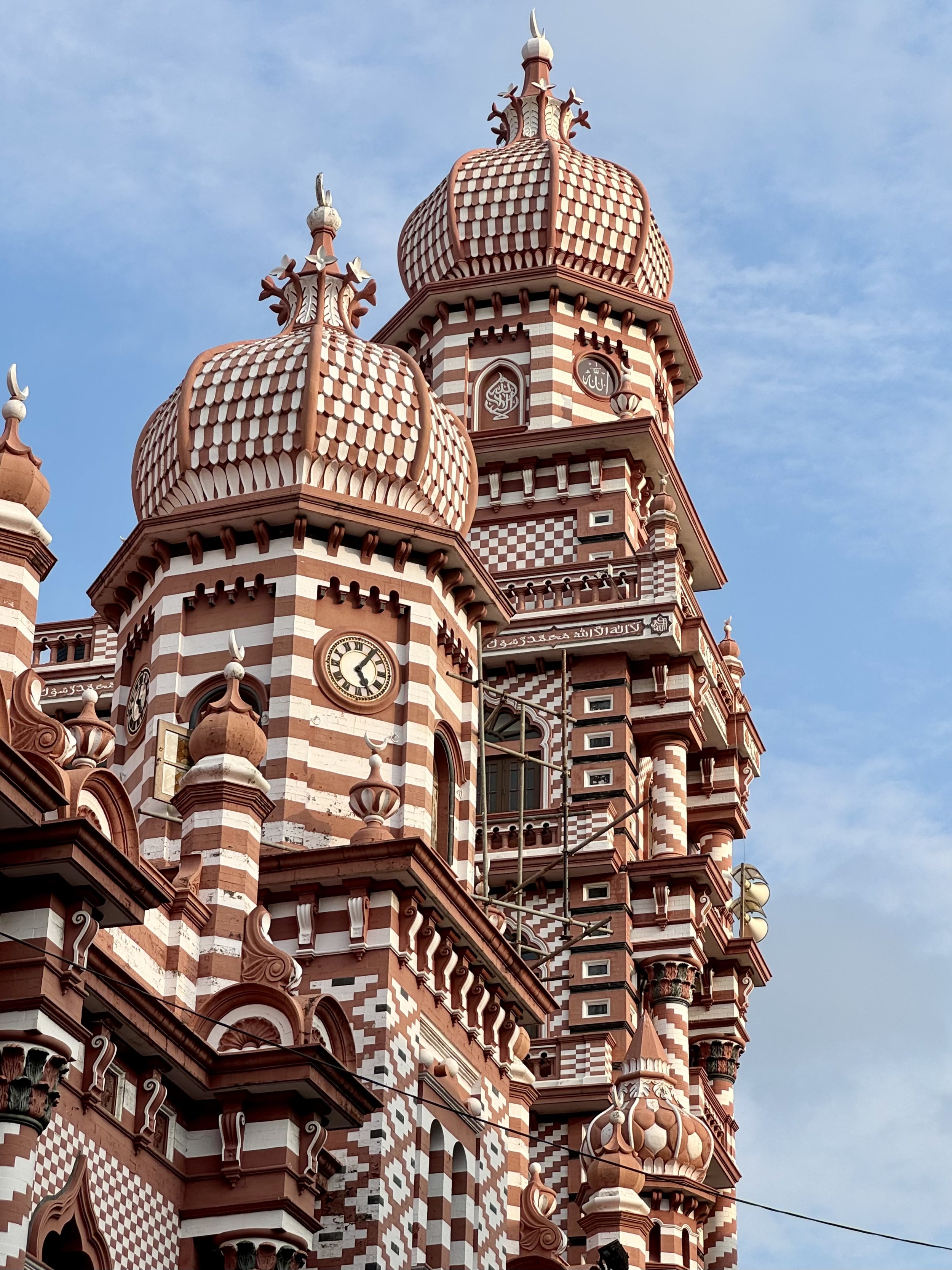
The Jami Alfar Mosque is also known as the Red Mosque. It is a must-see and probably the one thing I did not want to miss. We visited the Mosque twice. On our first car tour, the guide took us to the front side, which is nice. On our second tour, the tuk-tuk driver brought us to the backside. This is definitely the most beautiful area of the mosque. I have visited many mosques in the Middle East and have never seen a mosque like this before.

I loved capturing the details of the mosque.
Pettah Floating Market
In addition to the Pettah market, there is the Pettah Floating Market. This area used to have a lot of small shops, but now it is mainly restaurants and cafes.
Final Thoughts
Colombo does not ask for much. It just asks you to slow down.
Most people I know who have visited Sri Lanka wish they had spent more time in Colombo rather than treating it as a stopover. The city is approachable, genuinely welcoming, and full of photographic material that does not require chasing or staging. You just have to show up, keep your eyes open, and be willing to wander.
The markets, the temples, the coast at dawn, the tuk-tuk rides through Pettah, all of it adds up to something that is hard to fully describe before you have experienced it. Marco Polo called Sri Lanka the finest island in the world. After visiting, I understand why he felt that way.
If you are planning a trip to Sri Lanka and wondering whether Colombo is worth your time, the answer is yes. Give it two full days at minimum. You will leave wishing you had stayed longer.
If you would like to join a future photography workshop, visit my Workshops page for current offerings and upcoming dates. You can also connect with me on Instagram (@chasinghippoz) and Facebook, or subscribe to the newsletter for travel photography tips, destination guides, and behind-the-scenes stories from more than 75 countries. I look forward to sharing the journey with you.
Three Related Guides to Pair With This One
My Photography & Travel Guide to Galle, Sri Lanka Colombo is the gateway. Galle is the reward. Just two hours south along the coast, Galle Fort is one of the best-preserved colonial fortifications in Asia and one of the most photogenic places in all of Sri Lanka. If you are spending time in Colombo, Galle has to be on your itinerary.
My Photography & Travel Guide to Hong Kong A short flight from Colombo and one of the most visually intense cities in Asia. Hong Kong delivers on every level: skyline photography, street markets, temple interiors, and harbor reflections that are unlike anywhere else in the world. A natural next stop for anyone working their way through the region.
My Photography & Travel Guide to Bali, Indonesia Bali and Sri Lanka share a similar spirit. Both are island destinations shaped by deep spiritual traditions, lush landscapes, and a photographic richness that rewards slow travel. If Sri Lanka left you wanting more of that energy, Bali is your answer.
Finally—a beginner-friendly photography guide that makes sense.
If you've ever picked up a camera and thought, "Now what?" this is the book for you.
Photography Made Simple is written for adults who are just starting out and want a clear, encouraging, real-world approach to learning photography. Whether you're using a DSLR, mirrorless, or just your smartphone, this guide walks you through the basics—without the jargon or tech overwhelm.
Inside, you'll learn:
The only camera settings you really need to know to get started
How to shoot sharper, more intentional photos using light and composition
Simple tips for portraits, landscapes, travel, and everyday life
What gear you do (and don’t) need
How to create better photos without upgrading your camera
You’ll also get practical exercises, cheat sheets, and tips for organizing and editing your images—plus the confidence to shoot off Auto Mode for good.
This is not a textbook. It’s a friendly guide to seeing the world with fresh eyes—and finally capturing what you see the way you imagine it.
📸 Format: PDF download
Pages: 100+
Perfect for: Beginners, hobbyists, and anyone ready to take better photos without the stress