It starts before sunrise at Bosque del Apache, cold enough that your fingers ache on the shutter. The pond in front of you sounds restless. Then thousands of snow geese lift off the water at once, and the roar sounds like a 747 passing low over your head. The sky turns pink behind them, and you have maybe a minute to get the shot.
That is November for a photographer. The best places to travel in November reward you for showing up at the right moment: migrations peak, deserts cool down, the dry season returns to Asia, spring blooms across the Southern Hemisphere, and the last autumn color moves south through Japan. Get the timing right and you come home with images you can't make any other month. Get it wrong and you photograph empty ponds and green maples.
This guide covers five destinations where November gives you something special: jacaranda season in Sydney, the clearest skies of the year in Hong Kong, desert light in the UAE, the great bird gathering in New Mexico, and Kyoto's temples at the end of autumn.

Hong Kong
How I Chose These Destinations
I picked every destination for what November specifically offers photographers: light, weather windows, wildlife activity, or seasonal color. Popularity didn't factor in. A place earned its spot only if November is genuinely one of its best months for photography, and I've photographed every place on this list myself.
1. Sydney, Australia
Why November
November is late spring in Sydney, and it's jacaranda season. The trees start flowering in mid-October, peak in early and mid-November, and drop their last purple blossoms by early December. For a few weeks, whole streets turn lilac, and fallen petals carpet the sidewalks. Add long days, with sunset after 7 pm, and mild weather, usually in the mid-70s°F (about 24°C) by day, and you have one of the best months of the year to photograph the city. Come in January and you'll find green trees and summer crowds at the beaches.
What to Photograph
Start with the Sydney Opera House and the Harbor Bridge. I stayed at the Park Hyatt, right across the water from the Opera House, so I could photograph it at both sunrise and sunset. It was the perfect location.
In November, add the jacarandas. Look for them around Lavender Bay and Kirribilli on the north shore, where purple trees frame views back across the harbor, and in the terrace streets of Paddington.
Then get out of the city. I loved the Blue Mountains, which feel like Australia's version of the Grand Canyon, with deep valleys, sandstone cliffs, and the Three Sisters rising above the forest. Bondi Beach is close by and a fantastic place for people-watching, surfing, and coastal walks. And don't skip the coffee culture. Sydney takes its flat whites and avocado toast seriously.

Best Time to Shoot
Sunrise and sunset at the Opera House, plus blue hour after sunset, when the sails and the bridge light up. For jacarandas, soft light works best. Go early in the morning or on an overcast day, because harsh midday sun washes out the purple. In the Blue Mountains, arrive at the lookouts for sunrise, when mist often fills the valleys.
Photography Tips
Mirrorless and DSLR: Bring a 16 to 35 mm for the Opera House up close and a 24 to 70 mm for harbor scenes. A 70 to 200 mm earns its place here: use it to compress jacaranda blossoms against the harbor or the bridge. Bring a polarizer for the harbor and a 6 stop ND filter to smooth the water and blur the ferries at sunset.
iPhone: Jacaranda purple is hard for cameras, and phones often render it too blue. After you shoot, warm the image slightly in the Photos app until the color matches what you saw. Get low and shoot along a street covered in fallen petals. At Bondi, try the panorama mode from the cliff walk to capture the whole curve of the beach.
Drones: Much of central Sydney sits in restricted airspace close to the airport, and NSW national parks, including the Blue Mountains, restrict drone flights. Check Australia's Civil Aviation Safety Authority rules before you fly.

What to Watch Out For
The bloom shifts by a week or two depending on the weather, so check local reports before you lock in dates. The most famous jacaranda streets are residential and get crowded on weekends. Respect the neighbors: don't block driveways, don't climb on walls or trees, and keep the noise down early in the morning. Bondi gets busy on weekends too, so go on a weekday morning.
Planning Notes
I stayed at the Park Hyatt and would stay there again. The Opera House view makes it the best photographers' base in the city, and there are lots of restaurants close by. Capella Sydney is another strong luxury choice. The Blue Mountains are about two hours west by train or car, so give them a full day or an overnight. The ferries, buses, and trains make getting around easy, and the ferry ride across the harbor is a photo opportunity in itself.
The food is delicious, and the people are very friendly. For me, the people are what make Sydney one of the best places in the world to visit.
📷 Pro Photographer Tip
Stay across the water from the Opera House, not next to it. From the Park Hyatt side of Circular Quay, you see the sails in profile with the harbor in front of them, and you can shoot sunrise and sunset without a commute. Use 35 to 70 mm for the classic view, and stay for the 20 minutes after sunset, when the lights on the sails balance the deep blue sky.
Planning a trip? Sydney is a wonderful trip with a lot to see and a lot to do. My Travel and Photography Guide to Sydney covers my favorite harbor views, Bondi, and how to fit in the Blue Mountains.

2. Hong Kong
Why November
The Hong Kong Observatory itself calls November the best month of the year, and photographers should listen. The dry northeast monsoon pushes out the summer humidity, skies clear, and the long haze of summer usually lifts. Daytime highs typically sit in the mid-70s°F (about 24°C) early in the month and cool to the high 60s°F (about 20°C) by the end. You can walk the streets all day without melting, and the skyline looks sharp from the Peak far more often than it does in summer.
What to Photograph
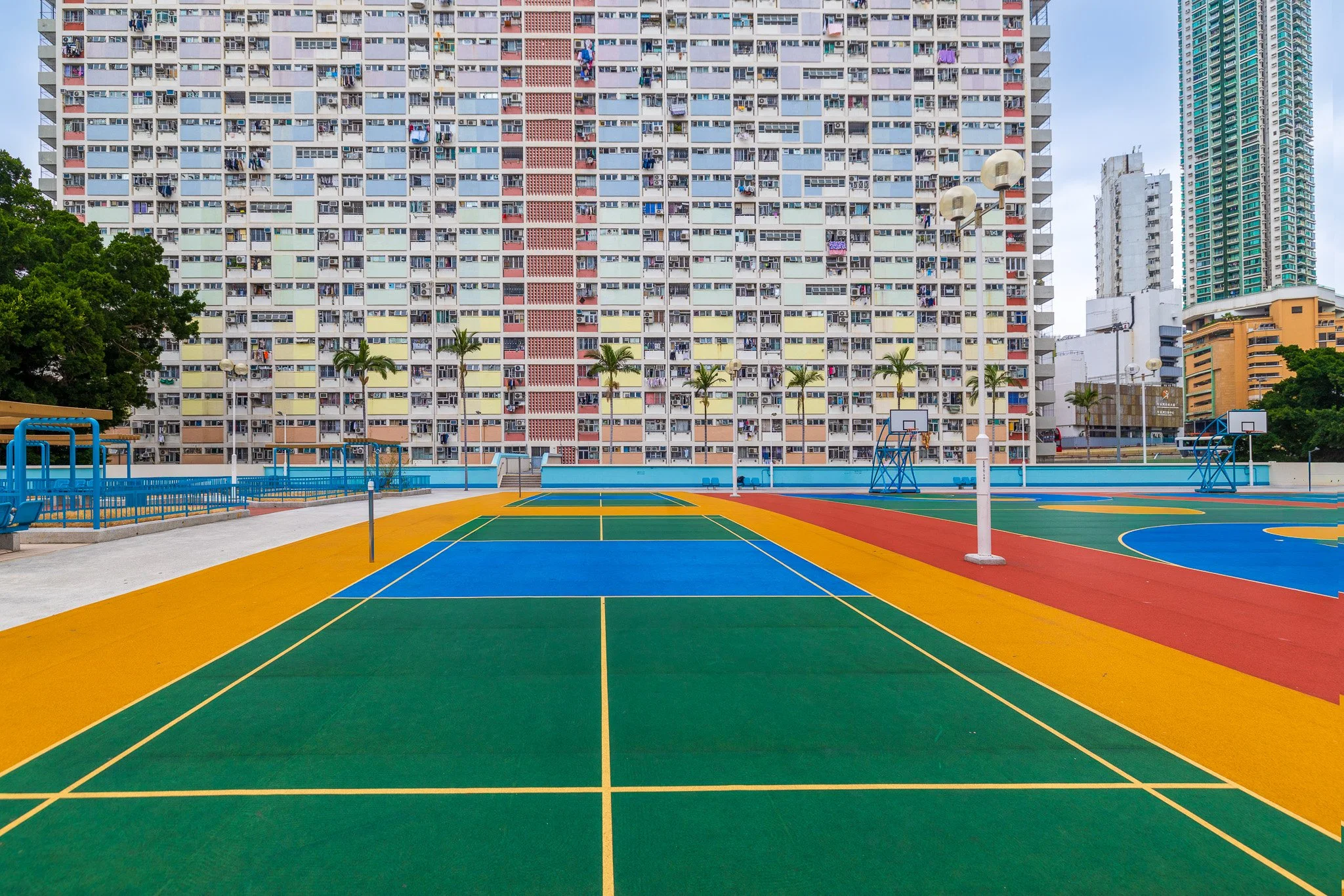
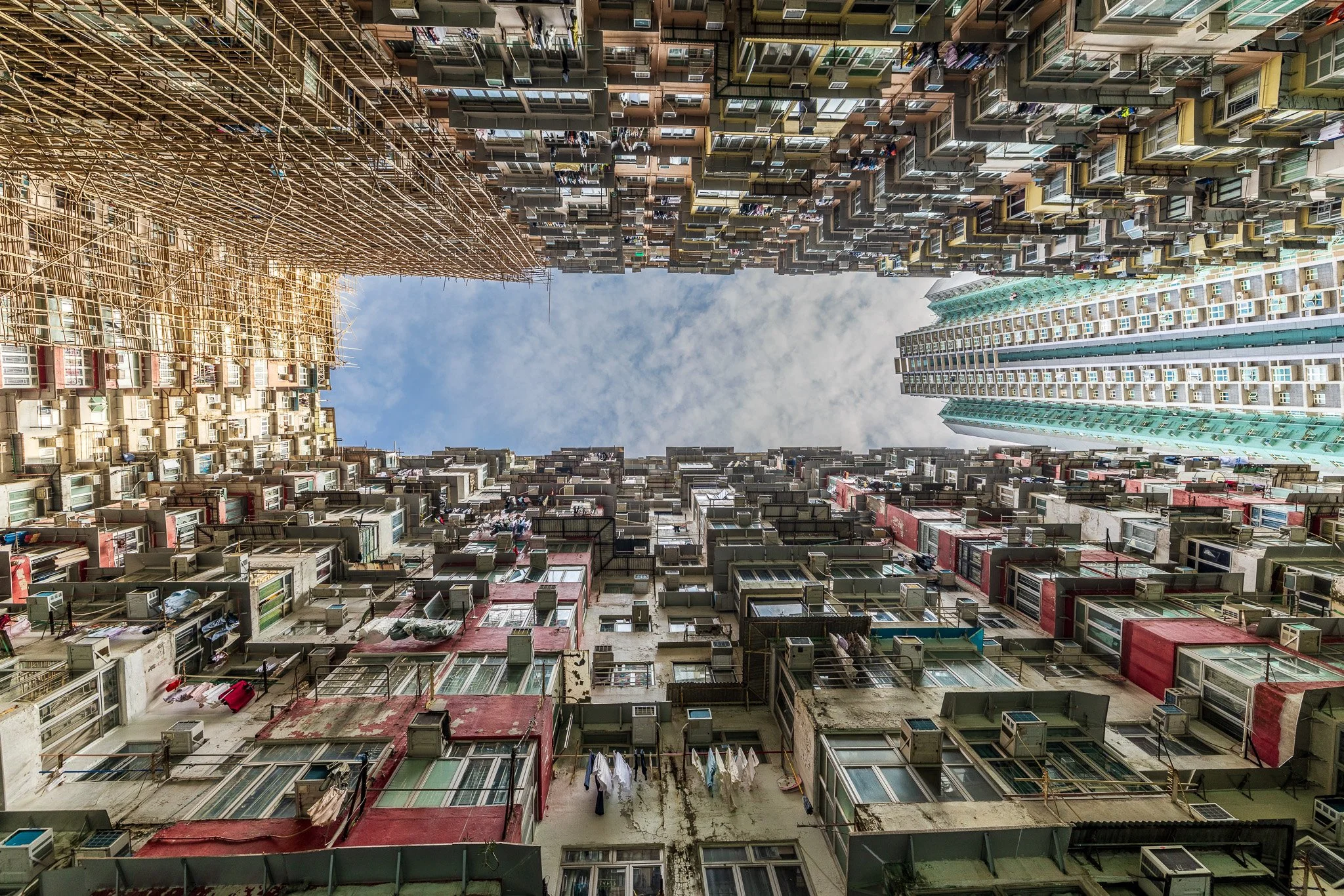
Hong Kong is a city made for street photography. You have temples full of incense smoke, neon signs, crowded markets, double decker trams, and the Star Ferry crossing Victoria Harbour. Kowloon has a completely different feel from Hong Kong Island, so give each side its own days. We loved the night markets, and Cantonese opera adds a cultural layer most visitors miss. And the food is delicious.
Macau sits about an hour away by ferry. Add it if you have two extra days.
Best Time to Shoot
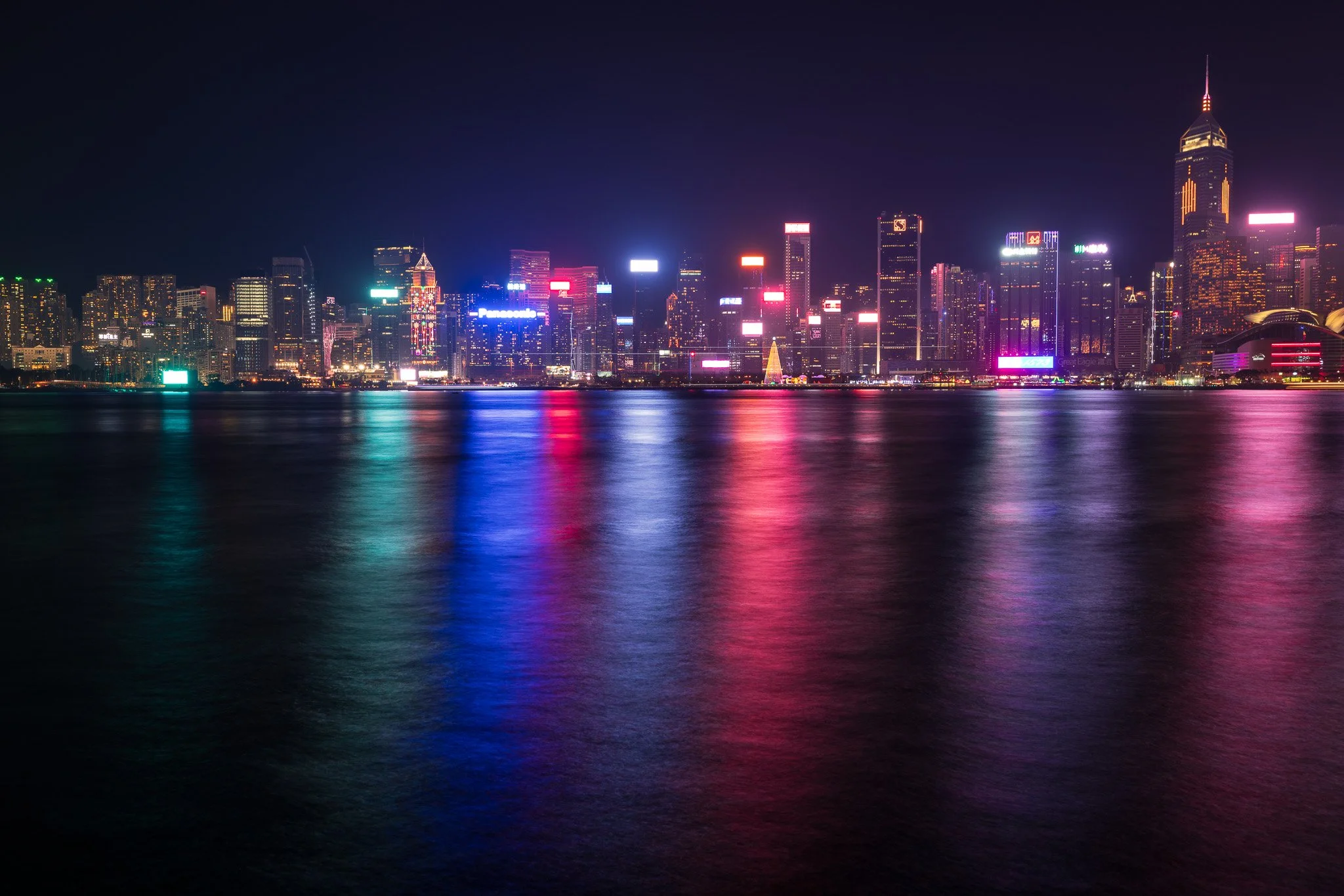
For blue hour, Victoria Peak is my favorite spot. The crowds weren't bad on my visit. Get there early, claim your spot at the railing, and stay well after sunset until the city lights come on. That's when the skyline comes alive. Street photography works all day, but the markets and neon peak after dark.
Photography Tips
Mirrorless and DSLR: A 24 to 70 mm f/2.8 handles most of the city, and a fast prime like a 35 mm f/1.4 lets you shoot the night markets handheld. Bring a compact travel tripod for the Peak. Use a 70 to 200 mm from the Kowloon waterfront to compress the island skyline.
iPhone: Night mode works beautifully on the neon in Mong Kok and in the temple interiors. Brace your phone against the Peak railing for the skyline, since a steady phone gives night mode a cleaner result. Try a vertical frame in the narrow streets of Sheung Wan to show how tight the city feels.
Drones: Hong Kong's drone rules are strict, and much of the harbor sits in restricted airspace. Check the Civil Aviation Department's rules before you pack one. For most visitors, it isn't worth it.
What to Watch Out For
November is clear most of the time, not all of the time. On still days, haze can roll in and flatten the skyline. Check the forecast each afternoon and save the Peak for your sharpest day. Weekend sunsets at the Peak draw much bigger crowds than weekdays.
Planning Notes
Get an Octopus card and use the MTR, trams, and Star Ferry, which are cheap and photogenic. For luxury hotels, The Peninsula and Rosewood on the Kowloon side and Mandarin Oriental on the island all meet the standard. November is popular, so book a few months ahead. Four or five days lets you work both sides of the harbor, and two more adds Macau.
📷 Pro Photographer Tip
Don't leave the Peak when the sun goes down. Most visitors pack up right after sunset and miss the best 20 minutes, when the sky turns deep blue and matches the brightness of the city lights. Shoot at 24 to 35 mm, at f/8, base ISO, and exposures of 2 to 8 seconds on a tripod.
Planning a trip? Hong Kong has something for everyone. My Travel and Photography Guide to Hong Kong has the temples I photographed, where to see the opera, and my favorite spots on both sides of the harbor.
3. The UAE Desert: Al Maha and Qasr Al Sarab
Why November
November is when the UAE desert opens back up to photographers. The summer heat finally breaks. Days settle around the mid-80s°F (about 29°C to 30°C), and evenings in the dunes turn cool and comfortable. You can stay out for sunrise and sunset without fighting heat shimmer and exhaustion, and the desert lodges come back to full life for the season.
What to Photograph
Sand dunes, shaped and reshaped by the wind. The dunes constantly change color through the day, from pale gold at noon to deep orange and red at sunset. Wind ripples shift so quickly that the same dune can look different an hour later. In the Dubai Desert Conservation Reserve around Al Maha, you can photograph Arabian oryx and gazelles. I saw oryx on my visit, and they look almost unreal against the sand.

Best Time to Shoot
I shot at first light and at sunset, and both delivered. Low sun is everything in the desert, because it carves shadows into every ridge and ripple. Midday light flattens the dunes completely, so use that time to rest. After dark, the clear desert air makes for good night photography away from city lights.
Photography Tips
Mirrorless and DSLR: A 70 to 200 mm is the most useful desert lens. It isolates dune ridges, layers, and abstract patterns. A 100 to 400 mm helps with the oryx. Bring a wide angle for sunrise foregrounds and a polarizer for midday sky.
iPhone: Get low and shoot along the dune ridge so the line leads into the frame. Use the 3x or 5x lens to pull out patterns in the ripples. At sunset, tap to expose for the sky and let the shadows go dark.
Drones: Leave it at home. The UAE currently limits recreational drone registration to citizens and residents, so tourists can't legally fly one.
What to Watch Out For
Wind can lift fine dust into the air and soften distant views. Sand is less of a problem than most people fear. I didn't find it an issue at all, but I cleaned my gear every night. Don't change lenses in the wind.

Planning Notes
The best desert locations are about one hour from Dubai, or about three hours from the city if you head deep into the dunes at Qasr Al Sarab. We stayed at both Al Maha, a Luxury Collection Desert Resort, inside the conservation reserve, and Anantara Qasr Al Sarab, which sits right in the dunes on the edge of the Empty Quarter. Al Maha does not accept children under 8. November marks the start of peak season, so book well ahead. Pair a desert stay with a few days in Dubai or Abu Dhabi.
📷 Pro Photographer Tip
Use a rocket blower on your camera and lenses every single night. I did it after every shoot, and I never had a sand problem. Fine desert dust settles into lens barrels and onto the sensor gradually, and you won't notice until it's too late. For dune abstracts, shoot at 135 to 200 mm in the last 30 minutes before sunset.
Planning a trip? We stayed at both desert lodges, and each feels completely different. My Desert Photography Guide to the UAE compares Al Maha and Qasr Al Sarab and shows you where to find the best dunes.
4. Bosque del Apache National Wildlife Refuge, New Mexico
Why November
November is when the great winter gathering builds at Bosque del Apache. Sandhill cranes, snow geese, and Ross's geese arrive by the thousands, and the refuge sees its greatest numbers of birds from early November through January. Numbers grow as the month goes on, so late November into early December is the safest window. Come in October and you'll find a fraction of the birds.
What to Photograph
The blast off. At sunrise, thousands of birds lift off the water all at once, perfectly coordinated, and it sounds like a 747 going over you. With sunrise color behind them, it's a phenomenal photography opportunity. At sunset, the cranes fly back in to roost, which gives you silhouettes against the sky and the mountains. In between, you can photograph cranes feeding in the fields and dozens of other bird species.
This was one of my first wildlife trips, and I'm already planning to go back.

Best Time to Shoot
Be in position at an observation area well before sunrise. The blast off happens around first light and is over fast. Sunset fly ins offer a second session every day. Plan your midday around scouting and rest.
Photography Tips
Mirrorless and DSLR: You need a 400 mm or 600 mm lens. Use a gimbal head on a sturdy tripod so you can track the birds smoothly. Shoot bursts and use a fast shutter, 1/2000 sec or faster, for sharp wings. A wider lens, around 70 to 200 mm, captures the full scale of the flock against the sunrise.
iPhone: Shoot video of the blast off. The sound is half the experience, and a photo can't capture it. For stills, include the sunrise sky and the reflections on the water rather than zooming in on individual birds.
Drones: Not allowed. Drones are prohibited on national wildlife refuges without a permit, and they would flush the birds anyway.

What to Watch Out For
It gets very cold at sunrise, often below freezing. Dress in multiple layers and keep spare batteries warm in an inside pocket. Weekends and the Festival of the Cranes period can bring crowds to the main viewing areas, so arrive early to get a spot.
Planning Notes
Fly into Albuquerque and drive about an hour and a half south to Socorro, the most practical base. I liked the Holiday Inn in Socorro. The food and hotels in the area were good, and the refuge is a short drive south. Give yourself three to five days. Check the refuge website for current hours, road access, and the festival dates before you go.
📷 Pro Photographer Tip
Plan three to five days, not one morning. Weather, wind, and the birds' mood change the blast off every day, and some mornings the birds trickle off instead of exploding into the sky. More mornings means more chances for the perfect one. Set your camera before you leave the hotel, because you won't have time to fiddle when the birds go up.
Planning a trip? Bosque del Apache is a really great three- to five-day experience. My Travel and Photography Guide to Bosque del Apache covers the observation areas, the best times, and the gear you'll want.

5. Kyoto, Japan
Why November
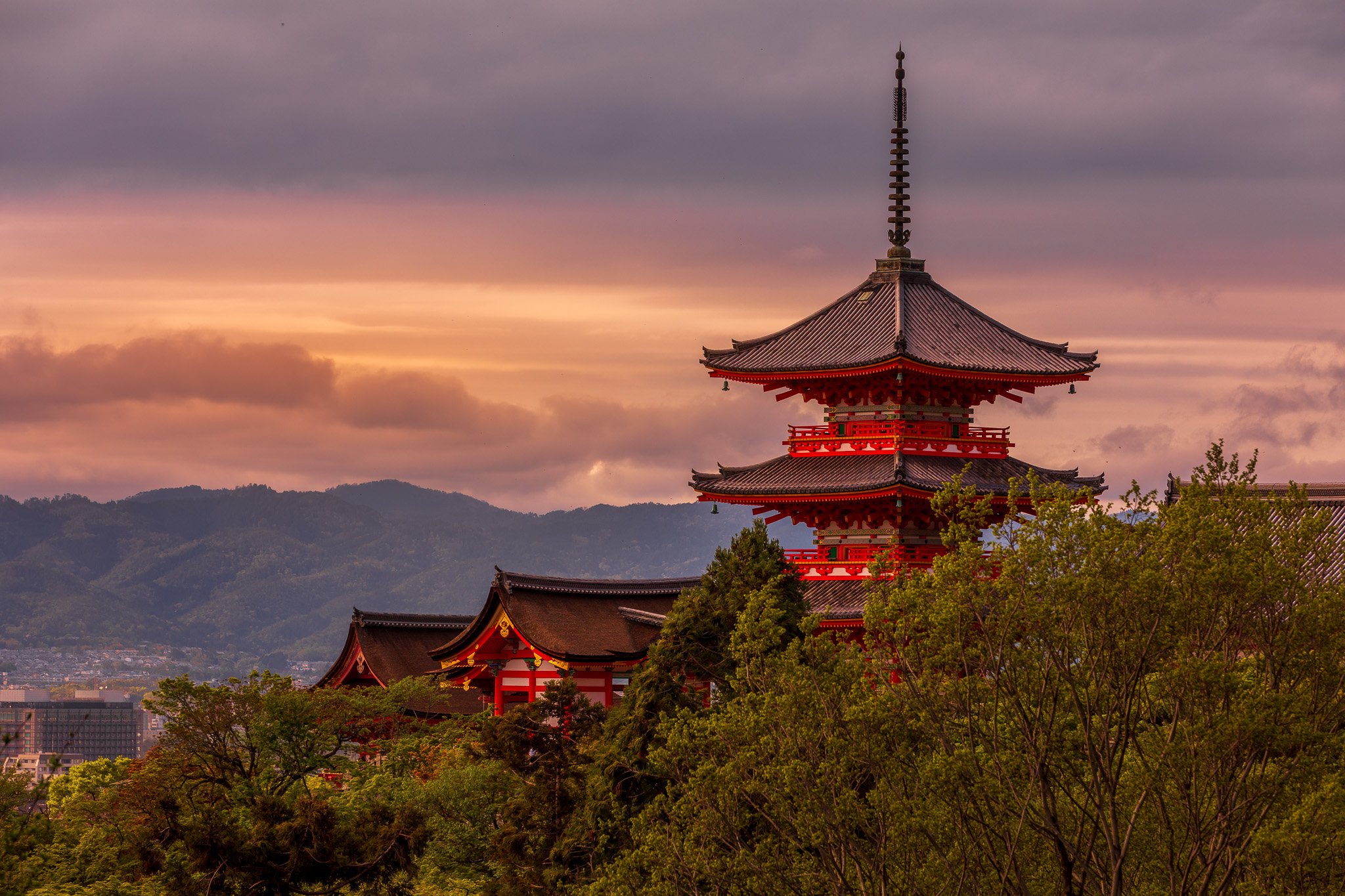
Late November is when Kyoto's temples turn red and gold. The maple color usually peaks from late November into early December, and the ginkgo trees turn bright yellow around the same time. Warm years push the peak later, so check the Japan Meteorological Corporation forecast before you book. Come too early in the month and you'll find green maples. Aim for the last ten days of November.
What to Photograph
Kyoto is probably my favorite city in Japan. Tokyo feels modern and futuristic. Kyoto feels like the cultural heritage of the whole country. You have temple gardens, pagodas, wooden machiya houses, and the Arashiyama bamboo grove. I shot at the bamboo forest early in the morning and walked through Gion in the evening, when the lanterns come on. In late November, maple color frames all of it.

Best Time to Shoot
Early morning, without question. The bamboo grove, Fushimi Inari, and Kiyomizu-dera all fill up with crowds by mid morning, so arrive at first light. Overcast days actually help with foliage, because soft light makes the reds glow without harsh shadows. In the evening, many temples hold autumn illuminations that light the maples after dark.
Photography Tips
Mirrorless and DSLR: Use a 24 to 70 mm for temple scenes and a 70 to 200 mm to isolate leaves, compress layers of color, and cut out crowds. A polarizer removes glare from wet leaves and deepens the color. Many temples ban tripods, especially during illuminations, so bring a fast lens and practice your handheld technique.
iPhone: Shoot upward through the maple canopy at the bamboo grove and temple gardens. Use portrait mode on a single branch of red leaves against a dark temple background. Night mode handles the illuminations well if you brace against a post.
Drones: Leave it at home. Temples prohibit them, and Japan's rules restrict flying over cities.
What to Watch Out For
Late November is Kyoto's busiest season. The most famous temples get crowded by 9 am. In Gion, respect the posted rules. Signs warn of a ¥10,000 fine for entering designated private side streets, and never chase, block, or photograph geiko and maiko without permission. Stay on the public main streets, photograph the lanterns and architecture, and let any encounter happen naturally.
Planning Notes
Kyoto is a little over two hours from Tokyo by shinkansen. Hotels fill up months ahead for the foliage season, so book early. For luxury, look at Aman Kyoto, Park Hyatt Kyoto, or Hoshinoya Kyoto. Use buses and taxis carefully, because foliage crowds clog the roads around the eastern temples. And the food is outstanding. I don't have words for how good it was.
📷 Pro Photographer Tip
Be at the Arashiyama bamboo grove at first light. An hour later it's a different place, packed with people. Shoot at 24 to 35 mm, looking up at the canopy, and use a slightly slower shutter speed to keep the light soft and even.
Planning a trip? I loved every minute of our trip to Kyoto, and I dream of going back. My Travel and Photography Guide to Kyoto includes my favorite temples, the best early morning locations, and how to plan around the crowds.
Continue Planning Your Next Photography Adventure
Melbourne, Australia: Melbourne's jacarandas bloom a few weeks after Sydney's, so it extends your season, and the guide covers its laneways, street art, and coffee scene.
Macau: An hour from Hong Kong, Macau mixes Portuguese colonial streets with Chinese temples, and the guide shows you how to fit it into a Hong Kong trip.
Abu Dhabi: The natural partner to Qasr Al Sarab, with Sheikh Zayed Grand Mosque at the center, and the guide covers the best times and etiquette for photographing it.
Tokyo: Pair Kyoto with Tokyo's late November ginkgo season, and the guide shows you where to find the city's best street photography.
Photography Planning Tips for November
Pack a 70 to 200 mm, whatever else you bring. It's the one lens that works at every stop on this list: compressing jacarandas against Sydney Harbor, isolating dune ridges in the UAE, pulling in the Hong Kong skyline from Kowloon, and cutting crowds out of Kyoto's temple gardens.
Bring real reach for Bosque del Apache. The cranes and geese need a 400 mm or 600 mm lens. A 150 to 600 mm zoom works if you need to travel lighter.
Leave the drone home. Every destination on this list either bans drones or restricts them so heavily that most visitors can't fly. Save the weight for another lens.
Pack for two seasons. Sydney is in late spring and the UAE is warm, but sunrise at Bosque del Apache is often below freezing, and the desert cools fast after dark. Bring thin layers, a warm hat, and gloves you can operate a camera in. My Winter Clothing Packing List works well for Bosque.
Bring a rocket blower and cleaning kit. Desert dust and city grime both find your sensor. Clean every night.
Carry spare batteries and keep them warm. Cold mornings drain batteries fast. Keep spares in an inside pocket.
Plan around very different day lengths. Days are short in the Northern Hemisphere in November, so sunrise comes later and sunset earlier in Kyoto, Hong Kong, and New Mexico. In Sydney, the days are long and sunset comes after 7 pm. Check the exact times with an app like PhotoPills and plan each morning around first light.
Watch the forecasts. Jacaranda timing in Sydney, foliage timing in Kyoto, haze in Hong Kong, and bird numbers at Bosque all vary year to year. Check the latest reports a week before you go.
Frequently Asked Questions
What are the best places to travel in November for photography? Sydney for jacaranda season, Hong Kong for clear skies and street photography, the UAE desert for dunes and oryx, Bosque del Apache for the crane and snow goose migration, and Kyoto for late autumn color all shine in November. Each offers something you can't photograph as well any other month.
When do the jacarandas bloom in Sydney? Sydney's jacarandas start flowering in mid October and usually peak in early and mid November. Most of the blossoms are gone by early December, so plan for the first half of November.
When does fall foliage peak in Kyoto? Kyoto's maples usually peak from late November into early December. Warm years push the peak later, so check the Japan Meteorological Corporation forecast before booking and aim for the last ten days of November.
When is the best time to see the sandhill cranes at Bosque del Apache? Bird numbers build through November and stay high through January. Late November and early December are the most reliable windows for a big sunrise blast off.
Is November a good time to visit Hong Kong? November is one of the best months to visit Hong Kong. The dry northeast monsoon brings lower humidity, more sunshine, and clearer views from Victoria Peak than you'll find in summer.
Where is warm in November for a photography trip? Sydney, the UAE desert, and Hong Kong all offer warm, comfortable weather in November. Sydney is in late spring, the UAE desert settles into the mid 80s°F (about 29°C to 30°C), and Hong Kong stays mild and dry.
Can I fly a drone at these destinations? Generally, no. The UAE limits recreational drones to residents, US wildlife refuges prohibit them, and central Sydney, Kyoto's temples, and Hong Kong's airspace all restrict them heavily. Leave the drone at home this month.
What lenses should I pack for a November photography trip? A 70 to 200 mm works at every destination on this list, from Sydney's jacarandas to Kyoto's maples. Add a 400 mm to 600 mm lens if you're going to Bosque del Apache, and a wide-angle lens for skylines and dunes.
How far ahead should I book a November photography trip? Book three to four months ahead for the best options. Kyoto hotels during foliage season, the UAE desert lodges, and harbor-view rooms in Sydney and Hong Kong sell out first.

Discovering the World Through My Lens
Some photographers chase destinations. Others chase light. This book is about both.
Discovering the World Through My Lens is a visual journey across five continents and dozens of countries, shot over a lifetime of travel by Washington DC-based photographer and author Vito L. Tanzi. From the red dunes of Namibia to the canals of Venice, the Dolomites to the deserts of the UAE, the streets of Lisbon to the rainforests of Costa Rica, each image was made by someone who was actually there, on foot, early in the morning, waiting for the light.
This is not a catalog of famous landmarks. It is a record of what happens when a photographer slows down, pays attention, and stays long enough for the extraordinary to appear.
50 photographs. 30 destinations. Five continents. Every image presented full page with nothing between you and the photograph.
Paris. Iceland. Tanzania. Singapore. The Lofoten Islands. Tuscany. Antelope Canyon. Monument Valley. And much more.
If you have ever wanted to see the world differently, this is where to start.

🎓 Adobe Lightroom One-to-One Training
Master Post-Processing. Elevate Your Photography.
Post-processing is the final — and arguably most transformative — step in your photography workflow. Adobe Lightroom is an essential tool for today’s digital photographers, combining powerful editing tools with an intuitive system for organizing and showcasing your images professionally.
Whether you're just getting started or looking to refine your editing skills, I offer customized one-to-one Lightroom training designed to help you create images you’ll be proud to share.
---
💻 Why One-to-One Online Lightroom Training?
Over the years, I’ve found that personalized training is the most effective way to learn Lightroom. Unlike group sessions, a one-to-one format allows us to move at your pace, focus on your specific goals, and eliminate the frustration of mismatched experience levels.
Plus, with online sessions via Zoom, you can learn from the comfort of your home — no travel or accommodation needed. It's the most convenient, cost-effective, and time-efficient way to upgrade your editing game.
---
🧠 Tailored Topics to Match Your Goals
Our training is completely customizable, but here’s an outline of the modules we can cover — either in full or à la carte.
---
🔧 Lightroom Setup – Part 1: Getting Started
Set up Lightroom properly for long-term success. We’ll tackle the fundamentals to create an efficient, organized workflow:
- What Lightroom is (and isn’t)
- How the interface and modules work
- Setting preferences for your needs
- Understanding the Catalog and folder system
- Importing images efficiently
- Adding keywords during import
---
🗂 Lightroom Setup – Part 2: Organize Like a Pro
Build a storage system that grows with you:
- Folder structure tips and best practices
- Moving and renaming files within Lightroom
- Reviewing, rating, and filtering images
- Creating Smart Collections and Collection Sets
- Keywording strategies and metadata organization
---
🎨 Lightroom Editing – Part 1: Core Editing Skills
Master the Develop module and create consistent, polished images:
- Global adjustments in the Basic panel
- White balance, contrast, vibrance, and saturation
- Cropping and converting to black & white
- HSL panel tuning
- Sharpening and noise reduction
- Creating and saving presets
- Exporting for print, web, or social media
---
✨ Lightroom Editing – Part 2: Advanced Techniques
Take your editing to the next level with creative, selective tools:
- Radial and Gradient filters
- The Adjustment Brush
- Advanced masking and luminosity adjustments
- Enhancing portraits (skin, eyes, teeth)
- Spot removal and basic cloning
- Merging for HDR and panoramas
---
💼 Session Details & Pricing (USD)
Tailored One-to-One Lightroom Tuition:
- Single Session (2 hours): $199
Before our session, we’ll have a brief consultation to customize your training plan and ensure it meets your exact needs.
---
Ready to take control of your editing workflow and bring out the best in your images?
Let’s work together to turn your vision into vivid, powerful photos.
📩 Get in touch to schedule your personalized Lightroom session.