Abu Dhabi, United Arab Emirates Travel & Photography Guide: Best Photo Spots, Things to Do & Hidden Gems
Abu Dhabi is a city that rewards photographers who slow down. The scale is generous, the architecture deliberate, and the light consistent and forgiving, especially in the early morning and late afternoon. Clean lines, strong geometry, and wide open spaces make it easy to work a scene carefully, whether you are photographing monumental buildings, cultural landmarks, or the desert that begins just beyond the city.
I have been visiting Abu Dhabi for years, often dozens of times. Sometimes I come just for the day, other times I stay overnight to photograph the same location as the light shifts. That rhythm has shaped how I see the city. Abu Dhabi feels calm and self-assured, spacious without feeling empty. Iconic modern architecture sits comfortably beside intimate mosques and cultural institutions. Museums rise directly from the shoreline, facing open water, while the desert lies only minutes away.
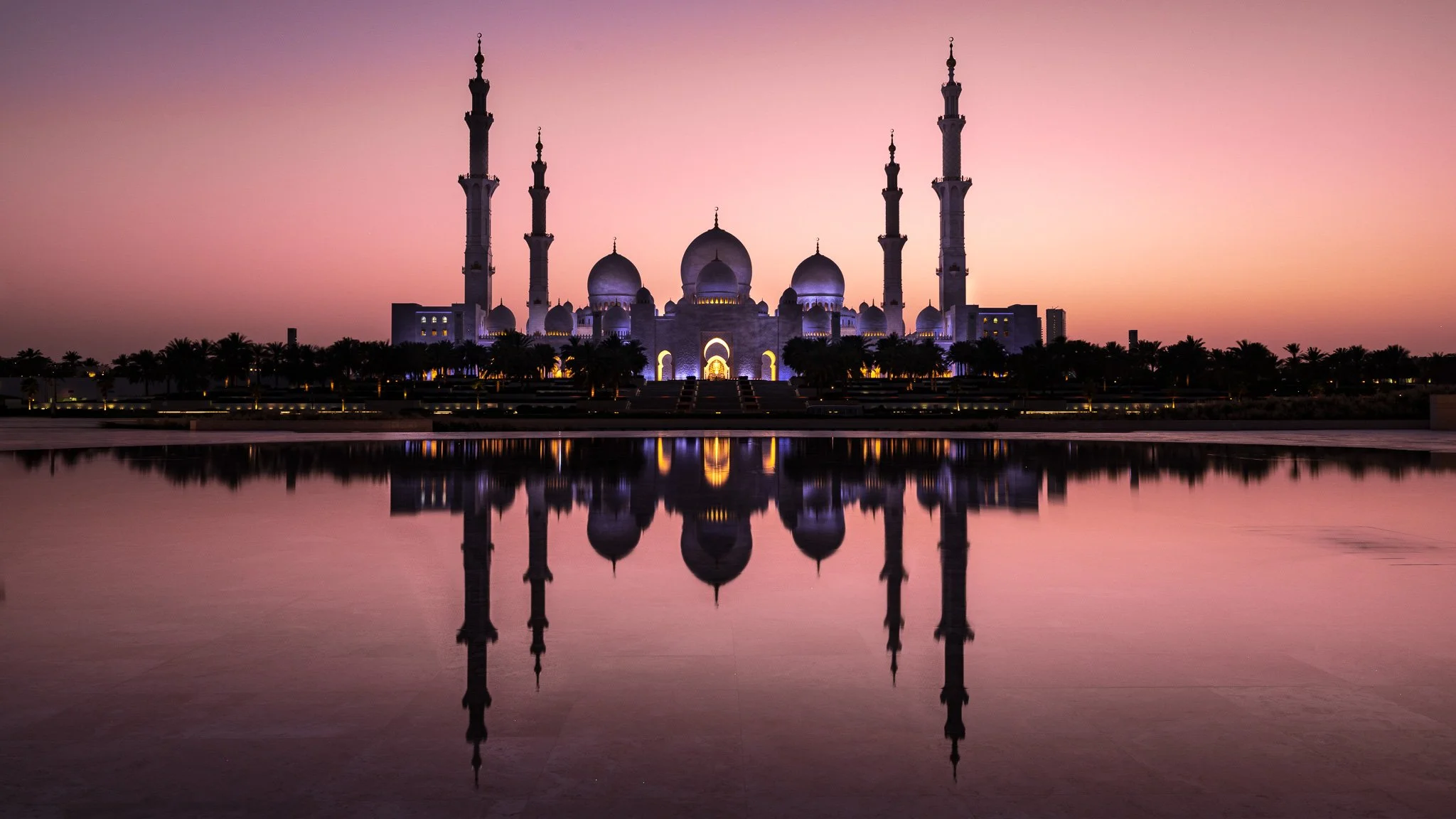
From a photographer’s perspective, that balance is what makes Abu Dhabi so appealing. The city never feels rushed. You have time to observe, refine your compositions, and return to a location at different moments of the day. Repeating patterns, symmetry, and reflective surfaces define much of the urban landscape, while tradition and contemporary design exist in quiet harmony. You can photograph architecture in soft morning light, focus on cultural details in the afternoon, and end the day watching the dunes glow as the sun sinks toward the horizon.
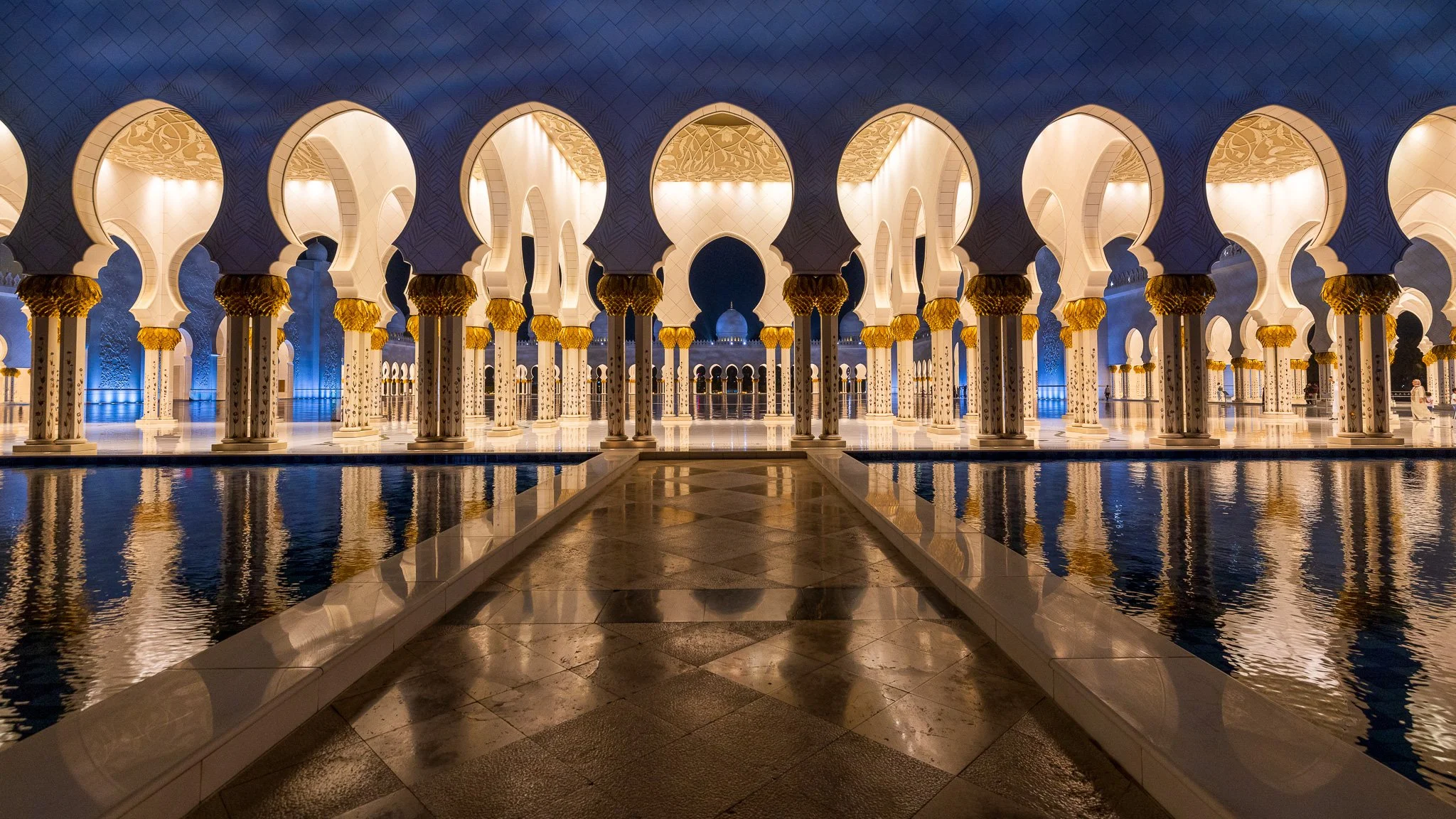
In this Photography Guide to Abu Dhabi, I share the places and experiences that continue to draw me back. You will find my favorite photography locations, guidance on when and where to shoot, practical travel tips, and gear recommendations, along with cultural insights to help you explore and photograph Abu Dhabi with confidence, respect, and ease.
Photographer's Notes
Before you go, here are my own takeaways.
Favorite Season: Winter
Favorite Location: Sheikh Zayed Grand Mosque
Favorite Hotel: The St. Regis Saadiyat Island Resort
Favorite Restaurant: Zuma Abu Dhabi
Favorite Lens: 15-35mm f/2.8
Would I Return? I've been dozens of times, and I still want to go back.
What is the best time to visit Abu Dhabi
The best time to visit Abu Dhabi is during the cooler months, from October through March. This is when the city is most comfortable and most rewarding to photograph. Daytime temperatures are mild, skies are reliably clear, and the quality of light supports long shooting days without fatigue.
Winter in Abu Dhabi is bright and pleasant, which makes it easy to spend extended time outdoors photographing architecture, cultural sites, and the Corniche. Early mornings and late afternoons are especially productive. The softer angle of the sun works beautifully on white marble, glass facades, and desert tones, adding depth without harsh contrast.
Summer is far more challenging. Temperatures regularly exceed 110 degrees and can climb even higher, which limits how long you can work outside and how focused you remain. If photography is your priority, visiting during the cooler season will give you a better experience, more flexibility, and stronger images overall.
Where to Stay in Abu Dhabi
One of my favorite places to stay in Abu Dhabi is The St. Regis Saadiyat Island Resort. Saadiyat Island is calm, beautiful, and extremely well-positioned for photographers. The hotel sits directly on the beach and is only minutes from the Louvre Abu Dhabi, which makes early morning and late afternoon shooting easy to manage. What I value most here is the light, the sense of space, and the island’s relaxed rhythm, all of which make it easier to slow down and work deliberately.
Even if you do not stay there, Emirates Palace Mandarin Oriental is well worth a visit. Stopping by for a coffee gives you access to one of the most visually striking hotels in the region. The scale, interiors, and attention to detail make it a rewarding place to photograph, especially in the morning when light pours into the public spaces.
For proximity and classic architecture, The Ritz‑Carlton Abu Dhabi, Grand Canal is an excellent option. It sits directly next to the Sheikh Zayed Grand Mosque, which makes sunrise and sunset photography far simpler logistically. Being able to walk from your hotel to one of Abu Dhabi’s most iconic landmarks is a real advantage when light matters.
Another strong choice is Four Seasons Hotel Abu Dhabi at Al Maryah Island. It offers modern comfort, refined interiors, and easy access to city views and dining. If you want a polished, centrally located base with consistent service, this is a dependable option.
Each of these hotels works well for photographers, whether your priority is proximity to key locations, access to good light, or simply having a comfortable place to recharge between shoots.
Where to Eat in Abu Dhabi
Abu Dhabi has a strong dining scene, with options that range from refined fine dining to relaxed local favorites. What I appreciate most is how easy it is to pair good meals with photography, whether that means a long lunch between shoots or a calm dinner after sunset.
One of my favorite restaurants in the city is Zuma Abu Dhabi. It is consistently excellent and a reliable choice after a day of photographing. The interiors are beautifully lit, making it a nice place to unwind without feeling rushed.
For a memorable experience, Hakkasan Abu Dhabi is worth a visit. Located at Emirates Palace, it combines elegant design with refined Cantonese cuisine. It is a great option for an evening meal when you want something special without being overly formal.
If you enjoy Italian food, Talea by Antonio Guida at Emirates Palace offers a polished dining experience in a beautiful setting. It pairs well with a late afternoon visit to the palace, even if you are not staying there.
For something more traditional, Al Fanar Restaurant is a solid choice. The décor reflects Emirati heritage, and it is a good place to experience local flavors in a relaxed environment.
Another reliable option is 99 Sushi Bar Abu Dhabi, which offers beautifully presented dishes and a calm, modern atmosphere that photographers tend to appreciate.
Whether you are planning a quick bite between locations or a long dinner to end the day, Abu Dhabi makes it easy to eat well and stay energized for photography.

Photography Gear Recommendations for Abu Dhabi
When it comes to gear, Abu Dhabi rewards simplicity and versatility. A wide-angle lens, such as a 15–35mm, is essential, especially for photographing large architectural spaces like the Sheikh Zayed Grand Mosque and the Louvre Abu Dhabi. These locations benefit from strong foregrounds and clean lines, and wider focal lengths help capture their full scale.
I also recommend bringing a medium telephoto, such as a 70–200mm. This lens is perfect for isolating details, compressing architectural elements, and working with the desert dunes later in the day. If you prefer traveling light, a single all-in-one lens like a 24–240mm can work well, but keep in mind that it may not be wide enough for some interiors, particularly inside the Grand Mosque.
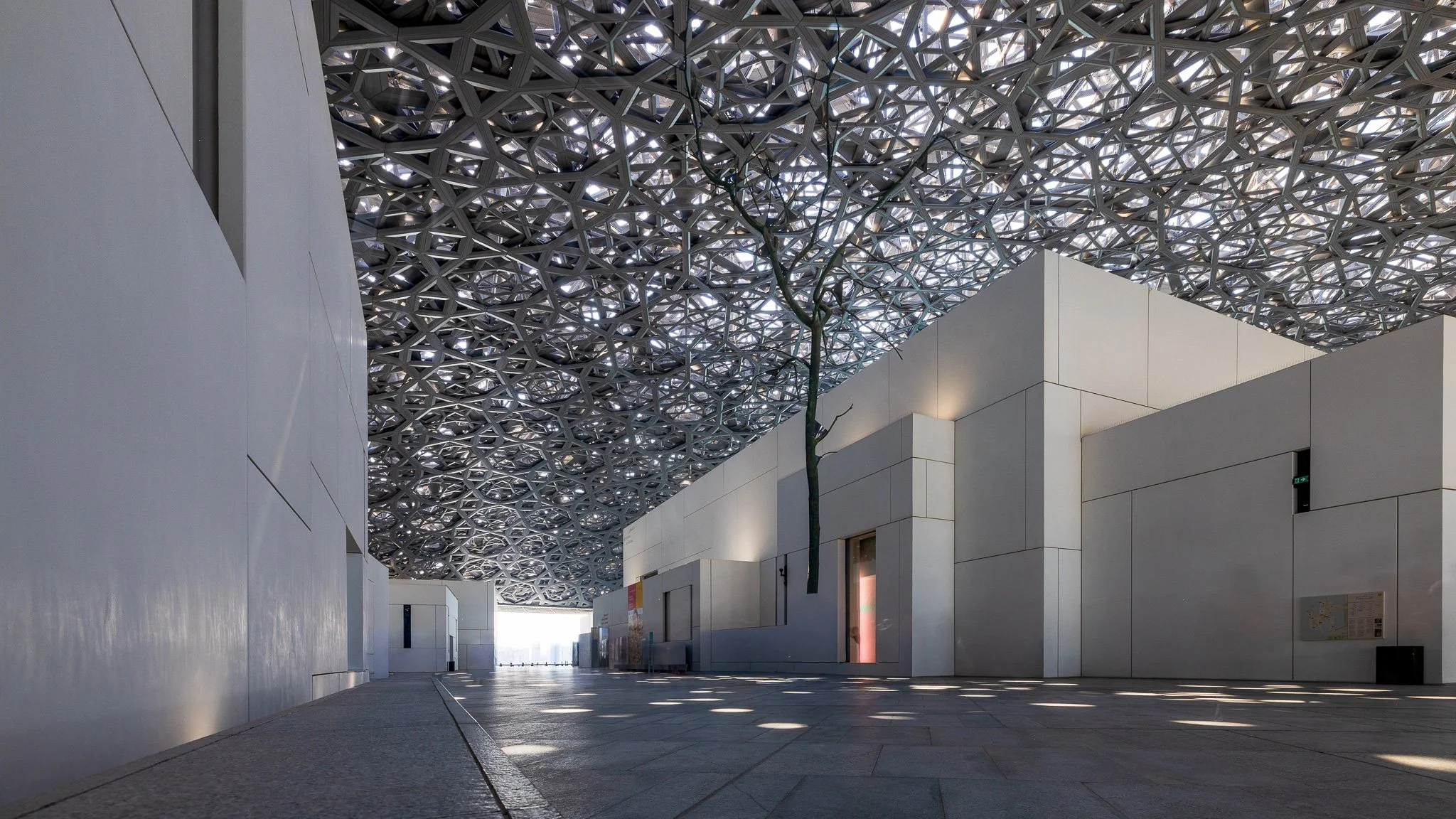
A tripod is very useful and, in many cases, essential. I always pack 3-stop and 6-stop ND filters, which are especially helpful at Wahat Al Karama for reflections and at the Louvre Abu Dhabi for long exposures. Using longer shutter speeds inside the Louvre is a simple and effective way to soften or completely remove people from the frame, allowing the architecture and light patterns to take center stage.
This is a destination where thoughtful gear choices and a slower approach really pay off, and you do not need an overloaded camera bag to come home with strong images.
A Long Exposure Inside the Louvre
Photography Locations in Abu Dhabi
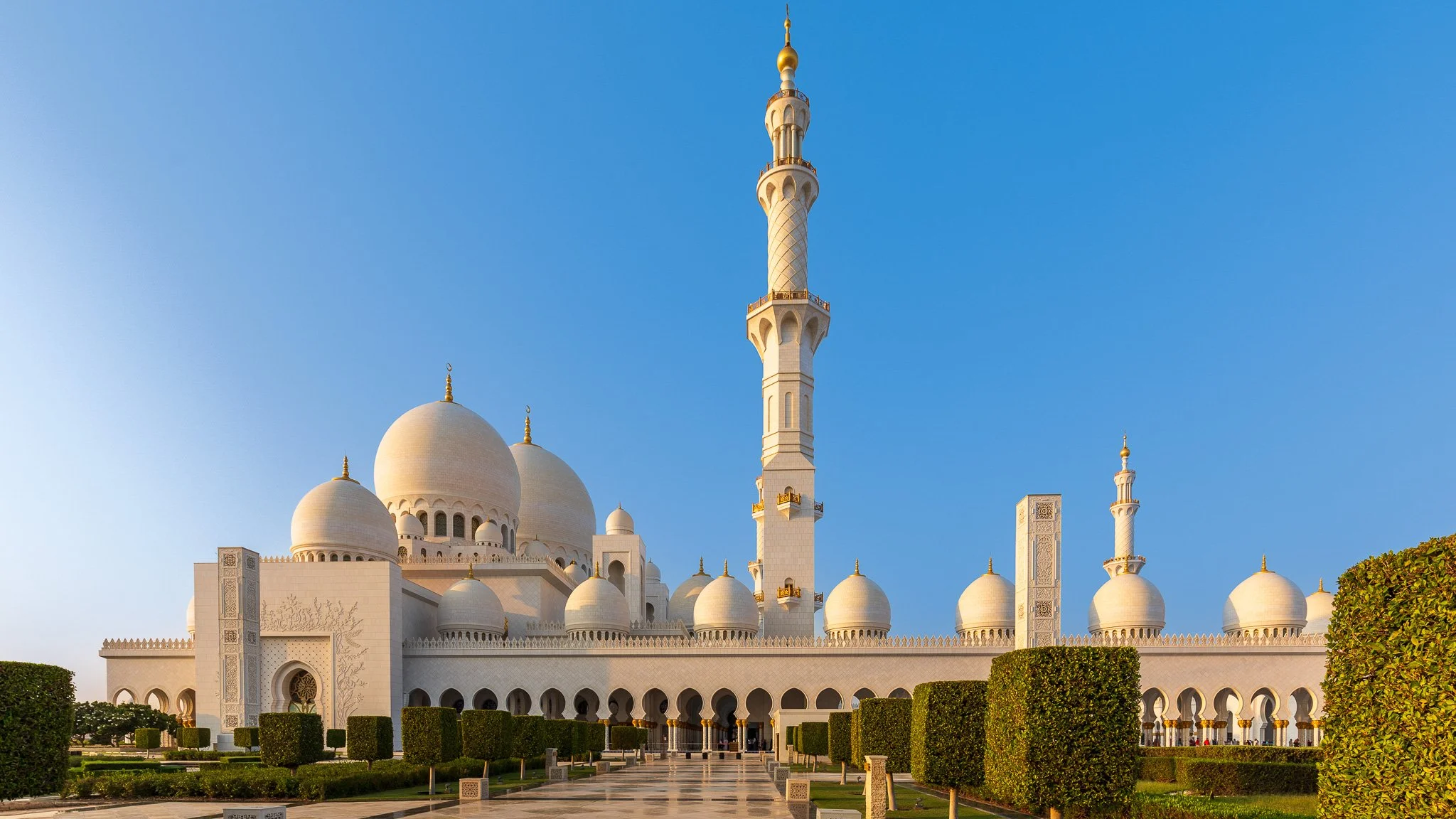
Sheikh Zayed Grand Mosque
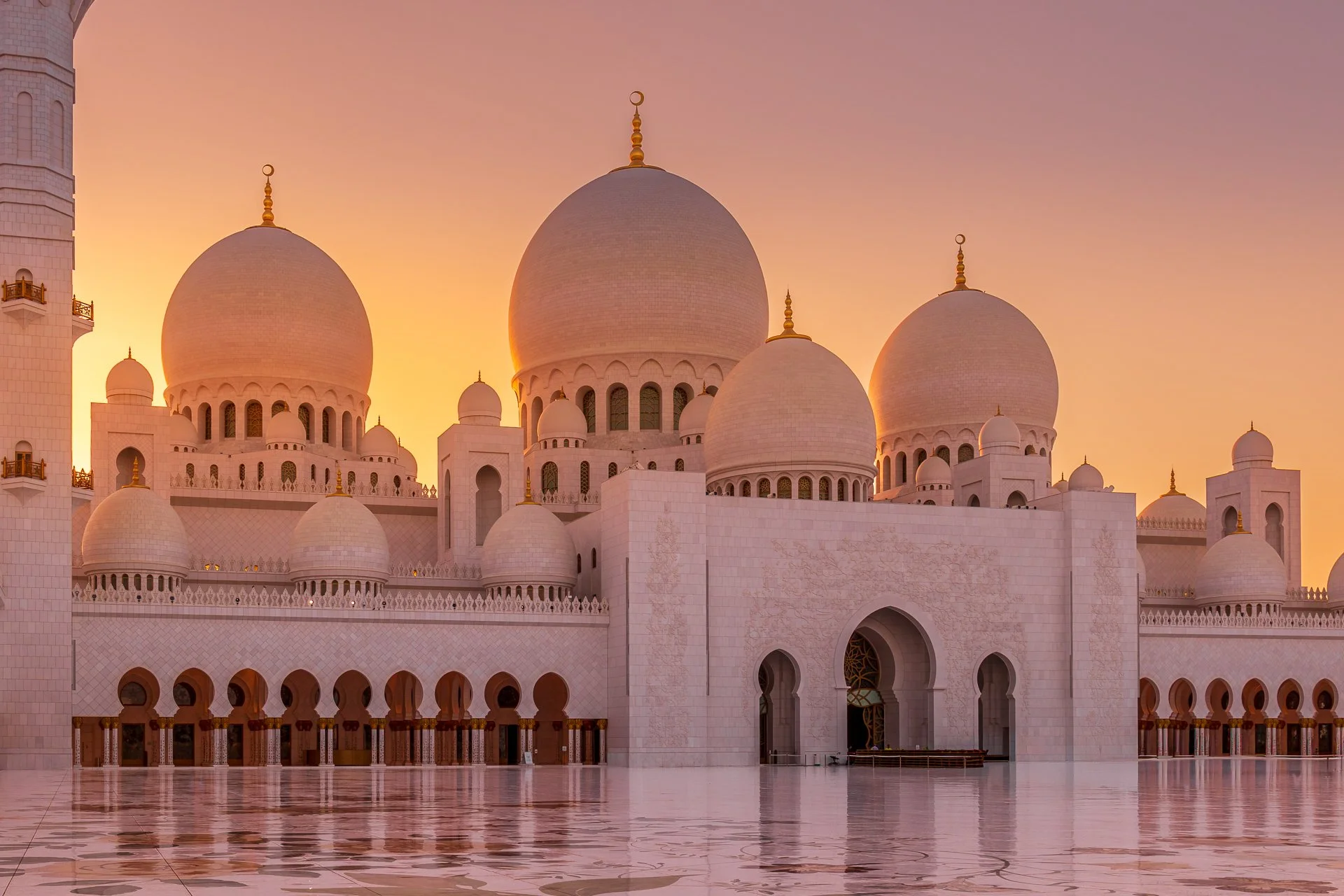
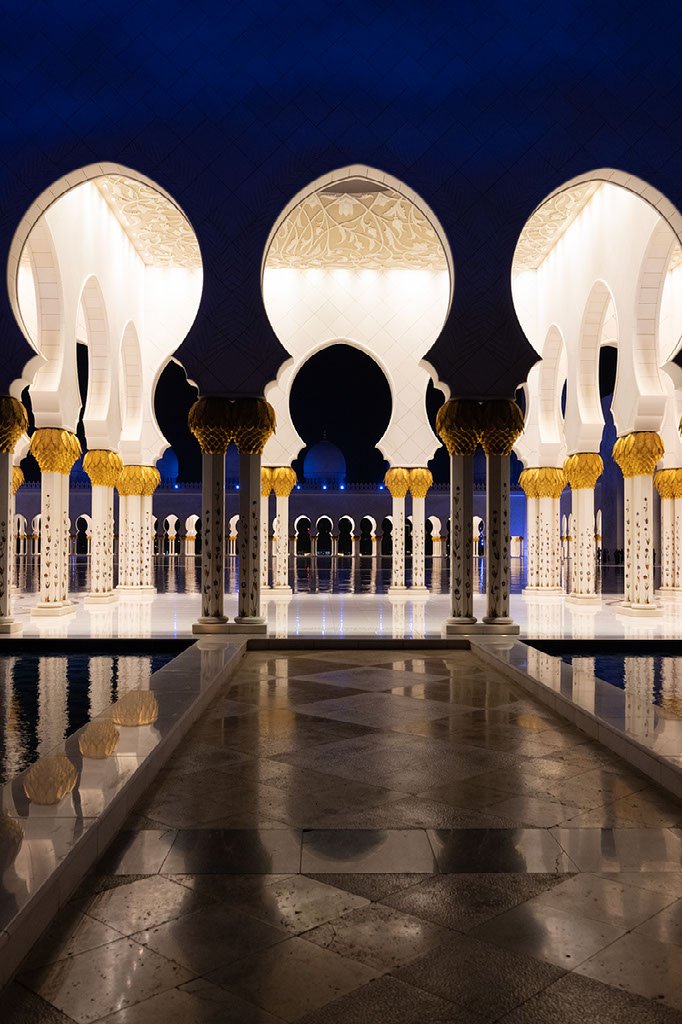
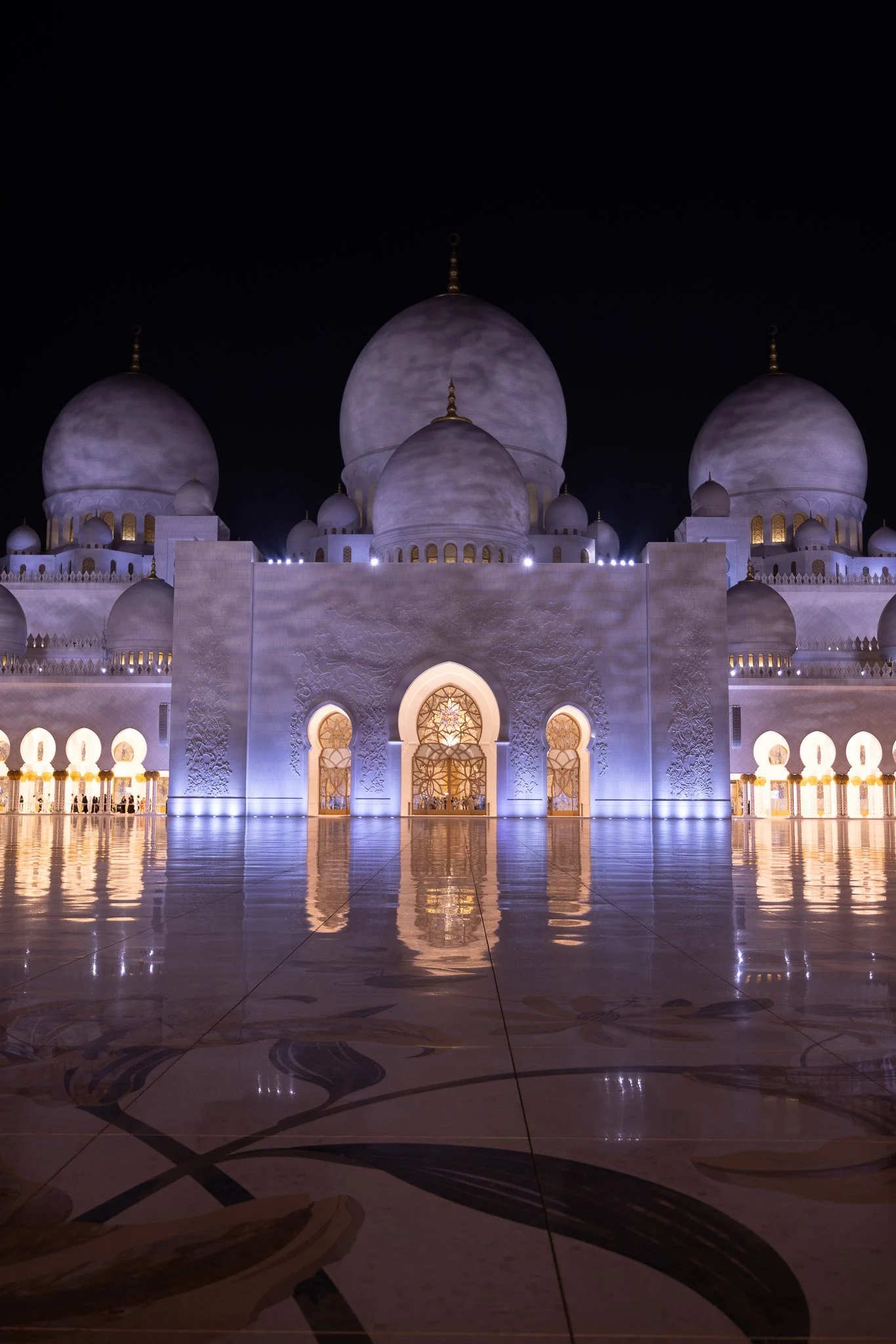
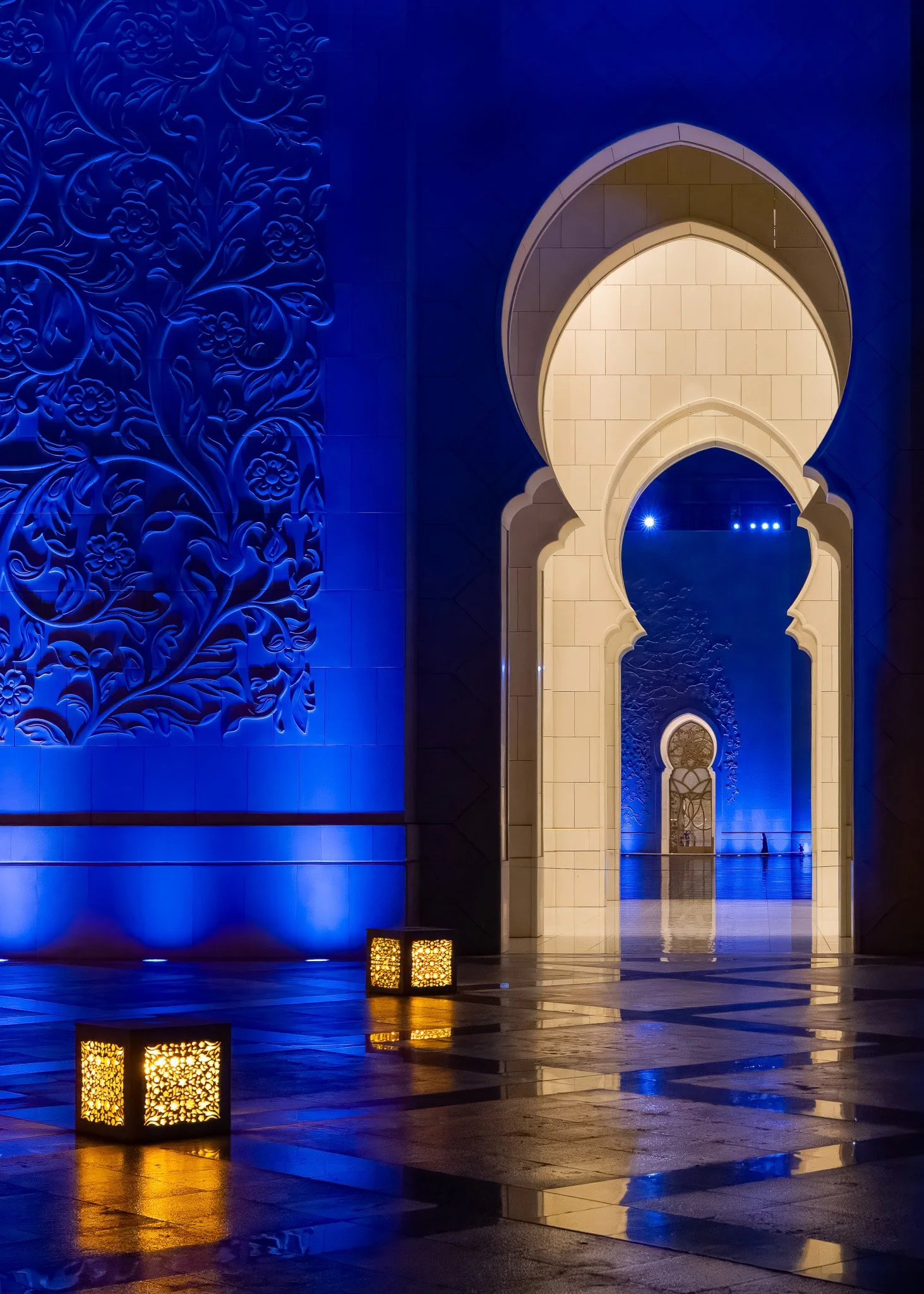
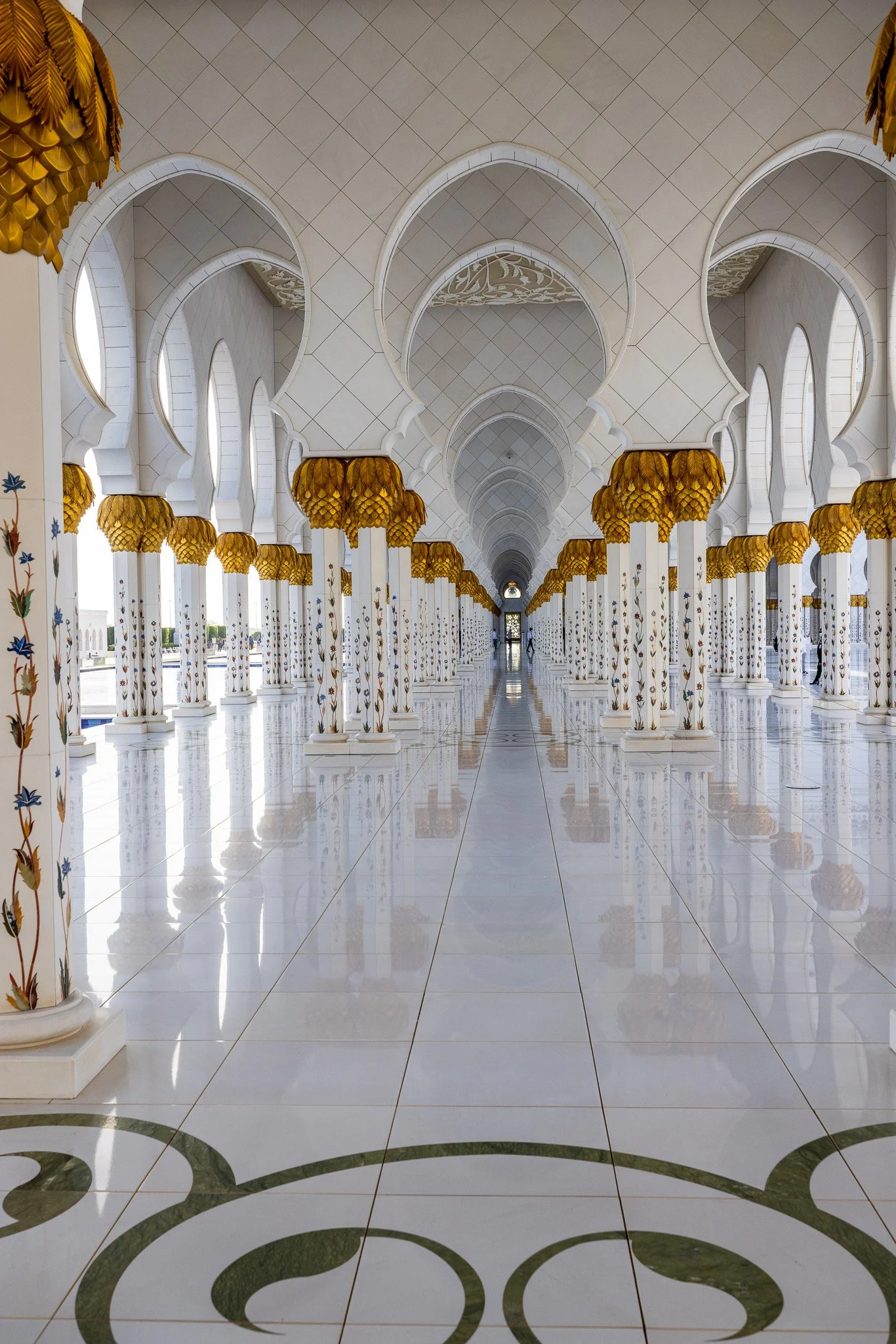
Visiting the Sheikh Zayed Grand Mosque is essential, not just as a traveler, but as a photographer. It is one of the most visually striking religious buildings in the world, both for its scale and its extraordinary attention to detail. White marble, inlaid floral patterns, reflective pools, and perfectly balanced symmetry create endless photographic possibilities, especially in soft morning or late afternoon light.
The mosque is one of the largest in the world and was the vision of Sheikh Zayed bin Sultan Al Nahyan, the Founding Father of the United Arab Emirates. His goal was to create a place that felt open and welcoming to people of all backgrounds. That intention is immediately clear when you visit. The atmosphere is calm, inclusive, and deeply respectful, regardless of religion, culture, or nationality.
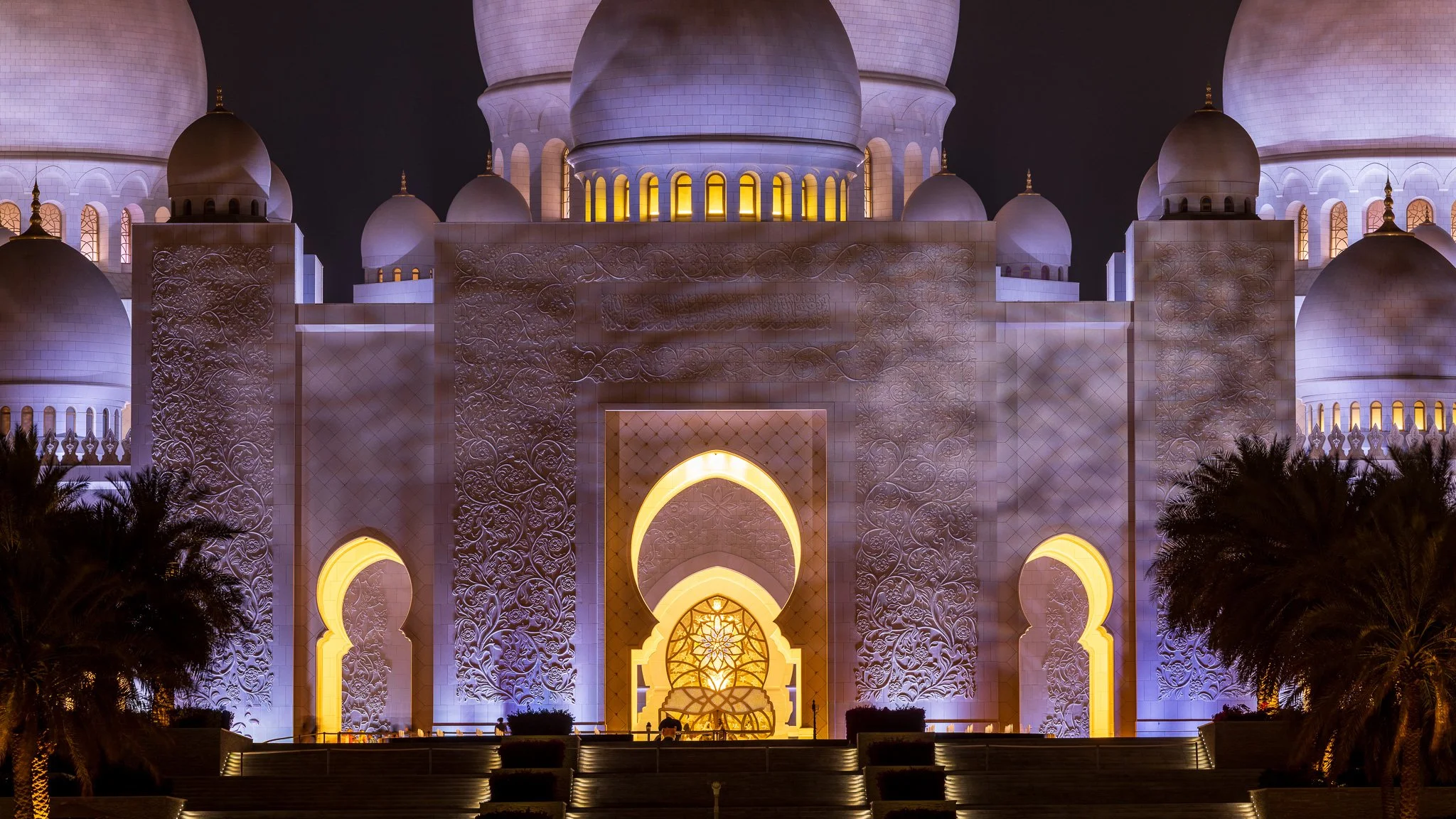
From a photography standpoint, the mosque rewards patience and careful composition. Wide angles work beautifully for capturing its scale and symmetry, while longer lenses allow you to isolate patterns, calligraphy, and architectural details. Spend time walking the grounds, watching how the light interacts with the marble, and returning to the same viewpoint as conditions change. It is a place where slowing down leads to stronger images.
Inside
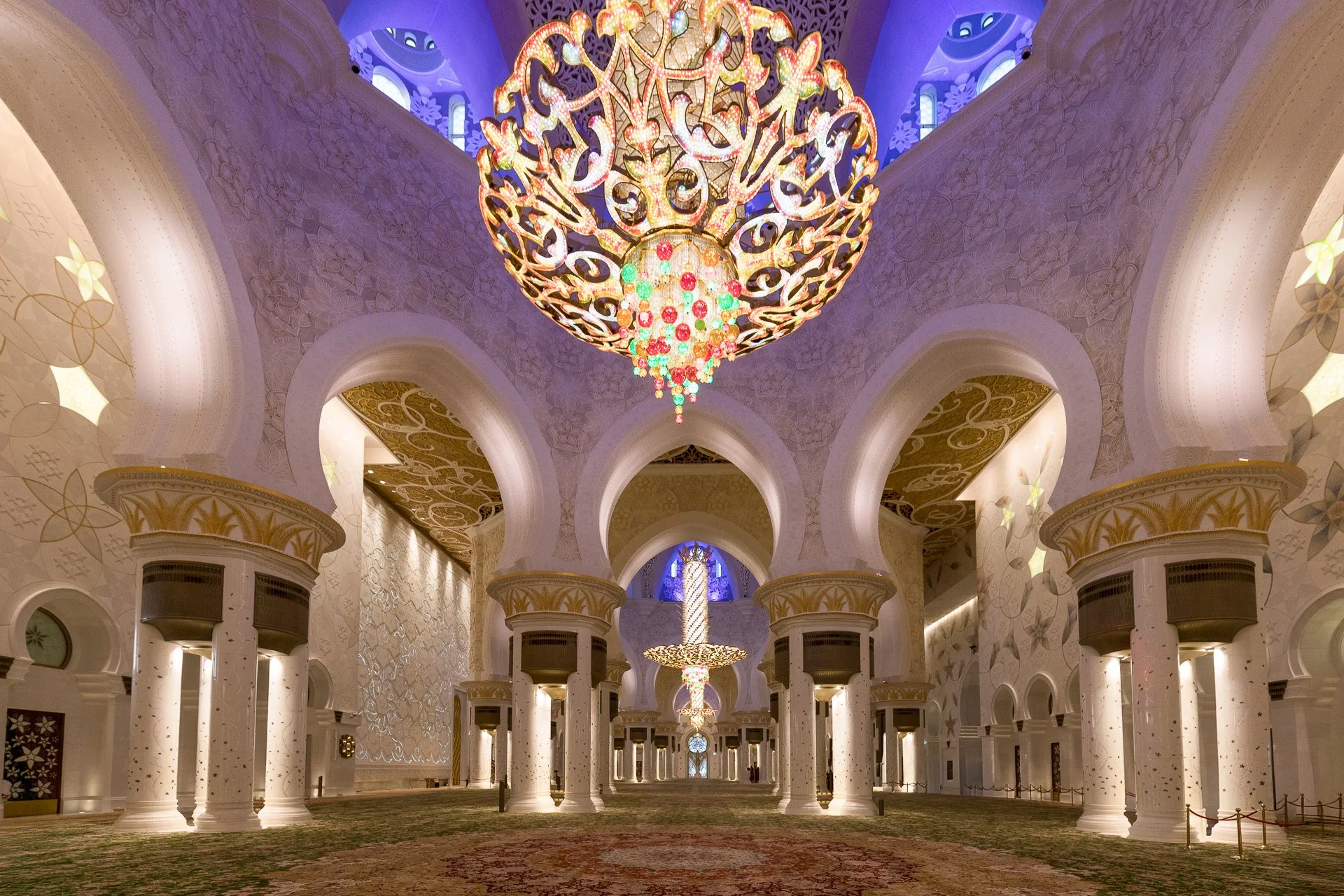
You’ll be overwhelmed not just by the architecture but by how welcoming the mosque feels. You will find people from all over the world visiting.
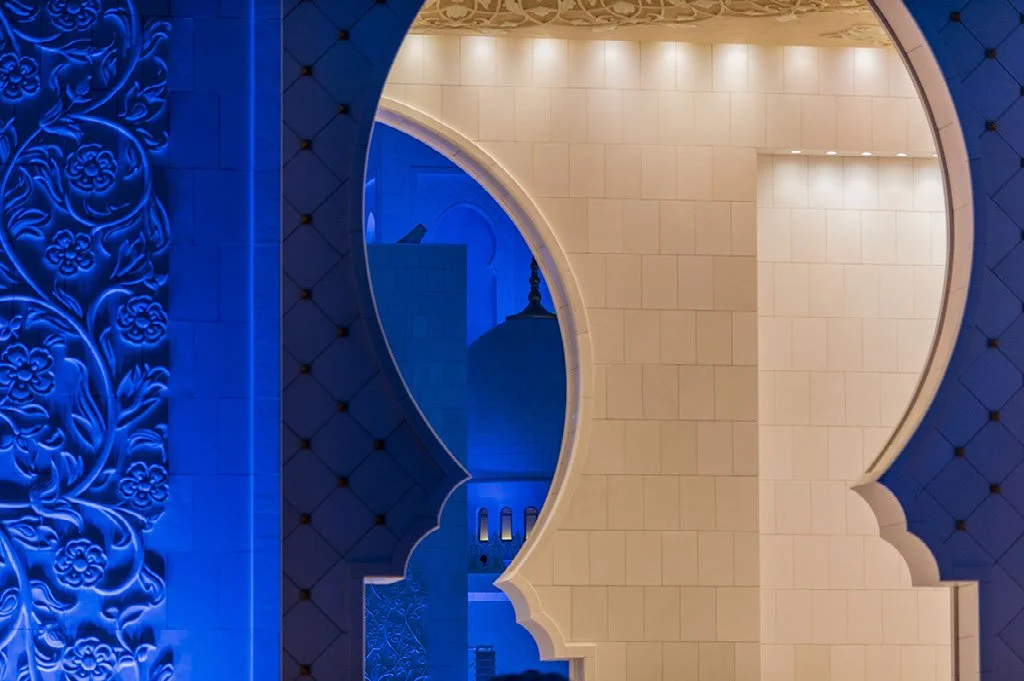
Layers
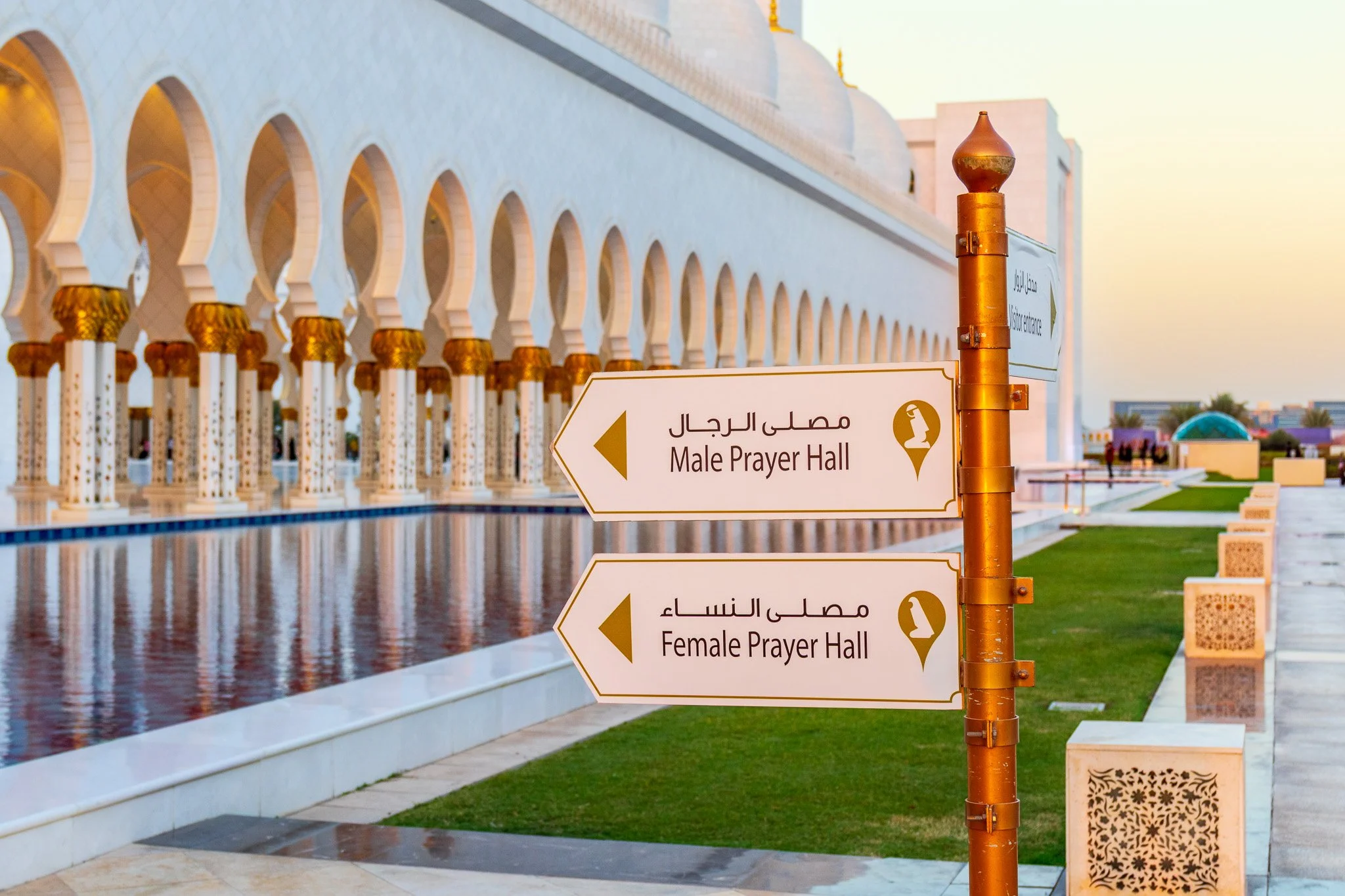
Visiting the mosque is pretty easy and straightforward. One thing to keep in mind is that since it is a functioning Muslim mosque, there’s a strict dress code, especially for women. Men are required to cover their knees and shoulders. Women are required to wear long sleeves, long trousers, and a headscarf. If you do not own a headscarf, you can buy one at the entrance.
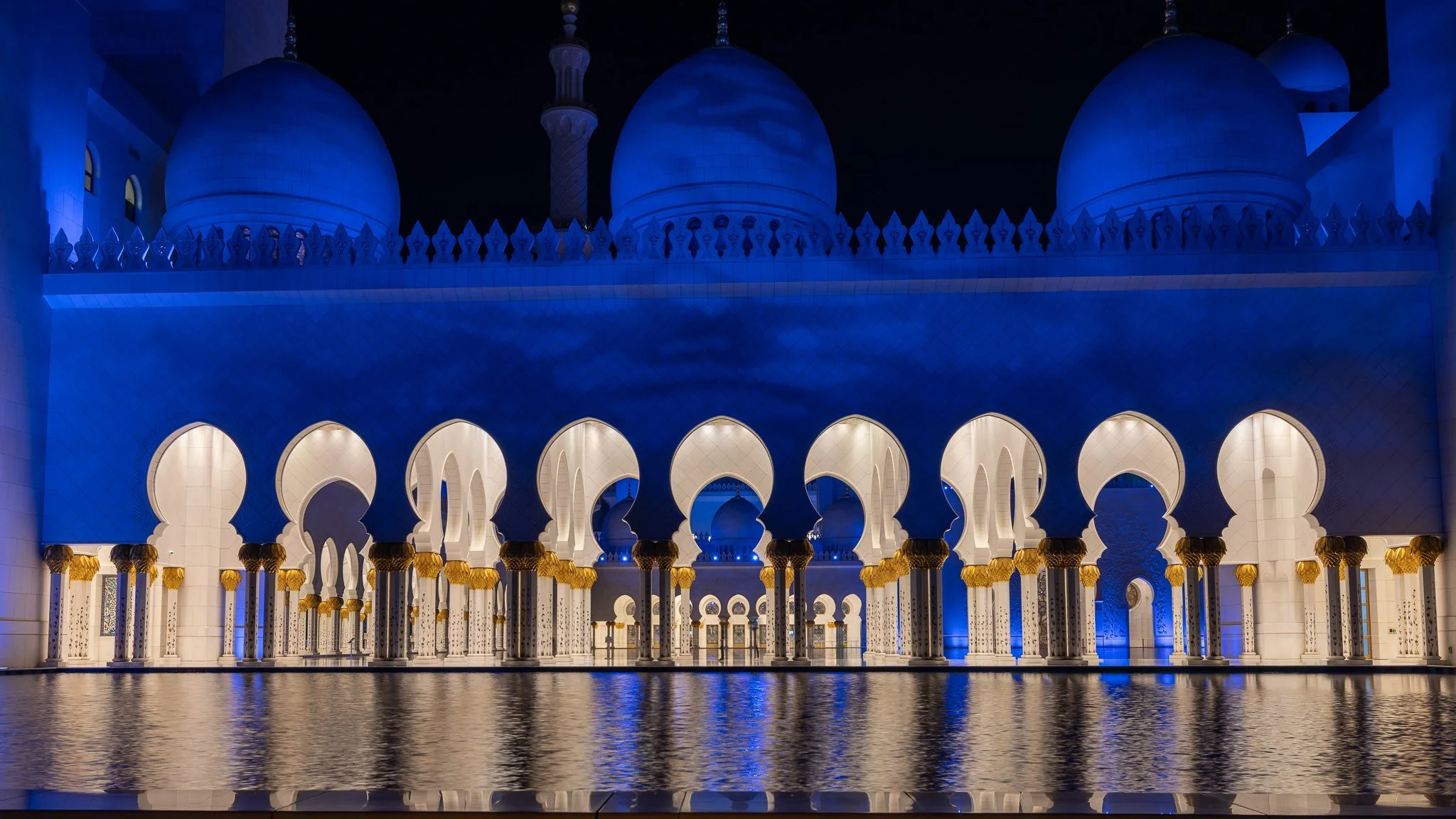
There’s a brief security and X-ray process at the entrance, but it’s not a big deal. After security, it's about a 10-minute walk, or you can take the free golf buggies to the front of the mosque.
I have visited during the day and at night, and taking photos at night is very special and will give you some unique shots.
Wahat Al Karama
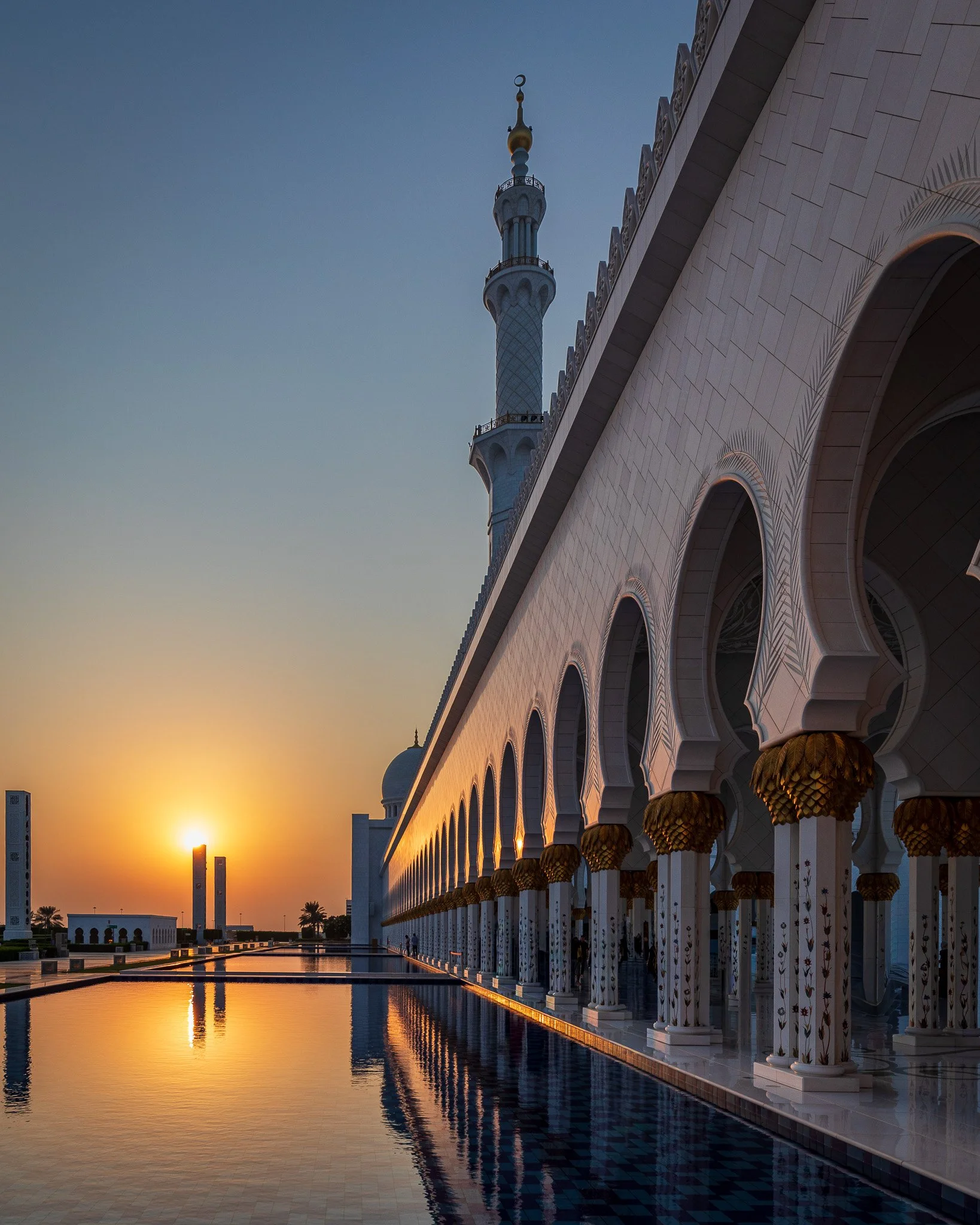
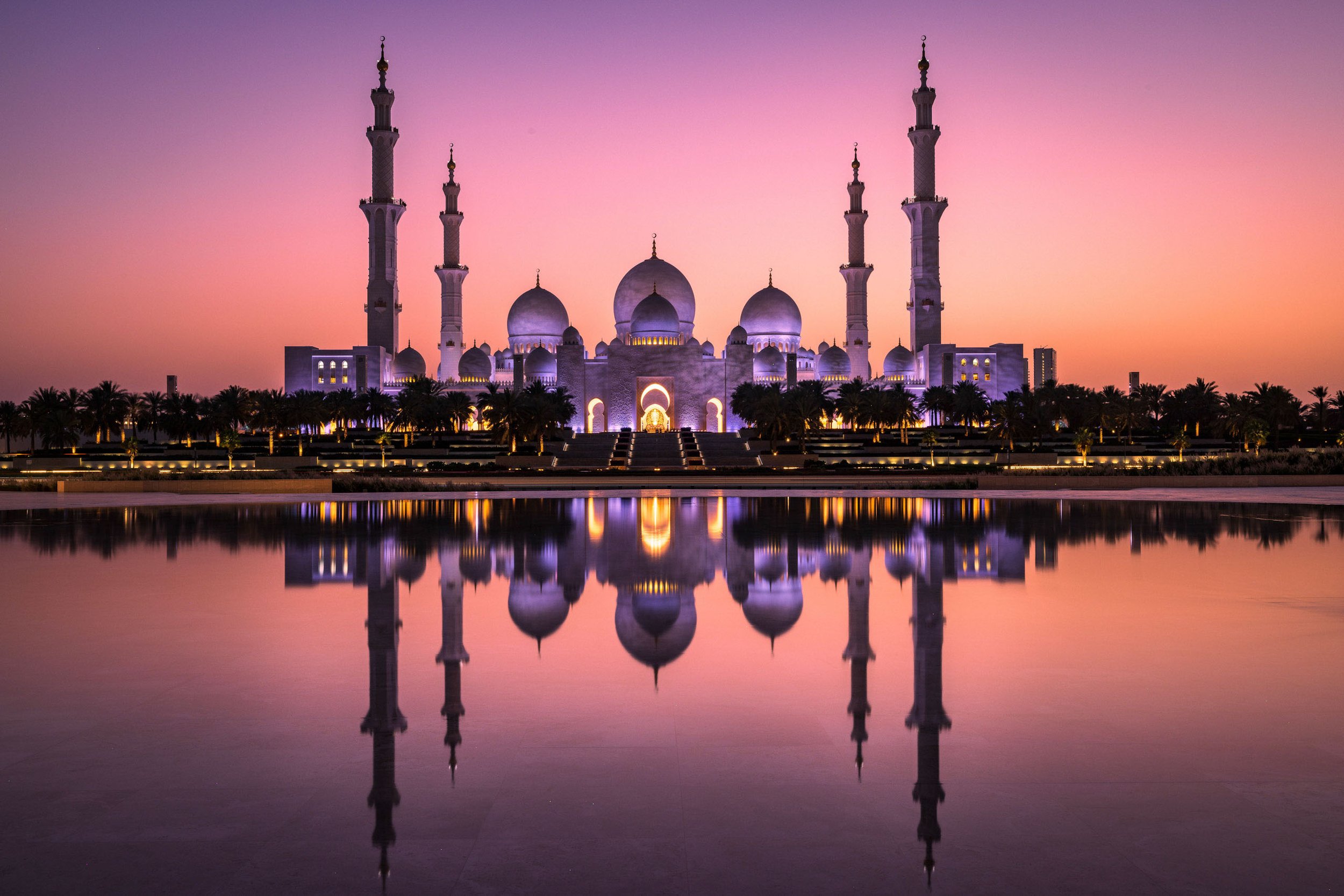
Wahat Al Karama, also known as the Oasis of Dignity, is a war memorial located directly across from the Sheikh Zayed Grand Mosque. For photographers, it is one of the best sunset locations in Abu Dhabi.
As the sun drops, the mosque is backlit by warm evening light, and the long reflecting pool at Wahat Al Karama creates a near-perfect mirror image of the domes and minarets. The symmetry is striking, especially as the sky begins to shift from gold to soft blue. This is a place where patience pays off. Arrive early, watch how the light evolves, and work both wide compositions and tighter frames that include reflections and architectural details.
Beyond its visual appeal, Wahat Al Karama carries a quiet, respectful atmosphere. It is a memorial space, and photographing here requires awareness and restraint. Move slowly, keep gear minimal, and let the setting guide your compositions. The result is a series of images that feel calm, balanced, and deeply considered.
Reflections
Louvre Museum in Abu Dhabi
The Louvre Abu Dhabi opened on Saadiyat Island in 2017, and we were lucky enough to visit shortly after it debuted. We have returned several times since, and it remains one of the most rewarding places to photograph in Abu Dhabi.
What sets the Louvre Abu Dhabi apart is its scale and pace. Unlike the Louvre in Paris, this museum feels manageable and relaxed. You can move through the twelve gallery spaces comfortably in about an hour, without feeling rushed or overwhelmed. That slower rhythm makes it easier to enjoy both the art and the architecture.
From a photography perspective, the building itself is the main attraction. Jean Nouvel’s iconic dome filters sunlight into the space below, creating shifting patterns of light and shadow that change throughout the day. Walkways, water channels, and open courtyards offer endless opportunities to work with geometry, reflections, and contrast. Spend time outside the galleries, watching how the light moves across the structure. This is where the Louvre Abu Dhabi truly comes alive for photographers.

Abrahamic Family House
The Abrahamic Family House is located in Abu Dhabi’s Saadiyat Cultural District on Saadiyat Island and is one of the city’s most thoughtful modern landmarks. The complex brings together a mosque, a church, and a synagogue, each occupying its own space while sitting side by side in quiet balance.
Designed by David Adjaye, the architecture is modern, restrained, and rich with symbolism. Clean lines, carefully controlled light, and open courtyards create an atmosphere that feels calm and intentional. For photographers, the appeal lies in the simplicity. Geometry, symmetry, and subtle changes in light invite careful composition rather than spectacle.
Within the complex, the St. Francis of Assisi Church offers a particularly serene interior. Named after a figure known for humility and dialogue, the church feels warm and welcoming. Natural light fills the space, softening the modern materials and creating a peaceful environment for reflection. Photographing here requires sensitivity, but the quiet interplay of light and structure makes it deeply rewarding.
The Abrahamic Family House is not about grand gestures. It is about intention, coexistence, and shared humanity. As a photographer, it encourages you to slow down, observe details, and let the space speak for itself. It is one of Abu Dhabi’s most meaningful places to photograph, both visually and emotionally..


The Moses Ben Maimon Synagogue at the Abrahamic Family House in Abu Dhabi is a beautiful homage to Judaism, named after the renowned Jewish philosopher and scholar, Moses Maimonides. It’s a modern yet deeply respectful space that invites reflection and community.


The Eminence Ahmed El-Tayeb Mosque at the Abrahamic Family House in Abu Dhabi is a stunning tribute to Islamic faith and culture. Named after the Grand Imam of Al-Azhar, Sheikh Ahmed El-Tayeb, it embodies the principles of peace and unity. The mosque’s design is a modern masterpiece, blending clean, geometric lines with traditional elements, creating a serene and spiritual space that invites reflection and prayer.

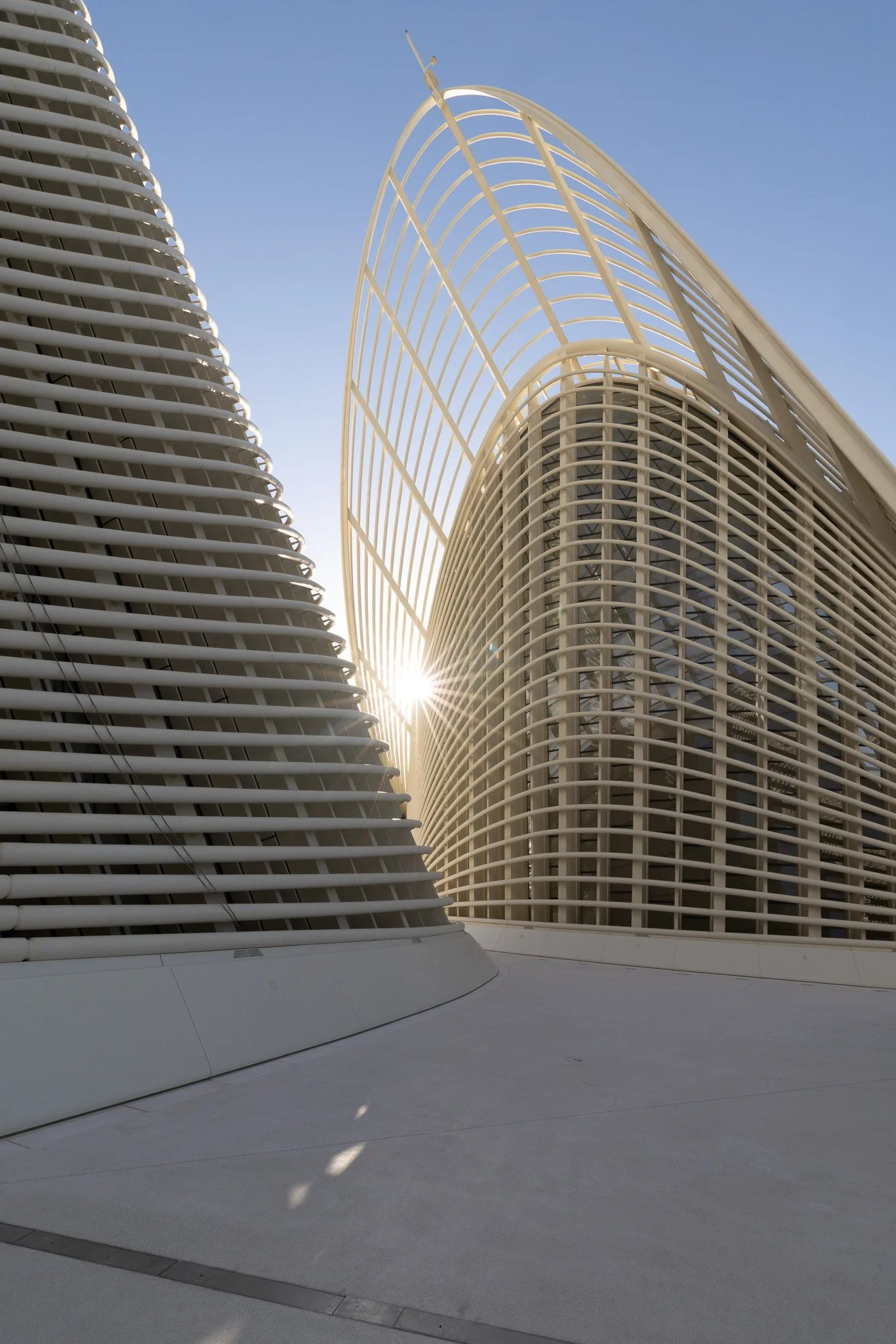
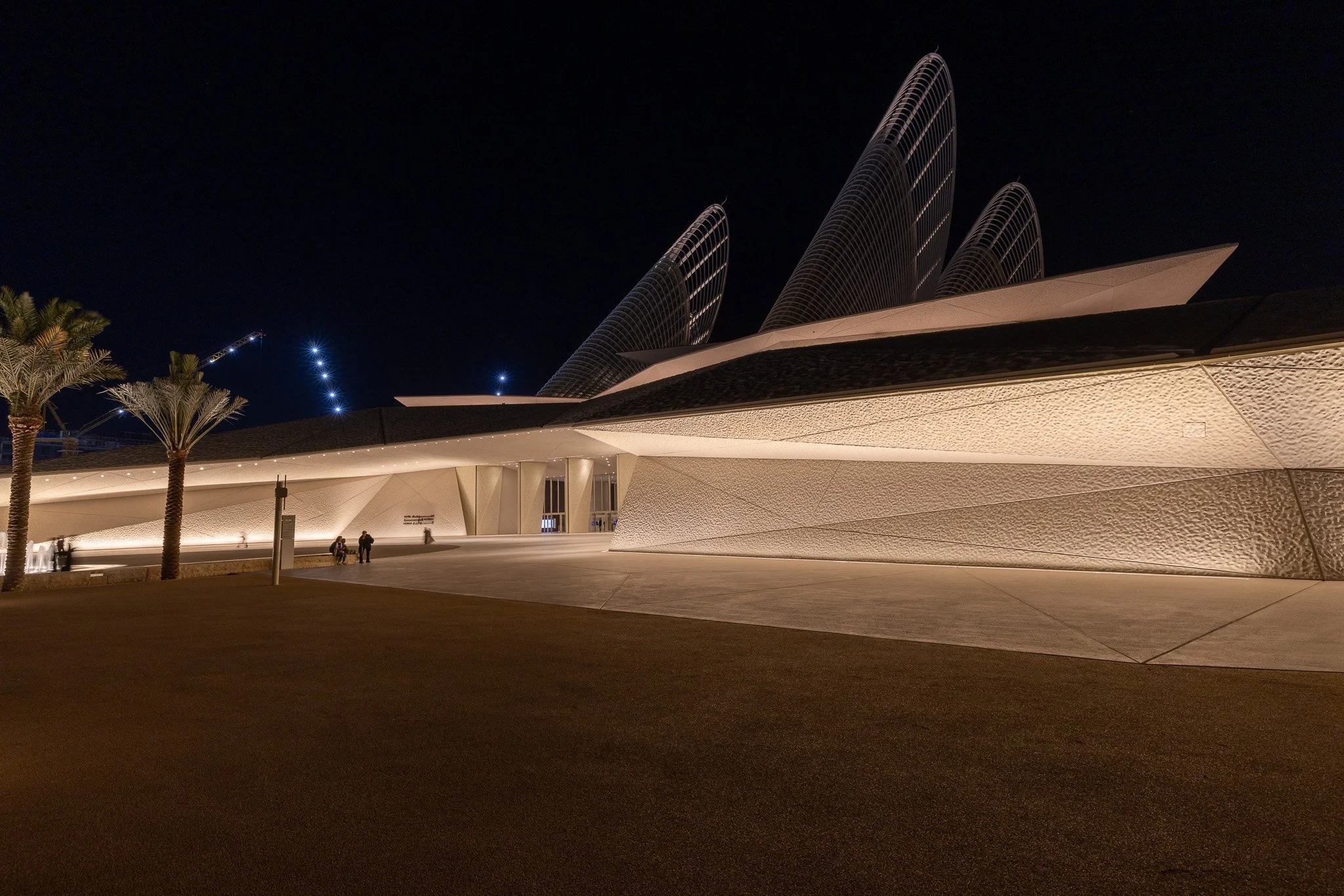
The Zayed Museum
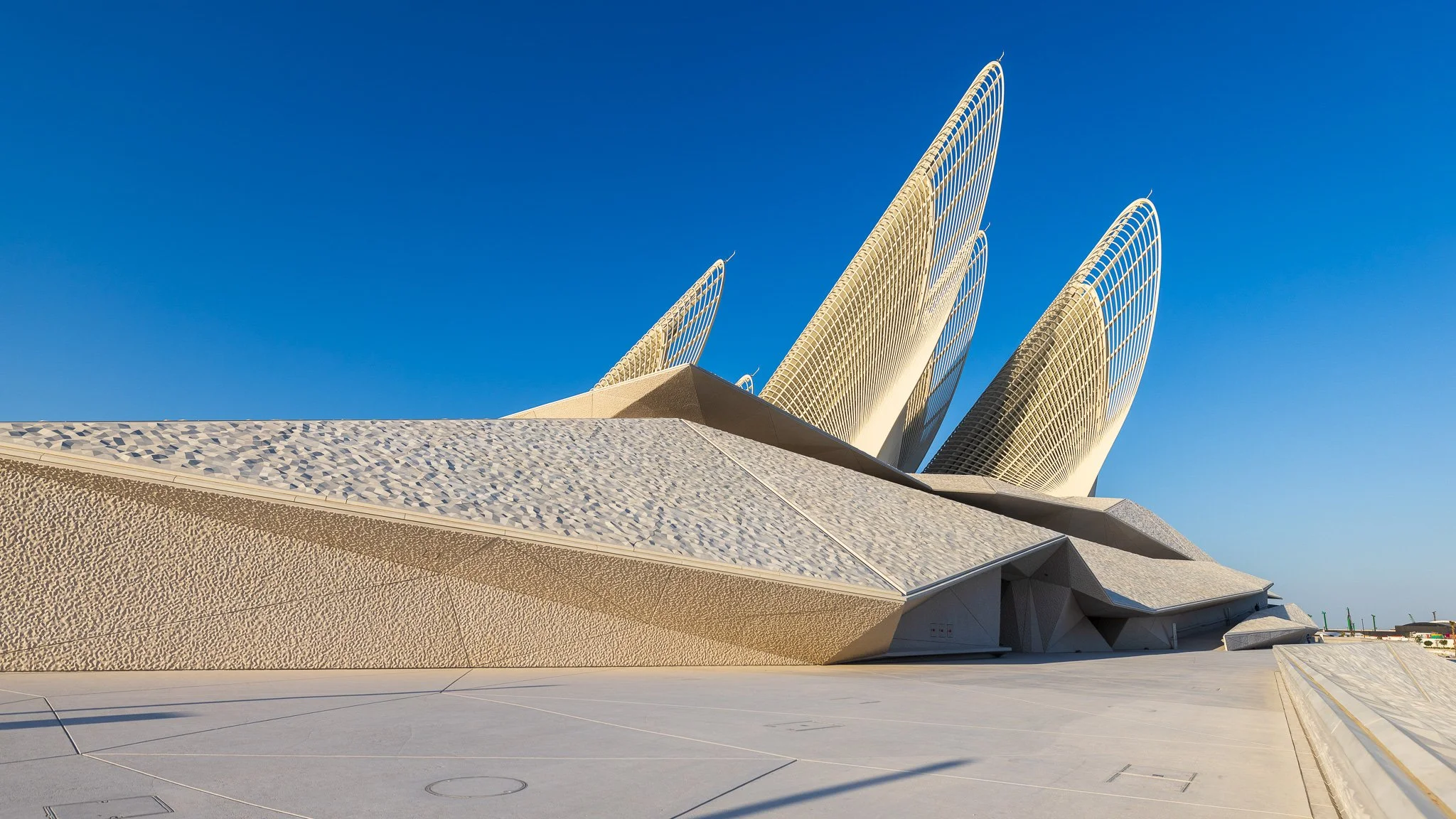
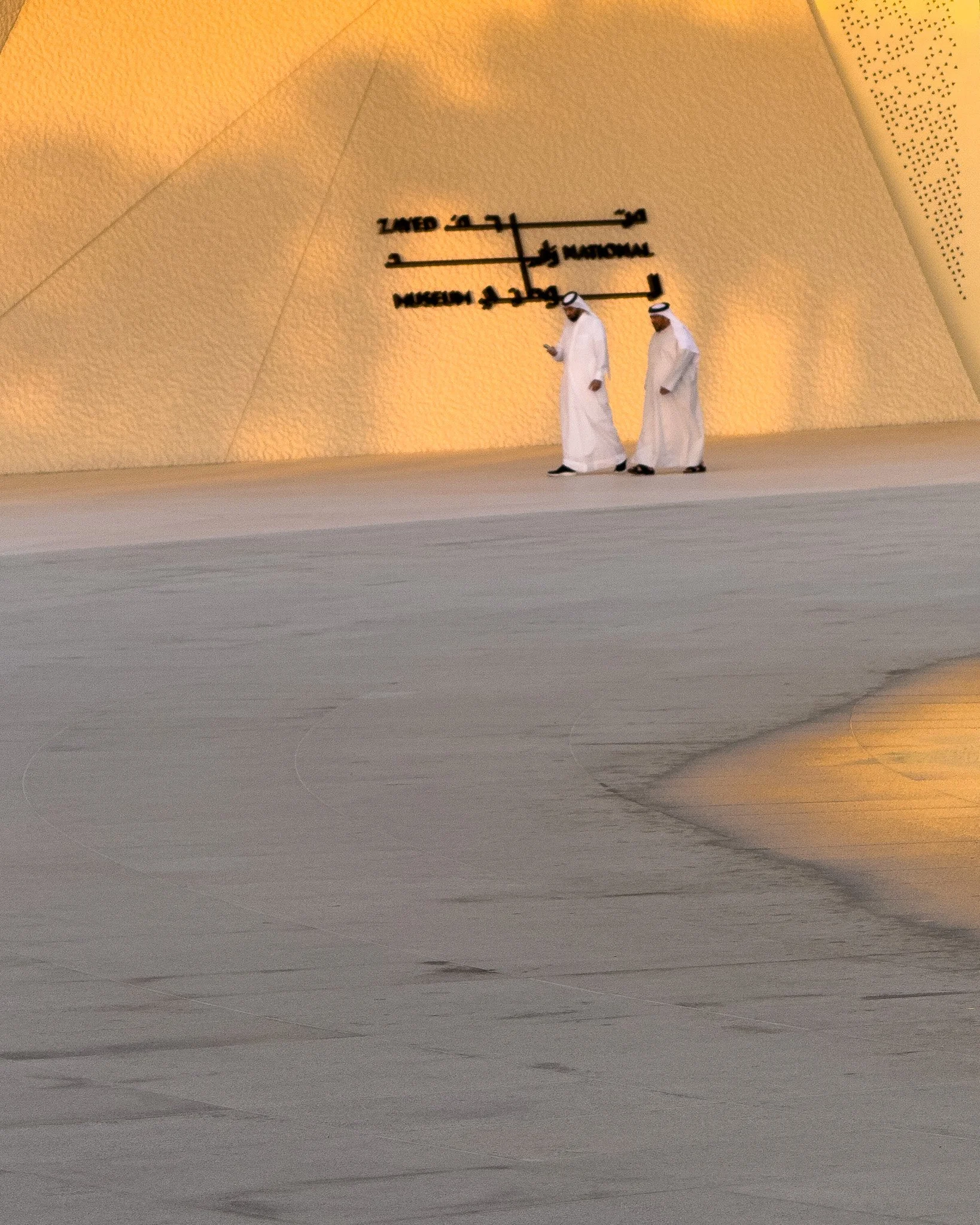
The Zayed National Museum is a rewarding stop for photographers drawn to clean design and thoughtful storytelling. The exterior architecture offers strong shapes, rhythm, and lines that work well for graphic compositions, especially in directional light.
Inside, the experience encourages a slower pace. Exhibits are well spaced, and the lighting is carefully controlled, which makes it easier to compose deliberately and focus on details. This is not a place for rushed shooting. Take your time, watch how light and shadow interact with surfaces, and look for moments that feel quiet and intentional.
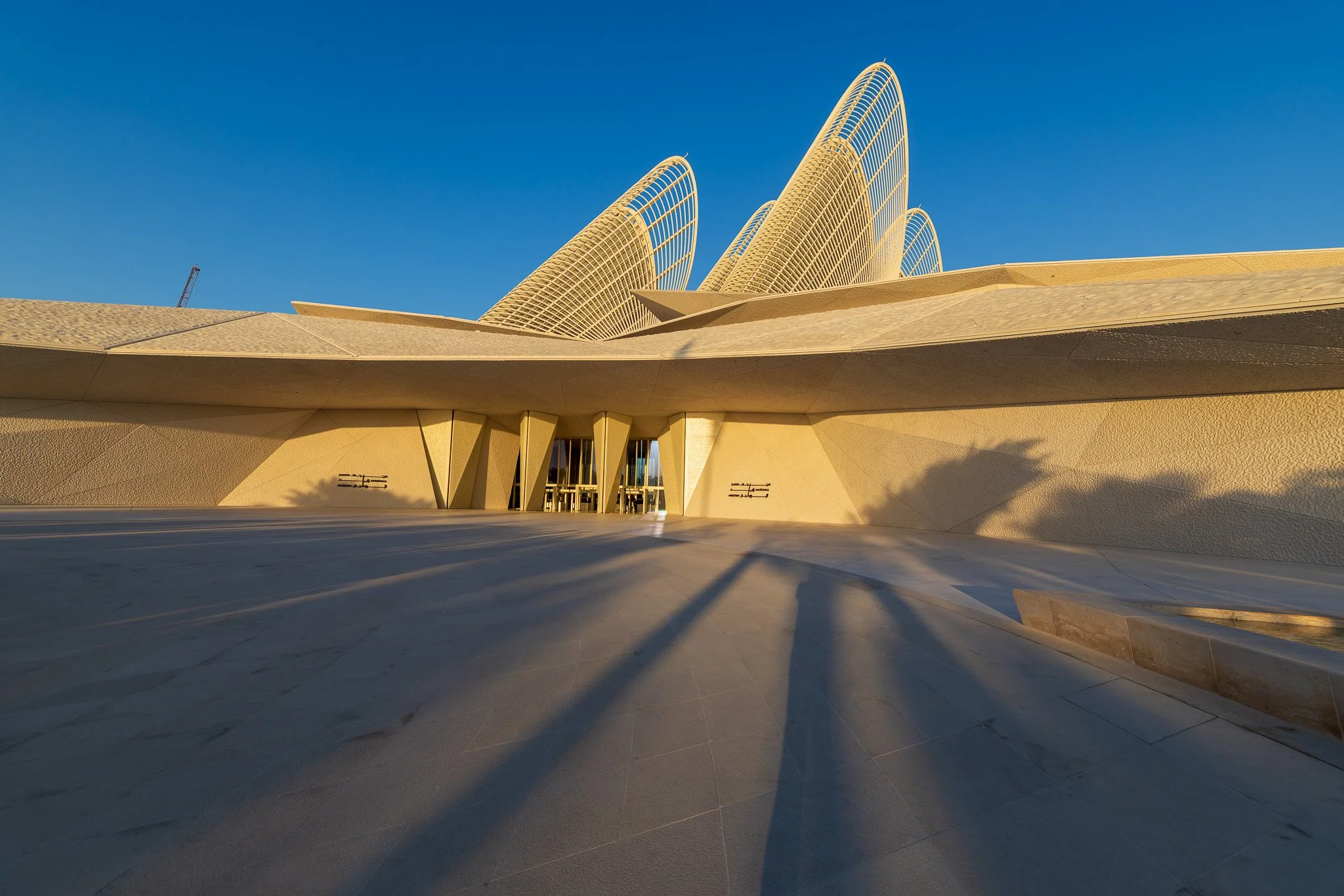
Photographically, the Zayed National Museum pairs well with nearby sites on Saadiyat Island. It adds depth to your visual story and offers a calmer counterpoint to Abu Dhabi’s larger, more monumental landmarks.
Natural History Museum
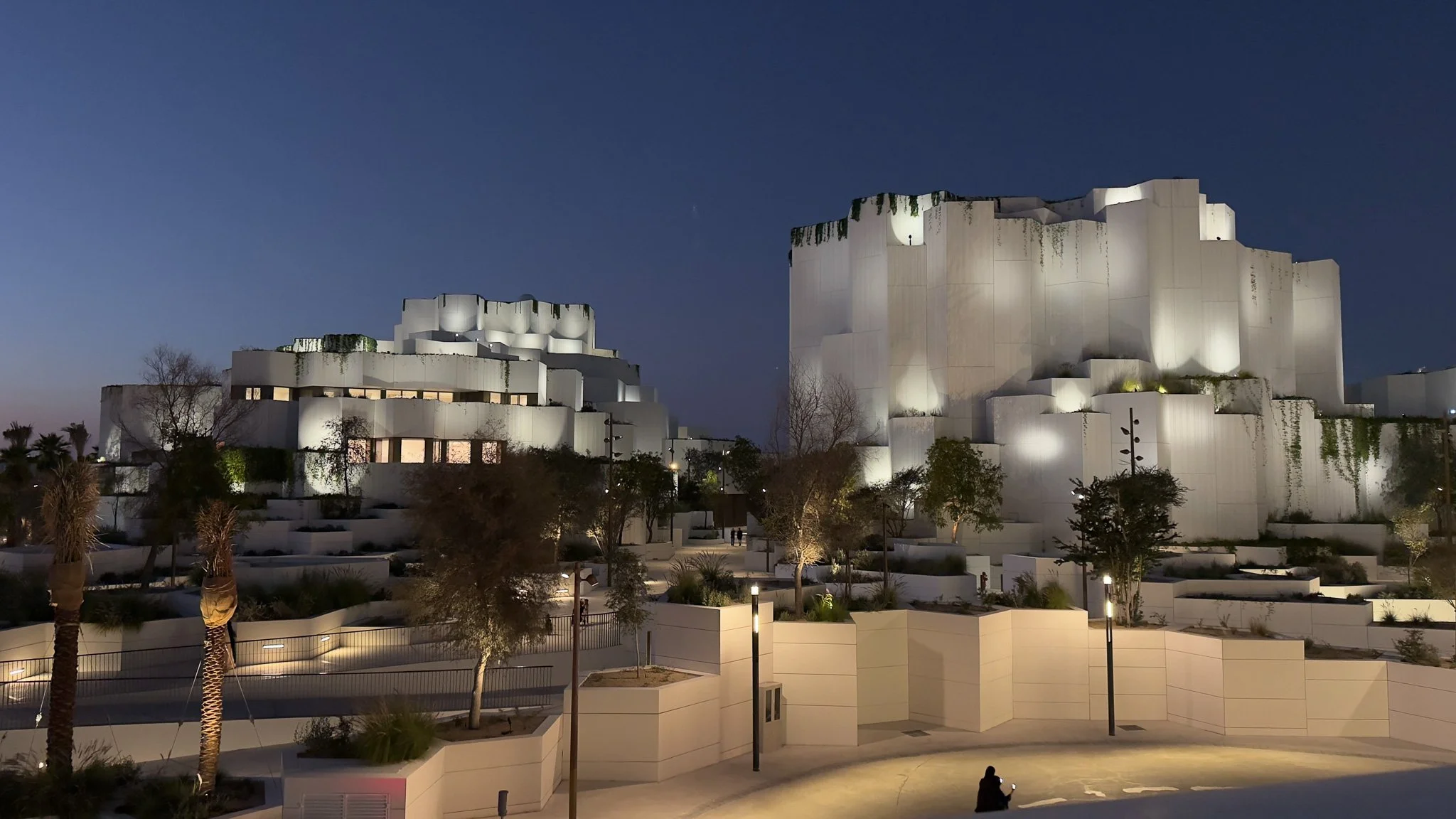
The Natural History Museum Abu Dhabi is a rewarding stop if you like photographing scale, texture, and storytelling details. The exhibits offer dramatic subjects to work with, from massive forms to small graphic elements, making it great for both wide shots and close-ups. It is an easy place to slow down, experiment with compositions, and come away with images that feel playful and visually strong.
Team Lab
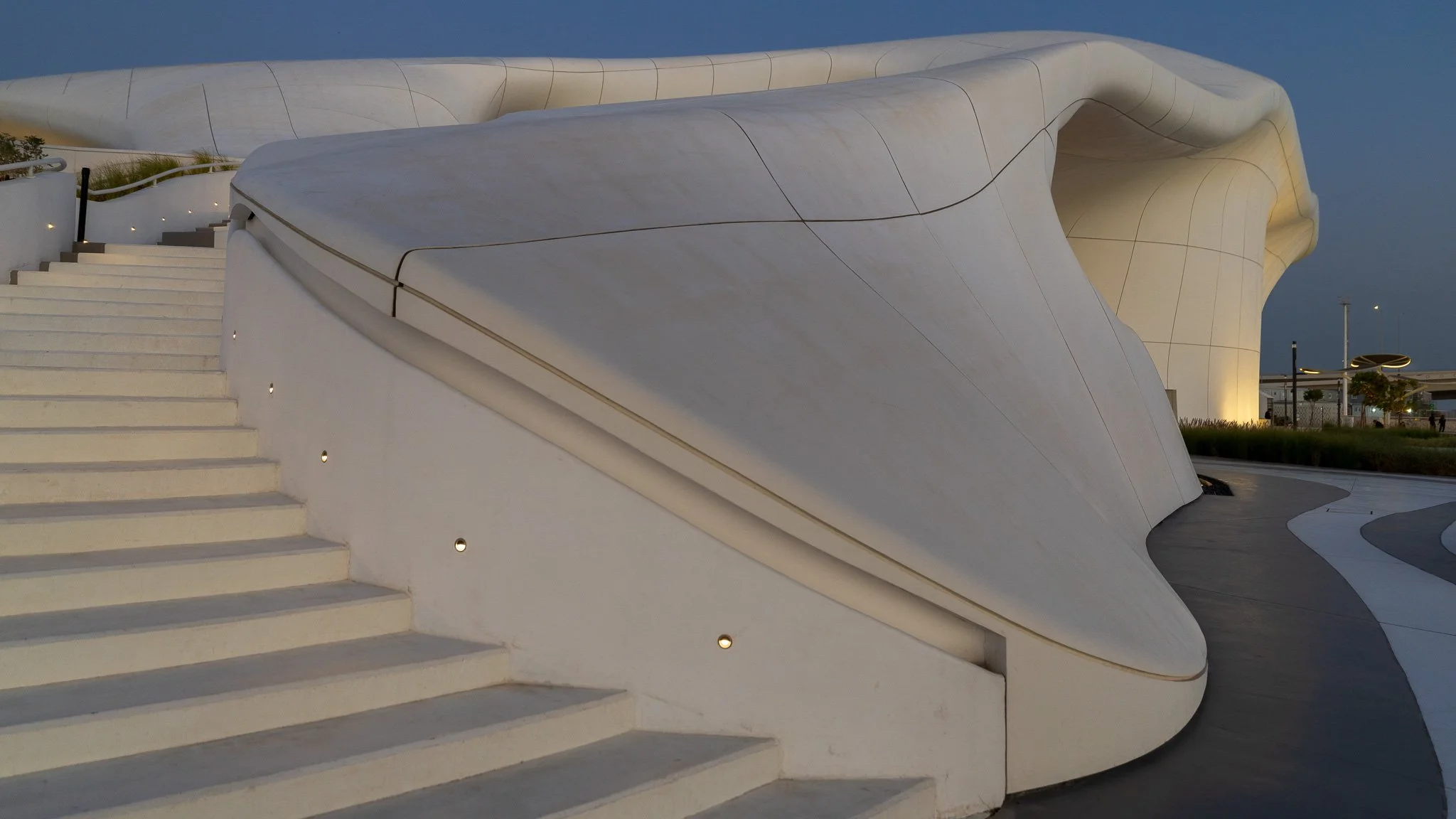
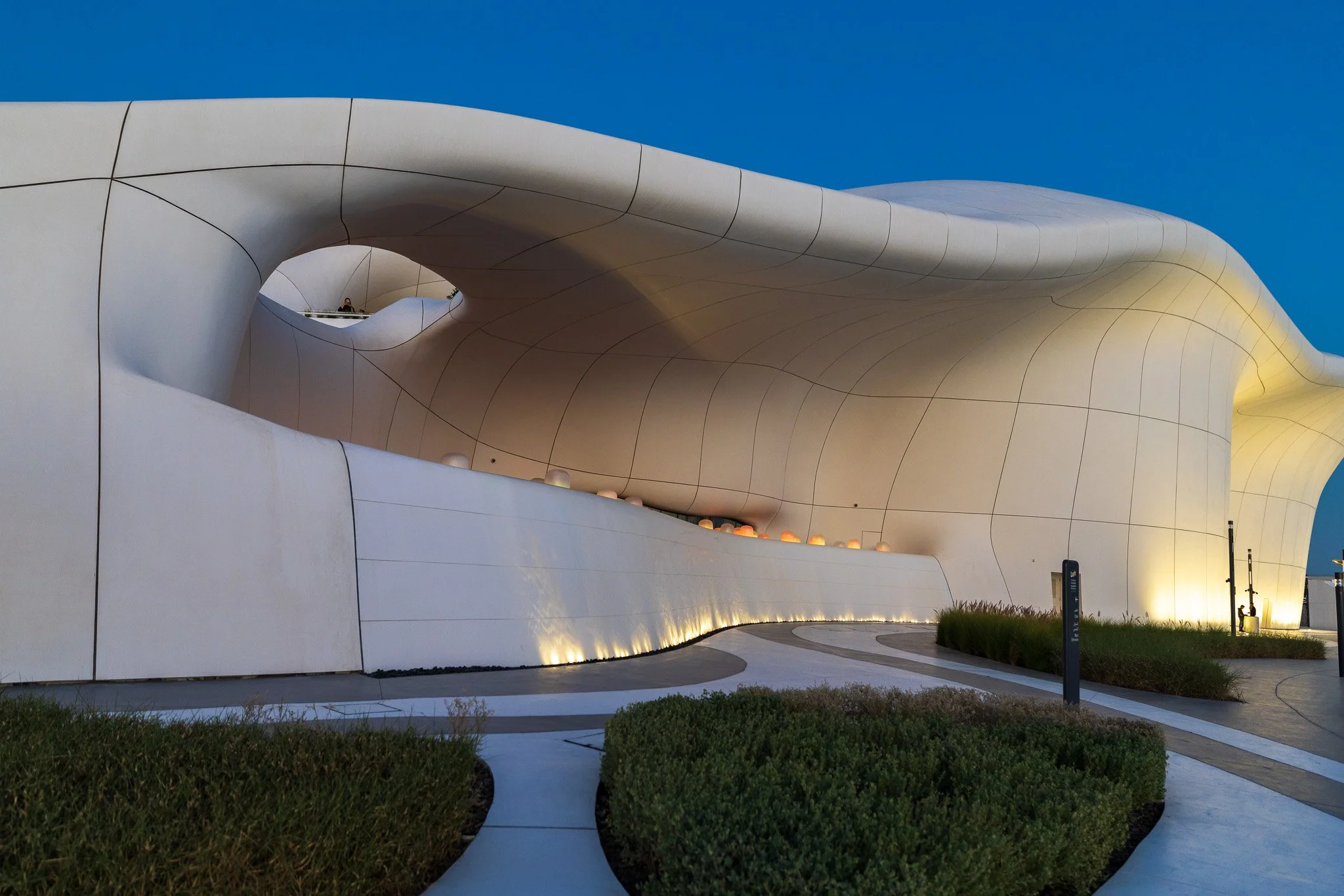
Photographing the exterior of teamLab Phenomena Abu Dhabi is all about clean lines and timing the light. Early morning or late afternoon works best, when shadows add depth and the building starts to glow instead of looking flat. Keep it simple, step back, watch the angles, and let the design do the heavy lifting.
The Empty Quarter
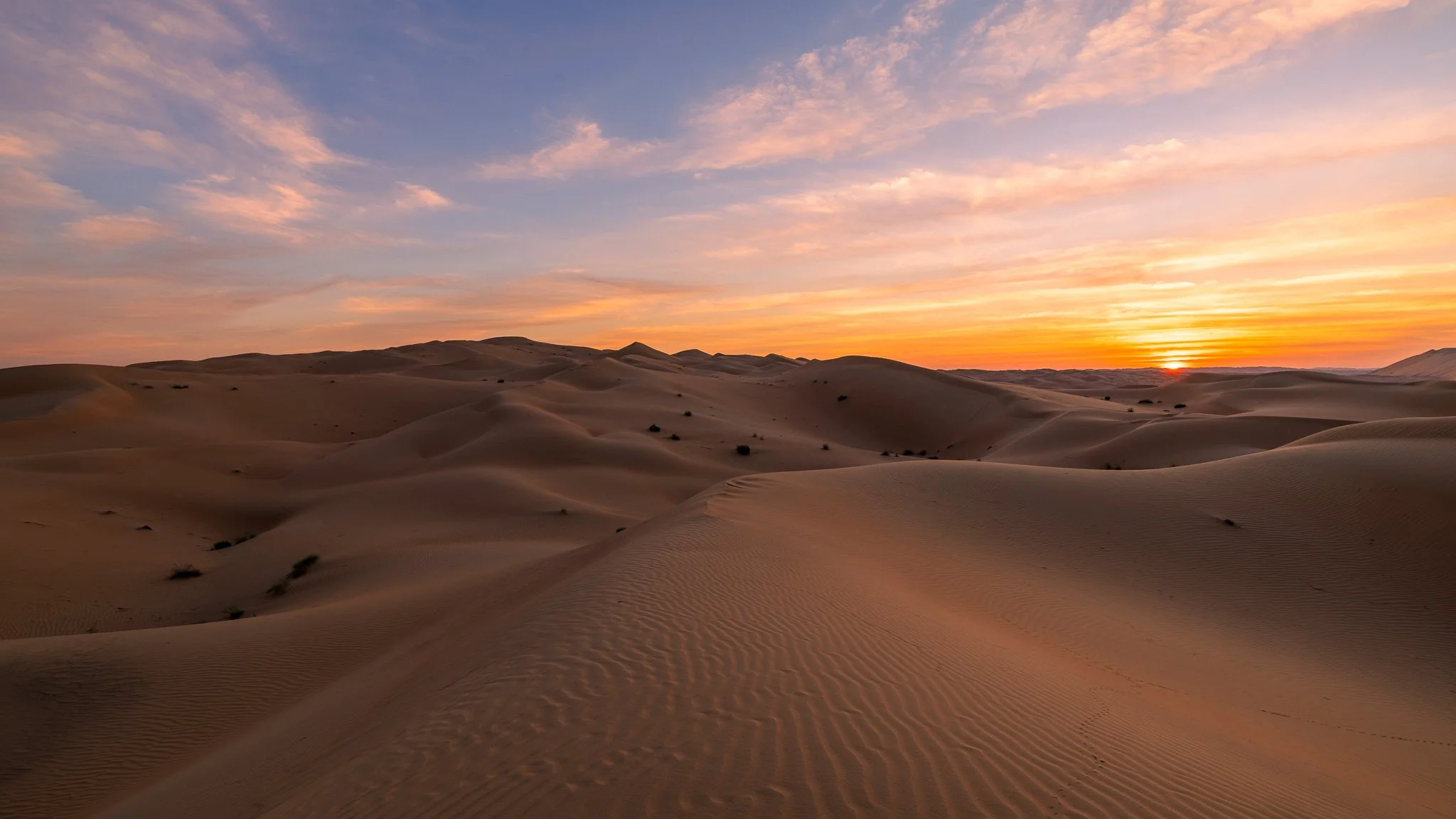
As a photographer, spending time in the desert is one of the most rewarding experiences Abu Dhabi offers. The Rub' al Khali, often called the Empty Quarter, is defined by scale, silence, and constantly shifting light. The dunes change color throughout the day, moving from soft gold to deep amber, and they are especially striking at dawn and just before sunset.
Photographically, this is a place to slow down and work with simplicity. Curving dune lines, long shadows, and minimal compositions dominate. Wide lenses capture the vastness, while longer focal lengths allow you to isolate ridges, textures, and patterns shaped by the wind. The desert rewards patience and careful observation.
To reach the Empty Quarter from Abu Dhabi or Dubai, you will need to rent a car. An SUV is essential, as standard vehicles are not suitable for sandy terrain. From Abu Dhabi, the drive takes roughly one and a half hours. From Dubai, plan on about three hours. If you are not experienced in driving in desert conditions, consider going with a local guide. It allows you to focus entirely on light, composition, and safety while still coming away with powerful images.
Where to Stay in the Empty Quarter
Qasr Al Sarab Desert Resort by Anantara is widely considered the best place to stay in the Empty Quarter. Set deep within the sand dunes, the resort feels almost surreal. The surrounding desert is so cinematic that parts of it were used as filming locations for Star Wars. From a photography perspective, being able to step outside into uninterrupted dunes at sunrise and sunset is a major advantage.
The best time to visit the Empty Quarter is between October and April, when temperatures are more manageable and long shooting sessions are realistic. July and August are extremely challenging. Daily highs average around 47°C (117°F) and can reach as high as 51°C (124°F), which severely limits time outdoors and makes photography difficult.
If you plan to explore the dunes beyond the immediate resort area, a professional guide is essential. It is very easy to get stuck in the sand, and cell phone service is limited or nonexistent in many areas. Going with an experienced guide keeps you safe and allows you to focus on light, composition, and timing rather than logistics.
Frequently Asked Questions About Visiting Abu Dhabi
Is Abu Dhabi safe?
Yes, it's one of the safest major cities in the world for visitors. Normal travel awareness applies, but violent crime against tourists is extremely rare.
What should you wear when visiting the Sheikh Zayed Grand Mosque?
There's a strict dress code. Men need to cover their knees and shoulders. Women need long sleeves, long trousers, and a headscarf, available for purchase at the entrance if you don't bring your own.
Do you need a car in Abu Dhabi?
It helps significantly, especially for reaching Saadiyat Island's museums and any trip to the Empty Quarter, which requires an SUV and roughly ninety minutes of driving. Within the city center, taxis and rideshares cover most needs.
What are the best photo spots in Abu Dhabi?
The Sheikh Zayed Grand Mosque at sunrise, Wahat Al Karama at sunset for the reflecting pool, and the Louvre Abu Dhabi for the dome's shifting light patterns are three that consistently deliver. The full list is above.
Can you fly a drone in Abu Dhabi?
Check current UAE General Civil Aviation Authority regulations before flying, which are strict and require registration. Do not assume you can fly without proper authorization; enforcement is taken seriously.
What surprised you most about Abu Dhabi?
While I love the Grand Mosque, the desert just a few hours away is incredible to photograph. The Empty Quarter's dunes shifting from gold to deep amber at sunrise and sunset are some of the most rewarding landscapes I've shot anywhere.
How many days do you need in Abu Dhabi?
Four to five days. That gives you time for the Grand Mosque, the Saadiyat Island museums, and at least one full day trip out to the Empty Quarter.
Is Abu Dhabi worth combining with Dubai?
Yes, they're about ninety minutes apart and tell the complete story of the UAE together. Dubai brings vertical scale and energy; Abu Dhabi brings space, culture, and calm.
Final Thoughts
Abu Dhabi stayed with me longer than I expected. That sounds like a strange thing to say about a city I have visited many times, but it is true. There is something about the combination of extraordinary architecture, cultural depth, and open desert that keeps pulling me back. I can stand in the courtyard of the Sheikh Zayed Grand Mosque and feel the same sense of scale and calm that I felt on my first visit. That does not happen everywhere.
If you come with a camera and a bit of patience, this city will reward you. Show up early at the mosque and stay late at Wahat Al Karama. Spend a morning at the Louvre Abu Dhabi without rushing. Drive out to the Empty Quarter at least once and watch what happens to light on sand dunes at dawn. These are the moments that stay with you.
Want to improve your photography while exploring some incredible destinations? Join me on one of my photography workshops! You can find all the details, including upcoming destinations and dates, through the links below.
Let's Stay Connected!
Photography Locations Nearby
My Photography & Travel Guide to Dubai, UAE. Abu Dhabi and Dubai sit about ninety minutes apart, and together they tell the full story of the UAE. Dubai brings vertical scale, neon, and energy. Abu Dhabi brings space, culture, and quiet. Shoot both, and you have a complete picture of what the Emirates have become.
My Photography & Travel Guide to the Desert in the UAE. The Empty Quarter is covered in the Abu Dhabi guide, but if the desert is your primary draw, this dedicated guide goes deeper into locations, access, and the best conditions for dune photography.
My Photography & Travel Guide to Doha, Qatar. A short flight from Abu Dhabi and one of the most underrated photography destinations in the Gulf. The Museum of Islamic Art, the Corniche at dawn, and the Souq Waqif offer a quieter, more intimate version of Gulf culture worth exploring.
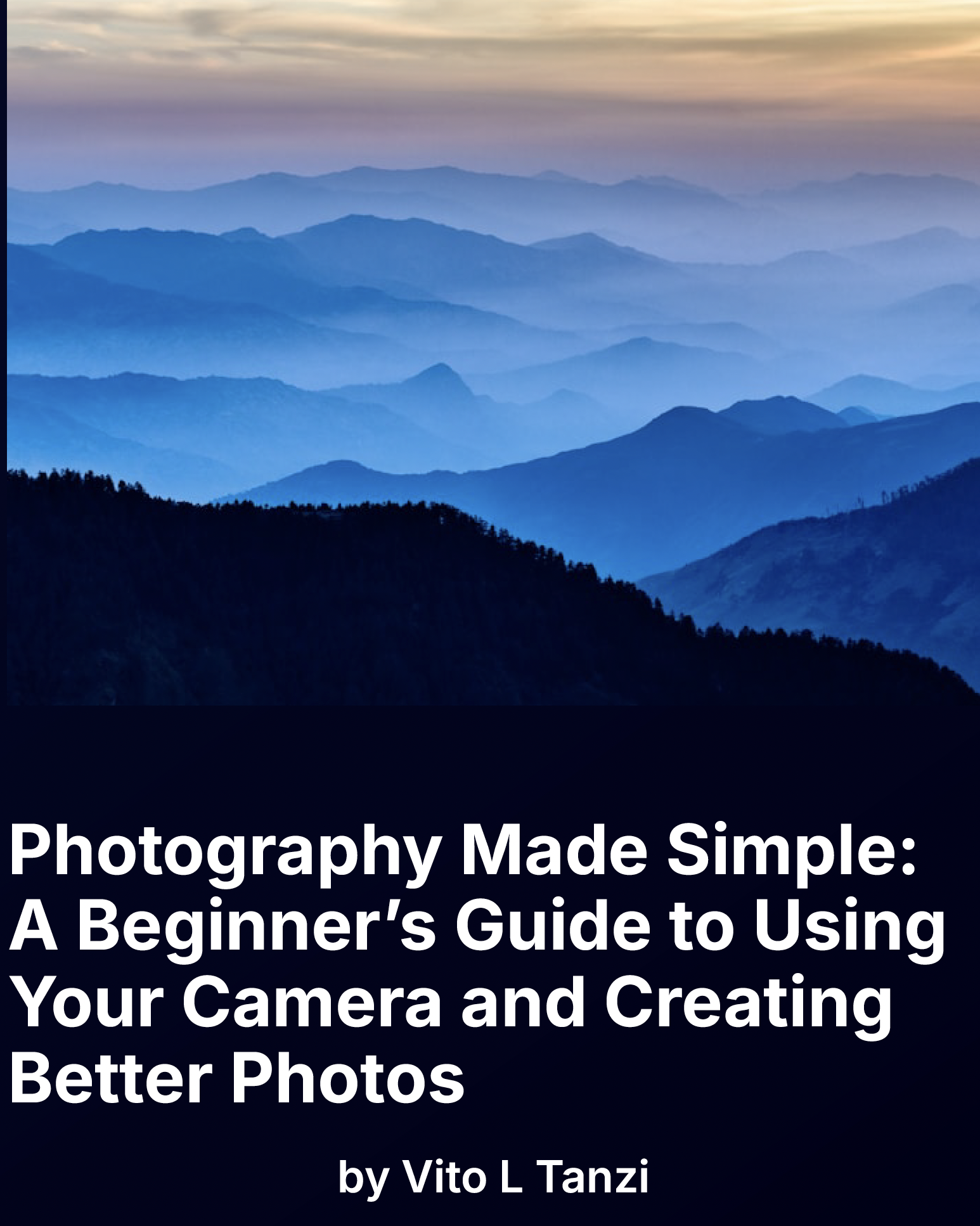
Finally—a beginner-friendly photography guide that makes sense.
If you've ever picked up a camera and thought, "Now what?" this is the book for you.
Photography Made Simple is written for adults who are just starting out and want a clear, encouraging, real-world approach to learning photography. Whether you're using a DSLR, mirrorless, or just your smartphone, this guide walks you through the basics—without the jargon or tech overwhelm.
Inside, you'll learn:
The only camera settings you really need to know to get started
How to shoot sharper, more intentional photos using light and composition
Simple tips for portraits, landscapes, travel, and everyday life
What gear you do (and don’t) need
How to create better photos without upgrading your camera
You’ll also get practical exercises, cheat sheets, and tips for organizing and editing your images—plus the confidence to shoot off Auto Mode for good.
This is not a textbook. It’s a friendly guide to seeing the world with fresh eyes—and finally capturing what you see the way you imagine it.
📸 Format: PDF download
Pages: 100+
Perfect for: Beginners, hobbyists, and anyone ready to take better photos without the stress

Unlock the power of long exposure and take your photography to the next level.
Mastering ND Filters is your complete guide to understanding and using Neutral Density (ND) filters with confidence. Whether you’re a beginner or a hobbyist looking to expand your creative toolkit, this practical, easy-to-follow book walks you through everything you need to know—from gear choices and exposure calculations to creative shooting techniques and real-world examples.
Inside you’ll learn:
What ND filters are and how they work
How to choose the right strength and type of filter
Step-by-step workflows for photographing waterfalls, clouds, seascapes, and city scenes
How to calculate long exposures using apps and charts
Pro tips for reducing noise, focusing with dark filters, and getting tack-sharp results
Packed with clear explanations, inspiring images, and field-tested advice, this guide will help you shoot with intention, slow down your process, and create stunning photographs that capture not just motion—but mood.
Whether you're shooting with a DSLR, mirrorless camera, or even a smartphone, Mastering ND Filters will help you bring your creative vision to life.