My Photography & Travel Guide to Puglia, Italy
Some places you visit. Puglia is a place you carry.
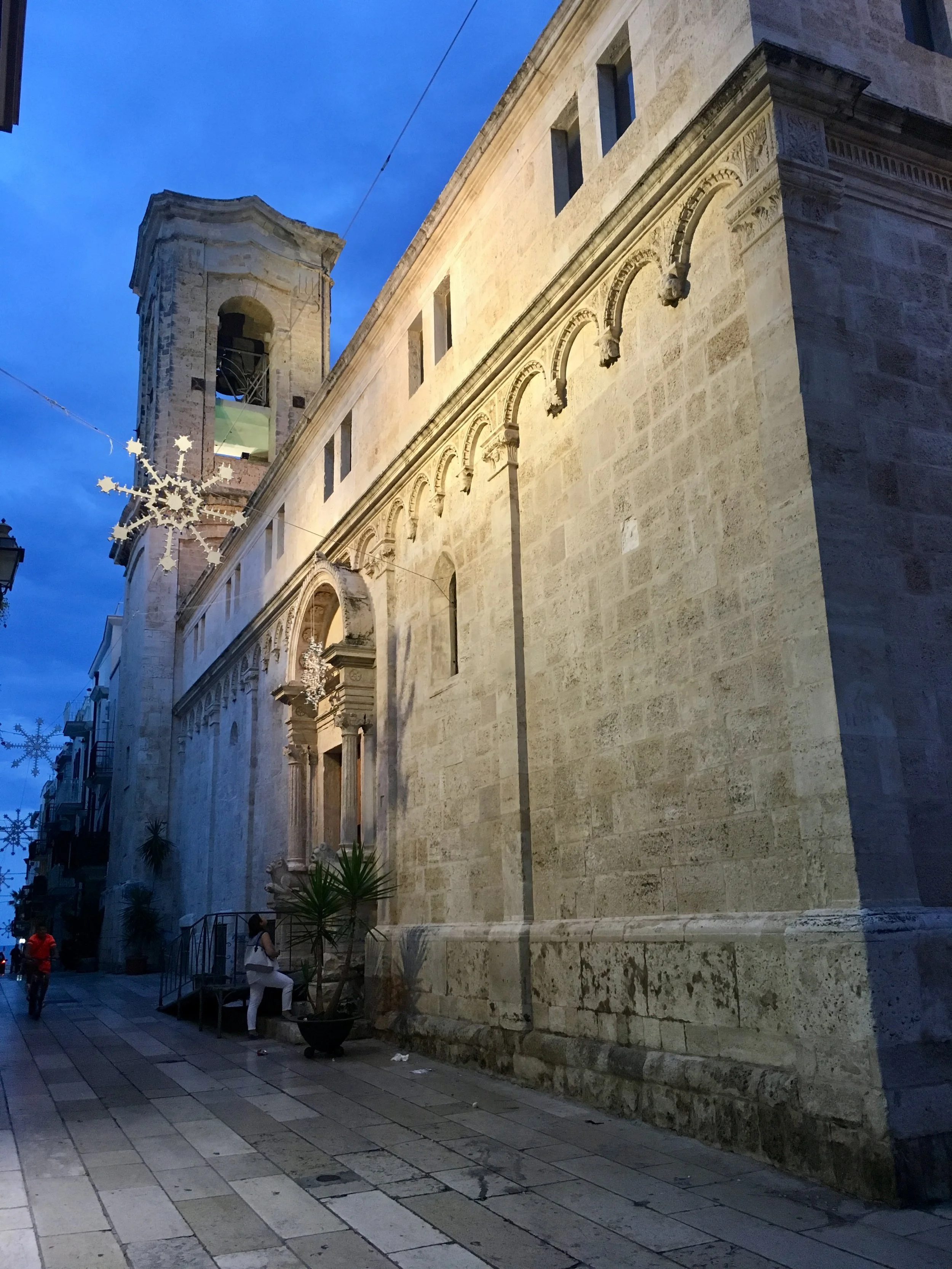
I did not discover this region as a traveler. I grew up here. Every summer of my childhood, from the time I was old enough to walk to a piazza, I spent three months in Mola di Bari, a small town south of Bari. My grandparents lived there, and this is where my father is from. Every evening, we would walk together to Bar Victoria in the piazza and sit over gelato while the whole town came out to do exactly the same thing. That ritual, the passeggiata, the warm air off the Adriatic, the sound of Italian conversation echoing off limestone walls, this is what Puglia feels like in your bones.
I went to school here. I swam in the Adriatic near Cozze and Monopoli. I ate fresh focaccia on the beach, still warm, with fresh grilled fish. Long before I ever picked up a serious camera, I was learning to see this place. The angle of summer light on white limestone. The blue of the sea against a trullo roof. The color of an old fisherman's hands against a painted wooden hull. Puglia taught me how to look, and I have been returning ever since, now with a camera and a much longer lens.
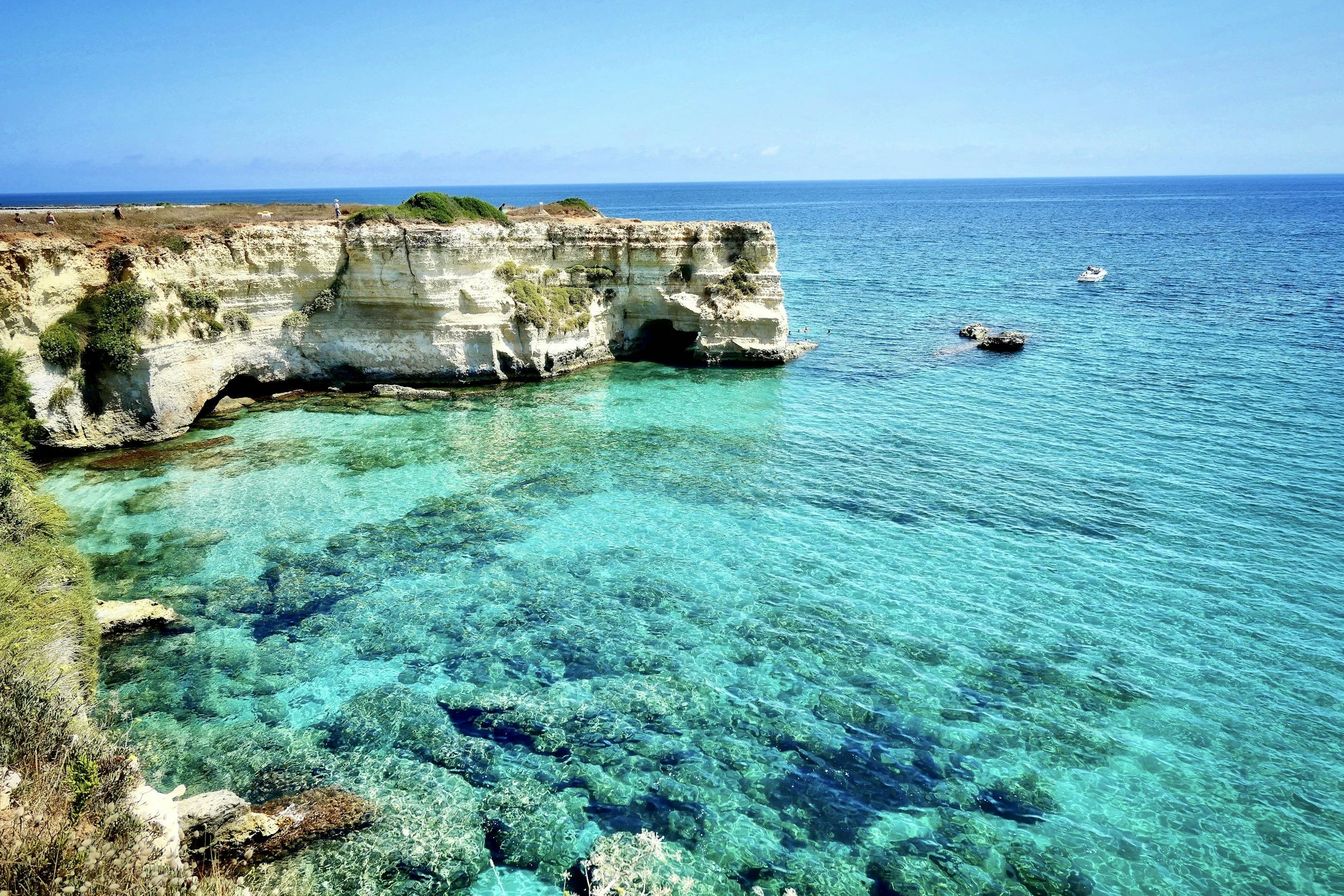
The region sits at the heel of Italy's boot, stretching from the Adriatic coast in the east to the Ionian in the south, covering more than 300 kilometers from top to bottom. Most travelers still overlook it in favor of Tuscany or the Amalfi Coast, and honestly, good. That is precisely what makes it one of the best photography destinations in all of Europe. The light here is different from anywhere else in Italy. It is warmer, more direct, almost Mediterranean in the way it saturates white walls and turns gold in the late afternoon. The architecture ranges from UNESCO-listed trulli in Alberobello to the extravagant Baroque stonework of Lecce, often called the Florence of the South, to the blinding white hilltop towns of Ostuni. Add an Adriatic coastline of limestone cliffs, turquoise coves, and a food culture so rooted in place that even the pasta carries a Protected Designation of Origin, and you have everything you need to fill a memory card and leave changed.
In this Photography Guide to Puglia, I share the places and experiences that continue to draw me back. You will find my favorite photography locations, guidance on when and where to shoot, practical travel tips, and gear recommendations, along with cultural insights to help you explore and photograph Puglia with confidence, respect, and ease.
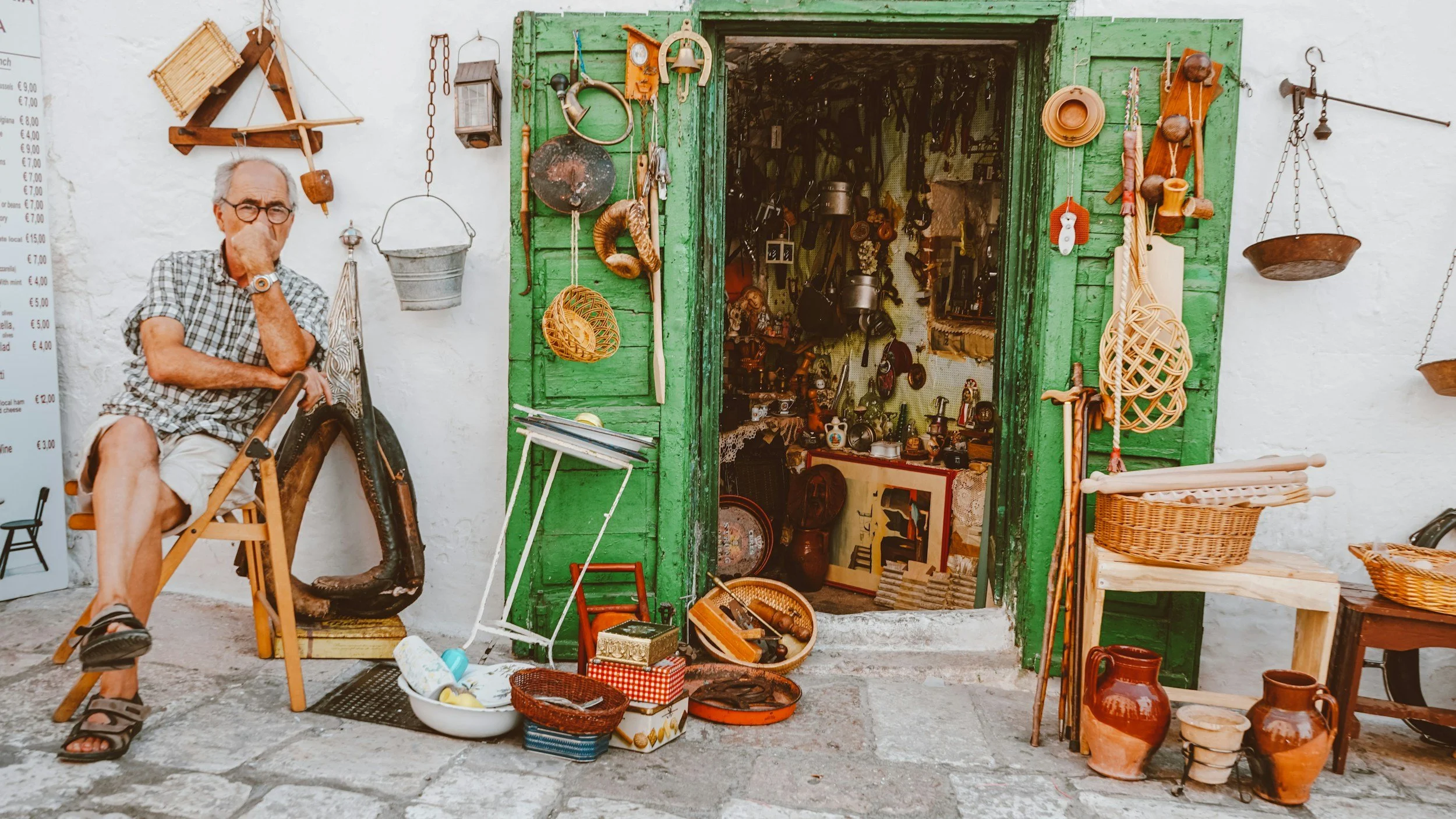
In Polignano a Mare
Where to Stay
Puglia rewards a mobile traveler. The towns are close enough that no single base locks you out of anything, but where you stay shapes the whole rhythm of your trip. Fasano and Savelletri sit in the geographic center of the region, making them the most strategic bases for photographers who want to reach Alberobello, Polignano, Ostuni, and Bari without covering the same road twice. Alternatively, base yourself in Lecce if you are focused on the Baroque south, or in Polignano a Mare if the coast is your priority.
Luxury
Borgo Egnazia, Savelletri di Fasano. This is the benchmark luxury property in Puglia. Built to look and feel like a traditional Apulian village, it covers 20 hectares of olive groves near the Adriatic coast. The architecture alone is worth photographing. Three outdoor pools, a Michelin-starred restaurant, and a spa based on ancient Puglian rituals. The design details throughout, handmade ceramics, stone arches, terracotta floors, feel genuinely rooted in the region rather than imposed upon it. If you are going to splurge once in Puglia, this is where.
Masseria Torre Maizza, Savelletri (Rocco Forte Hotels). A renovated 16th-century masseria surrounded by ancient olive groves, positioned about 20 minutes from Ostuni, Monopoli, and Polignano, and 25 minutes from Alberobello. The rooftop bar at sunset is one of the best light situations in the region. Olga Polizzi-designed rooms, a private beach club, and impeccable service. This is a quiet, beautiful base for a photography-centered trip.
La Fiermontina, Lecce. A restored 17th-century villa in the historic center of Lecce, with stylish modern interiors, a garden, and a pool. Steps from the Basilica di Santa Croce and Piazza Duomo. If Lecce and the Salento coast are your focus, this is the place to be.
Mid-Range and Boutique
Grotta Palazzese Hotel, Polignano a Mare. Built into the limestone cliffs above the Adriatic, this hotel shares a building with one of the most famous restaurants in Italy, a cave dining room that has been in operation since the 18th century. The views from the terrace are unlike anything else in Puglia. Book well in advance.
Relais La Sommità, Ostuni. A 5-star boutique property at the very top of Ostuni's Old Town, inside a restored palazzo. The position is unmatched for early morning photography: you can walk to the best viewpoints before the tour groups arrive. Rooms are carved into the historic stone of the hilltop.
Don Ferrante, Monopoli. A boutique property in the heart of Monopoli's historic center, inside a beautifully converted palazzo. Well-reviewed for attentive service and detail. Monopoli is a slightly quieter alternative to Polignano and an ideal base for exploring the central coast.
Best Time to Visit
April, May, and June are the sweet spot. The light is warm but not punishing, the wildflowers are out in the countryside, the tourists are manageable, and the golden hour lasts until around 8pm in June. Alberobello before 8 am in May is one of the quietest, most photogenic situations you will find anywhere in Europe.
September and October are equally good and often better for photography. The summer crowds have thinned, the sea is still warm, the harvest season means olive groves and vineyards are active, and the afternoon light takes on a richer, more amber quality. Locorotondo hosts its grape harvest festival in October, which is well worth timing a visit around.
July and August are the peak of summer. The region is hot, the towns are crowded, and the coasts are packed. That said, August evenings are extraordinary: the festivals are running, the towns glow under evening light, and the energy is completely unique. If you visit in summer, plan to shoot at sunrise and golden hour exclusively, and rest midday.
November through March is quiet, occasionally cold, and deeply local. Many masserie close, but the towns are entirely yours. The winter light on Ostuni and Locorotondo is softer and more interesting than you might expect. This is also when Carnevale di Putignano runs, one of the most photogenic events in southern Italy.
Getting Around
You need a car. This is the single most important piece of practical advice in this guide. Puglia has trains connecting Bari, Lecce, and a handful of coastal towns, but the places worth photographing sit between the train lines. Alberobello, Locorotondo, Ostuni, and the masserie countryside are all accessible by car only. Rent as small a car as possible; the old town streets are narrow, parking requires patience, and you will thank yourself every time you need to reverse through a medieval archway.
From Bari Karol Wojtyla Airport (BRI): this is the primary entry point for most international travelers. Direct flights operate from many European cities and from the US with a connection. Car rental is available at the airport.
Uber does not operate in Puglia. Use local taxi companies, or the app itTaxi, which works across Italian cities including Bari. In smaller towns, you call a number or ask your hotel to arrange a car.
Within Bari Vecchia (Bari's old town), park outside the old city walls and walk. The historic center is largely pedestrian. The same applies to Ostuni, Alberobello, and Polignano, where the best photography happens on foot.
For Lecce: the city center is pedestrianized and easily walkable. Driving in is manageable; parking on the periphery and walking in is easier.
How Many Days to Visit
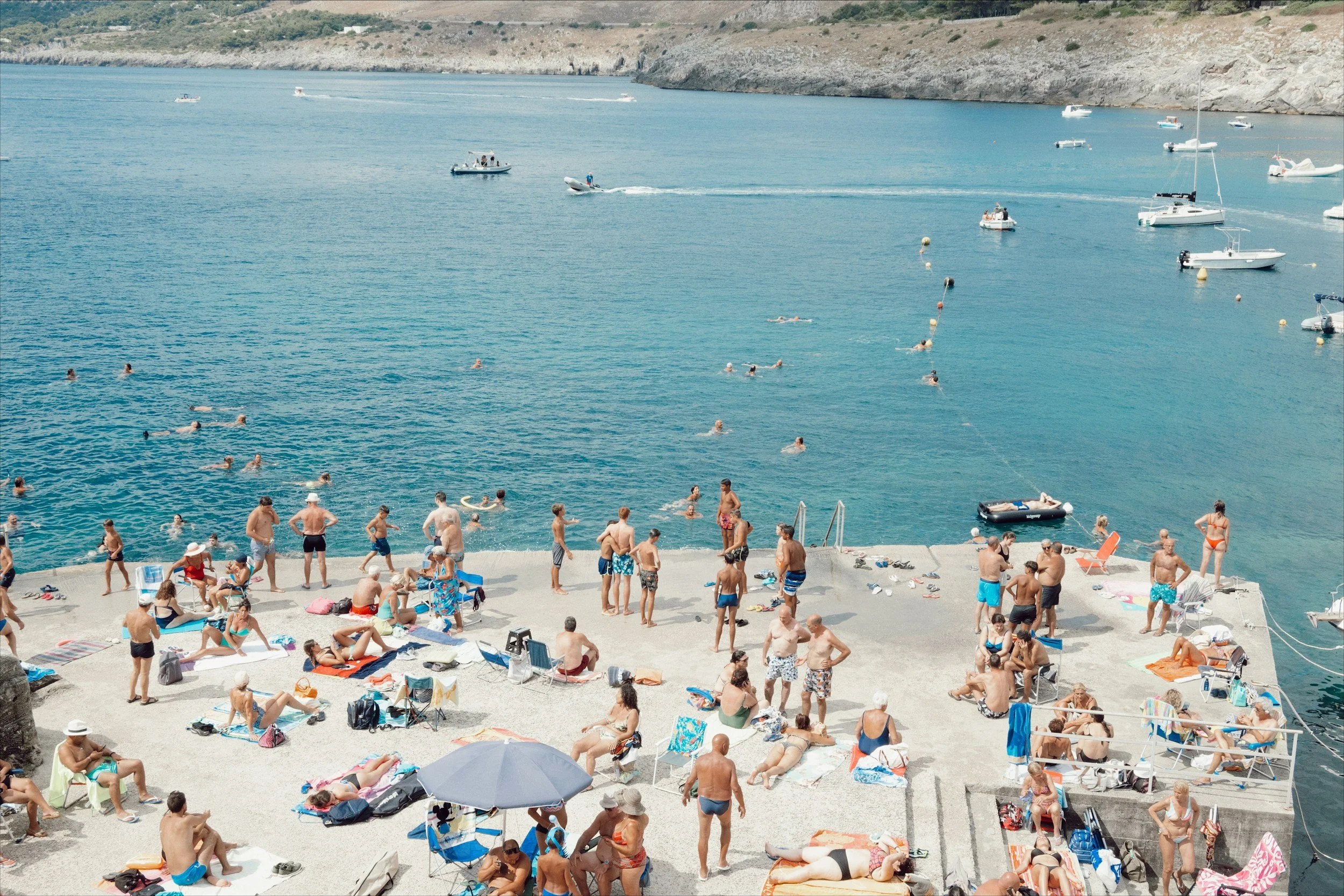
Give Puglia at least seven days. Five days is the absolute minimum to see the highlights without feeling rushed, but to shoot at the right light, linger over meals, and actually feel the rhythm of the region, a week is better and ten days is ideal.
A rough outline for a seven-day visit:
Days 1 to 2: Bari and the coast near Mola di Bari, Polignano a Mare, Monopoli
Days 3 to 4: Alberobello, Locorotondo, and the Itria Valley
Day 5: Ostuni and the surrounding masserie
Days 6 to 7: Lecce and the Salento peninsula
If you have ten days, add a full day in Conversano, which most travelers skip entirely and which rewards a slow morning walk enormously.
What to Eat in Puglia
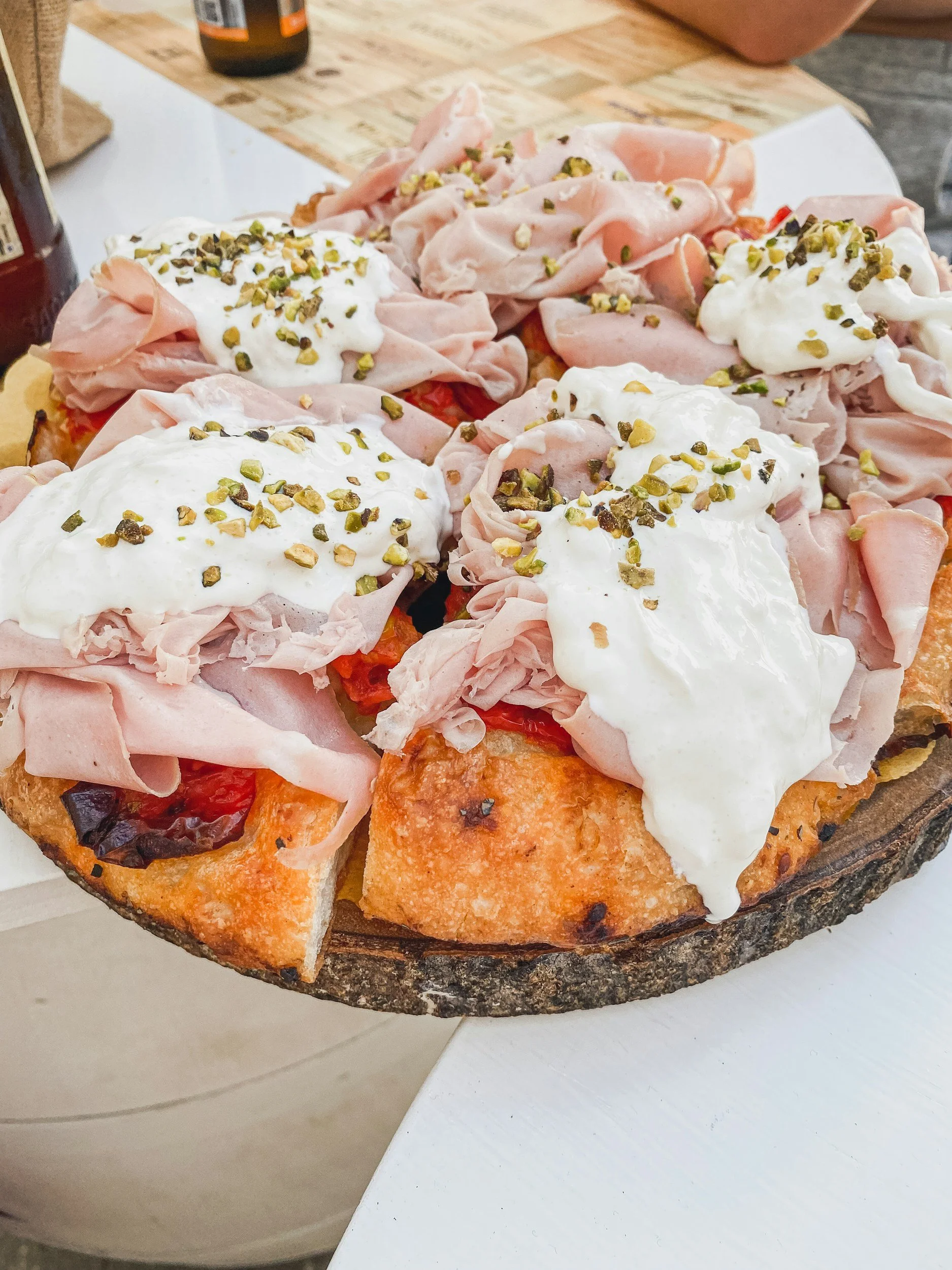
Puglia has one of the most ingredient-driven food cultures in Italy. This is not a place for fancy presentation or imported ingredients. The tradition here is cucina povera, peasant cooking elevated by extraordinary raw materials: orecchiette made by hand that morning, burrata so fresh it drips, octopus pulled from the Adriatic a few hours before it hits the grill, olive oil from trees that have been producing for centuries. Eat as locally as possible, and you will eat very well.
Here is what you absolutely need to eat while you are here.
Focaccia barese. This is not the thin, oily focaccia you find elsewhere in Italy. Focaccia from Bari is thick, soft, and dimpled deeply, baked with cherry tomatoes pressed into the dough and finished with coarse salt and local olive oil. It comes out of the oven warm, and it does not last long. I grew up eating this near the dock in Monopoli, still warm from the bakery, and nothing has come close since. Find it at any forno (bakery) in Bari Vecchia from early morning.
Burrata. Puglia invented burrata, and the version you eat here bears almost no resemblance to what gets exported. A fresh burrata in Puglia is made that morning. Cut into it and the interior, a mix of fresh cream and pulled strands of mozzarella called stracciatella, runs out onto the plate. Eat it with nothing more than good bread, a drizzle of local olive oil, and a pinch of salt. The town of Andria is considered the home of burrata, but you will find exceptional versions across the entire region.
Orecchiette alle cime di rapa. The signature pasta of Puglia. Small ear-shaped pasta tossed with sautéed turnip greens, anchovy, garlic, and chili. It is earthy, slightly bitter, and completely addictive. Watch the women on Strada Arco Basso in Bari Vecchia make the pasta by hand in the morning, then go eat a plate of it for lunch. The two experiences together are one of the best things you can do in this region.
Sfogliatelle. The flaky, shell-shaped pastry most people associate with Naples also has a foothold in Bari, where local pasticcerie make their own version. The Bari sfogliatelle has a slightly different character from the Neapolitan original, with a richer, denser filling. Find it at any serious pasticceria in the old town and eat it warm.
Taralli. These small ring-shaped crackers show up everywhere in Puglia, in bread baskets, on bar counters, in bags at every market stall. Made with olive oil, white wine, and sometimes fennel seeds, they are crunchy, savory, and impossible to stop eating. Buy a bag to take home. Buy a second one for the drive.
Puccia. A round, soft local bread with a slightly crisp exterior, typically filled with anything available: octopus, salumi, aged cheeses, grilled vegetables. In Bari the classic version is puccia con polpo, filled with tender braised octopus. It is one of the great sandwiches of southern Italy.
Tiella barese. One of the most underrated dishes in the region. A baked casserole of rice, potatoes, and mussels layered together and cooked slowly until everything melds into something deeply savory and completely satisfying. It is peasant cooking at its most intelligent. Order it whenever you see it on a menu in Bari or along the coast.
Polpo alla brace. Grilled octopus. Simple, direct, and extraordinary when the octopus came off a boat that morning and goes straight onto a charcoal grill. The best versions are in Bari, Monopoli, and Mola di Bari, where the fishing tradition is still intact.
Fave e cicoria. Pureed fava beans served alongside bitter wild chicory greens, dressed with olive oil. This is the oldest dish in Puglia. It looks plain and tastes profound. Do not skip it because it sounds simple.
Pasticciotto leccese. The signature pastry of Lecce. A short-crust pastry shell filled with custard cream, baked until golden, and eaten warm at a bar at 8 in the morning with an espresso. This is breakfast in Lecce and there is no better way to start a day of photography.
Cartellate. Fried pastry ribbons twisted into rose shapes and soaked in fig jam or vincotto wine syrup. Found mainly around Christmas and Easter, but worth seeking out at any time of year in a good pasticceria.
Primitivo and Negroamaro. The two great red wines of Puglia. Primitivo from Manduria is big, dark, and full of dark fruit. Negroamaro from the Salento is earthier and more complex. Both are made from grapes grown in the same sun-baked clay soil that shapes everything else in this region. Order a glass with dinner wherever you are and you will not be disappointed.
Where to Eat
Al Pescatore, Bari Vecchia. Sit on Piazza Federico II di Svevia and order whatever the sea brought in that day. This is classic Bari seafood, unpretentious and seriously good.
La Tana del Polpo, Bari Vecchia. A small trattoria tucked inside the old town that focuses on octopus. The puccia con polpo (octopus sandwich) is one of the great street food experiences in southern Italy. The stone walls and soft lighting make for good ambient photography as well.
Ristorante Pashà, Conversano. A Michelin-starred restaurant in a former country inn near Conversano and Polignano, with modern Puglian cooking focused on vegetables, meat, and the local ingredient pantry. A great choice for a serious dinner after a beach day.
Il Frantoio, Fasano (near Ostuni). Dinner inside a working masseria, on a property with centuries-old olive oil production. The meal is set, long, and tied entirely to what the estate grows and produces. Book well ahead.
La Cucina di Mamma Elvira, Lecce. Exactly what the name promises: home-style Lecce cooking executed with precision. Try the pasticciotto for breakfast from the nearby bakery before you sit down for lunch.
Trattoria del Pescatore, Monopoli. Local, direct, and right on the harbor. Order grilled fish, a plate of raw seafood, and a glass of local white wine and then watch the boats come in.
Coffee:
In Bari, coffee means standing at a bar. Order a caffè and drink it the way Bari does, fast, in one or two sips. The Caffe Terrone in Bari Vecchia is a classic.
In Lecce, the house specialty is caffe leccese, espresso poured over ice with almond milk syrup. Find it at almost any bar in the historic center; Martinucci Pasticceri is a local institution.
In Polignano, caffè speciale is the local variation: espresso with sugar, lemon zest, and cream. It sounds odd and tastes like the town itself.
Photography Gear to Bring
DSLR and Mirrorless Kit
Puglia is a versatile destination, but the two scenarios that dominate are wide architectural shots in town centers and intimate street and portrait work in the markets, harbors, and alleyways. I bring both ends.
Camera bodies: Canon R5 Mark II, Sony A7RV, or Nikon Z8 are all well-matched to the shooting conditions here. Any modern full-frame mirrorless will handle the high-contrast midday light and the low-light evening scenes.
Lenses:
Wide (16-24mm): Essential for the interiors of trulli, the alleys of Bari Vecchia, and the sweeping cliff views of Polignano. The architecture here rewards a wide lens.
Standard zoom (24-70mm f/2.8): The workhorse. Covers the masserie countryside, piazza scenes, and food photography.
Telephoto (70-200mm): Critical for compressing the trulli roofscape from the Belvedere in Alberobello and for working discreetly in street scenes without intruding.
Prime (35mm or 50mm f/1.4): For low-light evening shooting in Lecce and Ostuni when the towns glow. Gives you documentary-style images that feel personal.
Accessories:
Tripod or Platypod: Required for long exposures at Lama Monachile in Polignano at blue hour and for night shots of the Lecce Piazza Duomo.
ND filters (3, 6, and 10 stops): The midday Adriatic light is brutal. An ND filter lets you slow your shutter on the coast and in the harbor and still get clean, manageable exposures.
Drone: Puglia is one of the best drone destinations in Italy. The trulli of Alberobello from the air, the cliffs of Polignano, the white mass of Ostuni against the countryside, all are extraordinary from altitude. Check current Italian drone regulations before flying, especially near historic town centers. Register with ENAC (Italy's civil aviation authority) and bring your documentation.
Rain cover and sensor cleaning kit: Summer is dry, but the shoulder season brings intermittent showers. A rain sleeve takes 30 seconds to deploy and saves a shoot.
Samsung T7 SSD: Back up every night. No exceptions.
iPhone Photographers
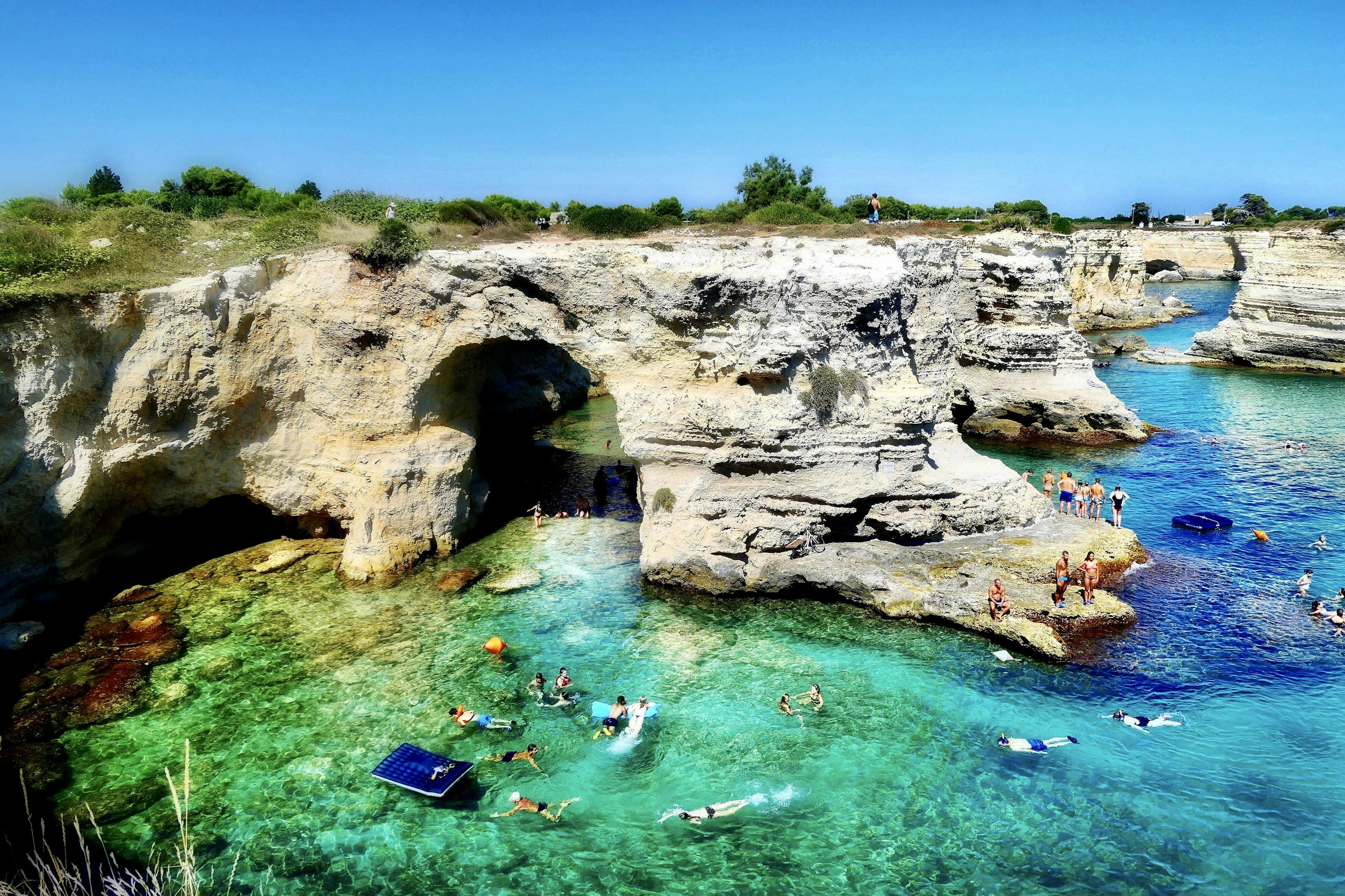
The light in Puglia is exceptional for iPhone photography, particularly in the golden hours before 9am and after 6pm.
In Alberobello, use Portrait Mode on the entrance doors of individual trulli. The shallow depth of field against the stone cone roofs creates compelling close-ups that hold their own against the wide overview shots everyone else is taking.
In Polignano, shoot the cliff and beach from the Belvedere in standard wide mode rather than ultrawide. The ultrawide introduces lens distortion that works against the drama of the natural geometry.
In Bari Vecchia, use Night Mode for the interior alleys and archways around dusk. The warm ambient light from shop windows combined with Night Mode produces images that look more like film than phone.
Use Halide or Lightroom Mobile in ProRAW mode if you plan to edit seriously. The dynamic range in Puglia, bright white walls against deep blue sky, benefits from RAW capture.
Mola di Bari
Best Photography Locations
1. Rione Monti and Belvedere Santa Lucia, Alberobello
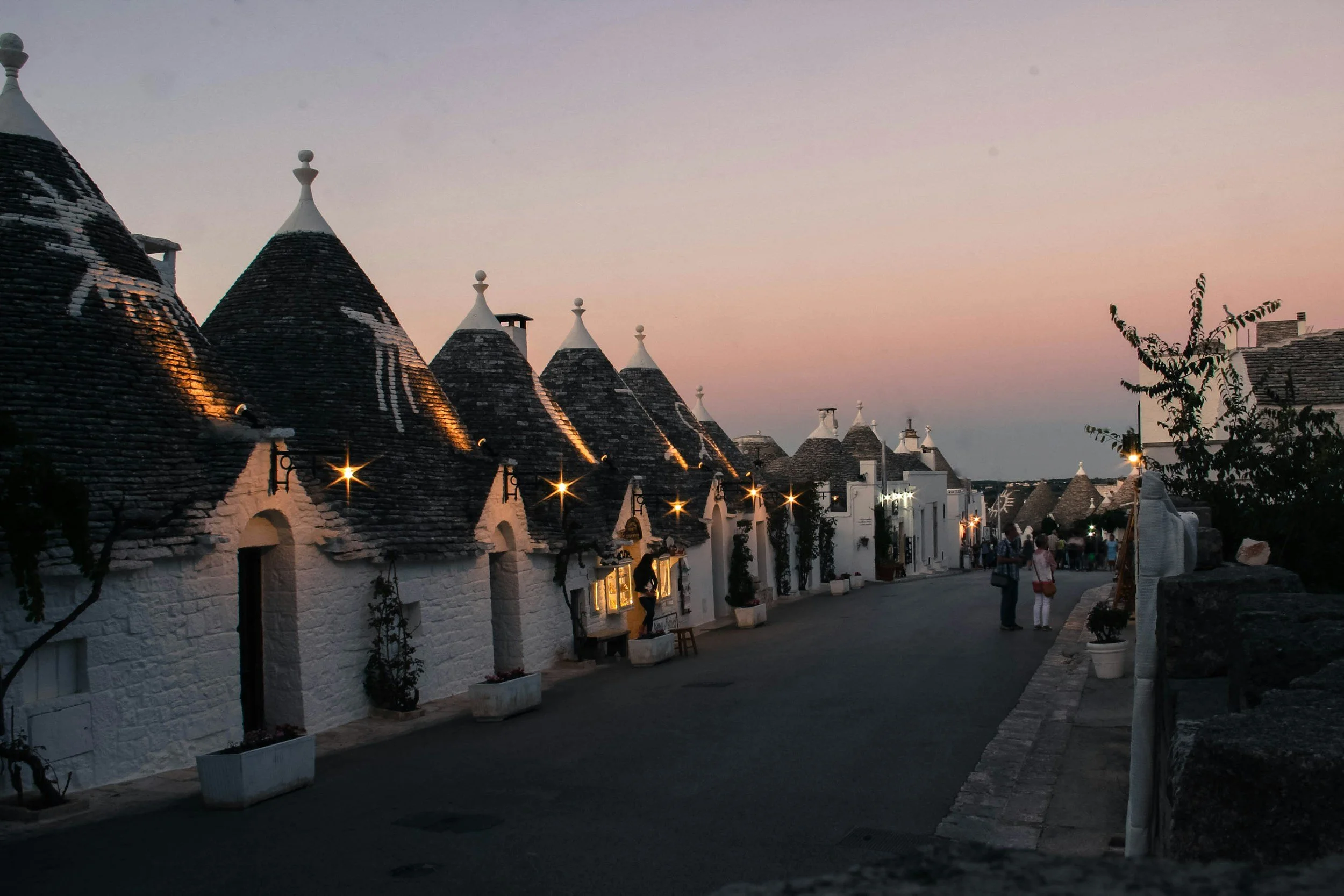
Alberobello is a UNESCO World Heritage Site and one of the most recognizable images in all of southern Italian photography. The trulli, small dry-stone houses with conical roofs, were originally built without mortar so they could be dismantled quickly to avoid a 15th-century building tax imposed by the Kingdom of Naples. The whole hillside is covered in them, hundreds of conical rooftops visible at once from the Belvedere Santa Lucia viewpoint above Rione Monti.
The photographic challenge here is shooting it as something other than a postcard. The buildings are extraordinary, but the images need context and light to become art. The stone goes warm amber in late afternoon; at that point, the conical shadows become graphic, and a 70-200mm lens from the Belvedere creates compressed, layered roofscapes that feel architectural rather than touristic.
📷 Pro Tip: The crowds descend by 9 am and do not leave until evening. Set your alarm for 5:30 am and be at the Belvedere Santa Lucia before first light. The trulli in early morning mist, with nobody on the street, look like something from another century. Use a 70-200mm telephoto to compress the rows of conical roofs into dense, layered patterns. At street level inside Rione Monti, look for the details: painted symbols on individual rooftops (each one means something specific), colorful painted doors, and the contrast of white walls against deep blue sky. Do not leave without walking through Rione Aia Piccola, the residential trulli quarter across town, where actual families still live, and the streets are far less curated.
Best time: dawn and the hour before sunset. Access: free to walk. Alberobello is 60km southeast of Bari by car.
2. Lama Monachile e Belvedere Terrazza Santo Stefano, Polignano a Mare
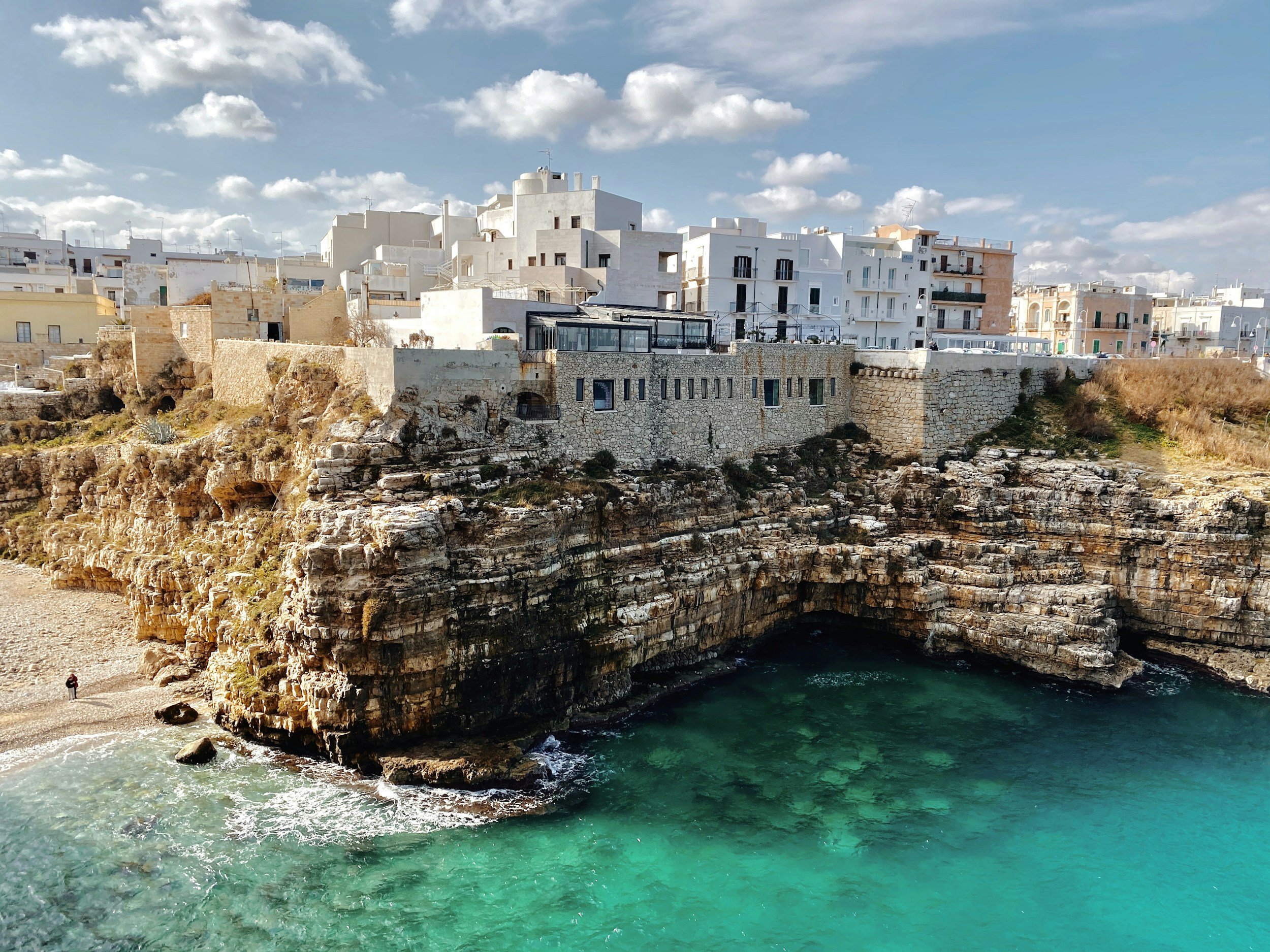
This is the image most people have seen without knowing where it came from. A small pebble beach wedged between two limestone cliffs that drop sheer into turquoise water. The town of Polignano a Mare sits on top of those cliffs, and from the Belvedere Terrazza Santo Stefano, you look directly down at the beach and the Adriatic beyond it. It is one of the most compositionally perfect viewpoints in Italy.
The beach, known officially as Lama Monachile or Cala Porto, sits at the foot of an ancient Roman road that once connected Rome to Brindisi. The Roman bridge you can see from the viewpoint is original. That layering of history and natural drama is what makes this location more than just a cliff view.
📷 Pro Tip: Lama Monachile fills with shade from mid-afternoon onward, so morning is the better window. Arrive by 8am, and you will have clear light on the water and a manageable crowd. The Belvedere Terrazza Santo Stefano (the main overlook) gets busy fast; get there before 9am or wait until after 7pm when tour groups have left and the golden hour light comes in sideways. For a less photographed but equally dramatic angle, use the Pietra Piatta viewpoint, accessed via the staircase called Scalinata Volare just behind the statue of Domenico Modugno. This gives you an elevated, slightly offset view over the old town perched on the cliff edge. Bring a 16-24mm wide lens for the full cliff-to-sea frame and a 70-200mm to pull in the detail of the colored houses on the cliff face.
Best time: 7 to 9 am or 7 to 8:30pm. Access: free. Polignano is 35km southeast of Bari.
3. Strada Arco Basso (Orecchiette Street), Bari Vecchia
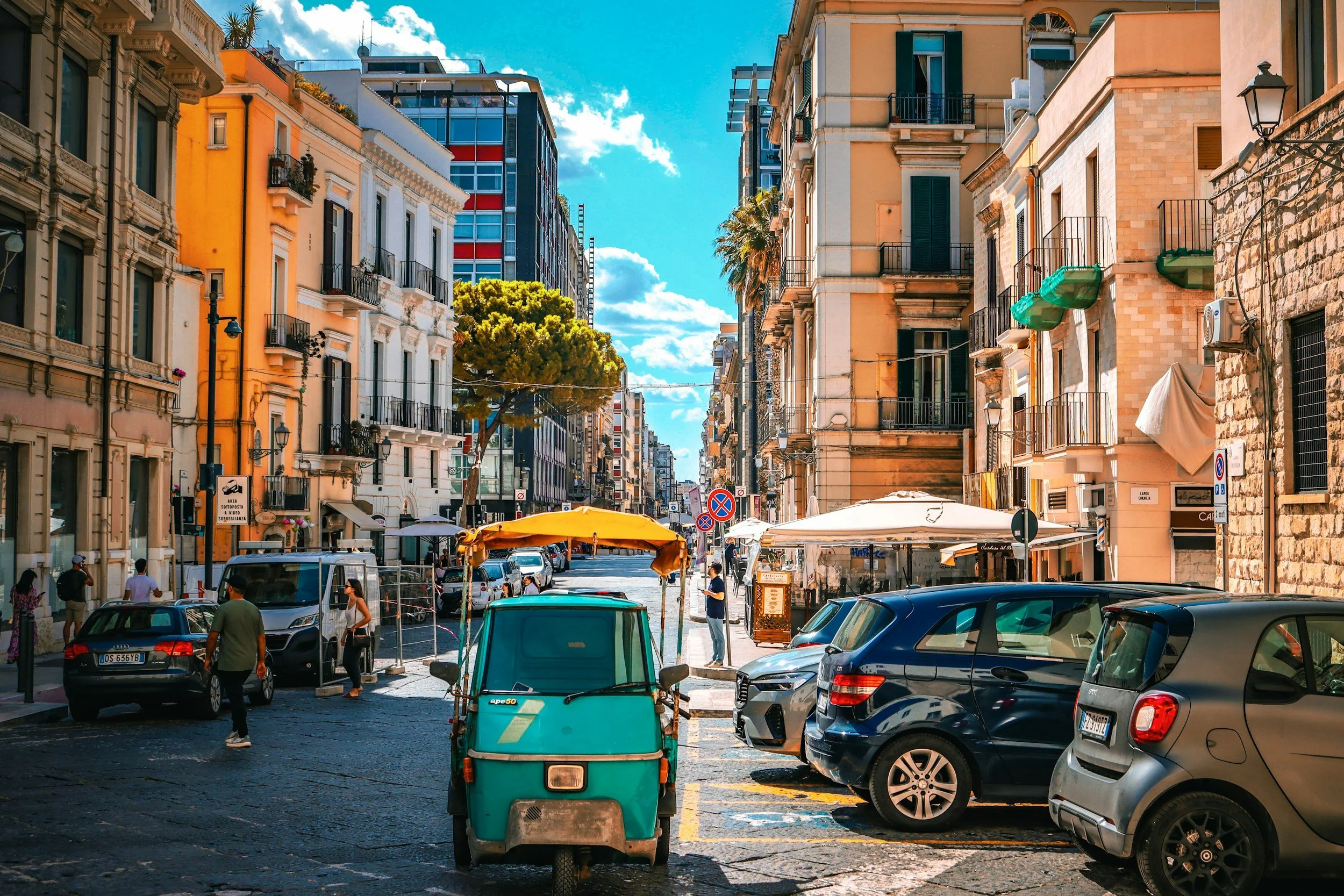
Bari's old town is raw, loud, and photographic in a way that none of the other Puglia towns quite match. This is a working port city, and the energy in the streets reflects it. Laundry hangs between balconies ten meters overhead. Fishmongers argue in dialect. Children run through alleys while their grandmothers sit outside on plastic chairs doing exactly what they have always done.
At Strada Arco Basso, known as Via delle Orecchiette, local women set up wooden tables dusted in semolina flour and make pasta by hand, exactly as their mothers and grandmothers did. This is not a performance or a tourist reconstruction; these women have been doing this their entire lives, and they sell what they make. The rhythmic sound of the knife against wood, the flour in the air, and the faces of the women concentrated on their work make for some of the most compelling documentary photography in all of Puglia.
📷 Pro Tip: The tables are set up from around 8 am. Go on a weekday, not a Sunday (many women do not work Sundays). Always ask before pointing a camera directly at someone; most of the women are accustomed to photographers and will nod or invite you closer, but the courtesy matters enormously here. Use a 50mm or 85mm prime for portraits and a standard zoom for environmental shots that include the street context. The light in the alley is bright but directional in the morning; shoot with the light source behind you for clean exposures on the subjects. If you buy a bag of pasta (and you should), it is a natural way to start a conversation.
Best time: 8 to 11 am, weekdays. Access: free, walking distance from Bari Centrale station.
4. Ostuni Old Town and Cathedral Viewpoint
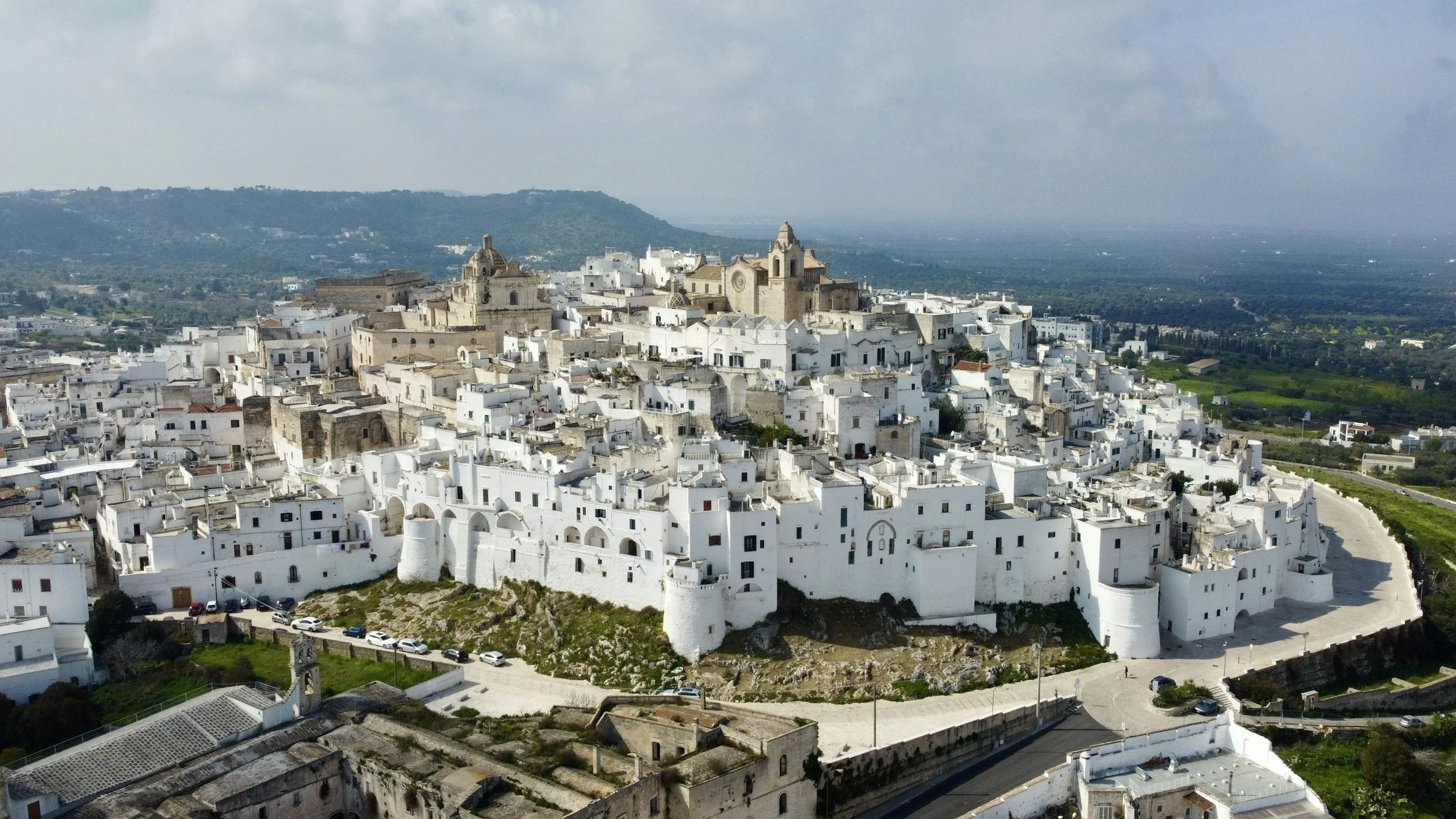
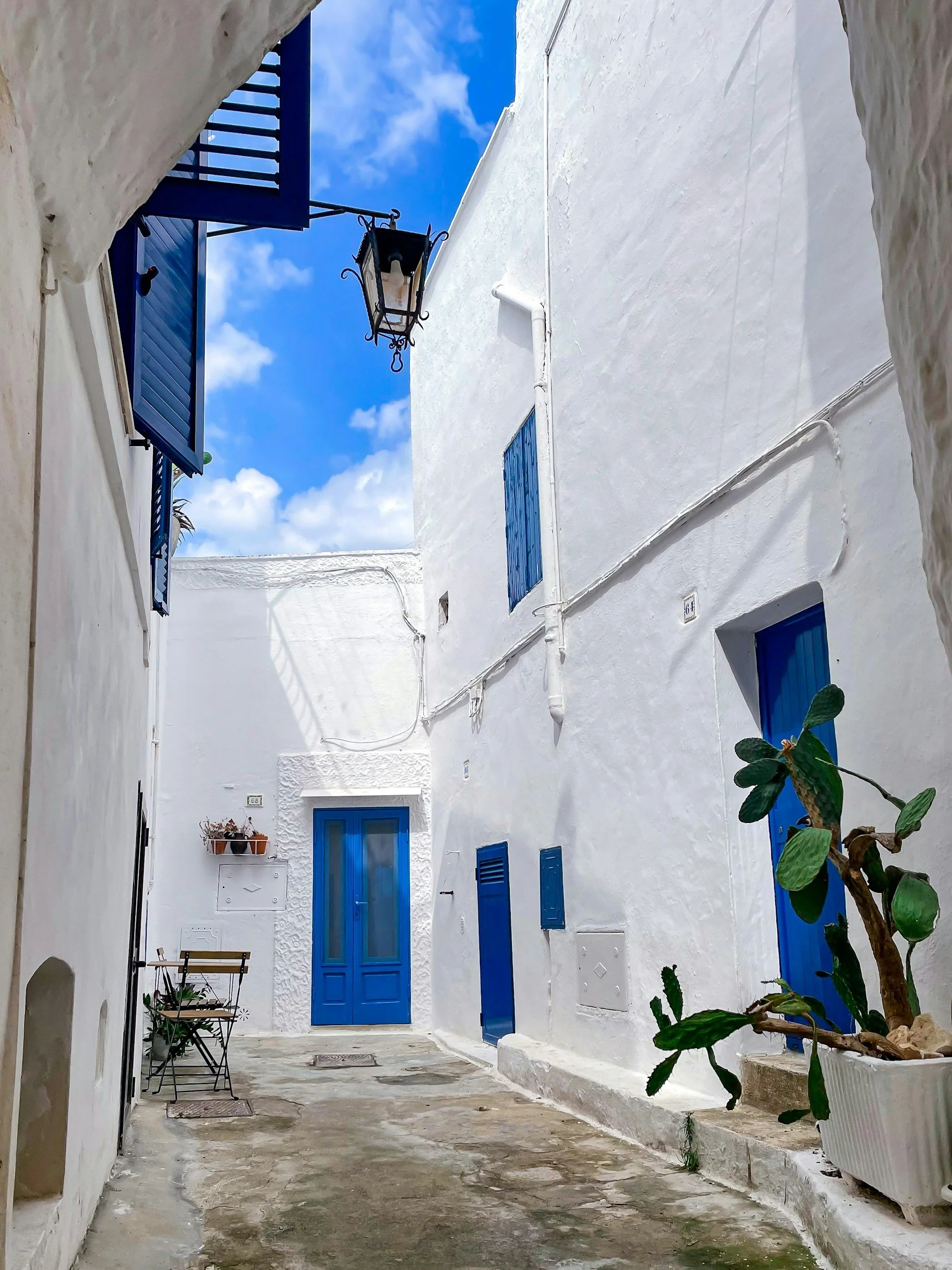
Ostuni, La Città Bianca, sits on a hilltop above the Adriatic coastal plain and shines white against the sky from every approach road. The entire hilltop is a labyrinth of whitewashed walls, steep alleys, arched passageways, and flowered balconies, all within sight of the sea. Every surface is painted or whitewashed, and the effect under a clear blue sky is something between abstract and architectural.
The Cathedral of Ostuni sits at the highest point of the old town and is worth visiting on its own terms. The rose window on the facade is extraordinary, 24 spokes radiating out from a central figure, with animals, saints, and floral carvings filling every panel. It reads beautifully in close-up photography.
📷 Pro Tip: Walk up to the Corso Vittorio Emanuele II viewpoint, a 15-minute climb from the main square, for the definitive external panorama of Ostuni. From this angle, the white town floats above the olive groves and the Adriatic glitters in the distance. Early morning is ideal before the light becomes overhead and harsh. Inside the alleys, the best shots are the incidental ones: a red door against a white wall, a cat on a whitewashed step, a woman carrying groceries through an arch. Walk slowly. Don't rush through. The city walls also offer a walk along the perimeter with views both inward to the town and outward to the countryside. For architectural details, a 70-200mm from the viewpoint compresses the town beautifully.
Best time: 7 to 9 am or the hour before sunset. Access: free. Ostuni is 80km southeast of Bari.
5. Piazza Duomo and Basilica di Santa Croce, Lecce
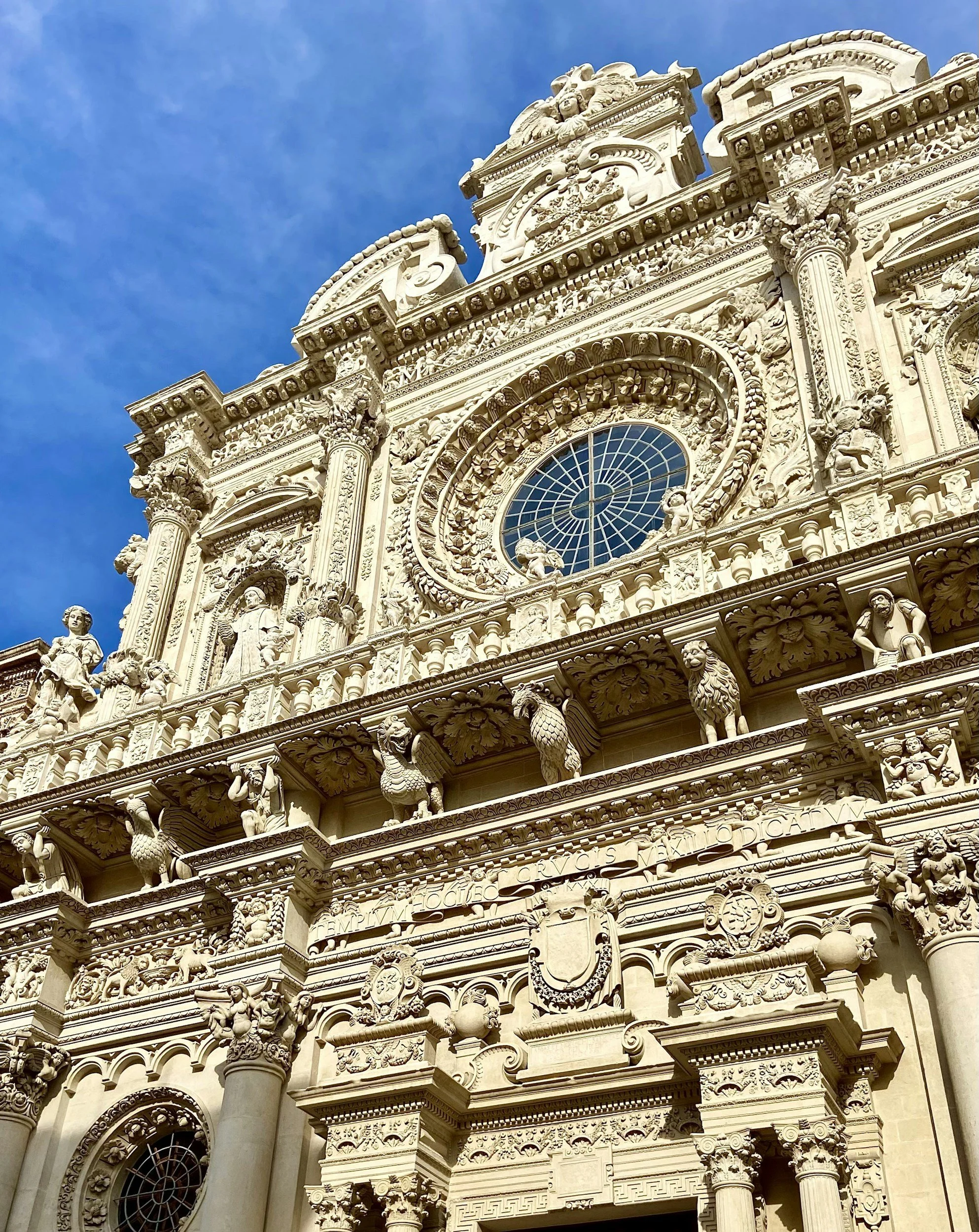
Lecce is the most architecturally elaborate city in southern Italy. The entire historic center is built from a soft local limestone called pietra leccese, which is easy to carve and takes on a deep amber glow in the late afternoon sun. The craftsmen who worked it in the 17th and 18th centuries treated it like sculpture: every facade is dense with cherubs, mythological figures, floral garlands, and allegorical scenes carved in extraordinary detail.
The Basilica di Santa Croce is the masterpiece. The facade is a sustained explosion of Baroque decoration, covering every available surface from cornice to portal. The rose window above the entrance is surrounded by carved figures, and below it, a frieze of animals, humans, and hybrid creatures runs across the entire width of the building.
Piazza Duomo, a few minutes' walk away, is one of the great enclosed piazzas in Italy. It has a single entrance, which means the square is relatively quiet compared to the pedestrian streets around it. The Duomo itself, the campanile, and the Seminario Palace all face each other across a paved space that feels designed for contemplation and, obviously, photography.
📷 Pro Tip: The pietra leccese comes alive at golden hour. Plan to be at the Basilica di Santa Croce no later than one hour before sunset, when the amber stone and the warm light become almost indistinguishable from each other. For the Piazza Duomo, arrive at or just after sunrise for the clearest light and the fewest people. Bring a macro or a long telephoto for the facade details of Santa Croce; individual carvings reward close examination and fill frames in ways that general overview shots cannot. A 24-70mm standard zoom handles the piazza compositions. For night photography, both locations are beautifully lit after dark; bring your tripod.
Best time: one hour before sunset for Santa Croce; dawn for Piazza Duomo. Access: free. Lecce is 150km south of Bari.
6. Locorotondo and the Itria Valley Countryside
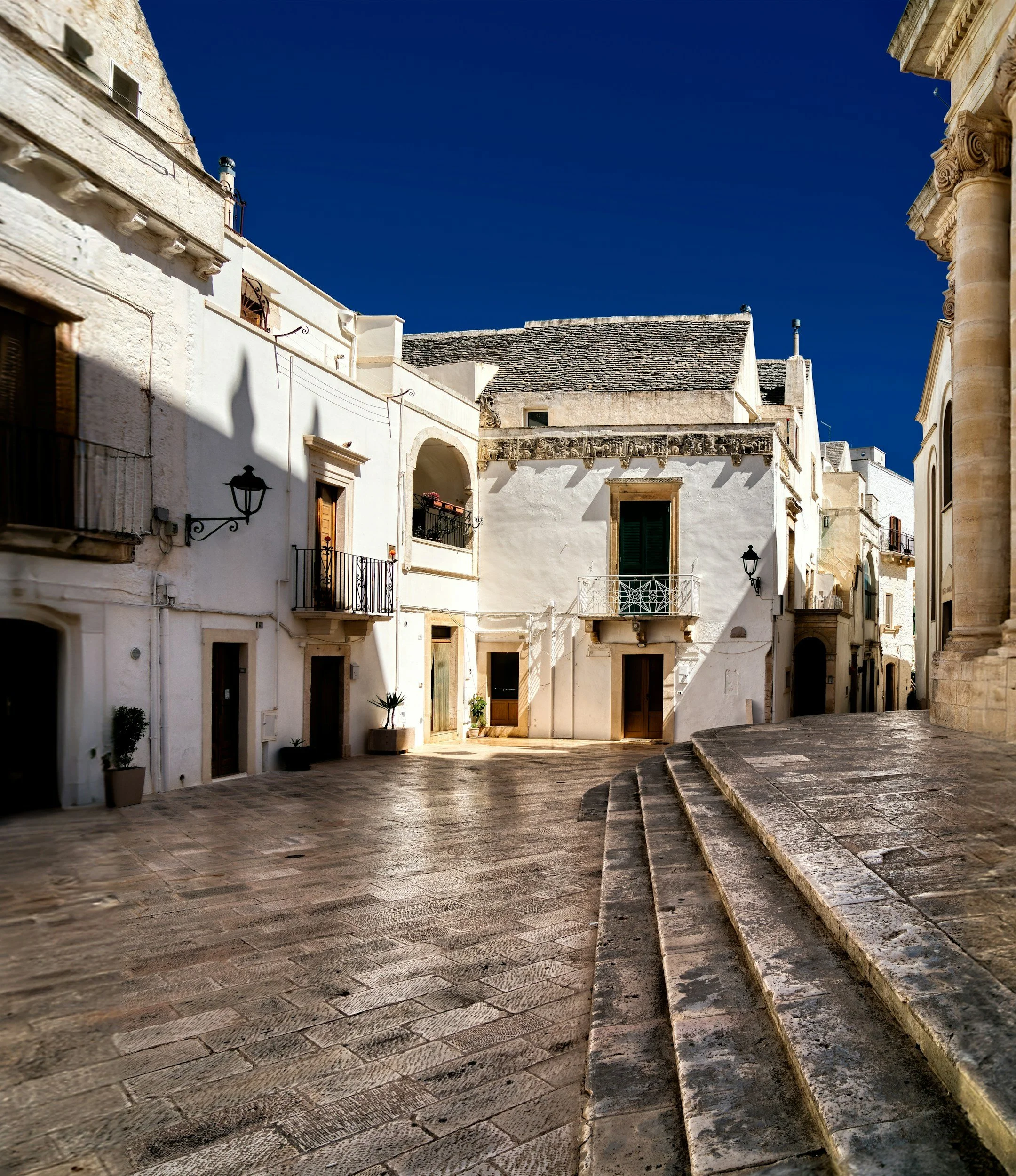
Locorotondo, whose name translates literally to "round place," sits on a circular hilltop in the Valle d'Itria and is one of the most photographically underrated towns in Puglia. The historic center is ringed by whitewashed houses with gray stone rooftops and overhanging gables, giving the streets a distinct character from the other white towns. The balconies are planted with flowers that run riot in spring and early summer.
What makes Locorotondo exceptional for photography is the view from the edges of the old town, looking outward over the valley. Trulli dot the fields below like scattered mushrooms, the olive groves run in long rows between them, and on a clear morning, the whole scene sits inside a soft golden haze that turns the landscape almost monochromatic.
📷 Pro Tip: Walk the perimeter of the old town along the circular street (Via Nardelli is one of the best sections) and look outward toward the valley. A 70-200mm telephoto is ideal for pulling the trulli fields into compressed, layered compositions. At dawn in late spring, there is occasionally mist on the valley floor that makes the scene look suspended in the air. If you can time a visit to harvest season in September or October, the Locorotondo wine festival brings folk music and outdoor tastings to the centro storico; this is exceptional for candid documentary photography.
Best time: dawn or late afternoon. Access: free. Locorotondo is 15km from Alberobello.
7. Monopoli Harbor and Old Town
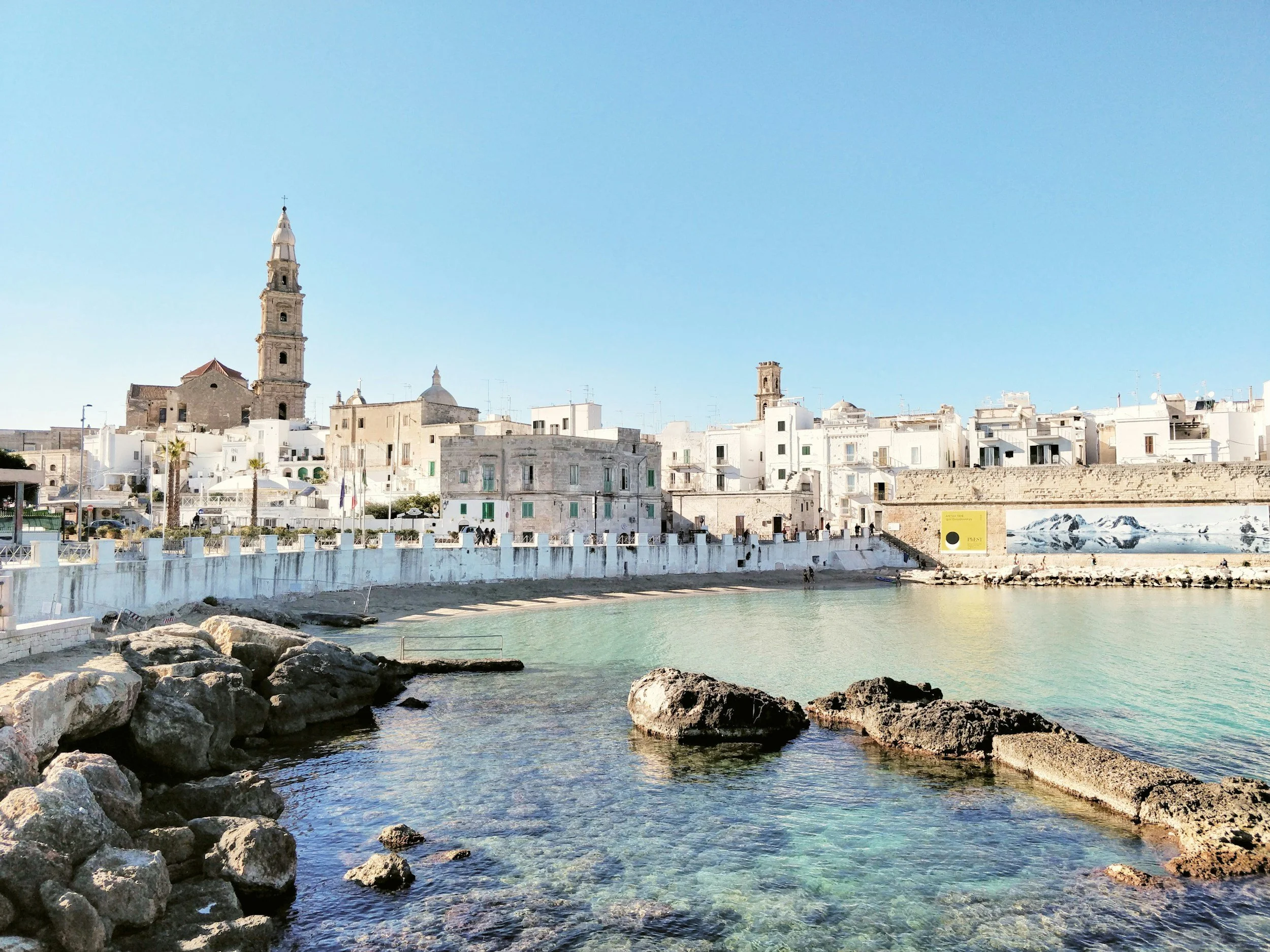
Monopoli is the town most visitors drive through to get somewhere else. That is a mistake. The harbor is a working fishing port with boats in primary red, blue, and yellow moored against whitewashed walls. The old town rises directly from the harbor and its streets are quieter and less curated than Polignano, which makes the photography feel more honest.
The 16th-century Castello di Carlo V sits directly on the harbor and its stone bulk against the Adriatic provides a backdrop that anchors the harbor scene in history rather than tourism. At dawn, the fishermen bring in the night's catch, the colors of the boats catch the first light, and the whole harbor smells of salt and diesel and coffee.
📷 Pro Tip: Arrive at the harbor at sunrise for the fishing boats in early light and the possibility of fishermen at work. A 70-200mm lets you work from a respectful distance while still capturing detail and expression. For color, look for the contrast between the bright boat hulls and the pale stone walls; a standard zoom handles this composition well. The old town alleys behind the harbor are worth an hour of slow walking; this is a neighborhood that still lives like a neighborhood, not a museum.
Best time: sunrise to 8am for harbor photography; any time for the old town. Access: free. Monopoli is 45km southeast of Bari.
Festivals and Events
Carnevale di Putignano (late December through February). One of the oldest carnivals in Europe, dating to 1394. The Carnival runs across several weeks and culminates on Shrove Tuesday with giant papier-mâché floats, masked parades, and a closing ceremony where a papier-mâché pig is burned in the piazza. The floats are enormous, often satirical, and intensely photogenic. The event takes place in Putignano, about 30 minutes from Alberobello.
Festa di San Nicola, Bari (May). Bari honors its patron saint with three days of processions, historical reenactments, and a flotilla of boats along the harbor. The festival begins with a reenactment of the arrival of San Nicola's relics from Turkey, which draws pilgrims and visitors from across the region. Fireworks over the Adriatic close each evening. The combination of religious processions, harbor pageantry, and crowd energy makes this one of the most photogenic events in Puglia.
La Notte della Taranta (July and August, culminating in Melpignano). The biggest folk music festival in Italy. Pizzica, the traditional music and dance of Salento, tours towns across the region throughout the summer and ends in a massive outdoor concert in Melpignano in late August. The energy is electric, the crowds are enormous, and the dancing goes all night. Use a fast prime (50mm f/1.4 or 85mm f/1.4) and high ISO for the concert photography; the stage lighting is professional but the crowd scenes require patience and speed.
Octopus Festival, Mola di Bari (summer). This one is personal. Mola di Bari is where I spent my summers as a child, and the Octopus Festival is exactly what it sounds like: local fishermen and chefs serve traditional dishes by the sea, with music and the smell of grilled octopus hanging in the warm air. This is the Puglia I grew up with.
Vendemmia (grape harvest), Valle d'Itria (September and October). Not a single festival but a season. The vineyards around Locorotondo and Martina Franca harvest through September and October, and the towns fill with tastings, folk music, and working winemakers who welcome curious visitors. The light in October is exceptional.
Semana Santa (Holy Week, Taranto and Gallipoli). The most moving event in southern Puglia's religious calendar. Hooded penitents carry statues of the Virgin Mary and Jesus through the streets in processions that run through the night. The combination of candlelight, incense, and centuries-old ritual makes for extraordinary photography, but this is not a spectacle; it is an act of faith. Approach with respect, shoot quietly, and do not use flash.
Final Thoughts
Puglia does not ask for your attention. It simply waits, and that patience is part of what makes it so disarming.
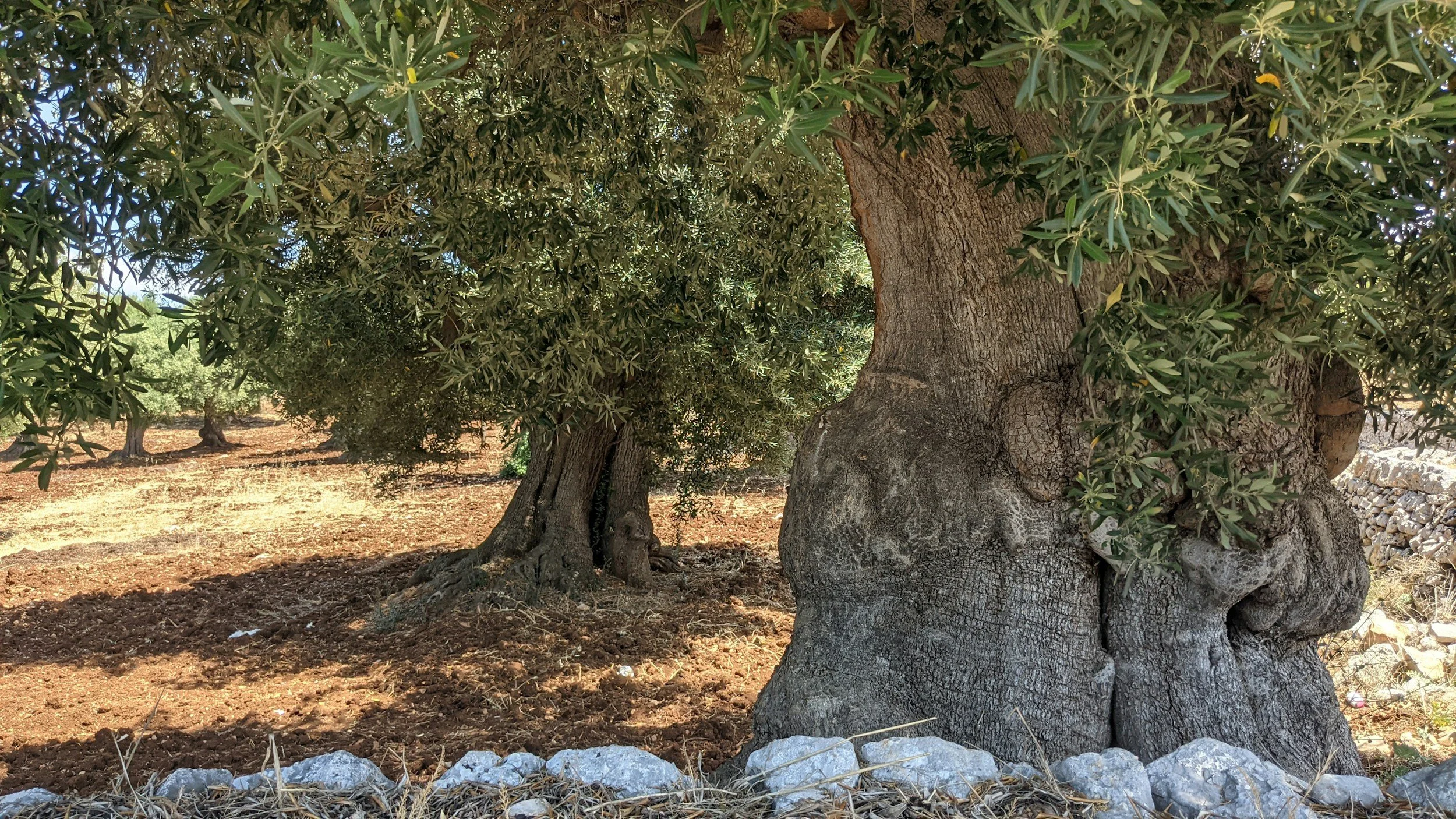
This is a region that has been quietly doing everything right for centuries. The olive trees are older than most nations. The bread comes out of the oven the same way it did three generations ago. The trulli in Alberobello were not built for Instagram; they were built to shelter families and survive the weather, and they are still standing. There is an honesty to all of it that is increasingly rare in a world where travel destinations are packaged and polished before you even arrive.
For photographers, that honesty is a gift. The light here is not trying to flatter you. It is just extraordinary on its own terms, warm and golden in the hour before sunset, sharp and clean in the early morning when the streets are still empty, and the stone glows like it is lit from inside. You will find yourself stopping for things you did not plan to photograph: a doorway painted the exact shade of blue, an old man walking a dog through a piazza that has not changed since the 1950s, fishing boats reflected in harbor water so still it looks like glass.
Come here before it changes too much. Come here with time to eat slowly, walk without a destination, and watch the passeggiata unfold at dusk in the piazza like it has every evening for a hundred years. Set your alarm before sunrise. Sit with a coffee when the light is right and do not touch your camera. Then pick it up and make the photographs that no one else will think to take.
Puglia will not disappoint you. It will do something better. It will surprise you, and then it will make you want to come back.
Follow along on Instagram at @chasinghippoz and subscribe to the newsletter for more travel photography guides, behind-the-scenes dispatches, and updates from wherever I am pointing a camera next. Also, keep an eye on my website for my new workshops.
More Guides You Might Enjoy
My Photography & Travel Guide to Rome, Italy. Every Puglia trip eventually leads north. Rome is the country's most layered photography city, and after a week of Puglia's unhurried pace, the scale, the ruins, and the street energy of the capital hit differently. My guide covers the Colosseum, Vatican City, Trastevere, and the quiet corners most photographers walk straight past. https://www.chasinghippoz.com/travel-photo-blog/a-photography-amp-travel-guide-to-rome-italy
My Photography & Travel Guide to Florence, Italy. Two hours north of Rome on a fast train and a world apart in atmosphere. Puglia and Florence share the same warm Italian limestone light, but Florence turns it toward Renaissance art, rooftop terraces, and the Arno at dawn. If you are building an Italy itinerary, these two work well together.https://www.chasinghippoz.com/travel-photo-blog/a-photography-amp-travel-guide-to-florence-italy
My Photography & Travel Guide to Tuscany, Val d'Orcia. The rolling hills, the cypress-lined roads, the stone farmhouses in the morning mist. Val d'Orcia is the Italy of landscape photographers, and it sits a few hours north of Puglia by car or train. If the Puglia countryside got under your skin, this is where you go next.https://www.chasinghippoz.com/travel-photo-blog/my-photography-amp-travel-guide-to-tuscany-val-dorcia