Ghent, Belgium Travel & Photography Guide: Best Photo Spots, Things to Do & Hidden Gems
We walked onto Saint Michael's Bridge at sunrise, and Ghent was already in the water below us.
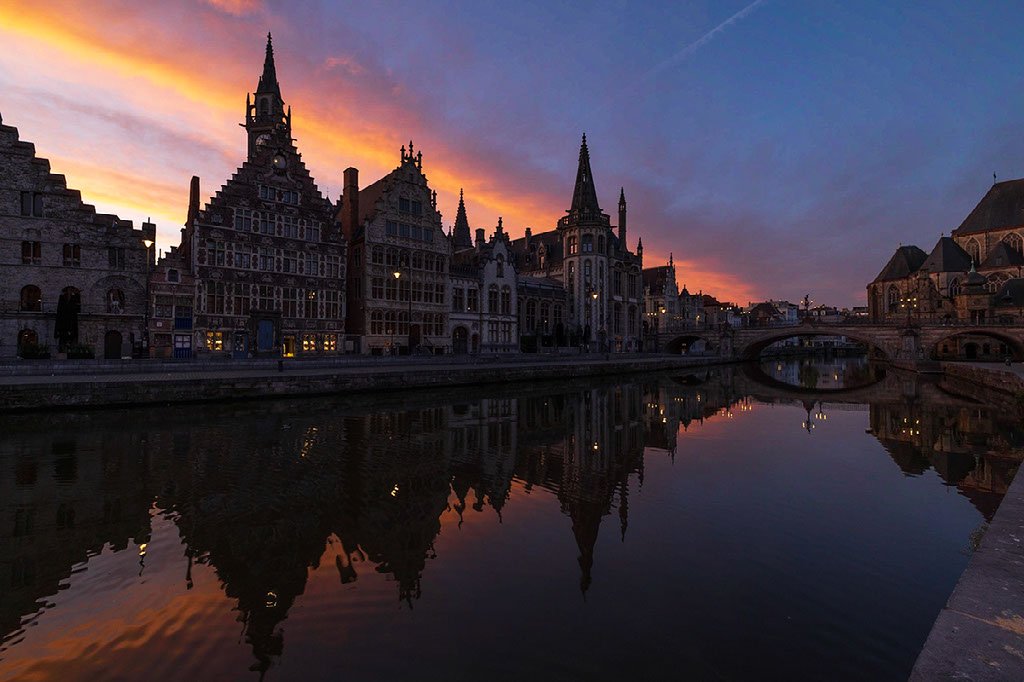
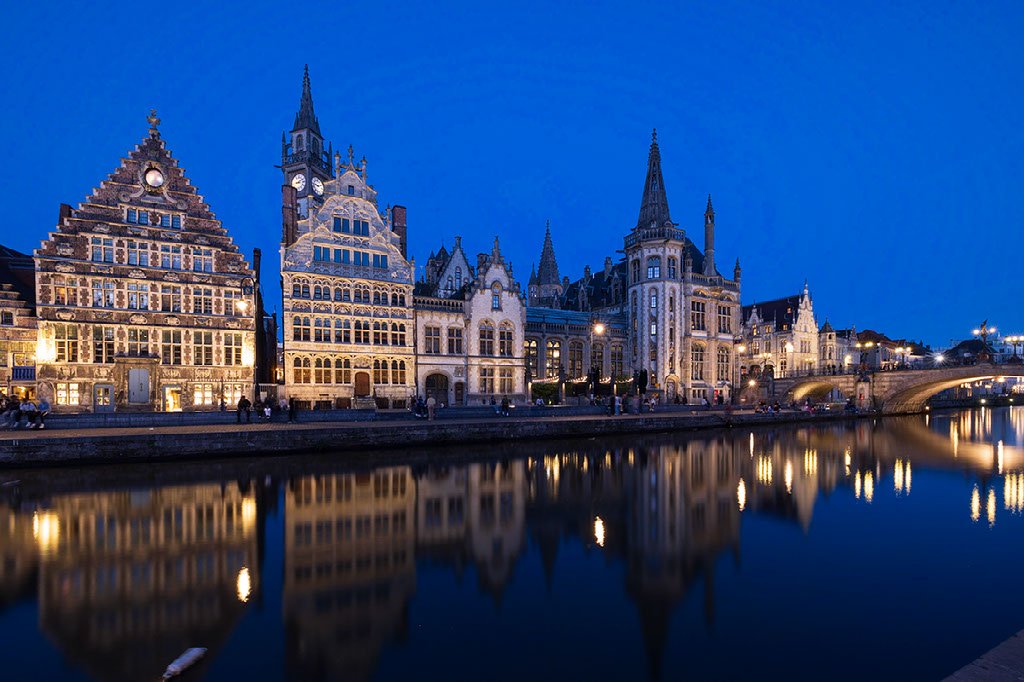
The three medieval towers, the Belfry, Saint Nicholas' Church, and Saint Bavo's Cathedral, reflected in the still canal as the light came in from the east and turned the guild houses gold. There was no one else there. The city was completely quiet. In that hour before the cafés open and the cyclists appear and the day starts, Ghent belongs entirely to whoever arrived early enough to deserve it.
We had been looking forward to this city for a long time. When you talk to Belgians about whether to visit Bruges or Ghent, they have strong opinions. Both cities are worth visiting. Bruges is more polished, more elegant, more immediately recognizable as beautiful. Ghent has more edge. It is a university city, young and creative, with graffiti around the corner from Gothic cathedrals and excellent vegetarian restaurants on the same block as brown cafés that have been pouring the same beer since the 14th century. The Graslei and Korenlei waterfronts give you the medieval postcard. Turn a corner, and you find street art, bicycle commuters, and a coffee shop that would not be out of place in Copenhagen. That contrast is exactly what makes it work as a photography destination.

For photographers, Ghent is about light, reflection, and timing. The canal water acts as a mirror at dawn. The three towers are close enough together to frame in a single composition from Saint Michael's Bridge. The stone guild houses along the Graslei hold warm light in a way that makes late-afternoon shooting genuinely rewarding. And the city is compact enough that you can cover most of the major locations on foot in two days without ever feeling rushed.
In this Photography Guide to Ghent, I share the places and experiences that continue to draw me back. You will find my favorite photography locations, guidance on when and where to shoot, practical travel tips, and gear recommendations, along with cultural insights to help you explore and photograph Ghent with confidence, respect, and ease.

On Saint Michael's Bridge
Photographer's Notes
Before you go, here are my own takeaways.
Favorite Season: Spring
Favorite Sunrise/Sunset Location: Saint Michael's Bridge
Favorite Hotel: 1898 The Post
Favorite Café: Café Labath
Favorite Lens: 15-35mm f/2.8
Would I Return? Of course, it's one of the most beautiful cities.
So, where Is Ghent Located?
Ghent is a port city in the Flemish region of Belgium, about an hour’s drive from Brussels and 45 minutes from Bruges. It is a University town with a strong focus on students. Hence, the Hipsters!!

I would definitely try to visit Bruges and Ghent since they are not only so close together but are also very different yet charming cities.
How Long Should you stay in Ghent?
If you're wondering how long to spend in Ghent, I think two days is the perfect amount of time. If you're visiting Ghent from Brussels, you can easily book a day trip to Ghent from there as well. But I would definitely stay overnight. The best photo opportunities will be at sunrise when the city is quiet.
Best Time to Visit Ghent
The best time to visit Ghent is during the spring (April to June) or fall (September to November). During these seasons, the weather is mild, the city is less crowded, and the light is perfect for photography. Summer is also a popular time, especially for the Ghent Festival in July, but it can be more crowded.
Where to stay in Ghent?
The Historic Center is the only neighborhood that makes sense for a photography visit. Everything worth shooting is within a ten-minute walk when you stay here, which means you can be on Saint Michael's Bridge at sunrise without the logistics of a commute from somewhere else. That sunrise window closes fast.
Luxury Hotels in Ghent
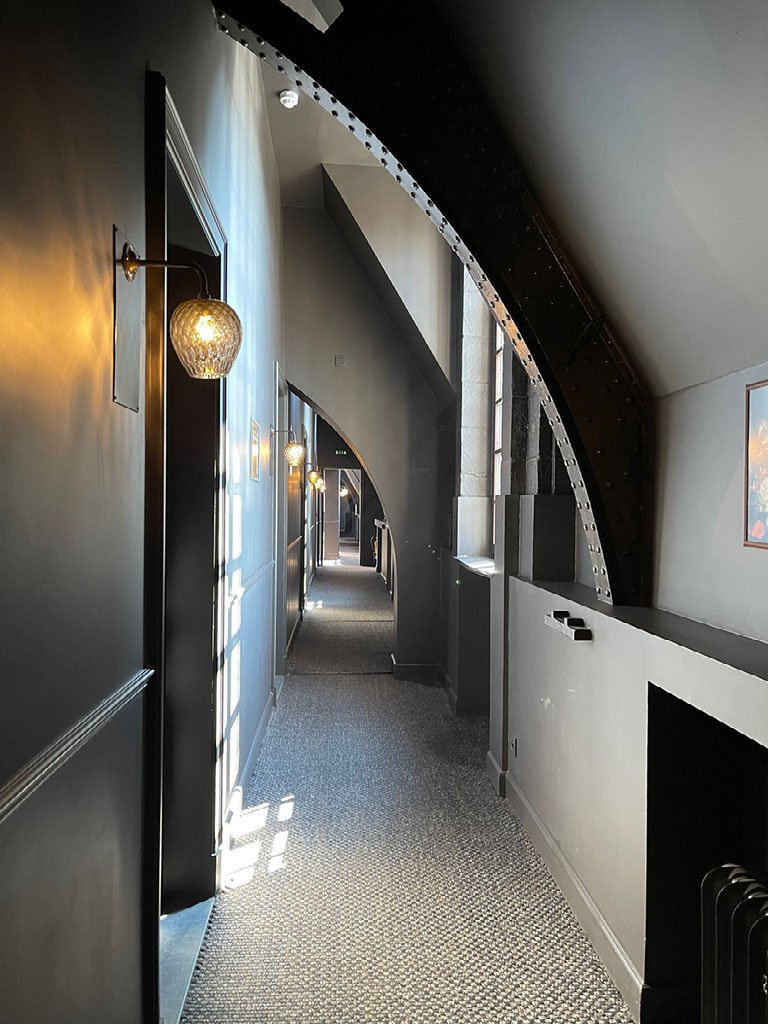
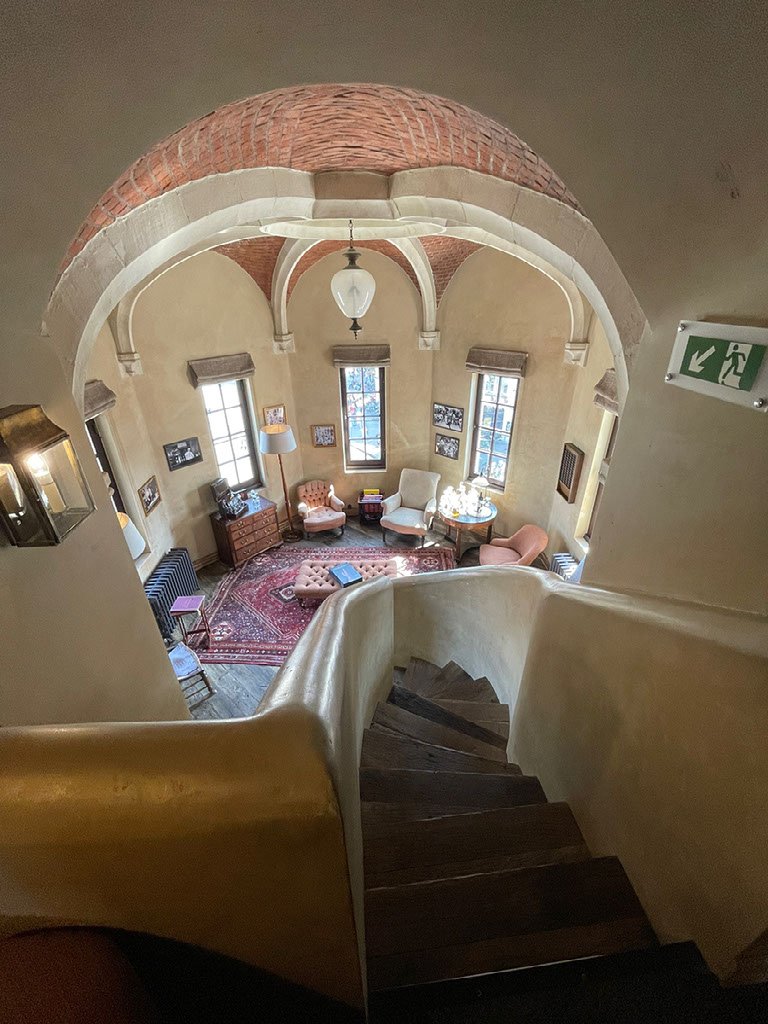
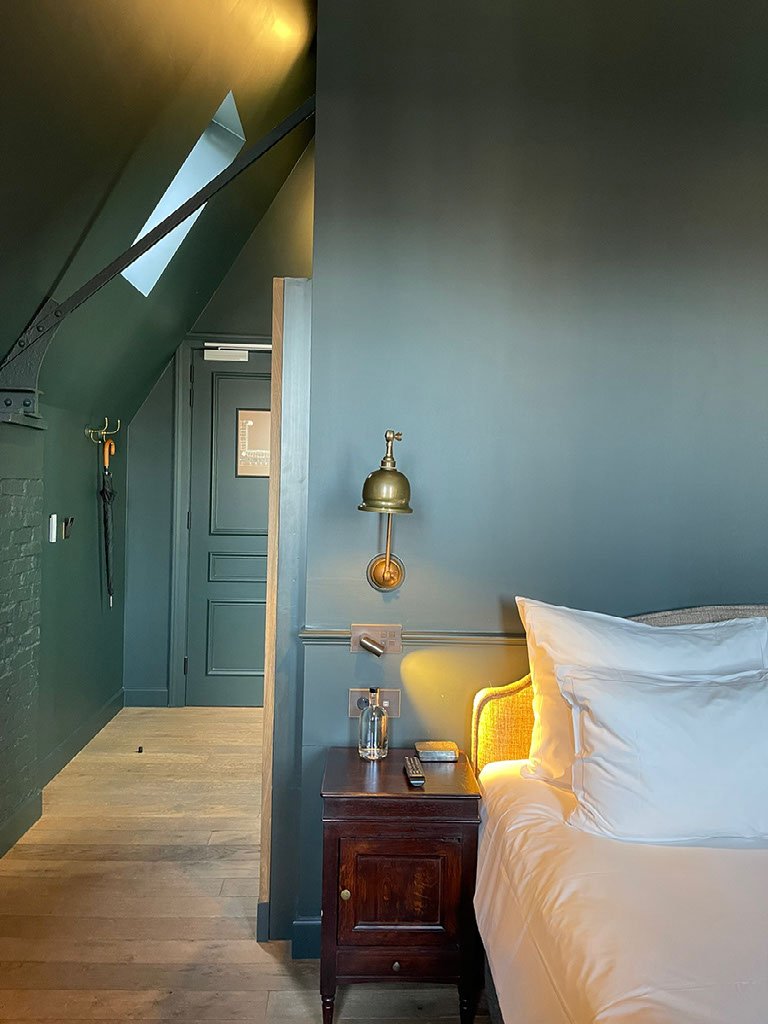
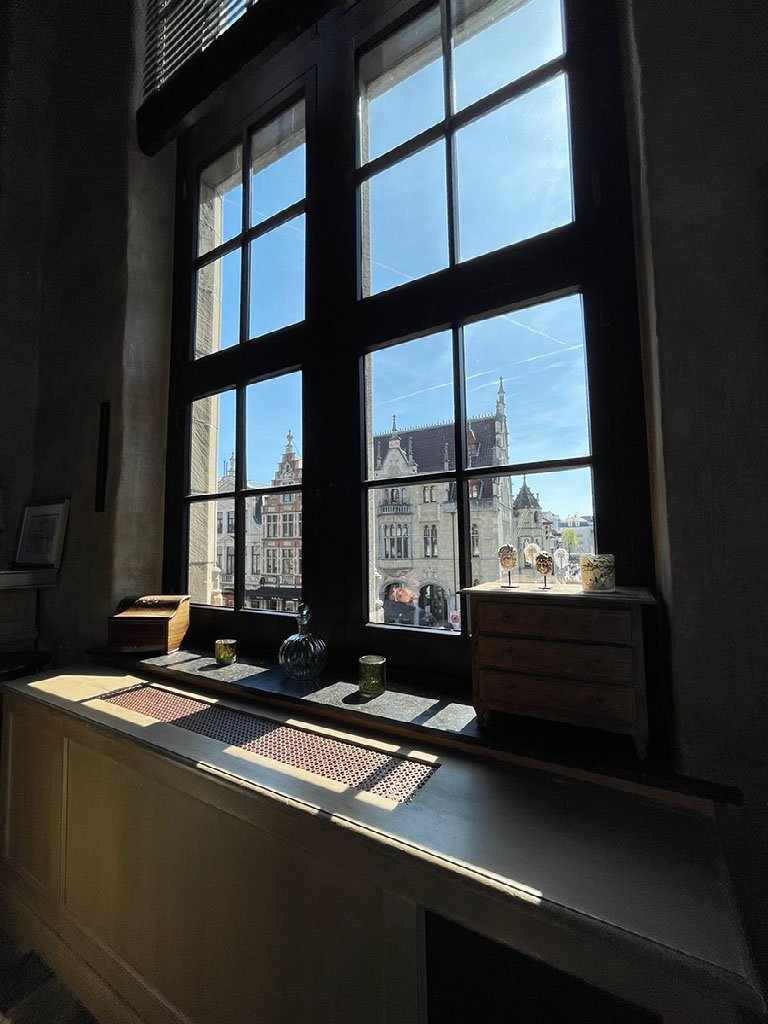
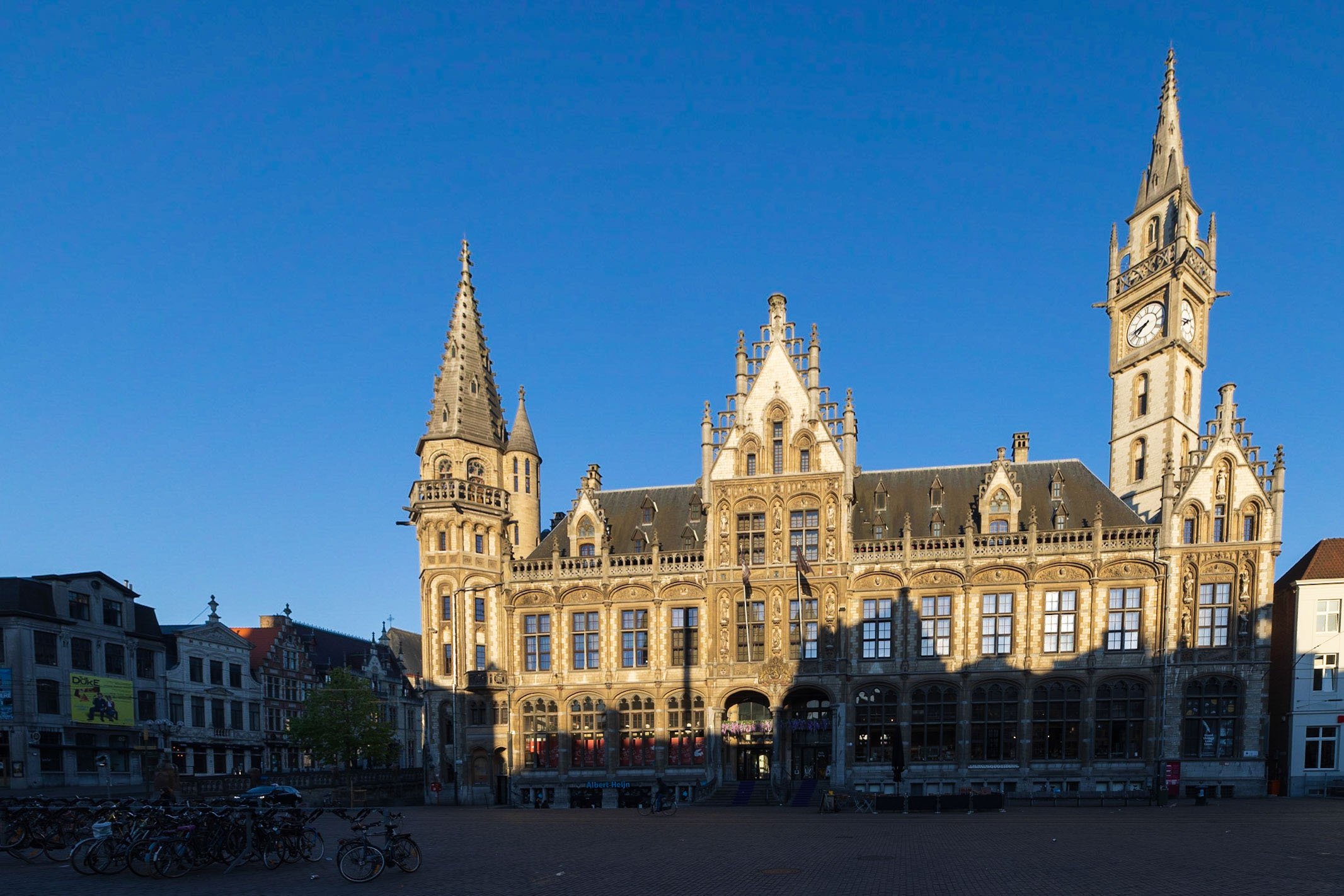
1898 The Post. This is where we stayed, and the moment you walk in, you understand the Harry Potter comparison people make. The original post office architecture has been preserved and converted into one of the most atmospheric hotels in Belgium. Vaulted ceilings, Gothic detailing, and large, well-designed rooms. The location is simply perfect: Saint Nicholas' Church is fifty meters from the front door, Saint Michael's Bridge is a one-minute walk, and every major photography location in the city is reachable in under five minutes on foot. There is no parking at the hotel, and the city center is car-free, so read the section below on driving before you arrive. We learned that lesson the hard way. Our best recommendation in Ghent, without hesitation.
Pillows Grand Boutique Hotel Reylof is a beautifully restored historic property with a garden courtyard, wellness center, and rooms that feel genuinely elegant rather than over-decorated. One of the finest luxury options in Ghent outside the 1898 The Post, and a strong choice if you want a quieter setting while still staying within easy walking distance of the Historic Center.
Hotel Harmony Boutique hotel positioned directly on the Graslei Canal with canal views from many of the rooms. For photographers, waking up to that waterfront is a real advantage. Modern amenities, warm service, and an excellent location for early morning shoots along the water before the crowds arrive.

1898 The Post Hotel
Mid-Range Hotels in Ghent
NH Gent Belfort Well-positioned mid-range hotel near the Town Hall and close to all the main photography locations. Comfortable rooms, reliable service, and good value for the location. A solid base if you want to be central without the luxury price point.
Ghent River Hotel A well-regarded option in a historic building with riverside access. Good value and an excellent position for early morning photography along the water. The building itself has architectural character worth noticing.
Sandton Grand Hotel Reylof A comfortable mid-range property in a classic building near the city center. Reasonable room sizes and easy walking access to the Historic Center make it a practical choice for photographers who want to stay light on budget without sacrificing location.
Best Time to Visit Ghent
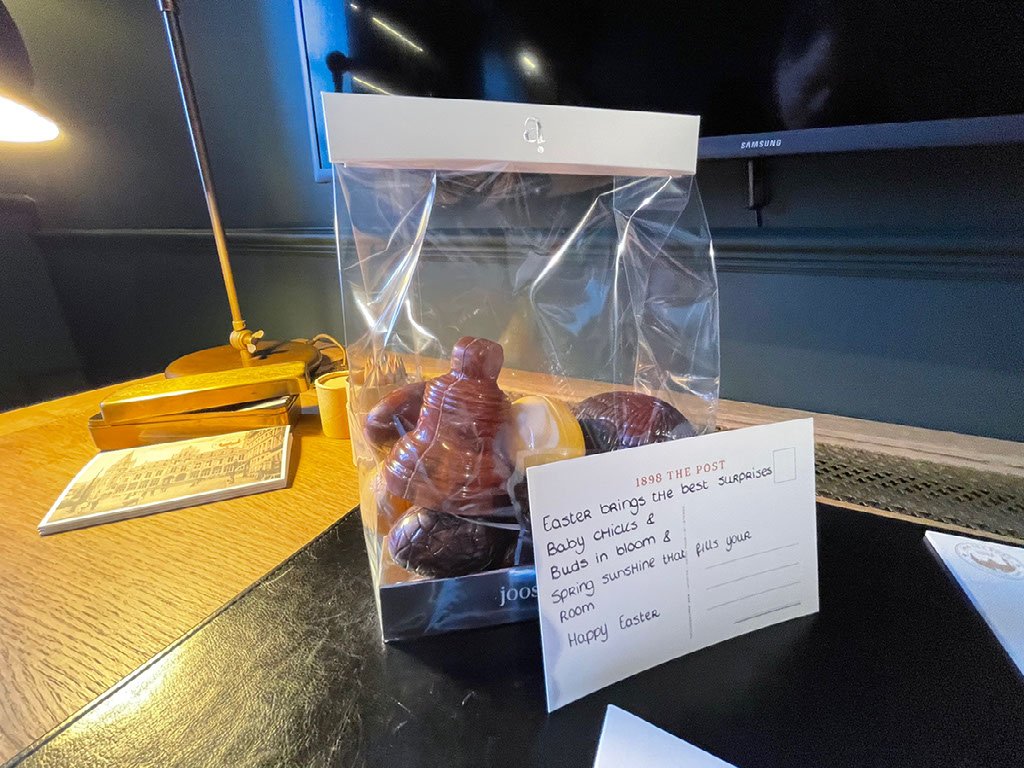
Spring (April to June) is the sweet spot. The weather is mild, the crowds are manageable, and the light is excellent for photography. April in particular gives you a chance to photograph the city during Easter, when the chocolate shops go all out, and the atmosphere in the Historic Center is genuinely warm. Golden hour light in May and June lasts well into the evening, which gives you time to work the Graslei at both ends of the day.
Fall (September to November) is equally strong. The tourist numbers drop after August, the light gets softer and more directional, and the city feels more like itself. October is a particularly good month for canal reflections.
Summer (July to August) brings the Ghent Festival in July, which is worth attending for photography if you can handle the crowds. The festival transforms the city center and creates street photography opportunities unlike any other time of year. Just prepare for warmer temperatures and more people at every location.
Winter is quieter and moodier. The canals under gray skies have their own photographic appeal, and Christmas markets add warmth and color to the city center. The cold keeps most tourists away, which means you often have the best spots to yourself.
The one consistent piece of advice: whatever season you visit, set your alarm for sunrise. The city at 6 AM is a different place entirely.
How Many Days Should You Visit Ghent
Two days is the right amount of time to see Ghent properly and photograph it at a relaxed pace. It is enough to cover the major locations at both sunrise and blue hour, eat well, explore Gravensteen, and still have time to wander without feeling rushed.
A useful outline for a two-day visit:
Day One: Sunrise on Saint Michael's Bridge for the three-tower reflection shot. Breakfast at 1898 The Post or a local café. Morning spent photographing the Graslei and Korenlei waterfronts and the guild houses. Afternoon at Gravensteen Castle and a walk through Patershol, the oldest neighborhood in Ghent. Evening along the canal at blue hour, followed by dinner at one of the restaurants near the water.
Day Two: Early morning walk to Saint Bavo's Cathedral before it opens to photograph the exterior in quiet light. Visit Werregarenstraat for graffiti photography. Late morning and afternoon for the Belfry and Saint Nicholas' Church. A final evening shoot from Saint Michael's Bridge at sunset, with the towers lit from below.
If you are pairing this with Bruges, which I recommend, two days in Ghent and two in Bruges makes for a logical and satisfying Belgian photography trip. The two cities are 45 minutes apart and complement each other well.
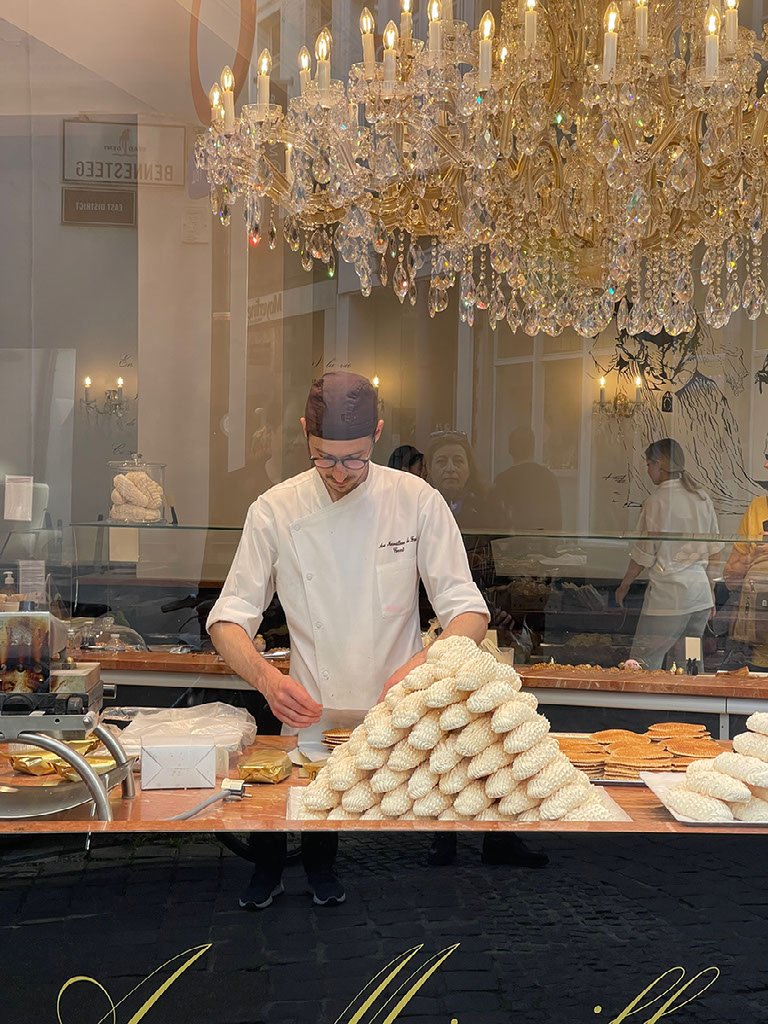
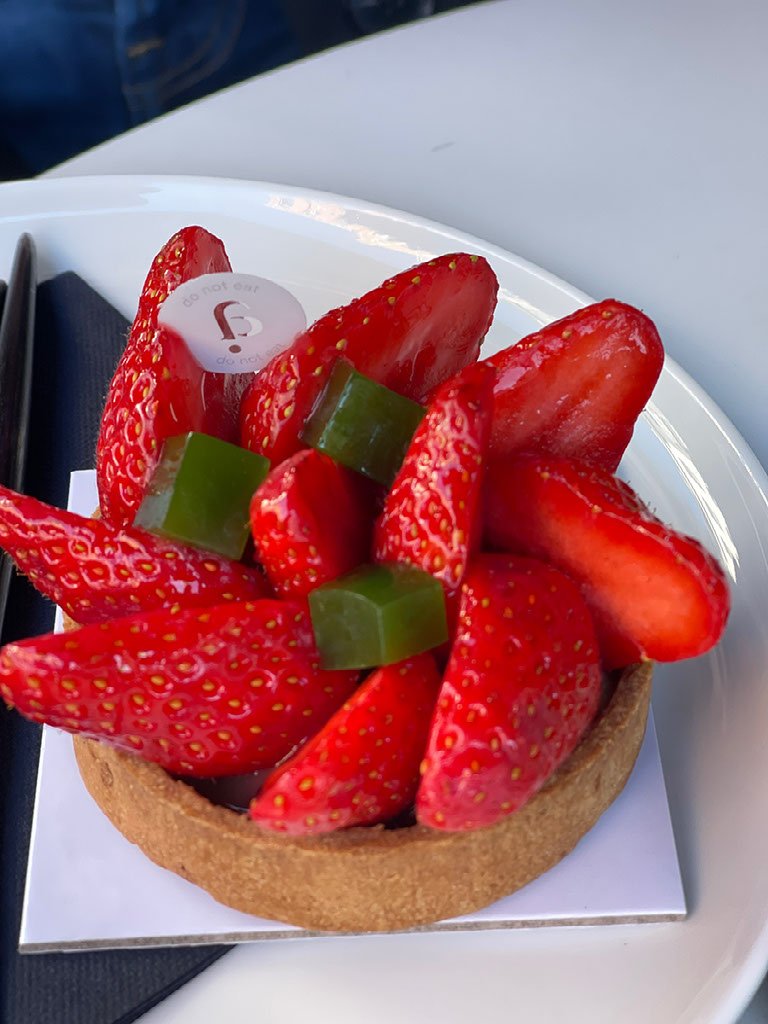
A City Made for Vegetarians & Chocolate Lovers
Biological markets all over the city offer sustainably sourced veggies, fish, and cheeses. In 2009, Ghent became the first European City to declare an official vegetarian day in a full-on effort to combat climate change.
Don't worry; there are tons of Chocolate and French Fries just in case you want to indulge
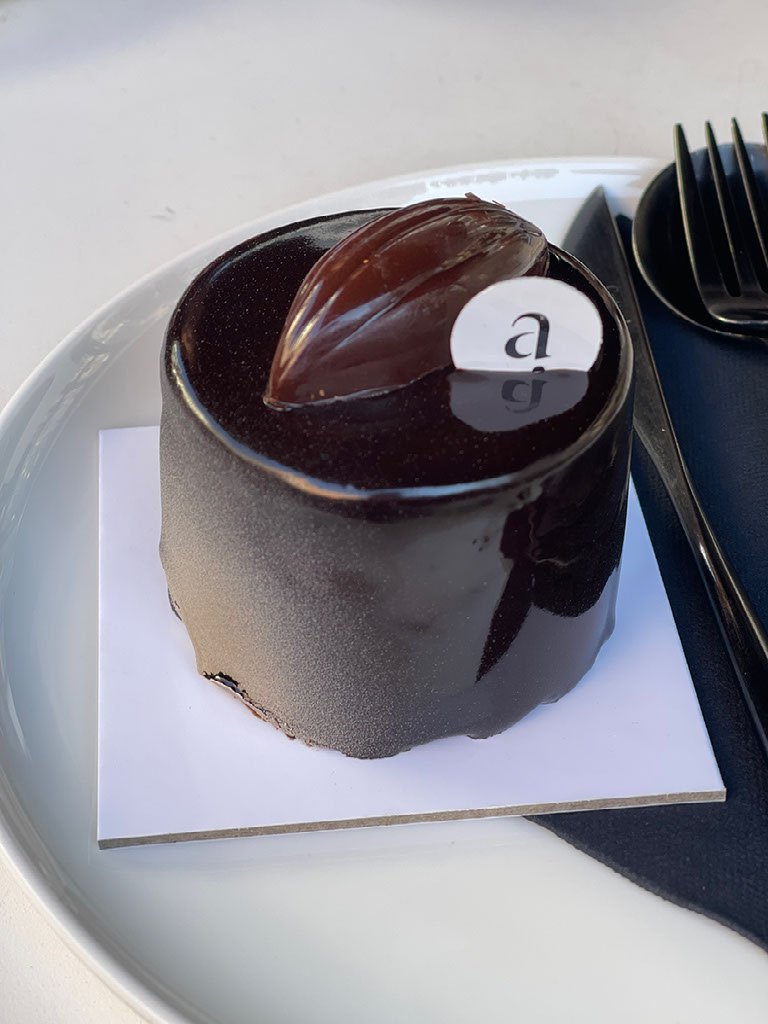
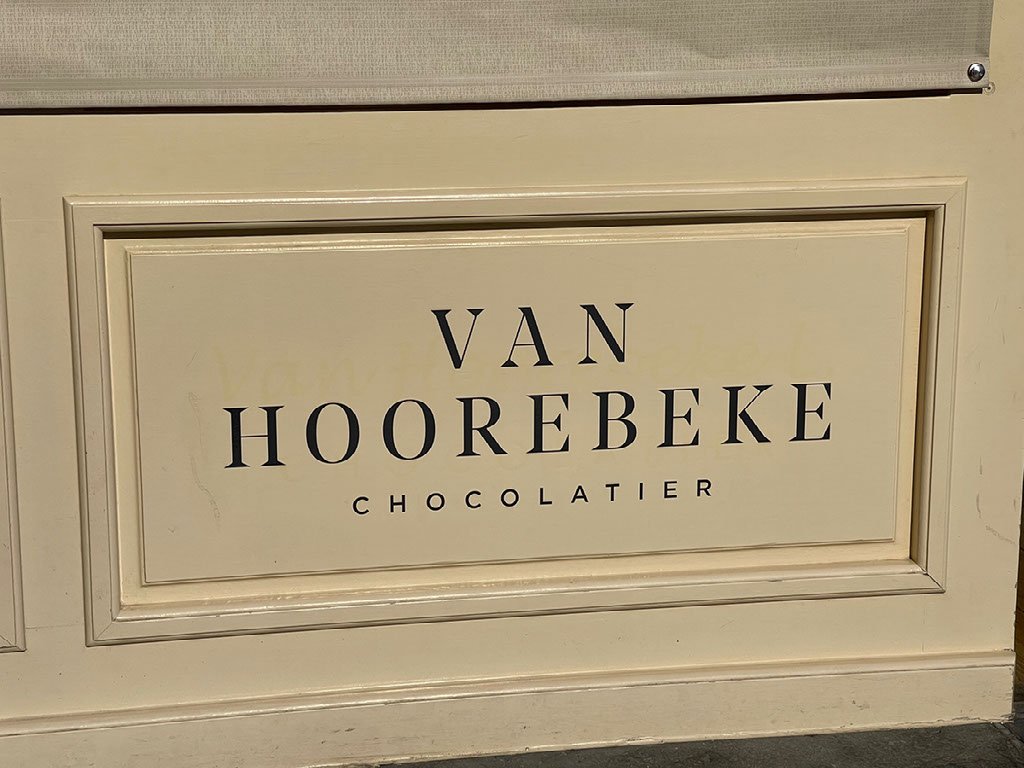
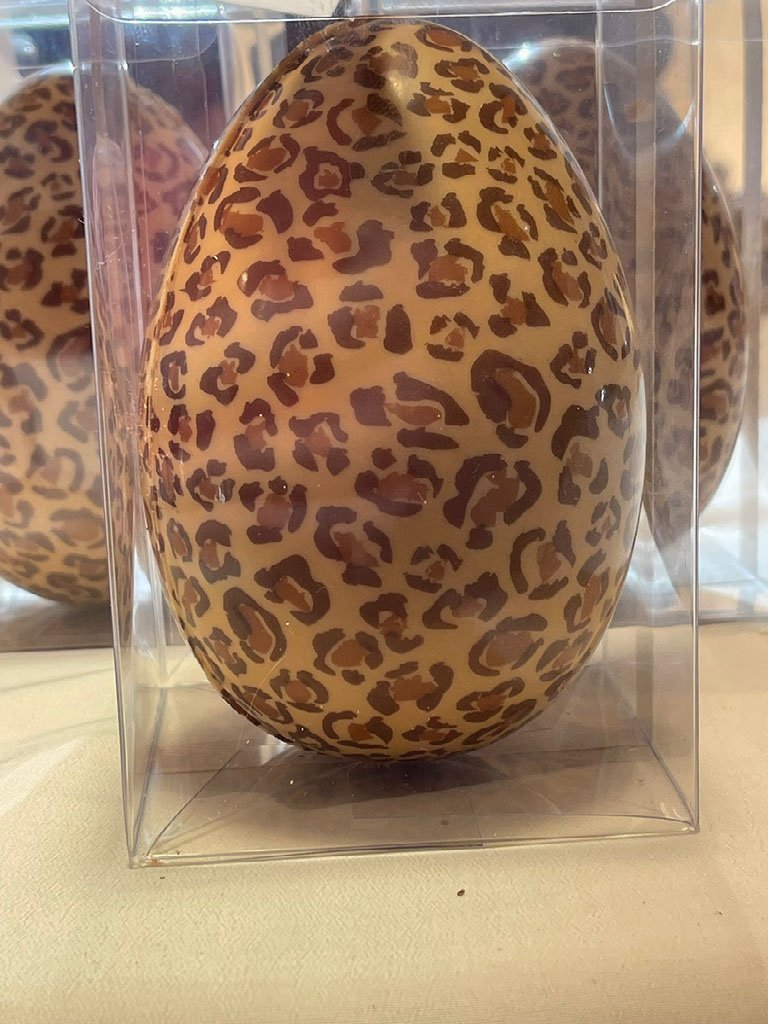
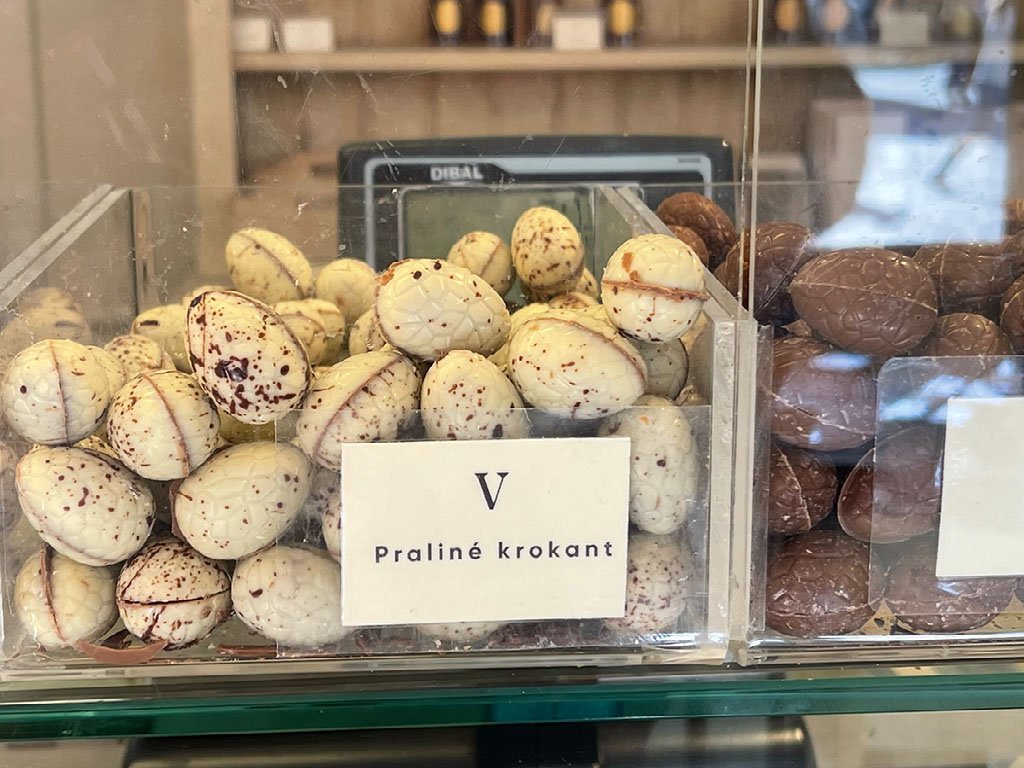
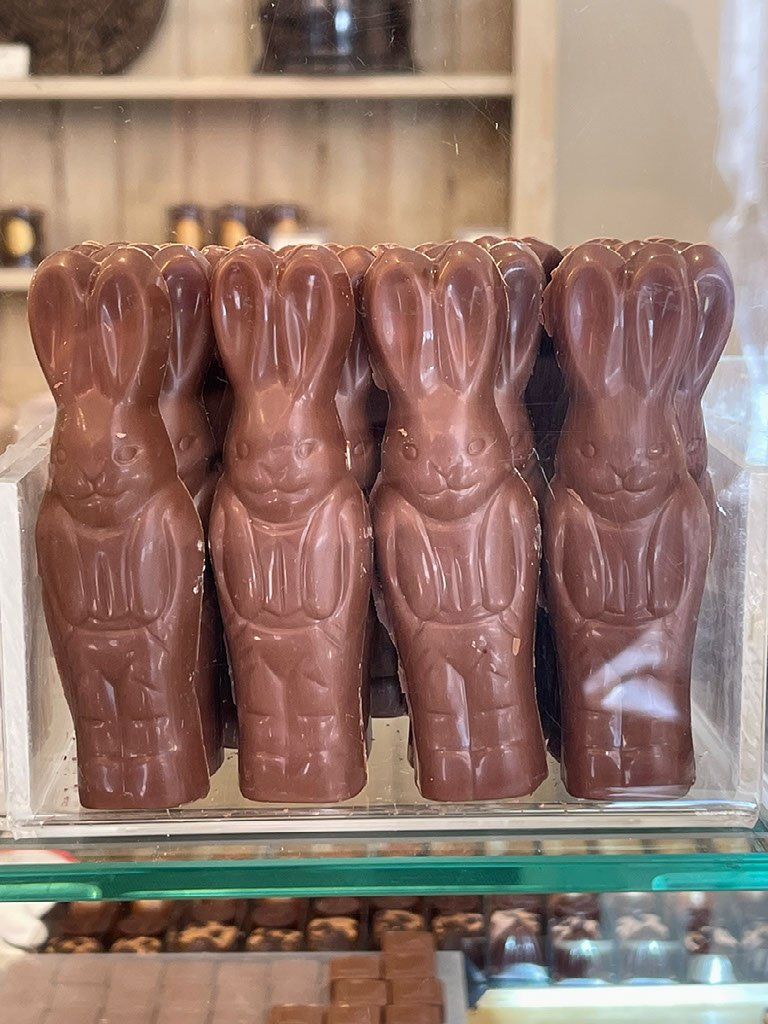
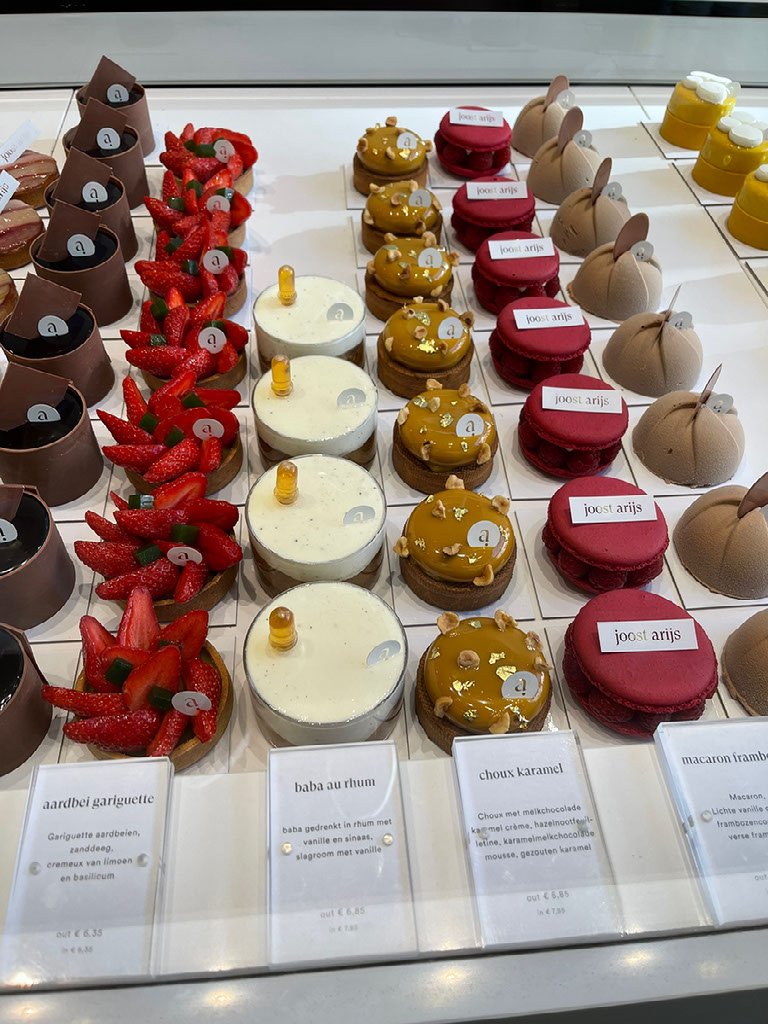
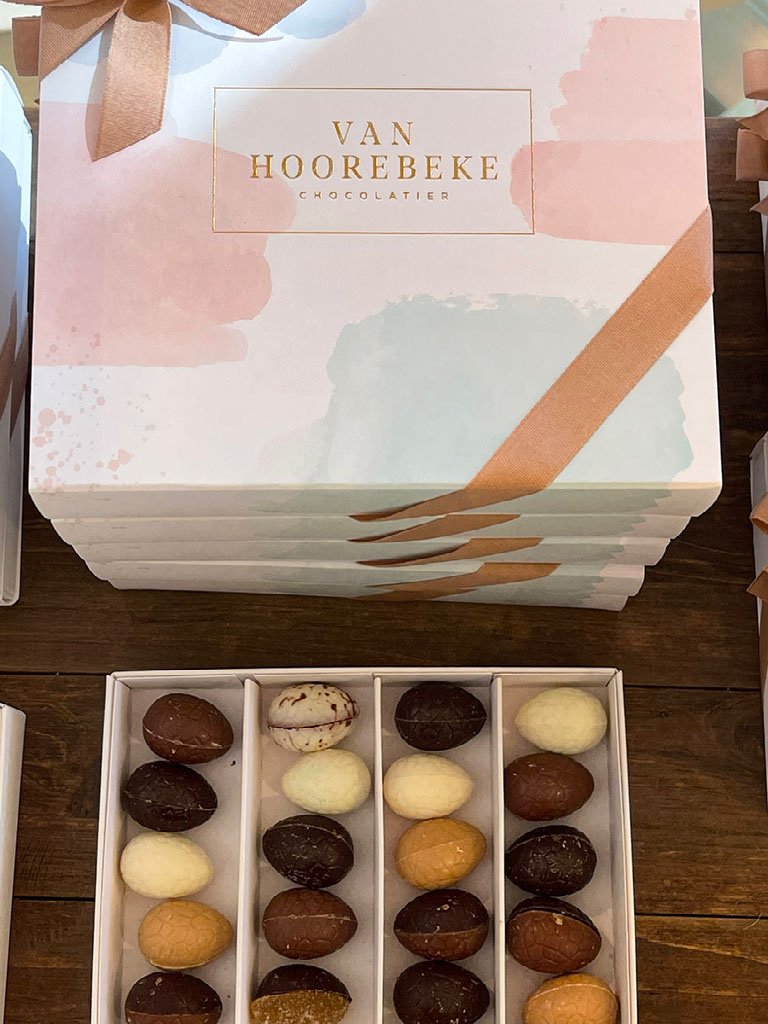
For Chocolate lovers, you will be very, very happy in Ghent. There are so many beautiful chocolate shops like Van Hoorebeke. It is a MUST to go into these shops and see and smell the wonderful chocolates. Their creativity is outstanding, and the taste is even better. We were lucky to be in Ghent for Easter, where there are so many incredible Easter Chocolates to sample.
The one other thing that you HAVE to try in Belgium is the French Fries or Frites. Belgian frites are always thick-cut, made with floury Bintje potatoes, and double-cooked. They're first pre-fried at a lower heat and then briefly deep-fried at a much higher heat just before serving.
One of the places we tried that must have had dozens of variations of Frites was Frites Atelier. They, of course, have simple fries, but they also have combinations such as Arabic Baba & Feta, Parmesan & Basil, Indo Peanut, and sauces like (Mayo, Chef’s Ketchup, Deep Truffle, French Bearnaise, Lovely Andalouse, and Samurai). It is really something not to miss.

Where to Eat in Ghent
Ghent has one of the most interesting food scenes in Belgium, and that is not something I say lightly. In 2009, it became the first city in Europe to designate an official weekly vegetarian day, and that commitment to plant-forward cooking has shaped the restaurant culture in a way you actually notice on the menu. Biological markets throughout the city carry sustainably sourced vegetables, cheeses, and fish. That said, do not come to Belgium and avoid the frites. Belgian frites are thick-cut, made with floury Bintje potatoes, and double-cooked. They are worth every calorie.
Vrijmoed (Vlaanderenstraat 22) is the standout. Chef Michaël Vrijmoed holds two Michelin stars and has built one of the finest restaurants in the Benelux over the past decade. Seasonal Belgian ingredients, flawless technique, and a sommelier who genuinely knows how to guide you through the wine list. Close Tuesday through Saturday for lunch and dinner. Book well in advance.
The House of Eliott is a Ghent institution with theatrical décor and excellent seafood. The lobster is the thing to order. It is memorable in the best way, the kind of place where dinner turns into a two-hour event without you noticing.
Pakhuis is a brasserie and bar in a beautifully converted 19th-century warehouse on Schuurkenstraat. Good for lunch or dinner, with an eclectic menu and the kind of buzzing, creative atmosphere that captures what Ghent is at its best.
De Superette on Geldmunt is worth knowing for brunch or a casual meal. A bakery and restaurant concept that does simple things well. Verify current status before visiting as hours can shift.
Frites Atelier is not a restaurant in the traditional sense, but it is a mandatory stop. Dozens of variations of Belgian frites, including combinations like Parmesan and Basil or Indo Peanut, with sauces ranging from Deep Truffle to Lovely Andalouse. Get a cone and eat it walking along the canal.
De Graslei sits directly on the canal waterfront and offers traditional Flemish dishes with the benefit of one of the best views in the city. Good for a relaxed dinner after a long shooting day.
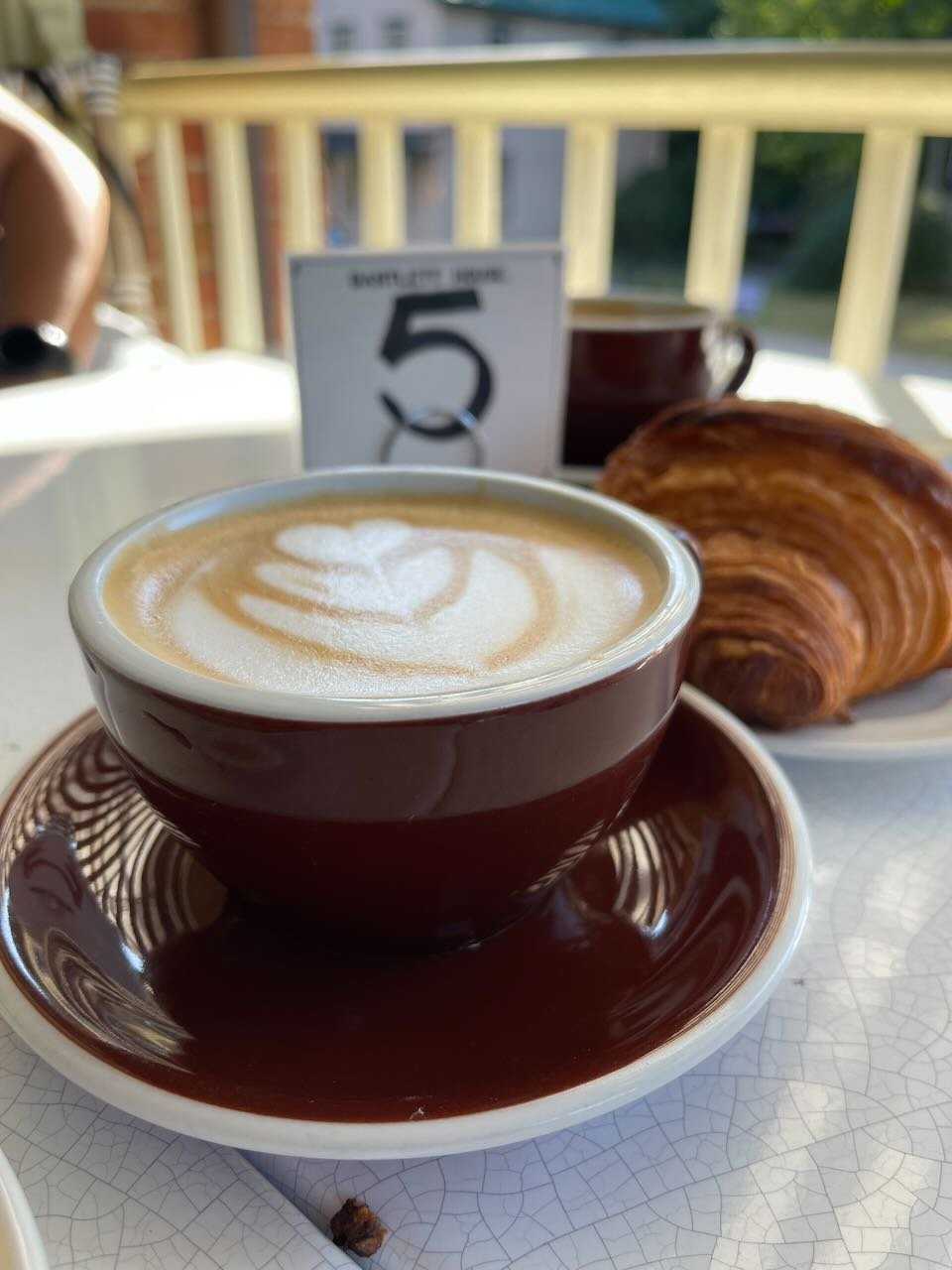
Coffee in Ghent
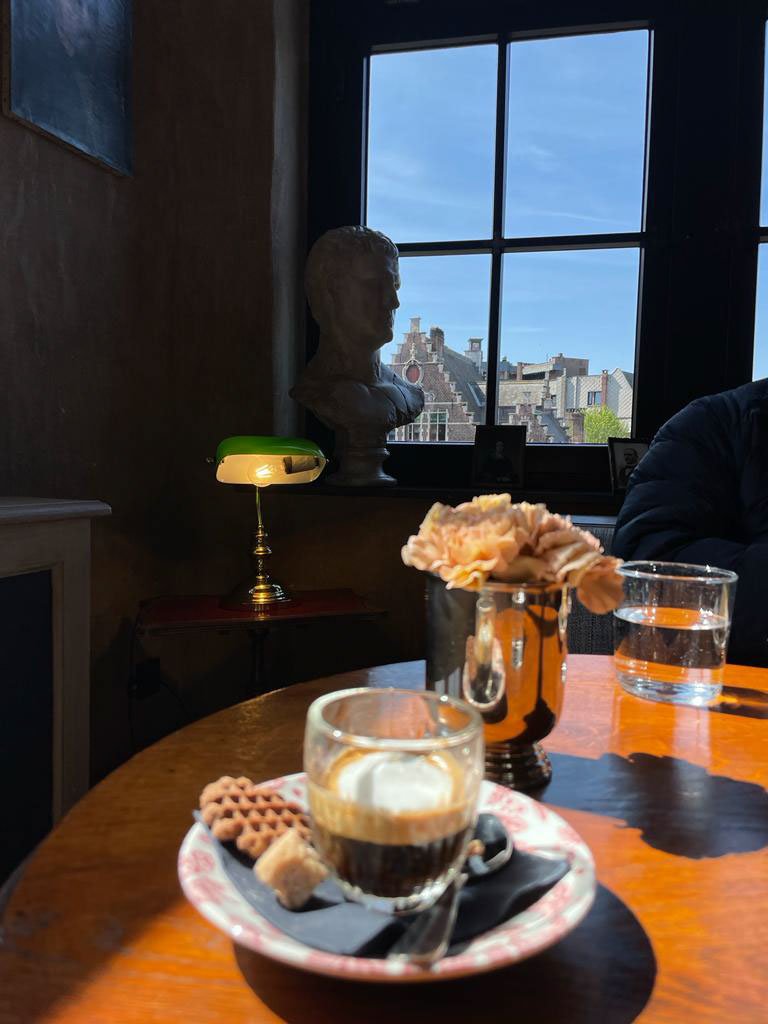
Café Labath (Oude Houtlei 1) is the best coffee in Ghent, full stop. A cozy neighborhood spot consistently praised by locals. Good for editing, resting, and people-watching.
OR Coffee Bar is the specialty coffee choice for a more minimal, design-forward environment. Popular with locals and a good spot to sit with a laptop between shoots.
Simon Says has a retro character and serves excellent coffee and pastries. A comfortable place to slow down mid-morning before heading back out with the camera.
Getting Around Ghent
The city center is car-free, which is worth knowing before you drive in. If you arrive by car, do not follow GPS blindly into the pedestrian zone. I drove into the restricted historic center on our first visit, ended up on a crowded pedestrian street, and was lucky that a local knocked on the car window and directed us back before we received a fine. Fines for driving into restricted areas can reach 500 Euros. Park at one of the city's public garages near the perimeter and walk in.
For getting around once you are there, your feet will take you everywhere that matters. The Historic Center is genuinely walkable and most of the major photography locations are within five to ten minutes of one another. Wearing comfortable shoes is not optional.
For longer distances or late-night travel, Uber and Bolt both operate in Ghent. Local taxis are also available and often more economical than ride apps for short journeys. The city has an excellent tram and bus network run by De Lijn for reaching neighborhoods further from the center.
Cycling is very much part of the city's culture. Rental bikes are widely available and give you a fast, flexible way to explore neighborhoods beyond the Historic Center. Just stay alert to the cycling lanes, which are taken seriously here.

Photography Gear Recommendations for Ghent
DSLR and Mirrorless Kit
For a city like Ghent, the emphasis is on wide to medium focal lengths for architecture and canal scenes, with a solid tripod for the dawn and blue-hour work.
Camera body: Canon EOS R5 Mark II, Sony A7R V, or Nikon Z8 are all excellent choices. The high resolution of these bodies pays off when you are working the Graslei guild house facades or the detailed stonework of Gravensteen.
Wide-angle lens (15 to 35mm): Essential for Saint Michael's Bridge, the guild houses, and interior cathedral shots. The 15mm end gives you the full sweep of the three-tower composition.
Standard zoom (24 to 105mm): Your walk-around lens for most of the trip. Flexible enough to cover both architecture and street photography throughout the day.
Telephoto (70 to 200mm): Useful for compressing the three towers from a distance and for detail work on architectural elements you cannot get close to.
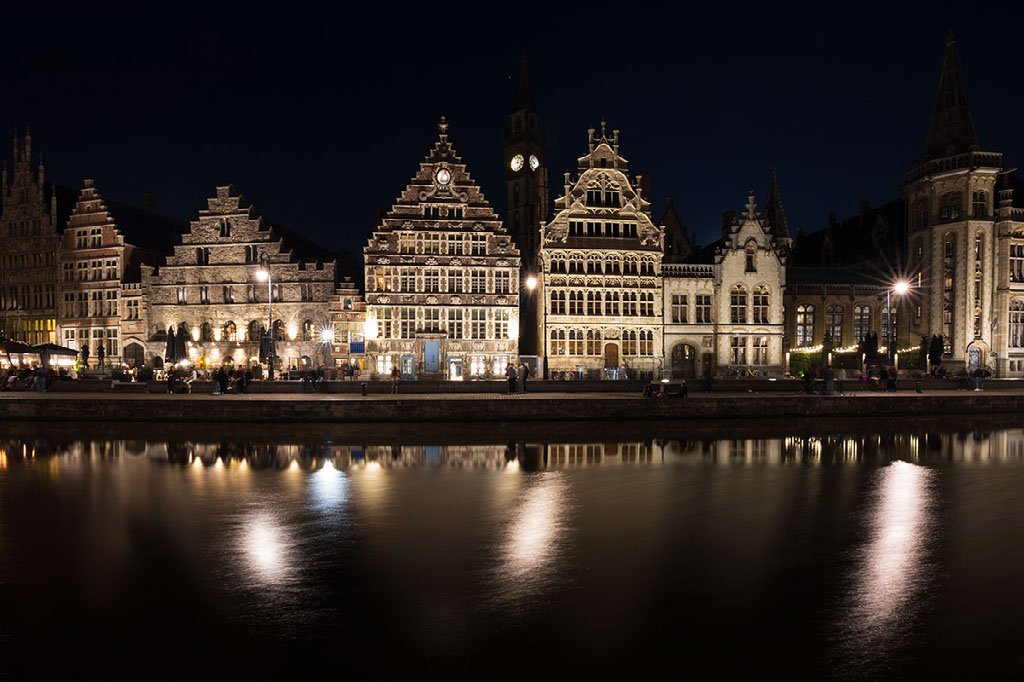
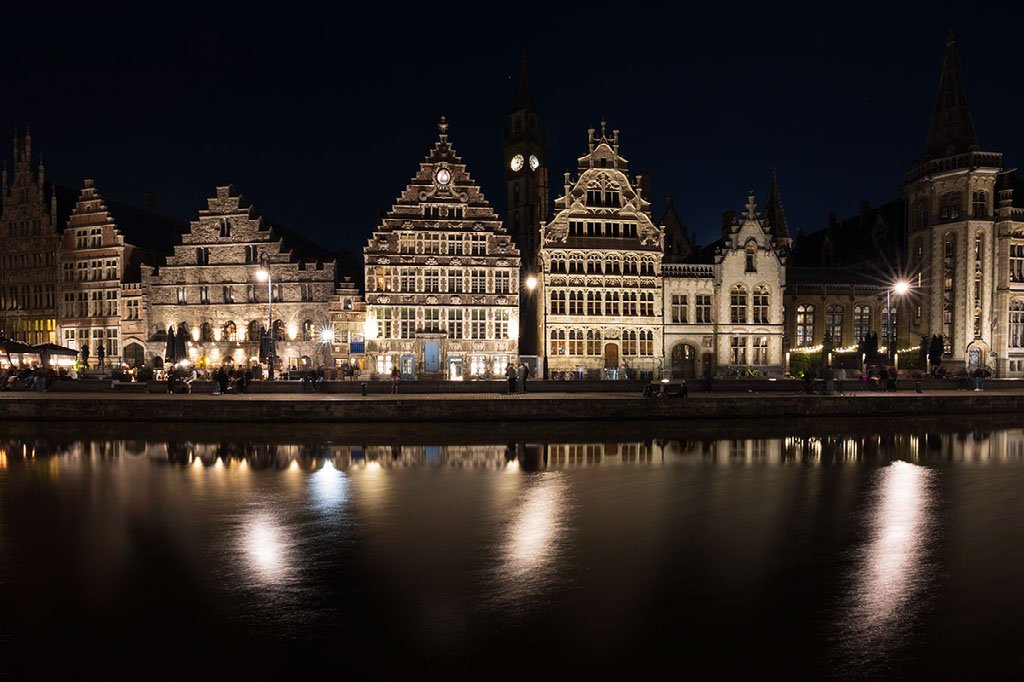
Tripod: Non-negotiable for sunrise and blue-hour canal shots. The long-exposure reflections on the Graslei canal are some of the best compositional opportunities in the city.
ND filters (3, 6, and 10 stops): You will be shooting near water throughout the visit. ND filters let you slow the shutter to smooth out ripples and create the clean, mirror-like reflections that define the best Ghent images.
Extra batteries and cards: The cold months drain batteries fast. Bring spares.
Samsung T7 SSD: Back up every evening.
Drone
Drones can technically be flown in Ghent, but the city's historic center presents significant practical challenges. There is no city-specific ban, but the historic center's dense tourist crowds make meeting EASA distance requirements nearly impossible during normal hours. If you plan to fly, fly early morning in open areas outside the city center, or obtain DGTA authorization for specific locations. Any drone with a camera or weighing more than 250 grams must be registered in the Drone Portal of the Belgian Civil Aviation Authority (DGLV). Check Skeyes (the Belgian airspace authority) for current no-fly zones before any flight.
iPhone Photography Tips for Ghent
Ghent is a strong iPhone city. The compact streets and canal reflections are well-suited to mobile shooting.
Saint Michael's Bridge at sunrise: Use the native Camera app in Photo mode. Tap the water to set exposure on the reflection rather than the sky, which will bring the towers down into a richer tone. The wide lens handles the full three-tower composition well.
Gravensteen Castle: Use Portrait Mode on the stone archway details and carved relief elements to get subject separation against the sky. The texture of the 12th-century stonework photographs well in overcast light, which eliminates harsh shadows.
Werregarenstraat graffiti: The narrow alley is perfect for the ultrawide lens on modern iPhones. Shoot from one end of the alley toward the other in the mid-morning when side light catches the painted walls at an angle.
Canal reflections at blue hour: Enable Night Mode and set it to its maximum duration (roughly five seconds). Place the phone on a surface or a small travel tripod to keep it steady. The canal reflections in Night Mode on a current iPhone are genuinely impressive.
What to Photograph in Ghent
There is more to photograph in Ghent than you might think at first. It is a very photogenic city that is easy to get around in, and most of the photography locations are only a few minutes apart.

Gravensteen Medieval Castle
In the middle of Ghent stands Gravensteen Castle, a must-see 12th-century stone fortress also known as the "Castle of the Count." Complete with a moat, turrets, and arrow slits, it has been repurposed over the centuries as a courthouse, a prison, and, strangely, even a cotton factory. Few buildings in Ghent carry this much layered history in a single silhouette.
📷 Pro Tip: Shoot the exterior in early morning or late afternoon, when low-angle light rakes across the stone and brings out the castle's texture and turrets in sharper relief. A 15-35mm captures the full fortress and moat reflection from across the water; a 70-200mm lets you isolate individual turrets and arrow slits. If you go inside, the upper battlements offer a genuinely different view over the city's rooftops, worth the climb even without a camera.
Best time: Early morning or late afternoon. Access: Paid entry for the interior; exterior and moat views are free.

Gravensteen Castle
Along the River Leie (Lys)
Ghent's city center sits along the River Leie, and the charming stretch between St. Michael's Bridge and Grasbrug is lined with restaurants, ice cream shops, and cafés. A smaller offshoot, the River Lieve, adds a quieter second waterway worth wandering along at a slower pace.
📷 Pro Tip: Walk both banks at different times of day rather than shooting from one fixed spot, the light and reflections change meaningfully between morning and evening. A 24-70mm handles most of this stretch well, since you're working at close range with buildings, water, and people all in the frame together. Look for boats and reflections as compositional anchors rather than shooting the water alone.
Best time: Any time; sunrise and blue hour for the calmest reflections. Access: Free, public riverside walk.

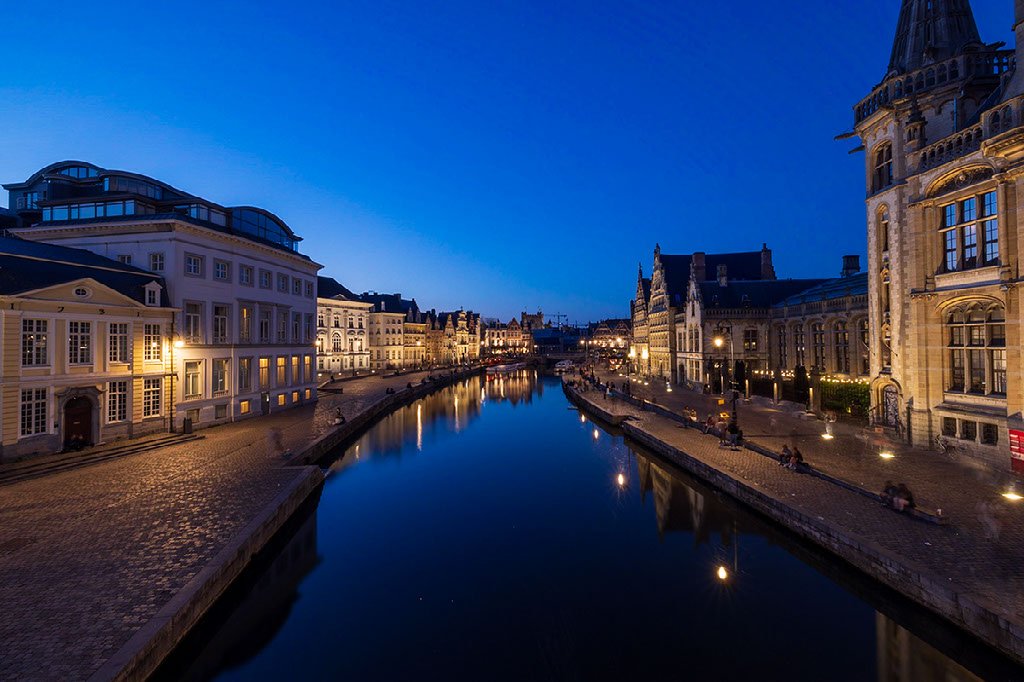
Saint Michael’s Bridge (Sint-Michielsbrug)
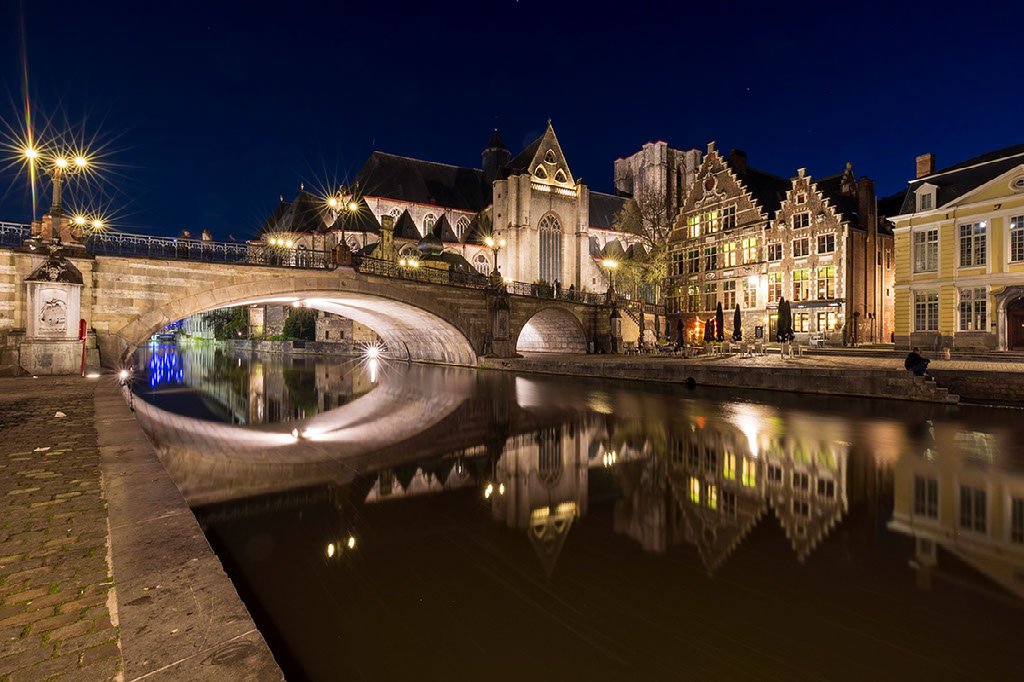
This is Ghent's signature view and, for this trip, the favorite spot of the whole guide. From the top of the bridge, you get a single sweeping composition of the city's three great towers, the Belfry, Saint Bavo's Cathedral, and Saint Nicholas' Church, reflected in the still canal below. Saint Michael's Church itself, construction begun around 1440 and stalled for a century by religious conflict before finally finishing in the 17th century, anchors one end of the bridge.
📷 Pro Tip: Come at both sunrise and sunset; they produce genuinely different images here. Sunrise gives you the towers in cool, quiet light with almost no one else on the bridge. Sunset warms the guild houses and towers to gold. A 15-35mm captures the full three-tower composition with the canal as foreground; use a tripod for the reflection shot, since even a slight breeze will break the mirror surface. Arrive at least twenty minutes before your target light to find your position. This bridge is narrow, and the best spot fills up fast once other photographers arrive.
Best time: Sunrise and sunset. Access: Free, public bridge. Fifty meters from the 1898 The Post hotel.

On the top of the bridge, you have a breath-taking cityscape of the most beautiful towers of Ghent. (Belfort, Saint Bavo’s Cathedral, and Saint Nicolas Church). I would recommend taking photos of both sunset and sunrise.

The building of St. Michael’s Church started around 1440 and continued into the 16th century. Due to religious conflicts, construction stopped until the 17th Century.

St. Nicholas' Church (Sint-Niklaaskerk)
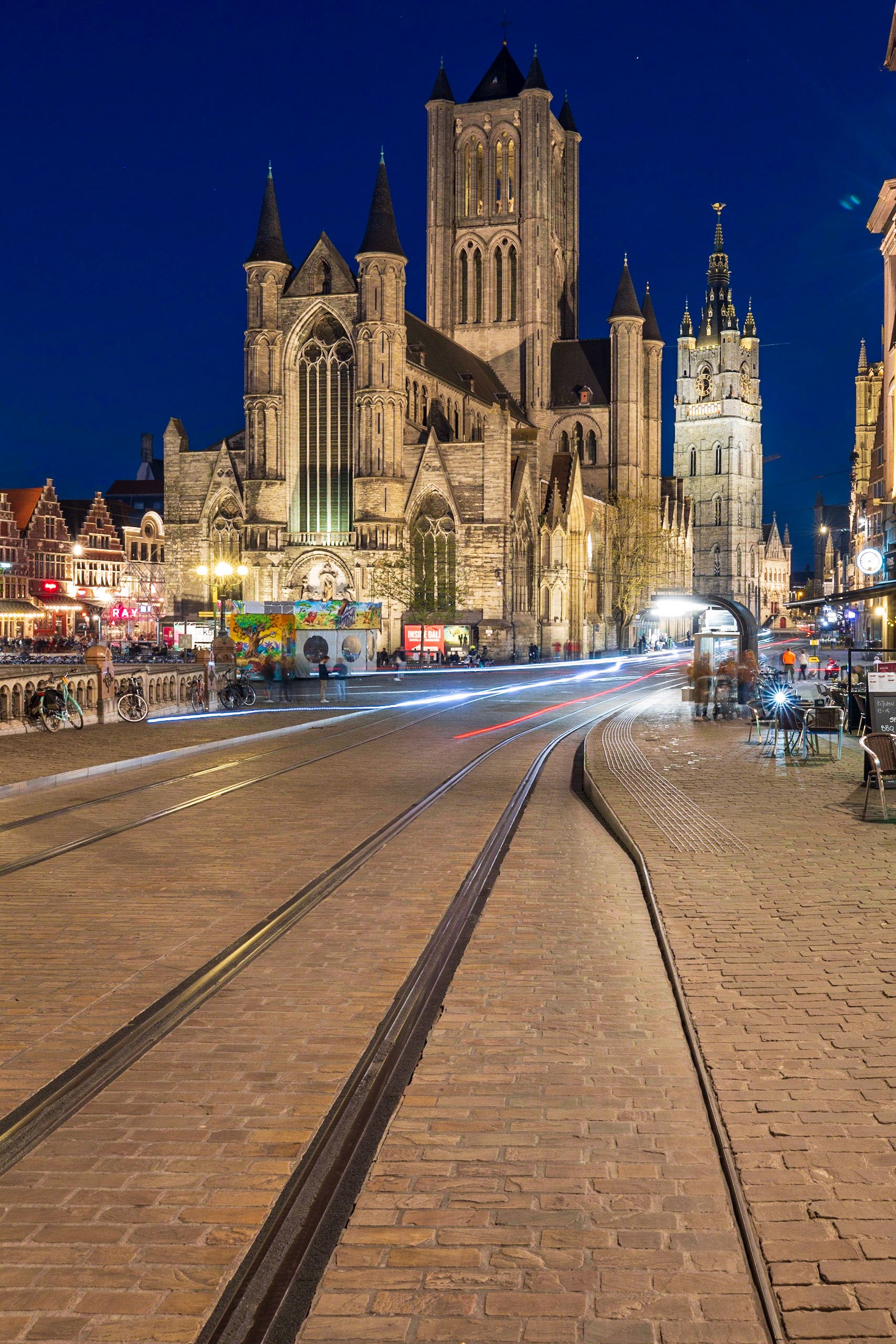
One of Ghent's three iconic towers, St. Nicholas' Church sits just fifty meters from the 1898 The Post hotel. Inside, an impressive organ built by French organ builder Aristide Cavaillé-Coll is worth seeing even if organs aren't usually your thing, and the interior itself justifies the entry beyond the exterior shot most visitors settle for.
📷 Pro Tip: Shoot the exterior facade in early morning, when the street in front is still quiet and the stone catches soft directional light. A 24-35mm frames the full tower without excessive distortion from too close. Inside, bring a fast lens, the nave is dim, and a 24-70mm at a wider aperture handles the interior architecture and the organ detail without needing a tripod, which isn't always practical in an active church.
Best time: Early morning for the exterior; any time for the interior. Access: Free.
Belfry of Ghent (Het Belfort van Gent)
The middle of Ghent's three towers, the Belfry is a 91-meter medieval tower built in the 14th century, historically used as both a lookout post and the city's bell tower for timekeeping. Climbing the stairs to the top rewards the effort with sweeping views over the entire historic center.
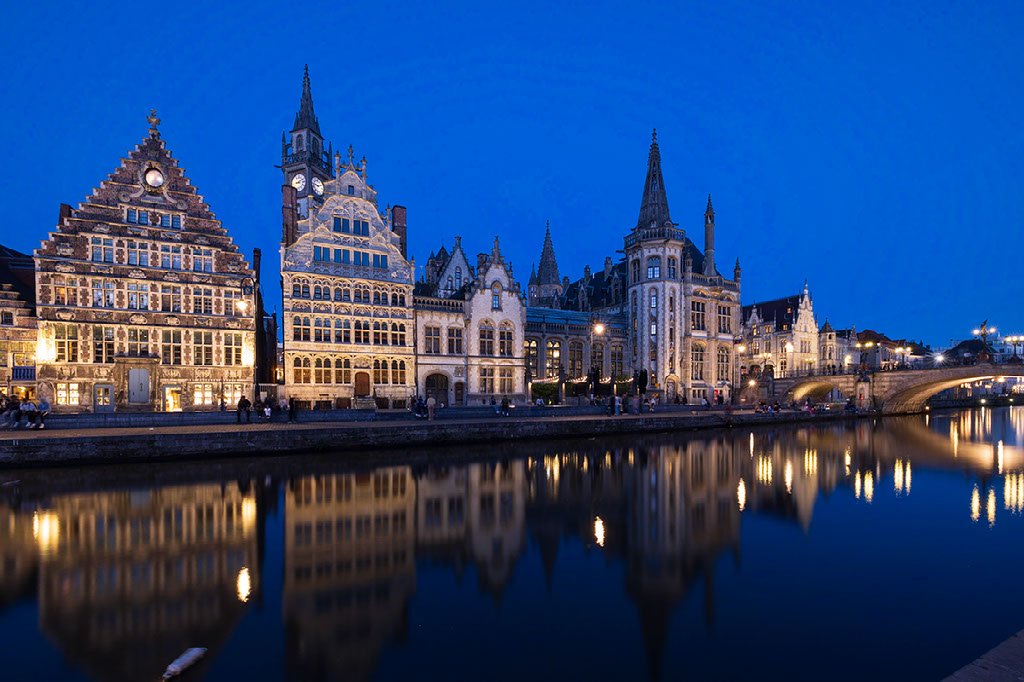
📷 Pro Tip: Photograph the exterior at blue hour, when the tower is floodlit against a deep blue sky, one of Ghent's strongest night compositions. A 15-35mm captures the full height from street level; step back into the square for a composition that includes the surrounding guild houses too. If you climb to the top, bring a wide-angle for the panoramic view, and check current opening hours before planning your visit around it, they vary seasonally.
Best time: Blue hour for the exterior; check hours for the climb. Access: Paid entry to climb the tower; exterior viewing is free.
Saint Bavo's Cathedral (Sint-Baafskathedraal)
The last of Ghent's three towers, Saint Bavo's Cathedral, stands just two meters shorter than the Belfry. Construction on this Gothic church began in 1274 but wasn't completed until the 16th century, giving it centuries of accumulated architectural detail.
📷 Pro Tip: Shoot the exterior in late afternoon, when the light angles onto the west facade and brings out the Gothic stonework. A 24-70mm lens handles the full tower from across the square. If the interior is open, the cathedral holds significant artwork worth seeking out with a wide-angle and a fast aperture, since tripods are typically not practical inside an active place of worship.
Best time: Late afternoon. Access: Free exterior; check current hours for interior access.

Korenlei
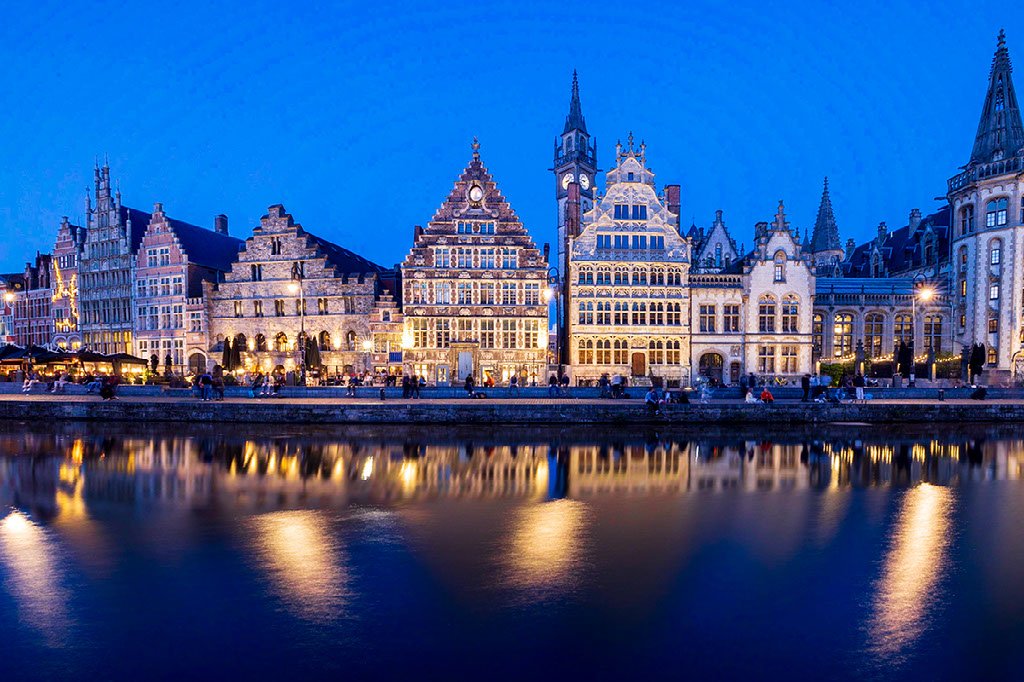
Descending from Saint Michael's Bridge brings you to the Korenlei, which offers a completely different angle on Ghent's three towers than the bridge itself, from water level rather than looking down.
📷 Pro Tip: Shoot from directly along the quay with a 15-35mm, using the row of guild houses as a leading line toward the towers in the distance. This angle works particularly well at blue hour, when the buildings along the quay are lit and their reflections stretch across the canal. Walk the full length of the Korenlei rather than shooting from one spot, the composition shifts meaningfully as you move.
Best time: Blue hour. Access: Free, public quay.
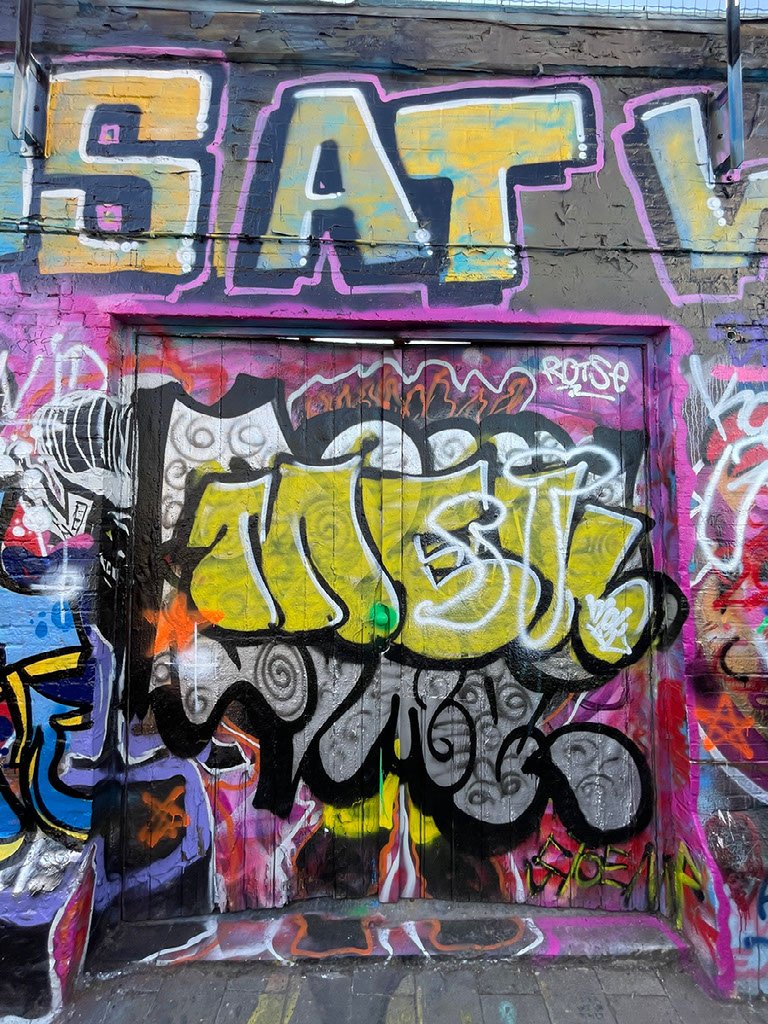
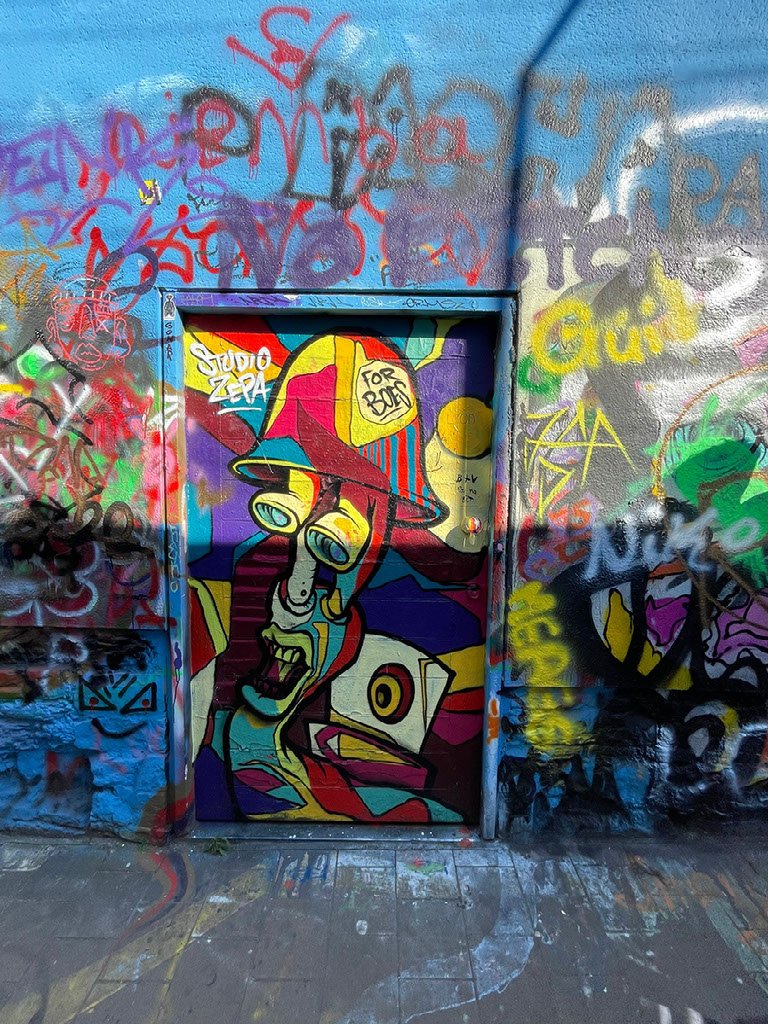
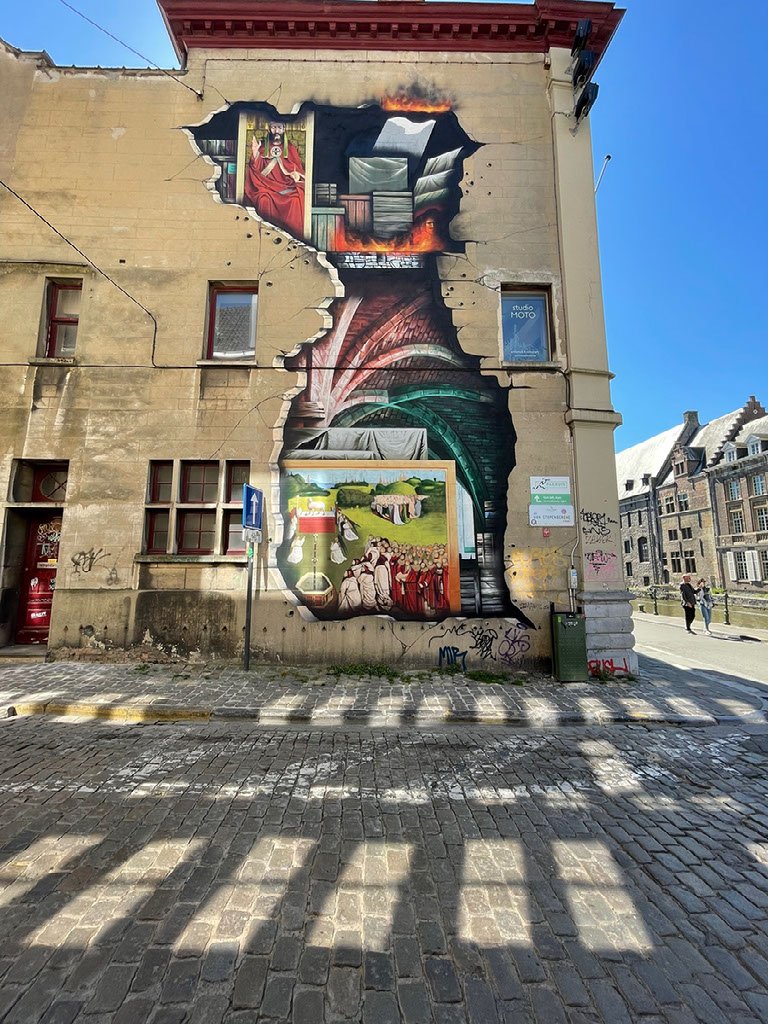
Werregarenstraat (Graffiti Street)
Also known simply as Graffiti Street, this alley in the center of Ghent is where street artists have free rein, and the work changes constantly; no two visits look the same.
📷 Pro Tip: Shoot midday here rather than at golden hour. This is a narrow alley with limited direct light, and even overcast conditions work fine since the subject is the art itself, not natural light quality. A 24-35mm handles both wide alley shots and closer detail work on individual pieces. Come back if you're in Ghent more than once, the murals turn over, so a second visit is a genuinely different location.
Best time: Midday, for even light in the narrow alley. Access: Free, public alley in the city center.






Festivals and Events in Ghent
Ghent Festival (Gentse Feesten) Held annually in July, the Ghent Festival is one of the largest free arts festivals in Europe and transforms the city for ten days. More than a million visitors come each year for live music, street performances, theater, and the kind of joyful, slightly chaotic energy that turns every street corner into a photograph. For photographers, the combination of costumed performers, candlelit bars, and late-night street scenes creates conditions you will not find at any other time of year. Go prepared for crowds and low light. A fast lens and high ISO capability are your most important tools during the festival.
Easter in Ghent. If you visit in April, the chocolate shops go spectacular for Easter. Van Hoorebeke and other chocolatiers fill their windows and counters with Easter-themed sculptures and confections that are worth photographing before you eat them. The city feels celebratory in the days around Easter weekend.
Christmas and Winter Markets December brings winter markets to the city center and Vrijdagmarkt square. The combination of Gothic architecture, warm market lighting, and cold winter air makes for compelling atmospheric photography. Crowds are manageable compared to the summer season.
Sint-Jakobskermis Ghent's oldest market, held at Sint-Jacobsplein in the Antwerp-quarter neighborhood. A flea market with antiques, vintage goods, and local color that offers good street photography and detail work. Check local listings for current timing.
Frequently Asked Questions About Visiting Ghent
Is Ghent worth visiting if I'm already going to Bruges?
Yes, and locals will tell you so themselves. Bruges is more polished and immediately picturesque; Ghent has more edge, a university city with graffiti around the corner from Gothic cathedrals. They're only 45 minutes apart and genuinely complement each other rather than compete.
Is Ghent expensive?
Less than Bruges generally, and there's real range either way. Chocolate shops and frites stands cost very little, and the city's strong vegetarian food scene (Ghent declared the first official European vegetarian day in 2009) keeps casual dining affordable.
Do you need a car in Ghent?
No, and the historic center is actively car-free. Nearly every photography location in this guide sits within a five to ten-minute walk of the center. If you're driving in, be careful with GPS near the restricted zone, driving into the pedestrian center can carry fines up to 500 euros.
What are the best photo spots in Ghent?
Saint Michael's Bridge for the three-tower reflection, the Korenlei at blue hour, and Werregarenstraat for constantly changing street art are three I'd send anyone to first. The full list with Pro Tips is above.
Can you fly a drone in Ghent?
Check current Belgian drone regulations before flying. Central Ghent's historic core has real restrictions given its density and protected architecture, so research specific rules for the areas you want to shoot before you pack one.
What surprised you most about photographing Ghent?
It truly does look like a city out of a Harry Potter novel. Walking into the 1898 The Post hotel, with its vaulted ceilings and Gothic drama, made that comparison obvious immediately, and the feeling extends across the whole historic center.
How many days do you need in Ghent?
Two days is genuinely enough. It's compact, most locations sit within a few minutes of each other, and two days gives you both a sunrise and a sunset session at Saint Michael's Bridge without feeling rushed.
Is Ghent walkable?
Extremely. The city center is car-free and built for pedestrians, most of what you'll want to photograph sits within a five to ten-minute walk of any central hotel.
Final Thoughts
Ghent stays with you. Not in the way that big-statement cities do, where the scale overwhelms you and the photographs almost take themselves. It stays with you because of what you found in the quiet moments: the canal at 6 AM with the towers reflected perfectly in the water, the graffiti alley around the corner from a Gothic cathedral, the frites eaten standing on the bridge while the city woke up around you.
Belgium is a country that rewards the photographer who pays attention to scale and detail in equal measure. Ghent is its best example of that. Two days here, done right, will produce some of the best images of your European travels.
Want to improve your photography while exploring some incredible destinations? Join me on one of my photography workshops! You can find all the details, including upcoming destinations and dates, through the links below.
Let's Stay Connected!
If you enjoyed this guide,
My Photography and Travel Guide to Bruges is the natural companion trip. Bruges is 45 minutes away and gives you a very different take on Belgian medieval architecture, more polished and less edgy, but equally rewarding.
My Photography and Travel Guide to Amsterdam covers the Netherlands just across the border, another canal city with a completely different character. And if you are building a broader European photography itinerary,
My Photography and Travel Guide to Paris makes a logical addition: three hours from Ghent by train and one of the great photography cities in the world.

Unlock the power of long exposure and take your photography to the next level.
Mastering ND Filters is your complete guide to understanding and using Neutral Density (ND) filters with confidence. Whether you’re a beginner or a hobbyist looking to expand your creative toolkit, this practical, easy-to-follow book walks you through everything you need to know—from gear choices and exposure calculations to creative shooting techniques and real-world examples.
Inside you’ll learn:
What ND filters are and how they work
How to choose the right strength and type of filter
Step-by-step workflows for photographing waterfalls, clouds, seascapes, and city scenes
How to calculate long exposures using apps and charts
Pro tips for reducing noise, focusing with dark filters, and getting tack-sharp results
Packed with clear explanations, inspiring images, and field-tested advice, this guide will help you shoot with intention, slow down your process, and create stunning photographs that capture not just motion—but mood.
Whether you're shooting with a DSLR, mirrorless camera, or even a smartphone, Mastering ND Filters will help you bring your creative vision to life.
Finally—a beginner-friendly photography guide that makes sense.
If you've ever picked up a camera and thought, "Now what?" this is the book for you.
Photography Made Simple is written for adults who are just starting out and want a clear, encouraging, real-world approach to learning photography. Whether you're using a DSLR, mirrorless, or just your smartphone, this guide walks you through the basics—without the jargon or tech overwhelm.
Inside, you'll learn:
The only camera settings you really need to know to get started
How to shoot sharper, more intentional photos using light and composition
Simple tips for portraits, landscapes, travel, and everyday life
What gear you do (and don’t) need
How to create better photos without upgrading your camera
You’ll also get practical exercises, cheat sheets, and tips for organizing and editing your images—plus the confidence to shoot off Auto Mode for good.
This is not a textbook. It’s a friendly guide to seeing the world with fresh eyes—and finally capturing what you see the way you imagine it.
📸 Format: PDF download
Pages: 100+
Perfect for: Beginners, hobbyists, and anyone ready to take better photos without the stress