Toledo Photography & Travel Guide: Mirador del Valle, the Cathedral, and the Best Photo Spots
Best Photography Spots in Toledo | Where to Stay | Travel Tips
I have photographed medieval cities on five continents. None of them look quite like Toledo.
I was there in April, arriving by train from Madrid in the early afternoon. The moment I walked through the Bisagra Gate and into the Old Town, something shifted. The streets are narrow enough to touch both walls. The stone is worn smooth by a thousand years of feet. Cathedrals rise around corners without warning. And from every elevated point, the Tagus River curves around the city below like a protective arm, the landscape unchanged from the paintings El Greco made here four centuries ago.
Toledo is the "City of Three Cultures" — a place where Christian, Jewish, and Muslim civilizations not only coexisted but built together, producing architecture that exists nowhere else in the world. A Gothic cathedral. An Arabesque mosque from 999 AD. Two medieval synagogues with Mudéjar plasterwork. A Renaissance fortress on the highest hill. All within ten minutes' walk of each other, all still standing.
For photographers, Toledo is about layers. Every direction offers a composition. The Mirador del Valle on the far bank of the Tagus gives you the whole city at once, the Alcázar and Cathedral rising above the stone skyline as the light turns gold. Inside the walls, the narrow streets of the Jewish Quarter lead you into silence, where wrought-iron lamps cast long shadows and carved stone doorways open onto courtyards that feel completely private. At blue hour, when the city illuminates and the Tagus reflects the lit facades of the bridges below, it looks like a painting.

Puente de San Martín
Toledo is also one of the most visited day trips from Madrid — 30 minutes by high-speed train — and that means timing matters. The crowds arrive by 10 am and leave by 7 pm. The best photography happens in the windows before and after.
In this guide, I will show you exactly where to go, what to shoot, where to stay, and where to eat. Whether you are day-tripping or spending two nights, this is everything you need.
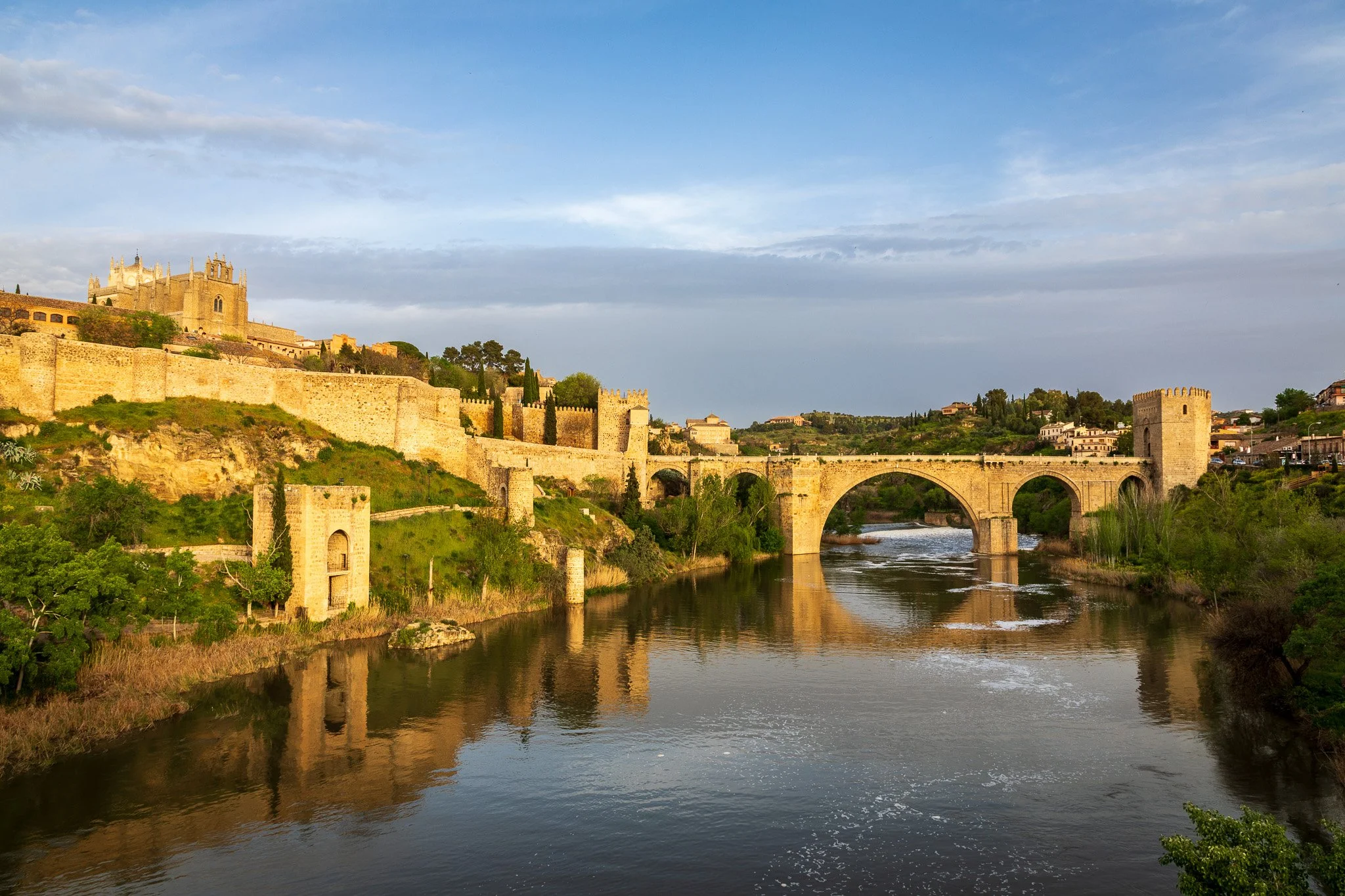
Puente de San Martín
PRACTICAL INFORMATION
Getting to Toledo from Madrid
High-speed AVE train from Madrid Atocha station: 33 minutes. Trains run roughly hourly. Book at renfe.com
By car: approximately 75 km south of Madrid on the A-42 motorway, about 45 minutes without traffic. Parking available outside the city walls
Toledo does not have an airport
Getting Around Toledo
The Old Town is best explored on foot — many streets are too narrow for cars
Taxis are the best option for reaching the Mirador del Valle and the Parador
The Toledo Tourist Train departs from Plaza de Zocodover and includes a Mirador del Valle stop — useful for photographers who want the view without the hike
Key Admissions and Hours
Toledo Cathedral: €10. Open Monday–Saturday 10am–6pm, Sunday 2pm–6pm. Book here
Alcázar of Toledo (Army Museum): Free (EU citizens); €5 (others). Tuesday–Sunday 10am–5pm
Monasterio de San Juan de los Reyes: €3. Daily 10am–6:45pm (5:45pm in winter)
Museo del Greco: Free (EU citizens); €3 (others). Tuesday–Saturday 9:30am–7:30pm
Mosque of Cristo de la Luz: €2.80
Sinagoga del Tránsito: Free (EU citizens); €3 (others)
Sinagoga de Santa María la Blanca: €3
Where to Stay in Toledo, Spain
Toledo's Old Town (Casco Histórico) is compact and entirely walkable, and staying inside the walls puts every major photography location within minutes of your door. If the Mirador del Valle panoramic shot is your priority, the Parador — positioned on the hill above the river with the entire city skyline in front of you — is the single best-located hotel for that specific purpose.
LUXURY
Eugenia de Montijo, Autograph Collection Plaza Juego de Pelota 7, Toledo Old Town | Named Best Boutique Hotel in Castilla-La Mancha 2025
This is Toledo's most distinctive luxury address, housed in the former palace of the Empress Eugenia de Montijo — the Empress of France, wife of Napoleon III, and one of the most celebrated women of 19th-century Europe. The building's history is woven into every room, each one decorated to reflect a chapter of her remarkable life: her elegance, her influence, her legacy. The blend of exquisite historic detail and contemporary refinement is exactly what Marriott's Autograph Collection does best.
The hotel sits in the heart of the Old Town, steps from the Cathedral and Toledo's main square. The garden — a genuine rarity in a medieval city center — provides a quiet retreat after long days navigating the stone streets. The Federico restaurant serves local gastronomy in an intimate, beautifully lit setting that is among the most refined dining experiences in Toledo.
For photographers, the central location is the key advantage. You are inside the walls, surrounded by the city's photographic subjects, with the Cathedral visible from the hotel's streets. Early morning access to the quietest hours in Toledo's alleys requires simply stepping outside the door.
Parador de Toledo Cerro del Emperador, above Toledo
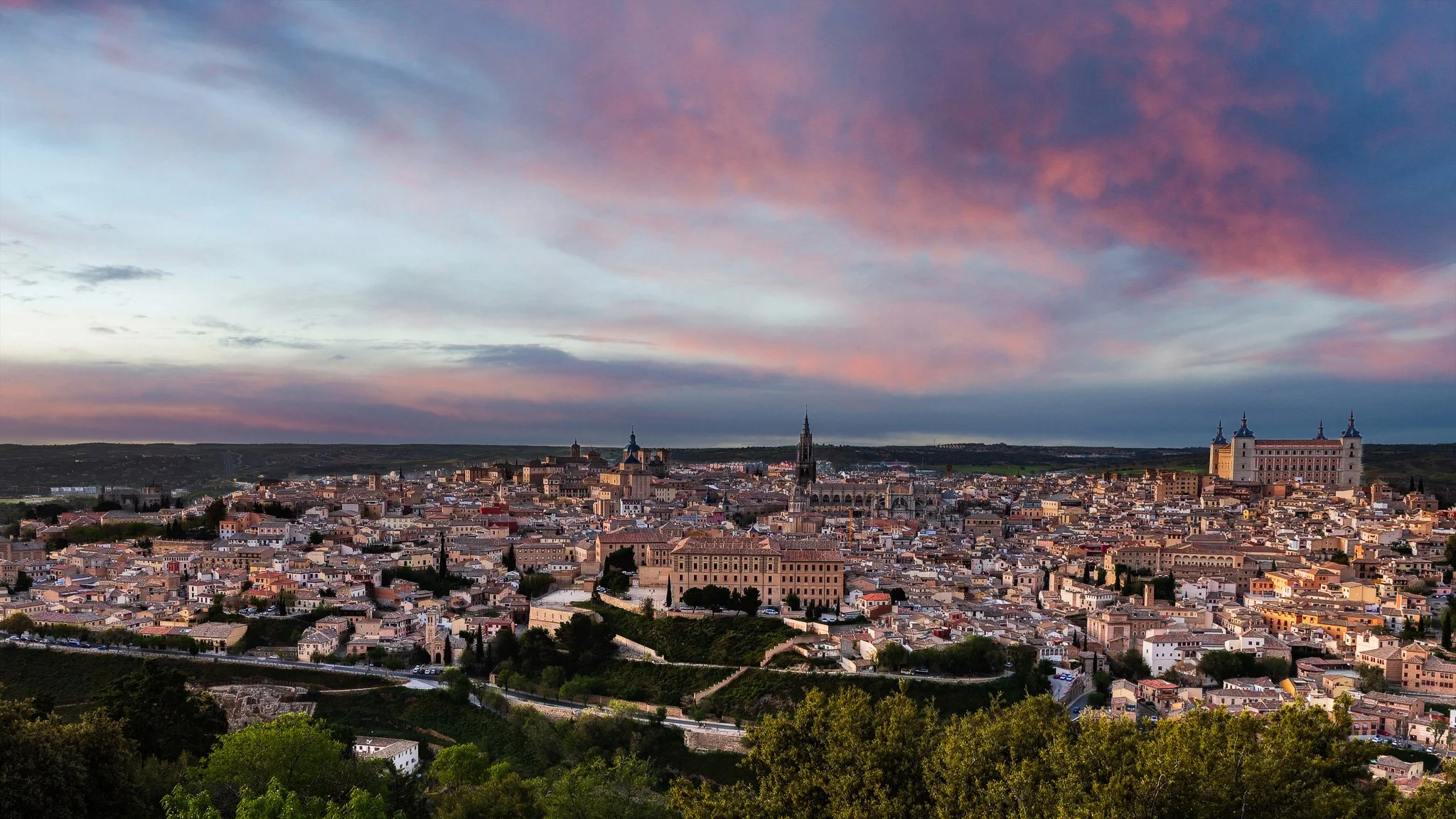
The Parador de Toledo is not inside the Old Town. It sits on the Cerro del Emperador — the Emperor's Hill — across the Tagus River, on the same elevated position from which El Greco painted his famous View of Toledo. The view from the terrace, encompassing the full sweep of the city skyline with the Alcázar and Cathedral rising above it, is arguably the finest single view of Toledo available from any fixed position.
The style is Spanish country house: wide, cool corridors, wooden beams, solid antiques, and spacious rooms with pool views and balconies. The outdoor pool in summer, overlooking the city below, is extraordinary. The restaurant serves traditional Castilian cuisine, and dining on the terrace as the sun sets behind you and the city lights begin to come up is one of the great Toledo experiences.
The trade-off is distance. You will need a taxi or car to reach the Old Town — it is a 15-minute ride or a 50-minute walk. If your photography priority is the Mirador del Valle panoramic shot and you want to wake up to that view every morning, there is nowhere else in Toledo that delivers it.
Hotel Boutique Adolfo Plaza de Zocodover, Toledo Old Town
A stylish, modern boutique hotel in the most central position in Toledo — directly on Plaza de Zocodover, the city's main square and the natural gathering point for the Old Town. The proximity to the Cathedral, the Alcázar, and the main pedestrian streets makes it the most convenient base for a photography-focused stay where you want to be out at first light and back for a late dinner.
MID-RANGE
Hotel Santa Isabel Calle Santa Isabel 24, Toledo Old Town
An affordable, well-run hotel in the historic center with a rooftop terrace offering a surprising and underrated view of the Cathedral's tower rising above the medieval rooftops. Clean, comfortable rooms and an excellent location for photographers who want to keep costs manageable while staying inside the walls.
Hotel Pintor El Greco Alamillos del Tránsito 13, Jewish Quarter
Set in a historic building in the Jewish Quarter — the most atmospheric and photogenic neighborhood in Toledo — this cozy, rustic hotel puts you in the heart of the medieval streets that reward early morning wandering. The surrounding alleys, synagogues, and hidden courtyards are minutes away on foot.
Hotel San Juan de los Reyes Reyes Católicos 3, near San Juan de los Reyes Monastery
Housed in a converted 19th-century flour factory with genuine industrial character, this hotel sits adjacent to the Monasterio de San Juan de los Reyes and the Tagus riverside walks — ideal for photographers who want to explore the western end of Toledo and access the bridges before the day-trippers arrive.
How Many Days Should I Stay in Toledo?
You’ll want 2–3 full days to explore the city at a relaxed pace while hitting the major photography spots at different times of day. You can do a fast-paced overnight trip from Madrid, but staying longer lets you enjoy the slower moments and early morning or late evening light, when the day-trippers are gone.
Best Time to Visit Toledo
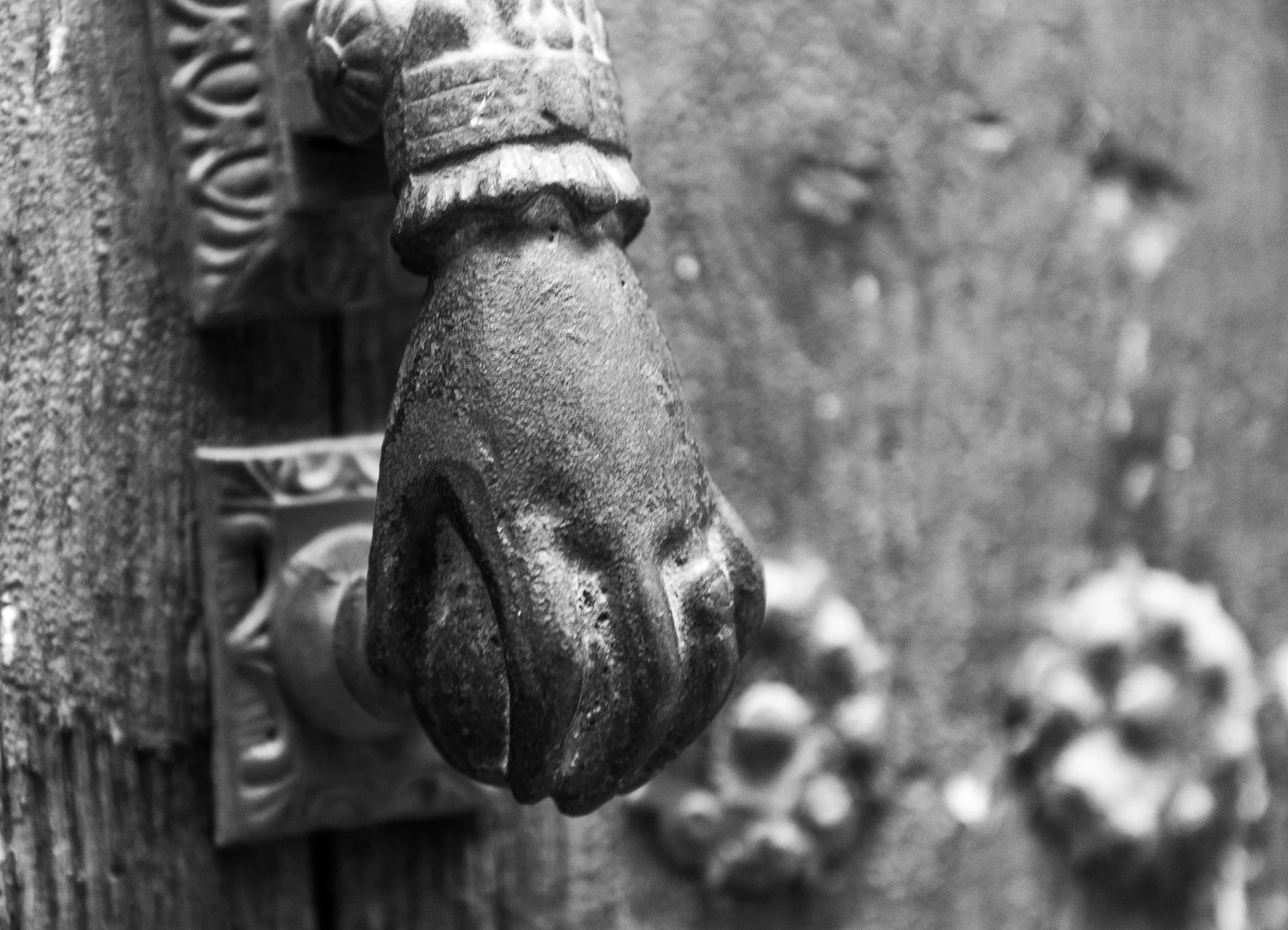
The best time to visit Toledo for photography is during spring (April–May) or fall (September–October) when the light is soft, temperatures are mild, and the crowds are smaller. Summer can be brutally hot, especially during the day. Winter has its own charm—foggy mornings, quieter streets, and moody skies perfect for black-and-white photos.
Toledo also hosts festivals like:
Semana Santa (Holy Week) in spring: Traditional processions with dramatic scenes to photograph.
Corpus Christi in June: The city is adorned with flowers, tapestries, and parades—a photographer’s dream.
How to Get Around Toledo
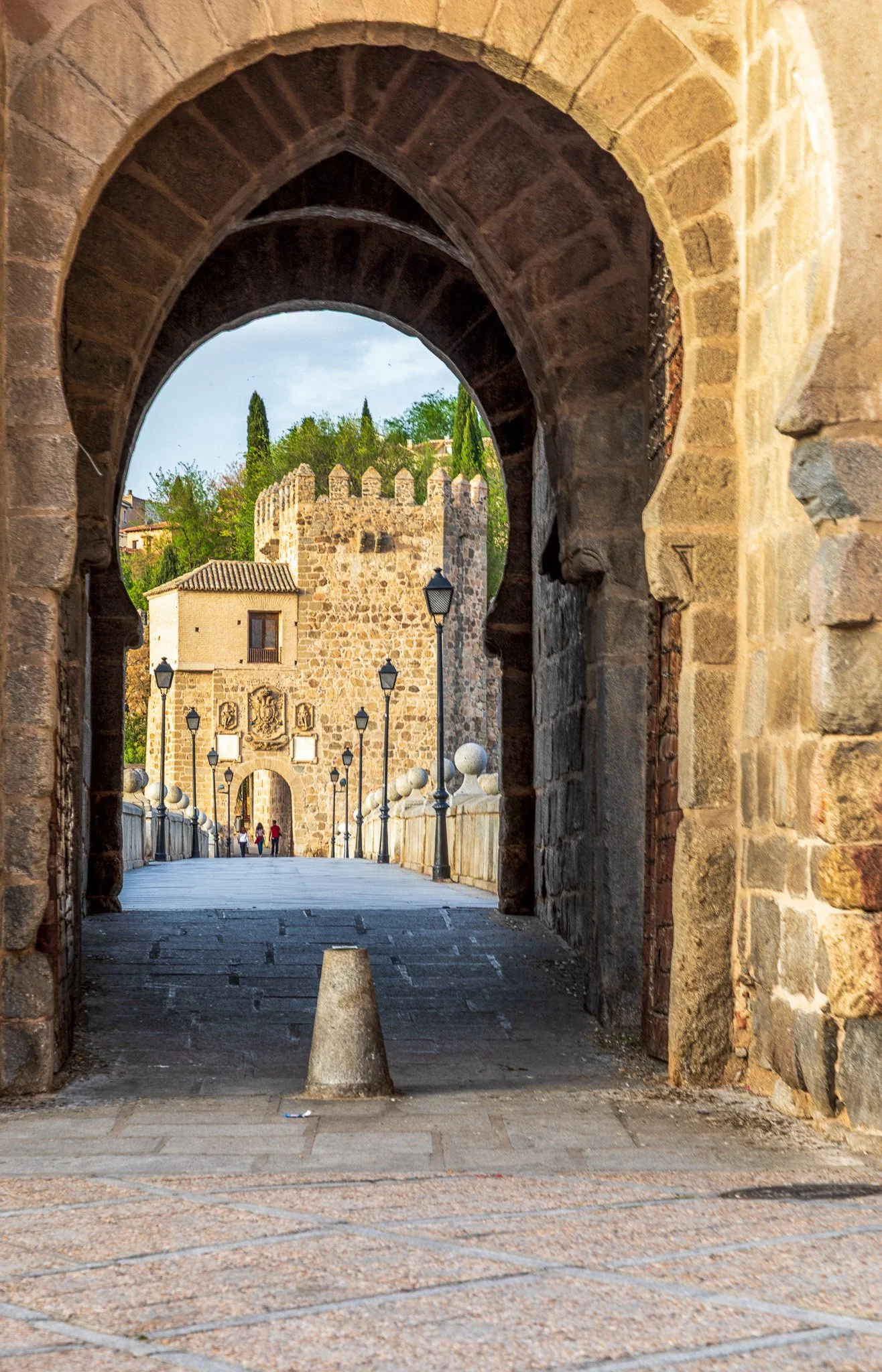
Toledo is best explored on foot. Its compact Old Town is full of narrow, winding alleys that are not accessible by car. Wear comfortable shoes and be ready for hills.
Getting there: Take a high-speed train from Madrid (about 33 minutes). In town: Uber isn’t widely used in Toledo, but local taxis are available. No need to rent a car unless you're doing a day trip to nearby towns.
Where to Eat in Toledo
Toledo's cuisine is rooted in the land around it: Castilian, hearty, and deeply seasonal. The region is saffron country, Manchego cheese country, and game country. Partridge stew (perdiz estofada), roast suckling pig, wild mushrooms from the nearby mountains, and black truffles from just outside the city all find their way onto menus here. And Toledo is famous throughout Spain for its marzipan — an Arab legacy, made from almonds and honey, sold in every confectionery in the city and worth taking home.
A note on timing: lunch is the main meal in Toledo, as it is across Castile. Most of the best kitchens run a menú del día (two or three courses with wine) at midday that offers exceptional value. Dinner starts late — 9 pm at the earliest.
Hombre de Palo 7, Toledo Old Town
The most celebrated restaurant in Toledo, listed in the 2025 Michelin Guide and the standard by which other Toledan restaurants measure themselves. The kitchen, now run by the sons of the legendary chef Adolfo Muñoz, centers on a seasonal tasting menu with a strong focus on local herbs, vegetables from the family's own country estate, and the produce of the Castilla-La Mancha region at its finest. The suckling pig with its own jus and a fruit compote is the signature. The organic green asparagus from nearby Camuñas with turmeric and Melanosporum black truffle is extraordinary when in season.
What makes the experience exceptional, beyond the food, is the wine cellar. Your meal begins with a tour of the 12th-century underground cellar — one of the finest private wine collections in Spain — which sets the context for the evening before you have eaten a single bite.
Reserve well ahead, particularly for dinner. Request a table in the main dining room.
Michelin Guide listed. Tasting menu approximately €60–€80 per person, excluding wine.
Descalzos 5, Jewish Quarter
La Orza is the most refined expression of traditional Toledan cuisine in the city. Located in the Jewish Quarter in a space with vaulted stone ceilings and candlelit tables, it takes the regional classics — game, river fish, legumes, saffron — and prepares them with the kind of precision and care that makes a familiar dish feel like a revelation. The partridge is prepared several ways depending on the season. The house wine list concentrates on Castilla-La Mancha producers, many of whom you will not find outside this region.
For photographers who want a long, unhurried lunch after a morning of shooting the Jewish Quarter, this is the table to book.
Mid to upper pricing. Reserve ahead for weekend lunches.
Alfileritos 24, Toledo Old Town
The most atmospheric restaurant in the city's center, set inside a medieval building with exposed stone walls, vaulted ceilings, and a creative contemporary approach to Castilian flavors. Alfileritos is younger and more energetic than La Orza or Adolfo, with a menu that takes traditional ingredients and finds unexpected combinations. The croquetas are exceptional. The wine list is intelligent. A strong choice for dinner when you want something with more energy than a formal tasting menu.
Mid-range pricing.
Circo Romano 35, just outside the city walls
One of the oldest restaurants in Toledo, operating since 1891, and the place to go for the most authentic version of perdiz a la toledana — Toledo's famous stewed partridge, cooked with onion, garlic, vinegar, and bay leaves until the meat falls apart. It is a working restaurant without pretensions, the kind of place that has survived a century by cooking one thing correctly and continuing to do so. The marzipan dessert is homemade and is the right way to end a Toledan meal.
Affordable to mid-range. No reservations needed for lunch on most days.
Taberna El Botero
Calle de la Ciudad 5, Toledo
For tapas and a glass of Manchego wine at the end of a long afternoon of shooting, El Botero is the most reliable option in the city center. Casual, friendly, with a short but well-curated menu of local cheeses, cured meats, and hot tapas. The kind of place where you intend to stay for one drink and leave ninety minutes later.
Toledo's Marzipan
Before you leave, buy marzipan. Toledo's marzipan, made from almonds grown in the surrounding countryside and honey rather than sugar, has been produced here since the Arab period. The best is sold by the Mazapán de Toledo denomination-of-origin producers — look for the official stamp on packaging. Casa Telesforo on Plaza de Zocodover is the most famous confectionery in the city and the right place to try it.
Coffee Shops:
Il Cappuccino: Cozy and friendly, perfect for editing shots over espresso.
La Malquerida: Great pastries and people-watching.
Café del Fin: Quirky and quiet, a nice, creative break spot.
Photography Gear for Toledo
Toledo rewards a simple kit. I shoot with the Canon EOS R5 and bring three lenses: a 16–35mm for the Cathedral interior, the monastery cloister, and the wide Mirador del Valle panorama; a 24–70mm for walking the streets and bridges; and a 70–200mm for compressing the cityscape from the far bank of the Tagus. A tripod is non-negotiable — blue hour at the Puente de San Martín and the illuminated skyline from the Mirador are both long-exposure shots. Add a circular polarizer for the river and a spare battery, because Toledo's streets will keep you out longer than you planned.
One important note: drone photography is not permitted in Toledo without prior authorization from the Spanish Aviation Safety and Security Agency (AESA) due to its UNESCO World Heritage status. Leave the drone at home unless you have the paperwork in hand.
Photography Locations in Toledo
Here are the best photography spots in Toledo, with tips and links:
Mirador del Valle
The Mirador del Valle is Toledo's signature photograph and arguably the single most iconic viewpoint in all of Castile. From the opposite bank of the Tagus River on the Carretera de Circunvalación, the entire city presents itself as a single, impossibly complete composition: the Alcázar on the highest point, the Cathedral's tower rising beside it, stone walls, medieval bridges, the river curving below it all. This is the view that El Greco painted in the 16th century and it has barely changed.
The viewpoint is approximately 2.5 kilometers from the Old Town by road, easily reached by taxi, by car, or by the Toledo Tourist Train from Zocodover Square.
📷 Pro Tip: Arrive 45 minutes before sunrise for the full pre-dawn sequence, when the city emerges from darkness and the first light catches the Alcázar tower. A wide-angle lens (16–24mm) captures the full panoramic sweep including the river bend. A 70–200mm telephoto compresses the Cathedral and Alcázar into a tighter architectural study. For the classic postcard shot, shoot at golden hour when the warm light turns the stone facades amber against a blue sky. At blue hour after sunset, the illuminated city against a deep blue sky is extraordinary — bring a tripod for the long exposures. There are two viewpoints here about 50 meters apart (Mirador del Valle and Mirador Toledo); walk between them for different compositional angles.
Best time: Sunrise, golden hour before sunset, or blue hour after sunset. The viewpoint is accessible 24 hours. Access:2.5 km from Old Town. Taxi recommended before sunrise.
Parador de Toledo
Catedral Primada de Toledo
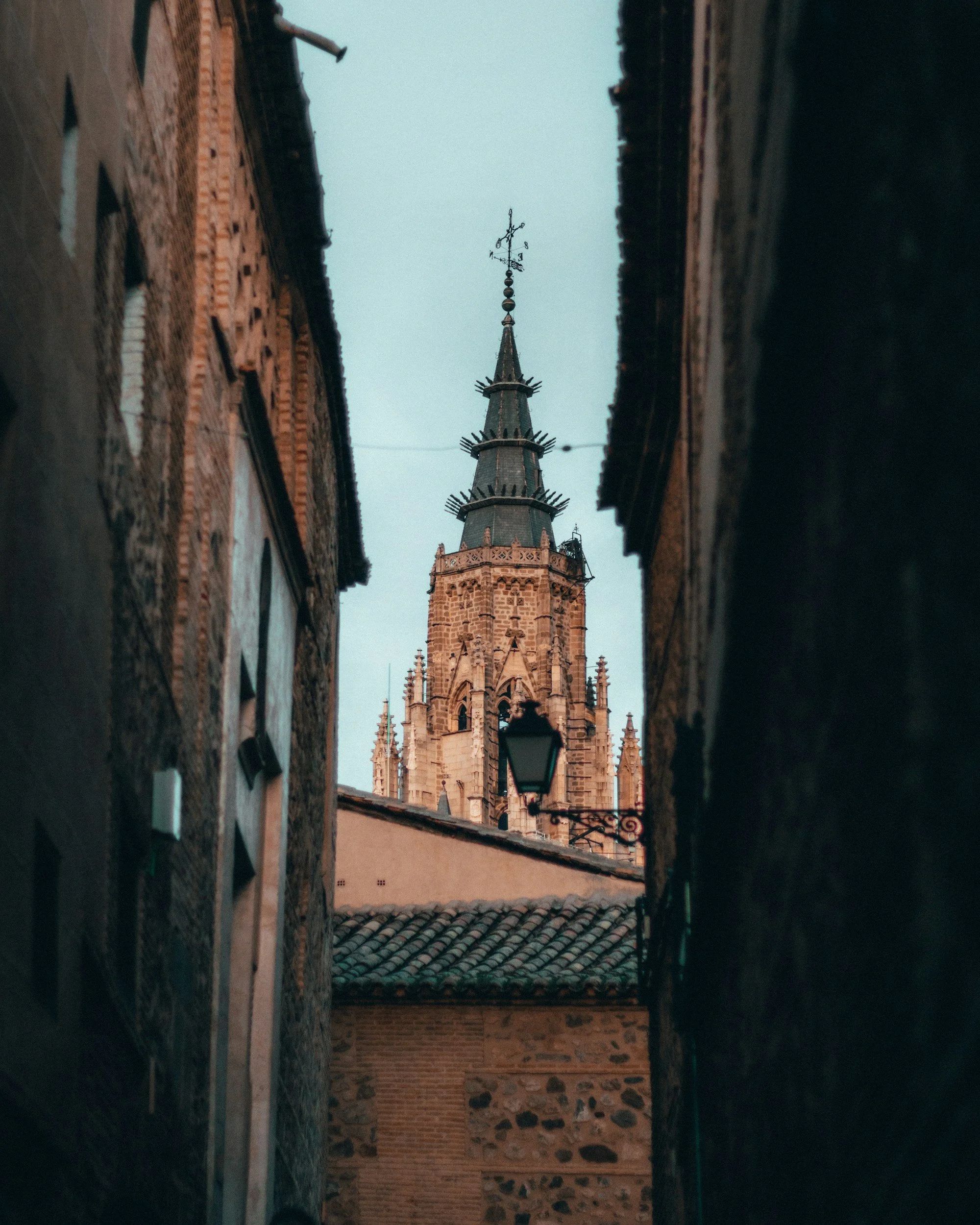
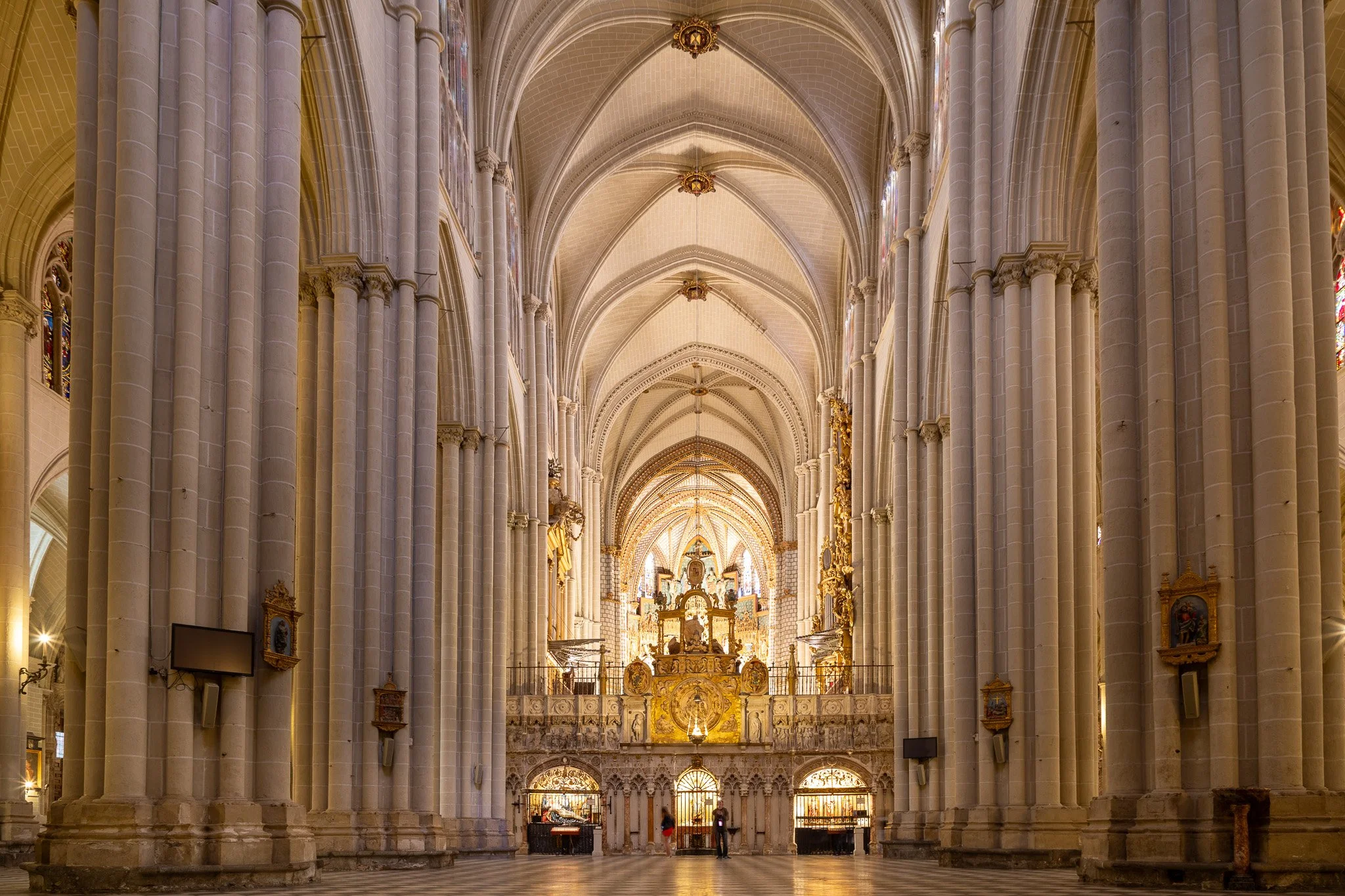
The Toledo Cathedral is one of the great Gothic cathedrals of Spain — begun in 1227 and not completed until 1493, over 260 years of continuous construction. The result is a building that synthesizes almost every style of the late medieval period: Gothic nave, Renaissance chapels, Baroque sacristy, Mudéjar details throughout. The transparent — a floor-to-ceiling Baroque altarpiece in the apse, lit by a dramatic opening cut through the vaulted ceiling to the sky above — is one of the most theatrical pieces of religious architecture in Europe.
The exterior, dominated by the Gothic tower visible from across the city, is best photographed from the narrow streets to the south and east, where the scale of the building against the surrounding medieval houses creates powerful compressed compositions.
📷 Pro Tip: Photography is permitted inside without flash. The interior requires a wide-angle (16–24mm) to capture the full height of the nave. The sacristy, which houses works by El Greco, Goya, Titian, and Rubens, is the single most art-rich room in Toledo and deserves slow, deliberate attention. The Transparente altarpiece photographs best from directly below, shooting straight up — bring a wide angle and stabilize against the pew for a handheld long exposure. The Cathedral opens before the main tourist wave arrives; come at 10am on a weekday.
Best time: Weekday mornings, before noon. Admission: €10. Book tickets here.
Alcázar of Toledo
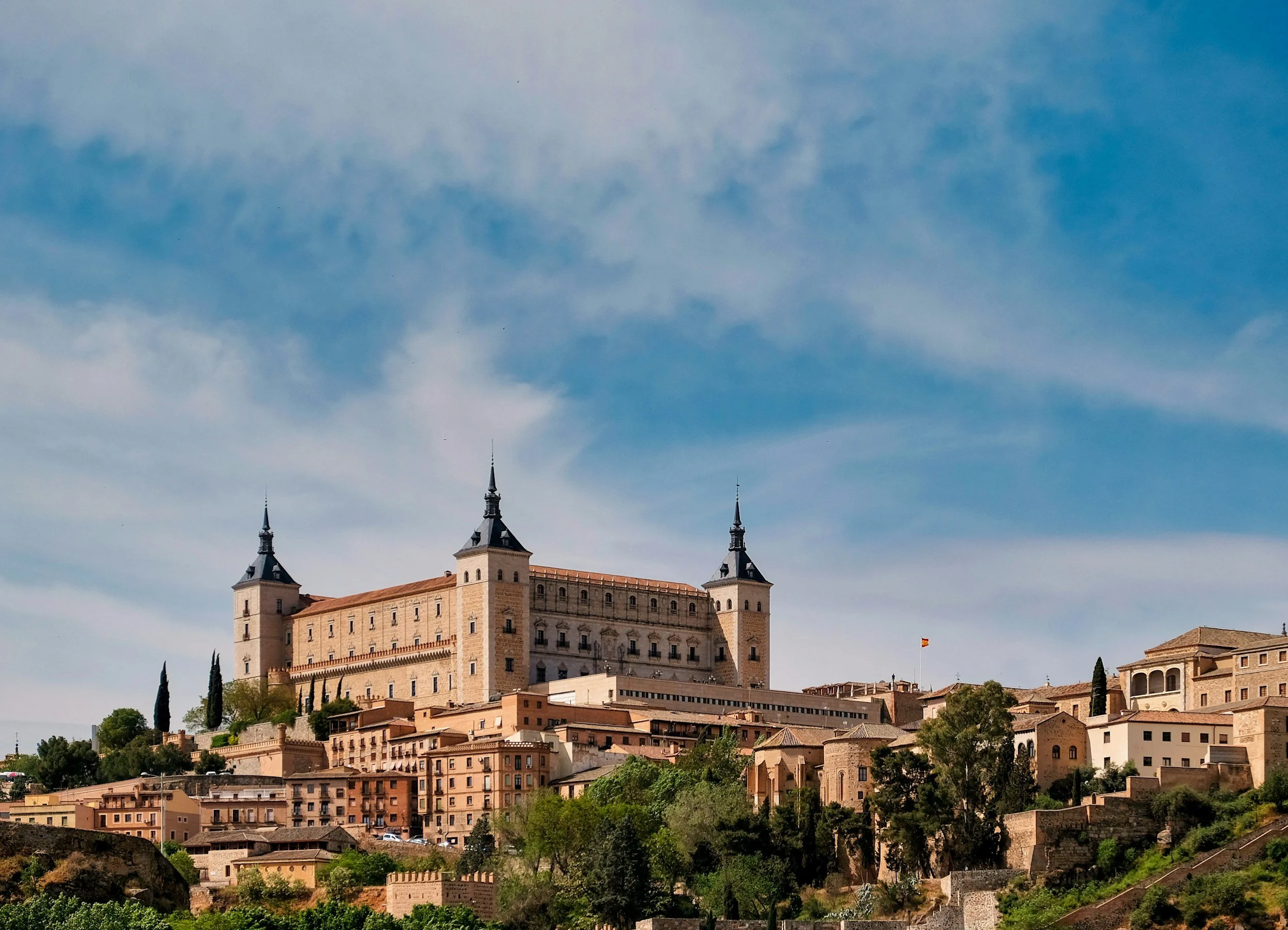
The Alcázar sits on the highest point of Toledo's hill, a Renaissance fortress rebuilt multiple times over its history — by the Romans, the Visigoths, the Arabs, and finally under Charles I of Spain in the 16th century. Today it houses the Army Museum, but the building itself is the subject: its four-towered silhouette is the dominant element of the Toledo skyline from every external viewpoint.
From inside the Old Town, the Alcázar is best photographed from the streets below its eastern and northern faces, where the scale of the stone walls against the sky is dramatic. The views from the Alcázar's exterior terraces back over the city and toward the river are among the finest inside the walls.
📷 Pro Tip: The best external shot of the Alcázar as part of the full skyline is from the Mirador del Valle (above). Within the city, position yourself on Cuesta del Alcázar looking uphill toward the towers — the narrow street acts as a natural frame. At golden hour from the west, the warm light on the southern face turns the stone a deep amber. Photography is permitted throughout the museum interior; the grand courtyard inside is a strong architectural subject with a 16–24mm.
Best time: Late afternoon for the best external light. Opening hours: Tuesday–Sunday, 10am–5pm. Admission: Free for EU citizens; €5 for others.
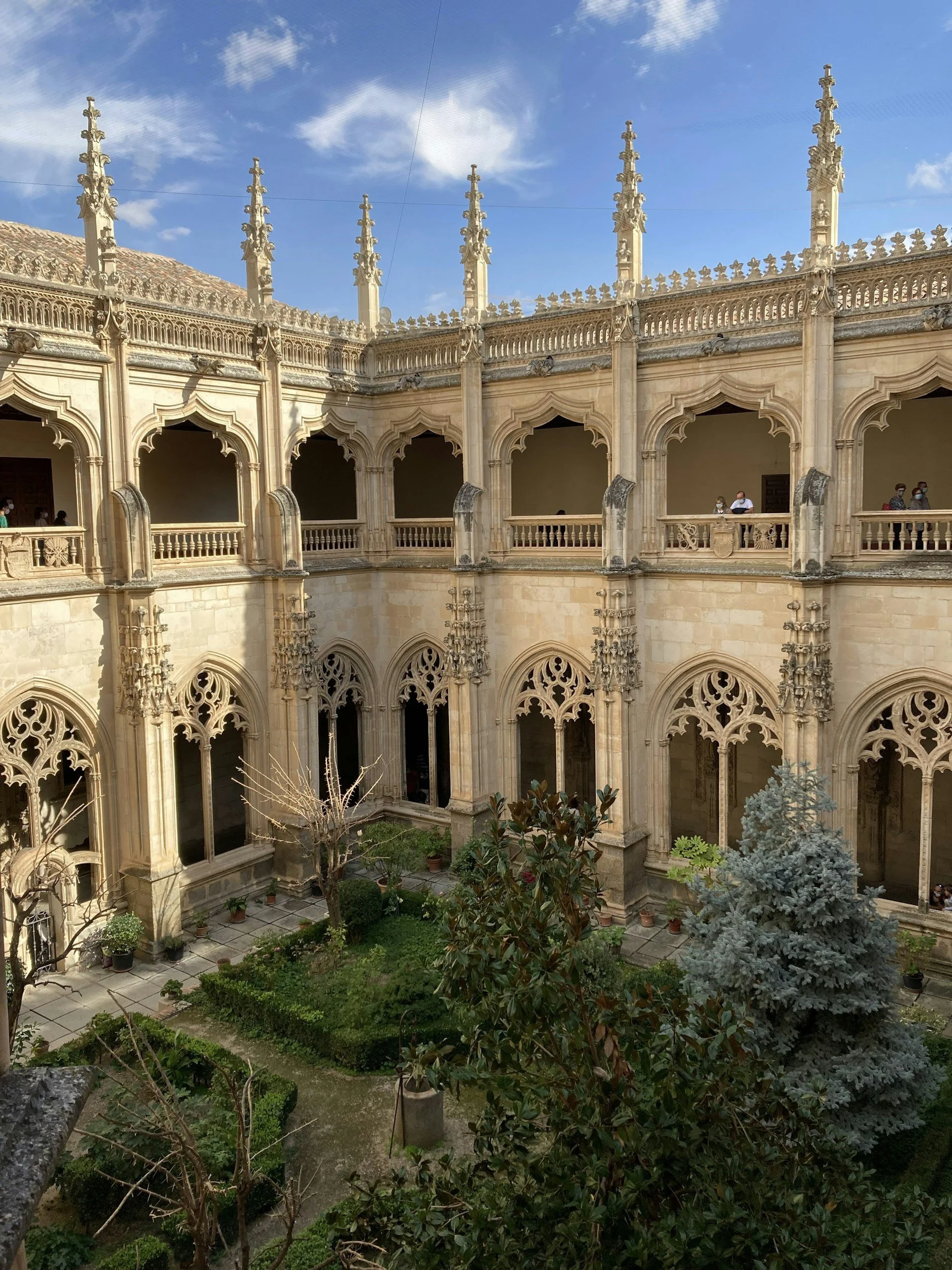
Monasterio de San Juan de los Reyes
Built by Ferdinand and Isabella as a royal chapel and intended as their burial site (until the reconquest of Granada changed their plans), this Late Gothic monastery on the western edge of the Old Town is one of the most beautiful interiors in Toledo. The two-story cloister — with its delicate stone arching, intricate carved ceiling, and the chains of Christian prisoners freed from the Moors hanging from the exterior walls — is the defining architectural subject.
📷 Pro Tip: The cloister is the photograph. Shoot it with a 16–24mm wide angle from the four corner positions to capture the full geometry of the arches and the ceiling. The upper gallery is worth climbing for a different perspective down into the garden courtyard. The exterior of the church facing the river has the chains of freed prisoners still hanging from the wall — a powerful historical detail that makes a strong contextual photograph. Morning light from the east falls into the cloister; come early.
Best time: Morning. Opens at 10am. Admission: €3.
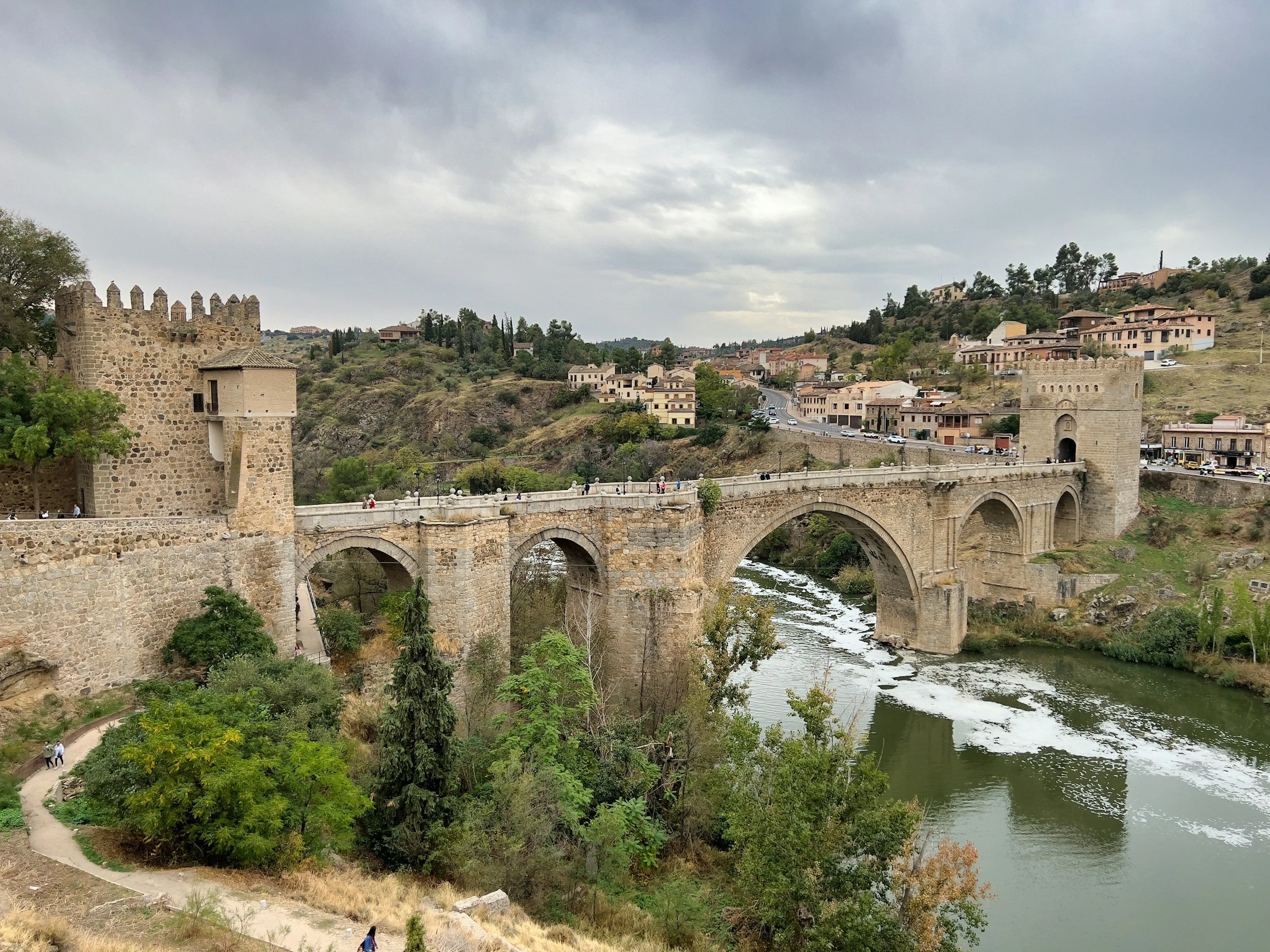
Puente de San Martín and Puente de Alcántara
Toledo has two great medieval bridges, both spanning the Tagus River, and both worth dedicated photography sessions.
The Puente de San Martín (14th century) on the western side of the city is the more dramatic of the two — its five Gothic arches are flanked by defensive towers and the Tagus flows powerfully below. The view back toward the Old Town from the bridge's midpoint, with the church towers rising above the medieval skyline, is one of the most photographed compositions in Toledo.
The Puente de Alcántara (Roman foundations, rebuilt in the 13th century) on the eastern side sits directly below the Alcázar, and the relationship between the ancient bridge, the towers on its approaches, and the fortress above creates a layered architectural composition that is different from any other angle in the city.
📷 Pro Tip: Puente de San Martín at blue hour, shooting east toward the city with the bridge arches in the foreground and the illuminated city above, is a strong long-exposure subject. Bring a tripod and position it at the bridge's western approach. For Puente de Alcántara, the best angle is from the road below looking northwest, with the Alcázar visible above the bridge gate towers. A 24–70mm handles the bridge-and-city compositions at both locations.
Best time: Blue hour for San Martín. Golden hour for Alcántara with the warm light on the fortress above.
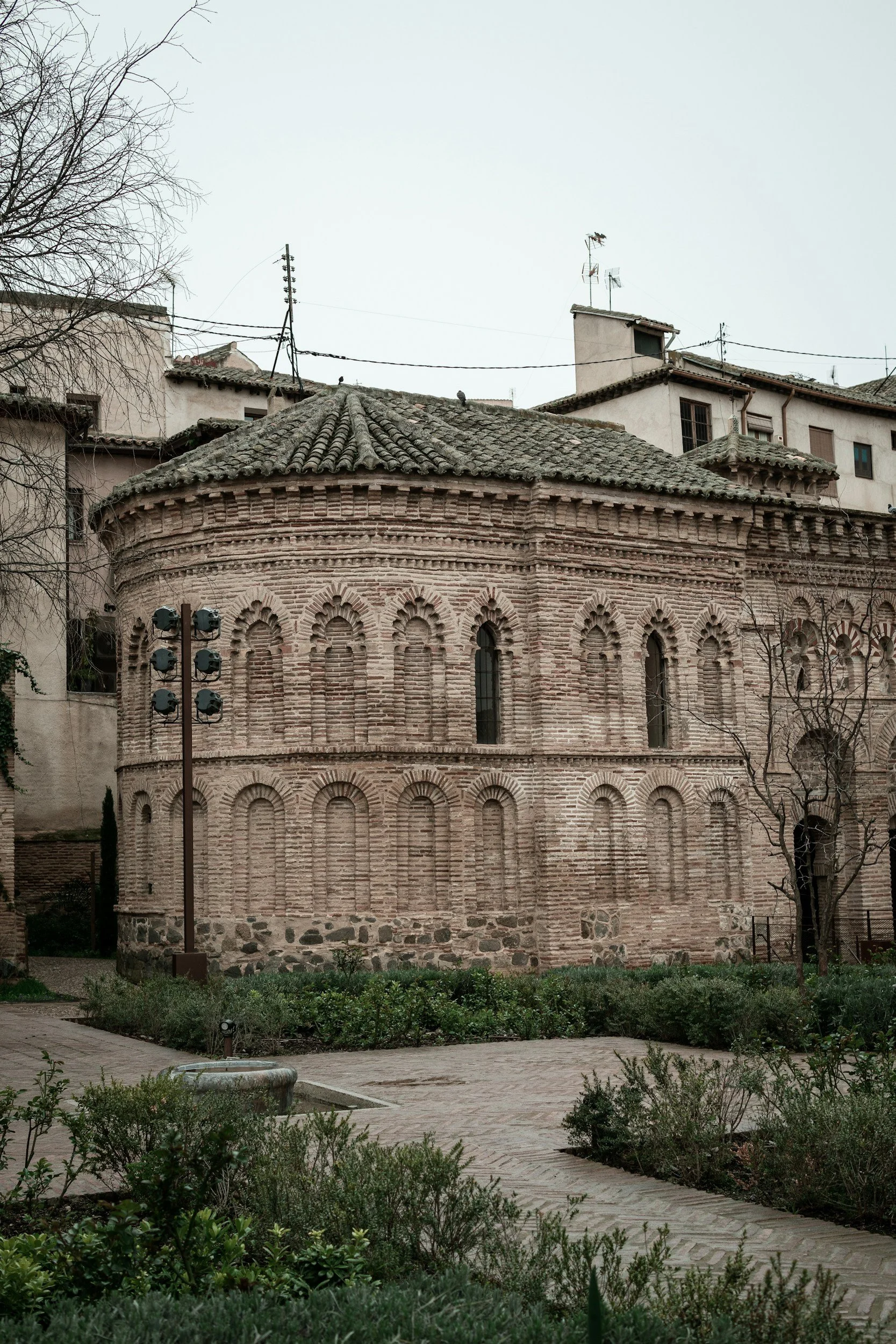
Mosque of Cristo de la Luz
Built in 999 AD by the Arab architect Musa Ibn Alí, the Mosque of Cristo de la Luz is the oldest standing building in Toledo and one of the oldest in Spain. It is tiny — barely 8 meters square — but the density of architectural history in those proportions is extraordinary. The horseshoe arches on the facade, the nine separate vaulted bays inside (each with a different pattern, an Arab architectural signature), and the small Mudéjar apse added after the Christian reconquest create a building that embodies, in miniature, the full story of Toledo's "Three Cultures."
The surrounding garden sits on a terrace with views over the western part of Toledo — an often overlooked but very worthwhile secondary composition.
📷 Pro Tip: Photography is permitted inside without flash or tripods. The facade with its horseshoe arches photographs beautifully from the small square in front, using a 24–35mm. Inside, the nine vaulted bays require a wide angle — position yourself in the center of the space and shoot upward to capture the full geometry of the ceiling. The garden viewpoint behind the mosque is worth spending 10 minutes on; it gives you a different angle on the city below.
Best time: Midday for the best internal light through the small windows. Admission: €2.80.
Museo del Greco (El Greco Museum)
Domenikos Theotokopoulos, known as El Greco, lived in Toledo from 1577 until his death in 1614, and the city he saw — the Cathedral, the Alcázar, the Tagus curve below the walls — became the backdrop for some of the most famous paintings in European history. The Museo del Greco, set in a reconstructed version of the house where he lived and worked in the Jewish Quarter, displays a significant collection of his works, including the famous series of the Apostles.
For photographers, this matters both as a subject (the museum itself, with its period furnishings and intimate rooms, is a photogenic space) and as orientation — understanding how El Greco saw and painted the light in Toledo will change how you photograph the city yourself.
📷 Pro Tip: Photography is permitted in most areas of the museum. The small garden courtyard outside the house makes a strong environmental portrait space — the whitewashed walls and terracotta pots reflect the warm light of the surrounding streets. The View and Plan of Toledo, El Greco's panoramic cityscape, is displayed here; standing in front of it knowing that you are in the city he painted 400 years ago is one of those moments that makes travel photography meaningful.
Best time: Anytime. Quiet on weekday mornings. Admission: Free (EU citizens); €3 (others).
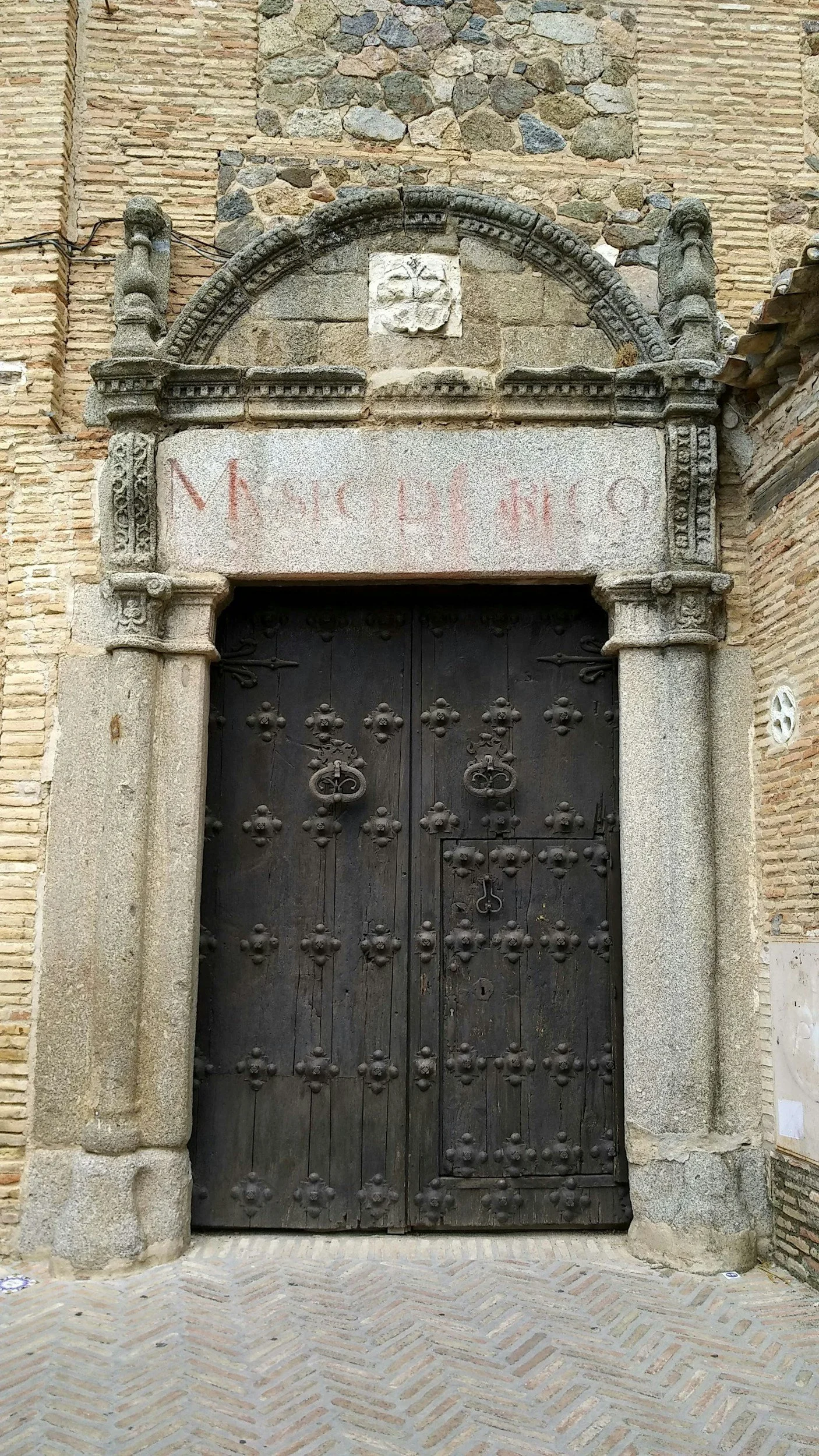
The Jewish Quarter and Synagogues
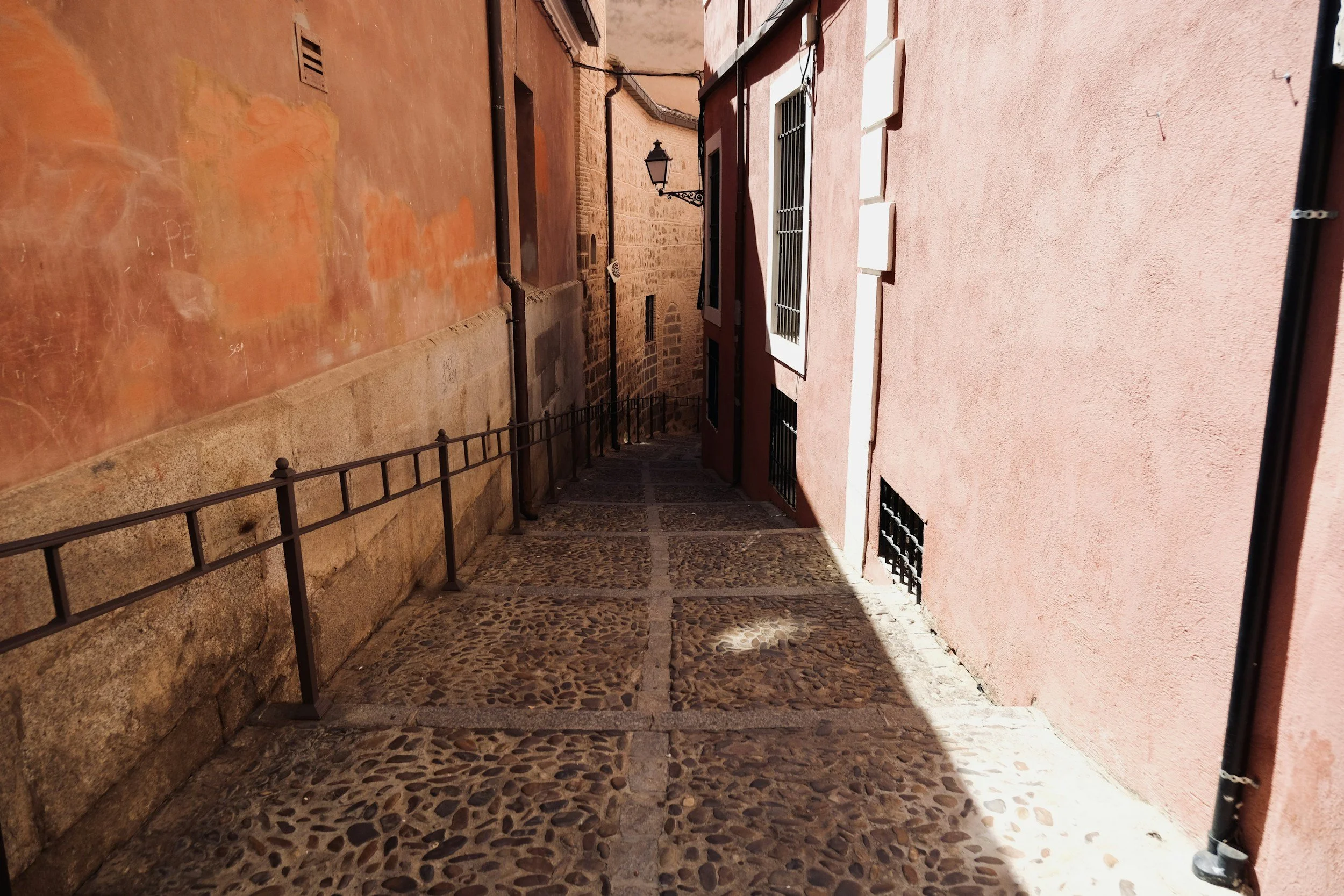
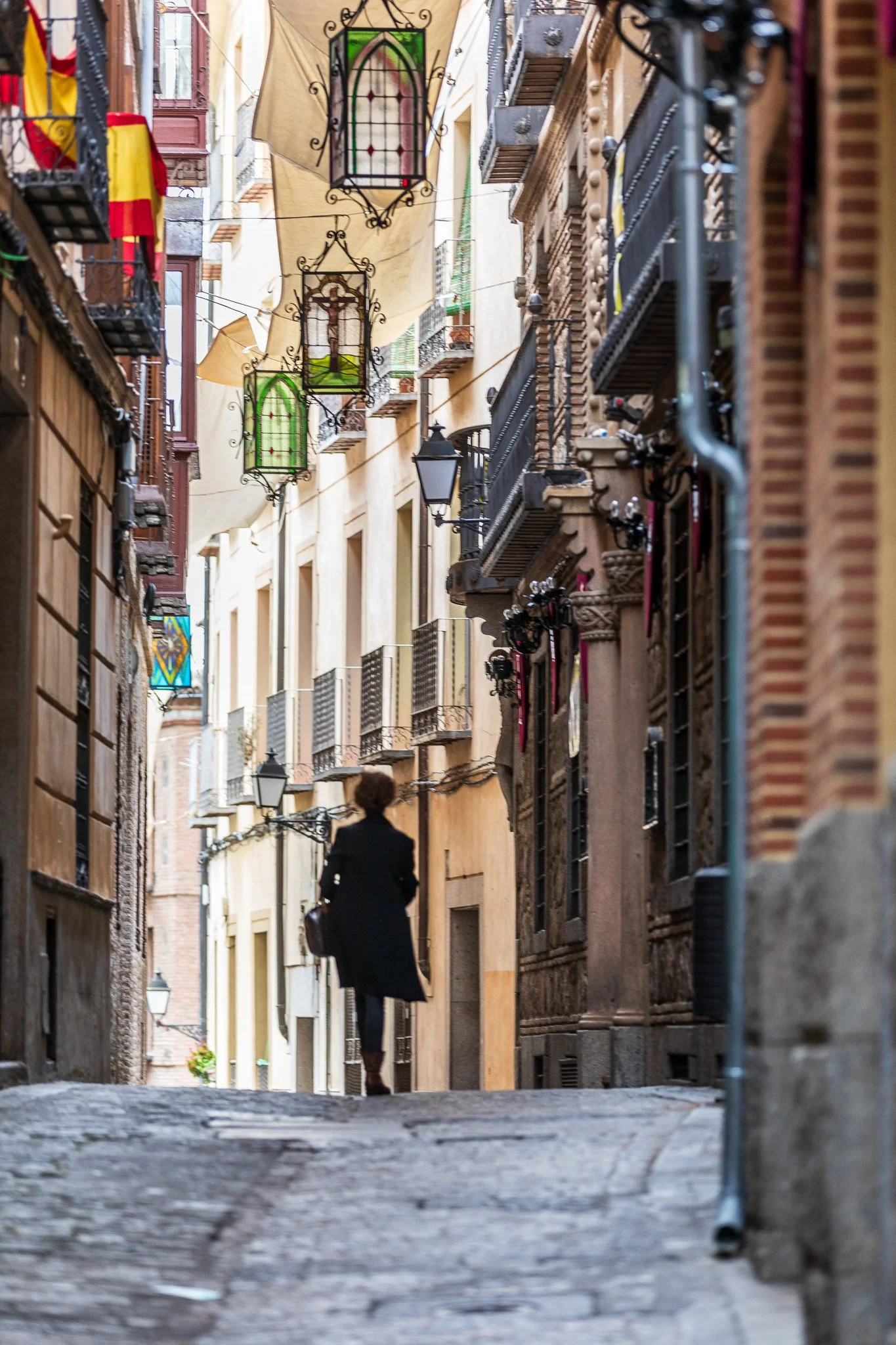
The Judería — Toledo's Jewish Quarter — is the most atmospheric neighborhood in the city for street photography. The alleys are narrow, paved in worn stone, lined with tiled azulejo signs and wrought-iron lanterns, with sudden small plazas opening between walls that have been standing since the 14th century. Two of the finest medieval synagogues in Europe stand here: the Sinagoga de Santa María la Blanca (12th century, converted to a church in 1411, now restored) and the Sinagoga del Tránsito (14th century, housing the Samuel Ha-Levi Museum).
📷 Pro Tip: Come to the Jewish Quarter before 9am on any day, when the streets are empty and the low morning light falls diagonally across the stone facades. A 35mm prime is the right lens — it is unobtrusive and wide enough to capture the street with both walls included. The interior of Santa María la Blanca, with its distinctive horseshoe arches and white columns, is one of the most quietly beautiful interior spaces in Toledo — shoot it with a wide angle and a long exposure for the available-light quality.
Best time: Early morning before 9am for empty streets. Interior of synagogues: weekday midmornings.
Zocodover Square
Plaza de Zocodover is Toledo's main square and the central node of Old Town life — the place where locals gather, tourists orient themselves, and the city's energy concentrates. It is the starting point for most walking tours, the location of the Tourist Train departure, and the spot where Toledo feels most alive during the evening paseo.
For photographers, Zocodover is a street photography subject rather than an architectural one. The energy is consistent, the light in the early evening from the west is warm and directional, and the mix of locals and visitors creates a layered human scene that is worth spending time in.
📷 Pro Tip: Come in the early evening, 6–8pm, when the paseo is in full swing and the light from the west catches the facades. A 35–50mm is the right lens for candid crowd photography. The archway at the south end of the square, leading toward the Cathedral, creates a natural frame for compressing the activity of the plaza into a single image.
Best time: Evening for the paseo. Morning for empty architectural shots.
Festivals & Events in Toledo
Semana Santa (Holy Week) – Dramatic religious processions
Corpus Christi – Elaborate street decorations are ideal for street photography
El Greco Festival (Fall) – Celebrates the painter's legacy, with cultural events and exhibits
Final Thoughts
Toledo feels like stepping into a living museum. Perched high above the Tagus River, wrapped in stone walls and crowned by a cathedral that dominates the skyline, it carries centuries of history with quiet authority.
What makes Toledo so compelling for photographers is its layers. Christian, Jewish, and Muslim influences coexist in architecture, textures, and details that exist nowhere else in Europe. The Mirador del Valle panorama captures the full drama. The Jewish Quarter's alleys give you intimacy and texture. The bridges at blue hour are among the most powerful long-exposure subjects in Spain. And the light here — the Castilian plateau light, direct and clear and warm at golden hour — turns medieval stone into something that looks like it was made for photography.
Come for at least one overnight. The day-trippers leave by 7 pm, and what remains is the city at its most honest: quiet streets, the smell of dinner from open windows, the Cathedral and Alcázar illuminated above the empty plazas. This is when Toledo rewards you.
Madrid is 30 minutes away, and it opens the door to everything else in Spain. Here is where I would go next.
My Photography & Travel Guide to Madrid, Spain , Toledo is the perfect day trip or overnight extension from Madrid. My Madrid guide covers the capital's best photography locations, hotels, and restaurants — including the Temple of Debod, Plaza Mayor, El Retiro, and Gran Vía.
Best Photography Locations in the World : My complete bucket list of the world's best photography destinations, with links to every guide.
If you are interested in joining one of my photography workshops, you can find the details through the link. You can also follow along on Instagram, Facebook, or subscribe to my newsletter for more travel photography tips and behind-the-scenes insight.
Finally—a beginner-friendly photography guide that makes sense.
If you've ever picked up a camera and thought, "Now what?" this is the book for you.
Photography Made Simple is written for adults who are just starting out and want a clear, encouraging, real-world approach to learning photography. Whether you're using a DSLR, mirrorless, or just your smartphone, this guide walks you through the basics—without the jargon or tech overwhelm.
Inside, you'll learn:
The only camera settings you really need to know to get started
How to shoot sharper, more intentional photos using light and composition
Simple tips for portraits, landscapes, travel, and everyday life
What gear you do (and don’t) need
How to create better photos without upgrading your camera
You’ll also get practical exercises, cheat sheets, and tips for organizing and editing your images—plus the confidence to shoot off Auto Mode for good.
This is not a textbook. It’s a friendly guide to seeing the world with fresh eyes—and finally capturing what you see the way you imagine it.
📸 Format: PDF download
Pages: 100+
Perfect for: Beginners, hobbyists, and anyone ready to take better photos without the stress