My Photography & Travel Guide to Monument Valley
It was raining when we arrived in Monument Valley. Middle of June. Desert country. Rain.
I remember looking at the sky through the windshield and recalibrating every expectation I had brought with me. The famous formations were there, the Mittens visible through the grey, but the light was flat and the mood felt nothing like the images I had spent months imagining. We had driven hours across the Arizona plateau for this.
Then, two hours later, the sky broke open.
The clouds moved east. The sun dropped toward the horizon. And the sandstone buttes, still wet from the rain, caught the last light and turned a shade of red so saturated and so deep it looked like the landscape was lit from inside. I have photographed on six continents and I have seen extraordinary light. That sunset at Monument Valley is in the top five moments I have experienced behind a camera.
Our Navajo guide changed the trip further. He walked us through the valley floor not as a tour operator pointing at formations but as a storyteller describing a living landscape. Every butte had a name with meaning. Every rock formation held a story passed through generations. The land felt entirely different after listening to him for an hour. He was the difference between photographing a location and understanding where you were standing.
And then my wife accidentally left the camera running during our return drive. The shutter was open for longer than anyone planned. I discovered the result when reviewing cards that evening: a long exposure of the valley with light trails from passing vehicles streaking across the foreground, the formations glowing in the background. Completely unplanned. Completely extraordinary. It is still one of my favorite images from any trip.
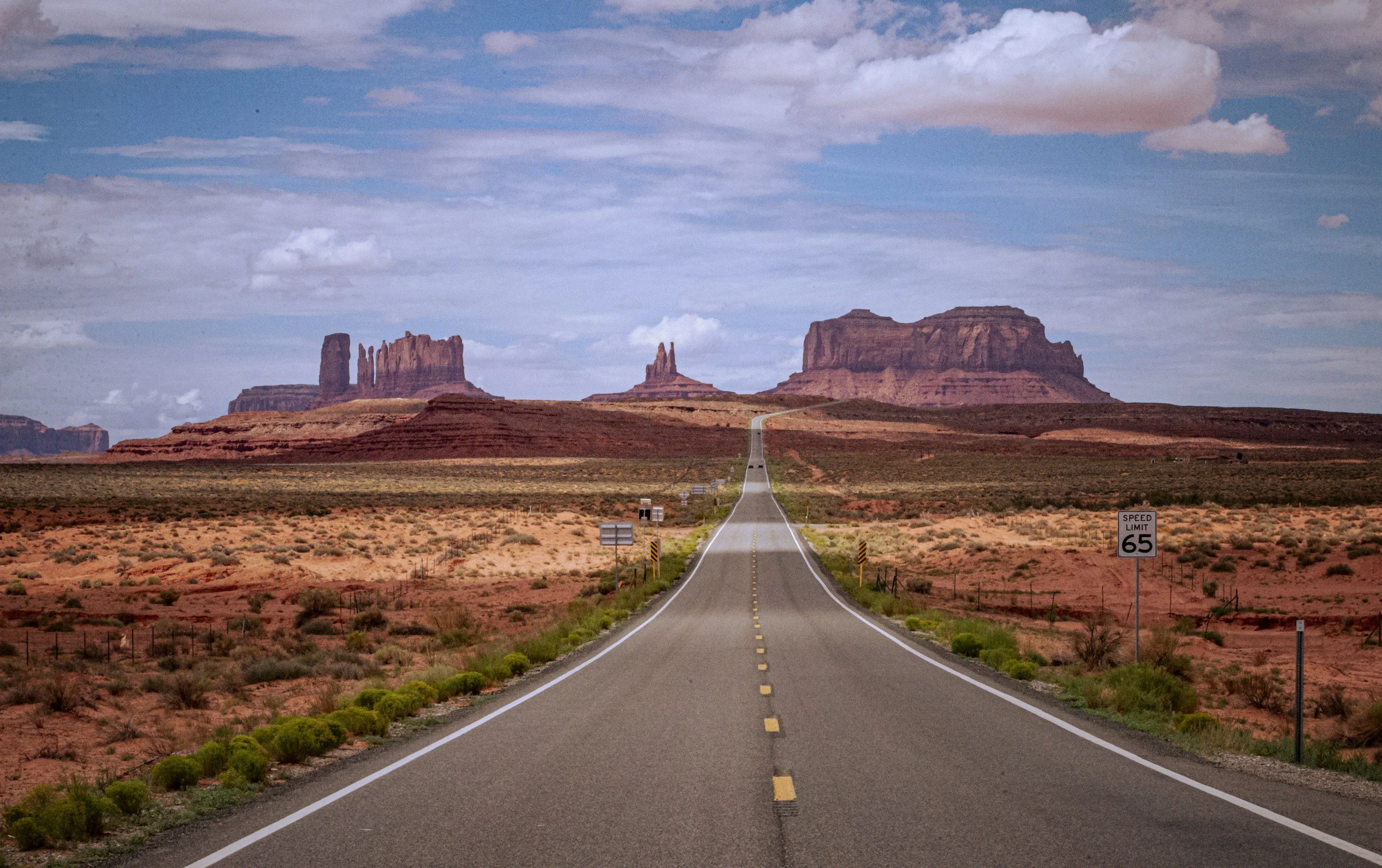
Forrest Gump Point
Monument Valley sits on the Arizona-Utah border within the Navajo Tribal Park, a sacred and protected landscape shaped over centuries by wind, water, and time. The West Mitten, East Mitten, and Merrick Butte rise more than a thousand feet from the valley floor. The light here changes by the minute. The silence, when the tours pause, is the deep silence of a landscape that has existed far longer than anyone photographing it.
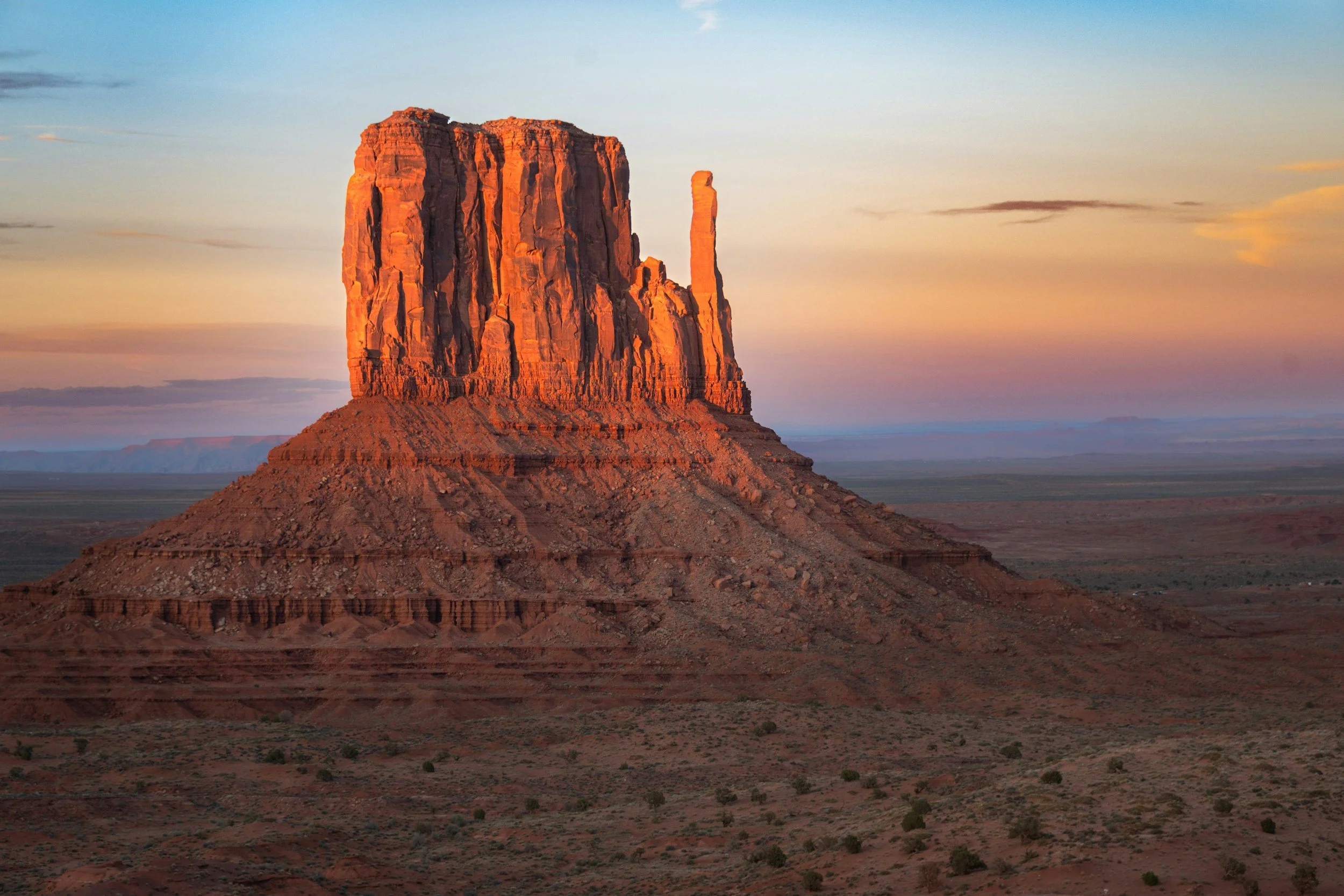
Sunsets in Monument Valley
In this Photography Guide to Monument Valley, I share what I learned from our time in this extraordinary place: where to stay, when to arrive, what gear to bring, and why hiring a Navajo guide is the single most important decision you can make for this trip. You will find photography locations, tour recommendations, practical travel tips, and the honest story of what happens when the sky does something you did not expect.

Where to Stay
Staying close to the park entrance gives you easy access to the stunning vistas and hiking trails. Here are some top accommodations to consider:
Luxury Hotels:
The View Hotel - The View Hotel (My Recommendation) Offering rooms with breathtaking views of Monument Valley, this hotel blends comfort with the beauty of the landscape.
Goulding’s Lodge - Goulding’s Lodge A historic landmark property just a short drive from the park entrance. Goulding's has been welcoming visitors to Monument Valley since the 1920s and carries genuine character and history that newer properties cannot replicate. Comfortable, well-run, and deeply connected to the story of this landscape. A solid and characterful choice rather than a luxury one.
Bluff Dwellings Resort & Spa - Bluff Dwellings Resort Located in the nearby town of Bluff, this resort offers a luxurious retreat with a touch of adventure.

Mid-Level Hotels:
Desert Rose Inn & Cabins - Desert Rose Inn
A charming hotel in Bluff with comfortable rooms and a friendly atmosphere.
Kayenta Monument Valley Inn - Kayenta Monument Valley Inn
A convenient and comfortable option located in the town of Kayenta, close to Monument Valley.
Wetherill Inn - Wetherill Inn
Another great option in Kayenta, offering cozy rooms and easy access to local attractions.

How Long to Stay
To fully experience Monument Valley, plan for a 2-3 day stay. This allows you enough time to explore the park, capture stunning photos, and immerse yourself in the local culture.

Long Exposure
Best Time of Year to Visit
The best time to visit Monument Valley is from late spring to early fall (April to October). During these months, the weather is warm and pleasant, making it ideal for photography and outdoor activities. Early morning and late afternoon light provide the best conditions for capturing the valley’s vibrant colors.

Getting Around Monument Valley
The best way to get around Monument Valley is by car. Renting a vehicle gives you the freedom to explore at your own pace. Monument Valley does not have Uber, Bolt, or similar services, so having your own transportation is essential. Guided tours are also available and are highly recommended for first-time visitors.
Entry Fee: Monument Valley Navajo Tribal Park charges $20 per vehicle for up to four people, with an additional $10 per person beyond four. The fee is collected at the park entrance. Cash and cards are accepted. Guided tours typically include the entry fee in their pricing, so confirm with your operator before paying twice.

Where to Eat:
Restaurants:
The View Restaurant - Located within The View Hotel, this restaurant offers stunning views along with delicious Navajo and American cuisine.
Goulding's Stagecoach Dining Room — Hearty Southwestern and American meals at the historic Goulding's property. A reliable and convenient dinner option after a full shooting day, particularly if you are staying at the lodge.
Blue Coffee Pot — A local Kayenta favorite serving traditional Navajo dishes alongside American standards. No-frills, honest food, and a genuine local atmosphere.
Amigo Café — Dependable Mexican food in Kayenta with friendly service and straightforward portions. A solid casual choice between shooting sessions.
Bluff Fort Restaurant — A charming eatery in Bluff serving a mix of regional and American dishes. Worth a stop if you are extending your trip to explore the canyon country around Bluff.
Coffee Shops:
Twin Rocks Café - Twin Rocks Café
Located in Bluff, this café offers great coffee and a cozy atmosphere.
Java Joe’s Coffeehouse - Java Joe’s Coffeehouse
A popular spot in Kayenta for a good cup of coffee and light snacks.

Photography Gear to Bring
For capturing the majestic beauty of Monument Valley, here are some essential photography gear recommendations:
Camera Models:
Canon EOS R5 Mark II
Sony A7R V
Nikon Z8
Lenses:
Wide-angle lens (16-35mm) for landscapes.
Standard zoom lens (24-70mm) for versatile shooting.
Telephoto lens (70-200mm) for capturing distant details.
Other Gear:
A tripod for stability, especially during sunrise and sunset shots.
Polarizing filter to enhance colors and reduce glare.
ND filter for long exposure shots.
Extra batteries and memory cards for extended shooting sessions.

Best Photography Locations
The Mittens and Merrick Butte Artist's Point North Window -
Iconic sandstone formations are perfect for sunrise and sunset shots.
John Ford’s Point - John Ford’s Point
Named after the famous film director, offering panoramic views of the valley.
Totem Pole and Yei Bi Chei - Totem Pole
Striking rock formations ideal for dramatic landscape photos.
Artist’s Point - Artist’s Point
Provides a stunning overlook of the valley’s vast landscape.
North Window - North Window
A natural frame for capturing the beauty of the valley.

Recommended photography tours
Monument Valley Safari
Description: Offers a variety of tours, including sunrise and sunset photography tours. Guides are experienced photographers and Navajo locals who provide insights into the best locations and times for capturing the valley’s beauty.
Website: Monument Valley Safari
Navajo Spirit Tours
Description: Provides private and group tours focused on photography. The guides are Navajo and share their deep knowledge of the land and culture, taking you to both iconic and lesser-known spots.
Website: Navajo Spirit Tours
Phillips Photography Tours
Description: Specializes in photography tours of Monument Valley and the surrounding areas. The tours are led by a professional photographer who offers tips and techniques for capturing the best shots.
Website: Phillips Photography Tours
Monument Valley Photo Tours
Description: Run by professional photographers and local Navajo guides, this tour service offers personalized photography tours, helping you get the perfect shots while learning about the valley’s history and culture.
Website: Monument Valley Photo Tours
These tours will not only enhance your photography skills but also give you a deeper understanding of the cultural and natural significance of Monument Valley.

Special Festivals and Holidays
Navajo Nation Fair (September) - Held in nearby Window Rock, this is the largest Native American fair in the country, showcasing Navajo culture, music, and dance.
Monument Valley Hot Air Balloon Festival (January) - Watch as colorful balloons rise over the stunning landscape of Monument Valley.

Final Thoughts
The rain was still drying on the sandstone when the light came through.
Monument Valley does not give you a slow reveal. The scale hits you immediately, and the scale keeps hitting you. The first time I drove toward the Mittens at sunrise, with the light coming in low and the red sandstone going almost liquid with color, I pulled over and sat with the engine off for a few minutes before I even picked up my camera. Some places earn that kind of pause.
Hire a Navajo guide. This is not optional advice. It is the difference between photographing a landscape and understanding the land you are standing on. The formations have names. The names have stories. The stories have been passed through generations by people who have lived in this valley far longer than anyone has been photographing it. A guide changes everything about how you see and how you shoot.
The scale here is genuinely disorienting, in the best way. The buttes rise more than a thousand feet from a flat valley floor. The sky goes all the way to the horizon in every direction. Give yourself at least two sunsets and two sunrises. The light will be different each time.
If you are building a Southwest road trip with photography in mind, Monument Valley belongs at the center of it. From here, Antelope Canyon and Horseshoe Bend are roughly two hours west, and the combination of the two is one of the most photographically dense stretches of landscape in the United States.
If you would like to join a future photography workshop, visit my Workshops page for current offerings and upcoming dates. You can also connect with me on Instagram (@chasinghippoz) and Facebook, or subscribe to the newsletter for travel photography tips, destination guides, and behind-the-scenes stories from more than 75 countries. I look forward to sharing the journey with you.
Other Photography Locations
My Photography & Travel Guide to Antelope Canyon & Horseshoe Bend Less than two hours from Monument Valley and one of the most sought-after photography destinations in the American Southwest. Antelope Canyon rewards patience and timing; Horseshoe Bend rewards an early alarm. The two together with Monument Valley form the definitive Southwest photography circuit.
My Photography & Travel Guide to Washington DC If you are flying in and out of the East Coast on either end of a Southwest road trip, Washington DC is worth three days of your time. Monuments, museums, murals, and one of the best golden-hour skylines in the country.
My Photography & Travel Guide to Charleston, South Carolina A different kind of American beauty entirely, but a natural complement for photographers who love deep color, rich architecture, and locations that reward slowing down. Charleston is 45 minutes from the ocean and centuries from the desert, but both reward the same instinct: show up early, stay late, and let the light do the work.
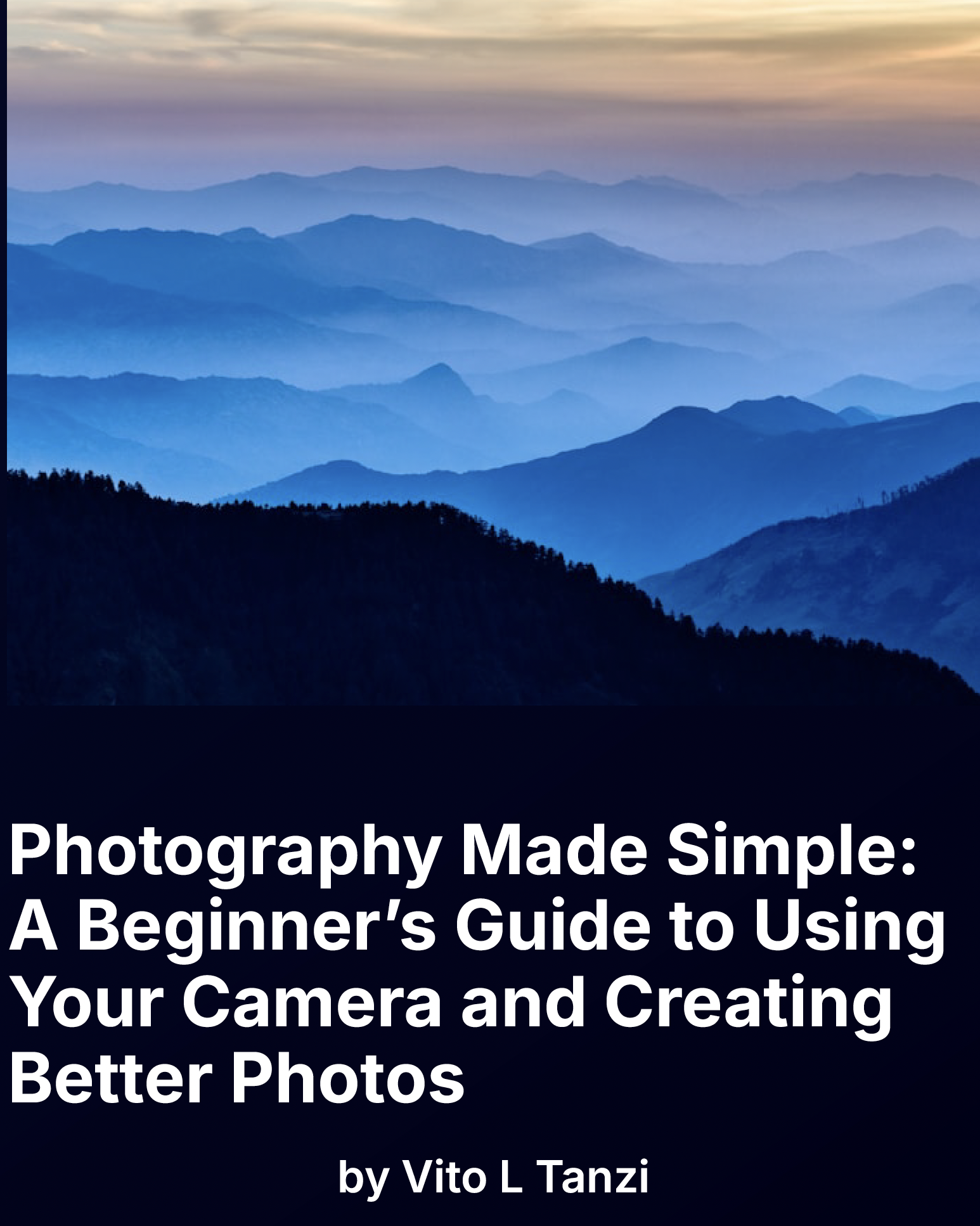
Finally—a beginner-friendly photography guide that makes sense.
If you've ever picked up a camera and thought, "Now what?" this is the book for you.
Photography Made Simple is written for adults who are just starting out and want a clear, encouraging, real-world approach to learning photography. Whether you're using a DSLR, mirrorless, or just your smartphone, this guide walks you through the basics—without the jargon or tech overwhelm.
Inside, you'll learn:
The only camera settings you really need to know to get started
How to shoot sharper, more intentional photos using light and composition
Simple tips for portraits, landscapes, travel, and everyday life
What gear you do (and don’t) need
How to create better photos without upgrading your camera
You’ll also get practical exercises, cheat sheets, and tips for organizing and editing your images—plus the confidence to shoot off Auto Mode for good.
This is not a textbook. It’s a friendly guide to seeing the world with fresh eyes—and finally capturing what you see the way you imagine it.
📸 Format: PDF download
Pages: 100+
Perfect for: Beginners, hobbyists, and anyone ready to take better photos without the stress