My Photography & Travel Guide to Antelope Canyon & Horseshoe Bend
We walked into the canyon, and the light was already there.
Not sunlight, the way you are used to it, coming from a direction, casting a shadow. This light moved differently. It descended through the narrow slot above as a solid beam, catching the fine desert dust suspended in the still air, turning the air itself into something visible and golden. The sandstone walls glowed coral and crimson around it. I stopped walking and just stood there for a moment, which is not something I do often behind a camera. The scene was genuinely too large and too beautiful to photograph immediately. It needed a few seconds of just looking first.
Antelope Canyon does that. It earns the pause.
The canyon is part of a broader landscape in northern Arizona that operates at a scale most people have only seen in photographs. The rock formations stretch in every direction. The open desert expanse between Page and the canyon rim makes the sky feel wider than anywhere else in the continental United States. And at the center of it, carved by centuries of flash floods through Navajo sandstone, these two slot canyons deliver something that no photograph, including mine, fully prepares you for.

We stayed at the Amangiri before it became the destination it is today. In June 2018, the resort was extraordinarily quiet. We had the pool to ourselves most mornings. The service was the kind that notices what you need before you think to ask for it. And the views from the rooms, looking out over the desert plateaus and canyon lands toward the horizon, were as good as any I have seen from a hotel anywhere in the world. Staying there set the tone for everything else: slow, deliberate, unhurried. The right pace for a landscape that rewards patience.

Horseshoe Bend
Both Antelope Canyon and Horseshoe Bend lie within or adjacent to the Navajo Nation. Access to Antelope Canyon is only possible with authorized Navajo guides, and that stewardship matters. These are not simply photogenic destinations. They are sacred landscapes carefully protected by the people who have called them home for generations.
In this Photography Guide to Antelope Canyon and Horseshoe Bend, I share everything I know from photographing this landscape firsthand: where to stay, when to visit, what gear to bring, which tours are worth booking, and the field-tested strategies that make the difference between a good image and one that captures what it actually felt like to be there.
Where to Stay in Page, Arizona
Page is a small desert town that serves as the gateway to both Antelope Canyon and Horseshoe Bend. While modest in size, it is the most convenient and practical base for exploring this remarkable corner of northern Arizona.
Both sites are located just minutes from town, which makes early morning departures and sunset returns easy, something photographers will appreciate. Staying in Page allows you to maximize your time in the field and minimize unnecessary driving in the dark.
Accommodations range from reliable national chains to locally owned properties, with many offering sweeping views of Lake Powell and the surrounding red rock landscape. Book early, especially in peak season, as rooms fill quickly during spring and fall when the light and temperatures are at their best.

The Amangiri
Luxury Hotels Near Page
Amangiri
This is where we stayed, and I will say something that matters: we were there in June 2018, before the Amangiri became the Instagram destination it is today. It was quiet. We had the pool almost to ourselves. The service was extraordinary in the specific way that only the best hotels achieve, anticipating what you needed before you knew you needed it. The views from the rooms, out across the desert plateaus and canyon landscape toward the horizon, were as arresting as anything I have seen from a hotel window anywhere in the world.
The Amangiri is considerably more crowded and celebrated now. It has become one of the most photographed hotels on earth, which brings its own complications. But the architecture, the setting, the spa, and the quality of the experience remain exceptional. If your budget allows and you want to pair Antelope Canyon photography with one of the great desert hotel experiences in North America, this is still the right choice. Book far in advance. It fills months out.
Lake Powell Resort
Located directly on Wahweap Marina, this resort offers sweeping lake views and easy access to boating excursions. It is comfortable, scenic, and ideal if you want to combine Antelope Canyon with time on the water.
Hyatt Place Page / Lake Powell
Modern and reliable, this hotel offers mesa views and a rooftop terrace that is surprisingly good for sunset. For photographers who want comfort, convenience, and clean design without leaving town, this is a strong choice.
Mid-Range Hotels in Page
These options are practical, comfortable, and well-located for early departures to the canyon.
Wingate by Wyndham Page Lake Powell
Spacious rooms, good breakfast options, and close proximity to town services make this a dependable base.
Best Western View of Lake Powell Hotel
True to its name, many rooms offer elevated views of Lake Powell. It is especially popular during peak season, so booking early is wise.
Country Inn & Suites by Radisson Page Lake Powell
Comfortable and consistent, with easy parking and access to Highway 89, which makes sunrise runs to Horseshoe Bend simple.
How Many Days Should You Stay in Page?
Plan for two to three days to experience the area properly without rushing.
Devote one full day to Antelope Canyon, ideally photographing both Upper and Lower sections on guided tours. Each canyon offers a distinct experience. Upper is known for its iconic light beams, while Lower rewards photographers with tighter compositions and fluid lines.
Set aside another sunrise or sunset for Horseshoe Bend. The light changes dramatically throughout the day, and giving yourself flexibility increases your chances of capturing strong images.
With an additional half day, you can explore Lake Powell, take a boat tour, or enjoy a float trip along the Colorado River. These experiences add visual variety to your portfolio and allow you to appreciate the broader desert landscape beyond the canyon walls.
Two days will cover the essentials. Three days give you time to slow down, revisit locations, and respond to the light rather than chase it.

Best Time to Visit
Timing matters here more than almost anywhere else in the Southwest.
Antelope Canyon
The famous light beams in Upper Antelope Canyon appear when the sun is high enough to penetrate the narrow openings above. The best window is typically March through October, between 11 a.m. and 1 p.m.
Outside of those months, you will still capture beautiful reflected light and saturated sandstone tones, but the dramatic vertical beams are less frequent. If light shafts are your goal, plan accordingly and book a midday tour.
Lower Antelope Canyon does not rely on beams in the same way. It is excellent year-round and often rewards photographers who focus on curves, textures, and abstract compositions.
Horseshoe Bend
Horseshoe Bend shines at sunrise and sunset, any time of year.
Sunrise offers softer light, fewer crowds, and a quieter atmosphere. Sunset brings richer color along the canyon walls but significantly more visitors.
If your priority is photography, sunrise usually gives you more space and cleaner compositions.
Weather Considerations
Spring and fall offer the most comfortable temperatures and balanced light. These seasons are ideal for long shooting days.
Summer can be intensely hot, with temperatures often exceeding 100 degrees Fahrenheit. It is also peak tourist season.
Avoid visiting during monsoon season, typically July through September, when flash floods can lead to sudden canyon closures. Safety always comes first in slot canyons, and tours may be canceled with little notice if storms develop upstream.

Lake Powell
Getting Around
A rental car is essential. There is no public transportation in Page, and while Uber and Lyft do operate, availability can be inconsistent, especially early in the morning or after sunset.
Most major landmarks are within a 15- to 30-minute drive of town, which makes logistics simple once you have your own vehicle. Having a car also gives you flexibility to adjust for light, weather, and crowd conditions, something photographers will appreciate.
The trailhead for Horseshoe Bend is located directly off US Route 89 and includes a designated parking lot. From there, it is a short, paved walk to the overlook. Plan extra time around sunset, when parking fills quickly and foot traffic increases.
Access to Antelope Canyon is only permitted with authorized Navajo guides. Tours depart from designated meeting points just outside Page, so confirm your exact check-in location in advance and arrive early.
Driving distances are manageable, but desert conditions can be harsh. Keep water in your car, monitor fuel levels, and avoid driving distracted on rural highways, especially before sunrise or after dark.

The Open Roads
Dining & Coffee in Page
After long hours in the canyon or waiting for the right light at the overlook, Page offers a handful of reliable, satisfying spots.
Big John's Texas BBQ
A lively, casual spot known for smoky ribs and generous portions. Live music on select evenings gives it a fun, local energy. Ideal after a full shooting day when you want something hearty.
Fiesta Mexicana
Colorful, upbeat, and consistently good. Fresh salsa, strong margaritas, and classic Mexican dishes make this a dependable choice just off the main strip.
Bonkers Restaurant
A more traditional sit-down option with pasta, steaks, and homemade desserts. If you want a quieter dinner after a hot desert afternoon, this is a solid pick.
State 48 Tavern
Great burgers, good craft beer selection, and relaxed atmosphere. An easy choice if you are staying nearby and want something casual.
BirdHouse
Fast, flavorful fried chicken is excellent for lunch between shoots. Efficient service makes it practical when your schedule is tight.
Coffee Shops
Early mornings and late-night edits require caffeine. Fortunately, Page delivers a few good options.
Into the Grand
More than a coffee shop. This Native American-owned café often hosts live performances and features canyon-inspired décor. A meaningful stop that connects you to the culture of the region.
LP Espresso
Clean, modern, and consistent. If you want a reliable latte before sunrise at Horseshoe Bend, this is your place.
Raven’s Nest Coffee
Small batch roasts and a cozy atmosphere. A good corner to review images, back up cards, and reset between outings.
Photography Gear to Bring
Slot canyons demand dynamic range, sharp detail, and flexibility. You are working in high contrast light, tight spaces, and constantly shifting conditions.
Camera Bodies
High-resolution mirrorless bodies perform exceptionally well here. Cameras such as the Cameras such as the Canon EOS R5 Mark II, Sony A7R V, or Nikon Z8 offer strong dynamic range and excellent shadow recovery, which are critical in the canyon, where highlights and deep shadows coexist.
If you shoot with a different system, prioritize dynamic range over sheer megapixels.
Lenses
16 to 35mm Wide Angle
Your most important lens. The canyon walls are tight, and compositions often require exaggerating curves and vertical lines. This focal range is also ideal for capturing the full sweep of Horseshoe Bend.24 to 70mm
A versatile walk-around option. Excellent for isolating mid-range details, abstract sandstone textures, and environmental compositions.70 to 200mm
Often overlooked here, but powerful. Use it to compress distant canyon walls, isolate light beams, or capture layered river compositions during boat tours near Lake Powell.
Tripod
A tripod is essential for low-light work inside Antelope Canyon, especially if you want tack-sharp detail at lower ISO settings.
However, tripods are not allowed on standard tours in Upper Antelope Canyon. If this is important to you, book a photography-specific tour in advance. Rules are strictly enforced.
ND Filter
An ND filter is not critical inside the canyon, but it can be helpful at sunset at Horseshoe Bend if you want to soften clouds or smooth subtle river movement. In windy conditions, it may not be practical.
Drone
Drones are not permitted in Antelope Canyon or at Horseshoe Bend. Both locations are within the Navajo Nation or protected lands where aerial photography is prohibited. Respecting these rules is essential.
One More Practical Tip
Bring a microfiber cloth. Fine desert sand settles on everything, including your lens and sensor area. Change lenses carefully and avoid unnecessary swaps inside the canyon.

Photo Tour Companies in Antelope Canyon
Access to Antelope Canyon is only permitted through authorized Navajo tour operators. You cannot enter independently. Choosing the right company matters, especially if photography is your priority.
Below are reputable operators serving Upper and Lower Antelope Canyon.
1. Antelope Slot Canyon Tours
Focus: Upper Antelope Canyon
Well known for access to the iconic light beam section, this company offers structured tours with experienced Navajo guides.
For Photographers:
They are accustomed to photographers and understand the importance of timing during beam season. On standard tours, time is limited, but photography-specific tours may offer more flexibility. Confirm tripod policies before booking.
Booking Advice:
Reservations are essential, particularly from March through October when beam tours sell out quickly.
Website: antelopeslotcanyon.com
2. Adventurous Antelope Canyon Tours
Focus: Upper Antelope Canyon and Rattlesnake Canyon
This operator offers access to the classic Upper Canyon as well as Rattlesnake Canyon, which is typically less crowded and visually striking.
For Photographers:
Guides often assist with positioning and timing, and Rattlesnake Canyon can provide a more controlled shooting experience.
Booking Advice:
Their online system is straightforward. Book in advance during peak season.
Website: adventurousantelopecanyon.com
3. Ken's Tours
Focus: Lower Antelope Canyon
One of the primary operators for Lower Canyon is known for its twisting stairways and narrow passageways.
For Photographers:
Tripods are generally not permitted on standard tours, but guides can help identify strong compositions and manage small groups efficiently.
Booking Advice:
Lower Canyon tours are extremely popular. Early reservations are strongly recommended.
Website: lowerantelope.com
Regardless of which company you choose, arrive early, listen to your guide, and respect the cultural and environmental importance of the canyon. These are sacred lands, and the Navajo Nation’s stewardship is what makes access possible.
What is the Difference Between the Upper and Lower Antelope Canyons?
Both sections of Antelope Canyon are extraordinary, but they offer very different experiences. Choosing the right one depends on your goals, mobility, and photography priorities.
If possible, I recommend visiting both. They complement each other beautifully.
Upper Antelope Canyon
Often called “The Crack.”
Upper Antelope Canyon is the more famous and more accessible section. It is where most of the iconic, glowing images you have seen were taken.
What Makes It Special
• Light Beams: The dramatic vertical shafts of light appear primarily between March and October, when the sun is high enough to penetrate the narrow openings above.
• Flat, Wider Floor: There are no ladders, and the path is relatively level, making it accessible for a wider range of visitors.
• Classic Compositions: The sweeping orange walls and luminous dust-filled beams are signature visuals from this section.
What to Expect
• Crowds: Because of its accessibility and reputation, Upper Canyon attracts larger tour groups. Guides work hard to rotate groups through key shooting spots, but patience is essential.
• Higher Cost: Tours here are typically more expensive due to demand.
Photography Considerations
• Best Time: 11 a.m. to 1 p.m. during beam season.
• Tripods: Not allowed on standard tours. Photography-specific tours have become extremely limited, and policies change frequently, so confirm details directly with your operator.
• Technique: Dynamic range matters. Expose carefully to protect highlights in the beams while retaining detail in the walls.
Upper Canyon is about drama. If the light shafts are on your bucket list, this is where you go.


Lower Antelope Canyon
Often called “The Corkscrew.”
Lower Antelope Canyon feels more intimate and dynamic. It is narrower, more vertical, and physically more engaging than Upper Canyon.
What Makes It Special
• Twisting Passageways: Sculpted sandstone walls curve and spiral, creating abstract compositions and strong leading lines.
• More Movement: You descend via metal ladders and navigate tighter corridors, which adds a sense of adventure.
• Fewer Beam Expectations: While light can be beautiful here, Lower is less about dramatic sunbeams and more about texture, shape, and reflected color.
What to Expect
• Ladders and Stairs: Access requires climbing several ladders and maneuvering through narrow spaces. It is not ideal for those with mobility concerns.
• Smaller Visual Moments: Compositions tend to be tighter and more detail-oriented compared to the sweeping drama of Upper Canyon.
• Crowds Still Present: It can still be busy, but the flow of movement often feels more controlled.
Photography Considerations
• Best Time: Midday still provides strong reflected light, but Lower Canyon can be photographed successfully throughout much of the day.
• Tripods: Generally not permitted on standard tours. Handheld shooting with careful technique is essential.
• Technique: Focus on curves, negative space, and color gradients. Slight shifts in position dramatically change your composition. Take your time before pressing the shutter.
Lower Canyon is about nuance. It rewards photographers who slow down and look for form, contrast, and abstraction rather than chasing a single iconic beam.
What About Canyon X?
If you are looking for a quieter alternative to the main sections, consider visiting Canyon X. Located on Navajo land and accessible only by guided tour, Canyon X offers many of the same sculpted sandstone walls and beautiful reflected light as Antelope Canyon, but typically with smaller groups and a more relaxed pace. The atmosphere feels calmer, which allows you a bit more breathing room to study the light and refine your compositions.
Canyon X may not be as famous for dramatic light beams as Upper Canyon, but it rewards photographers who appreciate subtlety. The curves are elegant, the textures are rich, and the shifting tones of sandstone can be just as mesmerizing. If you value space, patience, and a slightly more intimate experience, Canyon X is well worth adding to your itinerary.


So, Which Should You Choose?
If your priority is capturing the famous light shafts, Upper Antelope Canyon is your best choice.
If you prefer texture, motion, and sculptural detail, Lower Antelope Canyon may be more creatively satisfying.
If your schedule allows, visit both. Together, they tell a fuller story of how water and time shaped this remarkable landscape.

Photography Locations
Top photography spots in Antelope Canyon and Horseshoe Bend
Upper Antelope Canyon: Best for light beams and iconic shots. Tours are required and book up fast.
Lower Antelope Canyon: Less crowded, with stunning staircases and sweeping formations.
Horseshoe Bend Overlook (Google Maps): Park at the dedicated trailhead lot off US Route 89 and hike approximately 10–15 minutes on a paved path to the overlook. Best at golden hour. Entry fee: $10 per vehicle, $5 per person for those arriving on foot or by bike. Fees are collected at the trailhead; bring a card or cash. The lot fills quickly at sunset, so arrive at least 45 minutes early.
Glen Canyon Dam Overlook: An alternative and quiet photography spot.
Lake Powell and Wahweap Marina: Great for golden hour water reflections. Consider a boat tour.
Antelope Point Marina: Ideal for aerial shots with wide-open space (drones permitted here, but always check the regulations).


Festivals & Events
There aren’t many large festivals in Page, but time your visit to coincide with Native American Heritage Month (November) for cultural events. Also consider off-peak travel in winter for fewer crowds and dramatic desert skies—especially for astrophotography.

Final Thoughts
The open landscape of northern Arizona operates at a scale that resets your sense of proportion. The rock formations, the canyon walls, the expanse of desert between Page and the rim of Horseshoe Bend. These are not subjects you photograph so much as they are forces you photograph around, trying to find the frame that contains some portion of their weight.
Antelope Canyon and Horseshoe Bend are more than beautiful landscapes. They are reminders of what time, water, and light can create when left undisturbed for centuries.
Standing beneath a beam of sunlight as it filters through sandstone feels almost theatrical. Watching the Colorado River carve its perfect arc through the desert at sunrise feels quiet and humbling. These are the moments that slow you down. They remind you why you started carrying a camera in the first place.
I still think about the quality of light inside Lower Canyon, the way the walls shifted from amber to crimson as I moved just a few steps forward. There is no editing trick that replicates what happens in that space. You simply have to be there.
Come prepared. Come patient. And come with respect for the Navajo land that makes this experience possible. Antelope Canyon lingers with you long after the light fades.
If you would like to join a future photography workshop, visit my Workshops page for current offerings and upcoming dates. You can also connect with me on Instagram (@chasinghippoz) and Facebook, or subscribe to the newsletter for travel photography tips, destination guides, and behind-the-scenes stories from more than 75 countries. I look forward to sharing the journey with you.
Other Photography Locations Nearby
If Antelope Canyon and Horseshoe Bend are on your list, these guides make natural companions for a broader American Southwest or US road trip.
My Photography & Travel Guide to Santa Fe, New Mexico Santa Fe is a four-hour drive from Page, and it earns a full stop on its own terms. Adobe architecture, high-altitude light, and a deep artistic culture give photographers a completely different set of subjects. The two destinations tell a compelling story together: raw desert landscape at Antelope Canyon, refined desert culture in Santa Fe.
My Photography & Travel Guide to the White Mountains, New Hampshire If dramatic landscapes are what draw you, the White Mountains deliver in a completely different key. Waterfalls, fall foliage, and granite peaks give you the same satisfaction of working in big, open nature but with an entirely different palette and mood.
My Photography & Travel Guide to Charleston, South Carolina For a change of pace after the Southwest desert, Charleston offers pastel architecture, salt marsh light, and a pace that rewards slow photography. It is one of the most underestimated photography destinations in the United States, and one of my favorites.
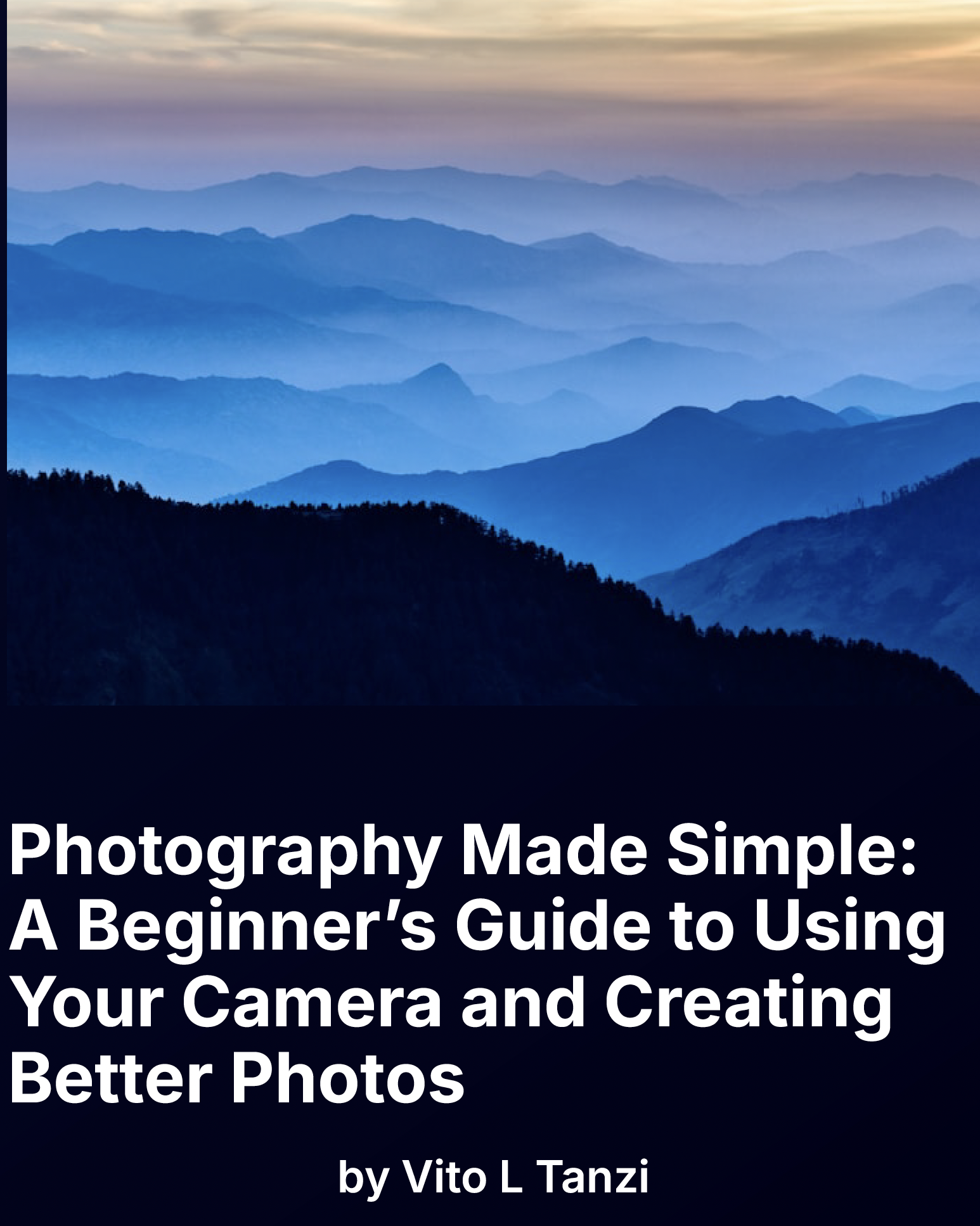
Finally—a beginner-friendly photography guide that makes sense.
If you've ever picked up a camera and thought, "Now what?" this is the book for you.
Photography Made Simple is written for adults who are just starting out and want a clear, encouraging, real-world approach to learning photography. Whether you're using a DSLR, mirrorless, or just your smartphone, this guide walks you through the basics—without the jargon or tech overwhelm.
Inside, you'll learn:
The only camera settings you really need to know to get started
How to shoot sharper, more intentional photos using light and composition
Simple tips for portraits, landscapes, travel, and everyday life
What gear you do (and don’t) need
How to create better photos without upgrading your camera
You’ll also get practical exercises, cheat sheets, and tips for organizing and editing your images—plus the confidence to shoot off Auto Mode for good.
This is not a textbook. It’s a friendly guide to seeing the world with fresh eyes—and finally capturing what you see the way you imagine it.
📸 Format: PDF download
Pages: 100+
Perfect for: Beginners, hobbyists, and anyone ready to take better photos without the stress